
Capri Budget Guide 2026: Complete Cost Breakdown
Capri ranks among Italy’s most glamorous and expensive destinations, where crystalline waters meet dramatic cliffs and celebrity sightings blend with UNESCO-caliber beauty. Planning a budget for this exclusive Mediterranean island requires understanding costs that run 30-50% higher than mainland Italy, from ferry transfers starting around €19 one-way to accommodation that can easily surpass €300 nightly during peak summer months. This comprehensive guide breaks down every expense category for visiting Capri in 2026, from the most economical day-trip strategies to multi-night stays, providing specific prices for transportation, dining, attractions, and lodging to help travelers at every budget level experience this bucket-list Italian destination without financial surprises.
Key Takeaways: Capri Budget Essentials 2026
- Daily costs range €150-350 per person in 2026 depending on accommodation tier and dining choices, making Capri one of Italy’s premium destinations where strategic planning significantly impacts total expenses
- Ferry transportation from Naples costs €19-28 one-way with a mandatory €5 landing fee (April-October) or €2.50 fee (November-March), plus potential €2-3.50 luggage surcharges for checked-size bags
- The Blue Grotto visit totals €42 per person combining €24 boat transfer from Marina Grande and €18 entry ticket (€14 rowboat + €4 admission), though EU citizens under 18 enter free
- Accommodation spans €85-150 budget, €150-300 mid-range, €300-500+ luxury with prices increasing 30-50% during July-August peak season compared to shoulder months like May-June or September
- Restaurant meals cost €40-50 per person at mid-range establishments with wine included, while casual pizzerias charge €8-15 and fine dining reaches €150-300+ per person in celebrity-frequented venues
- Staying in Naples or Sorrento as a day-trip base reduces costs dramatically by eliminating Capri’s premium accommodation rates while retaining full access to the island’s attractions during daytime hours
People Also Ask About Capri Budget 2026
How much does a day trip to Capri cost in 2026?
A day trip to Capri from Naples or Sorrento costs €100-180 per person in 2026 including round-trip ferry (€38-50), Blue Grotto visit (€42), lunch at a mid-range restaurant (€40-50), on-island bus or funicular transport (€4-9), and coffee or gelato (€8-15). The ferry landing fee of €5 per person (April-October) or €2.50 (November-March) is included in ferry ticket prices. Budget travelers can reduce costs to €60-80 by skipping the Blue Grotto, packing lunch, and limiting transport to the funicular between the port and Capri town. Premium day trips including private boat tours or fine dining easily exceed €300-500 per person, particularly during peak July-August season when prices surge 30-50% above shoulder months.
Is Capri more expensive than the Amalfi Coast in 2026?
Capri prices run approximately 15-20% higher than Amalfi Coast destinations like Positano or Ravello in 2026, with restaurant meals, accommodation, and local services all commanding premium rates. A mid-range restaurant dinner that costs €40-50 on Capri would typically cost €30-40 in Positano, while accommodation showing €200-300 nightly on Capri might be €160-250 on the coast. The island’s limited space, seasonal demand concentrated into April-October, and international celebrity reputation drive elevated pricing across all categories. However, ferry costs to reach Capri (€19-28 one-way) are similar to coastal boat transfers, and both destinations offer spectacular scenery. Budget-conscious travelers often combine a Capri day trip with Amalfi Coast accommodation to experience both while managing costs.
What is the cheapest month to visit Capri in 2026?
November through early March represents Capri’s most affordable period in 2026, with accommodation costs dropping 40-60% compared to peak summer rates and ferry landing fees reduced to €2.50 (versus €5 April-October). However, many restaurants, hotels, and attractions close entirely during winter months, ferry schedules reduce to minimal service, and weather brings cooler temperatures with higher cancellation risk for boat activities. For the optimal balance of value and availability, late April-early May or mid-September-early October offer 25-35% savings compared to July-August while maintaining full island services, pleasant weather, and reliable ferry connections. September visitors enjoy accommodation averaging €120-200 nightly (mid-range) versus €200-350 in August, with significantly smaller crowds at attractions like the Blue Grotto.
How much money should I budget for meals on Capri in 2026?
Budget €80-150 per person daily for meals on Capri in 2026 depending on dining choices, with breakfast €8-20 (hotel buffet or café), lunch €25-60 (casual to mid-range), and dinner €40-100 (mid-range to upscale). A seated coffee with view costs €6-8 versus €3-4 standing at the bar, while a casual pizza meal runs €12-18 compared to €40-50 for a proper restaurant dinner with wine. Fine dining establishments frequented by celebrities charge €150-300+ per person, and restaurants in prime Piazzetta locations command 20-40% premiums over side-street alternatives. Budget travelers can reduce food costs to €40-60 daily by having breakfast at their accommodation, buying picnic supplies at supermarkets in Anacapri (where prices run lower than Capri town), and choosing casual trattorias away from tourist centers, though Capri offers limited truly budget dining compared to mainland Italian destinations.
Extended multi-day tours – 5+ days
Featured Capri Multi-Day Tour Packages

6 days
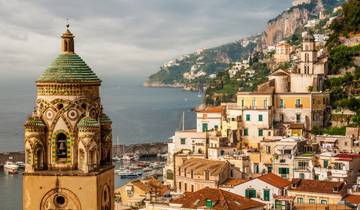
6 Days from Naples: Pompeii, Mount Vesuvius, Amalfi Coast, Sorrento, Positano & Capri Island
- ✓ Comprehensive Capri tour
- ✓ Expert local guides included
- ✓ All accommodation arranged
- ✓ Transportation provided
7 days
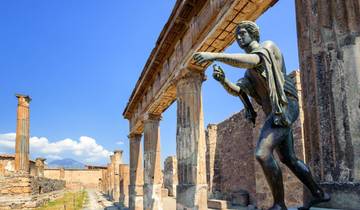
Sorrento Escape, Private Tour
- ✓ Comprehensive Capri tour
- ✓ Expert local guides included
- ✓ All accommodation arranged
- ✓ Transportation provided
4 days
Discovering Amalfi Coast
- ✓ Comprehensive Capri tour
- ✓ Expert local guides included
- ✓ All accommodation arranged
- ✓ Transportation provided

7 days
Grand Tour Amalfi Coast, Positano, Capri, Naples, Pompeii & Sorrento – 7 Days
- ✓ Comprehensive Capri tour
- ✓ Expert local guides included
- ✓ All accommodation arranged
- ✓ Transportation provided
Multi-day tour packages powered by TourRadar. Prices and availability subject to change.
Introduction: Planning Your Capri Budget for 2026
Capri’s reputation as a playground for the wealthy dates to Roman emperors, but modern visitors need not possess imperial fortunes to experience this magnificent island floating in the Gulf of Naples. The challenge lies in understanding where Capri’s premium pricing applies and where strategic choices dramatically reduce expenses without sacrificing the essential experiences that make this destination extraordinary. A day trip from Naples might cost €100 per person with careful planning, while a three-night luxury stay could easily exceed €2,000 per person—the same island, vastly different budgets.
The island’s compact size—just 10 square kilometers supporting two towns, Capri and Anacapri—creates natural scarcity that drives prices upward. Every item from fresh produce to hotel linens arrives by ferry, adding transportation premiums to base costs. Peak summer months (July-August) see hotel rates double compared to May or September, while restaurants in the famous Piazzetta square charge triple the prices of establishments two blocks away. Understanding these price dynamics allows intelligent budget allocation, directing euros toward truly irreplaceable experiences like the Blue Grotto’s ethereal light while economizing on commodities like bottled water or coffee.
This guide dissects Capri’s 2026 costs across all major spending categories, providing specific price ranges verified through ferry company rates, hotel booking platforms, and restaurant menus. Whether planning a €150 budget day trip or a €500 daily luxury experience, understanding where money goes—and where it need not go—transforms Capri from an intimidatingly expensive destination into one where informed travelers maximize value at any budget level. The island’s magic exists independently of price tier, accessible to those who navigate its economics intelligently.
Understanding Capri’s Premium Pricing Structure in 2026
Capri operates on a fundamentally different economic model than mainland Italian destinations, with prices averaging 30-50% above Naples and 15-20% above already-expensive Amalfi Coast towns. This premium reflects genuine scarcity rather than arbitrary markup—the island supports only 183 accommodation properties serving millions of annual visitors, concentrated almost entirely into the seven-month April-October season. Supply-demand economics create fierce competition for limited hotel rooms, restaurant tables, and boat tour slots, pushing prices to levels that would seem absurd elsewhere in southern Italy.
The seasonal compression intensifies pricing volatility, with many businesses closing November through March and compressing twelve months of revenue into seven. A hotel charging €120 nightly in May might demand €400 in August for the identical room, while restaurants maintain year-round staff despite operating only peak season. Ferry companies add landing fees—€5 per person April-October, reduced to €2.50 November-March—that mainland ports never charge. These structural factors mean Capri costs more not because tourists are wealthy, but because running any business on a small island with extreme seasonality inherently costs more.
Geographic factors compound economic ones. Capri lacks beaches in the traditional sense, forcing visitors toward paid beach clubs charging €30-80 for sun loungers and umbrellas rather than free public beaches common elsewhere in Italy. The island’s dramatic topography means most movement requires funiculars, buses, or taxis rather than walking, adding €2.20-60 transportation costs that vanish in flat coastal towns. Even basic supplies cost more—a bottle of water priced €1 in Naples costs €3-5 on Capri because every drop travels by ferry. Understanding these structural premiums helps visitors distinguish unavoidable costs (ferry landing fees) from discretionary ones (Piazzetta coffee) when allocating limited budgets.
Getting to Capri in 2026: Ferry Transportation Costs
Ferry transportation from mainland Italy to Capri costs €19-28 one-way per person in 2026, with prices varying by departure port, vessel type (slow ferry, fast ferry, or hydrofoil), and season. Naples serves as the primary gateway with year-round service, offering hydrofoils departing Molo Beverello that reach Capri in 45-50 minutes for €21-25, or slower ferries from Calata Porta di Massa taking 80 minutes for €19-20. Sorrento provides the shortest crossing at 20-30 minutes, with hydrofoil tickets costing €19-22 one-way, making it ideal for visitors already based on the Sorrentine Peninsula or Amalfi Coast.
All ferry tickets include a mandatory landing fee collected by Capri’s municipalities: €5 per person April 1-October 31, or €2.50 per person November 1-March 31. This fee appears embedded in quoted ticket prices rather than charged separately. Luggage surcharges apply to checked-size bags, with companies charging €2-3.50 per large suitcase beyond standard carry-on dimensions (typically 50x40x20 cm or smaller). Children under 2-3 years (depending on company) travel free without assigned seating, while kids 2-12 receive discounted fares around €11-15.
Seasonal routes operate April-October from Positano (€23-28, 30-50 minutes), Amalfi (€23.50, 30-60 minutes), and Salerno (€29.50, 90-120 minutes), providing direct access for Amalfi Coast-based travelers but suspending service November-March. Peak summer months see departures every 30-60 minutes from Naples and Sorrento, while winter reduces frequency dramatically with last ferries often departing by 7-8 PM. Advance booking proves essential July-August and holiday weekends, when walk-up tickets may sell out, though shoulder season (May-June, September) typically allows purchasing tickets at the port 30 minutes before departure. Round-trip tickets cost double the one-way fare (€38-56 from Naples, €38-42 from Sorrento), with no multi-day discount.
Ferry companies serving Capri include Caremar, NLG, SNAV, Alilauro, and Gescab, with minimal price variation among operators on the same route. Rough seas frequently cancel hydrofoil service while slower ferries continue operating, making ferries the reliable choice for travelers with inflexible schedules despite longer crossing times. The final ferry from Capri to Naples typically departs 7-9 PM depending on season, creating a natural endpoint for day trips and potential overnight charges for those missing the last boat.
On-Island Transportation Costs Capri 2026
Transportation on Capri costs €2.20-60 per journey depending on mode, with the island’s vertical topography making some form of paid transport nearly unavoidable for most visitors. The funicular connecting Marina Grande port to Capri town costs €2.20 one-way and operates every 15 minutes, climbing 138 vertical meters in four minutes to spare visitors the steep 20-minute uphill walk. This represents the single most essential transport purchase—arriving ferry passengers funnel directly into funicular queues, and attempting the hot, shadeless climb with luggage qualifies as masochism rather than budget consciousness.
Public buses operated by ATC Capri connect Capri town, Anacapri, Marina Grande, and major sites like the Blue Grotto entrance, charging a flat €2.20 per ride regardless of distance. Key routes include Capri-Anacapri (15 minutes, every 20 minutes), Anacapri-Blue Grotto (10 minutes, every 30 minutes), and Anacapri-Faro lighthouse (12 minutes, hourly). Buses operate approximately 6:30 AM-8 PM in summer with reduced winter schedules, and no day passes or multi-ride discounts exist—each journey costs the full €2.20. Routes often run at capacity during peak hours (10 AM-4 PM), requiring 20-40 minute waits for available space.
Taxis charge €20-35 for short trips within towns (Capri town to Marina Piccola, Anacapri to Villa San Michele) and €40-60 for longer journeys like Capri town to Anacapri or Marina Grande to Anacapri. Taxis use fixed-zone pricing rather than meters, with rates posted at taxi stands and higher charges applying after 10 PM and Sundays. Four-person capacity limits mean larger groups require multiple taxis, doubling costs. Pre-booked hotel transfers typically cost €30-50 between the port and Capri/Anacapri accommodations.
Walking remains free and feasible for fit visitors, with the Capri town-Anacapri route following steep roads for 40-50 minutes or scenic footpaths (Scala Fenicia) for 60-90 minutes with 900 steps. Many visitors walk downhill routes (Anacapri to Capri town, avoiding the climb) while using buses or funicular for uphill segments. Budgeting €8-12 daily per person for on-island transport covers essential funicular use plus 2-3 bus rides, while taxi-dependent visitors should allocate €40-80 daily.
Blue Grotto Admission and Tour Costs 2026
Visiting the Blue Grotto costs €42 per person total in 2026, comprising €24 for motorboat transfer from Marina Grande port to the grotto entrance and €18 for entry into the cave itself. This two-component pricing structure reflects separate operators: boat companies like Laser Capri and Motoscafisti handle transport, while independent rowboat operators authorized by the grotto museum manage the actual entry experience. The €24 boat transfer fee includes round-trip transport, typically offered as either a direct Blue Grotto shuttle (60-90 minutes total with grotto visit) or a full island tour with Blue Grotto stop (90-120 minutes circumnavigating Capri).
The €18 entry ticket purchased at the floating ticket office outside the cave breaks down into €14 for the rowboat service (small wooden boats that duck through the low entrance) and €4 for the admission fee split between Capri municipality and Italy’s Ministry of Cultural Heritage. This entry fee must be paid in cash—credit cards and contactless payments are unavailable at the remote cave entrance, and ferry signal makes mobile payments impossible. EU citizens under 18 years enter free (paying only the €12 rowboat fee), while EU citizens aged 18-25 pay reduced €2 admission (€14 total including rowboat).
The five-minute visit inside the grotto itself often involves 30-90 minute queues during peak season (11 AM-2 PM, July-August), as only 4-5 rowboats can enter the cave simultaneously. Arriving before 9:30 AM or after 3 PM significantly reduces wait times, though afternoon visits risk closure due to rising seas—the grotto closes when wave conditions make the 1-meter-high entrance passage unsafe. Weather-dependent closures occur frequently and unpredictably, with strong winds or rough seas shutting the grotto for hours or full days. No refunds apply when closures prevent entry, making the Blue Grotto the single most expensive attraction on Capri with the highest disappointment risk.
An alternative approach reaches the Blue Grotto by land from Anacapri, taking the €2.20 bus to the grotto entrance and descending stairs to the rowboat departure point. This option costs only €18 (the entry fee) rather than €42, saving the €24 boat transfer, but requires waiting on stairs in direct sun during summer heat rather than on a shaded boat. Bus schedules (every 30 minutes) and the need to coordinate return timing make the land approach logistically complex, particularly for day-trippers with ferry departure deadlines.
Accommodation Costs Breakdown Capri 2026
Accommodation on Capri ranges from €85-150 per night for budget options, €150-300 for mid-range properties, and €300-1,000+ for luxury hotels, with prices varying dramatically by season, location, and booking timing. Budget accommodations cluster primarily in Anacapri, the quieter hilltop town, where small B&Bs, guesthouses, and basic hotels offer simple rooms with breakfast for €85-120 in shoulder season (May-June, September) and €120-150 during peak July-August. Capri town’s central Piazzetta area commands 30-50% premiums over equivalent Anacapri properties, with budget options scarce and mid-range starting around €150-180 nightly.
Mid-range hotels (€150-300 nightly) provide the sweet spot for most visitors, offering comfortable rooms, often with sea views or gardens, swimming pools, and included breakfast. Properties in this category include three-star hotels in Capri town (€180-250) and four-star hotels in Anacapri (€150-220), with prices jumping to €250-350 during August peak when advance booking 3-6 months ahead becomes essential. Location within Capri town versus Anacapri creates a fundamental trade-off: Capri town provides walking access to the Piazzetta, luxury shopping, and vibrant nightlife but costs more, while Anacapri offers quieter atmosphere, better value, and proximity to Villa San Michele and the chairlift to Monte Solaro but requires bus rides to reach Capri town.
Luxury accommodations (€300-1,000+ nightly) dominate Capri’s hotel landscape, with iconic properties like Capri Palace Hotel (€400-1,200), Hotel Quisisana (€500-1,500), and Caesar Augustus (€350-900) offering five-star service, Michelin-starred restaurants, infinity pools with Faraglioni views, and the celebrity-spotting opportunities that built Capri’s jet-set reputation. Even luxury hotels charge 40-60% premiums in August versus May or September, with €600 rooms becoming €900-1,000. Many luxury properties close November-March, reopening for Easter weekend.
Seasonal pricing patterns create dramatic cost variations: a €180 mid-range room in May costs €280 in July and €350 in August, dropping back to €200 in September and €140 in October before many properties close for winter. Easter weekend and major Italian holidays (August 15 Ferragosto, May 1 Labor Day) trigger peak pricing even outside July-August. Booking 6-12 months in advance for summer travel secures better rates and guarantees availability, while last-minute bookings (2-4 weeks before) occasionally find deals in shoulder season when hotels prefer filling rooms at reduced rates over leaving them empty.
Food and Dining Expenses Capri 2026
Restaurant dining on Capri costs €40-50 per person for a mid-range meal with wine, representing the island’s most visible premium pricing where tourists encounter 30-50% markups over mainland Italy. A trattoria dinner that would cost €25-30 in Naples easily reaches €40-50 on Capri, while pizza in the Piazzetta charges €15-20 versus €8-12 in a Naples pizzeria. This premium reflects not just tourist economics but genuine scarcity—Capri supports perhaps 150 restaurants serving millions of annual visitors, creating perpetual demand that allows consistent pricing regardless of quality.
Breakfast costs vary dramatically by setting: hotel buffets include breakfast in room rates, typically offering continental spreads worth €12-18 if purchased separately. Café breakfast runs €6-12 for cappuccino and cornetto (Italian croissant), with prices doubling for seated service with views versus standing at the bar. The Piazzetta’s famous cafés charge €6-8 for seated cappuccino, essentially a €5 premium for the people-watching location. Supermarkets in Anacapri (Anacapri Centro Storico) sell breakfast supplies at near-mainland prices, making DIY breakfast the budget approach for those with in-room facilities.
Lunch options span €8-60 depending on venue choice. Casual takeaway pizza by the slice costs €3-5, whole pizzas €10-15 at simple pizzerias, and €15-22 at nicer establishments. Panini and sandwiches run €6-10 at cafés, €8-12 at beach clubs. Seated restaurant lunches cost €25-40 for pasta plus wine, while waterfront restaurants with Faraglioni views charge €40-60 for similar meals. Many visitors minimize lunch costs by picnicking with supermarket supplies (bread €2-3, cheese €4-6, prosciutto €5-8, wine €6-12) while splurging on dinner.
Dinner represents the major dining expense, with mid-range restaurants charging €40-50 per person including wine (primo or secondo, side, dessert, and house wine). Upscale restaurants run €70-100 per person, while fine dining establishments like L’Olivo at Capri Palace or Mammà at Hotel Quisisana charge €150-300 per person for multi-course tasting menus with premium wines. Aurora, the celebrity-frequented restaurant on Via Fuorlovado, falls into the €70-100 category for dinner with wine. Budget-conscious diners find better value in Anacapri’s side streets, where family trattorias charge €30-40 for similar quality to Capri town’s €50-60 restaurants.
Coffee and drinks add €10-25 daily: espresso €1.50-3 standing, €3-5 seated, €5-8 in prime locations. Beer costs €5-8, cocktails €12-18, wine by the glass €6-12. Gelato runs €3-6 for two scoops, again with Piazzetta premiums. Bottled water costs €2-4 at restaurants (versus €0.50-1 at supermarkets), and cover charges (coperto) of €2-4 per person apply at most restaurants beyond the stated menu prices.
Major Attractions and Activities Costs Capri 2026
Beyond the Blue Grotto’s €42 admission, Capri’s major paid attractions include Villa San Michele (€10 adults, free for EU citizens under 18), Villa Jovis (€4), Gardens of Augustus (€1), and the Monte Solaro chairlift (€14 one-way, €18 round-trip). These relatively modest entrance fees total €25-35 for comprehensive sightseeing, representing good value compared to accommodation and dining costs. The Monte Solaro chairlift provides exceptional value—€18 buys a 12-minute ascent to 589-meter elevation with 360-degree Gulf of Naples views, operating 9:30 AM-5 PM (extended to 6:30 PM in summer).
Boat tours beyond the Blue Grotto transfer range from €24-50 for shared group tours circumnavigating the island (60-90 minutes, viewing Faraglioni rocks, coastal grottoes, and dramatic cliffs) to €150-300 per person for half-day private tours including swimming stops and extended exploration. Full-day private boat tours with skipper cost €600-1,200 for groups up to 6-8 people, making them surprisingly affordable when costs split among participants. Sunset boat tours (2-3 hours) run €80-120 per person in small groups, offering aperitivo and prime photography light.
Beach club access provides another major expense category: Fontelina (Capri’s most famous beach club) charges €35-50 for sun lounger and umbrella, with full-day packages including lunch reaching €100-150 per person. La Canzone del Mare and Lido del Faro charge similar rates (€30-60 for lounger/umbrella), while more accessible public beach areas at Marina Grande offer free access with optional equipment rental around €15-25. The absence of true sandy beaches makes beach club charges nearly mandatory for comfortable seaside time, unlike Amalfi Coast destinations offering public beach alternatives.
Guided walking tours cost €30-50 per person for 2-3 hour group experiences covering Capri town highlights, Villa Jovis, or coastal paths. Private guides charge €150-250 for half-day customized tours. Kayak rentals run €30-50 for 2-4 hours, stand-up paddleboard rentals €25-40. Scuba diving experiences start at €80 for single dives, €140-180 for two-dive packages, though Capri’s underwater environment doesn’t rival dedicated diving destinations.
Shopping constitutes a discretionary expense with no budget ceiling—Via Camerelle’s luxury boutiques (Prada, Gucci, Louis Vuitton) offer identical pricing to Rome or Milan flagship stores, while local artisan shops sell handmade sandals (€80-150), ceramics (€20-200), limoncello (€12-35), and perfumes (€40-120). Free activities include hiking the numerous coastal and inland trails (Pizzolungo, Sentiero dei Fortini, Arco Naturale paths), swimming at Marina Grande’s free beach area, and simply wandering Capri town’s photogenic streets.
Sample Daily Budgets Capri 2026: Budget, Mid-Range, and Luxury
Budget Day Trip Budget (€100-130 Per Person)
Ferry Naples-Capri round-trip €42-50 (including €5 landing fee), funicular Marina Grande to Capri town €2.20, bus Capri-Anacapri €2.20, lunch (pizza and water) €12-15, coffee/gelato €6-8, bus Anacapri-Capri €2.20, Villa San Michele €10, funicular Capri town to Marina Grande €2.20, water and snacks €5-8. Total daily cost €84-106 per person excluding Blue Grotto, or €126-148 including €42 Blue Grotto visit. This budget prioritizes free activities (hiking, coastal paths, Piazzetta people-watching), picnic lunch from supermarkets, standing coffee rather than seated service, and single paid attraction. Feasible May-September with good weather for walking and hiking.
Mid-Range Overnight Stay Budget (€280-380 Per Person Daily)
Accommodation €150-200 nightly at mid-range hotel in Anacapri or Capri town periphery including breakfast, ferry round-trip from Naples €42-50, Blue Grotto visit €42, lunch at casual restaurant €25-35, dinner at mid-range trattoria €40-55, on-island buses and funicular €6-10 daily, coffee and drinks €10-15, Villa San Michele and Gardens of Augustus €11, gelato and snacks €8-12. Total day cost €284-384 per person based on 2-night stay (accommodation cost spread across two full days). This budget allows comfortable hotel, all major attractions, restaurant meals avoiding premium locations, and flexibility for spontaneous gelato or café stops.
Luxury Multi-Night Experience Budget (€600-900 Per Person Daily)
Accommodation €350-600 nightly at five-star hotel with sea views and pool, ferry or private boat transfer €60-150, Blue Grotto visit €42, lunch at upscale waterfront restaurant €60-90, dinner at Michelin-starred or celebrity restaurant €120-200, beach club with lounger and service €60-100, cocktails and wine €30-50, private boat tour half-day €150-200 (when split among 4-6 people), shopping and miscellaneous €100-200. Total day cost €632-932 per person based on 3-night luxury stay. This budget includes best available accommodation, fine dining, exclusive beach access, and premium experiences that define Capri’s jet-set reputation.
These sample budgets demonstrate Capri’s extraordinary cost range where intelligent choices create 3-5X spending differences for similar experiences. The budget traveler hiking coastal paths and buying supermarket supplies encounters completely different expenses than the luxury visitor dining at Aurora and staying at Hotel Quisisana, yet both access the identical stunning scenery and essential island character. Understanding where premiums buy irreplaceable experiences (Blue Grotto’s unique light, five-star hotel’s Faraglioni views) versus where they purchase only convenience or status (Piazzetta coffee, designer shopping) allows strategic budget allocation matching personal priorities.
Money-Saving Strategies for Capri 2026
Staying on the mainland—Naples, Sorrento, or Positano—and visiting Capri as a day trip represents the single most effective cost-reduction strategy, eliminating €85-350 nightly accommodation charges while retaining full daytime access to attractions. Naples hotels cost €60-120 versus Capri’s €85-300, and Sorrento mid-range hotels run €80-150 versus Capri’s €150-300, with the trade-off being morning and evening ferry rides (30-80 minutes each way, €42-56 round-trip). Day-trippers miss Capri’s magical early morning and evening hours when cruise ship crowds depart and the island reveals quieter character, but the €50-250 nightly savings justify this sacrifice for budget-focused travelers.
Choosing Anacapri over Capri town reduces accommodation costs 25-40% while accessing identical island attractions. Anacapri’s B&Bs and three-star hotels charge €85-150 versus Capri town’s €150-250 for comparable quality, and restaurants run 15-25% cheaper (€30-40 versus €40-55 for dinner). The €2.20 bus connecting the towns every 20 minutes (15-minute ride) makes location choice purely economic rather than experiential. Anacapri also provides proximity to Villa San Michele, Monte Solaro chairlift, and hiking trails, creating its own attraction base independent of Capri town.
Visiting May-June or September rather than July-August cuts accommodation costs 25-35%, reduces crowds at the Blue Grotto and other attractions by 50-70%, and maintains excellent weather with water temperatures comfortable for swimming (18-22°C May-June, 22-24°C September). A mid-range hotel charging €280 in August costs €180-200 in May or September for identical rooms, while restaurants maintain consistent year-round pricing making the relative food savings even greater. Late April and early October extend shoulder season even further with 30-40% accommodation savings, though weather becomes less reliable and some seasonal services reduce hours.
Eating away from prime tourist locations slashes food costs 30-50%: restaurants two blocks from the Piazzetta charge €30-40 for meals costing €50-65 in the square itself, while Anacapri’s side streets offer €25-35 dinners comparable to Capri town’s €40-50 establishments. Standing at cafés for coffee (€1.50-3) versus seated service (€5-8) saves €3-5 per coffee, adding up across multiple daily caffeine needs. Buying picnic supplies at Anacapri supermarkets—bread, cheese, prosciutto, wine, fruit totaling €15-25—creates memorable clifftop lunches at a fraction of €40-60 restaurant meal costs.
Strategic attraction selection maximizes value: the Blue Grotto’s €42 cost equals Villa San Michele (€10), Gardens of Augustus (€1), Monte Solaro chairlift (€18), and Villa Jovis (€4) combined, yet some visitors find the grotto disappointing given the five-minute visit and frequent weather closures. Prioritizing included-in-accommodation-cost breakfast over café breakfast saves €6-12 daily. Using public buses (€2.20) rather than taxis (€20-60) for island movement saves €15-50 daily for those willing to wait 20-30 minutes for capacity-limited buses. Walking uphill routes eliminates transport costs entirely for fit visitors, with Capri’s compact size making the Capri town-Marina Grande funicular the only truly essential €2.20 expenditure.
Understanding Peak vs. Off-Season Pricing Capri 2026
Capri’s extreme seasonality creates price variations of 40-200% between peak and off-season periods, with the island essentially operating two different pricing structures depending on calendar dates. Peak season (July-August) sees maximum hotel rates, restaurant crowds requiring reservations, ferry tickets selling out hours in advance, and Blue Grotto queues exceeding 90 minutes. Mid-range hotels charging €150-180 in May demand €280-350 in August for identical rooms, while luxury properties routinely double rates from €350-400 (May) to €700-1,000 (August).
Shoulder season (late April-June, September-early October) offers the optimal value-weather-availability balance, with hotel rates 25-35% below peak, smaller crowds at attractions, and reliable pleasant weather. September particularly appeals to budget-conscious travelers because summer’s infrastructure remains fully operational—all restaurants open, frequent ferry schedules, full boat tour availability—while prices drop and crowds thin dramatically post-August. A €280 August hotel costs €180-200 in September, and Blue Grotto wait times fall from 60-90 minutes to 15-30 minutes, making identical experiences substantially more enjoyable and affordable.
Off-season (November-March) delivers maximum cost savings—hotels drop 50-70% versus peak, with €200 summer rooms available for €80-120—but faces severe operational limitations. Many hotels close entirely, restaurants reduce hours or shut until Easter, ferry schedules shrink to minimal service with last departures by 6-7 PM, and the Blue Grotto closes frequently due to rough seas. Weather brings 10-15°C temperatures, rain, and winds that cancel boat activities. November and early March offer transition periods when some properties remain open with deep discounts, but visitors must accept limited services and weather risks.
Easter weekend represents a mini-peak season regardless of calendar date, with hotels charging July-August rates and restaurants packed with Italian holiday travelers. May 1 (Labor Day), June 2 (Republic Day), and August 15 (Ferragosto) trigger similar temporary price spikes and capacity crunches. Booking 6-12 months ahead for July-August travel or major holidays secures rooms that sell out 3-4 months before arrival, while shoulder season allows comfortable 4-8 week advance booking windows.
Day Trip vs. Overnight Stay: Budget Comparison 2026
The fundamental Capri budget decision involves day-tripping versus overnight stays, with cost and experience implications extending beyond simple accommodation expenses. A Naples-based day trip costs €100-150 per person (round-trip ferry €42-50, Blue Grotto €42, lunch €25-35, on-island transport and snacks €15-25) while eliminating Capri’s €85-350 nightly hotel charges. Two-night stays require €170-700 additional accommodation expense (€85-350 nightly × 2) but eliminate one set of ferry tickets (€42-50 savings) and spread attraction costs across more days, reducing daily averages.
Cost comparison example – Two full days of Capri activities:
Day trip approach (Naples base, 2 separate day trips): Ferry Naples-Capri round-trip €84-100 (2 trips), Blue Grotto €84 (2 visits or skip second day), lunches €50-70, on-island transport €18-30, attractions €15-25. Total €251-309 for two days excluding Naples accommodation (€60-120 nightly) = €311-429 total for two days.
Overnight stay approach (2 nights Capri, mid-range): Accommodation €300-400 (2 nights including breakfast), ferry round-trip once €42-50, Blue Grotto €42, lunches and dinners €130-180 (3 dinners, 2 lunches), on-island transport €15-25, attractions €15-25. Total €544-722 for two full days on Capri.
The overnight stay costs €200-300 more for two days but delivers qualitatively different experiences: early morning and evening island exploration when day-trippers have departed, dining flexibility avoiding last-ferry constraints, swimming at sunset, and the intangible atmosphere of sleeping where emperors and celebrities have retreated for centuries. Day trips maximize cost efficiency and work perfectly for single-day Capri sampling or those already traveling the Amalfi Coast, but overnight stays access Capri’s full character—the magical twilight walks through empty Piazzetta, dawn swims before crowds arrive, and unhurried meal pacing that transforms dining from rushed refueling into leisure.
Multi-night stays (3-4 nights) distribute fixed costs (ferry tickets, some attractions) across more days, reducing daily averages to €250-400 per person for mid-range experiences versus €280-380 for 2-night stays. However, Capri’s compact size and limited attraction count mean 2-3 full days cover most visitor interests comprehensively—additional nights require loving Capri’s relaxed atmosphere for its own sake rather than checking off activities.
What Makes Capri Worth the Premium Pricing in 2026
Capri’s premium pricing reflects genuine scarcity of extraordinary beauty concentrated in 10 square kilometers, where dramatic limestone cliffs plunge 300 meters into cobalt Mediterranean waters, natural rock formations like the Faraglioni have symbolized Italian coastal splendor for millennia, and microclimate creates lush vegetation impossible on surrounding Campanian mainland. The Blue Grotto’s electric blue illumination exists nowhere else—light refracted through 12 meters of crystalline water creates a color that photography cannot capture and memory struggles to retain. This singular phenomenon justifies €42 admission despite five-minute visits, much as seeing Michelangelo’s David justifies Florence museum fees despite brief viewings.
The island’s 2,000-year history as an imperial retreat (Emperor Tiberius’s Villa Jovis), then 19th-century bohemian haven (hosting Oscar Wilde, D.H. Lawrence), then jet-set playground (Jackie Kennedy, Grace Kelly) created cultural capital that transcends natural beauty. Walking the Piazzetta where Sophia Loren sipped espresso, swimming where Roman emperors bathed, or hiking paths unchanged since Axel Munthe’s 1890s residence connects visitors to centuries of refined living. This accumulated cultural mystique adds experiential value absent from equally beautiful but historically anonymous coastlines.
Practical advantages justify some premium: Capri’s car-free center prevents traffic chaos afflicting Positano and Amalfi, pedestrian streets enable relaxed exploration impossible in vehicle-dominated coastal towns, and the island’s compact geography allows seeing major sites (Capri town, Anacapri, Villa San Michele, Blue Grotto, coastal paths) within single days rather than multi-day touring required for comparable Amalfi Coast coverage. The island’s infrastructure—frequent ferries from Naples (40 minutes from international airport), funicular eliminating port-to-town climb, and bus network connecting all sites—provides accessibility that isolated coastal destinations cannot match.
However, honest assessment requires acknowledging what Capri’s premium doesn’t buy: beaches pale compared to sandy Mediterranean destinations, the Blue Grotto closes unpredictably, crowds July-August create disneyfication that contradicts luxury positioning, and 30-50% food markups deliver identical Italian cuisine available in Naples for far less. Capri works magnificently for those valuing concentrated beauty, historical romance, and refined infrastructure willing to pay €150-350 daily for these privileges, but budget travelers seeking beach relaxation, culinary value, or crowd-free exploration find better matches elsewhere in southern Italy.
Budget Tips from Capri Frequent Visitors for 2026
Experienced Capri travelers consistently recommend arriving on the earliest possible ferry (6:30-7:30 AM from Naples, 7:00-8:00 AM from Sorrento) to access the Blue Grotto with minimal queues—arrivals before 9:00 AM often face 15-minute waits versus 60-90 minutes by 11 AM. This strategy requires mainland accommodation near ferry ports but dramatically improves the island’s most expensive attraction. Similarly, late afternoon ferry departures (6:00-8:00 PM) allow full days without overnight charges, though this exhausting pace suits single Capri visits rather than leisurely appreciation.
Shopping at Anacapri’s small supermarkets (Anacapri Centro Storico, various alimentari) provides mainland-equivalent pricing for water (€0.50-1 versus €3-5 at tourist shops), snacks, wine, and picnic supplies. Locals buy bread, cheese, and fruit for €10-15 creating meals costing €40-60 in restaurants. The bus ride to Anacapri (€2.20, 15 minutes from Capri town) repays its cost within a single meal of savings for multi-day visitors. Fill water bottles at public fountains throughout the island rather than buying bottled water at €3-5 per half-liter at tourist locations.
Strategic Blue Grotto timing saves both money and frustration: arriving by land from Anacapri (€2.20 bus, €18 grotto entry) costs €20.20 total versus €42 via boat transfer. The trade-off involves stair waiting rather than boat comfort, but determined budget travelers accept this for 50% savings. Alternatively, skipping the Blue Grotto entirely—controversial but defensible—frees €42 for meals, accommodation upgrades, or other experiences. Many visitors find the brief visit and weather-closure risk disappointing given the cost, though others consider it Capri’s highlight. Researching whether the grotto experience matches personal interests before automatically including it in itineraries prevents regretful €42 expenditures.
Booking accommodation directly with hotels (via phone or email) rather than through booking platforms occasionally yields 10-15% discounts or free breakfast additions, particularly for multi-night stays or shoulder-season dates. Many smaller properties prefer direct bookings avoiding booking platform commissions and may reward this with perks. However, verify cancellation policies carefully—direct bookings sometimes carry stricter cancellation terms than platform bookings.
Combining Capri with Amalfi Coast trips reduces per-destination travel costs by sharing ferry expenses and accommodation bases. Staying in Sorrento (€80-150 nightly mid-range) provides affordable access to both Capri (€19-22 ferry, 25 minutes) and Amalfi Coast destinations (€8-15 bus, 45-90 minutes to Positano/Amalfi), distributing fixed accommodation costs across multiple destinations. Three nights Sorrento-based visiting Capri one day, Positano another, and Pompeii a third costs less than dedicated stays in each location while maximizing regional coverage.
Hidden Costs and Surprise Expenses Capri 2026
Beach access represents Capri’s most significant hidden cost, with the island’s rocky coastline lacking free public beaches comparable to mainland destinations. Beach clubs charge €30-80 for lounger and umbrella setups, making a “relaxing beach day” cost €60-160 for couples before adding lunch, drinks, or boat rentals. La Fontelina, Capri’s most famous beach club, charges €50-80 for prime positions with additional restaurant minimums during peak season. The free beach area at Marina Grande offers rocky shore access but lacks facilities, shade, or comfort amenities most visitors expect.
Restaurant cover charges (coperto) add €2-5 per person to every meal, appearing as separate line items on bills beyond menu-listed prices. A €40 dinner becomes €44 after €2 coperto and €2 water, while upscale restaurants charging €4-5 coperto turn €70 meals into €78-80. Tipping remains discretionary in Italy—10% for exceptional service rather than mandatory 15-20%—but cover charges function as built-in service fees that surprise visitors expecting menu prices to reflect total costs.
Luggage storage at the port costs €5-8 per bag per day, essential for day-trippers unable to explore carrying suitcases up Capri’s stairs and paths. This €10-16 expense for couples adds to ferry, food, and attraction budgets, though attempting to avoid it by carrying bags proves miserable on an island where even locals use luggage carts. Hotels offer free storage for guests departing after checkout, allowing final island exploration without bag burden.
Taxi zone pricing creates surprise charges—a seemingly short 10-minute ride from Marina Grande to Capri town costs €20-25 despite 2-kilometer distance due to zone-based rather than metered fares. Tourists accustomed to metered taxis often dispute bills, but fixed-zone pricing is standard and legal on Capri. Taxi stands post rate charts, but few visitors check these before riding. The €2.20 funicular costs 1/10th the taxi fare for identical destinations, though taxis offer luggage convenience and climb avoidance.
Internet connectivity issues affect those relying on data for reservations, translations, or navigation—the island’s topography creates cellular dead zones, particularly along coastal paths and at the Blue Grotto. Purchasing offline maps and having essential reservation confirmations as screenshots prevents connectivity-dependent problems. Many restaurants and shops accept cash only or impose €20-30 minimums for credit cards, requiring €50-100 daily cash reserves beyond credit cards, though ATMs exist in both Capri and Anacapri towns.
Frequently Asked Questions About Capri Costs 2026
Is Capri the most expensive Italian destination in 2026?
Capri ranks among Italy’s three most expensive destinations alongside Venice and Portofino, with average daily costs of €150-350 per person exceeding most Italian cities and coastal resorts. However, precise rankings depend on spending categories—Venice accommodation costs less than Capri’s, while Portofino restaurants charge higher premiums than Capri’s. The Amalfi Coast (Positano, Ravello) approaches Capri pricing at 85-90% of equivalent costs, while Lake Como luxury properties match or exceed Capri’s hotels. Milan and Rome offer broader budget ranges with hostels unavailable on Capri, but luxury experiences cost similarly across all destinations. Capri’s distinction lies less in absolute maximum costs than in the absence of budget-tier options—while Rome offers €20 hostel beds and €10 pizza dinners, Capri’s entry-level accommodation starts €85 and takeaway pizza costs €10-15.
Can Capri be visited on a budget of €100 per day in 2026?
€100 daily budget severely constrains Capri experiences but remains technically feasible for determined budget travelers accepting significant compromises. Day-tripping from Naples eliminates accommodation, with round-trip ferry (€42-50), one attraction (Villa San Michele €10 or Monte Solaro €18), picnic lunch from supermarkets (€12-15), funicular (€4.40 round-trip), and coffee/gelato (€6-8) totaling €75-95. This budget excludes the Blue Grotto (€42), sit-down restaurant meals (€25-50), taxis (€20-60), and beach club access (€30-80). Overnight stays on €100 daily budgets prove nearly impossible—even budget accommodation (€85-120 nightly) consumes most resources before adding food (minimum €30 daily), ferry (€42-50), and activities. Realistically, €150-200 daily provides minimum comfort for overnight visits, while €100 works only for highly disciplined day-trippers prioritizing free activities (hiking, photography, Piazzetta wandering) over paid attractions and restaurant dining.
What is the true cost of a Blue Grotto visit including all fees in 2026?
The complete Blue Grotto experience costs €42 per person minimum in 2026, comprising €24 motorboat transfer from Marina Grande to the grotto entrance and €18 entry ticket (€14 rowboat + €4 admission). This assumes purchasing the standard boat tour package at the port; no hidden fees exist beyond the clearly stated €42 total. However, indirect costs include tips to rowboat operators (€2-5 per boat, discretionary but culturally expected), potential 60-90 minute wait times during peak season (opportunity cost), and weather-closure risk providing no refunds when seas prevent entry. Reaching the grotto by bus from Anacapri (€2.20) plus entry ticket (€18) reduces total cost to €20.20, eliminating the €24 boat transfer but requiring stair waits and bus schedule coordination. EU citizens under 18 pay only €12 (rowboat fee, free admission), while EU citizens 18-25 pay €14 total (€12 rowboat + €2 reduced admission). All grotto fees must be paid cash at the floating ticket office—credit cards are not accepted.
How much does a typical 3-day Capri trip cost per person in 2026?
A typical 3-day Capri trip costs €750-1,200 per person in 2026 depending on accommodation tier and dining choices. Mid-range budget breakdown: round-trip ferry Naples-Capri €42-50, two nights mid-range hotel €300-400 (including breakfast), Blue Grotto visit €42, additional attraction entry fees €20-30 (Villa San Michele, Monte Solaro, Gardens of Augustus), on-island transportation €12-18 (buses, funicular), three dinners at mid-range restaurants €120-150 (€40-50 each), two lunches €50-70, coffee/gelato/drinks €25-35, miscellaneous (water, snacks, tips) €20-30. This totals €631-825 for comfortable mid-range experience without luxury excesses or strict budget constraints. Budget travelers staying in basic Anacapri accommodation and minimizing restaurant meals achieve €450-600 total, while luxury visitors in five-star hotels with fine dining easily spend €1,800-3,000 for identical three days. Solo travelers pay 50-80% higher per-person costs due to single-occupancy accommodation premiums (€120-180 versus €150-200 double room rates).
Are prices on Capri negotiable or fixed in 2026?
Prices on Capri remain almost entirely fixed with minimal negotiation culture, contrasting with more flexible pricing in developing destinations or bazaar environments. Ferry tickets, attraction admission, bus fares, and funicular costs follow published rates with zero flexibility. Restaurant prices, hotel published rates, and tour operator fees similarly resist negotiation—attempting to bargain at established restaurants or hotels proves culturally inappropriate and ineffective. Limited negotiation opportunities exist for private boat tours (where captains sometimes offer 10-15% discounts for off-peak bookings or multi-hour commitments), multi-night hotel direct bookings (where managers occasionally provide free breakfast or room upgrades rather than rate reductions), and artisan shops selling handmade items (where modest flexibility may exist on high-ticket purchases like €150 sandals). However, 95% of visitor spending occurs at fixed-price establishments where posted rates represent actual costs. Budget-focused visitors succeed through strategic timing (shoulder season versus peak), location choice (Anacapri versus Capri town), and activity selection (free hiking versus €42 Blue Grotto) rather than price negotiation.
What percentage of Capri businesses close in winter 2026?
Approximately 60-70% of Capri’s tourism-oriented businesses close November through March, with exact percentages varying by business type and specific winter months. Hotels show the highest closure rate—roughly 70-80% shut completely with only year-round properties (mainly larger chains and family-run businesses serving Italian weekend visitors) remaining open. Restaurants close at 50-60% rates, with Anacapri showing higher closure rates than Capri town where some establishments maintain year-round operations for locals and minimal winter tourism. Tour operators, boat rental companies, and beach clubs close almost entirely (90-95%), while essential services (supermarkets, pharmacies, banks) maintain year-round operations though potentially reduced hours. Ferry service continues year-round but reduces from peak-season hourly departures to 4-8 daily trips, with hydrofoils canceling more frequently due to rough winter seas. The Blue Grotto closes completely for weeks at a time during November-March due to wave conditions, making winter visits impractical for this signature attraction. Travelers visiting October or April find the island transitioning—October sees gradual closures accelerating after mid-month, while April brings reopenings clustering around Easter regardless of calendar date. The €85-120 winter hotel rates represent genuine value, but the severely limited restaurant, tour, and attraction availability makes winter visits suitable primarily for those seeking off-season tranquility rather than comprehensive Capri experiences.
How do Capri prices compare to other Mediterranean islands in 2026?
Capri’s costs exceed most Mediterranean islands excluding super-luxury destinations like Mykonos, Santorini, or Ibiza’s exclusive areas, positioning it at the premium tier of island tourism pricing. Compared to Italian islands, Capri runs 40-60% more expensive than Ischia (€100-200 daily versus €150-350), 30-50% above Sicily’s coastal towns (Taormina, Cefalù), and roughly equivalent to Sardinia’s Costa Smeralda though that represents Sardinia’s ultra-luxury northern coast rather than the island average. Greek islands like Mykonos and Santorini match or slightly exceed Capri during peak season (July-August), with €200-400 daily costs, while more affordable Greek islands (Naxos, Paros, Crete) cost 40-50% less than Capri (€100-200 daily). Spanish Mediterranean islands show mixed comparison: Ibiza’s party zones and upscale areas approach Capri pricing (€150-300 daily), while Mallorca and Menorca offer 30-40% savings (€100-220 daily). Croatian islands (Hvar, Korčula) cost 50-60% less than Capri (€80-150 daily), providing Mediterranean island experiences at more accessible price points. Capri’s premium reflects its proximity to wealthy Naples and Rome markets, limited accommodation supply, and cultivated luxury reputation rather than superior natural beauty—many Mediterranean islands offer comparable scenery and beaches at substantially lower costs.
Does traveling to Capri in a group reduce per-person costs significantly in 2026?
Group travel to Capri reduces per-person costs modestly (10-25%) rather than dramatically, with savings concentrated in specific categories while most expenses remain individual. Accommodation provides the primary group benefit—four travelers sharing two double rooms pay €75-150 per person nightly versus €85-300 for solo travelers in single rooms, a 20-40% saving though less dramatic than hostel dormitory savings available in other destinations. Private boat tours distribute fixed €600-1,200 costs across participants, making €150-200 per person for four people versus €600 for solo travelers, though shared group boat tours cost identical €24-50 per person regardless of group size. Taxi costs split among 3-4 passengers reduce per-person expenses from €20-60 to €5-15, significant for taxi-reliant itineraries. However, ferry tickets (€42-50 per person), Blue Grotto admission (€42 per person), restaurant meals (€40-100 per person), attraction fees (€10-30 per person), and bus fares (€2.20 per person) remain individual with no group discounts. Villa or apartment rentals offer better group value than hotels when traveling with 4-6 people, with €300-500 nightly villas splitting to €50-125 per person versus €150-300 individual hotel rooms, though this advantage diminishes for couples. Overall, a four-person group on Capri achieves perhaps 15-25% per-person savings versus solo travelers through shared accommodation and transport costs, contrasting with 40-60% savings possible in destinations offering hostel dormitories, group meal deals, or tour operator group discounts.
What costs are unavoidable when visiting Capri in 2026?
Every Capri visitor incurs minimum unavoidable costs totaling €50-70 per person for day trips or €150-300 for overnight stays, representing non-negotiable baseline expenses before discretionary spending on attractions, dining, or shopping. Ferry transportation from Naples (€42-50 round-trip including €5 landing fee) or Sorrento (€38-42 round-trip) constitutes the first mandatory expense—reaching Capri requires paid ferry travel with no budget alternatives like rideshares or overnight buses available in land-based destinations. The funicular from Marina Grande port to Capri town (€2.20 one-way, €4.40 round-trip) represents the second unavoidable cost—while theoretically possible to walk the steep 20-minute climb, attempting this with luggage in Mediterranean heat qualifies as self-punishment rather than budget strategy. Food costs minimum €20-30 daily even for determined budget travelers buying supermarket supplies (breakfast €5-8, lunch €8-12, dinner €10-15) or €60-100 for restaurant dining (breakfast €8-12, lunch €25-35, dinner €40-60). Accommodation for overnight visitors adds €85-350 nightly depending on tier, with no hostel dormitory alternatives available. These baseline costs—€50-70 for day trips, €165-430 for single overnight visits—establish Capri’s minimum entry price before adding attractions (Blue Grotto €42, other sites €15-30), on-island transport beyond funicular (€4-20), or discretionary expenses like coffee, gelato, and shopping.
Should I exchange currency before arriving on Capri or use ATMs on the island in 2026?
Use ATMs on Capri for best exchange rates rather than pre-exchanging currency, with machines located in both Capri town (near Piazzetta, Via Roma) and Anacapri (Piazza Vittoria) offering standard European ATM networks (Cirrus, Maestro, Plus). Bank-network ATMs provide superior exchange rates compared to airport currency exchange booths or hotel conversion services, typically 3-5% better than commercial exchange counters. However, bring €100-150 cash from mainland ATMs before boarding ferries to avoid potential problems—Capri’s ATMs occasionally malfunction or run empty during peak season weekends, and the Blue Grotto requires cash payment with no cards accepted at the floating ticket office. Many smaller restaurants, shops, and beach clubs prefer cash or impose €20-30 credit card minimums, making €50-100 daily cash reserves prudent despite widespread card acceptance at hotels and major restaurants. ATM withdrawal fees vary by home bank (typically €3-5 per transaction) and some Italian banks add €2-4 operator fees, making larger withdrawals (€200-300) more efficient than multiple small withdrawals. Notify your bank before traveling to prevent fraud blocks on Italian transactions. Credit cards work universally at hotels, most restaurants, and established shops, with Visa and Mastercard accepted more widely than American Express. Contactless payments function normally where available, though less ubiquitously than in northern European destinations.