
Cappadocia Travel Guide 2026: Fairy Chimneys & Cave Hotels
Cappadocia transforms travelers’ expectations of landscape possibility with its surreal volcanic rock formations, ancient cave dwellings, and hundreds of colorful hot air balloons drifting across dawn skies. This comprehensive 2026 planning guide provides verified pricing, accommodation strategies, transportation logistics, and essential timing recommendations for experiencing one of Turkey’s most extraordinary destinations, where staying in cave hotels carved into fairy chimneys and floating above rose-colored valleys creates memories that transcend typical travel experiences.
Key Takeaways
- Hot air balloon flights cost €80-€300 for standard flights in 2026, with seasonal price variation between low season (€50-€80) and peak months (€200-€300), requiring advance booking for best rates and sunrise launch times
- Cave hotel accommodation ranges $25-$450 nightly depending on comfort level and location, with authentic fairy chimney cave rooms in Göreme, Ürgüp, and Uçhisar offering the signature Cappadocia lodging experience worth budgeting for
- Daily budgets span €40-€150 per person excluding accommodation, with €20 Göreme Open Air Museum entry, €10-€15 airport shuttles, and €15-€40 restaurant meals comprising major expenses alongside optional activities
- April-May and September-October provide optimal weather conditions with mild temperatures, clear skies, and highest hot air balloon flight success rates, while November-March offers significantly lower prices despite increased cancellation risk
- Nevşehir Kapadokya Airport (40 km from Göreme) and Kayseri Erkilet Airport (75 km) serve the region with shuttle transfers, taxis, and private options connecting to all major towns in 40-90 minutes
- Plan minimum 3-4 days to experience hot air ballooning, Göreme Open Air Museum, underground cities, valley hiking, and cave hotel stays without rushed scheduling, allowing contingency time for weather-dependent balloon flight rescheduling
People Also Ask About Cappadocia Travel 2026
How much does a hot air balloon ride cost in Cappadocia in 2026?
Hot air balloon flights in Cappadocia cost between €80 and €300 for standard flights in 2026, with prices varying significantly by season, booking timing, and basket capacity. Low season pricing (November-March) starts from €50-€80, while peak season months (April-May, September-October) see prices ranging €150-€300. Comfort flights with smaller basket capacity cost €110-€430, while deluxe flights with extended duration and premium service range €170-€470. All flights include hotel pickup, light pre-flight breakfast, approximately 60 minutes of flight time, post-landing champagne celebration, and flight certificate. Book 45-60 days in advance for early bird discounts and guaranteed availability during high-demand periods.
What is the best time to visit Cappadocia in 2026?
April-May and September-October represent the optimal months for visiting Cappadocia in 2026, offering mild temperatures between 15-25°C, clear skies with minimal precipitation, and the highest hot air balloon flight success rates exceeding 90%. Spring months showcase green landscapes with wildflowers, while autumn features golden foliage creating spectacular photography conditions. Summer (June-August) provides very reliable flying conditions with early sunrise launches at 4:30-5:00 AM and warm temperatures ideal for valley hiking, though accommodation and flight prices peak during July-August. Winter (November-March) offers dramatically lower prices with standard balloon flights from €50 and cave hotel rates 40-50% below summer levels, but weather unpredictability results in 30-40% cancellation rates requiring flexible scheduling and minimum 3-night stays.
Where should I stay in Cappadocia in 2026?
Göreme provides the most convenient base for Cappadocia exploration in 2026, positioned centrally among major attractions with hundreds of cave hotels ranging $40-$200 nightly, walking distance to the Göreme Open Air Museum, and optimal rooftop terraces for watching morning balloon launches. Ürgüp offers slightly lower accommodation prices ($35-$150) with authentic cave hotels, excellent restaurant selection, and calmer atmosphere 15 minutes from Göreme by dolmuş. Uçhisar features dramatic cave hotels carved into the hillside beneath Uçhisar Castle ($50-$250), providing spectacular panoramic valley views and proximity to hiking trails while maintaining quieter surroundings. Çavuşin presents budget-friendly cave accommodations ($25-$80) with fewer tourist crowds, though requiring transportation to major sites and restaurants.
How much should I budget per day in Cappadocia in 2026?
Budget travelers should allocate €40-€60 daily in Cappadocia for 2026, covering hostel dormitories (€15-€25), street food and budget restaurants (€15-€25), local bus transport (€2-€5), and limited paid attractions. Mid-range travelers require €100-€150 daily including mid-range cave hotels (€60-€100), restaurant meals (€30-€50), museum entries and activities (€20-€40), and taxi or tour transport (€10-€20). Luxury travelers should budget €250-€400 daily for premium cave suites (€150-€300), fine dining (€60-€100), private tours and premium experiences (€50-€150), and private transportation. These daily budgets exclude the one-time hot air balloon flight cost (€80-€300) which most visitors add to their overall trip budget as a separate major expense.
Extended multi-day tours – 5+ days
Featured Cappadocia Multi-Day Tour Packages
3 days
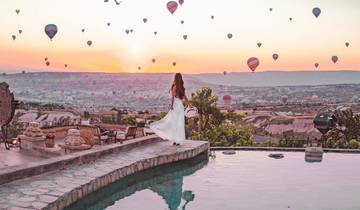
Enchanting Cappadocia Getaway – 3 Days Cave Hotel Experience & Optional Balloon
- ✓ Comprehensive Cappadocia tour
- ✓ Expert local guides included
- ✓ All accommodation arranged
- ✓ Transportation provided
4 days
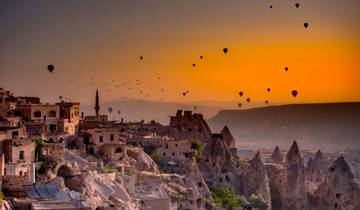
Enchanting Cappadocia Experience! 4 Days Cave Hotel, Optional Balloon
- ✓ Comprehensive Cappadocia tour
- ✓ Expert local guides included
- ✓ All accommodation arranged
- ✓ Transportation provided
5 days
Romantic Views in Cappadocia
- ✓ Booking needs min. 2 travelers
3 days
3 Days Cappadocia Highlights
- ✓ Comprehensive Cappadocia tour
- ✓ Expert local guides included
- ✓ All accommodation arranged
- ✓ Transportation provided
Multi-day tour packages powered by TourRadar. Prices and availability subject to change.
Introduction to Cappadocia Travel Planning 2026
Cappadocia occupies a unique position in global travel destinations where geological phenomenon meets human architectural ingenuity across millennia. The region’s soft volcanic tuff stone, deposited by ancient eruptions from Mount Erciyes and Mount Hasan, eroded over millions of years into the dramatic fairy chimney formations that define Cappadocia’s otherworldly landscape. Early Christian communities carved extensive underground cities, monastic complexes, and dwelling caves into this malleable rock between the 4th and 13th centuries, creating the extraordinary fusion of natural wonder and cultural heritage that UNESCO recognized in 1985 by designating Göreme National Park and the Rock Sites of Cappadocia as a World Heritage Site.
Planning travel to Cappadocia for 2026 requires understanding how seasonal weather patterns, tourism demand fluctuations, and activity scheduling constraints interact to determine optimal visit timing and daily logistics. The region experiences continental climate with hot dry summers reaching 30-35°C and cold winters dropping below freezing, creating distinct travel seasons with dramatically different pricing structures, weather reliability, and visitor densities. Hot air balloon operations—Cappadocia’s signature experience—depend entirely on stable weather conditions with light winds and clear visibility, making weather patterns the primary factor governing when flights operate successfully versus face cancellation.
This guide provides comprehensive 2026 planning information covering verified current pricing for all major expenses, accommodation selection strategies across budget levels, transportation options connecting airports to towns, daily itinerary frameworks, and money-saving tactics that reduce costs without compromising the essential Cappadocia experiences. The information presented here derives from recent 2026 pricing research ensuring accuracy for travelers booking accommodations, flights, and activities throughout the year.
Understanding Cappadocia’s Geography and Towns in 2026
Cappadocia encompasses a large geographic area spanning portions of Nevşehir, Kayseri, Aksaray, Kırşehir, and Niğde provinces in central Anatolia, though most tourists concentrate their visits within the compact triangle formed by Göreme, Ürgüp, and Avanos. This core zone contains the highest density of fairy chimney formations, cave hotels, rock-cut churches, and tourism infrastructure while remaining small enough that no two points exceed 20 kilometers distance, allowing efficient exploration without extensive daily travel time.
Göreme functions as Cappadocia’s tourism epicenter, a small town of approximately 2,000 permanent residents that swells with international visitors year-round. The town sits nestled among dramatic fairy chimney formations with the UNESCO-listed Göreme Open Air Museum positioned just 1.5 kilometers uphill. Cave hotels line every street, from budget guesthouses occupying single fairy chimneys to luxury properties spreading across multiple caves with infinity pools and panoramic terraces. Göreme’s compact walkable center concentrates dozens of restaurants, tour agencies, carpet shops, and pottery studios within a 500-meter radius. The town serves as the primary hot air balloon launch area, with hundreds of balloons inflating in nearby valleys each clear morning at dawn.
Ürgüp represents Cappadocia’s more upscale accommodation option, a larger town of 18,000 residents located 7 kilometers east of Göreme with broader streets, more extensive shopping, and slightly lower tourist saturation. Cave hotels in Ürgüp tend toward the mid-range and luxury categories, many occupying restored historical houses with authentic architectural details and contemporary comfort amenities. The town provides superior restaurant variety including high-end establishments serving modern interpretations of regional cuisine alongside traditional lokanta offering home-style Turkish meals. Dolmuş minibuses connect Ürgüp to Göreme every 30 minutes during daylight hours for convenient access between the towns.
Uçhisar climbs the slopes below its namesake castle, a massive rock formation rising 60 meters above the surrounding terrain and serving as Cappadocia’s highest point. Cave hotels here capitalize on the dramatic topography with rooms carved directly into the hillside offering sweeping valley panoramas, particularly stunning for sunset viewing when the landscape glows amber and rose. The town maintains quieter character than Göreme with fewer tour groups but requires transportation to reach major attractions and dining options beyond the several restaurants positioned near Uçhisar Castle.
Avanos sits along the Kızılırmak River 8 kilometers north of Göreme, known primarily for pottery production utilizing the river’s red clay that has supported ceramic crafts for 4,000 years. Visitors interested in pottery workshops and demonstrations base themselves here, though the town sees lower international tourist volume and offers fewer cave hotel options compared to Göreme and Ürgüp. Çavuşin occupies the route between Göreme and Avanos, a traditional village with impressive rock-cut church ruins and budget-friendly cave accommodations appealing to travelers seeking authentic local atmosphere.
Hot Air Balloon Flight Costs and Booking Strategies 2026
Hot air balloon flights range €80-€300 for standard flights in Cappadocia for 2026, with pricing fluctuating based on seasonal demand, booking timing, balloon company reputation, and basket capacity. Low season months (November-February) offer the most economical rates starting from €50-€80 per person, while peak season months (April-May, September-October) see prices escalating to €150-€300 as availability tightens and weather reliability improves. Summer months (June-August) maintain moderate pricing €100-€180 with very reliable flying conditions but increased heat during midday hours.
Standard flight packages accommodate 20-28 passengers in large balloon baskets with individual compartments, providing excellent value while maintaining safe passenger density that allows everyone clear viewing angles. These flights typically last 50-70 minutes of actual flight time, launching approximately 30 minutes before sunrise when wind conditions remain calmest. All standard packages include hotel pickup beginning 90 minutes before launch time, light pre-flight breakfast with coffee and pastries, the balloon flight itself reaching altitudes between 300-1,000 meters depending on wind patterns, post-landing champagne celebration honoring ballooning’s 18th-century French origins, personalized flight certificate, and return transfer to hotels.
Comfort flight options cost €110-€430 depending on season, featuring smaller basket capacity of 12-16 passengers that provides more personal space for photography and movement within compartments. These flights appeal particularly to couples and serious photographers requiring flexibility to position themselves optimally for shots without competing for space with 25+ fellow passengers. Flight duration remains similar to standard flights at approximately 60 minutes, with identical inclusions for pickup, breakfast, celebration, and certificates.
Deluxe flight packages range €170-€470 offering premium experiences with basket capacities limited to 8-12 passengers, extended flight duration sometimes reaching 90 minutes, and enhanced post-flight celebrations. Some deluxe options include champagne breakfast rather than simple toast, commemorative gifts beyond standard certificates, and guaranteed window positions for all passengers. Deluxe flights provide the most intimate aerial experience and greatest photographic freedom but command significant premium over standard options.
Booking 45-60 days in advance secures the best combination of availability and pricing, particularly crucial for peak season travel when popular balloon companies fill their baskets weeks ahead. Early booking qualifies for promotional rates offering 10-20% discounts compared to last-minute reservations, and guarantees desired flight dates before companies reach capacity. Balloon operators confirm flights one day in advance after checking weather forecasts, with cancellations occurring when wind speeds exceed 10-15 kilometers per hour or when visibility drops below safe operational standards. Companies automatically reschedule canceled flights to the following morning, making minimum 3-night stays advisable during unpredictable weather periods to ensure at least one successful flight opportunity.
Reputable balloon companies including Royal Balloon, Butterfly Balloons, Kapadokya Balloons, and Voyager Balloons maintain excellent safety records with experienced pilots holding thousands of flight hours and internationally recognized certifications. These established operators charge premium rates €180-€300 in peak season but deliver consistently high-quality experiences with well-maintained equipment, professional crew, and superior customer service. Budget operators offering €80-€100 flights year-round provide basic safe experiences but may use older equipment, less experienced pilots, and larger basket capacities reducing individual passenger space.
Weather-related cancellation rates vary dramatically by season, with April-October experiencing 5-15% cancellation frequency while November-March sees 30-40% of scheduled flights grounded due to unsuitable conditions. This reality makes winter balloon flights gambles requiring flexible scheduling—booking 4-5 nights allows 3-4 launch opportunities increasing odds of successful flight despite higher individual-day cancellation probability. Summer months provide near-guaranteed flights with cancellation rates under 10% but require very early wake-up calls with 3:30-4:00 AM hotel pickups to launch before sunrise arrives around 5:00 AM.
Accommodation Costs and Cave Hotel Selection 2026
Cave hotel accommodation in Cappadocia ranges $25-$450 nightly for 2026 depending on location, comfort level, amenities, and seasonal timing, with authentic fairy chimney cave rooms representing the signature lodging experience that justifies premium pricing over conventional hotel structures. Budget cave hotels and guesthouses cost $25-$70 per night offering basic but clean cave rooms with private bathrooms, traditional stone architecture, and often impressive rooftop terraces for morning balloon viewing. These properties typically provide simple breakfast spreads and minimal additional amenities while delivering the essential cave dwelling experience at accessible prices.
Mid-range cave hotels command $70-$150 nightly with thoughtfully restored cave spaces featuring modern bathrooms, comfortable beds with quality linens, atmospheric stone walls preserving original architectural character, and enhanced amenities including swimming pools, Turkish baths (hamam), and full breakfast buffets. Properties in this category balance authentic cave atmosphere with contemporary comfort, providing spacious rooms carved into multiple connected chambers, ambient lighting highlighting natural rock textures, and rooftop restaurants or lounges with panoramic valley views. Sultan Cave Suites and Local Cave House Hotel exemplify this category with Instagram-famous terraces where guests enjoy elaborate breakfast spreads against backdrops of hundred hot air balloons floating past at sunrise.
Luxury cave hotels range $200-$450 per night offering exceptional cave suites carved into prime hillside positions, premium amenities including infinity pools overlooking fairy chimney valleys, spa facilities with cave massage rooms, fine dining restaurants, and concierge services arranging private tours and exclusive experiences. These properties often occupy multiple interconnected caves creating labyrinthine layouts where room categories include honeymoon suites with private terraces and outdoor jacuzzis, family suites spanning multiple chambers, and presidential suites combining authentic cave architecture with five-star luxury appointments.
Göreme provides the densest concentration of cave hotels at all price points, with hundreds of properties competing for bookings creating competitive pricing and frequent promotional offers. Budget travelers find numerous $40-$70 options within walking distance of restaurants, shops, and the Göreme Open Air Museum, while mid-range properties $80-$120 dominate the hillsides with superior elevation for balloon views. Luxury cave hotels in Göreme command $180-$300 reflecting prime real estate on dramatic cliff positions and proximity to all attractions.
Ürgüp cave hotels trend 15-20% less expensive than comparable Göreme properties, offering excellent value for mid-range travelers seeking authentic cave experiences without Göreme’s tourist saturation. Quality mid-range options cost $60-$100 providing spacious cave rooms, pools, hamam facilities, and extensive breakfast buffets, while luxury properties range $150-$250 delivering equivalent amenities and service to Göreme’s pricier establishments. The 7-kilometer distance from Göreme requires dolmuş rides or taxis but rewards visitors with calmer atmosphere and superior restaurant variety.
Uçhisar and Çavuşin present alternative accommodation strategies with Uçhisar’s hillside cave hotels ($80-$250) providing spectacular sunset views from elevated positions and Çavuşin’s budget guesthouses ($25-$60) offering the region’s most economical cave lodging for travelers prioritizing savings over convenience. Both locations require transportation to Göreme and major attractions but deliver authentic experiences with fewer tour groups and more interaction with local residents.
Seasonal pricing variations significantly impact accommodation costs, with July-August and April-May commanding peak rates while November-March sees prices drop 40-50% as tourism volume declines and properties compete for limited winter visitors. Booking directly with hotels often secures 10-15% discounts compared to third-party platforms, particularly for multi-night stays during shoulder seasons when occupancy rates drop. Many cave hotels offer all-inclusive packages bundling accommodation with hot air balloon flights, airport transfers, and daily tours at combined rates providing better value than booking components separately.
Rooftop terrace quality determines much of cave hotels’ appeal since morning balloon viewing from hotel terraces eliminates need for sunrise valley expeditions while providing coffee and breakfast service as hundreds of balloons drift past. Properties marketing “balloon view” should specify terrace elevation and orientation—north-facing terraces miss balloons launching from valleys south of Göreme, while properties positioned low in town centers see fewer balloons than hillside locations. Premium cave hotels guarantee terrace tables for all guests during breakfast hours, while budget properties operate first-come-first-served systems where early risers claim best viewing positions.
Transportation Options and Costs in Cappadocia 2026
Reaching Cappadocia from Istanbul or other Turkish cities typically involves flying to either Nevşehir Kapadokya Airport (NAV) or Kayseri Erkilet Airport (ASR), with both airports providing multiple daily connections from Istanbul on Turkish Airlines, Pegasus Airlines, and AnadoluJet. Nevşehir Airport sits 40 kilometers northwest of Göreme requiring 40-50 minutes transfer time, while Kayseri Airport lies 75 kilometers east requiring 70-90 minutes to reach Göreme depending on traffic through Kayseri city.
Airport shuttle services cost €10-€15 per person providing the most economical transfer option with scheduled departures coordinating with major flight arrivals. Shuttle companies operate Mercedes Sprinter minibuses accommodating 12-16 passengers with multiple hotel stops throughout Göreme, Ürgüp, and other towns. Travel time extends when passengers’ hotels require stops across the region, with first hotels reached in 40-60 minutes from Nevşehir or 70-90 minutes from Kayseri, while last hotels add another 15-30 minutes. Reserve shuttle seats when booking flights to guarantee availability, particularly during peak season when shuttles fill completely.
Private transfers range €40-€50 per vehicle (up to 4 passengers) delivering door-to-door service directly to hotels without multiple stops, reducing transfer time by 15-30 minutes compared to shuttles. Families and small groups find private transfers cost-competitive with shuttles when dividing per-vehicle rates among multiple passengers, while gaining convenience of immediate departure upon arrival rather than waiting for shuttle departure times and other passengers. Premium private transfers using luxury vehicles with English-speaking drivers cost €60-€80 providing enhanced comfort and local knowledge for immediate orientation to the region.
Taxis wait at both airports charging fixed rates approximately €45-€50 for Nevşehir to Göreme and €45-€55 for Kayseri to Göreme, though rates fluctuate with fuel prices and should be confirmed before departure. Taxis provide immediate availability for late-night arrivals or travelers who missed shuttle reservations, though language barriers sometimes complicate communication—writing hotel names and addresses prevents misunderstandings.
Local transportation within Cappadocia’s towns relies primarily on dolmuş minibuses connecting major settlements with frequent service during daylight hours. Göreme-Ürgüp dolmuş runs every 30 minutes from 7:00 AM to 7:00 PM costing €0.30 per ride, while Göreme-Avanos service operates hourly. These shared minibuses depart when full rather than strict schedules, creating 5-20 minute wait times depending on passenger demand. Dolmuş provides economical transport for budget travelers accessing different towns and attractions, though service ceases after dark requiring taxis or tours for evening activities.
Taxis within Cappadocia’s core tourism zone charge minimum fares around €2.30 for short trips between Göreme and nearby valleys, with longer rides to Ürgüp (7 km) costing €8-€10 and Avanos (8 km) running €10-€12. Agree on fares before departure or ensure meter activation to avoid disputes, particularly late at night when meters sometimes conveniently malfunction. Most cave hotels arrange taxi pickups for airport transfers, restaurant reservations, or evening activities at fair rates without requiring negotiation.
Rental cars provide maximum flexibility for exploring remote valleys, distant underground cities, and less-visited towns at personal pace, with daily rates starting €30-€40 for compact vehicles through international companies at airports. Cappadocia’s narrow village streets, steep hills, and unpaved valley roads require careful navigation but reward drivers with access to viewpoints and sites unreachable by public transport. Parking throughout the region remains free and readily available except in Göreme’s congested central streets during peak season. Winter driving requires caution as ice and snow affect mountain roads November-March, particularly early mornings and evenings.
Organized tours eliminate transportation concerns while providing guides, entry fees, and lunch in comprehensive packages costing €40-€80 per person for full-day itineraries visiting 6-8 major sites. Tours prove cost-effective for solo travelers who would otherwise pay full taxi rates for site-hopping, and they deliver historical context through professional guides explaining significance of rock-cut churches, underground cities, and geological formations. Budget-conscious travelers booking accommodations with free breakfast reduce tour costs to €30-€50 daily by selecting lunch-excluded options and purchasing inexpensive street food independently.
Göreme Open Air Museum and Attraction Entrance Fees 2026
The Göreme Open Air Museum charges €20 entrance fee for 2026, with the famous Dark Church (Karanlık Kilise) requiring an additional €6 separate ticket due to its exceptionally well-preserved frescoes protected by limited visitor access. Museum cards and tourist passes validate for the main museum grounds but do not include Dark Church entry, requiring separate purchase at the dedicated ticket window inside the museum complex. The museum opens daily 8:00 AM-5:00 PM with last entry at 4:00 PM, though summer months sometimes extend hours to 6:00 PM closing during peak visitor periods.
This UNESCO World Heritage site encompasses dozens of rock-cut churches, chapels, and monastic structures carved into soft volcanic tuff between the 10th-13th centuries, containing some of Cappadocia’s finest surviving Byzantine frescoes depicting biblical scenes in vivid blues, reds, and earth tones. Visiting requires 90-120 minutes to properly explore the major churches including the Apple Church, Buckle Church, Snake Church, and Dark Church while climbing stairs and navigating uneven pathways connecting the scattered structures across the hillside complex.
Arriving when the museum opens at 8:00 AM allows 60-90 minutes of quiet exploration before tour buses arrive around 9:30-10:00 AM bringing crowds that congest narrow church interiors and create photography challenges. Late afternoon after 3:30 PM represents the second-best time for reduced crowds as tour groups depart for their next destinations, though lighting quality diminishes for interior fresco viewing. Comfortable walking shoes prove essential for the extensive stair-climbing required to access churches positioned at different elevations across the complex.
Uçhisar Castle entrance costs €5.76 providing access to the massive rock fortress rising 60 meters above the surrounding landscape with panoramic 360-degree views encompassing fairy chimney valleys, distant Mount Erciyes, and the entire Cappadocia region. Climbing the castle’s interior chambers and external stairs to reach the summit viewing platform requires moderate fitness and caution on steep uneven steps carved directly into rock. Sunset visits justify the entry fee when the landscape transforms under golden light, though prepare for crowds during peak season when 100+ visitors may occupy the compact viewing areas simultaneously.
Derinkuyu Underground City charges €10 entrance fee granting access to eight levels descending 60 meters below ground through tunnels, rooms, and ventilation shafts carved by early Christians fleeing persecution in the 7th-8th centuries. This massive subterranean complex once accommodated 20,000 people with living quarters, food storage, wineries, chapels, and sophisticated ventilation systems. Exploring requires 60-90 minutes navigating narrow passages and steep stairs with low ceilings demanding frequent ducking—claustrophobic visitors should consider skipping this attraction as confined spaces and crowds compress into tight quarters.
Kaymaklı Underground City offers similar underground exploration for €10 with slightly easier access via wider passages and less severe claustrophobia concerns compared to Derinkuyu’s deeper levels. Choosing between the two underground cities proves difficult since both deliver comparable experiences of subterranean marvel—visiting one thoroughly satisfies most travelers’ underground city curiosity without requiring redundant visits to multiple similar sites.
Ihlara Valley entrance costs €5 providing access to a 14-kilometer gorge with a river trail passing dozens of rock-cut churches carved into the dramatic canyon walls. Most visitors hike the central 4-kilometer section between Ihlara village and Belisırma requiring 2-3 hours, passing major churches including Ağaçaltı Kilise with impressive frescoes. The valley offers Cappadocia’s most scenic hiking with tree shade, flowing water, and cliff walls rising 100+ meters—a refreshing contrast to the exposed lunar landscapes dominating other attractions.
Turkey’s Museum Pass Cappadocia costs €47 providing three-day access to Göreme Open Air Museum, Ihlara Valley, Derinkuyu and Kaymaklı underground cities, Zelve Open Air Museum, and several smaller sites. The pass proves cost-effective for travelers visiting three or more major attractions since individual entries total €55-€70 depending on which sites visitors prioritize. Passes purchase at major museum ticket offices or online through Turkey’s Ministry of Culture website, valid for three consecutive days from first use requiring planning to cluster major museum visits within the validity window.
Dining and Food Budget in Cappadocia 2026
Restaurant dining in Cappadocia costs €5-€40 per person depending on restaurant category, meal type, and location within major tourism zones versus local neighborhoods. Budget travelers eating primarily street food and casual eateries spend €15-€25 daily for three meals, while mid-range restaurant diners allocate €30-€50, and luxury restaurant patrons budget €60-€100 for fine dining experiences in cave restaurants with panoramic views and modern Turkish fusion cuisine.
Street food and casual eateries provide the most economical dining with döner kebab wraps costing €3-€5, pide (Turkish flatbread pizza) ranging €4-€6, and gözleme (savory stuffed flatbread) priced €3-€4. These quick meals deliver authentic Turkish flavors with generous portions satisfying lunch or light dinner needs while maintaining tight budgets. Nazar Börek in Göreme serves excellent traditional börek (flaky pastry with cheese, meat, or potato fillings) for €4-€5 providing filling breakfasts or lunches that locals and budget travelers both frequent.
Mid-range restaurants charging €10-€20 per person dominate Göreme’s main streets and Ürgüp’s dining scene, serving comprehensive Turkish menus including mezes (appetizers), grilled kebabs, pottery kebab (Cappadocia’s signature dish slow-cooked in sealed clay pots), mantı (Turkish ravioli), and traditional desserts. These establishments provide comfortable dining environments with table service, English menus, and atmospheric cave interiors or terrace seating overlooking fairy chimneys. Main dishes average €8-€15, soups cost €3-€5, mezes run €4-€8, and house wine or beer adds €4-€6, creating total meal costs €15-€25 per person including drinks.
High-end restaurants in Göreme and Ürgüp charge €25-€40 per person for sophisticated dining experiences combining traditional Cappadocian recipes with contemporary presentation, premium ingredients, and extensive wine selections showcasing Turkey’s emerging viticulture. Properties like Seten Restaurant at Sultan Cave Suites and various rooftop establishments offer not only exceptional food but also stunning views of illuminated fairy chimneys and valleys after dark. These restaurants justify premium pricing through ambiance, service quality, and creative menus unavailable at standard tourist restaurants, though portion sizes sometimes disappoint compared to generous Turkish standard servings.
Breakfast typically comes included with cave hotel accommodation, with spreads varying from simple offerings of bread, cheese, olives, tomatoes, and eggs at budget properties to elaborate buffets at mid-range and luxury hotels featuring 30+ items including fresh börek, gözleme prepared to order, local honey and preserves, fresh fruit, yogurt, cold cuts, and Turkish tea or coffee. Hotels proudly serve breakfast on rooftop terraces during balloon launch times, transforming the morning meal into an Instagram-worthy experience as colorful balloons drift past. Budget travelers selecting hotels without breakfast access numerous cafes serving traditional Turkish breakfast platters (kahvaltı tabağı) for €5-€8 with similar components.
Coffee culture thrives in Cappadocia with specialty cafes charging €3-€4 for cappuccinos, lattes, and flat whites using quality beans and proper espresso equipment. Turkish coffee costs €2-€3, traditional Turkish tea runs €1-€2, and fresh-squeezed orange juice ranges €3-€5. Cafes double as social hubs where travelers and locals spend hours working, reading, or socializing over multiple rounds of drinks without pressure to vacate tables.
Alcohol pricing varies considerably with domestic beer (Efes, Tuborg) costing €3.80-€5 in standard restaurants, imported beers running €5-€7, and house wine by glass priced €4-€6. Rakı, Turkey’s anise-flavored spirit traditionally consumed with meals, costs €6-€10 per serving with small groups often ordering bottles (€25-€40) for sharing. High-end restaurants maintain extensive wine lists featuring Turkish wineries from Cappadocia, Thrace, and Aegean regions with bottles ranging €15-€60, while standard restaurants offer limited house selections €12-€25 per bottle.
Grocery shopping at local markets and supermarkets dramatically reduces food costs for travelers preparing simple meals in accommodations with kitchen facilities or picnic supplies for valley hikes. Fresh bread costs €0.50-€1, local cheese runs €3-€5 per kilogram, seasonal fruits and vegetables price €1-€3 per kilogram, and basic supplies like yogurt, olives, and honey range €2-€5. Prepared foods including roasted chicken, börek, and ready meals from supermarkets cost €3-€6 providing quick economical dinner options requiring no cooking.
Tipping practices in Cappadocia follow Turkish customs of rounding up bills or leaving 5-10% in restaurants with table service. Many mid-range and upscale restaurants automatically include 10% service charges on bills, which servers sometimes fail to mention hoping for additional tips—check bills carefully before calculating tips. Casual eateries and street food vendors do not expect tips though small amounts left in tip jars are appreciated. Hot air balloon pilots receive tips averaging €5-€10 per person from satisfied passengers after successful flights, delivered to pilots or ground crew during post-landing celebrations.
Best Time to Visit Cappadocia for Weather and Balloons 2026
April through May represents Cappadocia’s optimal spring season for 2026 travel, delivering mild temperatures between 15-25°C, clear skies with minimal precipitation, and vibrant green landscapes punctuated by wildflower blooms creating spectacular photography conditions. Hot air balloon flight success rates during April-May exceed 90% with stable weather patterns and gentle wind conditions ideal for balloon operations, though increased tourism demand drives accommodation and flight prices to peak levels matching summer highs. Spring months showcase Cappadocia’s valleys in their most colorful state before summer heat scorches vegetation brown, with poppies, wildflowers, and fresh foliage contrasting against golden and pink volcanic rock formations.
September through October delivers autumn’s best conditions with temperatures cooling from summer extremes to comfortable 18-26°C ranges, crystal-clear skies, and golden foliage transforming valley landscapes. Balloon flight reliability remains excellent at 85-90% success rates as autumn weather stabilizes after summer’s heat, while tourism volumes ease slightly from peak summer crowds creating better availability and occasional price promotions. October brings harvest season with vineyards and fruit trees displaying autumn colors, and temperatures proving ideal for valley hiking without summer’s midday heat requiring 4:00 AM starts to avoid afternoon scorching.
Summer months June through August provide the year’s most reliable hot air balloon conditions with cancellation rates below 5-8%, very early sunrise launches (4:00-4:30 AM) allowing flights to complete before temperatures soar, and extended daylight hours supporting full-day touring schedules. Temperatures peak 30-35°C during July-August requiring sun protection, abundant water, and midday breaks from outdoor activities, though cave hotels and underground cities provide natural cooling. Tourism reaches absolute peak during July-August with accommodation fully booked weeks in advance, restaurant waits extending 30-60 minutes at popular establishments, and crowds congesting major attractions—early morning and late afternoon touring proves essential for manageable visitor densities.
Winter months November through March offer dramatically lower prices with hot air balloon flights discounted to €50-€80 and cave hotel rates dropping 40-50% below summer pricing as tourism volumes plummet and properties compete for limited visitors. However, weather unpredictability creates 30-40% balloon cancellation rates requiring flexible scheduling with minimum 3-4 night stays to ensure at least one successful flight opportunity. December-February temperatures drop below freezing overnight with occasional snow dusting fairy chimneys white, creating magical winter landscapes for photographers willing to brave cold conditions. Indoor attractions including underground cities, rock-cut churches, and cave hotels prove equally enjoyable during winter while outdoor valley hiking becomes challenging with mud, ice, and harsh wind chill factors.
Shoulder season periods in March and November balance moderate pricing, reduced crowds, and acceptable weather reliability making these months attractive for budget-conscious travelers accepting some weather risk. March sees winter transitioning to spring with improving conditions but residual cold and higher balloon cancellation rates around 20-25%, while November witnesses autumn slipping toward winter with deteriorating reliability but stunning autumn colors and very attractive pricing before Christmas holiday surges.
Sunrise timing varies throughout the year affecting balloon launch schedules and photographers’ golden hour windows. Summer solstice (June 21) brings 4:50 AM sunrise requiring brutal 3:00 AM wakeups for balloon pickups, while winter solstice (December 21) delivers 7:30 AM sunrise allowing civilized 6:00 AM pickups. Most visitors prefer spring and autumn’s moderate 5:30-6:30 AM sunrise times balancing reasonable wake times with optimal dawn lighting conditions.
Booking accommodations 6-8 weeks ahead for April-May and September-October peak seasons ensures availability at preferred cave hotels before properties fill completely, while summer travel requires 8-12 week advance reservations for popular dates. Winter and shoulder season travelers book 2-4 weeks ahead finding excellent availability and occasional last-minute promotions as hotels discount unsold inventory. Flight bookings follow similar timelines with 6-8 week advance purchases for peak season travel and 2-4 weeks for off-season dates.
Sample Cappadocia Itineraries for 2026
A three-day Cappadocia itinerary provides minimum time for experiencing the region’s essential attractions while allowing flexibility for weather-dependent hot air balloon rescheduling. Day One begins with afternoon arrival from Istanbul via Nevşehir or Kayseri airport using shuttle transfer €10-€15, checking into cave hotel accommodation, and spending the evening exploring Göreme’s compact town center, shopping for Turkish carpets and ceramics, and enjoying sunset views from hotel terraces or nearby viewpoints. Dinner at mid-range restaurant costs €15-€25 per person introducing Cappadocian specialties including pottery kebab, mantı, and local wines.
Day Two starts before dawn with 4:00-4:30 AM hotel pickup for hot air balloon flight (€80-€300) soaring over fairy chimneys, rose-colored valleys, and pigeon houses as sunrise illuminates the landscape. After flight and celebratory champagne toast, return to hotel for breakfast and rest before midday exploration of Göreme Open Air Museum (€20 entry plus €6 Dark Church) spending 90-120 minutes touring rock-cut churches and frescoes. Afternoon options include hiking through Rose Valley or Love Valley (free), visiting Uçhisar Castle for sunset panoramas (€5.76 entry), or joining pottery workshop in Avanos (€30-€50). Total day costs: balloon €80-€300, museum €26, lunch €10-€15, dinner €20-€30, producing €136-€371 excluding accommodation.
Day Three explores Cappadocia’s underground cities with morning visit to Derinkuyu or Kaymaklı (€10 entry) navigating eight levels of subterranean passages, chambers, and ventilation systems requiring 60-90 minutes. Afternoon visits Ihlara Valley (€5 entry) for scenic 4-kilometer gorge hike passing rock-cut churches and riverside restaurants serving trout fresh from the stream. Evening departure via airport shuttle or overnight stay extends options. Total day costs: underground city €10, Ihlara €5, lunch in valley €12-€18, shuttle €10-€15, producing €37-€48 excluding dinner and accommodation.
Four-day itineraries add buffer time for balloon flight weather contingency while incorporating additional valleys, viewpoints, and cultural experiences. The extra day allows Zelve Open Air Museum exploration, Paşabağ Monks Valley fairy chimney photography, Ortahisar Castle visit, Turkish night dinner shows (€45-€60), or leisurely valley hiking without rushed scheduling. This extended duration proves optimal for travelers prioritizing hot air balloon flights since weather-related cancellations receive rescheduling opportunities within the trip timeframe rather than forfeiting the experience entirely.
Five to seven-day itineraries support comprehensive Cappadocia exploration including lesser-visited valleys, multiple underground cities, day trips to nearby regions, dedicated photography sessions at different times of day, and participation in cooking classes, pottery workshops, or horseback riding excursions. Extended stays justify rental car investment (€30-€40 daily) enabling independent exploration of remote sites unreachable by public transport while maintaining flexibility for spontaneous detours and extended time at personally compelling locations.
Money-Saving Strategies for Cappadocia Travel 2026
Visiting during shoulder seasons (March, November) or winter months (December-February) reduces accommodation costs 40-50% compared to peak summer rates while balloon flight prices drop to €50-€80 from summer’s €150-€300. Winter travel requires accepting 30-40% balloon cancellation risks necessitating flexible schedules and minimum 3-4 night stays, but budget-conscious travelers willing to gamble on weather achieve dramatic overall savings when successful flights occur at fraction of peak season pricing.
Selecting accommodation in Ürgüp, Uçhisar, or Çavuşin rather than central Göreme delivers equivalent cave hotel quality and amenities at 15-25% lower nightly rates while maintaining easy dolmuş access (€0.30 per ride) to Göreme and major attractions. Ürgüp particularly offers excellent value with superior restaurant variety, larger hotel properties providing more amenities, and authentic Turkish atmosphere with fewer international tourists crowding streets and establishments.
Purchasing Turkey Museum Pass Cappadocia (€47) proves cost-effective when visiting three or more major museums since individual entry fees for Göreme Open Air Museum (€20), Derinkuyu Underground City (€10), and Ihlara Valley (€5) total €35 before adding additional sites. The three-day pass validity requires clustering museum visits within consecutive days, but travelers planning intensive touring schedules save €20-€30 versus individual entry payments while gaining expedited access through dedicated pass-holder lanes at major sites.
Eating primarily at local restaurants away from main tourist streets and incorporating street food meals substantially reduces dining costs without sacrificing food quality or authenticity. Budget travelers spending €15-€25 daily on food versus mid-range restaurant diners’ €30-€50 save €15-€25 per day accumulating to €45-€100 over three-day visits. Nazar Börek, Fırın Express, and similar local establishments frequented by Turkish residents deliver superior value compared to tourist-oriented restaurants charging premium prices for identical dishes presented with English menus and terrace views.
Hiking valleys independently using free trail systems rather than paying €40-€80 for organized tours eliminates guide fees while providing identical access to Rose Valley, Love Valley, Red Valley, and Pigeon Valley dramatic landscapes. Well-marked trails require no specialized navigation skills, downloadable trail maps provide adequate orientation, and self-guided exploration allows flexible timing without group constraints. Solo travelers particularly benefit since organized tours prove cost-effective for them versus hiring private taxis, but couples and groups save substantially hiking independently.
Comparing multiple balloon companies’ pricing and booking 45-60 days in advance qualifies for early-bird discounts offering 10-20% savings over last-minute rates. Budget-oriented balloon companies charge €80-€120 year-round providing safe basic experiences suitable for travelers prioritizing flight achievement over premium service, while mid-tier operators €120-€180 balance quality and value. Avoiding absolute cheapest operators (under €80) proves wise since rock-bottom pricing sometimes correlates with older equipment, less experienced pilots, or maximum basket capacity reducing individual passenger space and photographic opportunities.
Negotiating cave hotel rates for multi-night stays, particularly during off-season periods when occupancy drops, often secures 10-20% discounts or complimentary upgrades from standard cave rooms to suite categories. Booking directly with hotels via phone or email rather than third-party platforms eliminates commission fees hotels pay to booking sites, savings sometimes passed to guests through direct booking discounts or value-added inclusions like airport transfers or tour credits.
Visiting Uçhisar Castle (€5.76) for sunset viewpoints rather than paying €30-€50 for rooftop restaurant sunset packages in Göreme delivers equally spectacular panoramas at fraction of the cost. The castle’s elevated position provides superior 360-degree valley views surpassing most restaurant terraces while admission fees remain nominal. Purchasing simple snacks and drinks from local shops creates picnic sunset experiences costing under €10 total versus restaurant minimums often reaching €30+ per person.
Photography Tips and Balloon Viewing Locations 2026
Photographing hot air balloons requires early morning commitment with prime shooting times occurring 30-60 minutes surrounding sunrise when hundreds of colorful balloons fill skies above fairy chimney valleys. The most dramatic photographs capture balloons at multiple elevations creating layered compositions with dozens of balloons at different heights and distances against backdrops of sculpted rock formations glowing amber and rose in dawn light. Overcast mornings produce diffused lighting reducing dramatic color saturation in landscape and balloon fabric, while clear skies deliver vivid colors and strong shadows defining three-dimensional topography.
Red Valley viewpoint accessed via short hike from Göreme provides the single best ground-based balloon photography location, positioning photographers on elevated ridgeline overlooking valleys where balloons ascend and drift past at close range. Arriving 30 minutes before sunrise (5:30-6:00 AM depending on season) secures optimal positions before crowds of 50-100 photographers claim the compact viewing area. The 20-minute uphill hike from Göreme follows well-worn trail marked by previous photographers’ footsteps, though bringing headlamps or phone flashlights proves essential for navigating predawn darkness.
Love Valley offers alternative balloon photography with its distinctive phallic fairy chimney formations providing humorous foreground elements that balloon photographers either embrace for playful compositions or avoid for family-friendly imagery. The valley’s open layout allows multiple vantage points rather than single concentrated viewpoint, and balloons often descend into the valley itself creating ground-level opportunities for dramatic low-angle shots looking up at basket passengers and envelope fabric.
Sunrise Viewpoint near Göreme Open Air Museum provides eastward orientation ideal for backlit balloon silhouettes against colorful dawn skies, though this perspective sacrifices details of balloon envelopes and basket passengers visible in frontlit positions. The viewpoint attracts fewer photographers than Red Valley making it alternative for those avoiding crowds or preferring silhouette aesthetic over fully-lit balloon documentation.
Staying in cave hotels with quality rooftop terraces eliminates predawn hiking requirements while providing comfortable balloon viewing from hotel breakfast tables. Premium cave hotels position terraces for optimal balloon flight paths, often at elevated hillside locations where balloons drift past at eye level or below revealing basket interiors and passenger reactions. This convenience comes at accommodation cost premium €20-€50 nightly compared to properties with obstructed or distant balloon views, but photographers and Instagram enthusiasts consider the investment worthwhile for effortless access to sought-after shots.
Camera equipment recommendations include wide-angle lenses (16-35mm) for landscape compositions incorporating multiple balloons and dramatic fairy chimney foregrounds, and telephoto lenses (70-200mm) for isolating individual balloons or small groups against clean sky backgrounds. Fast shutter speeds (1/500 second minimum) freeze balloon movement and passenger gestures, while slightly slower speeds (1/125-1/250 second) allow subtle motion blur in basket sway. Tripods provide stability for low-light predawn shooting though prove cumbersome during hikes and unnecessary once dawn provides adequate light for handheld photography.
Drone photography faces strict restrictions in Cappadocia with Civil Aviation Authority prohibiting recreational drone flights near balloon launch areas, airports, and many tourist sites due to safety concerns regarding balloon collisions. Professional drone operators require special permissions rarely granted given balloon operation density, making ground-based photography the only reliable option for most visitors. Violating drone restrictions risks significant fines and equipment confiscation—resist temptation to launch drones near active balloon flights regardless of impressive aerial shot potential.
Sunset photography in Cappadocia delivers equally compelling landscape imagery without balloon elements, with Uçhisar Castle, Ortahisar Castle, and various valley viewpoints providing elevated positions for photographing fairy chimneys and rock formations glowing amber, gold, and pink as sun descends behind western horizon. Sunset timing varies 4:30-8:00 PM seasonally requiring schedule checking, with optimal light occurring 30-45 minutes before actual sunset when warm directional light rakes across landscape revealing texture and dimension in volcanic formations.
Turkish Bath (Hamam) Experiences in Cappadocia 2026
Traditional Turkish baths operate throughout Cappadocia with experiences ranging from basic historic hamams in local neighborhoods to luxury hotel spa facilities incorporating authentic hamam treatments within comprehensive wellness centers. Standard hamam packages cost €30-€50 including heated marble slab relaxation, vigorous exfoliating scrub using coarse kese mitts removing dead skin, soap foam massage across entire body, and final rinse in private washing chambers. The intense scrubbing portion shocks first-time hamam visitors with its aggressive nature—attendants literally scour skin until layers peel away creating dramatic quantities of dead skin residue, a process simultaneously uncomfortable and deeply cleansing.
Premium hamam experiences in luxury cave hotels charge €60-€120 incorporating traditional cleansing rituals within spa environments offering additional amenities including aromatherapy, extended massage sessions, facial treatments, and access to heated indoor pools, saunas, and relaxation lounges. These upscale facilities cater to tourists expecting controlled intensity and English-speaking attendants explaining procedures, while traditional neighborhood hamams maintain authentic atmosphere with minimal English and attendants who’ve scrubbed thousands of bodies developing efficient if somewhat mechanical approaches.
Timing hamam visits for late afternoon or evening provides relaxing conclusion to days spent hiking valleys or touring underground cities, with post-hamam lethargy making further activities inadvisable. Many travelers schedule hamams the night before departure when itinerary completion allows indulgent relaxation without concern for subsequent touring commitments. Bringing swimsuits proves unnecessary since traditional hamams provide disposable underwear and towel wraps, though conservative visitors uncomfortable with partial nudity should clarify procedures and privacy levels before booking.
Gender-segregated traditional hamams operate separate male and female sections with same-gender attendants conducting all treatments, while modern hotel spas often offer couples hamam experiences in private chambers allowing partners to enjoy treatments simultaneously in shared spaces. Female travelers should specify female attendant preferences when booking hotel spa hamams since some properties assign mixed-gender staff without confirming guest preferences.
Frequently Asked Questions About Cappadocia Travel 2026
Do I need a visa to visit Cappadocia in 2026?
Most international visitors require e-Visa for Turkey entry costing $50-$60 depending on nationality, obtained online through Turkey’s official e-Visa application portal 48 hours before travel. United States, United Kingdom, Australia, Canada, and European Union citizens all require e-Visas for tourist visits up to 90 days within 180-day periods. E-Visa approval takes minutes to hours, delivered via email as PDF documents for printing and presentation to immigration officers upon arrival. Several nationalities including Germany receive visa-free entry for stays under 90 days. Check current visa requirements through Turkey’s Ministry of Foreign Affairs website since regulations change periodically based on diplomatic relations.
Is Cappadocia safe for solo female travelers in 2026?
Cappadocia ranks among Turkey’s safest regions for solo female travelers with tourism infrastructure well-established, local populations accustomed to international visitors, and crime rates extremely low compared to major cities. Women traveling alone encounter minimal harassment in tourist areas, though standard precautions including avoiding isolated areas after dark, declining unsolicited offers for tea or tours from male strangers, and dressing modestly remain advisable. Cave hotels operated by families prove particularly safe with owners often treating solo female guests protectively. Night transportation requires taxis rather than walking dark roads between towns, and women should avoid accepting drinks from strangers in restaurants or bars despite generally trustworthy environment.
Can I visit Cappadocia year-round or only specific seasons?
Cappadocia welcomes visitors year-round with hotels, restaurants, and major attractions operating daily regardless of season, though weather significantly impacts experience quality and hot air balloon reliability. April-October delivers optimal conditions for most travelers balancing pleasant weather, high balloon flight success rates, and accessible valley hiking, while November-March requires accepting cold temperatures, increased balloon cancellations, and muddy trail conditions in exchange for dramatically lower prices and minimal crowds. Winter visitors should plan minimum 3-4 nights accommodating potential balloon cancellations and weather delays, while summer travelers confidently schedule 2-3 nights knowing reliable conditions support tight itineraries.
How physically demanding is Cappadocia tourism?
Cappadocia touring involves moderate physical activity with extensive walking, stair climbing, and uneven surfaces characterizing major attractions including Göreme Open Air Museum, underground cities, and valley hikes. Göreme Open Air Museum requires climbing numerous staircases connecting churches positioned at different elevations, while underground cities demand navigating steep narrow passages with low ceilings and 200+ stairs descending through multiple levels. Valley hiking distances range 2-10 kilometers depending on chosen routes with significant elevation changes in some areas, though flat sections along valley floors accommodate less fit visitors. Travelers with mobility limitations should focus on viewpoints accessible by vehicle including Uçhisar Castle viewpoint (elevator available), hotel terraces for balloon viewing, and guided tours minimizing walking distances.
What should I wear in Cappadocia considering cultural sensitivities?
Cappadocia’s tourism-oriented towns including Göreme and Ürgüp maintain relaxed dress codes where Western-style clothing including shorts, tank tops, and sundresses proves acceptable in restaurants, hotels, and streets. However, rock-cut churches and religious sites request modest coverage with shoulders and knees covered, easily achieved by carrying lightweight scarves or wrapping sarongs over summer clothing. Comfortable closed-toe walking shoes prove essential for museum visits, underground cities, and valley hikes where uneven rock surfaces, stairs, and unpaved trails challenge footwear. Winter visits require layered clothing accommodating below-freezing morning temperatures during balloon flights and warm midday temperatures when sun heats the landscape. Head coverings including hats and scarves protect against intense sun during summer and bitter wind during winter, while sunglasses shield eyes from glare reflecting off pale volcanic rock formations.
Are children allowed on hot air balloon flights?
Children aged 6 and above can participate in hot air balloon flights with adult supervision, though companies require children under 16 travel accompanied by responsible adults rather than independent flight booking. Children under 6 face prohibition from balloon flights due to safety concerns regarding their inability to follow pilot instructions during landing procedures and insufficient height to see over basket edges creating falling hazards. Pregnant women similarly cannot fly due to landing impact concerns despite generally smooth touchdown procedures. Some balloon companies implement weight restrictions requiring passengers exceeding 120 kilograms to inform operators during booking for proper weight distribution planning across basket compartments.
Can I visit Cappadocia as a day trip from Istanbul?
Day trips from Istanbul to Cappadocia prove theoretically possible but extremely rushed, requiring round-trip flights (3 hours total), airport transfers (2 hours total), and compressed 4-5 hours on-ground barely allowing single activity completion. This exhausting schedule eliminates hot air balloon participation since flights occur at dawn requiring overnight presence, and provides insufficient time for meaningful site exploration creating expensive frustrating experience. Minimum recommended visit duration spans 2 nights allowing at least one full day touring plus morning balloon flight, with 3-4 nights optimal for comprehensive experience without rushing major attractions. Day-trippers better allocate their valuable time to worthwhile Istanbul exploration rather than attempting inadequate Cappadocia sampling.
What currency and payment methods work in Cappadocia?
Turkish Lira (TRY) serves as official currency throughout Cappadocia with credit cards widely accepted at hotels, established restaurants, tour companies, and balloon operators. Cash remains necessary for small purchases at local shops, street food vendors, dolmuş rides, and some budget restaurants without card terminals. ATMs line main streets in Göreme and Ürgüp dispensing Turkish Lira with bank-affiliated machines (Ziraat Bank, Garanti Bank, İş Bank) offering better exchange rates and lower fees than independent ATMs like Euronet charging €5 supplemental fees. Euros and US dollars occasionally exchange directly at hotels and tour agencies though rates favor Turkish Lira transactions. Carry mix of larger bills for restaurant meals and smaller denominations for transport and street purchases since change-making challenges frequently occur with 200 TRY or 100 TRY notes at small vendors.
How reliable is WiFi internet in Cappadocia?
Most cave hotels, restaurants, and cafes in Göreme and Ürgüp provide free WiFi with speeds adequate for messaging, social media, and email though sometimes insufficient for video streaming or large file uploads. Luxury hotels offer superior connection quality supporting video calls and content uploads, while budget properties experience congestion during peak evening hours when all guests attempt simultaneous internet access. Travelers requiring reliable connectivity throughout their stay should purchase local SIM cards from Turkcell or Vodafone Turkey with data packages offering superior speeds compared to hotel WiFi. Tourist-oriented phone shops in Göreme sell prepaid SIM cards €15-€30 including 10-30 gigabytes data, activating within minutes using passport identification. Alternatively, international eSIM services like Airalo provide convenient data-only plans downloadable without visiting physical shops.
What are the most Instagrammable spots in Cappadocia?
Sultan Cave Suites rooftop terrace ranks as Cappadocia’s most photographed location featuring elaborate breakfast spreads on traditional Turkish carpets with fairy chimneys and hot air balloons as backdrop, though non-guest access requires €20-€30 breakfast reservations during balloon viewing hours. Love Valley’s distinctive phallic rock formations create playful balloon photography opportunities. Red Valley viewpoint provides classic elevated balloon launch vantage points. Uçhisar Castle delivers panoramic valley vistas. Göreme Open Air Museum’s ancient frescoed churches offer cultural authenticity. Cave hotel room interiors showcase atmospheric stone architecture with carved alcoves and traditional textiles. Underground city tunnels and chambers provide unique subterranean backdrops. Pottery workshops in Avanos capture cultural tradition. Sunset from any elevated viewpoint bathes landscape in golden light transforming ordinary scenes into extraordinary imagery.