
Cape Town Travel Guide 2026: Table Mountain, Waterfront & Hidden Gems
Key Takeaways
- Cape Town ranks as Africa’s most visited city destination with Table Mountain dominating the skyline and serving as the natural anchor for urban exploration and outdoor adventure
- The V&A Waterfront functions as Cape Town’s premier tourist hub combining shopping, dining, and maritime history with direct ferry access to Robben Island UNESCO World Heritage Site
- Hidden gems including Bo-Kaap’s colorful streets, Kirstenbosch National Botanical Garden, and Chapman’s Peak Drive offer intimate Mother City experiences beyond mainstream tourist circuits
- Budget travelers explore Cape Town for R800-1,200 per day including accommodation, meals, and activities, while mid-range visitors spend R1,500-2,500 daily for enhanced comfort and dining experiences
- Optimal visiting months are September-November and March-May for moderate temperatures (18-25°C), minimal wind, and spring wildflower displays across Table Mountain’s fynbos slopes
- The City Sightseeing Hop-On Hop-Off bus provides excellent value at R280 for two-day passes covering 20+ stops including Table Mountain, beaches, Kirstenbosch, and Cape Point extensions
Introduction to Cape Town’s 2026 Appeal
Cape Town stands as the geographical and cultural synthesis of African heritage, European colonial history, and natural splendor where Table Mountain’s flat-topped massif rises 1,085 meters directly from the Atlantic Ocean creating one of Earth’s most recognizable urban silhouettes. The Mother City, as locals affectionately call their hometown, spreads across a peninsula where two ocean currents meet, generating unique biodiversity that earned Table Mountain National Park UNESCO World Heritage status as part of the Cape Floral Region protecting 20% of Africa’s flora in just 0.5% of the continent’s landmass. Beyond the postcard-perfect mountain views and turquoise waters, Cape Town reveals complex layers of apartheid history at Robben Island and District Six Museum, vibrant cultural neighborhoods in Bo-Kaap and Woodstock, world-class wine estates within 30 minutes of the city center, and Cape Peninsula coastal drives rivaling California’s Highway 1 for dramatic ocean-cliff scenery.
Planning a Cape Town visit in 2026 requires understanding the city’s seasonal wind patterns that shape daily tourism rhythms, the geographic spread of attractions across 40 km from City Bowl to Cape Point, and the security considerations that demand awareness without paranoia in Africa’s most developed tourism destination. The notorious South-Easter wind blows 25-40 km/h during summer months (December-February) creating “the Cape Doctor” that clears pollution but disrupts beach plans and cable car operations, while winter months (June-August) bring Mediterranean rainfall and cold fronts that transform Table Mountain’s upper slopes into dramatic cloudscapes. This guide provides comprehensive planning frameworks for experiencing Cape Town’s iconic landmarks, hidden treasures, and practical logistics that maximize your 2026 Mother City adventure from budget backpacker explorations to luxury wine country indulgences.
People Also Ask About Cape Town 2026
How many days do you need in Cape Town in 2026?
Five to seven days provides the ideal timeframe for experiencing Cape Town’s essential attractions and hidden gems in 2026 without rushing between locations or sacrificing depth for breadth. A well-planned 5-day itinerary covers Table Mountain summit experiences via cable car or hiking trails, V&A Waterfront shopping and Robben Island ferry excursions, a full Cape Peninsula day trip to Cape Point and Boulder’s Beach penguins, wine tasting in Stellenbosch or Franschhoek valleys, and cultural exploration of Bo-Kaap and city center museums. Seven days permits more relaxed pacing with dedicated beach time at Camps Bay or Clifton, extended hiking on Table Mountain’s 350 km trail network, a second wine region visit, and emerging neighborhoods like Woodstock’s arts district or Kalk Bay’s seaside village charm. Budget-conscious travelers with just 3-4 days focus on free activities like hiking Lion’s Head for sunset views, exploring Company’s Garden, and the City Bowl’s cultural sites while limiting paid attractions to Table Mountain cable car and Robben Island ferry. Extended 10-14 day visits support day trips to Hermanus for whale watching (July-November), West Coast wildflower routes (August-September), or overnight Garden Route adventures to Knysna and Plettenberg Bay, transforming Cape Town from destination to comprehensive Western Cape exploration base.
What is the best time to visit Cape Town in 2026?
September through November offers optimal Cape Town conditions in 2026, delivering the sweet spot between pleasant weather, spring wildflower displays, and reduced tourist crowds compared to peak summer chaos. Spring months provide moderate temperatures of 18-25°C ideal for outdoor activities, calmer wind patterns than summer’s relentless South-Easter gales, and spectacular fynbos wildflower blooms across Table Mountain’s slopes with over 2,200 plant species creating kaleidoscopic displays. October specifically balances perfect beach weather with manageable visitor numbers before South African school holidays in December trigger accommodation price spikes of 40-60% and attraction crowds that triple wait times at Table Mountain’s cable car and Robben Island ferries. March through May delivers equally attractive conditions as autumn brings stable weather, warm ocean temperatures from summer’s heating, excellent wine harvest experiences in nearby valleys, and shoulder season accommodation discounts of 20-30% compared to December-January peak rates. Winter months (June-August) suit budget travelers accepting cold ocean temperatures and frequent rain in exchange for the year’s lowest accommodation costs, minimal crowds at all attractions, and dramatic storm clouds wrapping Table Mountain in photographic drama. Summer (December-February) guarantees beach weather and long daylight hours but subjects visitors to aggressive winds that close the cable car 30-40% of operating days, packed beaches requiring early arrival for parking, and premium pricing across accommodation and activities that tests even generous travel budgets.
How much does it cost to visit Cape Town in 2026?
Budget backpackers explore Cape Town for R800-1,200 per day in 2026 including hostel dormitory beds at R180-280, self-catered meals from supermarkets costing R120-180 daily, free hiking and beach activities, and selective paid attractions like the Table Mountain cable car at R360 return (check tablemountain.net for current 2026 rates as seasonal pricing applies). Mid-range travelers spend R1,500-2,500 daily covering guesthouse or mid-range hotel accommodation at R900-1,400 per night, restaurant meals totaling R250-400 per day, car rental at R400-600 daily, and comprehensive attraction access including Robben Island ferry at R550, wine estate tastings at R80-150 per venue, and guided township tours at R450-650 per person. Luxury visitors allocate R3,500-6,000 daily for boutique hotels or Camps Bay beach apartments at R2,200-3,800 per night, fine dining at acclaimed restaurants costing R400-800 per person for dinner with wine, private guides for personalized city tours at R1,200-1,800 for full days, and premium experiences like helicopter flights over the peninsula at R2,800-3,500 per person for 20-minute scenic tours. These daily budgets exclude international airfare but include all local transportation, accommodation, meals, and activities reflecting realistic comprehensive travel costs. Single travelers face accommodation surcharges of 30-50% compared to per-person double occupancy rates, while families of four sharing two-bedroom apartments achieve 25-35% per-person savings through self-catering and accommodation cost distribution across multiple travelers.
Is Cape Town safe for tourists in 2026?
Cape Town delivers safe tourism experiences in 2026 within the city’s well-established tourist corridors spanning Table Mountain, V&A Waterfront, Atlantic Seaboard beaches, City Bowl, and major wine regions, though universal urban safety awareness remains essential given South Africa’s crime statistics. The V&A Waterfront operates as one of Africa’s safest urban spaces with 24-hour private security, CCTV coverage, and controlled access points making evening dining and shopping comfortable for international visitors. Table Mountain cable car station, Atlantic Seaboard beaches from Camps Bay to Hout Bay, and Constantia wine estates maintain visible security presence and low incident rates for property crime or personal safety threats. City center requires standard urban awareness: avoid displaying expensive cameras and jewelry, use ATMs inside bank branches during business hours, and arrange organized tours rather than independent exploration for township visits where navigation challenges and opportunistic crime targeting lost tourists create unnecessary risks despite warm local hospitality. Take rideshare services (Uber, Bolt) rather than street-hailed taxis for evening transportation, as these apps provide driver tracking, cashless payment, and customer service accountability that traditional taxis lack. Lock valuables in hotel safes rather than leaving them in parked rental cars even in tourist areas, as smash-and-grab theft targeting vehicles at scenic viewpoints occurs frequently enough to warrant serious precaution. Evening beach walks should conclude before sunset as isolated coastal areas become targets for opportunistic crime after dark, though restaurant and bar districts in Sea Point, Camps Bay, and Green Point remain safe with crowds and security visibility until midnight. Overall, millions of international tourists visit Cape Town annually without incident by following commonsense security practices that apply to any major urban destination worldwide.
What is the best area to stay in Cape Town in 2026?
The V&A Waterfront and adjacent De Waterkant neighborhoods deliver optimal accommodation positioning for first-time Cape Town visitors in 2026, offering walking access to the ferry terminal for Robben Island trips, hundreds of restaurants and bars, shopping centers, and the Silo Museum while maintaining 24-hour security and direct views of Table Mountain across the harbor. Accommodation ranges from R900-1,400 per night for boutique guesthouses to R2,200-3,800 for luxury hotels with marina views, with the premium pricing justified by location convenience that eliminates transportation costs and maximizes evening dining flexibility within the pedestrian-friendly precinct. Sea Point provides excellent mid-range value 2 km from the Waterfront along the Atlantic Seaboard promenade, with apartment rentals at R800-1,200 per night offering full kitchens for self-catering, beachfront jogging and cycling paths, and the Main Road restaurant strip delivering international cuisine at more reasonable prices than Waterfront’s tourist-premium establishments. Camps Bay suits luxury travelers prioritizing beach proximity and mountain views, with apartments and boutique hotels at R1,800-4,500 per night positioned on the golden sand strip backed by the Twelve Apostles mountain range, though this location requires car rental or rideshare services for city center access and evening downtown dining. City Bowl neighborhoods including Gardens, Tamboerskloof, and Higgovale deliver budget to mid-range options at R600-1,200 per night positioning visitors within 2-3 km of major attractions with local character beyond sanitized tourist zones, though parking challenges and slightly higher perceived crime risk compared to waterfront areas demand accommodation with secure off-street parking and guest safety protocols. Budget backpackers concentrate in Long Street’s party hostels and Observatory’s bohemian guesthouses at R180-400 per night, accepting basic facilities and shared bathrooms in exchange for vibrant social scenes and rock-bottom pricing that maximizes on-ground spending for activities and experiences rather than accommodation comfort.
Extended multi-day tours – 5+ days
Featured Cape Town Multi-Day Tour Packages
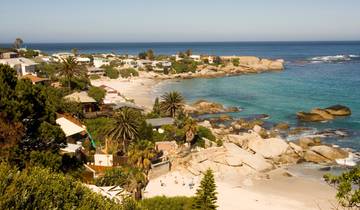
1 days
1-Day Cape Town Coastal & Peninsula Scenic Tour
- ✓ Comprehensive Cape Town tour
- ✓ Expert local guides included
- ✓ All accommodation arranged
- ✓ Transportation provided
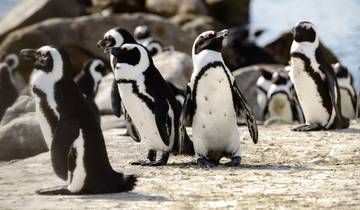
1 days
Cape Point and Penisula Xplorer
- ✓ Comprehensive Cape Town tour
- ✓ Expert local guides included
- ✓ All accommodation arranged
- ✓ Transportation provided

1 days
Urban Xplorer
- ✓ Comprehensive Cape Town tour
- ✓ Expert local guides included
- ✓ All accommodation arranged
- ✓ Transportation provided
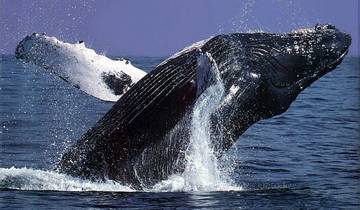
5 days
South Africa Cape Town 5-Days Attraction Tours: Whale Watching & Cape Peninsula & Wine Tasting & Aquila safari & Paraglading Tour
- ✓ Comprehensive Cape Town tour
- ✓ Expert local guides included
- ✓ All accommodation arranged
- ✓ Transportation provided
Multi-day tour packages powered by TourRadar. Prices and availability subject to change.
Essential Planning Information for 2026 Cape Town Visits
Understanding Cape Town’s Geography and Neighborhoods
Cape Town sprawls across a dramatic peninsula where Table Mountain’s central massif divides the city into Atlantic Seaboard west coast and False Bay east coast regions, creating distinct microclimates, beach conditions, and tourist experiences separated by just 15 km mountain barrier. The City Bowl nestles in Table Mountain’s natural amphitheater on the mountain’s north face, containing the historic CBD, Company’s Garden, Parliament buildings, and cultural institutions within compact 2 km² walkable from the V&A Waterfront. The Atlantic Seaboard stretches 15 km from the Waterfront through Sea Point, Clifton, Camps Bay, and Llandudno to Hout Bay, delivering postcard beaches backed by the Twelve Apostles mountain range, upscale dining, and sunset views that rank among Earth’s most photographed coastal scenes.
Table Mountain National Park encompasses the entire mountain chain from Signal Hill above the City Bowl through the peninsula’s spine to Cape Point 60 km south, protecting 25,000 hectares of fynbos vegetation, 2,285 plant species (many endemic), and 350 km of hiking trails ranging from casual 45-minute walks to demanding full-day scrambles. The Southern Suburbs spread along the mountain’s eastern foothills through Newlands, Claremont, Constantia, and Kirstenbosch, offering wine estate experiences, botanical gardens, and leafy residential neighborhoods favored by locals for quality of life despite longer commutes to tourist attractions. The Cape Flats stretch east and southeast from the airport across the sandy plains, containing townships including Khayelitsha, Gugulethu, and Mitchell’s Plain where 2.5 million Cape Town residents live in conditions ranging from established middle-class neighborhoods to informal settlements, representing essential context for understanding South Africa’s continued post-apartheid social challenges.
False Bay’s east coast from Muizenberg through Fish Hoek to Simon’s Town delivers warmer swimming conditions than the Atlantic Seaboard’s frigid Benguela Current waters (18-20°C vs 12-15°C), making these beaches popular with families and surf learners. The Cape Peninsula route from Simon’s Town through the naval base to Boulder’s Beach penguin colony and Cape Point represents a full-day excursion covering 140 km return from the City Bowl, best experienced with early 7-8 AM departure avoiding traffic and securing first-come beachfront parking at popular stops. Understanding this geographic framework allows efficient itinerary planning that groups locations by region, minimizes backtracking across congested passes, and matches daily activities to neighborhood character and microclimatic conditions.
2026 Weather Patterns and Seasonal Considerations
Cape Town’s Mediterranean climate delivers hot, dry summers (December-February) with temperatures of 25-32°C, moderate spring and autumn shoulder seasons with perfect 18-25°C conditions, and cool, wet winters (June-August) when cold fronts bring 60-100mm monthly rainfall and overnight temperatures drop to 7-12°C. The South-Easter wind dominates summer weather patterns, blowing 20-40 km/h for days or weeks creating “tablecloth” cloud formations over Table Mountain’s summit that fascinate photographers but frustrate cable car passengers as high winds close operations 30-40% of December-January operating days. This persistent wind keeps summer temperatures comfortable despite intense sun but creates rough ocean conditions on Atlantic Seaboard beaches and whips beach sand into eye-stinging discomfort during peak afternoon gusts.
Winter months bring dramatic weather variation: clear, windless days with perfect hiking conditions and pristine mountain visibility alternate with multi-day cold fronts dumping 20-40mm rain and blanketing upper slopes in snow that transforms Table Mountain into winter wonderland visible from the warm City Bowl below. Winter ocean temperatures of 12-14°C eliminate swimming appeal for all but hardy locals and wetsuit-equipped surfers, though this season delivers spectacular storm-watching from clifftop restaurants, cozy wine estate fireside tastings, and photography opportunities as dramatic cloudscapes frame Table Mountain in constantly changing light. The notorious “Cape Doctor” South-Easter wind disappears during winter, replaced by occasional Northwest gales bringing warm air and clear skies that Cape Town residents celebrate after months of winter drizzle.
Spring (September-November) brings wildflower season to Table Mountain’s fynbos slopes, with 2,200+ plant species blooming in waves creating changing color palettes from pink ericas to yellow pincushions and proteas in vibrant orange and red. This season delivers Cape Town’s most stable weather: warm days, cool nights, minimal rain, and moderate winds that allow reliable outdoor planning. Whale watching season (July-November) peaks in September-October when southern right whales calve in Walker Bay near Hermanus, 120 km east along the coast, creating opportunities for land-based whale watching that rivals global destinations for accessibility and visibility. Autumn (March-May) mirrors spring conditions with warm, stable weather, though wildflowers give way to golden-hued vegetation and wine harvest festivals replacing spring’s fresh growth energy.
Transportation Options Within Cape Town 2026
Rental cars provide maximum flexibility for Cape Town exploration in 2026, with compact vehicles renting for R350-500 per day and intermediate SUVs R600-850 daily from major international agencies at Cape Town International Airport. Book vehicles 60-90 days ahead for peak season travel (December-January) when availability tightens and rates increase 25-35%. GPS navigation units add R95-130 per day though smartphone apps function perfectly with prepaid South African SIM cards offering 10-20GB data packages for R250-450 per month. Key driving considerations include left-side traffic for visitors from right-side countries, aggressive minibus taxi behavior requiring defensive driving, parking fees of R20-40 per hour in tourist areas, and vehicle security requiring locked doors at all traffic lights following smash-and-grab theft targeting stopped vehicles displaying visible valuables.
The MyCiTi bus rapid transit system operates air-conditioned buses on dedicated lanes connecting the City Center, V&A Waterfront, Table Mountain cable car station, Atlantic Seaboard beaches, and airport with reliable 10-20 minute frequencies during daylight hours. Myconnect cards cost R35-50 initial purchase with single journey fares ranging R9-25 depending on distance, requiring card tap at entry and exit points. Day passes offering unlimited travel don’t exist, making rideshare services more economical for multiple daily trips despite MyCiTi’s lower per-trip costs. The system reduces operating hours after 8 PM and eliminates service to many tourist areas after 10 PM, limiting evening transportation flexibility.
Uber and Bolt rideshare services function reliably throughout Cape Town’s tourist areas with 3-7 minute pickup times, English-speaking drivers, cashless payment, and pricing 20-30% below traditional metered taxis. City Bowl to V&A Waterfront trips cost R40-60, airport to city center R180-250, and full-day private hire R1,200-1,600 for 8-hour Cape Peninsula excursions. Download both apps before arrival and link international credit cards, as South African regulations sometimes block foreign card registration after arrival. Traditional metered taxis exist but lack the accountability and convenience of app-based services, making them backup options rather than primary transportation for most international visitors.
The City Sightseeing Hop-On Hop-Off bus operates open-top double-deckers on two routes (Red City Tour and Blue Peninsula Tour) connecting 20+ major attractions including Table Mountain, Kirstenbosch, Camps Bay beaches, Hout Bay, and optional Cape Point extension. Two-day classic tickets cost R280 for adults with buses departing every 15-30 minutes during peak season (October-March) and every 30-60 minutes in shoulder periods. The service provides excellent value for visitors without rental cars wanting comprehensive sightseeing with multilingual audio commentary, unlimited hop-on hop-off flexibility, and elimination of parking hassles at crowded attractions. Limitations include fixed routes missing hidden gems like Chapman’s Peak Drive viewpoints, reduced frequency on Blue route requiring 60-90 minute wait times between buses, and weather vulnerability as open tops become unpleasant during wind or rain despite available rain ponchos.
Table Mountain Experience 2026
Cable Car Operations and Strategy
The Table Mountain Aerial Cableway operates daily year-round except during annual maintenance closures (typically July) and high wind conditions exceeding operational safety limits, with rotating floor cable cars ascending 1,200 meters in 5-6 minutes delivering 360-degree views during the journey. Adult return tickets cost R360 in 2026, while one-way tickets for hikers descending via cable car cost R190 (check tablemountain.net for current official rates as seasonal pricing applies). Online booking 3-7 days ahead during peak season (December-January) secures guaranteed boarding times and bypasses ticket office queues that reach 60-90 minute waits during mid-morning rush hours when day tours arrive en masse.
Optimal cable car timing targets 8-9 AM summer arrivals before crowds accumulate and afternoon South-Easter winds close operations, or 4-5 PM winter visits capturing golden hour lighting and sunset views without wind concerns. The first cable car departs 8-8:30 AM depending on season, with last ascent typically 90 minutes before sunset and final descent 30 minutes after sunset, though these times vary monthly requiring website verification for visit date. Wind-related closures occur without warning when sustained winds exceed 35 km/h, affecting 30-40% of December-February operating days but less than 10% during March-November shoulder periods when calmer conditions prevail.
Summit facilities include a café serving light meals and snacks at R80-150 per person, free WiFi, restrooms, and several viewing platforms with coin-operated telescopes. The upper cable station positions visitors on Table Mountain’s eastern Table, a relatively flat plateau spanning 3 km² with paved walkways suitable for limited mobility visitors and extensive hiking trails for adventurers. Allow 2-3 hours minimum for summit exploration covering Maclear’s Beacon (highest point), dramatic clifftop views over the City Bowl, and Dassie Trail circular walk encountering rock hyraxes lounging on boulders. Extended visits of 4-6 hours support longer hikes to Platteklip Gorge descent route, exploration of Table Mountain’s unique fynbos ecosystem, and optimal photography timing across changing light conditions from morning clarity to golden hour glow.
Hiking Routes and Trail Options
Platteklip Gorge represents Table Mountain’s most direct hiking ascent, climbing 700 vertical meters over 2.5 km from Tafelberg Road to the summit plateau in 2-3 hours for average fitness hikers. The trail follows a relentless uphill stone staircase with minimal shade, demanding early morning starts during summer when heat and sun exposure challenge afternoon attempts. Carry 2-3 liters water per person, sunscreen, and hat, as the exposed gorge offers no water sources and heat exhaustion affects unprepared visitors annually. Sunrise hikes starting 90 minutes before dawn avoid heat stress while capturing magical first light over Cape Town, with headlamps essential for pre-dawn sections.
India Venster provides a more adventurous 2.5-hour ascent combining trail hiking with easy scrambling sections requiring hand holds and head for heights, rewarding climbers with varied terrain, spectacular City Bowl views, and quieter conditions than the crowded Platteklip route. The trail requires basic scrambling confidence and dry conditions as wet rock becomes dangerously slippery, making winter attempts risky and spring-autumn timing optimal. India Venster emerges on the upper cable station area allowing cable car descent for R190 one-way tickets, creating efficient up-down combinations without repeating routes.
Skeleton Gorge on Table Mountain’s eastern slopes provides the most dramatic ascent through Kirstenbosch National Botanical Garden’s enchanted forest, climbing 700 meters through indigenous yellowwood groves, fern-draped ravines, and boulder scrambles equipped with chains and ladders. The 3-4 hour ascent delivers cooler conditions than western slopes and finishes at Maclear’s Beacon summit point 3 km from the cable station, requiring either 45-minute summit plateau hike to the cable car or committing to full 4-5 hour descent via Nursery Ravine. Kirstenbosch entry fees of R80 for adults apply to Skeleton Gorge access, though the botanical garden visit before or after hiking justifies this cost through world-class plant collections and picnic lawn perfection.
Lion’s Head stands as Cape Town’s most popular sunset hike, climbing 669 meters in 90 minutes via steep but straightforward trail requiring moderate fitness and sure footing. The final summit scramble involves chains bolted to rock providing security on exposed sections, with full moon nights seeing hundreds of headlamp-equipped hikers ascending for moonrise views and party atmospheres inappropriate for solitude seekers. Summit 360-degree panoramas encompass Table Mountain, Signal Hill, Atlantic Ocean, City Bowl, and Southern Suburbs in sweeping vistas that reward the relatively modest exertion. Hiking after sunset requires headlamps and presents navigation challenges during descent, making mid-afternoon starts optimal for summit arrival 30-45 minutes before sunset followed by twilight descent with adequate visibility.
V&A Waterfront Guide 2026
Waterfront Attractions and Activities
The V&A Waterfront functions as Cape Town’s premier tourist precinct, attracting 24 million annual visitors to a working harbor transformed into mixed-use development combining shopping malls, restaurants, hotels, museums, and maritime heritage across 123 hectares of reclaimed docklands. The Two Oceans Aquarium delivers exceptional marine biodiversity exhibits showcasing Cape waters’ unique position where Atlantic and Indian Ocean meet, with kelp forest tanks, penguin colony displays, and twice-daily shark feeding sessions entertaining visitors for 2-3 hours at R280 adult entry. The Zeitz Museum of Contemporary Art Africa (MOCAA) occupies a dramatically renovated grain silo, displaying cutting-edge African art across 9,500 m² of exhibition space with R250 adult entry including access to the Silo Hotel’s viewing platform offering stunning harbor and mountain views.
The Clock Tower houses the Nelson Mandela Gateway providing ferry departures to Robben Island, with the adjacent Chavonnes Battery Museum exploring 300 years of Table Bay maritime history in excavated castle fortifications. Harbor cruises depart the Waterfront basin multiple times daily, offering 60-90 minute sunset tours at R280-350 per adult with onboard bar service, seal colony viewpoints, and romantic Table Mountain sunset photo opportunities. The V&A Food Market operates in Shedding Six with 40+ food stalls representing Cape Town’s diverse culinary traditions from Cape Malay curry to contemporary fusion, providing authentic eating experiences beyond sanitized restaurant formality at R80-150 per person for complete meals.
Shopping spans two primary malls: Victoria Wharf offers 450+ stores ranging from local designers to international luxury brands across three levels, while the adjacent Watershed crafts market showcases 150+ South African artisans selling handmade jewelry, textiles, ceramics, and authentic curios at prices 20-40% below comparable items in tourist gift shops. The Amphitheatre waterfront plaza hosts free evening entertainment during summer months including live music, buskers, and cultural performances creating vibrant atmosphere after sunset. The Waterfront’s working harbor status means operating tugboats, fishing vessels, and cargo ships create authentic maritime ambiance beyond sterile tourist reconstruction, with dry dock facilities and boat repair yards visible from pedestrian walkways.
Robben Island Ferry and Tour Experience
Robben Island ferries depart the V&A Waterfront’s Nelson Mandela Gateway every 2 hours from 9 AM to 3 PM, with the 3.5-hour experience including 30-minute each way crossing, island bus tour, and maximum-security prison guided tour led by former political prisoners. Adult tickets cost R550 in 2026 including all components (check robben-island.org.za for current official rates and seasonal availability), with online booking essential 2-4 weeks ahead as daily visitor numbers are limited to 2,000 protecting the UNESCO World Heritage Site’s integrity while accommodating international demand.
The ferry crossing traverses 9 km across Table Bay with spectacular Table Mountain and Lion’s Head views, though ocean swells cause motion sickness in susceptible passengers making seasickness medication advisable for rough weather crossings. Island bus tours cover historical sites including the quarry where Mandela labored, Robert Sobukwe’s isolated house, and the island’s pre-prison history as leper colony and military base. The maximum-security prison section delivers the tour’s emotional core, with former prisoners narrating daily life under apartheid imprisonment, showing Cell 5 where Mandela spent 18 years, and sharing personal stories of resistance, suffering, and eventual triumph that bring South Africa’s liberation history into raw focus beyond any textbook conveys.
Weather cancellations occur when ocean swells exceed safe limits, typically during winter cold fronts bringing northwest gales and rough seas. Book morning departures for calmer ocean conditions and afternoon slots for flexible schedules accommodating canceled morning crossings. The experience requires 4-5 hours total including arrival 30 minutes before departure, making morning bookings essential for visitors combining Robben Island with afternoon Table Mountain cable car trips or other time-sensitive activities. Island facilities include limited restrooms and no food service beyond the ferry’s onboard snack bar, making breakfast before departure or snacks in day bags necessary for visitors requiring meals.
Cape Town’s Hidden Gems 2026
Bo-Kaap Cultural Quarter
Bo-Kaap’s rainbow-hued houses cascading down Signal Hill slopes represent Cape Town’s most photographed neighborhood beyond Table Mountain itself, with 300-year-old Cape Malay architecture painted in vibrant pinks, blues, yellows, and greens creating Instagram-perfect streetscapes that celebrate Cape Muslim culture and resistance to apartheid’s forced removal attempts. The neighborhood developed when freed slaves from Malaysia, Indonesia, and East Africa settled on these steep slopes in the 18th century, creating close-knit community maintaining traditions of spice-infused Cape Malay cuisine, Islamic faith expressed in several historic mosques, and Afrikaans language shaped by Southeast Asian grammatical influences.
Explore the Bo-Kaap Museum on Wale Street documenting neighborhood history through furnished 19th-century house displays, traditional clothing exhibits, and community photo archives at R30 adult entry. Self-guided walking tours following Wale, Rose, and Chiappini Streets encounter the most photographed house clusters, though respectful behavior is essential as these aren’t tourist reconstructions but family homes where residents tire of Instagram photographers blocking their driveways and treating their neighborhood as theme park. Morning light (8-10 AM) provides optimal photography conditions before harsh midday sun creates unflattering contrast, with weekday visits avoiding weekend crowds that make some narrow streets impassable.
Cape Malay cooking classes conducted in residents’ homes provide authentic cultural experiences beyond surface-level photography tourism, with 3-hour sessions costing R650-850 per person including market shopping for ingredients, hands-on cooking instruction for dishes like bobotie (curried mince), koeksisters (syrup-soaked pastries), and bredie (stews), and shared meals with hosts explaining Cape Malay culture and family histories. Book these experiences through responsible tourism operators ensuring fair compensation for community members and respectful visitor behavior that benefits rather than exploits neighborhood residents.
Kirstenbosch National Botanical Garden
Kirstenbosch spreads across 528 hectares on Table Mountain’s eastern slopes, protecting indigenous flora in magnificent displays combining formal gardens with natural fynbos wilderness ascending to the mountain’s upper contours. The cultivated garden section showcases 7,000+ plant species including proteas, ericas, restios, and cycads in carefully designed beds following seasonal bloom cycles that maintain color and interest year-round. The Boomslang Canopy Walkway snakes through the treetops on a steel and timber bridge nicknamed “tree snake,” offering elevated perspectives through the arboretum’s ancient yellowwood and camphor trees at 12 meters height.
Adult entry costs R80 in 2026 with gardens opening 8 AM daily and closing times varying seasonally from 6 PM summer to 5 PM winter (check sanbi.org/gardens/kirstenbosch for current rates). Sunday summer concerts (November-March) attract 5,000+ picnickers to the sloping lawn for sunset performances by South African artists ranging from classical orchestras to contemporary pop, creating quintessential Cape Town experiences combining nature, wine, sunset mountain views, and music. Concert tickets cost R220-280 per person with gates opening 3 PM for optimal picnic spot selection, though loyal fans arrive at 1 PM securing front-row positions.
The Skeleton Gorge trail begins at Kirstenbosch’s upper reaches, providing Table Mountain summit access through enchanted indigenous forest that protects hikers from wind and sun while delivering challenging 700-meter vertical ascent. Visitors not hiking enjoy the gardens’ extensive trails totaling 30 km through cultivated and wild areas, with the Braille Trail offering tactile plant identification for visually impaired visitors and the Tree Canopy Walkway accommodating wheelchairs despite elevation via accessible ramps. The garden restaurant serves light meals at R90-180 per person with terrace seating overlooking mountain slopes, while the gift shop stocks indigenous plant seeds allowing international visitors to grow South African flora at home respecting import regulations.
Chapman’s Peak Drive and Coastal Scenery
Chapman’s Peak Drive ranks among the world’s most spectacular coastal roads, carving 9 km into cliffsides 150-200 meters above the Atlantic Ocean between Hout Bay and Noordhoek, with 114 curves delivering constant ocean views, dramatic rock formations, and sunset photo opportunities rivaling California’s Big Sur. The toll road costs R57 per car in 2026 with payment accepted via cash or card at either end booth, operating conditions permitting as rock fall risks occasionally close the road following storms dislodging unstable sections. Drive the route south to north (Noordhoek to Hout Bay) in late afternoon for sun position enhancing rather than backlit photography, with several parking viewpoints allowing safe photo stops away from active traffic lanes.
Combine Chapman’s Peak with comprehensive Cape Peninsula touring: early departure from City Bowl by 8 AM, stop at Kalk Bay harbor for breakfast at Olympia Café or Harbour House (R120-180 per person), continue to Simon’s Town for Boulder’s Beach penguin colony at R190 adult entry, drive to Cape Point section of Table Mountain National Park with entry at R360 per adult, return via Scarborough and Kommetjie beaches, and finish with Chapman’s Peak Drive at golden hour before dinner in Hout Bay at R200-350 per person. This full-day circuit covers 140 km requiring 8-9 hours including stops and meals, best undertaken with rental car for freedom and flexibility versus organized tours costing R850-1,200 per person offering guide commentary and driver convenience at premium over self-drive costs.
Adventure activities along Chapman’s Peak include rock climbing on the imposing cliff faces with guide services at R1,200-1,600 per person for full-day introductory courses, trail running the Seven Passes connecting peaks along the drive’s length, and sunset drives to Chapman’s Peak Viewpoint the route’s highest point at 200 meters above sea level. The nearby Noordhoek beach stretches 8 km offering horse riding experiences at R650-850 per person for 90-minute coastal canters, providing alternative perspectives on this stunning coastline beyond automotive viewpoints and photographic stops.
Muizenberg Beach and Colorful Beach Huts
Muizenberg’s rainbow beach huts line the sandy shore 25 km southeast of the City Bowl, creating distinctive coastal landmarks that symbolize Cape Town’s colorful character and early 20th-century beach culture when these changing rooms served Victorian beachgoers maintaining modesty standards. The 80+ huts painted in primary colors against white backgrounds photograph beautifully against mountain backdrops and azure False Bay waters, creating social media moments that require no filter enhancement. Unlike Bo-Kaap’s residential streets, these beach huts actively welcome photographers with no privacy concerns or overtourism tensions, making them guiltless Instagram targets.
Muizenberg’s gentle waves and warmer False Bay temperatures (18-20°C compared to Atlantic Seaboard’s 12-15°C) make this Cape Town’s premier learn-to-surf beach, with multiple surf schools offering 2-hour lessons at R450-650 per person including wetsuit and board rental. The consistent beach break and sandy bottom eliminate sharp rocks that punish beginner mistakes at reef breaks, creating forgiving learning environment that produces faster progression than challenging conditions elsewhere. Experienced surfers find Muizenberg’s waves underwhelming compared to advanced breaks, though the beach serves as excellent warm-up location before tackling more demanding spots.
The beachfront promenade connecting Muizenberg to St James 3 km south provides flat walking and cycling ideal for families and fitness enthusiasts, passing tidal pools perfect for children’s swimming and the colorful St James beach huts adding second photo opportunity to the day’s collection. Kalk Bay fishing harbor lies 2 km beyond St James, offering authentic working port atmosphere with fishing boats unloading daily catches, fresh seafood restaurants serving catch-of-the-day specials at R180-280 per person, and antique shops lining the main road through this bohemian coastal village popular with artists and creative professionals seeking alternative lifestyle south of the City Bowl’s urban intensity.
Budget Planning for 2026 Cape Town Visits
Accommodation Budget Strategies
Budget backpacker hostels dominate Long Street and Observatory neighborhoods, offering dormitory beds for R180-280 per night with facilities including shared kitchens for self-catering, laundry services costing R60-80 per load, organized pub crawls, and social areas fostering traveler connections. Private rooms in these same hostels range R500-750 per night for doubles with shared bathrooms, delivering budget accommodation for couples or friends uncomfortable with dormitory sharing. Book directly through hostel websites rather than booking platforms to avoid 12-15% commission markups, with advance reservations 30-60 days ahead securing best rates during peak seasons.
Guesthouses in residential suburbs including Gardens, Tamboerskloof, and Sea Point provide mid-range comfort at R700-1,100 per night for double rooms with private bathrooms, breakfast included, and personalized host attention offering insider recommendations beyond generic tourist advice. These properties deliver better value than city center chain hotels charging R1,200-1,800 for comparable facilities, with guest relationships often producing friendship rather than transactional interactions characteristic of large hotels. Search Airbnb, Booking.com, and direct guesthouse websites comparing prices and reviews, prioritizing properties with 9.0+ ratings and 50+ reviews indicating consistent quality over years of operation.
Self-catering apartments suit budget-conscious travelers planning 5+ night stays, with one-bedroom units in Sea Point or City Bowl ranging R800-1,200 per night including full kitchen facilities that reduce meal costs by 50-60% compared to restaurant dining. Two-bedroom apartments at R1,400-2,000 per night spread costs across couples or small families, with per-person nightly costs dropping to R350-500 making this Cape Town’s most economical accommodation model for groups willing to cook rather than dine out for all meals. Supermarket shopping at Woolworths, Pick n Pay, or Checkers stores costs R500-800 weekly for ingredients feeding two adults three meals daily, versus R1,200-2,000 weekly per person for budget restaurant meals.
Transportation Cost Optimization
Walking covers significant distances within the City Bowl, with Company’s Garden to the V&A Waterfront requiring just 25-minute strolls passing through city center at zero cost. MyCiTi bus single journeys cost R9-25 depending on distance, making Myconnect cards loaded with R200-300 credit adequate for 3-5 days of public transport use for budget travelers limiting movements to bus-served routes. The City Sightseeing Hop-On Hop-Off two-day pass at R280 provides better value than multiple MyCiTi trips or Uber rides when visiting 6+ attractions over two days, with the bus system eliminating parking costs and stress at crowded sites.
Uber and Bolt rideshare services deliver remarkable value for occasional trips: City Bowl to Camps Bay costs R65-85, airport transfers R180-250, and Table Mountain cable car station R45-65 from city center accommodation. Booking rides during surge pricing periods increases costs 30-50%, making flexible timing or alternate departure points worthwhile for budget minimization. Share rides with fellow travelers when moving as groups, splitting R100 Uber costs four ways creating R25 per-person transportation cheaper than any public transit alternative.
Rental cars make economic sense for 4+ people sharing costs and wanting Cape Peninsula day trip freedom, with compact vehicle rental at R400 per day plus R200 fuel splitting to R150 per person daily rate for four passengers. Compare this to organized Cape Point tours at R850-1,200 per person including guide and lunch but limiting flexibility and stop durations. Solo travelers or couples find rental cars less economical than public transport and selective rideshare use, with parking fees adding R100-150 daily to the base rental rate when visiting attraction-heavy itineraries.
Dining Budget Management
Supermarket self-catering delivers exceptional value, with breakfast costs of R25-40 per person for cereal, fruit, yogurt, and coffee versus R80-150 for café breakfast. Lunch packed from supermarket ingredients costs R40-60 per person compared to R100-180 for budget restaurant meals, while dinner prepared in apartment kitchens costs R80-120 per person for quality proteins, vegetables, and starches versus R200-350 for mid-range restaurant dining. Weekly self-catered food costs total R500-800 per person versus R1,400-2,400 for budget restaurant meals, creating R900-1,600 weekly savings that fund additional activities or extend trip durations.
Affordable dining options exist throughout Cape Town for travelers without kitchen facilities: V&A Food Market offers diverse food stall options at R80-130 per meal, Long Street’s budget restaurants serve hearty portions at R100-150 per person, and chain restaurants like Spur and Ocean Basket deliver predictable quality at R120-180 per person with larger portions than boutique establishments. Lunch specials at mid-range restaurants offer excellent value at R90-140 per person compared to dinner menus charging R180-300 for identical dishes, making lunch the optimal timing for experiencing quality dining at budget prices.
Wine tasting represents exceptional value entertainment, with estate fees ranging R60-120 per person for 5-6 wine samples from vineyards producing world-class wines that would cost R300-600 per bottle in international markets. Many estates refund tasting fees with bottle purchases, effectively providing free tastings for visitors buying one bottle to carry home. Combine wine tasting with picnic lunches on estate lawns, purchasing cheese, bread, and charcuterie from estate delis at R180-280 for two-person spreads creating memorable dining experiences at fraction of restaurant costs while enjoying mountain and vineyard views that no indoor establishment replicates.
Sample 2026 Cape Town Itineraries
Budget 5-Day Essential Cape Town Experience
Day 1: City Bowl and Table Mountain – Company’s Garden free walking tour, South African Museum R30, Houses of Parliament exterior viewing, noon hike up Platteklip Gorge saving R360 cable car cost, summit exploration 2-3 hours, cable car descent R190. Accommodation hostel dormitory R280, supermarket meals R120. Total day cost: R620 per person (excluding accommodation).
Day 2: V&A Waterfront and Robben Island – Morning Robben Island ferry R550, afternoon V&A Waterfront free exploration, Watershed craft market browsing, harbor sunset viewing. Supermarket breakfast and dinner R80, lunch V&A Food Market R100. Total day cost: R730 per person (excluding accommodation).
Day 3: Cape Peninsula Self-Drive Day Trip – Rental car share with 3 other travelers R100 per person, fuel R50, Simon’s Town walk free, Boulder’s Beach penguins R190, Cape Point entry R360, Chapman’s Peak toll R15 per person, supermarket picnic lunch R60. Total day cost: R775 per person (excluding accommodation).
Day 4: Beaches and Bo-Kaap – Morning Bo-Kaap walking tour free, Bo-Kaap Museum R30, afternoon MyCiTi bus to Camps Bay R15, beach swimming free, sunset viewing, bus return R15. Supermarket meals R120. Total day cost: R180 per person (excluding accommodation).
Day 5: Kirstenbosch and Lion’s Head – Uber to Kirstenbosch R85, garden entry R80, self-guided walks and picnic lunch R60, Uber back to city R85, evening Lion’s Head sunset hike free. Supermarket breakfast and dinner R80. Total day cost: R390 per person (excluding accommodation).
Total 5-Day Budget: Accommodation R1,400 (dormitory), attractions R1,230, meals R500, transportation R535. Total: R3,665 per person excluding international flights.
Mid-Range 7-Day Comprehensive Cape Town Experience
Days 1-2: City Bowl and Table Mountain – Day 1 Cable car round trip R360, summit café lunch R120, afternoon City Bowl exploring, Company’s Garden, evening Long Street dining R250. Day 2 Lion’s Head morning hike free, afternoon District Six Museum R50, dinner Bo-Kaap Cape Malay restaurant R280. Guesthouse accommodation R950 per night. Meals R650 over two days, activities R410. Total two-day cost: R1,060 per person per day (excluding accommodation R950).
Day 3: V&A Waterfront and Robben Island – Robben Island ferry R550, Two Oceans Aquarium R280, lunch Waterfront R180, afternoon shopping Watershed, sunset harbor cruise R280. Meals R380, activities R1,110. Total: R1,490 per person (excluding accommodation).
Day 4: Cape Peninsula Private Tour – Full-day organized tour R1,200 including transport and guide, lunch at Simon’s Town R180, Boulder’s Beach included in tour, Cape Point included, Chapman’s Peak Drive, dinner Hout Bay R280. Total: R1,660 per person (excluding accommodation).
Days 5-6: Wine Country and Coast – Day 5 rental car R600 shared between two travelers R300 each, Stellenbosch wine tasting 3 estates R300, lunch on estate R180, fuel R80. Day 6 drive to Hermanus, whale watching free land-based viewing (September-October), lunch R200, Muizenberg beach and huts afternoon, return. Meals R780 over two days, transportation R460, wine activities R300. Total two-day cost: R770 per person per day (excluding accommodation).
Day 7: Kirstenbosch and Relaxation – Sunday summer concert at Kirstenbosch R250, picnic from deli R200, afternoon garden exploring, evening relaxed city dining R300. Total: R750 per person (excluding accommodation).
Total 7-Day Mid-Range Budget: Accommodation R6,650 (guesthouse R950/night), attractions R2,590, meals R2,310, transportation R1,160. Total: R12,710 per person excluding flights.
Luxury 5-Day Cape Town Highlights
Day 1: Arrival and Table Mountain – Airport private transfer R350, afternoon cable car R360, summit champagne and canapés at café R280, evening fine dining at Test Kitchen or La Colombe R800 per person. Boutique hotel Camps Bay R3,200. Meals R1,080, activities R710. Total: R1,790 per person (excluding accommodation).
Day 2: Robben Island and Waterfront Premium – Morning Robben Island ferry R550, private guide adding historical context R800, lunch at Harbour House R400, afternoon Zeitz MOCAA R250, sunset champagne cruise R650, dinner The Test Kitchen R800. Meals R1,200, activities R2,200. Total: R3,400 per person (excluding accommodation).
Day 3: Cape Peninsula Helicopter and Drive – Morning helicopter flight over peninsula R3,500 for 45-minute tour, lunch Twelve Apostles Hotel R500, afternoon Chapman’s Peak private scenic drive with stops, sunset at Camps Bay, dinner at Codfather R700. Meals R1,200, activities R3,500. Total: R4,700 per person (excluding accommodation).
Day 4: Wine Country Premium Experience – Private wine guide R2,200 for day, premium estate tastings with winemaker meetings R450 per person, lunch at Delaire Graff R600, Franschhoek motor museum R120, dinner at Le Quartier Français R850. Meals R1,450, activities R2,770. Total: R4,220 per person (excluding accommodation).
Day 5: Kirstenbosch and Spa Relaxation – Morning garden private guided botanical walk R350, lunch at garden restaurant R220, afternoon spa treatment at hotel R1,800, evening farewell dinner The Pot Luck Club R650. Meals R870, activities R2,150. Total: R3,020 per person (excluding accommodation).
Total 5-Day Luxury Budget: Accommodation R16,000 (boutique hotel), attractions R11,330, meals R5,800, private transfers and guides R3,400. Total: R36,530 per person excluding flights.
Booking and Reservation Strategies for 2026
Advance Booking Timelines for Key Attractions
Robben Island ferry tickets require the longest advance planning in Cape Town’s tourism calendar, with tickets releasing 90 days ahead and selling out within 24-48 hours for December-January peak season departures. Book exactly at the 90-day mark through robben-island.org.za at 9 AM when new dates open, with shoulder season months (March-May, September-November) offering 30-45 day booking windows and better availability. Monitor the booking portal starting 95 days before desired visit dates, as the system occasionally releases tickets 5-7 days early without announcement creating early-bird opportunities for vigilant planners.
Table Mountain cable car tickets purchased online 3-7 days ahead secure boarding time slots that bypass ticket office queues reaching 60-90 minutes during mid-morning peak periods when tour buses arrive. The online booking system at tablemountain.net charges identical prices to walk-up purchases while providing guaranteed boarding times and refund options if wind closes operations on booked dates. Same-day tickets remain available most days except December-January peak season when afternoon slots sell out by noon, making morning departures preferable even without advance booking given better weather conditions and crowd management.
Accommodation reservations 90-120 days ahead secure peak season availability at competitive rates, with December-January and Easter dates requiring 150-180 day advance booking for popular areas including V&A Waterfront, Camps Bay, and Sea Point. Shoulder season visits (March-May, September-November) permit 45-60 day booking windows, with last-minute deals occasionally appearing 7-14 days before check-in as hotels discount unsold inventory. Budget accommodation books faster than luxury properties due to limited inventory, making backpacker hostels on Long Street and Observatory require 90+ day advance reservations for summer season compared to boutique hotels accepting 30-day bookings.
Tour Operator Selection and Booking Channels
Cape Town supports 200+ tour operators offering Cape Peninsula day trips, township tours, wine country excursions, and adventure activities, with quality varying dramatically between professional services and opportunistic operators lacking proper licensing, insurance, and safety protocols. Verify tour operator credentials through Tourism Grading Council of South Africa (TGCSA) certification indicating verified safety standards, professional guide training, and proper insurance coverage. Read recent TripAdvisor and Google reviews focusing on 2025-2026 feedback rather than outdated commentary from 2019-2020 pre-pandemic operations that may no longer reflect current service quality.
Book tours directly through operator websites rather than third-party aggregators to avoid 15-25% commission markups and maintain direct communication for itinerary customization or special requests. Major reputable operators include City Sightseeing (hop-on-hop-off buses), Springbok Atlas (comprehensive multi-day tours), and Day Trippers (peninsula and wine country), with pricing transparent on official websites and customer service responsive to email inquiries. Small boutique operators often deliver more personalized experiences than large volume operators, with guide attention split between 6-8 passengers versus 40-50 passengers on mega-coach tours, though prices run 20-35% premium over mass-market alternatives.
Activity bookings for shark cage diving, paragliding, sandboarding, and other adventure experiences require 7-14 days advance reservations during peak season, with weather-dependent activities like paragliding from Lion’s Head needing same-day confirmation based on wind conditions. Read safety protocols and cancellation policies carefully, as some operators charge 50-100% cancellation fees within 48 hours of scheduled activities while others offer flexible rescheduling acknowledging South Africa’s variable weather patterns. Travel insurance covering adventure activities provides peace of mind for expensive bookings, as standard policies often exclude high-risk activities requiring specialized coverage additions.
2026 Cape Town Updates and Current Information
New Developments and Infrastructure Projects
Table Mountain National Park completed the Hoerikwaggo Table Mountain Trail renovations in late 2025, upgrading overnight huts with solar power, rainwater harvesting systems, and improved sleeping facilities along this iconic 5-day, 75 km hiking route traversing the peninsula from Cape Point to Table Mountain summit. The trail reopened with enhanced booking systems accommodating increased demand from hiking enthusiasts seeking multi-day immersion in the Cape Floral Region’s unique biodiversity, with bookings managed through SANParks reservation portal requiring 180-day advance planning for peak season dates.
The V&A Waterfront’s Silo District expansion completed in 2025 added 15,000 m² of mixed-use space including new restaurants, boutique retail, and the Silo Hotel’s additional luxury accommodations overlooking the harbor. Battery Park adjacent to the Clock Tower received landscaping upgrades creating enhanced public spaces with indigenous plantings, children’s play areas, and improved pedestrian flow connecting the Nelson Mandela Gateway ferry terminal with the main Waterfront precinct. These developments reinforced the Waterfront’s position as Cape Town’s premier tourist destination while maintaining the working harbor atmosphere that distinguishes this precinct from sanitized tourist reconstructions elsewhere.
MyCiTi bus rapid transit system extended service to Atlantis and surrounding northern suburbs in late 2025, though tourist impacts remain minimal as these routes serve primarily residential communities rather than attraction areas. More significant for visitors, the airport service reliability improved through fleet expansion and frequency increases reducing wait times from 20-30 minutes to 10-15 minutes during daylight hours, making the R80-100 bus option more competitive against R180-250 Uber rides for budget-conscious arrivals willing to sacrifice 10-15 minutes extra journey time versus door-to-door private transport.
Sustainability Initiatives and Responsible Tourism
Cape Town implemented expanded plastic bag bans in 2025 extending beyond existing regulations to include all single-use plastics at retail establishments, with reusable shopping bags now mandatory at all supermarkets, convenience stores, and restaurants. Visitors should pack collapsible shopping bags or purchase reusable alternatives at R15-35 from any retail outlet, as shops no longer provide plastic carriers and paper bag alternatives cost R5-10 per bag. This initiative builds on South Africa’s existing plastic bag regulations dating to 2003, with Cape Town adopting more stringent standards than national requirements following years of plastic pollution impacting marine ecosystems along the Atlantic Seaboard and False Bay coastlines.
Table Mountain National Park launched carbon offset programs in 2025 allowing visitors to contribute R50-100 per trip toward renewable energy installations, indigenous vegetation restoration, and wildlife corridor establishment connecting fragmented fynbos habitats across the peninsula. The voluntary program processed over R8 million in contributions during the first six months, funding solar installations at park facilities, alien vegetation clearing operations that employ 200+ local workers, and wildlife monitoring programs tracking endangered species including the Cape leopard population estimated at just 25-35 individuals remaining in the park’s mountain territories.
Township tourism operators implemented fair compensation frameworks ensuring 60-70% of tour revenues flow directly to community guides and local businesses rather than external tour companies extracting profits while communities bear tourism’s social impacts. Responsible tour operators like Camissa, Coffeebeans Routes, and Urban Adventures demonstrate this commitment through transparent pricing, community investment programs, and authentic engagement replacing performative “poverty tourism” with dignified cultural exchange. Visitors booking township tours should verify operator community benefit structures and avoid companies offering unrealistically cheap tours (below R400 per person) that signal insufficient guide compensation and exploitation of community access without fair benefit sharing.
Frequently Asked Questions About Cape Town 2026
Do you need a car in Cape Town?
Central Cape Town functions perfectly without rental cars through combination of walking, MyCiTi buses, and Uber rideshares covering City Bowl, V&A Waterfront, Atlantic Seaboard beaches, and most tourist attractions within 8 km radius of accommodation. The City Sightseeing Hop-On Hop-Off bus extends this car-free range to Kirstenbosch Botanical Garden, Hout Bay, and Camps Bay, making independent 5-day visits completely feasible without vehicle rental. Cars become essential for Cape Peninsula day trips to Cape Point and Boulder’s Beach where public transport doesn’t reach, wine country exploration requiring visits to 3-4 estates spread across valleys, and multi-day Garden Route trips to Knysna and Plettenberg Bay. Evaluate your specific itinerary against available public transport before automatically assuming car necessity, as many visitors overestimate vehicle requirements given Cape Town’s relatively good tourist transportation infrastructure compared to other African destinations. Travelers prioritizing flexibility, spontaneity, and remote hiking trailhead access find cars worthwhile, while those comfortable with structured daily plans and major attraction focus save R4,000-6,000 weekly on unnecessary rental and parking costs.
What should I wear in Cape Town?
Cape Town demands versatile layered clothing suitable for 15°C temperature swings between morning and afternoon, 25-40 km/h winds requiring wind-resistant outer layers, and sudden weather changes from sunshine to rain within hours. Pack breathable base layers, warm fleece or insulated mid-layers, windproof and waterproof outer shells, sun protection including wide-brimmed hats and high-SPF sunscreen, and comfortable walking shoes with good grip for uneven trails and cobblestone streets. Summer visits (December-February) emphasize sun protection, light breathable fabrics, swimwear for beaches, and wind-resistant layers for breezy coastal conditions, while winter trips (June-August) require genuine cold-weather gear including warm jackets, long pants, and waterproof footwear for rainy days. Cape Town style trends casual-smart with locals dressing well even for informal occasions, making neat casual outfits appropriate for most restaurants and activities while formal wear remains necessary only for upscale hotel dining rooms and luxury wine estates. Table Mountain hiking requires proper trail shoes with ankle support, not fashion sneakers or sandals that cause twisted ankles on rocky paths, along with hiking-appropriate clothing providing sun protection, moisture wicking, and movement flexibility. Evening attire for mid-range to upscale restaurants includes smart casual options like pressed jeans or khakis with collared shirts for men and dresses or nice tops with pants for women, though beachwear and athletic clothing remain inappropriate except at casual beach bars and food markets.
Is tap water safe to drink in Cape Town?
Cape Town tap water meets World Health Organization safety standards and is perfectly safe for international visitors to drink directly from faucets without filtration or boiling, with municipal water quality monitored continuously at 140+ testing points throughout the distribution network. The city’s water sources derive from mountain catchments in Table Mountain National Park and surrounding wilderness areas, providing naturally clean water requiring minimal treatment before distribution. Visitors can confidently fill reusable water bottles from accommodation taps, restaurant sinks, and public drinking fountains while hiking or exploring the city, eliminating need for purchasing plastic bottled water that contributes to South Africa’s plastic waste crisis. Taste and mineral content differ slightly from European or North American municipal water due to natural mineral variations in source watersheds, though these differences cause no health concerns and most visitors adapt within 1-2 days. Cape Town residents emerged from 2017-2018 water crisis with enhanced conservation awareness, making responsible water use appreciated though restrictions no longer limit visitor activities as they did during peak crisis periods requiring 50-liter daily quotas. Hotels, restaurants, and attractions all use municipal tap water for drinking, cooking, and ice production, with bottled water sales reflecting consumer preference rather than safety necessity in this well-managed municipal water system.
Can you swim at Cape Town beaches year-round?
Swimming depends more on personal cold tolerance than seasonal restrictions, with Atlantic Seaboard beaches maintaining frigid 12-16°C temperatures year-round from the Benguela Current’s cold upwelling while False Bay’s eastern coast offers slightly warmer 16-20°C conditions during summer months (December-March) declining to 14-17°C in winter. Local swimmers and surfers utilize wetsuits year-round, with 3-4mm full suits standard for winter comfort and 2mm spring suits adequate for summer sessions. International visitors from tropical or warm temperate climates often find even summer Atlantic Seaboard temperatures shockingly cold despite air temperatures reaching 28-32°C, while hardy northern Europeans and North Americans from cold-water regions swim comfortably without wetsuits during December-February peak warmth. Beaches remain open year-round with no seasonal closures, though winter swims appeal primarily to adventurous cold-water enthusiasts and wetsuit-equipped surfers rather than casual beachgoers seeking pleasant swimming experiences. The best swimming conditions exist at False Bay beaches from Muizenberg through Fish Hoek to Simon’s Town during January-March when water temperatures peak at 19-21°C, providing acceptable comfort for extended swimming without wetsuits for most visitors. Tidal pools at St James, Dalebrook, and Milton’s Beach offer protected swimming in shallow sun-warmed water reaching 22-24°C during summer, creating family-friendly alternatives to open ocean swimming for children and cold-sensitive adults.
What wildlife can you see around Cape Town?
Cape Town’s unique position between mountain and ocean creates remarkable urban wildlife diversity ranging from endemic fynbos species to marine megafauna visible from shore. African penguins waddle along Boulder’s Beach in Simon’s Town, with this endangered species’ mainland breeding colony providing guaranteed close encounters 45 km from city center. Southern right whales migrate to False Bay and Walker Bay (Hermanus) for calving during July-November, with shore-based viewing from clifftop viewpoints in Hermanus delivering the world’s best land-based whale watching with mothers and calves visible 50-200 meters offshore. Cape fur seals lounge on harbor walls at Hout Bay and Kalk Bay, entertaining visitors with playful antics while defending their fishing haul from opportunistic gulls.
Table Mountain National Park protects diverse fauna including rock hyraxes (dassies) visible around cable car stations and summit areas, Cape mountain zebra in the Cape Point section, bontebok antelope grazing coastal plains, and endangered Cape leopards prowling the mountain’s remote upper slopes though sightings remain extremely rare given the population’s nocturnal habits and human avoidance. Birdlife includes 250+ species from charismatic African penguins to endemic Cape sugarbirds feeding on protea flowers, while the park’s marine protected areas support diverse fish species, octopuses, and occasional shark sightings from clifftop viewpoints.
Baboon troops inhabit the Cape Peninsula particularly around Cape Point and mountain passes, creating wildlife encounters ranging from amusing to dangerous as these intelligent primates learn to raid parked cars and picnic areas for food. Park regulations prohibit feeding baboons and require securing all food items in locked car trunks to prevent break-ins, as baboons capable of opening unlocked doors and unzipping backpacks present genuine property damage risks despite their entertaining antics. Maintain 20+ meter distance from all baboon troops, never offer food or make direct eye contact with dominant males, and alert park rangers if troops exhibit aggressive behavior targeting vehicles or visitors, as problem individuals require relocation to prevent escalating human-wildlife conflicts.