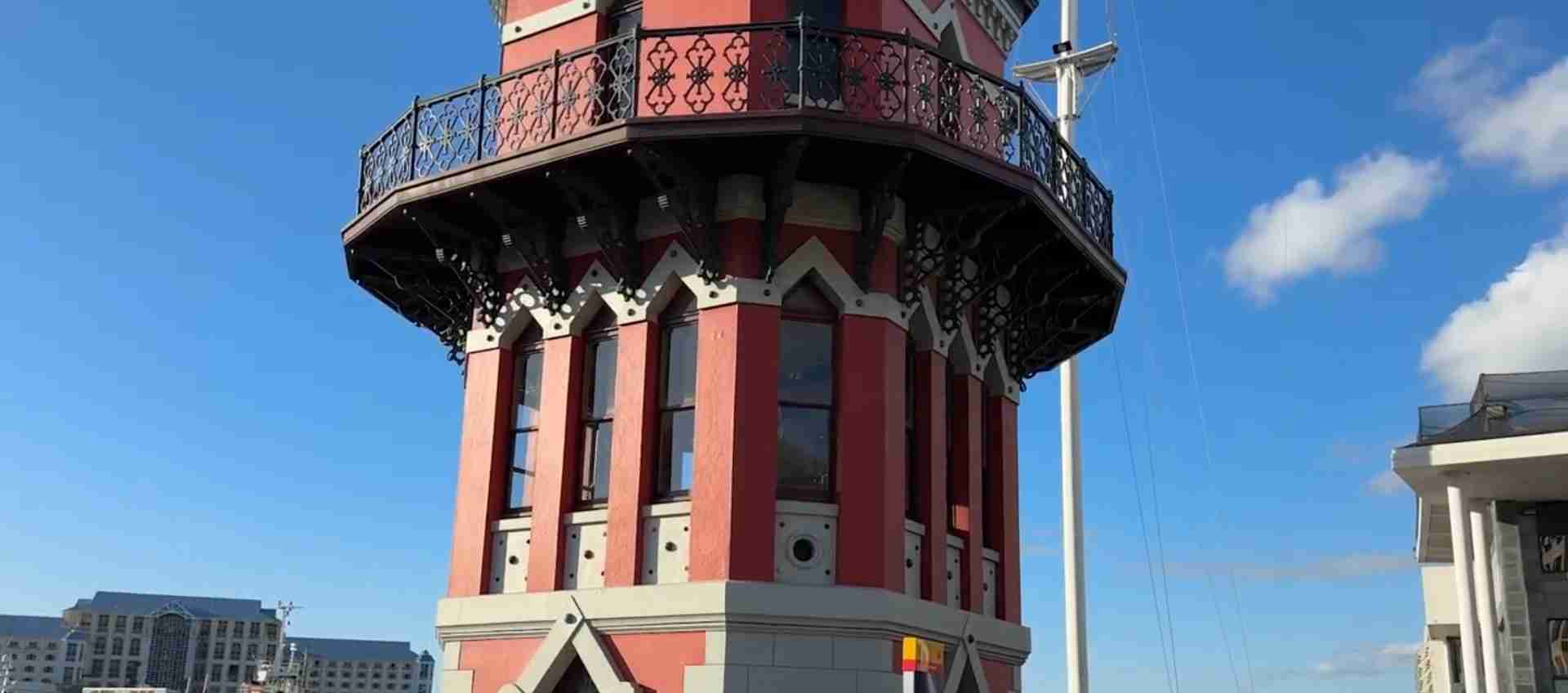
South Africa UNESCO World Heritage Sites: Complete Travel 2026 Guide
Key Takeaways
- South Africa protects 10 UNESCO World Heritage Sites spanning cultural landmarks, fossil sites, and biodiversity hotspots across diverse landscapes
- Multi-site visits in 2026 require strategic planning across Gauteng, Western Cape, KwaZulu-Natal, and Northern Cape provinces with 300-1200 km distances between major sites
- Combined entry fees range R200-450 per site (check official websites for current 2026 rates), with significant savings through South African National Parks (SANParks) Wild Card annual passes
- Optimal visiting periods are March-May and September-November for moderate temperatures, lower crowds, and excellent wildlife viewing conditions across natural heritage sites
- Budget-conscious travelers can experience 5-6 major UNESCO sites in 10-14 days for R8,500-12,000 per person excluding flights, while comprehensive coverage requires 18-21 days and R15,000-22,000
- Self-drive rental vehicles provide maximum flexibility for UNESCO site exploration, with daily rates of R350-600 for compact cars and R800-1,200 for 4×4 vehicles in 2026
Introduction to South Africa’s UNESCO World Heritage Portfolio
South Africa’s 10 UNESCO World Heritage Sites represent an extraordinary convergence of human history, paleontological significance, and biological diversity that spans three million years of evolutionary heritage. From the fossil-rich caves of the Cradle of Humankind where our earliest ancestors walked to the politically charged cells of Robben Island where Nelson Mandela was imprisoned, these protected landscapes tell the intertwined stories of human origins, cultural development, and natural splendor. The country’s UNESCO portfolio encompasses ancient rock art sites documenting indigenous San culture, botanical treasures containing 20% of Africa’s flora in just 0.5% of the continent’s area, and geological phenomena like the Vredefort Dome marking Earth’s largest verified meteorite impact structure.
Planning a comprehensive UNESCO heritage journey through South Africa in 2026 requires understanding the vast geographic spread of these sites across nine provinces, the seasonal variations that affect accessibility and wildlife viewing, and the logistical considerations for combining cultural and natural heritage experiences. The Western Cape province alone contains three UNESCO sites within a 200 km radius, making it an efficient starting point, while reaching the northern cultural landscapes of Mapungubwe or the eastern coastal wetlands of iSimangaliso demands dedicated travel time and strategic routing. This guide provides the essential planning framework for experiencing South Africa’s World Heritage treasures in 2026, from budgeting strategies and transportation logistics to optimal timing and booking recommendations that maximize your heritage exploration experience.
People Also Ask About South Africa UNESCO Sites 2026
How many UNESCO World Heritage Sites does South Africa have in 2026?
South Africa protects 10 UNESCO World Heritage Sites as of 2026, making it the country with the most World Heritage designations in Africa alongside Ethiopia. The portfolio includes five cultural sites (Robben Island, Fossil Hominid Sites of South Africa, Mapungubwe Cultural Landscape, Richtersveld Cultural and Botanical Landscape, and ǂKhomani Cultural Landscape), four natural sites (Cape Floral Region Protected Areas, iSimangaliso Wetland Park, Vredefort Dome, and Barberton Makhonjwa Mountains), and one mixed site (Maloti-Drakensberg Park shared with Lesotho). This diverse collection spans ancient human origins dating back 3.3 million years, indigenous cultural traditions, colonial and apartheid history, unique botanical regions, and exceptional geological formations. The sites are distributed across South Africa’s provinces from the Northern Cape’s desert landscapes to KwaZulu-Natal’s subtropical wetlands, requiring strategic planning to visit multiple sites efficiently.
What is the most important UNESCO site to visit in South Africa in 2026?
Robben Island stands as South Africa’s most internationally significant UNESCO site in 2026, serving as the physical embodiment of the country’s journey from apartheid oppression to democratic liberation. Located 9 km off Cape Town’s coast, this former maximum-security prison where Nelson Mandela spent 18 of his 27 years of incarceration has become a powerful symbol of human resilience and political transformation. Guided tours led by former political prisoners provide firsthand accounts of daily life under apartheid-era imprisonment, walking through the limestone quarry where Mandela worked and standing in Cell 5 where he was confined. Ferry tickets cost R550 for adults in 2026 with timed departures from the V&A Waterfront (check robben-island.org.za for current official rates and availability). The 3.5-hour experience includes the 30-minute ferry crossing, bus tour of the island’s historical sites, and the deeply moving maximum-security prison tour. Advanced booking 2-3 weeks ahead is essential as daily visitor numbers are limited to protect the site’s historical integrity while maintaining its role as a living museum and testimony to the triumph of the human spirit over injustice.
How much does it cost to visit all South Africa UNESCO sites in 2026?
Visiting all 10 South Africa UNESCO World Heritage Sites in 2026 involves combined entry fees ranging R2,800-4,200 per person depending on your approach to multi-day park visits and tour options. Robben Island ferry tickets cost R550, Cradle of Humankind sites charge R150-180 per venue with the Maropeng Visitor Centre and Sterkfontein Caves being essential stops, while SANParks-managed natural sites like iSimangaliso Wetland Park require daily conservation fees of R232 per adult. The most cost-effective strategy for nature-focused travelers is purchasing the SANParks Wild Card annual pass at R4,670 for individuals or R7,610 for couples in 2026, providing unlimited access to all national parks including Cape Floral Region components, iSimangaliso, and the Drakensberg. This pass pays for itself after 15-20 days of park visits, making it essential for comprehensive UNESCO exploration. Check individual site official websites for current 2026 rates as pricing varies by season and accommodation options. Beyond entry fees, budget R15,000-22,000 per person for a comprehensive 18-21 day UNESCO tour including accommodation, transportation, meals, and guided experiences at specialized sites like Mapungubwe and the Richtersveld.
What is the best time to visit South Africa UNESCO sites in 2026?
March-May and September-November offer optimal conditions for South Africa UNESCO site visits in 2026, providing the sweet spot between weather, crowds, and wildlife viewing across the country’s diverse climatic zones. These shoulder seasons deliver moderate temperatures of 18-25°C in most regions, avoiding the intense summer heat (30-38°C December-February) that makes hiking in sites like the Drakensberg challenging and the winter cold (5-15°C June-August) that limits enjoyment of outdoor exploration in the Cape Floral Region. Wildlife viewing in natural heritage sites peaks during these periods as animals congregate around water sources and vegetation provides optimal visibility for spotting endangered species in iSimangaliso’s wetlands and coastal forests. The spring months of September-November bring spectacular wildflower blooms across the Cape Floral Region, transforming the fynbos landscapes into carpets of color with over 9,000 plant species in bloom. Crowd levels decrease significantly compared to the December-January peak season, allowing more intimate experiences at popular sites like Robben Island and better accommodation availability at competitive rates. Budget travelers benefit from shoulder season discounts of 15-30% on accommodation and car rentals compared to peak season rates.
Extended multi-day tours – 5+ days
Featured South Africa Multi-Day Tour Packages
3 days
South Africa 3-Day Discovery Tour
- ✓ Comprehensive South Africa experience
- ✓ Expert local guides included
- ✓ All accommodation included
- ✓ Transportation provided
5 days
South Africa 5-Day Highlights Experience
- ✓ Comprehensive South Africa experience
- ✓ Expert local guides included
- ✓ All accommodation included
- ✓ Transportation provided

7 days
South Africa 7-Day Cultural Journey
- ✓ Comprehensive South Africa experience
- ✓ Expert local guides included
- ✓ All accommodation included
- ✓ Transportation provided

10 days
South Africa 10-Day Complete Adventure
- ✓ Comprehensive South Africa experience
- ✓ Expert local guides included
- ✓ All accommodation included
- ✓ Transportation provided
Multi-day tour packages powered by TourRadar. Prices and availability subject to change.
Essential Planning Information for 2026 UNESCO Visits
Understanding South Africa’s UNESCO Site Distribution
South Africa’s 10 UNESCO World Heritage Sites span seven provinces across 1,500 km from north to south and 1,200 km from east to west, creating significant logistical considerations for comprehensive coverage. The Western Cape concentrates three sites within a compact region: Robben Island in Cape Town’s Table Bay, the Cape Floral Region’s multiple protected areas within 200 km of the city, and the Richtersveld Cultural and Botanical Landscape in the remote Northern Cape border region 650 km north. Gauteng province offers the most accessible cultural heritage at the Cradle of Humankind sites just 50 km northwest of Johannesburg, with excellent infrastructure and day-trip accessibility from the country’s primary international gateway.
The northern frontier presents the ancient Mapungubwe Cultural Landscape in Limpopo province 520 km north of Johannesburg, requiring dedicated travel to reach this remote archaeological treasure near the Botswana-Zimbabwe border confluence. KwaZulu-Natal’s eastern coast protects the vast iSimangaliso Wetland Park stretching 220 km from St Lucia to the Mozambique border, while the province’s interior shares the Maloti-Drakensberg Park with Lesotho across the dramatic mountain escarpment. The Barberton Makhonjwa Mountains in Mpumalanga province near the Eswatini border preserve 3.6-billion-year-old geological formations, while the ǂKhomani Cultural Landscape in the southern Kalahari Desert documents traditional hunter-gatherer territories across vast, sparsely populated landscapes. The Vredefort Dome near Parys in the Free State offers the most centrally located natural site, positioned 120 km southwest of Johannesburg.
This geographic distribution creates three logical touring circuits for 2026 planning: the Western Cape circuit covering Cape Town-based sites, the Gauteng-Limpopo cultural heritage route linking the Cradle of Humankind with Mapungubwe, and the eastern corridor following KwaZulu-Natal’s coast and mountains. Visitors with limited time focus on the Western Cape or Gauteng regions for 4-6 sites in 7-10 days, while comprehensive coverage requires 18-21 days with strategic routing to minimize backtracking across South Africa’s vast interior distances.
2026 Entry Requirements and Documentation
International visitors to South Africa in 2026 receive visa-free entry for tourism purposes up to 90 days if arriving from visa-exempt countries including the United States, Canada, European Union nations, United Kingdom, Australia, New Zealand, and Japan. Your passport must have at least two blank pages and remain valid for at least 30 days beyond your intended departure date from South Africa. Travelers from countries requiring visas must obtain these from South African embassies or consulates before departure, as visa-on-arrival services are not available at airports or land borders.
Yellow fever vaccination certificates are mandatory for travelers arriving from or transiting through yellow fever endemic countries in tropical Africa and South America. South Africa authorities strictly enforce this requirement at all ports of entry, and visitors without valid certificates face deportation. No other vaccinations are legally required for entry, though hepatitis A and B, typhoid, and routine vaccinations are medically recommended. Malaria prophylaxis is advised for visitors planning to explore iSimangaliso Wetland Park or Mapungubwe Cultural Landscape during the summer rainy season (November-April), though these lowveld regions experience low to moderate malaria risk.
Driving in South Africa requires a valid driver’s license from your home country accompanied by an International Driving Permit (IDP) if your license is not in English or does not include a photograph. Rental car companies enforce this requirement strictly, and police conducting roadside checks verify proper documentation. Vehicle insurance is mandatory and included in all reputable rental agreements, with comprehensive coverage recommended for long-distance UNESCO touring on varied road conditions from smooth national highways to rough gravel roads accessing remote sites like the Richtersveld.
Cost Breakdown for 2026 UNESCO Site Visits
Individual UNESCO Site Entry Fees
Robben Island stands as the premium-priced UNESCO experience in South Africa with adult ferry tickets at R550 in 2026 including the boat transfer, island bus tour, and maximum-security prison guided visit (check robben-island.org.za for current official rates as seasonal pricing applies). The Cradle of Humankind complex charges separate entry for each attraction: Maropeng Visitor Centre costs R150 for adults, Sterkfontein Caves R180, and Kromdraai Gold Mine R120, with combination tickets offering marginal savings of 10-15% when booking multiple sites together through the official booking platform.
SANParks-managed natural heritage sites operate on daily conservation fees: iSimangaliso Wetland Park charges R232 per adult per day for international visitors, Cape Floral Region components like Table Mountain National Park R190 per adult per day, and remote parks R116 per adult per day. The Maloti-Drakensberg Park’s South African side at Royal Natal National Park and Cathedral Peak requires R232 daily conservation fees plus R80-120 per person overnight camping fees or R1,200-2,800 per chalet for accommodation. Mapungubwe National Park charges R232 daily conservation fees with optional guided heritage tours adding R180-250 per person for specialized archaeological interpretations.
The Richtersveld Cultural and Botanical Landscape entry is included in R232 per day SANParks fees for Richtersveld National Park access, while the ǂKhomani Cultural Landscape in the Kalahari requires arrangements through local community guides at R400-600 per day per group for cultural experiences and traditional tracking demonstrations. The Vredefort Dome is a designated heritage site without entry fees, accessible through public roads and private property viewpoints, while the Barberton Makhonjwa Mountains’ geological sites are free to explore though guided geological tours cost R350-500 per person for half-day experiences.
SANParks Wild Card Value Analysis for 2026
The SANParks Wild Card annual pass represents exceptional value for visitors planning to spend 15+ days exploring South Africa’s natural UNESCO sites in 2026. Individual cards cost R4,670, couple cards R7,610, and family cards (2 adults + children under 18) R9,285, providing unlimited access to all 19 South African National Parks including Table Mountain, iSimangaliso, Kruger, Addo Elephant, and Garden Route parks. The card pays for itself after 20 days of individual park visits or 15 days for couples, making it essential for comprehensive UNESCO natural heritage touring combined with broader South African wildlife experiences.
Wild Card holders bypass daily conservation fee payments at park gates, enjoying faster entry during peak periods and eliminating the need for cash transactions at remote parks with limited card facilities. The pass includes free day visits to all parks, though overnight accommodation still requires separate booking and payment through SANParks reservation systems. Special benefits include members-only rates for accommodation (10-15% discount), access to exclusive picnic sites, and priority booking for popular camps during school holidays. Cards activate upon first use and remain valid for exactly 365 days, allowing flexible trip timing across multiple visits to South Africa during the 2026 calendar year.
For visitors planning a focused 10-14 day UNESCO-only journey concentrating on cultural sites and selected natural areas, individual daily conservation fees remain more economical at R2,500-3,200 total compared to the R4,670 card cost. However, travelers extending their South African adventure to include Kruger National Park safaris, Addo Elephant encounters, or Garden Route coastal exploration quickly realize 30-50% cost savings through Wild Card membership. Purchase cards online at sanparks.org before departure for immediate activation upon arrival, or buy at major park gates including Table Mountain, iSimangaliso, and Kruger entry points.
Guided Tour Investment Strategy
Guided tours provide essential context and access for several South Africa UNESCO sites where independent exploration is limited or restricted. Robben Island tours are exclusively guided experiences included in the R550 ferry ticket, with former political prisoners narrating the maximum-security prison section and providing irreplaceable firsthand perspectives on apartheid-era incarceration. The Cradle of Humankind’s Sterkfontein Caves require guided tours included in the R180 entry fee, with paleontology experts explaining the significance of hominin fossil discoveries in the underground chambers where 3.3-million-year-old Australopithecus africanus remains were unearthed.
Mapungubwe National Park offers optional guided heritage tours at R180-250 per person beyond basic park entry, providing archaeological interpretation of the Iron Age kingdom’s stone ruins, burial sites, and artifact context that’s invisible without expert guidance. These specialized tours run once or twice daily from the main camp with advance booking essential during peak seasons. The ǂKhomani Cultural Landscape experiences require local San community guides arranged through Witdraai or Andriesvale communities at R400-600 per day per group, offering tracking demonstrations, plant use knowledge sharing, and cultural storytelling that represents the only authentic way to understand this living heritage landscape.
Multi-day guided UNESCO tours marketed by South African operators range R18,500-32,000 per person for comprehensive 10-14 day itineraries covering 6-8 major sites with transportation, accommodation, meals, and expert guiding included. These tours eliminate logistical planning stress and provide curated experiences but limit flexibility for independent exploration and extended time at sites of particular personal interest. Budget-conscious travelers with confident self-drive skills save 40-60% on guided tour costs through independent planning while maintaining the option to join site-specific guided experiences at Robben Island, Sterkfontein Caves, and Mapungubwe where professional interpretation enhances understanding beyond what any guidebook provides.
Transportation Between UNESCO Sites 2026
Self-Drive Rental Vehicle Strategy
Self-drive rental vehicles provide maximum flexibility for South Africa UNESCO site exploration in 2026, with extensive highway networks linking major destinations and reasonable driving conditions on primary routes between sites. Compact cars rent for R350-500 per day through major international agencies including Avis, Budget, and Hertz, offering adequate comfort for highway driving between Cape Town, Johannesburg, and coastal routes. Intermediate SUVs at R600-850 per day provide better comfort for long-distance touring and handle gravel roads accessing sites like the Richtersveld or remote Drakensberg valleys more capably than sedans.
Four-wheel-drive vehicles become essential for serious exploration of the Richtersveld National Park’s challenging 4×4 routes, ǂKhomani Cultural Landscape’s sandy Kalahari tracks, and remote access roads in iSimangaliso’s wilderness zones, with 4×4 rentals costing R800-1,200 per day from specialized agencies in Cape Town and Johannesburg. Book vehicles 3-6 months ahead for 2026 peak season travel (December-January) when availability tightens and rates increase 20-35%. Rental agreements include unlimited kilometers for most long-term bookings (7+ days), essential for UNESCO touring that easily accumulates 2,000-3,500 km across multi-week itineraries.
Insurance coverage requires careful attention: comprehensive collision damage waiver (CDW) with zero excess costs R150-280 per day extra but eliminates liability for vehicle damage on rough gravel roads or wildlife collision incidents that occur with some frequency on rural routes. Theft protection is included in all rentals, while third-party liability provides R1,000,000 coverage for damage to other vehicles or property. GPS navigation units add R95-130 per day to rental costs, though smartphone mapping apps function reliably with prepaid South African SIM cards offering 10-20GB data packages for R250-450 per month.
Key driving considerations for 2026 UNESCO touring include left-side driving if arriving from right-side countries, aggressive minibus taxi behavior on urban roads requiring defensive driving, wildlife crossing hazards on rural routes particularly at dawn and dusk, and pothole-damaged road sections on secondary routes despite South Africa’s generally good highway infrastructure. Speed limits of 120 km/h on highways, 100 km/h on secondary roads, and 60 km/h in towns are enforced through visible police speed traps and automated cameras in urban areas.
Regional Flight Connections
Regional flights reduce travel time significantly when connecting distant UNESCO sites across South Africa’s 1,500 km geographic spread. FlySafair, Airlink, and Lift operate competitive routes between Johannesburg, Cape Town, Durban, and smaller regional airports serving UNESCO areas. Cape Town-Johannesburg flights cost R1,100-1,800 return depending on booking lead time, with 2-hour flight time versus 14-hour self-drive making air travel economical when factoring in overnight accommodation, fuel, and time savings on the ground.
Johannesburg-Richards Bay flights serve as the quickest access to iSimangaliso Wetland Park’s southern sections, with 1-hour flights at R800-1,200 return compared to 6-hour drives through the industrial Mpumalanga corridor. Durban serves as the conventional gateway for the Drakensberg UNESCO sites, with 3-hour drives to Royal Natal and Cathedral Peak offering more comfortable access than the 5-6 hour route from Johannesburg. Regional flights to Hoedspruit provide access to northern Kruger National Park and reduce driving time to Mapungubwe by 3-4 hours compared to routing from Johannesburg, though limited competition keeps fares at R1,400-2,200 return.
Flight booking 6-8 weeks ahead in 2026 secures the lowest fares on competitive routes, while last-minute bookings within 14 days see 40-60% price increases. Budget airlines limit baggage to 15 kg checked and 7 kg carry-on included in base fares, with excess baggage costing R120-180 per additional kilogram. Rental car pick-up at regional airports costs R200-350 more than major city locations due to positioning fees, and vehicle selection is more limited at smaller stations.
Intercity Bus and Coach Options
Intercity Express, Greyhound, and Translux operate long-distance coach services connecting major South African cities with comfortable modern buses, air conditioning, and onboard restrooms. Cape Town-Johannesburg routes cost R450-650 one-way with 13-14 hour overnight journeys departing both cities in the evening and arriving early morning. Johannesburg-Durban routes run R380-520 one-way over 6-7 hours, providing budget-conscious access to the Drakensberg region from either major city gateway.
Bus travel limitations for UNESCO site touring include inability to reach remote sites like Mapungubwe, the Richtersveld, or ǂKhomani landscapes that lack any public transport connections. Major natural heritage sites like iSimangaliso and the Drakensberg require onward private transport from bus terminals in Durban or Richards Bay, with shuttle services and day tours costing R400-800 per person from coastal cities. Robben Island remains accessible via bus to Cape Town followed by local transport to the V&A Waterfront ferry terminal, while the Cradle of Humankind requires organized tours or rental cars as no public transport reaches the sites 50 km northwest of Johannesburg.
Bus travel advantages include zero driving stress on long overnight routes, elimination of fuel costs averaging R1,800-2,400 for equivalent distances, and no parking hassles in major cities where accommodation often charges R100-150 per night for secure parking. Disadvantages center on lack of flexibility for UNESCO exploration requiring stops at multiple sites along routes, challenges transporting luggage on day excursions from bus arrival cities, and limited departures (typically 1-3 per day on major routes) restricting itinerary flexibility.
Accommodation Strategies for 2026 UNESCO Touring
Budget Accommodation Options
Budget backpacker hostels in Cape Town, Johannesburg, and Durban provide dormitory beds for R180-280 per night with private rooms ranging R500-750 per night, offering excellent value bases for exploring nearby UNESCO sites while maintaining vibrant social atmospheres popular with younger independent travelers. Cape Town’s Long Street and Gardens areas host multiple backpackers within 2 km of Table Mountain National Park access points, with facilities including shared kitchens for self-catering, laundry services, organized day tours to Robben Island, and evening braai (barbecue) gatherings fostering connections with fellow travelers.
Guesthouse accommodation in gateway towns provides comfortable mid-budget options at R600-950 per night for double rooms with private bathrooms, breakfast included, and personalized host attention. Magaliesburg guesthouses near the Cradle of Humankind, St Lucia town accommodations for iSimangaliso access, and Bergville guesthouses serving the Drakensberg offer better value than city hotels while positioning visitors closer to UNESCO sites requiring dawn departures for optimal wildlife viewing or photography lighting. Local hosts provide insider knowledge about site access, trail conditions, and booking strategies that enhance visit quality beyond what generic hotels offer.
SANParks rest camps within national parks offer exceptional value for nature-focused UNESCO touring, with basic two-bed bungalows ranging R800-1,200 per night and self-catering chalets R1,200-1,800 per night at parks including iSimangaliso, Table Mountain, Mapungubwe, and Richtersveld. These in-park accommodations eliminate daily driving between external lodging and park entrances, provide dawn and dusk access for optimal wildlife viewing, and include full kitchen facilities reducing meal costs to R100-150 per person per day through self-catering versus R250-400 for restaurant dining. Book SANParks accommodation 9-12 months ahead for peak season dates (December-January and Easter), with shoulder seasons (March-May, September-November) offering 90-day advance booking windows and better availability.
Mid-Range and Luxury Accommodation
Mid-range hotels in major cities cost R1,100-1,800 per night for double rooms with amenities including breakfast, WiFi, secure parking, and air conditioning essential during South African summer heat. Cape Town’s City Bowl area, Johannesburg’s Sandton district, and Durban’s beachfront provide convenient bases for UNESCO day trips while offering evening dining and entertainment options. Boutique hotels near specific heritage sites charge R1,400-2,200 per night, offering authentic character and location advantages over generic chain properties.
Luxury safari lodges near natural heritage sites deliver premium experiences at R4,500-8,500 per person per night including accommodation, meals, and guided game drives or heritage tours. iSimangaliso’s exclusive lodges combine World Heritage coastal forest access with Big Five safari opportunities, while Mapungubwe’s Leokwe Camp offers elevated archaeological touring with gourmet cuisine and infinity pool views across the ancient kingdom landscape. These luxury properties eliminate logistical planning stress and provide expert guiding that maximizes UNESCO site understanding, though costs exceed budget traveler entire trip budgets.
Vineyard accommodation in the Cape Winelands positions visitors 45-90 minutes from Cape Town UNESCO sites while offering wine estate experiences in historic manor houses. Rooms range R1,800-3,500 per night with breakfast, estate wine tastings, and mountain views across the Cape Floral Region. This accommodation style suits travelers combining UNESCO cultural touring with South African wine country exploration during their Western Cape circuit.
Sample 2026 UNESCO Itineraries
Essential 10-Day UNESCO Circuit
Day 1-3: Cape Town and Robben Island – Arrive Cape Town, explore Table Mountain National Park (Cape Floral Region UNESCO site) via cable car R360 return or hiking trails, ferry to Robben Island R550, V&A Waterfront exploration. Accommodation R900-1,400 per night mid-range guesthouse. Robben Island ticket R550, Table Mountain cable car R360, meals R180-280 per day. Total daily cost: R1,090-1,640 per person (excluding accommodation).
Day 4-5: Cradle of Humankind – Drive Cape Town to Johannesburg (1,400 km or fly R1,100-1,800), transfer 50 km to Cradle of Humankind sites. Visit Maropeng Visitor Centre R150 and Sterkfontein Caves R180, Wonder Cave R120. Guesthouse accommodation Magaliesburg R700-1,000 per night. Entry fees R450, meals R180-280 per day. Total daily cost: R630-730 per person (excluding accommodation).
Day 6-7: Mapungubwe Cultural Landscape – Drive Johannesburg to Mapungubwe (520 km, 6-hour drive). Enter Mapungubwe National Park R232 daily conservation fee, guided heritage tour R180. Stay in park accommodation R1,200-1,800 per night or Musina hotels R650-950. Park entry R232, guided tour R180, self-catering meals R120-180 per day. Total daily cost: R532-592 per person (excluding accommodation).
Day 8-10: iSimangaliso Wetland Park – Drive to Richards Bay (700 km) or fly Johannesburg-Richards Bay R800-1,200. Explore St Lucia estuary, Cape Vidal coastal forest, Hluhluwe-iMfolozi game reserve section. Daily conservation fees R232 per day, boat cruises R250-350, guided wetland walks R180. Guesthouse St Lucia R750-1,100 per night. Daily park entry R232, activities R430-530, meals R200-300. Total daily cost: R862-1,062 per person (excluding accommodation).
Total 10-Day Budget: Accommodation R7,000-11,000, attractions and activities R3,200-4,200, meals R1,500-2,400, transportation fuel R1,800-2,400 (self-drive) or flights R3,000-4,500. Total: R13,500-19,500 per person excluding international flights.
Comprehensive 18-Day UNESCO Heritage Journey
Days 1-4: Western Cape Circuit – Cape Town base with Robben Island, Table Mountain National Park (multiple days exploring diverse sections), day trip to Cape of Good Hope (Cape Floral Region). Optional extension to Richtersveld National Park (650 km north) adds 2-3 days for remote 4×4 adventure.
Days 5-7: Cradle of Humankind In-Depth – Extensive exploration of Maropeng, Sterkfontein Caves, Kromdraai, Wonder Cave, and surrounding fossil sites. Visit Hominid Site Museum, participate in paleontology workshops, explore geological interpretive trails.
Days 8-10: Vredefort Dome and Mapungubwe – Parys area exploration of Vredefort Dome impact structure viewpoints and geological museums, then long drive to Limpopo for 2-day Mapungubwe intensive with heritage tours, baobab forest hikes, confluence viewpoint.
Days 11-13: Barberton Makhonjwa Mountains – Eastern route to Mpumalanga, geological guided tours of 3.6-billion-year-old rock formations, mining heritage sites, mountain hiking trails.
Days 14-17: iSimangaliso and Drakensberg – Comprehensive iSimangaliso exploration from southern Kosi Bay to Lake St Lucia, then inland to Drakensberg for Royal Natal and Cathedral Peak hiking in Maloti-Drakensberg Park.
Day 18: Johannesburg Departure – Return via Durban route, final day allowing flight connections.
Total 18-Day Budget: Accommodation R14,000-22,000, SANParks Wild Card R4,670 plus cultural site entries R1,200, meals R2,700-4,500, transportation R4,500-6,000 (self-drive comprehensive). Total: R27,070-38,370 per person excluding flights.
Specialized Cultural Heritage Focus (12 Days)
Days 1-3: Robben Island and Cape Town – Deep dive into apartheid history at Robben Island, District Six Museum, Castle of Good Hope historical context, township tours understanding UNESCO nomination significance.
Days 4-6: Cradle of Humankind – Extended paleontology focus with expert-led tours, Origins Centre Museum at Wits University, multiple cave systems, interactive exhibits on human evolution.
Days 7-9: Mapungubwe Kingdom – Intensive archaeological exploration with specialized heritage guides, Iron Age history, rock art sites, cultural landscape interpretation walking the ancient trading routes.
Days 10-12: ǂKhomani Cultural Landscape – San cultural immersion with community guides, tracking demonstrations, traditional plant knowledge sharing, storytelling under Kalahari stars, understanding hunter-gatherer heritage.
Cultural Focus Budget: Emphasis on guided cultural experiences R5,000-7,500, community tourism fees R2,000-3,000, specialized heritage tours R2,500-3,500. Total: R18,000-25,000 per person including accommodation, transportation, and cultural experience investments.
Booking and Reservations Strategies for 2026
Advance Booking Timelines
Robben Island ferry tickets require the longest advance booking window in South Africa’s UNESCO portfolio, with tickets releasing 120 days ahead of travel dates and selling out within 48-72 hours for peak summer season departures (December-February). Book exactly at the 120-day mark through robben-island.org.za for 2026 summer visits, with shoulder season months offering 30-60 day booking windows and better availability. Last-minute tickets occasionally appear through cancellations, but visiting Cape Town without confirmed Robben Island bookings risks missing this essential UNESCO experience.
SANParks accommodation in popular locations like iSimangaliso’s Cape Vidal, Drakensberg’s Cathedral Peak, and Mapungubwe’s Leokwe Camp books 11-13 months ahead for South African school holidays and 9-10 months for international peak season dates. Register on sanparks.org and monitor accommodation release dates, typically opening bookings 356 days ahead for Wild Card holders with general public access from day 350. Shoulder season visits (March-May, September-November) require only 90-120 days advance booking for most locations.
Rental car reservations 90-120 days ahead secure best rates for 2026, with automatic upgrades common when booking compact cars due to fleet availability favoring larger vehicles. Premium 4×4 vehicles for Richtersveld and Kalahari access require 150-180 day advance reservations through specialized rental agencies, as major international brands limit 4×4 availability in South Africa compared to sedan and SUV fleets.
Official Booking Channels and Platforms
SANParks central reservation system (sanparks.org) manages all national park accommodation bookings, daily conservation fee payments, and activity reservations for parks including Table Mountain, iSimangaliso, Mapungubwe, and Richtersveld. The platform requires user registration and accepts international credit cards, though transaction processing sometimes fails with non-South African cards requiring multiple attempts or telephone booking as backup at +27 12 428 9111. Wild Card purchases process through the same platform with immediate digital card delivery and physical cards mailed to South African addresses within 14 days.
Robben Island Museum operates independent bookings through robben-island.org.za with timed ferry departure reservations, online payment processing, and e-ticket delivery. Print tickets or display mobile barcodes at the Nelson Mandela Gateway ferry terminal at V&A Waterfront 30 minutes before scheduled departure. Telephone reservations function as backup at +27 21 413 4200, though online booking is strongly preferred to avoid long hold times during peak periods.
Cradle of Humankind sites manage bookings through Maropeng Visitor Centre (maropeng.co.za) for the main interpretive center, while Sterkfontein Caves accepts walk-up visitors or advance bookings through +27 14 577 9000. Peak season advance booking is recommended though not always essential, with guided cave tours departing every 30-60 minutes accommodating walk-in visitors when capacity permits.
Community-based tourism experiences at ǂKhomani Cultural Landscape require direct contact with local communities through the Southern Kalahari Tourism Forum or individual trackers, typically arranged 30-90 days ahead through email at [email protected] or telephone +27 54 511 0878. These cultural experiences operate on flexible scheduling accommodating small groups with personalized attention, though summer rainy season (December-March) sees reduced availability as many San families move to temporary seasonal camps.
Planning Your 2026 South Africa UNESCO Safari
Combining UNESCO Heritage with Wildlife Safaris
South Africa’s strategic advantage for heritage travelers lies in combining UNESCO World Heritage cultural experiences with world-class wildlife safaris in a single journey. Several heritage sites offer integrated wildlife viewing: iSimangaliso Wetland Park provides Big Five safari opportunities alongside coastal forest and wetland ecology, the Drakensberg’s Maloti-Drakensberg Park combines rock art and mountain hiking with endemic highland species, and Mapungubwe National Park delivers archaeological exploration amid elephant herds roaming the Limpopo floodplains.
Extending UNESCO touring to include Kruger National Park adds 3-5 days to itineraries with minimal route deviation, as the park’s southern entrance lies 350 km east of Johannesburg on logical routing between the Cradle of Humankind and iSimangaliso Wetland Park. Kruger’s exceptional wildlife density, excellent infrastructure, and SANParks Wild Card access make it the ideal safari complement to South Africa’s UNESCO portfolio. Budget R1,500-2,800 per night for rest camp accommodation, R232 per day conservation fees (included in Wild Card), and R120-180 per person for guided sunset drives enhancing wildlife viewing success.
Private game reserves bordering Kruger like Sabi Sands and Timbavati offer luxury lodge experiences at R8,500-18,000 per person per night, providing intensive guided safaris, gourmet dining, and premium accommodation that contrasts with budget-conscious UNESCO self-drive touring but delivers unmatched wildlife encounter quality for travelers allocating resources to selected luxury highlights within longer journeys.
Photography Considerations for 2026
South Africa UNESCO sites demand versatile photography equipment covering architectural details at cultural sites, landscape grandeur at natural heritage locations, and wildlife documentation where applicable. Wide-angle lenses (16-35mm full-frame equivalent) capture the sweeping vistas of the Drakensberg, Cape Floral Region mountain chains, and Mapungubwe confluence viewpoints, while standard zoom lenses (24-70mm) handle documentary photography at Robben Island’s prison cells, Sterkfontein Caves’ fossil displays, and heritage interpretive centers.
Telephoto lenses (70-200mm or 100-400mm) prove essential for wildlife photography in iSimangaliso Wetland Park where hippos, crocodiles, and diverse birdlife demand safe distance documentation. These lenses double for isolating architectural details at cultural sites and compressing landscape perspectives in the Drakensberg’s mountain formations. Tripods enhance landscape photography during Cape Floral Region wildflower season (September-November) and support long exposure techniques for astrophotography in the dark sky zones of the Richtersveld and Kalahari’s ǂKhomani landscape.
Drone photography faces strict restrictions at heritage sites: Robben Island prohibits all recreational drones due to security sensitivity, SANParks requires permits for all national park drone operations (R1,000 per day plus R500 application fee), and urban areas like Table Mountain National Park ban recreational drone use entirely. Apply for commercial drone permits 60-90 days ahead through SACAA (South African Civil Aviation Authority) if professional aerial documentation is essential, with processing requiring R1,800 application fees and proof of drone registration, pilot licensing, and liability insurance.
Health and Safety Considerations
Malaria prophylaxis is recommended for visits to iSimangaliso Wetland Park and Mapungubwe National Park during summer months (November-April) when mosquito populations peak in lowveld regions. Consult travel medicine specialists 6-8 weeks before departure for prescription antimalarials (Malarone, doxycycline, or mefloquine), with Malarone preferred by most travelers due to minimal side effects and shorter pre-travel dosing requirements. Mosquito bite prevention through DEET repellents (30-50% concentration), long sleeves and pants during dawn and dusk peak biting times, and sleeping under treated bed nets in rustic accommodations reduces malaria exposure risk significantly.
Altitude considerations affect travelers exploring the Drakensberg’s high escarpment zones, where trails reach 2,500-3,200m elevation causing mild altitude symptoms in some visitors. Acclimatization through gradual elevation gain over 2-3 days, increased hydration (3-4 liters daily), and moderate pace on high-altitude hikes minimize discomfort. Severe altitude sickness is uncommon at these elevations, but visitors experiencing persistent headaches, nausea, or shortness of breath should descend to lower elevations and seek medical advice.
Personal security in major cities requires standard urban awareness: avoid displaying expensive cameras and jewelry in Cape Town and Johannesburg city centers, use secure parking at accommodations and tourist sites, and exercise caution when withdrawing cash from ATMs by using bank branch locations during business hours rather than isolated street machines. Township tours to historical sites related to apartheid history should be conducted through reputable tour operators rather than independent exploration, as these areas present navigation challenges and safety concerns for unfamiliar visitors despite warm local hospitality.
Wildlife safety in natural heritage parks demands respect for dangerous species: maintain minimum 20m distance from elephants, buffalo, and rhinoceros in Mapungubwe and iSimangaliso, never approach hippos on foot as these territorial herbivores cause more human fatalities in Africa than any predator, and remain vigilant for venomous snakes on hiking trails particularly during summer months when reptiles are most active. SANParks rest camps provide secure fencing protecting overnight visitors from wildlife, while day visitors must remain in vehicles except at designated safe zones clearly marked with signage.
2026 Updates and Current Information
New Initiatives and Site Developments
The Cradle of Humankind received R850 million in infrastructure upgrades completed in 2025, enhancing visitor experiences through expanded exhibition spaces at Maropeng, improved accessibility features including wheelchair-friendly routes through Sterkfontein Caves’ public sections, and digital interpretation technologies offering augmented reality experiences superimposing hominid reconstructions over fossil sites. These investments position the Cradle as South Africa’s premier heritage destination for 2026, with anticipated visitor number increases of 35-40% over 2024 levels.
iSimangaliso Wetland Park implemented expanded marine protected areas in 2025 extending no-take zones along 80 km of coastline from Cape Vidal to Kosi Bay, restricting recreational fishing and anchoring in sensitive coral reef and seagrass habitats. These conservation measures enhance underwater biodiversity viewable through snorkeling and diving experiences, with local dive operators reporting increased sea turtle sightings and tropical fish populations rebounding after decades of fishing pressure. Visitors planning water-based activities should verify current regulations through iSimangaliso Authority before departure, as seasonal restrictions apply to protect turtle nesting beaches November through March.
Mapungubwe National Park’s interpretive center underwent renovations in 2025 upgrading exhibition spaces to international museum standards, with enhanced climate control protecting archaeological artifacts and interactive displays explaining the sophisticated Iron Age kingdom’s trade networks connecting interior Africa with Indian Ocean ports 1,000 years ago. The upgraded facility supports longer visitor engagement times and deeper understanding of the site’s archaeological significance beyond the obvious hilltop ruins visible on guided heritage tours.
Sustainable Tourism and Conservation Efforts
SANParks implemented carbon offset programs in 2025 allowing visitors to contribute R50-150 per trip toward renewable energy installations powering rest camps, with Mapungubwe’s Leokwe Camp achieving full solar power independence and iSimangaliso’s Cape Vidal running on hybrid solar-battery systems. These initiatives align with South Africa’s broader national park carbon neutrality goals targeting 2030 completion, positioning UNESCO natural heritage sites as sustainable tourism leaders while reducing operational costs that traditionally burden remote park management.
Community benefit programs expanded across cultural heritage sites in 2025, with ǂKhomani Cultural Landscape guiding fees directing 80% of tourism revenue directly to San community development funds supporting education, healthcare, and traditional knowledge preservation initiatives. Similar models at Mapungubwe allocate 60% of guided tour fees to local Venda and Mapungubwe communities, creating economic incentives for heritage conservation while addressing legitimate concerns about tourism benefits flowing primarily to external operators rather than local populations whose ancestors created the cultural significance justifying UNESCO recognition.
Cape Floral Region fire management strategies adopted new prescribed burning protocols in 2024-2025 mimicking natural fire cycles essential for fynbos seed germination and ecosystem health, with carefully timed winter burns reducing wildfire risk during dry summers while promoting spectacular spring wildflower blooms attracting international botanical tourism. These science-based management approaches balance visitor safety with ecological integrity, ensuring the Cape Floral Region’s unparalleled plant diversity continues supporting both conservation goals and sustainable heritage tourism generating R1.2 billion annually for Western Cape regional economy.
Frequently Asked Questions About South Africa UNESCO Sites
Can you visit all 10 South Africa UNESCO sites independently without guided tours?
Eight of South Africa’s 10 UNESCO sites permit independent visitation without mandatory guided tours, allowing self-drive travelers full flexibility for exploration at their own pace. Table Mountain National Park (Cape Floral Region), iSimangaliso Wetland Park, Maloti-Drakensberg Park, Vredefort Dome, Barberton Makhonjwa Mountains, Richtersveld National Park, and Mapungubwe National Park (beyond the specific heritage tour) all welcome independent visitors who pay conservation fees and explore hiking trails, viewpoints, and facilities without guide requirements. The Cradle of Humankind’s Sterkfontein Caves requires guided tours due to underground safety protocols and fossil site protection, while Robben Island operates exclusively as a guided experience given the site’s sensitive historical nature as a former maximum-security prison. The ǂKhomani Cultural Landscape functions as living heritage territory where independent exploration is inappropriate and disrespectful, making community-arranged guided experiences the only legitimate access method respecting San cultural protocols and private land status.
What is the most difficult South Africa UNESCO site to reach?
The Richtersveld Cultural and Botanical Landscape stands as South Africa’s most challenging UNESCO site to access, located 650 km north of Cape Town in the remote Northern Cape where the Orange River forms the Namibian border. The journey requires driving through increasingly arid landscapes on good paved roads to Alexander Bay, then 70 km on rough gravel roads entering Richtersveld National Park where high-clearance 4×4 vehicles become essential for navigating rocky tracks, sandy riverbeds, and steep mountain passes. The park’s extreme remoteness means limited cell phone coverage, no fuel stations within 150 km, and summer temperatures reaching 45°C that test both vehicles and travelers. Park accommodation at Potjiespram and Kokerboomkloof camps offers basic facilities without electricity, requiring complete self-sufficiency for extended stays. Despite accessibility challenges, the Richtersveld rewards adventurous visitors with otherworldly desert mountain landscapes, unique succulent flora found nowhere else on Earth, and San rock art sites documenting 2,000+ years of seasonal habitation in one of Africa’s harshest environments.
Are children allowed at all South Africa UNESCO sites?
All South Africa UNESCO World Heritage Sites welcome children, with several locations offering exceptional family education opportunities about human origins, natural history, and cultural diversity. The Cradle of Humankind’s Maropeng Visitor Centre specifically designs interactive exhibits for children 6-14 years old, with hands-on activities explaining human evolution, underground boat rides through simulated ancient environments, and child-friendly interpretive materials that engage young visitors more effectively than text-heavy museum displays. Sterkfontein Caves accepts children of all ages though the one-hour guided tour involves 250 stairs and uneven underground passages that challenge very young children and require secure hand-holding by parents. Robben Island permits children with the understanding that the 3.5-hour experience includes graphic historical narratives about apartheid-era torture and prisoner suffering that parents should consider when determining age-appropriateness for sensitive children. Natural heritage sites like iSimangaliso and Table Mountain National Park provide outstanding family wildlife viewing, beach experiences, and hiking trails suitable for children 5+ years old with basic outdoor experience. SANParks rest camps offer safe contained environments where children can explore independently within fenced perimeters while parents relax, creating family-friendly bases for UNESCO natural heritage exploration.
Which South Africa UNESCO site has the best accommodation options?
iSimangaliso Wetland Park offers South Africa’s most diverse UNESCO site accommodation ranging from budget backpackers in St Lucia village to exclusive luxury safari lodges within the park’s private concession areas. St Lucia town provides 40+ guesthouses, hotels, and backpackers at R180-1,200 per night, with SANParks-managed Cape Vidal camp offering self-catering log cabins at R1,200-1,600 per night positioned directly on pristine beaches within the park. Mid-range options include bushveld lodges near Hluhluwe-iMfolozi at R1,400-2,200 per night combining UNESCO wetland access with Big Five safari experiences, while luxury properties like Thonga Beach Lodge and Rocktail Bay deliver premium coastal experiences at R4,500-7,500 per person per night including meals and activities. This accommodation diversity surpasses other UNESCO sites where options cluster in single price ranges or locations distant from heritage zones, making iSimangaliso ideal for multi-night immersive stays supporting comprehensive exploration of the park’s 280 km coastline, five distinct lake systems, and eight interlinking ecosystems ranging from coral reefs to savanna grasslands.
Do you need a 4×4 vehicle to visit South Africa UNESCO sites?
Standard sedans and compact SUVs with normal ground clearance access eight of South Africa’s 10 UNESCO sites via paved highways and maintained gravel roads suitable for two-wheel-drive vehicles. Cape Town-based sites (Robben Island, Table Mountain), the Cradle of Humankind, Mapungubwe’s main areas, iSimangaliso’s primary zones, the Drakensberg, Barberton Makhonjwa Mountains, and Vredefort Dome all feature adequate road infrastructure allowing confident drivers to navigate without 4×4 capability. The Richtersveld Cultural and Botanical Landscape requires serious 4×4 vehicles for most internal routes due to rocky mountain passes, sandy riverbeds, and steep gradients that defeat two-wheel-drive vehicles and standard SUVs. The ǂKhomani Cultural Landscape’s Kalahari sand tracks similarly demand 4×4 capability, though community guides often provide transport as part of cultural experience packages. Travelers renting vehicles should honestly assess their 4×4 off-road driving experience before attempting challenging routes, as the Richtersveld’s remoteness means breakdowns or becoming stuck require expensive recovery services with 4-6 hour response times from nearest assistance in Springbok or Alexander Bay.
What is the best UNESCO site for first-time South Africa visitors?
Robben Island serves as the essential UNESCO experience for first-time South Africa visitors, combining profound historical significance with convenient Cape Town access and deeply moving personal narratives from former political prisoners who guide maximum-security prison tours. The 3.5-hour ferry experience from V&A Waterfront requires minimal planning beyond advance ticket booking, provides comprehensive interpretation of apartheid history and South Africa’s transition to democracy, and positions visitors in Cape Town with easy access to Table Mountain National Park (Cape Floral Region UNESCO site) and the city’s diverse attractions including wine country, beaches, and vibrant neighborhoods. Robben Island’s historical weight as the prison where Nelson Mandela and other anti-apartheid leaders spent decades creates emotional resonance that exceeds what natural heritage sites or archaeological locations deliver, offering visitors immediate understanding of South Africa’s complex history and remarkable political transformation. The tour’s structured format eliminates navigation stress while delivering professionally guided interpretation, making it ideal for jet-lagged new arrivals adjusting to South African time zones before launching into more ambitious self-drive UNESCO touring across the country’s vast distances.
How many days minimum to visit South Africa UNESCO sites properly?
Ten days minimum allows meaningful engagement with 5-6 major South Africa UNESCO sites covering the essential highlights: 3 days Cape Town (Robben Island and Table Mountain National Park), 2 days Cradle of Humankind, 2 days Mapungubwe, and 3 days iSimangaliso Wetland Park. This condensed timeline requires efficient routing, pre-booked accommodation and activities, and acceptance that you’re sampling rather than deeply experiencing each location. Fourteen days permits more relaxed pacing with 4-5 days in Cape Town exploring multiple Cape Floral Region sections, 3 days in the Cradle allowing comprehensive fossil site visits, 2-3 days at Mapungubwe with heritage tours and wildlife viewing, and 4 days in iSimangaliso covering the full 280 km coastal zone. Eighteen to twenty-one days supports comprehensive coverage of 8-9 sites including additions like the Drakensberg (3 days for hiking and rock art), Vredefort Dome (1 day), and either the Richtersveld or ǂKhomani Cultural Landscape (3-4 days each given remote location travel time). These minimum timeframes exclude international travel days, assume efficient self-drive routing without unnecessary backtracking, and focus exclusively on UNESCO heritage experiences without diversions to Kruger National Park, Garden Route, or other non-World Heritage attractions.
What are the cell phone and internet connectivity conditions at remote UNESCO sites?
Cell phone coverage varies dramatically across South Africa’s UNESCO portfolio from excellent connectivity in Cape Town and the Cradle of Humankind to complete absence of signals in the Richtersveld, ǂKhomani Cultural Landscape, and remote sections of iSimangaliso and the Drakensberg. Major providers Vodacom and MTN offer the most extensive rural coverage, with prepaid SIM cards costing R5-15 plus R99-450 for data packages ranging 5-30GB sufficient for 2-3 weeks of navigation, communication, and social media use. Purchase SIM cards at airport arrival with passport documentation, as registration regulations require identity verification for all mobile services. Cape Town, Johannesburg, Durban, and gateway towns near all UNESCO sites except the Richtersveld and Kalahari provide 4G LTE connectivity suitable for video calls, social media, and real-time information access. SANParks rest camps in national parks offer WiFi at main reception areas with varying reliability and speed, typically adequate for email and web browsing but insufficient for streaming or large file uploads. Remote camps in the Richtersveld, Mapungubwe, and northern iSimangaliso lack any internet connectivity, requiring visitors to embrace digital disconnection and pre-download offline maps, field guides, and entertainment content. GPS navigation functions without cell coverage using downloaded Google Maps offline areas or dedicated GPS devices, essential for remote UNESCO site exploration where wrong turns can add hours to journey times and fuel consumption.
Are South Africa UNESCO sites accessible for visitors with mobility limitations?
Accessibility varies significantly across South Africa’s UNESCO portfolio, with recent infrastructure investments improving options for mobility-limited visitors at select sites while others remain challenging due to terrain and heritage preservation constraints. The Cradle of Humankind’s Maropeng Visitor Centre achieved full wheelchair accessibility in 2025 with ramps, elevators, accessible restrooms, and adapted exhibits allowing comprehensive engagement with human evolution interpretation without physical barriers. Sterkfontein Caves’ underground sections remain inaccessible to wheelchair users due to stairs and uneven surfaces inherent to the natural cave structure, though surface exhibits and viewpoints accommodate limited mobility visitors. Robben Island’s ferry and bus tour sections are wheelchair accessible with advance notification allowing priority boarding and accessible restroom access, while the maximum-security prison tour includes steps and narrow corridors that challenge wheelchair navigation though staff provide assistance upon request. Table Mountain’s Aerial Cableway offers wheelchair-accessible cable car cabins reaching the summit plateau where paved paths allow limited exploration, though popular hiking trails require full mobility. SANParks rest camps in natural heritage sites provide some wheelchair-accessible accommodation units with wide doorways, accessible bathrooms, and level access, though wildlife viewing hides and many trails remain inaccessible. Travelers with mobility limitations should contact specific sites 4-6 weeks ahead to arrange accessibility accommodations, request specialized assistance, and confirm current accessibility infrastructure that continues expanding across South Africa’s heritage portfolio.
What currency and payment options work at South Africa UNESCO sites?
South African Rand (ZAR/R) is the only accepted currency at all UNESCO sites, with US Dollars, Euros, and other foreign currencies requiring exchange at banks, bureau de change offices, or ATMs in major cities before visiting heritage locations. Credit cards (Visa and Mastercard) function at most SANParks facility shops, restaurants, and accommodation bookings, though remote camps in the Richtersveld, Mapungubwe, and northern iSimangaliso may experience intermittent card processing issues due to limited connectivity requiring cash backup. Robben Island ferry tickets and Cradle of Humankind entry fees accept cards without issues, while community-based tourism experiences at the ǂKhomani Cultural Landscape and some Mapungubwe cultural tours operate cash-only given the rural nature of these services. ATMs exist in all major towns and cities, with Standard Bank and FNB offering the most extensive rural coverage near UNESCO gateways including Musina (Mapungubwe), St Lucia (iSimangaliso), and Bergville (Drakensberg). Withdraw sufficient cash before heading to very remote locations like the Richtersveld where the nearest ATM is 150 km away in Springbok or Alexander Bay. Budget R3,000-5,000 cash reserves for multi-day remote touring covering meals, fuel at isolated rural stations charging premium prices, emergency contingencies, and cash-only services. Credit card transaction fees for foreign cards range 2.5-3.5% on purchases plus ATM withdrawal fees of R30-50 per transaction, making pre-arrival currency exchange sometimes more economical for large amounts though ATM convenience and security typically outweigh marginal cost savings for most travelers.