
Cape Town to Garden Route 2026: Best Routes & Scenic Stops
Key Takeaways
- The Cape Town to Garden Route journey covers 400-700 kilometers depending on route choice, with three primary options: the N2 direct inland route taking 5-6 hours, the R44 coastal route through Hermanus requiring 8-9 hours, and the comprehensive loop combining both over 7-10 days for complete coastal exploration
- Strategic scenic stops transform simple driving into extraordinary experiences, with Chapman’s Peak Drive, Hermanus whale watching viewpoints, Wilderness beach panoramas, Knysna Heads lookouts, and Nature’s Valley coastal vistas delivering world-class photography opportunities and memorable encounters with South Africa’s dramatic landscapes
- Road trip costs in 2026 average R1,400-1,900 ($78-106) daily per person including car rental at R400-600 ($22-33) split between 2-4 passengers, fuel at R200-350 ($11-19) for typical 200-300 kilometer driving days, accommodation at R600-900 ($33-50) per couple in guesthouses or self-catering units, and meals at R300-450 ($17-25) mixing restaurants with picnic lunches
- Optimal timing for 2026 road trips spans September through May, with September-November spring delivering wildflower blooms and whale watching, December-February summer providing warmest beach weather despite higher crowds, and March-May autumn offering stable conditions with reduced accommodation pricing and excellent ocean temperatures
- Self-catering accommodation along the Garden Route—including cottages, apartments, and guesthouses with kitchen facilities—reduces daily food costs by 40-60% compared to restaurant dining while providing flexibility for early departures, late returns, and picnic preparation for scenic stop exploration
- Strategic overnight stops in Hermanus, Knysna, and Plettenberg Bay break the journey into manageable segments while accessing the region’s premier attractions, with 3-4 nights in each location enabling comprehensive exploration of coastal trails, lagoon activities, nature reserves, and cultural experiences beyond simple driving between destinations
Planning Your Cape Town to Garden Route Journey in 2026
The road trip from Cape Town to South Africa’s legendary Garden Route ranks among the world’s most spectacular coastal drives, rivaling California’s Highway 1, Australia’s Great Ocean Road, and Italy’s Amalfi Coast for dramatic scenery, diverse landscapes, and unforgettable experiences. This journey traverses 400-700 kilometers of coastline depending on route selection, connecting Cape Town’s cosmopolitan energy with the Garden Route’s serene beauty through landscapes encompassing rugged mountain passes, pristine beaches, indigenous forests, dramatic cliffsides, tranquil lagoons, and charming coastal towns. The route flexibility accommodates rushed two-day transfers between Cape Town and Port Elizabeth alongside leisurely ten-day explorations that thoroughly experience the Western Cape and Eastern Cape coastlines at a pace matching stunning scenery with meaningful engagement.
What distinguishes this road trip from straightforward point-to-point driving is the extraordinary density of natural beauty, cultural experiences, and authentic South African character concentrated within relatively compact geography. Unlike monotonous highway driving connecting distant cities, the Cape Town-Garden Route journey delivers new spectacular vistas, charming towns, accessible nature reserves, and photograph-worthy moments every 30-50 kilometers. The contrast between urban Cape Town, agricultural Overberg region, whale-watching Hermanus, forested Tsitsikamma, and lakeside Knysna creates varied experiences that prevent monotony while showcasing the incredible diversity packed within South Africa’s southwestern corner.
Planning this journey in 2026 requires balancing multiple factors including route choice between faster inland highways versus slower coastal roads, optimal seasonal timing considering weather patterns and wildlife viewing opportunities, accommodation strategies spanning budget hostels to luxury lodges, and budget management across rental cars, fuel, lodging, meals, and activities. The favorable exchange rate makes this spectacular road trip remarkably affordable for international visitors, with couples managing R2,800-3,800 ($156-211) daily including accommodation, car rental, fuel, meals, and activities—extraordinary value for world-class coastal driving that would cost double or triple in comparable destinations like California, Australia, or Mediterranean Europe.
People Also Ask About Cape Town to Garden Route 2026
How long does it take to drive from Cape Town to Garden Route in 2026?
Direct driving from Cape Town to the Garden Route’s beginning near Mossel Bay takes 4-5 hours covering approximately 400 kilometers via the N2 highway, while reaching popular destinations like Knysna requires 5-6 hours for 480 kilometers and Plettenberg Bay extends to 6-7 hours driving 550 kilometers. These times assume steady highway driving with minimal stops beyond fuel and restroom breaks. The coastal route via Hermanus and the R44 adds 2-3 hours to journey times while delivering spectacular ocean views, whale watching opportunities September-November, and charming coastal towns justifying the extra time. Most travelers split the journey across 2-3 days with overnight stops in Hermanus, Mossel Bay, or Wilderness, transforming simple driving into scenic exploration that captures the region’s beauty while preventing driver fatigue on unfamiliar mountain passes and coastal curves.
What is the most scenic route from Cape Town to Garden Route in 2026?
The most scenic route combines Chapman’s Peak Drive departing Cape Town via Hout Bay, continues through Hermanus on the R44 coastal road offering whale watching viewpoints and ocean panoramas, rejoins the N2 near Bot River, traverses Tradouw Pass near Barrydale for mountain scenery, and follows the N2 through Wilderness, Knysna, and Plettenberg Bay where coastal beauty intensifies. This route adds 80-100 kilometers and 2-3 hours compared to the direct N2 highway but delivers incomparable scenery including clifftop ocean views, mountain passes, lagoon panoramas, and indigenous forest sections. Chapman’s Peak Drive alone—a 10-kilometer stretch carved into cliffsides 600 meters above the Atlantic—ranks among the world’s most dramatic coastal roads. The R44 between Betty’s Bay and Hermanus provides intimate coastal encounters with regular whale sightings during September-November season, while the N2 section through Wilderness and Knysna showcases the Garden Route’s signature combination of forest, mountains, and ocean meeting in perfect harmony.
How much does a Garden Route road trip cost in 2026?
A comprehensive Garden Route road trip costs R1,400-1,900 ($78-106) per person daily in 2026 when sharing accommodation and car expenses between two travelers. This budget breaks down as car rental R400-600 ($22-33) daily split between passengers, fuel R200-350 ($11-19) for typical 200-300 kilometer driving days, accommodation R600-900 ($33-50) per couple in mid-range guesthouses or self-catering units, meals R300-450 ($17-25) mixing restaurant dining with self-prepared picnic lunches, and activities R150-400 ($8-22) for nature reserve entries, optional tours, or adventure activities. Check major rental car companies’ websites for current official rates as pricing varies by season and booking timing. Five-day road trips total R14,000-19,000 ($778-1,056) for couples managing comprehensive experiences including premium scenic route choices, comfortable accommodation, regular restaurant meals, and meaningful activity participation. Budget travelers reduce costs to R1,000-1,200 ($56-67) daily through hostel accommodation, self-catering for most meals, and focus on free hiking and beach activities rather than paid tours.
When is the best time to drive the Garden Route in 2026?
The Garden Route delivers excellent conditions year-round, with optimal timing depending on priorities around weather, crowds, wildlife viewing, and budget considerations. September through November spring months provide the sweet spot combining wildflower blooms throughout the Western Cape, active whale watching in Hermanus, warming weather averaging 18-24°C (64-75°F), and shoulder season accommodation pricing 20-30% below peak summer rates. December through February summer brings warmest weather at 22-28°C (72-82°F) ideal for swimming and beach activities, though accommodation costs increase 40-60% and popular destinations experience maximum crowds. March through May autumn delivers stable weather, excellent ocean temperatures, dramatic lighting for photography as the sun angles lower, and reduced pricing as tourist numbers decline. Winter June-August sees cooler conditions at 12-18°C (54-64°F) with occasional rain, though clear days provide spectacular visibility and accommodation prices drop 30-40% below summer peak, making this an excellent choice for budget-conscious travelers prioritizing value over swimming weather.
Extended multi-day tours – 5+ days
Featured Cape Town Multi-Day Tour Packages
1 days
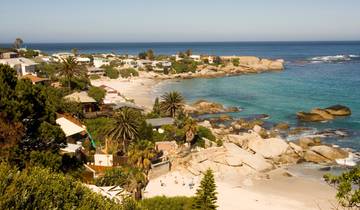
1-Day Cape Town Coastal & Peninsula Scenic Tour
- ✓ Comprehensive Cape Town tour
- ✓ Expert local guides included
- ✓ All accommodation arranged
- ✓ Transportation provided
1 days
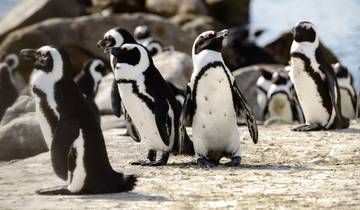
Cape Point and Penisula Xplorer
- ✓ Comprehensive Cape Town tour
- ✓ Expert local guides included
- ✓ All accommodation arranged
- ✓ Transportation provided

1 days
Urban Xplorer
- ✓ Comprehensive Cape Town tour
- ✓ Expert local guides included
- ✓ All accommodation arranged
- ✓ Transportation provided
5 days
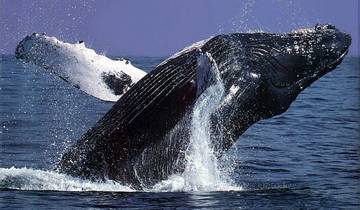
South Africa Cape Town 5-Days Attraction Tours: Whale Watching & Cape Peninsula & Wine Tasting & Aquila safari & Paraglading Tour
- ✓ Comprehensive Cape Town tour
- ✓ Expert local guides included
- ✓ All accommodation arranged
- ✓ Transportation provided
Multi-day tour packages powered by TourRadar. Prices and availability subject to change.
Essential Planning Information 2026
Car Rental Options and Costs 2026
Rental cars for Garden Route road trips cost R350-600 ($19-33) daily for compact to mid-size vehicles when booked 4-6 weeks ahead through international comparison platforms including Kayak, Rentalcars.com, or directly through major agencies including Avis, Hertz, Budget, Europcar, and local operator Tempest. Basic manual transmission compacts rent for R350-450 ($19-25) daily with unlimited mileage, while automatic transmission vehicles add R80-120 ($4.45-6.65) daily. Comprehensive insurance costs R150-250 ($8-14) daily but provides essential protection on unfamiliar mountain roads where minor accidents from unfamiliarity with vehicles or road conditions occur frequently. Collision damage waiver insurance through credit card coverage saves rental company insurance fees but requires understanding your specific card’s international rental coverage terms and limitations.
Weekly rentals drop to R2,400-4,200 ($133-233) compared to R2,450-4,200 calculated at daily rates, with monthly bookings further discounted to R6,500-9,500 ($361-528). Airport pickup from Cape Town International includes R60-95 ($3.35-5.30) airport surcharges, while downtown Cape Town pickup eliminates these fees. Fuel costs R21-23 ($1.17-1.28) per liter with compact cars consuming 6-8 liters per 100 kilometers, translating to R130-185 ($7.20-10.30) fuel costs for typical 100-kilometer driving segments or R200-350 ($11-19) for 200-300 kilometer days including highway driving, scenic detours, and local exploration around accommodation bases. Toll roads on the N2 between Cape Town and Garden Route total R80-150 ($4.45-8.35) for complete journey, with major tolls at Huguenot Tunnel R52 ($2.90) and several smaller plazas collecting R10-25 ($0.55-1.40).
Driver’s License and Documentation 2026
International visitors driving in South Africa require valid driver’s licenses from their home countries plus International Driving Permits (IDP) if licenses are not in English. United States, United Kingdom, Canadian, Australian, and most European licenses in English work without IDP, though some rental companies request IDP regardless of language for insurance purposes. Obtain IDP from your home country’s automobile association (AAA in the US, AA in UK) for $20-30 before departure, as South African authorities cannot issue IDP to foreign visitors. Rental agreements require primary driver’s credit card in matching name for security deposits of R5,000-10,000 ($278-556) pre-authorized during rental period and released 2-3 weeks after vehicle return assuming no damage.
South Africa drives on the left side of the road, requiring adjustment for visitors from right-hand-drive countries. Roundabouts operate clockwise with yield-to-right rules, speed limits display in kilometers per hour with highways at 120 km/h (75 mph), national roads at 100 km/h (62 mph), and urban areas at 60 km/h (37 mph). Traffic police enforce speed limits through roadside cameras and marked patrol vehicles, with fines starting at R500 ($28) for minor speeding infractions. Seatbelts are mandatory for all passengers, mobile phone use while driving requires hands-free systems, and drinking and driving laws set legal limits at 0.05% blood alcohol content with severe penalties including license suspension and vehicle impoundment for violations.
Fuel and Services Along the Route 2026
Petrol stations appear regularly along the N2 highway and in all significant towns, with major brands including Shell, BP, Engen, Caltex, and Sasol operating modern facilities with convenience stores, clean restrooms, and often attached restaurants. Fuel prices remain consistent nationwide at R21-23 ($1.17-1.28) per liter regardless of location or brand due to government regulation. Service attendants pump fuel, clean windscreens, and check oil and tire pressure at all stations—tipping R10-20 ($0.55-1.10) per service is customary. Stations accept cash and major credit cards, with payment processed at pump islands rather than requiring pre-authorization common in some countries.
Plan fuel stops every 300-400 kilometers or when the tank drops to one-quarter full, as mountain pass sections and remote coastal segments between major towns sometimes extend 80-100 kilometers between stations. Major towns including Hermanus, Mossel Bay, George, Knysna, and Plettenberg Bay offer multiple fuel station choices with 24-hour options near highway interchanges, while smaller coastal villages may have limited stations closing at 8-9 PM. Diesel vehicles pay R19-21 ($1.05-1.17) per liter—slightly cheaper than petrol but diesel rental availability is limited mainly to larger vehicles and SUVs at premium rental rates.
Route Options and Planning 2026
The Direct N2 Highway Route
The N2 national highway provides the fastest connection between Cape Town and Garden Route destinations, traversing 400-480 kilometers to Mossel Bay or Knysna in 5-6 hours of steady driving. This route serves travelers prioritizing efficiency over scenic exploration or those with limited time allocating just 2-3 days for Garden Route visits. The N2 passes through Overberg agricultural landscapes featuring wheat fields, canola blooms in spring, and pastoral farming scenery pleasant but less dramatic than coastal alternatives. The route crosses two significant mountain passes—Sir Lowry’s Pass exiting Cape Town metro area with panoramic views back toward False Bay and Table Mountain, and Outeniqua Pass approaching George offering mountain vistas and access to hiking trails.
Despite being the “fast” route, the N2 delivers its own scenic highlights including Tradouw Pass through the Langeberg Mountains if routing via Barrydale, the dramatic Outeniqua Pass descent into George, and the Kaaimans River Bridge near Wilderness where highway soars 65 meters above the river gorge. The route passes near Bontebok National Park, Mossel Bay’s historic harbourfront, and George’s city amenities while maintaining highway speeds of 100-120 km/h on modern four-lane freeway sections. This route works best combined with selective scenic detours—perhaps routing via Hermanus on departure from Cape Town, then following the N2 directly to Garden Route destinations, or taking the N2 outbound and returning via coastal routes for varied scenery in both directions of round-trip journeys.
The Coastal R44 and R43 Scenic Route
The coastal route departing Cape Town through Strand, Gordon’s Bay, Betty’s Bay, and Hermanus follows the R44 and R43 highways hugging the coastline for 180 kilometers of intimate ocean encounters before rejoining the N2 near Bot River. This routing adds 80-100 kilometers and 2-3 hours to total journey time while delivering the most spectacular coastal scenery with the Atlantic Ocean constantly visible from clifftop roads carved into mountainsides. Chapman’s Peak Drive—the 9-kilometer section between Hout Bay and Noordhoek—represents the route’s crown jewel, with 114 curves winding along cliffs 600 meters above the sea providing endless photography opportunities of Hout Bay, Sentinel peak, and the Twelve Apostles mountain range. The R310 toll road charges R51 ($2.85) per vehicle for access to this engineering marvel.
Continuing south from Cape Town’s peninsula, the R44 passes Bettys Bay with its penguin colony at Stony Point, scenic Kleinmond with its lagoon and beaches, and arrives in Hermanus—southern hemisphere’s premier land-based whale watching destination where Southern Right Whales calve in Walker Bay from June through November. The route requires steady attention to curves, occasional single-lane sections, and dramatic elevation changes as roads climb and descend following coastline contours. Budget 6-7 hours total driving time Cape Town to where the coastal route rejoins the N2, or add overnight stops in Hermanus to split the journey and thoroughly experience whale watching, cliff path walking, and this charming town’s restaurants and galleries.
The Comprehensive Loop Journey
Optimal Garden Route experiences combine different routes outbound and return, creating varied scenery across 7-10 day road trips that thoroughly explore the region without repetitive driving. A popular loop departs Cape Town via Chapman’s Peak Drive and the coastal R44 through Hermanus, continues on the N2 through Wilderness, Knysna, and Plettenberg Bay, extends to Storms River and Tsitsikamma if time permits, then returns via the N2 direct route or alternates inland through Oudtshoorn and over Swartberg Pass for diverse mountain scenery. This configuration maximizes scenic coastal driving on the less-familiar outbound journey when energy and attention run high, while the faster return route serves travelers eager to reach Cape Town after week-long explorations.
Alternative loops route via the N2 direct outbound to maximize Garden Route time, then return through Hermanus and the coastal road when the slower pace suits travelers saturated with Garden Route experiences and willing to extend return journey for fresh scenery. Some itineraries incorporate Route 62—the inland wine and mountain route through Montagu, Barrydale, and Oudtshoorn—on either outbound or return legs, adding Swartberg Pass mountainscapes, Cango Caves experiences, and Karoo semi-desert landscapes contrasting dramatically with coastal forests and beaches. These comprehensive loops require 7-10 days minimum to avoid excessive driving and enable meaningful stops in Hermanus, Wilderness, Knysna, Plettenberg Bay, and potential extensions to Storms River or Addo Elephant National Park near Port Elizabeth.
Major Scenic Stops and Viewpoints
Chapman’s Peak Drive and Cape Peninsula Views
Chapman’s Peak Drive between Hout Bay and Noordhoek ranks among the world’s most spectacular coastal roads, with 114 curves carved into cliffs 600 meters above the Atlantic Ocean delivering non-stop dramatic views across the 9-kilometer route taking 20-30 minutes driving time plus extended photography stops. Multiple parking areas enable safe pulloffs for photographing Hout Bay harbor, Sentinel peak’s towering pyramid, offshore seal colonies, and the Twelve Apostles mountain range extending south toward Cape Point. The road opens daily from 7:30 AM to sunset, closing occasionally for high winds or rock fall prevention, with toll charges of R51 ($2.85) per vehicle collected at either Hout Bay or Noordhoek entrance gates depending on travel direction.
Continuing from Chapman’s Peak Drive toward Hermanus, Clarence Drive along False Bay from Strand to Gordon’s Bay provides another clifftop road section with views across False Bay toward the Hottentots Holland Mountains. This free-access road includes the historic Steenbras Dam, mountain backdrop, and beach coves accessible via short hiking trails from roadside parking areas. The combination of Chapman’s Peak Drive and Clarence Drive within the first 100 kilometers departing Cape Town establishes immediate scenic impact that continues throughout the Garden Route journey.
Hermanus Cliff Path and Whale Watching Viewpoints
Hermanus’s 12-kilometer cliff path provides arguably the world’s best land-based whale watching, with elevated vantage points along the coastal trail delivering unobstructed views of Southern Right Whales breaching, tail slapping, and nursing calves in Walker Bay’s protected waters from June through November. The paved path stretches from New Harbour to Grotto Beach, passing numerous viewing points equipped with benches, interpretive signage, and photography platforms positioned for optimal whale observation. Peak whale season runs September-October when 60-80 whales frequent the bay, with the town’s famous Whale Crier—a designated official who blows a kelp horn to announce whale sightings—patrolling the cliff path informing visitors of current activity.
The cliff path walk takes 2-3 hours one-way at a leisurely pace with regular stops for whale watching, photography, and appreciation of the dramatic coastline where waves crash against ancient rock formations. Access points at multiple locations including the Old Harbour, Marine Hotel, Windsor Hotel, and Grotto Beach enable partial walks or transport back to starting points via local taxis or the seasonal shuttle service. Free admission to the cliff path and guaranteed land-based whale sightings during peak season (September-October) provide extraordinary wildlife experiences without the R1,200-1,800 ($67-100) costs of boat-based whale watching tours operating simultaneously in the bay.
Wilderness Beach and National Park Viewpoints
The Wilderness section of Garden Route National Park encompasses pristine beaches, coastal dunes, indigenous forest, and a series of interconnected lakes creating landscapes of exceptional beauty concentrated within compact geography. The Map of Africa viewpoint on the N2 highway just west of Wilderness provides the route’s single most photographed vista—a sweeping panorama where the Kaaimans River meanders toward the Indian Ocean forming a pattern resembling the African continent when viewed from this elevated position. The viewpoint includes parking, restroom facilities, and craft vendors, making it an essential stop requiring 15-20 minutes for photographs and appreciation of the dramatic meeting of river, ocean, mountains, and beach.
Wilderness Beach stretches 12 kilometers of pristine sand accessible from multiple points in Wilderness village, with the central beach area providing parking, lifeguard services during summer, and beach amenities including showers and changing facilities. Dolphin Point viewpoint north of Wilderness beach offers elevated ocean perspectives ideal for spotting dolphins, seabirds, and during whale season (June-November), occasional whale sightings. The combination of beach access, mountain backdrop, indigenous forest, and proximity to trails accessing the Serpentine River and Touw River gorges makes Wilderness an essential stop for 2-3 hours or overnight accommodation providing more thorough exploration.
Knysna Heads and Lagoon Viewpoints
The Knysna Heads—two imposing sandstone cliffs framing the entrance where the expansive Knysna Lagoon meets the Indian Ocean—create the Garden Route’s most iconic landscape feature. The Eastern Head offers accessible viewpoints reached via paved road ascending to parking areas providing 180-degree panoramas across the lagoon, through the Heads to the ocean beyond, and back toward Knysna town nestled on far shorelines. Multiple viewpoints along the access road enable photography at different elevations and angles, with the highest point providing the most comprehensive perspective. The Western Head remains undeveloped with viewpoints accessible only via hiking trails requiring moderate fitness but delivering more dramatic perspectives from the opposite side of the channel.
Featherbed Nature Reserve occupies the Western Head, accessible only via ferry from Knysna waterfront followed by 4×4 vehicle transport to the elevated restaurant and viewpoint. This R550-750 ($31-42) experience includes return ferry, 4×4 transport, guided walk, and optional restaurant meals, providing exclusive access to pristine Western Head viewpoints that freelance hikers cannot legally reach. The sunset view from the Eastern Head viewing area—watching the sun descend into the Indian Ocean framed by the dramatic cliffs—ranks among the Garden Route’s most memorable experiences, with free access making it popular during late afternoon hours when lighting enhances the already spectacular scenery.
Nature’s Valley and Tsitsikamma Coastal Viewpoints
Nature’s Valley—a small village tucked into indigenous forest where the Groot River meets the Indian Ocean—provides the Garden Route’s most pristine and secluded coastal scenery. The village access road descends through dense forest canopy opening suddenly to reveal perfect beach, surrounding mountains, and the river lagoon in a dramatic reveal that captures the essence of the Garden Route’s forest-meets-ocean character. The beach extends several kilometers with swimming, surfing, and beach walking complemented by hiking trails through surrounding forest connecting to the Otter Trail and other multi-day coastal paths. The single-lane access road and limited development preserve Nature’s Valley’s character as a quiet retreat contrasting with busier Knysna and Plettenberg Bay.
Tsitsikamma National Park’s Storms River Mouth section provides the Garden Route’s most dramatic coastal scenery where indigenous forest descends to rocky shoreline pounded by enormous waves. The suspension bridge over Storms River mouth—swaying 70 meters above churning water where river meets ocean—delivers adrenaline-inducing perspectives of coastal power. Multiple viewpoints along coastal paths showcase offshore rock formations, seabird colonies, and during whale season, regular cetacean sightings. The R162 ($9) park entry fee includes access to coastal trails, the suspension bridge, indigenous forest walks, and all viewpoints, with 2-3 hours enabling thorough exploration of this UNESCO World Heritage section representing the Garden Route’s wildest coastal landscapes.
Accommodation Along the Route 2026
Hermanus Accommodation Options 2026
Hermanus provides diverse accommodation spanning budget hostels to luxury hotels, with positions along the cliff path commanding premium prices for direct whale watching from rooms and balconies during peak September-October season. Zoete Inval Travellers Lodge offers hostel beds at R280-350 ($16-19) with kitchen facilities, social common areas, and walking distance to the cliff path and town center. Mid-range guesthouses including Harbour House, Auberge Burgundy, and Whale Coast Hotel charge R900-1,400 ($50-78) double occupancy with breakfast, en-suite bathrooms, and often cliff path or ocean views. Luxury options like The Marine Hermanus and Birkenhead House command R3,500-6,500 ($194-361) nightly during whale season, dropping to R2,200-4,000 ($122-222) during low season.
Self-catering apartments and cottages through Airbnb or local rental agencies provide excellent value for multi-night stays, with one-bedroom units at R800-1,200 ($44-67) and two-bedroom properties at R1,200-1,800 ($67-100) including full kitchen facilities enabling significant food cost savings. Peak whale watching season September-October requires booking 6-8 weeks ahead as prime cliff path accommodation sells out rapidly. March-May and November-December shoulder seasons offer 20-30% lower rates with excellent weather and reduced crowds, while June-August winter months provide lowest pricing at 40-50% below peak season though cooler weather and occasional rain affect outdoor activities.
Wilderness and Sedgefield Accommodation 2026
The Wilderness-Sedgefield area offers relaxed, less crowded accommodation alternatives to busier Knysna and Plettenberg Bay, with properties emphasizing natural settings over town convenience. Wilderness Beach House and Wilderness Manor provide mid-range options at R800-1,200 ($44-67) per couple with beach access, garden settings, and often self-catering facilities. Fairy Knowe Backpackers in Wilderness charges R250-320 ($14-18) for dorm beds, R500-650 ($28-36) for private rooms, with extensive gardens, kitchen facilities, and organized activities including township visits and adventure sports. Sedgefield—15 kilometers east—offers similarly affordable accommodation with added benefits of a weekly Saturday market and quieter beach environment.
Self-catering cottages and apartments proliferate throughout this area, taking advantage of natural settings near beaches, lagoons, and forest. Properties range R700-1,400 ($39-78) for fully equipped one-bedroom units near beaches, with many offering lake or forest views complementing ocean access. The area works particularly well for 2-3 night stays enabling thorough exploration of Wilderness, Sedgefield beaches, Garden Route National Park hiking trails, and day trips to neighboring Knysna or George. Lower accommodation costs compared to Knysna save R200-400 ($11-22) nightly while providing more space and natural surroundings ideal for travelers prioritizing nature over town nightlife and shopping.
Knysna Accommodation Strategies 2026
Knysna’s diverse accommodation concentrates around the waterfront, Thesen Island, and residential suburbs extending up the hillsides surrounding the lagoon. Knysna Backpackers offers dormitories at R280-380 ($16-21) with lagoon views from the deck, kitchen facilities, and social atmosphere in central location within walking distance of waterfront restaurants and attractions. Mid-range guesthouses including Knysna Country House, Under Milkwood, and Lagoon View Guest House charge R900-1,400 ($50-78) double occupancy with breakfast, parking, and proximity to major attractions. Thesen Island’s modern apartments rent at R1,200-2,000 ($67-111) for waterfront units with full kitchens, island’s restaurants and cafes walking distance, and direct lagoon access for water sports.
Self-catering accommodation provides optimal value for Knysna stays of three nights or longer, with apartments at R900-1,500 ($50-83) and houses at R1,600-2,800 ($89-156) enabling family or group stays with full kitchen facilities, multiple bedrooms, and living space at per-person costs below hotel alternatives. Booking directly with property owners sometimes yields better rates than platform commissions, particularly for week-long stays. Location considerations balance waterfront convenience against hillside views and quieter neighborhoods—waterfront properties command premiums of 30-50% for immediate restaurant and activity access, while hillside locations offer dramatic views at lower costs with short drives to waterfront areas.
Plettenberg Bay and Storms River Accommodation 2026
Plettenberg Bay spans from budget backpackers to luxury beach resorts, with location choices between town center near beaches and restaurants versus quieter properties along surrounding coastline. Albergo Backpackers provides dormitory beds at R280-350 ($16-19) and private rooms at R550-750 ($31-42), with swimming pool, braai facilities, and organized activities including adventure sports and township tours. The Robberg Beach Lodge and Milkwood Manor represent mid-range beachfront options at R1,400-2,200 ($78-122) per couple with direct beach access, breakfast, and premium locations near Robberg Nature Reserve. Luxury lodges including The Plettenberg and Emily Moon River Lodge command R2,800-5,500 ($156-306) nightly but deliver exceptional settings, service, and amenities for special occasions or luxury segments of budget-conscious road trips.
Storms River Village near Tsitsikamma National Park offers more rustic, budget-friendly accommodation focused on adventure travelers exploring the region’s hiking trails, canopy tours, and coastal activities. Tube ‘n Axe Backpackers charges R250-320 ($14-18) for dorm beds with social atmosphere, braai facilities, and proximity to Tsitsikamma park entrance. Self-catering chalets and cottages through the area rent at R700-1,200 ($39-67) providing budget comfort for couples or small groups planning extended Tsitsikamma exploration. The village’s adventure sports focus and limited nightlife entertainment contrast with Plettenberg Bay’s resort atmosphere, making it ideal for active travelers prioritizing nature experiences over urban conveniences.
Sample 2026 Road Trip Itineraries
5-Day Express Garden Route 2026
This compressed itinerary delivers essential Garden Route highlights for travelers with limited time, covering 850 kilometers total with strategic overnight stops. Day 1 departs Cape Town 8:00 AM via Chapman’s Peak Drive R51 toll, continues coastal route through Hermanus with 2-hour stop for cliff path whale watching and lunch, proceeds to Wilderness via N2 arriving 5:00 PM. Accommodation at Wilderness Manor R800 ($44) including breakfast, self-prepared dinner R90 ($5) from grocery purchases, fuel R185 ($10) for 350-kilometer day. Total Day 1: accommodation R400 per person (split), meals R180, fuel R95 per person, tolls R26 per person. Day 2 explores Wilderness beaches free, Map of Africa viewpoint free, short hike Touw River R162 ($9) park entry, afternoon drive to Knysna 50 kilometers. Accommodation at Lagoon View Guest House R1,000 ($56) double occupancy, restaurant dinner R250 ($14), lunch R100 ($6). Total Day 2: R500 accommodation per person, R300 meals, R162 activities, R50 fuel per person.
Day 3 takes Featherbed Nature Reserve tour R650 ($36) including ferry and 4×4 transport, afternoon driving around lagoon free, sunset viewing from Heads free. Continue accommodation in Knysna R1,000, meals R280 ($16) mixing market lunch with self-prepared breakfast and dinner, minimal fuel for local driving R60 ($3.35). Total Day 3: R500 accommodation, R280 meals, R650 tour, R30 fuel per person. Day 4 drives to Plettenberg Bay 35 kilometers, visits Robberg Nature Reserve R70 ($3.90) for 3-hour coastal hike, afternoon beach time free, evening restaurant splurge R350 ($19). Accommodation at Albergo Backpackers private room R700 ($39), fuel minimal R40 ($2.20). Total Day 4: R350 accommodation per person, R280 meals, R70 activities, R20 fuel per person. Day 5 morning canopy tour near Storms River R650 ($36), Tsitsikamma National Park entry R162 ($9), suspension bridge walking, afternoon return drive to Cape Town 550 kilometers via N2 direct route, arriving 7:00 PM. Final day meals R180 ($10) roadside stops, fuel R280 ($16) per person. Total Day 5: R180 meals, R812 activities, R140 fuel per person.
Five-day total per person: accommodation R2,150 ($119), meals R1,220 ($68), activities R1,694 ($94), fuel R595 ($33), tolls R26 ($1.45). Grand total: R5,685 ($316) per person or R1,137 ($63) daily average including all accommodation, car rental expenses split between two travelers, comprehensive activities, and regular restaurant meals representing comfortable mid-range road trip experience.
7-Day Comprehensive Garden Route 2026
This week-long itinerary balances driving with thorough destination exploration, covering 950 kilometers total. Day 1 follows the express itinerary reaching Hermanus via Chapman’s Peak Drive, with overnight accommodation at Zoete Inval hostel private room R600 ($33) double occupancy, cliff path walking free, restaurant dinner R280 ($16). Fuel R185 ($10), tolls R51 ($2.85), lunch R120 ($7). Total Day 1: R300 accommodation per person, R240 meals, R115 fuel/tolls per person. Day 2 full day in Hermanus explores additional cliff path sections, optional boat whale watching R1,200 ($67) per person or free continued land-based viewing, wine tasting at Hemel-en-Aarde Valley R150 ($8.35) per person, evening restaurant meal R250 ($14). Continue Hermanus accommodation R600, fuel for local driving R60 ($3.35). Total Day 2: R300 accommodation, R320 meals, R150-1,350 activities depending on whale tour selection, R30 fuel per person.
Day 3 drives Hermanus to Wilderness 250 kilometers via N2, stops at Bontebok National Park R195 ($10.85) entry, Mossel Bay Point Marine Sanctuary free, arrives Wilderness mid-afternoon. Accommodation at Fairy Knowe private room R550 ($31), restaurant lunch R120 ($7), self-prepared dinner R90 ($5), fuel R150 ($8.35). Total Day 3: R275 accommodation, R210 meals, R195 activities, R75 fuel per person. Day 4 explores Wilderness National Park R162 ($9) entry with multiple hiking trails, beach walks free, afternoon kayaking on Touw River R350 ($19), evening braai at hostel R120 ($7). Continue accommodation R550, minimal fuel R40 ($2.20). Total Day 4: R275 accommodation, R250 meals, R512 activities, R20 fuel per person. Day 5 drives to Knysna 50 kilometers, takes Knysna lagoon boat cruise R280 ($16), explores town center free, visits craft markets, evening restaurant dinner R280 ($16). Accommodation at Under Milkwood Guest House R1,100 ($61) with breakfast, lunch R100 ($6). Total Day 5: R550 accommodation, R280 meals, R280 activities, R40 fuel per person.
Day 6 drives to Plettenberg Bay 35 kilometers, full day Robberg Nature Reserve R70 ($3.90) entry with complete 9-kilometer hiking loop, afternoon beach activities free, sunset restaurant R300 ($17). Accommodation at Milkwood Manor R1,600 ($89) beachfront, breakfast included, lunch picnic R80 ($4.45). Total Day 6: R800 accommodation per person, R280 meals, R70 activities, R25 fuel per person. Day 7 morning Tsitsikamma National Park R162 ($9) entry, suspension bridge walks, Storms River mouth exploration, afternoon begins return toward Cape Town via N2 reaching Mossel Bay for overnight. Accommodation at Santos Beach Backpackers R450 ($25) private room, dinner R220 ($12), fuel for 200-kilometer partial return R120 ($7). Total Day 7: R225 accommodation, R280 meals, R162 activities, R60 fuel per person.
Seven-day total per person: accommodation R2,725 ($151), meals R1,840 ($102), activities R1,569-2,769 ($87-154) depending on whale tour choice, fuel R465 ($26), tolls R26 ($1.45). Grand total: R6,625-7,825 ($368-435) per person or R946-1,118 ($53-62) daily average for comprehensive Garden Route experience with premium accommodation mix, regular restaurant dining, and extensive activity participation while maintaining reasonable budgets through strategic self-catering and hostel accommodation balance.
10-Day Coastal Loop with Extensions 2026
This extended itinerary incorporates optional extensions to Addo Elephant National Park or Oudtshoorn’s Cango Caves, covering 1,400-1,600 kilometers total. Days 1-7 follow the comprehensive itinerary detailed above, reaching Plettenberg Bay by end of Day 6. Day 8 explores Tsitsikamma thoroughly with morning canopy tour R650 ($36), park exploration R162 ($9), afternoon options for blackwater tubing R550 ($31) or additional hiking free. Accommodation in Storms River Village at Tube ‘n Axe R300 ($17) per person including breakfast, self-catered dinner R90 ($5), fuel R80 ($4.45). Total Day 8: R300 accommodation, R240 meals, R812-1,362 activities, R40 fuel per person.
Day 9 offers two extension options. Option A drives 180 kilometers to Addo Elephant National Park, self-drive safari R486 ($27) entry plus R54 ($3) vehicle, afternoon game drives spotting elephants, Cape buffalo, and other wildlife, overnight at park rest camp or nearby accommodation R800-1,200 ($44-67). Meals R280 ($16), fuel R140 ($8). Total Day 9A: R400-600 accommodation, R280 meals, R540 activities, R70 fuel per person. Option B routes inland to Oudtshoorn via Prince Alfred’s Pass, visits Cango Caves R140 ($7.80), optional ostrich farm tour R180 ($10), overnight in Oudtshoorn at backpackers R300 ($17) per person. Meals R250 ($14), fuel for 200-kilometer mountain drive R160 ($9). Total Day 9B: R300 accommodation, R250 meals, R320 activities, R80 fuel per person.
Day 10 returns toward Cape Town, with Option A routing via N2 directly 450 kilometers requiring 5-6 hours driving, arriving early evening. Meals R200 ($11) roadside stops, fuel R280 ($16) per person. Option B follows Route 62 through Montagu and over Tradouw Pass, adding dramatic scenery but extending to 550 kilometers and 7-8 hours. Both routes complete the loop returning to Cape Town. Meals R200, fuel R280-350 ($16-19) per person depending on route. Total Day 10: R200 meals, R140-175 fuel per person.
Ten-day total per person: accommodation R3,225-3,625 ($179-201), meals R2,320 ($129), activities R2,381-3,731 ($132-207) depending on extensions and activity choices, fuel R745-905 ($41-50), tolls R26 ($1.45). Grand total: R8,697-10,607 ($483-589) per person or R870-1,061 ($48-59) daily average for extended coastal loop incorporating significant extensions while maintaining budget-conscious approach through mixed accommodation styles and strategic self-catering balancing restaurant dining experiences.
Best Time to Drive the Garden Route 2026
Seasonal Weather Patterns 2026
The Garden Route enjoys moderate maritime climate with year-round comfortable conditions, though seasonal variations affect optimal timing for different priorities. September through November spring delivers warming temperatures averaging 18-24°C (64-75°F), wildflower blooms throughout the Western Cape creating spectacular roadside color, active whale watching in Hermanus reaching peak September-October, and shoulder season accommodation pricing 20-30% below summer peak. Spring weather brings occasional unsettled days with passing showers, but generally stable conditions enable reliable outdoor activities including hiking, beach visits, and wildlife viewing. This period represents optimal timing balancing excellent weather, manageable crowds, wildlife opportunities, and affordable accommodation.
Summer December through February provides warmest weather at 22-28°C (72-82°F) with peak swimming conditions, longest daylight hours extending beach time to 8:00 PM, and maximum activity availability as all tours and facilities operate full schedules. However, accommodation costs surge 40-60% during this peak season, popular destinations face significant crowds, and advance booking 8-12 weeks ahead becomes essential for preferred properties. School holiday periods including mid-December through mid-January and Easter week see local family travel adding to international tourist numbers. Summer suits travelers prioritizing warmest beach weather over budget concerns and willing to navigate crowds for peak-condition ocean swimming, though the Garden Route never becomes uncomfortably crowded compared to Mediterranean or Caribbean destinations during their peak seasons.
Off-Season Advantages 2026
Autumn March through May delivers stable weather, excellent ocean temperatures still warm from summer, dramatic lighting for photography as the sun angles lower creating golden hour effects lasting longer, and reduced accommodation pricing as tourist numbers decline. March sees continued warm conditions at 20-26°C (68-79°F) with minimal rain, April brings increasing autumn colors and cooler evenings at 16-22°C (61-72°F), and May transitions toward winter with 15-20°C (59-68°F) temperatures still pleasant for most activities. This season particularly suits photographers, with lower sun angles, autumn colors in deciduous trees introduced to the landscape, and often spectacular cloud formations creating compelling coastal scenery. Accommodation availability improves dramatically with walk-in bookings possible at properties requiring weeks of advance notice during summer.
Winter June through August provides lowest accommodation and flight costs, dropping 30-50% below peak summer rates, minimal crowds enabling private beach experiences and uncrowded trails, often spectacular clear weather with exceptional visibility for coastal views, and continued viable conditions for hiking and cultural activities despite cooler temperatures at 12-18°C (54-64°F). Ocean swimming becomes less appealing for most visitors during winter, though hardy swimmers and surfers continue water activities year-round. Whale watching extends through winter with Southern Right Whales present June-November, making Hermanus whale watching viable even during traditionally “low” season. Winter suits budget-focused travelers, photographers seeking dramatic lighting and weather, and those prioritizing crowd-free experiences over warmest swimming conditions, with coastal hiking, forest trails, and cultural attractions delivering full satisfaction despite cooler air temperatures.
Practical Driving Tips 2026
Road Safety and Conditions 2026
Garden Route roads range from modern four-lane N2 freeway sections to narrow mountain passes and single-lane coastal routes requiring defensive driving and constant attention. The N2 highway maintains excellent condition with smooth pavement, clear signage, regular rest stops, and roadside emergency services, though weekend and holiday traffic creates congestion on single-lane sections climbing Outeniqua and other passes. Mountain passes feature steep gradients, tight curves, and occasional unguarded edges requiring reduced speeds and constant vigilance, particularly for drivers unfamiliar with right-side driving or mountain road navigation. Speed limits display clearly in kilometers per hour, with typical limits at 100-120 km/h on highways, 80 km/h on secondary roads, and 60 km/h through towns.
Wildlife crossings occur frequently, particularly during dawn and dusk hours when baboons, antelope, and domestic animals move across roads between feeding and resting areas. Reduce speeds through rural areas showing wildlife warning signs, scan roadsides for movement, and prepare for sudden animal appearances requiring emergency braking. Roadside breakdowns happen occasionally on remote sections—carry emergency triangles required by South African law, keep mobile phones charged for emergency calls, and activate hazard lights immediately when stopping. The national emergency number 112 works from any mobile phone even without network coverage, connecting to emergency services including ambulance, police, and roadside assistance for rental car emergencies.
Photography Stops and Timing
Successful Garden Route photography requires strategic timing around lighting conditions and willingness to explore beyond obvious viewpoints. Golden hour morning light 6:30-8:30 AM and evening light 5:30-7:30 PM depending on season creates optimal conditions for coastal scenery, with side-lighting emphasizing landscape contours and texture while avoiding harsh midday shadows. Sunrise photography at Knysna Heads, Wilderness Map of Africa viewpoint, or Robberg Peninsula requires early starts but delivers spectacular color across sky and water. Sunset shots from Chapman’s Peak Drive, Hermanus cliff path, or Plettenberg Bay beaches capture the sun descending into the Indian Ocean with often-spectacular cloud formations painted in red, orange, and pink hues.
Midday photography during 10:00 AM-3:00 PM suffers from harsh overhead light creating strong shadows and bleached colors, though overcast days eliminate these issues creating even, soft lighting ideal for forest photography and detailed landscape work. The Garden Route’s frequent morning fog and mist creates atmospheric conditions for dramatic photographs, particularly along coastal sections where fog banks hover above beaches or cling to cliffsides. Polarizing filters enhance ocean color and reduce glare on water surfaces, while neutral density filters enable long exposures smoothing water motion for artistic effects at waterfalls, rivers, and crashing wave scenes common throughout the region.
Food and Rest Stop Strategy
Strategic meal and rest stop planning enhances road trip enjoyment while managing costs through picnic lunches at scenic viewpoints. Wilderness, Knysna, and Plettenberg Bay feature supermarkets including Pick n Pay and Woolworths where R200-300 ($11-17) purchases provide substantial picnic supplies lasting 2-3 days including bread, deli meats, cheese, fruit, vegetables, snacks, and beverages. Dedicated picnic areas at Wilderness beaches, Knysna lakeside parks, Robberg Nature Reserve, and Tsitsikamma parking areas provide tables, shade, and spectacular views accompanying meals while saving R150-250 ($8-14) per person daily compared to restaurant lunches.
Restaurant recommendations include Mossel Bay’s Café Havana for seafood at R150-280 ($8-16), Knysna Waterfront restaurants offering diverse choices at R140-320 ($8-18), Plettenberg Bay’s The Fat Fish for fresh catches at R180-350 ($10-19), and Wilderness’s Serendipity for relaxed dining at R120-220 ($7-12). Booking dinner reservations during peak season ensures seating at popular restaurants that fill completely during 6:30-8:30 PM dining hours. Local bakeries in each town provide breakfast pastries, sandwiches, and coffee at R40-80 ($2.20-4.45) significantly cheaper than hotel breakfast charges of R120-180 ($7-10). Strategic food timing enables substantial daily savings—picnic lunches save R100-150 ($6-8) per person, self-prepared dinners in accommodation with kitchen facilities save R120-180 ($7-10) compared to restaurant alternatives.
Budget Planning for Your 2026 Journey
Total Cost Projections 2026
Comprehensive Garden Route road trips cost R1,400-1,900 ($78-106) per person daily when sharing car rental and accommodation between two travelers. Five-day express itineraries total R7,000-9,500 ($389-528) per person including all accommodation, car rental divided among passengers, fuel, comprehensive activities, and balanced restaurant/self-catered meals. Seven-day comprehensive routes cost R9,450-13,300 ($525-739) per person delivering thorough regional exploration with premium accommodation mix, regular restaurant dining, and extensive activity participation. Ten-day extended loops incorporating Addo or Oudtshoorn extensions reach R13,950-17,000 ($775-944) per person for complete southern Cape coastal and inland experiences combining all route variations.
Budget-conscious travelers reduce daily costs to R1,000-1,300 ($56-72) per person through hostel accommodation at R250-350 ($14-19) in dormitories or R500-700 ($28-39) in private rooms, extensive self-catering reducing meal costs to R200-300 ($11-17) daily, focus on free hiking and beach activities over paid tours, and strategic timing during shoulder seasons capturing 20-30% accommodation savings. Mid-range comfort travelers spending R1,600-2,000 ($89-111) daily access private guesthouse accommodation, frequent restaurant meals, regular paid activities and tours, and occasional splurges on luxury experiences like Featherbed tours or premium wine tastings. Groups of four travelers splitting car rental and accommodation costs reduce per-person expenses 20-30% compared to couples, with R1,100-1,500 ($61-83) daily budgets delivering comprehensive experiences.
Money-Saving Strategies 2026
Strategic booking timing captures significant savings across major expense categories. Car rentals booked 6-8 weeks ahead cost 25-40% less than last-minute reservations, with compact manual transmission vehicles at R350-450 ($19-25) versus R550-750 ($31-42) for automatic transmission or SUV alternatives. Accommodation reservations 6-8 weeks ahead during peak season and 2-3 weeks during shoulder seasons secure availability at standard rates before last-minute premium pricing or sold-out conditions develop. Fuel purchases at major brand stations along highways match prices throughout South Africa due to government regulation, eliminating need to search for cheaper fuel that might waste time and distance backtracking.
Self-catering accommodation with kitchen facilities reduces food costs 40-60% compared to full restaurant dining, with picnic lunches at scenic viewpoints providing dual benefits of cost savings and enhanced experiences combining meals with natural beauty. Shopping at local supermarkets including Pick n Pay, Woolworths, and Checkers provides better value than convenience stores at petrol stations charging 20-40% premiums for similar items. Advance online booking for popular activities including Featherbed Reserve tours, canopy tours, and boat cruises sometimes yields 10-15% early booking discounts compared to walk-in rates, with combination packages bundling multiple activities saving additional 10-20% versus individual bookings.
Frequently Asked Questions
Can you drive the Garden Route in one day?
Technically possible but not recommended—the 400-kilometer direct drive via N2 from Cape Town to Mossel Bay takes 5-6 hours, while reaching Plettenberg Bay extends to 6-7 hours covering 550 kilometers. Attempting the journey in a single day eliminates opportunities for scenic stops, photography, beach walks, and the meaningful experiences that define Garden Route appeal. The route exists not merely to connect Cape Town with Garden Route towns but to showcase spectacular coastal scenery, indigenous forests, dramatic mountain passes, and charming villages deserving extended exploration. Budget absolute minimum two days for basic point-to-point travel with overnight stop in Wilderness or Knysna, three days enabling selective scenic detours and brief exploration of major highlights, or 5-7 days for comprehensive regional experiences capturing the full essence of the Garden Route’s exceptional beauty.
Is the Garden Route safe for tourists?
The Garden Route maintains generally safe conditions for international tourists following standard travel precautions. Towns including Wilderness, Knysna, Plettenberg Bay, and smaller coastal villages experience minimal crime targeting visitors, with safe walking during daylight hours and reasonable evening activities in town centers and restaurant districts. Secure parking exists at accommodation properties, restaurants, and major attractions, with vehicle break-ins uncommon but possible if valuable items remain visible inside parked cars. Lock vehicles, store luggage in trunks out of sight, and avoid leaving electronics, bags, or other tempting items on seats. Roadside emergency services operate throughout the region, with rental car companies providing 24-hour breakdown assistance and emergency contact numbers. Travel insurance covering vehicle damage, theft, medical emergencies, and trip disruptions provides financial protection and peace of mind for minor incidents that occur occasionally across all destinations worldwide.
Do I need a 4×4 vehicle for Garden Route?
Standard two-wheel-drive sedans or compact cars handle Garden Route roads perfectly, with no requirement for 4×4 vehicles or high-clearance options. The N2 highway, R44 coastal route, Chapman’s Peak Drive, and access roads to all major towns, attractions, and accommodation maintain paved surfaces suitable for any passenger vehicle. Mountain passes including Outeniqua Pass and inland options like Tradouw Pass feature paved roads with standard cars navigating successfully, though steep gradients and curves require careful driving. 4×4 vehicles become relevant only for travelers planning extensive exploration of unpaved forest tracks within national parks or extremely remote coastal access points beyond standard tourist routes. These specialized activities represent tiny percentages of typical Garden Route itineraries, making 4×4 rental unnecessary for 98% of visitors. Compact cars or sedans rent for R350-550 ($19-31) daily versus R700-1,000 ($39-56) for 4×4 options, with the premium delivering minimal practical benefit while increasing fuel costs 40-60% due to heavier vehicle weight and larger engines.
Where should I stop overnight on Garden Route?
Optimal overnight stop selection depends on total journey duration and specific interests. For 2-day express transfers, overnight in Wilderness or Knysna breaks the journey into two 3-4 hour driving segments while providing access to prime Garden Route scenery and beaches. Three-day itineraries enable nights in Hermanus (whale watching focus) and Knysna (lagoon activities), or alternatively Wilderness and Plettenberg Bay for beach emphasis. Five-day comprehensive trips accommodate nights in Hermanus, Wilderness or Sedgefield, Knysna (multiple nights), and Plettenberg Bay, thoroughly experiencing each destination rather than constantly relocating. Extended seven-day-plus itineraries add Storms River for Tsitsikamma access, potentially return through Oudtshoorn for Cango Caves, or incorporate extra nights in preferred locations enabling deeper exploration. Strategic overnight placement balances driving segments of 150-250 kilometers daily—manageable distances allowing morning departures around 9:00 AM with scenic stop flexibility arriving new destinations by 3:00-5:00 PM for afternoon exploration before dinner.
What is the best route for first-time visitors?
First-time Garden Route visitors should prioritize the coastal route departing Cape Town via Chapman’s Peak Drive and Hermanus, continuing along the N2 through Wilderness, Knysna, and Plettenberg Bay, then returning via the faster N2 direct route to Cape Town for varied scenery in both directions. This configuration maximizes scenic coastal driving during the excitement of outbound travel when attention and energy run high, saves the most dramatic viewpoints for initial encounters creating memorable first impressions, and provides faster return journey when travelers feel saturated with coastal scenery after week-long exploration. Allocate minimum five days enabling 2-3 night stays in Hermanus and Knysna plus single nights in Wilderness or Plettenberg Bay, with seven days optimal for thoroughly experiencing major destinations without excessive driving or rushed schedules. This timing balances scenic route advantages with practical requirements preventing driver fatigue, enables comprehensive photography at preferred lighting times, and supports meaningful engagement with coastal trails, cultural experiences, and the relaxed pace essential to authentic Garden Route appreciation.
Can you see whales from the road?
Yes, particularly along the Hermanus coastal sections during June through November whale season. The R44 and R43 coastal routes between Cape Town and Hermanus pass multiple viewpoints where Southern Right Whales frequent shallow bays visible directly from roadside pulloffs. Hermanus’s cliff path—easily accessible from multiple road parking areas—provides arguably the world’s best land-based whale watching with regular sightings during September-October peak season when 60-80 whales congregate in Walker Bay. Whales breach, tail slap, and nurse calves in waters 50-200 meters from shore, with binoculars enhancing but not required for viewing these enormous 15-meter-long cetaceans clearly visible to naked eyes. Additional whale viewing possibilities exist along Garden Route coastal sections including Wilderness and Plettenberg Bay during migration seasons, though Hermanus concentrations remain unmatched. Roadside whale watching requires patience, as whales surface irregularly—plan 30-60 minute stops at known viewing points during peak season for high probability encounters.
How much does fuel cost for the entire route?
Fuel for complete Garden Route round trips totals R800-1,400 ($44-78) depending on route selection, vehicle fuel efficiency, and side trip mileage. The direct Cape Town-Plettenberg Bay-Cape Town loop covers approximately 1,100 kilometers consuming 65-90 liters at R21-23 ($1.17-1.28) per liter, totaling R1,365-2,070 ($76-115) split among all passengers. Comprehensive routing incorporating Chapman’s Peak Drive, coastal roads, extensive local driving around Knysna and Plettenberg Bay, plus optional extensions to Tsitsikamma or inland routes adds 200-400 kilometers increasing fuel to R1,600-2,400 ($89-133) for 1,400-kilometer total journey. Compact cars achieving 6-7 liters per 100 kilometers minimize fuel costs, while larger sedans or SUVs consuming 9-12 liters per 100 kilometers increase expenses 40-70%. Four passengers sharing vehicle costs pay R350-600 ($19-33) per person total fuel for comprehensive seven-day routes—modest expense compared to accommodation, activities, and meals. Budget R200-350 ($11-19) daily for fuel during active driving days covering 200-300 kilometers with scenic stops, R100-150 ($6-8) for local exploration days around single destinations.
Are there toll roads on Garden Route?
Limited toll roads affect Garden Route routes, with Chapman’s Peak Drive charging R51 ($2.85) per vehicle as the primary coastal toll and Huguenot Tunnel on the N1 approach from Cape Town charging R52 ($2.90) if routing through Paarl. The main N2 highway remains toll-free throughout its Garden Route sections, with occasional proposals for future toll implementation currently not enacted. Total toll costs for comprehensive round trips range R51-155 ($2.85-8.60) depending on specific route selections, representing minimal percentages of total road trip budgets. Electronic toll collection systems do not operate on Garden Route roads—all toll plazas accept cash payment in South African Rands, with some locations accepting credit cards but cash remaining the reliable payment method. Carry R200 ($11) small notes and coins for toll payments and other incidental purchases at roadside vendors, parking meters, or rest stop purchases where card readers may not function or businesses prefer cash transactions.
Should I book accommodation in advance?
Advance booking becomes essential during peak season December-February when popular properties sell out weeks ahead, particularly for prime locations along Hermanus cliff path, Knysna waterfront, or Plettenberg Bay beaches. Book 8-12 weeks ahead for Christmas-New Year period, 6-8 weeks for general summer season, and during September-October whale watching peak in Hermanus. Shoulder seasons April-May and September-November enable flexibility with 2-4 weeks notice securing good availability, while winter June-August often accommodates walk-in arrivals or same-day bookings at most properties. Booking ahead captures early-bird discounts of 10-20% offered by many guesthouses and hotels, guarantees preferred property choices, and eliminates stress of searching for accommodation while traveling. However, excessive advance booking reduces flexibility to extend stays in preferred locations or abbreviate visits to less appealing destinations. Optimal strategy books first and last nights plus peak season or weekend nights in popular towns, leaving mid-week shoulder season nights flexible for spontaneous decisions based on weather, interests, and developing travel rhythms.
What’s the best route for photography?
Photography-focused Garden Route trips prioritize the coastal R44 route through Hermanus, slower driving enabling frequent stops at unmarked viewpoints, strategic timing for golden hour lighting at major locations, and willingness to revisit exceptional spots at different times. Chapman’s Peak Drive deserves sunset photography timing when light paints the Hout Bay cliffsides in warm tones, with return trips at sunrise capturing different mood and lighting. The Map of Africa viewpoint near Wilderness photographs best during morning golden hour 7:00-8:30 AM when side-lighting emphasizes the river meander’s shape. Knysna Heads sunset shots require Eastern Head positioning 30-45 minutes before sunset, with tripods and long lenses capturing detail across the channel toward the Western Head. Nature’s Valley demands overcast or early morning/late afternoon lighting avoiding harsh midday shadows on the forest-to-beach transitions. Tsitsikamma suspension bridge photographs well during any lighting but particularly dramatic during moody weather when waves crash more spectacularly against rocky coastline. Allocate extra travel time for photography-focused road trips—what casual tourists cover in five days requires 7-10 days for serious photographers waiting for optimal light, returning to locations multiple times, and exploring beyond obvious viewpoints to discover unique perspectives on oft-photographed scenes.