Cancún & Riviera Maya Travel Guide 2026: Ultimate Planning Resource
Key Takeaways
- Cancún International Airport connects directly to 150+ cities with competitive fares ($300-800 from US/Canada in 2026)
- Hotel Zone prices range $150-450 per night, while Playa del Carmen and Tulum offer $80-350 alternatives with authentic character
- Three major UNESCO World Heritage sites within day-trip distance: Chichén Itzá, Tulum ruins, and Sian Ka’an Biosphere Reserve
- December-April represents peak season with optimal weather (75-85°F) but crowds and premium pricing ($200-400 nightly averages)
- May-November shoulder season delivers 40-60% savings on accommodation with manageable weather despite occasional afternoon rain
- All-inclusive resorts cost $180-600 per person nightly in 2026, independent travel averages $120-250 daily per person
Planning Your Cancún & Riviera Maya Experience in 2026
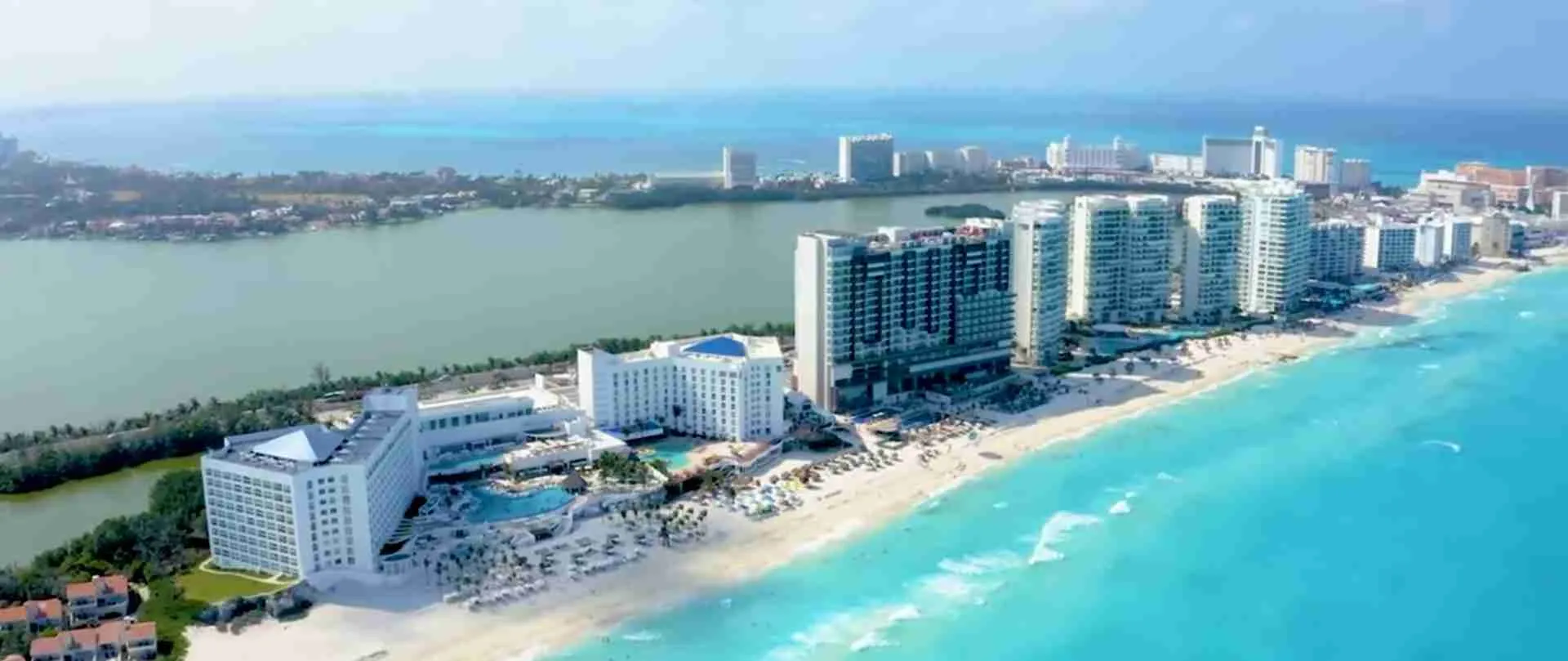
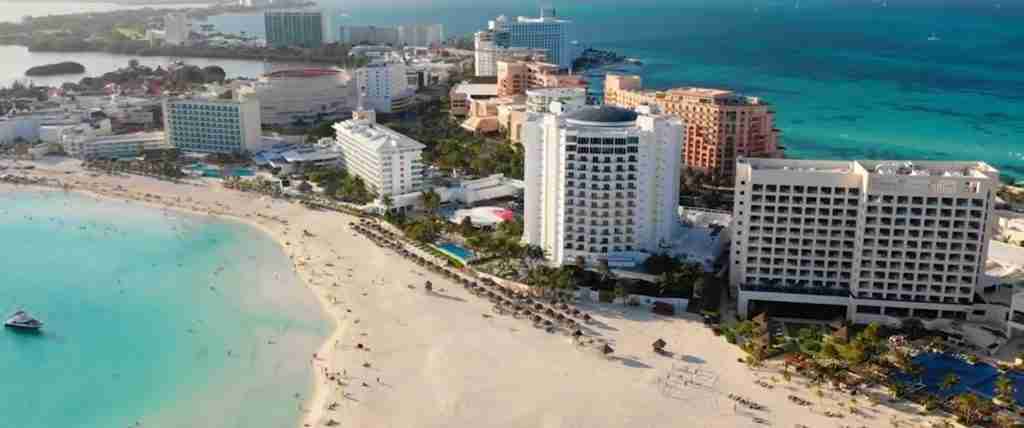
The Yucatán Peninsula’s Caribbean coastline represents Mexico’s most developed tourism infrastructure combined with immediate access to ancient Maya civilization and pristine natural environments. Cancún anchors the northern Hotel Zone with 14 miles of white-sand beaches and resort concentration, while the Riviera Maya extends 80 miles south through Playa del Carmen to Tulum, transitioning from high-density development to eco-conscious boutique properties and protected biosphere reserves.
This destination delivers exceptional value across budget categories. Budget-conscious travelers access quality accommodation from $60 nightly, mid-range visitors enjoy beachfront properties at $150-250, and luxury seekers find world-class resorts competing at $400-800 per night in 2026. Transportation networks connect the entire corridor through frequent ADO bus service ($8-25 between major towns), affordable colectivo shuttles ($2-5 local routes), and organized tour operations serving every attraction category.
The region surrounds three UNESCO World Heritage designations within 90-minute radius: Chichén Itzá (Ancient Maya City and Protected Tropical Forests), Sian Ka’an Biosphere Reserve (1.3 million acres of wetlands and coral reef systems), and the fortified coastal city of Tulum. Beyond UNESCO recognition, the Riviera Maya provides access to the world’s second-largest barrier reef system, 6,000+ documented cenotes (freshwater sinkholes), and contemporary Maya communities maintaining traditional practices alongside tourism infrastructure.
Seasonal dynamics create distinct planning considerations. Peak winter months (December-April) deliver guaranteed sunshine, calm seas, and vibrant nightlife but attract maximum crowds and premium pricing across all service categories. Shoulder seasons (May-June, September-November) reduce costs by 40-60% while maintaining excellent weather conditions with brief afternoon rain showers and occasional tropical storm activity. Summer months (July-August) bring intense heat and humidity but offer deep discounts and minimal crowds outside major resort properties.
Independent travelers and all-inclusive resort guests both thrive along this corridor. Resort properties bundle accommodation, meals, beverages, and entertainment at competitive rates ($180-600 per person nightly), while independent planning provides flexibility and cultural immersion at comparable or reduced costs. The region’s safety profile supports solo travel, family vacations, and group adventures with standard precautions around tourist zones and organized transportation.
People Also Ask About Cancún & Riviera Maya 2026
How much does a Cancún vacation cost in 2026?
A week-long Cancún vacation costs $1,500-3,500 per person in 2026, depending on accommodation choices and travel style. All-inclusive resort packages range $1,800-4,200 for seven nights including flights from major US cities, meals, and beverages (check resort websites for current official rates). Independent travelers spend $120-250 daily per person covering mid-range hotels ($150-250 nightly for couples), meals ($40-80 daily), activities ($50-150 per experience), and local transportation ($10-30 daily). Budget backpackers reduce costs to $60-100 daily through hostel accommodation ($25-45), street food and local restaurants ($25-40 daily), and self-guided exploration. Luxury travelers exceed $500 daily per person with premium resorts ($400-800 nightly), fine dining ($100-200 per meal), and private excursions ($200-500 per day).
When is the best time to visit Cancún in 2026?
December through April represents optimal conditions for Cancún visits in 2026, delivering consistent sunshine (90% clear days), comfortable temperatures (75-85°F), calm Caribbean waters, and minimal rainfall (less than 2 inches monthly). January-February brings coolest temperatures and largest crowds with advance booking essential for preferred properties. March hosts spring break crowds with vibrant nightlife but premium pricing and beach congestion. April offers excellent value with diminishing crowds before May’s transition to wet season. Late November and early December provide outstanding conditions at shoulder-season pricing before Christmas premium begins. May-June delivers significant savings (40-50% off peak rates) with increasing afternoon showers but excellent morning beach conditions. July-August brings intense heat and humidity with deep discounts outside major holidays. September-October represents lowest prices and minimal crowds but carries highest tropical storm risk.
Do you need advance bookings for Cancún hotels in 2026?
Advance booking proves essential for peak season Cancún travel (December-April) with 2-4 months recommended for preferred properties and specific room categories. Popular all-inclusive resorts sell out 3-6 months ahead for Christmas, New Year’s, and spring break periods. Mid-range hotels in prime locations book 6-8 weeks in advance during winter months. Shoulder season (May-June, November) allows 2-4 weeks advance planning with good availability across categories. Summer months (July-August) offer same-week booking flexibility except around major holidays. Playa del Carmen and Tulum follow similar patterns with slightly more availability than Cancún Hotel Zone. Booking 90-120 days ahead typically secures best rates across all seasons with free cancellation policies protecting flexibility. Last-minute deals appear during low season but risk limited availability in preferred neighborhoods and property types.
What’s the safest way to travel around Riviera Maya in 2026?
ADO bus service provides the safest and most reliable transportation along the Riviera Maya corridor in 2026, operating modern air-conditioned coaches between all major destinations with fixed schedules and terminal facilities. Routes connect Cancún Airport to Playa del Carmen ($12, 45 minutes), Tulum ($18, 2 hours), and Chichén Itzá ($25, 3.5 hours) with departures every 30-60 minutes during daytime hours. Official airport shuttles and pre-arranged private transfers offer door-to-door service at $35-80 depending on destination distance. Rental cars from international agencies cost $35-65 daily for economy vehicles, though navigation requires attention to one-way systems and limited parking in town centers. Organized tours with established operators provide comprehensive transportation for archaeological sites, cenote visits, and island excursions. Within Cancún Hotel Zone, frequent public buses run 24 hours ($1 per ride) along Boulevard Kukulkán. Playa del Carmen and Tulum support walking and bicycle exploration for in-town activities. Avoid unlicensed taxis and transportation touts outside official ranks and terminals.
Extended multi-day tours – 5+ days
Featured Cancun Multi-Day Tour Packages
3 days
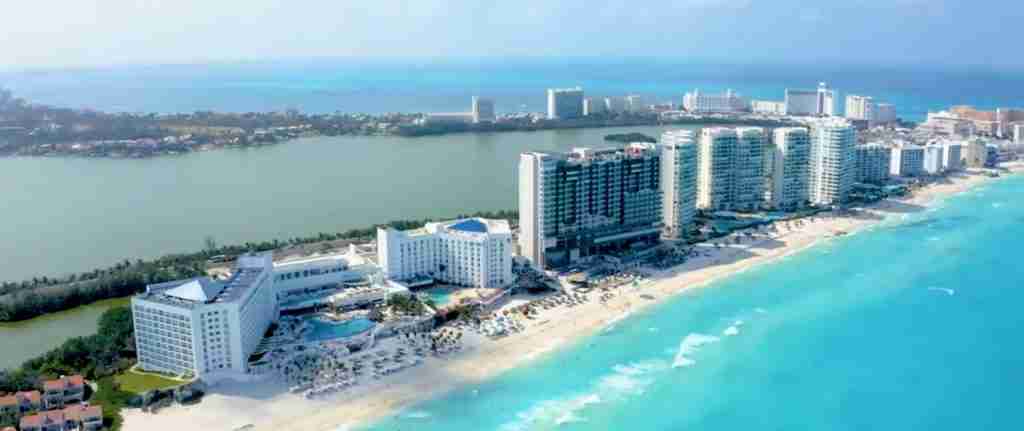
Cancun 3-Day Discovery Tour
- ✓ Comprehensive Cancun experience
- ✓ Expert local guides included
- ✓ All accommodation included
- ✓ Transportation provided
5 days
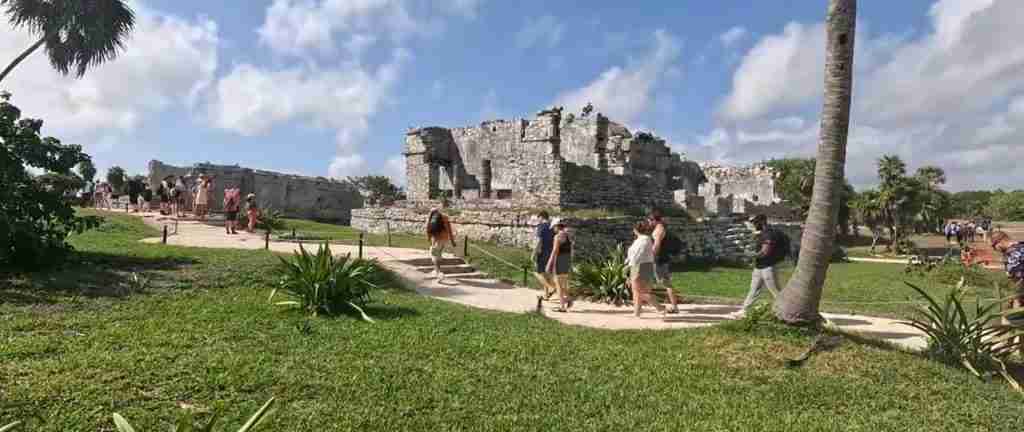
Cancun 5-Day Highlights Experience
- ✓ Comprehensive Cancun experience
- ✓ Expert local guides included
- ✓ All accommodation included
- ✓ Transportation provided
7 days
Cancun 7-Day Cultural Journey
- ✓ Comprehensive Cancun experience
- ✓ Expert local guides included
- ✓ All accommodation included
- ✓ Transportation provided
10 days
Cancun 10-Day Complete Adventure
- ✓ Comprehensive Cancun experience
- ✓ Expert local guides included
- ✓ All accommodation included
- ✓ Transportation provided
Multi-day tour packages powered by TourRadar. Prices and availability subject to change.
Essential Planning Information 2026
Current Costs and Pricing Breakdown for 2026
Cancún and Riviera Maya accommodation spans budget to ultra-luxury categories in 2026. Cancún Hotel Zone all-inclusive resorts cost $180-350 per person nightly for standard properties, $300-450 for upscale brands, and $500-800 for luxury collections (check resort websites for current official rates as pricing varies seasonally). These rates include meals, beverages, entertainment, and non-motorized water sports. Independent hotel properties in Hotel Zone range $150-280 nightly for beachfront mid-range options, $80-150 for inland properties. Playa del Carmen beachfront hotels cost $120-280 nightly, with downtown options at $60-140. Tulum beach zone properties range $180-450, while town center hotels offer $70-180 alternatives. Budget hostels in all locations cost $25-45 for dormitory beds, $60-100 for private rooms.
Dining costs vary significantly by location and venue type. Hotel Zone tourist restaurants charge $25-45 per entrée with $8-15 appetizers and $10-18 cocktails. Downtown Cancún local restaurants serve complete meals at $8-18 per person. Playa del Carmen Fifth Avenue dining costs $20-40 per entrée, while side street local spots offer $10-20 meals. Tulum beach clubs charge $30-60 for food and $15-25 for cocktails, town center restaurants serve meals at $12-25. Street food and market vendors throughout the region offer tacos at $1.50-3 each, tortas at $4-7, and fresh juice at $2-4. Grocery shopping at Walmart, Chedraui, and Soriana supermarkets costs 60-70% of US prices for self-catering options.
Activity and attraction pricing remains competitive in 2026. UNESCO site entries cost $27-32 for Chichén Itzá, $5-8 for Tulum ruins, $35-45 for Sian Ka’an tours. Cenote swimming costs $8-20 for basic sites, $25-45 for developed facilities with amenities. Snorkeling tours range $45-80 per person for reef trips, $80-120 for turtle encounters, $120-180 for full-day excursions. Scuba diving costs $80-120 for two-tank reef dives, $150-200 for cenote cavern dives. Zip-line adventure parks charge $80-150 per person. Isla Mujeres ferry service costs $15-20 round-trip with golf cart rentals at $40-60 for full-day exploration. Cozumel ferries cost $25-32 round-trip from Playa del Carmen. Xcaret eco-park charges $140-180 for basic admission, $180-250 for Plus packages. Xel-Há costs $110-150, Xplor ranges $130-180.
Transportation Options and Costs in 2026
Cancún International Airport (CUN) receives 500+ daily flights from North America, Europe, and South America with competitive pricing. Round-trip flights from major US cities cost $300-600 for basic economy during shoulder seasons, $500-900 during peak winter months. Canadian gateway cities offer $400-800 routes. European connections range $700-1,200. Airport transportation to Hotel Zone costs $15-25 via official shuttle vans (shared), $35-50 for private transfers. ADO bus service to Playa del Carmen runs $12 with Tulum connections at $18. Uber and similar platforms operate from designated pickup zones at $18-30 to Hotel Zone, $35-55 to Playa del Carmen.
ADO bus company provides primary inter-city transportation along the Riviera Maya corridor. Cancún to Playa del Carmen costs $12 (45 minutes, departures every 30-60 minutes), Playa del Carmen to Tulum $8 (60 minutes, hourly service), Cancún to Tulum direct $18 (2 hours, every 2-3 hours). Chichén Itzá day trips from Cancún cost $25 each way with 4-5 hour journey time. All routes operate from modern terminal facilities with air-conditioning, WiFi, and restrooms. Second-class buses serve same routes at slightly lower fares with more frequent stops and less comfort.
Rental cars provide maximum flexibility for multi-destination exploration. International agencies (Hertz, Avis, Budget, Europcar) offer economy vehicles at $35-50 daily, mid-size at $45-65, SUVs at $65-95 including mandatory liability insurance. Local agencies advertise lower rates ($25-40 daily) but require careful contract review and damage documentation. Highway 307 connects all major Riviera Maya destinations as a well-maintained toll-free route. Parking costs $2-5 hourly in commercial zones, beach clubs charge $10-20 daily, archaeological sites offer free parking. Gasoline costs approximately $1.10-1.30 per liter ($4.20-4.90 per gallon).
Local transportation within destinations operates efficiently. Cancún Hotel Zone R-1 and R-2 bus routes run 24 hours along Boulevard Kukulkán at $1 per ride with stops every 500 meters. Downtown Cancún city buses cost $0.60-0.80 for local routes. Taxis charge $8-15 for Hotel Zone trips, $25-45 for airport runs. Playa del Carmen supports walking throughout tourist zones with colectivo vans serving Playacar and beach clubs at $1-2 per ride. Tulum town-to-beach transportation costs $3-5 via colectivo, $10-15 by taxi. Bicycle rentals range $10-20 daily in all locations.
Best Time to Visit Cancún & Riviera Maya 2026
Seasonal Analysis for 2026 Travel Planning
Peak season (December-April) delivers optimal weather conditions with daytime temperatures ranging 75-85°F, nighttime lows around 65-75°F, and minimal rainfall averaging 1-2 inches monthly. December and January bring slightly cooler temperatures and highest accommodation demand. Christmas and New Year’s weeks represent maximum pricing with resort rates doubling from standard peak rates and advance booking essential 4-6 months ahead. February offers Valentine’s Day premiums but otherwise maintains steady high-season pricing with excellent weather and manageable crowds. March escalates with spring break crowds filling Hotel Zone properties and beach clubs, creating vibrant nightlife but challenging beach conditions and premium pricing across services.
April represents the final high-season month with temperatures climbing to 85-90°F and humidity increasing before rainy season transition. Easter week brings Mexican domestic tourism surge with advance booking critical for popular properties. Late April sees diminishing international crowds and early discounting signals shoulder season transition. May initiates wet season with afternoon thunderstorms developing 3-5 days weekly but morning hours remain clear for beach and water activities. Temperatures reach 85-90°F with increasing humidity. Accommodation rates drop 40-50% from peak season with excellent value for flexible travelers comfortable with occasional rain interruptions.
Summer months (June-August) bring intense heat with temperatures consistently 88-95°F and high humidity creating challenging conditions for midday outdoor activities. Morning and evening hours provide comfortable beach time and water sports. Afternoon rain showers occur 4-6 days weekly with quick-clearing storms rarely disrupting full-day plans. June represents strongest value with lowest crowds and deepest discounts (50-60% below peak rates) outside major holidays. July-August see Mexican domestic tourism increase during school vacation period but maintain significantly lower rates than winter months. Hurricane season officially runs June-November with September-October representing peak storm risk, though direct hits remain statistically rare.
Weather Patterns and Crowd Predictions for 2026
January-March 2026 delivers consistently excellent conditions with average rainfall below 2 inches monthly and daytime temperatures holding steady at 78-83°F. Morning air temperatures start around 68-72°F, warming through midday. Caribbean waters maintain 78-80°F throughout these months, ideal for extended swimming and snorkeling. Northern cold fronts occasionally push through January-February bringing 2-3 days of overcast conditions and 15-20 mph winds but rarely disrupting vacation plans significantly. Crowds peak during Christmas-New Year period, US spring break weeks (typically mid-March), and Easter week.
April-June transition brings increasing heat and humidity with daytime temperatures reaching 85-92°F by June. April maintains largely dry conditions with rainfall increasing through May (4-6 inches) and June (6-9 inches). Rain arrives as afternoon thunderstorms lasting 1-2 hours before clearing to evening sunshine. Morning beach conditions remain excellent throughout this period. Caribbean waters warm to 82-84°F by June. Crowds diminish significantly after Easter week with May-June representing lowest occupancy rates outside summer holidays. Memorial Day weekend attracts brief US visitor surge.
July-October presents warmest and wettest conditions with temperatures consistently 88-95°F and rainfall peaking at 8-12 inches monthly. Afternoon storms occur daily with morning hours maintaining clear conditions for beach and pool activities. Hurricane season requires weather monitoring September-October though most storms pass north of the peninsula or remain offshore. Caribbean waters reach maximum warmth at 84-86°F. Crowds remain manageable except for US Independence Day week and Mexican vacation periods in July-August. November transitions back to dry season with decreasing rainfall, cooling temperatures (80-85°F), and increasing visitor numbers building toward winter peak.
UNESCO World Heritage Sites Access in 2026
Chichén Itzá: Ancient Maya City Planning for 2026
Chichén Itzá ranks among Mexico’s most visited archaeological sites, located 120 miles west of Cancún with 2.5-3 hour drive time via Highway 180. The site opens daily 8 AM-4:30 PM with last entry at 4 PM. Entry costs 614 pesos ($32) in 2026 including federal and state fees (check INAH website for current official rates). Arrive at opening time to experience El Castillo pyramid and major structures before tour group arrivals at 10 AM. The site requires 3-4 hours for comprehensive exploration covering the main plaza, Great Ball Court (largest in Mesoamerica at 545 feet long), Temple of Warriors, Sacred Cenote, and Observatory.
Transportation options include organized tours ($80-120 per person with guide and transportation), ADO bus service ($25 each way, 4-hour journey with early morning departures), and rental car (3-hour drive with free parking). Tours depart Cancún 7-8 AM, arriving at opening time before crowd buildup. The site provides minimal shade with intense midday heat requiring sun protection, water, and strategic timing. On-site facilities include restrooms, restaurants, and craft markets. Guides cost $50-80 for two-hour tours in English at entrance gates. Light and sound shows occur select evenings during winter season at additional cost.
Tulum Ruins: Coastal Maya City Exploration in 2026
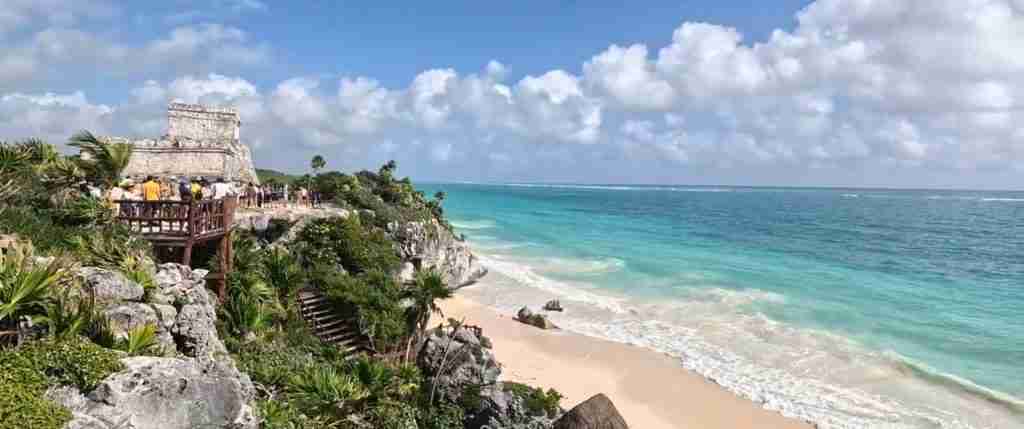
Tulum archaeological zone occupies dramatic clifftop setting overlooking Caribbean beaches 80 miles south of Cancún. The site opens daily 8 AM-5 PM with entry costing 95 pesos ($5) plus 58-peso Tulum National Park fee totaling approximately $8. Arrive at opening time to photograph El Castillo temple and coastal views before 10 AM tour group arrivals. The compact site requires 1.5-2 hours for thorough exploration of the walled city, Temple of the Frescoes, and beach access. The adjacent beach offers swimming opportunities with gentle surf and clear waters.
Access from Cancún includes ADO bus service ($18, 2 hours), colectivo vans from Playa del Carmen ($3, 45 minutes), rental car (90-minute drive), or organized tours ($60-90 with transportation and guide). The entrance sits 1 kilometer from ruins with walking path or shuttle trolley ($3 round-trip). On-site facilities include restrooms, changing rooms, and parking ($5-8). Combine Tulum ruins with nearby cenote visits (Gran Cenote $20 entry, Dos Ojos $15) and beach club relaxation for full-day experiences. Morning visits avoid peak heat and crowds.
Sian Ka’an Biosphere Reserve: Natural Heritage Access in 2026
Sian Ka’an protects 1.3 million acres of wetlands, tropical forests, mangroves, and coral reef systems beginning 8 miles south of Tulum. UNESCO designation recognizes the reserve’s exceptional biodiversity including jaguars, crocodiles, manatees, 300+ bird species, and pristine coastal lagoons. Access requires organized tours with authorized operators ($90-150 per person for full-day experiences) covering Muyil archaeological site, canal boat rides through ancient Maya waterways, floating down lazy river channels, snorkeling lagoons, and wildlife observation. Tours typically run 7 AM-4 PM including transportation from Tulum.
The reserve prohibits independent exploration to protect fragile ecosystems and wildlife. Authorized tour operators include Community Tours Sian Ka’an (community-based cooperative), Sian Ka’an Tours (established outfitter), and various Tulum-based agencies. Tours depart daily with smaller groups (8-12 people maximum) providing better wildlife viewing opportunities. Bring biodegradable sunscreen (chemical sunscreens prohibited), insect repellent, water, snacks, and swimwear. The experience emphasizes natural observation over archaeological sites, contrasting with Chichén Itzá and Tulum’s focus on Maya architecture.
Accommodation Strategies for 2026 Planning
Cancún Hotel Zone Options and Pricing 2026
The 14-mile Hotel Zone (Zona Hotelera) stretches along a narrow barrier island connecting to mainland Cancún at both ends. All-inclusive mega-resorts dominate with properties offering 300-1,200 rooms, multiple restaurants, entertainment programs, and beach access. Budget-friendly all-inclusive options include Riu Cancún, Barceló Costa Cancún, and Krystal Cancún at $180-280 per person nightly for standard rooms with meals, beverages, and activities included. Mid-range properties include Fiesta Americana Condesa, Hyatt Zilara (adults-only), and Secrets The Vine at $280-400 per person nightly with enhanced dining, premium spirits, and upgraded amenities.
Luxury all-inclusive options include Live Aqua Beach Resort, Le Blanc Spa Resort (adults-only), and Nizuc Resort & Spa at $500-800 per person nightly featuring gourmet restaurants, premium alcohol, butler service, and sophisticated design. Independent hotels (non-all-inclusive) provide flexibility for travelers preferring off-property dining and activities. Options include Hyatt Ziva Cancún at $250-400 nightly, Marriott Cancún Resort at $180-320, and Aloft Cancún at $120-200. Downtown Cancún properties cut costs significantly at $60-120 nightly but require 20-minute bus rides to beach access.
Playa del Carmen Accommodation Range 2026
Playa del Carmen offers more intimate scale and walkable beach town atmosphere 45 minutes south of Cancún. The city divides into beach zone along Caribbean shore and downtown extending inland from Fifth Avenue (Quinta Avenida) pedestrian corridor. Beachfront all-inclusive resorts include Paradisus Playa del Carmen ($280-420 per person nightly), Hilton Playa del Carmen ($220-350), and Sandos Playacar ($180-280). Boutique beach properties include Thompson Playa del Carmen ($200-350 nightly), Mahekal Beach Resort ($180-300), and The Reef 28 ($150-250).
Downtown properties near Fifth Avenue provide walking access to restaurants, nightlife, and beach clubs at reduced rates. Options include Hotel Cielo ($80-140 nightly), Playa Palms ($100-180), and Mosquito Beach Hotel ($120-200). Budget accommodations include The Yak Hostel ($25-35 dormitory, $60-90 private rooms), Che Playa Hostel ($28-40 dormitory), and numerous guesthouses at $50-100 nightly. Playacar residential zone south of downtown offers quieter family-oriented atmosphere with gated resort complexes and condo rentals at $150-300 nightly.
Tulum Beach and Town Accommodation Choices 2026
Tulum splits between beach zone (expensive, bohemian-chic) and town center (affordable, authentic). Beach zone properties line unpaved Tulum Beach Road (recently paved in sections) with premium pricing reflecting limited development and eco-conscious design. Options include Azulik ($450-800 nightly for treehouses with ocean views), Be Tulum ($350-600), Nomade Tulum ($280-500), and Sanará Tulum ($220-400). Mid-range beach properties include Ahau Tulum ($180-320) and Mezzanine ($200-350).
Tulum town center sits 2 miles inland offering authentic atmosphere and budget-friendly accommodation. Options include downtown hotels at $70-150 nightly, guesthouses at $50-100, and hostels including Che Tulum ($25-35 dormitory, $60-90 private rooms) and Mayan Monkey Tulum ($30-40 dormitory). Beach access from town requires colectivo ($3), bicycle rental ($10-15 daily), or taxi ($10-15). Many travelers prefer town accommodation for cost savings while visiting beach clubs and cenotes during daytime. Airbnb and VRBO rentals throughout Tulum range $80-250 nightly for apartments and small houses.
Sample 2026 Itineraries for First-Time Visitors
7-Day Riviera Maya Discovery Itinerary
Day 1 begins with afternoon Cancún arrival, airport transfer to Playa del Carmen accommodation ($12 ADO bus or $45 private shuttle), evening Fifth Avenue orientation walk and dinner. Accommodation costs $100-200 nightly for downtown hotel. Welcome dinner at local restaurant costs $20-35 per person. Total day cost: $20-35 per person (excluding accommodation and airport transfer).
Day 2 explores Playa del Carmen beaches with morning swimming and beach club relaxation (free public beach access or $20-40 beach club with amenities), afternoon cenote visit to Cenote Azul ($8 entry) or Cenote Cristalino ($12), evening stroll on Fifth Avenue with street food dinner. Colectivo to cenotes costs $2-3 each way, beach club day pass $20-40, lunch $15-25, dinner $18-30, snacks $8-12. Total day cost: $71-122 per person (excluding accommodation).
Day 3 includes full-day Tulum excursion starting with morning ADO bus ($8 each way), Tulum ruins visit 8-10 AM ($8 entry), beach time at ruins cove, afternoon Gran Cenote swim ($20 entry), return to Playa del Carmen evening. Ruins entry $8, Gran Cenote $20, lunch in Tulum town $12-20, snacks $8-12, transportation $16 round-trip. Total day cost: $64-76 per person (excluding accommodation).
Day 4 features Chichén Itzá organized tour ($90-120 including transportation, guide, and entry), departing 7 AM and returning 6-7 PM. Tour includes site visit, Valladolid colonial town stop, and cenote swim. Tour cost $90-120 covers transportation, guide, entry fees, and cenote visit. Lunch typically included in tour package or available for $12-18. Total day cost: $90-120 per person (excluding accommodation).
Day 5 offers Cozumel island day trip with morning ferry from Playa del Carmen ($25 round-trip), snorkeling tour ($45-80 for reef excursion), beach club afternoon, evening return. Ferry $25, snorkeling tour $45-80, beach club $15-25, lunch $18-30, dinner back in Playa del Carmen $20-35, golf cart rental alternative $40-60 for independent island exploration. Total day cost: $123-215 per person (excluding accommodation).
Day 6 provides relaxation and shopping with morning beach time (free), afternoon Fifth Avenue shopping and souvenir hunting, evening dinner and entertainment. Beach club optional $20-40, lunch $15-25, shopping budget $30-100, dinner $25-45, evening cocktails $20-40. Total day cost: $90-250 per person (excluding accommodation).
Day 7 includes morning checkout, optional beach time or downtown Cancún visit depending on flight schedule, afternoon airport transfer ($12 ADO or $35 private shuttle), departure. Breakfast $8-15, lunch $12-20, airport transfer $12-35. Total day cost: $32-70 per person (excluding accommodation).
Seven-day total ranges $490-888 per person for activities, transportation, and meals, plus $700-1,400 for accommodation ($100-200 nightly x 7 nights). Complete trip budget: $1,190-2,288 per person excluding flights. All-inclusive resort alternative costs $1,260-2,940 per person (7 nights at $180-420 per person nightly) including accommodation, all meals, beverages, and resort activities but excluding tours and excursions.
5-Day Cancún All-Inclusive Retreat
Day 1 includes afternoon arrival, airport shuttle to Hotel Zone resort ($25-35 private transfer included in many all-inclusive packages), check-in and orientation, evening dinner and entertainment at resort. All meals, beverages, and entertainment included in nightly rate. Total day cost: $0 additional (accommodation $180-420 per person nightly).
Day 2 offers full resort day with morning beach time, afternoon pool activities, water sports (kayaks, paddleboards, snorkeling gear included), evening theme dinner and show. All activities and meals included. Optional spa treatments cost $80-200. Total day cost: $0-200 per person (excluding accommodation).
Day 3 features morning Chichén Itzá excursion ($90-120 booked through resort or independent operator), afternoon return and resort relaxation, evening dining and entertainment. Tour cost $90-120. Total day cost: $90-120 per person (excluding accommodation).
Day 4 includes morning Isla Mujeres catamaran tour ($80-120 including snorkeling, lunch, and open bar), afternoon return and resort beach time, evening farewell dinner. Tour cost $80-120. Total day cost: $80-120 per person (excluding accommodation).
Day 5 provides morning beach time, late checkout (often available until 1-2 PM with all-inclusive benefits), afternoon airport transfer, departure. Optional lunch if flight schedule requires $0 (included in all-inclusive) or $15-25 at airport. Total day cost: $0-25 per person (excluding accommodation).
Five-day all-inclusive total: $900-2,100 per person for accommodation (5 nights at $180-420 nightly), plus $170-340 for two optional excursions. Complete trip budget: $1,070-2,440 per person excluding flights.
Booking and Reservations for 2026 Season
Official Booking Channels and Resources
Cancún and Riviera Maya accommodation booking utilizes multiple channels with distinct advantages. Direct resort websites offer best rate guarantees, exclusive perks (room upgrades, resort credits, early check-in), and flexible cancellation policies. Major all-inclusive brands include Palace Resorts, AM Resorts (Secrets, Dreams, Breathless), Karisma Hotels (Azul, Margaritaville), and Barceló Hotel Group. Independent hotel brands include Marriott, Hyatt, Hilton, and Fairmont operating Hotel Zone and Playa del Carmen properties.
Online travel agencies (Expedia, Booking.com, Hotels.com) aggregate properties with user reviews, comparison tools, and occasional discount pricing. These platforms excel for independent travelers comparing multiple properties but sometimes exclude resort credits and perks available through direct booking. All-inclusive specialist agencies including CheapCaribbean, AppleVacations, and Vacation Express bundle flights and hotels at competitive package rates, often beating separate bookings by 15-25%. Package deals particularly benefit families and groups booking multiple rooms.
Travel advisors specializing in Mexico and Caribbean destinations provide expertise on property selection, room category recommendations, and resort comparison for complex bookings. Advisors access preferred rates through consortium memberships (Virtuoso, Signature Travel Network) and often include added amenities (cocktail credits, spa treatments, room upgrades) at no additional cost. Archaeological site tickets for Chichén Itzá and Tulum purchase on-site or through official INAH website. Tour operators including Amigo Tours, Cancun Adventure Tours, and Viator offer advance booking for cenote visits, snorkeling excursions, and adventure parks with pickup included.
Tour Operator Recommendations and Booking
Established tour operators provide reliable experiences with English-speaking guides, transportation, entry fees, and comprehensive itineraries. Chichén Itzá tours range $80-140 per person depending on group size, departure time, and inclusion of lunch, cenote swim, and Valladolid stop. Early morning departures (7-8 AM) reach sites before tour bus arrivals. Luxury small-group options ($140-180) limit groups to 12-15 people with enhanced commentary and extended site time.
Cenote tours combine multiple swimming locations with lunch and transportation at $60-100 per person. Popular combinations include Dos Ojos and Gran Cenote, or Ik Kil and Suytun. Snorkeling tours range $45-80 for reef trips (4-5 hours), $80-120 for turtle encounters at Akumal, $120-180 for full-day excursions combining snorkeling locations and beach time. Isla Mujeres catamaran tours cost $80-140 including snorkeling, lunch, open bar, and beach club access. Cozumel snorkeling tours from Playa del Carmen run $90-150 with ferry, gear, guide, and lunch included.
Adventure parks including Xcaret, Xel-Há, and Xplor offer advance booking discounts (10-15% online savings). Xcaret admission costs $140-180 for basic entry, $180-250 for Xcaret Plus including buffet lunch and locker rental. Xel-Há all-inclusive admission runs $110-150 with unlimited food, beverages, snorkeling gear, and activities. Xplor zip-line park charges $130-180 with transportation, gear, and lunch included. Parks operate 8:30 AM-9 PM with evening shows and entertainment. Advance booking essential during peak season to guarantee preferred dates.
Money-Saving Strategies for 2026 Travel
Accommodation Cost Reduction Techniques
Shoulder season travel (May-June, September-November) delivers 40-60% savings on Cancún and Riviera Maya accommodation compared to peak winter rates. A $350 nightly Hotel Zone resort in February costs $140-210 in September with identical facilities and services. Similarly, Playa del Carmen beachfront hotels drop from $220 peak season to $100-150 shoulder months. Tulum beach properties reduce $400 February rates to $180-280 in May. Brief afternoon rain showers during shoulder season rarely disrupt vacation plans with morning hours maintaining clear conditions for beach and water activities.
Alternative neighborhoods reduce costs while maintaining proximity to attractions. Downtown Cancún properties cost $60-120 nightly versus $180-450 in Hotel Zone, with frequent buses ($1 fare, 20-minute ride) connecting to beaches. Tulum town accommodation at $70-150 nightly saves $100-300 compared to beach zone properties while offering authentic atmosphere and restaurant variety. Playa del Carmen downtown hotels ($80-140) cost less than beachfront options ($150-280) with Fifth Avenue and beach access via 5-10 minute walks.
Advance booking secures lowest rates with best availability. Properties release inventory 12-18 months ahead with early booking discounts of 15-25% for peak season travel. Monitor direct resort websites for flash sales and promotional rates during September-November booking periods. Free cancellation policies protect flexibility when booking early. Last-minute deals appear in shoulder and low seasons but risk limited availability in preferred locations and property types. Package deals combining flights and hotels through travel agencies often beat separate bookings by $200-400 per person.
Activity and Dining Budget Optimization
Public beach access eliminates beach club costs in most Riviera Maya locations. Cancún offers public beach entries along Hotel Zone (Playa Delfines, Playa Chac Mool, Playa Tortugas) with free parking and basic facilities. Playa del Carmen provides beach access at numerous street ends (Calles 10, 14, 28, 38) avoiding $20-40 beach club charges. Tulum ruins beach access through archaeological site ($8 entry) offers Caribbean swimming at fraction of beach club costs. Bring shade umbrella, cooler, and snorkel gear purchased locally ($15-30) for independent beach days.
Local dining saves 50-70% compared to tourist zone restaurants. Downtown Cancún fondas and taquerías serve complete meals at $8-15 per person versus $35-60 in Hotel Zone. Playa del Carmen side streets parallel to Fifth Avenue offer authentic cuisine at $12-25 per meal versus $30-50 on tourist strip. Tulum town center restaurants cost $12-25 compared to $40-80 beach zone prices. Mercado 28 in Cancún and Mercado Municipal in Playa del Carmen provide market dining at $6-12 per meal with fresh seafood, tacos, and regional specialties. Supermarket shopping for breakfasts, snacks, and beach provisions cuts costs significantly.
Free and low-cost activities balance expensive excursions. Tulum ruins cost $8 versus $90-140 for Chichén Itzá tours. Free cenotes exist throughout the region (though developed sites with facilities charge $8-20). Playa del Carmen street performers and Fifth Avenue people-watching provide evening entertainment without cover charges. Downtown Cancún Parque de las Palapas hosts free concerts and cultural events. Self-guided walking and cycling replace costly transportation. Group tour discounts (4+ people) reduce per-person costs by 15-30% for archaeological sites, cenote tours, and snorkeling excursions.
Planning Your 2026 Visit: Essential Strategies
Pre-Departure Planning Checklist for 2026
Documentation requirements for Mexico include valid passport (must be valid throughout stay, 6-month validity recommended), tourist card (FMM) issued upon arrival (free, valid 180 days), and return flight documentation. US and Canadian citizens do not require advance visa for tourism. Travel insurance proves valuable for trip cancellation, medical emergency, and lost luggage coverage ($40-120 per person for week-long trip). Credit cards with no foreign transaction fees save 3% on all purchases. Notify banks of Mexico travel dates to prevent card blocks.
Health preparations include routine vaccinations (no special vaccines required for Mexico). Sunscreen (reef-safe, biodegradable formulas required at marine parks and cenotes), insect repellent, basic first-aid supplies, and prescription medications (bring excess supply) belong in packing list. Tap water remains unsafe for drinking throughout the region with bottled water costing $1-2 for large bottles at supermarkets and convenience stores. Most travelers experience no health issues with basic precautions around food handling and water consumption.
Currency and payment systems in Cancún and Riviera Maya accept both pesos and US dollars widely, though peso transactions save 10-15% through favorable exchange rates. ATMs provide best exchange rates with minimal fees (notify bank before travel). Credit cards work at hotels, restaurants, and shops in tourist zones but cash remains necessary for transportation, markets, and small vendors. Daily cash needs run $40-80 per person covering meals, transportation, activities, and tips. Tipping customs include $1-2 for bellhops and housekeeping, 15-18% at restaurants, $5-10 for tour guides, and $20-30 for all-inclusive resort staff weekly.
On-Ground Navigation and Safety Protocols
Smartphone connectivity options include international roaming plans ($10 daily for most carriers), Mexican SIM cards (Telcel offers best coverage at $15-40 for 2-10GB data plans), or relying on hotel and restaurant WiFi (widely available, often free). Google Maps functions offline with downloaded map regions. WhatsApp operates on WiFi for free communication with tours, restaurants, and services.
Safety protocols for Cancún and Riviera Maya follow standard tourism precautions. Tourist zones maintain heavy security presence with low crime rates against visitors. Avoid deserted areas after midnight, use official taxis and transportation (Uber operates in Cancún and Playa del Carmen), secure valuables in hotel safes, and maintain awareness in crowded markets and bus terminals. Beach safety requires attention to warning flags (red means no swimming, yellow means caution), rip current awareness, and avoiding late-night beach walks. Alcohol consumption deserves moderation to maintain awareness and judgment.
Cultural considerations include basic Spanish phrases (appreciated though English widely spoken in tourist zones), respectful dress when visiting archaeological sites and towns (cover shoulders and knees), and understanding Mexican dining customs (meals occur later than US schedules with lunch 2-4 PM, dinner 8-10 PM). Bargaining applies in markets and with street vendors but not in established shops and restaurants. Photography restrictions apply at some cenotes and archaeological sites (verify before photographing).
2026 Updates and Current Information
Infrastructure and Development Changes for 2026
Tren Maya railway project advances through final construction phases with partial service potential in 2026. The line will connect Cancún Airport to Playa del Carmen, Tulum, and continue west to Chichén Itzá and Mérida with modern trains, air-conditioning, and competitive pricing. Completion schedules remain fluid with section-by-section openings expected throughout 2025-2026. Once operational, the train will reduce Cancún-Tulum travel time to 45-60 minutes and provide direct archaeological site access. Current transportation options remain reliable regardless of train completion status.
Tulum airport (Felipe Carrillo Puerto International Airport) opened December 2023, located 20 miles south of Tulum town with limited initial service. Additional route expansion anticipated through 2026 with domestic Mexico City flights and potential international connections. The airport serves primarily boutique resort zones south of Tulum with limited public transportation requiring rental cars or private shuttles. Cancún International Airport remains primary gateway with 500+ daily flights and comprehensive ground transportation networks.
Beach erosion and sargassum seaweed management continue as environmental challenges. Caribbean-wide sargassum blooms occur unpredictably from May-August with accumulation varying by beach orientation, currents, and removal efforts. Hotels and beach clubs maintain active clearing programs though natural beaches experience periodic accumulation. Northern Cancún Hotel Zone typically sees less sargassum than southern Riviera Maya beaches. Visitors should monitor current conditions through hotel communications and beach webcams. Winter months (November-April) remain largely sargassum-free.
Regulatory Updates and Visitor Requirements
Environmental protection regulations strengthen throughout Quintana Roo with cenote access requiring biodegradable sunscreen (chemical sunscreens prohibited at all natural swimming areas). Sian Ka’an Biosphere Reserve maintains strict visitor quotas and authorized operator requirements protecting fragile ecosystems. Archaeological sites implement enhanced conservation protocols with restricted access to some structures and photography limitations on flash and tripods. Visitors should verify current rules at each location.
Tourism taxes include Visitax (Quintana Roo state visitor tax) at approximately 224 pesos ($11-12) per person for international visitors, payable online before departure or at airport kiosks. The fee applies once per trip regardless of duration. Hotels collect additional local taxes (typically 3-4% of room rate) separate from quoted rates. All-inclusive resort rates typically include these taxes in advertised pricing. Archaeological sites charge separate federal (INAH) and state fees with combined totals noted in site descriptions.
Frequently Asked Questions About Cancún & Riviera Maya
Is Cancún safe for tourists in 2026?
Yes, Cancún and the Riviera Maya maintain strong safety records in tourist zones with extensive security presence and low crime rates against visitors. The Hotel Zone, Playa del Carmen Fifth Avenue, and major attractions implement 24-hour security protocols. Standard precautions apply: use official transportation, secure valuables in hotel safes, avoid deserted areas late at night, and maintain awareness in crowded locations. Mexican government prioritizes tourist zone security with police, tourism police, and private security maintaining visible presence. Millions of annual visitors experience safe, incident-free vacations with proper precautions.
Do I need to speak Spanish to visit Cancún?
No, English remains widely spoken throughout Cancún, Hotel Zone, Playa del Carmen, and Tulum tourist areas with most hotels, restaurants, tours, and shops operating with bilingual staff. Basic Spanish phrases prove helpful and appreciated in downtown Cancún, local markets, and smaller towns. Translation apps (Google Translate) function well with WiFi or cellular data. Tours and activities offer English-speaking guides as standard. Restaurant menus typically include English translations in tourist zones. Travelers without Spanish language skills navigate successfully throughout the region using English communication.
What’s better for first-time visitors: all-inclusive or independent travel?
Both approaches suit first-time visitors depending on preferences and priorities. All-inclusive resorts ($180-600 per person nightly) provide predictable costs, convenient meal access, entertainment, and resort activities with single upfront payment covering accommodation, food, beverages, and amenities. This format suits travelers prioritizing relaxation, beach time, and simplified planning. Independent travel offers flexibility for exploring local restaurants, towns, and attractions outside resort properties at comparable or reduced costs. Independent travelers experience more cultural immersion and destination variety. Many visitors blend approaches: staying at independent hotels while taking organized tours, or booking all-inclusive resorts with off-property excursions for archaeological sites and cultural experiences.
Can you drink the water in Cancún?
No, tap water throughout Cancún and Riviera Maya remains unsafe for drinking by international visitors. Hotels provide bottled water in rooms, restaurants serve purified water and ice, and all-inclusive properties include unlimited bottled water. Purchase large water bottles at supermarkets ($1-2) or convenience stores ($2-3) for daily consumption. Brushing teeth with tap water proves safe for most visitors. Ice cubes in tourist zone establishments use purified water systems. Avoid water fountains, unfiltered tap water, and roadside vendors lacking purified water certifications. Following these guidelines, visitors experience no water-related health issues.
How much money should I budget per day in Cancún?
Daily budget requirements vary significantly by travel style. All-inclusive resort guests need minimal additional funds ($20-30 daily) for off-property activities, tips, and shopping, as accommodation includes meals, beverages, and entertainment. Independent travelers require $120-250 daily per person covering accommodation ($75-150 for couple sharing mid-range hotel), meals ($40-80), activities ($30-100), and transportation ($10-30). Budget backpackers reduce costs to $60-100 daily through hostel stays, street food, and free activities. Luxury travelers exceed $400 daily with premium resorts, fine dining, and private excursions. One-time costs include archaeological site entries ($8-32), tours ($60-140), and adventure park admission ($110-180).
What should I pack for Cancún vacation?
Essential items include lightweight clothing (shorts, t-shirts, sundresses), swimwear (multiple suits recommended), reef-safe biodegradable sunscreen (required at marine parks and cenotes), sun protection (hat, sunglasses, rash guard for extended water time), insect repellent, comfortable walking sandals and water shoes, light cover-up for archaeological sites and restaurants, evening dining attire if visiting upscale restaurants, prescription medications with extras, and basic first-aid supplies. Additional useful items: waterproof phone case, small daypack for excursions, Spanish phrasebook or translation app, power adapter (Mexico uses Type A/B outlets like US/Canada), and reusable water bottle. Leave expensive jewelry at home, bring photocopies of passport, and pack prescription medications in original containers.
When does hurricane season occur in Cancún?
Hurricane season officially runs June 1-November 30 with September-October representing statistically highest risk period. However, direct hurricane hits on Cancún remain relatively rare (major hurricanes approximately once per decade) with most storms passing north of the peninsula or remaining offshore. Modern forecasting provides 5-7 days advance warning for preparation or evacuation if necessary. Hotels implement comprehensive hurricane protocols including storm shutters, emergency supplies, and guest safety procedures. Travel insurance with hurricane coverage proves valuable for trip cancellation or interruption protection. Many visitors travel successfully during shoulder season (May-June, September-November) despite hurricane season overlap, benefiting from significant cost savings and fewer crowds while monitoring weather forecasts.
Can I use US dollars in Cancún?
Yes, US dollars work at most tourist zone hotels, restaurants, shops, and attractions throughout Cancún and Riviera Maya. However, paying in pesos saves 10-15% through favorable exchange rates. For example, a $30 meal costs 600 pesos (at 20:1 rate), but paying $30 cash results in unfavorable 15-17:1 conversion. ATMs provide best exchange rates with minimal fees ($3-5 per withdrawal). Credit cards offer competitive rates without foreign transaction fees (verify card terms before travel). Use dollars for large hotel payments and tours accepting them directly, convert to pesos via ATM for daily expenses including transportation, markets, tips, and local restaurants. Many businesses display prices in both pesos and dollars.
What’s the best way to get from Cancún airport to hotels?
Multiple transportation options connect Cancún Airport to destinations throughout the region. Official airport shuttles (shared vans) cost $15-25 per person to Hotel Zone, $30-45 to Playa del Carmen, operating with fixed schedules and multiple hotel stops. Private transfers run $35-50 to Hotel Zone, $65-90 to Playa del Carmen, $90-120 to Tulum, providing door-to-door service with advance reservation. ADO bus service costs $12 to Playa del Carmen, $18 to Tulum, offering most economical option with departures every 30-60 minutes from airport terminal (luggage storage provided). Uber and similar platforms charge $18-30 to Hotel Zone but require walking to designated pickup zones outside airport grounds. Rental cars from international agencies cost $35-65 daily starting at airport locations. Pre-arrange transportation through hotels or booking platforms for smoothest arrival experience.
Are cenotes safe for swimming?
Yes, cenotes throughout the Riviera Maya operate safely for swimming with proper precautions and guideline adherence. Developed cenote sites (Gran Cenote, Dos Ojos, Ik Kil) maintain stairs, platforms, lighting, and safety equipment with on-site staff and lifeguards. Life jackets typically available upon request. Water depth varies from 5-50+ feet depending on cenote type (open, semi-open, or cavern). Non-swimmers and families with children should select open cenotes with shallow areas and avoid deep cavern systems. Snorkeling and swimming require biodegradable sunscreen (chemical formulas prohibited), no jewelry or loose items (protection for cenote ecosystems), and basic swimming ability. Follow posted rules, avoid jumping from unsafe heights, and shower before entering to remove lotions and chemicals. Millions of annual visitors enjoy cenote swimming without incident following safety guidelines.