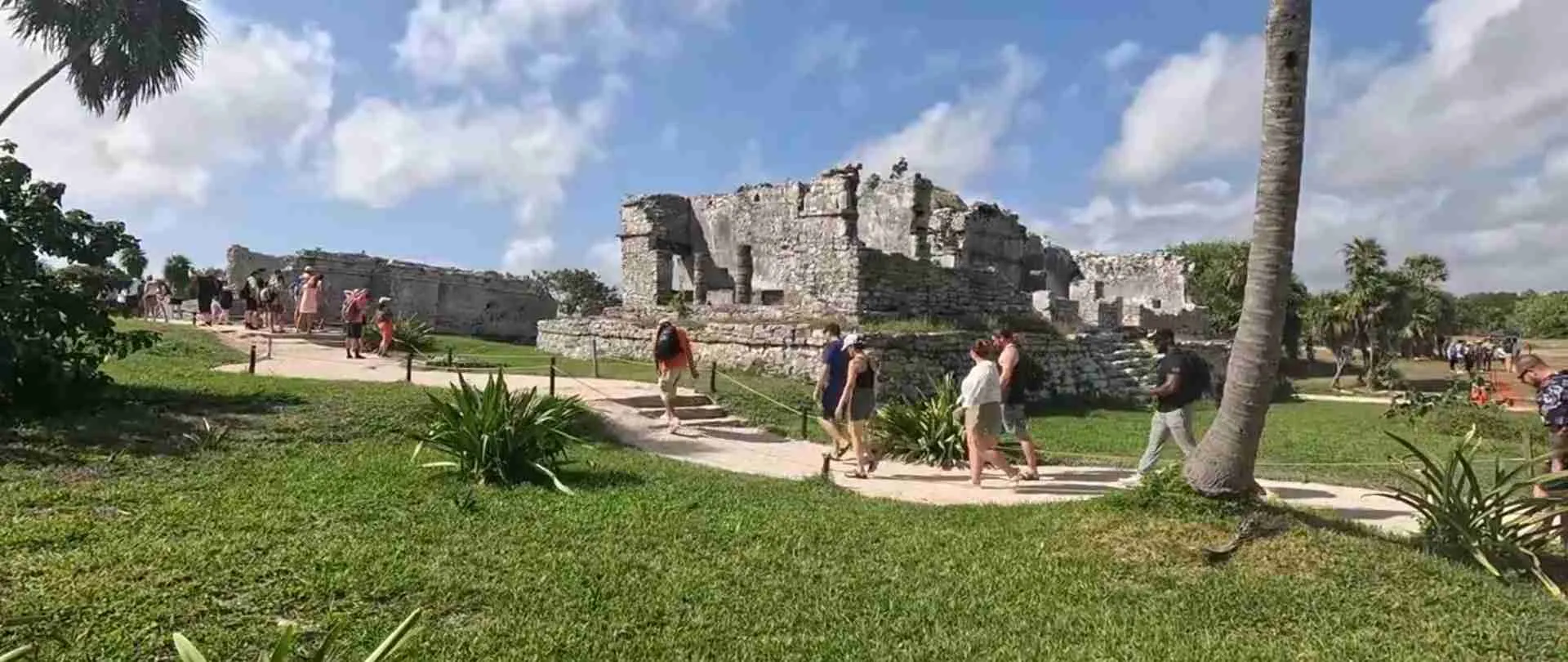
Cancún & Riviera Maya Solo Travel 2026: Safety Tips & Best Experiences
This comprehensive guide addresses every aspect of solo travel in Cancún and the Riviera Maya for 2026, from neighborhood selection and accommodation strategies to social opportunities and safety protocols. The information serves both first-time solo travelers seeking reassurance and experienced independent travelers optimizing their Mexican Caribbean experience. Solo travel doesn’t mean lonely travel—the region’s social infrastructure ensures connection opportunities while respecting independence and personal space.
Key Takeaways
- Cancún and Riviera Maya rank among Mexico’s safest destinations for solo travelers with established tourist infrastructure, visible security presence, and millions of annual independent visitors
- Downtown Cancún hostel zones, Playa del Carmen’s central area, and Tulum pueblo provide ideal solo traveler bases combining safety, social opportunities, and budget-friendly accommodation
- Female solo travelers face minimal safety concerns in tourist areas when following standard precautions including avoiding isolated beaches after dark and using registered transportation
- Social hostels, group tours, and beach clubs create natural opportunities for meeting fellow travelers without forced interaction or safety compromise
- Solo travel daily costs range $40-70 for budget-conscious travelers and $80-150 for comfort-focused independent visitors including accommodation, food, activities, and transportation
- January-April 2026 offers optimal solo travel conditions with peak social atmosphere, ideal weather, and maximum international traveler presence for natural connection opportunities
Introduction: Solo Travel in Mexico’s Caribbean Paradise 2026
Cancún and the Riviera Maya attract over 30 million annual visitors with approximately 25-30% traveling independently or solo, creating one of Latin America’s most developed and accessible destinations for independent travelers. The region’s combination of world-class beaches, cultural attractions, social infrastructure, and established safety protocols make it ideal for first-time solo travelers and experienced independent adventurers alike.
The destination’s tourism-focused economy creates inherent safety advantages for solo visitors. Local businesses depend on tourist satisfaction and security, resulting in visible police presence, well-lit public areas, and standardized safety protocols throughout tourist zones. English language proficiency among service providers eliminates communication barriers that complicate solo travel in less-developed destinations. The constant flow of international visitors creates communities of fellow solo travelers in hostels, tours, and social spaces reducing isolation concerns.
Female solo travelers find the Cancún-Riviera Maya corridor particularly accessible. The region’s beach resort character, family-friendly atmosphere, and international tourist demographic create environments where solo women blend naturally without attracting unwanted attention. Established networks of female-friendly hostels, women-only tour options, and supportive traveler communities provide resources specifically designed for independent women travelers.
People Also Ask About Solo Travel Cancún & Riviera Maya 2026
Is Cancún safe for solo travelers in 2026?
Cancún ranks among Mexico’s safest destinations for solo travelers with dedicated tourist police, well-lit public areas, and established security infrastructure throughout the Hotel Zone and downtown areas. Tourist zones maintain heavy security presence with visible police patrols, private security at major attractions, and emergency response systems designed specifically for visitor protection. The region’s tourism-dependent economy creates strong local incentives for visitor safety and satisfaction. Solo travelers following standard precautions—avoiding isolated areas after dark, using registered taxis or Uber, keeping valuables secure, and maintaining awareness in crowded spaces—experience minimal safety issues. Female solo travelers report feeling comfortable walking alone in tourist areas during daylight hours and in well-populated evening zones. The constant presence of international tourists creates safety in numbers with fellow travelers throughout hotels, restaurants, tours, and attractions.
What’s the best area for solo travelers to stay in Cancún in 2026?
Downtown Cancún’s hostel district near Parque de las Palapas offers optimal conditions for solo travelers combining affordable accommodation ($15-30 per night in dorms, $35-60 private rooms), social atmosphere with organized hostel activities, authentic Mexican cultural immersion, and central location for public transportation. The area features dozens of hostels catering specifically to international backpackers and independent travelers with common areas, group outings, and built-in social networks. Alternative options include the Hotel Zone’s northern section for beach proximity ($50-90 per night budget hotels) or Playa del Carmen’s central area combining beach access with vibrant nightlife and extensive backpacker infrastructure. Tulum pueblo provides budget-conscious solo travelers authentic Mexican atmosphere with hostel beds $20-35 per night and strong international traveler community, though farther from Cancún airport requiring additional transportation planning.
Can solo female travelers feel safe in Playa del Carmen in 2026?
Playa del Carmen welcomes thousands of solo female travelers annually with established infrastructure supporting independent women including female-friendly hostels, women-only tour groups, and supportive traveler communities. The city’s pedestrian-only Fifth Avenue creates safe walking environments with constant foot traffic, well-lit conditions, and security presence throughout evening hours. Female travelers report minimal harassment in tourist areas with occasional catcalling less frequent than in many European cities. Standard precautions apply including avoiding isolated beaches after 10 PM, using registered transportation services rather than unmarked taxis, and keeping room doors locked. Many hostels offer women-only dormitories providing additional comfort for safety-conscious travelers. The high percentage of international tourists normalizes solo female presence reducing unwanted attention. Female travelers connect easily through hostel social events, group tours, and beach club gatherings creating natural safety support networks.
How much does solo travel in Cancún cost per day in 2026?
Budget-conscious solo travelers spend $40-70 per day in Cancún covering hostel dormitories ($15-30), street food and market meals ($15-25), public transportation ($5-10), and budget attractions or free activities ($5-15). Mid-range solo travelers budget $80-150 daily for private hostel rooms or budget hotels ($40-80), restaurant meals mixing local and tourist establishments ($25-45), occasional taxis or ride-sharing ($10-15), and paid tours or attractions ($15-30). Comfort-focused solo travelers allocate $150-250+ daily for boutique hotels or resort accommodations ($90-180), diverse dining experiences ($40-80), convenient transportation ($20-40), and premium tours or activities ($30-60). These estimates exclude accommodation which varies significantly by season and booking timing. Single supplements at traditional hotels add 30-50% to double-occupancy rates, while hostels charge identical prices regardless of solo or group travel making them economically optimal for independent travelers.
Extended multi-day tours – 5+ days
Featured Cancun Multi-Day Tour Packages

3 days
Cancun 3-Day Discovery Tour
- ✓ Comprehensive Cancun experience
- ✓ Expert local guides included
- ✓ All accommodation included
- ✓ Transportation provided
5 days
Cancun 5-Day Highlights Experience
- ✓ Comprehensive Cancun experience
- ✓ Expert local guides included
- ✓ All accommodation included
- ✓ Transportation provided
7 days
Cancun 7-Day Cultural Journey
- ✓ Comprehensive Cancun experience
- ✓ Expert local guides included
- ✓ All accommodation included
- ✓ Transportation provided

10 days
Cancun 10-Day Complete Adventure
- ✓ Comprehensive Cancun experience
- ✓ Expert local guides included
- ✓ All accommodation included
- ✓ Transportation provided
Multi-day tour packages powered by TourRadar. Prices and availability subject to change.
Essential Solo Travel Planning for 2026
Understanding Solo Travel Dynamics in the Riviera Maya
The Cancún-Riviera Maya corridor operates as one of Latin America’s most developed tourist infrastructures with systems specifically designed to accommodate independent travelers. Unlike destinations requiring extensive pre-planning or local knowledge, this region allows spontaneous travel decisions with accommodation, tours, and transportation readily available without advance booking outside peak holiday weeks. The prevalence of English-speaking service providers eliminates language barriers that challenge solo travel in less-touristed Mexican regions.
Social opportunities abound throughout the region without requiring forced interaction or group travel commitments. Hostels organize daily activities including beach outings, cenote trips, and evening bar crawls attracting solo travelers seeking companionship without long-term commitment. Tours to archaeological sites, snorkeling trips, and adventure activities naturally create connections with fellow travelers sharing similar interests. Beach clubs host social events, music performances, and themed parties where solo visitors mingle comfortably without the awkwardness of arriving alone to traditional nightclubs.
The region’s social infrastructure respects both connection-seekers and privacy-preferring solo travelers. Hostel common areas facilitate interaction while private rooms allow retreat when needed. Tours offer group experiences during activities but independent time during meals or free periods. Beach clubs welcome solo visitors without minimum group requirements or awkward solo tables. This flexibility allows adjusting social engagement based on mood, energy, and preference rather than forcing constant companionship or complete isolation.
Safety systems designed for tourists benefit solo travelers particularly. Tourist police patrol major attractions, beaches, and nightlife zones with English-language assistance available. Hotels and hostels provide 24-hour reception and security addressing concerns immediately. Official taxi services and ride-sharing apps eliminate uncertainty about transportation safety. These established systems reduce the vigilance fatigue that exhausts solo travelers in less-developed destinations requiring constant attention to potential scams or safety threats.
Best Times for Solo Travel 2026
Peak season (January-April 2026) delivers optimal solo travel conditions with maximum international visitor presence creating natural connection opportunities. Hostels fill with diverse travelers from Europe, South America, North America, and Australia fostering multicultural social atmospheres. Group tours operate daily with guaranteed departures and full participant rosters. Beach clubs host regular events attracting solo travelers and social groups. The consistent weather (minimal rain, temperatures 78-85°F) eliminates weather-related disruptions to plans and maximizes beach time for social beach activities.
Spring break periods (March-April 2026) create unique dynamics with significant increases in North American university students. Solo travelers over age 25 may find these weeks less appealing due to party-focused atmospheres and younger demographics. Budget-conscious solo travelers benefit from increased hostel occupancy creating livelier social scenes and more frequent group activities organized by hostels capitalizing on high guest numbers.
Shoulder season (May-June and November-December 2026) offers excellent solo travel value with 30-40% lower accommodation costs, fewer crowds at attractions, and more intimate group sizes on tours. The reduced tourist volume means fewer solo travelers in hostels potentially creating quieter social atmospheres but also fostering deeper connections with the travelers present. Weather remains excellent in November-December with minimal rain and comfortable temperatures, while May-June sees increasing humidity and occasional afternoon showers but maintains warm beach conditions.
Low season (July-October 2026) presents the most challenging solo travel period with reduced international visitor numbers, quieter hostel social scenes, and increased weather uncertainty during hurricane season. However, budget-focused solo travelers find exceptional value with hostel beds $12-20 per night, nearly empty beaches, and one-on-one attention from tour operators running small groups. The lower visitor volume creates opportunities for authentic local interaction as businesses shift focus from mass tourism to individual customer relationships.
Solo Travel Budget Planning 2026
Accommodation represents solo travel’s largest variable expense with strategic choices dramatically affecting daily budgets. Hostel dormitories ($15-30 per night) provide the most economical and social options with shared facilities, common areas, and organized activities included. Private hostel rooms ($35-60) offer privacy without losing hostel social benefits and kitchen access for meal preparation reducing food costs. Budget hotels ($50-90) deliver private bathrooms, daily cleaning, and more mature atmospheres appealing to solo travelers over 30 preferring quieter environments than hostel party scenes.
Food costs vary enormously based on choices between authentic local establishments and tourist-oriented restaurants. Street food and market meals ($2-5 per meal) provide authentic Yucatecan cuisine at local prices with tacos, salbutes, and panuchos costing $1-2 each. Local restaurants in downtown areas ($8-15 per meal) serve complete dinners with quality ingredients and generous portions. Tourist zone restaurants ($15-30 per meal) offer international cuisine, English menus, and comfortable dining environments at 2-3x local prices. Strategic meal planning—market breakfasts, street food lunches, occasional restaurant dinners—balances budget consciousness with culinary exploration keeping food costs $20-35 daily.
Transportation expenses depend on willingness to use public systems versus convenient private options. Local buses and colectivos ($0.75-5 per ride) provide economical transportation throughout the region with routes connecting all major destinations. Budget-conscious solo travelers spend $5-10 daily on public transportation accessing beaches, cenotes, and cultural sites. Taxis and Uber ($8-25 per ride) offer convenience and safety particularly for late-night returns from social outings. Comfortable-focused solo travelers budget $15-30 daily for mixed public/private transportation balancing economy with convenience.
Activity expenses range from free beaches and cultural sites to paid archaeological zones ($10-15 entrance), cenote swimming ($10-20), and organized tours ($40-100). Strategic planning combining free activities (beaches, downtown cultural sites, walking tours) with carefully selected paid experiences (major ruins, snorkeling trips, special interest tours) creates balanced itineraries without constant budget stress. Budget-conscious solo travelers allocate $10-20 daily for activities, mid-range travelers $20-40, and comfort-focused travelers $40-80 depending on activity intensity.
Safety Strategies for Solo Travelers 2026
General Safety Principles
Solo travel safety in Cancún and the Riviera Maya centers on applying standard urban safety practices within a destination demonstrating lower crime rates against tourists than many North American and European cities. The region’s economic dependence on tourism creates strong incentives for visitor protection with businesses, authorities, and local residents understanding that tourist safety directly impacts their livelihoods. This economic reality generates more genuine security concern than legal requirements alone produce.
Tourist zones maintain distinctly higher security levels than residential areas with dedicated tourist police, private security at major attractions, and surveillance systems covering public spaces. The Hotel Zone features police substations every 2-3 kilometers, downtown tourist areas see regular patrols, and Playa del Carmen’s Fifth Avenue maintains constant security presence. These systems respond quickly to tourist concerns with English-speaking officers available 24/7. Solo travelers should note these security resources and feel comfortable approaching officers for directions, recommendations, or assistance without hesitation.
Standard precautions eliminate the majority of potential issues solo travelers face: keeping valuables out of sight and secured with locks or hotel safes, avoiding isolated areas particularly after sunset, maintaining awareness of surroundings especially in crowded spaces, researching transportation options before late-night travel, and trusting instincts when situations feel uncomfortable. These practices represent universal travel wisdom rather than specific responses to heightened local risks.
Communication strategies enhance solo travel safety significantly. Share accommodation details and daily plans with family or friends through regular check-ins via messaging apps, social media, or scheduled calls. Many solo travelers maintain public-facing social media documenting travels creating accountability and connection while respecting privacy preferences. Emergency contact information should include local authorities (911 works throughout Mexico), accommodation phone numbers, embassy contacts, and travel insurance details stored in multiple locations including phone, email, and physical copies.
Female Solo Traveler Safety
Female solo travelers navigate the Cancún-Riviera Maya region with comparable ease and safety to male counterparts when applying destination-specific awareness to general travel precautions. The region’s international tourist character normalizes solo female presence with hotel staff, tour operators, and service providers accustomed to serving independent women travelers without surprise or inappropriate attention. This contrasts with more conservative Mexican regions where solo female travelers encounter greater cultural curiosity or misconceptions about solo travel motivations.
Beach safety requires particular attention for solo women as isolated beach sections attract opportunistic harassment or theft. Stick to populated beach areas with lifeguards, other tourists, and beach vendors present creating natural security through numbers. Main public beaches including Playa Delfines in Cancún, Playa Mamitas in Playa del Carmen, and public beach sections in Tulum maintain safe environments throughout daylight hours. Avoid secluded beaches or isolated beach sections particularly outside 9 AM-6 PM when activity levels drop and supervision decreases.
Evening activities require graduated caution based on location and circumstances. Fifth Avenue in Playa del Carmen, the Hotel Zone’s restaurant zones, and organized hostel bar crawls maintain safe environments for solo women through midnight with proper awareness. Solo women walking alone after midnight should use registered taxis or ride-sharing apps rather than walking even in generally safe areas. Downtown Cancún becomes quieter after 10 PM with fewer tourists creating less comfortable solo walking conditions than midday or early evening hours.
Hostel selection significantly impacts female solo traveler experiences. Women-only dormitories provide secure sleeping environments and natural connection opportunities with fellow female travelers. Mixed-dorm hostels with women-only bathroom facilities balance social mixing with private space security. Research hostel reviews on female traveler platforms identifying establishments with strong safety reputations, responsive staff, and female-friendly atmospheres avoiding party-focused hostels with inadequate security protocols or problematic guest behaviors.
Unwanted attention represents the most common female solo traveler complaint though significantly less severe than many destinations. Catcalling occurs occasionally in Mexican urban areas but less frequently in tourist zones where international norms dominate. Confident body language, avoiding extended eye contact with those making comments, wearing headphones as a conversation barrier, and moving purposefully toward destinations all reduce interaction frequency. Mexican cultural norms respect direct “no thank you” rejections without offense—clear, firm boundary-setting proves more effective than ignoring or passive responses.
Transportation Safety
Transportation safety represents a crucial solo travel consideration with significant differences between official registered services and informal operators. Registered taxis (white vehicles with green markings and visible taxi numbers) operate on meter or fixed-rate systems with accountability through taxi company oversight. These vehicles provide safe, reliable transportation with drivers understanding their license depends on professional behavior and customer satisfaction. Airport taxis require prepayment at official booths but guarantee safe, professional service avoiding haggling or payment disputes.
Uber and similar ride-sharing services function throughout Cancún, Playa del Carmen, and Tulum offering additional safety features including driver identification, trip tracking, and rating systems creating accountability. Solo travelers particularly benefit from these platforms’ digital records showing exactly when rides occurred, who drove, and routes taken. Evening transportation should prioritize these registered options over unmarked vehicles or informal taxi offers regardless of price differences—the $5-10 premium for registered service provides significant safety value for solo travelers.
Colectivos (shared vans) operating fixed routes between major destinations provide economical, generally safe transportation during daylight hours. These white vans depart from established terminals, display route information, and carry multiple passengers creating natural safety through numbers. Solo travelers should use colectivos for daytime travel between cities but avoid late evening colectivo travel when passenger numbers drop and supervision decreases. Reputable colectivos operate from known terminals near ADO bus stations rather than through street hailing increasing reliability and safety.
ADO first-class buses offer the safest, most comfortable long-distance transportation with reserved seating, climate control, bathrooms, and professional drivers operating regular schedules between major destinations. Bus travel eliminates the isolation concerns of private taxis while providing comfortable, secure environments for solo travelers. Overnight buses between Cancún and destinations like Mérida or San Cristobal maintain excellent safety records though day buses allow enjoying scenery and arriving at destinations during daylight hours when accommodation selection remains easier.
Rental car considerations for solo travelers balance independence and convenience against driving challenges and safety concerns. Solo drivers benefit from complete schedule flexibility and ability to reach off-the-beaten-path destinations inaccessible via public transportation. However, unfamiliar traffic patterns, aggressive driving culture, speed bumps (topes) without warning, and police corruption potential create challenges particularly for first-time Mexico visitors. Solo travelers renting vehicles should purchase comprehensive insurance, research parking security at each destination, avoid driving after dark on highways, and maintain heightened defensive driving awareness. Many solo travelers find the $30-50 daily rental cost plus insurance and gas makes rental cars economically comparable to tours and colectivos while adding stress to otherwise relaxed solo travel experiences.
Accommodation Safety
Accommodation selection dramatically affects solo travel safety and experience quality with significant variation between hostel types, hotel standards, and neighborhood locations. Research accommodation reviews specifically filtering for solo traveler experiences and safety reports identifying establishments with appropriate security measures and responsive management addressing guest concerns promptly.
Essential security features include 24-hour reception providing staff presence addressing late-night arrivals, emergencies, or security concerns. Secure locker systems in dormitories protect valuables during day trips or beach time—bring your own combination lock rather than depending on provided locks potentially compromised by previous guests. Room door locks should function properly with deadbolts or chain locks providing additional security beyond key locks. Ground-floor room solo travelers should verify window security ensuring locks function and windows cannot be opened from outside.
Hostel-specific safety considerations include reviewing guest demographics ensuring age-appropriate environments and social atmospheres matching preferences. Party hostels with heavy alcohol consumption and late-night noise create environments where security protocols may be relaxed and fellow guests less awareness of personal boundaries. Family-friendly or mature-traveler hostels maintain quieter atmospheres with guests more respectful of shared spaces and security procedures. Women-only floors or buildings provide additional security layers particularly valuable for first-time solo female travelers building confidence in independent travel.
Hotel safety advantages include private bathrooms eliminating shared facility concerns, in-room safes securing passports and electronics, and established customer service protocols addressing guest concerns through formal channels. Budget hotels ($40-70 per night) provide these basics while boutique hotels ($80-150) add enhanced security including keycard access, CCTV coverage, and trained security personnel. Solo travelers should verify hotel locations avoid isolated areas requiring long walks from restaurants, transportation, or populated zones where assistance remains available if needed.
Best Neighborhoods and Accommodation for Solo Travelers 2026
Downtown Cancún – Budget Social Hub
Downtown Cancún’s hostel district centered around Parque de las Palapas offers optimal conditions for budget-conscious social solo travelers combining affordable accommodation, vibrant backpacker community, authentic Mexican cultural immersion, and excellent public transportation access. The neighborhood hosts 15-20 hostels catering specifically to international backpackers with dorm beds $15-30 per night depending on season and hostel quality. Private rooms cost $35-60 offering budget-friendly privacy without losing hostel social advantages including common areas, organized activities, and built-in traveler networks.
The area’s hostels organize daily social activities creating natural connection opportunities for solo travelers. Common offerings include morning yoga classes, afternoon beach trips via organized transportation, evening bar crawls to downtown nightlife, and weekend cenote excursions at group rates 30-40% below individual tour prices. These optional activities allow solo travelers to engage socially without constant commitment or pressure, joining when desired and maintaining independence when preferred.
Cultural immersion opportunities exceed other Cancún zones with the authentic Mexican neighborhood surrounding hostels providing markets, street food vendors, local restaurants, and community spaces where tourists interact with residents rather than remaining isolated in tourist bubbles. Parque de las Palapas hosts free weekend cultural events including live music, traditional dance, and artisan markets. Walking streets reveals colonial architecture, neighborhood churches, and residential areas offering glimpses into Mexican daily life beyond tourism industry.
Safety considerations in downtown Cancún require attention to specific blocks and time-of-day variations. The immediate hostel district maintains safe conditions throughout evening hours due to concentrated international traveler presence and business activity. Areas more than 4-5 blocks from Parque de las Palapas transition to residential zones with fewer tourists and reduced lighting requiring taxi use after 10 PM. Daytime exploration throughout downtown remains safe with standard urban precautions. Solo travelers should avoid displaying expensive electronics or jewelry, keep bags secured and visible, and maintain awareness of surroundings in crowded market areas.
Transportation accessibility represents a key downtown advantage with R-1 buses departing every 10 minutes for the Hotel Zone ($0.75, 30 minutes), ADO first-class buses connecting to Playa del Carmen and Tulum (departures every 30 minutes), and easy colectivo access to Puerto Morelos and other Riviera Maya destinations. The central location allows day-tripping to beaches, cenotes, and cultural sites while returning evenings to affordable accommodation and social hostel atmospheres rather than expensive Hotel Zone lodging.
Hotel Zone (Zona Hotelera) – Beach Access
Cancún’s Hotel Zone offers solo travelers prioritizing beach proximity and evening safety direct beach access, well-lit pedestrian areas, and consistent security presence trading downtown’s budget advantages for convenience and comfort. The 22-kilometer barrier island hosts budget hotels ($50-90 per night), mid-range properties ($90-150), and a handful of hostels ($30-50 dorm beds) providing accommodation options beyond all-inclusive resorts dominating the zone.
Beach access advantages include walking directly to world-class Caribbean beaches from accommodation without transportation time or cost. Solo travelers enjoy spontaneous beach mornings, afternoon swimming breaks, and sunset viewing without bus schedules limiting flexibility. The Hotel Zone’s beaches feature better facilities, security, and crowds than more isolated beaches creating safer solo beach environments. Public buses (R-1, R-2) operate every 10 minutes along Boulevard Kukulcán connecting the entire zone for $0.75 per ride allowing exploration beyond immediate accommodation area.
Social opportunities in the Hotel Zone require more intentionality than downtown hostels’ built-in communities. Hotel guests trend toward couples and families rather than solo travelers creating less natural connection points. Beach clubs, bars, and tour departures provide social venues where solo travelers meet others though these often require spending money on drinks or activities. Solo travelers seeking social interaction should choose the zone’s hostels or small hotels organizing social activities rather than larger impersonal properties catering primarily to couples and groups.
Safety advantages include well-lit streets with tourist police presence, CCTV coverage at major intersections, and 24/7 activity levels providing security through numbers. Solo women feel comfortable walking Hotel Zone streets until 10-11 PM particularly in the northern section between kilometers 4-13 where restaurants, bars, and foot traffic remain constant. The southern section past kilometer 15 becomes isolated after sunset requiring transportation between points rather than walking. Emergency services respond more quickly in the Hotel Zone than downtown due to concentration of tourist infrastructure and emergency response resources.
Cost considerations make the Hotel Zone economically challenging for budget-conscious solo travelers with accommodation 50-100% more expensive than downtown equivalents, restaurant meals 2-3x local prices, and convenience store goods marked up for resort tourists. Solo travelers comfortable spending $80-150 daily total find the zone convenient and comfortable. Those budgeting $40-70 daily should base downtown utilizing the Hotel Zone for day trips maintaining budget integrity while accessing beaches and attractions.
Playa del Carmen Centro – Social Vibrancy
Playa del Carmen’s central district delivers ideal solo travel conditions combining beach access, vibrant international backpacker scene, diverse accommodation options, and compact walkable geography eliminating transportation needs. The area hosts 25-30 hostels ranging from party-focused establishments ($18-35 dorm beds) to boutique hostels emphasizing design and quiet mature atmospheres ($25-45 dorm beds, $60-90 private rooms). Budget hotels ($50-90) and boutique properties ($90-180) provide alternatives for solo travelers preferring private accommodation while remaining in social zones.
Fifth Avenue’s 4-kilometer pedestrian boulevard creates the region’s most vibrant solo traveler social scene with bars, restaurants, and beach clubs hosting international crowds throughout evening hours. Solo travelers naturally meet others while eating at communal tables, dancing at beach clubs, or attending events at bars catering to backpacker demographics. The constant flow of international visitors creates accepting, inclusive atmospheres where solo travelers integrate easily without awkwardness or forced social pressure.
Beach access from central Playa del Carmen takes 1-5 minutes walking from most accommodation reaching Playa Mamitas and adjacent beaches offering free public access, rental equipment, and beach club options. The pedestrian-friendly design eliminates traffic concerns making solo beach visits safe and stress-free throughout daylight hours. Solo travelers enjoy morning beach time, return to accommodation for midday breaks, and return for sunset swimming maintaining flexibility impossible with transportation-dependent beach access.
Social infrastructure specifically serves solo travelers with organized pub crawls, group tours to cenotes and ruins, and adventure activities like zip-lining or snorkeling departing from central meeting points. Costs run $30-80 for full-day tours including transportation, entrance fees, and meals creating good value while providing structured social opportunities. These tours attract predominantly solo travelers and small friend groups creating natural mixing impossible in family-oriented tour groups.
Safety in central Playa del Carmen remains excellent in tourist zones with Fifth Avenue maintaining security presence and foot traffic until midnight or later. The neighborhood transitions quickly from tourist core to residential areas within 3-5 blocks north or west of Fifth Avenue—solo travelers should recognize these boundaries avoiding walks through residential zones after dark. Beach safety after 10 PM requires caution as security presence decreases and lighting diminishes making isolated beach sections inappropriate for solo visits. The area’s compact geography makes taxi use unnecessary in most situations saving money while increasing safety through constant pedestrian presence.
Tulum Pueblo – Budget Authenticity
Tulum pueblo (town) offers budget-conscious solo travelers authentic Mexican small-town atmosphere, strong international backpacker community, and significantly lower costs than Tulum’s famous beach zone trading beach proximity for economic advantages and cultural immersion. Hostels charge $20-35 per night for dorm beds and $40-70 for private rooms—30-40% below Playa del Carmen rates and 50-60% below Tulum beach zone prices. Budget hotels ($50-80) and guesthouses ($60-90) provide affordable private accommodation maintaining proximity to backpacker social scenes.
The pueblo’s compact size (walkable in 20 minutes end-to-end) creates intimate community feelings with solo travelers encountering the same faces at multiple restaurants, bars, and accommodation creating natural relationship development impossible in larger cities’ anonymous tourist flows. This intimacy appeals to solo travelers seeking connections but potentially feels claustrophobic to those preferring more privacy and anonymity. The strong international presence (30-40% of pueblo residents are foreign expats) creates English-language accessibility while the working-class Mexican population provides cultural authenticity absent from beach zones.
Cultural immersion opportunities exceed other Riviera Maya zones with the pueblo functioning primarily as a Mexican town rather than tourist destination. Local markets sell produce to residents, street food vendors serve working-class customers, and community spaces host authentic Mexican social life. Solo travelers interact with locals through markets, restaurants, and daily activities creating cultural exchanges and language practice opportunities. The lack of manufactured tourist attractions forces more genuine engagement with destination and people rather than consuming pre-packaged experiences.
Beach access requires transportation with Tulum’s famous beaches located 2-5 kilometers from pueblo. Bicycle rentals ($10-15 per day) provide independent beach access along the beach road, while colectivos and taxis ($3-8) offer convenient but less flexible alternatives. Solo travelers comfortable with bicycle riding find this distance manageable maintaining budget advantages of pueblo accommodation while accessing beaches daily. Those preferring walk-to-beach convenience should reconsider pueblo basing potentially selecting Playa del Carmen offering both beach proximity and budget options.
Safety in Tulum pueblo mirrors small Mexican town dynamics with minimal violent crime but occasional petty theft and scam attempts targeting tourists. The pueblo’s smaller size means fewer tourist police and less visible security presence than Cancún or Playa del Carmen requiring heightened personal awareness. Solo travelers should secure bicycles with quality locks ($15-25), keep valuables in hostel lockers or hotel safes, and avoid walking isolated streets after 11 PM. The strong international community creates natural safety networks with fellow travelers and expat residents providing informal security assistance and local knowledge unavailable from authorities.
Social Opportunities and Activities for Solo Travelers 2026
Meeting Other Travelers
Hostel common areas represent the easiest, most natural environment for solo travelers to meet others sharing similar travel styles and interests. Quality hostels design common areas encouraging interaction through communal kitchens where travelers cook together, lounge areas with comfortable seating facilitating conversation, game rooms offering activity-based ice-breakers, and outdoor terraces providing relaxed social atmospheres. Successful social connection requires some initiative—introducing yourself, asking about others’ travels, or joining existing conversations rather than waiting for others to approach first.
Organized hostel activities create structured social opportunities with built-in commonality through shared participation. Most social hostels organize 3-5 weekly events including beach days, cenote trips, bar crawls, cooking classes, and movie nights. These optional activities attract solo travelers specifically seeking social connection making conversations and friendship development more natural than forced approaches. The activities’ optional nature allows testing compatibility with potential travel companions over short time periods before committing to full-day excursions or longer-term travel partnerships.
Group tours and adventure activities naturally facilitate social connection through shared experiences and proximity during transportation and activities. Full-day tours to Chichen Itza, Tulum ruins, or cenote combinations force social interaction during van rides, meal breaks, and guided segments. Water activities including snorkeling trips, diving courses, and sailing tours create bonding through shared challenges and spectacular experiences. These tours attract predominantly solo travelers and small friend groups rather than families creating appropriate social dynamics for connection-seeking independent travelers.
Beach clubs function as social hubs where solo travelers meet others in relaxed day-drinking, music-filled atmospheres without the pressure and noise of nighttime clubs. Popular Playa del Carmen beach clubs including Mamita’s Beach Club, Kool Beach Club, and Coralina Beach Club host daily events, DJ sets, and themed parties attracting international crowds. Day beds cost $20-40 with beverage minimums encouraging multi-hour stays facilitating natural conversation with neighbors. The daytime timing reduces safety concerns compared to nighttime clubbing while the structured environment (assigned seating areas, server attention) feels less isolating than arriving alone to traditional nightclubs.
Solo-Friendly Activities and Tours
Archaeological site tours welcome solo travelers with guide services, transportation, and entrance fees bundled into single prices regardless of solo or group travel. Full-day Chichen Itza tours cost $45-80 per person in 2026, check tour operator websites for current rates, including transportation from Cancún or Playa del Carmen, entrance fees, and guided tours matching prices for groups. Small-group tours (8-15 people) create more intimate atmospheres conducive to social connection than mega-tours accommodating 40-50 passengers. English-language tours predominate though Spanish-language tours cost 20-30% less when language skills allow.
Cenote swimming trips attract solo travelers with varied physical abilities participating in the same experience without performance pressure or competitive elements. Tours visiting multiple cenotes cost $50-90 including transportation, entrance fees to 2-3 cenotes, and snorkel equipment rental. Solo travelers comfortable with independence can visit cenotes via colectivo transportation and independent exploration spending $15-30 total for comparable experiences while maintaining complete schedule flexibility. The choice between guided and independent depends on comfort with self-navigation, Spanish language skills, and preference for social structure versus independence.
Snorkeling and diving trips create unique social bonding through underwater experiences and boat proximity during transportation. Cozumel snorkeling trips departing from Playa del Carmen cost $60-90 including ferry transportation, boat tours, equipment, and lunch. Solo travelers benefit from dive buddy pairing systems matching solo divers with appropriate skill level partners for safety and social connection. Certification courses (Open Water costs $400-500 in 2026) naturally create multi-day social groups as students complete classroom, pool, and ocean dives together over 3-4 days.
Cooking classes, tequila tastings, and cultural workshops provide interactive social experiences focusing on learning and participation rather than pure tourism consumption. These activities attract travelers genuinely interested in Mexican culture creating natural conversation topics and shared interests. Mexican cooking classes cost $50-80 for 3-4 hour sessions teaching traditional dish preparation followed by communal meals. Tequila and mezcal tastings ($30-50) educate about agave spirits while facilitating social relaxation through alcohol consumption in structured, safe environments.
Solo Nightlife Navigation
Solo nightlife participation requires balancing social enjoyment with safety awareness particularly regarding alcohol consumption in unfamiliar environments. Starting evenings at restaurants or beach clubs with early hours (6-9 PM) allows acclimating to social atmospheres while maintaining sobriety and full awareness. Transitioning to bars (9-11 PM) and finally clubs (11 PM-2 AM) follows natural energy progression while allowing assessment of social dynamics and safety before later evening hours when judgment impairment and isolation dangers peak.
Hostel-organized bar crawls provide the safest, most social nightlife structure for solo travelers with group sizes of 10-30 people, predetermined bar selections, included drinks, and hostel staff supervision throughout evening. These crawls cost $20-40 including transportation, entrance to 3-4 bars, and 3-5 drinks creating economical introductions to nightlife while eliminating concerns about safe venue selection, travel companions for safety, or finding way back to accommodation. The structured nature suits first-night explorations before potentially branching into independent nightlife once familiar with geography and venue options.
Alcohol awareness becomes crucial for solo nightlife safety with impairment creating vulnerability to theft, harassment, or accidents. Setting personal consumption limits before going out—such as two drinks per hour maximum or stopping consumption by midnight—maintains judgment throughout evening. Watching drinks being prepared and never leaving drinks unattended prevents drink tampering. Buddy systems with other travelers met during evening create mutual safety oversight with agreements to watch out for each other and share taxis returning to accommodation.
Transportation planning before evening outings eliminates dangerous decision-making under alcohol influence. Know return transportation options including taxi phone numbers, Uber app availability, or proximity to accommodation for walking. Budget $10-20 for safe return transportation rather than attempting to walk or accepting rides from strangers. Many solo travelers set phone alarms for midnight or 1 AM as automatic “time to go home” cues preventing the gradual evening extension leading to 3-4 AM departures when safety risks and next-day fatigue peak.
Budget Planning for Solo Travelers 2026
Budget Backpacker Plan: $40-70 Per Day
Budget-conscious solo travelers maintain $40-70 daily spending through strategic choices prioritizing affordability while preserving experience quality. Accommodation in hostel dormitories ($15-30 per night depending on season and location) provides the foundation with included common areas, kitchens for meal preparation, and social opportunities offsetting private space limitations. Downtown Cancún and Tulum pueblo offer the region’s most affordable hostel options, while Playa del Carmen costs $5-10 more per night.
Food expenses minimize through market breakfasts ($3-5), street food lunches ($3-6), and supermarket dinner preparation in hostel kitchens ($5-8) creating $11-19 daily food budgets. Occasional restaurant meals for social dining or special occasions fit within budget when balanced with several days of market and street food meals. Local loncharias (lunch counters) serve complete midday meals including main course, rice, beans, tortillas, and agua fresca for $6-10 providing restaurant quality at near-street-food prices.
Transportation relies almost exclusively on public buses ($0.75-2 per ride) and colectivos ($2-5 between cities) rather than taxis or private services. Walking extensively within neighborhoods reduces transportation needs while providing cultural immersion and exercise. Bicycle rentals ($10-15 per day) occasionally substitute for multiple bus rides creating economical full-day mobility at similar or lower total cost while increasing flexibility and spontaneity.
Activities emphasize free beaches, walking tours, cultural sites, and free cenote access supplemented with carefully selected paid attractions providing exceptional value. One major activity weekly (archaeological site visit $15-25, quality snorkeling trip $40-60, special tour $50-80) balances budget consciousness with meaningful experiences preventing the deprivation feeling undermining long-term budget travel satisfaction. Free activities like Playa Delfines beach, Parque de las Palapas cultural events, Fifth Avenue people-watching, and sunset viewing fill remaining days at zero cost beyond transportation.
Sample Budget Day: Hostel dorm $20, market breakfast $4, colectivo to beach $2, beach picnic lunch $5, street food dinner $6, bus transportation $2, free beach activities. Total: $39 per day excluding occasional paid attractions or social evenings averaging $50-55 daily over weekly periods including varied activities and social dining.
Comfortable Solo Plan: $80-150 Per Day
Mid-range solo travelers allocating $80-150 daily achieve comfort and convenience without luxury excess through balanced spending prioritizing personal values and preferences. Private hostel rooms ($40-70 per night) or budget hotels ($60-90) provide private space, bathrooms, and sleeping security while maintaining proximity to social backpacker scenes and budget dining options. Air conditioning, hot water, and daily cleaning create comfortable bases for adventure rather than accommodation as destination itself.
Dining flexibility allows mixing authentic local experiences with comfortable tourist restaurants as mood dictates. Typical patterns include market or cafe breakfasts ($5-8), lunch at local restaurants with air conditioning and English menus ($10-15), and dinner alternating between street food $5-8) and mid-range tourist restaurants ($15-25). This creates $30-45 daily food budgets allowing culinary exploration without constant budget stress or sacrifice of desired dining experiences.
Transportation combines public options for routine travel with occasional taxis or Uber for convenience, safety, or time efficiency. Daytime travel to beaches, cenotes, and towns uses economical buses and colectivos while evening returns from social outings or late dinners justify taxi costs ($8-15). This balanced approach maintains budget consciousness while eliminating the exhaustion and time loss from exclusive public transportation dependence. Occasional rental car days ($40-60 including insurance and gas) enable exploration of multiple cenotes or off-path destinations inaccessible via public transportation.
Activity budgets accommodate 2-3 paid experiences weekly including quality tours ($50-90), archaeological sites with guides ($40-70), and adventure activities like zip-lining or ATV tours ($70-100). This allows experiencing the region’s highlights without financial stress while maintaining free activity foundations. Accommodation in comfortable properties with pools, common areas, or beach access creates valuable “hotel days” resting between active excursions without requiring constant outside activities justifying expenses.
Sample Comfortable Day: Private hostel room $55, cafe breakfast $7, restaurant lunch $14, street food dinner $8, afternoon tour $60, mixed public/private transportation $12, beach club drinks $15. Total: $171 excluding accommodation averages $95-120 daily including rest days without major paid activities balancing higher-spending adventure days.
Single Supplements and Solo Travel Surcharges
Traditional hotels impose “single supplements” charging solo travelers 60-80% of double-occupancy rates despite using single rooms creating economic penalties for solo travel. A room costing $120 for two people charges solo travelers $75-95 rather than half price, representing implicit surcharges 50-90% above per-person double rates. These supplements reflect hotel economics (cleaning, utilities, and space costs remain constant regardless of occupancy) but create frustration for solo travelers feeling penalized for traveling independently.
Hostels eliminate single supplements entirely with dormitory beds and private rooms priced identically whether travelers book alone or with companions. A four-bed dorm costs $20 per person regardless of whether booking solo, as a couple, or as a four-person group. This pricing structure makes hostels economically optimal for solo travelers compared to per-person costs at traditional hotels. Budget solo travelers choosing hostels save 40-60% compared to hotel equivalents while gaining social infrastructure and traveler communities valuable for independent travelers.
Tour operators occasionally charge single supplements on multi-day tours including accommodation due to the room-sharing economics described above. These supplements typically add 30-50% to base tour prices for solo travelers requesting private rooms rather than sharing with another solo traveler of the same gender. Budget-conscious solo travelers willing to room-share with matched solo travelers eliminate supplements entirely while potentially creating travel friendships. Those preferring guaranteed private space should research tour operators clearly stating single supplement policies before booking avoiding surprise charges.
Vacation rental apartments (Airbnb, Vrbo) offer solo travelers good value when booking entire units rather than per-person charges. A studio apartment costing $50-80 nightly provides private space, kitchen facilities, and independent living at prices competitive with private hostel rooms or budget hotels. The lack of daily cleaning and front desk services creates trade-offs but appeals to solo travelers prioritizing independence, local neighborhood immersion, and cooking capabilities over hotel services.
FAQ: Solo Travel Cancún & Riviera Maya 2026
Should first-time solo travelers choose Cancún or Playa del Carmen?
First-time solo travelers generally find Playa del Carmen more accessible with its compact geography, pedestrian-friendly design, and concentrated backpacker infrastructure creating natural opportunities for meeting other travelers and navigating independently without overwhelming complexity. The city’s 4-kilometer Fifth Avenue provides easy orientation compared to Cancún’s sprawling 22-kilometer Hotel Zone requiring bus navigation between attractions. Playa del Carmen’s hostel density creates more organic social connections through proximity and frequent encounters with same travelers at multiple venues. However, Cancún offers significantly lower accommodation costs in downtown hostels ($5-10 per night cheaper) creating better budget value for price-sensitive solo travelers comfortable with slightly more complex navigation and public transportation dependence. Solo travelers prioritizing beach proximity should choose Playa del Carmen for walk-to-beach convenience, while those emphasizing budget and cultural immersion benefit from downtown Cancún’s authentic Mexican atmosphere and lower costs.
Can solo travelers visit Mayan ruins safely on their own?
Yes, solo travelers safely visit major archaeological sites including Tulum, Coba, and Chichen Itza independently using public transportation and purchasing tickets directly at entrances. Tulum ruins require only colectivo transportation from Playa del Carmen ($3, 45 minutes) followed by the 2-kilometer walk or bicycle ride from highway to ruins entrance. Entrance costs $15 (check official INAH website for current rates) with freelance guides offering $30-40 private tours if desired though unnecessary for independent exploration. Coba reaches via colectivo or ADO bus from Tulum ($5, 30 minutes) with $10 entrance fees and bicycle rentals available at entrance for exploring the spread-out site. Chichen Itza proves more challenging independently requiring ADO bus from Cancún or Playa del Carmen (3-hour journey) though feasible with early departure and afternoon return. Sites maintain excellent security during operating hours with police presence, other tourists, and vendors creating safe environments. Solo travelers should carry water, sun protection, and small bills for purchases as sites lack ATMs and credit card acceptance remains limited to entrance fees at some locations.
How do solo travelers handle beach time safely?
Solo beach visitors maintain safety through populated beach section selection, valuable security while swimming, and awareness of environment and personal belongings. Choose beaches with lifeguards, other tourists, and beach vendors including Playa Delfines in Cancún, Playa Mamitas in Playa del Carmen, and public sections of Tulum beach creating natural security through numbers. Secure valuables in hostel or hotel safes before beach trips bringing only small amounts of cash, copies of ID rather than passports, and leaving expensive jewelry at accommodation. Waterproof pouches ($8-15) protect phones and cash while swimming keeping valuables visible and secured. Arrive at beaches 9 AM-5 PM when activity levels, lifeguard presence, and vendor availability peak avoiding dawn or dusk isolation. Beach clubs ($20-40 day bed rentals) provide additional security through staff oversight, secured seating areas, and supervised beach sections appealing to solo travelers preferring guaranteed safe environments over free public beach self-management. Never leave bags unattended even briefly—solo travelers swimming should either secure valuables with beach club staff, use waterproof pouches, or accept that constant bag watching limits swimming freedom.
What’s the solo traveler scene like in low season?
Low season (July-October) significantly reduces international visitor numbers creating quieter hostel social scenes with less frequent organized activities and smaller group sizes on tours. Hostels operating at 30-50% capacity compared to 80-100% peak season fill rates means fewer spontaneous social opportunities and potentially solo dormitory occupancy creating isolation contrary to communal travel expectations. However, budget-focused solo travelers benefit enormously from $12-20 hostel beds (40% below peak season), near-empty beaches providing peaceful experiences, and intimate tour groups with 4-8 participants allowing personalized attention from guides. The reduced tourist volume forces more authentic local interactions as businesses shift focus from mass tourism to individual customer relationships. Solo travelers seeking peaceful experiences, budget optimization, and authentic cultural immersion without party atmospheres find low season ideal. Those prioritizing social connection, diverse international community, and guaranteed group activities should avoid July-October choosing January-April peak season when hostel social dynamics thrive and constant international traveler flow creates natural connection opportunities.
Should solo travelers book accommodation in advance?
Advance booking strategies depend on travel season and accommodation flexibility. Peak season (January-April) and holiday weeks (Christmas, New Year, Spring Break) require advance booking 2-4 weeks minimum as popular hostels fill completely and remaining options charge premium rates. Shoulder and low season allow spontaneous booking 1-3 days ahead or same-day arrivals with accommodation availability rarely problematic and walk-in rates sometimes better than online bookings. First-night accommodation should always be booked advance providing secure landing point after long travel days and eliminating arrival stress in unfamiliar environments. Subsequent nights can remain flexible allowing location changes based on experience, social connections met, or discovered neighborhood preferences impossible to predict pre-arrival. Booking platforms including Hostelworld, Booking.com, and Airbnb offer free cancellation options providing security of reservations while maintaining flexibility for itinerary changes. Solo travelers should research accommodation reviews emphasizing safety, cleanliness, and social atmosphere rather than solely optimizing price as accommodation quality dramatically affects solo travel experience quality and personal security.
How do solo travelers manage language barriers?
Tourist zones throughout Cancún and Riviera Maya function predominantly in English with hotel staff, tour operators, restaurants, and activity providers expecting English-speaking customers and maintaining bilingual operations. This contrasts with inland Mexican regions where Spanish fluency proves essential for basic navigation. However, downtown Cancún, local markets, and authentic restaurants require basic Spanish for optimal experiences and cultural connection. Essential phrases include greetings (buenos días, buenas tardes), politeness terms (por favor, gracias, con permiso), numbers for price negotiation, and simple requests (¿Dónde está…?, ¿Cuánto cuesta?). Translation apps including Google Translate provide real-time assistance when communication breaks down though cellular data or downloaded language packs are required. Many solo travelers find locals appreciative of language attempts even when pronunciation or grammar proves imperfect—effort itself creates positive cultural exchange impossible with exclusive English usage. Spanish skills developed during Riviera Maya travel prove valuable for future Mexico exploration and create richer cultural understanding beyond tourist-English interactions dominating resort zones.
What should solo travelers do if they feel unsafe?
Solo travelers experiencing safety concerns should immediately relocate to populated, well-lit areas removing themselves from potentially dangerous situations before attempting to resolve concerns or determine threat legitimacy. Trust instincts when situations feel uncomfortable regardless of whether objective threats exist—personal safety prioritizes over avoiding awkwardness or appearing paranoid. Contact accommodation for assistance including transportation pickup if stranded, unsafe location assessment, or general guidance from staff familiar with local conditions. Tourist police throughout the region respond specifically to visitor concerns with English-language assistance available—approach officers without hesitation reporting harassment, theft, or feeling unsafe for immediate response and escort services. The emergency number 911 functions throughout Mexico connecting to police, ambulance, and tourist assistance services in English when necessary. Many solo travelers share live location with trusted friends or family using smartphone apps allowing remote monitoring and automatic alerts if movement patterns suggest problems. Changing accommodation, adjusting daily routines, or relocating to different neighborhood proves appropriate when persistent safety concerns emerge—protecting personal security justifies inconvenience and financial losses from forfeited reservations or changed plans.
Can solo travelers do day trips from Cancún to nearby destinations?
Solo travelers easily execute day trips from Cancún to Playa del Carmen (45 minutes, $3 colectivo or $5 ADO bus), Puerto Morelos (25 minutes, $2 colectivo), Tulum (2 hours, $5 colectivo or $10 ADO bus), Isla Mujeres (30-minute ferry, $15-20 round trip), and Valladolid (2.5 hours, $12 ADO bus) using economical public transportation without tour operators. These day trips allow basing in affordable downtown Cancún accommodation while exploring diverse destinations throughout the region. Typical day trip strategy includes early morning colectivo or bus departure (7-9 AM), 6-8 hours exploration at destination including major attractions and meals, and afternoon return (3-5 PM) allowing evening activities in Cancún base. Independent day trips save 50-70% compared to organized tours costing $60-100 while providing complete schedule flexibility and authentic transportation experiences. Solo travelers comfortable with self-navigation, basic Spanish, and public transportation complexity benefit from independence and budget optimization. Those preferring structured experiences, guaranteed English-language information, or social opportunities through group tours should book organized day trips accepting higher costs for convenience and social connection with fellow travelers during transportation and activities.
What are the best hostels for solo travelers in each city?
Top solo traveler hostels prioritize social atmosphere, security, cleanliness, and organized activities creating optimal environments for independent travelers. Cancún downtown recommendations include Nomads Hostel offering excellent social programming and rooftop pool, Mayan Monkey providing party atmosphere for younger travelers, and Hostel Ka’beh emphasizing boutique design and mature demographic. Playa del Carmen favorites include The Yak Hostel known for massive rooftop bar and daily activities, Che Hostel attracting social travelers with central Fifth Avenue location, and Hostel 3B offering quieter alternative with excellent facilities and digital nomad community. Tulum pueblo standouts include Che Tulum combining social atmosphere with budget pricing, Mayan Monkey Tulum providing party hostel energy, and Hostel Sheck balancing social opportunities with quieter zones for rest. Hostel selection should prioritize alignment between personal travel style and hostel atmosphere—party hostels suit social extroverts comfortable with late-night noise and heavy alcohol culture, while boutique or chill hostels accommodate introverts, older travelers, or those balancing social connection with adequate rest. Reading recent reviews from solo travelers specifically identifies current social dynamics, safety protocols, and staff responsiveness to guest concerns unavailable from official hostel descriptions alone.
Should solo travelers consider all-inclusive resorts?
All-inclusive resorts generally prove unsuitable for solo travelers due to couple-focused design, limited social opportunities with international travelers, and single supplements adding 60-90% to per-person costs creating poor value. Resort social dynamics center on couples and families rather than solo guests making natural connections difficult and potentially highlighting solo status in awkward ways. The included food and drinks benefit couples and families who consume more collectively but solo travelers find the unlimited consumption model less valuable. However, some resorts offer periodic solo traveler promotions eliminating single supplements or providing reduced rates during low season (May-October). Solo travelers prioritizing complete relaxation, unlimited dining variety, resort facilities including pools and spas, and escape from planning decisions may find all-inclusive value during promotional periods. The trade-offs include isolation from authentic Mexican culture, minimal connection opportunities with international backpackers, and inflexibility compared to independent travel allowing location changes and spontaneous decisions. Most solo travelers achieve better value, cultural immersion, and social connection through hostel-based independent travel maintaining complete flexibility while accessing beaches and attractions without all-inclusive resort premiums.