Cancún & Riviera Maya 10 Free Things to Do 2026: Budget Travel Guide
This comprehensive guide identifies the 10 best free activities in Cancún and the Riviera Maya for 2026, from hidden beach gems to cultural experiences locals cherish. Each activity includes detailed access information, optimal visiting times, transportation options, and strategic tips for maximizing your experience. Free doesn’t mean inferior—these activities rival the region’s paid attractions for natural beauty, cultural authenticity, and memorable experiences.
Key Takeaways
- Cancún offers spectacular free beaches including Playa Delfines, Playa Tortugas, and Playa Chac-Mool with pristine white sand and turquoise waters
- Explore free cultural experiences at Parque de las Palapas in downtown Cancún showcasing authentic Mexican food, live music, and local artisan markets
- Access multiple free cenotes including Cenote Suytún’s viewing platform and Gran Cenote’s outdoor areas for swimming and snorkeling
- Experience Puerto Morelos town square, Playa del Carmen’s Fifth Avenue window shopping, and Tulum pueblo without spending money
- Combine free activities strategically to create full-day experiences costing only $5-10 for transportation and snacks
- Peak season January-April 2026 offers best weather for free beach activities, while May-November provides quieter experiences with occasional rain
Introduction: Free Experiences in Mexico’s Caribbean Paradise 2026
Cancún and the Riviera Maya rank among Mexico’s most visited destinations, attracting over 30 million visitors annually to their stunning Caribbean coastline. While the region features luxury resorts and expensive attractions, dozens of exceptional free experiences allow budget-conscious travelers to enjoy world-class beaches, natural wonders, and authentic cultural encounters without spending a peso on admission fees.
The Yucatán Peninsula’s unique geography creates extraordinary free opportunities unavailable elsewhere in Mexico. The region features over 50 kilometers of public beaches with powder-white sand and crystalline turquoise waters accessible to everyone. Underground river systems create thousands of cenotes (natural sinkholes), with several offering free access to their viewing areas and swimming zones. Colonial-era towns, vibrant local markets, and cultural plazas provide authentic Mexican experiences at no cost.
Budget travelers visiting in 2026 can combine these free activities with strategic spending on accommodation, food, and occasional paid attractions to experience the Riviera Maya for $40-60 per person daily (excluding accommodation). The key lies in understanding which experiences truly require payment and which deliver equal or superior value at no cost.
People Also Ask About Free Things in Cancún & Riviera Maya 2026
What are the best free beaches in Cancún in 2026?
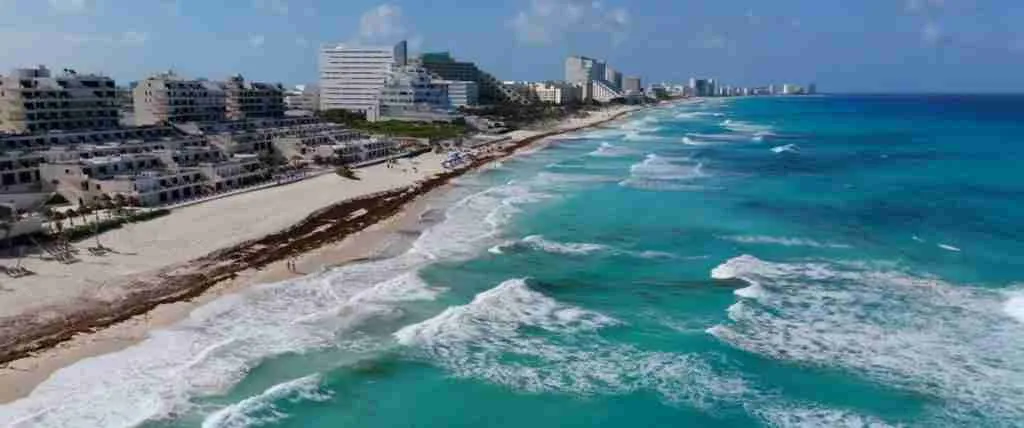
Playa Delfines (Dolphin Beach) ranks as Cancún’s premier free beach, offering pristine white sand, dramatic turquoise waters, and the iconic Cancún sign for photos. Located in the Hotel Zone’s southern end, Playa Delfines provides free parking, bathrooms, and beach access without the crowds of resort beaches. The beach features strong waves perfect for bodyboarding and spectacular sunset views. Playa Tortugas in the northern Hotel Zone offers calmer waters ideal for swimming, with free access to the beach, public bathrooms, and shaded palapas. Playa Chac-Mool provides a middle-ground option with moderate waves, fewer tourists than Playa Delfines, and proximity to affordable restaurants. All three beaches offer free access 24/7 with public transportation available via R-1 or R-2 buses costing $0.75 per ride.
Can you visit cenotes for free in the Riviera Maya in 2026?
Several cenotes offer partial or complete free access in 2026. Cenote Azul near Playa del Carmen allows free access to its outdoor swimming areas and limestone formations, though organized tours and equipment rentals cost extra. Gran Cenote outside Tulum provides free access to viewing platforms and exterior areas, with swimming requiring $10-15 entry. Cenote Cristalino and Cenote Escondido on the way to Tulum offer free roadside viewing of their turquoise waters. Cenote Car Wash (Aktun-Ha) near Tulum provides free access to its open-air swimming area surrounded by jungle. Yal-Ku Lagoon in Akumal offers free viewing from the entrance area, though swimming access requires payment. For completely free cenote experiences, visit Cenote Suytún’s viewing platform or explore unmarked cenotes along back roads with local guidance.
What free cultural activities are available in Cancún in 2026?
Parque de las Palapas in downtown Cancún hosts free cultural events throughout 2026 including weekend live music performances, traditional dance shows, and artisan markets showcasing local crafts. The park features playgrounds, food vendors serving authentic Mexican cuisine at local prices ($3-6 per meal), and a vibrant evening atmosphere. Cancún’s Malecón Tajamar offers free walking paths along the lagoon with birdwatching opportunities and sunset views. Puerto Morelos town square provides free cultural immersion with its leaning lighthouse, local market, and authentic small-town Mexican atmosphere. Playa del Carmen’s Quinta Avenida (Fifth Avenue) delivers people-watching, window shopping, and street performer entertainment at no cost. Tulum pueblo offers authentic local culture, inexpensive tacos, and glimpses into Mayan community life without Tulum’s tourist zone prices.
Are there free activities in Playa del Carmen in 2026?
Playa del Carmen’s main public beach, Playa Mamitas Beach (northern section), offers free access to soft sand and gentle Caribbean waves, with public bathroom facilities and beachfront restaurants nearby. The beach features beach volleyball courts, swimming areas, and spectacular sunset views. Quinta Avenida (Fifth Avenue) provides 4 kilometers of pedestrian-only shopping, dining, and entertainment zones perfect for window shopping, people-watching, and exploring boutiques without spending money. The avenue features street performers, live music, and cultural displays throughout the day. Playa del Carmen’s original fishing village area near Parque Fundadores offers authentic local atmosphere, traditional seafood restaurants, and the ferry terminal to Cozumel. Xaman Ha Aviary (viewable from outside) and Parque Los Fundadores provide free green space and cultural exhibits. Early morning beach walks (6-8 AM) and evening paseos (sunset strolls) along Fifth Avenue deliver quintessential Playa del Carmen experiences at no cost.
Extended multi-day tours – 5+ days
Featured Cancun Multi-Day Tour Packages
3 days
Cancun 3-Day Discovery Tour
- ✓ Comprehensive Cancun experience
- ✓ Expert local guides included
- ✓ All accommodation included
- ✓ Transportation provided
5 days
Cancun 5-Day Highlights Experience
- ✓ Comprehensive Cancun experience
- ✓ Expert local guides included
- ✓ All accommodation included
- ✓ Transportation provided
7 days
Cancun 7-Day Cultural Journey
- ✓ Comprehensive Cancun experience
- ✓ Expert local guides included
- ✓ All accommodation included
- ✓ Transportation provided
10 days
Cancun 10-Day Complete Adventure
- ✓ Comprehensive Cancun experience
- ✓ Expert local guides included
- ✓ All accommodation included
- ✓ Transportation provided
Multi-day tour packages powered by TourRadar. Prices and availability subject to change.
Essential Planning Information for Free Activities 2026
Understanding Free vs. Paid in Cancún & Riviera Maya
Cancún and the Riviera Maya operate on a dual tourism model where public spaces remain accessible to everyone while private attractions charge admission. All beaches in Mexico are public property by constitutional law, meaning no resort or property can deny beach access. However, resorts control access through their properties, requiring beach visitors to enter via public access points marked with blue “Acceso a la Playa” signs.
Public beaches offer free use of sand and water but charge for amenities like beach chair rentals ($5-10 per day), umbrellas ($8-12), water sports equipment, and food/beverage service. Smart budget travelers bring their own towels, sun protection, snacks, and water to eliminate these costs. Public bathroom facilities exist at major beaches like Playa Delfines and Playa Tortugas at no charge, though some smaller beaches lack facilities.
Cenotes fall into three categories: government-managed sites charging standardized fees ($3-10), privately-owned cenotes with higher fees ($10-25), and unmarked natural cenotes with free access. The best free cenote experiences come from exploring lesser-known sites with local guidance or visiting the exterior viewing areas of popular cenotes without entering the swimming zones.
Cultural sites and public spaces remain free throughout the region. Town squares (zócalos), local markets, public parks, and cultural centers welcome visitors without charge. Many cultural events including live music, dance performances, and artisan demonstrations occur free in public spaces, especially on weekends and evenings.
Transportation for Free Activities 2026
Public transportation provides the most economical access to free activities throughout the region. Cancún’s ADO bus system connects the Hotel Zone, downtown, and Puerto Morelos with fares ranging $0.75-3 depending on distance. R-1 and R-2 local buses run every 10-15 minutes along Boulevard Kukulcán in the Hotel Zone, stopping at all major beaches and attractions. These buses accept cash only (exact change appreciated) and operate 5 AM to midnight daily.
Colectivos (shared vans) provide the cheapest transportation between Cancún, Playa del Carmen, and Tulum. These white vans depart when full from fixed locations and charge $2-4 per person compared to $15-25 for private taxis or $35-50 for Uber/private transfers. Colectivos depart from Cancún’s ADO terminal for Playa del Carmen every 10 minutes throughout the day, with stops at Puerto Morelos. From Playa del Carmen, colectivos to Tulum depart every 15 minutes from Calle 2 Norte and Avenida 20, passing through Akumal and other Riviera Maya towns.
Walking between free activities works well within specific zones. Cancún’s Hotel Zone beaches are spread across 22 kilometers requiring bus transportation between them, but downtown Cancún’s free attractions cluster within a 2-kilometer walkable area centered on Parque de las Palapas. Playa del Carmen’s free beach and Fifth Avenue exist within a 1-kilometer pedestrian zone perfect for exploring on foot. Tulum pueblo’s free cultural experiences concentrate in a compact central area walkable in 30 minutes.
Bicycle rentals ($10-15 per day) extend your free activity radius significantly, allowing access to multiple beaches, cenotes, and cultural sites without transportation costs beyond the initial rental fee. Many budget hotels and hostels offer free bicycle use to guests, making this an ideal option for extended stays.
Best Times for Free Activities 2026
Peak season (January-April 2026) delivers optimal weather for free beach activities with daytime temperatures 78-85°F, minimal rainfall, and calm Caribbean waters perfect for swimming. These months attract maximum crowds, resulting in busier beaches and cultural sites but also more frequent free cultural events and entertainment. Beaches fill up 10 AM-4 PM during peak season, making early morning (7-10 AM) or late afternoon (4-7 PM) visits more pleasant.
Shoulder season (May-June and November-December 2026) offers excellent value with 30-50% fewer crowds, equally beautiful beaches, and increased chances of having free cenotes and cultural sites to yourself. Brief afternoon rain showers occur 2-3 times weekly but rarely last more than 30-60 minutes and often provide welcome relief from heat. Temperatures range 80-90°F with higher humidity but spectacular post-rain sunsets and clearer cenote waters.
Low season (July-October 2026) coincides with hurricane season but delivers the most peaceful free activity experiences. While weather risk increases, actual hurricanes remain relatively rare (1-2 direct hits per decade), and most days feature morning sunshine with afternoon storms. Free beaches become nearly private outside weekend local visitation, cenotes show their most pristine conditions, and cultural events take on more authentic local character with fewer international tourists.
Weekly timing affects free activity quality significantly. Weekends (Saturday-Sunday) see increased local Mexican tourist visitation at beaches and cultural sites, creating livelier atmospheres but busier conditions. Weekdays offer quieter experiences at the same free locations. Many free cultural events and performances occur Friday-Sunday evenings, making weekends ideal for cultural immersion despite higher crowds.
The 10 Best Free Things to Do in 2026
1. Playa Delfines (Dolphin Beach) – Cancún’s Most Spectacular Free Beach
Playa Delfines anchors the southern end of Cancún’s Hotel Zone as the region’s most beautiful completely free beach. This kilometer-long stretch of pristine white sand meets dramatic turquoise waters in a setting rivaling any resort beach, without the resort crowds, security restrictions, or pressure to purchase food and drinks. The beach features the iconic “Cancún” letters sculpture where thousands of visitors photograph their arrival, making it the region’s most recognizable landmark beyond the Hotel Zone resorts.
The beach delivers exceptional wave conditions for bodyboarding and bodysurfing, with consistent 2-4 foot waves breaking along the shore. The strong surf creates less ideal swimming conditions for families with small children but perfect conditions for wave play and beach activities. Designated swimming areas with seasonal lifeguard coverage operate near the northern end where waves moderate slightly. The southern section remains wilder and less supervised but equally beautiful.
Playa Delfines offers rare amenities for a completely free beach including clean public bathrooms, outdoor showers for rinsing sand and saltwater, and a large parking area ($3 per day) for those arriving by car. Multiple palapas (palm-roof shade structures) provide sun relief on a first-come basis, though bringing your own beach umbrella guarantees shade during midday heat. Beach vendors sell cold drinks, fresh coconuts, and ceviche at local prices ($2-5) without the resort markup, though bringing your own cooler remains legal and common.
The elevated mirador (viewing platform) at the beach’s entrance provides spectacular panoramic photographs encompassing the full curve of the coastline, the Cancún skyline, and the Caribbean’s impossible turquoise hues. This viewpoint requires no fee and offers some of the region’s best photography opportunities, especially during golden hour (6-7:30 PM) when the sun backlights the waves and creates dramatic shadows across the beach.
Access Playa Delfines via R-1 or R-2 buses from anywhere in the Hotel Zone or downtown Cancún ($0.75 per ride). Tell the driver “Playa Delfines” and exit at the large sign marking the entrance. The beach opens 24 hours daily, though lifeguard services and vendors operate only during daylight hours (7 AM-6 PM). Optimal visiting times include early morning (7-9 AM) for calm conditions and fewer crowds, or late afternoon (4-6:30 PM) for stunning sunset photography and comfortable temperatures.
2. Parque de las Palapas – Authentic Local Culture in Downtown Cancún
Parque de las Palapas functions as downtown Cancún’s cultural heart, offering free authentic Mexican experiences absent from the Hotel Zone’s tourist bubble. This central plaza transforms throughout the day from a peaceful morning park to a vibrant evening entertainment venue showcasing live music, traditional dance performances, and authentic street food culture. The park hosts local families, cultural events, and weekend festivals creating an immersive Mexican experience without tourist-trap pricing or manufactured authenticity.
The park’s permanent artisan market operates daily with local vendors selling handcrafted goods, traditional textiles, silver jewelry, and Mayan-inspired crafts at prices 40-60% below Hotel Zone boutiques. Browsing requires no purchase obligation, and vendors expect gentle haggling as part of the cultural experience. Many artisans work on-site, allowing visitors to watch traditional craft techniques including embroidery, leatherworking, and stone carving without charge.
Live entertainment occurs most evenings with varying schedules. Traditional marimba bands perform Friday and Saturday evenings, regional dance groups showcase Yucatecan jaranas (traditional dances) on weekends, and mariachi performances occur Sunday evenings. All performances are free, though tipping musicians ($1-2) is customary and appreciated. The park’s central gazebo serves as the performance stage, surrounded by benches and shaded areas for comfortable viewing.
Food vendors surrounding the park offer the region’s most authentic and affordable dining experiences. Traditional Yucatecan specialties including cochinita pibil tacos ($1.50 each), salbutes ($2 for three), panuchos ($2 for three), and marquesitas (crispy sweet crepes, $2-3) deliver genuine local flavors at local prices. While eating technically isn’t free, these vendors provide the cheapest quality meals in Cancún and essential cultural immersion into Yucatecan cuisine. Many vendors offer free samples to potential customers, allowing tastings of unfamiliar dishes.
Children’s play areas with climbing structures, slides, and open spaces make the park ideal for families seeking free entertainment. Local children playing provides cultural immersion opportunities for traveling families and demonstrates authentic Cancún life beyond the tourist industry. The relaxed, family-oriented atmosphere creates safe, welcoming conditions for all visitors.
Reach Parque de las Palapas via R-27 or R-1 buses to downtown Cancún, exiting at Avenida Tulum and walking three blocks west. The park operates 24 hours daily though activity peaks 5-10 PM when families gather after work and school. Visit Friday-Sunday evenings for maximum cultural programming and Saturday mornings for the expanded artisan market. The location places you in authentic Mexican Cancún away from resort zones, offering valuable perspective on local life.
3. Cenote Azul – Free Natural Swimming Near Playa del Carmen
Cenote Azul provides one of the Riviera Maya’s most accessible free cenote experiences, offering open-air swimming in crystal-clear turquoise waters surrounded by dramatic limestone cliffs and tropical vegetation. Located just 2 kilometers south of Playa del Carmen along Highway 307, this large open cenote features multiple swimming areas, rocky outcrops for sunbathing, and underwater cave entrances attracting free-diving enthusiasts and snorkelers.
The cenote’s open design creates a less enclosed, more beach-like atmosphere than typical cave cenotes. Shallow areas (1-3 meters deep) near the platforms accommodate nervous swimmers and families with children, while deeper sections (6-15 meters) provide space for swimming laps, free diving, and underwater exploration. The water maintains a constant 75-77°F year-round, offering refreshing relief from Caribbean heat while remaining comfortable for extended swimming.
While guided tours and equipment rentals cost money, simply swimming in the cenote’s main areas remains free. Visitors can bring their own snorkel gear, towels, and waterproof cameras to explore without paying for services. The cenote’s limestone platforms provide natural seating and sunbathing areas, eliminating the need for rented chairs or facilities. Multiple entry points around the cenote’s perimeter allow swimmers to find less-crowded spots away from tour groups.
Small fish inhabit the cenote including tetra species and small catfish, creating opportunities for underwater wildlife observation without equipment beyond a basic snorkel mask. The cenote’s clear water (30+ meter visibility on calm days) allows seeing the limestone formations, underwater caves, and aquatic life from the surface. Brave swimmers explore the small underwater cave passages leading off the main cenote chamber, though adequate swimming skills and caution are essential.
Adjacent cenotes along the same entrance road (Cenote Cristalino and Cenote Escondido) offer paid access but can be viewed from outside for free. The three cenotes connected by walking paths create a “cenote route” allowing full-day free exploration with strategic swimming in Azul and viewing of the others. Local vendors sell snacks, cold drinks, and basic supplies at the entrance, though bringing your own provisions keeps the experience completely free beyond transportation.
Reach Cenote Azul via colectivo from Playa del Carmen heading south toward Tulum ($2 per person). Tell the driver “Cenote Azul” and exit at the marked entrance on the highway’s west side. The cenote operates daily 8 AM-5 PM with free access to the main swimming area. Visit early morning (8-10 AM) for clearest water before tour groups arrive, or late afternoon (3-5 PM) for beautiful lighting and fewer crowds. Bring water shoes or sandals as cenote floors can have sharp rocks, plus a towel, snorkel gear if owned, and sun protection for breaks outside the water.
4. Puerto Morelos Town Square – Charming Fishing Village Atmosphere
Puerto Morelos offers the Riviera Maya’s most authentic small-town Mexican experience, centered around a charming town square where local life continues largely unchanged by mass tourism. The town’s iconic leaning lighthouse (damaged by Hurricane Beulah in 1967 and preserved as-is) creates the region’s most distinctive landmark and photograph opportunity. The laid-back fishing village atmosphere, local market, and genuine community feeling provide stark contrast to Cancún’s resort zones and Playa del Carmen’s party scene.
The town square features shaded benches under large trees where locals gather throughout the day, creating natural opportunities for cultural exchange and people-watching. Unlike tourist plazas designed for visitors, Puerto Morelos’s square serves the local community with families, elderly residents, and workers taking breaks creating authentic Mexican small-town atmosphere. The gazebo hosts occasional free concerts and cultural events, particularly on Sunday evenings when families gather for the traditional plaza walk (dar la vuelta al parque).
The local market adjacent to the square operates daily with vendors selling fresh produce, locally-caught fish, handmade tortillas, and prepared food at prices reflecting local wages rather than tourist budgets. Walking through the market costs nothing and provides fascinating insight into Yucatecan ingredients, cooking methods, and daily shopping rituals. Vendors expect minimal English and welcome attempts at Spanish, creating language practice opportunities for learners.
Puerto Morelos’s main beach extends north from the town square offering free access to calm Caribbean waters protected by the Mesoamerican Barrier Reef lying 500 meters offshore. The beach features gentle waves perfect for families, clean white sand, and local restaurants serving fresh seafood at reasonable prices ($8-15 per meal). While the beach sees more seagrass than the Hotel Zone beaches, the protected waters provide safe swimming and the authentic fishing village atmosphere delivers value beyond pristine sand.
Free snorkeling off the beach allows viewing small fish, occasional rays, and coral formations near the reef’s edge. Serious snorkeling requires boat transport to deeper reef sections, but the shallow areas accessible by swimming from shore provide free marine life observation. The town’s fishing heritage means fresh ceviche, fish tacos, and seafood cocktails cost 40-50% less than tourist zone prices while often delivering superior quality and authenticity.
Reach Puerto Morelos via R-1 bus from Cancún ($1.50, 40 minutes) or colectivo from Playa del Carmen ($2, 20 minutes). The town square sits three blocks inland from the beach along the main road. Visit any day for authentic local atmosphere, or Sunday evenings for traditional plaza activities and potential live music. Combine the town square visit with the free beach, the leaning lighthouse photo opportunity, and budget-friendly seafood meals for a complete authentic Mexican experience costing only transportation and food.
5. Tulum Pueblo – Local Culture Beyond the Ruins
Tulum pueblo (town) offers authentic Mexican culture and budget-friendly experiences separate from the famous archaeological zone and expensive beach clubs. Located 2 kilometers inland from the ruins, the pueblo functions as a working Mexican town where locals live, work, and shop, creating opportunities for genuine cultural immersion without tourist-zone pricing. The town’s central area features affordable restaurants, artisan shops, local markets, and community spaces accessible without entrance fees.
The town’s main avenue hosts the local market where vendors sell fresh produce, prepared foods, handmade tortillas, and household goods at prices reflecting local economics. Walking through the market requires no purchase and provides fascinating observations of Yucatecan daily life, traditional foods, and shopping customs. The market peaks early morning (6-9 AM) when residents shop for the day’s meals, offering the most active cultural experience.
Street food vendors throughout the pueblo serve authentic Yucatecan cuisine at local prices dramatically below tourist zone rates. Cochinita pibil tacos cost $1-1.50 each, salbutes and panuchos sell for $1.50-2, and full meals with rice and beans range $4-6. While eating isn’t free, these vendors provide the region’s cheapest quality meals and essential cultural experiences. Many vendors offer free samples, allowing tastings of unfamiliar dishes before committing to full orders.
Free walking tours of the pueblo reveal colorful street murals, local artisan workshops, and the contrast between Tulum’s international tourist reputation and its working-class Mexican reality. The pueblo’s compact size (walkable in 30 minutes end-to-end) makes comprehensive exploration easy. Side streets reveal local life including children playing soccer, elderly residents socializing on porches, and workers returning home, creating authentic glimpses into Mexican daily routines.
Artisan cooperatives along the main avenue welcome visitors to observe traditional craft production including hammock weaving, textile embroidery, and wood carving. These workshops operate as commercial enterprises but visiting and watching craftspeople work costs nothing. Many artisans explain their techniques and answer questions, providing educational experiences about Mayan and Mexican craft traditions.
The pueblo serves as the colectivo hub for budget transportation throughout the Riviera Maya. The main colectivo station connects Tulum to Playa del Carmen ($3, 45 minutes), Cancún ($5, 2 hours), and local destinations including cenotes and beaches. Using Tulum pueblo as a transportation hub rather than staying in expensive beach hotels delivers significant savings while providing authentic cultural immersion.
Reach Tulum pueblo via colectivo from Playa del Carmen ($3) or Cancún ($5), exiting at the main ADO terminal on the highway. The town center lies 400 meters west of the terminal, easily walkable. Visit early morning (7-10 AM) for market activity and authentic local life, or evening (6-9 PM) for street food culture and cooler temperatures. Combine the pueblo visit with the free sections of nearby cenotes or the Tulum archaeological zone’s exterior for comprehensive Tulum exploration on a tight budget.
6. Playa Tortugas – Calm Family-Friendly Free Beach in Cancún
Playa Tortugas provides Cancún Hotel Zone’s best free beach for families and nervous swimmers, offering calm shallow waters, soft white sand, and comprehensive facilities without resort access requirements. Located near kilometer 6.5 of Boulevard Kukulcán, this beach features gentle waves protected by offshore geography, creating safe swimming conditions for children and anyone uncomfortable with strong surf. The beach earned its name (Turtle Beach) from historical sea turtle nesting, though turtle protection programs now manage nesting activity.
The beach’s calm waters result from the barrier reef’s position and the bay’s protection, creating conditions resembling a large swimming pool rather than open ocean. Waters remain shallow (waist-deep) for 30-50 meters from shore, allowing children to play safely while parents relax nearby. Small waves provide enough action for beach play without dangerous undertow or currents threatening swimmers.
Public facilities including bathrooms and outdoor showers serve beach visitors at no charge. Multiple palapas offer free shade on a first-come basis, though arriving before 10 AM guarantees space during peak season. Beach vendors rent chairs and umbrellas ($8-12 per day) but also sell food and drinks at reasonable prices ($3-8) without requiring equipment rental. Bringing your own beach gear, snacks, and drinks keeps the entire experience free beyond transportation.
The beach’s location near the Embarcadero entertainment complex provides access to restaurants, shops, and services without leaving the area. Budget-friendly restaurants near the beach serve affordable meals ($8-15 per person) compared to resort restaurants, allowing full-day beach visits with occasional breaks for food without significant expense. The Embarcadero’s public areas offer free bathrooms and water fountains supplementing beach facilities.
Water activities available for rent include kayaks ($15 per hour), stand-up paddleboards ($20 per hour), and jet ski rentals ($50-70 for 30 minutes). While these aren’t free, they cost significantly less than resort water sports and remain optional for beach enjoyment. Free swimming, beach games, and sunbathing provide complete beach experiences without equipment rental.
The beach serves as the departure point for ferries to Isla Mujeres, creating additional free entertainment watching boats come and go throughout the day. The pier extending into the turquoise waters creates distinctive photograph opportunities, especially during sunset when the pier silhouettes against colorful skies. While boarding ferries requires tickets ($15-20 round trip), watching ferry activity and photographing the pier costs nothing.
Access Playa Tortugas via R-1 or R-2 buses along Boulevard Kukulcán ($0.75 per ride). Tell the driver “Playa Tortugas” or watch for the large “Embarcadero” sign marking the complex. The beach opens 24 hours though services and vendors operate only during daylight (6 AM-7 PM). Visit early morning (7-10 AM) for calm conditions and guaranteed shade, or late afternoon (3-6 PM) for fewer crowds and beautiful lighting for photography.
7. Fifth Avenue (Quinta Avenida) – Window Shopping and People-Watching in Playa del Carmen
Quinta Avenida (Fifth Avenue) serves as Playa del Carmen’s main pedestrian boulevard, stretching 4 kilometers along the coastline from Calle 1 to beyond Calle 40. This entirely pedestrian-only zone offers free world-class people-watching, window shopping, street performance entertainment, and architectural exploration without spending money. The avenue perfectly represents Playa del Carmen’s transformation from fishing village to international resort destination while maintaining accessibility to budget travelers.
The lower section (Calles 1-12) features international boutiques, upscale restaurants, and polished commercial development attracting shoppers and diners from cruise ships and all-inclusive resorts. While the stores themselves cater to higher budgets, browsing costs nothing and provides entertainment observing international tourists, fashion displays, and commercial activity. Street performers including musicians, dancers, and living statues perform throughout this section, offering free entertainment funded by voluntary tips.
The middle section (Calles 12-28) balances tourism commerce with local services, creating more authentic atmosphere mixing international visitors with Mexican residents. Local jewelry stores, artisan cooperatives, and traditional craft vendors operate alongside modern restaurants and bars. This section provides better opportunities for cultural interaction and realistic shopping comparison without high-pressure sales tactics common in exclusively tourist zones.
The upper section (Calles 28-40+) transitions into a more residential area with local restaurants, grocery stores, hardware shops, and services catering to Playa del Carmen’s working population. Walking this section reveals authentic Mexican small-city life beyond tourism, with significantly fewer international visitors and genuine local atmosphere. Prices in restaurants and shops drop 30-50% compared to the lower avenue, making this ideal for budget meals between free walking activities.
Evening paseos (strolls) along Fifth Avenue constitute Playa del Carmen’s primary social activity. Locals and tourists mingle watching street performers, browsing shops, people-watching from outdoor cafes, and enjoying the avenue’s vibrant energy. The pedestrian-only design eliminates traffic concerns, allowing relaxed walking, stopping, and observation without schedule pressure. Peak activity occurs 7-11 PM when the avenue fills with families, couples, and friend groups creating carnival-like atmosphere.
Free cultural elements include Mayan dancers performing traditional ceremonies (with tip jar), mariachi bands strolling between restaurants offering brief performances, artisan demonstrations showing textile weaving and jewelry making, and architectural variety ranging from colonial Mexican to modern international styles. Photography opportunities abound without cost, from street art murals to the avenue’s intersection with the beach to nighttime lighting creating dramatic urban landscapes.
The avenue’s northern end (Calle 38-40) leads directly to Playa del Carmen’s free public beach, allowing combination walking tours with beach time for comprehensive free experiences. Southern sections near the ferry terminal to Cozumel offer cheaper restaurants, local convenience stores, and the original fishing village area for authentic cultural contrast.
Access Fifth Avenue by walking from anywhere in central Playa del Carmen—the avenue runs parallel to the beach one block inland. Visit evening (7-11 PM) for maximum activity and entertainment, or early morning (6-9 AM) before shops open for peaceful architectural appreciation and photography in soft light. Budget-conscious visitors window shop and people-watch without purchase pressure, attending free street performances and exploring the avenue’s full length for comprehensive Playa del Carmen experience at no cost.
8. Cenote Car Wash (Aktun-Ha) – Free Natural Swimming Near Tulum
Cenote Aktun-Ha, locally known as “Car Wash” from its historical use by taxi drivers washing vehicles in its shallow areas, offers free open-air cenote swimming in a pristine natural setting 5 kilometers from Tulum. This large cenote features crystal-clear turquoise water surrounded by jungle vegetation, lily pads floating on the surface, and underwater cave passages attracting snorkelers and free divers. The cenote’s open design creates a less claustrophobic atmosphere than enclosed cave cenotes while maintaining the magical qualities of swimming in ancient underground water.
The cenote reaches depths of 8-12 meters in its central area with shallower sections (2-4 meters) around the perimeter suitable for nervous swimmers and children. The consistent 75°F water temperature provides refreshing relief from tropical heat while remaining comfortable for extended swimming sessions. Natural limestone platforms around the edges offer resting spots, sunbathing areas, and entry/exit points without artificial infrastructure disrupting the natural setting.
Snorkeling reveals the cenote’s unique ecosystem including small fish species, freshwater turtles, and limestone formations carved by millennia of water erosion. The water’s exceptional clarity (30-50 meter visibility) allows viewing the cenote floor and underwater passages without any equipment beyond a basic snorkel mask. More adventurous swimmers with proper free-diving training explore the cave passages extending from the main cenote chamber, though safety equipment and experience are essential for cave diving.
Lily pads floating on portions of the surface create distinctive photography opportunities and demonstrate the cenote’s natural ecology. Small birds including flycatchers and parrots frequent the surrounding trees, providing birdwatching opportunities between swimming sessions. The jungle setting creates sounds of tropical wildlife contrasting with tourist zone noise, enhancing the natural experience.
Unlike commercial cenotes charging admission, Cenote Car Wash maintains free access to its main swimming areas. The site has basic facilities but lacks the polished infrastructure of paid cenotes—no bathrooms, changing rooms, or equipment rental. This maintains authenticity while requiring visitors to bring everything needed: towels, water shoes, snorkel gear if desired, drinking water, and snacks. The lack of crowds creates more peaceful experiences than famous cenotes advertised in every guidebook.
Several smaller cenotes exist within walking distance along the same access road, creating opportunities for cenote hopping and full-day free exploration. Local Maya families sometimes picnic at the cenote on weekends, offering cultural exchange opportunities and demonstration of how locals use these natural resources for recreation.
Reach Cenote Car Wash via bicycle rental from Tulum pueblo ($10-15 per day) along the 5-kilometer dirt road heading west from Highway 307. Look for signs reading “Aktun-Ha” or ask locals for “Cenote Car Wash.” Alternatively, colectivos heading toward Cobá sometimes drop passengers at the cenote entrance. Visit early morning (8-10 AM) for clearest water and no crowds, or late afternoon (3-5 PM) for beautiful lighting filtering through jungle canopy. Bring everything needed as no services exist on-site—water shoes are essential for cenote floor rocks, plus towel, sun protection for breaks outside water, and drinking water for the day.
9. Malecón Tajamar – Lagoon Walking Path in Cancún
Malecón Tajamar offers Cancún’s most scenic free walking path, extending 1.5 kilometers along Nichupté Lagoon’s edge with views of mangrove ecosystems, birdlife, and the Hotel Zone skyline across the water. This elevated wooden boardwalk connects the Hotel Zone to downtown Cancún while providing peaceful nature observation separate from beach crowds and urban traffic. The malecón delivers unexpected tranquility in Mexico’s busiest resort destination without entrance fees or tourist trap pricing.
The boardwalk features native plants, interpretive signs explaining mangrove ecology (in Spanish and English), and observation platforms overlooking the lagoon’s complex ecosystem. Mangroves serve as crucial nurseries for marine life, bird nesting areas, and hurricane protection for inland areas. Free educational signage teaches visitors about these ecosystems’ importance and the species they support, creating learning experiences supplementing beach recreation.
Birdwatching opportunities abound throughout the day as the mangroves and lagoon attract resident and migratory species. Common sightings include great egrets, tricolored herons, roseate spoonbills, and various duck species. Early morning (6-9 AM) provides peak birdwatching with active feeding and courting behaviors visible from the boardwalk. Sunset (6-7:30 PM) brings birds returning to roosting areas while the sky transforms with tropical colors reflecting off the lagoon’s calm waters.
The malecón serves practical purposes beyond recreation, connecting the Hotel Zone’s northern section to downtown via a pleasant walking route avoiding highway traffic. The 1.5-kilometer path takes 20-30 minutes to walk at relaxed pace, making it a viable transportation option saving bus fare while providing nature observation. Joggers use the boardwalk for morning and evening runs, creating active local atmosphere beyond tourist activity.
Fishing from the malecón attracts local anglers who share information about lagoon fish species and fishing techniques. While fishing requires license and equipment, watching locals fish and occasionally landing catches provides free entertainment and potential cultural exchange. Some anglers speak English and welcome conversation about Mexican fishing traditions, local fish species, and lagoon ecology.
The boardwalk’s shade structures offer relief during midday heat, and the lagoon breeze provides natural cooling. Unlike exposed beaches, the malecón’s tree cover and water proximity moderate temperatures 5-10°F below open areas. This makes it ideal for midday activity when beaches become uncomfortably hot.
Small restaurants and food stalls at the malecón’s ends serve local customers with authentic Mexican food at reasonable prices ($4-8 per meal). While eating costs money, these establishments provide authentic alternatives to tourist restaurant pricing and supplement the free walking experience with affordable dining options. Some vendors sell fresh coconuts ($2-3), fresh fruit cups ($2-4), and cold drinks at local prices.
Access Malecón Tajamar via R-1 bus to the “Tajamar” stop ($0.75) or walk from hotels in the Hotel Zone’s northern section. The boardwalk opens 24 hours daily though lighting limits after-dark use. Visit early morning (6-9 AM) for birdwatching and cool temperatures, or sunset (6-7:30 PM) for spectacular lighting and comfortable walking conditions. Bring binoculars if owned for enhanced birdwatching, comfortable walking shoes, sun protection, and drinking water for the walk. Combine the malecón walk with downtown Cancún exploration for comprehensive free cultural experiences beyond the Hotel Zone.
10. Playa Mamitas Beach (Northern Section) – Free Beach in Playa del Carmen
Playa Mamitas Beach’s northern section provides Playa del Carmen’s most accessible free beach experience, offering soft white sand, gentle Caribbean waves, and comprehensive facilities without private beach club restrictions. Located at Calle 28 and the beach, this public area extends several hundred meters northward with excellent swimming conditions, beach volleyball courts, and spectacular sunset views. The beach demonstrates that Playa del Carmen’s famous Caribbean beauty remains accessible to everyone regardless of accommodation budget.
The beach features powder-soft sand perfect for sunbathing, beach games, and barefoot walking. Gentle waves create safe swimming conditions for families with children while providing enough action for body surfing and wave play. The water’s stunning turquoise color and clarity rival any resort beach, with visibility allowing swimmers to see tropical fish near shore without snorkel equipment.
Public beach volleyball courts host pickup games throughout the day, welcoming players of all skill levels to join. These informal games create social opportunities and active recreation at no cost. Watching competitive games provides free entertainment and demonstrates Mexican beach culture’s social aspects. Courts operate on a first-come basis though regular players typically arrive before 10 AM to claim spots.
The beach’s location adjacent to Fifth Avenue places restaurants, shops, and public facilities within a one-block walk. Budget-friendly restaurants serve meals ($8-15 per person) at prices below beachfront establishments while offering similar quality. Public bathrooms exist throughout the nearby blocks, and outdoor showers at the beach’s public access points allow rinsing sand and saltwater before leaving.
Unlike the southern beach sections dominated by beach clubs charging entrance fees and minimum consumption requirements, the northern section maintains open public access. Beach vendors sell cold drinks, fresh fruit, and snacks at reasonable prices ($2-5) without pressure to purchase. Visitors can bring their own coolers, snacks, and beach equipment without restrictions or consumption minimums, making full-day beach visits economically feasible.
Sunrise (6-7 AM) and sunset (6-7:30 PM) viewing from the beach ranks among Playa del Carmen’s most beautiful free experiences. Early morning beach walks encounter minimal crowds, with soft lighting creating ideal photography conditions and calm waters perfect for swimming. Sunset brings crowds of locals and tourists gathering to watch the sun descend over the Caribbean, often applauding as the sun disappears below the horizon—a free nightly entertainment tradition.
The beach serves as the starting point for snorkeling trips to Cozumel and nearby reefs, with boat operators offering services throughout the day. While these trips cost money ($30-60), watching boats load and depart provides free entertainment and opportunities to ask questions about reef conditions and marine life from returning snorkelers.
Access Playa Mamitas northern section by walking through any east-west street in northern Playa del Carmen—Calles 26-30 all lead directly to the beach from Fifth Avenue. The beach operates 24 hours daily though services and vendors function only during daylight hours. Visit early morning (6-10 AM) for calm waters and guaranteed beach space, midday (11 AM-3 PM) for social atmosphere and beach volleyball, or evening (4-7 PM) for cooler temperatures and sunset viewing. Bring your own beach towels, sun protection, drinks and snacks to keep the entire experience free beyond transportation from your accommodation.
Sample Free-Day Itineraries 2026
Cancún Free Beach and Culture Day
This itinerary maximizes Cancún’s free offerings combining spectacular beaches with authentic cultural experiences. Morning beach time at Playa Delfines takes advantage of calm early conditions and uncrowded sand, while afternoon cultural immersion in downtown’s Parque de las Palapas provides authentic Mexican atmosphere and inexpensive authentic food.
Morning (8 AM – 12 PM): Begin at Playa Delfines catching R-1 or R-2 bus from your accommodation ($0.75). Arrive 8-9 AM for calm conditions, fewer crowds, and comfortable temperatures. Spend 3-4 hours swimming, sunbathing, photographing the Cancún sign, and enjoying the elevated viewpoint. Bring your own snacks and drinks to avoid vendor purchases, though fresh coconut water ($3) provides refreshing hydration. Public bathrooms and showers allow cleaning up before departure.
Midday (12 PM – 1:30 PM): Take R-1 bus from Playa Delfines toward downtown Cancún ($0.75). Exit at Avenida Tulum and walk to Parque de las Palapas (3 blocks west). Explore the artisan market browsing handcrafted goods, textiles, and jewelry without purchase pressure. Lunch at food vendors surrounding the park costs $5-8 for authentic Yucatecan specialties including cochinita pibil tacos, salbutes, or panuchos with fresh agua fresca (fruit water).
Afternoon (1:30 PM – 5 PM): Spend afternoon in Parque de las Palapas watching local life unfold. Children play in the playground, elderly residents socialize on benches, and artisans work on crafts. Walk surrounding streets observing downtown Cancún’s authentic Mexican atmosphere away from tourist zones. Visit nearby Mercado 28 (3 blocks north) for additional artisan shopping and cultural immersion, though purchases remain optional.
Evening (5 PM – 8 PM): Return to the park as evening activities intensify. Weekend visits (Friday-Sunday) often feature live music or dance performances 6-8 PM. Enjoy dinner from different food vendors ($5-8) sampling items missed at lunch. Watch families gather for evening plaza strolls observing Mexican social traditions. Return to accommodation via R-1 or R-27 bus ($0.75).
Day Cost Summary: Transportation $2.25 (3 bus rides), lunch $5-8, dinner $5-8, optional coconut water $3, optional snacks $3-5. Total day cost: $15-26 per person including two authentic Mexican meals and complete beach/culture experiences.
Playa del Carmen Free Beach and Fifth Avenue Day
This itinerary explores Playa del Carmen’s best free offerings from pristine Caribbean beaches to vibrant pedestrian boulevard culture. The combination provides comprehensive Playa del Carmen experience without resort or beach club expenses, proving the destination’s appeal extends beyond all-inclusive packages.
Morning (7 AM – 11 AM): Start with early beach walk along Playa Mamitas northern section enjoying sunrise over the Caribbean. The beach stretches several kilometers allowing extended walking, shell collecting, and swimming in calm morning conditions. Photograph sunrise colors reflecting off turquoise waters and early fishermen preparing their boats. Bring breakfast items from grocery stores ($3-5) enjoying a beach picnic as the day begins.
Midday (11 AM – 2 PM): Transition to Fifth Avenue walking the entire 4-kilometer pedestrian boulevard from south to north. Start at the ferry terminal area (Calle 1) exploring the original fishing village section with local restaurants and authentic atmosphere. Progress northward through international boutique zones observing window displays, architectural variety, and commercial activity. Stop at street performers leaving voluntary tips ($1-2) for excellent acts. Reach the upper section (Calles 28-40) where local restaurants serve affordable lunches ($6-10) at prices 40-50% below tourist zone rates.
Afternoon (2 PM – 6 PM): Return to the beach for afternoon swimming, relaxing, and people-watching as the beach fills with day-trippers and cruise ship passengers. Beach volleyball games often welcome additional players for free social activity and exercise. The nearby Fifth Avenue provides access to public bathrooms, outdoor showers, and endless people-watching opportunities. Alternative afternoon option: explore Parque Los Fundadores at the beach-Fifth Avenue intersection with its cultural displays, craft vendors, and shaded rest areas.
Evening (6 PM – 9 PM): Evening paseo (stroll) along Fifth Avenue observing maximum activity levels. Street performers multiply during evening hours, restaurant patios fill with diners, and the pedestrian boulevard transforms into carnival-like atmosphere. Window shop at boutiques now offering evening discounts, watch mariachi bands strolling between venues, and photograph the avenue’s nighttime lighting creating dramatic urban scenes. Sunset viewing from the beach (accessible via any east-west street) provides the day’s final free spectacular natural display.
Day Cost Summary: Breakfast supplies $3-5, lunch $6-10, optional street performer tips $2-4, snacks $3-5, optional coffee or ice cream break $3-5. Total day cost: $17-29 per person including meals and complete beach/urban exploration without accommodation costs.
Riviera Maya Cenote and Town Exploration Day
This itinerary focuses on the Riviera Maya’s unique cenotes and authentic town experiences utilizing efficient colectivo transportation. The route maximizes free natural swimming and cultural immersion while minimizing costs through strategic planning and local transportation knowledge.
Morning (8 AM – 12 PM): Take early colectivo from Playa del Carmen toward Tulum ($3), exiting at Cenote Azul 2 kilometers before Playa del Carmen. Arrive early (8-9 AM) before tour groups for clearest water and most peaceful swimming. Spend 3-4 hours swimming, snorkeling with your own gear if brought, sunbathing on limestone platforms, and photographing the cenote’s turquoise waters. The cenote’s open design allows extended swimming sessions without claustrophobia, while shallow and deep areas accommodate all swimming levels. Bring snacks and water keeping the experience completely free beyond transportation.
Midday (12 PM – 2 PM): Continue via colectivo to Puerto Morelos ($2) for town square exploration and beach time. Explore the iconic leaning lighthouse, walk through the local market observing daily shopping rituals, and relax in the shaded town square among local families. Lunch at local restaurants serves fresh seafood at reasonable prices ($8-12) significantly below tourist zone rates. The beach extends north from town square offering calm swimming in reef-protected waters.
Afternoon (2 PM – 6 PM): Take colectivo to Tulum pueblo ($3) for afternoon cultural exploration. Walk the main avenue observing authentic Mexican small-city life beyond beach club culture. Visit the local market for free cultural immersion into Yucatecan shopping, ingredients, and daily routines. Explore side streets revealing residential areas, local schools, and community spaces providing authentic glimpses of Mexican life. Sample street food from vendors serving local customers ($4-6 for complete meals) at prices reflecting local wages.
Evening (6 PM – 8 PM): Remain in Tulum pueblo for early evening atmosphere as workers return home and families gather for dinner. The town transforms from tourist stop to Mexican community with significantly more authentic energy. Explore artisan cooperatives watching traditional craft production. Return via colectivo to Playa del Carmen ($3) or Cancún ($5) enjoying sunset views from the van’s windows during the journey back.
Day Cost Summary: Colectivo transportation $11-13 (4-5 rides), snacks at cenote $3-5, lunch $8-12, Tulum street food $4-6. Total day cost: $26-36 per person including transportation, two meals, free cenote swimming, and authentic cultural exploration across three distinct Riviera Maya communities.
Money-Saving Strategies for Free Activities 2026
Maximizing Free Beach Experiences
Strategic beach selection and timing dramatically reduces costs while maintaining quality experiences. Playa Delfines, Playa Tortugas, and Playa Mamitas northern section provide identical Caribbean beauty to resort beaches at zero cost. Arrive early (7-9 AM) guaranteeing free palapa shade, calm swimming conditions, and uncrowded sand before peak hours. Bring beach essentials from supermarkets or discount stores: beach towels ($10-15 one-time purchase), sunscreen ($8-12, much cheaper than beach vendor prices), reusable water bottles ($5-8), and coolers ($15-25) for drinks and snacks.
Pack beach lunches from grocery stores or local markets spending $8-12 per person versus $15-25 at beachfront restaurants. Authentic Mexican supermarkets including Chedraui and Soriana offer prepared foods, fresh fruit, sandwiches, and drinks at local prices. A family of four spends $30-40 for full-day beach provisions versus $80-120 at resort restaurants with identical beach experiences.
Public beach facilities including bathrooms and outdoor showers eliminate the “need” for beach club memberships or minimum consumption requirements. Beach vendor prices for chairs ($8-12) and umbrellas ($8-12) remain optional when bringing your own shade solutions like beach umbrellas ($20-30 one-time purchase) or sun tents ($30-50). The investment pays for itself after 2-3 beach days while providing superior flexibility.
Alternative beach timing strategies include late afternoon beach visits (4-7 PM) avoiding midday heat and peak crowds while enjoying spectacular sunset viewing. Evening beach walks (7-9 PM) provide cooling breezes, romantic atmosphere, and completely crowd-free sand at no cost. Many free beaches offer 24-hour access allowing creative scheduling around budget restaurant hours, free cultural events, and optimal lighting conditions.
Cenote Access Without Tour Companies
Independent cenote exploration saves 60-80% compared to organized tours while often providing superior experiences. Commercial tours to popular cenotes like Cenote Ik Kil or Cenote Dos Ojos charge $80-120 per person including transportation, entrance fees, and guide services. Independent travelers reach free cenotes like Cenote Azul, Cenote Car Wash, or Cenote Suytún viewing areas for only colectivo transportation costs ($2-5) and optional entrance fees ($3-10) at semi-private cenotes.
Bring personal snorkel equipment purchased from local sporting goods stores ($15-25 complete set) or pharmacies rather than renting from cenote operators ($10-15 per day). The one-time equipment investment pays for itself after 2-3 cenote visits while ensuring properly-fitting, clean equipment. Underwater cameras or waterproof phone cases ($15-30) document experiences without expensive photo packages offered by tour operators.
Group several cenote visits into single days using colectivo transportation between sites. The route from Playa del Carmen to Tulum passes numerous cenotes allowing multiple stops within a single colectivo ride or minimal additional transport costs ($2-3 per additional cenote). Strategic planning creates full-day cenote hopping experiences costing $15-25 total versus $80-120 per person for guided tours visiting fewer sites with rushed schedules.
Ask locals or hostel staff for unmarked cenotes on back roads offering completely free access. These undeveloped sites lack facilities and infrastructure but provide authentic cenote experiences without commercialization. Exercise appropriate safety precautions including swimming with companions, checking water depth before jumping, and respecting local property boundaries when accessing unmarked sites.
Cultural Immersion Without Tourist Prices
Downtown Cancún, Puerto Morelos, and Tulum pueblo deliver authentic Mexican culture at local prices versus tourist zone markup. Food costs 50-70% less in these areas with superior authenticity and quality. A complete meal in downtown Cancún costs $5-8 versus $15-25 in the Hotel Zone for comparable food. Families of four save $30-60 per meal simply by eating where locals eat rather than tourist restaurants.
Free cultural events concentrate in these authentic areas including weekend live music, traditional dance performances, and artisan markets. Check community bulletin boards, local newspapers (free at restaurants and shops), and social media groups for event schedules. Many events occur Friday-Sunday evenings in town squares and public parks at no cost, providing entertainment value equivalent to paid shows in tourist zones.
Shopping for souvenirs, crafts, and gifts in local artisan markets rather than tourist boutiques reduces costs 40-60% while ensuring money reaches artisans directly. Gentle haggling remains expected in these markets—offering 60-70% of asking price typically results in fair compromises. Purchase multiple items from single vendors increasing haggling leverage and supporting individual artisans rather than commercial operations.
Language exchange creates free cultural immersion while improving Spanish skills. Many locals welcome conversation practice in English-Spanish exchange at no cost to either party. Universities in Cancún and Playa del Carmen host language exchange events connecting travelers with local students—check university bulletin boards and social media groups. These exchanges provide authentic cultural insights, local recommendations, and genuine friendships beyond tourist-guide relationships.
Planning Your Free Activity Day in 2026
Combining Free Activities Strategically
Maximize free experience value by combining geographically-proximate activities reducing transportation costs while increasing cultural immersion. Cancún Hotel Zone free beaches (Playa Delfines, Playa Tortugas, Playa Chac-Mool) exist within a single bus route allowing multiple beach visits in one day on a single transportation budget. Downtown Cancún’s free attractions cluster within walking distance of Parque de las Palapas, Mercado 28, and Malecón Tajamar.
Playa del Carmen’s free offerings concentrate in a compact walkable zone: Playa Mamitas beach, Fifth Avenue pedestrian boulevard, Parque Los Fundadores, and the fishing village area all exist within 10 blocks. A full day exploring these free attractions requires zero transportation cost beyond reaching Playa del Carmen initially. Strategic planning creates 8-10 hour activity days costing only $15-25 including food from budget restaurants.
Cenote routes along Highway 307 between Playa del Carmen and Tulum pass multiple free and inexpensive cenotes allowing sequential visits via a single colectivo journey with minimal stop fees. Combining Cenote Azul (free swimming) with nearby paid cenotes (for exterior viewing without entrance fees) with Puerto Morelos town exploration (free) creates comprehensive natural and cultural days at minimal cost.
Time-of-day optimization layers activities for comfort and quality. Beach time occupies early morning (7-10 AM) when conditions remain calm and temperatures comfortable. Midday (11 AM-2 PM) suits indoor or shaded activities like town square exploration, market shopping, or Fifth Avenue window shopping. Late afternoon (3-6 PM) returns to beaches or cenotes with softer light for photography and fewer crowds. Evening (6-9 PM) focuses on cultural events, plaza life, and people-watching as temperatures cool and entertainment increases.
Essential Items to Bring for Free Activities
Strategic packing transforms free activities from basic experiences into comfortable full-day adventures. Reusable water bottles ($5-8 one-time purchase) save $3-5 daily versus purchasing bottled water at tourist prices. Refill at accommodation, restaurants, or public fountains maintaining hydration without recurring costs. Insulated bottles keep water cool 4-6 hours in tropical heat.
Sun protection including broad-spectrum sunscreen (SPF 30+, $8-12 from supermarkets), wide-brimmed hats ($10-20), and lightweight long-sleeve shirts ($15-25) prevents sunburn reducing medical costs and trip disruption. Apply sunscreen 30 minutes before sun exposure and reapply every 2 hours during beach or cenote activities. Basic first aid supplies including bandages, antiseptic, and pain relievers ($10-15 complete kit) address minor injuries without expensive clinic visits.
Beach and cenote gear multiplies free activity enjoyment. Beach towels (2-3 per person, $10-15 each), waterproof phone pouches ($8-15), dry bags ($15-25) protecting electronics and documents, and personal snorkel sets ($15-25) enable full participation in water activities without equipment rental fees. Collapsible beach umbrellas ($20-30) or sun tents ($30-50) provide shade when natural coverage is unavailable.
Entertainment items extend free activity value. Books, e-readers, or downloaded content provide beach entertainment during rest periods. Playing cards, beach games, or frisbees create active recreation at no additional cost. Binoculars ($20-60 depending on quality) enhance birdwatching at Malecón Tajamar and wildlife observation throughout the region. Camera equipment or smartphone photography apps capture experiences without professional photo package costs.
Transportation tools including downloaded offline maps, bus route information, and colectivo locations enable independent navigation without expensive taxis or tours. Note current exchange rates, calculator apps for price conversions, and basic Spanish phrases facilitate market shopping and local interaction. Small daypacks ($20-35) carry daily essentials keeping hands free for swimming, photography, and activities.
Safety Considerations for Free Activities
Free activities require standard safety precautions without organized tour supervision. Beach swimming demands awareness of flag warning systems: green indicates safe conditions, yellow means caution with moderate waves or currents, red prohibits swimming due to dangerous conditions. Playa Delfines features stronger waves than Playa Tortugas requiring honest assessment of swimming abilities. Never swim alone, stay within designated areas, and observe local swimmers for condition assessment before entering water.
Cenote swimming presents unique hazards including cold water shock (sudden temperature change), slippery rocks around entry/exit points, and potential disorientation in underground chambers. Wear water shoes protecting feet from sharp limestone, enter water slowly adjusting to temperature, and never dive into cenotes without knowing precise depths. Cave diving requires professional certification and equipment—recreational swimmers stay in open areas with clear exit routes visible at all times.
Sun exposure in tropical latitudes causes sunburn 2-3 times faster than temperate climates. Apply sunscreen 30 minutes before exposure allowing proper absorption, reapply every 2 hours even when cloudy, and seek shade during peak UV hours (11 AM-3 PM). Dehydration symptoms including dizziness, headache, and excessive thirst require immediate attention—drink water every 30-60 minutes during outdoor activities regardless of thirst sensation.
Personal security during free activities mirrors general travel safety: keep valuables in sight or locked at accommodation, avoid displaying expensive jewelry or electronics, and maintain awareness in crowded areas. Free public beaches lack the security of resort beaches requiring extra attention to belongings—beach bags with locking zippers deter opportunistic theft. Never leave valuables unattended on beaches even briefly.
Transportation safety includes using official colectivos and buses rather than unmarked vehicles, confirming prices before boarding, and keeping bags and belongings secure during transit. Reputable colectivos display route information and prices clearly, operate from established stations, and maintain professional conduct. Avoid vehicles with aggressive recruitment tactics or prices significantly below standard rates potentially indicating unlicensed operators.
FAQ: Free Things to Do in Cancún & Riviera Maya 2026
Do Mexican beaches really offer free access to everyone?
Yes, Mexican federal law guarantees public beach access throughout the country including Cancún and the Riviera Maya. The Mexican Constitution declares all beaches public property within 20 meters of the high tide line (Zona Federal Marítima Terrestre). Resorts and private properties cannot legally block beach access, though they can control access through their property requiring visitors to use public access points marked with blue “Acceso a la Playa” signs. All beaches featured in this guide offer completely free access to sand and water without entrance fees, reservation requirements, or minimum consumption obligations.
Can you visit cenotes without paying tour companies?
Yes, numerous cenotes throughout the Riviera Maya offer free or low-cost independent access without organized tours. Cenote Azul, Cenote Car Wash (Aktun-Ha), and portions of Gran Cenote provide free swimming access. Many commercial cenotes allow viewing from exterior areas without paying entrance fees. Independent cenote visits via colectivo transportation cost $5-15 total including transport and admission where applicable, compared to $80-120 for organized tours. Bring personal snorkel gear, towels, water shoes, and sun protection for complete independent cenote experiences without tour company dependency.
What’s the best free beach in Cancún for families?
Playa Tortugas ranks as Cancún’s best free family beach offering calm shallow waters, gentle waves, clean facilities, and convenient access. The beach’s protected location creates safe swimming conditions for children with waters remaining shallow (waist-deep) 30-50 meters from shore. Free public bathrooms, outdoor showers, and shaded palapas provide family-friendly amenities. The adjacent Embarcadero area offers additional services including restaurants and shops within walking distance. Access via R-1 or R-2 buses costs $0.75 per person. Visit early morning (7-10 AM) for optimal conditions and guaranteed shade, bringing beach equipment, snacks, and drinks for economical full-day family beach experiences.
Are there free cultural activities in downtown Cancún?
Downtown Cancún’s Parque de las Palapas hosts numerous free cultural activities including weekend live music performances, traditional dance shows, and daily artisan markets. The park operates as the city’s cultural center with free entertainment Friday-Sunday evenings (6-9 PM). Mercado 28 (three blocks north) offers additional artisan shopping and cultural immersion at no cost for browsing. Malecón Tajamar provides free lagoon-side walking paths with nature observation and birdwatching opportunities. These downtown areas deliver authentic Mexican cultural experiences without tourist zone prices or entrance fees, accessible via R-1, R-27, or local buses from the Hotel Zone.
How much does a completely free day cost in Cancún?
A completely free activity day in Cancún costs approximately $10-20 per person covering only essential transportation and minimal food expenses. Transportation via public buses runs $0.75-2 per ride with typical days requiring 3-4 rides ($2.25-8 total). Food from downtown markets or food vendors costs $5-8 per meal compared to $15-25 at tourist restaurants. A strategic free day combining Playa Delfines beach (morning), downtown Parque de las Palapas cultural activities (afternoon), and Malecón Tajamar sunset walk (evening) totals $10-15 including transportation and street food meals while delivering full-day authentic Cancún experiences.
Can you snorkel for free in the Riviera Maya?
Free snorkeling opportunities exist throughout the Riviera Maya though quality varies by location. Puerto Morelos beach offers free reef snorkeling from shore with small fish and coral formations visible 30-50 meters offshore. Akumal’s Yal-Ku Lagoon allows free viewing from entrance areas though swimming requires payment. Cenote Azul and Cenote Car Wash provide free snorkeling in freshwater with visibility up to 50 meters. Bring personal snorkel equipment ($15-25 one-time purchase from local stores) rather than renting. Best free snorkeling occurs early morning (7-9 AM) when water clarity peaks and marine life shows maximum activity, requiring only colectivo transportation costs ($2-4) to reach snorkeling locations.
What free things can you do in Playa del Carmen?
Playa del Carmen offers extensive free activities centered on its public beach and Fifth Avenue pedestrian zone. Playa Mamitas northern section provides free beach access with swimming, sunbathing, and beach volleyball. Fifth Avenue’s 4-kilometer pedestrian boulevard delivers free window shopping, people-watching, street performer entertainment, and architectural exploration. Parque Los Fundadores offers cultural displays and shaded rest areas at no cost. Evening paseos (strolls) along the avenue constitute the city’s primary free entertainment with maximum activity 7-10 PM. Combine beach time with Fifth Avenue exploration for full-day free Playa del Carmen experiences costing only transportation from accommodation and optional budget meals from local restaurants.
Are cenotes safe for swimming without guides?
Open-air cenotes including Cenote Azul and Cenote Car Wash offer safe swimming without professional guides when following basic precautions. These surface cenotes feature clear exit routes, adequate lighting, and open-air design eliminating cave diving hazards. Safety measures include wearing water shoes for slippery rocks, entering water slowly to adjust to cooler temperatures (75°F), never diving without knowing depths, and swimming with companions rather than alone. Cave cenotes with underground passages require professional guides and cave diving certification. Recreational swimmers stay in clearly lit areas with visible exits avoiding any underground exploration without proper training and equipment.
What’s the best time to visit free beaches to avoid crowds?
Early morning (7-10 AM) provides optimal free beach conditions with minimal crowds, calm waters, comfortable temperatures, and guaranteed shade under palapas. Late afternoon (4-7 PM) offers secondary optimal timing with fewer crowds than midday, spectacular sunset viewing, and cooling temperatures. Weekdays see 30-50% fewer visitors than weekends when local Mexican tourists maximize beach usage. Low season (May-October) delivers the most peaceful beach experiences though weather includes occasional afternoon rain showers. Peak season (January-April) attracts maximum crowds requiring earlier arrival (before 8 AM) to secure good beach spots and optimal swimming conditions before waters become crowded.
Can you combine free activities into full-day experiences?
Strategic planning easily combines multiple free activities into comprehensive full-day experiences. Typical combination: Morning beach at Playa Delfines (3-4 hours, free), midday downtown Parque de las Palapas cultural exploration (2-3 hours, free), afternoon Malecón Tajamar nature walk (1-2 hours, free), and evening return to downtown for cultural events and street food (2-3 hours). Total day cost: $10-20 per person for transportation and food only. Playa del Carmen full-day: Sunrise beach at Playa Mamitas (free), morning Fifth Avenue exploration (free), afternoon beach volleyball and swimming (free), evening paseo along Fifth Avenue (free). Total cost: $15-25 including budget meals from local restaurants. These combinations deliver 8-10 hour activity days at minimal expense proving budget travel doesn’t sacrifice experience quality.