
Cancún 3-Day Itinerary 2026: Perfect First-Time Visitor Guide
This comprehensive 3-day itinerary balances the essential Cancún experiences: Hotel Zone beach relaxation, Mayan archaeological exploration, cenote adventures, local market discovery, and authentic Mexican dining. The carefully structured days maximize your limited time while providing flexibility for personal interests, whether you prioritize water sports, cultural immersion, photography, or culinary exploration. Each day builds logically on the previous one, creating a natural rhythm that prevents the overwhelming exhaustion common in rushed Caribbean itineraries.
Key Takeaways
- Strategic Location Mix: Split your time between Hotel Zone beaches, downtown Cancún culture, and nearby Mayan archaeological sites for a comprehensive first-time experience
- Optimal Daily Budget: Plan $80-140 per person daily for activities, meals, and local transportation, excluding accommodation which ranges $120-250 per night in mid-range properties
- Early Booking Advantages: Reserve Chichén Itzá tours 2-3 weeks ahead for best availability and book restaurants in Hotel Zone 1-2 days in advance during peak season
- Transportation Efficiency: Use the R1/R2 buses ($0.90 per ride) for Hotel Zone travel and pre-book shared shuttles ($45-65) for archaeological site visits to maximize time and minimize costs
- Weather Optimization: Visit November-April 2026 for perfect beach weather (75-85°F) with minimal rain, avoiding hurricane season June-November and peak crowds December-March
- Cultural Balance: Dedicate one full day to Mayan heritage sites (Chichén Itzá or Tulum), one day to Caribbean beaches and water activities, and one day exploring local markets and cenotes
Introduction: Planning Your Perfect Cancún Experience in 2026
Cancún transforms first-time visitors into devoted travelers through its rare combination of powder-white Caribbean beaches, ancient Mayan archaeological wonders, crystal-clear cenote swimming holes, and vibrant Mexican street food culture. This UNESCO-region destination (with nearby Sian Ka’an Biosphere Reserve) offers newcomers an exceptionally accessible introduction to Mexico’s Yucatán Peninsula, where world-class resort amenities meet authentic cultural experiences within a compact, easy-to-navigate destination.
Your three days strategically progress from Hotel Zone orientation (Day 1) through major archaeological exploration (Day 2) to cultural immersion and cenote discovery (Day 3), ensuring you experience both tourist-friendly highlights and authentic local life. The itinerary accommodates various travel styles: budget-conscious backpackers can minimize costs through strategic choices, while comfort-seekers can upgrade accommodations and dining without changing the core structure. Families with children find age-appropriate activities throughout, couples discover romantic sunset moments, and solo travelers navigate safely with clear transportation guidance.
The timing of this itinerary works year-round with seasonal adjustments: November-April visitors enjoy perfect beach weather with warm sunshine and minimal rain, while May-October travelers benefit from lower prices and fewer crowds despite higher humidity and afternoon thunderstorms. Each day includes realistic time allocations, detailed cost breakdowns verified through 2026 pricing research, and practical booking strategies that prevent common first-time visitor mistakes like last-minute tour sellouts or restaurant disappointments.
People Also Ask About Cancún 3-Day Itineraries 2026
How much does a 3-day Cancún trip cost in 2026?
A 3-day Cancún trip costs $650-950 per person in 2026 for budget-conscious travelers, $950-1,400 for mid-range experiences, and $1,400-2,200+ for luxury trips. Budget breakdown includes accommodation ($120-250 per night for mid-range hotels), daily activities and meals ($80-140 per person), airport transfers ($35-65 round trip), and major tours ($65-95 for Chichén Itzá or Tulum). These costs exclude international flights but include all ground transportation, entrance fees, meals, and activities. Budget travelers save significantly by staying in downtown Cancún ($60-90 per night), eating at local markets ($8-15 per meal), and using public buses ($0.90 per ride) instead of taxis. Luxury travelers choosing Hotel Zone all-inclusive resorts ($300-500+ per night) and private tours substantially increase total costs.
What is the best time to visit Cancún in 2026?
The best time to visit Cancún in 2026 runs November through April, offering perfect beach weather with temperatures 75-85°F, minimal rainfall, calm Caribbean waters, and comfortable humidity levels. Peak season December-March brings higher prices ($200-300+ hotel nights) and larger crowds at Chichén Itzá and Tulum, while shoulder seasons November and April provide excellent weather with 20-30% lower accommodation costs and fewer tourists at archaeological sites. Avoid hurricane season June-November when tropical storms disrupt beach plans, though September-October offer the lowest prices ($100-150 hotel nights) for risk-tolerant travelers. Summer months May-August bring hot temperatures (85-95°F), high humidity, and afternoon thunderstorms but work well for budget travelers accepting weather trade-offs for 40% savings on accommodation and tours.
Do you need to book Cancún tours in advance for 2026?
Yes, book popular Cancún tours 2-3 weeks in advance for 2026, especially during peak season December-March when Chichén Itzá, Tulum, and cenote excursions sell out quickly. Major archaeological site tours operate with limited daily capacity to preserve the ruins, and advance booking guarantees your preferred departure times (early morning visits beat crowds and heat). Last-minute bookings remain possible during shoulder seasons April-May and September-November, but you risk paying 10-20% premiums or settling for less desirable afternoon departure times. Hotel Zone restaurants require 1-2 day advance reservations during peak periods, while downtown Cancún taquerías and local markets never need bookings. Book directly through official tour operators or reputable platforms for best prices, avoiding hotel concierge markups that add 20-30% to tour costs.
Is 3 days enough time for Cancún in 2026?
Three days provides sufficient time for first-time Cancún visitors to experience the destination’s essential highlights: Hotel Zone beaches, one major Mayan archaeological site (Chichén Itzá or Tulum), cenote swimming, local market exploration, and authentic Mexican dining. This timeframe works perfectly for travelers combining Cancún with other Riviera Maya destinations or using it as a short Caribbean beach escape. However, 3 days forces you to choose between Chichén Itzá and Tulum rather than visiting both, limits water activities to one or two experiences, and provides minimal flexibility for weather-related changes or spontaneous discoveries. Extend to 4-5 days to add Isla Mujeres day trips, additional cenote exploration, deeper cultural immersion in downtown Cancún, or simply more beach relaxation without rushing between activities. Solo travelers and couples find 3 days ideal for a focused experience, while families with children often prefer 4-5 days for a more relaxed pace.
Extended multi-day tours – 5+ days
Featured Cancun Multi-Day Tour Packages
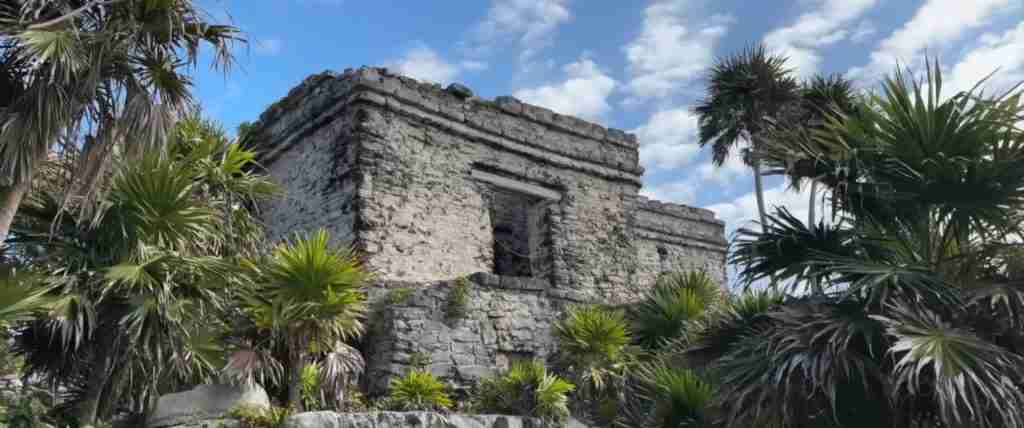
3 days
Cancun 3-Day Discovery Tour
- ✓ Comprehensive Cancun experience
- ✓ Expert local guides included
- ✓ All accommodation included
- ✓ Transportation provided
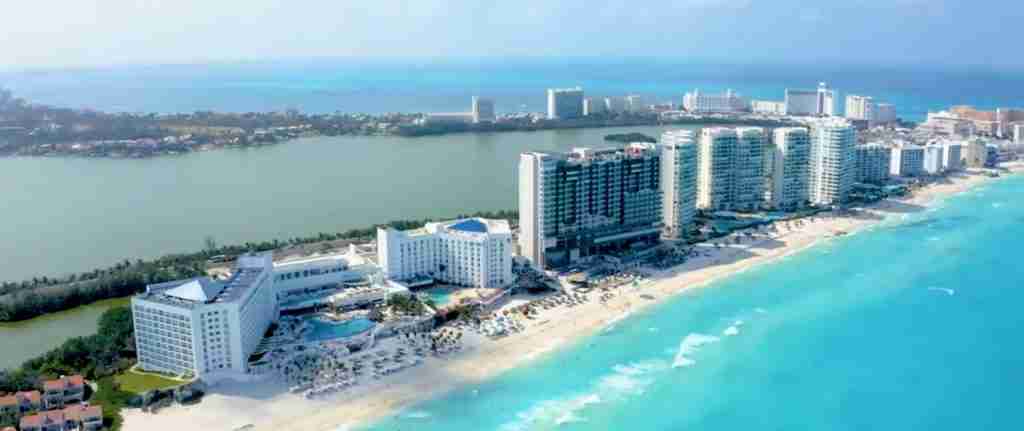
5 days
Cancun 5-Day Highlights Experience
- ✓ Comprehensive Cancun experience
- ✓ Expert local guides included
- ✓ All accommodation included
- ✓ Transportation provided

7 days
Cancun 7-Day Cultural Journey
- ✓ Comprehensive Cancun experience
- ✓ Expert local guides included
- ✓ All accommodation included
- ✓ Transportation provided
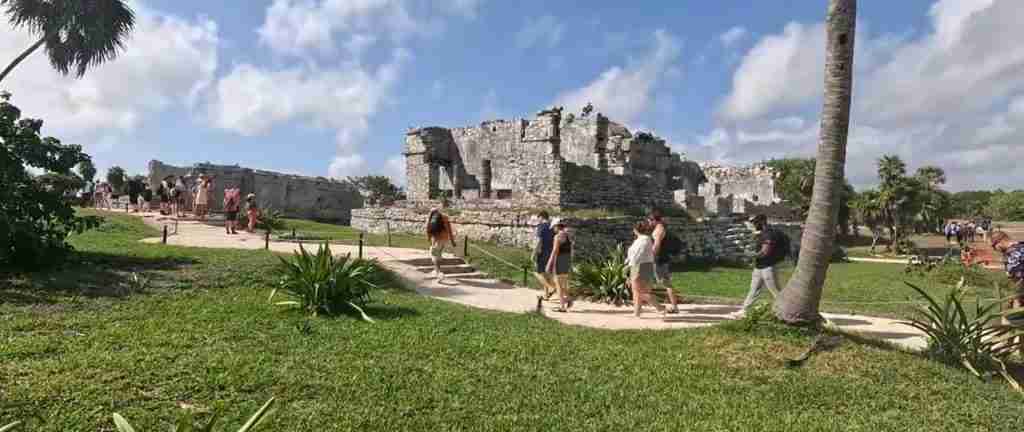
10 days
Cancun 10-Day Complete Adventure
- ✓ Comprehensive Cancun experience
- ✓ Expert local guides included
- ✓ All accommodation included
- ✓ Transportation provided
Multi-day tour packages powered by TourRadar. Prices and availability subject to change.
Essential Planning Information 2026
When to Visit Cancún in 2026
Plan your Cancún visit for November-April 2026 to experience the destination at its absolute best, with consistent sunshine, comfortable temperatures 75-85°F, low humidity, and calm Caribbean waters perfect for swimming and snorkeling. Peak season December-March attracts the largest crowds and commands premium prices, but weather reliability justifies the investment for travelers prioritizing guaranteed beach conditions. December through early January brings the highest prices and largest tourist volumes, with Hotel Zone accommodations reaching $250-350+ per night and archaeological site tours selling out weeks in advance.
Shoulder seasons offer the sweet spot for value-conscious travelers: November and April deliver near-perfect weather with 20-30% lower accommodation costs and noticeably smaller crowds at Chichén Itzá and Tulum. These months provide the best balance of weather reliability, manageable tourist volumes, and reasonable pricing across hotels, restaurants, and activities. May represents the final month of dry season weather before summer rains begin, offering excellent value for travelers accepting slightly warmer temperatures (85-90°F) and the beginning of Caribbean sea turtle nesting season.
Avoid hurricane season June-November unless you secure significant savings (40-50% off peak season rates) and accept weather disruption risks. September-October represent the peak hurricane months with highest storm probability, though Cancún’s protected location and modern infrastructure minimize actual danger. Summer months June-August bring hot temperatures (85-95°F), high humidity, and daily afternoon thunderstorms that disrupt beach plans and outdoor activities, but work well for budget travelers comfortable with weather trade-offs.
Where to Stay for Your 3-Day Visit in 2026
Choose Hotel Zone accommodation for your first Cancún visit, prioritizing locations between kilometer markers 9-15 for optimal beach access, restaurant proximity, and convenient R1/R2 bus connections. Mid-range hotels in this zone cost $150-250 per night in peak season (December-March) and $100-180 during shoulder seasons (November, April-May), offering clean rooms, reliable air conditioning, swimming pools, and beach access without all-inclusive resort premiums. Book directly through hotel websites for best rates or use major booking platforms for verified reviews and flexible cancellation policies.
Budget travelers save 40-50% by staying in downtown Cancún (Zona Centro), where local hotels cost $60-90 per night year-round and provide authentic Mexican neighborhood experiences. Downtown locations require 20-30 minute R1 bus rides ($0.90) to reach Hotel Zone beaches, but position you perfectly for local market exploration, authentic street food, and evening entertainment in Parque Las Palapas. This strategy works best for active travelers prioritizing cultural immersion over beach convenience.
All-inclusive Hotel Zone resorts ($250-500+ per night) appeal to travelers seeking convenience and predictable costs, including unlimited meals, drinks, and some activities in upfront pricing. However, all-inclusive properties reduce your exposure to authentic local dining and limit flexibility for exploring downtown markets and neighborhood taquerías. For a 3-day itinerary focused on cultural exploration and archaeological visits, independent hotels offer better value and more freedom than all-inclusive resorts designed for week-long stays.
Getting Around Cancún in 2026
Master the R1 and R2 public bus system for Hotel Zone and downtown Cancún transportation, running every 5-10 minutes from 6 AM to midnight and costing $0.90 per ride paid in cash (exact change preferred). R1 buses travel north along Boulevard Kukulcán through Hotel Zone to downtown, while R2 buses return south, covering the entire tourist infrastructure efficiently and reliably. These buses stop at clearly marked shelters every few blocks, connecting hotels, restaurants, shopping centers, and public beaches without expensive taxi fees.
Use authorized taxis only from hotel taxi stands or through Uber (available throughout Cancún), avoiding street taxi negotiations that lead to tourist-inflated prices. Hotel Zone taxis cost $10-20 for typical rides to restaurants or shopping centers, while downtown trips run $8-15. Uber provides transparent pricing and eliminates language barriers, though service availability varies by time and exact location. Always confirm taxi prices before entering vehicles or use metered taxis displaying official rates.
Book shared shuttle services for archaeological site day trips, costing $45-65 per person for Chichén Itzá tours including round-trip transportation, entrance fees, and guide services. These shared shuttles depart Hotel Zone hotels 7-8 AM and return 5-6 PM, providing cost-effective transportation for 2-3 hour drives to distant archaeological sites. Private tours cost $180-250 for 2-4 people, offering departure time flexibility and personalized pacing but significantly increasing per-person costs for solo travelers and couples.
Day 1: Hotel Zone Beaches & Downtown Discovery 2026
Morning: Playa Delfines Beach & Hotel Zone Orientation (8 AM – 12 PM)
Start your Cancún adventure at Playa Delfines, the Hotel Zone’s most spectacular public beach, arriving by R1 bus ($0.90) by 8-8:30 AM to claim the best palapa shade spots before crowds arrive. This stunning beach features the widest sand stretches in Cancún, powerful Caribbean waves perfect for experienced swimmers, and the iconic “Cancún” sign creating Instagram-worthy photos against turquoise waters. Playa Delfines remains completely free with no entrance fees, providing authentic beach experiences without resort restrictions or vendor harassment common at more central Hotel Zone beaches.
Spend 2-3 hours swimming, sunbathing, and photographing the dramatic coastline, noting the beach’s stronger undertow compared to calmer Hotel Zone swimming areas. The elevated viewing platform at the south end offers panoramic Caribbean vistas perfect for sunrise photography and dolphin spotting during winter months. Public restrooms and outdoor showers provide basic facilities, though the beach lacks restaurants or bars requiring you to bring water and snacks or walk to nearby convenience stores.
After beach time, take the R1 bus north through Hotel Zone to explore the lagoon side, stopping at La Isla Shopping Village or Luxury Avenue for air-conditioned browsing and bathroom breaks. These modern shopping centers showcase Mexico’s luxury retail alongside international brands, providing comfortable midday refuges during peak heat hours. The lagoon-side boardwalks offer pleasant walking paths with yacht-watching opportunities and calmer waters ideal for stand-up paddleboarding or kayaking if you choose optional water sports activities.
Afternoon: Mercado 28 Shopping & Street Food Lunch (1 PM – 4 PM)
Head to downtown Cancún’s Mercado 28 via R1 bus (30-40 minute ride, $0.90), arriving around 1 PM for the market’s peak activity and freshest lunch options. This authentic Mexican market sprawls across indoor and outdoor sections selling traditional handicrafts, textiles, pottery, hammocks, vanilla, tequila, and countless souvenirs at 30-50% lower prices than Hotel Zone tourist shops. Practice polite bargaining by offering 60-70% of initial asking prices, gradually negotiating toward fair middle-ground settlements that respect both buyer and seller.
Explore the market’s food court area for authentic Yucatecan street food lunch, choosing from cochinita pibil tortas ($5-7), carne asada tacos ($8-10 for 3-4), or pescado frito plates ($10-12) served with fresh lime, cilantro, and handmade tortillas. These family-run food stalls provide genuine local flavors impossible to find in Hotel Zone restaurants, with generous portions, bold seasonings, and traditional preparation methods passed through generations. Try fresh agua frescas ($2-3) like horchata, jamaica, or tamarindo to complete your authentic Mexican lunch experience.
Continue exploring Mercado 28’s craft sections, focusing on quality items like embroidered huipil dresses ($25-40), hand-painted Talavera pottery ($15-30), hammocks ($35-60 depending on size), and premium vanilla extract ($12-20 for authentic Papantla vanilla). Avoid overpriced tourist trinkets in favor of genuine Mexican artisan products that support local craftspeople and provide meaningful souvenirs. Budget 2-3 hours for thorough market exploration, handicraft shopping, and street food sampling.
Evening: Parque Las Palapas & Traditional Mexican Dinner (6 PM – 9 PM)
Walk 10 minutes from Mercado 28 to Parque Las Palapas, downtown Cancún’s central plaza where local families gather for evening entertainment, street food, and cultural events. This authentic neighborhood park operates daily from early morning through late night, hosting free concerts, folk dancing performances, artisan markets, and children’s activities that showcase genuine Cancún life beyond tourist zones. The park transforms after sunset into a vibrant social hub with food vendors, balloon sellers, musicians, and families enjoying Mexico’s traditional evening paseo (stroll).
Browse the park’s street food vendors for dinner options including marquesitas (crispy crepes filled with cheese and Nutella, $3-4), elotes (grilled corn with mayo, cheese, and chili, $2-3), fresh fruit cups with chili-lime seasoning ($2-3), and tacos al pastor from cart vendors ($1-2 each). These casual dining options provide authentic Mexican street food experiences at local prices, though sit-down restaurants surrounding the plaza offer more substantial meals in the $12-18 range for complete dinner plates.
For your formal dinner, walk to nearby Los de Pescado (5-minute walk from plaza) for exceptional seafood tacos ($12-15 for 4 tacos), fish ceviche tostadas ($10-12), or whole grilled fish ($18-22) served with rice, beans, and handmade tortillas. This local favorite operates 11 AM to 9 PM daily, serving the freshest catches prepared with traditional Yucatecan seasonings and modern presentation. Alternative dinner options include Tacos Rigo (famous for tacos al pastor, $10-14 for dinner) or La Parrilla Downtown (more formal setting, $15-25 per person) offering regional specialties.
Return to Hotel Zone via R1 bus by 9-9:30 PM, arriving back at your accommodation by 10 PM after a full day of beach relaxation, market exploration, and authentic downtown cultural immersion. Day 1 budget: Beach access free, R1 bus $1.80 round trip Hotel Zone-downtown, Mercado 28 lunch $8-12, handicraft shopping $30-60 optional, Parque Las Palapas snacks $5-8, dinner $12-18, drinks $5-8. Total day cost: $62-95 per person (excluding accommodation).
Day 2: Chichén Itzá Archaeological Adventure 2026
Full Day: Chichén Itzá UNESCO World Heritage Tour (7 AM – 6 PM)
Depart your Hotel Zone accommodation 7-7:30 AM for the 2.5-hour drive to Chichén Itzá, joining a shared group tour that includes round-trip transportation, entrance fees, guide services, and buffet lunch for $85-95 per person (check tour operator websites for current 2026 official rates as pricing may vary). Early departure beats the intense midday heat and massive cruise ship crowds that overwhelm the archaeological site after 11 AM, providing optimal conditions for photography, crowd-free monument viewing, and comfortable exploration before temperatures exceed 90°F.
Arrive at Chichén Itzá around 9:30-10 AM, immediately heading to El Castillo (Temple of Kukulcán) – the iconic stepped pyramid and one of the New Seven Wonders of the World – for crowd-free photos and detailed guide explanations of Mayan astronomy, architecture, and religious practices. Your guide explains the pyramid’s 365 steps representing the solar calendar, precise equinox alignments creating serpent shadow illusions, and sophisticated mathematical knowledge embedded in the structure’s proportions. Spend 30-40 minutes exploring El Castillo’s platforms from all angles, photographing the pyramid against blue skies before cloud cover develops.
Continue to the Great Ball Court, Mesoamerica’s largest ancient sports arena where Mayan teams competed in ceremonial games combining athleticism, politics, and religious ritual. The court’s exceptional acoustics demonstrate Mayan engineering sophistication – whispers at one end reach the opposite wall 500 feet away clearly. Your guide describes the ball game’s rules, the stone ring scoring system, and the debated fate of winners or losers (archaeological evidence suggests both theories about ritual sacrifice). The intricate carved panels depicting game scenes and ritual imagery provide insights into Mayan social structure and religious beliefs.
Explore the Temple of Warriors complex with its famous Chac Mool sculpture and Thousand Columns Group, showcasing Toltec architectural influences that arrived around 1000 CE. The warrior columns feature detailed carvings of armed soldiers, demonstrating the site’s militaristic period and cultural exchanges between different Mesoamerican civilizations. The nearby Sacred Cenote (Well of Sacrifice) reveals the religious significance of these natural sinkholes where Mayans made offerings to rain god Chaac during drought periods.
Break for buffet lunch (included in tour) at the on-site restaurant around 12:30-1:30 PM, enjoying traditional Yucatecan dishes like cochinita pibil, chicken pibil, rice, beans, tortillas, and fresh fruit with unlimited bottled water and soft drinks. The air-conditioned dining area provides welcome relief from midday heat, allowing you to rest before afternoon exploration. Use this time to review your morning photos, hydrate thoroughly, and prepare for the second half of site exploration.
After lunch, visit El Caracol (The Observatory), a circular astronomical building where Mayan priests tracked Venus, moon cycles, and solar movements with remarkable precision. The building’s narrow window slits align with key astronomical events, demonstrating the advanced mathematical and observational skills that enabled accurate calendar systems and agricultural planning. Continue to the Temple of the Bearded Man, Las Monjas (The Nunnery), and the Church, each showcasing different architectural styles and decorative motifs that reveal Chichén Itzá’s complex 1,000-year development.
Complete your archaeological exploration by 3-3:30 PM, browsing the extensive artisan market outside the site entrance for handicrafts, textiles, and souvenirs before boarding your return shuttle. The market vendors sell handwoven hammocks ($30-60), embroidered blouses ($25-40), carved wooden masks ($15-30), and replica Mayan calendar stones ($20-35) at negotiable prices. Depart Chichén Itzá around 4 PM for the return drive, arriving back at Hotel Zone by 6:30-7 PM.
Evening: Hotel Zone Dinner & Beach Walk (7 PM – 9 PM)
After your archaeological adventure, enjoy a relaxed Hotel Zone dinner at a beachfront restaurant like Porfirio’s ($20-30 per person), Harry’s Steakhouse ($25-35 per person), or Cambalache Argentine Steakhouse ($22-32 per person). These established restaurants serve quality Mexican and international cuisine with ocean views, air-conditioned comfort, and extensive drink menus perfect for celebrating your Chichén Itzá experience. Reserve 1-2 days ahead during peak season to guarantee seating times between 7:30-8:30 PM.
After dinner, walk along the beachfront Hotel Zone sidewalk to observe the illuminated resorts, listen to Caribbean waves, and enjoy warm evening breezes. The public beach access points remain open until midnight, allowing sunset viewing from any location along Boulevard Kukulcán. Return to your accommodation by 9:30-10 PM for early rest before tomorrow’s active cenote and local culture day. Day 2 budget: Chichén Itzá tour $85-95 including transportation, entrance, guide, lunch, artisan shopping $30-60 optional, dinner $20-30, drinks $8-12. Total day cost: $113-137 per person (excluding accommodation).
Day 3: Cenote Swimming & Cultural Exploration 2026
Morning: Cenote Ik Kil or Cenote Dos Ojos Swimming (8 AM – 12 PM)
Dedicate your final morning to cenote swimming, choosing between Cenote Ik Kil (2.5 hours from Cancún, $25 entrance) near Chichén Itzá or Cenote Dos Ojos (1.5 hours from Cancún, $20 entrance) near Tulum for an unforgettable freshwater swimming experience in these sacred Mayan sinkholes. Book a morning cenote tour ($45-65 per person) departing Hotel Zone 8-8:30 AM, including round-trip transportation and guide services, or arrange independent transportation via shared shuttle services and explore at your own pace with 3-4 hours at the cenote.
Cenote Ik Kil offers the most dramatic setting with a 85-foot-deep open cenote surrounded by tropical vines, stone walls, and small waterfalls cascading into crystal-clear waters. Wooden stairs descend 90 feet to the swimming platform where you enter refreshing 75°F water perfect for cooling off from Caribbean heat. The cenote reaches 130-foot depth, though swimmers stay in the upper 15-20 feet using provided life jackets. Small fish swim among limestone formations while sunlight streams through the circular opening, creating ethereal underwater light effects perfect for photography.
Alternatively, Cenote Dos Ojos provides world-class snorkeling and cave swimming through connected underwater caverns with exceptional visibility exceeding 100 feet. This semi-open cenote system offers more adventurous exploration with two main “eyes” (openings) connected by underwater passages accessible to swimmers and snorkelers. Stalactites and stalagmites line the cavern ceilings while bat colonies occasionally fly overhead. The cenote operates 9 AM to 5 PM daily with changing facilities, lockers ($2-3), snorkel equipment rental ($10-12), and basic food services.
Spend 2-3 hours swimming, snorkeling, and photographing these natural wonders, noting the spiritual significance these cenotes held for ancient Mayans who considered them sacred portals to the underworld (Xibalba). Life jackets are mandatory for safety, and the cool water temperatures provide refreshing contrast to Caribbean heat. Waterproof cameras capture underwater formations, though respect preservation rules prohibiting sunscreen or insect repellent that damages delicate ecosystems.
Afternoon: Museo Maya de Cancún & San Miguelito Ruins (1 PM – 4 PM)
Return to Cancún by 1-1:30 PM, stopping at Museo Maya de Cancún (Mayan Museum of Cancún, $5 entrance) in Hotel Zone near kilometer marker 16 for comprehensive context on the morning’s cenote experience and yesterday’s Chichén Itzá visit. This modern museum houses exceptional Mayan artifacts including jade masks, ceramic vessels, stone carvings, and jewelry excavated from regional archaeological sites. The permanent collection explains Mayan civilization’s development from 200 BCE through Spanish conquest, covering astronomy, agriculture, writing systems, and religious practices through well-curated exhibits with English explanations.
The museum’s highlight collection features stunning artifacts from the Sacred Cenote at Chichén Itzá, directly connecting to your archaeological tour and this morning’s cenote swimming. Temporary exhibitions rotate quarterly, showcasing different aspects of Mesoamerican cultures and archaeological discoveries. The museum operates Tuesday-Sunday 9 AM to 6 PM (closed Mondays), requiring 1.5-2 hours for thorough exploration of three main exhibition halls.
Adjacent to the museum, explore San Miguelito archaeological site (included in museum ticket) featuring small Mayan ruins set within native jungle vegetation. These ruins date from 1250-1520 CE, representing the late post-classic period and demonstrating Mayan architectural presence throughout what is now the Hotel Zone. The site’s eight structures include residential buildings, administrative temples, and ceremonial platforms offering insights into common Mayan urban planning. Wooden walkways wind through the compact site, requiring 30-45 minutes to explore all structures and providing pleasant outdoor time in shaded environments.
Evening: La Isla Shopping Village & Farewell Dinner (5 PM – 9 PM)
Spend your final evening at La Isla Shopping Village (arrive via R1 bus, $0.90), a modern outdoor shopping complex combining retail therapy, lagoon views, international restaurants, and entertainment options. The attractive Venetian-style development features pedestrian walkways along Nichupté Lagoon, connecting 150+ stores from premium brands to souvenir shops. Browse for last-minute gifts, designer goods, or Mexican handicrafts from artisan boutiques offering higher-quality items than typical tourist markets.
The shopping center’s diverse dining options include international chains and local favorites suitable for farewell dinners. Puerto Madero Cancún ($25-35 per person) serves exceptional Argentine steaks with lagoon views, while Thai ($20-28 per person) offers Southeast Asian cuisine in elegant settings. Casual options include La Casa del Habano ($18-25 per person) for Mexican comfort food or The Cheesecake Factory ($22-32 per person) for American classics. Reserve 1-2 days ahead for premium restaurants during peak season.
After dinner, walk the lagoon-side promenade to enjoy warm evening breezes, observe yachts in the marina, and photograph Hotel Zone’s illuminated skyline. The shopping center hosts occasional live music performances in the central plaza, creating festive atmospheres for your final Cancún evening. Browse dessert options including gourmet ice cream, churros, or tres leches cake before returning to your hotel via R1 bus by 9:30-10 PM. Day 3 budget: Cenote tour $45-65 including transportation and entrance, museum entry $5, La Isla lunch/snacks $12-18, shopping discretionary, dinner $20-35, drinks $8-12. Total day cost: $90-135 per person (excluding accommodation).
Complete 3-Day Budget Breakdown 2026
Accommodation Costs Summary
Accommodation represents the largest expense component for your 3-day Cancún trip, with Hotel Zone mid-range properties costing $150-250 per night during peak season (December-March) and $100-180 during shoulder seasons (November, April-May). For three nights, expect $300-750 total depending on season and property category. Budget travelers saving 40-50% by staying downtown Cancún pay $180-270 for three nights ($60-90 nightly), while luxury Hotel Zone resorts cost $900-1,500+ for the same period.
All-inclusive resorts command premium rates ($250-500+ per night) but include unlimited meals, drinks, and some activities, potentially offering value for travelers maximizing on-site amenities. However, this itinerary’s structure emphasizes off-property exploration, downtown cultural experiences, and authentic local dining, reducing all-inclusive value propositions. Independent hotels provide better flexibility for the active touring days outlined in this itinerary.
Daily Activity & Meal Costs
Your three-day activity and meal costs total approximately $265-367 per person, breaking down as follows:
Day 1: Playa Delfines free beach access, R1 buses $1.80, Mercado 28 lunch $8-12, optional handicraft shopping $30-60, Parque Las Palapas snacks $5-8, Los de Pescado dinner $12-18, drinks $5-8. Day total: $62-95 per person (excluding accommodation).
Day 2: Chichén Itzá shared group tour $85-95 (including transportation, entrance, guide, lunch), optional artisan market shopping $30-60, Hotel Zone dinner $20-30, drinks $8-12. Day total: $113-137 per person (excluding accommodation).
Day 3: Cenote tour with transportation $45-65 (including entrance), Museo Maya entrance $5, La Isla lunch/snacks $12-18, La Isla farewell dinner $20-35, drinks $8-12, optional final shopping discretionary. Day total: $90-135 per person (excluding accommodation).
Transportation Costs Summary
Ground transportation costs remain minimal when using public buses strategically. R1/R2 bus rides ($0.90 per ride) for Hotel Zone-downtown trips total $5-8 across three days for typical usage patterns. Airport transfers add $35-65 round trip per person via shared shuttles, or $15-25 each way via public ADO bus service for budget-conscious travelers. Major tour packages (Chichén Itzá, cenotes) include round-trip transportation in quoted prices, eliminating separate transfer costs.
Taxi usage significantly increases transportation budgets – typical Hotel Zone taxi rides cost $10-20 each, meaning frequent taxi usage adds $60-100+ to your 3-day total. Use Uber for transparent pricing when public buses don’t serve your destination, or walk along Boulevard Kukulcán’s extensive sidewalks connecting most Hotel Zone properties to restaurants and beaches.
Complete 3-Day Cost Ranges
Budget Traveler Total (Downtown Accommodation, Street Food Focus): $650-950 per person including accommodation, all activities, meals, and ground transportation. This budget prioritizes downtown hotels ($60-90 per night), local market dining ($8-15 per meal), public transportation, and shared group tours while maintaining quality experiences at Chichén Itzá and cenotes.
Mid-Range Traveler Total (Hotel Zone Hotels, Mixed Dining): $950-1,400 per person including mid-range Hotel Zone accommodation ($150-250 per night), combination of local and tourist-area restaurants ($15-30 per meal), standard shared tours, and occasional taxi usage. This represents the optimal value proposition balancing comfort, convenience, and authentic experiences.
Luxury Traveler Total (Premium Hotels, Fine Dining): $1,400-2,200+ per person including luxury Hotel Zone properties ($300-500+ per night), upscale restaurant dining ($30-50+ per meal), private tours instead of shared groups, and regular taxi/Uber transportation. All-inclusive resort packages in this range may provide better value if you maximize on-property amenities.
Strategic Booking Advice for 2026
When to Book Your Cancún Trip
Book Cancún accommodation 2-3 months ahead for peak season travel (December-March) to secure preferred properties at reasonable rates before prices increase 30-50% closer to travel dates. Hotel Zone mid-range properties sell out during Christmas-New Year and Easter weeks, forcing last-minute bookers into overpriced availability or less desirable locations. Shoulder season travel (November, April-May) allows booking 4-6 weeks ahead with minimal price penalties, while summer months (June-September) offer same-week bookings with competitive rates due to lower demand.
Reserve major tours (Chichén Itzá, Tulum, cenotes) 2-3 weeks before travel, especially during peak season when popular early-morning departure times sell out quickly. Tour operators limit daily capacity to preserve archaeological sites and maintain quality experiences, making advance booking essential for preferred dates and times. Last-minute tour bookings during peak season cost 10-20% more through hotel concierges or force you into less desirable afternoon tours that face extreme heat and massive crowds.
Book popular Hotel Zone restaurants 1-2 days ahead during peak season for dinner reservations between 7:30-9 PM, the most requested time slots. High-end establishments like Porfirio’s, Puerto Madero, and Harry’s Steakhouse reach capacity during peak weeks, requiring advance planning. Downtown Cancún restaurants and street food vendors never require reservations, providing spontaneous dining flexibility.
Direct Booking vs. Third-Party Platforms
Compare prices across direct hotel websites, major booking platforms (Booking.com, Expedia, Hotels.com), and Mexican platforms (Despegar, Viva Aerobus hotels section) to find the best rates for your specific travel dates. Direct bookings often match or beat platform prices while offering better cancellation flexibility, room upgrade possibilities, and direct property communication. However, platforms provide verified guest reviews, consolidated itinerary management, and sometimes exclusive promotional rates not available directly.
Book tours directly through operator websites like Chichén Itzá Tour, Mayaland Tours, or Best Day Travel for transparent pricing without hotel concierge markups that add 20-30% to tour costs. Direct bookings allow you to compare exact inclusions (lunch quality, transportation comfort, guide expertise, group sizes) across multiple operators, ensuring you select the best value rather than accepting whatever your hotel recommends. Reputable tour operators include Best Day, Cancún Adventure Tours, and Mayaland Resorts’ tour division.
Maximizing Value Through Strategic Timing
Save 20-30% by visiting during shoulder seasons (November, April-May) when accommodation prices drop significantly while weather remains excellent and crowds diminish noticeably. November offers particular value with post-Halloween rate reductions, minimal rain risk, and comfortable temperatures. April provides similar benefits as spring break crowds depart and summer season hasn’t begun, creating a sweet spot for value-conscious travelers.
Book midweek arrivals (Tuesday-Thursday) for better hotel rates and smaller tour group sizes compared to weekend arrivals when domestic Mexican tourists and American weekend travelers create peak demand. Midweek travel also means less crowded beaches, more available restaurant reservations, and more attentive service at shops and attractions.
Essential Practical Tips for 2026
Safety and Security Considerations
Cancún maintains excellent tourist safety standards throughout Hotel Zone and downtown areas frequented by visitors, with dedicated tourist police patrols, security cameras, and well-lit public spaces. The Hotel Zone ranks among Mexico’s safest destinations due to heavy security investment protecting the region’s tourism economy. Practice standard travel precautions: avoid displaying expensive jewelry, keep valuables in hotel safes, use ATMs inside banks or shopping centers during daylight hours, and stay in well-trafficked areas after dark.
Downtown Cancún neighborhoods show more local urban character with less polished infrastructure but remain safe during daytime market visits and evening plaza activities. Parque Las Palapas and surrounding restaurant areas fill with local families until 10-11 PM, creating safe, lively atmospheres. Avoid wandering dark residential side streets late at night, instead using main avenues like Avenida Tulum and staying in well-lit commercial zones.
Transportation safety focuses on using authorized services: official taxis from hotel stands, Uber through the app, or public R1/R2 buses during daylight hours. Avoid unmarked taxis or individuals offering transportation services at tourist sites. Keep bags and phones secure on buses, though theft remains uncommon on primary tourist routes. Women traveling solo find Cancún generally welcoming and safe, with many solo female travelers visiting annually without incidents.
Weather and Packing Recommendations
Pack lightweight, breathable clothing suitable for 80-90°F daytime temperatures with high humidity year-round. Include swimwear (2+ suits for quick-drying rotation), beach cover-ups, shorts, t-shirts, sundresses, and one nicer dinner outfit for upscale restaurant visits. Hotel Zone restaurants maintain casual-elegant dress codes prohibiting beach attire but welcoming resort casual clothing (sundresses, polo shirts, casual pants).
Essential sun protection includes SPF 50+ reef-safe sunscreen (required at cenotes and preferred for ocean conservation), wide-brimmed hats, UV-protective sunglasses, and rashguards for extended water activities. Cancún’s intense tropical sun causes sunburn within 20-30 minutes without protection, and reflected water intensifies exposure during beach and cenote activities. Bring insect repellent for evening activities and jungle archaeological sites, though coastal Hotel Zone beaches experience minimal mosquito issues.
Footwear should include comfortable walking sandals for beaches and markets, water shoes for cenote exploration (rocky entrances), and closed-toe shoes for archaeological site visits (Chichén Itzá’s stone surfaces get extremely hot and uneven). Pack a light rain jacket during May-October when afternoon thunderstorms arrive predictably, though these typically last only 30-60 minutes.
Money and Payment Strategies
Mexican pesos provide the best value for local purchases at markets, street food vendors, bus fares, and small restaurants where credit cards incur fees or aren’t accepted. Exchange currency at legitimate exchange houses (casas de cambio) in downtown Cancún or withdraw pesos from bank ATMs offering better rates than hotel exchange services or airport kiosks. Major banks like Santander, BBVA, and Banamex provide reliable ATMs throughout Hotel Zone and downtown, charging $3-5 foreign transaction fees per withdrawal.
Credit cards work universally in Hotel Zone restaurants, shops, and tour operators, with Visa and Mastercard accepted more widely than American Express. Many establishments add 3-5% surcharges for credit card payments, making cash advantageous for budget-conscious travelers. Always request charges in pesos rather than dollars to avoid unfavorable dynamic currency conversion rates that inflate costs 5-8%.
Carry small peso bills (20, 50, 100 peso denominations) for buses, street food, tips, and market shopping where vendors often lack change for larger bills. Budget $10-15 daily for tips at restaurants (10-15% standard), tour guides ($5-10 per person), and hotel housekeeping ($2-3 per day). ATMs dispense primarily 500-peso bills, so make change at supermarkets or larger establishments before heading to markets or street food areas.
Language and Communication
English proficiency varies dramatically between Hotel Zone (widespread English) and downtown Cancún (limited English). Hotel Zone hotel staff, restaurant servers, and tour guides speak functional to fluent English due to international tourism focus, while downtown market vendors, street food operators, and bus drivers primarily speak Spanish. Download Google Translate app for offline use, enabling camera translation of menus, signs, and market prices.
Learn essential Spanish phrases for downtown interactions: “¿Cuánto cuesta?” (How much?), “La cuenta, por favor” (The check, please), “¿Dónde está…?” (Where is…?), “No entiendo” (I don’t understand). Local vendors appreciate respectful attempts at Spanish even if basic, creating more positive interactions and sometimes better prices during market negotiations.
Most restaurants provide bilingual menus in Hotel Zone and major tourist areas, while downtown establishments typically offer Spanish-only menus. Don’t hesitate to ask for recommendations or point to dishes you see other diners enjoying. Food photos on your phone help communicate dietary restrictions or preferences when language barriers exist.
Frequently Asked Questions
Can you visit Cancún without speaking Spanish?
Yes, you can easily visit Cancún without speaking Spanish, particularly if you stay primarily in the Hotel Zone where English proficiency is widespread among tourism workers. Hotels, restaurants, tour operators, and shops in tourist areas employ English-speaking staff, and many printed materials provide English translations. However, learning basic Spanish phrases significantly enhances your experience in downtown Cancún, at local markets, and during interactions with taxi drivers and street food vendors. Google Translate’s camera function bridges communication gaps by instantly translating signs, menus, and written text.
Is Cancún safe for first-time visitors in 2026?
Cancún ranks among Mexico’s safest tourist destinations for first-time visitors, with dedicated security infrastructure protecting the Hotel Zone and major tourist areas. The destination invests heavily in tourist police, security cameras, and well-lit public spaces to maintain its reputation as a family-friendly Caribbean destination. Practice standard travel safety: avoid displaying expensive jewelry, use ATMs inside banks, stay in well-trafficked areas after dark, and use authorized transportation services. Millions of tourists visit Cancún annually without incidents, and the Hotel Zone maintains safety standards comparable to major U.S. resort destinations.
Do I need a rental car for a 3-day Cancún itinerary?
No, you don’t need a rental car for this 3-day Cancún itinerary since public R1/R2 buses ($0.90 per ride) efficiently connect Hotel Zone properties to downtown areas, while pre-arranged tours include round-trip transportation for archaeological sites and cenotes. Rental cars add unnecessary expense ($40-60 per day plus insurance and gas) and create parking challenges at archaeological sites and downtown areas. The exception: travelers planning extensive independent exploration of multiple cenotes or remote beaches benefit from rental car flexibility, but the structured itinerary outlined above works perfectly with public transportation and organized tours. Taxis and Uber fill gaps when buses don’t serve specific destinations.
What is the best beach in Cancún’s Hotel Zone?
Playa Delfines offers Cancún’s best overall beach experience with the widest sand stretches, most dramatic scenery, powerful waves, and the iconic “Cancún” sign for photos. This public beach remains completely free with no entrance fees or resort restrictions, providing authentic Caribbean beach access to all visitors. However, Playa Delfines’ stronger currents suit confident swimmers rather than families with small children. For calmer swimming conditions, consider Playa Tortugas or Playa Caracol in the northern Hotel Zone where protected waters create gentle conditions ideal for children and less experienced swimmers. Each Hotel Zone beach offers distinct characteristics: Playa Chac Mool for surfing, Playa Marlin for water sports, and Playa Ballenas for peaceful stretches with moderate crowds.
How much money should I bring to Cancún for 3 days?
Bring $400-600 per person in total spending money for a 3-day Cancún trip beyond pre-paid accommodation and tours, covering daily meals, local transportation, shopping, drinks, and miscellaneous expenses. Budget travelers comfortable with street food and public transportation manage with $300-400, while those preferring tourist-area restaurants and frequent taxi use should budget $500-700. These amounts exclude major pre-booked expenses like hotel accommodation and Chichén Itzá tours, which you should pay in advance via credit card for security and record-keeping. Carry a mix of credit cards for major purchases and cash pesos for small vendors, buses, tips, and street food. ATMs throughout Cancún provide easy peso access if you need additional funds.
Can you drink Cancún tap water in 2026?
No, avoid drinking Cancún tap water even in luxury hotels due to different water treatment standards and purification systems than most visitors are accustomed to. All hotels provide complimentary bottled water, and convenience stores sell 1.5-liter bottles for $1-2. Restaurants serve purified water and ice made from treated water, making dining safe. Use bottled water for brushing teeth and taking medication to prevent potential stomach discomfort. This precaution applies to tap water throughout Mexico’s Yucatán Peninsula. Reusable water bottles with built-in filters provide eco-friendly alternatives, though bottled water remains most convenient for short 3-day visits.
What is the legal drinking age in Cancún?
The legal drinking age in Cancún and throughout Mexico is 18 years old, significantly lower than the U.S. minimum of 21. Bars, nightclubs, and restaurants strictly enforce age verification through ID checks, requiring government-issued identification proving age. All-inclusive resorts provide unlimited alcoholic beverages to guests 18+, making Cancún popular with American college students during spring break periods (March-April). Parents should discuss responsible drinking with teenage travelers, as Mexico’s lower drinking age creates situations many young Americans haven’t experienced. Cancún’s tourist police actively patrol nightlife areas to maintain order and safety.
Do I need vaccinations to visit Cancún in 2026?
Cancún requires no mandatory vaccinations for U.S., Canadian, or European visitors, though the CDC recommends ensuring routine vaccinations (MMR, tetanus, etc.) remain current before all international travel. Consider hepatitis A vaccination for travelers eating extensively at street food stalls and local markets, though this isn’t essential for short 3-day visits focused on established restaurants. Yellow fever vaccination is unnecessary for Cancún despite being required in some tropical destinations. Consult your physician 4-6 weeks before travel for personalized medical advice based on your health history and planned activities. Travel insurance covering medical emergencies provides peace of mind, though Cancún offers excellent private hospitals with English-speaking staff if needed.
What should I pack for Cancún in 2026?
Pack lightweight, breathable clothing for 80-90°F temperatures: 2+ swimsuits, beach cover-ups, shorts, t-shirts, sundresses, and one nicer outfit for upscale dining. Essential items include SPF 50+ reef-safe sunscreen, wide-brimmed hat, UV sunglasses, insect repellent, and comfortable walking sandals. Add water shoes for cenote exploration, closed-toe shoes for archaeological sites, and a light rain jacket during May-October. Bring waterproof phone case or dry bag for beach and cenote photography, reusable water bottle, small daypack for tours, and basic first aid supplies (pain reliever, anti-diarrheal, bandages). Download offline maps, Google Translate, and your hotel confirmation documents. Leave expensive jewelry at home, bring photocopies of passport/IDs, and pack prescription medications in original containers with doctor’s notes.
Can I use U.S. dollars in Cancún?
Yes, you can use U.S. dollars at most Cancún hotels, restaurants, and shops in the Hotel Zone, though you’ll receive better value paying in Mexican pesos. Establishments accepting dollars typically apply unfavorable exchange rates (12-15 pesos per dollar vs. official rates of 17-19 pesos per dollar), effectively overcharging 10-20%. Downtown markets, street food vendors, buses, and local restaurants prefer or require pesos. Exchange currency at legitimate casas de cambio or withdraw pesos from bank ATMs for optimal rates. Carry mix of small-denomination peso bills (20, 50, 100) for tipping, buses, and street food, while using credit cards for major purchases at established businesses. Budget 80% of your spending money in pesos and 20% in dollars for backup.