
Cancún Day Trips 2026: Best Excursions & Complete Planning Guide
This complete planning guide examines Cancún’s top eight day trip destinations, providing detailed information on transportation logistics, current 2026 costs, optimal timing strategies, booking recommendations, and realistic time allocations for each excursion. The guide prioritizes practical planning considerations that prevent common mistakes: underestimating travel times, selecting inappropriate tours for your fitness level, or missing crucial booking windows that lead to disappointment and inflated last-minute costs. Each destination receives comprehensive analysis covering what makes it special, who it best suits, seasonal considerations, and strategic tips for maximizing limited vacation time.
Key Takeaways
- Top Archaeological Priority: Chichén Itzá ($85-95 full-day tours) represents the essential Mayan archaeological experience, requiring 11-12 hours including travel time, while Tulum ($65-80 tours) offers compact 6-7 hour alternatives with stunning Caribbean coastal ruins
- Island Paradise Access: Isla Mujeres provides the most accessible island day trip ($35-45 including ferry and activities) with excellent snorkeling, golf cart exploration, and relaxed beach atmosphere, while Cozumel ($95-120) delivers world-class scuba diving for certified divers
- Cenote Exploration Strategy: Dedicated cenote tours ($55-75) visiting 2-3 different sinkholes provide the most comprehensive swimming and photography experiences compared to brief cenote stops included in archaeological tours
- Optimal Booking Timeline: Reserve popular day trips 2-3 weeks ahead for 2026 peak season (December-March) to guarantee preferred departure times and avoid 10-20% last-minute price premiums or sold-out frustrations
- Transportation Cost Efficiency: Shared group tours offer the best value for distant destinations like Chichén Itzá (2.5 hours each way), while independent travel to nearby Isla Mujeres ($12-14 round-trip ferry) provides maximum flexibility for spontaneous travelers
- Strategic Day Trip Combinations: Plan one major archaeological site, one island excursion, and one cenote-focused day trip across a 5-7 day Cancún visit for comprehensive Riviera Maya exploration without exhausting rushes
Introduction: Maximizing Your Cancún Day Trip Experiences in 2026
Cancún’s strategic location at the heart of Mexico’s Riviera Maya positions travelers within easy reach of extraordinary day trip destinations spanning ancient Mayan archaeological wonders, Caribbean island paradises, mystical cenote swimming holes, and protected biosphere reserves. This comprehensive collection of excursion options transforms a simple beach vacation into a multifaceted cultural and natural exploration that few other Caribbean destinations can match. The region’s well-developed tourism infrastructure ensures comfortable, safe, and accessible day trips suitable for all traveler types from adventure-seekers to families with young children.
The day trips divide into distinct categories serving different traveler priorities: archaeological enthusiasts prioritize Chichén Itzá and Tulum for Mayan cultural immersion, beach lovers focus on Isla Mujeres and Cozumel for Caribbean island experiences, adventure travelers target cenote swimming and jungle exploration, while nature enthusiasts seek Sian Ka’an Biosphere Reserve’s pristine ecosystems. Understanding these distinctions helps you select day trips aligned with personal interests rather than simply checking boxes on generic tourist lists. Some travelers discover their deepest Cancún memories come from a peaceful Isla Mujeres beach day rather than obligatory archaeological site visits that didn’t resonate with their travel style.
The guide also addresses crucial practical questions that impact day trip success: how far in advance to book, whether to choose shared or private tours, which departure times work best, what to pack for specific excursions, and how to combine multiple day trips into coherent 5-7 day itineraries. These details separate mediocre day trips plagued by crowds, heat, and poor timing from exceptional experiences that become vacation highlights. The comprehensive cost breakdowns include not just tour prices but also additional expenses like tips, optional activities, meals, and incidentals that impact total budgets.
People Also Ask About Cancún Day Trips 2026
What is the best day trip from Cancún in 2026?
Chichén Itzá represents the best overall day trip from Cancún for first-time visitors, combining world-class Mayan archaeological significance (New Seven Wonders of the World), reasonable 2.5-hour travel distance, comprehensive infrastructure, and full-day tour packages ($85-95) including transportation, entrance fees, guide services, and buffet lunch. This UNESCO World Heritage site delivers the most complete Mayan cultural experience with iconic El Castillo pyramid, massive ball court, astronomical observatory, and extensive carved stone details explaining ancient civilization sophistication. Alternative “best” options depend on priorities: Isla Mujeres wins for beach relaxation and snorkeling, Tulum excels for coastal ruins photography, cenote tours provide unique swimming adventures, and Cozumel dominates for serious scuba diving. Most travelers visiting Cancún 5+ days complete 2-3 different day trip types to experience the region’s full diversity.
How much do Cancún day trips cost in 2026?
Cancún day trips cost $35-120 per person depending on destination distance, tour inclusions, and group size in 2026. Budget-friendly options include independent Isla Mujeres visits ($35-45 with ferry, snorkeling, and lunch), self-guided Tulum trips ($40-55 with transportation and entrance), and basic cenote tours ($55-65 visiting 2-3 sites). Mid-range organized tours range $65-95 for comprehensive Chichén Itzá packages, Tulum with cenote combinations, or Isla Mujeres sailing catamarans. Premium experiences like Cozumel scuba diving ($95-120 for two-tank dives), private archaeological tours ($180-250 for 2-4 people), or luxury catamaran charters ($150-200 per person) command higher prices but deliver personalized service and flexibility. These costs typically include round-trip transportation and entrance fees, with meals, tips, and optional activities adding $15-30 per person to daily totals. Booking directly through tour operators rather than hotel concierges saves 15-25% on identical tours.
Do you need to book Cancún day trips in advance for 2026?
Yes, book popular Cancún day trips 2-3 weeks ahead for 2026, especially during peak season December-March when Chichén Itzá, Tulum, and specialized cenote tours reach capacity quickly. Archaeological site tours limit daily visitors to preserve ruins and maintain quality experiences, making advance booking essential for preferred departure times (early morning visits beat crowds and heat). Last-minute bookings remain possible during shoulder seasons April-May and September-November, though you risk 10-20% price premiums, less desirable afternoon departure slots, or complete sellouts for specialized activities like Cozumel diving or small-group cenote tours. Independent day trips to Isla Mujeres or Tulum never require advance planning since ferries run continuously and archaeological sites accept walk-up visitors, though pre-booking organized tours guarantees transportation coordination and eliminates planning stress.
Can you visit multiple day trip destinations in one day from Cancún?
Combination day trips pairing nearby destinations work well, particularly Tulum ruins with cenote swimming (6-8 hours total), Isla Mujeres with Isla Contoy snorkeling (8-10 hours), or cenote hopping visiting 3-4 different sinkholes (7-9 hours). However, combining distant destinations like Chichén Itzá with Isla Mujeres proves impractical due to opposite directions and time requirements – Chichén Itzá alone requires 11-12 hours including travel, leaving no time for additional destinations. Many tour operators offer smart combinations like “Tulum, Cenote, and Playa del Carmen” covering three different experiences in one efficient day, or “Isla Mujeres with Open Bar Sailing” combining island exploration with catamaran experiences. Avoid overly ambitious combinations that involve 6+ hours of transportation for just 2-3 hours of actual activity – these exhausting marathons diminish enjoyment of each destination. Plan one major destination per day with optional nearby additions rather than rushing through multiple distant sites.
Extended multi-day tours – 5+ days
Featured Cancun Multi-Day Tour Packages
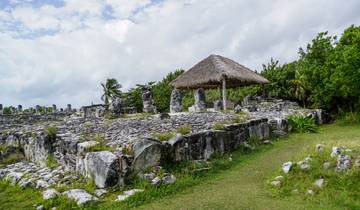
7 days
Riviera Maya Adventure 7D/6N
- ✓ Comprehensive Cancun tour
- ✓ Expert local guides included
- ✓ All accommodation arranged
- ✓ Transportation provided
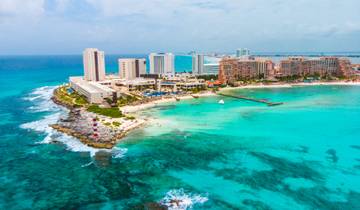
5 days
Riviera Maya Discovery – 5 Days
- ✓ Comprehensive Cancun tour
- ✓ Expert local guides included
- ✓ All accommodation arranged
- ✓ Transportation provided

1 days
Chichen Itza Tour: Explore Mayan Ruins, Valladolid and a Cenote
- ✓ Comprehensive Cancun tour
- ✓ Expert local guides included
- ✓ All accommodation arranged
- ✓ Transportation provided
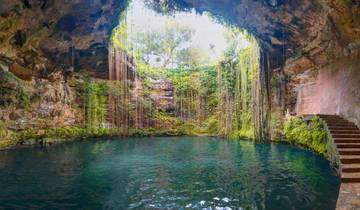
4 days
4-Day Dream Vacation in Cancun
- ✓ Comprehensive Cancun tour
- ✓ Expert local guides included
- ✓ All accommodation arranged
- ✓ Transportation provided
Multi-day tour packages powered by TourRadar. Prices and availability subject to change.
Chichén Itzá Day Trips 2026: Ultimate Mayan Archaeological Experience
Overview and Significance
Chichén Itzá stands as Mexico’s most visited archaeological site and one of the New Seven Wonders of the World, showcasing Mayan civilization’s architectural and astronomical brilliance through the iconic El Castillo pyramid, massive Great Ball Court, precise astronomical observatory, and intricate stone carvings covering platforms, temples, and ceremonial structures. This UNESCO World Heritage site reached its peak influence 800-1200 CE, serving as the Yucatán Peninsula’s most powerful political and religious center before mysterious abandonment around 1400 CE. The ruins span over 4 square miles with dozens of restored structures demonstrating sophisticated urban planning, advanced mathematics, and precise calendar systems that modern science continues studying.
The site’s masterpiece, El Castillo (Temple of Kukulcán), features 365 steps representing the solar calendar year, with equinox events creating serpent shadow illusions descending the pyramid’s stairs twice annually. The pyramid’s four sides each contain 91 steps plus the top platform totaling 365, while nine terraces on each face doubled (nine on each side times two) equals 18, matching the Mayan calendar’s 18 months. This mathematical precision embedded throughout the architecture reveals knowledge systems rivaling any ancient civilization. The adjacent Great Ball Court measures 545 feet long by 225 feet wide, making it Mesoamerica’s largest sports arena where ceremonial games combining athletics, politics, and religion determined social outcomes including potential ritual sacrifice.
Chichén Itzá’s popularity creates both advantages and challenges for visitors. The site’s world-class significance and convenient 2.5-hour distance from Cancún justify its must-see status, while excellent infrastructure including paved pathways, shaded rest areas, clean facilities, on-site restaurants, and comprehensive guide services make it accessible to all fitness levels including families with children and seniors. However, massive crowds (10,000+ daily visitors during peak season) transform the peaceful Mayan spiritual center into a tourist spectacle requiring strategic timing and realistic expectations.
Tour Options and Costs for 2026
Standard shared group tours cost $85-95 per person for 2026, including round-trip air-conditioned bus transportation from Hotel Zone hotels, Chichén Itzá entrance fees ($28 ticket), bilingual guide services, and buffet lunch at on-site restaurants (check tour operator websites for current official rates as pricing may vary). These comprehensive packages depart Hotel Zone 7-8 AM, arrive at archaeological site 9:30-10 AM, provide 3-4 hours exploration time, break for lunch, and return to Cancún by 6-7 PM for total 11-12 hour trips. Group sizes range 30-50 people on large buses, though some operators offer small-group tours (12-15 people) for $10-15 premiums providing more personalized attention and flexible pacing.
Private tours cost $180-250 for groups of 2-4 people, offering customized departure times, flexible archaeological site exploration allowing 4-5 hours instead of rushed 3 hours, stops at preferred cenotes or colonial towns en route, and personalized guide attention throughout the journey. Solo travelers and couples often find private tours excessive for the per-person cost increase, while families of 4+ or small friend groups appreciate the flexibility and comfort justifying premium pricing. Private tours eliminate waiting for other hotel pickups (saving 45-60 minutes each way) and allow spontaneous itinerary adjustments based on your interests and energy levels.
Budget-conscious independent travelers can visit Chichén Itzá using ADO buses ($18-22 each way) departing Cancún bus terminal at 8:45 AM daily, arriving Chichén Itzá 11:30 AM-12 PM, with return buses at 3:30 PM and 5 PM. This option costs $64-72 total including round-trip transportation, site entrance ($28), and optional guide hire ($40-50 for 2-3 people), but requires navigating bus terminals, managing schedules, and arriving during peak midday heat and crowds. The strategy works best for experienced travelers comfortable with independent logistics and accepting timing limitations inherent to public bus schedules.
Strategic Timing and Booking Recommendations 2026
Book Chichén Itzá tours 2-3 weeks ahead for peak season travel (December-March) when popular early departure times sell out quickly. Tours departing 7-7:30 AM from Hotel Zone arrive at archaeological site by 9:30-10 AM, providing 60-90 minutes of relative crowd-free exploration before massive tour bus arrivals after 10:30 AM. This early timing also beats the intense midday heat that makes afternoon visits uncomfortable (temperatures reach 95°F+ by 1-2 PM in summer months). Early birds capture the best photos with manageable crowds and watch morning light illuminate carved stone details before harsh overhead sun washes out photographic contrast.
Choose tours including cenote stops like Cenote Ik Kil (3 miles from Chichén Itzá, included in many tour packages) for refreshing swimming after hot archaeological exploration. These combination tours cost $5-10 more than basic packages but provide welcome relief and natural beauty contrasting with stone ruins. The cenote visit typically lasts 60-75 minutes allowing swimming, photos, and lunch at on-site facilities before returning to Cancún. Alternative combinations include Valladolid colonial town visits (30 minutes from Chichén Itzá) for charming architecture, local restaurants, and artisan shopping adding cultural depth beyond pure archaeological focus.
Shoulder seasons April-May and September-November offer slight advantages: smaller crowds at archaeological site, more flexible booking windows (1-2 weeks ahead sufficient), and occasional tour discounts (10-15% savings). However, May-November brings higher temperatures, humidity, and afternoon rain risk requiring weather contingency flexibility. Visit Chichén Itzá on weekdays (Tuesday-Thursday) rather than weekends when domestic Mexican tourists and regional visitors create larger crowds, longer food lines, and more competitive jockeying for pyramid photos.
What to Expect During Your Visit
Your Chichén Itzá day begins with Hotel Zone pickup 7-7:30 AM, followed by 2.5-hour drive through Yucatán countryside with rest stop at local artisan cooperative selling hammocks, honey, vanilla, and handicrafts (optional shopping, non-obligatory despite sales pressure). Arrive archaeological site 9:30-10 AM when guides lead groups through main plaza, positioning everyone for El Castillo pyramid photos before explaining architectural significance, calendar mathematics, and Mayan astronomical knowledge. The pyramid climbing ban (implemented 2006 after tourist death) means you photograph and circle the structure but cannot ascend the famous steps.
Guide tours continue to Great Ball Court where exceptional acoustics demonstrate Mayan engineering – whispers at one end reach the opposite wall 500 feet away clearly, and handclaps create echo patterns mimicking sacred quetzal bird calls. Your guide describes the ceremonial ball game’s rules, the high stone rings players targeted for scoring, and theories about winners’ or losers’ potential ritual sacrifice. The Temple of Warriors with its Chac Mool sculpture and Thousand Columns Group showcases Toltec influences that arrived around 1000 CE, while the Sacred Cenote reveals religious practices involving offerings and possible human sacrifice during drought periods.
After the guided portion (90-120 minutes), groups break for independent exploration allowing you to revisit favorite structures, photograph details your guide mentioned, or discover smaller ruins like El Caracol observatory, Las Monjas (Nunnery), and the Church at your own pace. Restrooms, water fountains, and shaded benches provide comfort during the hottest hours. Buffet lunch occurs 12:30-1:30 PM at on-site restaurants serving traditional Yucatecan dishes like cochinita pibil, chicken pibil, rice, beans, tortillas, and fresh fruit with unlimited beverages. The air-conditioned dining rooms provide welcome heat relief before final exploration or shopping at the extensive artisan market outside the archaeological site entrance.
Practical Packing and Preparation
Pack lightweight, breathable clothing covering shoulders and knees (both respectful and sun-protective), comfortable walking shoes with good tread for uneven stone surfaces, wide-brimmed hat, SPF 50+ sunscreen, sunglasses, and insect repellent for morning/evening mosquitoes. Bring refillable water bottle (fountains available throughout site) since proper hydration proves essential during 90°F+ heat with minimal shade. Small backpack carries your essentials while keeping hands free for climbing steps and taking photos. Waterproof phone case protects against sudden rain showers during May-October.
The archaeological site prohibits large backpacks, professional photography equipment, tripods, selfie sticks, and drones without special permits obtained weeks in advance through INAH (National Institute of Anthropology and History). Storage lockers ($2-3) at entrance store items exceeding size restrictions. Video cameras incur additional entrance fees ($5) beyond standard admission, though smartphone cameras include unlimited photo and video recording. Vendors outside the site aggressively sell hats, water, ponchos, and souvenirs at inflated prices – bring your own supplies from Cancún or stock up during the rest stop en route.
Start your day with substantial breakfast before early pickup since the included lunch occurs 5-6 hours after departure. Bring motion sickness medication if you’re sensitive to long bus rides on winding roads. Budget $20-30 extra for tips (guide $5-10, driver $3-5), artisan market shopping, additional drinks beyond included lunch beverages, or optional cenote entrance if not included in tour package. Many tours allow alcohol consumption on return bus rides – some travelers pack small coolers with cold beer for the ride back to Cancún, though verify tour policy before loading drinks.
Chichén Itzá Full-Day Tour Cost Summary: Shared group tour $85-95, optional shopping $20-40, tips $8-13, drinks/snacks $5-10. Total day cost: $98-128 per person.
Tulum Day Trips 2026: Coastal Ruins & Caribbean Beauty
Overview and Unique Appeal
Tulum’s clifftop Mayan ruins dramatically overlook turquoise Caribbean waters from 40-foot limestone bluffs, creating Mexico’s most photographed archaeological site and the only major Mayan city built directly on the coast. This compact walled city flourished 1200-1520 CE as an important seaport controlling maritime trade routes, persisting even after Spanish arrival until European diseases and colonization ended Mayan independence. The ruins span just 1-2 acres with a dozen main structures, making Tulum significantly smaller than Chichén Itzá or Uxmal but offering concentrated beauty and dramatic coastal setting that compensates for modest size and less architectural sophistication.
El Castillo, Tulum’s main temple perched on the highest point, served as lighthouse and navigation marker for Mayan trading canoes traveling dangerous Caribbean reefs. The building’s strategic position, preserved frescos depicting gods and cosmic scenes, and small windows aligned with sunrise during spring and fall equinoxes demonstrate Mayan astronomical knowledge adapted to maritime applications. The Temple of the Frescoes displays well-preserved murals showing Mayan deities, corn gods, and rain god Chaac in original colors under protective glass, providing rare glimpses into Mayan artistic traditions largely lost to time and tropical weather.
Tulum’s primary appeal combines compact archaeological exploration (90-120 minutes covers entire site) with exceptional beach access to pristine Caribbean sand and swimming opportunities impossible at inland ruins. The archaeological zone’s beach attracts swimmers, sunbathers, and photographers creating iconic shots of El Castillo’s silhouette against turquoise waters. This beach-ruins combination makes Tulum ideal for travelers seeking cultural experiences without extended archaeological marathons, families with children who need activity variety, and photographers prioritizing dramatic coastal scenery over architectural complexity.
Tour Options and Independent Visit Planning 2026
Organized Tulum tours cost $65-80 per person including round-trip transportation from Cancún (90-minute drive each way), archaeological site entrance ($7), guide services, and typically a cenote swimming stop or Playa del Carmen visit. These half-day tours depart 7-8 AM or 12-1 PM, providing 3-4 hours at Tulum and associated activities before returning to Cancún by 2-3 PM (morning tours) or 6-7 PM (afternoon tours). Many tour operators combine Tulum with nearby cenotes like Gran Cenote or Dos Ojos, creating efficient combination packages visiting two complementary destinations in single trips. Small-group tours (12-15 people maximum) cost $10-15 more but deliver more personalized guide attention and flexible pacing compared to large 40-50 person bus groups.
Independent visitors save significantly by using shared shuttles or ADO buses from Cancún ($12-14 each way), allowing flexible timing and budget control. ADO buses depart Cancún terminal hourly 7 AM-7 PM, arriving Playa del Carmen 45 minutes later where you transfer to local colectivos (shared vans, $2-3) or ADO continuation to Tulum town (additional 45 minutes). This public transportation strategy costs $28-34 round trip plus $7 archaeological site entrance for $35-41 total, representing 40-50% savings versus organized tours while requiring more logistics navigation and schedule management.
Private tours cost $160-220 for 2-4 people, providing customized departure times, flexible exploration allowing 2-3 hours at ruins rather than rushed 90 minutes, and personalized itineraries combining Tulum with preferred beaches, cenotes, or shopping stops in Playa del Carmen. The per-person premium makes sense for small groups prioritizing photography time, families with children needing flexible pacing, or travelers combining Tulum with specific nearby destinations like Akumal turtle snorkeling or hidden cenotes requiring private transportation.
Optimal Timing Strategies 2026
Arrive at Tulum archaeological zone by 8-8:30 AM for the most magical experience with manageable crowds, gentle morning light perfect for photography, and comfortable temperatures before 90°F+ heat arrives. The site officially opens 8 AM daily (last entry 4:30 PM), with parking lots filling by 10 AM during peak season when tour buses arrive from Cancún and cruise ships dock in Cozumel. Early morning visitors capture unobstructed El Castillo photos, explore temples without waiting for other groups to clear photo angles, and complete archaeological exploration before intense midday sun makes limestone ruins uncomfortably hot to touch.
Alternatively, arrive 3-4 PM for late afternoon visits when tour groups depart, crowds thin dramatically, and softer lighting returns for photography as sun descends toward sunset (site closes 5 PM, giving you 90 minutes for focused exploration). This strategy works perfectly for independent travelers staying in Tulum pueblo or Playa del Carmen who can time arrivals flexibly, though it reduces beach swimming time and may feel rushed for thorough archaeological examination. Late afternoon visits also face higher chances of afternoon thunderstorms during May-October rainy season.
Visit Tulum Tuesday-Thursday for smallest crowds since weekends attract regional Mexican tourists from Cancún, Playa del Carmen, and Mérida in addition to international visitors. Cruise ship schedules dramatically impact crowd levels – days with multiple Cozumel ship arrivals bring 2,000-3,000 additional day-trippers to Tulum via organized shore excursions, overwhelming the compact site. Check cruise ship calendars online (Crew Center website lists Cozumel arrivals) and avoid corresponding dates during your Cancún visit.
Combining Tulum With Nearby Attractions
Pair Tulum ruins with Gran Cenote (4 miles north, $25 entrance) for a perfect half-day combination mixing cultural exploration with natural swimming in one of the Riviera Maya’s most beautiful cenotes. After archaeological exploration, the 10-minute drive to Gran Cenote provides refreshing relief in crystal-clear freshwater surrounded by limestone formations, jungle foliage, and excellent snorkeling visibility exceeding 100 feet. The cenote features main pool for casual swimming plus underwater cave systems for adventurous snorkelers, with facilities including changing rooms, lockers ($2-3), and equipment rental (snorkel gear $8-10, life jackets $5). Total time: 4-5 hours for relaxed exploration of both destinations.
Extend Tulum day trips by continuing 20 minutes north to Playa del Carmen for beach time, shopping along Quinta Avenida pedestrian street, and lunch at beachfront restaurants. This cosmopolitan town offers Cancún’s sophistication in a more walkable, European-feeling environment with excellent Italian restaurants, artisan shops, and people-watching from sidewalk cafes. The combination creates diverse experiences beyond pure archaeological focus: ancient ruins morning, cenote swimming midday, beach relaxation and shopping afternoon. Expect 8-9 hours total for comprehensive Tulum-Cenote-Playa del Carmen days.
Advanced swimmers and snorkelers combine Tulum with Akumal turtle swimming (20 minutes north) where wild sea turtles feed on seagrass in shallow bays allowing close underwater encounters. Akumal’s main bay provides free beach access with $10-15 snorkel gear rental from beach vendors, though organized snorkeling tours ($40-50) include guides, equipment, and conservation briefings explaining proper turtle interaction protocols that protect these endangered creatures. The Tulum-Akumal combination appeals specifically to marine wildlife enthusiasts and families seeking memorable ocean animal encounters beyond typical snorkeling.
Beach Access and Swimming Considerations
The archaeological zone’s beach provides stunning photo opportunities and quick cooling dips, but strong Caribbean currents, rocky areas, and limited facilities make it less ideal for extended swimming and sunbathing compared to dedicated beach clubs nearby. Wooden stairs descend the cliff from ruins to beach where you can wade, swim briefly, and capture iconic photos of El Castillo rising above turquoise waters. Bring waterproof bags for phones/cameras, water shoes for rocky entry points, and expect basic sand without palapas, vendors, or facilities beyond archaeological zone restrooms and changing areas.
For serious beach time, continue south past archaeological zone entrance to Tulum’s famous beach clubs and public access points along the 6-mile Playa Paraíso-Boca Paila coastal stretch. Playa Paraíso (Paradise Beach) offers public access with $10-15 lounge chair rentals, restaurant service, and calm swimming conditions with soft white sand rivaling any Caribbean destination. Beach clubs like Papaya Playa Project, Nomade, or Raw Love charge $30-50 minimum consumptions (food and drinks) for day use of facilities, pools, and premium beach setups creating Instagram-worthy tropical atmospheres.
Independent Tulum Day Trip Cost Summary: ADO bus round trip $28-34, colectivos $4-6, archaeological entrance $7, Gran Cenote $25, lunch/drinks $15-25, beach club access/minimum consumption $10-50 optional. Total day cost: $54-97 per person depending on beach club choices.
Organized Tulum Tour Cost Summary: Standard tour $65-80 including transportation, entrance, guide, and cenote visit, lunch $12-18, tips $8-10, beach club $30-50 optional. Total day cost: $85-128 per person.
Isla Mujeres Day Trips 2026: Caribbean Island Paradise
Overview and Island Character
Isla Mujeres (Island of Women), located just 8 miles off Cancún’s coast, delivers authentic Caribbean island charm through laid-back beach atmosphere, excellent snorkeling, golf cart exploration, and genuine Mexican pueblo character largely preserved despite tourism development. This 4-mile-long, half-mile-wide island attracts travelers seeking day-trip escapes from Cancún’s resort intensity while maintaining easy access, minimal planning requirements, and affordable costs. The island’s compact size allows complete exploration via rented golf carts or bicycles in 3-4 hours, creating perfect day-trip proportions without the overwhelm of larger destinations requiring multiple days to experience properly.
Downtown Isla Mujeres concentrates along the northwestern tip where ferries arrive, surrounding Playa Norte (North Beach) – consistently ranked among Mexico’s best beaches for powdery white sand, shallow turquoise waters, and swaying palm trees creating postcard Caribbean perfection. The pueblo’s pedestrian-friendly streets showcase colorful buildings housing family-owned restaurants, artisan shops, beach bars, and local markets selling everything from fresh seafood to handmade hammocks. This authentic island town contrasts sharply with Cancún’s modern resort development, providing cultural experiences and genuine local interactions impossible in heavily commercialized hotel zones.
Isla Mujeres combines beach relaxation, water activities, cultural exploration, and adventure opportunities in one accessible package. Morning snorkeling at Garrafón Natural Reef Park or the underwater MUSA sculpture museum transitions naturally to beachside lunch at Playa Norte, followed by afternoon golf cart exploration of Punta Sur’s clifftop Mayan temple ruins and sculpture gardens. The flexible, self-paced nature suits families with varying interests, couples seeking romantic getaways, solo travelers comfortable navigating independently, and anyone preferring laid-back Caribbean vibes over structured tour schedules.
Transportation and Access Options 2026
Reach Isla Mujeres via passenger ferries departing Puerto Juárez and Hotel Zone marinas with frequent departures 6 AM-11:30 PM daily. Ultramar ferries ($12-14 round trip per person) represent the most popular service, departing Puerto Juárez (northern Cancún, accessible via R1 bus $0.90) every 30 minutes and Hotel Zone Playa Tortugas/Playa Caracol terminals every 1-2 hours. The 15-20 minute crossing in modern air-conditioned boats provides smooth comfortable service with minimal seasickness risk even for sensitive travelers. Purchase tickets at ferry terminals (cash or card accepted) without advance booking needed except Christmas-New Year peak periods when early morning ferries occasionally sell out.
Organized Isla Mujeres tours cost $75-95 per person including round-trip transportation from Hotel Zone hotels, ferry tickets, snorkeling equipment and guided reef visit, buffet lunch, open bar (unlimited drinks), beach club access, and sometimes golf cart rental for island exploration. These all-inclusive catamaran tours depart 9-10 AM and return 4-5 PM, transforming the ferry ride into party atmosphere with music, dancing, and drinks flowing during crossings. The packages eliminate logistics stress and guarantee social atmosphere perfect for party-oriented travelers, though the structured schedule reduces flexibility for independent exploration and authentic local dining experiences.
Budget-conscious independent travelers take the ferry independently ($12-14 round trip), rent golf carts ($40-60 for 4-8 hours depending on season and rental company), and select restaurants and activities à la carte for total costs $60-90 per person including cart rental, lunch, drinks, beach clubs, and snorkel equipment rental. This approach provides maximum flexibility to discover hidden beach clubs, skip crowded tourist restaurants in favor of local favorites, and pace your day according to energy levels and interests rather than tour group schedules.
Top Activities and Experiences 2026
Playa Norte Beach Relaxation: Spend 2-3 hours at Isla Mujeres’ crown jewel, where shallow calm waters extend 50-100 feet from shore allowing comfortable wading and swimming for all ages. The beach’s western orientation creates spectacular sunset views from waterfront restaurants and beach clubs. Free public beach access provides basic amenities, while beach clubs ($10-15 lounge chair rental or $20-30 minimum consumption) add upscale service, palapas, drink delivery, and superior facilities. Arrive early (8-9 AM) for the best palapa positions before crowds arrive mid-morning, or come late afternoon (3-4 PM) for sunset atmosphere with thinning crowds.
Snorkeling at Garrafón or MUSA: Explore exceptional underwater environments through reef snorkeling at Garrafón Natural Reef Park ($25-35 entrance with equipment) or the unique underwater sculpture museum (MUSA, $30-40 for guided snorkeling tour). Garrafón features vibrant coral reef ecosystems teeming with tropical fish, sea fans, and occasional sea turtles in protected marine park waters. The facility includes beach area, restaurants, lockers, changing rooms, and additional activities like kayaking or zip-lining (extra fees). MUSA’s 500+ underwater concrete sculptures by British artist Jason deCaires Taylor create surreal ocean galleries where art meets marine conservation – the sculptures serve as artificial reefs attracting fish schools while providing thought-provoking underwater photography subjects.
Golf Cart Island Exploration: Rent 4-passenger golf carts ($40-60 for 4-8 hours) to explore Isla Mujeres’ full length including Punta Sur clifftop with ancient Mayan temple ruins, modern sculpture gardens, and dramatic rocky coast views; quiet eastern beaches like Playa Lancheros and Playa Indios offering less crowded swimming; Tortugranja turtle farm (small entrance fee) caring for sea turtle conservation; and hidden beach clubs and restaurants along the coast road. The island’s single main road makes navigation easy even for first-time visitors, with scenic ocean views throughout the 30-40 minute drive from downtown to Punta Sur. Stop at any beach that appeals for spontaneous swimming, snorkeling, or photography.
Downtown Pueblo Walking and Dining: Wander Isla Mujeres’ colorful downtown streets discovering artisan shops selling local handicrafts, family-owned restaurants serving exceptional fresh seafood, and the mercado (market) where local women prepare traditional Yucatecan dishes. Must-try culinary experiences include whole grilled fish (tikin-xic preparation, $12-18), fish tacos ($8-12 for 3-4), fresh ceviche ($10-15), and lobster dinners ($20-28) at prices 30-40% below Cancún’s tourist zone restaurants. The pedestrian-oriented town center encourages leisurely exploration without vehicle traffic stress, perfect for morning walks before beach time or evening strolls after dinner.
Strategic Timing and Booking Recommendations 2026
Visit Isla Mujeres midweek (Tuesday-Thursday) when day-tripper crowds remain moderate and island locals have more time for relaxed interactions versus weekend chaos when domestic tourists and Cancún residents flood the island. Ferries run frequently eliminating the need for advance booking, though arrive at Puerto Juárez terminal 15-20 minutes before your desired departure during peak morning times (9-11 AM) when lines form for popular sailing times. Organized catamaran tours require 1-2 week advance booking during peak season (December-March) to guarantee availability and preferred departure dates.
Start your island day with the first ferry departure (7-8 AM) to experience Playa Norte before crowds arrive, secure the best beach club lounge chairs, and complete snorkeling activities during optimal morning light and calm water conditions. This early timing allows you to enjoy peaceful beach atmosphere, better wildlife sightings while snorkeling, and capture photos without people overwhelming your frames. Alternatively, arrive mid-afternoon (2-3 PM) staying through sunset for romantic beach atmosphere, dramatic golden hour lighting, and authentic dinner experiences after day-trippers depart on evening ferries.
Reserve golf carts one day ahead during peak season to guarantee availability and preferred cart types (some companies offer better-maintained vehicles or upgraded models with better sun protection). Downtown rental shops cluster near ferry terminals, making it easy to compare prices and vehicle conditions before committing. Prices vary minimally between companies ($40-60 for full-day rental), so prioritize cart condition and company reliability over saving a few dollars.
Budget Breakdown for Independent Isla Mujeres Day 2026
Transportation: Ferry round trip $12-14, golf cart rental $40-60 (optional), downtown lunch $12-18, beach club minimum consumption $20-30 (optional), snorkeling entrance/equipment $25-35 (optional), dinner $15-25, drinks throughout day $10-20, snacks/ice cream $5-10. Total independent day cost: $59-92 without golf cart, $99-152 with cart and optional activities.
Organized Tour Alternative: All-inclusive catamaran tour $75-95 including ferry, snorkeling, lunch, open bar, tips $5-10 for guides, optional shopping/activities $10-30. Total organized tour cost: $90-135 per person.
Cenote Swimming Tours 2026: Underground Natural Wonders
Understanding Cenotes and Their Significance
Cenotes – natural limestone sinkholes filled with crystal-clear freshwater – represent the Yucatán Peninsula’s most unique natural attraction and served as sacred water sources for ancient Mayans who believed these underground pools connected to Xibalba (the underworld). The region contains over 6,000 cenotes formed when limestone bedrock collapsed exposing underground river systems, creating swimming holes, snorkeling sites, and cave diving locations unlike anywhere else on Earth. The Mayans performed religious ceremonies at cenotes, making offerings to Chaac (rain god) and occasionally conducting ritual sacrifices during drought periods – archaeological excavations recovered pottery, jade, gold, and human remains from cenote depths confirming their spiritual importance.
Cenotes divide into four main types based on geological development: open cenotes resembling natural pools exposed to sky, semi-open cenotes with partial cave roofs providing shade and dramatic light beams, cave cenotes completely underground requiring descent into caverns, and ancient cenotes with wide surface openings but deep waters surrounded by limestone walls. Each type offers distinct experiences: open cenotes provide easiest access and most comfortable swimming, semi-open cenotes deliver the most photogenic light effects, cave cenotes create adventurous atmospheres for confident swimmers, and ancient cenotes showcase impressive scale and depth.
The freshwater maintains constant 75-77°F temperature year-round, providing refreshing cooling from Caribbean heat while remaining comfortable for extended swimming. Exceptional water clarity (visibility often exceeds 100 feet) results from natural limestone filtration systems and minimal human pollution in protected areas. This crystalline quality creates surreal underwater experiences where swimmers, fish, and limestone formations appear suspended in space. Cenotes also support unique ecosystems including blind cave fish, freshwater turtles, and bat colonies living in cavern roofs – all coexisting in delicate environmental balances requiring visitor respect and conservation awareness.
Popular Cenote Destinations Near Cancún 2026
Cenote Ik Kil (near Chichén Itzá, 2.5 hours from Cancún): This dramatic open cenote drops 85 feet into 130-foot-deep waters surrounded by tropical vines cascading down circular limestone walls. The massive opening (200 feet diameter) creates cathedral-like atmosphere with sunlight streaming through jungle canopy overhead while small waterfalls add ethereal ambiance. Wooden stairs descend 90 feet to the swimming platform where life jackets (mandatory) and jumping platforms allow various entry styles. The cenote’s proximity to Chichén Itzá makes it popular combination – most archaeological tours include Ik Kil swimming stops, though independent visitors can spend 2-3 hours here versus the rushed 60-minute tour stops. Entrance $25, facilities include changing rooms, lockers ($2-3), restaurant, and extensive grounds for post-swim relaxation.
Gran Cenote (near Tulum, 1.5 hours from Cancún): This semi-open cenote ranks among the Riviera Maya’s most beautiful with crystal-clear waters, underwater cave systems accessible to snorkelers, excellent visibility for observing fish and turtles, and well-maintained facilities. The main swimming area features gradual entry, shallow zones for non-confident swimmers, and deeper sections (20-40 feet) for exploration. Snorkelers follow wooden platforms into cavern areas where stalactites and stalagmites create otherworldly underwater landscapes – headlamps reveal deeper cave systems though these require technical diving certification for safe exploration. Entrance $25, equipment rental available (snorkel gear $8-10, life jackets $5), arrive early (8-9 AM) before tour groups arrive mid-morning.
Dos Ojos Cenote (near Tulum, 1.5 hours from Cancún): Translated as “Two Eyes,” this cenote system features two main openings connected by underwater passages, creating exceptional snorkeling and cave diving experiences. The cenote offers two distinct routes: the Barbie Line focuses on open water snorkeling through shallow caverns with excellent natural light, while the Bat Cave explores deeper cavern systems (requires guide and swimming confidence). Visibility exceeds 100 feet allowing clear views of rock formations, underwater forests of stalagmites, and occasional bat colonies overhead. Entrance $20, snorkel equipment rental $10-12, guided snorkeling tours $35-45 provide safety support and geological information. Consider this cenote for adventurous snorkelers comfortable with semi-dark cave swimming versus families with young children better suited to open cenotes.
Cenote Azul (near Playa del Carmen, 45 minutes from Cancún): This open cenote provides the easiest access and most comfortable swimming conditions, making it ideal for families with young children, nervous swimmers, and visitors seeking relaxed cenote experiences without cave challenges. The 90-foot-diameter pool reaches 90 feet deep at its center but features graduated depth allowing comfortable wading and swimming in 5-15 foot sections. Jumping platforms at 10-foot and 20-foot heights appeal to adventurous teenagers and adults. The facility offers excellent infrastructure including restaurants, clean bathrooms, lockers, and grassy areas for sunbathing between swimming sessions. Entrance $7-10, equipment rental available though the open design and clear water make snorkel gear optional for casual swimming.
Organized Cenote Tour Options 2026
Dedicated cenote-hopping tours cost $55-75 per person visiting 2-3 different cenotes in single trips, including round-trip transportation from Cancún/Playa del Carmen, entrance fees, snorkel equipment, guide services, and sometimes lunch at local restaurants. These 6-8 hour tours provide the most comprehensive cenote experiences by showcasing different cenote types – typically combining one open, one semi-open, and one cave cenote so you experience the full range of environments. Small-group tours (12-15 people maximum) work best for cenote exploration since large groups overwhelm the limited swimming areas and create unsafe crowding in cave systems.
Combination tours pairing cenotes with archaeological sites ($75-95) offer efficient use of travel time – the popular “Tulum Ruins + 2 Cenotes” combination visits coastal archaeological site in the morning then explores nearby Gran Cenote and/or Dos Ojos in the afternoon, or “Cobá Ruins + Cenote” packages combine jungle pyramid climbing with refreshing swimming afterward. These combinations prevent the disappointment of traveling 2 hours solely for 90-minute cenote visits that feel insufficient given the journey length.
Private cenote tours ($180-250 for 2-4 people) provide flexible itineraries letting you select specific cenotes matching your swimming confidence, spend 2-3 hours at each location versus rushed 60-minute group stops, and adjust schedules based on energy levels and photography interests. Private tours particularly benefit serious underwater photographers needing time for composition, families with children requiring flexible pacing, and travelers wanting to discover lesser-known cenotes away from tourist crowds.
Independent Cenote Exploration Strategies
Rent a car ($40-60 per day) from Cancún for maximum cenote exploration flexibility, allowing you to visit 3-4 different cenotes in one day, arrive early before crowds, and discover hidden cenotes along Highway 307 between Cancún and Tulum. This strategy works best for travelers staying 5+ days who can justify rental car costs across multiple day trips, confident drivers comfortable with Mexican highway conditions, and adventurous spirits wanting to escape organized tour limitations. The independence allows spontaneous route changes when you discover interesting cenotes through roadside signs or local recommendations.
Alternatively, use ADO buses to reach Playa del Carmen or Tulum ($12-14 from Cancún) then hire local taxis or colectivos ($5-15) to reach specific cenotes within the surrounding regions. This public transportation strategy costs $35-55 per person for day trips including transportation and cenote entrances, though it requires more time management and limits you to 1-2 cenotes per day versus the 3-4 possible with rental cars. Research cenote locations and transportation logistics beforehand since remote cenotes lack regular colectivo service requiring pre-arranged taxi pickups.
Safety Considerations and Conservation Ethics
Follow essential cenote safety protocols: never swim alone in cave cenotes, wear provided life jackets even if you’re a strong swimmer (currents exist in some cenotes, depths reach 100+ feet), avoid touching stalactites/stalagmites that took thousands of years to form, and respect cave diving restriction signs that protect untrained swimmers from dangerous underwater systems. Many cenote accidents involve confident swimmers ignoring safety warnings or venturing into restricted cave passages without proper equipment and training.
Practice strict conservation ethics that protect these fragile ecosystems: never apply sunscreen or insect repellent before swimming (chemicals damage delicate aquatic life and contaminate drinking water), don’t feed fish (disrupts natural behaviors and ecosystems), avoid stirring up sediment (reduces visibility and damages underwater environments), and remove all trash including tiny items like cigarette butts or food wrappers. Many cenotes require biodegradable sunscreen only (apply 30+ minutes before swimming allowing absorption) or prohibit all lotions – rinse thoroughly in provided showers before entering water.
Independent Cenote Day Cost Summary: Car rental $40-60, gas $10-15, cenote entrances $20-35 for 2-3 cenotes, lunch $15-25, drinks/snacks $10-15, equipment rental $10-15 if needed. Total day cost: $95-165 for 2 people ($48-83 per person).
Organized Cenote Tour Cost Summary: Multi-cenote tour $55-75 including transportation, entrances, equipment, guide, lunch $12-18 (if not included), tips $5-10. Total day cost: $72-103 per person.
Cozumel Day Trips 2026: Diving & Snorkeling Paradise
Overview and Marine Environment
Cozumel, Mexico’s largest Caribbean island located 12 miles off Playa del Carmen’s coast, ranks among the world’s premier scuba diving destinations through exceptional underwater visibility (100-150 feet), pristine coral reef systems, dramatic wall diving, strong ocean currents creating drift dives, and year-round warm water temperatures (78-84°F). The Mesoamerican Barrier Reef System – the world’s second-largest coral reef after Australia’s Great Barrier Reef – reaches its most spectacular development around Cozumel where healthy coral ecosystems support exceptional marine biodiversity including sea turtles, eagle rays, nurse sharks, moray eels, and countless tropical fish species.
The island’s marine park (Cozumel Reefs National Marine Park) protects 40+ named dive sites offering experiences for all certification levels from shallow beginner reefs to 80-100 foot advanced wall dives with vertical drop-offs plunging thousands of feet into Caribbean depths. Famous dive sites like Palancar Reef, Santa Rosa Wall, and Columbia Reef feature massive coral formations, swim-through tunnels, underwater caverns, and strong currents requiring drift diving expertise. This world-class underwater environment attracts serious divers willing to plan day trips specifically for diving versus casual snorkelers better served by easier Isla Mujeres or beach snorkeling.
Cozumel also offers beach clubs, downtown San Miguel shopping and dining, Mayan ruins at San Gervasio, and jeep/ATV island exploration for non-diving visitors. However, the island’s primary appeal centers on underwater activities – travelers not interested in diving or snorkeling often find Isla Mujeres provides more comprehensive day-trip value with better beaches, easier access, and lower costs. Cozumel excels specifically as a diving destination worth the extra travel time and expense for certified divers and serious snorkelers, while serving as a less optimal choice for general Caribbean island experiences.
Transportation and Access 2026
Reach Cozumel via passenger ferries departing Playa del Carmen’s dock every hour 6 AM-10 PM daily, with 45-minute crossings costing $24-28 round trip per person. The journey requires traveling from Cancún to Playa del Carmen (45-60 minutes via ADO bus $12-14 or private shuttle), then boarding Cozumel ferries operated by Ultramar or Winjet. Total travel time from Cancún to Cozumel: 2-2.5 hours each way including ground transportation, ferry wait times, and crossing, making this the most time-intensive day trip from Cancún requiring full-day commitments (8-10 hours minimum) to justify the journey.
Organized Cozumel diving tours cost $95-140 per person including round-trip transportation from Cancún hotels, Playa del Carmen ferry tickets, two-tank morning dives with full equipment rental, guide services, and sometimes lunch. These comprehensive packages depart Cancún 7-8 AM, complete diving by 1-2 PM, and return to Cancún by 5-6 PM, eliminating logistics complexity and equipment transportation concerns. Non-certified passengers on dive boats can snorkel at dive sites while divers explore deeper reefs, though dedicated snorkeling tours cost less and provide better snorkeling-specific experiences.
Budget-conscious certified divers travel independently to Cozumel via ferry, connecting with local dive shops in downtown San Miguel for two-tank morning dives ($70-90 including equipment rental, tank fills, and boat transportation to dive sites). This strategy saves $20-30 versus organized tours from Cancún but requires managing ferry schedules, finding dive shops with availability, and ensuring your certification credentials meet shop requirements (bring certification cards and dive logs).
Diving Experiences and Dive Site Selection
Two-tank morning dives represent the standard Cozumel diving format, departing San Miguel docks 8:30-9 AM, completing two different reef dives (45-60 minutes each) by 12-12:30 PM, and returning to docks for afternoon activities or return ferries to mainland. The first dive typically explores a deeper wall site (60-80 feet) showcasing dramatic coral formations and larger marine life, while the second shallower dive (30-50 feet) allows longer bottom times and reduced nitrogen loading before surface intervals and ferry rides (flying after diving requires 12-24 hour surface intervals depending on depth and bottom time).
Beginner divers focus on shallow reef sites like Paradise Reef (30-40 feet), Chankanaab Reef (35-50 feet), or Yucab Reef (45-55 feet) offering gentle currents, excellent coral gardens, abundant marine life, and easy navigation suitable for recently certified divers or those needing confidence-building after certification course. These sites feature sandy bottoms between coral formations allowing easy buoyancy adjustments and safe practice.
Intermediate divers explore Palancar Reef’s various sections (Palancar Gardens, Palancar Caves, Palancar Horseshoe) at 45-70 feet, featuring massive coral formations, swim-through tunnels, underwater caverns, and stronger currents creating exhilarating drift diving experiences. Advanced divers target deeper wall dives like Santa Rosa Wall (60-100+ feet), Punta Sur Cathedral (80-100 feet), or Colombia Deep (100+ feet) showcasing vertical reef walls plunging into depths, stronger currents, and potential sightings of larger pelagic species including sharks, eagle rays, and grouper.
Snorkeling Alternatives for Non-Divers
Organized snorkeling tours cost $75-95 per person including round-trip transportation from Cancún, ferry tickets, visits to 2-3 different reef sites, equipment rental, guide services, and lunch. These tours accommodate non-divers accompanying certified diving friends/family or travelers wanting to experience Cozumel’s underwater environment without certification requirements. However, snorkelers should understand that Cozumel’s best underwater features (dramatic walls, caves, deeper coral formations) exist 40-100 feet below surface beyond snorkeling depth, making the island less impressive for surface viewers compared to sites like Isla Mujeres or Akumal where exceptional marine life inhabits shallow snorkeling depths.
Chankanaab Beach Adventure Park ($21 entrance) provides shore snorkeling access to decent coral reefs plus additional activities including sea lion encounters, botanical gardens, beach club facilities, and cultural shows. This all-in-one destination works well for families or mixed groups combining snorkeling with beach time, though the reef quality and marine life don’t match Cozumel’s deeper dive sites. The park operates 8 AM-5 PM daily with additional fees for some activities ($30-60 for sea lion swims, $15-25 for manatee encounters).
Non-Diving Cozumel Activities
Downtown San Miguel offers shopping along waterfront promenade and Avenida Rafael Melgar featuring jewelry stores, handicraft shops, souvenir markets, restaurants, and bars catering to cruise ship passengers. The downtown area provides pleasant walking for 2-3 hours, though it caters heavily to cruise tourists with inflated prices and aggressive sales tactics. Explore side streets beyond the waterfront for more authentic local restaurants and shops with better values.
San Gervasio archaeological site ($10 entrance, 30-minute drive from San Miguel) preserves Mayan ruins dating from 300-1600 CE when Cozumel served as important pilgrimage destination for Ixchel (goddess of fertility, moon, and medicine) worship. The compact site features several small temple structures amid jungle vegetation requiring 60-90 minutes to explore fully. The ruins lack Chichén Itzá’s grandeur or Tulum’s coastal drama, appealing mainly to archaeology enthusiasts rather than casual visitors already experiencing superior mainland sites.
Beach clubs along Cozumel’s western coast (Mr. Sancho’s, Playa Mia, Paradise Beach) offer day passes ($30-50) including beach loungers, pools, restaurants, bars, water sports equipment, and some all-inclusive food/drink packages. These facilities provide comfortable beach experiences with better sand quality than Cancún’s Hotel Zone and calmer waters protected from strong currents. However, traveling 2.5 hours each way specifically for beach clubs makes limited sense when Isla Mujeres offers comparable experiences with significantly easier access and lower total costs.
Cozumel Diving Day Cost Summary: Cancún-Playa del Carmen transportation $12-18, ferry round trip $24-28, two-tank dive with equipment $70-90, lunch $12-18, tips $10-15, optional afternoon activities $20-40. Total diving day cost: $128-189 per person.
Organized Cozumel Tour Alternative: All-inclusive dive tour from Cancún $95-140, lunch $10-15 (if not included), tips $10-15. Total organized cost: $115-170 per person.
Essential Day Trip Planning Tips 2026
Booking Strategies and Timing Recommendations
Book major day trips (Chichén Itzá, Tulum with cenotes, Cozumel diving) 2-3 weeks ahead during peak season (December-March) to guarantee preferred departure times and avoid 10-20% last-minute price premiums charged by tour operators capitalizing on limited availability. Early morning departure tours (7-8 AM) sell out first since these times beat crowds and heat, while afternoon tours maintain better availability but sacrifice optimal conditions. Shoulder seasons (April-May, September-November) allow booking 1-2 weeks ahead with minimal sellout risk and occasional promotional discounts (10-15% savings) from tour operators filling empty bus seats.
Compare prices across multiple booking platforms (tour operator direct websites, Best Day, Cancún Adventure Tours, Viator, GetYourGuide) before committing since identical tours cost $10-20 less through some channels. Avoid booking through hotel concierges unless you’ve confirmed they’re not adding markups – many hotels charge 20-30% commissions significantly inflating tour costs for convenience. Read recent reviews on TripAdvisor, Google, and Facebook focusing on pickup punctuality, guide quality, food standards, and actual time allocations at destinations versus excessive shopping stops.
Plan one major day trip per 3-4 vacation days to prevent exhaustion from consecutive 11-12 hour excursions. The ideal 7-day Cancún itinerary includes 2-3 day trips (one archaeological, one island/beach, one cenote/nature) with remaining days for Hotel Zone beach relaxation, downtown Cancún cultural exploration, and unstructured flexibility. Back-to-back intensive day trips create vacation fatigue rather than rejuvenation, particularly for families with children or travelers seeking relaxation alongside adventure.
What to Pack for Day Trips
Standard day trip packing list includes swimwear (wear under clothes for easy changing), beach cover-up, change of dry clothes, towel (though many tours provide), comfortable walking shoes with good tread (for archaeological sites), water shoes (for cenotes), wide-brimmed hat, SPF 50+ reef-safe sunscreen, sunglasses with strap, insect repellent, waterproof phone case, small backpack or dry bag, reusable water bottle, motion sickness medication (for ferries and buses), hand sanitizer, and small first aid kit with bandages and pain relievers.
Archaeological site visits require covering shoulders and knees for sun protection and respectful dress at sacred sites. Bring lightweight, breathable long pants or loose skirts rather than shorts, plus t-shirts or light long-sleeved shirts rather than tank tops. Closed-toe shoes with good grip prevent slips on steep pyramid steps and protect feet from hot stone surfaces reaching 140°F+ in direct sun. Small flashlights help photograph dark temple interiors and pyramid chambers where available light proves insufficient.
Cenote swimming demands biodegradable sunscreen or no lotion at all (rinse thoroughly before entering water), water shoes for rocky entry points, towels for post-swim warmth (cenote water at 75°F feels cold after 30+ minutes swimming), and waterproof bags protecting phones and cameras. Cave cenotes benefit from small waterproof flashlights illuminating stalactites and underwater formations. Pack warm layer for air-conditioned buses – the 65-70°F bus temperatures feel frigid after swimming in warm Caribbean waters.
Money and Payment Considerations
Bring adequate cash (pesos preferred, dollars accepted at higher exchange rates) since many cenotes, small restaurants, and artisan markets don’t accept credit cards. Budget $30-50 cash per person for tips (tour guide $5-10, driver $3-5, restaurant servers 10-15%), optional activities not included in tour prices, artisan market shopping, and backup funds for unexpected expenses. ATMs in archaeological site parking lots charge premium fees ($5-8) with terrible exchange rates – withdraw cash in Cancún before departing.
Tour packages typically include major costs (transportation, entrance fees, one meal) but exclude optional extras: additional drinks beyond included lunch beverages ($3-5 each), snacks ($2-4), photo packages professional photographers sell ($20-40), souvenir shopping, optional activities like sea lion encounters or zip-lining, and gratuities. These incidentals add $20-40 per person to quoted tour prices. Clarify exact inclusions when booking – some “lunch included” tours provide basic buffets while others offer à la carte restaurant meals, and “open bar” may mean unlimited beer and soft drinks or comprehensive cocktail service depending on tour level.
Health and Safety Precautions
Start your day with substantial breakfast before early pickups since lunch occurs 5-6 hours later on most full-day tours. Pack granola bars, trail mix, or fruit for mid-morning snacks preventing blood sugar crashes during active archaeological exploration or long bus rides. Hydrate continuously throughout the day since Yucatán heat and humidity cause rapid dehydration – bring refillable water bottles and accept every opportunity to drink offered during tours.
Apply and reapply sunscreen every 90-120 minutes during outdoor activities, noting that swimming, sweating, and towel drying removes protection requiring more frequent application than labeled SPF duration suggests. Wear wide-brimmed hats providing facial shade during midday sun (10 AM-3 PM) when UV intensity peaks. The combination of Caribbean latitude, reflective limestone ruins, and white sand beaches creates intense sun exposure causing burns within 20-30 minutes without protection.
Practice ocean and cenote safety by following guide instructions about current strength, drop-offs, and entry/exit points. Wear provided life jackets even if you’re a strong swimmer since currents, depths, and cave systems create hazards absent from typical swimming environments. Never swim alone in cenotes, touch marine life while snorkeling, or venture into restricted cave areas without proper training and equipment. Most tourist accidents result from overconfidence rather than environmental dangers, so respect warning signs and guide restrictions.
Frequently Asked Questions
Can you do Chichén Itzá and Tulum in one day from Cancún?
No, attempting Chichén Itzá and Tulum in one day is impractical and creates an exhausting experience with minimal quality time at either site. Chichén Itzá requires 11-12 hours from Cancún (5 hours round-trip transportation, 3-4 hours on-site, lunch time) while Tulum needs 6-7 hours (3 hours transportation, 2-3 hours on-site). The archaeological sites lie in opposite directions from Cancún making combination logistically impossible. Choose one major archaeological site per day trip, dedicating full attention and energy to thorough exploration rather than rushed visits. If you want to experience both destinations, plan separate day trips on different days or extend your Cancún stay to accommodate multiple excursions properly.
Which is better: Chichén Itzá or Tulum?
Chichén Itzá ranks better for travelers prioritizing archaeological significance, architectural complexity, and comprehensive Mayan cultural experiences through the iconic El Castillo pyramid, massive ball court, astronomical observatory, and extensive carved details explaining ancient civilization. Tulum excels for visitors preferring compact ruins requiring less time, dramatic coastal settings with Caribbean views, easier access from Cancún (90 minutes vs. 2.5 hours), and combination opportunities with nearby cenotes and beaches. First-time Mexico visitors typically prioritize Chichén Itzá as the essential Mayan archaeological experience, while repeat visitors or those with limited time often choose Tulum for efficiency and coastal beauty. Photography enthusiasts frequently prefer Tulum’s clifftop ocean vistas over Chichén Itzá’s impressive but less dramatic inland setting.
Is Isla Mujeres or Cozumel better for snorkeling?
Isla Mujeres provides better snorkeling value for most Cancún day-trippers through easier access (20-minute ferry vs. 45-minute plus ground transportation), lower costs ($35-45 vs. $75-95), excellent reef quality at Garrafón and MUSA underwater sculpture museum, and more comprehensive day-trip experiences combining snorkeling with beach time, downtown exploration, and golf cart adventures. Cozumel offers superior underwater visibility and reef health attracting serious snorkelers and scuba divers, but its best features exist 40-100 feet deep beyond snorkeling reach, making the extra travel time and cost less justified for surface swimmers. Choose Isla Mujeres for accessible, affordable snorkeling combined with complete island experiences, or select Cozumel specifically for world-class scuba diving if you’re a certified diver.
Do you need a car to visit cenotes from Cancún?
No, you don’t need a rental car for cenote visits since organized tours ($55-75) provide convenient round-trip transportation from Cancún hotels to multiple cenotes including entrance fees, equipment, and guides. However, rental cars ($40-60 per day) offer maximum flexibility for serious cenote explorers wanting to visit 3-4 different sites in one day, arrive early before crowds, and discover hidden cenotes away from tourist groups. The car makes sense for travelers staying 5+ days who can justify rental costs across multiple trips, experienced drivers comfortable with Mexican highways, and adventurous personalities prioritizing independence over convenience. Most casual cenote visitors find organized tours provide better value and eliminate navigation stress in unfamiliar territory.
How many day trips should you plan from Cancún?
Plan 2-3 day trips during a 7-day Cancún vacation to balance cultural exploration with beach relaxation and avoid exhaustion from consecutive intensive excursions. The ideal combination includes one archaeological site (Chichén Itzá or Tulum), one island experience (Isla Mujeres or Cozumel), and one nature activity (cenote swimming or Sian Ka’an Biosphere), creating diverse experiences spanning culture, beaches, and nature. Shorter 3-5 day trips typically accommodate 1-2 day excursions maximum, while 10+ day visits allow 3-4 different adventures with adequate rest days between. Remember that day trips consume 6-12 hours including transportation, requiring full vacation days with limited beach or relaxation time – balance active touring with lazy beach days for optimal vacation satisfaction.
Can you visit Cancún day trips year-round in 2026?
Yes, all major Cancún day trips operate year-round with seasonal considerations affecting experience quality but not availability. November-April offers the best overall conditions with comfortable temperatures (75-85°F), minimal rain, calm waters, and peak tourism infrastructure. May-August brings hotter temperatures (85-95°F), higher humidity, and afternoon thunderstorms disrupting outdoor activities but delivers lower prices (30-40% savings on tours and accommodation) and smaller crowds at archaeological sites. September-October represents hurricane season with highest storm risk, though actual hurricane impacts remain rare and Cancún’s modern infrastructure minimizes danger. Tours operate even during tropical weather with possible day-of cancellations for severe conditions. Summer budget travelers accepting weather trade-offs discover Cancún day trips remain entirely feasible and dramatically more affordable outside peak season.
What time do Cancún day trip tours typically depart?
Most Cancún day trips depart hotels 7-8 AM for full-day archaeological excursions (Chichén Itzá returning 6-7 PM), 8-9 AM for half-day tours (Tulum, cenotes returning 2-4 PM), and 9-10 AM for island day trips (Isla Mujeres catamarans returning 4-5 PM). Early departures beat crowds, avoid intense midday heat, and maximize time at destinations before afternoon weather deteriorates during summer months. Hotel pickups begin at northern Hotel Zone properties (Punta Cancún area) and work south, meaning departure time varies by 30-60 minutes depending on your hotel’s location. Tours collect passengers from 8-15 different hotels before heading to actual destinations, adding 30-90 minutes to total journey times. Confirm exact pickup times when booking and be ready in lobbies 10 minutes before scheduled times – tour buses don’t wait for late passengers.
Are Cancún day trip tours safe in 2026?
Yes, organized Cancún day trips maintain excellent safety records through reputable tour operators using modern air-conditioned buses, professional guides, comprehensive insurance, and established routes on well-maintained highways. Millions of tourists complete these excursions annually without incidents. Choose licensed tour companies with strong online reviews, verified credentials, and clear safety policies. Avoid suspiciously cheap offers from unauthorized operators or individuals soliciting tours at beaches – legitimate tour pricing remains consistent across reputable platforms ($85-95 for Chichén Itzá, $65-80 for Tulum, $55-75 for cenotes) with minimal variation. Follow guide instructions during water activities, archaeological site visits, and transportation segments. The structured nature of organized tours provides significantly more safety than independent exploration for first-time Mexico visitors unfamiliar with local conditions and infrastructure.