
Tenerife Travel Guide 2026: Teide, La Laguna & Heritage Hidden Gems
This comprehensive guide equips you with detailed 2026 planning information covering costs, transportation logistics, accommodation strategies, and optimized itineraries. Whether you’re budgeting €80 per day for hostel stays and bus travel or spending €300+ daily on luxury resorts and private tours, Tenerife accommodates every travel style while maintaining its volcanic drama and cultural authenticity.
Key Takeaways
- Tenerife features two UNESCO World Heritage sites: Teide National Park with Spain’s highest peak and the historic colonial town of La Laguna
- Peak season costs run €180-280 per day in summer 2026, while shoulder seasons (April-May, September-October) drop to €120-190 daily with better weather and smaller crowds
- Book Teide cable car tickets 2-3 weeks ahead in summer season, while La Laguna requires no advance reservations and welcomes free exploration year-round
- Strategic accommodation in Puerto de la Cruz or La Laguna provides UNESCO access while avoiding inflated South resort pricing, saving €40-80 per night
- Public bus network (TITSA) connects all major sites for €1.45-4.50 per ride, making car rental optional for budget-conscious travelers in 2026
- Hidden gems like Anaga Rural Park, Masca village, and Garachico pools rival UNESCO sites without entrance fees or crowd pressure
Introduction: Why Tenerife Deserves Your 2026 Travel Plans
Tenerife rises from the Atlantic as Spain’s most visited island, welcoming over 6 million travelers annually to its volcanic landscapes, UNESCO World Heritage sites, and year-round subtropical climate. The island combines dramatic natural beauty with deep cultural heritage—Mount Teide’s 3,718-meter summit towers over black sand beaches, while La Laguna’s colonial streets preserve 500 years of Canarian history. Beyond these famous UNESCO sites, Tenerife reveals hidden treasures: ancient laurel forests in Anaga, cliff-hanging villages like Masca, and natural tidal pools carved from volcanic rock in Garachico.
Planning your 2026 Tenerife experience requires understanding the island’s dual personality. The sunny southern coast around Playa de las Américas and Costa Adeje caters to beach resort seekers with year-round sunshine and water sports infrastructure. The greener northern coast centered on Puerto de la Cruz and La Laguna offers cooler temperatures, lush vegetation, and authentic Canarian culture. Smart travelers balance both regions, dedicating mornings to high-altitude exploration at Teide, afternoons to coastal relaxation, and evenings to La Laguna’s tapas bars and cultural events.
People Also Ask About Tenerife Travel in 2026
How much does a trip to Tenerife cost in 2026?
Tenerife trips cost €80-150 per day for budget travelers using hostels, public buses, and self-catering, €150-280 daily for mid-range visitors staying in 3-4 star hotels with restaurant meals and occasional tours, and €280-500+ for luxury experiences with 5-star resorts, private transfers, and premium activities. A one-week Tenerife vacation runs €560-1,050 for budget travelers, €1,050-1,960 for mid-range visitors, and €1,960-3,500+ for luxury seekers in 2026. These ranges exclude international flights but include accommodation, meals, local transportation, activities, and entrance fees.
Do I need to book Teide National Park in advance for 2026?
Teide National Park welcomes visitors without advance reservations, but the cable car (Teleférico del Teide) requires tickets purchased 2-3 weeks ahead during summer peak season (June-September) as daily capacity limits to 1,200 passengers. Cable car tickets cost €38 for adults round-trip in 2026 (check telefericoteide.com for current rates). Summit crater access requires a free permit obtained through reservasparquesnacionales.es, with permits released 3 months in advance and filling within days during peak season. Winter visitors (November-March) find cable car tickets available 3-7 days ahead, while summit permits remain competitive year-round.
What’s the best time to visit Tenerife in 2026?
April-May and September-October deliver optimal Tenerife conditions with temperatures of 20-26°C, minimal rain, smaller crowds than summer peaks, and accommodation prices 20-35% lower than July-August rates. Summer (June-September) guarantees sunshine and warmest ocean temperatures of 22-24°C but brings maximum crowds, peak pricing, and occasional calima (Saharan dust) affecting air quality. Winter (November-March) offers mild 17-21°C temperatures perfect for hiking, whale watching season peaks January-March, and hotel rates drop 30-40%, though northern regions experience more rain and Teide cable car faces occasional weather closures.
Is Tenerife good for families traveling in 2026?
Tenerife excels for family travel with safe beaches featuring calm waters and lifeguards, world-class attractions like Loro Parque and Siam Park, family-friendly hiking trails in Teide National Park, and extensive apartment accommodation with kitchens reducing dining costs. The southern coast provides consistently sunny weather and shallow beaches ideal for young children, while northern regions offer cultural experiences in La Laguna and natural exploration in Anaga forests. Public buses accommodate strollers, most restaurants welcome children with dedicated menus, and pharmacies stock familiar brands. Family costs run €200-400 per day for a family of four including mid-range accommodation, meals, and activities in 2026.
Extended multi-day tours – 5+ days
Featured Tenerife Multi-Day Tour Packages

3 days
Tenerife 3-Day Discovery Tour
- ✓ Comprehensive Tenerife experience
- ✓ Expert local guides included
- ✓ All accommodation included
- ✓ Transportation provided

5 days
Tenerife 5-Day Highlights Experience
- ✓ Comprehensive Tenerife experience
- ✓ Expert local guides included
- ✓ All accommodation included
- ✓ Transportation provided
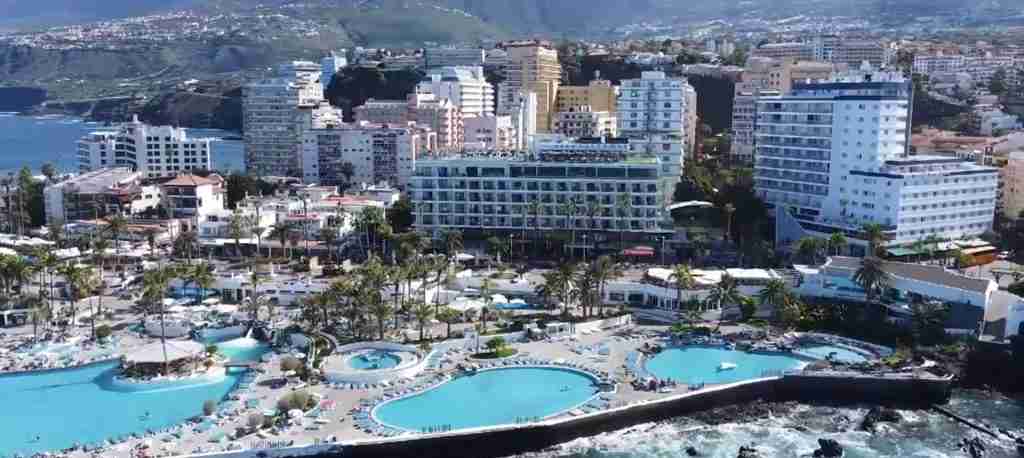
7 days
Tenerife 7-Day Cultural Journey
- ✓ Comprehensive Tenerife experience
- ✓ Expert local guides included
- ✓ All accommodation included
- ✓ Transportation provided
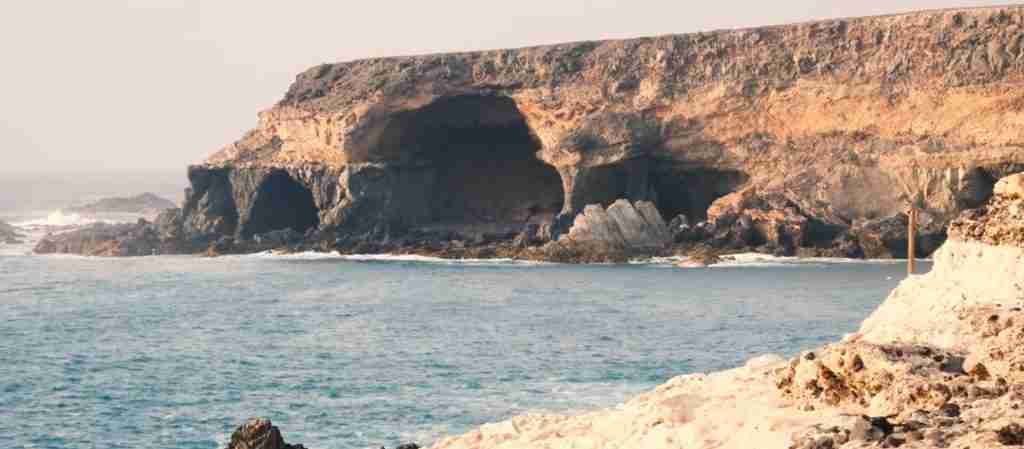
10 days
Tenerife 10-Day Complete Adventure
- ✓ Comprehensive Tenerife experience
- ✓ Expert local guides included
- ✓ All accommodation included
- ✓ Transportation provided
Multi-day tour packages powered by TourRadar. Prices and availability subject to change.
Essential Planning Information for 2026
Entry Requirements and Documentation in 2026
Tenerife operates under Spanish and European Union regulations. EU/EEA/Swiss citizens enter with valid national ID cards or passports, enjoying unlimited stay rights. US, Canadian, Australian, and UK visitors receive 90-day visa-free access within any 180-day period through the Schengen Agreement, requiring passports valid for at least 3 months beyond departure date. Non-Schengen nationals should verify requirements at Spain’s consular websites, as some nationalities need advance visa applications.
Spain removed all COVID-19 entry requirements in October 2022, with no vaccination certificates, testing, or health forms required for 2026 travel. Travel insurance remains strongly recommended covering medical emergencies (public healthcare free for EU citizens, private coverage needed for non-EU visitors), trip cancellations, and lost luggage. Comprehensive policies cost €25-60 for one-week coverage depending on age, trip value, and medical limits.
Currency and Payment Systems in 2026
Tenerife uses the euro (€) with ATMs widely available in all towns and resorts. Credit cards (Visa, Mastercard) receive universal acceptance at hotels, restaurants, and shops, while American Express works at major establishments only. Contactless payments function everywhere, with many vendors preferring cards over cash for amounts above €20. Notify your bank before travel to prevent fraud blocks on foreign transactions.
Exchange rates fluctuate, but US dollars typically convert at €0.85-0.95 per dollar, British pounds at €1.10-1.20 per pound, and Canadian dollars at €0.65-0.75 per CAD in 2026 markets. Airport exchange bureaus offer poor rates with high commissions—use ATMs for best conversion rates with minimal fees. Budget €200-300 cash for small purchases, tips, and rural areas where cards sometimes fail, keeping larger amounts in hotels’ safes.
Mobile Connectivity and Internet Access in 2026
Tenerife provides extensive 4G/5G coverage across populated areas, with service weakening in remote mountain regions like central Anaga forests and high Teide slopes. Major Spanish carriers Movistar, Vodafone, and Orange operate throughout the island. EU visitors enjoy free roaming under EU regulations, using home country data allowances without extra charges. Non-EU travelers face high roaming fees—purchase Spanish SIM cards at airport shops, supermarkets, or carrier stores for €15-25 with 10-20GB data packages lasting one week.
Hotels, restaurants, cafes, and shopping centers offer free WiFi, though connection quality varies. Most accommodations provide reliable in-room internet, while public spaces may require purchases for access codes. Download offline maps, translation apps, and bus schedules before traveling to remote areas.
Understanding Tenerife’s Geography and Regions in 2026
South Coast: Sun-Focused Resort Territory
The southern coast from Los Cristianos to Costa Adeje to Playa de las Américas delivers Tenerife’s driest, sunniest climate with over 300 sunshine days annually and minimal rainfall. This region concentrates resort infrastructure, beach clubs, water sports facilities, and nightlife venues. Playa de las Américas serves party-seekers with bars, clubs, and young crowds. Costa Adeje offers upscale resorts, golf courses, and luxury shopping. Los Cristianos maintains family atmosphere with calm beaches and ferry connections to La Gomera.
Accommodation costs €80-150 per night for 3-star hotels, €150-280 for 4-star resort properties with pools and beach access, and €280-600 for 5-star luxury complexes in summer 2026. Winter rates drop 25-40%. The area lacks authentic Canarian culture but excels for guaranteed beach weather and comprehensive tourism services.
North Coast: Cultural Heart and Green Landscapes
Puerto de la Cruz anchors northern tourism with colonial architecture, botanical gardens, natural pools, and proximity to La Orotava valley’s historic towns. This region experiences more clouds and rain than the south (though still mild by European standards), supporting lush vegetation and dramatic coastal cliffs. La Laguna sits inland at 550 meters elevation, offering UNESCO colonial heritage, university atmosphere, and authentic Canarian daily life.
Northern accommodation runs €60-120 per night for quality 3-star hotels, €120-220 for boutique properties in restored colonial buildings, with fewer large resort complexes than the south. The region attracts culture-focused travelers, hikers, and visitors seeking authentic experiences over beach lounging.
Central Mountains: Teide and High-Altitude Terrain
Teide National Park dominates Tenerife’s interior, covering 190 square kilometers of volcanic landscape from 2,000 to 3,718 meters elevation. The park remains accessible year-round via well-maintained roads, though winter snow (December-March) occasionally closes summit areas. Villages like Vilaflor and Santiago del Teide provide mountain base accommodation and traditional Canarian cuisine.
Day trips from coastal areas work well for most visitors, though serious hikers benefit from overnight stays in park-area accommodation running €70-140 per night for rural hotels and casas rurales. The altitude creates dramatic temperature drops—bring warm layers even in summer when coastal areas bake.
Anaga Rural Park: Ancient Forests and Isolated Villages
The northeastern Anaga massif preserves Europe’s largest laurel forest, a remnant of subtropical vegetation that covered Mediterranean regions millions of years ago. Steep mountain roads wind through mist-shrouded peaks, isolated hamlets, and dramatic coastal viewpoints. The area receives more rainfall than other Tenerife regions, maintaining dense green vegetation year-round.
Anaga requires rental car access as public buses serve only main villages infrequently. The region attracts hikers and nature photographers seeking Tenerife’s wildest landscapes away from beach resort crowds. Plan full-day excursions from northern coastal bases rather than attempting rushed visits.
Best Time to Visit Tenerife in 2026
Spring Season: April-May 2026 Advantages
Spring delivers outstanding Tenerife conditions with temperatures of 20-24°C, blooming wildflowers in Teide National Park, minimal rainfall, and accommodation prices 25-35% below summer peaks. Ocean temperatures reach 19-20°C—cool but swimmable for most visitors. Easter week (April 13-20, 2026) brings Spanish holiday crowds and price spikes, but booking outside this period secures quiet conditions.
Hiking conditions peak in spring with comfortable temperatures, clear visibility, and snow-free mountain trails. La Laguna celebrates various cultural festivals, while whale watching continues strong through May. Hotel rates run €80-180 per night for quality properties versus €120-280 in summer. Flight prices from Europe average €120-220 round-trip, lower than peak season’s €180-350 range.
Summer Season: June-September 2026 Characteristics
Summer guarantees maximum sunshine, warmest ocean temperatures of 22-24°C, and longest daylight hours extending beach time until 9 PM. Trade winds moderate heat on coastal areas, keeping temperatures at 26-30°C rather than oppressive highs. Teide cable car operates full schedules with extended hours, while all tourism infrastructure runs at maximum capacity.
July-August brings peak crowds, with Teide cable car tickets selling out 2-3 weeks ahead, beaches filling by 11 AM, and restaurant reservations recommended for popular venues. Hotel prices peak at €120-280 for mid-range properties. Occasional calima (Saharan dust storms) reduce air quality and visibility 3-5 days per summer month, creating hazy conditions and temperatures spiking to 35°C+. September offers summer weather with fewer crowds as European school holidays end.
Autumn Season: October-November 2026 Benefits
Autumn matches spring quality with temperatures of 21-25°C in October dropping to 19-22°C by November, ocean temperatures remaining swimmable at 21-22°C, and crowd levels declining after September. Rainfall increases slightly in November but remains minimal compared to northern European standards. October serves as Tenerife’s secret peak season for experienced travelers seeking quality weather without summer masses.
Accommodation prices drop 30-40% from summer peaks, with €70-160 securing quality mid-range hotels. Flight prices decrease to €100-200 from European cities. Whale watching season continues strong, hiking conditions remain excellent, and all attractions operate full schedules. Book October weeks avoiding Spanish holidays (Día de la Hispanidad, October 12) for minimum crowds and maximum value.
Winter Season: December-March 2026 Considerations
Winter brings Tenerife’s coolest weather at 17-21°C, perfect for hiking and cultural exploration but less ideal for beach lounging. Ocean temperatures drop to 18-19°C—too cold for most swimmers without wetsuits. Northern regions experience increased rainfall with 4-6 rainy days per month, while the south maintains dry conditions. Teide cable car faces occasional weather closures due to high winds and snow, with January-February showing highest closure frequency.
Winter advantages include lowest accommodation prices (€60-140 for mid-range hotels, 40-50% below summer), minimal crowds at all attractions, peak whale watching season as pilot whales and dolphins concentrate offshore, and pleasant hiking temperatures. Christmas-New Year week (December 20-January 5) sees price spikes and crowd increases as Europeans escape cold northern winters, but January 6-March delivers excellent value and availability.
Accommodation Strategies for 2026
Budget Accommodation: Hostels and Basic Hotels €40-90 per Night
Tenerife’s hostel scene concentrates in Puerto de la Cruz, Santa Cruz, and Los Cristianos, offering dorm beds for €18-35 per person and private rooms for €40-70 nightly in 2026. Top choices include Sunset Beach Club in Los Cristianos with ocean-view dorms and surf atmosphere, Casa Pache in Puerto de la Cruz featuring traditional Canarian architecture and social courtyard, and Tenerife Central in Santa Cruz providing modern facilities near La Laguna bus connections.
Basic 2-star hotels and guesthouses range €50-90 per night for double rooms with private bathrooms, breakfast often included. These properties lack pools and extensive facilities but provide clean accommodation in central locations. Book through Booking.com or Hostelworld for best rates and user reviews. Budget travelers save €30-50 daily using hostels versus mid-range hotels, though social atmosphere and shared facilities don’t suit all travelers.
Mid-Range Accommodation: 3-4 Star Hotels €90-220 per Night
Mid-range hotels dominate Tenerife’s accommodation landscape, offering swimming pools, buffet breakfasts, beach or town-center locations, and professional service. Three-star properties in Puerto de la Cruz, La Laguna, and southern resort areas cost €90-140 per night for standard double rooms in 2026. Four-star hotels with better locations, larger pools, and upgraded rooms range €140-220 nightly.
Excellent mid-range choices include Hotel Botanico in Puerto de la Cruz combining colonial charm with modern amenities (€160-200), Iberostar Grand Mencey in Santa Cruz offering 5-star quality at 4-star prices (€180-220), and several apartment-hotels in southern resorts providing kitchenettes and living spaces for €110-160. Book directly with hotels for best cancellation policies and occasional upgrade opportunities, or use Booking.com for price comparisons.
Apartment accommodation suits families and longer stays, with one-bedroom units costing €70-130 and two-bedroom apartments running €110-200 per night. Kitchens enable grocery shopping and home cooking, reducing daily food costs by €30-60 for couples. Airbnb and Vrbo list thousands of properties, while traditional apartment complexes offer reception services and amenities missing from private rentals.
Luxury Accommodation: 5-Star Resorts €220-600+ per Night
Tenerife’s luxury sector concentrates in Costa Adeje and Playa de las Américas, featuring world-class resorts with multiple restaurants, extensive spa facilities, direct beach access, and premium service. Five-star properties cost €220-380 for standard rooms, €380-600 for suites and premium categories in summer 2026. Top choices include Ritz-Carlton Abama with clifftop setting and Michelin-starred dining (€350-600), Royal Hideaway Corales offering adult-only luxury and innovative architecture (€300-500), and Bahía del Duque combining colonial elegance with comprehensive facilities (€280-450).
Luxury hotels justify premium pricing through included amenities: multiple pools, direct beach access, gourmet buffets, premium spirits, and exceptional service. Many offer all-inclusive packages at €350-550 per person daily covering meals, drinks, and some activities. Book 3-6 months ahead for summer travel, securing better rates and room category availability.
Alternative Accommodation: Rural Hotels and Unique Stays €80-180 per Night
Casas rurales (rural houses) dot Tenerife’s interior villages and northern valleys, offering authentic Canarian architecture, peaceful settings, and local hospitality. These properties cost €80-140 per night for double rooms, often including homemade breakfasts with local products. Standout options include Hotel Rural Finca Salamanca in Güímar valley combining wine estate location with elegant rooms (€110-160) and Casa del Patio in La Orotava featuring restored 17th-century mansion architecture (€90-140).
La Laguna boutique hotels occupy colonial buildings in the UNESCO historic center, providing cultural immersion and evening access to restaurants and bars. Properties like Nivaria Hotel (€100-160) and Laguna Nivaria (€120-180) combine heritage architecture with modern comfort. These locations work better for culture-focused travelers than beach seekers, requiring bus or car connections to coastal areas.
Transportation Guide for 2026
Reaching Tenerife: International and Inter-Island Connections
Tenerife South Airport (TFS) receives most international flights, serving London, Madrid, Barcelona, Frankfurt, Amsterdam, and other European cities with multiple daily connections. Budget carriers like Ryanair, EasyJet, Jet2, and Wizz Air dominate routes, offering flights from €40-120 one-way during off-peak periods and €80-250 in summer 2026. Legacy carriers Iberia, British Airways, and Lufthansa provide service at €120-350 one-way with better baggage allowances and flexibility.
Tenerife North Airport (TFN) handles inter-island flights and some European connections, located closer to Puerto de la Cruz and La Laguna. Binter Canarias operates frequent flights between Tenerife and Gran Canaria (20 minutes, €60-90), Lanzarote (40 minutes, €70-110), and La Palma (30 minutes, €65-100). Book inter-island flights directly through bintercanarias.com for best prices and schedule flexibility.
Ferry services connect Tenerife to neighboring islands through Naviera Armas and Fred Olsen companies. Routes include Los Cristianos to La Gomera (50 minutes, €40-55), Santa Cruz to Gran Canaria (90 minutes, €50-70), and connections to La Palma and El Hierro. Ferries accommodate vehicles for €60-100 additional, useful for multi-island road trips. Book ferries at directferries.com or company websites 1-2 weeks ahead in summer.
Airport Transfers: Getting to Your Accommodation in 2026
Bus 111 connects Tenerife South Airport to Playa de las Américas, Los Cristianos, and Costa Adeje for €4.50, running every 20-30 minutes from 6 AM-midnight with 45-60 minute journey times. Bus 343 links the airport to Santa Cruz (€10.50, 60 minutes) and continues to Puerto de la Cruz (€13.50, 90 minutes) with less frequent service.
Taxis from Tenerife South Airport cost €25-35 to Los Cristianos, €30-40 to Playa de las Américas, €35-45 to Costa Adeje, and €70-90 to Puerto de la Cruz using fixed-price zones eliminating meter concerns. Airport taxi ranks operate 24 hours with immediate availability except rare peak arrival times. Pre-book transfers through hotels or services like Welcome Pickups (€35-55 for southern resorts) for set pricing and English-speaking drivers.
Rental cars available at both airports from €25-45 per day for compact models, €40-70 for SUVs accommodating mountain roads, with better rates for week-long bookings. Companies include international brands Hertz, Avis, Europcar, and local operators Cicar and Autoreisen offering competitive pricing. Book online 2-4 weeks ahead for guaranteed availability and 15-25% web discounts. Roads drive on the right, requiring standard European/international licenses.
Public Transportation: TITSA Bus Network in 2026
TITSA (Transportes Interurbanos de Tenerife) operates comprehensive bus service connecting all major towns, resorts, and attractions. Single rides cost €1.45-4.50 depending on distance, while Ten+ cards (purchasable at bus stations, tobacco shops, and some hotels for €2 initial card fee) offer discounted fares at €1.30-4.00. Load €20-30 on the card for one week’s typical use covering multiple routes.
Key routes include bus 342 connecting Santa Cruz-La Laguna-Puerto de la Cruz (€3.50, 90 minutes total, every 20-30 minutes), bus 110 serving southern resort areas from Los Cristianos through Playa de las Américas to Costa Adeje (€1.45, every 15 minutes), and bus 348 reaching Teide National Park from Puerto de la Cruz (€7.50, 2 hours, 2 daily departures). Download TITSA app for real-time schedules, route planning, and digital card management.
Bus limitations include infrequent service to remote areas like Anaga mountains (2-3 daily buses to main villages only), Masca (1-2 daily), and evening reductions on most routes. Teide cable car lacks direct bus connections—take bus 342 to La Orotava, then taxi €40-50 to cable car base. Weekend schedules reduce frequency 20-30% compared to weekdays. Despite limitations, committed public transport users save €200-400 weekly compared to rental cars when factoring fuel and parking.
Rental Cars: Freedom and Flexibility for 2026
Rental cars unlock Tenerife’s remote regions, mountain villages, hidden beaches, and flexible scheduling impossible with public buses. Compact cars from Cicar, Autoreisen, and international brands cost €25-45 daily for week-long summer rentals, €18-35 in winter, with automatic transmissions adding €5-10 daily. SUVs rent for €40-70 daily, providing better mountain road comfort and space for families.
Fuel costs €1.20-1.40 per liter for gasoline in 2026, with full tanks running €50-70 for compact cars. Island tours consume €30-50 fuel daily covering 100-150 kilometers. Parking in southern resorts costs €1.50-3.00 per hour in paid zones, €10-20 daily in hotel lots, while northern towns and villages offer free street parking. Highways remain toll-free across Tenerife.
Essential routes include TF-21 climbing to Teide National Park from La Orotava (45 minutes, dramatic elevation gain), TF-436 winding through Anaga mountains to Taganana beach village (90 minutes from La Laguna, narrow roads requiring caution), and TF-1 autopista connecting south airports and resorts at highway speeds. Mountain roads feature countless hairpin turns—rental insurance costs €12-25 daily covering collision damage and theft, strongly recommended given road conditions. Book cars through comparison sites like RentalCars.com or directly with Cicar for best local rates and customer service.
Taxis and Private Transfers: Premium Convenience for 2026
Taxis use fixed-price zones for airport transfers and meters for local trips, with minimum fares of €3.75 and per-kilometer rates of €0.55 in towns, €0.74 for inter-town trips. Common journeys cost €8-15 within resort areas, €15-25 between nearby towns, €30-50 for longer cross-island trips. Hail taxis at designated ranks in town centers and resort areas, or call radio taxi services—apps like FreeNow operate in major areas.
Private transfer services from providers like Welcome Pickups and Shuttle Direct offer pre-booked airport pickups for €35-65 depending on destination, including flight monitoring and English-speaking drivers. Multi-day private drivers cost €200-300 for 8-hour daily service including vehicle and driver, useful for groups of 4-6 splitting costs. Calculate whether daily rental car costs plus parking and fuel (€40-70 total) beat scheduled private drivers for intensive sightseeing days.
Teide National Park: Spain’s Volcanic Crown in 2026
Understanding Teide UNESCO World Heritage Significance
Teide National Park received UNESCO World Heritage status in 2007 recognizing its exceptional geological value as the world’s third-largest volcanic structure by base-to-summit height. Mount Teide rises 3,718 meters above sea level (7,500 meters from the ocean floor), creating Spain’s highest peak and a scientific laboratory for volcanic research. The park preserves unique ecosystems adapted to extreme altitude, dramatic temperature fluctuations, and volcanic soils hosting endemic plant species found nowhere else on Earth.
The volcanic landscape formed through millions of years of eruptions, with the current Teide cone developing over the past 170,000 years atop an ancient collapsed caldera called Las Cañadas. The last eruption occurred in 1798 from a lateral vent, with scientists monitoring continuous volcanic activity suggesting future eruptions remain possible within centuries. The UNESCO designation protects 190 square kilometers of volcanic terrain, scientific research zones, and rare high-altitude vegetation including the Teide violet blooming at 3,000+ meters.
Planning Your Teide National Park Visit in 2026
Teide National Park opens 24 hours year-round with free admission to roads and hiking trails, though the cable car (Teleférico del Teide) operates limited schedules and requires paid tickets. Cable car service runs 9 AM-4 PM (last ascent) with final descent at 5 PM during summer season (May-October), closing earlier at 3 PM (last ascent) in winter when weather permits operation. Purchase cable car tickets for €38 adults, €18.50 children ages 3-12 in 2026 (check telefericoteide.com for current official rates). The tickets include round-trip cable car access from 2,356-meter base station to 3,555-meter upper station, placing visitors just 163 vertical meters below the summit crater.
Book cable car tickets online 2-3 weeks ahead during peak summer months (July-September) as daily passenger limits of 1,200 fill quickly. Spring (April-May) and autumn (September-October) shoulder seasons allow booking 1 week ahead, while winter (November-March) often provides same-day availability though weather closures increase. The cable car website provides real-time availability showing sold-out dates in red, encouraging flexible planning.
Summit crater access requires free permits obtained separately through reservasparquesnacionales.es, released 3 months in advance. Permits allow 2-hour access windows to the 3,718-meter summit between 9 AM-5 PM, limited to 200 daily visitors protecting the fragile volcanic environment. Apply exactly 3 months before desired dates as popular days (weekends, summer dates) fill within 24 hours of release. Permits require basic personal information and print-or-digital confirmation showing during summit approach.
Cable Car Experience and Upper Station Activities in 2026
The cable car ascends 1,199 vertical meters in 8 minutes, rising from pine forest zones through alpine scrubland into barren volcanic territory above cloud layers. The eight-person cabins provide panoramic windows revealing Tenerife’s north and south coasts, neighboring islands on clear days, and the massive crater of Pico Viejo. Summer morning departures (9-11 AM) encounter smallest crowds, clearest visibility before afternoon cloud formation, and coolest temperatures making the high-altitude environment more comfortable.
The upper station at 3,555 meters features three marked trails: Telesforo Bravo trail (permit required) ascending 163 meters to the summit in 40 minutes of steep climbing, Mirador de La Fortaleza trail (10 minutes, no permit) reaching viewpoint overlooking south coast and African continent on exceptional clarity days, and Pico Viejo viewpoint trail (15 minutes, no permit) providing perspectives into the 800-meter-wide crater of Teide’s companion volcano.
High-altitude conditions affect all visitors regardless of fitness levels. Oxygen content at 3,555 meters measures 40% less than sea level, causing shortness of breath, dizziness, and headaches for many visitors. Ascend slowly, avoid sudden exertion, and retreat to cable car if symptoms worsen. Temperatures average 5-15°C in summer, -5 to 5°C in winter, requiring warm layers even when coastal areas bake. Strong winds increase cold sensation—bring windproof jackets and layers. Visitor center at base station (open 9 AM-4 PM) provides free exhibits on volcanic geology, historical eruptions, and park ecology.
Hiking Trails and Alternative Teide Experiences in 2026
Hiking trails from park roads provide free Teide experiences avoiding cable car costs and crowds. Montana Blanca trail ascends from 2,350 meters to Altavista refuge at 3,270 meters in 4-5 hours (8.3 kilometers), requiring moderate fitness and proper equipment. The refuge (operated by Refugio Altavista) offers overnight stays for €25 per person including dinner and breakfast, enabling pre-dawn summit hikes reaching the crater at sunrise before crowds arrive. Book refuge beds 3+ months ahead through montanablanca.com as capacity limits to 54 guests nightly.
Roques de García circular trail provides Teide’s most accessible and photographed hike, covering 3.5 kilometers in 90 minutes around bizarre rock formations sculpted by erosion. The route starts from Parador Nacional hotel at 2,150 meters, passing through volcanic landscapes with Teide backdrop views featured in countless photographs and films. The trail requires basic fitness only with minimal elevation gain, though high altitude affects breathing. Free parking at Parador and multiple photo opportunities make this trail extremely popular—arrive before 10 AM for relative solitude.
Visitor centers at El Portillo (north entrance) and Cañada Blanca (south route from Vilaflor) provide free information, trail maps, guided walk schedules, and natural history exhibits. Park rangers lead free guided hikes several times weekly covering volcanic geology, endemic plants, and astronomical heritage—check national park website for current 2026 schedules requiring advance registration. Star gazing attracts visitors year-round as Teide’s altitude, minimal light pollution, and clear Atlantic air create exceptional celestial viewing certified by Starlight Foundation designation.
Practical Logistics for Teide Visits in 2026
Roads to Teide remain well-maintained and accessible year-round to standard vehicles, though winter (December-March) brings occasional snow requiring chains. The TF-21 from La Orotava climbs the northern slope through pine forests with numerous viewpoint stops and trailheads. The TF-21 southern approach from Vilaflor ascends through different volcanic zones showcasing park geological diversity. Both routes converge at Las Cañadas plateau hosting the cable car base station, visitor centers, and Parador hotel.
No food services exist within the park beyond Parador hotel restaurant (expensive tourist pricing) and cable car base station cafeteria (limited options, high prices). Pack substantial snacks, water, and meals for full-day visits. Water fountains operate at visitor centers and Parador only—bring 2-3 liters per person for hiking days. Gas stations operate in Vilaflor, La Orotava, and Guía de Isora before entering park zones—fuel up beforehand.
Organized day tours from all major Tenerife towns cost €45-65 per person including transportation, guide commentary, and 2-4 hours at Teide. These tours suit travelers without rental cars or those preferring guided experiences, though they limit flexibility and time at the summit. Independent visitors control schedules, hiking choices, and photography timing worth the rental car investment.
La Laguna: Colonial UNESCO Heritage in 2026
Understanding La Laguna UNESCO World Heritage Status
San Cristóbal de La Laguna earned UNESCO World Heritage designation in 1999 as the first unfortified Spanish colonial town, establishing the prototype for colonial cities throughout Latin America. Founded in 1496 immediately after Spanish conquest of Tenerife, La Laguna introduced grid-pattern urban planning to the New World, combining wide avenues, central plazas, and religious institutions in layouts replicated across Spanish America for 300 years. The historic center preserves this original 15th-16th century street grid, colonial mansions with traditional Canarian wooden balconies, churches spanning Gothic to Baroque periods, and intellectual heritage as Tenerife’s cultural capital.
UNESCO recognition protects the historic core covering 85 hectares and encompassing over 600 buildings of historical significance. The designation requires maintaining architectural authenticity—restoration projects must preserve original facades, construction materials, and spatial relationships. The city functions as a living heritage site rather than museum piece, with university students, local families, restaurants, shops, and cultural institutions animating the colonial streets with contemporary vitality.
Exploring La Laguna Streets and Architecture in 2026
La Laguna welcomes exploration on foot through pedestrianized streets connecting major monuments, mansions, and plazas within compact historic boundaries. Start at Plaza del Adelantado anchoring the civic center, featuring Town Hall (1546), Market building with iron-and-glass modernist architecture, and Hermitage of San Miguel preserving Mudéjar-influenced design. The plaza hosts weekly farmers markets (Saturdays 8 AM-2 PM) selling local produce, Canarian cheeses, and traditional crafts.
Calle San Agustín forms the main commercial artery, lined with colonial mansions housing boutiques, cafes, and restaurants beneath traditional wooden balconies. Casa Lercaro Museum (€5 entry, open Tuesday-Sunday 10 AM-8 PM) occupies a 16th-century merchant palace, displaying period furniture, Canarian art, and historical exhibits about La Laguna’s founding and development. Casa de los Capitanes (free entry, Monday-Friday 9 AM-2 PM) showcases administrative architecture with beautiful courtyard and rotating cultural exhibitions.
Cathedral of La Laguna dominates religious heritage, featuring neoclassical facade redesigned in 1819 replacing the original Gothic structure. Interior highlights include Flemish altarpieces, 18th-century organ, and elaborate carved choir stalls. Entry costs €5 with museum access covering religious art collections, historical vestments, and rooftop viewpoint (open Monday-Saturday 10 AM-6 PM). Nearby Iglesia de Nuestra Señora de la Concepción displays the city’s oldest church architecture (1496 foundation, rebuilt 1502-1511) with distinctive bell tower, Mudéjar wooden ceiling, and baptismal font used for the first Christian baptisms in Tenerife.
Cultural Experiences and University Atmosphere in 2026
La Laguna hosts Universidad de La Laguna (founded 1792), Canary Islands’ oldest university, infusing the city with youthful energy, affordable dining, alternative culture, and intellectual programming. The university population of 25,000+ students supports tapas bars, bookshops, music venues, and affordable restaurants lining streets radiating from campus areas. Evening visits (after 7 PM) reveal La Laguna’s social character as locals and students fill outdoor terraces for wine, conversation, and tapas culture.
Museum of History and Anthropology (€5 entry, Tuesday-Sunday 10 AM-8 PM) explores Tenerife’s pre-Hispanic Guanche culture, Spanish conquest, colonial society, and agricultural development through extensive artifact collections and interactive exhibits. The museum occupies two colonial buildings—Casa Lercaro for permanent collections, Casa de Carta in nearby Valle de Guerra for Guanche heritage focus. Combined tickets (€7) cover both sites with free audio guides in multiple languages.
Teatro Leal stages theatrical productions, classical music concerts, and cultural events in a beautifully restored 1915 theater featuring modernist decoration and 547-seat capacity. Check programación (calendar) at teatroleal.es for current 2026 performances including Spanish drama, chamber music, and occasional English-language productions. Ticket prices range €10-25 depending on performance type.
Dining and Nightlife in La Laguna 2026
La Laguna delivers Tenerife’s best concentration of authentic Canarian restaurants, tapas bars, and affordable student-oriented dining. Traditional guachinches (simple family-run taverns) serve home-cooked Canarian classics for €8-15 per person including wine, featuring dishes like papas arrugadas (wrinkled potatoes) with mojo sauce, carne fiesta (marinated pork), and garbanzas (chickpea stews). Notable guachinches include El Cordero near San Benito neighborhood and Guachinche El Pinito on city outskirts.
Tapas culture thrives along Calle Herradores and surrounding streets where bars offer small plates for €2.50-5.00, regional wines for €1.50-3.00 per glass, and social atmosphere perfect for evening grazing. Quality tapas bars include La Tasquita de Arodi serving creative Canarian-Mediterranean fusion and Tasca El Olivo offering traditional preparations. Full restaurant meals cost €12-20 for lunches, €20-35 for dinners at mid-range establishments, versus €35-60 at upscale venues featuring refined Canarian cuisine.
Nightlife ranges from quiet wine bars to dance clubs depending on district and day. Thursday-Saturday nights bring student party atmosphere with bars open until 3-4 AM and clubs continuing to dawn. The San Benito and Centro neighborhoods concentrate nightlife venues, while historic core maintains quieter, sophisticated atmosphere in wine bars and lounges. Cover charges rarely exceed €5-10, with drinks costing €4-8 for cocktails, €2-4 for beers.
Practical Planning for La Laguna in 2026
La Laguna sits 8 kilometers inland from Santa Cruz connected by TITSA bus 014 and 015 running every 10-15 minutes throughout the day (€1.45, 20-minute journey). The tram system (Tranvía de Tenerife) links La Laguna to Santa Cruz in 38 minutes (€1.35) with stations at La Trinidad and Universidad neighborhoods—useful for north coast bases. From Puerto de la Cruz, bus 342 provides direct service to La Laguna (€3.50, 45 minutes, every 20-30 minutes).
Parking challenges arise in the historic center with pedestrianized zones and limited street parking. Use the underground parking garage at Plaza del Cristo (€1.50 per hour, €12 daily maximum) or free street parking in residential neighborhoods 10-15 minutes walk from the center. The compact historic core suits walking exploration—allocate 3-4 hours minimum for architectural touring, 5-7 hours including museum visits and meals, or full-day visits combining morning sightseeing with evening tapas culture.
La Laguna receives far fewer tourists than southern beach resorts or Puerto de la Cruz, maintaining authentic local character. English proficiency remains limited outside hotels and major museums—basic Spanish phrases enhance interactions. Free walking tours operate weekends through tourist office (Plaza del Adelantado, open Monday-Friday 9 AM-6 PM, Saturday 10 AM-2 PM), providing excellent historical context and architectural insights lasting 90 minutes. No advance booking required—arrive 15 minutes before departure times listed on tourist office window.
Hidden Gems Beyond UNESCO Sites in 2026
Anaga Rural Park: Europe’s Laurel Forest Wilderness
Anaga Rural Park preserves 48 square kilometers of ancient laurel forest—a subtropical vegetation type that covered Mediterranean regions millions of years ago but now survives only in Macaronesia (Canary Islands, Madeira, Azores). The park’s dramatic mountain landscape rises from sea level to 1,024-meter peaks through hairpin roads, isolated villages clinging to ridges, and hiking trails penetrating moss-covered forests shrouded in Atlantic mists. UNESCO designated Anaga a Biosphere Reserve in 2015 recognizing its unique ecology and traditional agricultural practices.
Road access requires rental cars navigating TF-12 from La Laguna to Chamorga village (45 minutes) and TF-134 coastal road to Taganana (50 minutes from Santa Cruz). The roads feature countless sharp curves, steep drop-offs, and narrow passages where vehicles must reverse to passing points—drive cautiously and avoid after dark. Cruz del Carmen visitor center (open daily 9:30 AM-4 PM) provides free trail maps, natural history exhibits, and current conditions updates. The attached restaurant serves traditional Canarian meals for €12-18.
Hiking trails range from easy forest walks to challenging coastal routes. Bosque Encantado (Enchanted Forest) trail offers 30-minute loop through dense laurel forest from Cruz del Carmen showcasing moss-draped trees and endemic vegetation. Challenging hikers tackle Chamorga to Faro de Anaga lighthouse trail (7 kilometers, 3-4 hours) descending to Tenerife’s northeastern tip with dramatic coastal panoramas. Afur to Taganana coastal route (8 kilometers, 4-5 hours) traverses mountain ridges with ocean views before descending to Taganana beach village for well-earned meals and ocean swimming.
Allocate full days for Anaga exploration as the area lacks accommodation infrastructure (nearest hotels in La Laguna or Santa Cruz) and evening mountain driving increases difficulty. Pack food and water as villages offer limited dining options outside Taganana’s seafood restaurants. The forests receive frequent fog and light rain creating mystical atmosphere but potentially wet conditions—bring waterproof layers year-round.
Masca Village: Dramatic Gorge and Mountain Culture
Masca clings to a mountain ridge at 650 meters in Teno Rural Park, accessible via TF-436 road featuring some of Tenerife’s most spectacular (and nerve-wracking) driving through countless hairpin turns and dramatic elevation changes. The village population of 90 residents maintains traditional Canarian architecture, terrace agriculture, and isolation despite daily tourist bus arrivals. The setting rivals any European mountain village with houses perched on cliff edges, palm groves filling the gorge, and views extending to La Gomera island across the channel.
The famous Masca Gorge hike descends 600 meters over 8 kilometers from the village to Los Gigantes cliffs and ocean access, requiring 3-4 hours downhill and boat pickup (€12) to Los Gigantes harbor. The trail sustained severe damage in 2018 from storms and remained closed for extensive reconstruction. As of early 2026, the trail operates under permit system limiting daily hikers to 300 with mandatory advance booking through teneriffa.com/masca-barranco. Permits cost €5 per person plus boat return ticket (€12), released 30 days before hiking date.
Non-hikers enjoy Masca’s atmospheric village lanes, craft shops selling local honey and palm basket work, and several restaurants perched on terraces with gorge views serving traditional Canarian cuisine for €15-25 per person. Arrive early (before 10 AM) to avoid tour bus crowds filling the village 11 AM-3 PM. The drive from southern resorts takes 75-90 minutes via Santiago del Teide, while northern bases require similar time via Icod de los Vinos route.
Garachico: Natural Pools and Historic Harbor Town
Garachico served as Tenerife’s principal port until 1706 when volcanic eruption destroyed the harbor, creating instead the island’s most beautiful natural swimming pools—El Caletón. Black volcanic rock platforms form protected pools filled by Atlantic waves, providing safe ocean swimming in dramatic natural settings. The pools operate free year-round from sunrise to sunset with changing facilities, lifeguards during summer (June-September), and wheelchair accessibility via ramps. Arrive before 11 AM for optimal conditions before afternoon crowds and wind pickup.
The historic town center preserves colonial architecture including Castillo de San Miguel fortress (1575, free entry), Santa Ana Church featuring elaborate Baroque decoration, and Convento de San Francisco hosting contemporary art exhibitions. Plaza de la Libertad anchors town life with cafes, restaurants, and ocean views from multiple terraces. Monday evenings bring free classical music concerts (May-October) at 8:30 PM in various historic venues—check tourist office for current schedules.
Garachico works as northern coast day trip or meal destination, lacking significant accommodation options beyond 2-3 small hotels. Buses 107 and 363 connect to Puerto de la Cruz (€2.50, 35 minutes), while southern visitors drive 60-75 minutes via autopista and mountain roads. Combine Garachico with nearby Icod de los Vinos featuring Drago Milenario (ancient dragon tree, €5 entry) and wine museum (€3) for full-day northern circuit.
Los Gigantes: Dramatic Cliffs and Whale Watching
Los Gigantes cliffs plunge 600 vertical meters into deep Atlantic waters, creating one of Europe’s most impressive coastal formations visible from the resort town sharing the cliff name. The geological formation resulted from ancient landslides creating sheer rock faces of dark volcanic basalt contrasting against blue ocean. Boat excursions departing Los Gigantes harbor approach the cliff base, providing perspectives impossible from land viewpoints.
Whale and dolphin watching operates year-round from Los Gigantes with high success rates—resident pilot whale pods inhabit waters year-round while bottlenose dolphins appear frequently. Three-hour excursions cost €40-55 per adult with reputable operators like Bonadea II and Flipper Uno including swim stops, refreshments, and naturalist guides. Morning departures (9-10 AM) encounter calmest seas and most active marine life. Book 2-3 days ahead in summer, day-before in shoulder seasons through hotel concierges or operator websites.
Los Gigantes beach (Playa de los Guíos) offers black volcanic sand, calm waters, and cliff backdrop for swimming and relaxation. The resort town provides mid-range hotels (€90-180 per night), seafood restaurants with cliff-view terraces, and quiet family atmosphere contrasting with party-focused Playa de las Américas 25 kilometers south. Bus 325 and 462 connect to southern resorts (€2.50-3.50, 30-50 minutes depending on origin), while rental cars enable combined trips with Masca village and Teno Rural Park.
Tenerife Outdoor Activities and Adventures in 2026
Diving and Snorkeling: Atlantic Marine Life
Tenerife’s volcanic underwater topography creates excellent diving with caves, walls, and wrecks hosting abundant Atlantic marine life. Water temperatures range 19-24°C year-round, requiring 3mm-5mm wetsuits depending on season and personal cold tolerance. Visibility averages 15-30 meters with clearest conditions September-May. Dive centers concentrate in Los Cristianos, Las Galletas, Puerto de la Cruz, and Los Gigantes offering PADI courses, guided dives, and equipment rental.
Single dives cost €45-60 including equipment, guide, and boat transport to sites. Popular dive sites include El Condesito wreck near Las Galletas (intact fishing vessel at 18 meters depth hosting barracuda, rays, and groupers), Cueva de las Cambroneras near Puerto de la Cruz (cave system with impressive rock formations and rich fish populations), and Los Chuchos near Los Gigantes (eagle ray aggregation site with frequent turtle sightings).
Snorkeling works best from protected coves and beaches offering calm conditions and rocky substrates. Playa de las Teresitas near Santa Cruz, La Caleta near Costa Adeje, and various bays in Anaga coastal areas provide good snorkeling without boat requirements. Rent equipment from dive shops (€10-15 daily) or bring personal gear. Guided snorkel tours from €35 per person include equipment, instruction, and boat access to optimal sites.
Surfing and Water Sports: Waves and Wind
North coast swells provide consistent surf September-April with breaks around Bajamar, Punta del Hidalgo, and El Socorro beach accommodating intermediate-advanced surfers. South coast remains generally calm except occasional summer swells. Surf schools in Puerto de la Cruz and Playa de las Américas offer lessons for €40-60 per 2-hour session including board and wetsuit. Board rentals cost €15-25 daily for shortboards, €20-30 for longboards.
Windsurfing and kitesurfing operate from El Médano on Tenerife’s southeastern coast, benefiting from consistent trade winds and large sandy beach. Wind season peaks June-September with daily afternoon breezes reaching 20-30 knots. Schools offer beginner courses (€200-280 for 3-day programs) and advanced coaching (€60-80 per hour). Equipment rental costs €50-80 daily for complete setups.
Stand-up paddleboarding grows popular from calm southern bays and Los Gigantes area. Rental costs €15-25 per hour, €40-60 for half-day, with lessons available for €45-60 covering 2 hours of instruction and practice. Kayak rentals operate from similar prices at beach locations across the island, with guided coastal tours from €50-75 exploring sea caves and cliff bases.
Paragliding: Aerial Perspectives on Volcanic Landscapes
Tenerife’s mountains, coastal cliffs, and year-round thermal conditions create world-class paragliding attracting international pilots. Tandem flights for first-timers launch from various sites including Izaña (2,200 meters) for Teide views and Valle de Güímar for coastal perspectives. Flights last 20-40 minutes covering 8-15 kilometers horizontal distance while losing 800-1,500 meters elevation, landing on coastal beaches or designated fields.
Tandem paragliding costs €90-120 per person with experienced pilots, including transport to launch sites, equipment, flight, and GoPro video documentation. Schools like Overfly Tenerife and Fly Tenerife operate year-round with weather-dependent scheduling—morning flights (9-11 AM) encounter smoothest conditions. Book 2-3 days ahead allowing weather flexibility, with operators contacting you the evening before to confirm conditions. Weight limits typically max at 100 kilograms for safety reasons. No experience needed as pilot controls the wing completely.
Stargazing: Teide’s Astronomical Heritage
Teide National Park ranks among Earth’s best stargazing sites with high altitude reducing atmospheric distortion, minimal light pollution from sparse surrounding population, and clear Atlantic air providing exceptional transparency. The Teide Observatory operates at 2,400 meters housing international astronomical research facilities, while Starlight Foundation designated Tenerife a Starlight Tourist Destination and Starlight Reserve protecting dark skies.
Organized stargazing tours operate from various island locations, but Teide programs provide premium experiences. Volcano Teide Experience offers sunset-and-stars packages (€55-75) including cable car tickets, sunset viewing from upper station, and telescope-aided star gazing after dark with astronomer guides. Tours run year-round (weather permitting) with summer programs (May-October) lasting until 11 PM, winter programs (November-April) finishing 9 PM due to cold.
Independent stargazers drive to cable car parking areas after closing time for free sky access, though rangers may request departures by midnight. Bring warm layers (temperatures drop to 5°C or lower at 2,100+ meters), red flashlights preserving night vision, and star charts or apps (Stellarium, SkySafari). Full moon periods reduce star visibility—plan visits during new moon phases for darkest skies and maximum stellar displays. Winter months offer longest darkness hours and clearest atmospheres, though coldest temperatures.
Money-Saving Strategies for 2026 Tenerife Travel
Accommodation Cost Reduction Techniques
Book accommodation 3-6 months ahead for summer travel, securing 15-30% lower rates than last-minute bookings. Use comparison sites (Booking.com, Hotels.com) checking multiple platforms as exclusive deals vary. Consider apartment rentals for stays over 4 nights—cooking breakfast and some dinners saves €20-40 daily per couple versus full restaurant meals.
Target shoulder seasons (April-May, October-November) for 25-40% accommodation discounts versus peak summer while maintaining good weather. Avoid Spanish holiday weeks (Semana Santa in April, August national holidays) when domestic tourism spikes pricing. Stay in Puerto de la Cruz or La Laguna rather than southern resorts, saving €30-60 nightly for equivalent quality while accessing UNESCO sites easily.
Join hotel loyalty programs (Marriott Bonvoy, IHG Rewards) earning points on paid stays enabling future free nights. Check credit card travel benefits—some cards provide automatic hotel elite status, free breakfast, or room upgrades at participating properties. Consider rural hotels (casas rurales) in inland villages offering €70-120 rates versus €140-220 coastal equivalents, though requiring rental cars for access.
Dining Budget Optimization Strategies
Lunch menus (menu del día) at local restaurants provide 2-3 courses with bread and drink for €10-15, offering 40-50% savings versus evening à la carte dining. Order these fixed-price menus at traditional Canarian restaurants frequented by locals rather than tourist-focused establishments near attractions. Seek out guachinches (traditional taverns) serving home-cooked meals for €8-12 per person including wine.
Shop at Mercadona, Lidl, or HiperDino supermarkets for breakfast items, snacks, and picnic ingredients. Prepare simple meals in apartment kitchens—local cheese, bread, tomatoes, and wine from supermarkets cost €10-15 versus €25-40 restaurant equivalents. Markets in La Laguna (Saturdays), Santa Cruz (Sundays at Mercado de Nuestra Señora de África), and Puerto de la Cruz (daily Mercado Municipal) sell fresh produce, local cheeses, and prepared foods cheaper than supermarkets.
Avoid hotel breakfast buffets costing €12-18 per person when nearby cafes serve fresh pastries and coffee for €4-6. Skip tourist-area restaurants with English menus and photo displays—authentic local spots 2-3 streets inland charge 30-40% less for better quality. Order shared tapas plates for €12-20 total versus individual mains at €15-25 each, experiencing more variety while reducing costs.
Transportation Savings Approaches
Purchase TITSA Ten+ cards providing discounted bus fares at €1.30-4.00 versus €1.45-4.50 single tickets. Load €20-30 on cards for one week’s travel, saving €8-15 total on typical multi-day usage. Plan routes using TITSA app minimizing transfers and identifying routes serving multiple destinations in single journeys.
Calculate rental car breakeven points—if visiting Teide, Anaga, Masca, and other remote areas over 3-4 days, rental cars at €30-45 daily plus €15-25 fuel often cost less than organized tours at €45-65 per person per destination. Share rental costs splitting 4-way in groups, reducing individual daily costs to €12-18 per person versus €45-65 for bus tours.
Book rental cars through comparison sites 2-4 weeks ahead securing 15-25% web discounts. Decline expensive airport pickup supplements (€20-35 per rental) by using buses to town offices where cars cost less. Skip unnecessary insurance add-ons like Personal Accident Insurance (PAI) if covered by credit cards or travel insurance, saving €8-15 daily. Fill fuel tanks away from airports where prices run €0.10-0.15 per liter higher.
Activity and Attraction Budget Management
Book Teide cable car tickets directly through telefericoteide.com avoiding third-party markup of €5-10 per ticket. Skip commercial sunset tours (€45-65) by driving independently to Teide viewpoints for free sunset experiences. Apply for free summit permits through official channels rather than paying €15-25 tour operator processing fees.
Visit free attractions including La Laguna historic center, Garachico pools, coastal viewpoints, and hiking trails throughout the island. These experiences match or exceed quality of paid attractions while eliminating €5-15 per person entry fees. Download free audio guides or use Wikipedia for self-guided cultural tours rather than €25-40 guided walking tours.
Purchase combined tickets where available—La Laguna museums offer €7 combined entry versus €5 individual (saving €3), while some whale watching companies bundle beach club access (otherwise €15-25) for minimal supplements. Look for Tuesday-Thursday activity discounts when operators reduce prices 10-20% filling mid-week capacity. Book multi-day activity packages (diving, surfing) receiving 15-25% per-session discounts versus individual bookings.
Sample 2026 Tenerife Itineraries
4-Day Budget Itinerary: UNESCO Sites and Natural Beauty
Day 1 – La Laguna UNESCO Heritage: Morning bus from Puerto de la Cruz hostel to La Laguna (€3.50), exploring Cathedral (€5), Casa Lercaro Museum (€5), and colonial streets. Lunch at guachinche (€10-12), afternoon walking tour and Plaza del Adelantado visits. Evening tapas in student district (€15-20). Return bus to Puerto de la Cruz (€3.50). Accommodation €25 hostel dorm. Museum €10, lunch €12, tapas €18, transport €7. Total day cost: €47 per person (excluding accommodation €25).
Day 2 – Teide National Park by Bus: Early bus 342 to La Orotava (€3.50), taxi to Teide cable car base (€40 split between 2 travelers = €20 each), cable car ticket (€38), summit exploration 3 hours, taxi back to La Orotava (€20 split), bus to Puerto de la Cruz (€3.50). Pack picnic lunch from supermarket (€8). Accommodation €25 hostel dorm. Cable car €38, taxis €40 (€20 per person split), bus €7, food €8. Total day cost: €73 per person (excluding accommodation €25).
Day 3 – Anaga Forest Hike: Bus 076 from Puerto de la Cruz to Cruz del Carmen visitor center (€4.50), hike Bosque Encantado trail and longer routes (3-4 hours, free), lunch at Cruz del Carmen restaurant (€15), afternoon exploration and viewpoints, return bus (€4.50). Accommodation €25 hostel dorm. Transport €9, lunch €15. Total day cost: €24 per person (excluding accommodation €25).
Day 4 – Garachico Natural Pools and North Coast: Bus 107 to Garachico (€2.50), morning swimming at El Caletón pools (free), historic town exploration (free), lunch at seafood restaurant with ocean views (€18), afternoon relaxation, return bus via Icod de los Vinos with Dragon Tree stop (€5 entry, €2.50 bus segment). Accommodation €25 hostel dorm. Transport €5, entry €5, lunch €18. Total day cost: €28 per person (excluding accommodation €25).
4-Day Budget Total: Accommodation €100 (4 nights hostels), daily activities and meals €172 (€43 average per day). Total budget trip: €272 per person for comprehensive Tenerife experience using public transportation and budget accommodation.
7-Day Mid-Range Itinerary: Complete Island Exploration
Day 1 – Arrival and Southern Acclimatization: Airport bus to Costa Adeje hotel (€4.50), check-in at 3-star beachfront property, afternoon beach relaxation and resort familiarization, dinner at local Canarian restaurant (€30-40). Accommodation €140 mid-range hotel. Transport €4.50, dinner €35. Total day cost: €39.50 per person (excluding accommodation €140).
Day 2 – Teide National Park Full Day: Rental car pickup (€35 daily rate), drive to Teide via southern route through Vilaflor (90 minutes), cable car ticket (€38), summit exploration and upper station trails (3 hours), lunch at Parador (€25), afternoon Roques de García hike (2 hours, free), drive back via different route with viewpoint stops. Accommodation €140. Car €35, cable car €38, fuel €12, lunch €25. Total day cost: €110 per person (excluding accommodation €140).
Day 3 – La Laguna and Anaga Mountains: Drive to La Laguna (45 minutes), morning exploring UNESCO historic center and museums (€10 combined ticket), lunch at traditional restaurant (€18-22), afternoon drive through Anaga Rural Park with Cruz del Carmen visitor center stop and short forest hikes, return via coastal route stopping at Taganana beach village, dinner in Costa Adeje (€35). Accommodation €140. Museums €10, fuel €15, lunch €20, dinner €35. Total day cost: €80 per person (excluding accommodation €140).
Day 4 – Masca Village and Los Gigantes: Drive to Masca village via scenic mountain roads (90 minutes), morning village exploration and photography, lunch with gorge views (€20-25), afternoon drive to Los Gigantes, 3-hour whale watching boat tour with swim stop (€50), evening seafood dinner overlooking cliffs (€40-45). Accommodation €140. Fuel €18, lunch €22, whale tour €50, dinner €42. Total day cost: €132 per person (excluding accommodation €140).
Day 5 – North Coast Cultural Circuit: Morning drive to Puerto de la Cruz, Botanical Gardens visit (€3), Lago Martiánez pools (€5.50), lunch at local restaurant (€15-18), afternoon exploring historic center and San Felipe Castle, drive to Garachico for natural pools swimming and sunset, dinner at Garachico harbor restaurant (€25-30), return drive. Accommodation €140. Botanical €3, pools €5.50, fuel €15, lunch €17, dinner €28. Total day cost: €68.50 per person (excluding accommodation €140).
Day 6 – Southern Leisure and Water Activities: Morning water sports lesson (stand-up paddleboard or surf, €50-60), beach club lunch (€20-25), afternoon beach relaxation or optional spa treatment (€70-90), evening farewell dinner at upscale Canarian restaurant (€50-60). Accommodation €140. Water sports €55, lunch €22, spa €80, dinner €55. Total day cost: €212 per person (excluding accommodation €140).
Day 7 – Departure: Morning final beach time or souvenir shopping, hotel checkout, bus to airport (€4.50). Breakfast at cafe (€8), transport €4.50. Total day cost: €12.50 per person.
7-Day Mid-Range Total: Accommodation €980 (7 nights mid-range hotel), rental car €245 (7 days at €35 daily), daily activities, fuel, and meals €654.50 (€93.50 average per day). Total mid-range trip: €1,879.50 per person for comprehensive Tenerife exploration with rental car freedom and comfortable accommodation.
5-Day Luxury Itinerary: Premium Tenerife Experiences
Day 1 – Luxury Arrival and Resort Immersion: Private airport transfer to Ritz-Carlton Abama (€65), check-in to ocean-view room, afternoon spa treatment and pool time, sunset cocktails at beach club, dinner at resort’s Michelin-starred restaurant Kabuki (€120-150 per person). Accommodation €380 luxury resort. Transfer €65, spa €110, dinner €135, cocktails €25. Total day cost: €335 per person (excluding accommodation €380).
Day 2 – Private Teide Experience: Private driver-guide full-day service (€280 for 2 people = €140 per person), Teide cable car skip-line tickets (€38), gourmet picnic lunch in national park (€45 per person), sunset viewing from optimal locations, stargazing session with portable telescope and expert guide (€75 per person). Accommodation €380. Private guide €140, cable car €38, lunch €45, stargazing €75. Total day cost: €298 per person (excluding accommodation €380).
Day 3 – Cultural Immersion and Gastronomy: Private guide La Laguna historical tour (€90 per person half-day), exclusive access to private art collections and historic buildings, lunch at renowned Canarian restaurant (€55-65), afternoon wine tasting at prestigious Tacoronte-Acentejo winery (€45 including premium wines and pairings), return to resort for dinner at Spanish-Japanese fusion restaurant (€90-110). Accommodation €380. Guide €90, lunch €60, wine tasting €45, dinner €100. Total day cost: €295 per person (excluding accommodation €380).
Day 4 – Private Yacht Charter and Marine Experience: Private yacht half-day charter departing Los Gigantes (€800 for 2 people = €400 per person), includes captain, crew, catering, drinks, snorkeling equipment, and potential whale encounters, lunch aboard prepared by yacht chef (included), afternoon swimming in secluded coves, champagne sunset cruise. Accommodation €380. Yacht charter €400 (all-inclusive). Total day cost: €400 per person (excluding accommodation €380).
Day 5 – Wellness and Departure: Morning couples’ spa package including massages, facials, and thermal circuit (€180 per person), resort pool and beach final relaxation, gourmet farewell lunch at resort’s Mediterranean restaurant (€70-85), private transfer to airport (€65). Spa €180, lunch €78, transfer €65. Total day cost: €323 per person.
5-Day Luxury Total: Accommodation €1,900 (5 nights luxury resort), daily experiences, dining, and services €1,651. Total luxury trip: €3,551 per person for premium Tenerife experience with private services, Michelin dining, and exclusive access.
Booking and Reservations for 2026
Official Tourism Resources and Information Channels
Tenerife Tourism operates comprehensive official websites and information centers providing accurate, current planning resources. The primary portal webtenerife.com offers English-language information on attractions, events, accommodation, transportation, and downloadable brochures. Tourist information offices operate in major towns including Plaza de España in Santa Cruz (Monday-Friday 8 AM-6 PM, Saturday 9 AM-1 PM), Playa de las Américas (daily 9 AM-5 PM), and Puerto de la Cruz Casa de la Aduana (Monday-Friday 9 AM-6 PM). Staff provide free maps, activity brochures, and personalized recommendations.
Download Visit Tenerife official app (iOS and Android) for offline maps, attraction information, event calendars, and emergency contacts accessible without internet connection. The app includes GPS-enabled walking routes, audio guides for historic sites, and real-time transportation updates during your 2026 visit.
Accommodation Booking Strategies and Platforms
Book hotels through comparison sites (Booking.com, Hotels.com, Expedia) checking multiple platforms as exclusive deals vary. Filter searches by guest ratings (8.0+), location proximity to desired areas, and amenities matching travel style (pools for families, quiet zones for couples, social areas for solo travelers). Read recent reviews focusing on comments from your travel demographic—solo travelers, couples, families—for relevant insights.
Consider direct hotel bookings after comparing aggregator prices. Many properties offer “best rate guarantees” or direct booking benefits including free breakfast, room upgrades, flexible cancellation, or welcome amenities. Chain hotels (Iberostar, Meliá, H10) provide loyalty program benefits through direct bookings earning future free nights. Book 3-6 months ahead for summer peak season, 1-3 months for shoulder seasons, or even last-minute for winter bargain rates.
Apartment platforms (Airbnb, Vrbo, HomeAway) offer private accommodation with kitchens, living spaces, and local neighborhood immersion. Apply filters for “Superhost” status indicating proven track records, instant booking confirmation, and recent positive reviews. Request responsive communication from hosts before booking, verifying exact locations, nearby transportation, and amenity details matching listings.
Activity and Tour Booking Recommendations
Book Teide cable car tickets through official website telefericoteide.com 2-3 weeks ahead in peak summer, 1 week for shoulder seasons. The site displays real-time availability with sold-out dates marked clearly. Apply for free summit permits through reservasparquesnacionales.es exactly 3 months before desired dates as competitive summer slots fill within 24 hours of release.
Whale watching tours book through operator websites (bonadea2.com, flipper-tenerife.com) or GetYourGuide, Viator platforms comparing prices and reviews. Direct bookings often provide 10% discounts versus aggregator platforms. Book 2-3 days ahead in summer allowing weather flexibility as rough seas cancel tours. Operators contact participants 12-24 hours before departure confirming conditions and pickup details.
Organized day tours to Teide, Anaga, or multi-destination circuits book through hotel concierges, tourism offices, or platforms like GetYourGuide and Viator. Compare itinerary details—some tours rush through multiple stops spending 30 minutes each, while quality programs dedicate 2-3 hours at major sites enabling meaningful exploration. Read reviews identifying tours praised for knowledgeable guides, appropriate pacing, and small group sizes (12-16 maximum) versus mass bus operations cramming 50+ participants.
Restaurant Reservations and Dining Planning
Fine dining restaurants and popular tapas bars in La Laguna require reservations 1-3 days ahead, especially Friday-Saturday evenings and summer peak season. Book through OpenTable, TheFork, or direct restaurant contact via phone or Instagram messaging. Michelin-starred venues like Kabuki at Ritz-Carlton Abama need 1-2 weeks advance booking for summer dinner slots.
Traditional guachinches operate first-come service without reservations, though arriving before 8 PM secures tables during busy periods. Most mid-range restaurants accommodate walk-ins except peak summer weekends when 1-day advance calls help guarantee seating. Spanish dining hours run later than northern European or North American norms—lunch peaks 2-4 PM, dinner starts 8 PM reaching maximum activity 9:30-11 PM.
Planning Your 2026 Tenerife Visit
Pre-Departure Preparation Checklist
Book accommodation 3-6 months ahead for summer travel, securing better rates and availability. Purchase international flights 2-4 months before departure for optimal pricing—earlier booking often costs more as airlines haven’t released full schedules. Reserve rental cars 2-4 weeks ahead through comparison sites, downloading confirmations and noting pickup locations different from airports when securing better rates.
Apply for Teide summit permits 90 days before travel through national park reservation system if planning crater access. Book cable car tickets 2-3 weeks ahead for peak season visits. Arrange travel insurance covering medical emergencies, trip cancellations, and lost luggage—comprehensive policies cost €25-60 for one-week coverage depending on trip value and medical limits.
Download essential apps before departure: Google Maps with offline Tenerife maps, TITSA bus app for public transport schedules, Google Translate with Spanish downloaded for offline use, WhatsApp for international communication, and Visit Tenerife official tourism app. Notify credit card companies of travel dates preventing fraud blocks on foreign transactions. Pack appropriate clothing layers for altitude temperature variations between coastal warmth and Teide cold.
Arriving and Settling into Tenerife in 2026
Exchange minimal currency at airports (€50-100 maximum for immediate taxi or bus needs) as ATMs provide better rates. Withdraw euros from bank ATMs avoiding independent machines charging €3-5 fixed fees plus poor exchange rates. Activate international phone plans or purchase Spanish SIM cards at airport shops, supermarkets, or carrier stores for €15-25 with 10-20GB data packages.
Familiarize yourself with accommodation neighborhood through short walking orientation identifying nearest supermarkets, ATMs, restaurants, and bus stops. Ask hotel reception for local maps, restaurant recommendations, and current activity schedules. Many properties offer printed area guides with practical information unavailable online.
Purchase TITSA Ten+ cards immediately if using public transportation, loading €20-30 for week-long travel at reduced fares. Rental car pickups involve documentation checks (passport, driver’s license, credit card), vehicle inspection noting existing damage on forms, and understanding fuel policies (usually full-to-full requiring return with full tank avoiding €30-50 refueling charges).
Practical Daily Life and Cultural Awareness
Spanish language skills enhance experiences though English functions in major tourist areas. Learn basic phrases: “Hola” (hello), “Gracias” (thank you), “Por favor” (please), “La cuenta” (the bill), “¿Cuánto cuesta?” (how much does it cost). Locals appreciate attempts at Spanish even if responses switch to English. Tipping practices remain moderate—round up to nearest euro for coffee, leave €1-2 for casual restaurant meals, 5-10% for upscale dining, though service charges often included in bills.
Meal times follow Spanish schedules with breakfast 8-10 AM, lunch 1:30-3:30 PM, and dinner 8:30-11 PM. Shops and businesses close 1:30-4:30 PM for siesta in some areas, especially away from major resorts. Sunday trading laws restrict supermarket and shop hours—plan grocery shopping accordingly or use small convenience stores operating limited Sunday hours at higher prices.
Tenerife maintains safe environment for tourists with low violent crime rates. Practice standard precautions: secure valuables in hotel safes, avoid displaying expensive jewelry or electronics on beaches, watch belongings in crowded areas and public transport. Emergency number 112 connects to police, ambulance, and fire services with English-speaking operators. Pharmacies (farmacias) identified by green crosses sell over-the-counter medications, though prescription requirements differ from other countries—bring sufficient medication supplies or prescriptions.
Frequently Asked Questions About Tenerife 2026 Travel
What language is spoken in Tenerife and will I need Spanish?
Spanish serves as the official language in Tenerife with a distinct Canarian accent and vocabulary variations from mainland Spain. Major tourist areas including southern resorts, popular attractions, hotels, and tour operators provide extensive English-language service. Rental car companies, airport staff, and tourist information centers employ English speakers. However, authentic local experiences in La Laguna restaurants, northern town shops, guachinches, and rural villages require basic Spanish or translation apps. Learning essential phrases enhances interactions and demonstrates cultural respect. Menus in tourist zones appear in English, German, and Spanish, while neighborhood restaurants use Spanish-only menus with staff limited English.
Is Tenerife safe for solo travelers and families?
Tenerife maintains excellent safety records for international visitors with low violent crime rates, well-maintained infrastructure, and comprehensive emergency services. Solo travelers, including women, report feeling safe walking evening streets in major towns and resort areas. Southern resorts provide 24-hour activity and lighting creating secure nighttime environments. Families appreciate safe beaches with lifeguard coverage, extensive child-friendly facilities, and welcoming local attitudes toward children. Petty theft occurs in crowded areas and beaches—secure belongings, avoid leaving valuables on beach blankets, and use hotel safes for passports and extra cash. Health infrastructure includes public hospitals and private clinics with English-speaking staff in major areas.
What is the best area to stay in Tenerife for first-time visitors?
First-time visitors choosing southern resorts benefit from guaranteed sunshine, extensive tourist infrastructure, easy airport access, and comprehensive activities—Playa de las Américas for budget and party atmosphere, Costa Adeje for upscale resorts and quieter family environment, Los Cristianos for middle ground combining convenience with local character. Northern base in Puerto de la Cruz offers superior cultural immersion, colonial architecture, easier access to UNESCO sites and Teide, authentic Canarian restaurants, and botanical attractions—better for culture-focused travelers accepting occasional rain and cooler temperatures. La Laguna works for city lovers prioritizing history, university atmosphere, and nightlife over beach access. Rental car users gain flexibility staying anywhere, while public transport dependence favors southern resorts or Puerto de la Cruz with best bus connectivity.
Can I visit Tenerife without renting a car?
Public buses reach major attractions including La Laguna, Puerto de la Cruz, southern resort areas, and Teide cable car base (with connections), enabling car-free travel for committed travelers. TITSA network provides extensive coverage at budget-friendly prices (€1.45-7.50 per ride), though remote areas like Anaga mountains, Masca village, and isolated beaches remain difficult without vehicles. Car-free strategies include basing in well-connected areas (southern resorts, Puerto de la Cruz, Santa Cruz), using organized day tours (€45-65) for destinations with limited bus service, combining buses with occasional taxis for specific needs, and prioritizing accessible attractions over comprehensive island coverage. Budget 2-3 times longer travel duration compared to rental cars and accept missing some remote locations. Week-long car-free visits cost €50-100 total on buses plus €90-195 for 2-3 organized tours, competing favorably with €175-315 rental car costs plus fuel when solo or couple traveling.
What should I pack for Tenerife in different seasons?
Summer (June-September) packing includes lightweight breathable clothing, swimwear, sun protection (SPF 50+ sunscreen, hat, sunglasses), comfortable walking shoes, sandals, evening casual wear for restaurants. Add light jacket for air-conditioned spaces and Teide altitude where temperatures drop 15-20°C below coastal levels. Winter (December-March) requires warmer layers including long pants, sweater or fleece, windproof jacket for northern regions and mountains, though maintaining swimwear and shorts for sunny southern days. Shoulder seasons (April-May, October-November) combine summer basics with evening layers and rain jacket for occasional northern showers. All seasons need hiking boots for Teide and Anaga trails, reef shoes for rocky beaches, and daypack for excursions. Electrical adapters for European two-pin plugs (Type C/F) essential for charging devices.
Are there direct flights to Tenerife from major international cities?
Tenerife South Airport receives direct flights from London (6+ daily from Heathrow, Gatwick, Luton, Stansted), Manchester, Birmingham, major German cities (Frankfurt, Munich, Düsseldorf, Berlin), Amsterdam, Brussels, Madrid (10+ daily), Barcelona, Paris, and seasonal routes from Scandinavian cities. Budget carriers Ryanair, EasyJet, Jet2, and TUI dominate British and German markets with year-round service, while legacy carriers Iberia, British Airways, Lufthansa, and Air Europa provide additional options. Flight times run 4-4.5 hours from UK, 4.5-5 hours from Germany, 2.5-3 hours from Madrid. North American travelers connect through Madrid, Barcelona, or London with no direct transatlantic routes—total journey times from New York reach 12-16 hours, from Los Angeles 18-22 hours including connections.
What is the tap water quality in Tenerife?
Tenerife tap water meets European Union safety standards and remains safe for drinking, though high mineral content and chlorine treatment create taste many find unpleasant. Most locals and long-term residents drink bottled water preferring taste quality over tap water. Visitors experience no health risks using tap water for drinking, cooking, teeth brushing, and produce washing. Bottled water costs €0.30-1.50 for 1.5-liter bottles at supermarkets, €2-4 at restaurants and tourist shops. Restaurants provide free tap water when requested (“agua del grifo”), though cultural norms favor bottled water consumption. Sensitive individuals may experience minor digestive adjustment to different mineral content during first days—bottled water eliminates this transition period. Reusable bottles filled from accommodation taps reduce plastic waste while maintaining hydration during sightseeing.
Can I visit other Canary Islands from Tenerife easily?
Inter-island connections make multi-island itineraries practical for travelers with 1+ weeks. Ferries operate from Los Cristianos to La Gomera (50 minutes, €40-55, multiple daily departures), San Sebastian port providing access to Garachico National Park and Valle Gran Rey beaches. Santa Cruz harbor runs ferries to Gran Canaria (2 hours, €50-70), La Palma (3 hours, €55-75), and less frequent service to Lanzarote and Fuerteventura. Book ferries at directferries.com or company websites (Naviera Armas, Fred Olsen) 1-2 weeks ahead in summer. Flights from Tenerife North Airport reach Gran Canaria in 20 minutes (€60-90), Lanzarote in 40 minutes (€70-110), La Palma in 30 minutes (€65-100) through Binter Canarias. Day trips work for nearby La Gomera, though other islands merit overnight stays maximizing exploration time. Tenerife-La Gomera-Tenerife day trip costs €120-160 per person including round-trip ferry and rental car or organized tour on La Gomera.
What are the COVID-19 travel requirements for Tenerife in 2026?
Spain eliminated all COVID-19 entry requirements in October 2022 with no vaccination certificates, testing, or health forms required for entry in 2026. Travelers enter Tenerife with same documentation used pre-pandemic—valid passports for non-EU visitors or national ID cards for EU citizens. Mask mandates ended in public spaces including public transport, though healthcare facilities may request masks. Verify requirements 2-3 weeks before travel through official sources (Spain.info, webtenerife.com) as policies potentially change responding to new variants or outbreaks. Travel insurance covering COVID-19-related trip cancellations, medical treatment, and emergency evacuation remains prudent despite eliminated entry requirements.
How much cash should I carry in Tenerife?
Credit cards (Visa, Mastercard) receive universal acceptance at hotels, restaurants, shops, museums, and most activity operators in 2026, while American Express works at major establishments only. Carry €100-200 cash for small purchases at markets, tipping, rural guachinches preferring cash payments, parking meters, and backup for rare card payment failures. ATMs operate throughout populated areas providing cash withdrawal—use bank-operated machines avoiding independent ATMs charging €3-5 fixed fees. Withdraw larger amounts (€200-300) reducing per-transaction bank fees of €2-5 per withdrawal. Contactless payments function widely with many vendors preferring cards over cash for amounts above €20. Split cash between wallet and hotel safe avoiding carrying entire trip budget. Restaurants accept cards almost universally, though confirming before ordering at small traditional establishments prevents awkward situations requiring ATM searches mid-meal.