
Best Time Visit Canada 2026: Seasonal Planning Guide
Canada’s vast geography creates dramatically different travel experiences across four distinct seasons, each offering unique advantages for visitors planning trips in 2026. From winter’s frozen landscapes and northern lights to summer’s endless daylight and festival season, your ideal timing depends on whether you prioritize outdoor adventures, cultural events, budget considerations, or specific regional destinations across this diverse country.
Key Takeaways for Planning Your 2026 Canada Visit
- Summer Peak Season (June-August 2026): Warmest weather and longest daylight hours make this ideal for outdoor activities and festivals, but expect crowds and premium pricing with mid-range hotels ranging CAD $180-280 ($130-200 USD) per person nightly when sharing accommodation.
- Shoulder Season Value (May and September-October 2026): Comfortable weather with significantly lower costs and fewer crowds — spring blooms in May and fall foliage in September-October offer spectacular scenery at CAD $120-190 ($85-135 USD) per person nightly for mid-range hotels.
- Winter Adventure Season (December-March 2026): Prime time for skiing, northern lights viewing, and winter festivals with lowest accommodation rates at CAD $90-150 ($65-110 USD) per person nightly, though temperatures drop well below freezing across most regions.
- Regional Climate Variations: Vancouver’s mild coastal climate (winter lows around 4°C/39°F) contrasts sharply with interior and eastern cities where winter temperatures plunge to -20°C/-4°F or colder, requiring different packing and planning strategies depending on your destinations.
- Major 2026 Events Impact Pricing: FIFA World Cup matches in Toronto (June 12-July 2) and Vancouver (June 11-July 19) drive hotel rates up dramatically — Toronto hotels average CAD $549 ($390 USD) per night during matches, while Vancouver rates exceed CAD $1,700 ($1,210 USD) for downtown properties.
- April Challenge Period: Avoid late March through mid-April when snow has melted but summer attractions haven’t opened — this transition period offers limited activities and unpredictable weather across most of Canada.
People Also Ask About Best Time Visit Canada 2026
What is the cheapest month to visit Canada in 2026?
January through March 2026 offers the lowest accommodation and airfare costs across Canada, with mid-range hotels averaging CAD $90-150 ($65-110 USD) per person nightly when two travelers share a room. Budget travelers can find hostel beds for CAD $35-55 ($25-40 USD) per night during this winter period. These months see minimal tourist crowds outside ski resorts, creating significant savings on hotels, tours, and attractions. However, visitors must prepare for harsh winter conditions with temperatures dropping to -20°C/-4°F or colder in cities like Montreal, Toronto, Ottawa, Calgary, and Edmonton, while even mild Vancouver sees temperatures around 4°C/39°F with frequent rain. Winter travel requires appropriate cold-weather clothing and limits outdoor activities to winter sports and indoor cultural attractions.
When should I avoid visiting Canada in 2026?
Avoid late March through mid-April 2026 across most Canadian destinations — this shoulder period between winter and summer seasons brings challenging conditions with melting snow creating muddy trails, many summer attractions still closed for the season, unpredictable weather alternating between freezing and mild temperatures, and limited tour operations. Additionally, avoid Toronto June 12-July 2 and Vancouver June 11-July 19 unless attending FIFA World Cup matches, as hotel prices skyrocket to CAD $549-1,700 ($390-1,210 USD) per night with most properties requiring minimum two to three-night stays. Calgary July 3-12 during the Calgary Stampede and Toronto September 10-20 during TIFF also see significant price increases and limited availability unless these specific events match your interests.
What is the best month for weather in Canada in 2026?
September 2026 delivers ideal weather conditions across most Canadian regions — comfortable daytime temperatures ranging 15-22°C (59-72°F), minimal rainfall compared to spring months, spectacular fall foliage reaching peak colors, and significantly reduced crowds as families return to school after summer vacation. July offers the warmest temperatures (20-28°C/68-82°F) and longest daylight hours, making it optimal for beach activities, camping, and extended outdoor adventures, though humidity levels climb in eastern cities and crowds peak at major attractions. May provides another excellent weather window with spring blooms, warming temperatures (10-20°C/50-68°F), and nature awakening after winter, though some mountain parks and northern destinations may still have snow limiting trail access in early May.
How many days do I need to visit Canada in 2026?
A single-region trip requires 7-10 days minimum to experience one area comprehensively — Vancouver and British Columbia coast, Canadian Rockies (Banff, Jasper, Lake Louise), Toronto and Niagara Falls, or Montreal and Quebec City each warrant this timeframe. Two-region itineraries combining east and west destinations (such as Vancouver plus Toronto, or Montreal plus Calgary) require 12-16 days accounting for cross-country flight time and adjustment. Multi-region trips exploring three or more areas demand 18-25 days to avoid constant rushing and allow meaningful immersion in each destination. Canada’s vast distances mean a 5-hour flight separates Vancouver from Toronto, making quick city-hopping impractical — plan depth over breadth unless you have three weeks or more available.
Extended multi-day tours – 5+ days
Featured Canada Multi-Day Tour Packages
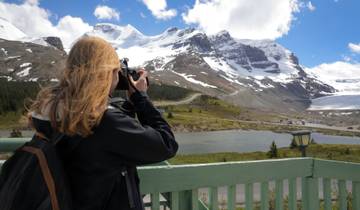
5 days
Rockies Premium Tour from Vancouver
- ✓ Comprehensive Canada tour
- ✓ Expert local guides included
- ✓ All accommodation arranged
- ✓ Transportation provided

5 days
5-Day Canadian Rockies: Banff, Columbia Icefield, Yoho & Kootenay National Parks Tour from Calgary
- ✓ Comprehensive Canada tour
- ✓ Expert local guides included
- ✓ All accommodation arranged
- ✓ Transportation provided

5 days
5 Day Canadian Rockies Tour Visiting Banff Jasper and Yoho National Parks
- ✓ Comprehensive Canada tour
- ✓ Expert local guides included
- ✓ All accommodation arranged
- ✓ Transportation provided
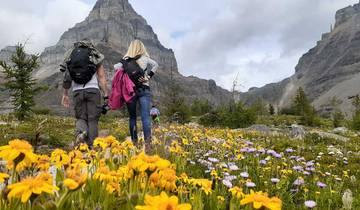
9 days
9 Day Rockies Hiking and Camping Tour
- ✓ Comprehensive Canada tour
- ✓ Expert local guides included
- ✓ All accommodation arranged
- ✓ Transportation provided
Multi-day tour packages powered by TourRadar. Prices and availability subject to change.
Introduction: Understanding Canada’s Seasonal Diversity in 2026
Canada’s immense geography — spanning 9.98 million square kilometers from Atlantic to Pacific to Arctic oceans — creates one of the world’s most climatically diverse nations, where seasonal timing profoundly impacts your travel experience. A winter visit to Vancouver’s mild rainforest climate bears no resemblance to simultaneous travel in Yellowknife’s Arctic conditions, while summer festivals transform Montreal into an outdoor cultural celebration even as northern territories bask in 24-hour midnight sun. Planning your 2026 Canada visit requires understanding not just seasonal differences but also dramatic regional climate variations that determine which destinations shine during specific months.
The 2026 travel calendar presents unique considerations beyond typical seasonal patterns. FIFA World Cup matches hosted in Toronto and Vancouver during June and July will create unprecedented demand spikes in these cities, with hotel rates tripling or quadrupling during match periods and requiring advance bookings six to nine months ahead. Major recurring festivals including Calgary Stampede (July 3-12), Montreal International Jazz Festival (late June-early July), Toronto International Film Festival (September 10-20), and Quebec Winter Carnival (January 30-February 15) anchor seasonal planning for visitors seeking cultural immersion alongside natural attractions.
This guide provides comprehensive analysis of each season’s advantages, challenges, and costs across Canada’s diverse regions. Unlike destinations with minimal seasonal variation, Canada rewards strategic timing — choosing between budget-conscious winter travel, value-rich shoulder seasons, or premium summer experiences requires balancing weather preferences, activity interests, crowd tolerance, and budget constraints. Whether pursuing wilderness adventures in mountain parks, northern lights viewing in Yukon, urban cultural exploration in eastern cities, or coastal experiences in British Columbia, your seasonal selection fundamentally shapes your Canadian journey.
Environment and Climate Change Canada monitors weather patterns across the nation, with recent years showing pronounced seasonal shifts including extended warm periods in fall, variable spring snowmelt timing, and intensified summer heat events. These evolving patterns make understanding current seasonal characteristics essential for 2026 planning rather than relying on historical generalizations that may no longer accurately reflect contemporary conditions visitors will encounter.
Winter Season in Canada 2026: December Through March
Canada’s winter season extends from December through March 2026, bringing frigid temperatures, heavy snowfall, and the shortest daylight hours of the year while simultaneously creating optimal conditions for winter sports, northern lights viewing, and unique cultural festivals celebrating the season. Winter temperatures vary dramatically by region — Vancouver’s coastal climate maintains relatively mild conditions with winter lows around 4°C (39°F) and occasional rain rather than snow, while interior and eastern cities including Toronto, Montreal, Ottawa, Calgary, and Edmonton experience harsh conditions with temperatures frequently dropping to -15°C to -25°C (5°F to -13°F) and extreme cold snaps reaching -30°C (-22°F) or colder.
December 2026 marks the beginning of winter tourism season, particularly around the December 20-January 3 holiday period when Canadian families travel domestically for Christmas and New Year celebrations. This holiday window creates the busiest winter travel period with accommodation rates rising 25-40% above January-February baseline pricing despite cold temperatures. Snow conditions typically establish well across ski resorts by mid-December, making this period reliable for winter sports planning. Quebec City’s historic Old Town transforms into a festive wonderland with holiday markets, ice hotels, and extensive light displays creating romantic winter atmosphere.
January 2026 represents the coldest and least expensive month for Canadian travel. Mid-range hotel accommodation drops to CAD $90-110 ($65-80 USD) per person nightly when two travelers share a room in major cities, while budget hostels offer dormitory beds for CAD $35-45 ($25-32 USD) per night. Tourist crowds thin dramatically outside ski resort areas, creating opportunities for substantial savings on accommodations, tours, and attractions. However, January’s extreme cold demands proper preparation — thermal underlayers, insulated outerwear, winter boots rated to -40°C, and accessories including hats, gloves, and scarves become essential equipment rather than optional items.
February 2026 brings slightly warmer temperatures while maintaining excellent winter conditions for outdoor activities. Many Canadian schools schedule spring break during February, creating a mid-month surge in domestic tourism that drives accommodation rates back up to CAD $120-150 ($85-110 USD) per person nightly in popular winter destinations. Quebec Winter Carnival runs January 30-February 15, 2026, featuring the world’s largest winter festival with ice sculptures, night parades, snow rafting, canoe races on the frozen St. Lawrence River, and the iconic Bonhomme Carnaval mascot. Visitors should book Quebec City accommodations at least four to six months in advance for carnival dates as the city reaches capacity during this internationally renowned event.
March 2026 marks the transition from deep winter toward spring, with temperatures beginning to rise and daylight hours extending noticeably. Early March maintains excellent conditions for winter sports in mountain regions, but late March sees snowpack quality declining and some ski resorts beginning to wind down operations. This late-winter period offers mixed conditions — cities start experiencing spring-like days interspersed with winter cold snaps, creating unpredictable weather patterns that challenge packing and planning. Accommodation rates remain at winter baseline levels (CAD $90-120 / $65-85 USD per person nightly for mid-range hotels) through mid-March before beginning seasonal price increases.
Winter Activities and Attractions 2026
Northern lights viewing reaches peak conditions during winter’s long dark nights, particularly in Yukon, Northwest Territories, and northern Alberta. Yellowknife in Northwest Territories claims some of Earth’s most reliable aurora viewing, with clear skies and positioning directly beneath the auroral oval creating spectacular displays on 90% of clear winter nights. Whitehorse in Yukon offers similar aurora opportunities combined with winter adventure activities including dog sledding, ice fishing, snowmobiling, and cultural experiences with First Nations communities. February through April provides optimal aurora viewing conditions with the darkest skies and most stable weather patterns, though visitors must prepare for extreme cold with temperatures often reaching -30°C to -40°C (-22°F to -40°F).
Skiing and snowboarding dominate winter tourism across multiple regions. Whistler Blackcomb in British Columbia operates North America’s largest ski resort with over 8,100 acres of terrain, typically maintaining operations from late November through late April or early May. Banff and Jasper in the Canadian Rockies offer spectacular mountain scenery alongside world-class skiing at resorts including Lake Louise, Sunshine Village, and Marmot Basin. Eastern Canada provides excellent skiing closer to major cities — Mont Tremblant in Quebec, Blue Mountain in Ontario, and multiple smaller resorts across all provinces cater to day-trippers and weekend visitors. Ski lift tickets range CAD $95-150 ($68-107 USD) for single-day access at major resorts, while multi-day passes and advance purchase discounts can reduce per-day costs to CAD $70-100 ($50-71 USD).
Winter city tourism focuses on indoor cultural attractions, festivals, and unique cold-weather experiences. Ottawa’s Winterlude festival (typically February-March) features the Rideau Canal Skateway — the world’s largest naturally frozen skating rink extending 7.8 kilometers through the capital city. Montreal’s Underground City creates an expansive climate-controlled pedestrian network connecting metro stations, shopping centers, hotels, and entertainment venues, allowing comfortable exploration despite brutal surface temperatures. Ice hotels constructed annually near Quebec City and other locations offer overnight stays in rooms carved entirely from ice and snow, providing bucket-list experiences for adventurous travelers willing to sleep in sub-zero temperatures inside sleeping bags rated for extreme cold.
Winter Packing Requirements
Winter travel in Canada demands specialized clothing beyond typical cold-weather gear. Essential items include thermal underwear (top and bottom) as base layer, insulated winter jacket rated to -30°C or colder, winter boots with excellent traction and temperature rating matching destination climate, winter accessories including warm hat covering ears, insulated gloves or mittens, and neck warmer or scarf. Layering provides flexibility for indoor/outdoor temperature transitions — buildings maintain warm indoor temperatures around 20-22°C (68-72°F), creating significant temperature swings when moving between heated spaces and outdoor cold.
Additional winter considerations include lip balm and moisturizer to combat dry indoor heating and harsh outdoor conditions, sunglasses for bright snow glare, hand and toe warmers for extreme cold situations, and waterproof outer layers as snow and ice create wet conditions. Visitors planning extended outdoor activities such as skiing, snowshoeing, or winter hiking should invest in or rent technical winter gear including waterproof ski pants, face masks or balaclavas for wind protection, and multiple layers of insulating clothing allowing temperature regulation during physical activity.
Spring Season in Canada 2026: April Through May
Spring season in Canada spans April and May 2026, bringing warming temperatures, longer daylight hours, blooming flowers and awakening wildlife, while simultaneously creating the year’s most challenging travel period due to unpredictable weather, muddy trail conditions, and many summer attractions remaining closed until June. April represents Canada’s least favorable travel month across most regions — winter snow has melted creating muddy conditions, temperatures fluctuate wildly between freezing overnight and mild daytime highs, many national parks and mountain passes remain closed or partially accessible, and most tour operators haven’t begun summer season operations. Budget-conscious travelers can find excellent deals during April with mid-range hotels averaging CAD $100-130 ($71-93 USD) per person nightly, but limited activity options and unpredictable weather significantly compromise the value proposition.
May 2026 marks the true beginning of Canada’s tourism season, particularly from mid-May onward when summer attractions open, trails dry out sufficiently for hiking, and weather stabilizes into more reliable patterns. Early May (first two weeks) still sees many attractions closed and limited tour operations, but late May transforms into an excellent travel period combining pleasant weather, minimal crowds, reasonable pricing, and full activity access. Mid-range hotel accommodation ranges CAD $120-160 ($85-114 USD) per person nightly during May, representing significant savings compared to peak summer rates while delivering far better conditions than April.
Spring weather varies considerably by region during these transition months. Vancouver and coastal British Columbia experience the mildest conditions with cherry blossoms blooming in March and azaleas, rhododendrons, and other flowers creating spectacular displays through April and May. Victoria’s Butchart Gardens showcases spring blooms attracting thousands of visitors for garden tours and photography. Eastern Canada sees more dramatic spring transitions — Toronto, Montreal, and Ottawa experience warming temperatures through April (5-15°C / 41-59°F) and May (10-20°C / 50-68°F) but remain vulnerable to late-season cold snaps and occasional snow flurries in early April.
Canadian Rockies destinations including Banff, Jasper, and Lake Louise remain partially snow-covered through April and into early May, with many high-elevation trails and mountain passes inaccessible until late May or even June depending on winter snowpack depth. The iconic Icefields Parkway connecting Banff and Jasper typically opens fully for the season by mid-May, though occasional late-season storms can temporarily close passes. Lower-elevation trails around Banff townsite and Lake Minnewanka become accessible by late April, while higher trails to alpine lakes and mountain passes require waiting until June or July.
Spring Activities and Events 2026
Ottawa’s Canadian Tulip Festival runs throughout May (typically second week through Victoria Day long weekend on May 22-24, 2026), featuring over one million tulips blooming across the capital city. This internationally renowned festival began in 1953 as a celebration of tulip bulbs gifted by the Netherlands royal family, growing into a major spring tourism draw with outdoor concerts, cultural performances, and extensive flower displays in parks throughout downtown Ottawa. Visitors should book Ottawa accommodations two to three months in advance for tulip festival weekends as the city experiences significant tourism demand during this period.
Wildlife viewing opportunities increase dramatically during spring months as animals emerge from winter dormancy and migration patterns bring birds and marine mammals back to Canadian habitats. British Columbia’s Gulf Islands provide excellent whale watching from April through October, with gray whales, orcas, humpback whales, and other species frequenting coastal waters. Churchill, Manitoba begins preparing for summer polar bear and beluga whale viewing seasons, though spring timing remains too early for these primary attractions — polar bears concentrate around Hudson Bay during fall (October-November) while beluga whales arrive in summer (July-August).
Maple syrup harvest season peaks in late March through April across eastern Canada, particularly in Quebec which produces over 70% of the world’s maple syrup supply. Sugar shacks (cabanes à sucre) throughout Quebec, Ontario, and Atlantic provinces open for the season offering traditional maple syrup meals, tours of syrup production facilities, and demonstrations of traditional harvesting methods. Ontario Maple Weekend (typically early April) and Quebec’s sugar shack season provide authentic cultural experiences unavailable during other months, though visitors should verify specific operation dates as timing depends on spring weather patterns affecting sap flow.
Spring Budget Considerations 2026
Spring represents variable value depending on specific timing. Late April through mid-May offers the year’s best combination of reasonable pricing, improving weather, and increasing activity availability for flexible travelers willing to accept some uncertainty. Budget travelers can find mid-range hotel accommodation for CAD $100-140 ($71-100 USD) per person nightly when two share a room, with additional savings available through advance booking and avoiding Victoria Day long weekend (May 22-24) when domestic tourism demand drives prices up 20-30%. Airfare to major Canadian cities remains significantly below summer peak pricing through most of May, creating opportunities for international visitors to save on both transportation and accommodation compared to June-August travel.
Tour operators and attractions offering early-season discounts during May provide additional savings opportunities. Many Banff and Jasper area hotels and tour companies discount rates by 15-25% compared to peak summer pricing during May, while Rocky Mountaineer luxury train journeys begin operating in mid-April with shoulder-season rates below summer peak. Advance research and booking becomes essential during spring as operating schedules vary considerably — some attractions open in early May while others wait until June 1 or later, requiring verification of specific operation dates before finalizing travel plans.
Summer Season in Canada 2026: June Through August
Summer season extending from June through August 2026 represents Canada’s peak tourism period, bringing warmest temperatures (18-28°C / 64-82°F across most regions), longest daylight hours approaching or exceeding 16 hours in southern Canada and 20+ hours in northern territories, most reliable weather patterns, and the nation’s richest calendar of outdoor festivals and cultural events. This optimal weather window attracts maximum visitor numbers from international travelers and Canadian families on summer vacation, creating crowded conditions at major attractions and premium pricing for accommodation, tours, and activities.
June 2026 marks the beginning of high season with accommodation rates climbing to CAD $180-240 ($128-171 USD) per person nightly for mid-range hotels when two travelers share a room. Early June (first two weeks) offers transitional pricing and slightly smaller crowds as schools haven’t released students for summer vacation, while late June sees full summer demand establish across all destinations. The June 11-July 19 period brings extraordinary price impacts in Vancouver due to FIFA World Cup matches, with downtown hotels demanding CAD $1,000-1,700 ($710-1,210 USD) per night and most properties requiring minimum two to three-night stays. Similarly, Toronto experiences dramatic rate increases during its World Cup match period June 12-July 2, with hotels averaging CAD $549 ($390 USD) per night — representing 78% increases above typical June rates.
July 2026 delivers peak summer conditions across Canada with the warmest average temperatures, most stable weather patterns, and maximum daylight hours. This month also hosts the nation’s highest concentration of major festivals and events. Calgary Stampede runs July 3-12, bringing 1.2 million visitors to experience “The Greatest Outdoor Show on Earth” with rodeo competitions, chuckwagon races, agricultural displays, concerts, and extensive midway attractions. Hotel accommodation in Calgary becomes scarce during Stampede with rates reaching CAD $280-400 ($200-285 USD) per person nightly and advance booking essential six to nine months ahead. Montreal International Jazz Festival typically runs late June through early July (dates vary annually), featuring over 500 concerts with many free outdoor performances transforming downtown into an extended street party. Montreal accommodation during Jazz Festival ranges CAD $200-280 ($142-200 USD) per person nightly for mid-range hotels.
August 2026 continues peak summer conditions while beginning subtle transitions toward fall. Early August maintains full summer pricing and crowds, particularly during the first two weeks when most families maximize remaining vacation time before school returns. Late August sees gradual crowd reduction as students return to classrooms, creating slightly improved availability and modest rate decreases (typically 10-15% below mid-summer peaks) while weather remains excellent. Canadian National Exhibition (The Ex) in Toronto runs throughout August, concluding annually on Labour Day long weekend (September 1, 2026), attracting 1.5 million visitors with carnival rides, agricultural displays, concerts, food vendors, and diverse entertainment. Toronto accommodation during The Ex period maintains high summer rates at CAD $200-260 ($142-185 USD) per person nightly.
Summer Regional Highlights 2026
British Columbia’s coastal regions deliver ideal summer conditions with moderate temperatures (18-25°C / 64-77°F), minimal rainfall compared to winter months, and extensive outdoor recreation opportunities. Vancouver serves as gateway to numerous activities including Stanley Park exploration, Granville Island markets, Grouse Mountain gondola rides, and day trips to Whistler or Vancouver Island. Ferry service to Victoria requires advance booking during summer months as vehicles and walk-on passengers fill capacity — BC Ferries recommends reservations two to four weeks ahead for summer weekend travel. Victoria itself offers mild summer climate, British-influenced architecture and gardens including Butchart Gardens, and whale-watching excursions departing from Inner Harbour.
Canadian Rockies destinations experience optimal conditions during July and August when all trails become accessible, wildflowers bloom across alpine meadows, and wildlife viewing opportunities peak. Banff National Park receives 4 million visitors annually with 60-70% concentrated in June-August period, creating significant crowding at iconic locations including Lake Louise, Moraine Lake, and Banff townsite. Parks Canada implemented timed-entry reservations for Moraine Lake and other high-demand locations — visitors must secure advance reservations online (available starting in spring) for specific arrival time windows. Jasper National Park offers similar mountain scenery with less crowding than Banff, while Yoho and Kootenay National Parks provide additional options for visitors seeking quieter alternatives.
Eastern Canada’s cities transform into outdoor cultural hubs during summer months. Toronto’s waterfront neighborhoods host continuous festivals, outdoor concerts, and street markets throughout June-August. Ottawa celebrates Canada Day (July 1) with major festivities on Parliament Hill including concerts, fireworks, and public celebrations attracting 500,000+ participants. Montreal’s festival season runs continuously through summer with multiple major events each month complementing the Jazz Festival. Quebec City offers historic charm with fewer crowds than Montreal, providing excellent combination of cultural attractions, St. Lawrence River access, and proximity to Charlevoix region countryside.
Atlantic Canada delivers peak tourism conditions during summer with pleasant temperatures (15-22°C / 59-72°F), relatively dry weather, and extensive coastal attractions. Nova Scotia’s Cabot Trail, Prince Edward Island’s beaches and Anne of Green Gables sites, Newfoundland’s dramatic coastline and iceberg viewing, and New Brunswick’s Bay of Fundy tides all reach optimal accessibility during June-August. Atlantic provinces generally experience lower tourism pressure than western and central Canada, offering better value and less crowding while maintaining excellent summer conditions.
Summer Activities and Adventures 2026
National parks across Canada reach full operational capacity during summer with all visitor centers open, guided programs running daily, and complete trail systems accessible. Parks Canada offers Discovery Pass providing unlimited access to national parks and national historic sites for one year at CAD $73 ($52 USD) per adult or CAD $146 ($104 USD) per family/group. Visitors planning to explore multiple parks during a summer trip will find the annual pass more economical than individual entry fees at CAD $11 ($8 USD) per adult daily in Rocky Mountain parks. Camping in national parks requires advance reservations (opening in January for summer bookings) as campgrounds fill quickly during July-August peak season.
Water activities dominate summer recreation options. British Columbia offers world-class kayaking through Gulf Islands, Sunshine Coast, and Desolation Sound. Ontario’s Georgian Bay and Algonquin Provincial Park provide excellent canoeing with multi-day backcountry trips available. Quebec’s Saguenay Fjord combines dramatic scenery with whale-watching opportunities. Whitewater rafting operates on multiple rivers including Ottawa River (Ontario/Quebec border) and Kicking Horse River (British Columbia) with commercial operators offering half-day and full-day trips suitable for various skill levels.
Cycling infrastructure and routes expand significantly across Canadian cities during summer. Montreal’s BIXI bike-share system, Toronto’s Bike Share network, and Vancouver’s Mobi bikes provide convenient urban transportation and exploration options. Dedicated recreational cycling paths including Ottawa’s extensive Capital Pathway network, Toronto’s waterfront trail system, and Calgary’s pathway network offer car-free cycling experiences. British Columbia’s Kettle Valley Rail Trail and other rail-to-trail conversions provide multi-day cycling adventures through mountain and valley landscapes.
Summer Budget Planning 2026
Summer represents Canada’s most expensive travel season with accommodation, tours, and transportation all reaching annual peak pricing. Mid-range hotel costs average CAD $180-280 ($128-200 USD) per person nightly when two travelers share a room in major cities and tourism destinations, with premium locations and festival periods pushing rates to CAD $300-450+ ($213-320+ USD) per person nightly. Budget travelers can utilize hostel accommodations at CAD $50-75 ($36-53 USD) per dormitory bed nightly, though popular hostels in Banff, Vancouver, Toronto, and Montreal fill capacity requiring advance booking two to three months ahead.
Advance booking becomes essential for summer travel in Canada. Accommodation, rental cars, popular tours, and train journeys should be reserved three to six months ahead for July-August travel, with nine to twelve months advance booking recommended for Calgary Stampede dates, Montreal Jazz Festival period, Toronto during TIFF (September but books early), and any FIFA World Cup match dates in Toronto or Vancouver. Last-minute summer travel to Canada risks limited availability and significantly inflated pricing as remaining inventory commands premium rates.
Food costs during summer travel range CAD $60-100 ($43-71 USD) per person daily covering three meals, with budget-conscious travelers reducing costs through grocery shopping, picnic lunches, and limiting restaurant meals to dinner. Transportation within cities typically adds CAD $8-15 ($6-11 USD) daily for public transit passes, with rental cars costing CAD $60-100 ($43-71 USD) daily including insurance and fuel depending on vehicle type and rental duration. Complete daily budget for mid-range summer travel in Canada totals approximately CAD $280-380 ($200-270 USD) per person including accommodation, meals, local transportation, and attractions.
Fall Season in Canada 2026: September Through November
Fall season extending from September through November 2026 offers Canada’s most underrated travel period, combining comfortable weather, spectacular fall foliage displays, significantly reduced crowds compared to summer, lower pricing across accommodation and tours, and continued accessibility to most attractions and activities through September and much of October. September delivers particularly outstanding value with weather remaining pleasant (daytime temperatures 15-22°C / 59-72°F across most regions), summer crowds dissipating after Labour Day weekend, and accommodation rates dropping 25-35% below peak summer pricing to CAD $140-190 ($100-135 USD) per person nightly for mid-range hotels when two travelers share a room.
Early September 2026 (first week through Labour Day on September 1) maintains near-summer conditions with warm temperatures and full operational schedules at attractions, though domestic Canadian tourism reduces noticeably as schools reopen. Toronto International Film Festival (TIFF) runs September 10-20, 2026, bringing 480,000 attendees and significant accommodation pressure to Toronto with hotel rates climbing to CAD $220-300 ($157-213 USD) per person nightly and advance booking essential four to six months ahead for TIFF dates. This globally prestigious film festival premieres over 400 films, attracts major celebrities and industry professionals, and creates considerable excitement across the city despite challenging accommodation availability.
Mid-to-late September through early October represents fall’s peak period for foliage viewing across eastern Canada. Quebec, Ontario, and Atlantic provinces experience spectacular color transitions as deciduous forests turn vibrant reds, oranges, and yellows. Algonquin Provincial Park in Ontario, Laurentian Mountains north of Montreal, Eastern Townships in Quebec, and Cape Breton Island in Nova Scotia all deliver outstanding fall scenery accessible via scenic drives, hiking trails, and gondola rides. Peak foliage timing varies by latitude and elevation, typically occurring late September in northern regions and early October in southern areas — visitors should monitor fall color reports from regional tourism boards for optimal timing.
October 2026 continues excellent fall travel conditions through mid-month with comfortable daytime temperatures (8-16°C / 46-61°F) and peak foliage displays across most regions. Canadian Thanksgiving falls on October 13, 2026 (second Monday in October), creating a three-day long weekend with moderate domestic tourism demand but far less impact than American Thanksgiving in November. Late October sees noticeably shorter daylight hours, cooler temperatures, and increasing probability of rainfall across most regions. Mountain destinations including Banff and Jasper may experience early-season snowfall in late October, creating transitional conditions as summer operations wind down but winter activities haven’t begun.
November 2026 marks the transition into winter conditions across most Canadian regions with significant temperature drops, shorter daylight hours, and many summer attractions closing for the season. Early November maintains some fall appeal with autumn colors lingering in southern regions and accommodation rates remaining at shoulder-season levels (CAD $110-150 / $78-107 USD per person nightly). Mid-to-late November sees winter conditions establish in most regions with occasional snow in eastern and mountain areas, though ski resorts haven’t opened yet creating an activity gap period. Coastal British Columbia maintains milder conditions with frequent rain replacing summer’s drier weather.
Fall Activities and Experiences 2026
Wine tourism reaches peak season during fall harvest across Canadian wine regions. Niagara-on-the-Lake in Ontario hosts the Niagara Wine Festival running September 12-28, 2026, featuring winery tours, grape stomping, culinary pairings, and celebrations of the region’s famous ice wines. Okanagan Valley in British Columbia offers extensive wine touring throughout September and October with over 200 wineries producing various varietals suited to the region’s warm, dry climate. Organized wine tours provide transportation between wineries eliminating driving concerns, with half-day and full-day options ranging CAD $85-150 ($60-107 USD) per person including tastings and lunch.
Hiking conditions remain excellent through September and into October with stable weather, comfortable temperatures for physical activity, and dramatic foliage creating photogenic backdrops. Canadian Rockies trails become less crowded after Labour Day while remaining fully accessible through September, with only the highest elevation trails beginning to close in October as early snow arrives. Coastal British Columbia hiking extends through October and even November in lower-elevation areas as mild climate prevents early-season snow. Eastern Canada trails showcase spectacular fall colors during September-October hikes through Algonquin Park, Mont Tremblant, Cape Breton Highlands, and numerous other provincial and national parks.
Urban cultural events continue through fall with numerous festivals and celebrations. Vancouver International Film Festival typically runs late September through early October. Montreal hosts various fall festivals including electronic music events, food festivals, and cultural celebrations. Museums, galleries, theaters, and other indoor attractions across all major cities maintain full programming through fall and winter, providing excellent options for rainy or cool days. Fall represents optimal timing for urban exploration as comfortable weather allows walking tours while reduced crowds improve museum and attraction experiences.
Fall Value and Budget Considerations 2026
Fall delivers outstanding value for budget-conscious travelers willing to accept slightly cooler temperatures and shorter daylight hours. September accommodation costs drop 25-35% below peak summer rates across most destinations (except Toronto during TIFF), while October sees additional 10-15% reductions as tourism demand continues declining. Budget travelers find excellent hostel availability during fall with nightly dormitory rates around CAD $40-60 ($28-43 USD) in major cities and popular destinations that required advance booking during summer months.
Tour operators reduce pricing during fall shoulder season with many offering 15-25% discounts on activities including wildlife tours, city tours, adventure activities, and multi-day packages. Rocky Mountaineer luxury train journeys operating through September and into early October discount rates compared to peak summer pricing. Car rental companies reduce rates during fall as summer demand drops, with compact vehicles available from CAD $40-65 ($28-46 USD) daily including taxes (excluding insurance and fuel) for weekly rentals.
Overall daily budgets during fall travel decrease significantly compared to summer. Mid-range travelers can maintain comfortable standards at CAD $190-260 ($135-185 USD) per person daily including hotel accommodation (two sharing), three restaurant meals, local transportation, and attraction admissions. Budget travelers utilizing hostels, grocery shopping for some meals, and limiting paid activities can travel for CAD $75-120 ($53-85 USD) per person daily. These fall rates represent 25-40% savings compared to equivalent summer travel budgets.
Regional Climate Variations Across Canada
Canada’s immense geography creates dramatic climate variations requiring region-specific planning rather than treating the nation as climatically uniform. Understanding these regional differences proves essential for appropriate seasonal timing, packing, and activity planning as temperature ranges, precipitation patterns, and optimal visit windows differ significantly across the country.
Western Canada — British Columbia and Alberta — demonstrates particularly dramatic climate contrasts between coastal and interior regions despite geographic proximity. Vancouver and coastal British Columbia experience Canada’s mildest year-round climate with winter temperatures rarely dropping below 0°C (32°F), minimal snow at sea level, and frequent rainfall replacing the snow common elsewhere. This maritime climate creates optimal conditions for winter travel as temperatures remain comfortable (4-10°C / 39-50°F during winter months) allowing outdoor activity without extreme cold exposure. However, coastal BC receives substantial rainfall particularly November-March with monthly precipitation averaging 150-180mm, requiring waterproof outerwear and rain preparation. Summer brings pleasant warm temperatures (18-25°C / 64-77°F) with lower rainfall and extended sunshine making June-September ideal for outdoor recreation.
Alberta and interior British Columbia experience continental climate with greater temperature extremes — warm to hot summers (22-28°C / 72-82°F) and cold winters (-15 to -25°C / 5 to -13°F) with reliable snow cover from December through March. Calgary and Edmonton see sunshine year-round with over 330 days of sunshine annually despite cold winters, creating pleasant conditions for winter city exploration despite frigid temperatures. Mountain regions including Banff, Jasper, Whistler, and other ski resort areas receive heavy snowfall (300-600cm annually depending on elevation) creating outstanding winter sports conditions from December through April or May.
Central Canada encompassing Ontario and Quebec experiences four distinct seasons with hot, humid summers and cold, snowy winters. Toronto and southern Ontario see summer temperatures reaching 25-30°C (77-86°F) with high humidity levels making heat feel more intense. Winter brings regular cold with temperatures -8 to -15°C (17-5°F) and significant snowfall particularly in regions east and north of Toronto. Montreal and Quebec experience similar patterns with slightly colder winter temperatures (-12 to -20°C / 10 to -4°F) and heavy snow accumulation creating quintessential winter conditions. Spring arrives late (April-May) while fall delivers spectacular foliage displays (September-October) making these shoulder seasons particularly appealing despite shorter windows of optimal conditions compared to more temperate regions.
Atlantic Canada comprising Nova Scotia, New Brunswick, Prince Edward Island, and Newfoundland shows strong maritime influence with moderate temperatures year-round but frequent precipitation, wind, and fog particularly in coastal areas. Summer temperatures remain comfortable (18-24°C / 64-75°F) without the extreme heat of inland regions. Winter brings cold conditions (-8 to -12°C / 18-10°F) with heavy snow and frequent storms, though temperatures fluctuate more than continental interior regions. Coastal locations experience significant wind particularly in winter, creating windchill conditions making temperatures feel much colder than actual readings. Spring arrives late (May) while fall extends relatively long (September-October) with excellent foliage displays across the region.
Northern Canada including Yukon, Northwest Territories, and Nunavut experiences extreme continental and Arctic climates with very cold winters (-25 to -40°C / -13 to -40°F or colder) and surprisingly warm but brief summers (15-25°C / 59-77°F) particularly in continental areas away from Arctic Ocean influence. These territories offer unique experiences including midnight sun in summer (June-July) and northern lights viewing in winter (September-April with peak December-March), but require specialized preparation for extreme conditions. Most northern tourism operates May-September when temperatures moderate and logistics become manageable, with winter aurora tourism limited to hardier travelers prepared for severe cold.
Peak vs Off-Peak Travel Periods 2026
Understanding Canada’s peak and off-peak tourism periods enables strategic planning that balances desired experiences with budget constraints and crowd tolerance. Canadian tourism follows predictable seasonal patterns driven by weather conditions, school vacation schedules, and major event calendars, with pricing, availability, and visitor density varying dramatically between high and low seasons.
Peak season encompasses late June through August 2026, with the July 1-August 15 period representing absolute peak conditions. During these weeks, accommodation rates reach annual highs, popular attractions experience maximum crowding, tours and activities require advance booking, and overall travel costs climb 35-55% above shoulder-season pricing. Mid-range hotel accommodation averages CAD $200-280 ($142-200 USD) per person nightly when two travelers share a room in major destinations during peak season, with popular locations and event periods (Calgary Stampede, Montreal Jazz Festival, Toronto during festivals) pushing rates to CAD $300-450+ ($213-320+ USD) per person nightly.
Peak season advantages include optimal weather conditions with warmest temperatures and most reliable sunshine, longest daylight hours maximizing activity time, full operational schedules at all attractions and tour companies, and richest calendar of festivals and cultural events. Families traveling with school-age children have limited flexibility to avoid peak season as most school districts maintain July-August vacation schedules. Despite high costs and crowds, peak summer travel delivers the most comprehensive Canadian experience with all attractions accessible and weather maximizing outdoor activity opportunities.
Shoulder seasons span May and September-October 2026, offering outstanding value for flexible travelers. These periods combine comfortable weather (though cooler than peak summer), significantly reduced crowds at major attractions, lower accommodation rates at CAD $120-190 ($85-135 USD) per person nightly for mid-range hotels (25-40% below peak pricing), better availability for tours and activities, and continued access to most attractions and experiences. September particularly stands out as undervalued — weather remains pleasant, fall foliage creates spectacular scenery, domestic crowds dissipate after Labour Day, and overall conditions rival summer while costs drop dramatically.
Off-peak season extends November through March 2026 (excluding holiday weeks), bringing lowest tourism demand, minimum accommodation costs at CAD $90-150 ($65-110 USD) per person nightly for mid-range hotels, minimal crowds at open attractions, and specialized winter activities including skiing and northern lights viewing. Off-peak advantages focus on budget savings and unique winter experiences, though visitors must prepare for cold temperatures, limited attraction hours or closures, and shorter daylight hours restricting activity timing. January-February represents the absolute off-peak period with deepest discounts but most challenging weather conditions.
Holiday periods create mini-peaks within otherwise off-peak seasons. Christmas-New Year (December 20-January 3) sees winter accommodation rates increase 25-40% above January-February baseline as domestic tourism surges. Victoria Day long weekend (May 22-24) creates increased demand during spring shoulder season. Canadian Thanksgiving weekend (October 13, 2026) generates moderate domestic tourism but far less impact than peak summer periods. American Thanksgiving and following weekend (late November) sees some cross-border tourism but remains relatively quiet across most Canadian destinations.
Event-driven peaks occur throughout the year around major festivals and special occasions. Calgary Stampede (July 3-12) creates absolute peak conditions in Calgary with accommodation rates doubling or tripling. Montreal Jazz Festival (late June-early July) drives Montreal prices up during an already busy period. Toronto International Film Festival (September 10-20) creates significant accommodation pressure during otherwise excellent shoulder season. Quebec Winter Carnival (January 30-February 15) transforms Quebec City’s typically quiet winter into a bustling tourism period. Visitors should strategically plan around these events — attending if specifically interested or avoiding if seeking lower costs and smaller crowds.
Major 2026 Events and Festivals
Canada’s 2026 calendar features extraordinary concentration of globally significant events, recurring festivals drawing hundreds of thousands of attendees, and unique cultural celebrations that define the nation’s diverse cultural landscape. Strategic planning around these events allows visitors to experience authentic Canadian culture and world-class entertainment, though major festivals create accommodation challenges requiring advance booking and premium pricing awareness.
FIFA World Cup 2026 represents the year’s most significant sporting event with Toronto and Vancouver serving as Canadian host cities for matches during June-July. Toronto hosts six matches from June 12 through July 2 at BMO Field (temporarily renamed Toronto Stadium per FIFA sponsorship requirements). Vancouver hosts matches from June 11 through July 19 at BC Place. These World Cup matches create unprecedented accommodation demand with hotel rates in both cities tripling or quadrupling during match periods. Toronto hotels average CAD $549 ($390 USD) per night during World Cup dates with many properties requiring minimum two to three-night stays. Vancouver sees even more dramatic increases with downtown hotels demanding CAD $1,000-1,700 ($710-1,210 USD) per night and near-complete booking months in advance. Visitors planning to attend World Cup matches should secure accommodation and match tickets nine to twelve months ahead, while travelers seeking to avoid extraordinary pricing should completely avoid Toronto June 12-July 2 and Vancouver June 11-July 19 unless specifically attending matches.
Calgary Stampede runs July 3-12, 2026, drawing 1.2 million visitors to experience “The Greatest Outdoor Show on Earth.” This 10-day event features daily rodeo competitions including bull riding, barrel racing, and saddle bronc riding, chuckwagon races with dramatic head-to-head competitions, agricultural exhibitions showcasing livestock and farming innovations, concerts featuring country music stars and major performers, extensive midway with carnival rides and games, pancake breakfasts served free throughout downtown Calgary, and Stampede parade through city streets. Daily admission costs CAD $20 ($14 USD) with evening rodeo and show tickets adding CAD $65-180 ($46-128 USD) depending on seat location. Calgary accommodation becomes extremely scarce during Stampede with advance booking essential six to nine months ahead and nightly rates reaching CAD $280-400 ($200-285 USD) per person when two share a room.
Montreal International Jazz Festival typically runs late June through early July (exact 2026 dates to be announced), featuring over 500 concerts with 250+ offered free on outdoor stages throughout downtown Montreal. This 11-day festival holds Guinness World Records recognition as the world’s largest jazz festival, attracting 2 million attendees and transforming central Montreal into an extended street party with multiple stages, food vendors, and continuous performances from afternoon through late evening. Programming spans traditional jazz to contemporary fusion, blues, world music, and other genres. Montreal accommodation during Jazz Festival reaches high-season premium pricing at CAD $200-280 ($142-200 USD) per person nightly for mid-range hotels, though the extensive free outdoor programming provides remarkable entertainment value.
Toronto International Film Festival (TIFF) runs September 10-20, 2026, premiering over 400 films from 83 countries and attracting 480,000 attendees including major celebrities, industry professionals, and film enthusiasts. This 11-day festival ranks among the world’s most prestigious film festivals, often premiering eventual Academy Award contenders and generating significant media attention. Single screening tickets range CAD $25-50 ($18-36 USD) while festival packages offering multiple films provide better per-screening value at CAD $150-500 ($107-356 USD) depending on package size and access level. Toronto accommodation during TIFF maintains high demand with rates at CAD $220-300 ($157-213 USD) per person nightly and advance booking recommended four to six months ahead.
Quebec Winter Carnival operates January 30-February 15, 2026, celebrating Canadian winter culture with the world’s largest winter festival. This 17-day event features elaborate ice sculpture competitions creating massive artworks throughout Quebec City, night parades with illuminated floats and performers, snow rafting races on the St. Lawrence River, canoe races across ice floes, outdoor concerts and performances, traditional Quebecois food and drink, and the beloved Bonhomme Carnaval mascot appearing throughout festivities. Many carnival activities are free or low-cost, with site access passes costing approximately CAD $20 ($14 USD) providing admission to ice palace and primary venues. Quebec City accommodation during carnival requires advance booking four to six months ahead with rates at CAD $140-200 ($100-142 USD) per person nightly.
Ottawa Bluesfest runs in mid-July (specific 2026 dates to be announced), featuring 200+ acts performing on multiple stages over 10 days. This outdoor music festival showcases blues, rock, hip-hop, electronic, and diverse genres with past headliners including major international stars. Canadian rock giants The Guess Who headline Ottawa 200 celebrations at Bluesfest on July 19, 2026. Single-day admission costs approximately CAD $110-140 ($78-100 USD) while multi-day passes provide better value. Ottawa accommodation during Bluesfest maintains summer high-season rates with moderate advance booking recommended.
Additional notable 2026 events include Edmonton International Fringe Theatre Festival (August 13-23) with over 200 shows and 1,600 performers, Canadian National Exhibition in Toronto (throughout August concluding Labour Day weekend), numerous regional festivals celebrating local culture and heritage, and dozens of smaller music festivals, food festivals, and cultural celebrations throughout spring-summer-fall seasons across all provinces.
Accommodation Planning and Costs 2026
Accommodation represents the largest single expense category for most Canadian travel budgets, with costs varying dramatically by season, destination, property category, and booking timing. Understanding accommodation options, pricing patterns, and strategic booking approaches enables significant savings while maintaining desired comfort levels throughout your 2026 Canadian journey.
Budget accommodation options include hostels, budget hotels, and guesthouses targeting cost-conscious travelers. Major cities and popular tourism destinations maintain extensive hostel networks with dormitory beds costing CAD $40-75 ($28-53 USD) per night depending on location and season. HI Hostels (Hostelling International) operates properties across Canada including Vancouver, Banff, Lake Louise, Calgary, Jasper, Toronto, Ottawa, Montreal, and Quebec City, offering clean facilities, organized activities, and reliable quality standards. Independent hostels provide similar pricing with varying amenity levels and atmosphere — reading recent reviews helps assess current conditions and suitability.
Budget hotel chains including Days Inn, Super 8, Comfort Inn, and similar properties offer private rooms with basic amenities at CAD $90-140 ($65-100 USD) per night for two guests sharing during off-peak periods, rising to CAD $140-200 ($100-142 USD) during summer peak season. These properties typically include private bathroom, television, Wi-Fi, and sometimes breakfast, providing significantly more privacy than hostel dormitories at modest price premium. Location often places budget hotels outside downtown cores, requiring public transportation or vehicle access to reach primary attractions.
Mid-range accommodation encompasses three-star hotels, boutique properties, quality chain hotels, and vacation rentals. This category spans wide range from economy mid-range (CAD $140-180 / $100-128 USD per night for two sharing) to upper mid-range (CAD $220-300 / $157-213 USD per night) depending on property quality, location, and season. Holiday Inn, Best Western, Marriott Courtyard, and similar chains populate this category alongside independent hotels and boutique properties. Mid-range accommodation typically includes comfortable rooms with modern amenities, convenient locations within or near downtown areas, on-site restaurants or nearby dining options, and reasonable service standards.
Vacation rentals through Airbnb, VRBO, and similar platforms provide alternatives to traditional hotels, particularly valuable for groups or families traveling together. Entire apartments or houses eliminate need for multiple hotel rooms while providing kitchen facilities allowing grocery shopping and meal preparation to reduce food costs. Multi-bedroom properties sleeping 4-6 guests range CAD $180-350 ($128-249 USD) per night depending on location and quality, translating to CAD $45-88 ($32-62 USD) per person nightly when four share — often delivering better value than hotel rooms while providing more space and flexibility.
Luxury accommodation includes four and five-star hotels, resort properties, boutique luxury hotels, and unique properties like Fairmont Château hotels. This category ranges CAD $350-600+ ($249-427+ USD) per night for two guests, with flagship properties and peak periods exceeding CAD $800-1,200+ ($570-855+ USD) nightly. Luxury properties deliver premium service, upscale amenities, prime locations, fine dining options, and enhanced comfort justifying premium pricing for travelers prioritizing hotel experience as part of their journey rather than simply sleeping accommodation.
Seasonal Accommodation Pricing Patterns
January-March 2026 brings lowest accommodation costs across most Canadian destinations with mid-range hotels averaging CAD $90-150 ($65-110 USD) per person nightly when two share a room. Exceptions include ski resort towns (Whistler, Banff, Mont Tremblant) where winter represents peak season with rates matching or exceeding summer pricing. Cities and non-winter-sports destinations see dramatic rate reductions as tourism demand drops — Toronto, Montreal, Vancouver (non-ski), and other urban centers offer exceptional winter value for cold-tolerant visitors.
April-May 2026 shows gradual price increases as spring shoulder season develops. Early April maintains near-winter pricing (CAD $100-130 / $71-93 USD per person nightly) while late May approaches summer rates (CAD $140-180 / $100-128 USD per person nightly). Victoria Day long weekend (May 22-24) creates pricing spike during otherwise moderate period as domestic tourism increases for this holiday weekend.
June-August 2026 establishes peak season rates across all major destinations. Mid-range accommodation climbs to CAD $180-280 ($128-200 USD) per person nightly with premium properties and popular locations reaching CAD $300-450+ ($213-320+ USD) per person nightly. FIFA World Cup periods in Toronto (June 12-July 2) and Vancouver (June 11-July 19) create extraordinary pricing with hotels demanding CAD $549-1,700 ($390-1,210 USD) per night and minimum stay requirements. Calgary Stampede (July 3-12) similarly drives rates to CAD $280-400 ($200-285 USD) per person nightly.
September-October 2026 brings shoulder season relief with rates dropping 25-35% below peak summer pricing to CAD $140-190 ($100-135 USD) per person nightly. Exception occurs during Toronto International Film Festival (September 10-20) when Toronto accommodation maintains elevated rates. Early September sees gentler price declines while late October approaches winter baseline pricing as tourism season concludes.
November-December 2026 returns to off-peak pricing (CAD $100-140 / $71-100 USD per person nightly) except during Christmas-New Year holiday period (December 20-January 3) when rates increase 25-40% above January-February baseline due to domestic holiday tourism demand.
Strategic Accommodation Booking 2026
Advance booking timeline significantly impacts availability and pricing. Summer travel (June-August) requires booking three to six months ahead for optimal rates and property selection, with nine to twelve months advance reservation recommended for Calgary Stampede dates, major festivals, and FIFA World Cup periods. Shoulder season travel (May, September-October) benefits from two to four months advance booking though last-minute options remain viable with some flexibility. Winter travel (January-March) outside holiday weeks allows booking one to two months ahead or even shorter timeframes in non-ski destinations.
Cancellation policies deserve careful review when booking ahead. Many hotels offer flexible cancellation (typically 24-72 hours before arrival) versus non-refundable rates providing 10-20% discounts. Flexible rates benefit travelers with uncertain plans or those booking opportunistically far in advance, while non-refundable rates suit travelers with confirmed plans seeking maximum savings. Third-party booking sites often impose more restrictive cancellation terms than direct hotel bookings, warranting price comparison including cancellation flexibility assessment.
Location selection within destinations affects both pricing and convenience. Downtown core properties command premium rates but eliminate transportation needs and place attractions within walking distance. Properties located 2-5 kilometers from downtown cost 20-40% less while requiring public transit, taxis, or rental car transportation adding CAD $8-20 ($6-14 USD) daily to budget. Evaluating total costs including accommodation plus transportation often reveals that convenient locations deliver better overall value despite higher nightly rates.
Transportation and Getting Around Canada 2026
Canada’s vast geography spanning 5,514 kilometers from Atlantic to Pacific coasts creates unique transportation challenges and opportunities for visitors. Domestic flights connect major cities across distances exceeding most European countries, while trains, buses, rental cars, and urban transit systems provide options for regional and local travel with varying cost-efficiency and convenience levels.
Domestic flights serve as essential connections between distant Canadian cities. Vancouver to Toronto requires approximately 4.5-5 hours flight time, Calgary to Montreal needs 4-4.5 hours, and Halifax to Vancouver takes 6-7 hours. Air Canada, WestJet, Porter Airlines, and Flair Airlines (ultra-low-cost carrier) operate domestic routes with pricing varying dramatically by booking timeline and season. Summer peak season domestic flights between major city pairs range CAD $300-600 ($213-427 USD) roundtrip when booked two to three months ahead, while off-peak winter flights drop to CAD $200-400 ($142-285 USD) roundtrip. Budget carrier Flair offers lower fares (CAD $150-350 / $107-249 USD roundtrip) with restrictions on baggage, seat selection, and flexibility requiring careful evaluation of total costs including fees.
VIA Rail operates passenger train service across Canada with two primary route categories — long-distance transcontinental journeys and regional corridor services. The Canadian train operates Toronto-Winnipeg-Jasper-Vancouver covering 4,466 kilometers over three to four days, offering economy, sleeper, and prestige-class accommodations. Summer 2026 economy class costs approximately CAD $450-650 ($320-463 USD) per person one-way Toronto-Vancouver with berth accommodations adding CAD $200-400 ($142-285 USD) per person depending on cabin category. Regional VIA Rail corridor service operates Toronto-Ottawa-Montreal-Quebec City with multiple daily departures and journey times of 2-5 hours between city pairs. Corridor service costs CAD $45-120 ($32-85 USD) per person one-way depending on route, class, and booking timing.
Rocky Mountaineer luxury train company operates scenic daylight rail journeys through Canadian Rockies connecting Vancouver, Jasper, Banff, and Calgary. These all-inclusive train experiences operate April-October with packages including two to three days onboard, hotel accommodation at journey endpoints, meals, and glass-dome observation cars. Two-day Rocky Mountaineer packages start approximately CAD $1,500-2,200 ($1,070-1,570 USD) per person depending on service level and route, positioning this as premium experience rather than budget transportation option.
Intercity bus service contracted significantly following Greyhound Canada’s 2021 discontinuation of most routes. Regional carriers now operate specific corridors including Ontario Northland (Toronto-North Bay-Timmins), Maritime Bus (Atlantic provinces), and various smaller operators serving specific routes. Bus travel generally offers lowest per-kilometer costs but limited route networks, longer journey times than flights or trains, and variable comfort levels depending on operator and route. Travelers should research specific route availability and operators for their intended journey as coverage no longer provides comprehensive coast-to-coast service.
Rental Cars and Driving in Canada 2026
Rental cars provide maximum flexibility for exploring Canada’s diverse regions, particularly valuable for accessing national parks, scenic drives, and rural areas poorly served by public transportation. Major international rental companies (Enterprise, Hertz, Budget, Avis, National) operate extensively across Canada with airport and city locations. Summer peak season rental rates for compact vehicles range CAD $60-100 ($43-71 USD) daily for weekly rentals including taxes but excluding insurance and fuel, while winter off-peak rates drop to CAD $40-70 ($28-50 USD) daily. Insurance adds substantial costs — collision damage waiver typically costs CAD $20-35 ($14-25 USD) daily, though some credit cards provide rental car insurance coverage when booking with that card.
Fuel costs in Canada vary significantly by province due to different taxation structures. British Columbia and eastern provinces maintain highest fuel prices at approximately CAD $1.70-2.00 ($1.21-1.42 USD) per liter in summer 2026, while Alberta typically offers lowest prices at CAD $1.30-1.50 ($0.93-1.07 USD) per liter due to provincial oil production and lower taxes. Compact vehicles consuming approximately 7-9 liters per 100 kilometers create daily fuel costs of CAD $20-35 ($14-25 USD) for typical 200-300 kilometer daily touring, with higher consumption for larger vehicles, mountain driving, or highway speeds.
Winter driving in Canada demands specialized preparation in many regions. October-April visitors should verify rental vehicles include winter tires (mandatory in Quebec December 1-March 15, highly recommended elsewhere in snowy regions), carry emergency supplies including blanket, flashlight, first-aid kit, and non-perishable food, understand winter driving techniques for snow and ice conditions, and monitor weather forecasts carefully avoiding travel during severe winter storms. Mountain passes including Rogers Pass (Trans-Canada Highway through BC), Icefields Parkway (Banff-Jasper), and Coquihalla Highway (Vancouver-Kamloops) can close temporarily during severe weather — check DriveBC.ca or provincial transportation websites for current highway conditions before departure.
Urban Transportation Options 2026
Major Canadian cities maintain extensive public transportation networks including subways, light rail, buses, and streetcars. Toronto operates comprehensive subway and streetcar system with daily passes costing CAD $14 ($10 USD) or pay-per-ride at CAD $3.35 ($2.40 USD) using PRESTO card. Vancouver’s TransLink network includes SkyTrain rapid transit, buses, and SeaBus ferry with zone-based pricing — single-zone trips cost CAD $3.15 ($2.24 USD) while three-zone journeys cost CAD $5.70 ($4.06 USD), with day passes at CAD $11.25 ($8.01 USD) providing unlimited travel. Montreal’s STM metro and bus network charges CAD $3.75 ($2.67 USD) single fare or CAD $11.50 ($8.19 USD) daily pass. Calgary, Edmonton, Ottawa, and other cities offer similar public transit with daily costs ranging CAD $8-14 ($6-10 USD) for unlimited day passes.
Ride-sharing services Uber and Lyft operate in most major Canadian cities providing convenient point-to-point transportation. Typical urban rides of 5-10 kilometers cost CAD $15-30 ($11-21 USD) depending on time of day and demand-based surge pricing. Traditional taxis remain widely available with metered rates generally matching or slightly exceeding ride-sharing costs.
Bicycle-sharing systems operate in multiple Canadian cities including Montreal’s BIXI (600+ stations, over 10,000 bikes), Toronto’s Bike Share (700+ stations), and Vancouver’s Mobi system. Daily or multi-day passes cost CAD $8-15 ($6-11 USD) providing convenient urban exploration option during fair weather months. Helmet laws vary by province — British Columbia, New Brunswick, Nova Scotia, and PEI require helmets for all ages, while other provinces have age-specific requirements or no helmet laws.
Regional Destination Guides 2026
Canada’s diverse regions each offer distinct experiences, landscapes, and cultural characteristics requiring understanding of regional differences for effective trip planning. Rather than treating Canada as single homogeneous destination, recognizing these regional identities allows travelers to select areas matching their specific interests and available time.
Western Canada: British Columbia and Alberta
British Columbia combines Pacific coastline, temperate rainforests, and interior mountain ranges creating diverse tourism opportunities. Vancouver serves as primary gateway offering cosmopolitan city experience with Stanley Park, Granville Island, diverse neighborhoods, and mountain backdrop. Three-to-four day Vancouver visits provide sufficient time for city highlights plus day trips to Whistler or Vancouver Island. Victoria on Vancouver Island delivers charming provincial capital with British colonial heritage, Butchart Gardens, Inner Harbour, and numerous galleries and museums. BC Ferries operates frequent service connecting Vancouver mainland to Victoria requiring 1.5-hour crossing plus vehicle boarding time.
Canadian Rockies spanning Alberta and eastern British Columbia include Banff, Jasper, Lake Louise, and Yoho National Parks forming the nation’s most visited mountain destination. Banff townsite provides central base with extensive accommodation, dining, and services surrounded by dramatic mountain peaks. Lake Louise located 60 kilometers northwest of Banff offers iconic turquoise glacial lake and Victoria Glacier backdrop. Jasper National Park extends north of Banff providing similar mountain scenery with less development and fewer crowds. The 232-kilometer Icefields Parkway connecting Lake Louise to Jasper ranks among North America’s most scenic drives with glacier viewpoints, turquoise lakes, and mountain vistas throughout the journey. Minimum five to seven days allows meaningful Canadian Rockies exploration, with 10-12 days enabling relaxed pace including multiple hikes and activities.
Central Canada: Ontario and Quebec
Ontario encompasses Canada’s largest city Toronto alongside national capital Ottawa and iconic Niagara Falls. Toronto offers multicultural metropolis experience with CN Tower, waterfront districts, diverse neighborhoods, extensive dining scene, museums, galleries, and sports teams. Four-to-five days allows thorough Toronto exploration plus Niagara Falls day trip (1.5 hours drive). Ottawa presents national museums, Parliament Hill, Rideau Canal, and bilingual capital city character. Three-to-four days suits Ottawa visit with possible extensions to Gatineau Park or other regional attractions. Niagara Falls delivers spectacular natural wonder viewable from both Canadian and American sides, with Canadian side providing superior views and more developed tourism infrastructure including casinos, restaurants, and observation towers.
Quebec preserves French Canadian culture with Montreal and Quebec City representing primary destinations. Montreal offers cosmopolitan French-speaking city with European atmosphere, extensive festival calendar, diverse neighborhoods including historic Old Montreal and Plateau district, and outstanding dining scene ranging from classic bistros to innovative contemporary restaurants. Four-to-five days suits Montreal exploration. Quebec City preserves the only walled city north of Mexico with historic Old Town (Vieux-Québec), Château Frontenac, Plains of Abraham, and compact walkable historic district delivering European charm without overseas flight. Three-to-four days allows thorough Quebec City exploration. Charlevoix region northeast of Quebec City offers scenic countryside, artistic communities, and outdoor recreation accessible as day trips or multi-day excursions from Quebec City base.
Atlantic Canada: Maritime Provinces and Newfoundland
Atlantic Canada comprises Nova Scotia, New Brunswick, Prince Edward Island, and Newfoundland and Labrador offering maritime culture, coastal scenery, and seafood traditions. Nova Scotia’s Cabot Trail ranks among North America’s most scenic coastal drives circumnavigating Cape Breton Island with dramatic ocean vistas, Celtic music heritage, and outdoor recreation. Halifax serves as regional hub providing maritime history museums, waterfront boardwalk, and gateway to Peggy’s Cove lighthouse and other coastal attractions. Bay of Fundy straddling Nova Scotia-New Brunswick border demonstrates world’s highest tides rising and falling up to 16 meters twice daily creating unique tidal phenomena.
Prince Edward Island offers pastoral countryside, red sand beaches, and Anne of Green Gables literary heritage. Charlottetown serves as provincial capital while Cavendish area provides beach access and Anne sites. Newfoundland delivers rugged coastline, colorful fishing villages, dramatic fjords including Gros Morne National Park, and unique culture incorporating Irish and English maritime traditions. St. John’s oldest city in North America maintains distinctive row house architecture, dramatic coastal location, and Newfoundland cultural character.
Northern Canada: Territories
Yukon, Northwest Territories, and Nunavut offer frontier experiences, indigenous cultures, and extreme northern landscapes. Whitehorse in Yukon provides most accessible northern destination with aurora viewing, summer outdoor recreation, First Nations cultural sites, and historic Klondike Gold Rush heritage. Yellowknife in Northwest Territories delivers reliable aurora viewing positioned beneath auroral oval, with tour operators providing heated aurora viewing cabins and photography guidance. Northern travel requires substantial budgets and specialized planning — remote locations create high costs for flights, accommodation, tours, and activities, with visitor services concentrated in territorial capitals and primary tourism centers.
Money-Saving Strategies for Canada Travel 2026
Canada’s premium tourism pricing particularly during summer peak season demands strategic approaches for budget-conscious travelers seeking to maximize experiences while controlling costs. Multiple tactics across accommodation, dining, transportation, and activities enable significant savings without sacrificing trip quality or enjoyment.
Travel timing represents the single most impactful money-saving decision. September shoulder season delivers weather nearly matching July-August while reducing accommodation costs 25-35%, attracting far fewer crowds at attractions, and lowering overall daily budgets by CAD $60-100 ($43-71 USD) per person compared to peak summer travel. May also offers shoulder season advantages though weather remains less reliable than September. Winter travel (January-March) cuts accommodation costs in half versus summer with additional savings on tours and activities, though visitors must accept cold temperatures and activity limitations.
Accommodation flexibility creates substantial savings opportunities. Hostels reduce costs to CAD $40-75 ($28-53 USD) per dormitory bed nightly versus CAD $180-280 ($128-200 USD) per person for mid-range hotel rooms, cutting accommodation budgets by 60-75%. Vacation rentals benefit groups and families — four travelers sharing two-bedroom apartment at CAD $200 ($142 USD) nightly pays CAD $50 ($36 USD) per person versus CAD $180 ($128 USD) per person in separate hotel rooms. Location choices trading downtown convenience for suburban properties 3-5 kilometers from city centers reduce nightly rates 20-40% while adding CAD $8-15 ($6-11 USD) daily for public transit or taxi transportation — evaluating total costs including transportation reveals optimal balance.
Food represents highly controllable expense category. Three restaurant meals daily costs CAD $75-120 ($53-85 USD) per person, while hybrid approach utilizing grocery stores for breakfast and lunch plus single restaurant dinner reduces daily food costs to CAD $40-65 ($28-46 USD) per person. Canadian grocery stores including Loblaws, Safeway, Sobeys, and Save-On-Foods offer full selection of fresh produce, prepared foods, and meal components. Many hostels and vacation rentals provide kitchen facilities enabling meal preparation beyond continental breakfast cereal and sandwiches.
Parks Canada Discovery Pass provides outstanding value for visitors exploring multiple national parks and historic sites. Annual pass costs CAD $73 ($52 USD) per adult or CAD $146 ($104 USD) per family/group up to seven passengers in single vehicle, covering unlimited admission to over 80 national parks and national historic sites nationwide. Single-day admission to Rocky Mountain parks (Banff, Jasper, Yoho, Kootenay) costs CAD $11 ($8 USD) per adult, meaning the annual pass pays for itself after seven days of park visits. Family pass offers exceptional value for groups visiting Banff-Jasper-Lake Louise region where daily family admission would total CAD $22 ($16 USD) per day — the pass breaks even after seven days and delivers significant savings for longer stays or visits to multiple parks throughout Canada.
Free and low-cost activities supplement paid attractions across Canadian destinations. Most cities offer free walking tours operating on gratuity basis (typically CAD $10-20 / $7-14 USD suggested per person), extensive park systems with hiking trails and beaches, free outdoor concerts and festivals particularly during summer months, and numerous museums with free or pay-what-you-can admission days. Ottawa maintains free admission to most national museums on Thursday evenings. Montreal offers free outdoor concerts throughout summer. Vancouver provides Stanley Park seawall and numerous beaches at no charge. Researching free activity options for specific destinations reveals surprisingly rich experiences requiring minimal or zero spending.
Transportation costs vary dramatically by mode and route. Budget airlines including Flair offer domestic flights at 30-50% discount versus Air Canada or WestJet full-service carriers, though baggage fees, seat selection charges, and limited flexibility require evaluating total costs. Advance booking for flights (three to four months ahead) and trains (two to three months) secures substantially lower fares than last-minute purchases. Rental car weekly rates deliver 20-30% savings versus daily rentals, with insurance coverage through credit cards eliminating expensive daily collision damage waiver charges.
Packing Essentials for Canada 2026
Packing for Canada requires understanding seasonal weather conditions and regional climate variations that determine appropriate clothing and gear. Unlike destinations with minimal seasonal differences, Canadian weather ranges from -40°C Arctic cold to +30°C summer heat depending on season and location, demanding different packing approaches for winter, shoulder season, and summer travel.
Summer packing (June-August) focuses on lightweight clothing suitable for warm weather while including layers for variable conditions. Essential items include short-sleeve shirts and shorts or skirts for hot days, long pants and long-sleeve shirts for cooler evenings or air-conditioned spaces, light jacket or sweater for temperature changes, comfortable walking shoes plus sandals, sun protection including hat and sunglasses, sunscreen rated SPF 30 or higher, reusable water bottle, and backpack or day bag for excursions. Summer evenings particularly in mountain regions or coastal areas can cool significantly requiring layering beyond tank tops and shorts worn during afternoon heat.
Shoulder season packing (May and September-October) demands versatile layering system accommodating temperature swings between morning chill and afternoon warmth. Core items include base layers (long-sleeve shirts and long pants), mid-weight fleece or sweater, waterproof rain jacket, warm jacket for cooler mornings and evenings, long pants including waterproof or quick-dry options, closed-toe walking shoes with good tread, sun protection and rain protection, and compact umbrella. September-October adds warmer layers as temperatures drop particularly in mountain and northern regions. May retains winter’s chill particularly in early weeks requiring warm jacket and potentially gloves for morning activities.
Winter packing (December-March) requires serious cold-weather gear appropriate for temperatures regularly dropping below -15°C and occasionally reaching -30°C or colder. Essential winter items include thermal underwear (top and bottom), insulated winter jacket rated to -30°C or colder, winter pants (insulated or with thermal underwear underneath), winter boots rated for extreme cold with excellent traction, warm hat covering ears, insulated gloves or mittens, neck warmer or scarf, multiple warm socks including wool or synthetic blends, sunglasses for bright snow glare, lip balm and moisturizer, and hand warmers for extreme cold situations. Quality winter gear represents significant investment but proves essential for comfortable cold-weather experience — inadequate clothing creates miserable travel conditions and potential safety risks in extreme cold.
Universal packing recommendations regardless of season include travel adapter for Canadian electrical outlets (Type A and B, 120V), any required medications plus prescriptions, travel insurance documentation, credit cards and backup payment methods, smartphone with offline maps downloaded, portable charger or power bank, and photocopies or digital backup of passport and important documents. Canada’s widespread credit card acceptance reduces need for large cash amounts, though small cash reserves help for parking meters, tips, and occasional cash-only vendors.
Practical Travel Tips and Considerations 2026
Successful Canada travel extends beyond seasonal timing and accommodation bookings, requiring awareness of practical considerations including entry requirements, currency matters, communication options, health and safety factors, and cultural expectations that smooth daily travel experiences and prevent common complications.
Entry requirements for Canada depend on visitor nationality. US citizens require valid passport for air travel to Canada or approved identification for land/sea crossings (passport, NEXUS card, Enhanced Driver’s License). Most other nationalities require Electronic Travel Authorization (eTA) for visa-exempt countries or Temporary Resident Visa for countries requiring visas. eTA costs CAD $7 ($5 USD), processes electronically within minutes to hours, and remains valid five years or until passport expires. Verify specific entry requirements for your nationality through Government of Canada official website well in advance of travel as regulations change periodically.
Currency exchange and payment options in Canada favor credit card usage for most transactions. Major credit cards including Visa, Mastercard, and American Express receive widespread acceptance at hotels, restaurants, attractions, and retail establishments. Contactless payment and mobile wallets function extensively in urban areas. ATMs provide convenient cash access with fees typically CAD $3-5 ($2-4 USD) per withdrawal plus potential foreign transaction fees charged by home banks. Exchanging currency at Canadian banks generally delivers better rates than airport kiosks or exchange bureaus. Check whether credit cards charge foreign transaction fees (typically 2.5-3%) as travel-oriented credit cards often waive these fees generating significant savings on international trips.
Mobile phone and internet access in Canada operates on North American standards. US cellular providers generally include Canada in their plans (verify before travel), while international visitors should purchase Canadian SIM card for unlocked phones or rely on Wi-Fi only. Major Canadian carriers include Rogers, Bell, Telus, and budget providers Fido and Koodo. Prepaid SIM cards with data packages cost approximately CAD $40-60 ($28-43 USD) for 3-5GB data sufficient for two-week trips using offline maps and limiting streaming. Most hotels, cafes, restaurants, and public spaces offer free Wi-Fi enabling connectivity without cellular data plans for travelers comfortable with Wi-Fi-only access.
Health insurance represents crucial consideration for international visitors as Canada’s public healthcare system doesn’t cover non-residents. Medical treatment costs in Canadian hospitals and clinics reach levels comparable to United States pricing with emergency room visits costing CAD $600-1,500+ ($427-1,070+ USD), specialist consultations CAD $200-500+ ($142-356+ USD), and hospital admissions potentially exceeding CAD $5,000-10,000 ($3,560-7,120 USD) daily. Comprehensive travel insurance including medical coverage, emergency evacuation, trip cancellation, and baggage protection costs approximately CAD $50-120 ($36-85 USD) for two-week trips depending on age, coverage limits, and deductibles. Never travel to Canada without adequate health insurance coverage as medical emergencies create financial catastrophe for uninsured travelers.
Safety and security in Canada ranks among world’s safest destinations with low crime rates, stable political environment, and effective emergency services. Standard urban precautions including securing valuables, maintaining awareness in unfamiliar areas, and avoiding poorly-lit isolated locations apply in major cities. Wildlife safety considerations arise in national parks and wilderness areas — maintaining proper food storage, carrying bear spray in bear country, and respecting wildlife distance prevent most animal encounters. Weather safety particularly during winter demands appropriate preparation for extreme cold including monitoring forecasts, dressing adequately, and avoiding outdoor exposure during extreme cold warnings.
Tipping customs in Canada follow North American standards with 15-20% gratuity expected for restaurant table service (calculated on pre-tax bill), CAD $2-5 ($1-4 USD) per bag for bellhops and hotel porters, CAD $2-5 ($1-4 USD) per day for housekeeping, 10-15% for taxi drivers and ride-share services, and 15-20% for tour guides and activity providers. Counter service and fast-casual dining typically receive no tip or small amounts (CAD $1-2) via tip jar. Credit card terminals at restaurants prompt for tip percentage before payment completion — selecting desired percentage amount (typically 15%, 18%, or 20% options) adds gratuity to bill total automatically.
Language considerations primarily affect Quebec where French predominates though English functions widely in Montreal and tourist areas. Learning basic French phrases (bonjour, merci, s’il vous plaît) demonstrates cultural respect and improves interactions, particularly in Quebec City and rural Quebec. Most Canadian tourism professionals speak English even in French-majority regions, though patience and courtesy smooth communication in areas where English represents second language for service providers.
Sustainability and Responsible Tourism 2026
Environmental consciousness and responsible tourism practices gain increasing importance as visitor numbers stress popular Canadian destinations. Adopting sustainable travel behaviors reduces environmental impact, supports local communities, and helps preserve natural and cultural resources for future generations while often enhancing rather than diminishing travel experiences.
Parks Canada implements various measures managing visitor impact at heavily-used sites. Timed-entry reservation systems at Moraine Lake and other high-demand locations control crowding while funding trail maintenance and environmental protection through reservation fees. Visitors should embrace these systems rather than attempting to circumvent them — reservations ensure access during desired timeframes while spreading visitor loads across available capacity. Arriving early or visiting during shoulder seasons provides alternative access for travelers unable to secure popular time slots.
Leave No Trace principles apply universally across Canadian wilderness areas and national parks. Core principles include planning ahead and preparing adequately, traveling and camping on durable surfaces, disposing of waste properly including packing out all trash, leaving natural and cultural features undisturbed, minimizing campfire impacts, respecting wildlife by maintaining distance and proper food storage, and being considerate of other visitors. Following these principles preserves trail and camping area conditions while protecting wildlife and natural resources.
Wildlife viewing ethics require maintaining safe distances and avoiding behavior that alters animal activities. Parks Canada recommends minimum 30 meters distance from large animals including elk, moose, and caribou, 100 meters from bears and wolves, and never approaching or feeding any wildlife. Telephoto lenses enable wildlife photography while maintaining safe separation. Animals exhibiting behavior changes due to human presence — including stopping feeding, altering travel routes, or displaying agitation — indicate viewers have approached too closely and should increase distance immediately.
Supporting local businesses and communities rather than exclusively patronizing international chains distributes tourism revenue more directly to destination communities. Choosing independently-owned restaurants, hotels, tour operators, and shops keeps tourism dollars circulating locally rather than flowing to distant corporate headquarters. Local businesses often provide more authentic cultural experiences and destination knowledge compared to standardized chain operations. Indigenous tourism experiences including cultural tours, craft purchases, and authentic Indigenous-owned accommodations directly support Indigenous communities while providing meaningful cultural exchange.
Reducing single-use plastic consumption during Canadian travel aligns with national efforts addressing plastic pollution. Carrying reusable water bottle, coffee cup, shopping bag, and utensils eliminates most single-use plastic encounters. Most Canadian restaurants and stores provide alternatives to plastic bags and straws upon request. Tap water quality in Canadian cities meets or exceeds bottled water standards while costing nothing and generating zero plastic waste — municipal water supplies undergo rigorous testing and treatment creating safe reliable drinking water throughout the country.
Public transportation and shared transportation options reduce per-capita carbon emissions compared to individual car travel. Utilizing city transit systems, tour buses, and trains instead of rental cars when practical decreases environmental impact while often delivering comparable convenience and lower costs. When rental cars prove necessary, choosing fuel-efficient vehicles and carpooling with fellow travelers reduces fuel consumption and emissions per passenger-kilometer traveled.
Frequently Asked Questions About Best Time Visit Canada 2026
Is Canada expensive to visit in 2026?
Canada represents moderately expensive to expensive destination depending on seasonal timing, accommodation choices, and spending patterns. Mid-range travelers should budget CAD $190-380 ($135-270 USD) per person daily during summer peak season including accommodation, meals, local transportation, and attractions, while shoulder season travel reduces costs to CAD $150-280 ($107-200 USD) per person daily. Budget travelers utilizing hostels, grocery shopping for meals, and limiting paid activities can travel for CAD $75-140 ($53-100 USD) per person daily. Major cities including Vancouver, Toronto, and Montreal maintain higher costs than smaller cities and rural areas, with accommodation representing the largest single expense at CAD $90-280 ($65-200 USD) per person nightly for mid-range hotels depending on season and destination. Seasonal variation dramatically impacts overall trip costs — identical seven-day itineraries cost 27-36% more during July-August peak compared to September shoulder season or January-March winter travel.
Can I see northern lights in Canada in summer 2026?
Northern lights viewing during summer months (June-August) proves extremely difficult to impossible across most Canadian locations due to extended daylight hours preventing necessary darkness for aurora visibility. Even in Yukon and Northwest Territories where summer brings midnight sun or extended twilight rather than full darkness, aurora viewing becomes impractical during peak summer. September begins transitional period when early-season aurora viewing becomes possible in northern locations as darkness returns for several hours nightly, though peak aurora season runs October through March with December-February delivering most reliable viewing conditions due to longest nights, coldest clearest weather, and optimal positioning relative to auroral oval. Yellowknife in Northwest Territories, Whitehorse in Yukon, Churchill in Manitoba, and northern Alberta all provide excellent aurora viewing during proper winter season, with specialized tour operators offering heated viewing cabins, photography guidance, and multi-night packages maximizing viewing opportunities. Visitors specifically prioritizing northern lights should plan winter travel rather than summer trips to maximize success probability.
What vaccination or health requirements exist for Canada travel 2026?
Canada maintains no mandatory vaccination requirements for most international visitors entering the country for tourism purposes in 2026, though travel health recommendations vary by visitor origin and planned activities. Health Canada recommends ensuring routine vaccinations remain current including measles-mumps-rubella (MMR), diphtheria-tetanus-pertussis, varicella (chickenpox), polio, and annual influenza vaccine. Travelers planning extended wilderness exposure may consider additional vaccines for specific risks though these remain optional rather than required. More important than vaccination requirements, comprehensive travel medical insurance proves essential for all international visitors as Canada’s public healthcare system doesn’t cover non-residents and medical treatment costs reach levels comparable to United States with emergency care potentially costing thousands of dollars. Purchase travel insurance including minimum CAD $500,000 ($356,000 USD) medical coverage, emergency evacuation, repatriation, and trip interruption protection. Prescription medications should be carried in original containers with prescriptions available for border inspection, and sufficient quantities should be brought as some medications available over-the-counter elsewhere require prescriptions in Canada. Pharmacies throughout Canada can fill prescriptions but require valid Canadian doctor’s prescription or may refuse to honor foreign prescriptions depending on medication type.
How far in advance should I book Canada travel for 2026?
Optimal booking timeline varies significantly by season and specific destinations or events. Summer peak season travel (July-August) warrants booking flights three to four months ahead and accommodation four to six months ahead for optimal availability and rates, though popular destinations may require even longer lead times. Calgary Stampede dates (July 3-12), major festivals including Montreal Jazz Festival and Toronto International Film Festival, and particularly FIFA World Cup match periods in Toronto (June 12-July 2) and Vancouver (June 11-July 19) demand booking nine to twelve months in advance as accommodation sells out completely and remaining inventory commands premium pricing. Shoulder season travel (May and September-October) benefits from two to four months advance booking though greater flexibility exists for last-minute arrangements in non-festival periods. Winter travel (January-March) outside holiday weeks allows booking one to three months ahead with good availability except in ski resort destinations where advance booking remains advisable. Canadian Rockies accommodation particularly in Banff and Lake Louise during any summer month should be reserved four to six months ahead as limited bed supply relative to demand creates frequent sellouts during peak season. Tours and activities including Rocky Mountaineer train journeys, popular whale-watching operations, and other high-demand experiences warrant booking simultaneously with accommodation to ensure availability during desired travel dates.
What is shoulder season in Canada and when does it occur in 2026?
Shoulder season encompasses the transitional periods between peak summer tourism and off-season winter months, specifically May and September-October 2026 in most Canadian destinations. These shoulder periods deliver outstanding value combining comfortable weather with significantly lower costs and reduced crowds compared to peak summer travel. September particularly stands out as undervalued shoulder season — weather remains pleasant with daytime temperatures ranging 15-22°C (59-72°F) across most regions, spectacular fall foliage creates photogenic landscapes, domestic tourism drops dramatically after Labour Day weekend as families return to school schedules, and accommodation rates decline 25-35% below peak summer pricing while most attractions maintain full operations. May brings spring awakening with blooming flowers and warming temperatures, though early May sees many summer attractions still closed and late-season cold snaps remain possible particularly in mountain regions. October continues fall’s comfortable conditions through mid-month with peak foliage displays attracting photography enthusiasts, though late October transitions toward winter with shorter daylight hours, cooler temperatures, and increasing probability of precipitation. Shoulder season travel suits flexible travelers prioritizing value over guaranteed perfect weather, as cost savings of CAD $90-120 ($65-85 USD) per person daily compared to peak summer create substantial trip budget reductions while delivering largely comparable experiences and significantly less crowding at popular attractions.
Do I need a car to travel around Canada in 2026?
Car necessity depends entirely on planned destinations and travel style. Major cities including Toronto, Vancouver, Montreal, Ottawa, and Calgary maintain excellent public transportation systems making rental cars unnecessary and potentially disadvantageous due to parking costs (CAD $20-40 / $14-28 USD daily), traffic congestion, and challenging parking availability in downtown areas. Urban exploration proves more convenient via public transit, walking, cycling, taxis, and ride-sharing compared to driving personal vehicles. Canadian Rockies, national parks, smaller towns, and rural areas require cars for practical access as public transportation proves minimal to non-existent outside major urban centers. Banff townsite itself remains walkable with local transit connecting to some attractions, but accessing Lake Louise, Jasper, Yoho, and scenic drives including Icefields Parkway demands personal vehicle or costly tour packages. Hybrid approaches work well — relying on public transit in cities then renting cars for specific rural or park segments optimizes convenience while controlling costs. Tour packages provide alternative to rental cars for visitors uncomfortable driving or seeking guided experiences, with numerous operators offering multi-day national park tours, wine region excursions, coastal trips, and other experiences including transportation, guide services, and sometimes accommodation. VIA Rail train service operates Toronto-Montreal-Quebec City corridor enabling car-free travel between these major eastern cities, while long-distance train routes connect major cities across longer distances albeit with infrequent schedules requiring advance planning. Ultimately, travelers exploring multiple regions or national parks benefit enormously from rental car flexibility, while visitors concentrating on one or two major cities manage effectively without vehicle expenses.
What wildlife can I see in Canada and when in 2026?
Canada’s diverse ecosystems support remarkable wildlife viewing opportunities across different regions and seasons. Bears including grizzly bears and black bears remain active May through October across British Columbia, Alberta, and Yukon, with July-September offering peak viewing as bears feed intensively before winter hibernation. Jasper and Banff National Parks provide frequent bear sightings particularly in morning and evening hours along roadways and trails, requiring proper food storage and bear awareness. Churchill, Manitoba offers unique polar bear viewing during October-November when bears concentrate near Hudson Bay awaiting ice formation for seal hunting season. Canadian Rockies elk, moose, bighorn sheep, and mountain goats appear year-round with spring (May-June) and fall (September-October) providing excellent viewing as animals move to lower elevations. Whale watching peaks along British Columbia coast April through October with gray whales, orcas (killer whales), humpback whales, and other species frequenting coastal waters. Pacific Rim region near Tofino, Vancouver Island offers particularly reliable whale sightings. Churchill beluga whales arrive July-August creating snorkeling and boat viewing opportunities in Hudson Bay estuaries. Bird migrations bring diverse species across Canada during spring (April-May) and fall (September-October) with Arctic regions hosting millions of migrating waterfowl during brief summer breeding seasons. Caribou herds range across northern territories though viewing requires specialized remote access and timing coinciding with seasonal movements. Wildlife viewing safety requires maintaining proper distances (minimum 30 meters for large animals, 100 meters for bears and wolves), never feeding wildlife, securing all food and scented items in bear-proof containers or vehicles, and respecting seasonal closures protecting sensitive wildlife areas during breeding or denning seasons.
How does Canada Strong Pass affect national parks admission in 2026?
Canada Strong Pass provides free admission to all Parks Canada national parks, national historic sites, and national marine conservation areas for specific dates during 2026. This special pass operates June 19 through September 7, 2026, covering the core summer tourism season and eliminating daily admission fees that normally cost CAD $11 ($8 USD) per adult or CAD $22 ($16 USD) per family vehicle at Rocky Mountain parks. Travelers planning to visit national parks during this June-September window should take full advantage of free admission eliminating significant expense from trip budgets. A family of four visiting Banff, Jasper, and Yoho parks for one week during Canada Strong Pass period saves CAD $154 ($110 USD) compared to purchasing daily admission tickets, representing meaningful budget relief for families managing travel expenses. However, free admission may increase visitor numbers at popular parks creating additional crowding at already-busy summer destinations — visitors should prepare for peak conditions and utilize strategies including arriving early at popular sites, visiting lesser-known areas, and exploring during weekday periods when possible. Outside the June 19-September 7 Canada Strong Pass window, Parks Canada Discovery Pass remains the economical choice at CAD $73 ($52 USD) per adult annually or CAD $146 ($104 USD) per family group, providing unlimited year-round admission to over 80 national parks and historic sites nationwide.
What is the best base city for exploring Canadian Rockies in 2026?
Banff serves as the most practical and popular base for Canadian Rockies exploration, offering extensive accommodation ranging from budget hostels to luxury hotels, numerous dining options at all price points, convenient grocery stores and services, and central location accessing major attractions within one-hour drives. Banff townsite provides walkable downtown core with shops, restaurants, and galleries alongside Banff National Park trails and Lake Minnewanka within short drives. Lake Louise, Moraine Lake, Johnston Canyon, and other Banff area highlights remain accessible for day trips, while Jasper National Park and Yoho National Park stay within two-hour drives for full-day excursions. Banff’s popularity creates challenges including premium pricing especially during July-August peak (CAD $220-350+ / $157-249+ USD per person nightly for mid-range hotels when two share), heavy traffic and parking difficulties at popular sites, and crowds requiring patience at major viewpoints and trails. Canmore located 20 minutes east of Banff offers alternative base with 20-30% lower accommodation costs, less crowded atmosphere, and convenient highway access to Banff, Lake Louise, and Kananaskis Country. However, Canmore sits outside national park boundaries requiring daily park admission fees versus staying within park boundaries. Jasper townsite serves as excellent northern base for travelers prioritizing quieter atmosphere over maximum accessibility, offering similar mountain scenery with significantly less development and fewer visitors compared to Banff-Lake Louise corridor. Jasper requires longer drives to southern Rockies attractions but provides outstanding access to Maligne Lake, Athabasca Glacier, and northern park areas. Lake Louise village delivers unmatched proximity to iconic lake and glacier viewpoints but offers limited accommodation and dining options creating extremely high costs and need for advance booking. Multi-base approach splitting time between Banff and Jasper allows comprehensive Rockies exploration while experiencing different park atmospheres, though packing and checking out mid-trip adds logistical complexity.
Are credit cards widely accepted across Canada in 2026?
Credit cards receive near-universal acceptance across Canadian cities, tourism destinations, and most rural areas making them the most convenient payment method for travelers. Major credit card networks including Visa, Mastercard, and American Express work at hotels, restaurants, attractions, retail shops, gas stations, and most service providers. Contactless payment limits in Canada reach CAD $250 ($178 USD) allowing tap payments for most common transactions without PIN entry or signature, with mobile wallet services including Apple Pay, Google Pay, and Samsung Pay functioning extensively in urban areas and major retailers. Credit card usage generates additional benefits including superior exchange rates compared to currency exchange services (typically within 1-2% of mid-market rates), purchase protections, rewards points on travel spending, and simplified expense tracking. However, some credit cards charge foreign transaction fees of 2.5-3% on international purchases — travelers should verify whether their cards impose these fees and consider applying for travel-oriented credit cards that waive foreign transaction fees prior to Canadian trips. PIN-based chip cards represent standard in Canada with signature-only cards functioning but potentially creating occasional issues at automated payment terminals including parking meters, transit ticket machines, and unstaffed gas stations requiring verification of card’s capability for PIN entry. ATMs provide convenient cash access though most transactions accept cards making large cash withdrawals unnecessary. Small vendors including food trucks, farmers markets, and some rural establishments may operate cash-only or impose minimum purchase amounts for credit card acceptance (typically CAD $5-10 / $4-7 USD), warranting carrying CAD $100-200 ($71-142 USD) cash backup for these situations. Remote northern destinations and indigenous communities may rely more heavily on cash given limited banking infrastructure and internet connectivity affecting electronic payment processing.