Exploring ancient Incan wonders doesn’t require weeks of travel. A well-planned 4-day itinerary offers an immersive journey through Peru’s iconic landmarks, blending cultural discovery with breathtaking landscapes. This guide reveals how travelers can experience the magic of Machu Picchu and the Inca Trail efficiently without sacrificing depth.
The adventure begins in Cusco, the historic heart of the Inca Empire. From there, carefully curated tours navigate high-altitude trails, sacred ruins, and local villages. Expert guides share insights about Incan engineering and traditions, while thoughtfully designed schedules balance exploration with acclimatization.
Travelers will appreciate how modern logistics meet ancient history. Comfortable accommodations, private transportation, and timed entry tickets maximize every moment. Practical tips about altitude preparation and packing essentials ensure a smooth experience from start to finish.
Key Takeaways
- Four days provides ample time to explore Machu Picchu and key Incan sites
- Cusco serves as the ideal starting point for streamlined access to the region
- Professional guides enhance cultural understanding and route navigation
- Altitude management strategies are crucial for comfort and safety
- Pre-planned itineraries optimize time while maintaining flexibility
- Combines luxury amenities with authentic cultural immersion
- Contact us for a comfortable and personalized itinerary (Free Service)
Overview of the 4-Day Machu Picchu Adventure
A four-day journey through Peru’s Andean heartland unveils ancient marvels and vibrant culture. Travelers begin in Cusco, where cobblestone streets whisper Incan history. From there, the route winds through the Sacred Valley, passing terraced fields and artisan markets before reaching the gateway town of Aguas Calientes.
Each day blends discovery with comfort. Mornings feature guided explorations of archaeological wonders like Ollantaytambo, while afternoons transition to scenic train rides along the Urubamba River. Tours structured per person ensure personalized attention, with small groups enhancing interactions with local experts.
“Every moment felt purposeful – from sunrise at Machu Picchu to stargazing in the valley. The balance of activity and downtime was perfect.”
| Day | Location | Key Experience |
|---|---|---|
| 1 | Cusco | Cultural orientation & acclimatization |
| 2 | Sacred Valley | Incan ruins & artisan villages |
| 3 | Aguas Calientes | Sunrise at Machu Picchu |
| 4 | Return Journey | Rainbow Mountain or optional extensions |
Evenings in Aguas Calientes allow relaxation in thermal baths before the pinnacle experience: a dawn visit to the citadel. Guides decode the site’s mysteries while managing crowd patterns for optimal viewing. The itinerary’s design maximizes value per person, combining luxury lodgings with authentic encounters rarely found in shorter trips.
Planning Your Journey from Cusco
Strategic planning transforms Cusco from a stopover into your Andean adventure headquarters. Arrive 24 hours before tours begin to adjust to the 11,152-foot elevation. Book Hotel Cusco properties like Palacio del Inka or Aranwa Cusco Boutique for central locations blending colonial charm with modern oxygen-enriched rooms.
Altitude acclimatization requires smart pacing. Spend arrival days exploring Plaza de Armas and San Pedro Market while avoiding strenuous activity. Local guides recommend:
- Coca tea consumption before high-altitude hikes
- Layered clothing for shifting mountain weather
- Early reservations for Huayna Picchu climbs (limited daily permits)
Secure Machu Picchu tickets months ahead, especially for Picchu Mountain access. Many Hotel Cusco concierges assist with last-minute train tickets and private transfers to Ollantaytambo Station. Pack trail-ready gear:
- Moisture-wicking base layers
- Sturdy hiking shoes with ankle support
- Portable water filtration system
Flights into Alejandro Velasco Astete International Airport connect through Lima. Opt for morning arrivals to maximize daylight for adjustment. Private transfer services from Hotel Cusco partners ensure seamless transitions to Sacred Valley excursions. Remember – conquering Huayna Picchu’s steep trails or Picchu Mountain’s summit requires physical preparation and weather-flexible planning.
Day 1: Exploring Cusco’s Rich History
Cusco’s cobblestone streets serve as living museums where Incan stonework meets Spanish colonial grandeur. The day begins with expert-guided explorations of architectural marvels that reveal Peru’s layered past. Visitors walk in the footsteps of emperors and conquistadors through sites preserving centuries of cultural evolution.
Key Cusco Ruins and Landmarks
The massive limestone walls of Sacsayhuaman showcase Incan engineering brilliance, with interlocking stones weighing up to 200 tons. Nearby Qenqo’s ritual chambers demonstrate ancient astronomical precision. At Coricancha, gold-plated temple walls now support the Santo Domingo convent – a striking symbol of cultural fusion.
The Cusco Cathedral dominates Plaza de Armas with its mixed Renaissance-Baroque design. Guides decode colonial artwork blending Catholic symbolism with indigenous motifs. Structured tour routes ensure comprehensive understanding without overcrowding.
Local Culture and Culinary Delights
Afternoon free time invites personal discovery in San Pedro Market’s vibrant stalls. Travelers sample lomo saltado (stir-fried beef) and chicha morada (purple corn drink) while interacting with Quechua-speaking artisans. Many explore hidden courtyards along Hatunrumiyoc Street, where twelve-angled stones anchor colonial buildings.
Evenings offer optional visits to traditional peñas (music houses) featuring Andean folk performances. This carefully paced day establishes historical context while allowing gradual altitude adjustment – perfect preparation for upcoming adventures.
Day 2: Discovering the Sacred Valley and Aguas Calientes
Dawn breaks over the Andes as day two reveals the Sacred Valley’s archaeological treasures. Guides lead early explorations through terraced hillsides and living Incan communities, blending historical insights with vibrant cultural encounters.
Sacred Valley Landmarks and Incan Sites
The morning begins at Pisac, where agricultural terraces cascade down mountainsides like stone staircases. This 15th-century complex served as both a military stronghold and crop laboratory. Visitors often pause at the hilltop citadel to admire panoramic valley views before descending to Pisac Market’s colorful textile stalls.
Afternoon explorations shift to Ollantaytambo, one of Peru’s best-preserved Incan towns. Massive stone temples crown the fortress, showcasing sophisticated dry-stone construction techniques. Guides explain how this site became a pivotal resistance stronghold during Spanish conquests.
Scenic Train Ride Experience
The journey transitions dramatically aboard the Vistadome train from Ollantaytambo Station. Floor-to-ceiling windows frame snowcapped peaks as tracks follow the Urubamba River’s serpentine path. Passengers sip coca tea while watching landscapes shift from alpine highlands to cloud forest.
Two hours later, the train deposits travelers in Aguas Calientes. Evenings here balance relaxation and discovery – some soak in thermal baths while others browse handmade alpaca goods at Mercado Artesanal. Guides often arrange demonstrations with Quechua weavers, revealing centuries-old textile traditions.
Day 3: Guided Tour Through Machu Picchu
The third dawn reveals the crown jewel of Andean exploration. Visitors ascend via winding bus routes to witness mist lifting from terraced stonework. This curated guided tour transforms archaeological wonders into vivid chapters of living history.
Unraveling the Mysteries of the Citadel
Expert guides decode celestial alignments at the Temple of the Sun and hydraulic systems feeding ceremonial baths. Groups follow mandated Circuit 2, combining panoramic viewpoints with intimate plazas. The two-hour window ensures crowd management while allowing photography at Guardhouse Ridge.
“Our guide made stones speak – suddenly we weren’t just seeing ruins, but a functioning 15th-century city.”
Essential Tour Settings and Routes
Structured itineraries balance education with exploration. Morning tours maximize golden-hour lighting on agricultural sectors, while afternoon slots highlight astronomical observatories. All groups exit via Circuit 4, passing through iconic Sun Gate vistas.
Precision timing governs the return journey. After descending via shuttle, travelers board afternoon trains to Cusco. Guides coordinate connections seamlessly, ensuring arrivals at historic center hotels by evening. This orchestrated flow preserves the day’s magic while maintaining itinerary integrity.
Day 4: Experiencing the Rainbow Mountain Expedition
The final morning unveils a geological masterpiece hidden in the Andes. Travelers depart Cusco at dawn for a three-hour journey through remote highlands, ascending to Llactoc trailhead at 16,404 feet. This adventure demands physical stamina but rewards with unparalleled vistas of striped mineral deposits glowing in alpine sunlight.
Guides implement strategic pacing to combat altitude challenges, recommending frequent hydration and coca leaf supplements. The 4-mile round-trip hike crosses rugged terrain, with oxygen levels 40% lower than sea level. Gradual ascents allow acclimatization while revealing grazing vicuñas and panoramic views of Ausangate Glacier.
“Reaching Vinicunca’s summit felt like standing on a painter’s palette – surreal colors stretched across seven peaks under crystal-clear skies.”
Summit photography sessions capture the mountain’s iconic bands of turquoise, gold, and burgundy minerals. Most groups spend 30-45 minutes exploring before descending to base camp. Private return transfers to Cusco include box lunches featuring quinoa salads and local cheeses.
This expedition suits active travelers seeking high-altitude thrills beyond traditional itineraries. Those preferring extended exploration can consider 5-day trip packages with additional acclimatization time. Guides emphasize layered clothing and trekking poles for stability on uneven paths, ensuring safe enjoyment of Peru’s chromatic wonder.
Would you like to book the above 4-day itinerary to Machu Picchu? Please fill-out our below trip planner and we will respond promptly with our best offer!
Can you do Machu Picchu in 4 days? Insider Perspective
Travelers seeking authentic Andean encounters find small-group tours unlock hidden cultural layers. Limited to 12 participants, these experiences enable deeper interactions with Quechua communities and flexible route adjustments based on weather or interests. Guides share folklore during trailside breaks that large groups often miss.
Superior hotel selections elevate the journey. Properties like Inkaterra Machu Picchu Pueblo blend luxury with ecological sensitivity, offering orchid walks and star-lit dinners. In Cusco, boutique stays near San Blas Square provide easy access to artisan workshops while maintaining serene retreat atmospheres.
“Our guide rearranged the schedule so we could attend a village potato festival – those spontaneous moments became trip highlights.”
Expert-led hiking excursions transform physical challenges into educational opportunities. Guides decode microclimates’ effects on Incan agriculture while monitoring oxygen levels. Their knowledge helps visitors:
- Identify medicinal plants along trails
- Interpret celestial navigation markers
- Photograph wildlife without disturbing habitats
Private tour upgrades prove invaluable for photography enthusiasts and history buffs. Early citadel access avoids crowds at the Sun Temple, while extended Sacred Valley visits allow pottery-making workshops. These curated adjustments create trips that feel personally crafted rather than pre-packaged.
Navigating Train Rides and Scenic Routes
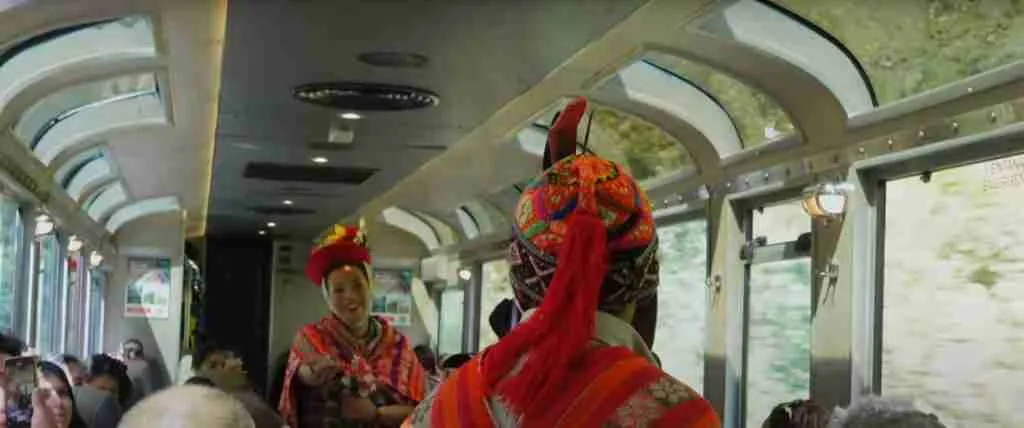
Rail networks form the backbone of Andean exploration, connecting mist-shrouded ruins with vibrant valley communities. Operators like INCA Rail and PeruRail’s Voyager trains deliver panoramic journeys through changing ecosystems. These services maintain military precision, with departures timed to synchronize with guided site visits and shuttle connections.
Expert guides transform travel time into educational opportunities. During the Ollantaytambo-to-Aguas Calientes route, they highlight:
• Terraced agricultural sites visible from windows
• Strategic Incan road systems paralleling the tracks
• Microclimates affecting local flora
| Train Service | Travel Time | Key Features |
|---|---|---|
| Vistadome | 1h 45m | Glass ceiling views, cultural performances |
| Expedition | 2h 10m | Budget-friendly, snack service included |
| Belmond Hiram Bingham | 3h 30m | Luxury dining, open-air observation car |
Private transfers eliminate luggage hassles, with drivers meeting groups at station exits. Organized service shines during peak seasons – tour operators secure priority boarding and preferred seating. Most packages include round-trip tickets, though upgrades to 360° Vista Dome cars remain popular for photography enthusiasts.
Safety protocols ensure smooth rides along steep mountain passes. Conductors monitor weather-related track changes, while onboard medical kits address altitude concerns. Travelers appreciate climate-controlled cabins and bilingual staff who explain safety procedures without disrupting the scenic immersion.
Expert Local Guides and Cultural Insights
Bilingual experts transform travel itineraries into living history lessons. Certified guides undergo rigorous training in archaeology and Quechua traditions, offering context beyond textbook facts. Their storytelling illuminates how ancient engineering feats connect to modern Andean life.
Securing tickets becomes effortless with guided tours. Operators handle timed entry passes for Machu Picchu and Sacred Valley sites through pre-arranged systems. Travelers receive digital confirmations and physical vouchers, eliminating wait times at crowded gates.
“Our guide translated Quechua songs during hikes and explained star patterns used by Incan astronomers – details we’d never discover alone.”
Partnerships with family-run farms and chefs ensure fresh meals align with regional flavors. Lunches feature organic quinoa salads and rocoto relleno (stuffed peppers), while snacks include sustainably sourced cacao nibs. Dietary restrictions receive meticulous attention, with gluten-free and vegan options available.
| Service | Feature | Benefit |
|---|---|---|
| Guided Tours | Certified Experts | Decode hidden symbols at ruins |
| Ticket Packages | Pre-Booked Access | Guaranteed entry during peak hours |
| Meal Programs | Local Partnerships | Authentic recipes + allergy protocols |
These specialists bridge past and present during travel moments. They demonstrate weaving techniques at textile cooperatives and explain potato cultivation at high altitudes. Such insights turn scenic stops into cultural masterclasses.
Even tickets for lesser-known sites like Moray’s circular terraces include guided interpretations. Guides adjust commentary based on group interests, whether focusing on botanical studies or architectural innovations.
Handcrafted meals double as cultural exchanges. Cooks share stories about ancestral farming while serving chuño (freeze-dried potatoes) and herbal teas. This thoughtful curation elevates standard tours into immersive journeys through Peru’s living heritage.


Group Dynamics and Private Tour Benefits
Tailored group experiences unlock hidden dimensions of Andean exploration. Small-group adventures (8-12 travelers) foster camaraderie through shared discoveries at archaeological sites, while private tours prioritize personal pacing and niche interests. Both styles avoid the impersonal feel of large bus excursions.
| Feature | Small Group | Private Tour |
|---|---|---|
| Group Size | 8-12 travelers | Your party only |
| Activities | Communal water tastings | Custom ruin access times |
| Flexibility | Fixed daily schedule | On-demand itinerary shifts |
| Cost | Budget-friendly | Premium pricing |
Shared journeys thrive on collective moments. Groups might sample spring water from sacred pacarinas (natural springs) or enjoy Pachamanca feasts at mountain viewpoints. These bonding experiences create lasting connections between culturally curious travelers.
“Our private guide rearranged the day to photograph sunset at Moray’s terraces – an experience impossible with fixed group schedules.”
Exclusive tours excel in personalization. Guides adjust routes based on physical abilities or historical interests, whether extending time at sites like Tipón’s hydraulic systems or adding textile workshops. Dedicated transport allows spontaneous stops at lesser-known mountain vistas.
Both styles ensure comfort through expert logistics. Small groups use vetted water sources and pre-arranged site entries, while private tours include luxury picnic setups at remote locations. The choice ultimately depends on whether travelers prioritize social engagement or tailored immersion.
Accommodation, Transfers, and Comfort
Quality lodging and seamless logistics form the backbone of memorable Andean adventures. Cusco offers diverse stays ranging from historic boutique hotels to modern wellness retreats. Properties like Palacio del Inka blend 16th-century architecture with oxygen-enriched rooms, while eco-lodges provide serene garden spaces for altitude recovery.
Private transfers eliminate travel hassles from arrival to departure. Drivers meet guests at Alejandro Velasco Astete Airport with bottled water and Wi-Fi-equipped vehicles. Coordinated schedules ensure timely connections between:
- Hotels and Sacred Valley departure points
- Train stations and Machu Picchu shuttle terminals
- Remote trailheads and return routes to Cusco
“Our driver navigated mountain roads like a local maestro – we relaxed knowing transfers aligned perfectly with tour timelines.”
| Accommodation Tier | Features | Price Range |
|---|---|---|
| Standard | Central locations, breakfast included | $80-$120/night |
| Premium | Spa services, altitude adaptation kits | $150-$300/night |
| Luxury | Private terraces, concierge tours | $400+ |
Valid passport copies must accompany all bookings – operators secure site entries and train tickets using this documentation. Travelers receive digital checklists detailing required items 60 days pre-departure.
Comfort extends beyond plush bedding. Guides monitor oxygen levels during high-altitude tours, while meal plans cater to dietary needs. Evening turndown services often include coca tea and weather updates for the next day’s adventures.
From airport greetings to final farewells, every waypoint receives meticulous attention. This holistic approach lets travelers focus on absorbing Peru’s wonders rather than logistics.
Inclusive Itinerary Highlights and Added Perks
Thoughtfully designed itineraries transform standard tours into seamless cultural journeys. Every route blends must-see landmarks with hidden gems, from sunlit citadel terraces to tucked-away weaving villages. Pre-reserved entrance passes eliminate queues at Ollantaytambo and Machu Picchu, granting immediate access during golden-hour viewing windows.
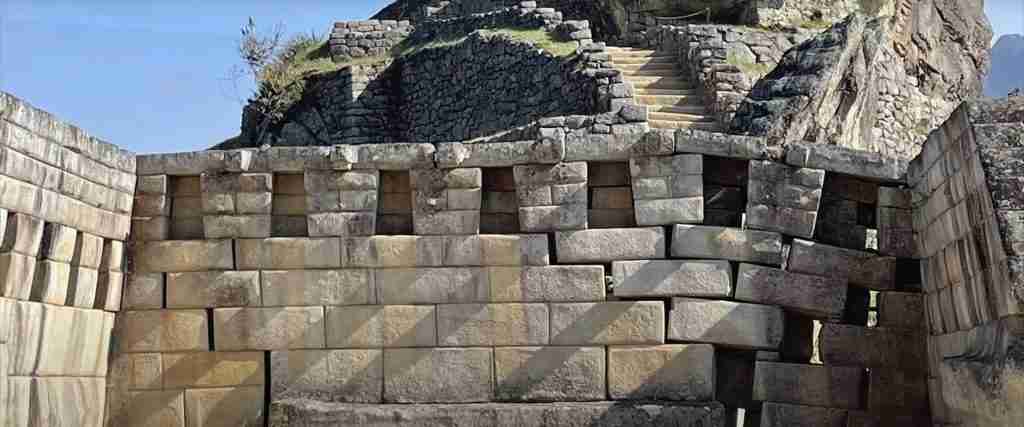
Guests enjoy curated trip enhancements that standard packages overlook. Private transfers between sites feature Wi-Fi and chilled beverages, while gourmet box lunches showcase regional flavors like aji de gallina chicken stew. Expert guides decode each route’s historical significance, explaining how Incan road systems influenced modern paths.
“Having all entries and meals arranged let us fully immerse in the experience – no logistics to worry about.”
The entrance to lesser-known sites like Moray’s circular terraces comes with exclusive after-hours access. Routes strategically avoid crowded areas, prioritizing intimate encounters with:
- Sacred Valley’s agricultural cooperatives
- Privately accessed Incan watchtowers
- Sunset viewpoints along the Urubamba River
| Inclusion | Benefit |
|---|---|
| Priority Site Entrances | Beat crowds at key monuments |
| Custom Routes | Discover photogenic hidden trails |
| Local Partnerships | Authentic textile demonstrations |
From the first trip briefing to final airport transfers, every detail receives meticulous attention. Thermal water access in Aguas Calientes and oxygen-enriched Cusco lodgings demonstrate the itinerary’s wellness focus. These thoughtful touches elevate the journey beyond typical tourist experiences.
Optional Upgrades and Extra Ticket Information
Tailoring your Andean adventure with premium experiences elevates both comfort and discovery. The Huayna Picchu Mountain Climb remains the most sought-after add-on, requiring separate tickets secured 3-6 months in advance. Limited to 400 daily climbers, this steep ascent rewards per person with exclusive citadel views from the iconic peak.
Rail enthusiasts often upgrade to the Belmond Hiram Bingham service. This luxury train features polished wood interiors, live Peruvian music, and multi-course lunch service with pisco sour cocktails. Evening return journeys include champagne toasts as the Andes glow in sunset hues.
| Upgrade | Features | Cost Range |
|---|---|---|
| Huayna Picchu | Pre-dawn entry + guided climb | $75-$95/person |
| Hiram Bingham Train | Gourmet meals + open-air observatory | $450-$900/person |
| Private Guide | Extended site access + photo sessions | $150-$300/day |
Enhanced lodging transforms recovery nights into cultural experiences. Properties like Inkaterra Machu Picchu Pueblo Hotel offer orchid trail walks and Andean bear conservation tours. Their signature lunch buffets showcase 200 potato varieties alongside Amazonian river fish ceviche.
Adventure seekers can pair citadel visits with Machu Picchu Mountain tickets for elevated panoramas. These $65 add-ons grant extended exploration time – ideal for photographers chasing perfect light. Most operators bundle upgrades during initial bookings, though last-minute additions may incur 20% surcharges.
Key booking tips:
- Confirm Huayna Picchu availability before purchasing base tickets
- Request upper deck seats when upgrading train services
- Compare per person rates across licensed vendors
Nightly turndown services at premium hotels often include oxygen enrichment – crucial after high-altitude days. Travelers report these thoughtful touches make upgraded nights worth the splurge, especially when paired with next-day gourmet lunch boxes for trail adventures.
Essential Pre-Trip Preparation and Altitude Tips
Mastering high-altitude travel requires strategic planning and smart packing. Thoughtful preparation helps visitors adapt to thin air while maintaining energy for mountain explorations. These expert recommendations ensure travelers maximize their investment while prioritizing safety.
Altitude Adaptation Strategies
Gradual acclimatization proves critical when ascending above 8,000 feet. Most itineraries schedule initial days in Cusco (11,152 ft) before higher elevations. Guides recommend:
- 48-hour minimal exertion period post-arrival
- Hydration with electrolyte-enhanced water
- Slow-paced walking on initial departure days
| Phase | Location | Altitude | Activity Level |
|---|---|---|---|
| 1 | Cusco | 11,152 ft | Light walking |
| 2 | Sacred Valley | 9,350 ft | Moderate hiking |
| 3 | Machu Picchu | 7,972 ft | Strenuous climbing |
Mountain-Ready Packing Essentials
Andean weather shifts rapidly between sun and storms. Packing lists should address temperature swings and trail demands. Prioritize these items:
- Merino wool base layers (temperature regulation)
- Waterproof hiking boots with Vibram soles
- SPF 50+ mineral sunscreen and UV-blocking hat
“Investing in quality gear proved worthwhile when hailstorms hit during our mountain descent. Proper preparation made the difference between discomfort and disaster.”
Early morning departures require organized packing. Many travelers use price-conscious rental services for bulky items like sleeping bags and trekking poles. Tour operators often include oxygen tanks in premium packages – confirm this when comparing price tiers.
Booking Options, Pricing, and Inclusions
Understanding booking details ensures a seamless journey through Peru’s iconic landscapes. Tour packages feature transparent pricing structures with three-tier options catering to different travel styles. From budget-conscious groups to luxury seekers, each tier includes curated experiences that maximize value.
| Package | Price Range | Key Inclusions |
|---|---|---|
| Standard | $950-$1,200 | Shared tours, Expedition train, daily breakfast |
| Premium | $1,500-$2,100 | Private guides, Vistadome train, afternoon transfers |
| Luxury | $2,800+ | Hiram Bingham train, 5-star hotels, seasonal upgrades |
Flexible booking requires only 30% deposits with balance due 60 days pre-trip. Operators offer year-round departures, though seasonal adjustments apply – May-September dry season packages cost 15% more due to demand. All reservations include:
- Daily gourmet breakfast buffets
- Guaranteed Machu Picchu entry passes
- Afternoon luggage transfers between hotels
“The detailed breakdown showed exactly what we paid for – no surprise fees. Having transfers and meals pre-arranged let us focus on the experience.”
Early-bird discounts slash 12% off bookings made 6+ months ahead. Groups of 6+ receive complimentary upgrades to private tours during shoulder seasons (April & October). Exclusive add-ons like sunrise citadel access or afternoon spa credits appear as optional line items rather than hidden costs.
Final confirmations arrive 45 days pre-departure with digital itineraries and packing lists. This clarity transforms complex logistics into simple checklists, letting travelers anticipate Peruvian dawns rather than paperwork.
Conclusion
Four days in the Andes reveals how thoughtfully designed itineraries unlock profound cultural connections. This journey masterfully balances archaeological discovery with modern comforts, offering travelers immersive access to one of humanity’s greatest historical wonders.
Small groups enhance every experience – from deciphering celestial alignments at the citadel to sharing meals with Quechua artisans. Expert guides transform stone ruins into vivid narratives, while private transfers ensure seamless transitions between sacred valleys and mountain trails.
The ancient citadel remains the journey’s crown jewel, its terraced grandeur amplified by strategic sunrise viewings. Travelers gain lasting appreciation for Incan ingenuity through tailored routes that avoid crowds while maximizing photographic opportunities.
Successful adventures begin with early bookings and altitude-aware planning. Prioritize certified operators offering oxygen-enriched lodgings and pre-reserved site entries. These elements combine to create worry-free exploration from Cusco’s plazas to Machu Picchu’s sun gates.
Ready to walk where emperors once stood? Secure your spot in intimate groups and witness history come alive across Peru’s most iconic landscapes. Let every step through the citadel‘s sacred stones become a memory etched in Andean sunlight.
