Exploring the ancient wonders of Machu Picchu in just three days may seem ambitious, but with careful planning, it’s entirely possible. This expert guide outlines a streamlined itinerary that combines cultural immersion, scenic journeys, and historical discovery. Designed for travelers seeking efficiency without sacrificing depth, the three-day adventure balances iconic landmarks with hidden gems.
The journey begins in Cusco, where cobblestone streets and Spanish-colonial architecture set the stage. Reserved train services whisk guests through the Sacred Valley’s lush landscapes, while expert local guides share insights into Inca history. Each day is thoughtfully structured to maximize time, blending guided tours of archaeological sites with moments for personal exploration.
Private tours prioritize comfort and exclusivity, featuring small groups and premium accommodations. Travelers gain access to sunrise views at Machu Picchu’s Sun Gate and curated visits to lesser-known ruins. The package includes all logistics—from transportation to entry tickets—letting visitors focus on the experience.
This guide reveals how to navigate permits, choose routes, and select trusted operators. Whether trekking the Inca Trail or opting for scenic rail journeys, every detail ensures an unforgettable trip. Discover how three days can deliver a lifetime of memories at one of the world’s most awe-inspiring destinations.
Key Takeaways
- Three-day itineraries efficiently cover Cusco’s historic sites and Machu Picchu’s highlights
- Reserved train services and professional guides streamline the experience
- Small group sizes ensure personalized attention and flexibility
- All-inclusive packages handle permits, transportation, and accommodations
- Balanced pacing allows for both guided tours and independent exploration
- Contact us by filling out the trip planner form, our expert travel advisors will work closely with you to create your tailor-made itinerary (Free Service)
Introduction: Discovering Machu Picchu in a Limited Time Frame
Strategic planning unlocks Machu Picchu‘s secrets even on a tight schedule. This iconic destination demands thoughtful coordination between archaeological wonders, cultural encounters, and logistical precision. Three-day itineraries thrive when balancing morning explorations with afternoon travel transitions.
Why Precision Planning Matters
Condensing Peru’s crown jewel into 72 hours requires expert knowledge of train schedules, entry permits, and altitude adjustments. Local operators leverage decades of experience to synchronize visits to Cusco’s colonial gems with Machu Picchu’s sunrise moments. Guided groups avoid ticket queues and transportation hiccups that challenge solo travelers.
Crafting the Perfect Balance
Premium tours blend ancient stonework with contemporary comforts—think gourmet box lunches served at mountain viewpoints. Visitors gain historical context through bilingual guides while retaining free time for personal discovery. Physical demands vary from leisurely valley walks to steep ruin ascents, requiring adaptable footwear and layered clothing.
| Feature | Guided Tours | Self-Planning |
|---|---|---|
| Logistics Handling | Full Support | Personal Research |
| Local Insights | Expert Narratives | Guidebook Reliance |
| Time Efficiency | Optimized Routes | Trial & Error |
| Cost | Inclusive Pricing | Variable Expenses |
Weather patterns influence daily plans—dry mornings often host site visits, while afternoon showers refresh Sacred Valley terraces. This rhythm lets travelers absorb Inca engineering marvels without rushing. Every sunset concludes with well-earned relaxation in handpicked lodgings.
Addressing the Query: Can you do Machu Picchu in 3 days?
A well-structured three-day journey reveals Machu Picchu‘s essence without compromising depth. Elevation plays a critical role—Cusco sits at 3,350 meters, while nearby Sacsayhuaman reaches 3,500 meters. Travelers gradually adapt to thinner air through carefully timed activities, blending cultural discovery with physiological adjustment.
Daily itineraries balance transit and exploration. Morning hours often involve gentle walks through archaeological sites, while afternoons transition between locations via rail or shuttle. Most routes include 4-6 hours of light hiking daily across uneven stone paths and grassy slopes.
Key considerations for time management:
- Train transfers between Cusco and Aguas Calientes: 3.5 hours each way
- Guided site tours: 2-3 hours per major complex
- Temperature swings from 15°C (59°F) days to 5°C (41°F) nights
Altitude impacts vary—some visitors experience mild breathlessness, while others adjust seamlessly. Guides recommend hydration and paced movement, particularly when ascending stone staircases. Modern Machu Picchu tours strategically sequence destinations to optimize energy levels across all three days.
With expert coordination, the condensed schedule delivers iconic vistas like the Sun Gate sunrise alongside lesser-known wonders. Smart pacing allows for both group activities and solitary reflection among ancient ruins. When logistics are handled professionally, 72 hours prove sufficient to absorb the site’s spiritual magnitude and historical significance.
Overview of the 3-Day Itinerary
Condensing Peru’s Andean treasures into 72 hours demands precision and local expertise. This streamlined itinerary pairs iconic landmarks with seamless logistics, ensuring travelers absorb Cusco City‘s colonial charm and Machu Picchu‘s mystique without rushing. Each day balances guided discovery with moments for personal reflection.
Day 1: Cusco City Exploration
The journey begins with Cusco City‘s archaeological crown jewels. Morning tours explore Sacsayhuaman’s megalithic walls and Qenqo’s ceremonial tunnels. Afternoon visits to Coricancha reveal golden Inca temples beneath Spanish convents. Guides provide historical context while allowing time to savor local cuisine at curated eateries.
Day 2: Sacred Valley and Overnight in Machu Picchu Pueblo
Day two unfolds in the Sacred Valley with stops at Pisac’s terraced ruins and Ollantaytambo’s fortress. Train transfers via PeruRail’s Vistadome cars offer panoramic views en route to Aguas Calientes. Overnight stays in this gateway town enable early tour Machu access, bypassing crowds arriving from Cusco.
Day 3: Guided Tour in Machu Picchu and Return
Pre-dawn buses climb to the citadel for sunrise at the Guardhouse viewpoint. Two-hour guided tours decode astronomical alignments and royal quarters. Afternoon returns include box lunch services and scenic rail journeys, with arrival in Cusco by evening.
Key features enhance this three-day adventure:
- Pre-booked entrance tickets for all archaeological sites
- Strategic overnight in Machu Picchu Pueblo for priority access
- Hydration support with complimentary water stations
Would you like to book a the above 3-Day Itinerary to Machu Picchu? Please fill-out our below trip planner and we will respond promptly with our best offer!
Exploring the Inca Ruins of Cusco
Cusco’s stone foundations whisper stories of an empire that shaped South America. The city’s archaeological treasures—Sacsayhuaman, Qenqo, and Coricancha—serve as living classrooms where ancient engineering meets spiritual symbolism. These sites form the cultural backbone of any Inca citadel exploration, revealing how imperial power intertwined with celestial worship.
Sacsayhuaman, Qenqo, and Coricancha Highlights
Sacsayhuaman’s zigzagging walls showcase precision stonework that defies modern explanation. Massive limestone blocks weighing up to 300 tons fit seamlessly without mortar—a testament to Inca masonry mastery. Nearby Qenqo’s labyrinthine tunnels hosted ritual ceremonies tied to agricultural cycles.
Coricancha, once sheathed in gold, demonstrates the empire’s fusion of spirituality and architecture. Spanish colonizers built the Santo Domingo convent atop its sun temple foundations, creating a striking blend of cultures. Guides decode these layers during tour Inca experiences, explaining how celestial alignments guided construction.
Local Culture and Architectural Marvels
Modern Cusco thrives on these ancient roots. Artisans near archaeological sites demonstrate weaving techniques unchanged for centuries. Local festivals reenact Inca solstice celebrations, offering travelers cultural context beyond textbook history.
| Site | Key Feature | Construction Technique | Cultural Significance |
|---|---|---|---|
| Sacsayhuaman | Fortress walls | Polygonal masonry | Military and ceremonial hub |
| Qenqo | Underground chambers | Carved bedrock | Lunar worship center |
| Coricancha | Gold-plated temple | Ashlar masonry | Imperial spiritual nucleus |
Expert-led tours connect these ruins to broader Inca citadel Machu Picchu narratives. Visitors gain insights into imperial governance systems and astronomical knowledge that enabled the empire’s expansion. Each stone tells a story of innovation that still inspires architects today.
Immersing in the Sacred Valley Experience
The Sacred Valley stands as a living museum where Inca ingenuity meets Spanish colonial influences. This fertile corridor along the Urubamba River served as the empire’s agricultural and spiritual nucleus. Modern travelers encounter terraced hillsides, artisan markets, and well-preserved ruins that showcase centuries of cultural evolution.
Pisac Ruins and the Colonial Town of Pisac
Perched above the valley, Pisac’s stone citadel reveals intricate agricultural terraces and ceremonial plazas. The site’s strategic position allowed Inca rulers to control trade routes while monitoring crop cycles. Below the ruins, the colonial town charms visitors with cobblestone streets and vibrant Sunday markets selling handwoven textiles.
Guided tours often pause at the Taray viewpoint, offering panoramic vistas of patchwork fields framed by snow-capped peaks. This perspective highlights how ancient civilizations harmonized with rugged landscapes through innovative engineering.
Ollantaytambo’s Ancient Inca Architecture
Ollantaytambo’s fortress-like structures demonstrate advanced urban planning, with original irrigation channels still functioning today. Massive stone temples served dual purposes as spiritual centers and military strongholds. The town’s layout remains virtually unchanged since the 15th century, earning its nickname “Living Inca City.”
| Site | Key Features | Cultural Significance |
|---|---|---|
| Pisac Ruins | Terraced agriculture | Trade hub & ceremonial site |
| Ollantaytambo | Fortress temples | Last Inca resistance stronghold |
Rail journeys from Ollantaytambo to Machu Picchu weave through cloud forests, completing the valley’s sensory narrative. Travelers witness how geography shaped both ancient empires and modern experiences, blending history with ever-changing Andean light.


Guided Tour: The Machu Picchu Experience
Expert-led exploration transforms stone ruins into vivid chapters of Andean history. The two-hour guided tour navigates winding pathways through the citadel, blending architectural analysis with cultural storytelling. Visitors gain privileged access to viewpoints most independent travelers miss.
Highlights of the 2-Hour Guided Tour
Knowledgeable tour guides decode celestial alignments at the Sun Temple and demonstrate acoustic wonders in the Royal Tomb. The structured route covers 1.5 miles with moderate elevation changes. Key stops include:
- Intihuatana Stone: Solar calendar explanations
- Temple of Three Windows: Panoramic valley views
- Agricultural Sector: Terraced farming techniques
Selecting the Best Inca Circuit for Classic Views
Circuits 1 and 2 deliver iconic perspectives while managing crowd flow. Circuit 1 ascends to the Guardhouse overlook, ideal for sunrise photography. Circuit 2 winds through residential sectors with close-up citadel examinations.
| Circuit | Distance | Key Features | Best For |
|---|---|---|---|
| 1 | 2.4 km | High-altitude vistas | Photographers |
| 2 | 1.8 km | Architectural details | History buffs |
Train transfers synchronize with tour schedules—morning groups catch 5:30 AM buses, while afternoon departures align with 1:00 PM return trains. Guides monitor pacing to ensure timely transitions between sites and transportation.
“Our guides carry generations of Quechua wisdom—they don’t just show stones, they resurrect empires.”
Moderate hike sections require sturdy shoes, particularly on rain-slicked steps. Observation decks like the Caretaker’s Hut offer resting points with interpretive signage. Evening debriefs in Aguas Calientes cement the day’s discoveries before the scenic rail journey back to Cusco.
Essential Tips for a 3-Day Machu Picchu Trip
Preparing for Andean adventures requires smart packing and altitude awareness. Our guides recommend prioritizing versatile gear that adapts to changing weather and trekking demands. These strategies help travelers maintain energy levels while navigating ancient pathways and modern logistics.
Packing, Clothing, and Weather Preparations
Lightweight bags with waterproof compartments prove essential for sudden mountain showers. Key items include moisture-wicking base layers, broken-in hiking boots, and a compact rain jacket. Layering allows quick adjustments between sunny valley walks and chilly high-altitude viewpoints.
Daily trekking requires sun protection and hydration systems. Many tour operators provide reusable water bottles, but adding electrolyte tablets enhances stamina. A 20-liter daypack balances storage needs without adding bulk during site explorations.
Altitude and Physical Considerations
Gradual acclimatization minimizes elevation impacts during high-level hikes. Arriving in Cusco 24 hours early helps bodies adjust to thinner air. Guides monitor oxygen saturation levels and pace groups accordingly, particularly on steep ascents.
| Preparation Area | Recommendation | Benefit |
|---|---|---|
| Altitude | Diamox (consult doctor) | Reduces sickness risk |
| Fitness | Daily stair training | Builds hike endurance |
| Nutrition | High-carb snacks | Sustains energy levels |
Balancing structured tour schedules with flexible time buffers accounts for weather delays or extended site visits. Proper preparation transforms challenging trekking routes into rewarding cultural experiences, ensuring comfort from trailhead to citadel.
Planning Your Transportation: Trains, Shuttles, and Transfers

Efficient transportation planning forms the backbone of any well-executed Andean adventure. PeruRail’s services connect Cusco to Machu Picchu through breathtaking landscapes, with timed departures that align perfectly with guided itineraries. Travelers choose between panoramic Vistadome cars and budget-friendly Voyager options, each offering distinct advantages for scenic journeys.
PeruRail’s Signature Services: Comfort Meets Views
The Vistadome class features expansive windows and onboard cultural performances, ideal for photographers and culture enthusiasts. Departures from Ollantaytambo at 6:10 AM and 8:30 AM ensure arrival in Aguas Calientes before midday. Voyager trains (services 45 and 44) provide cost-effective travel with snack services, catering to backpackers and value-focused explorers.
| Class | Departure Times | Per Person Cost | Key Features |
|---|---|---|---|
| Vistadome | 6:10 AM, 8:30 AM | $140-$180 | Glass ceilings, live shows |
| Voyager | 7:35 AM, 4:22 PM | $60-$90 | Basic seating, snack service |
Seamless Private Transfers from Cusco
Premium tour packages include door-to-door shuttle services between Cusco hotels and train stations. Drivers handle luggage loading while confirming tickets and departure information. These transfers eliminate stress, particularly for early-morning departures when Andean roads remain quiet.
Critical considerations for smooth travel:
- Check-in closes 30 minutes before departure
- Luggage limit: 1 carry-on (11 lbs) + 1 personal item
- Printed tickets required for boarding
Reliable transportation ensures every minute of the three-day trip maximizes discovery. By pairing comfortable rail journeys with punctual shuttles, travelers preserve energy for archaeological wonders rather than logistical hurdles.
Accommodations and Local Services in Cusco and Aguas Calientes
Selecting the right basecamp enhances every aspect of an Andean adventure. Travelers enjoy diverse lodging choices across Cusco, Ollantaytambo, and Aguas Calientes—from boutique hotels with colonial charm to eco-friendly hostels nestled in cloud forests. Each option prioritizes comfort while reflecting regional architectural traditions.
Options: Hotels, Hostels, and Unique Airbnb Experiences
Centrally located Cusco hotels simplify early morning transfers to train stations. Many include altitude-adjusted breakfast spreads featuring quinoa pancakes and coca tea. Upscale properties near Plaza de Armas offer heated floors and oxygen-enriched rooms for seamless acclimatization.
Aguas Calientes accommodations focus on convenience for sunrise visits to Machu Picchu. Mid-range hotels provide 4 AM wake-up calls and packed breakfast boxes. For authentic experiences, restored Machu Picchu Pueblo houses now operate as Airbnbs with local host families.
| Location | Accommodation Type | Breakfast Inclusions | Price Range (per person) |
|---|---|---|---|
| Cusco | 4-star hotels | Buffet with altitude-friendly options | $80-$150/night |
| Aguas Calientes | Boutique lodges | To-go meals for early departures | $50-$120/night |
| Ollantaytambo | Historic haciendas | Organic farm-to-table | $40-$90/night |
Additional services elevate the journey—guided breakfast tours in Cusco’s San Pedro Market reveal regional flavors. Most tour packages include door-to-door luggage transfers, ensuring hassle-free transitions between locations. Luxury seekers appreciate spa treatments using Andean herbs after full-day explorations.
Booking and Ticketing Essentials
Securing access to Andean treasures requires meticulous documentation and timed entry passes. Government-regulated tickets for archaeological sites sell out months ahead during peak seasons. Travelers must coordinate entrance reservations with train schedules and passport details to avoid access denials.
Navigating Entrance Reservations
All visitors need entrance tickets purchased through Peru’s Ministry of Culture website. Options include:
| Ticket Type | Sites Covered | Validity | Cost (Per Person) |
|---|---|---|---|
| Machu Picchu Only | Citadel + Museum | 1 Day | $45-$70 |
| Sacred Valley Circuit | Pisac + Ollantaytambo | 2 Days | $50 |
| Cusco Regional | Sacsayhuaman + Qenqo | 10 Days | $45 |
Passport numbers must match tickets exactly—name typos invalidate admissions. Guided groups benefit from agencies handling these details automatically.
Luggage Rules and Documentation
Trains enforce strict bag policies: 1 carry-on (11 lbs) plus 1 personal item. Prohibited items include:
- Rolling suitcases exceeding 62 linear inches
- Tripods or professional camera gear
- Plastic water bottles (reusable only)
Critical documents include printed tickets, original passports, and vaccination records. Smart travelers store digital copies in cloud storage as backups.
Three-step booking process:
- Select sites and dates on entrance ticket portal
- Input passport information for all travelers
- Pay via Visa/Mastercard for instant confirmation
Last-minute planners risk closed slots—book at least 12 weeks ahead. Review PeruRail’s guidelines for luggage dimensions and prohibited items to prevent boarding issues.
Exclusive Inclusions of the 3-Day Tour Packages
Premium tour packages eliminate logistical headaches through carefully curated services. Travelers gain access to priority reservations and seamless transitions between destinations. This streamlined approach lets guests focus on absorbing Andean culture rather than managing details.
What’s Covered: Entrance Fees, Train Services, and Guided Tours
All-inclusive plans feature three core components that elevate the journey. Reserved train tickets on PeruRail’s Vistadome or Expedition services ensure comfortable transit through cloud forests. Expert-led guided tours at major archaeological sites decode hidden histories beyond guidebook summaries.
Key inclusions simplify the experience:
- Pre-purchased tickets for Machu Picchu and Sacred Valley sites
- Round-trip rail transfers with panoramic windows
- Bilingual guides certified by Peru’s Ministry of Culture
| Inclusion | Details | Traveler Benefit |
|---|---|---|
| Entrance Fees | Machu Picchu + 2 Sacred Valley sites | Guaranteed access |
| Train Services | Ollantaytambo ↔ Aguas Calientes | Scenic efficiency |
| Guided Tours | 4-6 hours daily | Contextual depth |
Upgrades like Huayna Picchu permits or luxury rail cars can be added for personalized adventures. Comprehensive coverage means no surprise fees—meals, hotels, and transfers appear in initial quotes.
These packages transform complex itineraries into effortless experiences. Guests trade spreadsheet planning for sunrise moments at the Sun Gate, supported by behind-the-scenes coordination. Every element aligns to create immersion without compromise.
Insider Tips from Expert Guides
Seasoned guides reveal hidden rhythms that transform rushed visits into meaningful journeys. Their knowledge bridges ancient history and modern logistics, offering shortcuts to unforgettable moments. This wisdom comes from years of navigating stone pathways and decoding seasonal patterns.
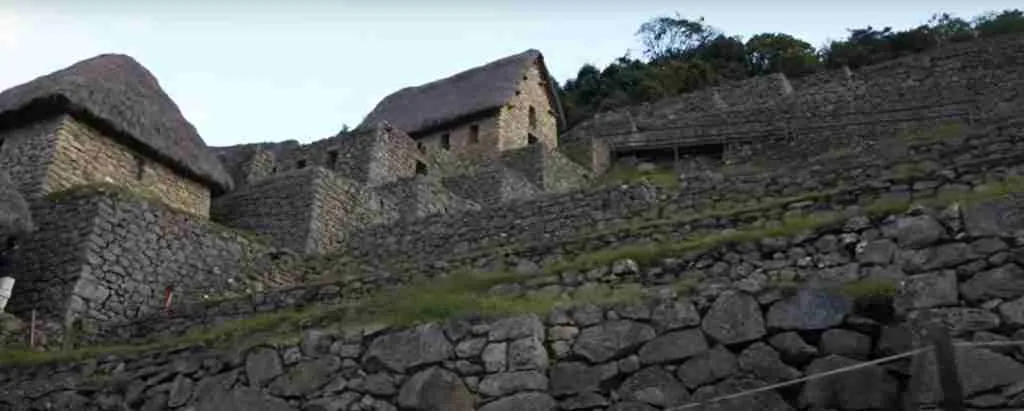
Local Insights and Best Times to Visit
Morning light unveils Machu Picchu’s details best—arrive before 8 AM to avoid midday glare and crowds. Guides suggest Wednesdays and Thursdays for calmer explorations, as weekend travelers often depart by Tuesday. Afternoon showers in November through March create ephemeral rainbows near Huayna Picchu.
Expert strategies for crowd management:
- Reverse routes: Start at the Temple of the Sun while others cluster at main gates
- Quiet hours: 10 AM-12 PM sees peak arrivals—ideal for museum visits
- Train selection: Book return journeys after 3 PM for emptier carriages
| Site | Prime Time | Local Secret |
|---|---|---|
| Sacsayhuaman | 7-9 AM | Spot Andean foxes near the terraces |
| Ollantaytambo | 4-5 PM | Golden hour illuminates carved stone channels |
Respectful interactions deepen experiences. Guides recommend learning basic Quechua phrases like “Rimaykullayki” (please) and offering coca leaves to elders. Punctuality matters—Peruvian trains depart precisely as scheduled. These nuances turn standard tours into cultural exchanges.
“The stones speak when you listen—notice how sunlight shifts across the Intihuatana at solstice.”
Comparing Other Trekking Options: Inca Trail and Salkantay Trek
Choosing between Andean adventures requires understanding distinct pathways to history. While multi-day treks appeal to seasoned hikers, time-conscious travelers often prefer streamlined itineraries. Each route offers unique perspectives on Inca heritage and Andean landscapes.
Key Differences and Unique Features
The Inca Trail immerses walkers in living history across a 4-day journey. This UNESCO World Heritage route passes through original stone-paved paths and cloud forests. Permits sell out months in advance due to strict conservation limits.
By contrast, the Salkantay Trek challenges adventurers with high-altitude passes reaching 4,650 meters. Five-day itineraries showcase glacial lakes and tropical ecosystems. This alternative route often costs 30% less than the classic trail.
| Feature | Inca Trail | Salkantay Trek | 3-Day Tour |
|---|---|---|---|
| Duration | 4-5 days | 5-7 days | 3 days |
| Max Elevation | 4,215m | 4,650m | 3,850m |
| Permit Required | Yes | No | No |
| Cultural Focus | Archaeological | Natural | Combined |
Guided tours prove ideal for those balancing limited vacation time with deep exploration needs. Expert-led groups access priority entry to Machu Picchu while avoiding camping logistics. Cultural immersion remains central, with guides explaining Quechua traditions during transit.
Physical demands vary significantly—the Inca Trail involves 6-8 hour daily hikes, while trekking Salkantay demands technical footwear for rocky descents. Our travelers often combine shorter hikes with curated tours for balanced experiences.
“The trails aren’t competitors—they’re chapters in Peru’s living storybook. Choose your adventure based on what speaks to your spirit.”
How to Maximize Your Short Trip Experience
Crafting an unforgettable journey requires blending preparation with flexibility. Travelers gain the most when strategic planning leaves room for unexpected discoveries. Prioritizing key sites while respecting personal energy levels creates a rhythm that enhances every moment.
Top Recommendations for a Memorable Journey
Early mornings unlock quieter archaeological sites and softer light for photography. Allocate 90-minute buffers between guided tours for hydration breaks and spontaneous detours. Local markets like Pisac’s artisan stalls offer authentic souvenirs while supporting community artisans.
| Priority | Morning Focus | Afternoon Suggestion |
|---|---|---|
| High | Guided citadel exploration | Museum visits |
| Medium | Scenic train journeys | Local cuisine sampling |
| Low | Souvenir shopping | Hotel relaxation |
Evening downtime proves essential—schedule leisurely dinners to process the day’s experiences. Many travelers find journaling during these moments helps solidify memories.
Cultural Etiquette and Local Interaction Tips
Respectful engagement begins with learning basic Quechua greetings like “Allillanchu” (hello). Always ask permission before photographing residents or sacred spaces. Guides recommend these practices:
- Offer coca leaves to elders as a sign of respect
- Remove hats when entering churches
- Use right hand for exchanges
“Travelers who listen more than they speak often uncover hidden stories in these ancient walls.”
Selecting tour operators with certified bilingual guides ensures accurate cultural interpretations. Balanced itineraries pair structured site visits with unstructured time to wander cobblestone alleys. This approach honors both history and personal curiosity.
Additional Resources and Contact Information
Finalizing an Andean adventure requires reliable resources and clear communication channels. Our team streamlines the reservation process while providing curated materials for informed travel decisions.
Online Booking Forms and Inquiry Details
Secure your spot through our digital portal featuring real-time availability checks. Essential fields include:
| Field | Example Entry | Notes |
|---|---|---|
| Service Type | Machu Picchu Classic | 3-day package code: MP3D |
| Arrival Date | MM/DD/YYYY | Flexible date options available |
| Passport Number | Match government ID | Required for ticket validation |
Submissions receive confirmation within 24 hours. For urgent requests, contact our Cusco office directly at +51 84 123456.
Useful Links and Further Reading
Deepen your understanding with these authoritative sources:
- UNESCO World Heritage Site portal
- Peru Ministry of Culture ticket portal
- Andean Travel Health Advisory updates
Contact our specialists for personalized itineraries:
“Our bilingual team tailors experiences to your pace and interests—from sunrise citadel access to textile workshops.”
| Resource | Website | Key Feature |
|---|---|---|
| Train Schedules | PeruRail.com | Real-time seat availability |
| Weather Updates | Senamhi.gob.pe | Regional microclimate forecasts |
Conclusion
A meticulously crafted three-day adventure captures the essence of Peru’s iconic landmarks while respecting modern travelers’ schedules. From Cusco’s megalithic wonders to sunrise at the Sun Gate, each day blends guided insights with personal discovery. The journey proves condensed itineraries can deliver profound cultural experiences when designed by regional experts.
For time-conscious explorers, this itinerary eliminates guesswork while maximizing engagement. Reserved train seats and pre-booked entry tickets streamline transitions between archaeological treasures. Small group sizes ensure tailored attention at sacred sites, from Sacsayhuaman’s fortress walls to Ollantaytambo’s hydraulic marvels.
The tour package’s inclusive structure lets travelers focus entirely on Andean wonders. Expert guides decode astronomical alignments at ancient temples, while comfortable lodgings recharge energy for each dawn excursion. Strategic pacing balances physical activity with moments for reflection amid cloud-forest vistas.
Those seeking a transformative trip will find every logistical detail expertly managed. Our team crafts seamless return journeys to Cusco, ensuring every moment contributes to lifelong memories. Ready to embark? Contact our specialists today to secure priority access and personalized adjustments.
“Our specialists refine every detail—from sunrise viewings to seamless returns—ensuring your Peruvian journey exceeds expectations.”
