
Campania Travel Tips 2026: Practical Planning Guide
This comprehensive guide addresses the practical questions that determine trip success: transportation options for reaching and exploring the region, accommodation strategies that balance location with budget, money-saving tactics that reduce costs without sacrificing experience quality, safety considerations including health precautions and common scams, cultural etiquette that facilitates respectful engagement, communication strategies for non-Italian speakers, dining approaches that find authentic cuisine at fair prices, and logistical details about currency, connectivity, and essential services. Mastering these practical elements creates the foundation for meaningful cultural engagement and memorable experiences across Campania’s UNESCO heritage sites, coastal treasures, and authentic communities.
Key Takeaways
- Book Accommodation 3-6 Months Ahead for Summer 2026 to secure Amalfi Coast properties before they sell out, while winter visits allow last-minute booking with potential discounts
- Artecard Naples-Campania Passes provide significant savings on museum admissions and public transportation, paying for themselves in 2-3 major site visits during your 2026 trip
- Early Morning Archaeological Site Visits (9-10 AM) avoid both crowds and intense heat while providing optimal photography light at Pompeii, Herculaneum, and Paestum
- SITA Bus Passes cost €10 for 24 hours of unlimited Amalfi Coast travel versus €2-4 per single ride, saving substantial money on coastal exploration in 2026
- Shoulder Season Travel (April-May, September-October 2026) delivers 30-40% accommodation savings, manageable crowds, and excellent weather compared to peak summer
- Local Trattorias Away from Tourist Centers charge €15-25 for complete meals versus €35-50 at waterfront tourist restaurants, maintaining authentic quality while cutting dining costs
Introduction: Navigating Campania Successfully in 2026
Campania concentrates extraordinary cultural wealth, natural beauty, and culinary excellence within a compact geographic area, yet the region’s popularity creates practical challenges that strategic planning helps overcome. Over 20 million annual visitors strain transportation infrastructure, create accommodation scarcity during peak periods, and generate crowds at major attractions that can diminish experience quality. Understanding practical realities—when to book, how to move efficiently between destinations, where to eat authentically, how to avoid tourist traps—transforms visits from frustrating to rewarding.
The region’s tourism infrastructure operates on clearly defined seasonal rhythms that affect everything from hotel availability to restaurant hours to ferry schedules. Summer months (June-August) see maximum services but also peak prices and crowds, while winter periods (November-March) offer minimal tourism presence but reduced coastal services. Shoulder seasons (April-May, September-October) provide optimal balance for most visitors, though specific timing within these windows significantly impacts practical considerations including weather reliability, crowd levels, and pricing.
People Also Ask About Campania Travel Tips 2026
What is the best way to get around Campania in 2026?
The optimal transportation strategy for 2026 Campania exploration combines multiple modes based on destination types. Naples and major archaeological sites function excellently with public transportation—the metro serves city attractions efficiently, Circumvesuviana trains provide direct access to Pompeii (€3.50, 35 minutes from Naples) and Herculaneum (€2.50, 20 minutes), and SITA buses connect Amalfi Coast towns with frequent service. A 24-hour SITA bus pass costs €10 and provides unlimited travel along the coast, representing excellent value for day trips visiting multiple towns. Regional trains reach Salerno, Paestum, Caserta, and Benevento at modest fares (€4-8 for most routes).
However, exploring lesser-known destinations including Cilento villages, Irpinia wine territories, mountain sanctuaries, and remote archaeological sites requires automotive transport. Rental cars cost €40-70 daily including insurance, providing flexibility for comprehensive regional exploration while adding stress from Italian driving conditions, narrow coastal and mountain roads, and limited parking in historic centers. The optimal strategy often combines approaches: using public transit for Naples, Pompeii, and Amalfi Coast base visits, then renting cars for 2-3 days to explore inland territories and southern coastal zones where public transportation becomes impractical.
Ferry services operate seasonally (April-October) connecting Naples, Sorrento, Positano, Amalfi, and Salerno with scenic alternatives to road transport. Routes cost €8-20 depending on distance, with Naples-Positano running €20-25 and providing dramatic coastal views impossible from buses or cars. Winter visitors rely more heavily on road transport as ferry schedules reduce or suspend. Tour operators offering day trips from Naples to various combinations (Pompeii-Vesuvius, Amalfi Coast, Capri) cost €50-90 per person and eliminate navigation stress while imposing fixed schedules and group dynamics. Each transportation mode offers specific advantages—matching modes to destinations and personal preferences optimizes both efficiency and experience quality.
How much should I budget daily for Campania travel in 2026?
Daily budget requirements for 2026 Campania travel vary dramatically by accommodation choice, dining preferences, and activity selection. Budget travelers manage on €60-80 daily through strategic choices: hostel beds (€25-35/night), self-catered breakfast and some meals (€12-18/day), budget trattorias for remaining meals (€12-18), public transportation (€8-12/day), and selective site admissions focusing on free or low-cost attractions (€5-10/day average). This produces sustainable travel at approximately €60-80 daily excluding flights, though requires discipline and acceptance of basic comfort levels.
Mid-range travelers spending €120-180 daily enjoy comfortable experiences: 3-star hotels (€80-130/night depending on season), full restaurant meals at local establishments (€35-50/day), comprehensive site admissions (€15-20/day), and occasional tour activities or special experiences (€20-30/day average). This budget level accesses quality accommodation, authentic dining, complete attraction access, and comfort without extravagance. High-end travelers allocating €250-400+ daily experience premium hotels, fine dining, private tours, and luxury services that define upscale Italian tourism.
Seasonal variations affect these calculations significantly—winter visits reduce accommodation costs 30-40% compared to summer for equivalent properties, while meal and activity costs remain relatively stable year-round. A week-long mid-range Campania trip in 2026 costs approximately €850-1,250 in summer peak season versus €650-950 in winter low season, excluding flights. These estimates assume Naples base with day trips rather than multiple hotel changes, and balance tourist sites with authentic local experiences. Actual costs depend on specific choices: staying in Positano versus Naples, eating at waterfront restaurants versus neighborhood trattorias, taking private tours versus using public transportation, and purchasing extensive souvenirs versus minimal shopping all significantly impact total expenditures.
Is Campania safe for tourists in 2026?
Campania remains generally safe for tourists with crime rates primarily involving non-violent property offenses rather than violent attacks on visitors. Petty theft including pickpocketing and bag snatching occurs in crowded tourist areas—Naples’ Spaccanapoli neighborhood, Circumvesuviana trains to Pompeii, ferry terminals, and busy market areas see the most incidents. Standard urban precautions minimize risks: using anti-theft bags with slash-resistant straps and locking zippers, keeping valuables in front pockets or secure compartments, maintaining awareness in crowded spaces, avoiding displaying expensive jewelry or electronics unnecessarily, and securing hotel room safes for passports and excess cash.
Scams targeting tourists operate predictably and remain avoidable through awareness. Common schemes include: fake police officers requesting to see wallets or passports (legitimate Italian police carry proper identification and rarely stop tourists randomly), taxi drivers claiming meters are broken and demanding inflated fixed rates (insist on meter use or agree on prices before entering), restaurants adding unauthorized charges to bills (carefully review charges before paying), and street vendors selling counterfeit goods at inflated “discount” prices (avoid unauthorized street purchases). Being assertive but polite when declining unwanted services or sales pitches prevents most scam attempts.
Naples specifically suffers from reputation problems exceeding actual risk for most tourists visiting mainstream attractions and staying in standard tourist zones. Historic center areas, waterfront sections, metro stations, and major museums see regular police presence and function safely during daytime and evening hours. However, certain peripheral neighborhoods lack tourist infrastructure and warrant avoidance. The Circumvesuviana train to Pompeii experiences frequent petty theft—passengers should secure valuables, avoid displaying phones or cameras unnecessarily, and remain alert particularly during station stops when thieves can grab items and exit before doors close. Overall, applying standard urban travel awareness—no different from visiting any major European city—allows safe Campania exploration throughout 2026.
What cultural etiquette should tourists observe in Campania during 2026?
Religious and social customs in Campania follow traditional southern Italian patterns that visitors should respect for smooth cultural interaction. Modest dress standards apply when entering churches and religious sites—shoulders and knees must be covered, meaning shorts, tank tops, and short skirts require covering before entry. Many major churches including Naples Cathedral enforce these standards at entrance points, refusing admission to improperly dressed visitors. Bringing a light scarf or shawl allows quickly meeting requirements when visiting religious sites throughout the day.
Dining customs follow specific patterns that differ from northern European or American norms. Italians typically eat later than northern Europeans—lunch service runs 12:30-3 PM with peak dining at 1-2 PM, while dinner starts around 8 PM and continues past 10 PM. Arriving at restaurants before these times may find them unopened or empty, while appearing during peak hours without reservations risks disappointment at popular establishments. Cappuccino consumption follows unwritten rules—acceptable at breakfast but considered odd after noon, when espresso becomes the standard coffee. Requesting cappuccino after meals marks someone as tourist, though servers will accommodate without comment.
Social interaction patterns value warmth balanced with formality. Greeting shopkeepers and restaurant staff upon entering (“Buongiorno” or “Buonasera” depending on time) represents basic courtesy, while departing without acknowledgment appears rude. “Please” (per favore) and “thank you” (grazie) smooth all interactions. Italians maintain closer personal space during conversations than northern Europeans, and animated gesturing represents normal communication rather than aggression. Public behavior expectations include keeping voices moderate in churches, museums, and transportation, disposing of trash properly in provided receptacles, and queuing in orderly fashion where lines form. These courtesies cost nothing but significantly improve how locals perceive and respond to visitors.
Extended multi-day tours – 5+ days
Featured Campania Multi-Day Tour Packages

3 days
Campania 3-Day Discovery Tour
- ✓ Comprehensive Campania experience
- ✓ Expert local guides included
- ✓ All accommodation included
- ✓ Transportation provided
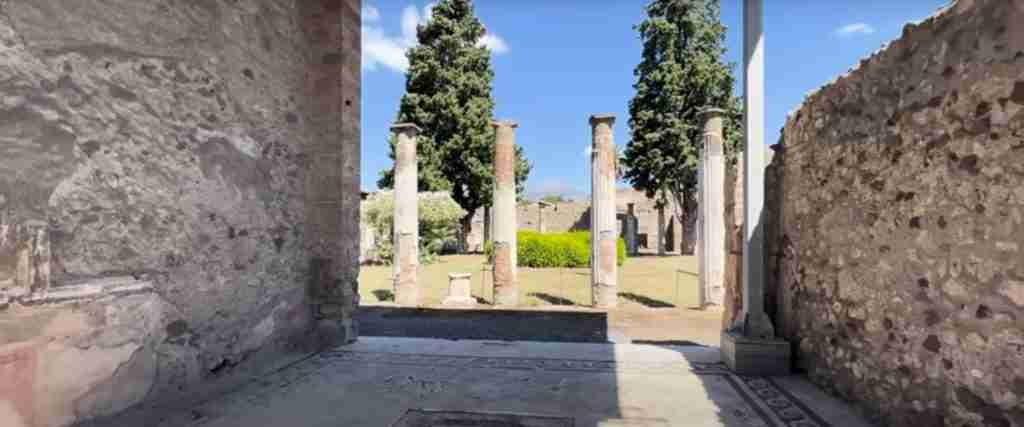
5 days
Campania 5-Day Highlights Experience
- ✓ Comprehensive Campania experience
- ✓ Expert local guides included
- ✓ All accommodation included
- ✓ Transportation provided
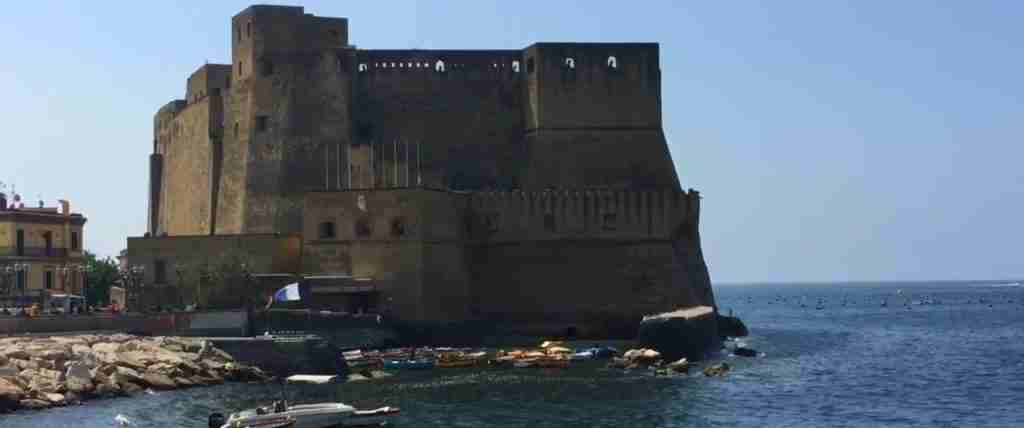
7 days
Campania 7-Day Cultural Journey
- ✓ Comprehensive Campania experience
- ✓ Expert local guides included
- ✓ All accommodation included
- ✓ Transportation provided
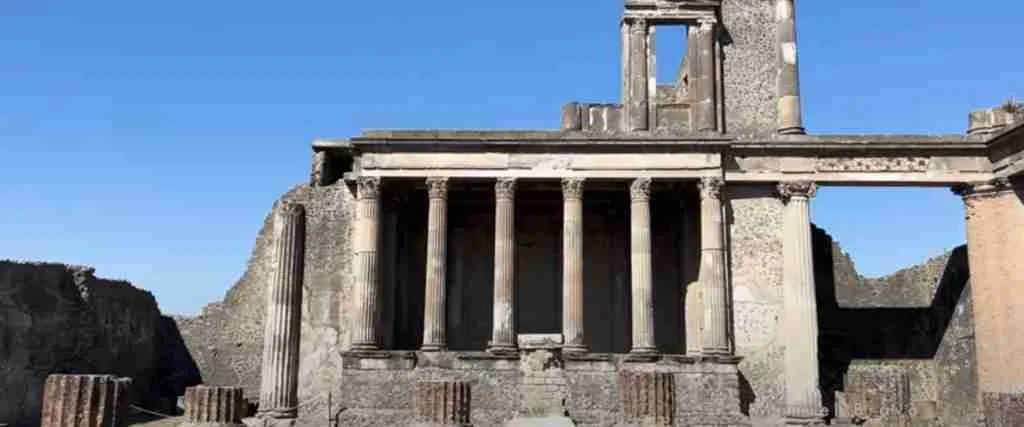
10 days
Campania 10-Day Complete Adventure
- ✓ Comprehensive Campania experience
- ✓ Expert local guides included
- ✓ All accommodation included
- ✓ Transportation provided
Multi-day tour packages powered by TourRadar. Prices and availability subject to change.
Essential Planning Information 2026
Entry Requirements and Documentation for 2026
US, Canadian, Australian, and New Zealand citizens enter Italy for tourism stays under 90 days without visa requirements, needing only valid passports with expiration dates extending at least six months beyond planned departure from Europe. UK citizens post-Brexit follow identical requirements as non-EU nationals. EU citizens use national ID cards or passports for entry without time restrictions. The European Travel Information and Authorization System (ETIAS) launches in 2025, requiring visa-exempt travelers to obtain electronic authorization before entering Schengen zone countries. The ETIAS application costs €7, remains valid for three years, and processes online before travel—failing to obtain ETIAS before 2026 travel results in boarding denial.
Health insurance coverage deserves attention for non-EU travelers. Italy’s public healthcare system doesn’t cover tourist medical expenses, meaning unexpected illness or injury generates substantial out-of-pocket costs. Comprehensive travel insurance including medical coverage, emergency evacuation, and trip cancellation protection costs €40-80 for week-long trips depending on age and coverage limits. EU citizens carry European Health Insurance Cards (EHIC) providing reciprocal coverage in Italian public health facilities. Pre-existing condition coverage requires disclosure during insurance purchase, and high-risk activities (scooter rental, rock climbing) may require specialized policies.
Currency and Banking Considerations for 2026
Italy uses the euro (€) exclusively—US dollars, UK pounds, and other foreign currencies require exchange before making purchases. ATMs throughout Campania dispense euros at competitive exchange rates with fees typically €3-5 per transaction plus 1-3% foreign transaction fees charged by home banks. Withdrawing larger amounts (€200-300) rather than frequent small withdrawals minimizes total fees. Credit cards work widely at hotels, restaurants, larger shops, and museums, with Visa and Mastercard accepted more universally than American Express or Discover. However, small establishments, local trattorias, markets, and family-run shops often operate cash-only, making carrying €50-100 in small bills practical for daily needs.
Notifying banks and credit card companies about Italian travel prevents fraud alerts that block cards during trips. Recording card numbers, expiration dates, and international contact numbers (different from domestic customer service) in secure separate locations allows rapid reporting if cards are lost or stolen. Credit cards with no foreign transaction fees save 2-3% on all purchases compared to cards charging these fees. Contactless payment capability through cards or mobile phones works at most modern terminals, providing convenience for small purchases including public transportation, cafes, and quick purchases.
Internet Connectivity and Mobile Service 2026
EU citizens using mobile phones in Italy benefit from “roam like at home” regulations allowing using existing plans without additional charges. Non-EU visitors face international roaming fees that quickly become expensive—€10-15 daily for limited data, texts, and calls. Better options include purchasing Italian SIM cards (€15-30 for tourist packages with 20-50GB data, Italian phone number, and calling credit) or eSIM services providing data-only plans downloadable before travel. Major carriers TIM, Vodafone, and Wind Tre sell SIM cards at airports, train stations, and branded stores, requiring passport presentation for registration.
WiFi availability varies by location and establishment type. Hotels universally provide WiFi, though quality ranges from excellent to barely functional depending on property investment in infrastructure. Restaurants and cafes increasingly offer WiFi to customers, though smaller traditional establishments may not. Major archaeological sites including Pompeii provide limited or no public WiFi. Museums generally offer connectivity in public areas but restrict access in gallery spaces. Public piazzas in major cities sometimes provide municipal WiFi. Relying entirely on WiFi without mobile data proves challenging for navigation, real-time transportation schedules, and maintaining communication throughout days exploring the region.
Transportation Strategies 2026
Reaching Campania in 2026
Naples Capodichino Airport serves as Campania’s primary air gateway, receiving international flights from major European cities and limited long-haul routes. North American travelers typically connect through Rome, Milan, Frankfurt, Amsterdam, or London before reaching Naples. The airport sits only 7 kilometers from central Naples, making it one of Europe’s most conveniently located major airports. Alibus airport shuttle buses run every 20 minutes to Naples Central Station (Piazza Garibaldi) and the port, costing €5 for 25-minute journeys. Taxis charge fixed rates—€23 to central Naples, €25 to Mergellina port, and higher rates to Amalfi Coast destinations (€100-130 to Positano).
Rome Fiumicino Airport provides alternative access with vastly more international flight options. High-speed Frecciarossa trains connect Rome Termini Station to Naples Centrale in 70 minutes, running hourly and costing €45-60 depending on booking timing (advance purchase saves 30-40%). This combination—fly to Rome, train to Naples—often provides better flight schedules and pricing than direct Naples routing, particularly for travelers from Americas, Asia, or secondary European cities. Regional trains offer slower, cheaper alternatives (€12-15, 2.5-3 hours) but provide less comfort and reliability than high-speed options.
Driving to Campania works for travelers on extended Italian tours already possessing rental cars. The A1 Autostrada (highway) connects Rome to Naples in approximately 2.5 hours under normal conditions, though traffic congestion near Naples frequently extends travel time. Tolls run €15-20, fuel costs add €20-30 depending on vehicle, and Naples’ chaotic traffic plus limited parking make immediately returning rental cars attractive upon arrival. Travelers continuing to Amalfi Coast or southern destinations benefit from keeping vehicles, while those focusing on Naples and public-transit accessible sites gain from car-free approaches.
Navigating Naples Public Transportation 2026
Naples operates an integrated public transportation system including metro (subway), buses, trams, funiculars, and suburban trains under unified ticketing. Single tickets cost €1.30, validate for 90 minutes, and allow transfers between modes. Daily tickets (€3.50) and weekly passes (€12.50) provide better value for visitors making multiple trips. Metro Line 1 serves tourist attractions including Museo station (Archaeological Museum), Toledo station (Spanish Quarter), Municipio station (port/Castel Nuovo), and Dante station (historic center access). Metro Line 2 connects Piazza Garibaldi (Central Station) with Pozzuoli and suburban destinations. Service runs 5:30 AM-11 PM weekdays, with reduced hours weekends.
Bus routes comprehensively cover the city but operate with less reliability than metro services—traffic congestion causes delays, route changes occur without advance notice, and real-time tracking apps don’t always reflect actual bus locations. Key tourist routes include R2 (Piazza Garibaldi to Riviera di Chiaia), 151 (waterfront route), and various lines serving hilltop attractions. Four funicular railways climb Naples’ hillsides—Centrale, Chiaia, Montesanto, and Mergellina—providing access to Vomero district attractions including Castel Sant’Elmo and Certosa di San Martino. These operate efficiently with 10-15 minute frequencies and integrate into standard ticket pricing.
Circumvesuviana suburban trains connect Naples (Garibaldi Station, separate from main rail station) with Pompeii (Pompei Scavi-Villa dei Misteri station, €3.50, 35 minutes), Herculaneum (Ercolano Scavi, €2.50, 20 minutes), and Sorrento (€4.20, 65 minutes). These trains run frequently (every 20-30 minutes peak hours) but suffer from reputation as pickpocket havens—maintain vigilance over belongings throughout journeys. Modern Campania Express tourist trains offer upgraded comfort and security on the Naples-Sorrento route (€10, fewer stops, 50 minutes) during April-October, providing alternatives to standard Circumvesuviana for travelers prioritizing comfort over cost savings.
Amalfi Coast Transportation Options 2026
SITA buses provide the primary public transportation along the Amalfi Coast, connecting Salerno, Amalfi, Positano, and Sorrento with frequent service. Single rides cost €2-4 depending on distance, while 24-hour unlimited passes (€10) or 72-hour passes (€18) offer substantial savings for visitors making multiple trips. Buses run approximately every 20-40 minutes during summer, with reduced frequency during shoulder and winter seasons. The coastal road’s narrow, winding nature means journey times extend beyond expectations—Salerno to Positano requires 90+ minutes for approximately 40 kilometers due to constant curves, stops, and traffic. Summer traffic congestion extends travel times further, particularly mid-morning through afternoon.
Ferry services operate April-October connecting coastal towns with faster, more scenic alternatives to road transport. Routes include Naples-Positano-Amalfi (€20-25, 90 minutes to Positano), Salerno-Amalfi-Positano (€8-15, 40-70 minutes depending on stops), and Sorrento-Positano-Amalfi (€10-18, 30-50 minutes). Ferries eliminate road traffic concerns, provide spectacular coastal views, and allow arriving directly at town centers rather than bus stops that may sit uphill from waterfronts. However, service depends on weather conditions—rough seas cancel departures with limited advance notice, and winter operations suspend entirely or reduce to minimal schedules. Booking isn’t typically required except for vehicle transport (advance reservations essential).
Private drivers and car services offer expensive but stress-free alternatives for Amalfi Coast exploration. Full-day services cost €200-350 depending on itinerary, vehicle size, and duration, providing door-to-door transportation, flexibility for schedule adjustments, local knowledge from drivers, and photography stop accommodations. Splitting costs among groups (drivers accommodate up to 8 passengers in larger vehicles) makes this option more economically viable. This approach suits travelers prioritizing convenience, those with limited mobility finding SITA buses challenging, or groups where per-person costs become reasonable when divided.
Rental Car Considerations for 2026
Renting cars in Campania works best for exploring territories beyond public transportation reach—Cilento coast villages, Irpinia wine country, mountain sanctuaries, and inland archaeological sites. International rental agencies (Hertz, Avis, Europcar, Sixt) operate at Naples airport and central city locations with daily rates €35-60 for economy vehicles. Comprehensive insurance coverage (Collision Damage Waiver plus theft protection) adds €15-25 daily but provides essential protection given Italian traffic conditions and narrow streets where minor scrapes occur easily. Manual transmissions remain standard—automatic vehicles cost €10-20 additional daily and require advance booking to ensure availability.
Italian driving presents challenges for visitors unfamiliar with aggressive driving culture, limited signage, and chaotic urban traffic. Naples traffic particularly intimidates newcomers—scooters weaving between cars, unpredictable lane usage, and assertive driving requiring confidence. Parking in historic centers proves difficult to impossible, with limited spaces, confusing regulations (blue zones require payment, white zones allow free parking, yellow zones reserve for residents), and significant expenses (€2-4 hourly in tourist areas). Many hotels lack parking or charge €15-30 daily, while public lots near attractions fill quickly during peak season.
The optimal rental strategy reserves vehicles only for days requiring automotive access rather than entire trips. Rent cars upon completing Naples/Pompeii visits using public transit, explore automotive-dependent territories for 2-3 days, return vehicles before settling into Amalfi Coast properties accessible by bus and ferry. This approach minimizes rental days, eliminates parking stress in urban areas, and reduces overall transportation costs while maintaining flexibility for comprehensive regional exploration. GPS navigation proves essential—built-in systems cost €10-15 daily from rental companies, while smartphone apps (Google Maps, Waze) work free with adequate data connectivity.
Accommodation Strategies 2026
Location Selection and Base Strategies for 2026
Choosing accommodation location significantly impacts daily logistics, transportation costs, and experience quality. Naples functions excellently as a central base for visitors prioritizing cultural sites—access to museums, underground attractions, dining, nightlife, and public transportation serving Pompeii, Herculaneum, and Caserta. Staying in Naples eliminates daily transportation costs to reach these sites while providing authentic urban experiences absent from resort areas. However, Naples lacks beach access and requires additional travel reaching the Amalfi Coast. Properties in historic center (Spaccanapoli, Decumani) provide walking access to attractions but experience urban noise and narrow street vehicle access issues.
Amalfi Coast accommodation places visitors in Italy’s most scenic territory with immediate beach access, dramatic views, and resort atmosphere. However, properties cost significantly more than Naples equivalents (often 50-100% premiums), daily transportation to archaeological sites becomes expensive and time-consuming, and summer crowds create constant congestion. Positano offers maximum scenery but minimum flat walking (constant stairs and hills), highest prices (€300-500+ nightly summer peaks), and limited restaurant value options. Amalfi provides better town infrastructure, more moderate pricing (€200-350 summer), and flatter terrain. Praiano delivers quieter experiences with lower prices (€150-250 summer) but fewer dining and service options.
Sorrento represents an excellent compromise base—moderate pricing (€120-200 summer), good public transportation (Circumvesuviana to Naples/Pompeii, ferries to Amalfi Coast and Capri), flatter walkable town center, and diverse dining/shopping options. The location allows day trips in all directions while avoiding some cost and congestion issues of Amalfi Coast positions. Salerno provides another strategic alternative—significantly lower prices than Amalfi Coast (€80-150 summer), ferry and bus access to coast, proximity to Paestum, and authentic city atmosphere without heavy tourist orientation. Multi-base strategies work well for extended visits: start in Naples (2-3 nights), move to Amalfi Coast or Sorrento (3-4 nights), possibly add Cilento or Salerno (2-3 nights) for comprehensive regional coverage.
Property Types and Booking Platforms for 2026
Accommodation options span wide ranges reflecting diverse budgets and preferences. Hostels concentrate in Naples with bed prices €25-40 in dormitories, providing budget solutions with social atmosphere, though sacrificing privacy and quiet. Budget hotels and B&Bs (€60-100 summer, €40-70 winter) offer private rooms with basic amenities—shared or private bathrooms, simple breakfasts, limited services. Mid-range hotels (€100-180 summer, €70-130 winter) provide comfortable rooms, comprehensive breakfasts, helpful reception services, often central locations, and quality without luxury. Upscale properties (€200-400+ summer) deliver superior locations, design-focused interiors, extensive services, often pools and spas, and premium dining.
Vacation rentals through Airbnb, Vrbo, and Booking.com provide apartment options particularly valuable for families or groups. Two-bedroom apartments cost €120-250 nightly depending on location and season, offering kitchen facilities for meal preparation, separate sleeping areas, and often lower per-person costs than hotel rooms. However, rentals lack hotel services (no breakfast, reception assistance, or daily cleaning), may involve key pickup logistics, and sometimes occupy residential buildings where tourist presence creates friction with permanent residents. Reading reviews carefully and verifying exact locations prevents disappointment from misleading photos or convenient-sounding descriptions of inconvenient locations.
Agriturismos in rural territories including Cilento and Irpinia provide farm-stay experiences, typically including breakfast and often dinner in half-board arrangements (€70-120 per person including meals). These properties allow authentic engagement with agricultural traditions, usually feature swimming pools and outdoor spaces, and deliver excellent value through included meals. However, they require automotive transportation, occupy isolated positions necessitating driving for all activities, and cater primarily to Italian guests, meaning limited English and very traditional atmospheres. Agriturismos suit travelers seeking quiet rural experiences rather than urban energy or beach activities.
Booking Timing and Cancellation Policies 2026
Optimal booking timing for 2026 Campania visits varies by season and property popularity. Summer travel (June-August), particularly August around Ferragosto, requires 4-7 months advance booking for Amalfi Coast properties—reserving January-March for summer visits ensures good selection before premium properties sell out. Naples hotels maintain better availability but still benefit from 2-3 month advance booking. Shoulder seasons (April-May, September-October) allow 2-3 month booking windows providing security without excessive planning horizons. Winter travel permits 2-4 week advance booking, with last-minute reservations often yielding better rates as properties discount unsold inventory.
Exception periods requiring earlier booking include Easter Week (April 17-21, 2026 when religious tourism peaks), Christmas-New Year holidays (December 20-January 6), and major festival weekends when regional events attract domestic tourism. For these periods, book 3-4 months ahead even during otherwise low-demand seasons. Some Amalfi Coast properties implement minimum stay requirements during peak periods—3-5 nights around Ferragosto, 2-3 nights for summer weekends—reducing flexibility but reflecting high demand and limited inventory.
Cancellation policies become increasingly restrictive approaching peak season and at popular properties. Budget and mid-range hotels typically allow free cancellation 7-14 days before arrival during shoulder and winter seasons, but reduce this window to 14-30 days for summer bookings or require non-refundable deposits. Luxury properties and high-demand periods often mandate non-refundable payments weeks or months ahead. Booking platforms (Booking.com, Expedia) sometimes offer flexible rates with free cancellation at 10-20% premiums over non-refundable rates—worthwhile insurance for travelers uncertain about plans. Reading specific cancellation terms before booking prevents financial losses if circumstances change.
Money-Saving Strategies 2026
Artecard Pass Systems and Museum Savings 2026
The Artecard Naples-Campania pass provides significant savings on museum admissions and public transportation across the region. The 3-day pass (€32) includes free admission to two sites from a list of 40+ participating attractions plus 50% discounts on subsequent visits, along with free public transportation on Naples metro, buses, and Circumvesuviana trains within the Campania region. The card pays for itself quickly—Pompeii (€18) plus Archaeological Museum (€18) alone equal €36, exceeding the card cost while providing transportation value. Seven-day versions (€35) extend benefits for longer stays. Check the official Artecard website for current 2026 rates and participating sites.
Strategic Artecard use maximizes value by applying free admissions to highest-priced attractions. Use free entries for Pompeii (€18), Royal Palace of Caserta (€14), Archaeological Museum (€18), Herculaneum (€13), then benefit from 50% discounts at remaining sites. The transportation component provides additional value—unlimited Circumvesuviana use to/from Pompeii, Herculaneum, and Sorrento easily adds €15-20 value over multiple trips. Calculate specific itinerary costs with and without Artecard to determine whether purchase makes economic sense for individual travel patterns.
Dining Cost Management and Authentic Value 2026
Restaurant costs vary dramatically between tourist-oriented establishments and local trattorias serving primarily Italian clientele. Waterfront restaurants in prime Positano, Amalfi, and Naples locations charge €20-30 for pasta dishes, €25-40 for secondi (main courses), plus service charges and coperto (table covers €2-4 per person). Complete dinners with wine easily reach €50-70 per person at these establishments. Moving one block inland or seeking neighborhood locations away from tourist concentrations finds quality trattorias charging €12-18 for pasta, €15-25 for secondi, with complete meals including wine running €25-40 per person.
Lunch specials (menù fisso or menù turistico) offer excellent value—two or three courses with water/wine for fixed prices of €15-25, though quality varies substantially between establishments. Inspecting menus posted outside before entering allows evaluating options without commitment. Pizza serves as economical dining—authentic Neapolitan pizzerias charge €6-10 for excellent pizzas sufficient for complete meals. Markets including Naples’ Pignasecca or La Pignasecca provide ingredients for picnic assembly—fresh bread (€2-3), quality cheese (€8-12/kg), cured meats (€15-25/kg), seasonal produce (€2-5/kg), and wine (€5-10/bottle) allow creating memorable meals for €10-15 per person.
Breakfast strategies significantly impact daily food costs. Hotel breakfasts vary from simple continental (rolls, jam, coffee) to extensive buffets, costing €8-18 when not included in room rates. Bars and cafes serve Italian breakfast (cappuccino €1.50-2.50, cornetto €1.50-2) for €3-5 total—standing at the bar costs less than table service in most establishments. Purchasing breakfast items at supermarkets (yogurt, fruit, bread, coffee) costs €2-4 daily when apartment kitchens allow preparation. Over a week-long stay, these breakfast choices create €30-80 cost differences while providing cultural immersion through morning bar rituals.
Seasonal Timing and Advance Booking Discounts 2026
Traveling during shoulder seasons (April-May, September-October 2026) rather than summer peaks delivers the single largest cost savings opportunity—accommodation runs 25-40% less than July-August rates while weather and conditions remain excellent. A week-long trip costing €1,600-2,000 in August costs €1,200-1,500 in May or September through accommodation savings alone, with additional benefits of reduced crowds and more pleasant temperatures for cultural site exploration. Winter travel (November-March) provides even larger discounts (40-60% below summer) but requires accepting weather uncertainty and reduced coastal services.
Advance booking discounts apply to various travel components when reserving well ahead of travel dates. High-speed trains between Rome and Naples offer tiered pricing—Economy fares booked 120 days ahead cost €29-35, rising to €45-60 for flexible fares purchased weeks before travel. Some hotels offer early booking discounts (10-15% off) when reserving 3-6 months ahead, though comparing these rates against last-minute deals in low season may reveal better value in delayed booking. Tour operators occasionally provide early registration discounts (€5-10 per person) for advance booking versus day-of-purchase pricing.
Free admission opportunities occur on first Sundays of each month at many state museums including Archaeological Museum and Royal Palace of Caserta. These free days attract increased visitor numbers, particularly among locals, but provide budget travelers excellent savings opportunities. Many churches and small museums throughout the region charge minimal admission (€2-5) or operate on donation basis, allowing comprehensive cultural immersion without substantial entrance fees. Archaeological parks outside major sites including Cuma (€4), Velia (€6), and various small Roman ruins charge modest fees while providing rich historical experiences.
Health and Safety Guidance 2026
Medical Services and Health Precautions for 2026
Campania’s healthcare system operates through public hospitals and clinics plus private medical facilities. Major cities including Naples and Salerno maintain well-equipped hospitals with emergency departments, though wait times in public facilities can extend several hours for non-urgent cases. Private clinics provide faster service at higher costs—consultation fees run €80-150. Pharmacies (farmacie) operate extensively throughout the region, marked by green cross signs, staffed by knowledgeable professionals who provide advice on minor ailments and over-the-counter medications. At least one pharmacy in each area operates on rotation for nighttime and holiday coverage (posted on all pharmacy doors).
Travel insurance with medical coverage remains essential for non-EU visitors—a serious illness or injury requiring hospitalization can generate bills of €5,000-20,000+ without insurance coverage. EU citizens should carry European Health Insurance Cards (EHIC) providing access to public healthcare at reduced costs or free depending on treatment type. Pre-existing conditions require disclosure during insurance purchase—many policies exclude pre-existing condition coverage or require premium surcharges. High-risk activities including scooter rental, extensive hiking, or adventure sports may require specialized insurance riders beyond standard travel medical policies.
Prescription medications should be brought in sufficient quantities for entire trips plus extra days for unexpected delays, carried in original labeled containers with doctor’s prescriptions accessible if questioned by customs. Italian pharmacies require prescriptions for most medications that may be over-the-counter in other countries, though some common medications (antibiotics for simple infections, birth control) may be available through pharmacy consultation. Sun protection deserves attention—Mediterranean summer sun intensity causes burns quickly, particularly at archaeological sites with limited shade. Sunscreen (factor 30-50), hats, and adequate water prevent heat-related issues during summer cultural tourism.
Common Scams and Tourist Traps 2026
Tourist scams in Campania follow predictable patterns that awareness helps avoid. Taxi scams represent the most common issue—drivers claiming broken meters and quoting inflated fixed rates, taking indirect routes to increase costs, or claiming credit card machines don’t work to force cash payment (allowing avoidance of official receipts). Insisting on meter activation before departure, using taxi stands rather than street hails, and having approximate fare expectations from research prevents most problems. Official Naples taxis display rate cards inside vehicles and provide printed receipts showing driver information.
Restaurant tourist traps concentrate near major attractions, advertising in English with photo menus and aggressive solicitation. These establishments serve mediocre food at inflated prices with hidden charges—coperto (cover charges), service percentages, and inflated beverage costs that transform seemingly reasonable menu prices into expensive bills. Reviewing complete bills before payment and questioning unexpected charges prevents overpayment. Authentic trattorias rarely aggressively solicit customers, display Italian-language menus, serve primarily local clientele, and provide transparent pricing without surprises.
Pickpocketing concentrates on Circumvesuviana trains to Pompeii, crowded Naples metro stations, busy markets, and tourist attraction entrances. Thieves work in teams—one creates distraction while accomplices lift wallets, phones, or bags. Common scenarios include someone “accidentally” bumping into you, dropping items requiring assistance, or engaging in loud arguments drawing attention. Maintaining awareness, using anti-theft bags with locking zippers and slash-resistant construction, keeping valuables in front pockets or secured inside clothing, and avoiding displaying expensive items unnecessarily prevents most theft. Dividing cash and cards across multiple locations ensures that even successful theft doesn’t leave travelers completely without resources.
Emergency Contacts and Resources 2026
Emergency services in Italy operate through the 112 universal emergency number connecting to police, medical, and fire services. Operators typically speak English and route calls to appropriate services. US citizens can contact the US Consulate in Naples (Via Caracciolo 38/40, phone +39 081 583 8111) for emergency assistance including lost passports, arrests, or serious medical situations. Other countries maintain consular services through Rome embassies with emergency contact numbers provided on government travel websites. Keeping these numbers programmed into phones plus written in separate locations ensures accessibility during emergencies.
Reporting theft requires filing police reports (denuncia) for insurance claims and replacement document processing. Police stations (carabinieri or polizia) throughout Naples and major towns handle reports, though English capabilities vary. Bringing passport copies, transportation information, and account details expedites reporting. Credit card companies and banks maintain 24-hour international emergency numbers (different from domestic customer service) allowing rapid card cancellation to prevent fraudulent charges. Recording these numbers separately from cards themselves enables notification even if cards are stolen.
Cultural Immersion and Local Customs 2026
Language Basics and Communication Tips for 2026
Italian remains Campania’s primary language with English competency varying significantly by location and establishment type. Hotels, tour operators, and restaurants in major tourist zones employ English-speaking staff, while local trattorias, shops in residential neighborhoods, and small towns rely primarily on Italian. Learning basic phrases dramatically improves interactions: “Buongiorno” (good morning/day), “Buonasera” (good evening), “Grazie” (thank you), “Per favore” (please), “Scusi” (excuse me), “Parla inglese?” (do you speak English?), “Quanto costa?” (how much does it cost?). Pronunciation attempts, even imperfect, demonstrate respect and usually elicit friendly assistance.
Numbers prove essential for practical transactions: uno (1), due (2), tre (3), quattro (4), cinque (5), sei (6), sette (7), otto (8), nove (9), dieci (10), venti (20), trenta (30), cinquanta (50), cento (100). Menu items commonly needed include: acqua (water), vino (wine), birra (beer), carne (meat), pesce (fish), verdure (vegetables), formaggio (cheese), pane (bread), conto (bill). Translation apps provide backup for complex communications, though internet connectivity may limit functionality in some locations. Carrying written addresses and attraction names allows showing phones or paper to drivers or locals for directions when verbal communication fails.
Social Customs and Behavioral Expectations 2026
Italian social rhythms follow patterns distinct from northern European or American norms. The passeggiata—evening promenade through town centers—represents important social ritual where families and friends walk, socialize, see and be seen. Participating naturally involves walking main streets and piazzas during early evening hours (7-9 PM), observing without staring, and perhaps stopping for aperitivo (pre-dinner drinks with snacks) at cafes. Mealtimes occur later than northern countries—lunch 1-2:30 PM, dinner 8-10 PM—with restaurants often closed between service periods.
Personal interaction styles emphasize warmth within appropriate boundaries. Italians stand closer during conversations than northern Europeans, maintain direct eye contact, and use animated hand gestures for emphasis. These behaviors reflect cultural communication norms rather than aggression or inappropriate familiarity. However, catcalling and unwanted attention can occur, particularly in Naples’ historic center—responding firmly but without engagement usually ends interactions, and moving to populated areas provides safety in numbers. Public displays of affection between couples are culturally acceptable within reasonable limits, while provocative clothing may attract unwanted commentary.
Tipping practices differ from American norms—service charges (servizio) sometimes appear on bills (typically 10-12%), eliminating additional tipping obligations. When service isn’t included, rounding up bills or leaving 5-10% for good service is appreciated but not mandatory. Leaving €1-2 per person at casual trattorias or rounding €47 bills to €50 represents normal practice. Taxi drivers receive small tips through rounding fares. Hotel housekeeping appreciates €1-2 daily, while bellhops receive €1-2 per bag. Bar service doesn’t require tipping for standard transactions (coffee, drinks), though leaving small change (€0.20-0.50) is courteous.
Religious Site Etiquette and Respect 2026
Catholic churches throughout Campania function as active places of worship rather than purely tourist attractions. Visiting during services requires particular sensitivity—entering quietly, sitting in rear pews, refraining from photography, and leaving before service ends if necessary. Photography prohibitions vary by church—some forbid all photography, others allow photos without flash, and some permit photography except during services. Signs at entrances indicate policies, though when uncertain, asking permission or simply not photographing demonstrates respect.
Dress codes require covering shoulders and knees—tank tops, shorts, and short skirts fail to meet standards. Major churches including Naples Cathedral enforce requirements at entrances, refusing admission to improperly dressed visitors. Bringing lightweight scarves or wraps allows quickly adjusting clothing to meet requirements throughout days including multiple church visits. Modest dress also helps female travelers avoid unwanted attention on streets and public transportation. During religious ceremonies including Mass, maintaining silence, standing/sitting/kneeling when congregation does (or remaining respectfully seated if unfamiliar with patterns), and refraining from eating, drinking, or disruptive behavior shows appropriate reverence.
Practical Logistics and Daily Operations 2026
Store Hours, Business Schedules, and Siesta Patterns
Traditional Italian business hours follow patterns accommodating midday heat and cultural meal traditions. Most shops open 9-10 AM, close 1-1:30 PM for lunch break, reopen 4-4:30 PM, and continue until 7:30-8 PM. This split schedule means afternoon shopping between 1:30-4 PM finds most stores closed. Supermarkets and chain stores increasingly maintain continuous hours (9 AM-8 PM) without midday closure, particularly in tourist areas. Restaurants close between lunch and dinner service—roughly 3-7 PM—meaning afternoon dining options limit to bars serving light foods, chain establishments, or restaurants specifically targeting tourist schedules.
Sunday closures affect many shops, with Sunday shopping limited to tourist zones and some supermarkets. Most museums close Mondays—Archaeological Museum, Capodimonte, and many smaller institutions follow this pattern. Major archaeological sites including Pompeii and Herculaneum stay open daily, though winter hours (November-March) reduce closing times to 3:30-5 PM versus 7:30 PM summer closures. Church visiting hours vary unpredictably—major tourist churches stay open extended hours (9 AM-6 PM), while smaller churches may open only for morning Mass (8-9 AM) and evening services (6-7 PM). Attempting church visits during midday often finds locked doors.
Restroom Access and Public Facilities 2026
Public restroom availability varies significantly across Campania. Major tourist sites including Pompeii, Herculaneum, and museums provide clean restroom facilities at entrances or designated areas. Train stations offer facilities, though cleanliness varies and many charge small fees (€0.50-1). Naples metro stations increasingly install restrooms though not universally across all stations. Archaeological parks maintain facilities at entrance areas but may lack interior restrooms requiring visitors to plan accordingly before beginning extended site explorations.
Bars and cafes function as practical restroom solutions—purchasing coffee or drinks (€1.50-3) provides legitimate restroom access. Some establishments post “bagni solo per clienti” (restrooms only for customers) signs, though purchasing items eliminates issues. Museums, churches, restaurants where you’ve dined, and hotel lobbies provide additional options. Carrying small tissue packets proves useful as some facilities lack toilet paper. Highway rest stops on autostradas maintain clean facilities and typically provide both free and fee-access options (fee areas usually better maintained). Planning ahead and using facilities opportunistically prevents uncomfortable situations during days exploring areas with limited public access.
Laundry Services and Clothing Care 2026
Laundry options during extended Campania stays include hotel services (expensive), lavanderias (laundromats), and professional lavanderie services. Hotel laundry costs €5-10 per item, making complete laundry loads expensive (€50-100), though convenient for small quantities or specific items. Self-service laundromats operate primarily in Naples and larger towns, charging €4-7 for wash cycles and €3-5 for dryers, requiring 1.5-2 hours for complete loads. These facilities typically don’t provide change machines—bringing €1-2 coins avoids frustration.
Professional laundry services offer wash-fold-return by weight (€7-12 per kilogram) with next-day or same-day turnaround. Many accommodations maintain relationships with local services and arrange pickup/delivery. Vacation rental apartments occasionally include washing machines, allowing self-service laundry saving costs on extended stays. However, dryers remain uncommon—hanging clothes to dry extends process to 12-24 hours depending on humidity. Packing quick-dry clothing materials (synthetic or merino wool) and hand-washing small items (underwear, shirts) in bathroom sinks reduces laundry service needs and costs during trips.
Technology and Digital Tools 2026
Essential Apps and Online Resources for 2026 Planning
Smartphone applications significantly enhance Campania travel efficiency and experience quality. Google Maps provides essential navigation for walking, driving, and public transportation directions, though requires data connectivity for real-time routing. Downloading offline maps for the Campania region allows basic navigation even without cellular data. Citymapper covers Naples public transportation with real-time schedules, route planning, and service disruption notifications—superior to Google Maps for complex transit routing within the city. Moovit provides similar functionality with broader regional coverage including SITA Amalfi Coast buses.
Trenitalia and Italo apps allow booking Italian train tickets with mobile ticketing eliminating paper receipt requirements. Tickets remain valid when stored in apps, though screenshot backups provide insurance against phone failures. Ferry company apps (Alilauro, Travelmar) enable schedule checking and occasional advance booking, though most coastal ferry services allow walk-up ticket purchase. Restaurant reservation apps including TheFork (La Forchetta) list Naples and Amalfi Coast restaurants with availability checking and reservation capability, sometimes offering discount programs for off-peak reservations.
Translation apps provide crucial communication assistance. Google Translate offers text translation, camera translation (point phone at menus or signs for instant translation), and conversation mode for real-time verbal translation. Offline language pack downloads allow functioning without data connectivity. Artecard’s official app shows participating museums and attractions, though the physical card remains necessary for actual admission. Weather apps (Weather.com, AccuWeather) provide local forecasts helping with daily planning and clothing choices. Banking apps allow monitoring accounts for fraudulent charges and some apps enable card locking/unlocking remotely if theft concerns arise.
Photography Etiquette and Drone Regulations 2026
Photography policies vary across Campania attractions requiring attention to rules and cultural sensitivity. Most archaeological sites including Pompeii and Herculaneum allow photography for personal use without flash, though commercial photography (involving models, extensive equipment, or professional intent) requires permits. Museums typically forbid flash photography (can damage artwork), and some prohibit all photography in special exhibitions. Churches vary widely—some forbid all photography, others allow photography except during services, and some permit photography only without flash. Signs at entrances indicate policies, and respecting these rules plus asking permission when uncertain demonstrates appropriate behavior.
Photographing people requires sensitivity and often permission. Street photography traditions accept candid images in public spaces, but pointing cameras directly at individuals, particularly in private or semi-private settings, crosses cultural boundaries. Parents particularly react negatively to unsolicited photos of children. Asking permission (“Posso fare una foto?” – Can I take a photo?) with friendly gestures usually elicits positive responses when appropriate interest is genuine. Vendors at markets may refuse photography or request purchase before allowing photos of their displays.
Drone operation faces strict regulations throughout Italy. Flying drones near people, vehicles, buildings, or in urban areas requires specific permits rarely granted to tourists. No-fly zones include all archaeological sites, urban centers, within 8 kilometers of airports, and areas above 120 meters altitude. Violations risk substantial fines (€100-1,100) and equipment confiscation. The regulations effectively prohibit tourist drone use at most locations visitors want to film. Professional operators obtain complex permitting through ENAC (Italian Civil Aviation Authority), but casual tourist use remains largely impractical within legal boundaries. Travelers passionate about aerial photography should research specific regulations, obtain required permits before arrival, or rely on ground-based photography.
Sample 2026 Daily Budgets and Cost Breakdowns
Budget Traveler Daily Costs 2026
Budget: €60-80 daily (excluding flights)
Accommodation: Hostel bed or basic budget hotel €25-35/night
Breakfast: Bar breakfast (cappuccino + cornetto) €3-4
Lunch: Pizza slice or panino with drink €6-8
Dinner: Budget trattoria full meal with house wine €15-20
Snacks/Coffee: Afternoon coffee and gelato €4-6
Transportation: Public transit daily (metro, buses, trains) €8-12
Attractions: Selective site admissions (1-2 daily) or Artecard use €8-15
Contingency: Small purchases, tips, unexpected costs €5-10
This budget requires discipline but allows authentic Campania experiences through public transportation, local dining establishments, strategic accommodation choices, and selective paid attraction visits balanced with free churches, neighborhoods, and markets. Buying picnic lunch components from markets several days weekly reduces food costs further.
Mid-Range Traveler Daily Costs 2026
Budget: €120-180 daily (excluding flights)
Accommodation: Comfortable 3-star hotel or nice B&B €80-130/night
Breakfast: Hotel breakfast or cafe with pastries €8-12
Lunch: Sit-down restaurant with wine or nice trattoria €18-25
Dinner: Quality restaurant with wine, full courses €35-50
Snacks/Coffee: Multiple coffees, gelato, aperitivo €8-12
Transportation: Public transit plus occasional taxis or tours €12-20
Attractions: Comprehensive site admissions, tours, activities €15-25
Contingency: Shopping, tips, extra activities €15-25
Mid-range budgets allow comfortable accommodation, comprehensive attraction access, quality dining without budget stress, occasional taxi convenience, and flexibility for spontaneous activities or special experiences. This range provides excellent value while maintaining quality across all trip components.
Luxury Traveler Daily Costs 2026
Budget: €300-500+ daily (excluding flights)
Accommodation: 4-5 star hotel or luxury boutique property €200-400+/night
Breakfast: Premium hotel buffet or boutique cafe €15-25
Lunch: Upscale restaurant with wine and courses €40-65
Dinner: Fine dining restaurant with wine €80-150
Transportation: Private drivers, premium tours, taxis €50-100
Attractions: VIP tours, private guides, special experiences €50-100
Extras: Shopping, spas, wine tastings, additional activities €50-100+
Luxury budgets access premium accommodation, fine dining, private transportation and tours, VIP experiences, and maximum comfort across all aspects of travel. Costs vary widely based on specific choices—staying at top Positano properties, booking private boat tours, dining at Michelin-starred restaurants, and extensive shopping easily exceed these estimates.
Frequently Asked Questions About Campania Travel 2026
Do I need to book Pompeii tickets in advance for 2026?
Advance booking is strongly recommended for summer 2026 visits (June-August) to avoid ticket purchase lines extending 30-45 minutes during peak hours. Online tickets (€18 plus €2 booking fee) allow direct entry through dedicated lanes. Shoulder season visits (April-May, September-October) benefit from advance booking but don’t face the same extreme wait times—arriving at 9 AM opening generally allows reasonable line waits even without pre-purchase. Winter visits rarely require advance booking as visitor numbers drop substantially. The Pompeii official website provides direct booking; avoid third-party sites charging inflated fees unless bundling with transportation or guided tours that justify premiums.
Can I use credit cards everywhere in Campania during 2026?
Credit card acceptance in Campania operates variably by establishment type and location. Hotels, car rental agencies, larger restaurants, museums, and chain stores universally accept cards. However, small family-run trattorias, local shops, markets, street food vendors, some B&Bs, and businesses in small towns often operate cash-only. Even establishments accepting cards sometimes claim machines are broken or encourage cash payment to avoid transaction fees. Carrying €50-100 in mixed denominations (€5-20 bills) ensures ability to complete transactions when cards don’t work. ATMs throughout the region dispense euros conveniently, though €3-5 withdrawal fees plus foreign transaction charges (1-3%) make withdrawing larger amounts (€200-300) more economical than frequent small withdrawals.
Is tap water safe to drink in Campania in 2026?
Tap water throughout Campania meets Italian and EU safety standards and is generally safe for consumption. Naples and major towns supply treated municipal water suitable for drinking, cooking, and brushing teeth. However, many Italians and tourists prefer bottled water for taste preferences—Italian tap water can taste minerally or chlorinated depending on local supply systems. Restaurants provide bottled water automatically unless specifically requesting tap water (“acqua del rubinetto”), and some establishments resist serving tap water. Hotels often provide complimentary bottled water. Travelers with sensitive stomachs may prefer bottled water initially, transitioning to tap water if no issues develop. Reusable bottles filled from hotel taps reduce plastic waste while maintaining hydration during sightseeing without constant purchases.
How much time should I allocate for visiting Pompeii in 2026?
Comprehensive Pompeii exploration requires minimum 3-4 hours covering major structures including Forum, Amphitheater, House of the Vettii, House of the Tragic Poet, Villa of the Mysteries, theaters, baths, and main streets. Visitors wanting to see everything or moving slowly spend 5-6 hours onsite. Brief visits hitting only highlights (Forum, Amphitheater, one or two houses) compress into 2 hours but sacrifice site understanding. Summer visits require breaks for shade and water—intense heat makes extended continuous walking challenging, so allowing 4-5 hours with rest periods provides more comfortable experiences than racing through in 3 hours. Arriving at 9 AM opening allows completing visits before midday heat peaks while crowds remain manageable. Guided tours typically last 2-2.5 hours covering highlights with historical context, then allowing independent exploration afterward.
What’s the best strategy for visiting both Pompeii and Herculaneum in 2026?
Visiting both sites in one day works well given their proximity (20 minutes by Circumvesuviana train) but requires early starts and efficient planning. Start with Herculaneum at 8:30 AM opening (smaller site needs 2-2.5 hours), take the train to Pompeii arriving 11-11:30 AM, explore Pompeii 3-4 hours, completing around 3-4 PM before exhaustion sets in. This sequence benefits from seeing the smaller, better-preserved Herculaneum first, then the larger but more damaged Pompeii second. Alternatively, dedicate separate days to each site allowing more relaxed pacing and including Vesuvius with Pompeii (requires additional transportation arrangements). Both sites offer substantially different experiences despite similar origins—Herculaneum’s better preservation shows details absent from Pompeii, while Pompeii’s vast scale demonstrates Roman city planning impossible to appreciate at smaller Herculaneum.
Should I rent a car or rely on public transportation for 2026 Campania travel?
The optimal strategy depends on itinerary specifics and personal preferences. Naples, Pompeii, Herculaneum, Amalfi Coast, and Caserta all function well with public transportation—trains, buses, and ferries provide comprehensive access to these major destinations. Travelers focusing on these locations avoid car rental costs, parking challenges, and Italian driving stress while using public transit effectively. However, exploring Cilento villages, Irpinia wine country, mountain sanctuaries, and lesser-known archaeological sites requires automotive transport due to limited or nonexistent public transit access. The ideal approach often rents cars for specific days targeting automotive-dependent destinations rather than entire trips. This hybrid strategy minimizes rental expenses, eliminates parking problems in urban areas, and maintains flexibility for comprehensive regional exploration.
What are the most important Italian phrases to learn for 2026 Campania travel?
Essential phrases for practical daily interactions include: “Buongiorno” (good morning/day), “Buonasera” (good evening), “Grazie” (thank you), “Per favore” (please), “Scusi” (excuse me), “Parla inglese?” (do you speak English?), “Non capisco” (I don’t understand), “Quanto costa?” (how much?), “Il conto, per favore” (the bill, please), “Dov’è il bagno?” (where is the bathroom?), “Aiuto!” (help!), and “Non parlo italiano” (I don’t speak Italian). Learning numbers 1-100 helps with prices, addresses, and basic calculations. Restaurant phrases include “acqua” (water), “vino” (wine), “carne” (meat), “pesce” (fish), “senza” (without), and “il menù” (the menu). These basic phrases demonstrate respect, facilitate transactions, and usually elicit friendly assistance even when full conversations aren’t possible.
How does the Circumvesuviana train differ from Italy’s high-speed rail for 2026 travel?
The Circumvesuviana operates as a suburban commuter rail system connecting Naples with Pompeii, Herculaneum, and Sorrento—fundamentally different from Italy’s high-speed Frecciarossa/Italo trains. Circumvesuviana trains are older, less comfortable, slower, and notorious for pickpockets targeting tourists. They depart from a separate station below Naples Centrale (Garibaldi), not the main rail platforms, causing confusion for first-time visitors. However, they provide direct access to archaeological sites at low cost (€3.50 to Pompeii). The premium Campania Express tourist train offers upgraded service on the same route during summer (€10, fewer stops, better security) as an alternative. High-speed trains serve long-distance routes—Rome to Naples, Milan to Naples—with modern comfort, reserved seating, and dramatically faster travel times, costing significantly more (€35-60 Rome-Naples versus €12-15 regional trains). Understanding this distinction prevents wrong train boarding and establishes appropriate expectations for different service types.
Conclusion: Maximizing Your 2026 Campania Experience
Successful Campania travel in 2026 emerges from balancing ambitious sightseeing goals with practical realities of transportation times, crowd management, weather conditions, and budget constraints. The region rewards strategic planning—booking accommodation appropriately ahead for travel dates, understanding seasonal patterns affecting prices and crowds, selecting efficient transportation modes for specific destinations, identifying authentic dining away from tourist traps, applying available discount programs, and maintaining reasonable daily schedules that allow genuine engagement rather than exhausting rushed site visits.
The practical tips detailed throughout this guide serve as tools for optimizing experiences while minimizing common frustrations. Early morning archaeological site arrivals avoid crowds and heat. Shoulder season travel delivers optimal weather, reasonable prices, and manageable visitor numbers. Public transportation serves major destinations efficiently while rental cars access remote treasures. Local trattorias provide authentic cuisine at fair prices compared to waterfront tourist restaurants. Artecard passes reduce admission costs. Basic Italian phrases facilitate respectful engagement. Understanding these practical elements transforms trips from acceptable to exceptional by preventing problems before they arise and positioning travelers to make informed decisions aligned with personal preferences and priorities.
However, maintaining flexibility and accepting occasional imperfections creates space for the spontaneous discoveries and authentic encounters that often become most memorable aspects of travel. The small trattoria discovered by getting lost, the local festival encountered accidentally, the conversation with a shopkeeper despite language barriers, the unexpected architecture noticed while wandering residential neighborhoods—these unplanned experiences supplement carefully researched itineraries with genuine connections to place and people. Mastering practical logistics creates the foundation enabling these meaningful engagements by reducing stress, preventing major problems, and allowing attention to focus on cultural immersion rather than problem-solving. Armed with these practical strategies for navigating Campania in 2026, travelers position themselves for rewarding experiences across this extraordinary region’s UNESCO heritage sites, coastal beauty, culinary traditions, and authentic communities.