Procida Day Trip from Naples 2026: Complete Island Guide
Key Takeaways
- Ferry Service 2026 runs year-round from Naples Beverello port to Procida in 40-60 minutes, with hydrofoils costing €16-19 and slower ferries €13-15 per ride
- Authentic Character Preserved makes Procida dramatically different from tourist-heavy Capri and Ischia, maintaining working fishing community traditions and minimal commercial tourism
- Compact Size (only 4 square kilometers) allows comprehensive exploration in a single day, with Terra Murata citadel, Corricella marina, and beaches all accessible on foot or by short bus rides
- Budget-Friendly Day Trip 2026 costs €50-70 per person including ferry, lunch, drinks, and beach access—significantly less than equivalent Capri experiences
- Film Location Fame from “Il Postino” and “The Talented Mr. Ripley” makes Corricella marina instantly recognizable, though the village maintains authentic character despite cinematic attention
- Best Months 2026 are May-June and September-October when weather supports beach activities while avoiding July-August domestic tourism peaks that strain the small island’s capacity
Introduction: Discovering Naples’ Most Authentic Island
Procida occupies a unique position among Naples’ gulf islands—close enough for effortless day trips (40 minutes by hydrofoil), yet maintaining authentic character that tourist-saturated Capri and partially commercialized Ischia have lost. The island’s compact size, working fishing economy, and limited tourism infrastructure create experiences fundamentally different from typical Italian island visits. While Capri welcomes thousands of day-trippers who overwhelm the island’s capacity and inflate prices to absurd levels, Procida receives modest visitor numbers who integrate into local rhythms rather than existing in parallel tourist bubbles. This authenticity emerges not from calculated preservation but from practical realities—the island lacks natural harbors suitable for cruise ships, limited beach areas discourage mass beach tourism, and compact geography prevents large hotel developments.
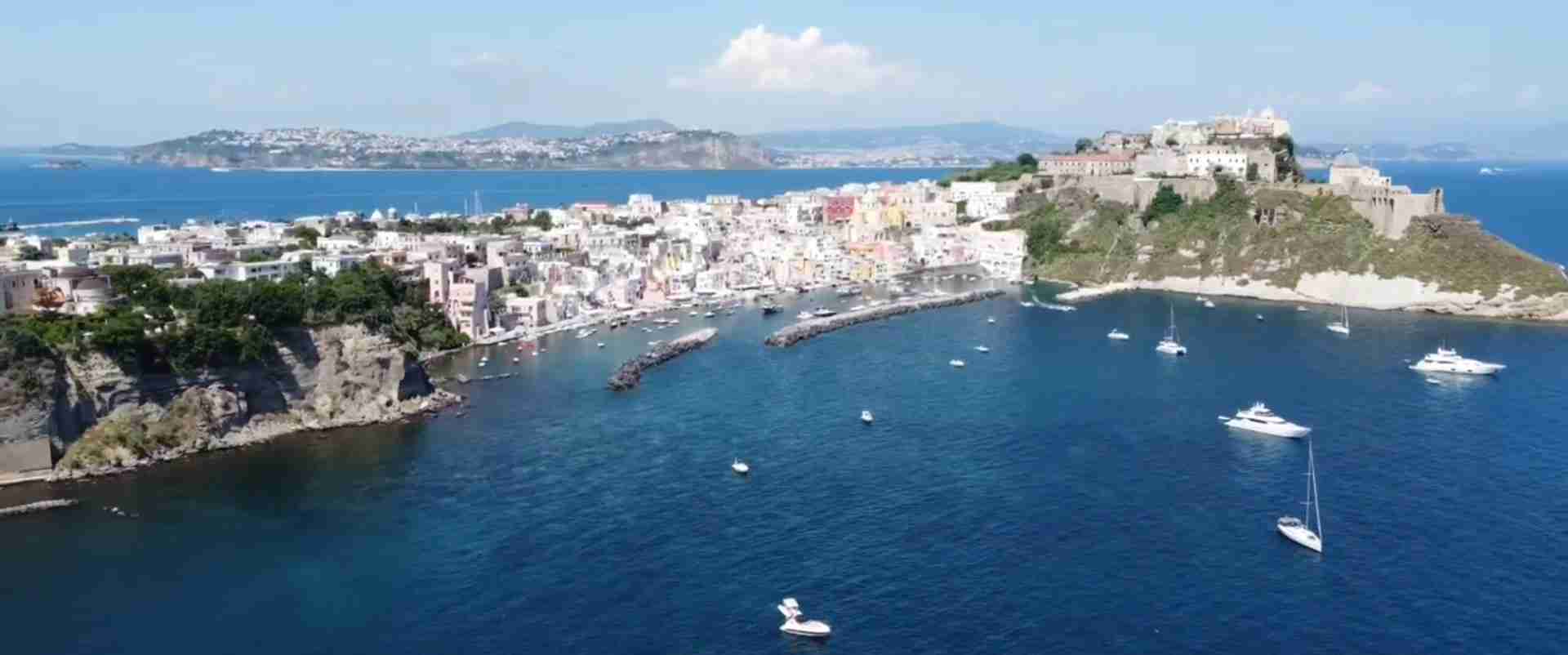
The island’s architectural distinctiveness immediately announces its difference from mainland Campania or neighboring islands. Vertical townhouses painted in pastel shades—yellows, pinks, blues, peaches—create dense streetscapes along harbors and hillsides. Traditional fishing communities cluster around small marinas, with houses built directly to water’s edge, arched doorways opening to boat storage, and external staircases connecting multiple levels. This vernacular architecture reflects centuries of adaptation to island conditions: colors identifying families to returning fishermen, arcades protecting boats, vertical construction maximizing limited flat land. Film directors appreciate these authentic settings—both “Il Postino” (1994) and “The Talented Mr. Ripley” (1999) used Procida locations—but increased visibility hasn’t fundamentally altered the island’s character.
A comprehensive Procida day trip in 2026 combines several distinct experiences: exploring Terra Murata citadel with its medieval streets and panoramic views, wandering Corricella marina’s picturesque fishing village, swimming at Chiaia or Ciraccio beaches, lunching at family-run restaurants serving fresh seafood, and simply observing authentic island life continuing largely independent of tourism. The compact geography allows achieving all these experiences in 7-8 hours without rushed pacing, making Procida ideal for travelers seeking comprehensive island immersion without overnight stays. This guide provides the practical information and strategic suggestions that transform simple ferry rides into meaningful cultural encounters with Italy’s most authentic Mediterranean island community.
People Also Ask About Procida Day Trips 2026
How much does a Procida day trip from Naples cost in 2026?
A comprehensive Procida day trip in 2026 costs €50-70 per person including all major components. Ferry transportation represents the largest expense—hydrofoils charge €16-19 each way (€32-38 roundtrip), while slower ferries cost €13-15 each way (€26-30 roundtrip). Check company websites (Caremar, SNAV) for current 2026 rates as pricing varies by season and booking timing. Lunch at authentic Procida restaurants runs €20-35 for complete meals including seafood, pasta, wine, and cover charges. Beach facilities (if renting umbrellas and loungers) add €15-25 for the day, though free beach areas exist. Additional expenses include coffee/drinks (€5-8), gelato (€3-5), and bus tickets if using local transportation (€1.50 per ride).
Budget-conscious travelers reduce costs through strategic choices: taking slower ferries saves €6-8 roundtrip, bringing picnic lunches from Naples markets cuts meal expenses to €8-12, using free beach areas eliminates rental fees, and walking everywhere avoids bus fares. This approach lowers total costs to €35-45 per person. Conversely, adding wine tastings at local producers (€15-25), renting scooters for island exploration (€25-35 for half-day), or dining at upscale seafood restaurants (€40-60 per person) increases costs to €80-100 daily. Compared to equivalent Capri day trips costing €80-120+ per person for inferior experiences, Procida delivers exceptional value while maintaining authentic character.
Is Procida better than Capri for day trips in 2026?
Procida and Capri offer fundamentally different experiences making direct comparison dependent on visitor priorities. Capri delivers dramatic natural beauty—towering limestone cliffs, the Blue Grotto, Gardens of Augustus—plus luxury shopping, upscale dining, and polished tourist infrastructure. However, it suffers from extreme overcrowding (10,000+ daily summer visitors), inflated prices (€8-12 for coffee, €25-40 for simple pasta), and tourist-trap atmosphere where authentic local life barely exists. Ferry costs to Capri (€20-25 each way) exceed Procida rates, and additional expenses including Blue Grotto tickets (€18), chairlift (€12), and restaurant meals quickly escalate total costs beyond €100 per person.
Procida provides authentic island life, reasonable prices, genuine fishing community culture, and the satisfaction of discovering something less known. The island lacks Capri’s dramatic geography and luxury amenities but offers real Mediterranean island experiences rather than polished tourism products. Visitors content with modest natural beauty, authentic restaurants, and cultural immersion find Procida far more rewarding than fighting Capri’s crowds while paying premium prices. Those requiring spectacular vistas, luxury shopping, or impressing social media followers may prefer Capri despite the costs and congestion. For travelers prioritizing authenticity, value, and peaceful exploration, Procida wins decisively. For those wanting iconic scenery and tourist infrastructure regardless of price, Capri remains appropriate despite its challenges.
What is the best time of day for a Procida day trip in 2026?
Morning departures on hydrofoils leaving Naples 8:30-9:30 AM provide optimal timing for comprehensive day trips. Arriving Procida by 9:30-10:30 AM allows starting exploration during pleasant morning conditions before midday heat, finding restaurants less crowded for lunch, and completing full island circuits before late afternoon fatigue sets in. Morning light favors photography at Corricella marina and Terra Murata, while beaches remain relatively quiet until 11 AM when later arrivals appear. Early departures also secure better ferry seating options before boats fill—arriving at Beverello port 20-30 minutes before departure ensures boarding rather than waiting for subsequent departures during summer peaks.
Return timing flexibility depends on specific ferry schedules, though most visitors depart Procida between 5-7 PM. This timing allows 7-8 hours on the island—sufficient for comprehensive exploration without rush. Summer evening ferries (6-7 PM departures) benefit from sunset light during return crossings, creating memorable gulf views with Vesuvius silhouetted against colored skies. Alternatively, travelers seeking maximum island time can take earliest morning ferries (7:30-8 AM departures from Naples) and latest returns (7-8 PM), achieving 10+ hours on Procida suitable for very thorough exploration or extremely relaxed beach days.
Avoid midday arrivals (12-2 PM) when morning visitors already occupy beach spaces and restaurants serve peak lunch crowds. Late afternoon arrivals (after 3 PM) leave insufficient time for comprehensive exploration, essentially limiting visits to brief marina walks and early dinners before last ferries depart. Winter schedules reduce ferry frequencies, making timing less flexible—departures occur less frequently (every 2-3 hours versus hourly summer service), requiring careful planning to avoid long waits between connections.
Can you walk around Procida in one day in 2026?
Procida’s compact size (4 square kilometers) and relatively flat terrain (aside from the Terra Murata citadel hill) make walking the island entirely feasible in a day. The main harbor (Marina Grande) to Corricella marina walk takes 15-20 minutes along waterfront roads, Terra Murata citadel sits 20-25 minutes uphill from Marina Grande, and Chiaiolella port and beach lie 25-30 minutes from the main harbor. Comprehensive walking circuits covering all major points of interest total approximately 8-10 kilometers—achievable in 3-4 hours at moderate pace including photo stops and brief rest breaks.
However, strategic bus use enhances experiences by minimizing walking during hot conditions and allowing more time for actual exploration versus transit. Local buses (€1.50 per ride) connect Marina Grande with Chiaiolella, Terra Murata access points, and various beach areas. Buses run approximately every 30-45 minutes during summer, less frequently in winter. Many visitors adopt hybrid approaches: walking to nearby attractions (Corricella, Terra Murata), using buses to reach distant beaches (Chiaia, Ciraccio), and walking return routes that differ from outbound journeys. This strategy optimizes time while preventing exhaustion from constant walking in summer heat or up Terra Murata’s steep ascents.
Scooter and bicycle rentals offer alternatives for visitors uncomfortable with walking or preferring motorized exploration. Scooters (€25-35 for half-day) provide maximum flexibility and easy parking throughout the small island. Electric bicycles (€15-20 for half-day) assist with hills while maintaining manageable speeds on narrow island roads. However, Procida’s walkable scale makes these rentals unnecessary for most visitors—the island rewards slow-paced walking exploration allowing attention to architectural details, street life observations, and spontaneous discoveries impossible when rushing past on scooters.
Extended multi-day tours – 5+ days
Featured Naples Multi-Day Tour Packages

6 days
6 Days from Naples: Pompeii, Mount Vesuvius, Amalfi Coast, Sorrento, Positano & Capri Island
- ✓ Comprehensive Naples tour
- ✓ Expert local guides included
- ✓ All accommodation arranged
- ✓ Transportation provided
7 days
Sorrento Escape, Private Tour
- ✓ Comprehensive Naples tour
- ✓ Expert local guides included
- ✓ All accommodation arranged
- ✓ Transportation provided

7 days
Grand Tour Amalfi Coast, Positano, Capri, Naples, Pompeii & Sorrento – 7 Days
- ✓ Comprehensive Naples tour
- ✓ Expert local guides included
- ✓ All accommodation arranged
- ✓ Transportation provided
4 days
Discovering Naples
- ✓ Comprehensive Naples tour
- ✓ Expert local guides included
- ✓ All accommodation arranged
- ✓ Transportation provided
Multi-day tour packages powered by TourRadar. Prices and availability subject to change.
Getting to Procida from Naples 2026
Ferry Companies and Service Types 2026
Multiple ferry companies operate Naples-Procida routes with varying schedules, vessel types, and pricing. Caremar runs year-round service using both fast hydrofoils (40 minutes, €16-19 one-way) and slower traditional ferries (60 minutes, €13-15 one-way). SNAV operates hydrofoil services primarily during summer season (April-October) with similar timing and pricing to Caremar fast boats. Procida Lines provides additional summer capacity during peak months. Ferry frequency varies seasonally—summer schedules run hourly departures 7 AM-8 PM, shoulder seasons (April-May, September-October) maintain departures every 1-2 hours, and winter reduces to 4-6 daily departures spread across morning, midday, and evening.
Hydrofoils offer speed advantages, departing from Naples Beverello port (adjacent to Castel Nuovo and easily reached by taxi, metro, or bus) and arriving at Procida’s Marina Grande in 40 minutes. These modern vessels provide indoor seating with air conditioning, limited outdoor deck space, and bar services. However, they cost €3-6 more than traditional ferries and can experience cancellations during rough seas when waves exceed safe operating limits. Traditional ferries take 60 minutes but operate in worse weather conditions, provide extensive outdoor deck space ideal for enjoying gulf views, and cost less. Some ferries continue to Ischia after Procida stops, requiring attention to schedules to avoid inadvertent continuation beyond intended destination.
Booking requirements vary by season—summer months benefit from advance online booking (available through company websites) securing specific departure times, though walk-up purchases typically work except on peak August weekends when boats can fill. Shoulder and winter seasons rarely require advance booking, with tickets available at port ticket windows 30-60 minutes before departure. Return tickets can be open (valid on any same-day return ferry) or timed, with open returns providing flexibility for adjusting island time based on weather, energy levels, or spontaneous schedule changes. Check current 2026 schedules and rates on official company websites as service patterns and pricing adjust annually.
Departure Logistics and Port Navigation 2026
Naples Beverello port occupies the waterfront adjacent to Piazza Municipio, easily accessible from central Naples. Metro Line 1 Municipio station exits directly at the port (5-minute walk to ferry terminals), making public transit the simplest approach for visitors staying in Naples historic center. Buses including R2, 151, and various lines serve the port area. Taxis from central Naples cost €10-15, though Naples traffic unpredictability means allowing 20-30 minutes for journeys that should take 10 minutes. The port area includes multiple ferry company ticket offices, waiting areas, and departure gates—arriving 30-45 minutes before first-time visits allows locating correct companies and gates without stress.
Port security requires showing identification matching ticket names during boarding—passports or EU national IDs suffice. Luggage restrictions generally don’t apply to day-trippers with small bags, though large suitcases incur supplements or rejection on hydrofoils with limited storage. Cafes and bars near the port provide breakfast or coffee options for early departures, though onboard bars serve drinks and light snacks during crossings. Boarding typically begins 15-20 minutes before departure with gates announced on electronic boards and public address systems. Following crowd flows usually leads to correct gates, though asking port staff confirms proper boarding locations when uncertainty exists.
Arrival at Procida’s Marina Grande deposits passengers at the island’s main harbor and commercial center. The port area includes bus stops serving island routes, taxi stands (limited vehicles available), scooter rental agencies, cafes, and the main road leading to Terra Murata and other destinations. Tourist information points near the port provide maps and basic guidance during peak season, though winter operations reduce to minimal services. Orientation from the port is straightforward—the waterfront road leads right toward Corricella marina, the uphill road accesses Terra Murata citadel, and the main road continues across the island toward Chiaiolella and beaches. First-time visitors benefit from obtaining orientation maps at the port to establish geography before beginning exploration.
Planning Your Procida Day Trip 2026
Seasonal Timing and Weather Considerations 2026
Optimal Procida day trip months in 2026 are May-June and September-October when weather supports beach activities while avoiding July-August domestic tourism peaks. May delivers spring conditions with temperatures reaching 22-25°C, seas warming to 19-21°C (cool but swimmable for tolerant visitors), and minimal crowds as Italian tourism hasn’t peaked. June provides warmer conditions (26-28°C air, 22-24°C water) with increasing but manageable visitor numbers. September represents the ideal single month—warm seas (24-26°C from summer heating), comfortable air temperatures (25-27°C), dramatically reduced crowds after August domestic tourism ends, and stable weather with minimal rain.
July and August deliver peak beach weather (28-30°C air, 25-27°C water) but also maximum domestic Italian tourism straining the island’s limited capacity. Beaches become crowded, restaurants fill rapidly requiring reservations, and authentic character partially yields to tourist pressures. However, these months also provide most frequent ferry schedules, longest operating hours for businesses, and guaranteed warm swimming conditions. Visitors accepting crowds in exchange for optimal beach weather find July-August acceptable despite challenges. Weekend visits require particular caution as Roman and Neapolitan day-trippers flood the island, while weekday visits maintain better proportions.
Winter Procida (November-March) operates on minimal tourism mode—reduced ferry schedules (4-6 daily crossings), closed restaurants and beach facilities, and cool weather (13-17°C) limiting beach activities. However, ferry costs drop slightly, hotel rates (for those staying overnight) fall dramatically, and authentic local life becomes highly visible without tourist overlay. Winter visits suit cultural travelers interested in island architecture, walking exploration, and seasonal authenticity rather than beach activities. Spring (April) and autumn (October) represent transition periods—good weather probability, moderate pricing, functional services, and pleasant conditions for comprehensive island exploration without intense summer heat or winter closures.
Essential Items and Preparations for 2026
Day trip essentials include sun protection—high SPF sunscreen (factor 30-50), hats, and sunglasses prevent burns on exposed beaches and reflective water. Even cloudy days deliver strong Mediterranean UV exposure requiring protection. Comfortable walking shoes with good grip handle Terra Murata’s cobblestone streets and beach paths—avoid flip-flops for extensive walking despite beach destination. Swimwear, towels, and beach bags allow spontaneous swimming opportunities at multiple locations. Water bottles (refillable from public fountains throughout the island) maintain hydration during warm weather walking. Light day packs carry personal items, cameras, snacks, and layers for air-conditioned ferry returns after sun exposure.
Cash remains important on Procida—many small restaurants, cafes, and beach facilities operate cash-only or prefer cash to avoid card processing fees. Carrying €50-100 in mixed denominations (€5-20 bills) ensures ability to complete transactions throughout the day. ATMs exist near Marina Grande but may have lines during peak season or run empty on busy weekends. Credit cards work at larger establishments and some restaurants but shouldn’t be sole payment method. Phone batteries charged fully and portable chargers packed prevent missing ferry departure information, GPS navigation, or photography opportunities during long days.
Language preparation helps on Procida where English proficiency remains limited outside main tourist areas. Basic Italian phrases—greetings, thanks, ordering food, asking directions—facilitate interactions. Translation apps provide backup for complex communications, though connectivity may be spotty in some island locations. Pre-downloaded offline maps for Procida allow navigation without data usage. Ferry company apps or photographed schedule information ensures awareness of return departure times preventing missed last ferries. Light layers (long-sleeve shirts, light jackets) address ferry air conditioning and evening cooling, particularly during shoulder seasons when temperature swings occur between midday sun and evening breezes.
Top Attractions and Must-See Locations
Terra Murata: The Medieval Citadel
Terra Murata occupies Procida’s highest point (91 meters elevation) where the medieval citadel provided defensive position against Saracen raids that plagued Mediterranean islands for centuries. The fortified village maintains original medieval street patterns—narrow lanes designed for pedestrian and donkey traffic, covered passages providing shade and defensive advantages, stone houses built directly into defensive walls, and the imposing Palazzo d’Avalos dominating the summit. Walking Terra Murata’s streets feels like time travel—minimal modern overlay, elderly residents conversing in local dialect while seated at doorways, cats lounging in ancient doorways, and silence broken only by church bells and distant gull cries.
The Abbey of San Michele Arcangelo anchors the citadel’s religious and architectural significance. Founded in the 11th century, the church received baroque renovations creating ornate interiors contrasting with austere exterior military architecture. The interior displays paintings from Neapolitan school artists, carved wooden ceilings, and the tomb of Saint Giovanni da Procida. The attached museum houses religious artifacts, historical documents, and objects documenting island history. However, the abbey’s true treasure is the panoramic terrace offering 360-degree views across the Bay of Naples—Vesuvius to the east, Naples and Pozzuoli to the north, Ischia to the west, and Capri visible on clear days to the south. These views alone justify the uphill climb.
Palazzo d’Avalos served various functions across its history—aristocratic residence, royal hunting lodge, military barracks, and most notoriously as a prison operating from 1830 to 1988. The abandoned structure currently undergoes long-delayed restoration converting sections to cultural center and museum spaces. Parts of the complex open periodically for guided tours revealing prison conditions, architectural details, and historical exhibitions. Even when interiors close, the exterior walls and surrounding areas provide atmospheric settings for understanding how isolated island locations made perfect prison sites—escape attempts faced open water crossings to mainland or nearby islands.
Marina Corricella: Procida’s Postcard Village
Corricella marina represents Procida’s most photogenic location and the setting film directors consistently choose for movies requiring authentic Mediterranean fishing village aesthetics. The small harbor sits nestled in a natural cove with pastel-colored houses cascading down the hillside to water’s edge. Traditional fishing boats—wooden gozzi and lucias—moor directly in front of houses, many featuring arched openings at water level for direct boat storage. External staircases connect multiple levels, laundry hangs from balconies, and the entire composition creates picture-perfect scenes from any angle. “Il Postino” filmed extensively here, making specific locations recognizable to fans of that melancholic masterpiece.
The Corricella experience extends beyond photography to genuine fishing community observation. Early morning visits (before 9 AM) show fishermen maintaining boats, mending nets, and preparing for daily fishing runs. Late afternoon (5-7 PM) witnesses returns with catches sold directly from boats to locals and restaurants. These working rhythms continue largely independent of tourism—fishing represents economic activity rather than nostalgic performance for visitors. The authenticity creates Corricella’s appeal: this isn’t a preserved village or tourist recreation but a living community that happens to be extraordinarily beautiful.
Small restaurants and bars line the waterfront serving seafood dishes, local wines, and simple preparations celebrating fresh ingredients. Lunch at Corricella provides quintessential island experiences—fresh fish grilled or prepared acqua pazza (in light tomato broth), pasta with seafood, local white wines, all consumed with harbor views and sea breezes. Prices remain reasonable (€25-35 per person for complete meals) compared to similar settings elsewhere in Italy. Service operates on island time—relaxed pacing that frustrates rushed visitors but rewards those accepting Mediterranean meal rhythms. Reservations help during peak season as limited tables fill quickly, though off-season allows spontaneous arrival.
Beaches and Swimming Spots
Procida’s beaches, while not extensive, provide pleasant swimming options across various locations and character types. Chiaia beach represents the island’s most popular swimming area—a long crescent of dark volcanic sand backed by distinctive arched houses painted in pastel colors. The beach offers both free sections and stabilimenti (beach clubs) renting umbrellas and loungers (€15-25 for two loungers plus umbrella for full day). Shallow water and gradual depth increases make Chiaia suitable for families with children, while the lengthy beach provides space preventing excessive crowding even during July-August peaks. Beach bars serve drinks, snacks, and light meals without requiring leaving the sand.
Ciraccio beach sits at the western end of Chiaia, accessible via a stairway carved through volcanic rock. The descent (approximately 180 steps) discourages casual visitors, keeping crowds minimal even when Chiaia fills. The beach combines dark sand with smooth rocks, requiring water shoes for comfortable entry. The setting feels wilder than manicured Chiaia—minimal services, natural surroundings, and relative quiet reward those accepting the stairway challenge. Snorkeling along rocky sections reveals modest marine life, though expectations should remain moderate—this isn’t tropical water teeming with colorful fish but pleasant Mediterranean ecosystems with occasional small fish schools and sea urchins requiring attention.
Chiaiolella beach fronts the marina of the same name on Procida’s southwestern corner. The beach combines sand and small stones with clear water and views toward Ischia. Marina facilities including bars, restaurants, and shops provide comprehensive services, while boat rental operations offer kayaks, paddleboards, and small motorboats for exploring coastal areas. The beach suffers from more commercial atmosphere than Chiaia or Ciraccio—louder music, busier facilities, greater tourist presence—but offers superior services and accessibility. Pozzo Vecchio beach, sandwiched between Chiaiolella and Ciraccio, provides another small option with limited services but pleasant swimming conditions and relative quiet.
Where to Eat: Authentic Procida Restaurants 2026
Seafood Specialties and Local Cuisine
Procida cuisine centers on seafood reflecting the island’s fishing heritage. Restaurants serve catches landed that morning—depending on season and fishing success, menus might feature totani (flying squid), alici (anchovies), orate (gilt-head bream), spigola (sea bass), polpo (octopus), or various small reef fish prepared simply to highlight freshness. Traditional preparations include acqua pazza (fish poached in light tomato broth with garlic and herbs), grilled fish with lemon and olive oil, frittura mista (mixed fried seafood), and crudo (raw seafood preparations) at better restaurants. Pasta dishes incorporate seafood—spaghetti alle vongole (with clams), linguine ai frutti di mare (with mixed seafood), or paccheri con polpo (large pasta tubes with octopus).
Island lemons contribute to many dishes—limoncello digestif, lemon-based pasta sauces, fish preparations with lemon, and sweet lemon desserts. Procida produces fewer lemons than Amalfi Coast or Sorrento but maintains small groves supplying local restaurants. Rabbit stewed with tomatoes and herbs (coniglio all’ischitana) appears on some menus, reflecting the broader Neapolitan gulf island tradition of rabbit preparation. Insalata di mare (seafood salad) makes excellent appetizers, combining octopus, squid, mussels, and shrimp with olive oil, lemon, and parsley. The island’s restaurant scene emphasizes honest preparations of quality ingredients rather than elaborate presentations or trendy fusion concepts.
Restaurant Recommendations and Dining Strategies 2026
La Lampara sits directly on Corricella waterfront offering exemplary seafood in the island’s most photogenic setting. Lunch reservations prove essential during high season as limited tables fill early—calling ahead or booking through restaurant’s website secures seating. Expect to pay €30-40 per person for multi-course meals with wine. The terrace tables provide optimal harbor views, though interior sections maintain charm. House specialties include fresh grilled fish, seafood risotto, and traditional pasta preparations. Service operates at relaxed island pace—planning 1.5-2 hours for complete meals rather than rushed turnover.
Il Galeone near Marina Grande serves excellent seafood at moderate prices (€25-35 per person) with less pressure from the Corricella tourist presence. The restaurant caters to island residents and returning visitors rather than purely day-trippers, reflected in authentic preparations and reasonable pricing. Daily specials depend on fresh catches and seasonal availability rather than fixed menus. Outdoor seating allows harbor observation while dining, and the casual atmosphere welcomes families and solo travelers equally. Reservations help but aren’t always essential outside peak weeks.
Caracalè in Marina Chiaiolella combines restaurant service with beach club operations, allowing lunch directly from beach loungers or at traditional tables. The menu covers seafood, pizza (substantial wood-fired examples serving as full meals), salads, and grilled meats for non-seafood eaters. Prices align with beach club setting—slightly elevated over town restaurants at €30-40 per person, but the convenience of not leaving beach areas and the combination of food with sea views justifies premiums. The location suits beach-focused day trips wanting to minimize time away from swimming for meals.
Budget alternatives include small bars and cafes serving panini (sandwiches with various fillings, €5-8), pizza al taglio (by-the-slice pizza, €3-5), and simple pasta dishes (€8-12). Markets near Marina Grande sell fresh bread, cheese, cured meats, fruit, and wine allowing picnic assembly for €10-15 per person. Supermarkets provide fuller grocery selections when apartment kitchens or beach picnics call for comprehensive supplies. Gelato shops throughout the island serve excellent ice cream (€3-5 for generous portions) perfect for afternoon treats or post-dinner desserts.
Sample Procida Day Trip Itinerary 2026
Classic Comprehensive Day Trip
8:30 AM – Depart Naples Beverello port on hydrofoil to Procida (€18 one-way, €36 roundtrip total). Board 15 minutes early to secure good seating, enjoy gulf views during 40-minute crossing.
9:15 AM – Arrive Procida Marina Grande. Orient from port, obtain island map if needed, walk waterfront road toward Corricella (15 minutes).
9:30 AM – Explore Corricella marina. Photograph the picturesque harbor, observe fishing boats, walk narrow streets behind waterfront, absorb morning atmosphere before crowds arrive (45 minutes).
10:15 AM – Walk uphill toward Terra Murata citadel (20 minutes gradual climb). Navigate medieval streets, visit Abbey of San Michele (€3 admission), enjoy panoramic views from terrace (60 minutes exploring citadel).
11:45 AM – Return to Corricella for early lunch reservation. Avoid midday rush by eating before noon peak (lunch 12:00-1:30 PM, €30-35 per person including wine).
1:45 PM – Take bus from Corricella area toward Chiaia beach (€1.50, 10 minutes) or walk (25 minutes) if weather permits and energy allows.
2:00 PM – Afternoon beach time at Chiaia. Rent umbrella and loungers (€20 for two loungers plus umbrella) or use free sections. Swimming, sunbathing, relaxing (3 hours).
5:00 PM – Depart beach, walk back toward Marina Grande via different route exploring island neighborhoods (30 minutes, includes gelato stop €4).
5:45 PM – Coffee or aperitivo at Marina Grande waterfront cafe (€6-8), relax before ferry departure, purchase any last-minute items.
6:30 PM – Board return hydrofoil to Naples (€18), enjoy sunset views during crossing if timing aligns.
7:15 PM – Arrive Naples Beverello, return to accommodation or continue evening in Naples.
Total day cost: Ferry €36, lunch €32, beach rental €20, bus €1.50, gelato €4, coffee €7. Total: €100 per person (excluding Naples accommodation).
Beach-Focused Relaxed Itinerary
9:00 AM – Depart Naples on slower ferry to Procida (€15 one-way, €30 roundtrip), accepting 60-minute crossing for cost savings.
10:00 AM – Arrive Procida, take bus directly to Chiaia beach (€1.50, 10 minutes) or Chiaiolella (€1.50, 15 minutes).
10:20 AM – Secure beach positions—rent umbrella and loungers at stabilimento (€20) or claim free beach areas. Settle for extended beach day (4.5 hours swimming, sunbathing, reading).
2:00 PM – Lunch at beachside restaurant—Caracalè at Chiaiolella or beach bars at Chiaia serve full meals allowing minimal movement from beach positions (€30-35 per person).
3:30 PM – Continue beach activities until mid-afternoon (2 additional hours).
5:30 PM – Depart beach, bus or walk to Marina Grande (€1.50 bus, 15 minutes; 30 minutes walking).
6:00 PM – Quick walk through Corricella marina (30 minutes), photograph evening light on pastel houses, observe returning fishing boats.
6:45 PM – Gelato at Marina Grande (€4), browse small shops if still open.
7:15 PM – Board return ferry to Naples (€15).
8:15 PM – Arrive Naples Beverello.
Total day cost: Ferry €30, beach rental €20, lunch €32, bus roundtrip €3, gelato €4. Total: €89 per person (excluding Naples accommodation).
Photography and Culture Focus Itinerary
7:30 AM – Early hydrofoil departure from Naples (€18) to capture morning light, arrive Procida before general crowds.
8:15 AM – Immediate walk to Corricella marina (15 minutes). Photograph morning light on houses, fishing boat activity, quiet streets before tourist arrivals (90 minutes photography time).
9:45 AM – Walk to Terra Murata (20 minutes), explore medieval streets, Abbey visit (€3), extensive photography from viewpoint terraces (90 minutes).
11:45 AM – Return to Marina Grande area, early lunch at non-touristy trattoria (€25-30 per person, 75 minutes).
1:00 PM – Bus to Chiaiolella marina area (€1.50, 15 minutes), photograph fishing boats, marina architecture, coastal views (60 minutes).
2:15 PM – Bus to Chiaia beach area (€1.50, 10 minutes), photograph beach scenes, arched houses, coastal landscapes (45 minutes).
3:00 PM – Quick swim and brief beach relaxation (60 minutes), then walk coastal paths for additional photography (45 minutes).
4:45 PM – Walk back to Marina Grande via residential streets photographing local architecture, street life, details (45 minutes).
5:30 PM – Coffee and review day’s images at waterfront cafe (€5, 45 minutes).
6:30 PM – Return hydrofoil to Naples (€18), photograph sunset views if timing aligns.
7:15 PM – Naples arrival.
Total day cost: Ferry €36, lunch €28, bus trips €3, abbey admission €3, coffee €5. Total: €75 per person (excluding Naples accommodation).
Practical Tips for Procida Day Trips 2026
Transportation and Getting Around the Island 2026
Procida’s local bus system (L1 and L2 routes) connects major points including Marina Grande, Terra Murata access roads, Chiaiolella marina, and various beach areas. Buses run approximately every 30-45 minutes during summer, reducing to hourly service in shoulder seasons. Single tickets cost €1.50, purchased from tobacco shops (tabacchi) near bus stops or sometimes directly from drivers (though drivers prefer pre-purchased tickets). The compact bus network means waiting times rarely exceed 30 minutes, though walking often proves faster for nearby destinations than waiting for next buses.
Taxis exist in very limited numbers on Procida—perhaps 6-8 vehicles serving the entire island. They congregate at Marina Grande port meeting ferry arrivals and can be called by phone for pickup at other locations. Fares operate on meter or fixed rates depending on destination, generally running €8-15 for cross-island trips. The limited supply means taxis can be unavailable during peak hours when all vehicles operate simultaneously. Relying primarily on walking and buses rather than counting on taxi availability prevents disappointment and schedule disruptions.
Scooter rentals (€25-35 for half-day, €40-50 for full day) offer flexibility for exploring distant corners quickly and carrying beach gear without backpack discomfort. However, Procida’s narrow streets, limited parking near popular sites, and walkable scale make scooters unnecessary for most visitors. Those renting should have prior scooter experience—learning on Procida’s roads while dodging local drivers isn’t ideal. Bicycle rentals exist but the island’s hills discourage non-fit riders. Electric bicycles (€15-20 for half-day) assist with climbs but remain less common than traditional bikes. Most day-trippers find walking plus strategic bus use optimal for comprehensive exploration without motorized transportation hassles.
Photography Tips and Best Viewpoints 2026
Corricella marina provides Procida’s most photographed scenes from multiple angles. The classic view shoots from the main road above the harbor, capturing the full sweep of pastel houses cascading to water. Early morning light (8-10 AM) illuminates house facades beautifully, while late afternoon (5-7 PM) creates warm golden tones. Walking down into the marina itself allows close-up shots of boats, architectural details, laundry lines, and street life. The curved harbor shape means morning light favors the eastern side while afternoon sun highlights the western sections—planning photography timing according to sun position maximizes results.
Terra Murata’s viewpoint terraces at Abbey of San Michele deliver 360-degree panoramas encompassing the entire Bay of Naples. Clear days reveal Vesuvius, Naples skyline, Pozzuoli, Ischia, and distant Capri in single frames. Wide-angle lenses capture the full sweep while telephoto lenses isolate specific features. Midday overhead sun flattens these views, but morning and afternoon side-lighting creates dimension and drama. The medieval streets within Terra Murata itself photograph well—narrow lanes, arched passages, weathered doorways, and resident cats create atmospheric details.
Chiaia beach’s arched houses present unique architectural subjects. The repeating arches painted in various pastels create geometric patterns attractive to architectural photographers. Shooting from beach level emphasizes the structures against sky, while elevated positions from access roads show the full relationship between beach and buildings. Marina Grande port scenes include fishing boats, ferry arrivals, and street life easily documented from waterfront positions. Residential streets throughout the island reveal authentic details—weathered doors, potted plants, external staircases, painted shutters—that collectively communicate Mediterranean island character beyond postcard tourist views.
What to Skip and Common Mistakes to Avoid 2026
Procida’s limited size means few explicit “tourist traps,” but common mistakes diminish experiences unnecessarily. Arriving midday (12-2 PM) encounters peak crowds at beaches and restaurants while providing less total island time than morning arrivals. Many visitors make this error, creating unnecessary congestion during already-busy lunch periods. Similarly, attempting comprehensive exploration in intense July-August midday heat exhausts travelers—strategic planning places strenuous walking (Terra Murata ascent) during morning coolness and reserves beaches for hottest afternoon hours.
Over-planning rigid hourly schedules conflicts with island rhythms and often leads to frustration when restaurants run behind, buses arrive late, or spontaneous discoveries merit extended time. Procida rewards flexibility—accepting that lunch might extend 30 minutes beyond planning, that walking interesting streets means missing scheduled bus departures, that perfect light at Corricella justifies delaying other plans. Rigid cruise-ship-style efficiency feels inappropriate on small islands operating on Mediterranean time rather than German precision. Building buffer time between major activities and accepting delays as part of experiences rather than problems improves satisfaction.
Expecting Capri-style luxury amenities or extensive tourism services disappoints visitors not understanding Procida’s different character. The island lacks upscale shopping, luxury spas, polished tourist infrastructure, and carefully curated experiences. Restaurants operate casually, services close unexpectedly, English proficiency remains limited, and some facilities feel dated. These characteristics reflect authentic island life rather than deficiencies. Visitors wanting polished tourism should visit Capri; those appreciating authentic community life find Procida’s informality part of its appeal.
Comparing Procida to Other Bay Islands 2026
Procida vs. Capri: Character and Cost Differences
Procida and Capri occupy opposite ends of the Bay of Naples island spectrum. Capri delivers spectacular natural scenery—dramatic limestone cliffs, the Blue Grotto, Faraglioni rock formations, Gardens of Augustus—that justify its fame. However, it suffers extreme overcrowding (10,000-15,000 daily summer visitors), inflated pricing (coffee €8-12, simple lunches €40-60), tourist-trap saturation, and barely-visible authentic local life overwhelmed by tourism. Ferry costs to Capri (€20-25 each way) exceed Procida rates, and mandatory funicular or bus from Marina Grande port to Capri town (€2 each way) adds expenses. Blue Grotto visits require additional boats (€18) and often involve long waits or cancellations due to sea conditions.
Procida offers modest natural beauty—pleasant coastlines, nice beaches, attractive pastel architecture—but nothing approaching Capri’s dramatic geography. However, it maintains authentic fishing community character, reasonable prices (complete restaurant meals €25-35 vs. Capri’s €50-80), minimal crowds outside August peaks, and genuine local life continuing independent of tourism. Total day trip costs to Procida (€50-70) run substantially below Capri equivalents (€100-150+). Travelers prioritizing spectacular scenery and willing to tolerate crowds and expense prefer Capri. Those valuing authenticity, reasonable prices, and peaceful exploration choose Procida despite less dramatic landscapes.
Procida vs. Ischia: Size and Tourism Differences
Ischia, the Bay of Naples’ largest island (46 square kilometers versus Procida’s 4), functions more as resort destination than day-trip target. The island requires multiple days for comprehensive exploration given its size and attraction distribution—thermal spas, Aragonese Castle, Sant’Angelo fishing village, mountain hiking, gardens, and beaches spread across far-flung locations. Ischia receives substantial tourism (particularly German and Russian visitors) but distributes visitors across larger geography, preventing the concentration found on tiny Procida during peaks. Ferry service connects Naples to multiple Ischia ports (Ischia Porto, Casamicciola, Forio) with varying schedules and costs (€18-22 each way).
Day trips to Ischia feel rushed given the size—attempting multiple attractions requires rental scooters or cars, while focusing on single areas (thermal spa day or Aragonese Castle visit) underutilizes ferry time and cost. Procida’s compact geography allows comprehensive single-day exploration feeling complete rather than fragmented. Ischia suits longer stays (2-4 days), wellness-focused visits emphasizing thermal treatments, or travelers wanting developed tourism infrastructure. Procida works better for short visits, cultural/architectural interests, and authentic fishing village experiences. Some visitors combine islands—Procida day trip followed by longer Ischia stay—experiencing both characters without choosing between them.
Frequently Asked Questions About Procida Day Trips 2026
Can you visit Procida and Ischia in one day from Naples in 2026?
Visiting both islands in one day is technically possible but not recommended as it creates rushed experiences at both locations while maximizing ferry time and costs. Some ferries stop at Procida en route to Ischia, allowing brief Procida visits (2-3 hours) before continuing to Ischia, exploring there (3-4 hours), then returning to Naples. However, this approach provides insufficient time for meaningful exploration at either island—essentially limited to brief marina walks and quick lunches. Ferry costs accumulate (€35-40 roundtrip to Ischia with Procida stop) while actual island time barely exceeds transit time. Single-island full-day visits deliver superior experiences, and travelers with multiple days available should dedicate separate days to each island rather than combining superficially.
Is Procida suitable for families with children in 2026?
Procida works well for families with children, particularly those seeking relaxed beach days rather than attraction-heavy itineraries. Chiaia beach’s shallow water, gradual depth increase, and sandy bottom provide safe swimming for children, while umbrella/lounger rentals allow comfortable family setups. The compact island size prevents endless walking that exhausts young children—short distances between port, beaches, and villages keep movement manageable. However, Terra Murata’s uphill walk and stairs may challenge families with small children or strollers. The island’s quiet character means limited entertainment infrastructure—no theme parks, water slides, or child-specific attractions—suiting families comfortable with beach/cultural experiences rather than activity-intensive tourism.
What happens if bad weather cancels ferries in 2026?
Rough seas occasionally cancel hydrofoil service when waves exceed safe operating limits, particularly during autumn/winter when storms affect the Bay of Naples. Slower traditional ferries operate in worse conditions than hydrofoils, sometimes continuing service when fast boats cancel. However, severe weather grounds all vessels. Ferry companies announce cancellations through websites, apps, and port postings. Passengers with advance tickets receive refunds or rebooking on next available departures. Travelers already on Procida during cancellations face overnight stays—several hotels and B&Bs accommodate stranded visitors, though August weekends may challenge room finding. This scenario occurs rarely (perhaps 2-5 times annually) and almost never during summer high season when conditions remain stable.
Are there ATMs and currency exchange on Procida in 2026?
Procida maintains 2-3 ATMs near Marina Grande port and in other main areas, though these sometimes run empty during peak summer weekends when usage exceeds restocking schedules. Visitors should withdraw cash in Naples before departure rather than relying entirely on island ATMs. No currency exchange offices operate on Procida—the island assumes visitors arrive with euros. Credit cards work at some restaurants and larger establishments, but many small businesses, beach facilities, and cafes operate cash-only. Carrying €50-100 in mixed denominations ensures ability to complete all typical day-trip transactions without ATM dependency or card acceptance concerns.
Can you see Procida’s main attractions without paying admission fees in 2026?
Most Procida attractions are outdoor public spaces requiring no admission—Corricella marina, Terra Murata medieval streets (excluding abbey interior), beaches (free sections exist at all major beaches), and island walking/photography opportunities. The Abbey of San Michele charges modest admission (€3) and represents the primary paid interior attraction. Museo di Procida in Terra Murata (when open—hours vary seasonally) charges small fees (€3-5). Beach facilities (umbrellas, loungers) cost €15-25 daily but aren’t mandatory—free beach areas exist though with fewer services. A comprehensive Procida visit requires minimal admission fees beyond ferry transportation and meals, making the island economically accessible compared to museums-heavy cultural destinations requiring €15-20 admissions at multiple locations.
Is Procida less crowded than the Amalfi Coast in 2026?
Procida experiences substantially less crowding than Amalfi Coast towns during equivalent time periods. Even July-August peaks on Procida see visitor numbers measured in hundreds or low thousands rather than the tens of thousands overwhelming Positano or Amalfi daily. The island lacks cruise ship access that floods Amalfi Coast towns with thousands of simultaneous arrivals, road capacity prevents tour bus invasions, and limited accommodation stock caps overnight visitor numbers. However, Procida still experiences August weekend crowding when Roman and Neapolitan day-trippers arrive en masse. The island’s small size means even moderate visitor numbers create noticeable presence—beaches fill, restaurant waits extend, ferries operate at capacity. But comparing Procida’s “crowded” conditions to Amalfi Coast’s summer chaos reveals dramatically different scales. Shoulder season Procida (May-June, September-October) delivers almost empty experiences impossible to achieve at major Amalfi Coast destinations.
How does Procida compare to Cinque Terre for authentic village experiences in 2026?
Procida maintains more authentic character than Cinque Terre villages, which suffered severe overtourism transforming them from fishing communities to tourist attractions where local life barely exists beyond serving visitors. Cinque Terre sees 2.5 million annual visitors across five small villages, creating impossible density that pushed out residents, converted homes to vacation rentals, and eliminated authentic economic activities beyond tourism. Procida receives perhaps 200,000-300,000 annual visitors across its small area—substantial tourism but not overwhelming transformation. Fishing continues as economic activity, residents outnumber visitors most times, and community life functions independent of tourism. Cinque Terre delivers dramatic coastal scenery Procida cannot match, but for authentic Mediterranean island community experiences, Procida maintains what Cinque Terre lost decades ago.
What wildlife or nature experiences does Procida offer in 2026?
Procida’s compact developed geography limits wildlife experiences compared to larger less-populated islands. Marine life exists in coastal waters—snorkeling reveals small fish schools, sea urchins (requiring careful swimming to avoid), occasional octopuses in rocky areas, and various shellfish. However, expectations should remain moderate—this isn’t tropical reef snorkeling with colorful diverse marine life. Seabirds including gulls and occasional migratory species appear seasonally. The island lacks hiking trails through natural areas (Terra Murata aside)—development and agriculture occupy most land. Gardens and citrus groves add botanical interest but aren’t formal attractions. Visitors prioritizing nature experiences should target larger islands with protected areas (Ischia has mountain nature) or mainland destinations like Cilento National Park rather than compact, developed Procida.
Conclusion: Is a Procida Day Trip Right for Your 2026 Travel?
Procida occupies a specific niche among Bay of Naples islands—neither as dramatically beautiful as Capri nor as resort-developed as Ischia, but more authentically preserved than either. The island rewards travelers seeking genuine Mediterranean fishing village experiences, those frustrated by overtourism at famous destinations, visitors prioritizing authenticity over luxury infrastructure, and anyone wanting pleasant day trips from Naples without extreme costs or crowds. Procida delivers these experiences consistently, particularly during May-June and September-October when weather supports beach activities while tourist numbers remain manageable.
However, Procida doesn’t suit all traveler types or preferences. Visitors requiring spectacular natural beauty, extensive tourism services, English-language ubiquity, or luxury amenities find the island disappointing compared to alternatives. Those wanting packed itineraries with numerous structured attractions discover limited options beyond beaches, villages, and the citadel. Travelers uncomfortable with authentic rough edges—casual service, unpredictable schedules, basic facilities—prefer more polished destinations. Understanding these characteristics before committing to Procida day trips prevents disappointment from mismatched expectations.
For appropriate travelers, Procida day trips create memorable experiences through cultural authenticity, architectural beauty, reasonable costs, and peaceful atmosphere impossible to find at overtouristed alternatives. The island provides genuine glimpses into Mediterranean island life continuing largely independent of tourism, allows meaningful cultural engagement rather than superficial site-checking, and offers aesthetic beauty without the commercial overlay that transforms distinctive places into interchangeable tourism products. Armed with the practical information detailed throughout this guide—ferry logistics, timing strategies, attraction priorities, dining recommendations, realistic cost expectations—travelers position themselves for rewarding 2026 Procida experiences that honor the island’s authentic character while achieving comprehensive exploration within day-trip timeframes.