Campania Travel Guide 2026: Complete Planning Resource
Key Takeaways
- Campania offers UNESCO World Heritage sites including Pompeii, Herculaneum, Amalfi Coast, and Royal Palace of Caserta with coordinated regional transport making multi-destination visits efficient
- Peak summer season (June-August) brings 35°C temperatures and premium pricing €200-400 per night, while shoulder seasons (April-May, September-October) offer optimal weather 20-25°C and 30-40% lower accommodation costs
- Regional transportation includes Naples Metro €1.10 per ride, Circumvesuviana trains €3-5 to Pompeii/Sorrento, and ferry networks connecting coastal destinations with advance online booking recommended for summer travel
- Budget travelers manage €80-110 daily including accommodation, mid-range visitors spend €150-220, while luxury experiences cost €350-500 with strategic planning and advance bookings optimizing all budget levels
- Campania’s culinary heritage centers on authentic Neapolitan pizza €8-15, fresh seafood along the coast, and regional specialties like sfogliatella pastries with food tours offering immersive gastronomic experiences
- Seven days provides comprehensive coverage of Naples’ historical center, Pompeii and Herculaneum archaeological sites, Amalfi Coast towns, and island destinations Capri, Ischia, or Procida with flexible itinerary options
Introduction to Campania Travel in 2026
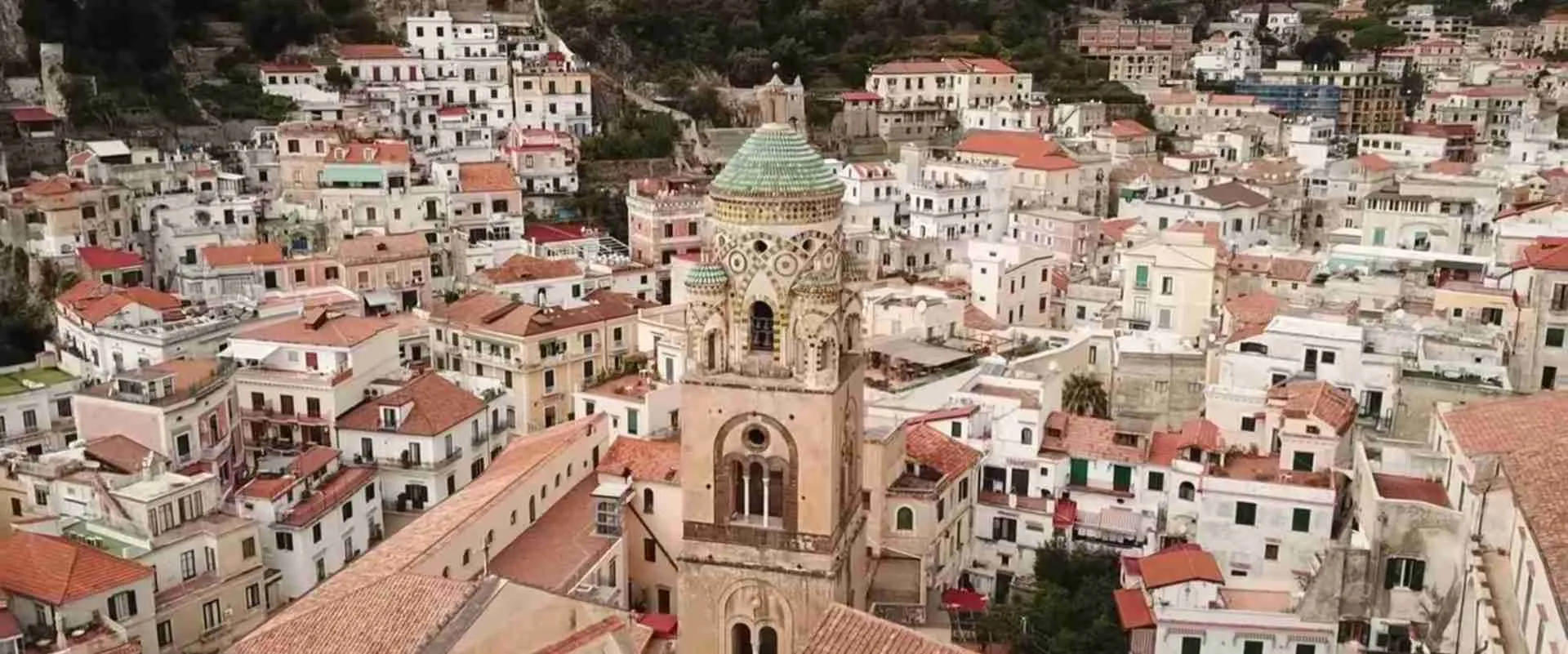
Campania stands as Italy’s cultural and archaeological powerhouse, where ancient Roman cities frozen in volcanic ash meet dramatic coastal landscapes recognized by UNESCO as World Heritage treasures. This southern Italian region combines Naples’ vibrant urban energy with the serene beauty of the Amalfi Coast, legendary islands including Capri and Ischia, and some of the world’s most significant archaeological sites. Planning your 2026 Campania journey requires understanding the region’s seasonal patterns, coordinated transportation networks, and strategic approaches to experiencing multiple destinations efficiently.
The region’s geography creates distinct travel zones: metropolitan Naples with its dense historical center and world-class museums, the archaeological corridor extending southeast through Pompeii and Herculaneum, the dramatic Amalfi Coast with its cliff-hugging villages, and the island archipelago in the Bay of Naples. Each zone offers unique experiences while remaining connected through efficient regional transportation including metro lines, suburban railways, ferry networks, and coastal bus routes. Your 2026 planning benefits from understanding how these zones interconnect and which transportation options optimize your specific itinerary.
Campania’s tourism infrastructure balances mass tourism at major sites with authentic local experiences in smaller towns and neighborhoods. Naples serves as the logical base for multi-destination exploration, offering the region’s most extensive accommodation options across all budget levels, superior transportation connections, and authentic urban Italian atmosphere. Alternative bases including Sorrento provide easier access to coastal destinations and islands while requiring longer journeys to Naples’ museums and Pompeii’s archaeological site. Your accommodation strategy should align with your primary interests and planned day trip destinations.
The 2026 travel landscape emphasizes advance planning for peak summer months when accommodation prices surge and popular sites implement timed entry requirements. Spring and autumn shoulder seasons offer optimal conditions combining pleasant weather, manageable crowds, and moderate pricing. Understanding these seasonal patterns, transportation logistics, and strategic booking approaches transforms Campania from a challenging multi-destination region into a manageable and deeply rewarding Italian experience.
People Also Ask About Campania Travel 2026
How many days do you need in Campania in 2026?
Seven days provides comprehensive Campania coverage including three days exploring Naples’ historical center, archaeological museum, and neighborhoods, one full day at Pompeii and Herculaneum, two days along the Amalfi Coast visiting Positano, Amalfi, and Ravello, and one day trip to Capri, Ischia, or Procida islands. This seven-day framework allows proper time at each destination without exhausting rushed schedules. Travelers with ten days add multiple island visits, deeper Amalfi Coast exploration, or day trips to Royal Palace of Caserta and Paestum’s Greek temples. Five-day minimum itineraries focus on Naples plus either Amalfi Coast or Pompeii with one island day trip, though this compressed schedule requires daily early starts and strategic planning.
Your day allocation depends on primary interests. Archaeological enthusiasts dedicate extra days to Pompeii, Herculaneum, and Naples Archaeological Museum’s exceptional collection. Coastal lovers extend Amalfi Coast time with overnight stays in Positano or Amalfi allowing sunset experiences and evening exploration after day-trippers depart. Island enthusiasts might include two or three islands, with Capri requiring one full day, while smaller Procida or larger Ischia each merit full-day visits. Naples itself rewards extended stays with its dense concentration of churches, castles, underground tunnels, street food culture, and authentic neighborhoods.
Budget additional travel time between destinations. Naples to Sorrento requires 60-70 minutes via Circumvesuviana train, Sorrento to Amalfi Coast towns takes 60-90 minutes by bus or 20-30 minutes by ferry in summer, and Naples to islands involves 40-80 minutes depending on ferry type and destination. These transit times plus security screening and boarding processes mean day trips consume 10-12 hours total. Planning rest time prevents exhaustion particularly during summer heat when afternoon siestas become practical necessity rather than optional luxury. Seven days with strategic pacing provides thorough yet sustainable Campania exploration.
What is the best way to get around Campania in 2026?
Naples Metro and regional Circumvesuviana railway form the backbone of Campania public transportation, supplemented by SITA buses along the Amalfi Coast and ferry networks connecting coastal towns and islands during summer season. Naples Metro costs €1.10 per ride with tickets valid 90 minutes including transfers, while day passes cost €4.50 providing unlimited rides. Circumvesuviana trains from Naples Garibaldi station reach Pompeii (€3.20, 35 minutes) and Sorrento (€4.90, 65 minutes) with trains departing every 20-30 minutes throughout the day. This suburban railway requires vigilance against pickpockets particularly during summer peak season but provides reliable and economical transportation to major archaeological and coastal destinations.
Amalfi Coast transportation centers on SITA buses operating along the spectacular coastal highway SS163 connecting Sorrento, Positano, Amalfi, and beyond. Single journey tickets cost €2.50-4.00 depending on distance with 24-hour passes €10 available at tobacco shops. Buses run every 40-50 minutes during peak season with reduced frequency in winter months. Summer ferry services provide scenic alternatives connecting Sorrento, Positano, Amalfi, Salerno, and Capri with single journeys €15-25 and day passes available. Ferries operate April through October with most frequent service June through September. Advance online booking recommended for popular morning departures and weekend services.
Island connections require ferry services from Naples’ Molo Beverello or Sorrento depending on destination. Fast hydrofoils to Capri from Naples cost €25-28 (45 minutes) while slower ferries cost €17-20 (80 minutes). Ischia and Procida ferries depart Naples Calata Porta di Massa with journey times 50-70 minutes. Ferry schedules vary seasonally with winter services reduced or suspended to smaller destinations. Check current schedules and book advance tickets through official operators including Alilauro, Caremar, SNAV, and NLG for guaranteed seats during peak periods.
Private transportation offers flexibility for travelers uncomfortable with public transport or visiting multiple destinations in single days. Rental cars cost €50-80 daily for compact vehicles though Amalfi Coast driving proves stressful with narrow roads, aggressive drivers, and limited parking. Private drivers charge €200-300 for full-day Amalfi Coast tours or €150-200 for Pompeii and Vesuvius combinations. These services make sense for families, groups sharing costs, or travelers prioritizing comfort over budget. However, Naples’ efficient metro, reliable Circumvesuviana, and comprehensive bus and ferry networks make private transport optional rather than necessary for most Campania itineraries.
Is Campania expensive to visit in 2026?
Campania costs vary dramatically based on season, accommodation location, and dining choices. Budget travelers manage €80-110 daily including hostel/budget hotel €40-60, meals €25-35, transportation €8-12, and site entries €15. Mid-range visitors spend €150-220 daily with comfortable three-star hotels €90-130, quality restaurants €45-65, and organized tours €20-30. Luxury travelers budget €350-500+ daily for four-star Amalfi Coast hotels €200-350, fine dining €80-120, and private transportation/tours €100-150. These ranges assume Naples or Sorrento base with day trips rather than hotel-hopping which increases costs through multiple check-ins and luggage handling.
Accommodation represents the largest variable cost. Naples budget options including hostels and basic B&Bs cost €40-70 nightly while mid-range three-star hotels range €90-150. Amalfi Coast accommodation commands 50-100% premiums with Positano and Capri the most expensive. Book 4-6 months ahead for summer travel when prices peak and availability tightens. Spring (April-May) and autumn (September-October) shoulder seasons offer 30-40% lower accommodation rates with significantly better value particularly along the coast where summer premiums disappear.
Archaeological sites represent excellent value. Pompeii entry costs €18 with €22 combination tickets including Herculaneum, Oplontis, Stabiae, and Boscoreale valid three consecutive days. Naples Archaeological Museum charges €18 showcasing treasures from Pompeii and Herculaneum. Royal Palace of Caserta costs €14 for palace and gardens access. Free attractions include Naples’ Spanish Quarter wandering, Spaccanapoli historic street exploration, numerous churches with world-class baroque art, and coastal town exploring. Strategic planning combining paid archaeological sites with free cultural experiences keeps daily costs manageable across all budget levels.
Dining costs range from authentic Neapolitan street food pizza al portafoglio €3-5 and espresso €1-1.50 to mid-range pizzerias €10-15 per pizza and casual restaurants €15-25 for pasta dishes. Amalfi Coast restaurants charge 30-50% premiums compared to Naples with tourist-focused establishments adding coperto service charges €2-4 per person. Self-catering from markets and supermarkets reduces costs substantially for budget travelers. Campania offers experiences across all budget levels with advance planning and strategic choices maximizing value regardless of spending limits.
Do you need to speak Italian to travel in Campania in 2026?
English knowledge varies significantly across Campania destinations and service sectors. Major Naples museums including Archaeological Museum provide English audio guides, multilingual signage, and staff with functional English. Tour operators, higher-end hotels, and tourist restaurants employ English speakers. However, neighborhood trattorias, local markets, regional train stations, and smaller towns operate primarily in Italian. Basic Italian phrases for greetings, ordering, asking directions, and expressing gratitude enhance experiences and demonstrate cultural respect appreciated by locals.
Transportation requires minimal language skills with Metro and Circumvesuviana trains clearly marked, ticket machines offering English options, and ferry terminals displaying destinations and departure times prominently. SITA buses along Amalfi Coast present more challenges with Italian-only announcements though drivers assist tourists indicating correct stops for major towns. Mobile translation apps bridge communication gaps effectively for simple transactions and questions. Download offline Italian-English dictionaries before arrival since mobile data or WiFi may be unavailable in transit.
Learning essential phrases improves interactions substantially. “Buongiorno” (good morning), “grazie” (thank you), “scusi” (excuse me), “il conto per favore” (the bill please), and “dov’è” (where is) facilitate daily needs. Italians appreciate attempts at their language even with poor pronunciation or grammar. Many locals especially younger generations speak some English and willingly help confused tourists. The communication effort shows respect for local culture while practical needs get met through combination of basic phrases, gestures, translation apps, and Italian hospitality toward visitors.
Extended multi-day tours – 5+ days
Featured Campania Multi-Day Tour Packages
4 days
Amalfi Coast Experience – Budget Friendly Small Group Tour
- ✓ Comprehensive Campania tour
- ✓ Expert local guides included
- ✓ All accommodation arranged
- ✓ Transportation provided
9 days
Campania Region Highlights, Private Tour
- ✓ Comprehensive Campania tour
- ✓ Expert local guides included
- ✓ All accommodation arranged
- ✓ Transportation provided
6 days
Best of Rome, Naples, Pompeii & Sorrento – 6 Days
- ✓ Comprehensive Campania tour
- ✓ Expert local guides included
- ✓ All accommodation arranged
- ✓ Transportation provided
7 days
Historic Rome To Sorrento Coastal Bliss
- ✓ Comprehensive Campania tour
- ✓ Expert local guides included
- ✓ All accommodation arranged
- ✓ Transportation provided
Multi-day tour packages powered by TourRadar. Prices and availability subject to change.
Essential Planning Information for 2026
Entry Requirements and Documentation
United States, Canadian, Australian, and New Zealand citizens enter Italy visa-free for tourism stays up to 90 days within any 180-day period under Schengen Area agreements. Valid passport required with at least three months validity beyond planned departure date from Schengen zone. European Union and European Free Trade Association citizens require only valid ID card for entry. Check specific requirements with Italian embassy or consulate since visa policies may have changed since these guidelines were established.
Travel insurance proves valuable covering medical emergencies, trip cancellations, and lost luggage. European Health Insurance Card (EHIC) provides EU citizens with Italian public healthcare access though supplementary private insurance recommended for comprehensive coverage. Non-EU visitors should secure insurance including medical evacuation since Italian healthcare proves expensive for foreigners without coverage. Verify insurance covers coronavirus-related cancellations and medical treatment if concerns persist in 2026 travel landscape.
Currency and payment systems rely on Euro with ATMs widely available in Naples and coastal towns. Credit cards accepted at most hotels, restaurants, and shops though many smaller establishments prefer cash. Carry €50-100 cash daily for small purchases, street food, and locations without card facilities. Notify your bank before international travel preventing card blocks on foreign transactions. ATM withdrawal fees vary by bank with some charging €3-5 per transaction plus currency conversion fees.
Current Costs and Pricing Breakdown
Accommodation pricing in Naples ranges €40-70 nightly for budget hostels and basic hotels in central areas including Spanish Quarter and Garibaldi station vicinity, €90-150 for comfortable three-star hotels in Chiaia or historic center locations, and €180-280 for four-star properties with superior amenities and views. Amalfi Coast accommodation commands significant premiums with Positano budget options starting €120-180, mid-range €200-300, and luxury properties €350-500+ during peak summer season. Sorrento and Salerno offer more moderate pricing between Naples and Amalfi Coast levels. Book accommodations 4-6 months ahead for July-August travel when demand peaks and prices reach maximum levels. Check current rates on booking platforms as pricing varies based on specific dates and availability.
Transportation costs include Naples Metro single tickets €1.10 with day passes €4.50, Circumvesuviana trains to Pompeii €3.20 and Sorrento €4.90, SITA bus singles €2.50-4.00 along Amalfi Coast, and ferry services €15-28 depending on route and vessel type. Major archaeological site entries cost €18 for Pompeii, €13 for Herculaneum, €14 for Royal Palace of Caserta, and €18 for Naples Archaeological Museum. Combination tickets provide better value for multiple sites. Guided tours range €45-75 for group walking tours of Naples, €65-85 for Pompeii guided visits, and €150-200 for private full-day experiences.
Dining budgets depend on choices and locations. Authentic Neapolitan pizzerias charge €8-15 per pizza with antipasti €6-10, pasta dishes €10-15, and main courses €15-25. Tourist-focused restaurants particularly along Amalfi Coast charge 30-50% premiums with full meals €35-55 per person including wine. Budget street food including pizza al portafoglio €3-5, supplì rice croquettes €2-3, and sfogliatella pastries €2-3 enables economical eating combined with occasional restaurant meals. Daily food budgets range €25-35 for budget travelers eating street food and pizzerias, €45-65 for mid-range visitors balancing casual and nicer restaurants, and €80-120 for luxury dining experiences.
Health and Safety Considerations for 2026
Naples has reputation for crime though most visitors experience no problems with sensible precautions. Pickpocketing concentrates around Napoli Centrale train station, on crowded Circumvesuviana trains, and in tourist areas. Wear money belts or neck pouches under clothing, avoid displaying expensive jewelry or electronics, keep bags closed and in front of your body in crowds, and remain alert in train stations and on public transport. Violent crime against tourists remains rare with property theft the primary concern. Spanish Quarter and some peripheral neighborhoods prove grittier though daytime exploration presents minimal risks.
Traffic chaos defines Naples driving culture with aggressive lane changes, ignored signals, and motorcycles weaving through stopped traffic. Cross streets cautiously even at crosswalks since drivers rarely yield to pedestrians. Sidewalks vary from spacious to nonexistent requiring walking in streets in older neighborhoods. Amalfi Coast roads prove narrow and winding with buses barely squeezing past each other on curves and precipitous drops immediately outside traffic lanes. These dramatic road conditions prove stressful for nervous drivers though bus and ferry options eliminate driving necessity.
Summer heat requires hydration vigilance with temperatures reaching 35°C in July-August. Carry water bottles refilling at public fountains throughout Naples. Schedule demanding activities including Pompeii archaeological site visits for morning hours before peak heat. Afternoon siestas prove practical rather than optional in high summer. Air quality in Naples sometimes proves poor with traffic pollution particularly heavy near major roads. Travelers with respiratory sensitivities should monitor air quality forecasts and plan accordingly.
Healthcare facilities include numerous hospitals and clinics throughout region with Naples offering most comprehensive medical services. English-speaking doctors available though may require research to locate. Pharmacies identified by green crosses provide over-the-counter medications and basic medical advice. Italian pharmacists dispense many medications available only by prescription elsewhere. Emergency number 112 connects to all services including medical, police, and fire with some operators speaking English. Travel insurance with medical coverage strongly recommended.
Seasonal Planning Guide for 2026
Peak Summer Season (June-August 2026)
Summer brings Campania’s most intense tourism combined with hottest weather and highest prices. July and August see Naples temperatures consistently 30-35°C with humidity making conditions feel oppressive particularly during afternoon hours. Pompeii’s exposed archaeological site offers minimal shade making visits exhausting without early morning timing. Amalfi Coast villages fill with tour groups and independent travelers creating crowded conditions on buses, at viewpoints, and in restaurants. Beaches along the coast and islands reach capacity by mid-morning with umbrella rentals €15-25 daily plus lounge chair fees.
Accommodation prices peak 50-100% above shoulder season rates with availability tightening particularly along Amalfi Coast and Capri. Book 4-6 months ahead for desirable properties and locations. Ferry services operate maximum schedules with morning departures to popular destinations including Capri and Positano often selling out. Advance online booking recommended for guaranteed seats. SITA buses along Amalfi Coast run frequent summer schedules though standing-room-only conditions common during peak hours. Consider ferry alternatives when available providing cooler and less crowded transportation between coastal towns.
Summer advantages include reliable weather for beach days and coastal activities, extended operating hours at major sites, maximum ferry schedules connecting all islands, and vibrant festival atmosphere particularly in Naples where locals embrace outdoor evening socializing. Sunset dining opportunities along the coast showcase dramatic views. Evening temperatures cool to comfortable levels making nighttime exploration pleasant. Budget generous time for all activities since crowds slow everything from museum entries to restaurant service to bus boarding.
Shoulder Seasons (April-May, September-October 2026)
Spring and autumn shoulder seasons provide optimal Campania conditions balancing pleasant weather, manageable crowds, and moderate pricing. April and May offer temperatures 18-25°C ideal for archaeological site visits and coastal hiking with minimal oppressive heat. September and October maintain summer warmth 22-28°C while tourist numbers decline significantly after August. Accommodation rates drop 30-40% from peak summer levels with greater availability and negotiating power for multi-night stays. These periods combine best value with most comfortable visiting conditions.
April weather brings occasional rain requiring flexible planning and weather-appropriate clothing. May generally drier and warmer resembling June without crowds. September maintains beach-season appeal with warm sea temperatures perfect for swimming while October sees declining beach activity though remains pleasant for sightseeing and outdoor dining. Ferry schedules begin reducing in October with some routes ending service by month’s end. Verify specific sailing schedules before planning autumn island visits.
Shoulder season advantages include shorter lines at Pompeii and other popular sites, easier same-day ferry bookings, less crowded SITA buses with better chances for window seats along scenic Amalfi Coast road, and more personalized attention at restaurants and hotels. Locals prove more relaxed and welcoming outside peak tourist stress. Photography benefits from softer light and fewer people obstructing compositions. Spring wildflowers add color to coastal paths while autumn harvest season brings special menu items featuring seasonal produce.
Winter Season (November-March 2026)
Winter brings Campania’s quietest period with significantly reduced tourism, lowest accommodation prices, and authentic local atmosphere unaffected by tourist crowds. Naples museums and churches maintain full operating schedules while coastal towns and islands reduce services substantially. Many Amalfi Coast hotels and restaurants close November through March with remaining businesses operating reduced hours. Ferry services to islands become limited or suspended entirely depending on routes and weather conditions. Winter focuses naturally on Naples urban experiences and archaeological sites rather than beach activities and island visits.
Weather proves variable with temperatures 8-15°C requiring layers and rain gear. December and January bring most rainfall though sunny winter days showcase crystal-clear Mediterranean light ideal for photography. Snow occasionally affects higher elevation areas including Pompeii though coastal areas rarely see winter precipitation other than rain. Indoor heating in budget accommodations sometimes proves inadequate for northern European or North American expectations since Italian buildings generally lack insulation and central heating systems common in colder climates.
Winter advantages include rock-bottom accommodation prices often 50-70% below summer rates, empty archaeological sites allowing contemplative exploration without crowds, authentic neighborhood experiences in Naples where locals reclaim their city from tourists, and opportunities for extended museum visits without time pressure. Christmas season brings festive markets and religious celebrations throughout Naples. Winter proves ideal for food-focused visits exploring Naples’ pizzerias, coffee culture, and markets without summer heat and crowds affecting appetite and comfort.
Transportation Guide for 2026
Getting to Campania
Naples International Airport (NAP) serves as Campania’s primary gateway located 7 kilometers northeast of city center. Direct flights connect Naples with European cities including London, Paris, Frankfurt, and Barcelona with typical flight times 2-3 hours. American travelers usually connect through Rome or Milan for onward Naples flights though some seasonal direct services operate from New York. Budget carriers including Ryanair and EasyJet provide economical European connections while full-service airlines offer more comfort and flexibility at higher prices. Book flights 2-3 months ahead for best pricing and availability particularly for summer travel.
Airport to Naples city center transportation includes official white taxis costing fixed €23 to historic center zones, Alibus airport shuttle €5 running every 20 minutes to Napoli Centrale train station and port, and local buses €1.10 with less direct routing. Taxis prove most convenient for first-time visitors with luggage particularly arriving late evening when shuttle frequency reduces. Alibus provides excellent value for budget travelers comfortable navigating public transport. Pre-book private transfers €30-40 for guaranteed meet-and-greet service avoiding taxi queues and negotiation.
Rome to Naples train connections operate frequently throughout day via high-speed Frecciarossa and Italo services completing journey 70 minutes. Standard fares €25-45 with advance online booking providing significant discounts up to 50% for early-bird deals. Regional trains cost €12-15 requiring 2-3 hours with multiple stops. High-speed trains arrive Napoli Centrale connecting directly to Metro Line 1 and Circumvesuviana services. Many visitors combine Rome and Campania in single Italy trips using efficient train connections. Book high-speed tickets advance online through Trenitalia or Italo websites securing best prices and seat reservations.
Naples Public Transportation
Naples Metro consists of two main lines serving different areas. Line 1 (orange) connects Napoli Centrale through historic center stopping Toledo (Spanish Quarter access), Municipio (port and Castel Nuovo), and continuing to Vomero hill neighborhood and beyond. Line 2 (blue) links Pozzuoli archaeological sites with Napoli Centrale and continues to San Giovanni with connections to Circumvesuviana network. Line 6 (yellow) provides limited service in western districts. Metro tickets cost €1.10 valid 90 minutes including transfers between metro and buses. Day passes €4.50 provide unlimited rides making sense for visitors planning multiple journeys daily.
Buy tickets before boarding from tobacco shops (tabacchi), newsstands, and Metro station machines. Validate tickets in yellow machines at Metro station entrances and on buses before first use. Ticket inspectors fine non-validated tickets €50+ even if purchased but not validated. Keep validated tickets until completing journey since inspectors check randomly. Metro stations showcase contemporary art installations making Line 1 particularly worth experiencing beyond mere transportation utility. Trains run every 7-10 minutes during day reducing to 15-20 minute intervals evenings and weekends.
City buses supplement Metro covering areas beyond rail lines though routes prove confusing for first-time visitors. Buses use same €1.10 tickets as Metro with validation required on board. Tourist-focused routes including R2 (Mergellina to Pozzuoli) and 140 (Molo Beverello port to Castel Sant’Elmo) serve visitor destinations. Naples traffic congestion makes buses unpredictable for time-sensitive journeys. Metro and walking combination proves most reliable for navigating historic center where pedestrian streets and dense layout favor foot travel over motorized transport.
Circumvesuviana Regional Trains
Circumvesuviana operates suburban rail connecting Naples with Pompeii (35 minutes, €3.20), Herculaneum (15 minutes, €2.20), and Sorrento (65 minutes, €4.90). Trains depart Napoli Garibaldi station located below Napoli Centrale with connections to Metro and national rail services. Separate entrance and ticket windows from main train station sometimes confuse first-time visitors. Buy Circumvesuviana tickets from dedicated windows before boarding with machines also available. These tickets differ from national rail tickets and must be validated in platform machines before boarding.
Trains run every 20-30 minutes throughout day with reduced evening and Sunday schedules. Pompeii Scavi – Villa dei Misteri station sits immediately outside Pompeii archaeological site entrance. Ercolano Scavi station for Herculaneum requires 10-minute downhill walk to site entrance. Sorrento terminal provides convenient starting point for Amalfi Coast SITA buses and ferry services. Trains feature minimal comfort with hard seats, no air conditioning in older rolling stock, and crowded conditions during summer peak. Standing proves common on popular routes and times particularly returning from Pompeii afternoons.
Security concerns concentrate around pickpocketing with Circumvesuviana notorious for theft targeting distracted tourists. Keep bags in front of body, wear money belts under clothing, avoid displaying smartphones or cameras, and remain alert particularly in crowded cars and during station stops when thieves position near doors for quick exits. Groups traveling together should distribute valuables rather than concentrating all money and documents on single person. Despite security concerns, millions of tourists use Circumvesuviana annually without problems using sensible precautions and awareness.
Amalfi Coast Buses and Ferries
SITA buses operate along dramatic coastal highway SS163 connecting Sorrento with Positano (45 minutes, €2.80), Amalfi (90 minutes, €3.60), and continuing to Salerno. Buses depart Sorrento from Circumvesuviana station with tickets available from tobacco shops near station. Single journey tickets cost €2.50-4.00 depending on distance with 24-hour unlimited passes €10 providing value for travelers making multiple journeys. Validate tickets on board in machines near driver. Buses run every 40-50 minutes peak season reducing to hourly or less in winter. Check current schedules at sita-on-line.it since frequency changes seasonally.
Coastal road proves narrow and winding with buses squeezing past each other on curves and tourist cars creating traffic bottlenecks. Journey times vary significantly based on traffic conditions with summer delays common. Request seats on right side traveling Sorrento to Amalfi for best coastline views. Standing passengers common during peak hours creating challenging conditions on winding roads. Consider early morning departures and mid-afternoon returns avoiding worst congestion around peak tourist movement times.
Summer ferry services operate April through October connecting Sorrento, Positano, Amalfi, Salerno, and Capri with journey times 20-30 minutes between coastal towns, significantly faster than buses. Single journey tickets €15-25 depending on route with departures every 60-90 minutes peak season. Ferry companies including Alilauro, Travelmar, and Lucibello operate competing services with similar pricing. Buy tickets online in advance particularly for weekend travel when locals also use services. Ferries provide cooler and less stressful transportation than crowded buses with outdoor seating and spectacular coastal views from water.
Accommodation Strategies for 2026
Choosing Your Base: Naples vs. Coastal Options
Naples provides the most practical base for comprehensive Campania exploration offering extensive accommodation across all budget levels, superior transportation connections to all regional destinations, and authentic urban Italian atmosphere unaffected by tourist focus defining coastal towns. Stay in historic center neighborhoods including Spanish Quarter, Chiaia, or near Piazza del Plebiscito for walking access to major attractions, restaurants, and Metro stations. Naples accommodations prove 30-50% cheaper than equivalent Amalfi Coast properties with significantly more options ensuring availability even booking shorter notice.
Central Naples locations require comfort with urban density, street noise, traffic chaos, and grittier aesthetic compared to manicured coastal resort towns. Buildings often historic with period charm offsetting outdated fixtures and steep stairs in properties without elevators. Naples rewards visitors seeking authentic Italian city experiences with world-class pizza, neighborhood markets, Baroque churches around every corner, and locals conducting daily life unaffected by tourist presence. Choose Naples base for archaeological site focus, museum visits, budget considerations, and transportation convenience to all Campania destinations.
Sorrento offers compromise base with easier Amalfi Coast and Capri access while maintaining Naples reachability via 65-minute Circumvesuviana connection. Accommodation options range from budget B&Bs €80-120 to luxury hotels €200-350 with generally more polished properties than equivalent price Naples options. Sorrento’s clifftop location, swimming access, and resort atmosphere appeal to visitors prioritizing coastal beauty over urban experiences. However, Sorrento requires longer journeys to Naples museums and Pompeii adding 90-120 minutes round-trip transportation for those destinations.
Overnight Amalfi Coast stays in Positano, Amalfi, or Ravello enable sunset and evening experiences impossible on day trips but dramatically increase costs. Budget €120-180 minimum for basic rooms during peak season with mid-range €200-300 and luxury €350-500+. Many properties require multiple-night minimums particularly July-August. Limited accommodation options compared to Naples or Sorrento mean booking 4-6 months ahead essential. Coastal overnights make most sense for travelers focused exclusively on Amalfi Coast with less interest in Naples museums or Pompeii archaeological sites.
Budget Accommodation Options
Naples hostels provide most economical lodging with dormitory beds €25-40 nightly including properties in historic center, Chiaia, and near train station. Hostel amenities include communal kitchens enabling self-catering, social common areas, and organized activities. Private rooms in hostels cost €60-90 providing budget privacy alternative to dormitories. Established Naples hostels include Stars and Planets offering central location near Metro, Bella Capri Hostel with rooftop terrace, and 6 Small Rooms combining hostel pricing with boutique design near Spanish Quarter.
Budget hotels and guesthouses throughout Naples charge €50-80 nightly for basic private rooms with ensuite bathrooms, WiFi, and breakfast in many properties. Standards vary widely with thorough review research essential. Properties near Napoli Centrale station prove most budget-friendly though less atmospheric than historic center locations. Family-run B&Bs provide authentic experiences with local recommendations and personalized service. Expect dated decor, minimal amenities, and buildings without elevators at this price point. However, clean rooms with functional facilities in central locations enable comfortable budget stays focusing spending on food, activities, and day trips.
Airbnb apartments offer budget alternatives for families and groups with entire flats €80-150 nightly in Naples splitting costs across multiple travelers. Kitchen facilities enable grocery shopping and meal preparation reducing food budgets substantially. Private apartments provide space and independence impossible in hotels or hostels. However, Airbnb adds service fees and cleaning charges to base prices while lacking hotel services and requiring key collection coordination. Read reviews carefully since apartment photos sometimes misrepresent size and neighborhood character. Book only listings with substantial positive review history avoiding recently listed properties with limited feedback.
Mid-Range Accommodation Strategies
Three-star hotels throughout Naples charge €90-150 nightly providing comfortable rooms with private bathrooms, air conditioning, WiFi, breakfast, and professional reception service. Properties in Chiaia and near Piazza del Plebiscito offer superior locations compared to station-area hotels while remaining within mid-range budgets. Look for hotels in historic buildings combining period charm with modernized facilities. Standard amenities include daily housekeeping, concierge assistance with reservations and directions, and luggage storage before check-in and after checkout. Mid-range properties deliver reliable comfort without luxury pricing enabling budget allocation to food and activities.
Boutique B&Bs provide characterful alternatives to standard hotels with 5-10 rooms in renovated historic buildings. Properties emphasize design, personal service, and local character with owners offering insider recommendations. Breakfast often highlights regional specialties beyond typical hotel buffets. Prices range €100-160 for thoughtfully designed rooms with quality linens and bath products. These properties suit travelers valuing atmosphere and personal connections over standardized hotel efficiency. Book directly through property websites for best rates and direct owner communication. Limited room inventory means advance booking essential particularly summer and holidays.
Sorrento and Salerno mid-range accommodation offers better value than Positano or Amalfi with three-star hotels €110-180 combining sea views, swimming pools, and resort amenities. These towns provide coastal atmosphere with moderate pricing bridging budget Naples and luxury Amalfi Coast options. Family-run hotels predominate offering package deals including breakfast, dinner, and excursions. Multi-night stays often include one day with half-board at reduced rates. These packages simplify planning while ensuring quality meals. Research carefully since some properties market as “resorts” despite basic facilities, while others deliver exceptional value with updated rooms and professional service.
Luxury and Unique Accommodations
Naples luxury hotels including Grand Hotel Vesuvio, Romeo Hotel, and Grand Hotel Parkers deliver five-star service with rooftop restaurants, Michelin-starred dining, spa facilities, and panoramic bay views. Rates €250-400 nightly include superior rooms with luxury amenities, attentive service, and central locations. These properties suit travelers prioritizing comfort, full services, and prestige addresses. Historic palace conversions including Decumani Hotel de Charme provide authentic noble-residence experiences with period details and contemporary luxury in historic center locations.
Amalfi Coast luxury properties command €350-800+ nightly with Positano’s Le Sirenuse and Il San Pietro di Positano ranking among world’s premier resort hotels. Facilities include infinity pools overlooking sea, private beach clubs, Michelin-starred restaurants, and boat excursions. Rooms feature terraces with dramatic coastal views, marble bathrooms, and designer furnishings. Book 6-8 months ahead for summer availability with some properties requiring multiple-night minimums. These hotels provide unforgettable luxury experiences justifying premium pricing through exceptional locations, impeccable service, and world-class facilities.
Unique accommodation alternatives include agriturismos in Campania countryside offering farm stays with home-cooked meals featuring estate produce, villa rentals for families and groups providing private pools and kitchens in hillside locations, and monastery stays offering simple rooms in historic religious properties at budget prices. These options suit travelers seeking alternatives to standard hotels with emphasis on authentic experiences, self-catering flexibility, or spiritual retreat atmospheres. Research thoroughly since locations often require cars and may sit far from public transportation routes limiting accessibility for non-driving visitors.
Money-Saving Strategies for 2026
Timing and Booking Optimization
Book accommodation 4-6 months ahead for summer travel securing lowest prices before rates increase closer to arrival dates. Spring and autumn shoulder seasons (April-May, September-October) deliver best value combining pleasant weather with prices 30-40% below peak summer rates. Consider September specifically for optimal balance of warm weather, reduced crowds, and moderate pricing across accommodation, tours, and transportation. Winter (November-March) offers dramatic discounts up to 70% for Naples-focused visits though coastal towns close many services requiring research to ensure adequate restaurant and activity availability.
Tuesday through Thursday arrivals and departures often cost less than weekend travel for both flights and accommodation. Multi-night stays in single location reduce costs compared to frequent hotel changes through checkout fees, luggage handling, and time lost to check-in procedures. Many Naples hotels offer third-night-free promotions and weekly rates discounting per-night costs 15-20%. Book directly through hotel websites rather than third-party platforms negotiating better rates and room upgrades particularly during slower periods. Direct booking also provides flexibility for changes and easier communication regarding special requests or early check-ins.
Purchase transportation passes optimizing daily travel costs. Naples Unico Campania 3-day pass €15 includes unlimited Metro, bus, and Circumvesuviana within zone covering Pompeii and Herculaneum. SITA bus 24-hour passes €10 make sense for travelers making multiple Amalfi Coast journeys in single day. However, calculate whether pass savings justify costs based on your specific planned journeys since single tickets often prove cheaper for limited daily travel. Combination archaeological site tickets including Pompeii, Herculaneum, and smaller sites save money versus individual entries while providing flexibility to visit over multiple days.
Food and Dining Strategies
Embrace Naples’ unparalleled street food culture with pizza al portafoglio (folded pizza) €3-5, supplì (fried rice balls) €2-3, frittatina (pasta fritters) €2, and cuoppo (fried seafood cone) €5-7 providing satisfying meals at fraction of restaurant costs. Famous Naples pizzerias including Di Matteo, Sorbillo, and Starita charge €8-15 for authentic Neapolitan pizza with quality exceeding expensive tourist restaurants. These pizzerias focus on food quality over ambiance with plastic furniture and minimal service creating authentic local dining atmosphere while delivering world-class pizza.
Shop neighborhood markets including Mercato di Porta Nolana for fresh produce, cheeses, and prepared foods at local prices far below tourist-district shops. Supermarkets including Conad and Carrefour Express throughout Naples provide grocery shopping enabling breakfast and lunch self-catering. Prepare picnic lunches for day trips to Pompeii or Amalfi Coast reducing costs while providing flexibility to eat when convenient rather than working around restaurant hours and crowds. Street-corner alimentari (grocery shops) assemble custom sandwiches €4-6 using fresh ingredients and local specialties.
Eat lunch as main meal taking advantage of pranzo (lunch) menus offering two or three courses including wine for €15-25, significantly less than equivalent dinner pricing. Restaurants target locals at lunch with many offering no-menu verbal recitation of daily specials showcasing seasonal ingredients at best prices. Evening aperitivo culture provides early-evening drinking accompanied by free buffet snacks in many bars with drinks €8-12 effectively providing dinner portions at drink prices. Time aperitivo around 6:30-8:00 PM filling up before reduced-price late dinner around 9-10 PM maximizing daily food budget efficiency.
Free and Low-Cost Activities
Naples offers extensive free attractions including Spanish Quarter wandering through photogenic laundry-draped streets and artisan workshops, Spaccanapoli walking Naples’ ancient Greek street cutting through historic center, and numerous churches featuring world-class Baroque art including Gesù Nuovo, San Lorenzo Maggiore, and Santa Chiara with free entry. Waterfront promenade from Mergellina to Castel dell’Ovo provides kilometers of pleasant walking with bay views, outdoor cafes, and local life observation without admission costs. These free experiences deliver authentic Naples character impossible to experience solely through paid museums and tours.
Strategic planning minimizes paid attractions while maintaining comprehensive experiences. Allocate one day to Pompeii ruins (€18) rather than attempting both Pompeii and Herculaneum unless particularly interested in Roman archaeology. Naples Archaeological Museum (€18) showcases treasures from both sites for visitors satisfied with museum artifacts versus in-situ exploration. Royal Palace of Caserta (€14) impresses palace enthusiasts but can skip for travelers prioritizing coastal beauty and archaeological sites. Free attractions combined with one or two priority paid sites keeps cultural enrichment high while controlling daily spending.
Hiking paths along Amalfi Coast including Path of Gods (Sentiero degli Dei) between Agerola and Positano provide spectacular scenery without admission costs. Allow 3-4 hours for full hike with stunning coastal vistas rivaling viewpoints accessible only through paid tours. Coastal towns offer free beach access at public beaches avoiding private lido umbrella rental fees €15-25. Swimming gear and towel enable beach days at minimal cost though facilities remain basic compared to paying beach clubs. Evening passeggiata (strolls) through Naples neighborhoods and coastal towns provide entertainment through people-watching, window shopping, and gelato while absorbing local atmosphere.
Sample 2026 Itineraries
Seven-Day Comprehensive Campania Experience
Day 1 focuses on Naples historic center orientation. Morning walking tour explores Spaccanapoli, Naples Cathedral, and Spanish Quarter providing historical context and neighborhood familiarity. Afternoon visits Naples Archaeological Museum housing world’s finest Roman artifact collection from Pompeii and Herculaneum. Evening pizza dinner at traditional pizzeria followed by waterfront passeggiata. Accommodation in Naples central location. Naples day pass €4.50, museum entry €18, pizza dinner €10-15, lunch and snacks €15-20. Total day cost: €47-57 per person excluding accommodation.
Day 2 covers Pompeii and Vesuvius. Circumvesuviana train to Pompeii Scavi station (€3.20) arriving at 9:00 AM opening time. Self-guided Pompeii exploration 4-5 hours using site map and audio guide (€8). Lunch at on-site cafeteria or nearby restaurant €15-20. Optional afternoon Vesuvius visit via bus from Pompeii (€20 round-trip bus + €10 national park entry) climbing to crater rim or return to Naples for afternoon rest. Circumvesuviana return to Naples. Pompeii entry €18, transportation €3.20-23.20, meals €20-30, audio guide €8. Total day cost: €49-79 per person excluding accommodation.
Day 3 explores Sorrento and Capri. Morning Circumvesuviana to Sorrento (€4.90, 65 minutes). Ferry from Sorrento to Capri (€25 round-trip, 25 minutes each way). Capri island tour includes Marina Grande funicular to Capri town (€2 each way), Augustus Gardens visit (€1), and optional Blue Grotto excursion (€18 including boat and rowing service). Afternoon Anacapri exploration via bus (€2.50) visiting Villa San Michele (€9) or Monte Solaro chairlift (€12 one-way). Evening ferry return to Sorrento then train to Naples. Circumvesuviana €4.90, ferry €25, Capri attractions €12-30, meals €25-35, local transport €4-6. Total day cost: €71-101 per person excluding accommodation.
Day 4 covers Amalfi Coast. Morning SITA bus from Sorrento to Positano (€2.80, 45 minutes). Positano exploration 2-3 hours including beach time and town wandering. Midday bus continues to Amalfi (€2.80, 30 minutes). Afternoon Amalfi Cathedral visit (€3) and town exploration. Late afternoon bus to Ravello (€2.50, 25 minutes climbing hillside). Villa Rufolo or Villa Cimbrone gardens visit (€8 each). Evening bus returns to Sorrento then train to Naples. SITA buses €8.10 total, villa entries €8, meals €30-40, transportation to Naples €4.90. Total day cost: €51-61 per person excluding accommodation.
Day 5 features Herculaneum and Royal Palace of Caserta. Morning Circumvesuviana to Ercolano Scavi station (€2.20, 15 minutes) then 10-minute walk downhill to Herculaneum entrance. Smaller better-preserved Herculaneum requires 2-3 hours compared to Pompeii’s 4-5 hours. Lunch in Ercolano or return to Naples. Afternoon regional train from Naples to Caserta (€3.60, 40 minutes). Royal Palace of Caserta and gardens visit 2-3 hours. Evening return to Naples. Circumvesuviana €2.20, Herculaneum entry €13, Caserta train €3.60, palace entry €14, meals €20-30. Total day cost: €53-63 per person excluding accommodation.
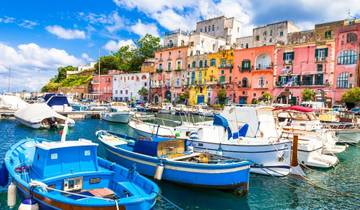
Day 6 offers island choice: Ischia or Procida. Ischia ferry from Naples Calata Porta di Massa (€20-25 round-trip, 50 minutes each way). Full-day Ischia exploration includes thermal parks (€35-45 entry), beaches, towns, and hilltop Castello Aragonese (€10). Alternatively, smaller Procida island provides authentic fishing village atmosphere with colorful Marina Corricella and fewer tourists than Capri or Ischia. Procida ferry €15-20 round-trip with free town wandering and beach access. Ferry costs €15-25, Ischia attractions €35-45 or Procida free, meals €25-35. Total day cost: €40-105 per person excluding accommodation depending on island choice.
Day 7 final Naples exploration or departure buffer. Morning visits Castel Sant’Elmo and Certosa di San Martino for panoramic city views (€6 entry). Funicular ride up Vomero hill (€1.10). Afternoon shopping, final pizza lunch, and departure preparations. Museum entry €6, funicular €1.10, meals €15-25. Total day cost: €22-32 per person excluding accommodation. Seven-day total: €333-498 per person excluding accommodation but including all transportation, attractions, and meals. Add accommodation €280-420 for budget options (€40-60 nightly) or €630-1050 for mid-range (€90-150 nightly).
Five-Day Highlights Itinerary
Day 1 combines Naples orientation with immediate Pompeii visit maximizing limited time. Morning arrival and luggage drop at hotel. Midday Circumvesuviana to Pompeii arriving early afternoon for 3-4 hour site visit. Evening return to Naples for dinner and rest. Compressed schedule demanding but efficiently covers top archaeological priority. Transport €3.20, Pompeii €18, meals €20-30, Naples transit €4.50. Total: €46-56 per person excluding accommodation.
Day 2 features Capri day trip. Early ferry from Naples Molo Beverello (€25-28 fast hydrofoil) reaching Capri 9:30 AM. Full island day includes town exploration, gardens, shopping, and optional Blue Grotto. Return ferry 5-6 PM allows full island experience. Ferry €25-28, Capri attractions €10-20, meals €30-40, island transport €5-8. Total: €70-96 per person excluding accommodation.
Day 3 explores Amalfi Coast. Early SITA bus to Positano (90 minutes from Naples including Sorrento connection €7.70 total). Morning Positano exploration then afternoon bus to Amalfi (€2.80). Late afternoon bus to Ravello (€2.50) visiting gardens. Evening bus returns to Naples. Buses €13, villa entry €8, meals €30-40. Total: €51-61 per person excluding accommodation.
Day 4 covers Naples museums and neighborhoods. Morning Naples Archaeological Museum €18 followed by historic center wandering including churches, Spaccanapoli, and Spanish Quarter. Afternoon Castel Nuovo visit €6 or shopping in Chiaia district. Evening final pizza dinner and waterfront walk. Museum entries €24, meals €25-35, transit €4.50. Total: €54-64 per person excluding accommodation.
Day 5 provides departure buffer or optional Herculaneum visit if early afternoon flight. Quick Circumvesuviana to Herculaneum (€2.20) for 2-hour morning visit then return to Naples for departure. Herculaneum entry €13, transport €2.20, light meal €10-15. Total: €25-30 per person excluding accommodation. Five-day total: €246-307 per person excluding accommodation covering primary Campania highlights efficiently.
Booking and Reservations for 2026
Official Booking Channels
Pompeii tickets book online at ticketoffices.it, the official Campania archaeological sites portal accepting credit cards and providing timed entries reducing on-site queuing. Book 2-4 weeks ahead for summer visits when daily visitor numbers reach capacity. Website often operates slowly with transaction errors requiring patience and backup timing for successful purchases. Print confirmations or save digital tickets to smartphone for entry scanning. Combination tickets including multiple sites provide better value than individual entries while offering flexibility to visit different sites over consecutive days.
Ferry services to Capri, Ischia, and Procida plus Amalfi Coast routes book through individual operator websites including Alilauro (alilauro.it), Caremar (caremar.it), SNAV (snav.it), and NLG (navlib.it). Compare schedules and pricing across operators since journey times and costs vary. Book online particularly for weekend travel and July-August peak season when locals also use services filling capacity. Some routes offer only same-day on-site ticket sales though advance booking recommended to guarantee seats on preferred departure times. Ticket offices at Molo Beverello in Naples and Sorrento port provide same-day purchase options for flexible travelers.
Accommodation books through property direct websites offering best rates and room selection, or via booking platforms including Booking.com, Hotels.com, and Airbnb. Read recent reviews carefully noting maintenance issues, noise complaints, and location accuracy. Property photos sometimes misrepresent room sizes and neighborhood character requiring review research to avoid disappointment. Book cancellable rates when possible providing flexibility for itinerary changes. Direct property booking enables better communication regarding early check-ins, late checkouts, and special requests impossible through third-party platforms.
Tour Operator Recommendations
Walking tours of Naples historic center cost €25-35 for 2-3 hour group experiences including Spaccanapoli, Naples Cathedral, Spanish Quarter, and street food tastings. Reputable operators include Naples Walking Tours, City Wonders, and local guides through GetYourGuide and Viator platforms. Small groups under 15 people provide better experiences than large groups exceeding 25 participants. Free walking tours operate on tips-only model expecting €10-15 per person though quality varies widely. Book 1-2 weeks ahead particularly for English-language tours during peak season.
Pompeii guided tours range €65-85 for 2-2.5 hour group visits with skip-the-line access and archeologist or licensed guide providing historical context impossible to gain from self-guided exploration. Tours focus on forum, temples, houses, and brothel covering approximately one-third of total site area. Book through official site ticketoffices.it or major tour platforms. Private tours cost €150-200 for couples or small groups providing personalized experiences and flexible pacing. Archaeological site visits benefit significantly from professional guidance making guided tours worthwhile investment.
Amalfi Coast driving tours in comfortable minibuses cost €90-120 per person for full-day experiences departing Naples or Sorrento visiting Positano, Amalfi, and Ravello with swimming stops and lunch breaks. Prices include transportation and guide commentary but exclude meals and entry fees. Tours eliminate public transportation stress allowing relaxed coastal appreciation with professional drivers navigating narrow roads. Book through established operators including Mondo Tours, City Wonders, and local companies. Verify exact itinerary and group size maximum before booking since experiences vary substantially between operators.
Campania Food and Wine Guide for 2026
Pizza: The Definitive Neapolitan Experience
Naples invented pizza and maintains world’s highest pizza standards through centuries-old traditions, specific ingredient requirements, and artisan techniques. Authentic Neapolitan pizza features soft pliable crust from slow-risen dough, San Marzano tomatoes from Vesuvius volcanic soil, fresh mozzarella di bufala, and brief 60-90 second baking in wood-fired ovens reaching 485°C. Result delivers charred crust with soft interior topped with bright acidic sauce and creamy cheese. Traditional pizzerias offer margherita (tomato, mozzarella, basil) €8-10 and marinara (tomato, garlic, oregano) €6-8 as foundations with additional variations including Romana, Napoli, and seasonal specials.
Famous pizzerias include L’Antica Pizzeria da Michele featuring in “Eat Pray Love” with locations near train station and Spanish Quarter serving only margherita and marinara. Expect 30-60 minute waits during peak dining hours particularly evenings. Gino Sorbillo operates multiple locations with consistently excellent pizza and more extensive menus. Di Matteo provides authentic experience with minimal tourist focus despite celebrity patron photos. Starita offers rooftop seating and fried pizza specialties. These establishments charge €8-15 per pizza with minimal side dishes since pizza constitutes entire meal in Neapolitan tradition.
Pizza consumption follows local customs. Order one entire pizza per person rather than sharing since portions appropriate for individual servings. Start from center eating in circular pattern working toward crust which provides handle during consumption. Use fork and knife rather than hands except final crust pieces. Neapolitans fold pizza al portafoglio (wallet style) for street consumption though pizzeria dining uses utensils. Accompany with beer or local wine rather than requesting cappuccino which Italians consider breakfast beverage. These customs demonstrate cultural awareness while ensuring optimal pizza enjoyment.
Regional Specialties and Street Food
Naples street food culture rivals pizza heritage with portable specialties consumed throughout day. Supplì features fried rice balls with ragu and mozzarella centers sold at friggitorie for €2-3. Frittatina transforms leftover pasta into fried fritters €2 providing economical snacking. Cuoppo consists of fried seafood or vegetables served in paper cones €5-7 with Friggitoria Vomero and Cuoppo di Mare offering authentic versions. Sfogliatella pastry showcases layers of crisp dough filled with sweet ricotta and candied fruit €2-3 at Pasticceria Attanasio and Mary’s locations throughout Naples.
Amalfi Coast specialties emphasize fresh seafood given coastal location and fishing traditions. Scialatielli ai frutti di mare features thick fresh pasta with mixed seafood in tomato or white wine sauce €18-25. Alici di Cetara spotlights anchovies from Cetara village prepared marinated, fried, or in pasta dishes. Limoncello liqueur made from Sorrento lemons appears on every restaurant menu with post-dinner service complimentary. Pastries incorporate lemon including delizia al limone and torta al limone available at pasticcerie throughout coastal towns. These specialties prove unavailable in Naples requiring coastal visits for authentic experiences.
Regional products worthy of culinary exploration include buffalo mozzarella from Campania plain around Caserta, San Marzano tomatoes from volcanic Vesuvius slopes, Gragnano pasta from traditional factories, and wines from Vesuvius vineyards including Lacryma Christi and Falanghina. Food tours in Naples €65-85 per person introduce specialties through tastings at multiple establishments with guide commentary. Self-guided market visits including Pignasecca and Porta Nolana enable ingredient purchasing and vendor interactions at authentic prices. Campania’s culinary heritage rewards food-focused travelers with regional specialties impossible to experience elsewhere in Italy.
Dining Customs and Restaurant Selection
Italian dining follows specific timing customs with lunch service 12:30-3:00 PM and dinner beginning 7:30-8:00 PM with peak reservations around 9:00 PM. Arriving 6:30 PM finds many restaurants closed or preparing for evening service. Late dining particularly weekends extends past midnight with locals eating 9:00-10:00 PM starts. American and northern European expectations of 6:00 PM dinners conflict with Italian customs requiring timing adjustment. Reserve popular restaurants particularly July-August and weekends when locals fill establishments. Walk-ins prove acceptable at casual spots particularly weekday lunches.
Menu structure includes antipasti (appetizers) €8-15, primi piatti (pasta or risotto) €12-18, secondi piatti (meat or fish) €15-25, and contorni (vegetable sides) €5-8 ordered separately. Traditional full meals include multiple courses though contemporary diners often order pasta as main course rather than following antipasto-primo-secondo progression. Bread arrives unbidden with coperto cover charge €1.50-3.00 per person covering bread and service. Tipping remains minimal with rounding up bills or adding €2-5 for exceptional service considered generous since service charge already included in coperto.
Restaurant selection requires navigating tourist traps near major attractions. Establishments with photo menus, multiple languages on signs, and aggressive host solicitation outside indicate tourist focus with compromised quality and inflated prices. Authentic restaurants feature Italian-only menus, local clientele, and locations in residential neighborhoods rather than tourist squares. Full restaurants indicate quality while empty dining rooms during peak hours raise concerns. Reservation requirements at popular establishments demonstrate local following and quality standards. Research via reviews and local recommendations identifies authentic experiences avoiding tourist-focused establishments.
Cultural Etiquette and Local Customs
Social Interactions and Behavior
Southern Italian culture emphasizes personal interaction, animated conversation, and physical expressiveness differing from northern European reserve. Neapolitans speak loudly with dramatic hand gestures and close physical proximity during conversations. What northern Europeans perceive as aggressive arguing often represents normal Italian debate and discussion. Embracing this cultural difference enhances experiences while resistance creates friction. Locals appreciate visitors attempting Italian phrases and demonstrating respect for customs even with imperfect execution.
Greeting customs include “buongiorno” (good morning/afternoon) when entering shops, restaurants, and elevators with strangers. This basic courtesy expected in all interactions with failure to greet considered rude. “Buonasera” (good evening) replaces buongiorno after approximately 4:00 PM though timing varies by individual preference. Address strangers formally using “lei” (formal you) rather than “tu” (informal you) until invited to informal address. Handshakes accompany introductions with air kisses on both cheeks reserved for friends and repeated meetings. These formal courtesies demonstrate respect for Italian social customs.
Photography requires sensitivity particularly in churches and at monuments. Flash photography damages artwork necessitating prohibitions in churches and museums. Tripods often forbidden requiring handheld shooting only. Photograph local people only after requesting permission since unauthorized personal photography proves rude and potentially offensive. Some individuals refuse photographs wanting privacy respected. Religious sites require modest dress with shoulders and knees covered with enforcement varies though major churches strictly regulate. Carry shawl or lightweight pants covering legs when visiting churches preventing entry denial.
Safety and Security Awareness
Naples’ reputation for crime deserves acknowledgment though most visitors experience no problems using sensible precautions. Petty theft concentrates in crowded tourist areas, on Circumvesuviana trains, and near Napoli Centrale station. Violent crime against tourists remains rare with pickpocketing and bag snatching the primary concerns. Wear money belts or neck pouches under clothing keeping backup credit cards and passport copies separate from daily-use items. Avoid displaying expensive jewelry, watches, or latest smartphone models attracting opportunistic thieves. Keep bags closed with straps across body rather than hanging from single shoulder.
Specific precautions on Circumvesuviana trains include standing near doors with bags in front during crowded periods, remaining alert at station stops when thieves position for quick exits, avoiding smartphone use while standing in crowded cars, and distributing valuables among group members rather than concentrating everything on one person. These trains experience frequent theft though millions of annual passengers travel safely using awareness and preparation. Report theft to Polizia di Stato for insurance claims though recovery unlikely given low-value nature of typical tourist thefts.
Traffic danger exceeds theft risk particularly pedestrian safety in Naples where cars, motorcycles, and scooters operate aggressively. Cross streets carefully even at marked crosswalks since drivers rarely yield to pedestrians. Look both directions multiple times before crossing with awareness that motorcycles approach from unexpected angles. Sidewalks sometimes narrow or disappear requiring street walking with oncoming traffic. Amalfi Coast roads prove dramatic with precipitous drops and aggressive drivers though pedestrian risks lower than Naples since most coastal exploration occurs in traffic-restricted town centers. Exercise caution universally when walking near roads throughout Campania.
Sustainable and Responsible Tourism
Campania faces overtourism pressure particularly at Pompeii, along Amalfi Coast, and on Capri during peak summer months. Daily visitor numbers at Pompeii sometimes exceed 15,000 stressing infrastructure and damaging archaeological preservation. Contribute to sustainable tourism by visiting shoulder seasons when possible reducing summer concentration, booking timed entry slots distributing visitors throughout days, spending money at local family-owned businesses rather than international chains, and respecting site preservation rules including staying on designated paths and not touching ancient structures or artifacts.
Environmental concerns include single-use plastic reduction, proper waste disposal, and water conservation. Carry reusable water bottles refilling at public fountains throughout Naples and coastal towns. Refuse plastic bags at shops and markets bringing reusable shopping bags. Dispose of trash properly in designated bins since littering contributes to environmental degradation particularly affecting coastal and marine environments. Italian recycling systems separate materials with paper, plastic, and organic waste requiring different bins. Follow local practices regarding waste separation contributing to environmental protection efforts.
Cultural preservation involves respecting local communities whose neighborhoods have become tourist attractions. Spanish Quarter and other Naples neighborhoods remain residential areas where real people conduct daily lives amid tourist traffic. Keep noise levels appropriate, respect private property boundaries, and purchase from local vendors rather than photographing without buying. Amalfi Coast villages balance tourism economics with residential quality of life with visitors contributing positively through courteous behavior and economic support of local businesses. Responsible tourism ensures destinations remain viable for future generations while providing authentic experiences respecting local communities.
Frequently Asked Questions About Campania Travel 2026
What is the best way to visit multiple islands from Naples in 2026?
Visit one island per day rather than attempting multiple islands in single trips since ferry schedules, journey times, and on-island exploration requirements make multi-island days exhausting and superficial. Capri requires full day including ferry transit, funicular to town, attractions, and lunch allowing proper time without rushing. Ischia similarly deserves full day for thermal parks, beach time, and Castello Aragonese. Smaller Procida works well as half-day visit for travelers prioritizing photography and atmosphere over extensive activity lists. Book morning ferry departures enabling maximum island time with afternoon or evening returns. Summer ferry schedules operate most frequently with winter services reduced or suspended depending on routes. Advance online booking recommended particularly weekends and July-August peak season when ferries fill to capacity.
Can you do Pompeii and Amalfi Coast in the same day from Naples?
Physically possible though not recommended since both destinations deserve focused attention impossible to achieve in single rushed day. Pompeii requires minimum 4 hours for basic site coverage with additional time for Circumvesuviana transit, entry procedures, and facility breaks. Amalfi Coast bus journey from Sorrento to Positano and Amalfi consumes 2-3 hours round-trip plus town exploration time. Attempting both creates exhausting 12-14 hour day with superficial experiences at each destination. Instead, dedicate one full day to Pompeii possibly combining with Herculaneum or Vesuvius since these locations sit near each other. Reserve separate day for Amalfi Coast enabling multiple town visits and proper appreciation of coastal beauty. This two-day approach provides comprehensive yet sustainable experiences rather than cramming destinations creating stress and diminished enjoyment.
Is renting a car worth it for visiting Campania in 2026?
Cars unnecessary for standard Campania itineraries given comprehensive public transportation including Naples Metro, Circumvesuviana suburban railway, SITA buses, and ferry networks covering all major destinations. Naples driving proves stressful with aggressive traffic, confusing navigation, limited parking, and zona a traffico limitato (ZTL) restricted zones issuing automatic fines to unauthorized vehicles. Parking costs €20-35 daily in central areas when available. Amalfi Coast driving challenges even experienced drivers with narrow roads barely wide enough for buses passing each other, aggressive local drivers, limited parking in towns requiring expensive lots or nonexistent street spaces, and stress levels diminishing vacation enjoyment. Public transportation and ferries prove more economical and relaxing.
Cars make sense only for specific scenarios including families with young children requiring flexibility and avoiding public transport crowds, travelers visiting remote agriturismos or countryside villages without bus service, or those planning extensive Campania exploration beyond standard tourist destinations. Even these scenarios might prefer private drivers or tours eliminating driving stress while maintaining transportation flexibility. Driver costs €200-300 daily seeming expensive but compare favorably against rental fees, parking, fuel, ZTL fines, and stress-free transportation enabling passengers to enjoy scenery rather than navigating perilous roads. Evaluate transportation needs specifically before committing to rental car often proving more burden than benefit.
What is the best base for visiting both archaeological sites and Amalfi Coast in 2026?
Naples provides optimal base for combined archaeological and coastal visits offering most economical accommodation across all budget levels, comprehensive regional transportation connections, and authentic urban atmosphere. Metropolitan Naples sits approximately equal distance from Pompeii (35 minutes Circumvesuviana) and Sorrento gateway to Amalfi Coast (65 minutes Circumvesuviana). Accommodation costs 30-50% less than Sorrento or coastal towns enabling budget allocation to activities and dining. Naples rewards exploration with museums, churches, neighborhoods, and food culture providing engaging experiences between day trips unlike resort-focused Sorrento offering limited urban attractions.
Sorrento works as alternative base prioritizing coastal proximity over archaeological access. Sorrento to Positano requires only 45 minutes via SITA bus versus 110 minutes from Naples. Ferry services to Capri, Amalfi, and Positano operate frequently from Sorrento marina. However, Sorrento to Pompeii adds 30 minutes each direction compared to Naples base, and Naples museums require 65-minute train journeys. Sorrento accommodation costs surpass Naples with fewer budget options. Choose Sorrento for travelers prioritizing coastal beauty and resort atmosphere willing to sacrifice archaeological convenience and authentic urban experiences. Choose Naples for comprehensive regional access, authentic atmosphere, and economic efficiency supporting longer stays and broader exploration.
How much should I budget per day in Campania in 2026?
Daily budgets vary dramatically based on accommodation choices, dining preferences, and activity selections. Budget travelers allocating €80-110 daily include basic accommodation €40-60, meals combining street food, pizzerias, and market purchases €25-35, public transportation including Metro and Circumvesuviana €8-12, and one paid attraction €15. Mid-range travelers budgeting €150-220 daily include comfortable three-star hotels €90-130, quality restaurants for most meals €45-65, occasional guided tours or private transportation €20-30, and multiple paid attractions. Luxury travelers spending €350-500+ daily include four-star coastal hotels €200-350, fine dining €80-120, private drivers and tours €100-150, and premium experiences.
Specific examples: Naples-based budget day includes hostel €35, Pompeii entry €18, Circumvesuviana round-trip €6.40, lunch pizza €12, dinner street food €8, snacks and coffee €6, Metro pass €4.50 totaling €90. Mid-range Naples day includes three-star hotel €120, Naples Archaeological Museum €18, lunch restaurant €20, dinner quality pizzeria €25, Metro and local transport €8, coffee and snacks €12 totaling €203. Amalfi Coast overnight dramatically increases costs with minimum €120-180 accommodation plus premium dining and activity costs. Plan Campania budget based on your comfort requirements and priorities allocating flexibly since actual spending varies daily based on specific activities and choices.
What should I pack for Campania trip in 2026?
Summer visits (June-August) require lightweight breathable clothing given 30-35°C temperatures with high humidity. Pack sundresses, shorts, linen pants, cotton t-shirts, and breathable walking shoes broken in before arrival preventing blisters. Bring modest cover-up including lightweight shawl or cardigan for church visits requiring shoulder and knee coverage. Sunscreen minimum SPF 50, sunglasses, wide-brim hat, and refillable water bottle prove essential for outdoor activities particularly Pompeii archaeological site visits with minimal shade. Swimsuit necessary for coastal and island destinations with beach towel or plan €5-10 rental fees at beach establishments.
Shoulder season visits (April-May, September-October) benefit from layers accommodating variable temperatures ranging 15-25°C. Pack long pants, light jacket or fleece, comfortable walking shoes, and compact umbrella for occasional rain particularly April. Evenings cool requiring long sleeves even when days prove warm. Winter visits (November-March) necessitate warm jacket, rain gear, long pants, closed shoes, and layers since indoor heating often inadequate by northern standards. Temperatures range 8-15°C with frequent rain requiring waterproof outerwear and practical footwear.
Universal packing essentials include daypack for excursions, power adapter for Italian electrical outlets (Type L or F), prescription medications in original containers, photocopies of passport and credit cards stored separately from originals, portable phone charger, and basic first-aid supplies. Leave expensive jewelry, designer handbags, and valuable items at home reducing theft concerns and insurance complications. Bring fewer clothes than initially planned since overpacking creates luggage burden when moving between locations and climbing stairs in buildings without elevators. Italian cities and towns offer adequate shopping for forgotten essentials though prices exceed home costs requiring strategic packing reducing on-site purchasing needs.
Is Naples safe for solo travelers in 2026?
Solo travelers safely visit Naples using sensible precautions and awareness though perception of danger often exceeds actual risk for tourists. Petty theft remains primary concern with pickpocketing and bag snatching concentrated in crowded areas, on Circumvesuviana trains, and near Napoli Centrale station. Solo travelers should use money belts or neck pouches under clothing, avoid walking with phone visible in hand, keep bags closed with straps across body, and remain particularly alert in crowded situations. Violent crime against tourists remains statistically rare though property theft requires vigilance.
Solo female travelers experience Naples safely following general precautions applicable to any major urban area. Avoid walking alone late night in deserted areas, choose accommodations in well-populated central neighborhoods, dress modestly respecting conservative local culture particularly when venturing outside tourist zones, and maintain aware confident demeanor signaling unwillingness to be victim. Italian men sometimes aggressively pursue foreign women verbally though physical harassment remains uncommon. Direct verbal refusals prove more effective than ignoring unwanted attention. Solo travelers benefit from staying in social hostels or hotels rather than isolated Airbnb apartments enabling emergency assistance if needed and social connections with other travelers.
Practical solo travel advantages include flexible scheduling allowing early morning Pompeii visits avoiding crowds, easier last-minute accommodation and restaurant arrangements requiring single spaces rather than groups, more opportunities for local interactions and friendships, and personal discovery experiences at individual pace. Many solo travelers find Naples highlights their trips given vibrant urban energy, engaging local culture, and opportunities for authentic interactions impossible in more tourist-focused destinations. Appropriate precautions plus open attitude toward cultural differences enable rewarding solo Naples and Campania experiences.
What are the best day trips from Naples in 2026?
Pompeii ranks as essential Naples day trip showcasing world’s most significant Roman archaeological site frozen by Vesuvius eruption 79 AD. Dedicate full day allowing 4-5 hours minimum site exploration plus transportation time via Circumvesuviana (€3.20, 35 minutes). Combine with Herculaneum smaller better-preserved site (€13, 15 minutes from Naples) for comprehensive Roman cities experience or Mount Vesuvius crater hike adding dramatic geological context. Pompeii and Herculaneum combination tickets provide better value than individual entries while offering multi-day validity enabling split visits if full-day both sites proves too intensive.
Amalfi Coast proves most scenic Naples day trip though requires full day given 110-minute journey each direction plus town exploration time. SITA bus from Sorrento to Positano, Amalfi, and Ravello provides comprehensive coastal sampling. Summer ferry alternatives offer faster and cooler transportation though weather-dependent. Amalfi Coast merits consideration for overnight stay enabling sunset experiences and reducing pressure on packed single-day schedule though significantly increases trip costs. This day trip combines natural beauty with charming villages and coastal atmosphere contrasting metropolitan Naples urban energy.
Capri island offers glamorous day trip combining natural beauty at Blue Grotto and Faraglioni rocks with upscale shopping and dining in picturesque town. Ferry from Naples requires 45-80 minutes depending on vessel type with full island exploration warranting 6-8 hours including funicular, attractions, lunch, and adequate exploration time without rushing. Alternative island options include larger Ischia famous for thermal spa parks and beaches or smaller authentic Procida featuring colorful fishing village atmosphere with fewer tourists. Royal Palace of Caserta provides impressive alternative day trip showcasing Bourbon dynasty palace and extensive formal gardens rivaling Versailles (€14, 40 minutes by regional train). Paestum Greek temples offer archaeological alternative featuring remarkably preserved temples in countryside setting (90 minutes south via regional train or bus).
How far in advance should I book Campania trip for 2026?
Summer travel (June-August) requires 4-6 months advance booking for accommodation particularly along Amalfi Coast and Capri where inventory proves limited and demand peaks. Popular Naples hotels and Sorrento properties also fill early for July-August though greater accommodation density provides more flexibility than coastal towns. Book flights 2-3 months ahead securing best pricing before seats reduce and prices increase. Wait too long and find premium pricing with limited seat selection. Archaeological site entries including Pompeii book 2-4 weeks ahead though last-minute availability usually exists except peak summer days when timed entries may sell out.
Shoulder seasons (April-May, September-October) allow more flexibility with 2-3 months advance booking typically sufficient for accommodation though earlier reservations provide better selection and pricing. Ferry services, tours, and activities book 1-2 weeks ahead preventing sold-out disappointments while maintaining planning flexibility. October proves increasingly popular for optimal weather with decreasing crowds making advance planning worthwhile despite shoulder season designation. Spring offers adequate availability requiring less advance planning though Easter period (dates vary by year) demands same early booking as summer given holiday travel surge.
Winter visits (November-March) enable short-notice planning with 2-4 weeks advance typically sufficient given low tourist volume. Some coastal accommodation closes November-March requiring advance research to identify operating properties though Naples maintains year-round availability. Winter proves ideal for spontaneous travelers and those seeking authentic off-season experiences though requires research since many coastal services reduce or suspend entirely. Balance desired planning timeline with personal comfort regarding uncertainty since advance booking provides security while last-minute planning offers flexibility and spontaneity appealing to some travel styles.
What is the best time of year to visit Campania for good weather and fewer crowds in 2026?
May and September represent optimal Campania visiting windows combining pleasant weather, manageable tourist numbers, and moderate pricing across accommodation, tours, and services. May offers 20-25°C temperatures ideal for archaeological site visits, coastal hiking, and outdoor dining without oppressive July-August heat. Wildflowers bloom adding color to coastal landscapes. September maintains 24-28°C with warm Mediterranean enabling swimming while tourist numbers drop substantially after August exodus. These months deliver weather reliability with lower rainfall probability compared to winter months while avoiding summer’s peak prices and crowds.
October extends shoulder season with temperatures declining to 18-23°C still pleasant for sightseeing though swimming becomes less appealing. Rainfall increases October compared to summer months requiring weather-appropriate clothing and flexible planning. Tourist numbers thin considerably creating authentic atmosphere and excellent availability though ferry schedules begin reducing with some routes ending service by month’s end. Hotels drop prices significantly with negotiation possible for extended stays. October suits travelers prioritizing value, crowds avoidance, and authentic local atmosphere accepting occasional rain and cooling temperatures.
April presents variable weather with temperatures 15-20°C and increased rainfall requiring flexible schedules and appropriate clothing. Spring arrival brings flowering landscapes and Easter celebrations though Easter period sees Italian domestic tourism surge requiring advance booking and accepting crowd situations at major attractions. April works well for travelers comfortable with weather uncertainty prioritizing significantly lower prices than May-September period. Avoid July-August entirely if crowd sensitivity, heat intolerance, or budget constraints prove significant factors since these months deliver Campania at most intense, expensive, and crowded conditions while weather proves oppressively hot particularly during afternoon hours.