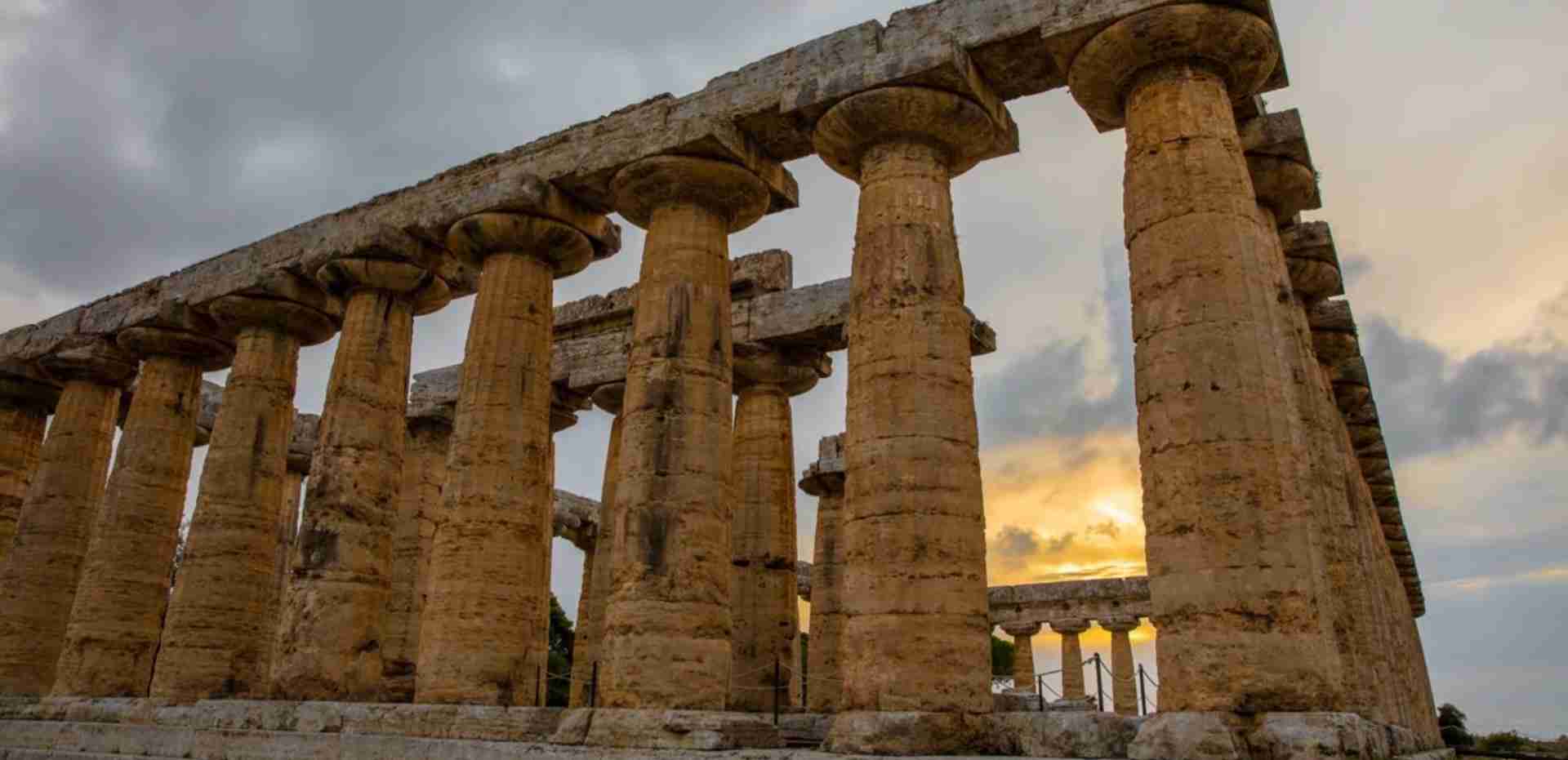
Campania 7 Day Itinerary 2026: Complete Week Planning Guide
Key Takeaways
- Seven-day Campania exploration costs €560-780 per person for activities, meals, and transportation (excluding accommodation €700-1400 total week)
- Strategic Naples base reduces accommodation costs compared to island-hopping while maintaining access to all UNESCO sites
- Advance booking saves 15-25% on Pompeii tickets, Capri ferry combinations, and Amalfi Coast tours during 2026 peak season
- Public transportation networks (Circumvesuviana, SITA buses, ferry routes) provide budget-friendly alternatives to private transfers throughout the region
- Optimal timing balances Naples cultural sites (days 1-2), archaeological wonders (days 3-4), and coastal experiences (days 5-7) for comprehensive regional coverage
- Mix of independent exploration and guided experiences maximizes value while ensuring depth at complex archaeological sites like Pompeii and Herculaneum
Planning Your Campania Week in 2026
Campania stands as Italy’s most archaeologically rich region, where volcanic landscapes meet crystalline coastlines, and ancient Roman cities emerge from centuries of preservation. This seven-day itinerary balances UNESCO World Heritage exploration at Pompeii, Herculaneum, and the Amalfi Coast with the vibrant urban energy of Naples, the glamorous island life of Capri, and the dramatic cliffside villages that define Mediterranean coastal beauty. The week provides comprehensive regional coverage while maintaining realistic daily pacing that avoids the exhaustion common to overscheduled Italian itineraries.
The strategic approach uses Naples as your accommodation base for days 1-5, then shifts to Positano or Sorrento for days 6-7, optimizing costs while maintaining convenient access to all major attractions. This configuration saves €200-350 compared to daily accommodation changes while positioning you within 30-90 minutes of every destination. Transportation planning centers on Campania’s excellent public networks—the Circumvesuviana train connects Naples to Pompeii and Sorrento in 30-40 minutes, SITA buses link Amalfi Coast villages every 20-30 minutes, and ferry services reach Capri in 40-50 minutes from Naples or 20 minutes from Sorrento.
Budget planning for 2026 reflects realistic costs: archaeological site admissions run €16-40 per person, transportation averages €15-25 daily depending on destinations, meals range €35-65 per day based on dining choices, and strategic splurges on boat tours or cooking classes add €50-90 to specific days. The complete week totals €560-780 per person for all activities, meals, and transportation, with accommodation adding €700-1400 for the complete week depending on your comfort preferences. Early booking through official channels secures better rates and guarantees access during 2026’s expected high-demand periods for Campania’s UNESCO treasures.
People Also Ask About Campania 7 Day Itinerary 2026
How much does a 7-day Campania trip cost in 2026?
A complete 7-day Campania experience costs €1260-2180 per person total in 2026. This breaks down to €560-780 for activities, meals, and transportation, plus €700-1400 for accommodation (€100-200 per night in mid-range hotels). Budget travelers choosing hostels (€35-50 per night) and limiting restaurant meals spend €950-1200 total, while luxury travelers in 4-star hotels (€200-300 per night) with upscale dining reach €2400-3200 per week. Check official tourism sites and booking platforms for current rates as pricing varies by season and availability.
Is 7 days enough time to explore Campania in 2026?
Seven days provides solid coverage of Campania’s highlights without rushing. The itinerary includes 2 days exploring Naples museums and historic center, 1 day at Pompeii and Herculaneum, 1 full day on Capri, 2 days along the Amalfi Coast visiting Positano and Ravello, and 1 day in Sorrento with coastal activities. You’ll experience the region’s archaeological treasures, coastal beauty, and cultural depth while maintaining comfortable pacing. Extended stays of 10-14 days allow deeper exploration of lesser-known sites like Paestum, Caserta Palace, or additional islands like Ischia and Procida.
What’s the best base for a Campania week in 2026?
Naples serves as the optimal base for days 1-5, offering excellent transportation connections, lower accommodation costs (€90-150 per night vs. €150-250 on the coast), and evening access to world-class dining and culture. The Circumvesuviana train reaches Pompeii in 35 minutes and Sorrento in 60 minutes, while ferries depart regularly for Capri and the Amalfi Coast. Shifting to Positano or Sorrento for nights 6-7 positions you directly on the coast for final days exploring clifftop villages without daily commuting. This split-base strategy balances convenience, cost efficiency, and authentic experiences across urban and coastal environments.
When should I book Campania attractions for 2026?
Book Pompeii tickets 2-3 months ahead for guaranteed entry during peak season (April-October 2026), especially for weekend visits when tour groups fill morning slots. Capri boat tours and Blue Grotto excursions require 4-6 weeks advance booking for preferred departure times. Amalfi Coast boat tours and cooking classes fill 3-4 weeks ahead during summer months. Naples museums (Archaeological Museum, Capodimonte) offer same-day entry most times, though Friday-Sunday visits benefit from advance tickets. Accommodation along the Amalfi Coast books 3-6 months ahead for June-September 2026, while Naples hotels typically have availability 4-6 weeks out.
Extended multi-day tours – 5+ days
Featured Campania Multi-Day Tour Packages
3 days
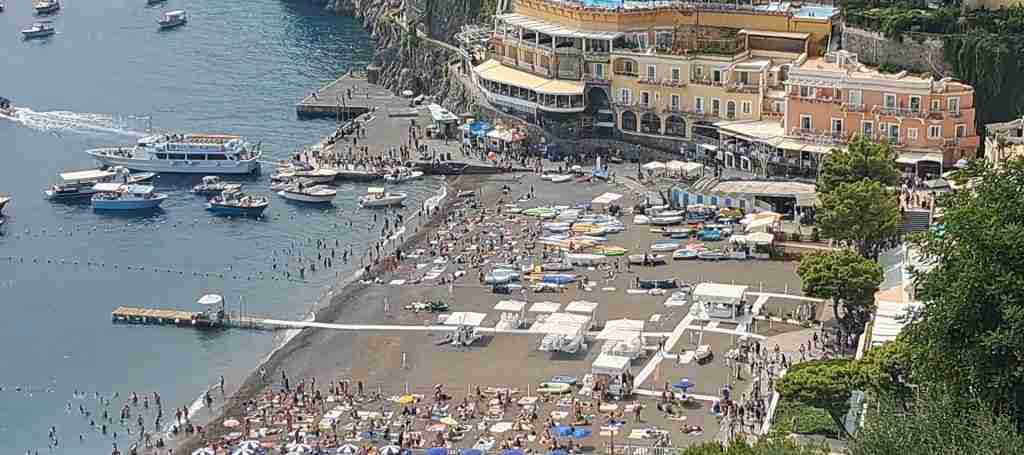
Campania 3-Day Discovery Tour
- ✓ Comprehensive Campania experience
- ✓ Expert local guides included
- ✓ All accommodation included
- ✓ Transportation provided
5 days
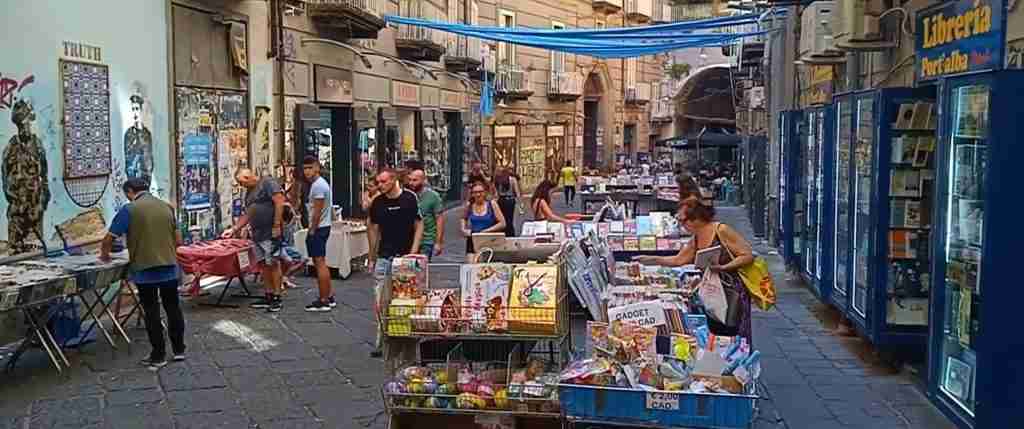
Campania 5-Day Highlights Experience
- ✓ Comprehensive Campania experience
- ✓ Expert local guides included
- ✓ All accommodation included
- ✓ Transportation provided
7 days
Campania 7-Day Cultural Journey
- ✓ Comprehensive Campania experience
- ✓ Expert local guides included
- ✓ All accommodation included
- ✓ Transportation provided
10 days
Campania 10-Day Complete Adventure
- ✓ Comprehensive Campania experience
- ✓ Expert local guides included
- ✓ All accommodation included
- ✓ Transportation provided
Multi-day tour packages powered by TourRadar. Prices and availability subject to change.
Essential Planning Information 2026
Understanding Campania’s Geographic Layout for Trip Planning
Campania’s attractions cluster into four distinct zones that define your daily planning. Naples anchors the northern section, serving as the transportation hub with Capodichino Airport, central train station, and ferry terminals. The 15-kilometer stretch south encompasses the Campi Flegrei (Phlegraean Fields) with volcanic craters and ancient Roman sites, then continues to Pompeii and Herculaneum at the base of Mount Vesuvius. The Sorrento Peninsula extends westward, creating the northern boundary of the Amalfi Coast, while Capri floats 5 kilometers offshore in the Bay of Naples.
The Amalfi Coast occupies the southern shore of the Sorrento Peninsula, a 50-kilometer stretch where SS163 coastal road connects villages perched on dramatic cliffs rising 200-500 meters above the sea. Positano marks the western end, Amalfi sits centrally, and Ravello crowns the mountains 350 meters above sea level. This geographic concentration means no destination exceeds 90 minutes from Naples by public transport—Capri ferry takes 50 minutes, Sorrento train runs 60 minutes, and Amalfi bus reaches in 90 minutes via Sorrento.
Transportation networks radiate from Naples with remarkable efficiency. The Circumvesuviana railway connects central Naples to Pompeii (35 minutes, €3.20), Herculaneum (20 minutes, €2.50), and Sorrento (60 minutes, €4.50), departing every 20-30 minutes from 5:30 AM to 10:30 PM. SITA Sud buses link Sorrento to all Amalfi Coast villages every 20-40 minutes from 6:00 AM to 9:00 PM, with the complete Sorrento-Amalfi route taking 90 minutes (€3.00-4.50 depending on distance). Ferry services operate Naples-Capri routes hourly during daylight (€20-22 one-way), while hydrofoils connect Sorrento-Capri in 20 minutes (€18-21).
Campania Seven-Day Costs and Budget Breakdown for 2026
Comprehensive weekly costs for two travelers total €2520-4360 combining accommodation, activities, meals, and transportation. Accommodation represents the largest variable: Naples mid-range hotels (€100-150 per night, €500-750 for 5 nights) plus Amalfi Coast hotels (€140-200 per night, €280-400 for 2 nights) total €780-1150 per couple for the week. Budget alternatives using Naples hostels (€40-60 per night) and Amalfi guesthouses (€80-120 per night) reduce weekly accommodation to €360-540 per couple, while luxury 4-star properties reach €1800-2600 for the complete week.
Activity and admission costs accumulate to €240-360 per person across seven days. Major expenses include Pompeii admission €18 plus optional guide €50-80, Herculaneum entry €13, Capri boat tour €25-35, Blue Grotto admission €15, Amalfi Coast boat tour €50-90, Naples Archaeological Museum €18, cooking class €65-120, and various church/museum entries €3-8 each. Check official sites for current admission rates as pricing may vary. Transportation costs run €105-175 per person weekly, covering Circumvesuviana trains (€15-20 total), SITA buses (€20-30 total), ferries to/from Capri (€40-44 round-trip), local Naples metro (€10-15), and occasional taxis for early/late transfers (€20-40 total).
Dining expenses range €245-455 per person for the week based on meal choices. Budget approach averages €35-45 daily (breakfast €5-8 at hotel/café, lunch €12-18 for pizza or sandwich, dinner €18-25 at casual trattoria), totaling €245-315 weekly. Mid-range dining runs €45-65 daily (breakfast included in most hotels, lunch €15-25 for full meal with wine, dinner €30-45 at good restaurants), reaching €315-455 weekly. Luxury dining exceeds €65 daily with Michelin-starred experiences and waterfront seafood dinners. Daily gelato (€4-6), morning coffee (€1.50-3.00), and aperitivo drinks (€8-12) add €15-25 to daily food costs.
Day 1: Naples Historic Center and Underground Exploration
Morning: Naples Archaeological Museum and Ancient Treasures
Begin your Campania week at the National Archaeological Museum (MANN), opening 9:00 AM in the Museo metro stop area. This museum houses the world’s finest collection of Roman artifacts, including complete fresco cycles, mosaic masterpieces, and sculpture collections evacuated from Pompeii and Herculaneum. The Secret Cabinet displays erotic art from ancient Rome with unprecedented candor, while the Farnese Collection showcases colossal sculptures including the famous Farnese Bull and Hercules. Admission costs €18 in 2026, with reduced entry €2 on first Sundays during October-March. Check museoarcheologiconapoli.it for current rates as pricing may vary.
Allocate 2.5-3 hours for comprehensive museum exploration, focusing on the ground floor’s sculpture galleries and first floor’s Pompeii frescoes and mosaics. The Gabinetto Segreto (Secret Cabinet) requires timed entry, so reserve this slot immediately upon arrival. Audio guides rent for €5, providing essential context for understanding the cultural significance of gladiator equipment, household objects, and religious artifacts that defined Roman daily life. The museum café on the upper floor serves acceptable coffee and pastries (€3-5) if you need refreshment mid-visit.
Afternoon: Spaccanapoli Walking Route and Historic Churches
Exit the museum and walk 15 minutes south to Spaccanapoli, the arrow-straight street slicing through Naples’ historic heart since Greek foundation in the 5th century BC. This route passes three essential churches within 500 meters: Gesù Nuovo with its volcanic stone facade and baroque interior (free admission), Santa Chiara’s Gothic architecture and majolica cloister (€6 entry includes cloister and archaeological area), and San Domenico Maggiore housing Renaissance frescoes and Caravaggio paintings (€5 admission). The churches close 12:30-4:00 PM, so complete morning visits or plan afternoon returns after 4:30 PM.
Lunch along Spaccanapoli offers authentic Neapolitan specialties at remarkable prices. Tandem Ragù (Via Giovanni Paladino 51) serves traditional ragù napoletano €8-12, while Pizzeria Gino Sorbillo (Via dei Tribunali 32) provides classic margherita pizza €5-8 with 30-45 minute waits during peak lunch hours. Walk-up counter at Antica Pizzeria da Michele (Via Cesare Sersale 1) moves faster with limited menu (margherita or marinara €5-6), though quality matches the hype. Budget €12-18 for complete lunch including drink.
Late Afternoon: Underground Naples (Napoli Sotterranea) Experience
Book the 4:00 PM or 5:00 PM Napoli Sotterranea tour departing from Piazza San Gaetano, exploring 40 meters below street level through Greek quarries, Roman aqueducts, and World War II bomb shelters. The 90-minute guided tour (€12 admission) reveals 2,400 years of subterranean history, including narrow passages requiring candlelight navigation and climbs through ancient cisterns. Tours run in Italian with English translations available—the 2:00 PM and 4:00 PM departures typically offer more English content. Check napolisotterranea.org for current schedules and advance booking during summer 2026 when tours fill quickly.
The underground experience provides unique perspective on Naples’ layered history, literally walking through tunnels carved by Greeks for tuff stone, expanded by Romans for water systems, and used by 20th century residents for shelter. Temperature remains constant 15-16°C underground, so bring a light jacket even during summer visits. The tour emerges in a private courtyard where guides discuss ongoing archaeological work and restoration projects maintaining the 450-kilometer network beneath Naples.
Evening: Waterfront Dining and Castel dell’Ovo Sunset
Walk 20 minutes or take metro to Via Caracciolo waterfront, arriving at Castel dell’Ovo for sunset viewing around 6:30-8:00 PM depending on season. The castle interior closes at 6:30 PM, but the surrounding Borgo Marinari harbors Naples’ most scenic restaurant cluster with views across to Mount Vesuvius. Dinner reservations recommended for waterfront tables—Zi Teresa (Via Borgo Marinari 1) serves excellent seafood pasta €16-24 and grilled fish €22-32, while Pizzeria Borgo Antico offers more casual pizza and fried seafood options €12-20.
Alternative evening activities include performance at Teatro San Carlo (opera tickets €30-150), stroll through Galleria Umberto I’s Art Nouveau arcade, or aperitivo in Chiaia district’s sophisticated bars (€8-15 for drink and snacks). Return to your Naples accommodation via taxi (€10-15 from waterfront to most central hotels) or metro if your hotel sits near Line 1 or 2 stations.
Day 1 Cost Summary: Archaeological Museum €18, church admissions €11, lunch €15-22, Napoli Sotterranea €12, dinner €20-35, gelato/coffee €6-10, local transport €5. Total day cost: €87-113 per person (excluding accommodation).
Day 2: Naples Royal Heritage and Vomero Hilltop
Morning: Royal Palace of Naples and Galleria Umberto I
Start day two at the Royal Palace of Naples (Palazzo Reale), opening 9:00 AM on Piazza del Plebiscito. This massive baroque palace served Spanish viceroys and Bourbon kings from 1600-1946, showcasing throne rooms, royal apartments, and theatrical galleries decorated with period furnishings and court paintings. Admission runs €10, with combination tickets including Castel Nuovo available for €13 (saving €3 versus separate purchases). Audio guides cost €5, or join 11:00 AM guided tours in English (€8 supplement to admission) for deeper historical context about Neapolitan royal dynasties.
The palace tour takes 90-120 minutes covering 30 state rooms across three floors. Highlights include the Throne Room’s gilded ceiling, the Royal Chapel’s baroque intensity, and the Court Theater’s perfect acoustics. Exit into Piazza del Plebiscito, Naples’ grandest public space framed by the palace and San Francesco di Paola church (free entry, worth 20-minute visit for neoclassical dome interior). Walk 5 minutes to Galleria Umberto I, the iron-and-glass shopping arcade from 1890 displaying remarkable architectural engineering—free to wander, though cafés inside charge premium prices (€4-6 for espresso).
Midday: Funicular to Vomero and Certosa di San Martino
Take the Centrale funicular from Via Toledo up to Vomero hilltop district, a steep 8-minute ride (€1.30, covered by daily metro pass). Exit at Piazza Fuga and walk 10 minutes to Certosa di San Martino, the hilltop monastery complex offering Naples’ best panoramic views across the bay to Vesuvius, Capri, and Ischia. Admission costs €8, including the monastery’s baroque church, cloisters, museum of Neapolitan presepi (nativity scenes), and gardens with 270-degree views. Arrive before 1:00 PM as the complex closes for 2-hour midday break during winter months.
Lunch options in Vomero center on Piazza Vanvitelli, a 5-minute walk from the monastery. Pizzeria Starita Materdei serves famous fried pizza montanara (€5-8) and classic wood-fired pizzas (€7-12), while Friggitoria Vomero offers Neapolitan street food—fried seafood, crocchè, arancini—for budget meals €8-15 total. For upscale lunch, Rosiello restaurant (Via Santo Strato 10) provides contemporary Campanian cuisine €30-45 with panoramic terrace views, though reservations help for window tables.
Afternoon: Castel Sant’Elmo and Petraio Neighborhood Walk
Adjacent to the monastery sits Castel Sant’Elmo, a 14th-century fortress converted into contemporary art exhibition space and events venue. Admission runs €5, primarily worthwhile for the 360-degree rooftop terrace offering superior views to the monastery’s gardens—you can see the complete Bay of Naples, the Campi Flegrei to the west, and dense urban fabric of Spaccanapoli far below. The castle hosts temporary exhibitions (check castello.campaniartecard.it for current shows) but the real attraction remains the dramatic views and medieval military architecture.
Descend from Vomero via the Petraio pedestrian stairs, a traditional neighborhood route dropping 150 meters through residential streets, small churches, and local shops. This 20-25 minute walk emerges near Via Toledo and provides authentic glimpse of residential Naples away from tourist centers. Stop at Pintauro (Via Toledo 275) for sfogliatella pastries (€2-3 each), Naples’ signature flaky dessert with ricotta filling—best consumed fresh and warm from morning production.
Evening: Via dei Tribunali Pizza Pilgrimage and Nightlife
Spend your second evening on Via dei Tribunali, Naples’ most famous pizza street hosting legendary pizzerias including Sorbillo, Di Matteo, and Concettina ai Tre Santi. Early dinner (6:30-7:00 PM) avoids the longest queues, though expect 20-45 minute waits at top spots regardless of timing. Allocate €8-15 per person for pizza, fried appetizers, and drinks. Post-dinner, explore the street’s evening energy—bars, clubs, and cafés fill the pedestrian zones with young Neapolitans and visitors.
Alternative evening experiences include wine bars in the Quartieri Spagnoli (Budget €25-40 per person for wine tasting and appetizers) or jazz clubs like Bourbon Street (Via Vincenzo Bellini 52, cover charge €10-15 plus drinks €8-12). Return to accommodation via taxi (€8-15 to most central locations) after midnight when metro service ends.
Day 2 Cost Summary: Royal Palace €10, Certosa di San Martino €8, Castel Sant’Elmo €5, lunch €12-20, sfogliatella €3, dinner €12-20, drinks/entertainment €10-20, local transport including funicular €8. Total day cost: €68-94 per person (excluding accommodation).
Day 3: Pompeii and Herculaneum Archaeological Immersion
Morning: Pompeii Archaeological Park Exploration
Catch early Circumvesuviana train from Naples Garibaldi station to Pompei Scavi-Villa dei Misteri, departing 7:40 AM or 8:10 AM for 35-minute journey (€3.20). Arrive at Pompeii entrance by 9:00 AM, beating tour groups that flood the site after 10:30 AM. Pompeii admission costs €18 in 2026, with advance online booking (pompeii.sites.org) recommended during peak season to skip ticket queues. Check official site for current rates as pricing may vary. Audio guides rent for €8, or hire private guides at entrance (€120-150 for 2-hour tour for up to 6 people, splitting costs among travelers reduces per-person expense).
Allocate 3.5-4 hours minimum for Pompeii exploration, following a route that covers major houses, public buildings, and streets while avoiding backtracking. Priority sites include the Forum, amphitheater, House of the Faun with its stunning mosaics, House of the Vettii showing preserved frescoes and garden, brothel (Lupanare) displaying erotic paintings, and the plaster casts of Pompeii victims in the Forum granary. The site spans 66 hectares—attempting to see everything in one visit guarantees exhaustion without meaningful engagement. Focus on a well-planned route through 10-15 significant buildings rather than wandering randomly.
Pompeii services cluster near three entrances: Porta Marina (main entrance with largest facilities), Piazza Anfiteatro (eastern entrance near amphitheater), and Piazza Esedra (northern entrance). Cafeteria near Porta Marina serves basic sandwiches and drinks (€5-8) but quality suffers—better to pack snacks or wait for lunch in modern Pompei town. Bathrooms, water fountains, and shaded rest areas appear regularly throughout the ruins. Summer temperatures reach 32-35°C with minimal shade, so bring water, sunscreen, and hat. Winter visits (November-February) offer comfortable temperatures and smaller crowds, though some houses close due to maintenance.
Midday: Modern Pompei Town Lunch Break
Exit Pompeii by 1:00-1:30 PM and walk 5 minutes to modern Pompei town center for lunch. President restaurant (Piazza Schettini 12) serves excellent wood-fired pizza €8-12 and pasta dishes €10-14 with reasonable quality for a tourist town. Alternatively, grab supplies at local alimentari (grocery shops) for picnic lunch before continuing to Herculaneum. The Circumvesuviana station has a small bar serving coffee and pastries (€2-4) if you need quick refreshment before the next train.
Afternoon: Herculaneum Archaeological Site and Preservation Contrast
Board Circumvesuviana from Pompei Scavi to Ercolano Scavi station (20 minutes, €2.30), then walk 10 minutes downhill to Herculaneum entrance. This smaller archaeological site offers dramatically better preservation than Pompeii—volcanic mud sealed buildings instantly, preserving wooden structures, organic materials, and second floors largely destroyed at Pompeii by pumice fall and collapse. Admission costs €13, with combination tickets available if you already have the Campania Arte Card regional pass.
Herculaneum requires 2-2.5 hours for thorough exploration of the compact 4.5-hectare excavated area. Highlights include the House of Neptune and Amphitrite with pristine mosaic decorations, intact wooden furniture and doors in multiple houses, the thermal baths showing advanced engineering, and the ancient beach where 300 skeletons were discovered in 1980s excavations, revealing the tragic final moments of residents trying to escape by sea. The site feels more intimate and comprehensible than massive Pompeii, with better preserved architectural details and daily life artifacts visible throughout.
Site facilities at Herculaneum include small café, bookshop, and bathrooms near entrance. The modern town of Ercolano surrounds the archaeological area—you literally look down from modern street level to ancient Roman buildings 20 meters below, showing the depth of volcanic deposits that buried the city. Herculaneum closes one hour before sunset (verify current hours on ercolano.beniculturali.it), with last admission 90 minutes before closing.
Evening: Return to Naples and Vesuvius Viewing Dinner
Return to Naples via Circumvesuviana (20 minutes, €2.50 from Ercolano to Naples Garibaldi), arriving by 5:30-6:00 PM. Rest at your hotel for 90 minutes after the intensive archaeological day, then head to dinner with Vesuvius views. Pizzeria Da Attilio (Via Pignasecca 17) in the Montesanto area serves traditional pizza (€7-12) in a family-run setting since 1938, while Rosiello restaurant mentioned earlier provides upscale option if you prefer refined dining after a day in ancient ruins.
Alternative evening activities include passeggiata (evening stroll) along Via Caracciolo waterfront, gelato at Gay Odin chocolate shop (Via Toledo 214, €4-6 for artisanal flavors), or early rest preparing for tomorrow’s full-day Capri excursion. Stock up on snacks and water at supermarkets (open until 8:00-8:30 PM) for Capri day trip provisions.
Day 3 Cost Summary: Pompeii admission €18, Herculaneum admission €13, Circumvesuviana trains €8, audio guide €8, lunch €12-18, dinner €12-20, snacks/gelato €6-10. Total day cost: €77-95 per person (excluding accommodation).
Day 4: Capri Island Full-Day Exploration
Morning: Ferry to Capri and Marina Grande Arrival
Catch 8:00 AM or 8:30 AM ferry from Naples Molo Beverello to Capri Marina Grande (50 minutes, €20-22 one-way). Book tickets in advance during summer months through caremar.it or snav.it—ferries fill quickly June-September 2026, especially for early departures. Hydrofoils run faster (40 minutes) at higher cost (€26-28). Arrive at the port 30 minutes before departure for check-in and boarding. Morning departures maximize your Capri time, particularly important if attempting the Blue Grotto visit before afternoon wind conditions worsen.
Upon Marina Grande arrival, decide between Blue Grotto visit or direct ascent to Capri town. Blue Grotto operates only in calm sea conditions, typically best 9:00 AM-1:00 PM—afternoon winds and waves force closure. The grotto visit costs €15 admission plus €18 for boat transfer from Marina Grande, totaling €33 per person for the complete experience. The magical blue light illuminating the cave interior lasts only 5 minutes per group, so set expectations appropriately. If seas are rough or queues exceed 60-90 minutes, skip the grotto and explore island highlights instead.
Midday: Capri Town and Augustus Gardens
Take the funicular from Marina Grande to Capri town (5 minutes, €2.50 each way), rising 150 meters to the island’s main center. Walk through Piazzetta (the famous central square) to Via Camerelle luxury shopping street, then continue to Augustus Gardens (Giardini di Augusto) for spectacular views over Faraglioni rock formations and Marina Piccola bay. Garden admission costs €1, offering 20-minute stroll through terraced gardens with photo opportunities at every turn. From the gardens, Via Krupp—a historic switchback path carved into cliffs—leads down to Marina Piccola, though this route often closes due to rockfall danger; check current status before planning descent.
Lunch in Capri town demands budget awareness—tourist restaurants around Piazzetta charge premium prices (€18-30 for pasta, €25-45 for mains). Better value appears on Via Longano and side streets: Da Giorgio serves excellent pizza €12-16, while E’Divino wine bar offers lunch plates €15-22 with local wine. Alternatively, grab supplies at alimentari (grocery shops) for picnic at Augustus Gardens or Marina Piccola beach. Budget €18-30 per person for sit-down restaurant lunch, €10-15 for casual options or picnic.
Afternoon: Anacapri and Monte Solaro Summit
Take bus from Capri town to Anacapri (15 minutes, €2.50), the quieter settlement on the island’s western side. The bus winds through narrow roads with hairpin turns—sit on the left side ascending for best views. In Anacapri, visit Villa San Michele (€10 admission), the Swedish physician’s villa showcasing ancient Roman artifacts and gardens with panoramic views. Then ride the Monte Solaro chairlift (€13 one-way, €16 round-trip) to the island’s 589-meter summit for 360-degree views encompassing the entire Bay of Naples, Amalfi Coast, and on clear days, seeing across to Calabria.
The chairlift operates 9:30 AM-5:00 PM March-October, with last ascent 4:30 PM. The 12-minute open-air ride provides thrilling views as you rise above the island. Summit facilities include small café (€3-5 for drinks/snacks) and walking paths to viewpoints. Descend by 4:30-5:00 PM to catch buses back to Capri town, then funicular to Marina Grande for evening ferry returns. Last ferries depart Capri around 7:00-7:30 PM in summer, earlier in winter—verify return schedules when purchasing morning tickets to avoid being stranded.
Evening: Marina Grande Return and Naples Dinner
Board return ferry by 6:00 PM or 6:30 PM, arriving Naples by 7:30 PM. Evening options include dinner in Chiaia district’s sophisticated restaurants—Veritas (Via Martucci 29) serves creative Campanian cuisine €35-50, while Antica Trattoria da Carmine (Via dei Tribunali 330) provides traditional recipes €15-25. Alternatively, grab takeaway pizza and eat along the waterfront while processing the day’s island adventure.
Day 4 Cost Summary: Ferry round-trip €40-44, funicular to Capri town €5, Augustus Gardens €1, lunch €18-30, bus to Anacapri €5, Villa San Michele €10, Monte Solaro chairlift €16, snacks/drinks €8-12, dinner €18-30. Total day cost: €121-153 per person (excluding accommodation). Note: If visiting Blue Grotto, add €33 to total.
Day 5: Sorrento and Coastal Activities
Morning: Transfer to Sorrento and Historic Center Exploration
Check out from Naples accommodation and take Circumvesuviana to Sorrento (60 minutes, €4.50), departing by 9:00 AM to maximize your day. Sorrento serves as your base for the final two nights, providing direct access to Amalfi Coast destinations and boat tour departure points. Drop bags at your Sorrento accommodation (most hotels allow early check-in or bag storage), then explore the historic center on foot.
Sorrento’s main attractions include Piazza Tasso central square, Via San Cesareo shopping street lined with limoncello shops and ceramics stores, and Marina Grande fishing village reached by staircase descending from Villa Comunale gardens. The gardens offer free admission and beautiful views across the bay to Vesuvius. Wander through the old town’s narrow streets, visiting the cathedral (free admission) and Basilica di Sant’Antonino (free admission) showcasing baroque architecture and local religious art. The Museo Correale di Terranova (€10 admission) displays Neapolitan paintings, porcelain, and decorative arts in an aristocratic villa—worthwhile if you enjoy art museums, otherwise spend time at scenic viewpoints.
Midday: Limoncello Tasting and Coastal Walk
Visit one of Sorrento’s historic limoncello producers for tasting and factory tour. I Giardini di Cataldo (Corso Italia 267) offers free 20-minute tours showing lemon grove cultivation and liqueur production, with tastings of limoncello, crema di limoncello, and other fruit liqueurs. No purchase obligation, though bottles cost €8-20 as souvenirs. Alternatively, Limonoro (Via San Cesareo 51) provides similar experiences in a central location.
Lunch in Sorrento ranges from casual pizzerias (€8-14 for pizza) to upscale restaurants overlooking the sea (€25-45 for full meal). Inn Bufalito (Vico I Fuoro 21) specializes in buffalo mozzarella dishes €12-20, while Zi’Ntonio (Via Luigi De Maio 11) at Marina Grande serves fresh seafood €18-35 with water views. Budget €15-25 per person for good lunch avoiding tourist trap restaurants around Piazza Tasso.
Afternoon: Boat Tour or Beach Club Experience
Choose between afternoon boat tour exploring the Sorrento coast or beach club relaxation. Group boat tours (€40-60 per person for 3-4 hours) cruise past colorful villages, swimming stops in clear waters, and sometimes include Capri circumnavigation. Private boat tours cost €180-350 for 3-hour tours accommodating up to 6-8 passengers, worthwhile when splitting costs among couples or families. Book tours through Marina Piccola or Marina Grande operators—compare prices and routes as offerings vary significantly.
Beach club alternative: Sorrento’s coast has limited natural beaches but numerous stabilimenti (beach clubs) built on platforms with sun loungers, changing facilities, and restaurants. Bagni Regina Giovanna (€15-25 per person for sun bed and umbrella) offers natural pool swimming in a Roman villa ruins setting, reached by 20-minute walk or local bus from Sorrento center. Bagni della Regina Giovanna requires no fee if you bring your own towel and swim from rocks, though amenities justify the entrance fee for most visitors.
Evening: Cliffside Dinner and Positano Sunset Option
Dinner in Sorrento offers spectacular sunset views from clifftop restaurants. L’Antica Trattoria (Via Giuliani 33) serves traditional Sorrentine cuisine €20-35 with terrace views, while Terrazza Bosquet at Grand Hotel Excelsior Vittoria provides upscale dining €50-90 per person for those celebrating special occasions. Reserve sunset tables 2-3 days ahead during summer months.
Alternative: Take late afternoon bus to Positano (50 minutes, €2.50) for sunset views and dinner, returning to Sorrento by evening bus (last departure 9:00-9:30 PM). This preview of tomorrow’s Amalfi Coast exploration works well for photography enthusiasts wanting golden hour shots of Positano’s cascading architecture.
Day 5 Cost Summary: Circumvesuviana to Sorrento €4.50, museum entry €10, lunch €15-25, boat tour OR beach club €40-60, limoncello tasting (free-€15 if buying), dinner €25-45, local transport €5. Total day cost: €104.50-164.50 per person (excluding accommodation €70-100 per night in Sorrento).
Day 6: Amalfi Coast Village Hopping
Morning: SITA Bus to Positano and Beach Time
Catch early SITA bus from Sorrento to Positano (50 minutes, €2.50), departing 8:00 AM or 8:30 AM from Circumvesuviana station square. Buses run every 30-40 minutes but fill quickly during summer—arrive 15-20 minutes early to secure seats. Sit on the right side traveling toward Positano for best coastal views during the dramatic cliff-hugging route along SS163. The journey passes numerous viewpoints and small villages before descending into Positano’s center.
Positano exploration begins at the upper bus stop near Santa Maria Assunta church with its iconic majolica-tiled dome. Walk downhill through the pedestrian shopping streets (Via dei Mulini, Via Pasitea) lined with boutiques selling resort wear, ceramics, and local products. Reach Spiaggia Grande (the main beach) in 15-20 minutes, passing countless photo opportunities along the colorful cascading buildings. Beach access is free, though most of Spiaggia Grande is divided into bagni (beach clubs) charging €15-30 per person for sun bed and umbrella. Free public beach area occupies the western end—arrive early for space during summer months.
Midday: Positano Lunch and Path of the Gods Trail Preview
Lunch in Positano requires budget awareness—waterfront restaurants charge premium prices (€20-35 for pasta, €30-50 for mains) for the location. Better value appears at C’era una Volta (Via Marconi 127) serving pizza €12-16 and pasta €16-24, or Next2 (Viale Pasitea 242) offering innovative cuisine €18-28. Alternatively, grab sandwich or focaccia at bakeries along Via Pasitea (€6-10) and eat at beach or scenic viewpoints.
After lunch, energetic hikers can attempt the lower section of Sentiero degli Dei (Path of the Gods) trail connecting Positano to Praiano. The complete trail requires 3-4 hours, but the first 90 minutes from Positano rewards with spectacular coastal views before turning back. Alternatively, explore the pedestrian streets and countless steps connecting different elevation levels of the village—every corner offers perfect Instagram shots of bougainvillea-draped buildings cascading to the sea.
Afternoon: Bus to Amalfi Town and Cathedral Visit
Board SITA bus from Positano to Amalfi (30 minutes, €2.50), departing 2:30 PM or 3:00 PM. Amalfi town centers on the dramatic Piazza del Duomo and its Arab-Norman cathedral featuring striped facade and bronze doors from Constantinople. Cathedral admission costs €3, including the cloister, museum, and crypt holding relics of St. Andrew. The museum displays medieval artifacts and religious art from Amalfi’s maritime republic era (9th-12th centuries) when the city rivaled Venice and Genoa for Mediterranean trade dominance.
Amalfi town merits 2-3 hours for cathedral visit, waterfront stroll, and paper museum exploration. Museo della Carta (Paper Museum) demonstrates traditional paper-making techniques using medieval water-powered mills (€4 admission, 30-minute guided tours explaining Amalfi’s historic paper industry). The town beach is narrow and crowded but free for swimming—bring beach towel if you want afternoon sea time between cathedral visit and dinner.
Evening: Ravello Sunset from Villa Gardens
Take local bus from Amalfi to Ravello (25 minutes, €2.50), climbing hairpin turns to the mountaintop village 350 meters above sea level. Ravello offers two spectacular villa gardens with sunset panoramas: Villa Rufolo (€8 admission) features medieval tower and gardens used for summer music festival concerts, while Villa Cimbrone (€10 admission) showcases the Terrace of Infinity with marble busts framing impossible views across the coast. Villa Cimbrone requires 10-minute walk from Piazza Duomo but delivers superior sunset experience—arrive by 6:00 PM for optimal light.
Dinner in Ravello or return to Sorrento for evening meal. Ravello restaurants charge premium prices justified by stunning views: Rossellinis at Palazzo Avino offers Michelin-starred dining €90-150 per person, while Cumpa’ Cosimo (Via Roma 44) serves traditional dishes €15-28 in family-run trattoria. Last bus from Ravello to Amalfi departs around 8:00-8:30 PM, connecting to Sorrento-bound buses departing Amalfi until 9:30 PM. Verify exact schedules at sitasudtrasporti.it as times vary seasonally.
Day 6 Cost Summary: SITA buses total €10 (Sorrento-Positano-Amalfi-Ravello-return), Positano beach €15-30 (if using beach club), lunch €15-25, Amalfi cathedral €3, Paper Museum €4, Villa Cimbrone €10, dinner €20-40, snacks €8-12. Total day cost: €85-134 per person (excluding accommodation).
Day 7: Coastal Relaxation and Return to Naples
Morning: Sorrento Marina Piccola and Swimming
Spend your final Campania morning at Sorrento’s Marina Piccola, a small harbor with swimming platforms, beach clubs, and seafood restaurants. Access via stairs from Villa Comunale or elevator from Piazza Tasso (€1 each way). Beach clubs charge €15-25 for sun beds and umbrellas, or swim free from public rocks and small sand patches. Water clarity at Marina Piccola exceeds most area beaches, and morning light illuminates the bay beautifully until midday.
Late breakfast or brunch at waterfront restaurants: Da Emilia serves fresh seafood and pasta €15-25 with tables on pier overlooking boats, while Bagni Sant’Anna beach club offers buffet breakfast €12-18 if you’re using their beach facilities. Budget 2-3 hours for relaxed morning swim and sun before checking out of accommodation.
Midday: Sorrento Market Visit and Lunch
If visiting Saturday, don’t miss the weekly market in Piazza Lauro (8:00 AM-1:00 PM) selling produce, cheeses, cured meats, and local specialties. Otherwise, explore food shops along Corso Italia for last-minute provisions: Limoncello, dried pasta, preserved vegetables, and ceramic goods make excellent gifts or personal souvenirs. Prices in Sorrento generally beat Amalfi Coast village pricing while offering equal quality.
Final lunch in Sorrento: L’Antica Pizzeria Da Gigino (Via degli Aranci 15) serves excellent pizza €8-14 in garden setting, while Ristorante Bagni Delfino (Via Marina Grande 216) at the fishing village offers farewell seafood feast €25-45 per person with water views. Choose based on whether you want quick casual meal or leisurely final lunch before departure.
Afternoon: Return Transfer to Naples and Departure
Check out by noon and store bags at hotel or Circumvesuviana station lockers (€3-5 depending on size). Take early afternoon train back to Naples (60 minutes, €4.50), arriving by 3:00-4:00 PM. This timing allows airport transfer for evening flights or final night in Naples for early morning departures. Private transfers from Sorrento to Naples airport cost €90-120 (splitting among 3-4 passengers equals Circumvesuviana plus taxi costs while providing door-to-door convenience).
If you have extra hours in Naples before departure, final activities include shopping along Via Toledo, last pizza at Di Matteo or L’Antica Pizzeria da Michele, or aperitivo in Chiaia district bars. Store luggage at Naples Centrale station (€6-8 per bag for 3-5 hours) to explore unburdened. Airport connections from Naples Centrale via Alibus express bus (20 minutes, €5) or taxi (15-20 minutes, €20-30 depending on traffic) provide convenient options depending on departure timing.
Day 7 Cost Summary: Beach club €15-25 (optional), breakfast/brunch €10-18, lunch €15-25, Circumvesuviana to Naples €4.50, luggage storage €5-8, airport transfer €5-30, snacks/drinks €8-15. Total day cost: €62.50-145.50 per person (excluding accommodation).
Sample 2026 Budget Breakdowns for Different Travel Styles
Budget Traveler Weekly Total
Naples hostel accommodation (5 nights): €40-50 per night = €200-250 total. Sorrento guesthouse (2 nights): €70-90 per night = €140-180 total. Week accommodation: €340-430 per person.
Activities and admissions (reduced strategy): €185-240 per person (skipping optional tours like Blue Grotto and boat excursions, focusing on free churches and viewpoints, using audio guides instead of private guides).
Transportation weekly total: €90-115 per person (Circumvesuviana trains, SITA buses, Naples metro, ferries to Capri, avoiding taxis except necessary transfers).
Meals and food: €30-40 daily average = €210-280 weekly (mix of pizza/pasta meals €8-15, supermarket supplies for some lunches, limiting restaurant dinners, treating gelato as occasional splurge).
Budget Weekly Total: €825-1065 per person (accommodation + activities + transport + food). This budget maintains quality experiences while optimizing costs through strategic choices like early morning departures, public transport, and picnic lunches.
Mid-Range Traveler Weekly Total
Naples 3-star hotel (5 nights): €110-150 per night = €550-750 total. Sorrento 3-star hotel with sea view (2 nights): €140-180 per night = €280-360 total. Week accommodation: €830-1110 per person (double occupancy).
Activities and admissions (comprehensive): €240-360 per person (including guided tours at Pompeii, Blue Grotto visit, boat tour, cooking class or wine tasting, all museum entries, villa gardens).
Transportation weekly total: €110-180 per person (public transport for most journeys, taxis for convenience on 2-3 occasions, private boat tour contribution if splitting costs, airport transfers).
Meals and food: €45-65 daily average = €315-455 weekly (breakfast typically included in hotel, good trattoria lunches €15-25, quality restaurant dinners €30-45, regular gelato and coffee stops, occasional upscale dining experience).
Mid-Range Weekly Total: €1495-2105 per person (accommodation + activities + transport + food). This budget delivers comprehensive Campania experience with comfort, convenience, and quality dining without luxury pricing.
Luxury Traveler Weekly Total
Naples 4-5 star hotel (5 nights): €220-350 per night = €1100-1750 total. Positano/Ravello luxury hotel with infinity pool (2 nights): €300-450 per night = €600-900 total. Week accommodation: €1700-2650 per person (double occupancy in superior rooms).
Activities and admissions (premium): €400-650 per person (private guides at all archaeological sites, private boat tours Capri and Amalfi Coast, cooking class with Michelin-starred chef, wine tastings, helicopter transfer options, priority access and VIP experiences).
Transportation weekly total: €180-350 per person (mix of private drivers for major transfers, water taxis, occasional public transport for authentic experience, airport private transfer).
Meals and food: €80-130 daily average = €560-910 weekly (breakfast included in luxury hotels, Michelin-starred dining 2-3 times during week, waterfront seafood restaurants, premium wine selections, rooftop aperitivo experiences, gourmet food tours).
Luxury Weekly Total: €2840-4560 per person (accommodation + activities + transport + food). This budget enables five-star Campania with premium experiences, though even higher spending reaches possible through ultra-luxury hotels (€500-800 per night) and exclusive private experiences.
Transportation Strategies and 2026 Logistics
Circumvesuviana Railway Network and Optimization
The Circumvesuviana railway system forms the backbone of Campania exploration, connecting Naples to Pompeii (35 minutes, €3.20), Herculaneum (20 minutes, €2.50), and Sorrento (60 minutes, €4.50) with departures every 20-30 minutes from 5:30 AM to 10:30 PM. Trains depart from Napoli Garibaldi station (below Naples Centrale main station, accessed via internal stairs or elevators—follow “Circumvesuviana” signs). Purchase tickets from machines (credit cards accepted) or ticket windows before boarding—failure to validate results in €50 fines plus ticket cost.
Peak hours (7:30-9:30 AM, 5:00-7:30 PM) bring crowds and full trains, especially on the Naples-Sorrento route popular with commuters. Off-peak travel provides guaranteed seating and less chaotic boarding. Trains feature no air conditioning, basic seating, and minimal amenities—this is commuter rail, not tourist transport. Guard valuables carefully as pickpocket activity targets distracted tourists, particularly on crowded rush hour services. Consider the more comfortable but expensive Campania Express tourist trains (€10-12, advance booking required) for routes like Naples-Pompeii-Sorrento if comfort justifies doubled costs.
SITA Bus Services Along the Amalfi Coast
SITA Sud buses connect Sorrento to all Amalfi Coast villages via the dramatic SS163 coastal road. Key routes include Sorrento-Positano (50 minutes, €2.50), Positano-Amalfi (30 minutes, €2.50), and Amalfi-Salerno (90 minutes, €4.50). Buses depart every 20-40 minutes during peak season (May-October), reducing to hourly service in winter. Purchase tickets from tabacchi (tobacco shops) displaying SITA signs, automated machines at major bus stops, or occasionally onboard (€1 surcharge).
Boarding strategy proves crucial during summer months when buses fill to capacity, sometimes passing full stops without stopping. Arrive 15-20 minutes early at major departure points (Sorrento, Amalfi, Positano) to secure seats. Board at earlier stops along routes when possible—buses starting in Sorrento fill gradually, so boarding in Meta di Sorrento (one stop before Positano) guarantees seating. Sit on the sea side (right when traveling Sorrento-Amalfi, left when returning) for best views during the spectacular coastal journey.
Ferry and Hydrofoil Networks Connecting Islands and Coast
Multiple ferry companies operate Bay of Naples routes with varying schedules and prices. Naples-Capri services run hourly 7:00 AM-6:00 PM with ferries (50 minutes, €20-22) and faster hydrofoils (40 minutes, €26-28). Sorrento-Capri crossings take 20 minutes (€18-21), while Positano-Capri boats operate seasonally April-October (25 minutes, €20-25). Book advance tickets for peak summer travel (June-September 2026) through official company websites: caremar.it, snav.it, alilauro.it, nlauro.it.
Departure terminals vary by operator and vessel type—Molo Beverello serves most Naples ferries, while Calata Porta di Massa handles some hydrofoils. Arrive 30 minutes before departure for check-in, especially during summer when security screening and boarding processes lengthen. Weather cancellations affect primarily afternoon services when wind conditions deteriorate—morning departures (before 11:00 AM) rarely face weather issues except during winter storms. Real-time service updates appear on company websites and apps, essential checking before departure during uncertain weather conditions.
Accommodation Strategies for 2026 Season
Naples Hotel Districts and Location Considerations
Naples accommodation clusters in three main districts offering different advantages. Historic center (Spaccanapoli, Via Toledo area) positions you walking distance to museums, churches, and restaurants with prices ranging €80-150 per night for 3-star hotels. Character and atmosphere high, but noise levels and narrow streets may challenge light sleepers and those with mobility limitations. Chiaia district provides upscale residential neighborhood feel with seaside proximity, boutique shops, and refined dining—expect €120-200 per night for similar quality hotels with quieter surroundings and easier parking if arriving by car.
Vomero hilltop district offers best value (€70-120 per night), quieter residential setting, and spectacular views, though you’ll depend on funiculars for historic center access. Business district near train station (Garibaldi area) provides budget options (€50-90 per night) with transportation convenience but limited charm and evening activity. Book 4-8 weeks ahead for summer 2026 Naples accommodation—the city receives fewer advance bookings than Amalfi Coast, so last-minute deals sometimes appear, though best properties fill early.
Sorrento and Amalfi Coast Booking Timeline
Amalfi Coast accommodation requires 3-6 months advance booking for June-September 2026, especially for properties in Positano, Ravello, and Praiano where room inventory remains limited. Sorrento offers more availability with hundreds of hotels across all price ranges (budget €70-110, mid-range €120-180, luxury €250-450 per night). Marina Grande area provides waterfront access at lower prices than clifftop properties, while Sant’Agnello (2 kilometers east) delivers better value for similar quality compared to Sorrento center.
Positano accommodation costs peak as Italy’s most expensive resort town—expect €180-350 per night for mid-range hotels, €400-800 for luxury properties. Praiano (10 minutes from Positano by bus) offers 30-40% savings for similar quality and views. Amalfi town balances central location with moderate pricing (€110-180 per night mid-range), while Ravello commands premium rates (€150-280 per night) justified by mountain setting and refined atmosphere. Consider guesthouses and B&Bs over hotels for personal service and insider tips from local owners—many family-run properties deliver superior experiences to anonymous chain hotels.
Strategic Split-Base Approach Benefits
The recommended Naples (5 nights) + Sorrento/coast (2 nights) split optimizes costs and convenience versus staying coastal for the complete week. Naples accommodation averages 30-40% less than Sorrento equivalents while providing superior dining, culture, and transportation access for days focused on Naples, Pompeii, Herculaneum, and Capri. Moving to the coast for final two nights eliminates long bus rides during Amalfi Coast exploration days while allowing sunset and evening experiences in clifftop villages.
Single-base alternatives include staying Naples entire week (most budget-friendly but adds 2-3 hours daily travel for coastal days) or basing in Sorrento all seven nights (increases accommodation costs €150-300 weekly but reduces transportation complexity). Sorrento-only approach works well for travelers uncomfortable with Naples urban intensity or those prioritizing coastal atmosphere over urban cultural immersion. Daily hotel changes (Naples-Sorrento-Positano-Amalfi) waste time and increase costs through checkout logistics and bag transportation—avoid unless you have specific reasons requiring nightly location changes.
Money-Saving Strategies for 2026 Campania Travel
Advance Booking Advantages and Discount Opportunities
Early booking delivers 15-25% savings across multiple expense categories. Pompeii tickets purchased 1-2 months ahead through official website (pompeii.sites.org) cost the same €18 but guarantee entry during sold-out peak days when walk-up travelers face rejection or hour-long queues. Ferry tickets booked 2-4 weeks ahead lock in published rates while last-minute purchases during high season sometimes face surcharges. Accommodation reserved 3-6 months out accesses early-bird rates and better room selections before properties raise prices or sell out premium units with views.
Combined tickets and passes provide limited savings in Campania compared to other Italian regions. The Campania Artecard (€32 for 3 days, €40 for 7 days) includes 2-5 free site entries plus 50% discount on subsequent sites, but careful calculation shows benefits only for intensive museum-goers visiting 4+ paid attractions during card validity. Most itineraries include 3-4 paid archaeological sites (Pompeii €18, Herculaneum €13, Naples Archaeological Museum €18, Royal Palace €10) where individual tickets total €59—the Artecard saves €19-27 if you visit all sites within the pass timeframe. Check campaniartecard.it for current pricing and entry lists before purchasing.
Strategic Timing and Seasonal Cost Variations
Shoulder season travel (April-May, September-October 2026) reduces accommodation costs 20-30% compared to June-August peak while maintaining good weather and full service availability. October offers particular value with warm swimming temperatures, functioning boat tours, and significantly reduced Capri and Positano hotel rates. November-March brings 40-50% accommodation savings but weather uncertainty, reduced boat service schedules, and shorter daylight hours limit some activities.
Within peak season, weekday rates beat weekend prices for Amalfi Coast accommodation—Sunday-Thursday nights cost 15-20% less than Friday-Saturday, adding up to €100-200 weekly savings for couples. Adjust your itinerary to coast days on weekdays and Naples/Pompeii days on weekends when possible. Avoid Italian holiday periods (Ferragosto August 15-20, Easter week) when domestic tourists flood the region and prices peak—these weeks see 30-50% markups over regular summer rates with correspondingly larger crowds.
Food and Dining Budget Optimization
Strategic dining choices cut food costs 30-50% without sacrificing quality. Lunch becomes your main restaurant meal (€12-20 vs. €25-45 for equivalent dinner), while dinner focuses on pizza (€8-15), street food (€8-15), or aperitivo buffets (€10-15 drinks include substantial food spreads in many bars). Supermarket supplies for breakfast (€3-5 assembling coffee, cornetto pastries, yogurt, fruit) beat hotel dining (€8-15) if your accommodation includes breakfast-free rates.
Free water refills at public fountains throughout Naples and Amalfi Coast towns save €2-4 per person daily versus buying bottled water. Pack lunch for beach and boat days—two €6-8 sandwiches from alimentari beat €15-25 restaurant charges at tourist beaches and island marinas. Budget one splurge dinner weekly at waterfront restaurants or cooking classes (€50-120 per person) while remaining meals follow more economical patterns. This approach allows high-quality food experiences without €400-600 weekly dining budgets that severely limit other trip aspects.
Booking Strategies and Reservations for 2026
Archaeological Site Advance Tickets and Skip-the-Line Access
Pompeii requires advance online booking 2-3 months ahead for summer weekends and national holidays when the site reaches 20,000 daily capacity limits. Official tickets through pompeii.sites.org cost €18 (check site for current rates as pricing may vary) with assigned entry time slots eliminating ticket queue waits. Small €1.50 booking fee applies per transaction, so purchase multiple days’ tickets simultaneously to minimize fees. Print tickets or show mobile QR codes at entrance—arrive 15 minutes before time slot as strict 30-minute entry windows close after which tickets become invalid.
Herculaneum rarely reaches capacity, allowing walk-up tickets except Easter weekend and Italian public holidays. Naples museums (Archaeological Museum, Capodimonte, Royal Palace) accept same-day entry most times, though advance tickets guarantee access and skip short queues during Friday-Sunday visits. Combined archaeological site guides (€120-150 for 2-hour Pompeii tour, €80-100 for Herculaneum) can be arranged through site-licensed guide associations—book 2-4 weeks ahead for English-language guides during peak season.
Ferry and Boat Tour Reservations
Naples-Capri ferry tickets sell out 1-2 weeks ahead during July-August 2026 for morning departures (8:00-10:00 AM) preferred by day-trippers. Book through official operator websites rather than third-party resellers who add €5-10 markups without providing additional value. Return ferries rarely fill except final departures (6:30-7:30 PM), so book outbound only and purchase return tickets upon Capri arrival for flexible departure timing. Ferry companies allow free changes up to 3 hours before departure, providing weather-related flexibility unavailable with non-refundable bookings.
Private boat tours around Capri and Amalfi Coast require 3-6 weeks advance booking for preferred dates and times. Shared group tours (8-12 passengers) fill 2-3 weeks ahead, while private tours (2-8 passengers) book further out due to limited boat availability. Compare offerings carefully—some include swimming stops, cave visits, and drinks while basic tours simply circumnavigate islands. Read recent reviews on Google and TripAdvisor to identify reliable operators versus those with poor time management or overcrowded vessels. Expect €20-30 per person deposits, with balance due day of tour, paid in cash or credit card depending on operator.
Accommodation Booking Windows and Cancellation Policies
Amalfi Coast hotels require 3-6 months advance booking for June-September 2026, with Positano properties booking earliest (4-6 months) followed by Praiano, Amalfi, and Ravello (3-4 months). Sorrento and Naples maintain availability closer to travel dates, though best-value properties fill 6-8 weeks ahead. Compare rates across booking.com, hotels.com, and direct hotel websites—sometimes direct booking secures 10-15% savings or room upgrades, while other times platform rates beat direct prices through negotiated bulk allocations.
Cancellation policies vary dramatically: flexible rates allow free cancellation until 24-48 hours before arrival at 10-15% cost premium over non-refundable rates, while strict policies require full prepayment 30-60 days ahead with no refunds. Book flexible rates when finalizing plans 4-6 months out, then convert to non-refundable rates 30-45 days before travel if your plans solidify—some hotels honor this rate adjustment through direct contact. Small guesthouses and B&Bs often maintain more flexible policies than chain hotels despite website statements, so email directly requesting terms if the published policy seems inflexible.
Essential 2026 Planning Resources and Updates
Official Tourism Websites and Real-Time Information
Comprehensive Campania information appears at incampania.com (official regional tourism site) covering events, transportation updates, and seasonal highlights. Pompeii archaeological site maintains pompeii.sites.org with ticket booking, opening hours, and special exhibition notices—check 1-2 weeks before travel for temporary closures or restricted areas. Naples tourism office website inaples.it provides event calendars, museum schedules, and transportation maps, though English translations sometimes lag Italian updates.
Transportation schedules require verification closer to travel dates: trenitalia.com for national trains, eavsrl.it for Circumvesuviana schedules (though English version limited), sitasudtrasporti.it for Amalfi Coast buses, and individual ferry company sites (caremar.it, snav.it, alilauro.it) for island connections. Download timetable PDFs rather than relying on live website access, as mobile signals weaken along coastal routes and in archaeological sites. Google Maps provides generally accurate bus and train schedules but occasionally misses final departures or seasonal variations—cross-reference with official sources for critical connections.
Mobile Apps and Digital Tools for 2026 Navigation
Essential apps for Campania travel include Google Maps for navigation and real-time public transport tracking (surprisingly accurate for SITA buses and Circumvesuviana trains), Moovit for integrated public transport planning across all regional operators, and ProntoTreno for Italian railway updates. Weather.com or Italian MeteoAM app provide localized forecasts essential for boat tours and Blue Grotto visits where sea conditions determine operations.
Banking and payment apps should be configured before departure: most Italian merchants accept credit cards, though small cafés, beach clubs, and market vendors prefer cash. ATMs provide best exchange rates versus airport exchange bureaus—withdraw larger amounts (€200-300) less frequently to minimize per-transaction fees (€3-6 typical). Notify your bank of Italy travel dates to prevent card blocks when unusual foreign charges trigger fraud algorithms. Enable contactless payment on phones or cards for rapid coffee/gelato purchases without entering PINs repeatedly.
Current COVID-19 and Health Entry Requirements
Italy maintains fluid entry requirements based on global health conditions. As of early 2026, most COVID-19 testing and vaccination requirements have been eliminated for tourist visitors from major countries, but verify current status at salute.gov.it (Italian Ministry of Health) or viaggiaresicuri.it 2-3 weeks before departure. European Health Insurance Card (EHIC) provides basic coverage for EU visitors, while non-EU travelers should confirm their insurance policies cover Italian medical care or purchase supplemental travel insurance covering medical evacuation and hospital stays.
Pharmacies (farmacia, marked by green crosses) throughout Naples and Amalfi Coast provide over-the-counter medications, basic first aid, and health consultations. Summer sun exposure along coast and archaeological sites causes dehydration and sunburn—bring high-SPF sunscreen (€8-15 in Italy if forgotten), stay hydrated with 2-3 liters daily, and take afternoon breaks during peak 12:00-4:00 PM heat. Emergency medical number 112 connects to English-speaking operators dispatching ambulances and police as needed.
Frequently Asked Questions About Campania 7-Day Itineraries in 2026
Is it better to stay in Naples or Sorrento as a base for Campania exploration?
Naples provides better value accommodation (€90-150 vs. €120-200 per night), superior dining and culture, and convenient access to Pompeii, Herculaneum, and Capri via direct trains and ferries. Sorrento offers coastal atmosphere, quieter setting, and slightly closer access to Amalfi Coast villages. The strategic approach uses Naples for days 1-5 focusing on urban sites and archaeology, then shifts to Sorrento for days 6-7 during Amalfi Coast exploration. This split-base strategy optimizes costs while minimizing transportation time—pure Naples base saves €150-300 weekly on accommodation but adds 2-3 hours travel during coastal days, while pure Sorrento base increases hotel costs but simplifies Amalfi Coast logistics.
Can I visit Pompeii, Capri, and the Amalfi Coast in one day?
No—attempting all three in one day creates transportation chaos and delivers superficial experiences. Pompeii alone requires 3.5-4 hours minimum for meaningful exploration. Capri demands full day (8-10 hours port-to-port) for ferry transit, island tour, and return. Amalfi Coast villages need 6-8 hours covering bus travel and exploration time. Proper pacing dedicates day 3 to Pompeii and Herculaneum combined, day 4 entirely to Capri, and days 6-7 to Amalfi Coast village hopping. Tour operators selling “three-in-one” excursions deliver rushed visits maximizing operator profit while minimizing your actual experience—avoid these combined tours despite apparent efficiency.
How many days do I need to see Pompeii and Herculaneum properly?
One full day split between both sites provides solid archaeological immersion. Allocate 3.5-4 hours for Pompeii morning exploration (arriving by 9:00 AM to beat crowds), 90 minutes for lunch and transit, then 2-2.5 hours at Herculaneum in the afternoon. This combination covers major houses, public buildings, and street layouts at both sites while maintaining reasonable pace. Archaeological enthusiasts could spend 6-8 hours at Pompeii alone exploring less-visited insulae and residential areas, but most visitors find 3.5-4 hours captures essential experiences without fatigue or repetition. Herculaneum’s smaller scale and superior preservation actually delivers more impactful experience per hour spent compared to vast Pompeii.
What’s the best month to visit Campania in 2026?
May and September offer optimal combinations of weather, costs, and crowds. May delivers comfortable 22-26°C temperatures, full service operations for boats and tours, spring flowers blooming across hills, and moderate tourist numbers. September maintains 24-28°C warmth, warm swimming temperatures from summer heat accumulation, reliable weather patterns, and post-peak pricing on accommodation. June and early July provide good experiences before August crowds arrive, while October gambles on weather (sunny days are spectacular, but rain increases mid-month). April works well for budget travelers accepting occasional cool/rainy days in exchange for 25-30% accommodation savings and empty archaeological sites.
Do I need to rent a car for Campania exploration?
No—public transportation via Circumvesuviana trains, SITA buses, and ferries efficiently connects all major destinations at fraction of car rental costs. Cars add expense (€40-70 daily), parking challenges (€15-30 daily in Naples, €25-40 on coast), ZTL restricted zones triggering fines (€100-200 per violation), and stress navigating chaotic Naples traffic and narrow Amalfi Coast switchbacks. The exceptions: traveling with mobility-limited individuals requiring door-to-door transport, family groups of 4-5 making per-person costs competitive with public transport, or visiting remote archaeological sites like Paestum requiring multiple bus changes. Standard Campania itineraries favoring Naples, Pompeii, Capri, and Amalfi Coast function perfectly via public transit.
Is Capri worth visiting or is it too touristy?
Capri merits full-day visit despite crowds and high prices. The island’s Blue Grotto, Faraglioni rock formations, Augustus Gardens views, and Monte Solaro summit deliver experiences unavailable elsewhere in Campania. Yes, expect crowds at Piazzetta and Marina Grande—but Anacapri maintains quieter atmosphere, and early morning or late afternoon timing reduces congestion. Budget awareness helps manage costs (lunch €18-30 rather than €40-60, skipping overpriced Piazzetta cafés for side-street options, bringing water and snacks from Naples). The “touristy” criticism applies mainly to Capri town center July-August midday—strategic timing and itinerary choices preserve the island’s magic while avoiding worst crowds.
Can I swim at Pompeii or the archaeological sites?
No—Pompeii and Herculaneum are inland archaeological sites without beach access. Swimming opportunities appear at Marina Grande in Sorrento (10 minutes from town center), Marina Piccola in Capri (accessible via bus or boat), Positano’s Spiaggia Grande, Amalfi town beach (narrow but functional), and Atrani’s small beach between Amalfi and Ravello. Most beaches feature beach clubs (bagni) charging €15-30 per person for sun beds and umbrellas, with limited free public zones. Water quality throughout the Bay of Naples and Amalfi Coast meets EU standards, though post-storm periods warrant avoiding swimming until water clarity returns. Best swimming conditions: June-September with 23-27°C water temperatures.
Should I book guided tours or explore independently?
Hybrid approach optimizes experiences and costs. Book guided tours at Pompeii (€50-80 per person for 2-hour small group tour) where expert context transforms confusing ruins into vivid ancient city—the investment dramatically enhances understanding versus wandering independently with audio guide. Explore Naples, Capri, Sorrento, and Amalfi Coast villages independently where logistics are straightforward and discovery rewards exploration. Consider cooking classes (€65-120), wine tastings (€40-80), or boat tours (€40-90) as structured experiences adding value beyond pure sightseeing. Skip generic “Naples highlights” bus tours favoring independent walking with good guidebook or audio tour—you’ll cover more ground, eat better, and avoid being herded through tourist trap restaurants.
What happens if weather cancels my Capri or Amalfi Coast plans?
Ferry cancellations occur primarily during winter storms (November-March) when wind and waves exceed safe operating limits. Summer cancellations remain rare except during exceptional weather events. Blue Grotto closes frequently when waves exceed 20cm or wind creates unsafe entry conditions—morning visits (9:00 AM-12:00 PM) succeed more often than afternoon attempts. Build flexibility into your itinerary by scheduling Capri for mid-week (days 3-5) rather than final days, allowing rescheduling if needed. Weather-dependent boat tours should be booked for early trip days with ability to postpone if conditions deteriorate. Naples museums, churches, Pompeii, and Herculaneum function regardless of weather, providing excellent backup plans when coastal/island activities face cancellation.
Are Campania and the Amalfi Coast safe for solo travelers and families?
Yes—Campania maintains safe tourism infrastructure with low violent crime rates. Naples suffers reputation for petty theft (pickpocketing, bag snatching), requiring awareness on crowded trains and in tourist areas, but violent incidents targeting tourists remain extremely rare. Guard valuables on Circumvesuviana trains and in dense crowds around Spaccanapoli, avoid deserted areas late at night (though main restaurant districts stay lively and safe until midnight), and don’t display expensive cameras or jewelry unnecessarily. Amalfi Coast villages and Sorrento feel completely safe day and night. Families thrive throughout Campania—Italians love children, restaurants accommodate families enthusiastically, and attractions suit all ages. Solo travelers find easy social opportunities at hostels in Naples and social tours (cooking classes, boat trips) creating instant connections with other travelers.