
10 Free Things to Do in Campania 2026: Budget Travel Guide
Key Takeaways
- Campania offers extraordinary free experiences including ancient Roman ruins, UNESCO World Heritage sites, and stunning coastal viewpoints accessible without entrance fees
- Naples historic center provides free walking tours through 2,500 years of history with baroque churches, Roman streets, and vibrant neighborhoods open daily
- Free beach access exists along the Amalfi Coast and Bay of Naples, with public beaches in Positano, Maiori, and Sorrento available throughout the 2026 season
- Strategic timing maximizes free experiences: visit paid sites on free Sundays, explore churches during morning hours, and access viewpoints at sunset for spectacular photography
- Combining free activities with selective paid attractions creates comprehensive Campania experiences costing €50-80 daily instead of €150-200 per person
Discovering Free Campania Experiences in 2026
Campania stands as one of Italy’s most culturally rich regions, where centuries of Greek, Roman, Norman, and Spanish influence created an extraordinary heritage landscape. The region encompasses Naples, the Amalfi Coast, Pompeii, and countless archaeological treasures that draw millions of visitors annually. What many travelers overlook is the remarkable accessibility of Campania’s cultural wealth—many of the region’s most significant sites, viewpoints, and experiences require no entrance fees whatsoever.
The 2026 travel landscape in Campania presents intelligent budget travelers with exceptional opportunities. While major archaeological sites like Pompeii charge entrance fees (€18 per adult in 2026, check pompeiisites.org for current official rates as pricing may vary), the region’s free offerings provide equally compelling experiences. From wandering through Naples’ UNESCO-listed historic center to hiking ancient coastal paths with panoramic Mediterranean views, Campania rewards those who explore beyond ticketed attractions.
This guide identifies ten outstanding free activities that capture Campania’s essence without requiring any expenditure. These experiences range from architectural exploration in Naples to natural wonders along the coastline, from ancient Roman streets to baroque churches filled with Caravaggio masterpieces. Each activity provides authentic cultural immersion while enabling travelers to allocate their budgets toward selective paid experiences, accommodation, and remarkable Campanian cuisine.
The strategic value of free activities extends beyond simple cost savings. Many of Campania’s uncharged experiences offer more intimate, authentic encounters with local culture than their ticketed counterparts. Walking through Naples’ Spaccanapoli district reveals daily Neapolitan life unchanged for generations. Hiking the Path of the Gods provides solitude and natural beauty impossible in crowded archaeological sites. Free church visits grant access to artistic treasures rivaling any museum collection. Understanding and maximizing these opportunities transforms budget travel from compromise into intelligent cultural exploration.
People Also Ask About Free Things in Campania 2026
Can you really explore Campania without spending money in 2026?
You can experience substantial portions of Campania’s cultural and natural heritage without entrance fees. Naples historic center, a UNESCO World Heritage site, offers unlimited free exploration with thousands of years of visible history. The city contains over 400 churches, most free to enter, including several housing Caravaggio paintings and baroque masterpieces. Coastal hiking trails like the Path of the Gods and Ieranto Bay coastal walk provide spectacular experiences at no cost. Public beaches throughout the region offer Mediterranean access without fees. While major archaeological sites charge admission, strategic use of free site days (first Sunday monthly at state museums) and combination with free activities creates comprehensive Campanian experiences at minimal cost.
What are the best free viewpoints in Campania for 2026?
Campania’s topography creates extraordinary free viewpoints throughout the region. In Naples, Certosa di San Martino’s exterior terraces and the Petraio steps offer sweeping bay views without entering the paid museum. The Parco Virgiliano on Posillipo hill provides 360-degree panoramas encompassing Vesuvius, the islands, and the entire Gulf of Naples. Along the Amalfi Coast, the Path of the Gods hiking trail delivers continuous clifftop vistas over Positano and Capri. Sorrento’s Villa Comunale park features sunset viewpoints over the Bay of Naples. Ravello’s public areas and church courtyards provide elevated perspectives over the coast. Each location offers photography opportunities and scenic appreciation without entrance fees, accessible year-round in 2026.
How do I access free beaches in Campania during 2026?
Campania’s coastline includes numerous public beach areas requiring no entrance fees or beach club payments. Italian law mandates free beach access, though finding these areas requires local knowledge. In Positano, the far left and right sections of the main beach remain free public areas. Maiori features the Amalfi Coast’s longest free beach stretching 900 meters. Marina di Praia offers a small free section accessible via 400 steps. Sorrento’s Marina Grande has public beach areas beyond the private stabilimenti. Naples’ coastline includes free beaches at Gaiola and Marechiaro. Arrive early during summer 2026 as free sections fill quickly—by 9-10 AM on peak season days. Bring your own umbrella and chair as free areas lack facilities, though bars and restaurants line most beaches.
What museums in Campania offer free entry in 2026?
Italian state museums implement free entry on the first Sunday of each month year-round, a policy continuing through 2026. This includes Naples Archaeological Museum (regular admission €22), Capodimonte Museum (regular admission €14), and Royal Palace of Naples (regular admission €10). Plan 2026 visits around these free Sundays to access world-class collections without cost. Many Naples churches housing significant artworks remain perpetually free, including Chiesa del Gesù Nuovo with its baroque interior, Pio Monte della Misericordia with Caravaggio’s “Seven Acts of Mercy,” and San Lorenzo Maggiore with excavated Roman market ruins. The Chiostro di Santa Chiara’s majolica-tiled cloisters charge admission, but the church itself remains free. Arrive early on free Sundays as popular sites experience significant crowds—Naples Archaeological Museum opens 9 AM with lines forming by 8:30 AM during peak 2026 season.
Extended multi-day tours – 5+ days
Featured Campania Multi-Day Tour Packages
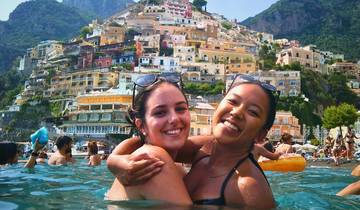
4 days
Amalfi Coast Experience – Budget Friendly Small Group Tour
- ✓ Comprehensive Campania tour
- ✓ Expert local guides included
- ✓ All accommodation arranged
- ✓ Transportation provided
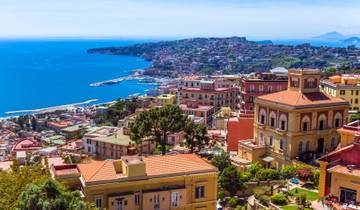
9 days
Campania Region Highlights, Private Tour
- ✓ Comprehensive Campania tour
- ✓ Expert local guides included
- ✓ All accommodation arranged
- ✓ Transportation provided
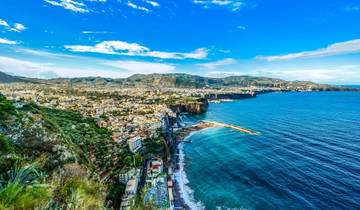
6 days
Best of Rome, Naples, Pompeii & Sorrento – 6 Days
- ✓ Comprehensive Campania tour
- ✓ Expert local guides included
- ✓ All accommodation arranged
- ✓ Transportation provided
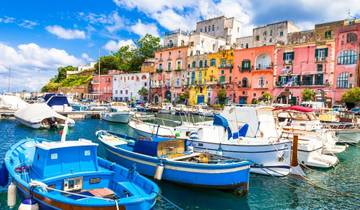
7 days
Historic Rome To Sorrento Coastal Bliss
- ✓ Comprehensive Campania tour
- ✓ Expert local guides included
- ✓ All accommodation arranged
- ✓ Transportation provided
Multi-day tour packages powered by TourRadar. Prices and availability subject to change.
Essential Information for Free Campania Exploration 2026
Maximizing Campania’s free offerings requires understanding operational patterns, timing strategies, and practical logistics that enhance experiences while avoiding unnecessary expenditures. The region’s free activities operate under varying schedules and conditions that differ significantly from paid attractions.
Transportation represents the primary expense when accessing free Campania sites. Naples public transport (metro, buses, funiculars) costs €1.60 per ride or €4.50 for a daily pass covering all city transport. The Circumvesuviana train connecting Naples to Pompeii, Herculaneum, and Sorrento charges €3.60-5.80 depending on distance. Amalfi Coast buses (SITA) cost €1.30-2.50 per ride with day passes available for €8-10. Calculate transport costs into daily budgets as even free activities require arrival expenses. Consider multi-day transport passes for extended Naples exploration—a 3-day Naples pass costs €15, offering savings if visiting dispersed free sites across multiple days.
Timing optimization increases both experience quality and photo opportunities at free sites. Churches typically open 8-12 AM and 5-8 PM with midday closures, though schedules vary. Visit during morning hours for best light and fewer crowds. Coastal hiking trails like the Path of the Gods offer optimal conditions April-June and September-October 2026 when temperatures range 18-25°C and crowds remain manageable. Summer hiking (July-August) requires early starts—begin by 7-8 AM to avoid midday heat reaching 32-35°C. Sunset viewpoints attract crowds across the region, particularly June-August; arrive 45-60 minutes before sunset for position selection.
Beach access timing proves crucial during summer 2026. Free beach sections at popular locations like Positano or Marina di Praia fill by 9-10 AM on peak July-August days. Arrive by 8-8:30 AM for space selection, or visit after 4 PM when crowds thin. Spring and fall offer less competition for free beach areas with water temperatures reaching 20-24°C by May and remaining warm through mid-October. Free beaches lack facilities including shade structures, so bring umbrellas, water, and sun protection. Nearby cafes allow bathroom access with small purchases (€2-4 for coffee or water).
Weather considerations affect outdoor free activities throughout 2026. Naples and the Amalfi Coast experience mild winters with January averages of 12-14°C, making year-round exploration feasible. However, coastal hiking trails close during heavy rain for safety—check conditions before departing. Spring brings occasional rain (8-10 days monthly March-May) but spectacular wildflower displays along hiking trails. Summer guarantees sunshine but intense heat limiting comfortable hiking to early mornings. Fall provides ideal conditions with warm days (22-26°C), calmer seas, and reduced crowds. Winter offers empty sites and clear views but shorter daylight hours and closed beach facilities.
Free Historic Walking Tours in Naples 2026
Naples historic center, inscribed as a UNESCO World Heritage site in 1995, encompasses 4,200 acres of continuous urban development spanning 2,500 years. This extraordinary concentration of history unfolds through freely accessible streets, piazzas, and monuments revealing Greek foundation, Roman expansion, medieval transformation, and baroque elaboration. Walking through Naples’ centro storico costs nothing yet provides encounters with more historical layers than most ticketed archaeological sites.
The Spaccanapoli route forms Naples’ primary free walking experience, following the ancient Greek decumanus (east-west street) that bisected the original city grid. This perfectly straight street—visible from hilltop viewpoints—cuts through the historic center for 2 kilometers, passing churches, palaces, and workshops unchanged for generations. Begin at Piazza del Gesù Nuovo, where the diamond-point facade of the Chiesa del Gesù Nuovo dominates the square. Enter the church (free admission) to witness one of Italy’s most elaborate baroque interiors, with every surface covered in polychrome marble, frescoes, and gold decoration. The church’s curiosity includes mysterious symbols carved into the facade stones—researchers recently discovered these form musical notation when translated.
Continue along Spaccanapoli (officially Via Benedetto Croce and Via San Biagio dei Librai) past artisan workshops producing presepi (nativity scenes), coral jewelry, and traditional crafts. The street maintains its ancient width, creating a canyon effect between tall buildings that channels Mediterranean breezes. Stop at Piazza San Domenico Maggiore, dominated by the baroque obelisk erected in 1658 to celebrate plague’s end. The Church of San Domenico Maggiore offers free entry to view tombs of Aragonese royalty and the crucifixion painting that reportedly spoke to Thomas Aquinas during his Naples residence 1272-1274.
The route continues to the Cappella Sansevero, whose exterior provides impressive baroque architecture (the chapel’s interior requires €10 admission to see the famed Veiled Christ sculpture). From here, Via San Gregorio Armeno opens to the left—Naples’ presepe artisan street where workshops create elaborate nativity scenes year-round. Walking this street costs nothing and reveals extraordinary craftsmanship, from traditional holy family figures to modern additions including pizza makers, football players, and political figures. The street’s decorative Christmas displays begin appearing October-November 2026, reaching peak elaboration by early December.
The Spaccanapoli walk concludes at Piazza Bellini, a bohemian square with outdoor cafes surrounding excavated ancient Greek city walls visible beneath street level. The exposed 4th-century BC fortifications demonstrate Naples’ Greek foundation as Neapolis (“new city”). The square serves as Naples’ intellectual heart, surrounded by music conservatory, art academy, and independent bookshops. Complete the walk by ascending Via dei Tribunali, the parallel ancient decumanus, to return toward the starting point. This northern route passes San Lorenzo Maggiore church (free entry) with excavated Roman market ruins beneath the nave, and the Duomo of Naples (free admission) housing the liquefying blood relic of San Gennaro.
This complete historic center loop covers 4-5 kilometers requiring 4-6 hours with stops for church visits, artisan observation, and cafe breaks (espresso costs €1-1.50, standing at bar). The walk requires no advance booking, operates independently at your pace, and reveals more architectural and cultural variety than most guided tours. Navigate using smartphone maps or purchase a detailed Naples map from newsstands (€2-3). The historic center remains safe for daytime walking, though maintain awareness in crowded areas. Evening walks offer different perspectives with illuminated churches and vibrant street life, though shop closures limit some observations.
Naples Cathedral and Religious Architecture 2026
Naples contains over 400 churches spanning twelve centuries of architectural evolution, most offering free admission throughout 2026. These sacred spaces house artistic treasures, architectural innovations, and cultural traditions that rival any museum collection. Strategic church visits provide extensive cultural experiences without entrance fees while offering air-conditioned respites during hot summer months.
The Cathedral of Naples (Duomo) stands as the free visit centerpiece, combining three architectural periods and hosting Naples’ most important religious tradition. Enter through the neo-gothic facade (reconstruction from 1876-1905) into a three-nave basilica structure preserving elements from the original 13th-century construction. The right nave leads to the Cappella del Tesoro di San Gennaro, where the city’s patron saint’s blood relics liquefy three times annually—a tradition drawing thousands of faithful participants. The main miracle dates occur May 1, September 19, and December 16. While the treasury museum requires admission, viewing the chapel and main cathedral remains free. The cathedral also provides access to excavated 4th-century basilica ruins beneath the current structure, revealing Naples’ early Christian foundations.
Chiesa del Gesù Nuovo presents baroque architecture at its most theatrical extreme. The church occupies a converted Renaissance palace, retaining the diamond-point rusticated stone facade from the original 1470s structure while transforming the interior into a baroque explosion during 1600s renovations. Every surface receives decorative treatment—frescoed ceilings, polychrome marble floors, gilded stucco walls, and carved wood details creating overwhelming visual richness. The church houses the tomb and relics of Saint Giuseppe Moscati, a 20th-century Neapolitan physician whose medical practice combined faith and science. His tomb attracts continuous visitor flow, demonstrating living religious tradition alongside architectural appreciation.
San Lorenzo Maggiore offers unique combination of religious architecture and archaeological remains. The 13th-century gothic church (one of Naples’ few gothic structures) rises above excavated Roman market ruins dating to the 1st century. Enter the church freely to appreciate soaring gothic vaults and medieval tombs. The archaeological excavations require €10 admission, but the church’s medieval architecture and the visible excavation entrances provide substantial free experience. Petrarch supposedly first glimpsed his muse Fiammetta in this church on Easter 1334, adding literary significance to architectural importance.
The Pio Monte della Misericordia houses Caravaggio’s masterpiece “The Seven Acts of Mercy” in its free-entry church. This 1607 painting combines all seven corporal works of mercy into a single complex composition set in a Neapolitan street scene. The painting’s dramatic lighting and emotional intensity exemplify Caravaggio’s revolutionary style. The church opens 9 AM-2:30 PM Thursday-Tuesday (closed Wednesday), with crowds forming 10 AM-noon on peak days. The adjacent art gallery requires admission, but the church and Caravaggio viewing remain free. The painting’s position above the altar allows close observation impossible in many museums.
Additional free churches worth visiting include: Santa Chiara, featuring 14th-century provençal gothic architecture (the adjacent majolica-tiled cloister requires admission, but the church remains free); San Domenico Maggiore, containing Renaissance and baroque art plus aragonese royal tombs; Sant’Anna dei Lombardi, housing extraordinary Renaissance sculpture including Guido Mazzoni’s terracotta Pietà (1492); and Girolamini church complex with works by Luca Giordano and Guido Reni.
Church visiting etiquette maintains respect for active religious spaces. Dress modestly with covered shoulders and knees—carry a light scarf or shawl for coverage if wearing summer clothing. Avoid visits during Mass times (typically 7-8 AM, 12:30-1 PM, 6-7 PM) unless attending service. Photography rules vary by church—many allow photos without flash, but observe posted restrictions. Maintain quiet tones and respectful behavior. While entry remains free, churches appreciate small donations (€1-2) placed in collection boxes near exits. Combined with Naples’ free street architecture and monuments, church visits create comprehensive art and architecture appreciation costing nothing beyond personal time and transport to reach locations.
Path of the Gods Hiking Experience 2026
The Sentiero degli Dei (Path of the Gods) ranks among the Mediterranean’s most spectacular coastal hiking trails, traversing clifftops high above the Amalfi Coast with continuous panoramic views over Positano, Capri, and the Tyrrhenian Sea. This ancient route connecting mountain villages predates automobile roads, following paths used for centuries by farmers, merchants, and shepherds moving between coastal settlements and upland areas. The complete experience requires no entrance fees, park permits, or guide services—just reasonable fitness and proper preparation.
The classic route runs 7.8 kilometers from Bomerano (hamlet of Agerola) to Nocelle (hamlet of Positano), descending from 650 meters to 450 meters elevation with several climbing sections creating approximately 200 meters accumulated gain. Most hikers complete the trail in 3-4 hours depending on stops for photography and rest. The path maintains generally good condition with clear marking, though several sections involve uneven stone steps and exposed cliff edges requiring attention. Standard athletic footwear suffices during dry conditions, though hiking boots provide better ankle support and traction.
Access the trail starting point via SITA bus from Amalfi to Bomerano (€2.50, departing Amalfi 8:50 AM, 10:15 AM, 1:15 PM in summer 2026). The bus climbs the mountain road providing dramatic views during the 45-minute journey. Exit at Bomerano church and follow signs marked “Sentiero degli Dei” or ask locals for directions to the trailhead—villagers expect questions and offer friendly guidance. The path begins descending immediately along old stone-paved mule tracks, opening to clifftop views within 15-20 minutes.
The route’s first section traverses limestone cliffs with dwarf vegetation including Mediterranean maquis, wild herbs, and spring wildflowers (April-June). Views encompass the entire Amalfi Coast spreading below, with Positano’s colorful buildings cascading toward the sea. The island of Capri appears prominently offshore, seeming close enough to touch from the elevated perspective. Several viewpoint spots along the trail provide natural stopping places for photographs and rest—particularly scenic locations occur at approximately 1.5 km, 3.5 km, and 5 km along the route.
Midway along the path, the trail passes several abandoned stone structures—former shepherds’ shelters and agricultural buildings demonstrating the area’s working landscape history. The Grotta del Biscotto cave section provides shaded walking through a natural tunnel in the limestone. Beyond this point, the path gradually descends more steeply toward Nocelle through terraced lemon groves and vegetable gardens, passing active small farms where families maintain traditional agriculture on impossibly steep terrain.
The trail concludes in Nocelle village, a quiet settlement of approximately 80 permanent residents clinging to the hillside above Positano. Several family-run restaurants in Nocelle offer refreshments—a well-earned cold drink costs €3-5 with spectacular terrace views. From Nocelle, stairs descend 1,500 steps over 45-60 minutes to Positano (free but physically demanding), or catch a local bus to Positano town (€1.30, departing approximately hourly). Alternatively, the SITA bus from Nocelle connects to Amalfi (€2.50) completing a loop back to your starting region.
Seasonal considerations affect hiking conditions substantially. April-June provides optimal combination of mild temperatures (18-24°C), wildflower displays, and clear visibility. July-August heat (28-35°C) makes midday hiking uncomfortable and potentially dangerous—if hiking summer months, start by 7-8 AM to complete before noon. September-October offers excellent conditions with warm weather, calmer crowds, and harvest season bringing local life to the trail. Winter (November-March) brings rain, potential trail closures, and reduced bus services, though clear winter days provide spectacular visibility. Check weather forecasts and trail conditions before departure—heavy rain makes the path slippery and dangerous.
Preparation requirements include: comfortable athletic or hiking shoes, minimum 1.5 liters water per person (no reliable water sources along route), sun protection (hat, sunscreen, sunglasses), snacks or light lunch, charged phone for photos and emergency contact. The trail has mobile coverage throughout most sections. Several short trail variants exist including a “high path” option adding difficulty and distance—follow the well-marked main route unless experienced with mountain trails. Start early in day for best light, smaller crowds, and comfortable temperatures. The combination of Mediterranean views, mountain air, coastal perspectives, and peaceful walking creates one of Campania’s finest free experiences for active travelers.
Vesuvius Crater Rim Views 2026
While reaching Vesuvius’ summit requires bus transport costs, the dramatic volcanic landscapes and 360-degree views from 1,281-meter elevation remain technically free to experience. The crater rim provides unprecedented perspectives over the Bay of Naples, surrounding Campania plain, and—on clear days—extending south to the Cilento coast and north to Rome’s Lazio region. Understanding access options maximizes this extraordinary viewpoint while managing associated costs.
Vesuvius National Park charges €12 entrance to access the final summit trail (800-meter walk from parking area to crater rim). However, the park’s extensive trail network includes free lower-elevation paths offering volcanic landscape experiences without summit fees. Trail #5 (Strada Matrone) circles the volcano at 600-800 meter elevation through lava flow forests, providing volcanic geology observation and bay views without crater access costs. This 13-kilometer loop requires 4-5 hours and offers solitude impossible on the crowded summit trail.
Alternative free Vesuvius perspectives exist at several locations. The Vesuvius Observatory (Osservatorio Vesuviano) at 608 meters elevation provides sweeping views over Naples, the bay, and surrounding settlements. While the observatory museum charges admission, the external terraces and approaching road offer free viewpoints. The historic Vesuvius railway station (now abandoned) at 1,000 meters provides another free perspective with fascinating industrial archaeology—the station served the cable car system operating 1953-1984, remnants of which remain visible.
For ultimate summit crater views without entrance costs, strategic timing enables occasional free access. National park free days (typically first Sunday monthly at some Italian protected areas) don’t consistently apply to Vesuvius, but special events or maintenance closures sometimes result in waived fees. Check the Vesuvius National Park website (parconazionaledelvesuvio.it) for announcements. Alternatively, sunset visits offer reduced crowds and spectacular lighting—summer 2026 extended hours (until 8 PM June-August) enable late afternoon arrival avoiding midday heat and peak visitor concentrations.
The summit experience itself centers on the crater rim walk, a 200-meter paved path circling the western crater rim. The 300-meter-diameter crater drops 200 meters to the collapsed inner core, with active fumaroles releasing sulfurous steam from several vents. The geological violence of this setting—Europe’s only active mainland volcano, last erupting in 1944—creates visceral connection to Earth’s dynamic nature. Interpretive signs (Italian and English) explain volcanic processes, eruption history, and monitoring systems tracking the volcano’s activity.
Views from the crater extend across the entire Bay of Naples region. Naples sprawls along the northern coast, its dense urban fabric clearly visible from the elevated perspective. The islands of Capri, Ischia, and Procida punctuate the bay. The Sorrentine peninsula extends south, with the Amalfi Coast’s vertical topography visible beyond. Clear morning conditions (before noon) provide best visibility—afternoon heat haze reduces distant view clarity. Winter offers the clearest views when Mediterranean cold fronts sweep the atmosphere clean, though summit temperatures drop to 2-8°C requiring warm layers.
Access to Vesuvius involves transport costs regardless of chosen approach. From Naples, Circumvesuviana trains reach Ercolano Scavi station (€2.80, 30 minutes), then EAV shuttle buses climb to parking area (€12 round-trip including park entrance, departing hourly 9 AM-3:30 PM, more frequent summer 2026). From Pompeii, similar shuttle services operate (€12 including entrance). Budget travelers can reach Ercolano Scavi by train, then hike the 10-kilometer road to summit (3-4 hours, significant elevation gain), entering the park at standard €12 fee—this option trades money for time and effort.
Alternative volcano perspectives exist throughout the region at no cost. Numerous Naples viewpoints frame Vesuvius rising beyond the city—particularly effective from Certosa di San Martino hill, Castel Sant’Elmo, and the Posillipo waterfront. These distant views provide volcanic context without approach costs. The combination of urban foreground and volcanic background creates some of Italy’s most iconic landscapes. For travelers prioritizing free experiences, these framed views of Vesuvius combined with other free activities deliver volcanic appreciation without summit expenses.
Amalfi Coast Public Beaches 2026
The Amalfi Coast’s dramatic limestone cliffs plunging into turquoise Mediterranean waters create some of Europe’s most spectacular coastal scenery. While many beaches operate as private stabilimenti (beach clubs) charging €15-35 daily for umbrella and chair rentals, Italian law mandates free public beach access throughout the coastline. Knowing where and how to access these free sections transforms the Amalfi Coast from luxury destination to accessible natural wonder.
Maiori features the Amalfi Coast’s longest stretch of free beach, extending 900 meters along the town’s waterfront. This sandy beach offers ample space even during peak summer 2026 weeks, with free public access throughout the beach length. The shallow water gradient makes Maiori ideal for families and less confident swimmers. The town’s promenade runs behind the beach, lined with cafes, restaurants, and gelaterias providing easy access to facilities and refreshments. Maiori’s practical character and excellent beach access make it a budget-friendly Amalfi Coast base, though the town lacks the vertical drama of cliffside villages like Positano or Amalfi.
Positano’s world-famous beach operates primarily as private stabilimenti, but free public sections exist at both ends of the main beach. The left side (facing the sea) offers approximately 30-40 meters of free beach space, while the right side provides another 20-30 meters. These sections fill by 9-10 AM during July-August, requiring early arrival for space. The free areas receive the same dramatic setting as paid sections—towering cliffs, colorful buildings cascading down the hillside, and clear aquamarine water. Bring your own umbrella and mat as the coarse sand becomes hot midday. The beach’s positioning means afternoon shade arrives by 5-6 PM as the steep cliffs block western sun.
Marina di Praia offers intimate free beach experience in a small cove between Positano and Amalfi. Access requires descending 400 stone steps from the SS163 coastal road (bus stop at the trailhead). The effort rewards with a picturesque pebble beach surrounded by former fishing houses converted to restaurants and small hotels. Free beach area comprises the far ends of the cove beyond the stabilimento sections. The beach’s small size (approximately 80 meters total length) means limited free space, but the dramatic enclosed setting and excellent snorkeling justify the visit. Water depths increase quickly from shore, making this location better for confident swimmers.
Atrani, the tiny village adjacent to Amalfi, features a small free beach at the mouth of the Dragon Valley stream. This locals’ favorite offers convenient beach access without the crowds of nearby Amalfi. The black sand beach stretches approximately 100 meters with most space available for free use. The village’s authentic character—narrow streets, local restaurants, and residential atmosphere—provides more genuine experience than tourist-focused Positano. The beach sits in shade by 4-5 PM as surrounding cliffs block late afternoon sun.
Sorrento’s Marina Grande neighborhood includes free beach sections beyond the private beach clubs. Walk down from Sorrento town (15-20 minutes, steep stairs) to reach this old fishing village. Free beach areas exist at the cove’s edges with pebble and rock platforms for sun bathing and sea access. The water provides excellent swimming with Mount Vesuvius views across the bay. Several traditional restaurants line the beach, offering fresh seafood at reasonable prices (whole grilled fish €15-22, pasta with clams €12-16). Marina Grande maintains local character distinct from tourist-focused Sorrento town above.
General free beach strategies for summer 2026 include: arriving by 8-9 AM for space in popular locations; bringing umbrellas, mats, and adequate sun protection; packing water and snacks as beach bar prices inflate significantly; checking weather and sea conditions before traveling to distant beaches; respecting local customs and maintaining cleanliness; using nearby cafe bathrooms with small purchases (coffee €1.50-2). Shoulder seasons (May-June, September-October) offer easier free beach access with water temperatures reaching 20-24°C and air temperatures 22-28°C—often more comfortable than peak summer’s 30-35°C heat.
Free beach experiences extend beyond simple cost savings. The public sections often attract Italian families and local residents, providing more authentic cultural experience than international tourist environments of private beach clubs. You’ll hear Neapolitan dialect conversations, observe local beach culture, and participate in genuine community atmosphere. The combination of spectacular scenery, Mediterranean swimming, and authentic social environment makes free Amalfi Coast beaches outstanding budget-friendly experiences during your 2026 visit.
Herculaneum Walking Tour Without Entry 2026
While Herculaneum’s excavated Roman town requires €13 entrance fee for internal exploration, the site’s unique preservation and compact layout enable substantial observation from free external viewpoints. The excavations lie 20 meters below modern street level in a deep excavation pit, allowing views into ancient streets and buildings from the surrounding modern town’s perimeter. This unconventional approach provides remarkable glimpses of Roman urban life without ticket costs.
Herculaneum’s preservation surpasses Pompeii due to the different volcanic material that buried the town in 79 CE. While Pompeii experienced pumice stone coverage preserving structures but destroying organic materials, Herculaneum suffered instant burial in superheated pyroclastic flows that carbonized organic matter while creating a protective seal. This resulted in preservation of wooden structures, furniture, foodstuffs, and even ancient scrolls—unique survival impossible at Pompeii. Understanding this distinction enriches observation from external viewpoints.
Access the free viewing area from Via Mare, the street running along the excavation site’s northern edge. Walk from Ercolano Scavi train station (Circumvesuviana from Naples, €2.80, 30 minutes) downhill toward the sea for approximately 10-15 minutes. The excavation pit opens dramatically on the right, revealing ancient streets and buildings 20 meters below modern street level. A protective barrier runs along the edge with several openings providing unobstructed views into the site. The perspective shows the town’s grid layout, complete two-story buildings with intact upper floors, and the scale of excavation work conducted since the 18th century.
Key visible features from the perimeter include: the town’s cardines (north-south streets) and decumani (east-west streets) creating the orthogonal grid; several complete insulae (city blocks) with attached buildings showing Roman urban density; upper-story wooden balconies and window frames—extraordinarily rare preservation; rooftop terraces and stairs demonstrating multi-story construction; the palaestra (sports ground) with its monumental columns and swimming pool. Binoculars enhance observation detail, revealing decorative elements, architectural features, and spatial relationships impossible to discern with naked eye.
The seafront section of Herculaneum provides additional free observation of boat chambers where 300+ skeletons were discovered in 1980s—refugees seeking escape who perished when pyroclastic flows reached the ancient beach. While the chambers require paid entry for close observation, views from Via Mare show the arched spaces and provide context for this tragic human story. Interpretive signs (Italian and English) along the perimeter explain what you’re observing and provide historical context.
Combine external Herculaneum observation with exploration of modern Ercolano town for extended free cultural experience. The Via Mare continues downhill past the excavations to the modern waterfront, passing working-class neighborhoods unchanged for decades. The street’s character reveals Campania’s economic complexity—luxury tourism versus local economic struggle—providing authentic social observation. The Museo Archeologico Virtuale (MAV) near the excavations charges €12 admission but its external plaza and cafe area offer free resting spots with information panels.
The free external approach works best for travelers who’ve already visited interior archaeological sites (Pompeii, Paestum) and can contextualize what they observe from outside. First-time ancient site visitors should consider paying Herculaneum’s admission for full appreciation. However, budget travelers visiting multiple Campanian sites can strategically combine free external observation with paid interior visits elsewhere, creating comprehensive archaeological understanding without excessive spending. The combination of Herculaneum exterior views, Naples’ free historic sites, and strategic paid site selection enables thorough ancient world appreciation within tight budgets.
Royal Palace Gardens and Waterfront 2026
Naples’ waterfront promenade and associated public spaces stretch for kilometers along the Bay of Naples, providing free access to spectacular bay views, historic monuments, and urban beach areas. This extensive seafront represents urban development spanning five centuries, from Renaissance fortifications to 19th-century boulevards to contemporary redevelopment projects. Walking the complete waterfront requires no costs beyond personal time and provides continuous entertainment, scenery, and cultural observation.
Begin at Castel dell’Ovo, Naples’ oldest castle occupying the small island of Megaride connected to the mainland by a causeway. The castle’s exterior and surrounding fortification walls remain free to explore, offering elevated viewpoints over the marina, bay, and city. The castle’s name (“Egg Castle”) derives from the medieval legend that Virgil placed a magical egg in the foundations—its destruction would bring catastrophe to Naples. Walk the perimeter for photo opportunities and bay breezes. The adjacent Borgo Marinari neighborhood provides picturesque atmosphere with colorful fishing boats, seafood restaurants, and traditional maritime character.
Continue east along Via Partenope, Naples’ elegant waterfront boulevard lined with grand hotels, cafes, and Art Nouveau buildings from the late 1800s-early 1900s. This section became Naples’ luxury hotel district when 19th-century tourism established the city as essential Grand Tour destination. Several hotels maintain their original facades and names from this period. The wide sidewalk provides pleasant walking with continuous bay views across the street. Stop at Piazza Vittoria, a large waterfront square with fountains, gardens, and views framing Vesuvius rising beyond the modern city.
The Villa Comunale park extends 1.5 kilometers along the waterfront from Piazza Vittoria toward Mergellina. This linear park, created in 1780s and expanded through the 1800s, offers shaded walking paths, gardens, fountains, and continuous bay access. Benches throughout the park provide resting spots under mature pine and palm trees. The park hosts weekend leisure activities—families picnicking, teenagers socializing, runners training, street performers entertaining. The Anton Dohrn Aquarium occupies a building within the park (admission required for interior, but the Art Nouveau facade provides architectural interest externally).
The Lungomare Caracciolo continues beyond Villa Comunale as a wide pedestrian and bicycle path running to Mergellina harbor. This section receives heavy local use, particularly evening passeggiate (traditional strolls) when Neapolitans emerge for fresh air and social interaction. Cyclists, runners, skaters, and walkers share the broad pathway with families pushing strollers and elderly couples maintaining evening traditions. Participating in this quintessentially Italian social ritual provides authentic cultural experience impossible in tourist-focused areas. The path’s western end reaches Mergellina, a working harbor with ferries to islands, fishing boats, and waterfront restaurants.
Vesuvius views dominate the entire waterfront walk, with the volcanic cone rising dramatically beyond the urban sprawl. The mountain’s presence creates constant reference point and photographic opportunity. Different times of day produce varying lighting effects—morning backlighting creates silhouettes, afternoon sun illuminates the volcanic slopes, sunset produces dramatic color effects, and evening lights from settlements dot the mountainside. The combination of urban waterfront, island views, volcanic backdrop, and Mediterranean atmosphere creates uniquely Neapolitan scenes requiring only time to appreciate.
The waterfront’s eastern extension continues to San Giovanni a Teduccio and beyond, though this area serves primarily industrial and residential functions with less tourist interest. The western extension beyond Mergellina leads to Posillipo, an upscale residential area with spectacular clifftop views. The Parco Virgiliano at Posillipo’s end provides 360-degree panoramas encompassing the entire bay, islands, and Vesuvius—one of Campania’s finest free viewpoints requiring only bus transport to reach (€1.60 from central Naples).
Practical considerations for waterfront exploration include sun protection (limited shade along much of the route), comfortable walking shoes (several kilometers of pavement), and timing to avoid midday summer heat. Morning walks (7-10 AM) provide best light for Vesuvius photography and comfortable temperatures. Evening walks (6-9 PM) offer social atmosphere and sunset views. The waterfront remains safe throughout the day, though standard urban awareness applies. Combine waterfront walking with visits to adjacent free churches, historic sites, and neighborhoods for comprehensive Naples appreciation requiring minimal expenditure.
Ravello Public Gardens and Viewpoints 2026
Ravello occupies an elevated platform 365 meters above the Amalfi Coast, creating spectacular viewpoints over the coastline, sea, and surrounding mountains. While the town’s famous villa gardens (Villa Cimbrone and Villa Rufolo) charge admission, several public areas and viewpoints provide equally magnificent perspectives at no cost. The combination of elevation, medieval architecture, and terraced landscapes makes Ravello essential Amalfi Coast experience accessible to budget travelers.
Reach Ravello via bus from Amalfi (€1.30, 25 minutes, departing hourly) climbing the steep mountain road with continuous coastal views during ascent. The bus arrives in Piazza Duomo, Ravello’s main square and starting point for exploration. The cathedral (Duomo) dominates the square’s western side, offering free entry to view medieval architecture, decorative marble work, and the 12th-century pulpit supported by six twisted columns resting on sculpted lions. The cathedral’s bronze doors (1179) feature 54 panels depicting biblical scenes and historical events—among Campania’s finest medieval metalwork.
From the Duomo, Via San Francesco leads south to the Belvedere Principessa di Piemonte, a public terrace providing sweeping views over the coast from Maiori to Minori. This viewpoint requires no entrance fee and often features fewer crowds than the villa gardens. The perspective encompasses terraced lemon groves descending the mountain slopes, coastal towns spread along the shoreline, and the Mediterranean extending to the horizon. Benches along the terrace provide resting spots for extended observation. Sunset visits (approximately 7-8:30 PM summer, 5-6 PM winter) offer spectacular color effects as the sun descends over the Tyrrhenian Sea.
Walk through Ravello’s narrow medieval streets for additional free experiences. The town’s compact size (permanent population approximately 2,500) allows comprehensive exploration within 2-3 hours. Via Roma, the main street, passes artisan shops, cafes, and historic buildings with medieval architectural elements. Side alleys open to unexpected viewpoints, hidden gardens visible through gates, and quiet corners revealing the town’s vertical architecture adapting to steep terrain. The town’s pedestrian-only historic center enables relaxed wandering impossible in vehicle-accessible areas.
The Auditorium Oscar Niemeyer, a contemporary concert hall designed by the Brazilian architect and completed in 2010, provides architectural contrast to Ravello’s medieval character. While concerts require tickets, the building’s external forms and seaside location offer free architectural appreciation. The white concrete structure’s curves and overhangs demonstrate Niemeyer’s signature style. The building occupies cliffside position with dramatic views, accessible via brief walk from the town center.
Ravello’s upper reaches include several additional viewpoint locations. Via Episcopio, climbing north from the Duomo, leads to quieter residential areas with spectacular panoramas over the Dragon Valley and surrounding peaks. Via Santa Chiara, another uphill route, passes beneath medieval arches and through terraced gardens revealing mountain agriculture continuing unchanged for centuries. These areas see minimal tourist traffic, providing peaceful observation of Ravello’s vertical geography and agricultural traditions.
The town’s positioning 365 meters above sea level creates microclimate differences from coastal areas—temperatures average 2-3°C cooler than Amalfi, summer breezes provide relief from coastal humidity, and cloud formations create constantly changing light effects. These conditions make Ravello particularly pleasant during July-August when coastal areas experience uncomfortable heat. The elevated views also enable observation of weather patterns moving across the bay—watching storms approach from sea or clouds drift through mountain valleys provides natural drama rarely experienced in flat landscapes.
Timing considerations affect Ravello experiences significantly. Summer months (especially July-August) bring cruise ship excursions filling the town 10 AM-4 PM—visit early morning (arriving on 8:30-9 AM bus from Amalfi) or late afternoon (after 5 PM) for peaceful exploration. Spring (April-June) and fall (September-October) offer comfortable temperatures, smaller crowds, and optimal visibility. Winter provides stark mountain beauty and empty streets, though some restaurants close and weather brings occasional rain. The town’s concert season (June-September) includes evening performances when the town transforms with cultural activity and evening atmosphere.
Combine Ravello’s free viewpoints with strategic villa garden visits if budget allows (Villa Cimbrone €10, Villa Rufolo €10), creating comprehensive Ravello experience mixing free and paid elements. However, budget travelers can experience Ravello’s essence entirely free through public viewpoints, cathedral visit, medieval street exploration, and the general atmosphere of this elevated cultural center. The combination of natural drama, architectural heritage, and cultural sophistication makes Ravello outstanding regardless of budget constraints.
Budget Planning for Free Campania Experiences 2026
Strategic planning maximizes free activity value while managing unavoidable costs including accommodation, meals, and transportation. Understanding typical daily expenses and money-saving strategies enables comprehensive Campania exploration within tight budgets. A well-planned week can provide rich cultural experiences for €300-400 per person total including accommodation, compared to €1,000+ for conventional tourist approaches.
Accommodation represents the largest fixed cost when budgeting Campania trips. Budget options in Naples range €35-60 per night for hostel dorm beds, €60-90 for budget hotels or guesthouses, and €70-110 for mid-range hotels. The Amalfi Coast sees higher prices with budget options €50-80, mid-range €100-150 during peak summer 2026. Book directly with properties for best rates and flexibility. Consider less famous locations—Maiori, Salerno, Vietri sul Mare—offering 20-30% savings compared to Positano or Amalfi. Naples serves as excellent budget base for day trips to Pompeii, Herculaneum, and Amalfi Coast via public transport.
Transportation costs accumulate through daily movement between sites and attractions. Naples daily transport pass costs €4.50 covering all metro, buses, and funiculars. Circumvesuviana trains reach Pompeii (€3.60), Herculaneum (€2.80), and Sorrento (€5.80). Amalfi Coast buses charge €1.30-2.50 per ride or €8-10 for day passes. Calculate transport needs based on planned activities and purchase day passes when making 3+ trips. Consider Naples as base for spoke-pattern day trips, returning evenings to stable accommodation rather than moving between coastal towns (which incurs luggage transport and accommodation change costs).
Food expenses vary dramatically based on choices. Budget eating strategies include: cappuccino and cornetto breakfast €2-3; pizza slices €2-4 for lunch; grocery stores for snacks and drinks €5-10 daily; casual trattoria dinner €15-25; free water refills at public fountains throughout Naples. A careful approach enables €25-35 daily food costs per person. Splurge selectively on special meals (fresh seafood, traditional pizzeria, local specialties) budgeting €40-60 for these experiences. Avoid tourist trap restaurants near major attractions where prices inflate 50-100%.
A typical week-long budget Campania trip (7 nights, 8 days) following this guide’s free activities might cost: – Accommodation (Naples base, budget hotel): €420-630 (€60-90 × 7 nights) – Food (budget approach): €175-245 (€25-35 × 7 days) – Transportation: €60-80 (day passes, regional trains) – Paid sites (selective): €50-80 (Pompeii, 1-2 museums) – Contingency: €50-100 (emergencies, unexpected costs) Total: €755-1,135 per person for 8 days including accommodation
Compare this to conventional tourist approaches costing €1,500-2,500 for similar duration with mid-range accommodation, frequent restaurant meals, guided tours, and maximum paid attractions. The free activities approach reduces costs by 50-70% while potentially increasing cultural immersion and authentic experiences. The savings come from strategic choices rather than deprivation—staying in Naples versus Positano, cooking some meals, prioritizing free churches over paid museums, walking versus taxiing.
Additional money-saving strategies include: visit during shoulder seasons (April-May, October-November) when accommodation costs drop 30-40%; make lunch the main meal taking advantage of pranzo fisso (fixed-price lunch menus) €10-18; use apartment rentals with kitchens for self-catering flexibility; book accommodation with breakfast included adding value; combine free first Sundays with strategic paid site visits; purchase groceries at local markets rather than tourist area convenience stores; carry refillable water bottles using public fountains; walk whenever feasible saving transport costs while increasing cultural observation.
The psychological and cultural value of free activities extends beyond financial savings. Choosing to walk Spaccanapoli rather than take a bus creates chance encounters with artisans, markets, and neighborhood life impossible when moving through sealed vehicles. Hiking the Path of the Gods provides meditative solitude and natural connection unavailable in managed tour groups. Spending hours in free churches develops genuine appreciation for artistic heritage versus rushed museum tick-box approaches. Budget travel, when chosen strategically rather than endured desperately, often produces richer experiences than luxury approaches.
Frequently Asked Questions About Free Campania 2026
Are free activities in Campania safe during 2026?
Campania’s free activities present minimal safety risks when basic precautions are observed. Naples historic center maintains tourist police presence and daytime security. Follow standard urban safety practices: maintain awareness in crowds, secure valuables, avoid displaying expensive electronics, stay in populated areas. Hiking trails like Path of the Gods require appropriate footwear and weather awareness but present no unusual hazards for reasonably fit hikers. Coastal swimming at free beaches involves normal sea safety considerations—respect wave conditions, avoid swimming alone, observe local behaviors. Evening activity in Naples remains safe in tourist and central areas, though avoid isolated streets late at night. Overall, millions of visitors explore these free activities annually without incident.
Can I visit Pompeii for free during 2026?
Pompeii offers free admission on the first Sunday of each month year-round, continuing a policy maintained through 2026. Regular admission costs €18, making the free Sunday substantial savings. However, free Sundays create significant crowds—arrive before 9 AM opening time to avoid 1-2 hour entry lines forming by 10-11 AM. The massive site means even with crowds you’ll find less-visited areas providing relative solitude. Alternative free days don’t exist beyond this monthly opportunity. Budget travelers should plan Campania visits to include a first Sunday if possible, allowing free Pompeii access while using the money saved toward other experiences.
How much time do I need for Campania’s free activities in 2026?
Comprehensive exploration of this guide’s free activities requires 7-10 days minimum. Naples historic center justifies 2-3 days of walking tours exploring churches, monuments, and neighborhoods. Path of the Gods hiking occupies a full day including transport and trail time. Amalfi Coast beach experiences benefit from 2-3 days allowing multiple locations and flexibility for weather. Vesuvius, Herculaneum, Ravello, and Naples waterfront each merit half to full days. A realistic 10-day itinerary provides thorough free activity coverage while allowing rest days and selective paid attractions. Shorter visits require prioritization based on interests—history enthusiasts prioritize Naples and archaeological contexts, nature lovers emphasize coastal hiking and beaches, architecture fans focus on churches and historic buildings.
What’s the best season for free Campania activities in 2026?
April-June and September-October provide optimal conditions for free Campania activities. These shoulder seasons deliver comfortable temperatures (18-26°C), reduced crowds at free sites, manageable accommodation costs, and reliable weather. Spring brings wildflower displays along hiking trails and Easter celebrations in churches. Fall offers harvest season atmosphere, calmer seas, and lingering summer warmth. July-August present extreme heat (30-35°C), overcrowded free beaches by 9 AM, and inflated accommodation costs. Winter (November-March) brings unpredictable weather, shorter daylight hours, and some activity limitations, though clear winter days provide spectacular visibility and empty sites. Free Sunday museum visits work year-round but spring and fall optimize all other experiences.
Can I experience Campania’s culture without speaking Italian in 2026?
English proficiency in Campania varies significantly by location and context. Tourist areas (Positano, Amalfi, major hotels) operate with substantial English capability. Naples outside tourist zones requires more linguistic flexibility—many shopkeepers, restaurant servers, and local residents speak limited English. However, free activities function largely without language requirements. Historic walking needs only map navigation and observation. Hiking trails follow marked paths requiring no verbal communication. Churches provide visual artistic appreciation transcending language. Beach experiences need no linguistic skill. Basic Italian phrases (greetings, please/thank you, numbers) facilitate interactions and demonstrate respect. Translation apps enable essential communication. Cultural experience deepens with Italian knowledge but remains accessible without.
Are Campania’s free churches accessible throughout 2026?
Most Naples churches maintain regular opening hours throughout 2026: morning hours approximately 7:30-12:30 PM and evening hours 4:30-7:30 PM, with midday closures. Specific schedules vary by church, season, and religious calendar—major feast days bring altered schedules. Some churches close Mondays. Arrive during morning hours for best light and minimal crowds. Sunday morning Masses (typically 8-9 AM, 11 AM-12 PM) welcome participants but discourage tourist observation during services. Dress codes require covered shoulders and knees—carry a light shawl or scarf for coverage. Most significant churches (Duomo, Gesù Nuovo, San Lorenzo Maggiore) maintain reliable daily access. Smaller churches show more variable hours. The consistent free access to extraordinary artistic heritage makes schedule flexibility worthwhile—visiting multiple churches ensures several remain open regardless of timing.
What free activities work well with children in 2026?
Several free Campania activities suit family travel with children. Naples waterfront promenade provides easy walking with gelato stops, playground areas in Villa Comunale park, and harbor boat watching. Spaccanapoli exploration engages children with artisan workshops, street life, and gelato (€2-3 per cone) as motivation for walking. Free beaches at Maiori or Atrani offer safe swimming and sandcastle opportunities. Herculaneum external viewing fascinates children with ancient preservation visible from above. Castel dell’Ovo provides castle exploration and marina atmosphere. Path of the Gods proves challenging for children under 10-12 years but works well for teenagers. Extended church visits challenge children’s patience—brief stops in 2-3 dramatic churches (Gesù Nuovo, San Domenico Maggiore) work better than comprehensive cathedral programs. The key involves mixing free activities with gelato, pizza breaks, and beach time maintaining engagement while controlling costs.
How do I maximize first Sunday free museum admission in 2026?
First Sunday free admission at state museums presents valuable savings opportunities requiring strategic planning. Book accommodation near your priority museum to arrive before 9 AM opening time—lines form quickly at popular sites like Naples Archaeological Museum. Bring water, snacks, and patience as entry queues can extend 60-90 minutes at peak times. Consider lesser-known museums offering equal free access with smaller crowds—Capodimonte Museum or Royal Palace Apartments provide world-class content with more manageable entry waits. Visit major sites early (arriving before opening) and smaller sites later (after 2-3 PM when crowds decrease). The monthly schedule means a 5-7 day Campania visit has 15-25% chance including a first Sunday—if this aligns with your travel dates, prioritize paid museums on this day and shift free activities to other days. If you miss the monthly free Sunday, remember that church art often equals museum quality without admission costs any day.
What equipment do I need for free Campania activities in 2026?
Free Campania activities require minimal specialized equipment. Comfortable walking shoes prove essential for Naples historic center exploration—expect 8-12 kilometers daily walking on cobblestones and uneven surfaces. Hiking shoes or sturdy athletic shoes suffice for Path of the Gods unless hiking after rain when dedicated hiking boots provide better traction. Beach activities need swimwear, towel, and sun protection (hat, sunscreen SPF 30+, sunglasses). Bring your own beach umbrella to free sections as shade options don’t exist. Refillable water bottles reduce costs using public fountains throughout Naples (safe, potable water). Daypack carries essentials while keeping hands free for photography and church exploration. Light rain jacket serves April-May and October-November when brief showers occur. Smartphone with offline maps enables independent navigation. Consider small binoculars for Herculaneum external viewing and distant landscape observation from viewpoints. These basic items enable full participation in all free activities without specialty purchases.
Can I combine free activities with paid Campania experiences in 2026?
Strategic combination of free and paid activities creates optimal Campania experiences balancing budget control with comprehensive cultural exposure. Use free activities as framework: Naples churches and street walking (free), Pompeii internal exploration (€18), Path of the Gods hiking (free), Amalfi Coast beaches (free), Herculaneum interior (€13), Naples Archaeological Museum (€22 or free first Sunday). This approach creates 7-day comprehensive program costing €50-80 in admission fees compared to €200+ covering everything ticketed. The free elements often provide equal or superior cultural value—Naples’ Caravaggio churches rival museum collections, historic center walking reveals urban heritage invisible in isolated monuments, coastal hiking delivers natural experiences unavailable in any paid venue. Budget travelers should prioritize free activities, adding selective paid experiences based on interests and financial capacity rather than feeling obligated to visit every ticketed site.