
Calgary Travel Guide 2026: Complete Planning Guide
Calgary stands as Canada’s most dynamic gateway to the Rocky Mountains, combining modern urban energy with authentic Western heritage and unprecedented access to world-class mountain wilderness. This sprawling prairie city transforms from corporate hub to outdoor adventure capital within a 90-minute drive, offering visitors everything from the legendary Calgary Stampede to pristine hiking trails, vibrant cultural districts, and a food scene that rivals Canada’s coastal cities.
Key Takeaways for Calgary 2026
- Budget Planning 2026: Expect CAD $210-380 ($155-280) per person daily for mid-range comfort, assuming two sharing hotel accommodation CAD $90-175 ($67-130), meals CAD $75-125 ($56-93), transit CAD $8-12 ($6-9), and attractions CAD $35-60 ($26-44).
- Transportation Efficiency 2026: Calgary Transit’s single fare increases to CAD $4 ($3) in January 2026, while monthly passes reach CAD $126 ($93), with free downtown CTrain service along 7th Avenue and complimentary rides for children under 12.
- Accommodation Strategy 2026: Downtown hotels range CAD $180-350 ($133-260) nightly for two, with budget alternatives CAD $130-200 ($96-148) near CTrain stations offering comparable access at significant savings.
- Seasonal Timing 2026: Visit June-August for Calgary Stampede and mountain access (hotels CAD $250-450/$185-333 nightly), or March-April and September-November for lower rates (CAD $140-250/$104-185) with acceptable weather.
- Essential Passes 2026: The free 2026 Calgary Attractions Pass provides discounts at Calgary Zoo, Heritage Park, Calgary Tower, and seven other major sites, accumulating points toward prizes and a weekend getaway grand prize.
- Mountain Gateway Access 2026: Calgary International Airport positions visitors 90 minutes from Banff, 3 hours from Jasper, and 3.5 hours from Lake Louise, making it the strategic base for Canadian Rockies exploration with superior flight connections and rental car availability compared to mountain towns.
People Also Ask About Calgary Travel 2026
How many days should I spend in Calgary in 2026?
Calgary merits 3-4 days as a standalone destination, allowing two full days exploring city attractions (Calgary Zoo, Heritage Park, Calgary Tower, Stephen Avenue, Inglewood, Kensington), one day for either nearby mountain access (Kananaskis, Banff day trip) or specialized experiences (Stampede if July 3-12), and flexibility for weather contingencies. Visitors using Calgary as a Canadian Rockies gateway typically allocate 1-2 days for city experiences before departing for Banff or Jasper, capitalizing on superior accommodation rates and restaurant diversity compared to mountain resort towns. The Calgary Stampede in July extends typical city stays to 4-5 days, while winter visitors accessing nearby ski resorts (Nakiska, WinSport) may extend stays to a full week combining urban and mountain experiences.
What is the best month to visit Calgary in 2026?
July dominates Calgary tourism in 2026 with the Calgary Stampede July 3-12 featuring A$AP Rocky and Alanis Morissette, though accommodation costs CAD $250-450 ($185-333) nightly require early booking and premium budget allocation. June and August provide exceptional value with summer weather, full mountain access, and lower rates (CAD $180-280/$133-207 nightly) without Stampede crowds. September delivers outstanding conditions for photography and outdoor activities with fall colors, minimal crowds, and comfortable temperatures, while March-April offers the lowest accommodation rates (CAD $140-200/$104-148) for budget-conscious visitors willing to accept unpredictable weather and limited mountain highway access. December brings magical winter experiences with ZooLights and holiday markets at moderate winter rates.
Is Calgary expensive to visit in 2026?
Calgary costs substantially less than Vancouver or Toronto while offering comparable urban amenities and superior mountain access, with daily expenses CAD $210-380 ($155-280) per person for mid-range comfort versus CAD $240-320 ($178-237) in coastal Canadian cities. Budget travelers achieve CAD $85-155 ($63-115) daily using hostels (CAD $35-55/$26-41 per bed), transit passes (CAD $4/$3 single fare), and strategic timing, while luxury visitors invest CAD $415-775+ ($305-575+) for premium hotels (CAD $300-600+/$222-445+ nightly for two), fine dining, and guided mountain excursions. The Calgary Stampede week July 3-12 demands 40-70% premium on accommodation, restaurants, and attractions compared to standard summer rates, making shoulder season visits (May, September) substantially more affordable for identical experiences minus festival atmosphere.
Do I need a car in Calgary in 2026?
Calgary functions effectively without a car for pure city exploration, with CTrain and bus service connecting downtown hotels to Calgary Zoo, Heritage Park, neighborhoods like Inglewood and Kensington, and Calgary Tower within CAD $4 ($3) single fares or CAD $126 ($93) monthly passes. However, car rental becomes essential for Canadian Rockies day trips (Banff, Kananaskis, Drumheller), with compact cars CAD $45-75 ($33-56) daily and mid-size SUVs CAD $85-130 ($63-96) daily allowing spontaneous mountain access impossible via public transit. Downtown parking costs CAD $15-30 ($11-22) daily at hotels, with street parking CAD $3-6 ($2-4) hourly, while attractions like Heritage Park and Calgary Zoo charge CAD $10-13 ($7-10) parking fees separate from admission, making car-free strategies economically competitive for visitors prioritizing urban experiences over mountain excursions.
Extended multi-day tours – 5+ days
Featured Calgary Multi-Day Tour Packages
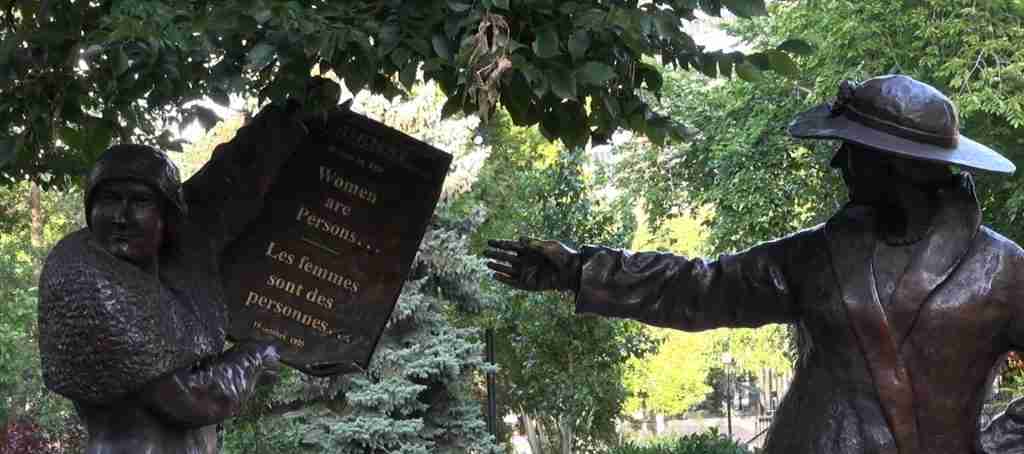
3 days
Calgary 3-Day Discovery Tour
- ✓ Comprehensive Calgary experience
- ✓ Expert local guides included
- ✓ All accommodation included
- ✓ Transportation provided
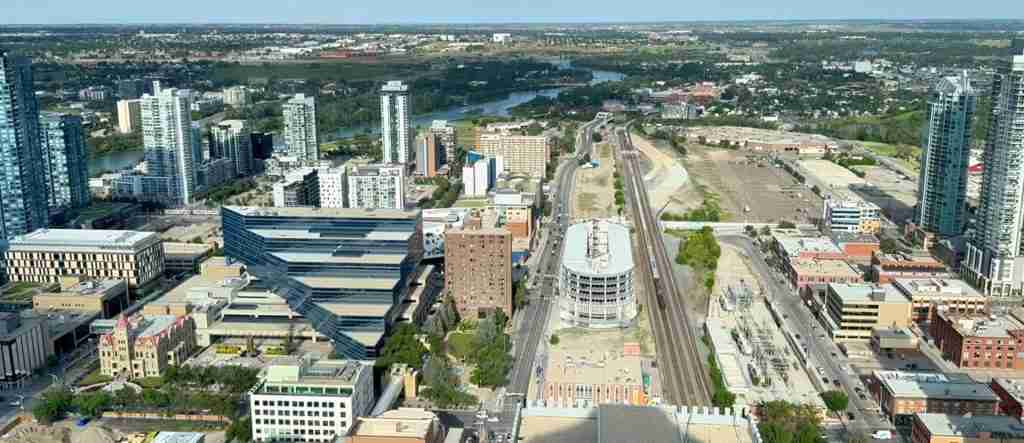
5 days
Calgary 5-Day Highlights Experience
- ✓ Comprehensive Calgary experience
- ✓ Expert local guides included
- ✓ All accommodation included
- ✓ Transportation provided
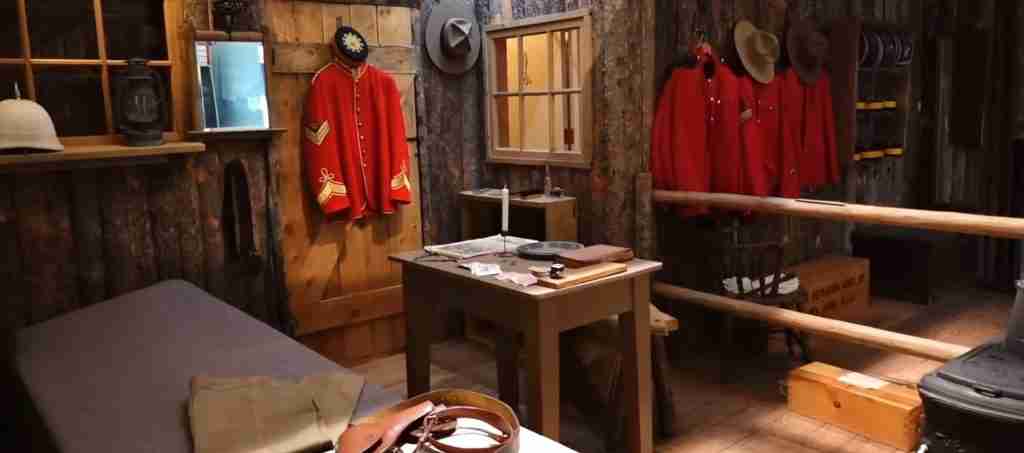
7 days
Calgary 7-Day Cultural Journey
- ✓ Comprehensive Calgary experience
- ✓ Expert local guides included
- ✓ All accommodation included
- ✓ Transportation provided

10 days
Calgary 10-Day Complete Adventure
- ✓ Comprehensive Calgary experience
- ✓ Expert local guides included
- ✓ All accommodation included
- ✓ Transportation provided
Multi-day tour packages powered by TourRadar. Prices and availability subject to change.
Introduction to Calgary Travel Planning 2026
Calgary defies simple categorization among Canadian cities, simultaneously projecting corporate sophistication through its gleaming downtown towers while maintaining authentic Western identity visible in cowboy boots worn to business meetings and pickup trucks parked beside luxury sedans. This duality creates unique travel appeal: visitors access world-class restaurants, museums, and cultural venues within a city that erupts into North America’s largest rodeo each July, transforming sidewalks into Western celebrations where pancake breakfasts appear outside office buildings and country music echoes through financial districts.
The city’s geographic position amplifies its strategic value for travelers, positioned where prairie grasslands meet Rocky Mountain foothills at Alberta’s highest elevation (1,048 meters/3,438 feet), creating dramatic weather variability and spectacular mountain views from downtown streets. Calgary International Airport serves as Canada’s primary western gateway, offering direct flights from major North American and international cities while positioning visitors 128 kilometers (80 miles) from Banff National Park and 290 kilometers (180 miles) from Jasper National Park—closer than any alternative mountain town airport with comparable flight connectivity.
Calgary in 2026 presents particularly compelling timing for visitors, with transit improvements, the established 2026 Calgary Attractions Pass providing free discounts across major sites, and the Calgary Stampede July 3-12 featuring headline performers A$AP Rocky and Alanis Morissette representing significant cultural events. The city has substantially recovered post-pandemic service levels while maintaining pre-2023 attraction pricing at many venues, creating advantageous value compared to Vancouver or Toronto where inflation has driven costs 20-35% higher for equivalent experiences.
Understanding Calgary requires recognizing its boom-and-bust economic history tied to petroleum industry cycles, visible in ambitious architecture from prosperous decades and pragmatic urban planning from recessions. This history created a city that values entrepreneurship, outdoor recreation, and unpretentious hospitality—characteristics that distinguish Calgary from more establishment-oriented Canadian cities. Visitors notice this immediately in restaurant service lacking Toronto formality, hotel staff offering genuine mountain recommendations rather than scripted responses, and local residents enthusiastically sharing favorite hiking trails, breakfast spots, and neighborhood secrets with minimal prompting.
The following comprehensive guide addresses every practical aspect of Calgary travel planning for 2026, from transportation strategies and accommodation selection to seasonal timing, budget allocation, and mountain access logistics. Whether visiting for the Calgary Stampede spectacle, using Calgary as Canadian Rockies gateway, or exploring the city’s urban offerings independently, this guide provides verified 2026 pricing, operational details, and strategic recommendations for optimizing your Alberta adventure.
Understanding Calgary’s Geography and Layout 2026
Calgary sprawls across 825 square kilometers (318 square miles) where the Bow and Elbow Rivers converge, with downtown concentrated north of the Bow River forming the city’s commercial and entertainment core. The urban grid follows four quadrants (NW, NE, SW, SE) radiating from the downtown center, with numbered avenues running east-west and numbered streets running north-south—a system that simplifies navigation but creates confusion when addresses repeat across quadrants.
Downtown Calgary compresses major attractions, hotels, restaurants, and CTrain stations into a highly walkable 16-block core bounded roughly by the Bow River north, 11th Avenue south, 4th Street west, and Macleod Trail east. Stephen Avenue Walk forms the primary pedestrian corridor along 8th Avenue between 4th Street SW and 3rd Street SE, lined with restaurants, retailers, and public art. The Calgary Tower rises at the eastern downtown edge, while the Calgary Telus Convention Center, Glenbow Museum, and Arts Commons occupy the western blocks. This concentration allows car-free visitors to access most urban attractions within 15-20 minute walks.
Calgary neighborhoods extend outward from downtown in distinct communities, each offering unique character worth exploring. Immediately southwest, the Beltline contains the highest residential density, numerous restaurants, and nightlife concentrated along 17th Avenue SW. Kensington, northwest across the Bow River, projects bohemian atmosphere with independent cafes, boutiques, and vintage shops along Kensington Road NW. Inglewood, southeast along 9th Avenue SE, showcases heritage buildings housing antique stores, breweries, and the Calgary Zoo at its eastern terminus. Mission district southwest of downtown attracts young professionals to 4th Street SW’s restaurant and retail concentration.
The CTrain light rail system connects these neighborhoods through two operational lines in 2026: the Red Line running north-south from Tuscany through downtown to Somerset-Bridlewood, and the Blue Line running northeast to northwest from Saddletowne through downtown to 69th Street. A third line, the Green Line, remains under construction with Phase One from downtown to Shepard in southeast Calgary expected beyond 2028. Free CTrain service along 7th Avenue through downtown eliminates fare requirements for station-to-station movement within the city center, substantially benefiting budget travelers.
Mountain proximity defines Calgary’s geographic appeal, with the Rocky Mountain front visible from downtown streets on clear days, appearing as a dramatic western wall rising abruptly from prairie grasslands. This proximity translates to 90-minute drives reaching Banff townsite, 2-hour drives accessing Kananaskis Country’s hiking trails, and 3-hour journeys arriving at Lake Louise. Calgary’s 1,048-meter elevation means visitors begin mountain acclimatization immediately upon arrival, reducing altitude sickness risks compared to flying directly into higher-elevation mountain airports.
Weather variability stems directly from this geography, with Calgary experiencing Canada’s most unpredictable conditions due to chinook winds—warm Pacific air masses flowing down the Rocky Mountains’ eastern slopes, capable of raising temperatures 20-30°C (36-54°F) within hours. These chinooks occur most frequently December-February, occasionally creating +15°C (59°F) January days between arctic cold snaps, though summer visitors experience standard continental climate with warm days, cool nights, and frequent afternoon thunderstorms.
Calgary Airport and Arrival Strategies 2026
Calgary International Airport (YYC) operates as Western Canada’s second-busiest airport after Vancouver, processing 17+ million annual passengers through a modern terminal offering direct flights from 50+ international destinations and connections throughout North America. The airport positions visitors 18 kilometers (11 miles) northeast of downtown, accessible via multiple ground transportation options ranging from budget public transit to premium car services.
Calgary Transit Route 300 provides the most economical airport connection, departing from the airport ground level near Door 5 every 30 minutes weekdays (6 AM-midnight) and every 45 minutes weekends and evenings. The BRT (Bus Rapid Transit) service reaches downtown in 40-50 minutes, stopping at major hotels along 7th and 9th Avenues before continuing to Whitehorn CTrain Station where transfers access the broader transit network. Single fares cost CAD $4 ($3), payable via exact cash, tickets purchased from airport vending machines, or the MyFare mobile app. This route saves CAD $40-60 ($30-44) compared to taxis while adding 25-35 minutes versus direct transport, making it ideal for solo budget travelers without tight schedules.
Taxi and rideshare services operate from dedicated zones outside the arrivals area, with flat-rate taxi service to downtown costing CAD $50-60 ($37-44) and rideshare (Uber/Lyft) varying CAD $40-70 ($30-52) depending on demand surge pricing. Journey times run 25-35 minutes under normal traffic conditions, extending to 45-60 minutes during rush hours (7-9 AM, 4-6 PM weekdays). Both services make sense for groups of three-four splitting costs (CAD $12-18/$9-13 per person), late-night arrivals after transit ceases operation, or business travelers prioritizing time efficiency over cost savings.
Rental car pickup occurs at the airport Rental Car Centre connected to the terminal via covered walkway, housing all major agencies (Enterprise, Budget, Hertz, Avis, National, Thrifty) in a consolidated facility. Rates start CAD $45-75 ($33-56) daily for compact cars, CAD $65-95 ($48-70) for mid-size sedans, and CAD $85-130 ($63-96) for SUVs, with significant seasonal variation—expect 40-60% premiums during Calgary Stampede week (July 3-12) and peak summer months (July-August). Booking 4-6 weeks advance typically secures 15-25% savings versus walk-up rates. Rental cars provide maximum flexibility for Canadian Rockies day trips but impose downtown parking costs CAD $15-30 ($11-22) daily at hotels, making them economical primarily for visitors planning mountain excursions rather than pure city exploration.
Hotel shuttles serve numerous airport-adjacent and downtown properties, with complementary service common at airport hotels (Holiday Inn Calgary-Airport, Best Western Plus Port O’Call, Acclaim Hotel) and fee-based shuttles (CAD $10-20/$7-15 per person) operating from select downtown hotels. Verify shuttle availability and schedules during booking, as many hotels reduced or eliminated shuttle service post-pandemic. Private shuttle companies like Allied Airport Shuttle and Calgary Airport Shuttle operate door-to-door service to downtown hotels for CAD $20-30 ($15-22) per person, positioning between public transit and taxis for solo travelers preferring direct transport without full taxi expense.
International arrivals process through Canadian Border Services Agency (CBSA) checkpoints requiring passports, completed arrival cards, and potential customs declarations for goods exceeding duty-free limits (CAD $800 value after 48+ hour absences). Processing times fluctuate 15-45 minutes depending on concurrent flight arrivals and staffing levels, with peak congestion occurring early afternoon when multiple US and international flights converge. Electronic gates expedite processing for travelers from visa-waiver countries (US, UK, Australia, most EU nations) using eGates for biometric verification. Citizens from nations requiring visas should anticipate longer processing and ensure documentation completeness before arrival.
Airport amenities include currency exchange (CAD offered at competitive rates versus US dollars, though downtown banks provide superior exchange rates), ATMs dispensing Canadian currency, dining options spanning fast food through sit-down restaurants, duty-free shopping post-security, and business services including lounges, WiFi, and charging stations. The domestic terminal concentrates most services and connects seamlessly to the international gates, eliminating confusion when catching connecting flights to mountain destinations like Cranbrook.
Calgary Transit and Transportation Options 2026
Calgary Transit operates an integrated bus and light rail (CTrain) network serving the city’s core and suburban communities, with 2026 pricing reflecting approved fare increases: single adult fares reach CAD $4 ($3) effective January 2026, representing a CAD $0.20 increase from 2025’s CAD $3.80 rate. Monthly passes cost CAD $126 ($93), while youth single fares (ages 13-17) remain CAD $2.50 ($1.85) and children under 12 ride free system-wide. Books of 10 tickets offer no discount over individual fares, eliminating the bulk-purchase savings common in other Canadian cities.
The CTrain forms Calgary Transit’s backbone, operating two lines totaling 56.2 kilometers (34.9 miles) with 45 stations. The Red Line runs north-south from Tuscany through downtown to Somerset-Bridlewood, while the Blue Line runs northeast-northwest from Saddletowne through downtown to 69th Street. Trains operate approximately every 10-15 minutes during peak hours (6-9 AM, 3-6 PM weekdays) and every 15-30 minutes off-peak and weekends, with service spanning 5 AM-2 AM daily. The downtown free fare zone along 7th Avenue between 10th Street SW and City Hall eliminates payment requirements for movement between eight downtown stations, substantially benefiting visitors making short downtown trips between hotels, restaurants, and attractions.
CTrain reliability and safety generate ongoing discussion among Calgary residents, with transit crime statistics showing 47% increases above three-year averages in recent years and rider complaints about cleanliness and social disorder on trains and at stations. City council allocated CAD $9 million for 2026 safety improvements including increased security presence, though previous enhancement promises yielded temporary results according to regular commuters. Visitors should exercise normal urban caution, particularly during late evening hours, while recognizing that serious incidents targeting tourists remain statistically rare despite local perception challenges.
Bus service complements CTrain coverage, reaching neighborhoods and attractions beyond rail corridors through 170+ routes including standard local service, express routes, and Bus Rapid Transit (BRT) routes marked MAX operating in dedicated lanes for faster service. Route 300 connects the airport to downtown as described previously, while Routes 302 (Brentwood-Saddletowne), 301 (Brentwood-Sundance), and 305 (Tuscany-Somerset-Bridlewood) provide north-south MAX BRT alternatives to crowded CTrain service during peak hours. Buses accept cash (exact fare required, no change provided), tickets, passes, or mobile payment through the MyFare app.
The MyFare mobile app represents the most convenient payment method for visitors, allowing ticket purchases via credit card with immediate digital validation eliminating physical ticket handling. Download the free app before arrival, load tickets as needed, and activate them within the app when boarding buses or entering CTrain fare-restricted zones. Tickets purchased through MyFare become valid for 90 minutes from activation, permitting unlimited transfers between buses and CTrain within that window—the same transfer policy applying to all Calgary Transit fare types.
Walking serves as Calgary’s most underutilized transportation mode by visitors, with downtown’s compact grid enabling 10-15 minute walks between most hotels and major attractions. The +15 Skywalk system—elevated enclosed walkways connecting downtown buildings 15 feet above street level—provides climate-controlled pedestrian routes spanning 18 kilometers (11 miles) across the downtown core, accessible free 24/7. This network proves invaluable during winter cold snaps or summer rain, connecting hotels, office towers, shopping centers, and attractions like the Calgary Tower without outdoor exposure. However, +15 routes confuse first-time navigators due to inconsistent signage and building-specific access restrictions after business hours, making street-level walking simpler for straightforward point-to-point movement.
Bicycle rentals through Lime’s bike-share system offer seasonal alternative transportation (April-October typically), with electric bikes scattered throughout downtown and adjacent neighborhoods rentable via smartphone app. Rates start CAD $1.50 ($1.10) unlock fee plus CAD $0.35 ($0.26) per minute, making 15-20 minute rides cost CAD $6-8 ($4-6)—competitive with transit for single trips while offering greater flexibility and outdoor experience. Calgary’s extensive pathway system follows the Bow and Elbow Rivers through the city, providing scenic car-free cycling routes connecting downtown to neighborhoods like Kensington, Inglewood, and Eau Claire, though winter ice and summer pathway crowding during lunch hours present occasional challenges.
Taxi and rideshare services operate throughout Calgary, with standard taxi meters charging CAD $3.80 ($2.80) initial flag plus approximately CAD $2 ($1.50) per kilometer, while Uber and Lyft dominate rideshare with competitive dynamic pricing. Typical downtown to Calgary Zoo trips cost CAD $20-28 ($15-21), downtown to Heritage Park CAD $18-25 ($13-19), and cross-downtown movements CAD $12-18 ($9-13), making these services economical for groups of three-four compared to CAD $16 ($12) for four individual transit fares. However, solo travelers or couples find transit substantially cheaper for most movements, with rideshare sensible primarily for late-night returns when transit service reduces frequency or destinations poorly served by public routes.
Accommodation Strategies Calgary 2026
Calgary accommodation spans budget hostels through luxury hotels, with 2026 pricing reflecting full post-pandemic recovery: mid-range downtown hotels cost CAD $180-350 ($133-260) nightly for two, budget hotels and motels CAD $130-200 ($96-148), and luxury properties CAD $300-600+ ($222-445+). These rates fluctuate dramatically by season and events, with Calgary Stampede week (July 3-12) imposing 50-80% premiums and winter months (January-March) offering the lowest rates at 30-45% below summer peaks. Understanding Calgary’s neighborhood geography and transit connections enables strategic accommodation selection balancing cost, convenience, and experience quality.
Downtown Calgary hotels position visitors within walking distance of restaurants, Calgary Tower, Stephen Avenue, Glenbow Museum, and CTrain stations, eliminating rental car necessity for pure city exploration. The Fairmont Palliser represents Calgary’s most historic luxury property, dating to 1914 with Canadian Pacific Railway heritage, offering traditional elegance at CAD $350-550 ($260-408) nightly for two. The Hotel Arts delivers modern boutique atmosphere near the Beltline’s 17th Avenue restaurant corridor at CAD $240-400 ($178-296), while Hyatt Regency Calgary and Marriott Downtown provide reliable upscale business hotel experience at CAD $280-450 ($207-333) with executive lounges, fitness centers, and meeting facilities.
Mid-range downtown hotels include Hampton Inn By Hilton Calgary Downtown (CAD $200-320/$148-237), Sandman Hotel Calgary Downtown (CAD $180-280/$133-207), and Ramada Plaza by Wyndham Calgary Downtown (CAD $170-260/$126-193), offering standard amenities—free WiFi, fitness centers, included breakfast at select properties—without luxury flourishes. These properties provide equivalent downtown access at 30-45% lower cost than luxury hotels, making them ideal for visitors prioritizing attractions and dining over accommodation refinement. The +15 Skywalk system connects many mid-range properties to downtown destinations via climate-controlled elevated walkways.
Budget accommodation concentrates near CTrain stations outside downtown, where properties like Best Western Plus Port O’Call Hotel (CAD $140-220/$104-163) near the airport and various EconoLodge properties (CAD $130-190/$96-141) in northeast and northwest quadrants offer basic clean rooms at substantial savings. These locations require 20-40 minute CTrain commutes to reach downtown attractions but provide free parking, breakfast inclusions, and lower nightly rates that offset transit costs for multi-day stays. Solo budget travelers should investigate HI Calgary City Centre Hostel (dormitory beds CAD $35-55/$26-41, private rooms CAD $90-140/$67-104), positioned downtown at 520 7th Avenue SW within walking distance of major attractions.
Neighborhood hotels outside downtown provide alternative bases for visitors with rental cars or specific interest in particular communities. Hotel Kensington (CAD $180-290/$133-215) positions guests amid Kensington’s cafes and boutiques with easy Bow River pathway access and 10-minute CTrain rides downtown. Inglewood properties place visitors near the Calgary Zoo, craft breweries, and antique shops, though fewer full-service hotels operate in this neighborhood compared to downtown concentration. Calgary’s airport hotel cluster serves primarily early-departure or late-arrival travelers, with properties like Holiday Inn Calgary-Airport (CAD $160-250/$119-185) and Acclaim Hotel By CLIQUE (CAD $200-320/$148-237) offering free airport shuttles but limited appeal for visitors prioritizing city exploration over travel logistics.
Short-term vacation rentals through Airbnb and VRBO compete with hotels primarily for family groups or extended stays, with downtown one-bedroom apartments CAD $120-220 ($89-163) nightly and two-bedroom units CAD $180-320 ($133-237) providing kitchen facilities reducing dining costs and spreading accommodation expense across more travelers. However, Calgary’s short-term rental market operates under municipal regulations requiring licenses and inspections, with some neighborhoods imposing restrictions or outright bans on vacation rentals. Verify listing compliance with local regulations and check recent reviews confirming operational status before booking, as several high-profile enforcement actions in 2024-2025 resulted in last-minute cancellations leaving travelers scrambling for alternative accommodation.
Booking strategies for Calgary 2026 emphasize timing and flexibility. Standard summer season (June-August excluding Stampede) permits booking 4-8 weeks advance for competitive rates, while Calgary Stampede week (July 3-12) requires 3-6 months advance reservations to secure reasonable pricing and preferred locations. Fall (September-October) and spring (April-May) shoulder seasons offer greatest booking flexibility, with last-minute deals common as hotels attempt filling inventory during lower-demand periods. Winter (November-March) presents lowest absolute prices but weather unpredictability makes this season best suited for visitors with flexible itineraries tolerating potential cold snaps or chinook-induced rapid temperature swings.
Major Attractions and Experiences Calgary 2026
Calgary Zoo (Wilder Institute/Calgary Zoo)
The Wilder Institute/Calgary Zoo operates as Western Canada’s premier zoological facility, housing 4,000 animals across 100+ species on St. George’s Island 5 minutes from downtown. The zoo implements dynamic pricing in 2026, with advance online tickets costing CAD $35-38 ($26-28) for adults depending on date and demand (weekday tickets typically CAD $35/$26, weekend tickets CAD $38/$28), while parking adds CAD $10 ($7). Check official rates through the zoo’s website as pricing varies significantly. Plan minimum 4-hour visits to experience seven themed zones: Destination Africa (hippos, lions, gorillas in immersive habitats), Canadian Wilds (grizzly bears, wolves, woodland caribou), Exploration Asia (Amur tigers undergoing habitat renovation with snow leopards and red pandas returning in 2026), Penguin Plunge (underwater viewing galleries), Land of Lemurs (walk-through habitat), ENMAX Conservatory (tropical plants and butterflies), and Prehistoric Park (life-size dinosaur models seasonal May-October).
The zoo opens daily 9 AM-5 PM year-round except Christmas Day, with last admission 4 PM and extended hours during special events. Significant construction continues through 2026 on the Exploration Asia redevelopment, with the West Gate remaining closed until at least 2028-2029 and snow leopards/red pandas temporarily relocated (returning late 2026). These renovations improve long-term habitat quality but temporarily reduce viewing options for certain species. The zoo’s conservation education mission extends beyond animal displays through interpretive programs, keeper talks scheduled throughout the day, and interactive exhibits explaining wildlife preservation efforts.
Membership options provide value for local residents or extended-stay visitors, with Wild Access Pass (CAD $75/$56 annually) offering unlimited admission and Wild Journey Membership (CAD $110/$82) adding free parking and guest discounts. The membership pays for itself in three visits at standard admission prices, though visitors spending just 2-3 days in Calgary typically find single-day tickets more economical. The seasonal ZooLights holiday display (mid-November through early January) requires separate ticketing at additional cost beyond standard admission.
Dining options within the zoo include Kitamba Café serving hot meals and snacks, seasonal outdoor food stands, and numerous picnic areas permitting outside food. Summer visitors should carry sunscreen and water bottles, as much of the zoo involves exposed walking with limited shade, while winter guests need appropriate layering as outdoor habitats remain accessible year-round despite temperatures occasionally dropping below -20°C (-4°F). The zoo’s location along CTrain Zoo Station (Red Line) makes car-free access simple, though families with young children or elderly visitors may prefer driving for convenience.
Calgary Tower
The Calgary Tower has defined the city’s skyline since 1968, rising 191 meters (627 feet) above downtown to offer 360-degree observation deck views encompassing the city, Rocky Mountain front, prairie grasslands, and Bow River valley. General admission costs approximately CAD $22 ($16) per adult in 2026, with pedestal and viewing deck access included (check official website for current rates as pricing updates periodically). The tower opens daily with hours varying seasonally—typically 9 AM-9 PM or 10 PM summer, 9 AM-9 PM winter—with last admission 30 minutes before closing. Purchase tickets online to skip ground-floor queues, though crowd levels rarely create significant wait times except during Calgary Stampede week or major downtown events.
The observation deck provides complimentary guided tours available in eight languages (English, French, Mandarin, German, Spanish, Japanese, Korean, Italian) explaining Calgary’s geography, history, and visible landmarks. The glass floor sections—transparent panels allowing direct views 191 meters to street level—create memorable photos and test visitor courage, though safety barriers and reinforced construction eliminate actual risk. Clear-day visibility extends 100+ kilometers, revealing the Rocky Mountain front including recognizable peaks like Mount Yamnuska and the Three Sisters, while evening visits showcase downtown’s illuminated skyline and city lights spreading across the prairie.
Sky 360 restaurant occupies the floor below the observation deck, offering fine dining with rotating 360-degree views completing one full revolution per 60 minutes. Reservations required; weekend brunch packages (approximately CAD $50/$37 per person) include restaurant access plus observation deck entry, providing superior value compared to observation-only tickets while delivering elevated dining experience. The restaurant operates independently from the observation deck with separate elevator access, making it possible to dine without purchasing observation tickets, though this undermines the primary appeal of viewing while eating.
Location at 101 9th Avenue SW positions the Calgary Tower at the eastern edge of downtown, within 5-10 minute walks from most downtown hotels and directly adjacent to the Palliser CTrain Station. The tower’s red-and-white color scheme—illuminated different colors for special events and causes—makes it visible from most downtown locations, serving as reliable navigation landmark for visitors oriented by compass rather than street addresses. Budget 30-45 minutes for observation deck visits including elevator transit, photo opportunities, and interpretive tour participation, or 90-120 minutes when combining with Sky 360 dining.
Heritage Park Historical Village
Heritage Park Historical Village recreates Western Canadian life from 1860s-1950s across 127 acres along Glenmore Reservoir’s northern shore, making it one of Canada’s largest living history museums. Admission costs approximately CAD $34-42 ($25-31) per adult for full Historical Village access, while Gasoline Alley Museum (open year-round Tuesday-Sunday 10 AM-4 PM) costs CAD $20-25 ($15-19) separately or includes Historical Village admission during summer season (check official website for current rates as pricing updates periodically). Parking adds CAD $13 ($10) per vehicle, not included in admission—a controversial policy given the park’s isolated location poorly served by public transit. The free 2026 Calgary Attractions Pass provides 20% admission discounts, reducing costs to approximately CAD $27-34 ($20-25).
The Historical Village operates daily 10 AM-5 PM from the May long weekend (May 16, 2026) through Labor Day (September 7, 2026), then weekends only until mid-October, with Heritage Plaza shops and Gasoline Alley Museum remaining open year-round for reduced winter admission. Plan minimum 4-5 hour visits to experience the park’s breadth: antique steam train rides circling the property, paddlewheel boat S.S. Moyie cruises on Glenmore Reservoir, heritage streetcar, horse-drawn wagon rides, and exploring 200+ historic buildings relocated from across Western Canada and restored to period appearance with costumed interpreters demonstrating pioneer activities.
Gasoline Alley Museum houses one of the world’s largest public collections of antique vehicles and petroleum industry artifacts spanning 1900s-1950s, occupying a massive three-story building displaying vintage cars, trucks, service station memorabilia, and oilfield equipment documenting Alberta’s petroleum heritage. This museum alone merits 90-120 minute visits for automotive enthusiasts and requires no Historical Village admission during winter months when the outdoor village closes, making it viable year-round attraction regardless of season or weather. The new “Kids Celebrate” exhibit exploring crowning traditions from rodeo queens to drag empresses provides contemporary social history context balancing pioneer-era focus.
Dining options include Hotel Wainwright dining room serving period-appropriate meals in Victorian setting (reservations recommended), Railway Café offering casual family fare, ice cream parlor, and seasonal outdoor food vendors. Alternatively, pack picnic lunches and use numerous designated eating areas throughout the property. The Midway Games of Attraction area charges additional fees per activity beyond base admission, with individual game pricing CAD $3-5 ($2-4) each. Special events including Christmas holiday programming, Easter celebrations, and themed historical demonstrations occur throughout operating season, often included in regular admission or requiring small supplemental fees.
Heritage Park’s location at 1900 Heritage Drive SW in southwest Calgary positions it 8 kilometers (5 miles) from downtown, accessible only via personal vehicle or taxi/rideshare (CAD $18-25/$13-19) as no direct public transit serves the site. The isolated location and CAD $13 parking fee make this attraction car-dependent, though the admission price, parking, and time investment combine to create full-day activity rather than quick 1-2 hour visit, justifying the transportation logistics for history enthusiasts and families seeking outdoor heritage experience.
Calgary Stampede 2026
The Calgary Stampede operates July 3-12, 2026, as “The Greatest Outdoor Show on Earth”—10 days of rodeo competitions, chuckwagon racing, concerts, midway rides, exhibitions, and citywide Western celebration transforming Calgary into North America’s largest festival. This event justifies dedicated Calgary visits for first-time attendees, though accommodation premiums (50-80% above standard summer rates) and advance booking requirements (3-6 months for reasonable hotel pricing) demand early planning. The 2026 concert series features headliners A$AP Rocky (July 4) and Alanis Morissette (July 11) at Scotiabank Saddledome, with tickets including Stampede Park admission.
Stampede Park general admission costs approximately CAD $20-25 ($15-19) for adults, providing access to midway rides, exhibitions, agricultural displays, free entertainment stages, and the daily Stampede Parade (July 4, 9 AM downtown). Additional ticketed events include afternoon Rodeo (approximately CAD $50-80/$37-59), evening Rangeland Derby Chuckwagon Races and Grandstand Show (approximately CAD $60-100/$44-74), and premium experiences like Corona Skydeck rooftop party deck (approximately CAD $150-250/$111-185 including food/drinks). Nashville North—the famous Stampede party tent—charges separate admission (approximately CAD $30-40/$22-30) or offers Buck-the-Line pass for no-wait entry (approximately CAD $50/$37).
First-time Stampede visitors should allocate minimum full day experiencing the fair atmosphere, though 2-3 days permits attending rodeo, evening show, and multiple concerts while absorbing the citywide festival energy. Free pancake breakfasts appear throughout downtown mornings during Stampede week, served outside office buildings and storefronts by companies and community groups embracing Western hospitality tradition. Locals don Western wear—cowboy hats, boots, denim, and buckles—creating festive atmosphere even in financial district, with visitors welcome to participate though not required.
Stampede attendance reaches 1.2+ million over 10 days, creating crowds throughout downtown and at Stampede Park particularly during evening shows and weekends. Arrive early (10-11 AM) to secure parking and navigate entry queues before afternoon peak, or use Calgary Transit which provides enhanced service to Victoria Park/Stampede CTrain Station (Red Line) located adjacent to Stampede Park. Weather during Stampede fluctuates wildly, with temperatures ranging 15-35°C (59-95°F) and potential for rain, sun, or both within single days—pack layers, sun protection, and rain gear regardless of morning conditions.
Booking considerations for Stampede 2026 require immediate action as of March 2026, with downtown hotels already showing limited July 3-12 availability at standard rates. Expect to pay CAD $300-600 ($222-445) nightly for two at properties securing reasonable rates 3-4 months advance, with last-minute bookings reaching CAD $500-900+ ($370-667+) or sold out entirely. Surrounding communities like Airdrie (30 minutes north) or Okotoks (30 minutes south) offer accommodation overflow options at lower rates, though these require rental cars and commute time offsetting savings. The Stampede represents Calgary’s highest-demand period annually, making it simultaneously the best time to experience authentic Calgary culture and the most expensive, crowded, logistically challenging visit.
Downtown Calgary and Stephen Avenue
Stephen Avenue Walk forms Calgary’s premier pedestrian corridor, spanning eight blocks along 8th Avenue SW from 4th Street SW to 3rd Street SE through the downtown core. This car-free street opens year-round with permanent pedestrian mall status, lined with restaurants, retailers, public art installations, historic buildings showcasing Edwardian and Victorian architecture, and street performers creating vibrant atmosphere particularly summer lunch hours (noon-2 PM weekdays) when office workers fill patios and outdoor seating areas. Winter transforms Stephen Avenue through holiday lights and ice sculpture displays, though cold temperatures reduce lingering time between destinations.
The avenue’s western section concentrates upscale dining including Teatro (Italian fine dining CAD $60-90/$44-67 per person), Pigeonhole (creative small plates CAD $45-70/$33-52), and Bridgette Bar (French-inspired bistro CAD $50-80/$37-59), while the eastern blocks offer casual chains, pubs like James Joyce Irish Pub (CAD $18-30/$13-22), and coffee shops. Retail spans international brands (Hudson’s Bay department store anchoring the western terminus at 8th Avenue and 1st Street SW), Canadian retailers, and local boutiques, though Calgary’s retail scene remains modest compared to Vancouver or Toronto with most locals preferring suburban shopping malls over downtown stores.
Public art installations punctuate Stephen Avenue, including “Wonderland” (enormous illustrated book sculptures by Jaume Plensa), “People Among The People” (bronze pedestrian sculptures by Mario Armengol blending with actual crowds), and “Conversation” (pair of bronze figures mid-dialogue near 3rd Street SW). The Calgary Municipal Building at Olympic Plaza (7th Avenue and Macleod Trail) features the Olympic Torch from the 1988 Winter Olympics, while Olympic Plaza itself hosts free summer concerts, winter ice skating (rink operates November-March), and seasonal festivals. These attractions cost nothing, making Stephen Avenue ideal for budget-conscious visitors seeking urban atmosphere without admission fees.
Side streets radiating from Stephen Avenue contain additional dining and entertainment options worth exploring. 1st Street SW concentrates upscale restaurants, 4th Street SW leads to the Beltline neighborhood’s 17th Avenue restaurant corridor, while 2nd Street SE transitions toward Chinatown and the Calgary Telus Convention Center. The +15 Skywalk system intersects Stephen Avenue at multiple points, allowing seamless transition between street-level and elevated pedestrian routes, though the system’s complexity means straightforward street-level walking often proves simpler than attempting +15 navigation without familiarity.
Glenbow Museum relocated temporarily while its main building undergoes major renovation (completion expected 2027), operating limited exhibitions at downtown temporary locations. Arts Commons at 205 8th Avenue SE serves as Calgary’s performing arts center, housing four theaters presenting Calgary Philharmonic Orchestra, Alberta Theatre Projects, One Yellow Rabbit, and touring Broadway productions throughout the season. Single show tickets range CAD $40-120 ($30-89) depending on performance and seating, with discount student/senior rates available. Evening entertainment concentrates along Stephen Avenue and adjacent blocks, with bars, clubs, and music venues operating until 2 AM (Alberta liquor service regulations), though nightlife remains modest compared to Toronto or Montreal.
Calgary Neighborhood Explorations 2026
Kensington
Kensington occupies a compact commercial district along Kensington Road NW (10th Street NW) northwest across the Bow River from downtown, accessible via 10-minute CTrain ride (Red Line to Sunnyside Station) or 25-minute riverside walk from downtown core. This neighborhood projects bohemian atmosphere with independent cafes, vintage clothing stores, bookshops, yoga studios, and restaurants appealing to young professionals and university students, making it Calgary’s equivalent to Vancouver’s Commercial Drive or Toronto’s Queen West—scaled to Calgary’s smaller population and less-established counterculture scene.
Kensington Road’s 10-block commercial strip concentrates activity between 14th Street NW (Safeway anchoring the western end) and Crowchild Trail NW, lined with establishments like Higher Ground coffee roaster (exceptional espresso, CAD $4-6/$3-4), Pages Books on Kensington (independent bookstore), vintage boutiques, and diverse dining spanning Vietnamese (Pho Binh Minh CAD $12-18/$9-13), Italian (Pulcinella CAD $20-35/$15-26), and contemporary Canadian (The Coup vegetarian/vegan CAD $18-28/$13-21). Browsing requires no budget, with window shopping and people-watching providing free entertainment, though actually patronizing the neighborhood’s independent retailers and cafes explains its appeal beyond surface aesthetics.
Kensington connects directly to the Bow River pathway system, with the network’s northern branch following the riverbank east toward downtown and west toward Bowness Park, creating scenic cycling and walking routes through natural riparian environment within urban setting. Riley Park borders Kensington’s south edge, offering ball diamonds, playground, off-leash dog park, and river access for summer afternoons when weather permits outdoor recreation. Winter transforms Kensington into quieter destination with reduced outdoor activity, though cafes and restaurants maintain year-round operation serving local residents.
The neighborhood hosts Kensington Art Festival each August and Lilac Festival in late May/early June, both free community events closing Kensington Road to vehicle traffic while filling the street with art vendors, musicians, food trucks, and families. These festivals showcase Calgary’s community-oriented culture beyond corporate downtown energy, providing authentic local interaction tourists sometimes miss when restricting activities to major paid attractions. Budget 2-3 hours for Kensington exploration, more when combining with Bow River pathway walks or extended cafe time.
Inglewood
Inglewood occupies Calgary’s original 1875 townsite along 9th Avenue SE east of downtown, transformed from industrial district through revitalization beginning 1990s into antique shopping, breweries, and heritage buildings housing independent retailers and restaurants. Calgary Zoo marks Inglewood’s eastern boundary, making the neighborhood logical combination with zoo visits or standalone 2-3 hour afternoon exploration particularly appealing to visitors seeking local character beyond downtown chains.
9th Avenue SE forms Inglewood’s commercial core between 10th Street SE and 14th Street SE, with antique stores dominating the western blocks (Inglewood Antique Mall at 1228 9th Avenue SE houses multiple dealers under one roof) and craft breweries appearing eastward. The neighborhood produces more antique shopping density than downtown Calgary combined, with furniture, collectibles, vintage clothing, and ephemera appealing to collectors and browsers alike. Most stores operate Tuesday-Saturday 10 AM-5 PM with reduced Sunday hours and Monday closures common—verify hours before visiting specific establishments.
Inglewood’s brewery scene includes Cold Garden Beverage Company (1100 11th Street SE, outdoor patio, food truck partnerships), High Line Brewing (1116 9th Avenue SE), and Village Brewery Taproom (1200 11th Street SE), all serving craft beers (CAD $7-9/$5-7 per pint) in casual tasting room environments. These represent authentic local breweries without corporate affiliation or tourist-focused operations, attracting neighborhood residents and Calgary beer enthusiasts rather than organized brewery tour groups. Esker Foundation at 1011 9th Avenue SE offers free contemporary art exhibitions in converted industrial space (Wednesday-Sunday noon-6 PM), providing cultural option within the neighborhood’s commercial focus.
Inglewood’s distance from downtown (2.5 kilometers/1.5 miles) makes walking viable but lengthy (30-35 minutes), with most visitors using Calgary Transit Route 12 (Northmount-Southland) or Route 13 (Crescent Heights-Southland) accessing the neighborhood via 9th Avenue SE stops, or cycling the Bow River pathway which passes immediately north of 9th Avenue providing scenic approach. Street parking remains free along side streets with 2-hour time limits, while several small public lots serve the commercial district. The neighborhood’s compact scale permits exploration entirely on foot once arrived, with 4-5 blocks containing the majority of worthwhile establishments.
17th Avenue SW (Beltline)
17th Avenue SW through the Beltline neighborhood functions as Calgary’s primary nightlife and dining corridor, spanning approximately 25 blocks from 14th Street SW eastward to Macleod Trail with highest concentration between 4th and 8th Streets SW. This strip contains 100+ restaurants, bars, clubs, and lounges representing Calgary’s most diverse dining scene—Korean barbecue, Japanese ramen, Italian, contemporary Canadian, Mexican, Middle Eastern, and numerous Western steakhouses reflecting Calgary’s cattle industry heritage. Evening visits (6 PM onward) showcase the corridor’s energy as restaurants fill and bar patios activate, though daytime exploration reveals boutiques, coffee shops, and low-key atmosphere before transformation into nightlife destination.
Restaurant quality and pricing span enormous range on 17th Avenue, from casual spots like Anju (Korean CAD $18-30/$13-22), Sukiyaki House (Japanese CAD $20-38/$15-28), and Native Tongues Taqueria (Mexican street food CAD $15-25/$11-19) through upscale options like Model Milk (contemporary Canadian CAD $50-85/$37-63), Nupo (Japanese kaiseki CAD $100+/$74+), and various steakhouses charging CAD $60-120 ($44-89) per person. This diversity permits visitors finding appropriate dining regardless of budget constraints, with advance research and reservations recommended for popular restaurants particularly Friday-Saturday evenings when locals fill preferred establishments.
The 17th Avenue corridor concentrates Calgary’s nightlife, with bars and clubs operating until 2 AM (Alberta’s mandated closing time for alcohol service) serving primarily local twenty-somethings and thirty-somethings rather than tourist crowds. Establishments like Broken City (live music, punk/alternative atmosphere), Habitat Living Sound (electronic music, DJ nights), and Commonwealth Bar & Stage (concert venue, bar) provide entertainment beyond corporate chain nightlife, though visitors should recognize Calgary nightlife operates at smaller scale and earlier closing times compared to Montreal, Toronto, or Vancouver where bars serve alcohol until 3 AM and crowds peak closer to midnight.
17th Avenue connects to downtown via 15-minute walks or brief CTrain rides (Routes 7, 9, 10 buses serve the corridor), with the street itself highly walkable once visitors arrive. Free street parking becomes scarce Friday-Saturday evenings, with paid lots (CAD $5-12/$4-9) behind commercial buildings offering convenient access. The Beltline’s residential character means foot traffic drops significantly east of 8th Street SW, with most visitors concentrating in the 4th-8th Street blocks where restaurant and bar density peaks. Budget 3-4 hours minimum for 17th Avenue dining and evening entertainment, recognizing the corridor serves local residents primarily rather than tourist destination requiring full-day investment.
Day Trip Options from Calgary 2026
Banff National Park and Banff Townsite
Banff National Park begins 128 kilometers (80 miles) west of Calgary via Trans-Canada Highway 1, reaching Banff townsite in 90-120 minutes depending on traffic and weather conditions. This UNESCO World Heritage Site represents Canada’s flagship national park, protecting 6,641 square kilometers (2,564 square miles) of Rocky Mountain wilderness including famous landmarks like Lake Louise, Moraine Lake, and Icefields Parkway. Day trips from Calgary permit experiencing Banff townsite’s restaurants, shops, and mountain views with evening returns to Calgary’s lower accommodation costs, though truly exploring the park’s backcountry trails and remote lakes requires multi-day stays within park boundaries.
Parks Canada entry requires purchasing National Parks Discovery Pass (CAD $10.50/$8 daily per adult, CAD $21/$16 daily per vehicle up to 7 people, or CAD $72.25/$54 annual per adult)—mandatory for all Banff access with enforcement occurring at park gates and roadside checkpoints. The daily vehicle pass makes economic sense for groups of three-seven, while annual passes benefit visitors planning multiple mountain park visits throughout Alberta and British Columbia. Purchase passes online before departure or at park entry gates, though online advance purchase eliminates entry delay during summer peak hours when gate queues reach 30-45 minutes (10 AM-2 PM weekends July-August).
Banff townsite sits 137 kilometers (85 miles) from Calgary within the park’s boundaries, functioning as the primary commercial center with restaurants, hotels, outdoor equipment retailers, and tourist services. The town concentrates activity along Banff Avenue between Buffalo Street and Wolf Street, with independent restaurants like The Bison Restaurant (contemporary Canadian CAD $40-70/$30-52), Magpie & Stump (Mexican CAD $20-35/$15-26), and Park Distillery (Canadian comfort food, craft spirits CAD $25-45/$19-33) offering superior value compared to hotel restaurants charging 30-50% premiums for equivalent quality. Free attractions include walking the Bow River bridge, window shopping on Banff Avenue, and photographing Cascade Mountain looming over the northern end of town.
Popular day hike options from Banff townsite include Johnston Canyon (2.7 kilometers/1.7 miles one-way to Lower Falls, 5.5 kilometers/3.4 miles to Upper Falls, paved accessible trail), Tunnel Mountain (4.3 kilometers/2.7 miles round trip, 300 meter/984 foot elevation gain, panoramic views), and Sulphur Mountain via gondola (optional hiking trail 5.5 kilometers/3.4 miles one-way, 655 meter/2,149 foot elevation gain, or gondola ride CAD $65-75/$48-56 round trip to summit with restaurant and boardwalk). These represent moderate-difficulty options suitable for average fitness levels, with trailhead parking filling 9-11 AM summer weekends requiring early starts or afternoon visits after initial crowds depart.
Driving Calgary-Banff requires winter tire awareness November-March, with Alberta law mandating winter tires for mountain highway travel and rental car companies enforcing this requirement through seasonal vehicle restrictions. Summer driving presents no special equipment needs beyond normal highway safety practices, though wildlife on roadways (elk, deer, bighorn sheep) requires vigilance particularly dawn and dusk when animal activity peaks. Budget CAD $25-40 ($19-30) gasoline round trip depending on vehicle fuel efficiency, plus park pass, potential gondola or attraction fees, and dining costs totaling CAD $100-180 ($74-133) per person for comprehensive day experience including meals and major attractions.
Drumheller and Canadian Badlands
Drumheller positions 135 kilometers (84 miles) northeast of Calgary in the Red Deer River valley, where erosion exposed 75-million-year-old dinosaur fossil beds creating dramatic badlands topography—layered sandstone and mudstone formations in reds, grays, and browns contrasting sharply with surrounding prairie grasslands. The Royal Tyrrell Museum of Palaeontology anchors the region as one of the world’s premier dinosaur museums, while the Dinosaur Trail scenic drive and hoodoo formations provide photogenic landscapes unlike anything else in Alberta. Day trips from Calgary require full days (depart 8-9 AM, return 6-7 PM) to adequately experience both museum and landscape.
The Royal Tyrrell Museum (1500 North Dinosaur Trail, Drumheller) houses 160,000+ fossil specimens with 40+ complete dinosaur skeletons displayed in galleries recreating prehistoric environments including Cretaceous Alberta ecosystem dominated by Albertosaurus, Edmontonia, and other dinosaurs known from provincial fossil beds. Admission costs CAD $21 ($16) adults, CAD $10 ($7) youth ages 7-17, with children under 7 free. The museum opens daily 9 AM-9 PM mid-May through August, 10 AM-5 PM September-mid-May (closed Mondays October-mid-May). Plan 2.5-3.5 hours minimum for thorough museum exploration, longer for paleontology enthusiasts reading detailed interpretive panels and examining fossil preparation labs visible through gallery windows.
The Dinosaur Trail forms 51-kilometer (32-mile) scenic loop beginning and ending in Drumheller, combining Highway 838 west and Highway 575 east with badlands overlooks, historic sites, and the museum along the route. Key stops include Horsethief Canyon (15 kilometers/9 miles northwest of Drumheller, short trail to badlands overlook), Horseshoe Canyon (18 kilometers/11 miles southwest via Highway 9, larger badlands amphitheater with trail descending into formations), and the Hoodoos (17 kilometers/11 miles southeast on Highway 10, mushroom-shaped rock formations created by differential erosion). All viewpoints and trails require no admission fees beyond optional donations, making this genuinely free sightseeing in landscape resembling southwestern United States more than typical Canadian scenery.
Drumheller townsite offers limited dining, with Athens Greek Restaurant (65 Bridge Street, CAD $15-28/$11-21), Bernie & The Boys Bistro (305 Railway Avenue, CAD $18-32/$13-24), and chain restaurants providing meal options before or after museum visits. The World’s Largest Dinosaur (a 26-meter/86-foot tall Tyrannosaurus rex statue at 60 1st Avenue West) permits climbing interior stairs (CAD $5/$4) admission) for views across the valley, representing classic roadside attraction kitsch embracing the region’s dinosaur heritage with enthusiastic abandon. Allocate 6-8 hours total for Drumheller day trips including 2.5-hour driving time, museum visit, and scenic stops along the Dinosaur Trail.
Kananaskis Country
Kananaskis Country encompasses 4,000 square kilometers (1,544 square miles) of Alberta provincial parkland west and southwest of Calgary, positioned between Banff National Park’s southern boundary and the Montana border. This mountainous region provides hiking, camping, wildlife viewing, and scenic driving rivaling Banff’s beauty without national park entry fees, crowds, or booking challenges—making it ideal alternative for visitors seeking mountain experiences during summer peak season when Banff’s popular trails require dawn starts to secure parking. Access begins 90 minutes from Calgary via Highway 1 west to Highway 40 south, with numerous trailheads, campgrounds, and facilities along the route.
Kananaskis Village serves as the region’s primary commercial center, with hotels (Delta Lodge at Kananaskis CAD $280-500/$207-370 nightly, Pomeroy Kananaskis Mountain Lodge CAD $250-450/$185-333), restaurants, and outdoor gear shop providing services within the provincial park. However, day trippers from Calgary typically bypass the village entirely, focusing on hiking trails accessed directly from Highway 40 and Highway 742 (Smith-Dorrien/Spray Trail). Unlike Banff requiring paid park entry, Kananaskis charges only for camping and specific facilities while permitting free trail access and roadway use—a significant budget advantage for cost-conscious visitors.
Popular Kananaskis hiking trails include Rawson Lake (7.4 kilometers/4.6 miles round trip, 305 meter/1,000 foot elevation gain, turquoise alpine lake in cirque), Ptarmigan Cirque (4.6 kilometers/2.9 miles loop, 230 meter/755 foot elevation gain, alpine meadows with wildlife), and Grotto Canyon (4.2 kilometers/2.6 miles round trip, minimal elevation gain, limestone canyon with ancient pictographs). These trails offer moderate difficulty suitable for average fitness with proper footwear and preparation. Summer weekends see significant Calgary resident traffic filling trailhead parking 9-11 AM, though still substantially less crowded than equivalent Banff trails.
Wildlife encounters occur frequently in Kananaskis, with black bears, grizzly bears, elk, moose, and bighorn sheep common in appropriate habitats. Visitors must carry bear spray (CAD $50-65/$37-48, available from Calgary outdoor retailers or Kananaskis Village shops), make noise on trails, and practice proper food storage. The region’s provincial park status means fewer restrictions compared to national parks, though core conservation principles remain identical—observe wildlife from safe distances, stay on designated trails, pack out all garbage, and respect natural environments. Cell phone service proves unreliable throughout much of Kananaskis, making advance planning essential including downloaded maps, emergency contact information, and expected return times communicated to contacts.
Budget Planning Calgary 2026
Calgary travel costs in 2026 range dramatically based on accommodation choices, dining preferences, transportation methods, and seasonal timing, with daily expenses spanning CAD $85-775+ ($63-575+) per person depending on selected budget tier. Understanding these ranges and implementing strategic money-saving techniques allows visitors optimizing their Calgary experience within financial constraints while maintaining quality experiences across attractions, dining, and accommodation.
Budget Traveler Daily Costs 2026
Budget travelers using hostel dormitory beds, public transit, casual dining, and free/low-cost attractions achieve the following daily expenses per person: accommodation CAD $35-55 ($26-41) in hostel dormitory, breakfast CAD $10-15 ($7-11) from budget cafes or grocery purchases, lunch CAD $12-18 ($9-13) from casual restaurants or food trucks, dinner CAD $18-28 ($13-21) from affordable restaurants, Calgary Transit CAD $8-12 ($6-9) for multiple trips, and attractions CAD $0-25 ($0-19) using free options mixed with occasional paid attractions using 2026 Calgary Attractions Pass discounts. Total: approximately CAD $85-155 ($63-115) per person daily.
Budget strategies emphasize maximizing free activities including exploring downtown neighborhoods on foot, visiting Prince’s Island Park, walking Bow River pathways, browsing Kensington and Inglewood without purchase obligations, and attending free summer festivals and events. The 2026 Calgary Attractions Pass provides essential discounts at major paid attractions including Calgary Zoo (20% off), Heritage Park (20% off), and Calgary Tower, reducing admission costs CAD $8-15 ($6-11) per attraction versus full-price entry. Grocery shopping from Safeway, Co-op, or No Frills stores enables breakfast and lunch preparation when hostel kitchen facilities permit, substantially reducing daily food costs below restaurant-only budgets.
Mid-Range Traveler Daily Costs 2026
Mid-range travelers investing in comfortable hotel accommodation (two sharing), moderate restaurant meals, occasional taxis supplementing transit, and comprehensive attraction access achieve the following daily expenses per person: hotel accommodation CAD $90-175 ($67-130) per person (two sharing mid-range hotel CAD $180-350/$133-260 nightly divided by two), breakfast CAD $15-22 ($11-16) at hotel or cafe, lunch CAD $20-32 ($15-24) at moderate restaurants, dinner CAD $40-70 ($30-52) at quality establishments, transportation CAD $12-20 ($9-15) mixing transit with occasional taxis, and attractions CAD $35-60 ($26-44) for paid entries including Calgary Zoo, Heritage Park, or Calgary Tower. Total: approximately CAD $210-380 ($155-280) per person daily.
Mid-range visitors balance cost-consciousness with comfort, selecting downtown or near-downtown hotels offering amenities (free WiFi, breakfast inclusion at some properties, fitness centers) while avoiding luxury pricing premiums. Dining emphasizes Calgary’s diverse mid-priced restaurants rather than budget chains or expensive fine dining, accessing Korean, Japanese, Vietnamese, Italian, and contemporary Canadian cuisine at CAD $20-35 ($15-26) per person with beverages. This tier permits visiting all major Calgary attractions without budget stress while maintaining strategic choices like using Calgary Transit for routine movement rather than defaulting to taxis, and timing activities to avoid peak-season premiums where possible.
Luxury Traveler Daily Costs 2026
Luxury visitors allocating for premium accommodation (two sharing), fine dining, private transportation, guided experiences, and unrestricted attraction access achieve the following daily expenses per person: hotel accommodation CAD $150-300+ ($111-222+) per person (two sharing luxury hotel CAD $300-600+/$222-445+ nightly divided by two), upscale breakfast CAD $25-40 ($19-30), lunch CAD $40-65 ($30-48), dinner CAD $80-140+ ($59-104+) at fine restaurants, private transportation CAD $40-80 ($30-59) via rental car or taxis, and attractions and guided experiences CAD $80-150+ ($59-111+) including gondola rides, premium tours, and special experiences. Total: approximately CAD $415-775+ ($305-575+) per person daily.
Luxury strategies prioritize experience quality and convenience over cost optimization, selecting properties like Fairmont Palliser for heritage ambiance, booking guided mountain excursions rather than self-drive day trips, dining at celebrated restaurants like River Café or Model Milk, and accessing premium attractions without hesitation. This tier transforms Calgary from budget destination into refined urban experience rivaling Canada’s coastal cities, though visitors should recognize Calgary’s luxury ceiling remains lower than Vancouver or Toronto with fewer ultra-luxury hotels and Michelin-starred restaurants compared to larger Canadian metropolitan areas.
Sample 5-Day Calgary Budget Breakdown 2026
A 5-day Calgary visit for mid-range travelers (two sharing accommodation) achieves the following total costs per person: accommodation CAD $450-875 ($333-648) for 5 nights hotel (CAD $180-350/$133-260 nightly divided by two equals CAD $90-175/$67-130 per person per night, multiplied by 5 nights), meals CAD $375-620 ($278-459) for 15 meals (5 breakfasts at CAD $15-22/$11-16, 5 lunches at CAD $20-32/$15-24, 5 dinners at CAD $40-70/$30-52), transportation CAD $95-155 ($70-115) including airport transfers and daily movement, and attractions CAD $185-295 ($137-219) for Calgary Zoo, Heritage Park, Calgary Tower, plus one day trip. Total: approximately CAD $1,105-1,945 ($820-1,440) per person for 5 days.
This sample assumes visiting major Calgary attractions across 2-3 days, one Banff or Drumheller day trip including rental car and park fees, and 1-2 days exploring neighborhoods, dining, and relaxing. Adjusting accommodation tier dramatically impacts overall costs: budget travelers using hostels reduce total expenses to CAD $850-1,375 ($630-1,020) per person, while luxury visitors investing in premium hotels, fine dining, and guided experiences reach CAD $2,575-4,375+ ($1,905-3,240+) per person for identical duration. Calgary Stampede week requires 40-60% budget increase for accommodation premiums and event tickets if visiting July 3-12.
Dining and Food Scene Calgary 2026
Calgary’s food scene evolved dramatically 2010-2025, transforming from steakhouse-dominated offerings into diverse culinary landscape encompassing Korean, Japanese, Vietnamese, Mexican, Middle Eastern, and contemporary Canadian cuisines alongside traditional Alberta beef preparations. This evolution reflects increased immigration, young chef creativity, and dining public willing to support innovative restaurants beyond conservative mainstream offerings. Budget allocation for dining varies CAD $40-190 ($30-141) per person daily depending on selected tier and dining frequency.
Breakfast and Brunch Options 2026
Calgary breakfast spans budget cafes through upscale brunch destinations, with prices ranging CAD $8-35 ($6-26) per person. Budget options include Tim Hortons (ubiquitous Canadian chain, breakfast sandwiches and coffee CAD $7-12/$5-9), Dairy Lane Cafe (cash-only greasy spoon, enormous portions CAD $10-16/$7-12), and Diner Deluxe (elevated diner classics CAD $12-18/$9-13). Mid-range brunch destinations like OEB Breakfast Co. (creative takes on classics CAD $16-24/$12-18), The Beltliner Diner (retro atmosphere CAD $14-22/$10-16), and Posto Pizzeria’s weekend brunch (Italian-inspired CAD $18-28/$13-21) require reservations or expect 30-60 minute weekend waits at peak hours (10 AM-1 PM).
Luxury brunch experiences at River Café (riverside patio, seasonal Canadian ingredients CAD $28-42/$21-31) or Sky 360 in Calgary Tower (rotating restaurant, city views CAD $50+/$37+) provide special occasion dining justifying premium pricing through ambiance and execution quality. Coffee culture permeates Calgary with numerous independent roasters and cafes—Phil & Sebastian (multiple locations, exceptional espresso CAD $4-6/$3-4), Monogram Coffee (pour-over specialists CAD $5-7/$4-5), and Rosso Coffee (local chain, reliable quality CAD $4-6/$3-4)—complementing international chains like Starbucks for caffeine requirements at various price points.
Lunch and Casual Dining 2026
Lunch options concentrate downtown along Stephen Avenue and in neighborhood commercial districts, with casual dining costs CAD $12-30 ($9-22) per person. Food trucks and quick service spots like Tubby Dog (gourmet hot dogs CAD $10-14/$7-10), Spolumbo’s (Italian sandwiches and deli CAD $12-18/$9-13), and Vietnamese restaurants in Chinatown (pho and banh mi CAD $12-17/$9-13) provide fast affordable meals suitable for time-constrained visitors maximizing attraction time. Mid-range lunch restaurants include Anju (Korean CAD $18-28/$13-21), Native Tongues Taqueria (Mexican street food CAD $15-25/$11-19), and Una Pizza + Wine (Neapolitan pizza CAD $16-24/$12-18).
Calgary’s Asian food scene concentrates excellent value, with Korean restaurants in northwest Calgary neighborhoods (particularly along 10th Street NW and 16th Avenue NW), Vietnamese restaurants downtown and in northeast communities, Japanese ramen shops downtown and in Beltline (Shikiji Ramen CAD $14-18/$10-13, Jinya Ramen Bar CAD $15-20/$11-15), and Chinese restaurants throughout the city offering authentic regional cuisines beyond North American-Chinese standards. These establishments typically cost 30-50% less than equivalent-quality Western restaurants while delivering superior flavor profiles and generous portions.
Dinner and Fine Dining 2026
Dinner represents Calgary visitors’ primary dining investment, with costs spanning CAD $25-140+ ($19-104+) per person depending on selected restaurant tier. Casual dinner options like Bar Fortuna (Italian-inspired small plates CAD $28-45/$21-33), Model Milk (contemporary Canadian CAD $40-70/$30-52), and Pigeonhole (creative sharing plates CAD $35-60/$26-44) occupy the mid-range space balancing creativity with approachability. These restaurants require reservations Friday-Saturday, with walk-in seating often available early (5-6 PM) or late (after 8:30 PM) if flexible timing works.
Fine dining experiences at River Café (seasonal Canadian, riverside garden setting CAD $70-110/$52-82), Teatro (Italian fine dining, dramatic interior CAD $60-95/$44-70), and Major Tom (rooftop restaurant, downtown views CAD $75-120/$56-89) deliver Calgary’s highest culinary execution with wine pairings adding CAD $60-120 ($44-89) per person. These restaurants warrant advance reservations (2-4 weeks for weekend prime times) and appropriate dress codes (business casual minimum), representing special occasion dining rather than casual everyday meals.
Calgary’s steakhouse tradition remains strong despite diversified dining scene, with establishments like Caesars Steakhouse (Alberta beef specialists CAD $60-110/$44-82), Vintage Chophouse (premium cuts, extensive wine list CAD $70-130/$52-96), and The Keg (reliable chain, moderate pricing CAD $40-75/$30-56) satisfying carnivorous appetites with locally-sourced Alberta beef prepared traditionally. Vegetarian and vegan options expanded significantly 2015-2025, with dedicated restaurants like The Coup (vegan/vegetarian CAD $18-28/$13-21), Hearts Choices (plant-based comfort food CAD $16-24/$12-18), and omnivorous restaurants increasingly offering sophisticated plant-forward menu items beyond token salads.
Practical Information Calgary 2026
Weather and Packing Considerations 2026
Calgary weather exhibits extreme variability due to altitude (1,048 meters/3,438 feet elevation), continental climate, and chinook wind effects creating unpredictable conditions year-round. Summer (June-August) temperatures average 22-25°C (72-77°F) daytime with cool evenings dropping to 8-12°C (46-54°F), requiring layering despite warm afternoons. Afternoon thunderstorms develop frequently in summer, bringing brief intense rain and occasional hail—pack rain jacket and waterproof layer regardless of morning sunshine. The sun intensity at altitude demands sunscreen SPF 30+ and sunglasses even on cloudy days to prevent sunburn and eye strain.
Winter (November-March) temperatures fluctuate wildly from -30°C (-22°F) arctic cold snaps to +15°C (59°F) chinook-induced warmth within days or sometimes hours, making layering and versatile clothing essential. Heavy winter coat, insulated boots, warm hat, and gloves handle cold extremes, while easily-removable layers accommodate rapid warming during chinooks. Downtown’s +15 Skywalk system permits movement between buildings without outdoor exposure during bitter cold, though most Calgary attractions require some outdoor walking making winter-appropriate clothing non-negotiable. Snow occurs October-April with highest accumulation December-February, though chinooks periodically melt snow cover even in January creating bare-ground conditions unusual for Canadian winters at this latitude.
Spring (April-May) and fall (September-October) shoulder seasons deliver the most unpredictable weather, with potential for -5°C (23°F) snow one week and +20°C (68°F) sunshine the next. These seasons combine low precipitation, moderate temperatures, and fewer tourists than summer, making them ideal for budget-conscious visitors tolerating weather uncertainty. Pack layers spanning light jacket through winter coat, waterproof footwear, and clothing suitable for both cool mornings and warm afternoons to accommodate Calgary’s notorious variability during shoulder seasons.
Currency and Payment Methods 2026
Canada uses the Canadian dollar (CAD or $) with exchange rates approximately CAD $1.35-1.40 per US dollar throughout 2025-2026 (rates fluctuate—verify current rates at time of travel). Most Calgary businesses accept credit cards (Visa, MasterCard widely accepted; American Express less universal at smaller establishments; Discover rare), with contactless payments via credit cards, Apple Pay, and Google Pay becoming standard at most retailers, restaurants, and attractions. Debit cards function at businesses displaying Interac logo, though international debit cards may incur foreign transaction fees making credit cards more economical for US and international visitors.
ATMs appear frequently downtown and in neighborhoods, dispensing Canadian currency with exchange rates and fees depending on home bank relationships. Using ATMs rather than currency exchange bureaus typically provides better rates (2-3% better than exchange kiosk rates), though home bank foreign transaction fees (CAD $3-5/$2-4 per withdrawal) plus potential local ATM fees (CAD $3-4/$2-3) accumulate with frequent small withdrawals—withdraw larger amounts less frequently to minimize percentage cost of fees. Credit cards offering no foreign transaction fees (many travel-focused cards eliminate these charges) provide the most economical payment method for most purchases, reserving cash for small vendors, tips, and occasional businesses that remain cash-only (some cafes, farmers market vendors, food trucks).
Tipping follows standard North American practices: 15-20% for restaurant table service (18% represents current standard), CAD $2-3 ($1.50-2.25) per drink at bars, 15-18% for taxi/rideshare, CAD $2-5 ($1.50-3.70) per bag for hotel porters, and CAD $3-5 ($2.25-3.70) per night for hotel housekeeping. Some restaurants automatically add gratuity for groups of six-eight or more—verify bill before adding additional tip to avoid double-tipping. Fast casual restaurants with counter service (pay before receiving food) increasingly present tip prompts on electronic payment terminals requesting 10-20% gratuity despite counter service not traditionally receiving tips—this represents recent cultural shift with no universal etiquette consensus; visitors may tip or decline based on personal preferences without committing faux pas.
Safety and Health Considerations 2026
Calgary ranks among Canada’s safest major cities with violent crime rates substantially below US and global averages, though property crime (vehicle break-ins, bicycle theft) occurs with regularity particularly in tourist areas and downtown parking lots. Use common urban precautions: don’t leave valuables visible in parked vehicles (even briefly—smash-and-grab thefts occur in seconds), secure bicycles with quality locks, maintain awareness in crowds and on transit, and avoid isolated areas late night. The Calgary Police Service maintains visible downtown presence with foot patrols, bicycle officers, and vehicle patrols providing quick response to incidents, while tourist areas remain well-lit and monitored.
Transit safety generates local discussion as mentioned previously, with crime statistics showing increases above historical averages though serious incidents targeting tourists remain statistically uncommon. Exercise normal vigilance on CTrain and buses particularly late evenings, position near operators or in populated cars, and trust instincts if situations feel uncomfortable—exit at next station and wait for subsequent train if needed. Calgary Transit’s social disorder issues stem primarily from homelessness and mental health crises rather than predatory crime, with most uncomfortable situations involving witnessed behaviors rather than direct threats to riders.
Healthcare in Canada operates under universal public system for Canadian residents, with international visitors lacking Canadian health coverage requiring private travel insurance or paying out-of-pocket for medical services. Emergency medical care at Calgary hospitals (Foothills Medical Centre, Peter Lougheed Centre, Rockyview General Hospital, South Health Campus) treats all patients regardless of insurance status or payment ability, though bills follow for non-residents potentially reaching thousands of dollars for serious conditions or hospitalizations. Comprehensive travel medical insurance costs CAD $40-80 ($30-59) for week-long trips, substantially less than potential medical costs if emergencies arise—purchase before departure as pre-existing condition clauses may exclude coverage purchased after travel begins.
Pharmacies (Shoppers Drug Mart, Rexall) appear throughout Calgary dispensing over-the-counter medications and filling prescriptions, with walk-in medical clinics providing non-emergency care for minor illnesses and injuries at lower cost than hospital emergency departments. Prescription medications from US or international countries may not transfer directly to Canadian pharmacies due to different drug naming and approval processes—carry adequate medication supplies for entire trip rather than planning refills in Calgary unless absolutely necessary and confirmed with home physician and Canadian pharmacy advance of departure.
Internet and Communication 2026
Free WiFi appears at most Calgary hotels, coffee shops, restaurants, shopping centers, and public buildings including Calgary Public Library branches (Central Library downtown at 800 3rd Street SE provides outstanding facility and free WiFi). Mobile phone coverage reaches excellent levels throughout Calgary via major Canadian carriers (Rogers, Telus, Bell) operating LTE/5G networks, though US and international visitors should verify roaming agreements and costs with home carriers before arrival as international roaming fees potentially reach CAD $2-5 ($1.50-3.70) per minute voice, CAD $0.50-1.50 ($0.37-1.10) per text, and CAD $10-30 ($7-22) per megabyte data without specific international plans—costs accumulate rapidly with inadvertent usage.
US T-Mobile customers benefit from included Canadian roaming at no extra charge for plans including international features, while AT&T and Verizon customers should add temporary international plans (typically CAD $10-15/$7-11 per day for unlimited usage) before crossing the border. Alternatively, purchase Canadian SIM cards from carrier stores (Rogers, Telus, Bell retail locations throughout Calgary) with prepaid plans starting CAD $35-50 ($26-37) for 2-4 weeks service including substantial data allowances—this option proves economical for visitors staying 7+ days with unlocked phones accepting foreign SIM cards. European and other international visitors should verify phone compatibility with North American GSM networks before departure, as some international models lack proper frequency support for Canadian carriers.
Calgary in Different Seasons 2026
Summer in Calgary 2026
Summer (June-August) represents peak Calgary tourism season with warm temperatures 20-28°C (68-82°F), long daylight hours (sunrise 5:30 AM, sunset 10 PM June), full mountain access without snow concerns, and the Calgary Stampede July 3-12. This season demands highest accommodation costs (CAD $180-350/$133-260 mid-range, CAD $250-450/$185-333 during Stampede), crowded attractions particularly weekends, and advance booking for popular restaurants and hotels. Benefits include reliable weather for outdoor activities, all attractions operating full schedules, festivals throughout the city, and optimal conditions for Canadian Rockies day trips.
Calgary’s summer climate lacks humidity common in eastern Canada and US, creating comfortable conditions even during 28-30°C (82-86°F) peak temperatures with low humidity and cool evening temperatures eliminating oppressive heat. However, afternoon thunderstorms develop frequently 2-5 PM with brief intense rain, occasional hail, and lightning—plan indoor activities or prepare for weather interruptions during this window. The sun intensity at Calgary’s altitude and latitude (51°N) demands sun protection despite moderate temperatures, with sunburn occurring rapidly even on partly cloudy days without adequate SPF coverage.
Fall in Calgary 2026
Fall (September-October) delivers outstanding Calgary value with moderate temperatures 10-20°C (50-68°F), dramatic aspen and larch color changes in mountains late September, reduced crowds after Labor Day, and accommodation rates 25-40% below summer peaks. This shoulder season combines summer weather reliability with winter cost savings, making it ideal for budget-conscious visitors seeking pleasant conditions without premium pricing. Risks include variable weather with potential September snow in mountains, reduced attraction hours at some facilities post-Labor Day, and mountain highway closures if early winter storms arrive October.
Fall color viewing peaks late September-early October along mountain highways and in Kananaskis Country, with golden aspens and alpine larches creating spectacular photography opportunities surpassing summer’s green monotony. Calgary’s urban trees display more modest fall color compared to eastern Canada’s hardwood forests, though pathway walks along the Bow River reveal pleasant seasonal changes. September represents the sweet spot balancing summer-like weather with reduced crowds and costs, while October introduces winter unpredictability requiring flexible planning and cold-weather clothing options.
Winter in Calgary 2026
Winter (November-March) brings lowest accommodation costs (CAD $140-220/$104-163 mid-range), minimal crowds, and unique experiences like Calgary Zoo’s ZooLights (mid-November-early January), winter festivals, and nearby ski resort access (WinSport Canada Olympic Park within city limits, Nakiska 90 minutes west). However, cold temperatures averaging -8 to -4°C (18-25°F) with extremes reaching -30°C (-22°F) during arctic outbreaks require serious cold-weather clothing and alter outdoor activity feasibility. Chinook winds periodically raise temperatures to +10 to +15°C (50-59°F) for days at a time, creating pleasant winter conditions enabling outdoor activities impossible during sustained cold.
Winter attractions include WinSport Canada Olympic Park offering skiing, snowboarding, tube sliding, and bobsled experiences at 1988 Winter Olympics venue within Calgary city limits. Ice skating appears at Olympic Plaza downtown (November-March, free), while Calgary Zoo’s ZooLights transforms the facility into elaborate light display with ice sculptures, themed illumination, and winter animal viewing. Mountain highway conditions require winter tires (mandatory by law), with potential road closures during severe storms making day trip planning more complex than summer’s straightforward access.
Spring in Calgary 2026
Spring (April-May) combines winter’s low rates with gradually improving weather, though unpredictability reaches maximum during this transition season. Temperatures range 5-15°C (41-59°F) with variable conditions—warm sunny days alternate with late-season snowstorms, chinook warmth combats lingering winter cold, and occasional -5°C (23°F) mornings transition to +18°C (64°F) afternoons within single days. This volatility creates challenges for rigid itineraries but delivers savings (accommodation 30-50% below summer) and crowd-free attractions for visitors tolerating uncertainty.
Mountain access remains limited in April as highway snow conditions persist and avalanche risks remain elevated, with Banff and Kananaskis trails buried under snow until late May. However, Calgary’s urban attractions operate normally, restaurants function year-round, and lower visitor numbers create relaxed atmosphere compared to summer intensity. May improves substantially over April with warming temperatures, melting snow, and spring green-up beginning in mountains, making late May the optimal spring timing balancing weather improvement with shoulder season pricing.
Frequently Asked Questions About Calgary Travel 2026
Do I need a visa to visit Calgary in 2026?
US citizens require valid passport for Canadian entry but no visa for stays under 6 months. Citizens of UK, Australia, New Zealand, most EU countries, and other visa-exempt nations also enter without visas but must obtain Electronic Travel Authorization (eTA) before departure—this online application costs CAD $7 ($5), processes within minutes to hours, and remains valid 5 years. Citizens from countries requiring visitor visas must obtain them through Canadian embassies/consulates before travel. Verify current requirements for your specific nationality at Canada’s official immigration website, as regulations change periodically.
What language is spoken in Calgary in 2026?
English dominates Calgary with 85%+ residents speaking English as primary language, making the city fully accessible to English-speaking visitors without translation requirements. French appears on government signage per Canadian bilingual policy though French speakers represent only 2-3% of Calgary’s population, making French language skills unnecessary for travelers. Calgary’s diverse immigrant population brings dozens of languages into homes and neighborhoods (Punjabi, Tagalog, Mandarin, Spanish, Vietnamese among others), though English functions as universal communication language in tourism contexts including hotels, restaurants, attractions, and transportation services.
How expensive is Calgary compared to other Canadian cities in 2026?
Calgary costs 15-25% less than Vancouver and 10-20% less than Toronto for equivalent accommodation, dining, and attractions, while offering comparable or superior access to Rocky Mountain wilderness. Mid-range Calgary hotel CAD $180-350 ($133-260) nightly compares favorably to Vancouver CAD $220-450 ($163-333) and Toronto CAD $200-400 ($148-296) for similar quality properties. Restaurant pricing runs parallel or slightly below coastal cities, with Calgary mid-range dinner CAD $35-60 ($26-44) per person versus Vancouver/Toronto CAD $40-70 ($30-52). However, Calgary Stampede week (July 3-12) eliminates this advantage with 50-80% premiums approaching or exceeding Vancouver summer rates.
What currency should I bring to Calgary in 2026?
Canadian dollars (CAD) are required for all transactions, with US dollars accepted at limited tourist-focused businesses at unfavorable exchange rates (typically 1:1 despite CAD $1.35-1.40 per USD actual rate). Credit cards with no foreign transaction fees provide the most economical payment method for most purchases, while ATM withdrawals deliver reasonable exchange rates (2-3% better than currency exchange kiosks) for necessary cash. Avoid exchanging currency at airport kiosks offering the worst rates; instead, use ATMs upon arrival or exchange currency at Calgary banks (TD Canada Trust, RBC, Scotiabank) for superior rates if large cash amounts needed.
Is tap water safe to drink in Calgary in 2026?
Calgary tap water meets or exceeds Canadian federal drinking water standards with regular testing, chlorination treatment, and source protection from Elbow and Bow Rivers. Drink confidently from taps at hotels, restaurants, and public facilities throughout the city, eliminating bottled water costs while reducing plastic waste. The water tastes neutral to slightly chlorinated depending on location and recent treatment, though quality and safety remain consistently high. Restaurants typically provide tap water free upon request, making hydration throughout Calgary days cost-free for budget travelers carrying refillable bottles.
Can I see the Northern Lights from Calgary in 2026?
Northern Lights (Aurora Borealis) occasionally appear over Calgary during intense geomagnetic storms (KP index 7+), though sightings remain rare due to southern latitude (51°N) and significant light pollution from the city’s urban glow. Strong auroral displays 2-3 times per year may produce faint green curtains visible from dark locations on Calgary’s northern outskirts, though nothing approaching the vivid displays common in Yukon, Northwest Territories, or northern Alberta. Visitors prioritizing Northern Lights should plan travel to Whitehorse, Yellowknife, or Churchill rather than expecting Calgary sightings, though monitoring aurora forecasts while in Calgary permits opportunistic viewing attempts if exceptional storms develop.
What wildlife might I see in Calgary in 2026?
Calgary’s urban-wilderness interface brings surprising wildlife encounters within city limits. White-tailed and mule deer appear regularly in parks and residential areas particularly Fish Creek Provincial Park and along Bow River pathways, while coyotes traverse the city nocturnally with occasional daytime sightings. Canada geese dominate ponds and rivers year-round (occasionally aggressively during nesting season May-June), while Calgary pathways attract cyclists, joggers, and Richardson’s ground squirrels (colloquially “gophers”) in summer. More exotic sightings—black bears, moose, elk—occur occasionally in suburban fringe neighborhoods bordering foothills, though remain uncommon within core city limits. Mountain day trips to Banff or Kananaskis dramatically increase wildlife viewing opportunities including bears, elk, bighorn sheep, and moose in natural habitats.
How far in advance should I book Calgary accommodation for 2026?
Standard summer season (June-August excluding Stampede) benefits from booking 6-8 weeks advance securing competitive rates without excessive early commitment, while Calgary Stampede week (July 3-12) requires 3-6 months advance reservations—many hotels sell out entirely or reach premium pricing within 2-3 months of Stampede dates. Fall and spring shoulder seasons offer greatest flexibility with last-minute deals common as hotels attempt filling inventory; booking 2-4 weeks advance suffices for these periods. Winter (November-March) presents minimal booking pressure, with 2-3 weeks typically adequate except around Christmas/New Year holidays when advance planning benefits travelers. Monitor hotel pricing 6-8 weeks before planned visit; if rates appear high or availability limited, book immediately rather than gambling on last-minute improvements.
Is Calgary boring compared to other Canadian cities in 2026?
Calgary delivers different appeal than Vancouver’s coastal beauty or Toronto’s cosmopolitan intensity, emphasizing outdoor access, Western heritage, festivals, and authentic local culture over glitzy tourist infrastructure. Visitors expecting Montreal’s European ambiance or Vancouver’s dramatic harbor setting will find Calgary more understated, with appeal revealing gradually through neighborhood exploration, local restaurant discoveries, pathway walks, and genuine resident interactions rather than overwhelming landmark attractions. Calgary boredom typically results from staying exclusively downtown and visiting only Calgary Tower, Calgary Zoo, and Heritage Park without exploring Kensington, Inglewood, 17th Avenue, using the city as Rockies gateway, or engaging authentic local experiences beyond tourist checklists. The city rewards curious exploration and outdoor enthusiasm while disappointing visitors seeking dense urban entertainment or landmark-heavy tourism.
What is the best way to visit Banff from Calgary in 2026?
Rental car provides maximum flexibility for Banff visits, enabling multiple stops along Trans-Canada Highway, spontaneous trail diversions, and freedom from tour schedules for CAD $45-75 ($33-56) daily plus CAD $25-40 ($19-30) gasoline. However, solo travelers or those uncomfortable mountain driving should investigate organized tours departing Calgary daily year-round, with full-day Banff excursions costing CAD $130-190 ($96-141) per person including transportation, some meals, and guided interpretation—economical for individuals compared to solo car rental. Brewster Express operates scheduled coach service Calgary-Banff CAD $60-85 ($44-63) one-way, providing public transit alternative though limiting flexibility once in Banff. Budget car rental weeks before travel to secure lowest rates, particularly for July-August peak season when last-minute availability disappears and daily rates double versus advance booking.