
Quebec City Day Trip from Montreal 2026: Complete Travel Planning Guide
Quebec City stands 250 kilometers northeast of Montreal, offering North America’s only walled city within comfortable day-trip distance. The journey traverses the St. Lawrence River valley through three hours of accessible travel options, delivering cobblestone streets, French colonial architecture, and UNESCO World Heritage experiences before evening return to Montreal.
Key Takeaways for Quebec City Day Trip 2026
- Transportation Options 2026: VIA Rail trains operate 4-5 daily departures with fares CAD $29-90 ($21-65 USD) for the 3-hour 27-minute journey, while express buses complete the route in 2 hours 45 minutes for CAD $31-66 ($23-48 USD). Check VIA Rail and Orléans Express websites for current schedules and rates as pricing varies by departure time.
- Time Management 2026: Successful day trips allocate 6-7 hours in Quebec City between arrival and departure, permitting comprehensive Old Town exploration including Château Frontenac viewing, Terrasse Dufferin boardwalk, Quartier Petit-Champlain discovery, and optional Citadel tour without rushed pacing.
- Budget Planning 2026: Day trip costs per person range CAD $70-270 ($50-195 USD) depending on transportation choice, dining preferences, and attractions selected. Budget-conscious travelers spend approximately CAD $70-100 ($50-75 USD) using bus transport and free attractions. Mid-range visitors spend approximately CAD $130-170 ($95-125 USD) with Economy train and paid attractions. Premium experiences reach CAD $230-300 ($170-220 USD) through weekend trains, upscale dining, and multiple attractions.
- Seasonal Considerations 2026: Summer months June through August deliver optimal conditions with 14-hour daylight, complete attraction accessibility, and outdoor cafe culture, while winter December through February requires thermal preparation but rewards visitors with authentic Québécois winter atmosphere, reduced crowds, and potential Winter Carnival experiences if timing aligns.
- UNESCO Site Access 2026: Old Quebec’s 135-hectare UNESCO World Heritage designation encompasses both Upper and Lower Towns accessible entirely on foot within 3-4 hours of concentrated walking, with the funicular providing CAD $4 ($3 USD) alternative to stair navigation between elevation levels.
- Booking Strategy 2026: Advance train reservations secure best fares particularly for weekend travel and peak summer season, with Economy class offering adequate comfort for 3-hour journeys and Business class providing meals, priority boarding, and lounge access for CAD $140-180 round-trip premium ($100-130 USD) above Economy fares.
People Also Ask About Quebec City Day Trips from Montreal 2026
Can you do Quebec City as a day trip from Montreal in 2026?
Quebec City functions perfectly as Montreal day trip destination with proper planning and realistic time allocation. The 250-kilometer distance translates to 3-hour train journeys or 2 hour 45 minute bus routes, permitting 7:00 AM Montreal departures that deliver 10:30 AM Quebec City arrivals. Concentrated Old Town exploration maximizes limited hours through geographic density – the UNESCO-designated historic district compacts 400 years of French colonial architecture, military fortifications, cobblestone streets, and riverside boardwalks into 135 walkable hectares. Strategic itinerary design focusing exclusively on Upper and Lower Town core attractions accommodates comprehensive experiences including Château Frontenac viewing, Terrasse Dufferin promenade, Quartier Petit-Champlain shopping district, Place Royale historic square, and optional Citadel guided tour. Return departures around 5:00-6:00 PM deliver evening Montreal arrival, completing satisfying full-day cultural immersion without overnight accommodation requirements.
How much does a day trip from Montreal to Quebec City cost in 2026?
Total day trip expenses per person range CAD $70-300 ($50-220 USD) depending on transportation choice, dining preferences, and attraction selections. Round-trip Economy train fares consume CAD $58-180 ($42-130 USD) of budget, while express bus alternatives reduce transportation costs to CAD $62-132 ($45-95 USD) round-trip. On-site Quebec City expenses add CAD $30-80 ($22-58 USD) encompassing lunch CAD $18-30 ($13-22 USD) at mid-range restaurant, optional Citadel admission CAD $22 ($16 USD), and incidental costs including funicular rides CAD $4 ($3 USD) or coffee stops CAD $5-8 ($4-6 USD). Budget-conscious travelers minimize costs to approximately CAD $70-100 ($50-75 USD) through bus transportation, packed lunches, and focus on free attractions including fortification walks, historic squares, riverside promenades, and Château Frontenac exterior viewing. Mid-range experiences with Economy train travel and selective paid attractions reach approximately CAD $130-170 ($95-125 USD) per person. Premium experiences with weekend train travel, upscale dining, and multiple attractions approach CAD $230-300 ($170-220 USD) per person daily total.
What’s the best way to get from Montreal to Quebec City for a day trip in 2026?
VIA Rail trains represent the optimal day trip transportation combining comfort, reliability, productivity potential, and scenic St. Lawrence River valley viewing. The Corridor service operates 4-5 daily departures from Montreal’s Gare Centrale to Quebec’s Gare du Palais with 3 hour 27 minute journey times, wide reclining seats, electrical outlets, WiFi connectivity, and cafe car refreshments. Morning 7:00 AM and 8:00 AM departures maximize Quebec City time while return 5:00 PM and 6:00 PM trains accommodate full afternoon exploration. Economy class fares starting CAD $29 ($21 USD) one-way deliver excellent value particularly when booked weeks ahead, with round-trip costs ranging CAD $58-180 ($42-130 USD) depending on day and booking timing. Business class adds CAD $140-180 ($100-130 USD) round-trip premium including complimentary meals, priority boarding, station lounge access, and guaranteed seating during peak periods. Express buses through Orléans Express offer faster 2 hour 45 minute journeys and competitive CAD $31-66 ($23-48 USD) one-way pricing but sacrifice workspace amenities and viewing windows. Personal vehicle driving provides maximum schedule flexibility but eliminates productive travel time, adds parking costs CAD $15-30 ($11-22 USD) daily, and navigates congested Old Quebec streets challenging for unfamiliar drivers.
Is one day enough to see Quebec City highlights in 2026?
Single-day Quebec City visits deliver satisfying experiences covering premier attractions when itineraries prioritize geographic concentration over comprehensive exploration. The compact Old Town design permits 6-7 hour visits encompassing Upper Town fortification circuit, Château Frontenac exterior appreciation, Terrasse Dufferin 425-meter boardwalk, funicular descent to Lower Town, Quartier Petit-Champlain boutique browsing, Place Royale historic square, and riverfront Notre-Dame-des-Victoires Church. Optional Citadel 60-minute guided tour adds military history dimension without excessive time commitment. Day trip limitations exclude Montmorency Falls excursions, comprehensive museum visits, extended neighborhood wandering, and leisurely dining experiences that multi-day stays accommodate. The approach trades depth for breadth, sampling Quebec City’s European atmosphere, architectural heritage, and cultural distinctiveness sufficient for first-time visitor orientation and compelling return visit motivation. Realistic expectations acknowledging surface-level engagement rather than exhaustive discovery ensure satisfaction with achievable single-day experiences.
Extended multi-day tours – 5+ days
Featured Quebec City Multi-Day Tour Packages
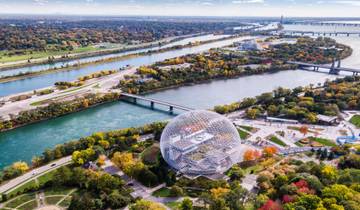
4 days
Montreal to Quebec Canadian Discovery – 4 days
- ✓ Comprehensive Quebec City tour
- ✓ Expert local guides included
- ✓ All accommodation arranged
- ✓ Transportation provided
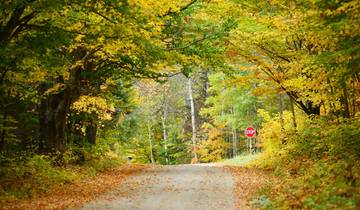
7 days
Essential East Coast (5 destinations)
- ✓ Comprehensive Quebec City tour
- ✓ Expert local guides included
- ✓ All accommodation arranged
- ✓ Transportation provided
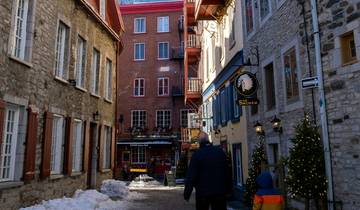
7 days
Christmas Markets of Montreal and Quebec City (2026)
- ✓ Comprehensive Quebec City tour
- ✓ Expert local guides included
- ✓ All accommodation arranged
- ✓ Transportation provided
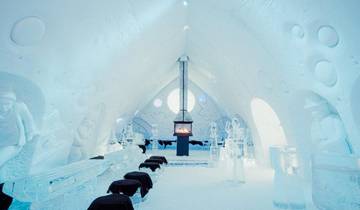
7 days
Quebec Winter Getaway: Montreal, Quebec City & Hôtel de Glace
- ✓ Comprehensive Quebec City tour
- ✓ Expert local guides included
- ✓ All accommodation arranged
- ✓ Transportation provided
Multi-day tour packages powered by TourRadar. Prices and availability subject to change.
Introduction to Quebec City Day Trips from Montreal
Quebec City commands unique position within North American urban hierarchy as the continent’s sole remaining walled city, French colonial capital, and UNESCO World Heritage Site accessible within three hours from Montreal’s cosmopolitan center. The 250-kilometer northeastern journey delivers temporal displacement beyond mere geographic separation – departing 21st-century Montreal’s glass towers and arriving in 17th-century fortified settlements where narrow cobblestone lanes wind past stone buildings predating United States independence. This dramatic contrast concentrates within comfortable day trip parameters, permitting morning Montreal breakfast and afternoon Quebec City rampart walks without overnight accommodation requirements.
The St. Lawrence River corridor connecting Canada’s two largest Francophone cities facilitates multiple daily train and bus departures, transforming what medieval travelers might accomplish across weeks into manageable 2 hour 45 minute to 3 hour 30 minute modern journeys. VIA Rail’s Corridor service operates dedicated intercity trains with reclining seats, electrical outlets, WiFi connectivity, and panoramic windows framing river valley landscapes, while express bus services prioritize speed and economy for budget-conscious travelers. Both options converge on Quebec City’s historic core, depositing visitors within walking distance of fortification walls encircling 135 hectares containing four centuries of preserved French colonial architecture, military engineering, and living history.
Day trip feasibility stems from Old Quebec’s remarkable geographic density – unlike sprawling modern cities requiring extensive transit navigation, Quebec City compacts its premier attractions within Upper and Lower Town districts navigable entirely on foot across 3-4 hours of concentrated exploration. Château Frontenac’s copper turrets dominate Cap Diamant promontory above Terrasse Dufferin’s riverside boardwalk, while Quartier Petit-Champlain’s boutiques and bistros cluster below cliff faces accessible via funicular or historic stairways. This vertical urban design concentrates experiences, permitting efficient itinerary execution that maximizes limited day trip hours without rushed pacing or transportation delays between attractions.
The UNESCO World Heritage designation recognizes Old Quebec as “the only North American fortified city to have preserved its ramparts,” along with architectural ensembles representing French colonial urban planning. Stone fortification walls stretch 4.6 kilometers encircling historic districts, punctuated by gates, towers, and bastions never witnessing actual military conflict despite two-century construction spanning French and British colonial periods. Walking these ramparts delivers panoramic city and river views while accessing Citadelle fortifications housing Canada’s Royal 22nd Regiment since 1920. The juxtaposition of active military installation within heritage preservation exemplifies Quebec City’s living history approach distinguishing authentic cultural immersion from static museum experiences.
Montreal day trippers benefit from established tourism infrastructure supporting efficient single-day visits through strategic attraction positioning, multilingual interpretation, accessible public spaces, and dining options accommodating varied schedules. Unlike destinations requiring extensive advance research, Quebec City’s walkable core, clear signage, concentrated landmarks, and intuitive Upper Town / Lower Town geographic division facilitate spontaneous exploration alongside structured itinerary execution. The combination produces satisfying experiences balancing iconic site visitation with atmospheric neighborhood discovery, historical education with architectural appreciation, and cultural immersion within practical time constraints imposed by same-day return travel requirements.
Understanding the Montreal to Quebec City Route 2026
The 250-kilometer corridor connecting Montreal and Quebec City follows the St. Lawrence River’s north shore through Quebec’s historic heartland, passing through agricultural landscapes, small riverside communities, and gradually transitioning terrain as elevation rises approaching Quebec City’s clifftop position. Highway 40 provides direct automotive access while VIA Rail’s Corridor service traces parallel routes developed during 19th-century railway expansion that first connected Canada’s major cities. Modern travel infrastructure enables multiple daily departures accommodating flexible scheduling while maintaining service reliability crucial for same-day round-trip planning.
Geographic positioning places Quebec City 256 kilometers by road or 253 kilometers by rail northeast of Montreal, with journey times varying from 2 hours 40 minutes via express bus to 3 hours 30 minutes depending on transportation mode and route selected. The St. Lawrence River remains constant companion throughout journeys, with trains and highway paralleling the waterway’s north shore through Trois-Rivières region before ascending toward Quebec City’s elevated position overlooking river confluence where St. Lawrence narrows dramatically. This topographic feature provided Quebec’s original strategic military importance, creating natural defensive position that French colonists fortified beginning 1608.
Transportation corridor development reflects Canada’s historical evolution from isolated colonial outposts to integrated national economy. Grand Trunk Railway completed Montreal-Quebec connections 1850s, reducing multi-day stagecoach journeys to half-day train rides that catalyzed economic integration and cultural exchange. Contemporary VIA Rail service inherits this infrastructure legacy through modernized equipment, upgraded stations, and enhanced comfort amenities while maintaining fundamental route alignments established 170 years previous. Understanding this historical continuity enriches travel experiences, recognizing modern three-hour journeys as latest iteration of transportation evolution spanning river canoes, sailing vessels, stagecoaches, steam railways, and diesel trains.
Weather considerations influence route conditions across seasons, with winter snow and ice requiring enhanced vehicle maintenance and occasional schedule adjustments, while summer construction projects periodically extend journey times through temporary speed restrictions. Spring thaw periods March-April present highest unpredictability for road travel, while railway operations maintain greater consistency through weather events due to dedicated right-of-way infrastructure. Day trip planning accounts for seasonal variables through schedule buffer incorporation, advance transportation booking confirming current conditions, and contingency planning addressing potential delays affecting return timing.
Train Transportation to Quebec City 2026
VIA Rail operates comprehensive Corridor service connecting Montreal’s Gare Centrale with Quebec City’s Gare du Palais through 4-5 daily departures each direction, providing comfortable, reliable, environmentally responsible transportation optimized for day trip requirements. The 253-kilometer rail journey averages 3 hours 27 minutes including intermediate stops at suburban stations, delivering predictable arrival times essential for itinerary planning while offering productive work environment or relaxation opportunities unavailable when driving. Modern Corridor trainsets feature reclining seats with leg rests, electrical outlets at every seat pair, complimentary WiFi connectivity, spacious overhead luggage racks, climate control, accessible washrooms, and cafe car serving snacks, beverages, and light meals.
Economy class represents standard service tier offering excellent value with advance booking fares starting CAD $29 ($21 USD) one-way when reserved weeks ahead for Tuesday-Thursday travel in 2026. Weekend departures and last-minute bookings increase fares to CAD $55-90 ($40-65 USD) one-way reflecting demand-based pricing common across intercity rail services. Economy passengers select seats during online reservation or station check-in, with window positions recommended for scenic river valley viewing particularly memorable during autumn foliage September-October. Two-seat rows flank central aisles throughout Economy coaches, providing adequate personal space for three-hour journeys without crowding concerns typical on commuter services.
Business class upgrades deliver premium experience justifying CAD $70-90 ($51-65 USD) supplements above Economy fares through enhanced amenities including priority boarding, reserved lounge access at major stations, complimentary meals served at seats, wider leather seats with increased recline, guaranteed individual seating if traveling alone, and quieter car environments restricting cell phone conversations. The included meal service particularly benefits morning departures, providing substantial breakfast eliminating Montreal meal stops before Quebec City lunch arrival. Business class merits consideration for travelers valuing productivity, seeking premium comfort, or requiring guaranteed seating during peak summer and holiday periods when Economy sells out days ahead.
Optimal day trip scheduling leverages morning Montreal departures around 7:00-8:00 AM arriving Quebec City 10:15-11:30 AM, maximizing Old Town exploration hours before evening return trains departing 5:00-6:00 PM. The earliest 6:00 AM Montreal departure appeals to ambitious itineraries incorporating Montmorency Falls side excursions, while midday departures sacrifice precious Quebec City hours better suited for leisure multi-day visits. Return flexibility proves crucial – booking outbound trains firm while maintaining tentative return reservations accommodates unpredictable exploration pace without constraining experiences or risking missed departures due to rigid scheduling.
Montreal’s Gare Centrale occupies downtown position beneath Queen Elizabeth Hotel at 895 de la Gauchetière Street West, accessible via metro Bonaventure station or short walk from major hotels. The station provides luggage storage for travelers arriving from international airports, currency exchange, food concessions, accessible facilities, and spacious waiting areas. Quebec City’s Gare du Palais at 450 rue de la Gare du Palais opens directly onto Lower Town, positioning arrivals 700 meters from Château Frontenac via scenic riverside walk or 10-minute uphill stroll through Quartier Petit-Champlain. Station amenities include tourist information desk, taxi stand, car rental counters, and checked baggage services.
Advance online booking through www.viarail.ca secures lowest fares and preferred seating, with mobile tickets eliminating paper printing requirements. VIA Rail’s cancellation policy permits changes up to departure for fees ranging CAD $50-100 ($36-73 USD) depending on fare class, providing reasonable flexibility for uncertain plans. Travelers should arrive stations 15-20 minutes before departure for Economy class, 30 minutes for Business class to access lounge facilities. Onboard services include power outlets supporting laptop work, spacious tray tables, generous legroom exceeding airline economy standards, and large windows framing St. Lawrence River views throughout journey.
Bus Transportation to Quebec City 2026
Orléans Express operates express coach service between Montreal and Quebec City with multiple daily departures completing journeys in 2 hours 45 minutes to 3 hours, offering speed and economy advantages over rail transportation. Modern coaches feature leather reclining seats, footrests, individual climate controls, electrical outlets, WiFi connectivity, onboard washrooms, and large windows, delivering comfortable travel experiences at competitive pricing starting CAD $31 ($23 USD) one-way with advance booking. The bus alternative particularly appeals to budget-conscious travelers, those residing near Montreal bus terminals avoiding downtown train station access, or visitors prioritizing fastest route completion over rail journey amenities.
Standard fares range CAD $31-66 ($23-48 USD) one-way depending on departure timing, booking horizon, and promotional periods, with round-trip purchases occasionally offering modest discounts compared to separate one-way tickets. Peak Friday afternoon and Sunday evening departures command highest pricing reflecting weekend traveler demand, while mid-week morning and afternoon buses provide best value. Online reservation through www.orleansexpress.com locks guaranteed seating and facilitates schedule comparison, though walk-up purchases remain possible subject to availability. Advance booking recommended for July-August summer peak and major holiday weekends when services fill quickly.
Montreal departures utilize Berri-UQAM bus terminal at 1717 Berri Street accessible via metro Berri-UQAM station serving green, orange, and yellow lines, positioning terminal convenient for travelers throughout metropolitan region. The facility provides luggage storage, ticketing counters, waiting areas, vending machines, and connected shopping complex with restaurants and services. Alternative departure points serve Montreal suburbs including Longueuil and Laval, reducing downtown access requirements for residents outside central Montreal. Quebec City arrivals at Gare du Palais bus terminal adjacent to train station deliver identical Lower Town positioning, with short walks accessing Quartier Petit-Champlain and riverside promenades.
Journey duration advantages over train travel stem from limited intermediate stops and highway direct routing avoiding suburban station calls required by rail service. Express coaches typically halt once mid-route for passenger boarding at Trois-Rivières before continuing Quebec City, maintaining efficient schedules averaging 2 hours 45 minutes compared to VIA Rail’s 3 hours 27 minutes. This 40-minute saving provides meaningful additional Quebec City exploration time or permits later Montreal departures while achieving identical arrival times. Weather delays affect bus and train equally during severe winter conditions, though highway flexibility sometimes enables route adjustments impossible for fixed rail infrastructure.
Comfort levels compare favorably with Economy class rail travel through modern coach design emphasizing passenger amenities. Reclining seats with footrests, individual climate controls, generous legroom, and large windows create pleasant environments for three-hour journeys. WiFi connectivity supports remote work or entertainment streaming, while electrical outlets power devices throughout trips. The absence of cafe car requires pre-boarding food purchases for travelers desiring meals, though journey brevity minimizes this limitation. Onboard washrooms eliminate rest stop requirements, maintaining schedule integrity crucial for day trip timing.
Alternative bus operators including Greyhound and regional carriers serve Montreal-Quebec corridor with varying schedules and pricing, warranting comparison shopping when planning trips. Some services operate overnight schedules unsuitable for day trips but relevant for multi-day visit planning. Orléans Express maintains most comprehensive daytime frequency specifically targeting intercity travelers rather than local commuter markets, with approximately 8-10 daily departures each direction accommodating flexible scheduling.
Driving from Montreal to Quebec City 2026
Personal vehicle transportation provides maximum schedule flexibility and potential cost advantages for groups of three-four travelers splitting expenses, though sacrifices productive travel time and incurs parking fees reaching CAD $15-30 ($11-22 USD) daily in Old Quebec. The 256-kilometer drive via Highway 40 requires approximately 3 hours under normal conditions, extending to 3 hours 30 minutes during peak traffic periods affecting Montreal departure and Quebec City arrival. Highway conditions remain excellent year-round with winter maintenance ensuring reliable access, though blizzard events occasionally necessitate travel delays or cancellations matching disruptions affecting all transportation modes.
Route selection follows Highway 40 (Autoroute Félix-Leclerc) departing Montreal eastbound, paralleling St. Lawrence River’s north shore through Trois-Rivières region before Highway 440 bypass directs traffic toward Quebec City bridges accessing Upper Town. Alternative Highway 20 south shore routing adds minimal distance while offering different perspectives across river valley, though ultimately reconnects with primary corridors approaching destination. GPS navigation apps provide real-time traffic updates and route optimization, particularly valuable during construction season May-October when temporary lane closures affect journey times.
Fuel costs for round-trip journey total approximately CAD $50-70 ($36-51 USD) depending on vehicle fuel efficiency and current gasoline pricing averaging CAD $1.60-1.80 per liter ($1.17-1.32 USD) across Quebec in 2026. Toll-free highways eliminate additional charges common on other Canadian corridors, though bridge tolls may apply for travelers selecting south shore return routes. Vehicle insurance, depreciation, and maintenance represent additional ownership costs partially allocated to journey expenses when calculating true transportation costs, though these factors rarely influence day trip decision-making compared to immediate fuel and parking outlays.
Old Quebec parking presents significant challenges through narrow medieval street networks never designed for automobiles, metered street parking limited to two-hour maximums insufficient for day visits, and parking enforcement rigorously applied. Municipal parking garages provide day-long accommodation at CAD $15-30 ($11-22 USD) depending on location and duration, with facilities nearest tourist core commanding premium rates. The Complexe G garage at 225 Grande Allée Est and Quebec Port Authority lot at 160 rue Saint-André offer relative proximity to Old Town at mid-range pricing. Some visitors park Lower Town near train station accessing Upper Town via funicular or stairs, accepting 10-15 minute walks as parking cost reduction strategy.
Traffic congestion affects Quebec City approaches during weekday morning and afternoon commute periods 7:30-9:00 AM and 4:00-6:00 PM, with Friday afternoon departures from Montreal facing heavy outbound volume through suburban corridors. Weekend travel generally flows smoothly except summer holiday periods and major festival events drawing thousands to Quebec City. Winter driving requires vehicle winter tire installation mandatory in Quebec December 1-March 15, along with brush, scraper, and emergency supplies for potential roadside delays. Summer construction projects create temporary bottlenecks, with real-time traffic monitoring essential for route adjustment and arrival time prediction.
Economic analysis comparing driving against public transportation reveals crossover points where additional passengers justify vehicle use. Solo travelers invariably find train or bus more economical when factoring fuel, parking, and vehicle wear. Two-person groups approach cost parity between driving and economy train fares, with bus still offering savings. Three-four person groups achieve clear driving advantages when total vehicle costs divide across passengers, particularly if parking fee minimization strategies succeed. Environmental considerations favor public transportation through superior energy efficiency and reduced per-capita emissions, relevant factors for sustainability-conscious travelers.
Major Attractions and Entry Costs 2026
Quebec City’s premier attractions concentrate within Old Town’s 135-hectare UNESCO World Heritage district, with remarkable number of significant sites accessible free or at modest admission costs maximizing day trip value. The Citadelle of Quebec represents primary paid attraction essential for military history enthusiasts, while Château Frontenac, Terrasse Dufferin, fortification walls, historic squares, and cobblestone neighborhoods deliver memorable experiences without admission charges. Strategic attraction selection balances paid and free experiences, ensuring comprehensive cultural immersion within realistic budget parameters while respecting limited day trip hours.
La Citadelle represents North America’s largest British-built fortress and active Canadian Forces base housing Royal 22nd Regiment since 1920. The star-shaped fortification commands Cap Diamant summit above St. Lawrence River, with massive stone walls, bastions, and defensive works constructed 1820-1850 never witnessing actual military conflict. Admission costs CAD $22 ($16 USD) for adults in 2026, includes mandatory 60-minute guided tour exploring grounds, barracks, powder magazines, and military museum, plus seasonal Changing of Guard ceremonies at 10:00 AM June through early September. Check official website for current hours as military operations occasionally restrict public access. Tours depart approximately every 30 minutes from visitor center at 1 Côte de la Citadelle, with last admission 90 minutes before closing. The panoramic rampart views overlooking Old Quebec, St. Lawrence River, and Laurentian Mountains justify admission for photography enthusiasts and military history buffs, though casual visitors satisfied with exterior fortification walks can skip paid entry without major experience gaps.
Château Frontenac dominates Quebec City’s skyline as world’s most photographed hotel according to Guinness World Records, with copper-roofed turrets and castle-like architecture defining city silhouette since 1893 opening. The Fairmont property operates 611 luxury guest rooms commanding CAD $400-600 ($290-440 USD) nightly rates placing overnight stays beyond typical day trip budgets, but public spaces remain accessible for brief lobby visits. Current access policies restrict general public entry 2:00 PM-7:00 AM, with open hours accommodating morning and early afternoon exploration. The grand lobby features coffered ceilings, historical photographs, period furnishings, and architectural details rewarding 10-15 minute visits. Château viewing from exterior vantage points including Terrasse Dufferin, Place d’Armes, and Lower Town perspectives provides excellent photography opportunities without interior access requirements.
Terrasse Dufferin extends 425 meters along clifftop overlooking St. Lawrence River, connecting Château Frontenac with Citadelle approaches through wide wooden boardwalk built 1878-1879. This riverside promenade delivers spectacular panoramic views encompassing river traffic, Île d’Orléans, Lévis opposite shore, and Laurentian Mountains northern horizon. Gazebos, benches, street performers, and seasonal installations create lively atmosphere particularly vibrant summer months. Winter transforms boardwalk into toboggan run Les Glissades de la Terrasse operating December-March, with historic wooden slides reaching speeds approaching 70 kilometers per hour. Terrasse Dufferin access remains free year-round with 24-hour availability, though commercial toboggan operations charge nominal fees. The boardwalk represents essential Quebec City experience requiring 30-45 minute exploration minimum.
Fortifications of Quebec encircle Old Town through 4.6 kilometers of stone walls, gates, bastions, and defensive works representing North America’s only surviving complete fortification system. Walking the rampart circuit delivers historical perspective, architectural appreciation, and elevated city views while accessing various entry points throughout Upper Town perimeter. Principal gates include Porte Saint-Louis, Porte Saint-Jean, and Porte Prescott, with interpretation panels explaining military engineering and siege warfare concepts. Rampart walks remain free with unrestricted access except Citadelle military zones requiring admission. Budget two hours for complete circumnavigation or select strategic segments based on time constraints and physical capabilities.
Notre-Dame de Québec Basilica-Cathedral stands as North America’s oldest parish north of Mexico, with origins dating 1647 and current neoclassical structure completed 1843 following fire destruction. The basilica features ornate interior decoration, historical artworks, stained glass windows, and crypt containing Quebec’s early bishops and governors. Entry remains free during posted visiting hours outside religious services, with suggested donations supporting maintenance. Located at 16 Rue de Buade adjacent Place de l’Hôtel-de-Ville, the cathedral merits 20-30 minute visits for architecture and history enthusiasts.
Quartier Petit-Champlain occupies Lower Town below Cap Diamant cliffs, featuring North America’s oldest commercial district with narrow cobblestone streets, boutique shops, galleries, cafes, and restaurants concentrated within several square blocks. Rue du Petit-Champlain represents main pedestrian thoroughfare lined with heritage buildings now housing contemporary retail while maintaining 17th-18th century architectural character. The district requires no admission fees and rewards leisurely 60-90 minute exploration browsing local artisan products, Quebec specialties, clothing boutiques, and art galleries. Strategic positioning between Gare du Palais and Old Port facilitates natural inclusion in walking circuits connecting major attractions.
Place Royale marks Samuel de Champlain’s 1608 settlement site establishing Quebec City as French colonial capital. The historic square maintains authentic period character through reconstructed buildings, cobblestone paving, and central monument bust honoring French king Louis XIV. Notre-Dame-des-Victoires Church constructed 1687 occupies prominent position, representing Quebec’s oldest stone church. Place Royale access remains free with interpretation panels explaining settlement history and urban development. Budget 20-30 minutes exploring square and church interior, with additional time for adjacent Museum of Civilization if schedules permit extended visits.
Museum of Civilization at 85 Rue Dalhousie presents Quebec social history, First Nations culture, and thematic exhibitions through engaging multimedia displays. Permanent galleries explore French colonial legacy, indigenous peoples, urban development, and contemporary Quebec identity. Admission costs CAD $21 ($15 USD) for adults in 2026 with reduced rates for seniors and students. Day trip visitors face difficult decisions allocating limited hours to indoor museum experiences versus outdoor architectural exploration, with museum visits more suitable for inclement weather contingencies or specific exhibition interests. Check official website for current hours as rates may vary.
Free Experiences in Quebec City 2026
Quebec City delivers exceptional value through abundant free attractions enabling comprehensive cultural immersion without admission charges beyond transportation costs. The UNESCO World Heritage designation encompasses public spaces, fortification walls, historic squares, waterfront promenades, and streetscapes creating outdoor museum experiences accessible 24 hours daily. Strategic itinerary construction maximizes free experiences, reserving paid attractions for specific interests rather than obligatory must-see requirements dictating every visitor’s agenda.
Walking the complete Old Quebec historic district represents quintessential free experience requiring 3-4 hours for thorough exploration covering Upper and Lower Towns, fortification perimeter, riverside promenades, and atmospheric neighborhoods. Starting Upper Town from Château Frontenac, proceed north along Rue Saint-Louis through Porte Saint-Louis gate accessing fortification walls. Follow rampart circuit east past Citadelle approaches, then south along Cap Diamant edge with cliffside views. Descend to Lower Town via historic stairways or funicular (paid), exploring Quartier Petit-Champlain’s cobblestone lanes before completing circuit at Place Royale. This comprehensive walking route covers Quebec City’s premier architectural heritage, military engineering, French colonial urban planning, and contemporary neighborhood vitality without admission charges.
Terrasse Dufferin boardwalk exploration delivers St. Lawrence River panoramas, Château Frontenac architecture appreciation, street performer entertainment, and summer atmosphere sampling through free unrestricted access. The 425-meter promenade accommodates leisurely 30-45 minute strolls with multiple photo opportunities, bench seating, historical interpretation panels, and seasonal installations. Eastern boardwalk sections extending toward Citadelle approaches provide increasingly dramatic cliff-edge positioning and expanded mountain views. Winter visits encounter transformed landscape with snow-covered landscapes and potential toboggan viewing, though actual slide participation requires fees.
Place d’Armes occupies central position between Château Frontenac and Rue Saint-Louis, creating primary gathering space surrounded by significant buildings including former Quebec Seminary, historic hotels, and commercial blocks displaying varied architectural periods. The square features central Fontaine de Tourny fountain installed 2008, benches, landscaping, and frequent street musician performances. Free accessibility enables relaxation breaks between attraction visits while observing pedestrian flow and absorbing Old Quebec’s living atmosphere beyond static architectural appreciation. Adjacent Rue du Trésor functions as open-air gallery where local artists display paintings, prints, and photographs available for purchase, creating unique shopping experience without entrance fees.
Rue Saint-Jean represents Upper Town’s primary commercial street extending west from Old Quebec fortifications through Saint-Jean-Baptiste neighborhood. The pedestrian-friendly thoroughfare features boutiques, restaurants, cafes, bookshops, and galleries housed in heritage buildings maintaining authentic street character. Window shopping, atmosphere sampling, and neighborhood exploration require no expenses beyond optional dining or purchases. The street delivers authentic local flavor contrasting with tourist-focused Quartier Petit-Champlain, appealing to travelers seeking residential Quebec City experiences.
Old Port (Vieux-Port) waterfront extends east of Lower Town along St. Lawrence River, featuring piers, marinas, boardwalks, parks, and seasonal installations. The Agora amphitheater hosts free summer concerts and cultural events, while riverside paths provide jogging, cycling, or strolling routes with ship watching opportunities as ocean-going vessels navigate river channels. Old Port positioning below Château Frontenac cliffs creates dramatic upward architectural perspectives impossible from Upper Town vantage points. Free public access facilitates relaxation breaks and alternative neighborhood discovery for visitors exhausting primary tourist circuits.
Artillery Park National Historic Site at 2 Rue d’Auteuil preserves military garrison buildings, barracks, and fortification engineering from French colonial and British periods. Exterior grounds remain accessible free outside building opening hours, with interpretation panels explaining military architecture and garrison life. Interior museum spaces require admission but exterior exploration delivers historical context and architectural appreciation without fees. The site occupies strategic position along fortification walls facilitating integration into rampart walking circuits.
Parc des Champs-de-Bataille (Battlefields Park) encompasses 108 hectares of green space commemorating 1759 Battle of Quebec between French and British forces determining Canada’s colonial future. The Plains of Abraham grasslands offer walking paths, monuments, interpretation panels, and seasonal events within extensive urban park free for public use. Park positioning west of Old Quebec requires 20-30 minute walks from central attractions but rewards visitors with green space respite and historical significance beyond tourist density characterizing fortified districts. Summer visits encounter active recreational use with joggers, cyclists, picnickers, and sports activities creating living park atmosphere.
Sample Quebec City Day Itinerary 2026
This optimized day trip itinerary maximizes Quebec City exploration within typical 6-7 hour availability between morning arrival and evening departure, balancing premier attractions, atmospheric neighborhoods, dining experiences, and reasonable walking pace without exhausting rushing. The schedule assumes 10:30 AM Quebec City arrival via morning Montreal train or bus departure, with 5:30 PM return transportation requiring Gare du Palais return by 5:00 PM. Travelers arriving earlier or departing later adjust timing proportionally, adding Citadel tour, extended dining, or additional neighborhood exploration.
10:30 AM – Arrival at Gare du Palais positions travelers in Lower Town adjacent to Quartier Petit-Champlain. Exit station turning left onto Rue Abraham-Martin, then right onto Boulevard Champlain accessing riverside promenade. Follow waterfront path west 700 meters enjoying St. Lawrence River views and approaching Old Port. This 15-minute orientation walk establishes geographic relationships while transitioning from transportation to exploration mindset.
10:45 AM – Quartier Petit-Champlain exploration begins at Rue du Petit-Champlain intersection with Boulevard Champlain. Proceed up cobblestone pedestrian street browsing boutiques, galleries, and artisan shops housed in heritage buildings maintaining authentic French colonial character. Notable stops include local maple product specialists, indigenous art galleries, Quebec fashion boutiques, and seasonal craft vendors. Allocate 45 minutes covering three-block district with optional purchases for travelers seeking souvenirs or gifts. The funicular base station at Rue du Petit-Champlain provides optional Upper Town access alternative to stair climbing.
11:30 AM – Breakneck Stairs (Escalier Casse-Cou) ascent from Quartier Petit-Champlain to Upper Town represents historic connection named for steep gradient challenging 17th-century residents. The 59-step stairway delivers rapid elevation gain accessing Upper Town fortifications near Château Frontenac. Funicular alternative costs CAD $4 ($3 USD) one-way for travelers avoiding stairs. Emerge onto Terrasse Dufferin facing Château Frontenac’s imposing facade.
11:40 AM – Château Frontenac exterior viewing and photography from multiple Terrasse Dufferin vantage points captures iconic architecture and dramatic clifftop positioning. Attempt brief lobby visit if access hours permit, otherwise continue to boardwalk exploration. Proceed east along Terrasse Dufferin’s 425-meter length toward Citadelle approaches, pausing at gazebos for St. Lawrence River panoramas, Île d’Orléans views, and mountain horizons. Complete boardwalk walk requires 20-30 minutes at leisurely pace with photography stops.
12:10 PM – Upper Town exploration begins at Place d’Armes adjacent Château Frontenac, examining Fontaine de Tourny fountain and surrounding historic buildings. Proceed north on Rue du Fort and west onto Rue Saint-Louis accessing primary Upper Town commercial street. Browse Rue du Trésor open-air art gallery between Rue Saint-Louis and Rue Sainte-Anne, observing local artists’ Quebec scenes and portraits available for purchase. Continue west on Rue Saint-Louis toward fortification gates, examining heritage architecture and boutique windows.
12:45 PM – Lunch at Upper Town restaurant provides midday refueling and atmospheric dining experience. Recommended establishments along Rue Saint-Louis, Rue Saint-Jean, or streets surrounding Place d’Armes offer varied cuisines at CAD $18-30 ($13-22 USD) mid-range price points including tourtière (meat pie), pea soup, maple-glazed salmon, or contemporary bistro fare. Reserve 60-75 minutes for relaxed meal service, Quebec dining culture, and rest break before afternoon walking.
2:00 PM – Fortification wall walking circuit begins at Porte Saint-Louis accessing ramparts through gate complex built 1694 and reconstructed 1878. Follow wall sections northeast past Artillery Park bastions and Porte Saint-Jean, examining military engineering and defensive architecture. Interpretation panels explain fortification construction, siege warfare, and Canadian military history. Allocate 45 minutes for partial wall circuit covering primary sections without complete perimeter navigation.
2:45 PM – Notre-Dame de Québec Basilica-Cathedral visit at 16 Rue de Buade examines North America’s oldest parish north of Mexico. Enter through main portal observing neoclassical facade, then explore ornate interior featuring gilded altars, religious artworks, stained glass, and historical artifacts. Free admission with suggested donations. Budget 20-30 minutes for architectural appreciation and quiet reflection.
3:15 PM – Final Terrasse Dufferin return offers afternoon lighting and different atmospheric conditions versus morning visit. Alternative route through Parc du Cavalier-du-Moulin and Parc des Gouverneurs delivers green space respite and varied perspectives. Descend toward Lower Town via original route or alternative Côte de la Montagne accessing Place Royale and waterfront districts.
3:45 PM – Place Royale exploration examines Samuel de Champlain’s 1608 settlement site and North America’s oldest commercial district. Visit Notre-Dame-des-Victoires Church built 1687, examine historic square architecture, and read interpretation panels explaining Quebec’s founding and early colonial development. Allocate 30 minutes covering square and immediate vicinity.
4:15 PM – Return walk to Gare du Palais via Rue Dalhousie or Boulevard Champlain riverside route provides final Quebec City impressions and relaxed conclusion to intensive exploration day. Optional coffee stop at Lower Town cafe adds reflective pause before transportation return. Arrive station by 5:00 PM ensuring comfortable departure preparation for 5:30 PM train or bus.
This itinerary covers Quebec City’s premier attractions including Château Frontenac viewing, complete Terrasse Dufferin boardwalk, Quartier Petit-Champlain boutiques, Upper Town historic streets, fortification walls, basilica visit, and Place Royale settlement site within realistic time frame respecting walking pace and meal breaks. Modifications accommodate Citadel admission by reducing morning shopping time or eliminating wall walking, while weather contingencies substitute museum visits for outdoor exploration.
Daily Budget Planning for Quebec City Day Trips 2026
Quebec City day trip expenses per person in 2026 range CAD $70-300 ($50-220 USD) depending on transportation choice, dining preferences, attraction selections, and incidental spending patterns. Budget-conscious travelers minimize costs to approximately CAD $70-100 ($50-75 USD) through bus transportation, packed lunches, free attraction focus, and limited shopping. Mid-range visitors spend approximately CAD $130-170 ($95-125 USD) with Economy train travel, restaurant dining, and selective paid attractions. Premium experiences reach CAD $230-300 ($170-220 USD) combining weekend train travel, upscale dining, multiple attractions, and shopping allowances. Understanding cost components and implementing selective strategies balances memorable experiences with financial responsibility.
Transportation represents largest single expense category consuming CAD $60-180 ($45-130 USD) round-trip per person. VIA Rail Economy class advance booking fares start CAD $58 ($42 USD) round-trip, increasing to CAD $110-180 ($80-130 USD) for weekend travel or last-minute reservations. Business class adds CAD $140-180 ($100-130 USD) supplement above Economy pricing for enhanced amenities including meals, lounge access, and priority services, bringing total Business class round-trip costs to CAD $200-360 ($145-260 USD). Express bus alternatives through Orléans Express reduce transportation to CAD $62-132 ($45-95 USD) round-trip, delivering meaningful savings for budget travelers accepting slightly longer boarding processes and reduced onboard workspace compared to trains. Group driving expenses divide fuel CAD $50-70 ($36-51 USD) plus parking CAD $15-30 ($11-22 USD) across passengers, benefiting parties of three-four while remaining less economical for solo or paired travelers.
Dining expenses vary dramatically based on restaurant selection, meal timing, and food preferences. Mid-range lunch at typical Quebec City bistro or cafe costs CAD $18-30 ($13-22 USD) including main course, beverage, taxes, and 15% service charge. Budget alternatives include quick-service restaurants, bakery sandwiches, or market food halls reducing meal costs to CAD $12-18 ($9-13 USD), while upscale establishments in atmospheric Old Town settings reach CAD $35-50 ($25-36 USD) for full lunch service with appetizers or desserts. Coffee stops at Quebec cafes add CAD $5-8 ($4-6 USD) per beverage with pastry. Travelers packing Montreal breakfast and snacks eliminate Quebec food purchases beyond single lunch, minimizing dining expenses to CAD $18-30 ($13-22 USD) total.
Attraction admission costs depend entirely on selections made from Quebec City’s mixed free and paid site portfolio. Citadel guided tour at CAD $22 ($16 USD) represents primary paid attraction, with Museum of Civilization adding CAD $21 ($15 USD) if schedules permit indoor exhibitions. Lower Town funicular between Quartier Petit-Champlain and Upper Town charges CAD $4 ($3 USD) one-way or CAD $5 ($4 USD) round-trip, though stairs provide free alternative accepting physical effort. Many premier sites including Château Frontenac exterior, Terrasse Dufferin, fortification walls, Place Royale, and historic neighborhoods require zero admission, enabling comprehensive experiences on attraction budgets ranging CAD $0-43 ($0-31 USD) depending on interests.
Incidental expenses cover souvenirs, shopping, unexpected purchases, and contingency reserves. Travelers avoiding shopping eliminate this category entirely, while others budget CAD $20-50 ($15-36 USD) for local products, artisan crafts, maple specialties, or gifts from Quartier Petit-Champlain boutiques. Credit card merchant fees on Canadian transactions charged by some international banks add 1-3% to purchase totals, relevant for travelers using foreign-issued cards.
Sample budget breakdown for typical mid-range day trip per person: round-trip Economy train CAD $90 ($65 USD), lunch CAD $24 ($18 USD), coffee CAD $6 ($4 USD), Citadel admission CAD $22 ($16 USD), funicular CAD $5 ($4 USD). Total: approximately CAD $147 ($107 USD) per person. Budget-conscious variation: bus transportation CAD $66 ($48 USD), packed lunch eliminating restaurant costs, free attractions only, stair navigation avoiding funicular, purchased water CAD $5 ($4 USD). Total: approximately CAD $71 ($52 USD) per person. Premium version: Economy train weekend CAD $140 ($102 USD), upscale lunch CAD $40 ($29 USD), Citadel tour CAD $22 ($16 USD), Museum of Civilization CAD $21 ($15 USD), coffee and snacks CAD $10 ($7 USD), shopping allowance CAD $30 ($22 USD). Total: approximately CAD $263 ($192 USD) per person.
Money-saving strategies include advance transportation booking for lowest fares, Tuesday-Thursday travel avoiding weekend premium pricing, packed snacks reducing purchased food, fortification walk substitution for paid Citadel tour saving CAD $22 ($16 USD), stair climbing avoiding funicular fees, and window shopping rather than purchasing in boutiques. These tactics potentially reduce total costs below CAD $100 ($75 USD) per person without significantly compromising experience quality, as Quebec City’s finest attractions including UNESCO historic districts, architectural heritage, and atmospheric neighborhoods remain accessible free.
Seasonal Considerations for Quebec City Day Trips 2026
Quebec City experiences dramatic seasonal variation influencing day trip planning through weather conditions, attraction accessibility, crowd levels, pricing, and atmospheric character. Each season delivers distinct advantages and challenges, with optimal timing depending on individual preferences balancing comfortable conditions, authentic experiences, and practical considerations. Understanding seasonal patterns enables informed scheduling maximizing trip satisfaction while managing expectations regarding limitations each period imposes.
Summer months June through August represent peak Quebec City tourism season delivering warm temperatures averaging 20-25°C (68-77°F), extended daylight hours approaching 15-16 hours daily, complete attraction accessibility, outdoor cafe culture, festival programming, and vibrant street atmosphere. Day trips maximize exploration hours through early sunrise around 5:00 AM and late sunset approaching 9:00 PM, permitting leisurely pacing and extended outdoor activities. Terrasse Dufferin bustles with street performers, musicians, and crowds creating energetic ambiance, while Quartier Petit-Champlain’s outdoor dining and shopping reach seasonal peak. Disadvantages include highest accommodation costs, crowded attractions requiring advance reservations, tourist-focused atmosphere reducing authentic local character, and afternoon heat occasionally reaching uncomfortable levels for extensive walking. July experiences heaviest visitation coinciding with school summer breaks and Quebec’s provincial moving day July 1st, with marginally lighter crowds mid-June and late August.
Fall September through October delivers outstanding day trip conditions combining comfortable temperatures 10-18°C (50-64°F), reduced summer crowds, spectacular autumn foliage transforming Laurentian Mountain horizons and St. Lawrence River valley into blazing color displays, and authentic atmosphere as international tourism declines. Early fall retains most summer accessibility with attractions maintaining peak hours, while late October begins transitioning toward winter schedules. Foliage timing varies annually but typically peaks late September through early October, creating photographer’s paradise particularly from elevated Terrasse Dufferin and Citadel ramparts. Packing layers accommodates variable conditions as morning cool temperatures rise through afternoon sun before evening chill returns. September often delivers summer-like weather with bonus of reduced crowds, representing optimal compromise between conditions and accessibility.
Winter December through February transforms Quebec City into authentic Québécois winter experience delivering snow-covered landscapes, festive atmosphere, potential Winter Carnival timing, and dramatically reduced international tourism creating genuine local character. Temperatures average -10 to -15°C (5-15°F) with wind chill reducing feels-like readings substantially lower, demanding serious cold weather preparation including insulated parkas, winter boots, thermal layers, gloves, and face protection. Daylight shortens to 8-9 hours daily limiting exploration windows, while some outdoor attractions close or reduce hours. Terrasse Dufferin’s toboggan run operates December-March, delivering unique winter activity, while Château Frontenac’s illuminated facade against snow creates magical evening scenes. February’s Quebec Winter Carnival if timed with day trip adds festival attractions, ice sculptures, parades, and cultural programming. Winter driving requires serious consideration regarding road conditions, while train and bus services maintain reliable schedules barring severe weather events. This season appeals to travelers embracing cold conditions for authentic winter Quebec experiences and dramatic photographic opportunities unavailable during warmer months.
Spring March through May represents shoulder season with variable conditions ranging from late winter storms through early summer warmth. March-April remain firmly winter-like with snow cover persisting, freezing temperatures common, and limited daylight, offering minimal advantages over winter visits. Late April-May delivers improving conditions as temperatures rise toward 10-18°C (50-64°F), snow melts revealing cobblestone streets, and daylight extends permitting comfortable exploration. Spring remains lightest tourist season providing excellent crowd avoidance and authentic atmosphere, though unpredictable weather necessitates flexible planning and appropriate clothing layers. Some travelers avoid spring due to mud season aesthetics, visible winter damage awaiting repairs, and gardens not yet blooming, preferring summer’s full vitality or fall’s reliable conditions.
Seasonal pricing affects transportation and accommodation costs substantially, with summer commanding 30-50% premiums over winter shoulder periods for both VIA Rail advance fares and Quebec City hotels. Day trippers focused exclusively on same-day return avoid hotel pricing variations but experience transportation cost fluctuations reflecting seasonal demand patterns. Booking horizon proves more influential than seasonal timing for train fares, with advance purchase securing advantageous rates even peak periods while last-minute bookings incur premiums regardless of season.
Guided Tours and Day Trip Packages 2026
Organized guided tours from Montreal to Quebec City eliminate independent planning requirements while providing transportation, expert interpretation, structured itineraries, and guaranteed attraction access within single-price packages. These services particularly benefit first-time visitors uncertain about navigation, non-French speakers desiring interpretation, travelers preferring group social dynamics, or anyone valuing convenience over flexibility. Tour costs exceed independent travel expenses but include coordination labor, guide expertise, and time efficiency justifying premiums for appropriate audiences.
Full-day guided coach tours typically operate 12-13 hour schedules departing Montreal hotels 7:00-7:30 AM and returning 7:00-8:00 PM, allocating 5-6 hours for Quebec City exploration following 3-hour morning drive. Standard itineraries include guided walking tours of Old Town covering Château Frontenac exterior, Place d’Armes, Terrasse Dufferin, Lower Town descent via funicular or stairs, Quartier Petit-Champlain, and Place Royale. Optional Citadel admission or Montmorency Falls stop may supplement core programming depending on operator and package selection. Lunch typically operates as free time with participants selecting independent restaurants, though some premium tours include group dining at pre-arranged establishments. Tour costs range CAD $115-180 ($84-131 USD) per person depending on inclusions, group size, and seasonal timing, with advance online booking securing best availability and pricing.
Bilingual guides provide English and French commentary during transportation segments, explaining Quebec history, geography, and cultural context while building arrival anticipation. Professional narration adds educational value beyond independent research, with local experts answering questions and recommending attractions, restaurants, and shopping matched to participant interests. Group dynamics create social atmosphere appealing to solo travelers or those enjoying shared experiences, though constrain individual pacing and attraction priorities to predetermined schedules benefiting majority interests.
Advantages of guided tours include guaranteed transportation eliminating booking complexity and schedule management, professional interpretation enhancing historical and cultural understanding, structured time management ensuring efficient site coverage, potential crowd-skip access for popular attractions through pre-arranged group tickets, and elimination of navigation stress allowing relaxed participation. Motorcoach comfort with reclining seats, climate control, washroom facilities, and WiFi matches or exceeds train amenities while providing door-to-door hotel pickup and drop-off unavailable with public transportation.
Disadvantages include rigid schedules preventing spontaneous exploration or extended time at preferred sites, group pacing accommodating slowest participants reducing efficiency for faster walkers, predetermined attraction selections potentially mismatching individual interests, limited free time restricting dining and shopping flexibility, and inability to adjust itineraries responding to weather or personal preferences. Tour costs exceed independent travel combining economy train and self-guided exploration, with premiums purchasing convenience rather than absolute cost savings.
Alternative private tour options accommodate small groups preferring customized itineraries, flexible scheduling, and personalized attention through dedicated guides and private vehicles. These premium services command substantially higher pricing CAD $400-600 ($290-440 USD) per group (not per person) but deliver maximum flexibility designing experiences precisely matching interests and abilities. Private tours particularly suit families with children requiring customized pacing, travelers with mobility limitations necessitating adapted itineraries, or groups with specific interests such as architecture, military history, or culinary experiences demanding specialized focus.
When evaluating guided tours versus independent travel, consider personal preferences regarding structure versus flexibility, social interaction versus solitude, expert interpretation versus self-directed learning, and convenience premium versus cost optimization. First-time Quebec visitors, non-French speakers uncertain about navigation, or travelers constrained by time and preferring efficiency often find guided tours worthwhile investments. Experienced independent travelers comfortable with planning, French language basics sufficient for navigation, and strong preferences for flexible exploration typically achieve greater satisfaction and value through self-directed day trips using public transportation.
Montmorency Falls Side Excursion Options 2026
Montmorency Falls (Chute Montmorency) stands 83 meters high exceeding Niagara Falls’ elevation by 30 meters, located 12 kilometers northeast of Quebec City offering dramatic waterfall viewing within convenient day trip extension range. The natural attraction delivers powerful water cascade, suspension bridge spanning gorge above falls, panoramic platforms, cable car access, and surrounding park facilities creating memorable addition to Quebec City visits when time permits. Day trippers face strategic decisions allocating limited hours between Old Town exploration and Montmorency excursion, with successful integration requiring early Montreal departure, efficient Quebec City core coverage, and realistic assessment of transportation logistics.
Montmorency Falls access from Quebec City requires dedicated transportation beyond Old Town walking circuits. Public bus service Route 800 operated by RTC (Réseau de transport de la Capitale) departs from Lower Town near Old Port with 25-minute journey to falls entrance for CAD $3.75 ($3 USD) standard fare. Buses operate approximately hourly with reduced weekend frequency, requiring schedule consultation ensuring return coordination with train or bus departures to Montreal. Taxi service costs CAD $35-45 ($25-33 USD) one-way providing direct access without schedule constraints, while ride-sharing apps offer competitive pricing when available. Some guided tours incorporate Montmorency Falls as optional add-on, eliminating independent transportation concerns.
Admission to Montmorency Falls Park costs CAD $18 ($13 USD) adults for summer season access including footpaths, viewing platforms, and bridges, with cable car commanding additional CAD $15 ($11 USD) round-trip or CAD $10 ($7 USD) one-way for travelers accepting uphill stair return. Winter access reduces to CAD $11 ($8 USD) reflecting limited facility operations. The attraction remains open year-round with varied hours seasonal basis, typically 9:00 AM – 5:00 PM winter extending to 8:30 AM – 7:30 PM summer peak. Budget minimum 90 minutes at falls including transportation, admission, viewing circuit, and photography, with 2 hours more comfortable allocation permitting relaxed pacing and optional cable car experience.
Strategic integration requires sacrificing Quebec City Old Town elements or accepting compressed exploration pace. Viable scenarios include very early Montreal departure around 6:00 AM arriving Quebec City 9:30 AM, immediate Montmorency bus connection reaching falls 10:30 AM for 90-minute visit, returning Old Town by 1:00 PM for abbreviated afternoon exploration before 5:00-6:00 PM Montreal return. Alternative approaches visit falls during morning while skipping Old Town paid attractions, focusing exclusively on free sites and reducing overall costs while experiencing both geographic locations within single trip.
Realistic assessment acknowledges Montmorency Falls as separate half-day excursion rather than quick addition to comprehensive Old Town itinerary. Travelers prioritizing falls viewing accept reduced Quebec City historic district time, while those focused on French colonial architecture and urban UNESCO sites maximize satisfaction by skipping falls and concentrating Old Town experiences. The strategic choice reflects individual preferences balancing natural versus cultural attractions, with no universally correct answer beyond honest evaluation of personal interests and realistic acknowledgment of time constraints.
Photography opportunities at Montmorency Falls include suspension bridge perspectives looking directly at cascading water, lower lookout platforms capturing full waterfall height, upper viewing areas emphasizing surrounding landscape, and seasonal variations particularly spectacular during winter ice formation creating frozen waterfall sculptures. Summer delivers maximum water volume following spring melt, while fall foliage frames approaches with autumn color, and winter transforms site into frozen wonderland attracting hardy photographers accepting cold exposure.
Practical Tips for Quebec City Day Trips 2026
Successful Quebec City day trips combine advance planning, realistic expectations, strategic prioritization, and situational flexibility managing inevitable variables affecting single-day experiences. These practical considerations address common challenges, optimize limited time, enhance comfort, and maximize satisfaction through lessons learned across thousands of day tripper experiences. Implementation prevents frustration, reduces wasted time, and ensures memorable visits within inherent constraints imposed by same-day return requirements.
Advance transportation booking secures lowest fares, guarantees seating during peak periods, and enables mobile ticketing eliminating station queuing. VIA Rail permits reservations 12 weeks ahead with optimal booking window 3-6 weeks before travel balancing fare availability against schedule certainty. Economy class suffices for most travelers, with Business class justified for productivity requirements, guaranteed seating, or included meal value. Weekend trains experience heaviest demand requiring earlier booking, while Tuesday-Thursday departures offer more last-minute availability and potentially lower fares.
Strategic departure timing maximizes Quebec City hours – earliest reasonable Montreal trains around 7:00 AM deliver 10:15 AM arrivals permitting 7-hour exploration before 5:30 PM returns. Later departures sacrifice precious hours better allocated Old Town than extended Montreal breakfasts. Return flexibility proves valuable allowing organic itinerary pacing rather than rigid schedule adherence forcing premature departure or rushed final hours. Consider booking tentative return times with understanding VIA Rail change policies, accepting fees if better alternative emerges based on actual exploration progress.
Weather preparation addresses Quebec’s variable conditions through layered clothing accommodating temperature fluctuations between morning departure and afternoon peak. Summer brings occasional heat requiring sun protection, hydration capacity, and lightweight breathable fabrics. Fall necessitates medium jacket handling 10-18°C (50-64°F) ranges with wind chill consideration near St. Lawrence River. Winter demands serious cold preparation including insulated parka, thermal layers, winter boots, gloves, and face protection for -10 to -15°C (5-15°F) with wind chill. Spring proves most unpredictable requiring prepared flexibility spanning winter gear through light jacket depending on actual conditions. Comfortable walking shoes prove essential regardless of season for cobblestone navigation and elevation changes between Upper and Lower Towns.
Luggage minimization enhances mobility through Old Town’s stairs, narrow passages, and elevation changes while navigating crowded Terrasse Dufferin or boutique-filled Quartier Petit-Champlain. Small backpack or crossbody bag accommodates water bottle, camera, light jacket, snacks, and personal items without hindering movement or requiring constant attention. Gare du Palais offers luggage storage for travelers carrying overnight bags or excessive items, though day trippers ideally travel with minimal burdens.
Cash requirements remain minimal as Quebec City widely accepts credit cards across restaurants, attractions, shops, and transportation. Canadian currency ATM withdrawals provide optimal exchange rates versus airport currency exchange, with machines available at train stations and throughout Old Town. Carry CAD $40-60 ($30-45 USD) cash covering unexpected contingencies, street vendor purchases, or establishments with card reader malfunctions. Some smaller shops, cafes, or market vendors operate cash-only, though major attractions and restaurants process cards universally.
Language considerations acknowledge Quebec City as predominantly French-speaking city where English fluency varies by establishment and individual. Major tourist attractions, hotels, restaurants in Old Town, and transportation services provide English service, while smaller shops or residential areas may encounter French-only situations. Basic French courtesy phrases (“Bonjour,” “Merci,” “Pardon”) demonstrate respect and often trigger English switching from bilingual staff appreciating effort. Most menus provide English translations, with servers accommodating English questions even if responding with accented speech. Translation apps resolve communication gaps, though gestures and patience generally suffice for standard tourist interactions.
Photography equipment selection balances quality aspirations against carrying burdens throughout extensive walking day. Smartphone cameras capture excellent Quebec City scenes through modern computational photography matching entry DSLR quality for social media and casual purposes. Enthusiast photographers justify mirrorless cameras or lightweight DSLRs with versatile zoom lens covering wide-angle architecture through moderate telephoto street scenes, accepting weight burden for superior image quality. Tripods prove cumbersome through crowds and stairs, with handheld stabilization or portable supports providing adequate low-light capability. Golden hour lighting around sunrise 5:00-7:00 AM or sunset 7:00-9:00 PM summer delivers optimal natural light, though day trip schedules rarely accommodate these extremes.
Dining strategy balances authentic experiences against time constraints, with lunch representing primary meal opportunity during Quebec City hours. Reservations unnecessary at most restaurants accepting walk-in customers, though popular establishments experience 30-45 minute waits during peak 12:00-1:30 PM period. Arriving 11:30 AM or after 2:00 PM reduces queuing while accessing identical menus. Table service restaurants budget 60-75 minutes for relaxed meals including seating, ordering, food preparation, eating, and payment processing. Quick-service alternatives including bakeries, cafes, food courts, or take-away counters reduce dining time to 20-30 minutes accepting reduced atmosphere for efficiency gains.
Weather and What to Wear in Quebec City 2026
Quebec City’s continental climate produces distinct seasonal conditions requiring appropriate clothing and preparation for comfortable day trip experiences. Temperature ranges, precipitation patterns, wind exposure, and seasonal characteristics influence packing decisions, with layering strategies accommodating variable conditions throughout single days. Understanding typical weather each season enables realistic preparation preventing discomfort, supporting extended outdoor exploration, and ensuring memorable experiences regardless of meteorological conditions encountered.
Summer June-August delivers warmest conditions averaging 20-25°C (68-77°F) daytime temperatures with occasional heat waves reaching 28-32°C (82-90°F). Humidity levels rise during heat periods creating muggy conditions particularly noticeable during afternoon peak hours. Thunderstorms develop rapidly on hot days, dumping heavy rain 15-30 minutes before clearing, necessitating rain jacket or compact umbrella inclusion in day packs. Clothing recommendations include lightweight breathable fabrics, moisture-wicking shirts, comfortable walking shorts or pants, sun hat, sunglasses, and SPF 30+ sunscreen protecting against strong UV exposure during extended outdoor hours. Evening temperatures drop to 15-18°C (59-64°F) requiring light jacket or sweater for dinner or late Terrasse Dufferin walks. Sturdy walking shoes with good arch support prove essential navigating cobblestone streets and elevation changes between Upper and Lower Towns across 5-7 hours daily exploration.
Fall September-October brings comfortable temperatures 10-18°C (50-64°F) with significant daily variation between morning cool and afternoon warmth. Layering system proves most effective through base layer shirt, mid-layer fleece or light sweater, and outer jacket easily removed and packed as temperatures rise. Precipitation increases compared to summer with overcast days common and rain showers possible any time, making waterproof jacket essential equipment. Wind exposure intensifies along Terrasse Dufferin and fortification walls as autumn progresses, requiring windproof outer layers maintaining comfort during extended outdoor viewing. Closed-toe shoes transition to light hiking boots or sturdy sneakers providing ankle support and warmth as temperatures decline through October. Accessories including light gloves and knit hat become relevant late October as conditions approach winter threshold.
Winter December-February challenges unprepared visitors through harsh conditions averaging -10 to -15°C (5-15°F) with wind chill reducing feels-like temperatures substantially lower particularly along exposed Terrasse Dufferin and fortification ramparts. Serious cold weather preparation proves non-negotiable for comfortable experiences, requiring insulated parka with hood rated for extreme cold, thermal base layers top and bottom, fleece mid-layer, insulated winter boots rated -25°C or colder, heavyweight gloves or mittens, warm hat covering ears, and scarf or face protection for wind exposure. Multiple thin layers provide superior warmth and flexibility versus single heavy garments, enabling adaptation to variable conditions moving between outdoor exposure and heated indoor attractions. Hand and feet warmers available at outdoor shops provide supplemental heat during extended cold exposure. Snow and ice create slippery conditions on cobblestone streets and stairs necessitating boots with aggressive tread or ice cleats attachment for secure footing.
Spring March-May transitions slowly from winter conditions through highly variable weather testing preparation. March-early April remain firmly winter-like requiring full cold weather gear, while late April-May permit lighter clothing as temperatures rise toward 10-18°C (50-64°F). Unpredictable precipitation delivers rain, sleet, or snow any spring day, necessitating waterproof layers and adaptable clothing systems. Mud season aesthetics reduce visual appeal with snow melting revealing accumulated winter debris, though improving weather and extended daylight offset landscape imperfections. Spring packing proves most challenging through wide potential condition range, with conservative approach maintaining winter capabilities while including lighter options for unexpected warm days.
Footwear selection dramatically impacts day trip comfort given extensive walking requirements across varied surfaces including smooth pavement, cobblestone streets, stairs, boardwalks, and potential mud or ice depending on season. Broken-in comfortable walking shoes with good arch support, cushioning, and traction prove essential regardless of season, with new shoes risking blister development during 8-12 kilometer typical exploration distances. Summer permits lightweight breathable shoes prioritizing comfort and support over weatherproofing. Fall benefits from water-resistant shoes or light hiking boots protecting against rain puddles and early frost. Winter demands insulated waterproof boots rated for extreme cold with aggressive tread managing ice and packed snow. Spring proves most variable requiring weatherproof footwear with mud tolerance.
Accessory essentials enhance comfort across conditions through small items delivering disproportionate value. Sunglasses protect eyes from bright sun reflecting off St. Lawrence River and light-colored stone buildings summer through winter. Compact umbrella provides rain shelter year-round fitting day pack easily. Reusable water bottle enables hydration without purchasing bottled water, with fountains and restaurant refills available throughout Old Town. Small first aid kit including blister treatments, pain relievers, and bandages addresses minor medical needs without pharmacy searches. Portable phone charger maintains communication and photography capacity across intensive use days. Lightweight day pack carries layers removed as temperatures fluctuate, purchased items, snacks, and equipment without excessive burden.
Photography Tips for Quebec City 2026
Quebec City delivers exceptional photography opportunities through French colonial architecture, dramatic elevation changes, fortification walls, riverside perspectives, and atmospheric cobblestone streets creating visually rich environment rewarding both casual smartphone snappers and serious photography enthusiasts. Strategic location selection, optimal timing, compositional awareness, and technical understanding maximize image quality while respecting limited day trip hours balancing photography against general exploration. These proven techniques enhance visual documentation and creative expression without requiring professional equipment or advanced expertise.
Château Frontenac represents Quebec City’s most iconic subject demanding coverage from multiple perspectives revealing different architectural elements and contextual relationships. Classic frontal view from Place d’Armes captures symmetric facade with fountain foreground, though ubiquity reduces uniqueness. Superior alternatives include Terrasse Dufferin western end emphasizing copper turrets against sky, Lower Town perspectives from Rue du Petit-Champlain showing full clifftop elevation and dramatic positioning, Old Port views incorporating St. Lawrence River foreground, and Lévis ferry terminal opposite shore delivering complete castle profile. Morning 8:00-10:00 AM provides soft front-lighting illuminating copper patina beautifully, while golden hour 6:00-8:00 PM summer bathes western facade in warm tones. Vertical orientation emphasizes tower height and imposing presence, while horizontal framing incorporates surrounding context and landscape relationships.
Terrasse Dufferin boardwalk offers panoramic St. Lawrence River views, Château Frontenac architecture, Lower Town vertical perspective, and distant mountain horizons creating varied composition opportunities within single location. Wide-angle lenses or panoramic smartphone modes capture boardwalk length extending toward Citadelle, while telephoto compression emphasizes Château towers dominating skyline. River traffic including cruise ships, cargo vessels, and recreational boats adds dynamic elements and sense of scale. Seasonal variations dramatically alter atmosphere through summer green landscapes, autumn mountain foliage, winter snow coverage, and spring transitional conditions. Overcast days create moody atmospheric shots emphasizing stone architecture and historical character versus bright sunny conditions delivering cheerful tourist perspectives.
Quartier Petit-Champlain’s narrow cobblestone streets, boutique storefronts, heritage buildings, and atmospheric lanes create quintessential Old World European character translating beautifully to images. Rue du Petit-Champlain looking upward toward Château Frontenac provides classic perspective showing vertical relationship between Lower and Upper Towns. Detail shots of weathered doors, window boxes, shop signs, and architectural ornamentation reveal character overlooked during rushed walking. People add life and scale, though crowded summer conditions complicate clean architectural documentation requiring patience or early morning visits before tour group arrivals. Funicular structure creates unique infrastructure element with cable car ascent framing against cliff face.
Fortification walls deliver military architecture, stone textures, defensive features, and elevated city perspectives impossible from street level. Porte Saint-Louis and Porte Saint-Jean gates provide symmetry and historical gravitas, while rampart sections extending between gates offer varied angles and fortification details. Long stone wall perspectives emphasizing repetitive elements create graphic compositions, while detail shots of cannons, embrasures, and masonry reveal construction techniques and military engineering. Elevated rampart positions enable overhead city views showing rooflines, church spires, and urban density characteristic of historic European cities.
Place Royale’s historic square, Notre-Dame-des-Victoires Church, and period architecture establish French colonial atmosphere at Quebec City’s founding location. The central bust monument provides foreground interest framing surrounding buildings, while varied perspective moving around square reveals different compositional relationships. Morning and late afternoon side-lighting creates dimensional modeling on building facades enhancing architectural depth versus flat midday overhead sun. Off-season visits encounter fewer tourists enabling clean architectural shots impossible during summer peak crowding.
Golden hour photography approximately one hour after sunrise and one hour before sunset delivers warm color tones, directional lighting, and dramatic shadows elevating image quality substantially above harsh midday conditions. Summer sunrise around 5:00 AM and sunset around 9:00 PM create challenging day trip timing conflicts requiring very early Montreal departure or extended Quebec City stay incompatible with same-day return schedules. Fall and spring compress golden hours into more accessible 7:00-8:00 AM and 6:00-7:00 PM ranges overlapping with practical exploration hours. Overcast conditions create soft even lighting favorable for architectural documentation and portrait photography, while dramatic storm clouds add atmospheric moodiness to landscape and cityscape compositions.
Smartphone photography capabilities advance continuously with computational photography matching or exceeding dedicated camera image quality for casual purposes and social media sharing. Modern flagship phones capture excellent Quebec City scenes through wide-angle main cameras, versatile zoom ranges, automatic HDR processing balancing highlights and shadows, and portrait modes creating background blur. Limitations emerge in low-light situations, extreme zoom requirements beyond digital limitations, and professional output demands requiring RAW file processing. Day trip casual documentation and Instagram posting completely satisfied by smartphone quality, with dedicated cameras justified only for serious enthusiasts accepting carrying burden for superior control and quality.
Compositional basics dramatically improve photography through simple awareness regardless of equipment sophistication. Rule of thirds positioning subjects off-center creates dynamic tension versus static centered placement. Leading lines including cobblestone street patterns, fortification walls, and boardwalk rails guide viewer attention toward subjects. Foreground elements add depth and context framing distant architecture or landscapes. Human scale through including people establishes size relationships making Château Frontenac’s imposing presence comprehensible. Varied perspectives including low angles emphasizing height, elevated views showing context, and detail shots revealing character create portfolio diversity beyond repetitive eye-level documentation.
Accessibility Considerations for Quebec City Day Trips 2026
Quebec City’s historic character and 17th-18th century urban design present significant accessibility challenges for travelers with mobility limitations, though modern adaptations and strategic route planning enable satisfying experiences within realistic expectations acknowledging unavoidable constraints. Cobblestone streets, steep stairs, elevation changes between Upper and Lower Towns, and heritage building preservation limiting modifications create environments fundamentally incompatible with complete universal accessibility. Understanding limitations, identifying adapted routes, utilizing available assistance, and maintaining realistic expectations ensure positive experiences while preventing frustration from unachievable objectives.
Transportation accessibility begins with VIA Rail and Orléans Express buses providing wheelchair-accessible equipment, priority boarding assistance, designated seating areas, and onboard accessible washrooms. VIA Rail stations including Montreal Gare Centrale and Quebec Gare du Palais offer level platform access, elevators, ramps, accessible ticketing areas, and assistance services when arranged through advance reservation indicating accessibility requirements. Travelers requiring boarding assistance should contact VIA Rail customer service minimum 48 hours before departure ensuring appropriate personnel and equipment availability. Onboard assistance helps transferring between wheelchairs and train seats if desired, with space for wheelchair storage in designated areas.
Quebec City terrain presents fundamental challenges through dramatic elevation differences separating Upper and Lower Towns connected historically by steep stairways including Breakneck Stairs and various cliff-face passages. The Old Quebec Funicular provides accessible alternative with wheelchair accommodation, though boarding requires navigating Quartier Petit-Champlain’s cobblestone approaches and Terrasse Dufferin’s wooden boardwalk both presenting mobility challenges. Powered wheelchair users manage these surfaces with difficulty, while manual wheelchair users require assistance navigating uneven cobblestones and boardwalk gaps. Some Upper Town areas including Place d’Armes, Rue Saint-Louis sections, and modern commercial streets outside fortifications offer relatively flat terrain with curb cuts and paved surfaces enabling independent navigation.
Attraction accessibility varies dramatically with newer facilities incorporating universal design while heritage sites protected by preservation regulations restrict modifications. Terrasse Dufferin boardwalk remains accessible along most length with ramps at various access points, though wooden surface gaps and winter ice present challenges. Château Frontenac hotel interior proves accessible for lobby visits through elevators and adapted rooms, maintaining modern standards despite historical building. Citadelle presents significant accessibility limitations through military fortification design featuring stairs, uneven stone surfaces, and terrain incompatible with wheelchair navigation – guided tours explicitly note physical demands and discourage participation by visitors with significant mobility limitations. Notre-Dame de Québec Basilica-Cathedral provides main entrance accessibility with interior navigation possible on level floors, though some side chapels require stairs.
Quartier Petit-Champlain’s authentic cobblestone streets create picturesque atmosphere fundamentally incompatible with wheeled mobility. Cobblestone gaps, uneven surfaces, and slope variations challenge both manual and powered wheelchairs while creating tripping hazards for ambulatory visitors with stability concerns. Some Petit-Champlain perimeter areas including Rue Dalhousie offer paved alternatives providing Lower Town access without cobblestone navigation, accepting trade-off between atmospheric immersion and practical accessibility. Fortification wall walking circuits prove inaccessible along most rampart sections featuring stairs, uneven stone surfaces, and narrow passages, though exterior perimeter roads around fortifications enable adapted routes viewing walls from ground level.
Restaurant and shop accessibility reflects building age and preservation status, with establishments in heritage structures featuring narrow doorways, stairs at entrances, small interior spaces difficult maneuvering wheelchairs, and washroom facilities inaccessible from dining areas. Modern sections outside Old Town cores including Grande Allée and parliamentary district neighborhoods provide superior accessibility through contemporary construction standards. Travelers with mobility limitations should research specific establishments, contact restaurants advance confirming accessibility, and maintain flexible dining options accepting some venues prove incompatible with individual needs.
Accessible taxi services through Taxi Quebec (418-525-5191) accommodate wheelchair users and provide adapted vehicles when requested during booking, though availability limits spontaneous requests requiring advance scheduling. Some ride-sharing services indicate wheelchair accessibility within app booking, expanding options beyond traditional taxi monopoly. These transportation alternatives enable customized routes avoiding problematic terrain, direct access to accessible attractions, and flexible itinerary adjustments responding to fatigue or unexpected barriers encountered during exploration.
Realistic expectations prove essential preventing disappointment from unavoidable limitations inherent to UNESCO World Heritage preservation priorities protecting historical authenticity over contemporary accessibility standards. Complete Quebec City experience requires physical capabilities navigating stairs, cobblestones, elevation changes, and extended walking distances incompatible with significant mobility limitations. Partial experiences remain achievable through strategic route planning emphasizing accessible terrain, utilizing funicular and taxi transportation, focusing on accessible attractions, and accepting some premier sites remain inaccessible. Travel companions willing providing physical assistance greatly expand possible experiences, with many stairs and obstacles manageable through human support unavailable to solo travelers with disabilities.
Traveling with Children to Quebec City 2026
Quebec City day trips accommodate families with children through compact geography reducing transit time between attractions, visual interest maintaining engagement, manageable walking distances for young legs, and varied experiences appealing to different age groups. The three-hour Montreal journey tests patience for toddlers and preschoolers while remaining tolerable for school-age children, with Old Town exploration rewarding effort through castle-like architecture, riverside boardwalks, funicular rides, and atmospheric streets creating memorable family experiences. Strategic planning addressing children’s needs, realistic pacing, engagement strategies, and contingency flexibility ensure positive experiences for all generations while managing inherent challenges traveling with young people.
Transportation considerations begin with VIA Rail versus bus selection favoring trains for families through superior space, movement freedom, washroom accessibility, and food service flexibility impossible in fixed bus seating. Business class delivers value for families through included meals eliminating packing requirements, priority boarding reducing stress, and slightly roomier seating accommodating child fidgeting. Reserve seats together when booking online ensuring family unit proximity essential for supervision and comfort. Pack entertainment including tablets loaded with movies/games, coloring supplies, books, snacks exceeding immediate needs, and new small toys revealed incrementally maintaining novelty throughout journey. Train travel permits aisle walking, car-end stretching, and window watching providing activity variation unavailable during car seat restraint periods.
Age-appropriate attraction selection optimizes engagement while respecting developmental capabilities. Terrasse Dufferin boardwalk appeals across age ranges through space for running, interesting views, ship watching, street performers, and winter toboggan rides thrilling school-age children. Château Frontenac’s castle appearance sparks imagination for younger children creating princess/knight fantasy contexts enhancing engagement. Funicular ride between Upper and Lower Towns delivers mechanical fascination and novelty absent from stair alternatives, justifying small fare as experience rather than mere transportation. Citadelle guided tours prove too lengthy and lecture-heavy for young children under 10, with military museum artifacts potentially engaging older children interested in weapons, uniforms, and military history while boring siblings lacking these interests.
Pacing modifications accommodate shorter attention spans and frequent rest requirements through strategic breaks, playground stops, snack times, and reduced daily objectives compared to adult-only itineraries. Plan 60-90 minute maximum walking blocks before rest stops at benches, parks, or cafes permitting recharge without complete itinerary abandonment. Lower Town playground near Old Port provides structured play equipment welcome release for energetic children exhausting adults through constant motion requirements. Terrasse Dufferin benches offer river watching opportunities engaging children through ship traffic, bird activity, and people watching while resting tired legs. Afternoon energy dips suggest strategic cafe stops for hot chocolate and pastries creating positive associations with cultural experiences.
Dining selections favor casual restaurants with quick service, flexible children’s menus, and tolerance for inevitable noise and mess accompanying family meals. Chain restaurants including St-Hubert rotisserie deliver reliability and speed with known quantities reducing pickiness concerns, while local cafes and bistros typically welcome families outside peak lunch rush when other diners create pressure for quiet behavior. Snack packing proves essential maintaining blood sugar between meals preventing meltdowns triggered by hunger rather than actual discontent. Familiar favorites including granola bars, fruit pouches, crackers, and juice boxes provide comfort foods easing adaptation to unfamiliar environments and schedules.
Washroom accessibility concerns children’s smaller bladders and unpredictable urgent requirements through strategic awareness of facilities locations and proactive stops before critical need. Major attractions, restaurants, and hotels provide accessible washrooms, while parks and outdoor spaces create challenges requiring advance planning. Train and bus onboard facilities eliminate transportation concerns impossible during automobile travel. Older heritage buildings sometimes feature only upstairs washrooms requiring stair navigation, while modern tourist facilities universally provide accessible ground-floor options.
Weather preparation proves more critical traveling with children due to limited tolerance for discomfort and inability articulating specific needs until crisis situations develop. Extra layers, spare gloves for inevitable losses, hand warmers for cold weather, hats for sun protection, and complete change of clothes for spills or accidents prevent minor issues from derailing entire days. Stroller considerations reflect cobblestone challenges making wheeled transport difficult while simultaneously proving essential for young children incapable sustained walking. Lightweight umbrella strollers navigate better than full-size models through narrow passages and crowds, accepting reduced storage and comfort. Some families successfully navigate Quebec City without strollers through baby carriers for infants/toddlers, though extended wearing creates parent fatigue limiting exploration duration.
Educational opportunities abound transforming sightseeing into learning experiences through history discussions, architecture observations, French language exposure, and cultural awareness building. Age-appropriate narratives frame Château Frontenac as castle requiring proper princess waving from Terrasse Dufferin, fortification walls as defending against dragon attacks (rather than Americans), and cobblestone streets as time machines transporting families to when knights and pioneers lived. Older children appreciate historical facts about 1759 Battle of Quebec determining Canadian development, French colonial architecture differences from modern buildings, and St. Lawrence River importance for exploration and commerce. Language learning opportunities emerge through menu reading, shop sign interpretation, and encouraging simple French greetings with locals demonstrating language skills and cultural respect.
Frequently Asked Questions About Quebec City Day Trips from Montreal 2026
How far is Quebec City from Montreal and what are my transportation options in 2026?
Quebec City sits 250 kilometers (156 miles) northeast of Montreal requiring approximately 3 hours travel time depending on transportation mode selected. VIA Rail operates 4-5 daily trains completing the journey in 3 hours 27 minutes with Economy class fares starting CAD $29 ($21 USD) one-way when booked in advance, while Orléans Express buses offer faster 2 hour 45 minute trips at CAD $31-66 ($23-48 USD) with comparable comfort through reclining seats, WiFi, and power outlets. Personal vehicle driving via Highway 40 takes approximately 3 hours covering 256 kilometers, though adds parking costs CAD $15-30 ($11-22 USD) and eliminates productive travel time available on public transportation. Both train and bus services deliver passengers directly to historic Lower Town adjacent Old Quebec UNESCO World Heritage Site, positioning arrivals within 10-minute walk of premier attractions and eliminating local transportation needs once in destination city.
What is the best time of year for a Montreal to Quebec City day trip in 2026?
September through early October delivers optimal day trip conditions combining comfortable temperatures 10-18°C (50-64°F), spectacular autumn foliage transforming surrounding landscapes, reduced summer tourist crowds, and complete attraction accessibility before winter closures. Late spring May and early summer June offer alternative excellent timing with warming weather, blooming gardens, extended daylight hours, and moderate visitor levels before peak July-August rush. Winter December-February appeals to hardy travelers embracing authentic Québécois winter atmosphere, potential Winter Carnival timing, and dramatic snow-covered landscapes, though demands serious cold weather preparation for -10 to -15°C (5-15°F) temperatures with wind chill. Summer June-August provides maximum daylight and warmest conditions but encounters highest crowds, premium pricing, and tourist-saturated atmosphere reducing authentic local character. Each season delivers distinct advantages with optimal choice depending on individual priorities balancing weather comfort, crowd avoidance, budget considerations, and specific seasonal attractions or festivals desired.
Do I need to speak French to enjoy a day trip to Quebec City in 2026?
English sufficiency enables successful Quebec City navigation without French fluency, though basic courtesy phrases enhance interactions and demonstrate cultural respect. Major tourist attractions including Château Frontenac, Citadelle, museums, and organized tours provide bilingual English services as standard practice, while restaurants in Old Town typically offer English menus and servers capable handling English orders even if responding with accented speech. Transportation services through VIA Rail and express buses operate bilingually with English announcements and staff assistance readily available. Quebec City remains predominantly French-speaking city where locals conduct daily life in French and some smaller shops, residential-area restaurants, or service providers operate primarily or exclusively in French. Basic phrases including “Bonjour” (hello), “Merci” (thank you), “Pardon” (excuse me), and “Parlez-vous anglais?” (Do you speak English?) demonstrate effort triggering English switching from bilingual individuals and establishing positive rapport even when linguistic abilities remain limited. Translation smartphone apps resolve communication gaps during challenging interactions, while gestures, patience, and good humor generally suffice for standard tourist transactions including purchasing, dining, and navigation assistance.
Can I visit both Quebec City Old Town and Montmorency Falls in one day trip from Montreal in 2026?
Combining Quebec City Old Town comprehensive exploration with Montmorency Falls excursion within single day trip proves technically possible but practically challenging through competing time demands and transportation logistics. Success requires earliest possible Montreal departure around 6:00-7:00 AM, immediate Montmorency Falls bus connection upon Quebec City arrival allocating 90-120 minutes at waterfall including round-trip travel, followed by concentrated Old Town core coverage 1:00-5:00 PM before Montreal return transportation. This compressed schedule sacrifices depth for breadth, limiting both Montmorency immersion and Quebec City neighborhood discovery that relaxed single-focus itineraries accommodate. Realistic alternatives include visiting Montmorency Falls during morning while accepting abbreviated Old Town experience focused exclusively on premier free sites like Château Frontenac exterior, Terrasse Dufferin, and Quartier Petit-Champlain, or dedicating full day to Old Town exploration while skipping falls entirely. Most travelers achieve greater satisfaction through focused single-destination approach maximizing available hours for meaningful cultural immersion rather than rushing between geographically separated attractions attempting comprehensive coverage within inherently limited day trip timeframe.
How much walking is involved in a Quebec City day trip and what fitness level is required in 2026?
Typical Quebec City day trips involve 8-12 kilometers (5-7 miles) walking covering Old Town’s Upper and Lower districts, fortification perimeter, riverside promenades, and historic neighborhoods across 6-7 hours of active exploration. This walking occurs on varied surfaces including cobblestone streets presenting uneven footing, stairs connecting elevation levels with Breakneck Stairs featuring 59 steps as primary Lower Town access, wooden Terrasse Dufferin boardwalk extending 425 meters, and fortification ramparts requiring some elevation gain. Moderate fitness enables comfortable completion through reasonable pacing and strategic rest breaks, while very sedentary individuals may struggle with accumulated distance and elevation changes particularly when combined with carrying day packs and navigating crowds. The funicular provides wheelchair-accessible alternative to stair climbing between Upper and Lower Towns at CAD $4 ($3 USD) one-way reducing physical demands, while strategic taxi use between distant attractions limits walking to concentrated neighborhood exploration rather than long-distance transfers. Travelers with mobility limitations, significant health conditions, or unclear fitness capabilities should consult medical providers before committing to physically demanding day trips, considering guided tours with motorcoach transportation as alternatives reducing walking requirements while maintaining comprehensive site coverage.
What should I pack for a Quebec City day trip from Montreal in 2026?
Essential day trip packing includes comfortable broken-in walking shoes with good arch support managing 8-12 kilometers across cobblestones and stairs, weather-appropriate layered clothing adapting to temperature fluctuations and seasonal conditions, small backpack or crossbody bag carrying water bottle, snacks, camera, light jacket, rain protection, and personal items without excessive burden. Summer necessitates sun protection through hat, sunglasses, and SPF 30+ sunscreen, while fall requires medium jacket handling 10-18°C (50-64°F) ranges and potential rain. Winter demands serious cold preparation including insulated parka, thermal layers, winter boots, gloves, and face protection for -10 to -15°C (5-15°F) with wind chill. All seasons benefit from cash CAD $40-60 ($30-45 USD) covering contingencies, though credit cards work universally at major establishments. Smartphone provides photography, translation apps, mapping, and communication capabilities, with portable battery pack maintaining power through intensive use. Travel light principle emphasizes mobility through Old Town’s narrow passages, stairs, and crowded areas over comprehensive packing addressing unlikely scenarios, accepting some limitations rather than carrying excessive items creating burdens throughout active exploration days.
Are guided tours worth it for a Montreal to Quebec City day trip in 2026?
Guided tour value depends on individual preferences balancing convenience, social interaction, expert interpretation, and structured planning against flexibility loss, cost premiums, and rigid schedules. Tours justify CAD $115-180 ($84-131 USD) per person costs for first-time visitors uncertain about independent navigation, non-French speakers desiring interpretation eliminating language anxieties, travelers preferring group social dynamics over solitary exploration, or anyone prioritizing convenience over absolute cost optimization. Professional bilingual guides provide historical and cultural context enriching experiences beyond self-directed observation, while organized transportation eliminates booking complexity and potential scheduling confusion managing multiple departures and return timing coordination. Disadvantages include predetermined itineraries potentially mismatching individual interests, group pacing accommodating slowest participants reducing efficiency, limited free time constraining personal dining and shopping preferences, and inability adjusting plans responding to weather, fatigue, or spontaneous discovery. Independent travel using VIA Rail or express buses combined with self-guided exploration costs substantially less CAD $90-130 ($65-95 USD) while providing maximum flexibility designing experiences precisely matching interests, accepting responsibility for research, navigation, and time management that tour operators handle through inclusive packages.
What are the must-see attractions in Quebec City for a single day visit in 2026?
Essential Quebec City experiences within limited day trip hours include Château Frontenac exterior viewing from multiple perspectives capturing iconic architecture and dramatic clifftop positioning, complete Terrasse Dufferin boardwalk walk delivering 425 meters of St. Lawrence River panoramas and atmospheric promenade culture, Quartier Petit-Champlain cobblestone street exploration immersing visitors in authentic Lower Town neighborhood character, and Place Royale historic square marking Samuel de Champlain’s 1608 settlement establishing Quebec City foundations. Secondary priorities include fortification wall walking along rampart sections examining military engineering and defensive architecture unique to North America’s only remaining walled city, Notre-Dame de Québec Basilica-Cathedral representing continent’s oldest parish north of Mexico, and Upper Town commercial streets including Rue Saint-Louis and Rue Saint-Jean sampling local shops, galleries, and dining establishments. Optional additions for extended schedules or specific interests include Citadelle guided tour exploring North America’s largest British-built fortress and active military base, Museum of Civilization examining Quebec social history and indigenous culture, or Montmorency Falls natural attraction located 12 kilometers outside central district. Geographic concentration within 135-hectare UNESCO World Heritage designation enables comprehensive coverage of premier attractions across 6-7 hours without rushed pacing or excessive walking distances separating sites.
How do I get around Quebec City once I arrive from Montreal in 2026?
Quebec City Old Town operates as pedestrian-friendly district with all premier attractions accessible on foot within 3-4 hours comprehensive walking covering Upper and Lower Towns, fortification perimeter, and historic neighborhoods without local transportation requirements. Train arrivals at Gare du Palais and bus arrivals at adjacent terminal position travelers directly in Lower Town 700 meters from Château Frontenac via scenic riverside walk or 10-minute uphill through Quartier Petit-Champlain. The funicular connecting Lower Town Rue du Petit-Champlain with Upper Town Terrasse Dufferin costs CAD $4 ($3 USD) one-way or CAD $5 ($4 USD) round-trip providing mechanical alternative to stair climbing, though compact geography makes most movement practical on foot accepting elevation changes as inherent characteristic of clifftop urban design. Taxi services through Taxi Quebec (418-525-5191) or ride-sharing apps enable customized routes reaching attractions outside walkable core including Montmorency Falls or peripheral neighborhoods, with typical Old Town cross-town fares CAD $12-18 ($9-13 USD). Public transit bus route 800 connects Lower Town with Montmorency Falls for budget CAD $3.75 ($3 USD) alternative to taxi service costing CAD $35-45 ($25-33 USD) one-way. Most day trippers never utilize local transportation beyond optional funicular, finding walking sufficient and enjoyable method experiencing atmospheric streetscapes impossible from vehicle windows.
What dining options work well for a Quebec City day trip lunch in 2026?
Mid-range bistros and cafes throughout Old Town deliver authentic Quebec dining experiences at CAD $18-30 ($13-22 USD) including main course, beverage, taxes, and 15% gratuity without advance reservations required outside peak 12:00-1:30 PM period when popular establishments experience 30-45 minute waits. Traditional Québécois specialties including tourtière (meat pie), pea soup, poutine, maple-glazed preparations, and local cheeses provide cultural immersion distinct from typical North American cuisine, while contemporary bistro fare offers familiar comfort for conservative palates. Quartier Petit-Champlain features charming atmospheric establishments in heritage buildings creating memorable ambiance justifying slightly elevated pricing, while Rue Saint-Jean options in Upper Town deliver excellent value serving local clientele alongside tourists. Quick-service alternatives including bakeries specializing in croissants and sandwiches, food courts in shopping complexes, and take-away counters reduce dining time to 20-30 minutes accepting atmosphere sacrifice for schedule efficiency. Budget-conscious travelers pack Montreal lunches avoiding restaurant expenses entirely while enjoying Terrasse Dufferin or park bench dining with purchased beverages from cafes. Arriving restaurants 11:30 AM or after 2:00 PM avoids peak crowding enabling immediate seating and relaxed service, while dietary restrictions including vegetarian, vegan, gluten-free, and allergy accommodations receive standard accommodation at most establishments when clearly communicated to servers.