
Calgary Budget Guide 2026: Complete Cost Breakdown
Calgary combines accessible urban exploration with proximity to the Canadian Rockies, offering travelers distinctive value compared to Toronto or Vancouver. This western Canadian city delivers mid-range costs for accommodation and dining while maintaining free and low-cost cultural attractions, making budget planning straightforward for visitors seeking both city experiences and mountain gateway access.
Key Takeaways for Calgary Budget Planning 2026
- Budget Planning 2026: Expect CAD $95-145 ($70-105) per person daily for budget travelers assuming two sharing accommodation, CAD $205-320 ($150-234) for mid-range comfort, and CAD $370-540+ ($270-395+) for luxury experiences including divided hotel costs and all meals
- Transportation Savings: Calgary Transit single rides cost CAD $4 ($3) from January 2026, with monthly passes at CAD $126 ($92) offering better value for stays exceeding four days of daily transit use
- Accommodation Strategy 2026: Hotel prices range CAD $90-250 ($66-183) per night with budget options concentrated near Calgary Transit stations offering excellent value, while downtown properties command premium rates during July Stampede when advance booking becomes essential
- Dining Value: Calgary’s diverse restaurant scene offers excellent value with casual meals CAD $18-35 ($13-26), mid-range dinners CAD $40-75 ($29-55), and abundant Vietnamese and Asian options providing budget-friendly alternatives to Alberta beef specialties
- Free Attractions Advantage: Prince’s Island Park, Stephen Avenue pedestrian mall, Bow River pathways, and the 2026 Calgary Attractions Pass provide substantial free and discounted experiences reducing daily attraction budgets significantly
- Seasonal Timing 2026: Visit December through February for lowest accommodation rates averaging 30% below summer peaks, though winter temperatures demand appropriate clothing budgets while November and March offer transition-season value with milder conditions
People Also Ask About Calgary Budget 2026
How much does Calgary cost per day in 2026?
Calgary costs CAD $95-145 ($70-105) per person daily for budget travelers, CAD $205-320 ($150-234) for mid-range visitors, and CAD $370-540+ ($270-395+) for luxury experiences. These per-person rates assume two people sharing hotel accommodation, with hotel costs divided by two before calculating daily totals. Budget travelers stay in hostels CAD $35-50 ($26-37) or budget hotels CAD $70-110 ($51-81) per room, eat primarily at casual restaurants and Vietnamese eateries, use public transit exclusively, and visit free attractions plus one or two paid sites. Mid-range travelers book comfortable downtown or neighborhood hotels CAD $140-250 ($102-183) per room, dine at varied restaurants including Alberta beef specialists, take occasional taxis, and visit multiple paid attractions. Luxury visitors select premium downtown hotels CAD $300-500+ ($220-365+) per room, dine at acclaimed restaurants, use taxis and private transportation, and access all attractions without budget constraints.
Is Calgary expensive compared to other Canadian cities in 2026?
Calgary ranks as moderately priced among major Canadian cities in 2026, significantly more affordable than Vancouver or Toronto but slightly pricier than Edmonton or Winnipeg. Hotel rates in Calgary average 30-40% below Vancouver equivalents and 20-30% below Toronto, while restaurant prices remain comparable to national averages. Calgary’s distinct advantage includes no provincial sales tax—Alberta applies only the federal 5% GST compared to 13-15% combined taxes in most provinces, making retail purchases and dining notably more economical. Transportation costs position Calgary at the higher end of Canadian transit pricing with CAD $4 single fares, though the extensive CTrain system and downtown free fare zone partially offset this expense. The city’s proximity to the Rocky Mountains without requiring expensive mountain resort accommodation provides unique value for travelers combining urban and outdoor experiences within a single destination budget.
What is the cheapest month to visit Calgary in 2026?
February 2026 offers Calgary’s lowest accommodation and attraction costs, with hotel rates averaging 30-35% below summer peaks and many attractions operating winter promotions. December through February represent the extended budget window, though visitors must budget for warm winter clothing capable of handling -20°C to -30°C temperatures. March and November provide excellent transition-season value with hotel rates 20-25% below peak pricing and milder weather averaging 0-10°C, requiring less specialized cold-weather gear. Avoid mid-July entirely when the Calgary Stampede drives hotel rates up 200-300% and requires six-month advance booking, with downtown properties often completely sold out. September offers Calgary’s best balance of value and comfort with pleasant temperatures, autumn colors, fewer crowds than summer, and hotel rates 15-20% below July-August peaks while all attractions maintain full operations.
How much should I budget for food per day in Calgary 2026?
Budget CAD $45-65 ($33-48) per person daily for economical eating combining grocery breakfasts, Vietnamese lunch CAD $12-18 ($9-13), and casual dinner CAD $18-28 ($13-21). Mid-range dining requires CAD $85-120 ($62-88) daily allowing cafe breakfast CAD $15-22 ($11-16), casual lunch CAD $20-32 ($15-24), and quality restaurant dinner CAD $50-75 ($37-55) including appetizer and main course. Luxury food budgets exceed CAD $160 ($117) daily with hotel breakfast, acclaimed restaurant lunch, and fine dining dinner at establishments serving Alberta beef and wine pairings. Calgary’s Vietnamese restaurant concentration along 17th Avenue and International Avenue provides exceptional budget value with complete meals CAD $12-18 ($9-13), while grocery stores like Superstore and Co-op offer breakfast essentials milk CAD $3 ($2), bread CAD $3-5 ($2-4), and lunch components at prices 15-20% below Toronto or Vancouver equivalents.
Extended multi-day tours – 5+ days
Featured Calgary Multi-Day Tour Packages
3 days
Calgary 3-Day Discovery Tour
- ✓ Comprehensive Calgary experience
- ✓ Expert local guides included
- ✓ All accommodation included
- ✓ Transportation provided

5 days
Calgary 5-Day Highlights Experience
- ✓ Comprehensive Calgary experience
- ✓ Expert local guides included
- ✓ All accommodation included
- ✓ Transportation provided

7 days
Calgary 7-Day Cultural Journey
- ✓ Comprehensive Calgary experience
- ✓ Expert local guides included
- ✓ All accommodation included
- ✓ Transportation provided
10 days
Calgary 10-Day Complete Adventure
- ✓ Comprehensive Calgary experience
- ✓ Expert local guides included
- ✓ All accommodation included
- ✓ Transportation provided
Multi-day tour packages powered by TourRadar. Prices and availability subject to change.
Introduction to Calgary Budget Planning 2026
Calgary presents travelers with a distinctive budget proposition among Canadian destinations—a modern western city delivering urban sophistication and cultural attractions while maintaining costs substantially below Toronto or Vancouver equivalents. The city’s position as Canada’s energy capital creates an economic foundation supporting excellent infrastructure, diverse dining, and quality accommodations without the premium pricing pressure found in coastal metropolises. Calgary’s unique advantage extends beyond simple price comparisons: the absence of provincial sales tax in Alberta means every purchase, restaurant meal, and hotel night costs 8-10% less than equivalent experiences in provinces applying combined federal and provincial taxation.
Budget planning for Calgary in 2026 requires understanding the city’s pronounced seasonal variation, with July Stampede period commanding dramatically elevated hotel rates while shoulder seasons December through February offer outstanding value for visitors equipped to handle prairie winter conditions. The city’s extensive Calgary Transit system connecting downtown, neighborhoods, and attractions reduces transportation costs significantly compared to car-dependent destinations, while the free downtown fare zone eliminates costs for exploring the urban core. Calgary’s position as gateway to the Canadian Rockies provides unique budget advantages—travelers base themselves at moderate city hotel prices while making day trips to mountain destinations that would otherwise require expensive resort accommodation.
Understanding Calgary’s budget landscape means recognizing where the city offers exceptional value and where costs align with national norms. Accommodation prices sit in the middle range of Canadian cities, substantially below Vancouver but above prairie counterparts, while the hotel quality at each price tier typically exceeds eastern equivalents. Dining costs vary dramatically by cuisine choice—Vietnamese, Asian, and casual options deliver outstanding value while Alberta beef specialists and downtown establishments command premium pricing justified by quality and local sourcing. Attraction budgets benefit from numerous free experiences including Prince’s Island Park, Stephen Avenue pedestrian district, and extensive river pathways, while paid attractions like Calgary Tower CAD $19 ($14), Calgary Zoo CAD $36 ($26), and Heritage Park CAD $25-30 ($18-22) remain moderately priced compared to major city attractions elsewhere.
This comprehensive budget guide provides detailed cost breakdowns across all spending categories, with daily budget calculations presented per person assuming two travelers sharing accommodation—hotel room rates are divided by two before adding to per-person meal, transportation, and attraction costs to deliver complete daily totals. Currency conversions reflect current CAD to USD exchange rates with all prices stated in Canadian dollars first followed by US dollar equivalents in parentheses, while total costs round to the nearest CAD $5 or USD $5 for practical budget planning. The guide covers budget, mid-range, and luxury travel styles across accommodation, dining, transportation, attractions, and sample itineraries, enabling travelers to construct customized Calgary budgets matching their preferences while avoiding the common pitfall of incomplete cost estimates that exclude accommodation from daily totals.
Accommodation Costs Calgary 2026
Calgary’s accommodation landscape divides clearly into distinct price tiers reflecting location, amenities, and timing, with downtown properties commanding premiums while neighborhood and airport hotels offer substantial value. Understanding the city’s hotel geography proves essential for budget optimization—properties within walking distance of the CTrain system provide excellent value by eliminating taxi costs while maintaining easy downtown access, while downtown accommodation itself serves travelers prioritizing walking convenience to Stephen Avenue dining and nightlife. Seasonal variation impacts pricing dramatically, with summer months June through August showing moderate increases, July Stampede period creating 200-300% rate spikes, and winter months December through February offering the year’s best values.
Budget accommodation in Calgary 2026 ranges CAD $70-160 ($51-117) per night depending on format and location. Hostel dormitory beds cost CAD $35-50 ($26-37) at properties like HI Calgary City Centre and Wicked Hostel, offering shared facilities popular with international backpackers and providing the city’s lowest per-person costs. Budget hotels cluster around airport areas, along major transit corridors, and in Northeast Calgary neighborhoods, with properties including Days Inn, Super 8, and independent motels charging CAD $70-110 ($51-81) per night for basic rooms with parking and continental breakfast. These budget properties deliver clean, functional accommodation without luxury amenities, often located 15-30 minutes from downtown via CTrain but offering free parking valuable for travelers exploring beyond city limits. Budget-conscious couples and families benefit from chain hotel weekend rates and advance booking discounts reducing costs an additional 15-20%, while avoiding July Stampede period entirely prevents encountering minimum three-night stays and CAD $400+ ($292+) nightly rates at properties normally charging CAD $90.
Mid-range accommodation dominates Calgary’s hotel market with excellent options CAD $140-250 ($102-183) per night providing comfortable stays in good locations. Downtown mid-range properties including Hampton Inn Calgary Downtown, Element Calgary Downtown, and Best Western Plus Suites Downtown position guests within walking distance of attractions, restaurants, and free downtown CTrain zone while charging CAD $180-250 ($132-183) nightly with parking fees CAD $20-30 ($15-22) additional. Neighborhood mid-range hotels in areas like Kensington, Beltline, and along Memorial Drive offer CAD $140-190 ($102-139) rates with free parking and easy CTrain access, providing better value for travelers comfortable with 10-15 minute transit rides downtown. These mid-range properties typically include fitness centers, complimentary breakfast, free WiFi, and modern renovations delivering comfort and convenience surpassing budget options substantially. Business-oriented chains like Courtyard, Holiday Inn, and Four Points provide consistent quality and loyalty program benefits, while boutique properties including Hotel Arts and Hotel Le Germain Calgary offer distinctive design and personalized service at the upper end of mid-range pricing.
Luxury accommodation in Calgary starts CAD $300 ($220) nightly and extends above CAD $600 ($438) for premier properties and suites, delivering exceptional service, prime locations, and upscale amenities. The Fairmont Palliser stands as Calgary’s historic grand hotel with rates CAD $350-550 ($256-402), offering traditional elegance, afternoon tea service, and downtown location across from Calgary Tower. Modern luxury options including Hyatt Regency Calgary, Hotel Le Germain Calgary, and Kensington Riverside Inn provide contemporary design, spa facilities, fine dining restaurants, and premium bedding at CAD $300-480 ($220-351) nightly. These properties cater to business travelers and luxury tourists seeking highest-quality accommodation with concierge services, valet parking, and sophisticated atmospheres. Suite and apartment-style luxury accommodation through Airbnb and vacation rental platforms offers alternatives CAD $280-450 ($205-329) nightly providing full kitchens and separate living spaces valuable for families and extended stays, though lacking hotel services and amenities.
Accommodation costs per person in daily budget calculations divide nightly hotel rates by two for travelers sharing rooms, the standard assumption throughout this guide. Budget travelers staying in CAD $100 ($73) per night budget hotels allocate CAD $50 ($37) per person for accommodation, mid-range travelers in CAD $190 ($139) hotels allocate CAD $95 ($70) per person, and luxury travelers in CAD $400 ($292) properties allocate CAD $200 ($146) per person before adding food, transportation, and attraction costs to determine complete daily budgets. Solo travelers pay full room rates without division, substantially increasing daily costs, while groups sharing apartments or multi-bedroom suites achieve even better per-person value than couples splitting standard hotel rooms.
Food and Dining Budget 2026
Calgary’s dining scene combines Alberta beef tradition with remarkable ethnic diversity, particularly Vietnamese, Chinese, Indian, and Middle Eastern restaurants providing exceptional value alongside upscale establishments serving locally-sourced cuisine. The city’s food landscape operates without provincial sales tax—only federal 5% GST applies—making every meal 8-10% more economical than equivalent dining in provinces with combined taxation. Understanding where to eat dramatically impacts daily food budgets, with casual ethnic restaurants, Vietnamese pho shops, and neighborhood pubs delivering complete meals CAD $12-25 ($9-18) while downtown steakhouses and acclaimed restaurants command CAD $60-120 ($44-88) per person for comparable dining experiences.
Budget dining in Calgary 2026 focuses on grocery breakfasts, ethnic lunch options, and casual dinner choices, achieving daily costs CAD $45-65 ($33-48) per person. Breakfast from grocery stores including Superstore, Safeway, or Co-op costs CAD $5-10 ($4-7) combining cereal CAD $7 ($5), milk CAD $3 ($2), bread CAD $4 ($3), and fruit CAD $3-6 ($2-4) per person when divided across multiple days. Vietnamese restaurants concentrated along International Avenue and 17th Avenue SW serve pho, banh mi, and rice plates CAD $12-18 ($9-13) for complete meals with generous portions, representing Calgary’s best lunch value. Casual dinner options include pub fare at chains like Original Joe’s and Boston Pizza CAD $18-28 ($13-21), pizza slices CAD $4-6 ($3-4), shawarma and donair shops CAD $10-14 ($7-10), and fast food combo meals CAD $11-14 ($8-10). Budget-conscious travelers supplement restaurant meals with grocery lunch components including deli sandwiches CAD $6-9 ($4-7), prepared salads CAD $7-11 ($5-8), and snacks maintaining daily food costs below CAD $65 ($48).
Mid-range dining in Calgary requires CAD $85-120 ($62-88) per person daily, allowing cafe breakfasts, varied lunch options, and quality restaurant dinners. Breakfast at cafes including Phil & Sebastian Coffee Roasters, Analog Coffee, or Vendome Cafe costs CAD $15-22 ($11-16) for espresso drinks CAD $5-7 ($4-5) plus pastries, breakfast sandwiches, or avocado toast. Lunch expands to include casual restaurants, brewpub fare, and ethnic dining beyond budget Vietnamese options, with meals CAD $20-32 ($15-24) at establishments serving burgers, salads, ethnic specialties, and local favorites. Dinner at mid-range restaurants costs CAD $40-65 ($29-48) per person before tax and tip, encompassing neighborhood bistros, Italian trattorias, sushi restaurants, and casual steakhouses serving Alberta beef. Notable mid-range dining areas include 17th Avenue SW (Red Mile), Kensington, Inglewood, and Mission districts where local restaurants deliver quality food and atmosphere without downtown premium pricing. Craft beer enthusiasts find excellent value at Calgary’s numerous brewpubs including Village Brewery, Cold Garden, and Annex Ale Project, where CAD $7-9 ($5-7) pints accompany quality pub food in neighborhood settings.
Luxury dining in Calgary exceeds CAD $160 ($117) per person daily, featuring hotel breakfasts, acclaimed lunch destinations, and fine dining dinners with wine pairings. Hotel breakfast buffets at Fairmont Palliser and Hyatt Regency Calgary cost CAD $25-35 ($18-26) offering extensive selections including made-to-order stations, though quality varies and many luxury travelers prefer acclaimed breakfast spots like OEB Breakfast Co. where CAD $18-28 ($13-21) delivers innovative morning meals in popular restaurants requiring waits. Lunch at quality restaurants or downtown business establishments costs CAD $35-55 ($26-40) per person including appetizers and mains. Dinner represents the primary luxury dining expense with Calgary’s acclaimed restaurants including River Cafe CAD $75-110 ($55-81), Alloy CAD $85-140 ($62-102), Model Milk CAD $65-95 ($48-70), and Teatro CAD $80-130 ($58-95) per person before beverages. Alberta beef specialists deliver the province’s signature dining experience at prices CAD $50-85 ($37-62) for premium steaks alone, with sides, appetizers, and wine pushing meal costs to CAD $120-180 ($88-132) per person. Luxury dining budgets account for sommeliers’ wine pairings CAD $60-120 ($44-88) and craft cocktails CAD $14-20 ($10-15), essential components of Calgary’s upscale restaurant experience.
Daily food budgets across all tiers should account for coffee culture—Calgary’s excellent independent coffee shops charge CAD $5-7 ($4-5) for specialty espresso drinks consumed by locals multiple times daily. Tipping practices follow North American standards at 15-18% minimum for table service, with 20% increasingly expected at upscale establishments. Grocery costs for travelers preparing some meals include major supermarket chains Superstore (lowest prices), Safeway, Sobeys, and Co-op offering standard selections, while Sunterra Market and Community Natural Foods provide premium and specialty products at higher prices. Alcohol costs in restaurants add substantially to dining budgets with beer CAD $7-10 ($5-7), wine by glass CAD $11-16 ($8-12), and cocktails CAD $12-18 ($9-13), while Alberta’s privatized liquor retail system creates competitive pricing enabling purchases of wine CAD $15-30 ($11-22) and craft beer six-packs CAD $14-18 ($10-13) for in-room consumption at lower costs than restaurant markups.
Transportation Costs Calgary 2026
Calgary’s transportation infrastructure centers on Calgary Transit’s extensive bus and CTrain light rail network complemented by taxis, ride-sharing services, and car rentals for travelers exploring beyond city limits. The city’s transit system underwent fare increases effective January 2026, raising adult single rides to CAD $4 ($3) from the previous CAD $3.80, positioning Calgary among Canada’s most expensive transit systems per ride while maintaining comprehensive route coverage and reliability. Understanding transportation options and costs proves essential for daily budget planning, as choices between transit passes, single fares, taxis, and rental cars create widely varying daily transportation expenses ranging from CAD $8 to CAD $60+ ($6 to $44+) per person.
Calgary Transit operates extensive bus routes and CTrain light rail lines connecting downtown, neighborhoods, suburbs, airport, and major attractions with service from approximately 5 AM to 1 AM daily and reduced overnight hours. Single adult fares cost CAD $4 ($3) as of January 2026, valid for 90 minutes including transfers between buses and CTrains, purchased through MyFare app, at CTrain station ticket machines, or from participating retailers. Day passes cost CAD $12.65 ($9) adult and provide unlimited travel for one calendar day, becoming economical for travelers making three or more trips daily. Monthly passes cost CAD $126 ($92) adult, offering best value for visits exceeding four days of multiple daily trips, though most tourists find day passes or single fares more practical for typical 3-5 day stays. Youth fares (ages 6-17) cost CAD $2.75 ($2) single ride and CAD $9.25 ($7) day pass, while seniors qualify for identical youth pricing. Children under 6 ride free when accompanied by fare-paying riders.
The downtown free fare zone encompasses the CTrain corridor from City Hall to 10th Street West stations, allowing free travel between downtown locations during specific hours and eliminating costs for exploring Stephen Avenue, Calgary Tower, and Chinatown areas. This free zone significantly reduces transportation budgets for downtown-based travelers who can walk or use free CTrains for most urban core activities. CTrain lines extend to useful destinations including Stampede Park (Red Line), University of Calgary (Blue Line), Heritage Park (Red Line southbound requiring bus transfer), and Calgary Zoo (Blue Line requiring bus transfer), making transit effective for major attractions despite the CAD $4 single fare cost.
Taxis and ride-sharing through Uber and Lyft provide alternatives to public transit at substantially higher costs. Taxi rates begin CAD $4.50 ($3) base fare plus CAD $2 ($1.50) per kilometer, with typical trips from downtown to Calgary Zoo costing CAD $25-35 ($18-26) and airport to downtown running CAD $40-55 ($29-40) depending on traffic and time of day. Uber and Lyft pricing remains competitive with taxis for standard rides while offering upfront pricing clarity, surge pricing during peak demand, and cashless convenience. Budget travelers minimize taxi use, mid-range visitors occasionally supplement transit with ride-sharing for convenience or late-night returns, while luxury travelers freely use taxis and private vehicles without cost constraints. Groups of three or four passengers find taxis cost-competitive with transit for some trips when the CAD $4 per-person transit cost totals CAD $16 while a shared taxi runs CAD $20-25.
Car rentals serve travelers exploring beyond Calgary including Banff, Canmore, Drumheller, and other regional destinations requiring highway driving. Compact cars cost CAD $40-70 ($29-51) per day with rates varying dramatically by season, booking timing, and rental company, while SUVs suitable for mountain driving and additional luggage run CAD $70-120 ($51-88) daily. Gasoline costs approximately CAD $1.50-1.70 ($1.10-1.25) per liter depending on seasonal fluctuations, with Calgary to Banff round trip consuming roughly 30 liters totaling CAD $45-50 ($33-37) fuel cost. Parking downtown costs CAD $3-5 ($2-4) per hour at street meters (enforced Monday-Saturday 9 AM-6 PM) and CAD $15-30 ($11-22) daily at parkades, while hotel parking adds CAD $20-30 ($15-22) nightly at most downtown properties. Travelers planning multiple mountain day trips find car rentals economical versus organized tours, while those remaining primarily in Calgary save substantially using transit exclusively.
Transportation budget strategies vary by travel style and itinerary. Budget travelers staying 3-4 days should purchase Calgary Transit day passes CAD $12.65 daily rather than single fares, achieving daily transportation costs CAD $13 ($10) while accessing all transit-served attractions. Mid-range travelers often mix transit for routine travel with occasional taxis for convenience, spending CAD $15-25 ($11-18) daily on transportation. Luxury visitors minimize public transit in favor of taxis and ride-sharing, budgeting CAD $40-60+ ($29-44+) daily for door-to-door transportation comfort. Multi-day visitors planning Banff or mountain excursions should evaluate organized day tour costs CAD $120-180 ($88-132) versus car rental CAD $55 ($40) plus fuel CAD $45 ($33) and parking CAD $20 ($15), with solo and couple travelers often finding tours economical while groups of three or four save with rental vehicles.
Attractions and Activities Costs 2026
Calgary’s attraction landscape combines major paid destinations with numerous free experiences, enabling flexible daily budgets ranging from CAD $0 for exclusively free activities to CAD $100+ ($73+) for multiple premium attractions. The city’s distinctive advantage lies in the 2026 Calgary Attractions Pass—a free digital pass providing discounts at major attractions including Calgary Tower, Calgary Zoo, Heritage Park, Telus Spark Science Centre, and others, substantially reducing costs for visitors planning multiple paid attractions. Understanding which experiences deliver best value and which free alternatives provide comparable enjoyment proves essential for budget optimization across all travel styles.
Major paid attractions in Calgary 2026 include iconic destinations charging admission fees justified by comprehensive facilities and programming. Calgary Tower costs CAD $19 ($14) adult admission, providing 360-degree city and mountain views from the observation deck including glass floor section, with evening visits offering dramatic city lights perspectives without additional charges. The Wilder Institute/Calgary Zoo charges CAD $36 ($26) adult admission, operating year-round with Canadian Wilds, African Savannah, and Prehistoric Park sections housing 1,000+ animals across 120+ species, ranking among North America’s leading zoos and representing good value for 4-6 hour visits. Heritage Park Historical Village charges CAD $25-30 ($18-22) seasonal admission depending on whether Historical Village areas operate (May-October) or only Gasoline Alley Museum remains open (November-April), offering Western Canada’s largest living history museum with heritage buildings, antique vehicles, steam train rides, and period interpreters creating immersive historical experiences worth half-day visits.
Telus Spark Science Centre charges CAD $26 ($19) adult admission for interactive science exhibits, planetarium shows, and hands-on learning stations appealing particularly to families with children. Studio Bell (National Music Centre) costs CAD $25 ($18) adult admission for five floors of music exhibitions, interactive instrument experiences, and Canadian music history displays housed in architecturally striking building. Glenbow Museum (reopening 2026 after major renovation) will charge admission for Alberta and Western Canadian history, art, and cultural exhibitions in expanded downtown facility. Calaway Park (Calgary’s amusement park west of city) charges approximately CAD $45 ($33) admission for unlimited rides and attractions, operating May through September with all-inclusive pricing eliminating per-ride costs common at other parks.
The 2026 Calgary Attractions Pass provides free digital access to discounts at participating attractions including Calgary Tower, Heritage Park, Calgary Zoo, Telus Spark, Studio Bell, WinSport, Calaway Park, and others. Users download the free pass, scan QR codes at attraction ticket counters to redeem offers, and collect points toward prizes while building entries for a weekend getaway grand prize. Discounts vary by attraction but typically range 10-20% off regular admission, making the pass valuable for visitors planning three or more paid attractions during their stay. The pass costs nothing to obtain and creates no obligations, representing pure value addition for Calgary tourists.
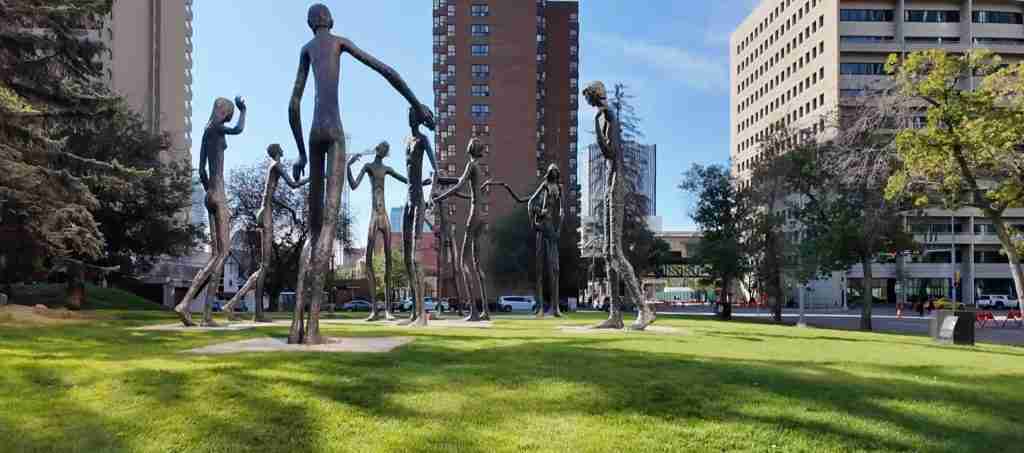
Free and low-cost Calgary attractions substantially reduce daily budgets while delivering authentic city experiences. Prince’s Island Park offers riverside green space connected by pedestrian bridges, hosting festivals throughout summer, providing walking paths, picnic areas, and lagoons attracting locals and tourists without admission charges. Stephen Avenue pedestrian mall between 1st Street SW and 3rd Street SE creates vibrant downtown core with street performers, public art, outdoor patios, and shopping without requiring purchases. The Bow River pathway system extends 48+ kilometers through Calgary along both riverbanks, providing walking, cycling, and inline skating routes connecting neighborhoods, parks, and natural areas completely free. Inglewood neighborhood offers historic district charm, independent shops, restaurants, and the Esker Foundation contemporary art gallery with free admission. Free self-guided walking tours explore downtown architecture, public art installations throughout East Village and Beltline, and Chinatown cultural district.
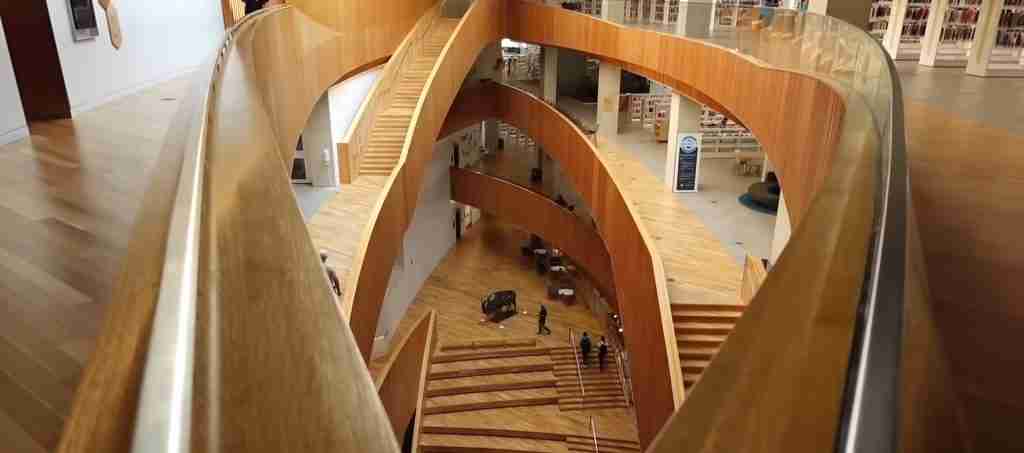
17th Avenue SW (Red Mile) functions as Calgary’s entertainment district with bars, restaurants, shops, and people-watching requiring no admission fees for exploration. Calgary Farmers’ Market operates year-round with free admission to browse local food vendors, artisan products, and prepared food stalls. The Central Library (opened 2018) provides architectural landmark status with dramatic design, free public spaces, and community programming open to visitors. Olympic Plaza downtown hosts free events, concerts, and seasonal programming including winter ice skating without admission charges. Fort Calgary historic site offers free outdoor grounds access with interpretive signage, though museum admission charges apply.
Attraction budget strategies divide clearly by travel style. Budget travelers should focus primarily on free attractions supplemented by one or two paid destinations using the Calgary Attractions Pass for discounts, achieving daily attraction costs CAD $10-20 ($7-15). Mid-range travelers typically visit one major paid attraction daily plus free experiences, spending CAD $25-40 ($18-29) per person daily on admissions. Luxury travelers access all desired attractions without budget constraints, often adding guided tours CAD $80-150 ($58-110), premium experiences, and VIP access totaling CAD $60-100+ ($44-73+) daily. Multi-day visitors should prioritize Heritage Park and Calgary Zoo as half-day destinations offering best time-value ratios, reserve Calgary Tower for clear weather days with mountain visibility, and intersperse paid attractions with free river pathway walks and neighborhood exploration maximizing daily variety without continuous admission costs.
Daily Budget Breakdowns by Travel Style 2026
Understanding complete daily costs per person requires combining divided accommodation expenses with individual food, transportation, and attraction costs to generate realistic budget expectations. The following detailed breakdowns present costs per person per day assuming two travelers sharing hotel accommodation, with nightly room rates divided by two before adding to individual expenses. Solo travelers face substantially higher costs using full rather than divided accommodation rates, while groups sharing apartments or multi-bedroom accommodations achieve better per-person value than couples splitting standard hotel rooms. All costs reflect summer season rates outside July Stampede period, with winter rates showing 20-30% reduction in accommodation categories while food, transportation, and attractions remain consistent year-round.
Budget Travel Style Calgary 2026 Per Person Daily Costs
Budget travelers prioritize economical choices across all categories while maintaining comfortable, enjoyable Calgary experiences through strategic planning and value-focused decisions. Hotel accommodation CAD $100 ($73) per night divided between two sharing equals CAD $50 ($37) per person, breakfast from groceries CAD $7 ($5), Vietnamese lunch CAD $15 ($11), casual dinner CAD $20 ($15), snacks and coffee CAD $8 ($6), Calgary Transit day pass CAD $13 ($10), one paid attraction with Attractions Pass discount CAD $17 ($12). Total approximately CAD $130 ($95) per person daily assuming two sharing budget accommodation.
This budget level requires discipline and trade-offs while avoiding deprivation. Accommodations focus on clean, safe budget hotels or hostels in neighborhoods with easy transit access rather than downtown premium locations. Meals combine self-prepared breakfasts, ethnic restaurant lunches where Vietnamese pho provides filling nutrition at minimal cost, and casual dinners at pubs or ethnic restaurants avoiding downtown and premium establishments. Transportation uses Calgary Transit exclusively with day passes providing unlimited access to attractions while eliminating per-ride cost concerns. Attraction budgets emphasize free experiences including Prince’s Island Park, river pathways, Stephen Avenue, and neighborhood exploration supplemented by one major paid attraction every other day using Attractions Pass discounts. Budget travelers pack snacks, refillable water bottles, and plan activities around free programming and self-guided exploration rather than paid tours or premium experiences.
Mid-Range Comfort Calgary 2026 Per Person Daily Costs
Mid-range travelers balance value and comfort, selecting quality accommodation, varied dining experiences, convenient transportation, and comprehensive attraction access without luxury premiums or budget constraints. Hotel accommodation CAD $190 ($139) per night divided between two sharing equals CAD $95 ($70) per person, cafe breakfast CAD $18 ($13), lunch at casual restaurant CAD $28 ($21), dinner at mid-range restaurant CAD $58 ($42), coffee and treats CAD $12 ($9), transportation mixing transit CAD $8 ($6) and one taxi CAD $12 ($9) totaling CAD $20 ($15), two paid attractions CAD $42 ($31). Total approximately CAD $275 ($201) per person daily assuming two sharing mid-range accommodation.
This comfort level delivers satisfying Calgary experiences without budget anxiety or luxury extravagance. Accommodations select comfortable downtown or well-located neighborhood hotels offering modern amenities, complimentary breakfast, and professional service in properties where couples feel valued rather than merely processed. Meals expand to include cafe breakfasts at local favorites, casual restaurant lunches exploring Calgary’s diverse dining, and quality dinners at neighborhood bistros and mid-range steakhouses where Alberta beef appears in context of complete dining experiences rather than stripped-down budget portions. Transportation combines Calgary Transit for routine travel with occasional taxis when convenience justifies modest additional cost, particularly for evening restaurant returns or attractions requiring awkward transit connections. Attraction access remains comprehensive without daily budgeting concerns—visitors choose based on interest rather than price, accessing all major destinations while supplementing paid attractions with Calgary’s numerous free experiences.
Luxury Travel Calgary 2026 Per Person Daily Costs
Luxury travelers eliminate budget constraints, prioritizing convenience, quality, exclusive experiences, and personal preferences without compromise across accommodation, dining, transportation, and activities. Hotel accommodation CAD $400 ($292) per night divided between two sharing equals CAD $200 ($146) per person, hotel or acclaimed breakfast CAD $28 ($21), lunch at quality restaurant CAD $45 ($33), fine dining dinner CAD $95 ($70), coffee and premium treats CAD $18 ($13), taxis and ride-sharing CAD $50 ($37), premium attractions and possible guided tour CAD $75 ($55). Total approximately CAD $510 ($372) per person daily assuming two sharing luxury accommodation.
This luxury approach maximizes Calgary experience quality through premium selection and convenience optimization. Accommodations favor Calgary’s best hotels including Fairmont Palliser, Hotel Le Germain Calgary, and boutique properties delivering exceptional service, prime locations, upscale amenities, and distinctive character where staff recognize returning guests and anticipate needs. Meals focus on Calgary’s acclaimed restaurants, Alberta beef specialists, innovative chefs, and sommelier-curated wine programs where dining becomes central travel experience rather than mere necessity. Transportation eliminates public transit entirely in favor of taxis, ride-sharing, and private vehicles providing door-to-door convenience without schedule constraints or weather exposure. Attractions include comprehensive paid destination access plus guided tours, premium experiences, and VIP options unavailable through general admission, while luxury travelers freely add spontaneous activities including helicopter tours, guided food experiences, and exclusive access opportunities regardless of cost.
Seasonal Pricing Variations 2026
Calgary’s accommodation and attraction costs fluctuate significantly across seasons, with summer commanding moderate premiums, July Stampede creating extreme price spikes, and winter offering substantial savings offset by cold weather challenges. Understanding seasonal timing enables strategic budget planning where visiting during shoulder seasons September-November or February-April achieves 15-25% savings versus peak summer while maintaining full attraction operations and moderate temperatures compared to deep winter extremes. The following seasonal breakdown enables informed timing decisions balancing cost savings against weather considerations and attraction availability.
Summer season June through August represents Calgary’s peak tourism period with pleasant temperatures averaging 15-25°C, maximum daylight hours, full attraction operations, and numerous festivals creating vibrant atmosphere. Hotel rates increase 15-20% above shoulder season averages, with mid-range properties charging CAD $180-250 ($132-183) nightly compared to winter rates CAD $140-180 ($102-132). Calgary Stampede in mid-July creates extreme accommodation premiums where hotels implement three-night minimum stays and charge CAD $300-500+ ($220-365+) for properties normally costing CAD $150-190 ($110-139), effectively doubling or tripling rates for ten days. Stampede period requires six-month advance booking for downtown and central locations or acceptance of suburban properties with extended commutes, making alternative timing advisable for budget-conscious travelers. Late August through early September maintains pleasant weather while avoiding Stampede premiums and beginning shoulder season price reductions.
Fall shoulder season September through November delivers Calgary’s best value-weather balance with comfortable temperatures averaging 5-15°C, autumn foliage color, reduced tourist crowds, and hotel rates 15-20% below summer peaks. September maintains full summer operations at most attractions while initiating accommodation price reductions, creating ideal timing for visitors seeking optimal conditions without premium costs. October and November show progressive cooling with increased precipitation possibilities but continue offering good value for prepared travelers, with Heritage Park closing historical village areas (Gasoline Alley Museum remains open) and some outdoor attractions reducing operations. Fall timing suits travelers comfortable with layered clothing and prepared for occasional cold snaps or early snow, with rewards including hotel rates CAD $140-180 ($102-132) for properties charging CAD $200-250 ($146-183) during summer.
Winter season December through February offers Calgary’s lowest accommodation costs with hotel rates 25-35% below summer equivalents, creating outstanding value for visitors prepared for prairie winter conditions averaging -5 to -15°C with occasional cold snaps to -25°C or below. Budget hotel rooms drop to CAD $60-90 ($44-66) and mid-range properties fall to CAD $110-160 ($81-117), substantially reducing daily per-person accommodation costs in budget calculations. Winter attractions remain operational with Calgary Zoo, Telus Spark, and Studio Bell continuing full programming plus winter-specific experiences including WinSport Olympic Park skiing and snowboarding accessed via city transit. Trade-offs include shortened daylight hours, necessary warm clothing investment (quality winter jacket, insulated boots, gloves, hat), and reduced outdoor activity appeal, though Calgary’s extensive Plus 15 elevated walkway system enables downtown navigation without outdoor exposure. Winter timing suits travelers from warm climates seeking authentic Canadian winter experience, budget travelers maximizing accommodation savings, and mountain sports enthusiasts combining city exploration with nearby skiing.
Spring shoulder season March through May transitions from winter conditions to summer warmth, with March resembling winter, April showing variable weather, and May approaching summer temperatures. Accommodation prices begin rising in April and May while March maintains winter rates, creating strategic booking opportunities for travelers timing visits during the early spring transition. Heritage Park and seasonal outdoor attractions typically open for May long weekend (late May), while year-round destinations maintain consistent operations and pricing. Spring weather variability requires flexible planning with backup indoor options during cold or wet periods, but hotel savings 20-25% below peak summer rates reward prepared travelers.
Money-Saving Strategies for Calgary 2026
Strategic planning and informed decisions reduce Calgary daily costs by 30-40% compared to default tourist spending patterns, primarily through accommodation timing and location, dining diversification, transit optimization, and attraction sequencing. The following proven strategies enable budget travelers to maintain comfortable experiences while achieving spending targets, mid-range travelers to access premium elements without luxury costs, and all visitors to maximize value regardless of budget level.
Accommodation savings begin with booking timing and location flexibility. Book hotels 45-60 days in advance for optimal pricing before last-minute premium increases, though occasionally wait-listed properties release discounted inventory 1-2 weeks before arrival during slow periods. Select neighborhoods with easy Calgary Transit access including Beltline, Kensington, Bridgeland, and Ramsay rather than downtown premium locations, saving CAD $40-80 ($29-58) nightly while maintaining 10-15 minute CTrain rides to downtown attractions. Avoid July Stampede period entirely unless Stampede attendance motivates the trip, as hotel rates double or triple while availability vanishes requiring six-month advance booking or acceptance of far suburban locations. Consider airport properties for first and last nights when arrival and departure logistics prioritize proximity over downtown location, with reliable chains offering CAD $120-160 ($88-117) rates including free airport shuttles and parking.
Weekend rates at business-oriented hotels typically run 20-30% below Monday-Thursday pricing as corporate demand disappears, making Friday-Sunday stays economical at properties including Marriott, Hilton, and Hyatt brands. Extended stay discounts apply at many hotels for bookings exceeding four nights, automatically reducing per-night costs 10-15% without negotiation. Check hotel direct booking rates versus third-party platforms including Booking.com and Expedia, as properties sometimes offer better rates through their own websites plus loyalty program benefits unavailable through intermediaries. Package deals combining hotel with attraction tickets occasionally provide value, though scrutinize pricing details ensuring genuine savings rather than bundled full-price components.
Dining cost optimization focuses on strategic meal timing, cuisine selection, and grocery supplementation. Eat breakfast from grocery items purchased at Superstore or Safeway, avoiding hotel breakfasts CAD $18-28 ($13-21) and cafe meals CAD $15-22 ($11-16) that add CAD $90-180 ($66-132) weekly without substantial value. Prioritize Vietnamese restaurants for lunch where CAD $12-18 ($9-13) delivers complete, satisfying meals versus casual restaurants charging CAD $20-32 ($15-24) for comparable portions. Make lunch the main restaurant meal rather than dinner when many establishments offer identical dishes at reduced pricing without evening service premiums. Reserve Alberta beef dinners for one or two special meals rather than daily occurrences, supplementing with ethnic restaurants, casual bistros, and brewpubs delivering quality dining at CAD $25-40 ($18-29) versus steakhouses requiring CAD $60-100+ ($44-73+).
Purchase alcohol from liquor stores including Co-op Wine Spirits Beer and Willow Park Wines rather than restaurants where markup reaches 200-300%, enabling in-room wine CAD $18-30 ($13-22) versus restaurant glass CAD $11-16 ($8-12). Download the 2026 Calgary Attractions Pass immediately upon arrival or before travel, accessing discounts at all participating attractions without cost or obligations. Visit one major paid attraction every other day rather than daily, alternating with free experiences including Prince’s Island Park, Bow River pathways, neighborhood walks through Kensington and Inglewood, and downtown architecture exploration maintaining variety without continuous admission costs.
Transportation savings emphasize Calgary Transit optimization and strategic walking. Purchase transit day passes CAD $12.65 ($9) for days requiring three or more trips rather than accumulating CAD $4 single fares totaling CAD $16+ ($12+) daily. Download MyFare app enabling mobile ticket purchases, stored payment methods, and trip planning avoiding physical ticket transactions. Walk between downtown attractions leveraging free CTrain zone and Plus 15 walkway system connecting buildings when weather challenges, eliminating transit costs for urban core exploration. Avoid taxis except when shared among three or four passengers or late-night returns justify convenience, as transit serves all major attractions during operating hours. Rent cars only for confirmed Banff or regional day trips where organized tours CAD $120-180 ($88-132) exceed rental CAD $55 ($40) plus fuel CAD $45 ($33) costs for groups of three or more travelers.
Sample Calgary Trip Costs 2026
The following complete trip examples demonstrate total costs across budget, mid-range, and luxury travel styles for typical Calgary visit durations, providing realistic spending expectations including all major categories. Each breakdown presents per-person costs assuming two travelers sharing hotel accommodation, with room rates divided by two before calculating totals. Trip calculations use natural seasonal timing avoiding July Stampede period, with summer shoulder season pricing June or late August representing typical visitor patterns. Solo travelers should expect 40-50% higher costs using full hotel rates rather than divided amounts.
Four-Day Budget Calgary Trip 2026
Budget four-day itinerary covers essential Calgary experiences emphasizing free attractions, strategic paid destination access, and economical dining while maintaining comfort through clean budget accommodation and reliable transit. Hotel accommodation CAD $100 ($73) per room nightly for four nights equals CAD $400 total, divided between two sharing equals CAD $200 ($146) per person. Meals combining grocery breakfasts, Vietnamese lunches, and casual dinners average CAD $50 ($37) per person daily totaling CAD $200 ($146). Transit day passes CAD $13 ($10) for four days equals CAD $52 ($38). Attractions including Calgary Tower CAD $17 ($12), Heritage Park CAD $24 ($18), plus two free days Prince’s Island Park and river pathways totals CAD $41 ($30). Complete four-day trip costs approximately CAD $495 ($361) per person assuming two sharing budget accommodation.
This budget demonstrates feasible Calgary exploration maintaining standards budget travelers find acceptable, avoiding deprivation or uncomfortable sacrifices while achieving economical outcomes through strategic choices. Budget hotels provide clean, safe rooms with parking and basic breakfast enabling morning departures without hunger, Vietnamese restaurants deliver filling lunches maintaining energy for afternoon activities, and casual dinners at pubs and ethnic restaurants provide satisfying conclusions to active days. Transit day passes eliminate per-ride cost concerns while accessing all major destinations, and alternating paid attractions with free experiences maintains daily variety and interest without continuous admission fees. Budget travelers following this pattern experience authentic Calgary including signature attractions, diverse neighborhoods, river valley beauty, and local dining without financial stress or constant spending anxiety.
Five-Day Mid-Range Calgary Trip 2026
Mid-range five-day itinerary balances value and comfort through quality accommodation, varied dining including Calgary’s acclaimed restaurants, comprehensive attraction access, and convenient transportation. Hotel accommodation CAD $190 ($139) per room nightly for five nights equals CAD $950 total, divided between two sharing equals CAD $475 ($347). Meals combining cafe breakfasts, casual restaurant lunches, and quality dinners average CAD $115 ($84) per person daily totaling CAD $575 ($420). Transportation mixing transit day passes CAD $13 ($10) and occasional taxis CAD $12 ($9) averages CAD $20 ($15) daily totaling CAD $100 ($73). Attractions including Calgary Zoo CAD $36 ($26), Calgary Tower CAD $19 ($14), Heritage Park CAD $28 ($21), Studio Bell CAD $25 ($18), Telus Spark CAD $26 ($19), plus guided food tour CAD $85 ($62) equals CAD $220 ($161). Complete five-day trip costs approximately CAD $1,370 ($1,000) per person assuming two sharing mid-range accommodation.
This mid-range approach delivers satisfying Calgary exploration without budget constraints or luxury premiums, representing typical spending patterns for travelers seeking comfort, convenience, and comprehensive experiences. Downtown or well-located neighborhood hotels provide modern amenities and professional service where guests feel valued, varied dining explores Calgary’s culinary diversity from Vietnamese to Alberta beef to international cuisine across price tiers matching daily preferences, and attraction access remains unrestricted by budget enabling choices based on interest rather than cost. Mid-range travelers experience Calgary thoroughly including signature attractions, neighborhood character, dining diversity, and comfortable accommodation while avoiding the daily spending anxiety characterizing budget travel or the premium costs required for luxury experiences. This spending level proves sustainable for week-long vacations and delivers high satisfaction without financial stress or significant trade-offs.
Five-Day Luxury Calgary Trip 2026
Luxury five-day itinerary eliminates budget constraints, prioritizing quality, convenience, exclusive experiences, and personal preferences across accommodation, dining, transportation, and activities. Hotel accommodation CAD $400 ($292) per room nightly for five nights equals CAD $2,000 total, divided between two sharing equals CAD $1,000 ($730). Meals at acclaimed restaurants and fine dining average CAD $185 ($135) per person daily totaling CAD $925 ($675). Transportation via taxis and ride-sharing exclusively averages CAD $50 ($37) daily totaling CAD $250 ($183). Attractions including all major destinations plus guided helicopter tour CAD $375 ($274), food tour CAD $125 ($91), private brewery tour CAD $180 ($132), and premium Stampede experience if timed accordingly totals CAD $850 ($621). Complete five-day trip costs approximately CAD $3,025 ($2,208) per person assuming two sharing luxury accommodation.
This luxury spending delivers premium Calgary experiences impossible at lower budget tiers, justified by travelers valuing convenience, exclusivity, and quality without compromise. Calgary’s best hotels provide exceptional service, distinctive design, prime locations, and upscale amenities where guests receive personalized attention and memorable stays, acclaimed restaurants showcase Alberta’s culinary excellence through innovative preparations, locally-sourced ingredients, and sommelier-curated wine programs where meals become highlight experiences rather than mere sustenance, and exclusive activities including helicopter tours over Rocky Mountain front ranges and private guided experiences unavailable through general tourism channels. Luxury travelers maximize their limited vacation time through convenience and quality optimization, eliminating wait times, transit concerns, and budget trade-offs that constrain lower-spending patterns while accessing the full spectrum of Calgary experiences including elements unavailable to budget and mid-range visitors.
Calgary Versus Other Canadian Cities Budget Comparison 2026
Calgary’s cost positioning among major Canadian destinations combines moderate pricing, Alberta’s tax advantages, and unique value propositions distinguishing it from coastal and eastern alternatives. Understanding comparative costs enables strategic Canadian itinerary planning where travelers optimize experiences against budget constraints while recognizing Calgary’s distinctive offerings justify specific travel despite not representing Canada’s absolute cheapest destination. The following comparisons utilize similar accommodation, dining, and transportation standards across cities enabling genuine cost evaluation rather than mismatched comparisons conflating luxury Calgary against budget Vancouver.
Calgary versus Vancouver cost comparison shows Calgary delivering 30-40% overall savings primarily through accommodation and tax differences. Vancouver hotels average CAD $200-300 ($146-220) for mid-range downtown properties versus Calgary’s CAD $140-190 ($102-139), creating CAD $30-55 ($22-40) daily per-person savings when divided between two sharing accommodation. Restaurant pricing remains comparable between cities with similar meal costs, though Vancouver’s 12% total tax (5% GST plus 7% PST) versus Calgary’s 5% GST alone saves 7% on every meal and purchase. Vancouver’s transit system charges CAD $3.15 ($2) Compass Card single zone trips comparable to Calgary’s CAD $4 ($3) flat fare, though Vancouver’s zone system increases costs for longer trips while Calgary maintains flat pricing regardless of distance. Overall daily costs run approximately CAD $240-320 ($175-234) per person in Calgary versus CAD $310-420 ($226-307) in Vancouver for equivalent mid-range travel styles, with savings accumulating to CAD $350-500 ($256-365) over five-day trips.
Calgary versus Toronto comparison demonstrates Calgary’s moderate pricing advantage offset by Toronto’s superior attraction density and diversity. Toronto mid-range hotel rates average CAD $180-260 ($132-190) versus Calgary’s CAD $140-190 ($102-139), saving CAD $20-35 ($15-26) daily per person divided between two sharing accommodation. Dining costs prove comparable with Toronto’s restaurant prices matching Calgary’s while applying 13% HST versus Calgary’s 5% GST, saving 8% on all meals. Toronto transit charges CAD $3.35 ($2) single fare compared to Calgary’s CAD $4 ($3), though Toronto’s extensive subway network provides superior coverage creating greater transit reliance reducing taxi costs that offset per-ride premium. Toronto’s attraction costs exceed Calgary’s with CN Tower CAD $42 ($31), Royal Ontario Museum CAD $28 ($21), and Casa Loma CAD $35 ($26) versus Calgary Tower CAD $19 ($14), Calgary Zoo CAD $36 ($26), and Heritage Park CAD $28 ($21). Overall daily costs average CAD $240-320 ($175-234) per person in Calgary versus CAD $280-380 ($205-278) in Toronto for mid-range travel, with Calgary savings reaching CAD $200-300 ($146-220) over five-day trips despite Toronto offering substantially more attractions, museums, entertainment, and dining diversity.
Calgary versus Montreal comparison shows Calgary slightly more expensive for accommodation while Montreal offers superior dining value and attraction pricing. Montreal mid-range hotels average CAD $130-180 ($95-132) versus Calgary’s CAD $140-190 ($102-139), though Montreal applies 14.98% total tax (5% GST plus 9.98% Quebec sales tax) versus Calgary’s 5% GST, partially offsetting initial pricing advantages. Montreal’s excellent dining value with quality French-influenced cuisine at moderate prices provides CAD $10-20 ($7-15) daily savings versus Calgary’s Alberta beef focus commanding premium pricing. Montreal Metro charges CAD $3.75 ($3) single fare comparable to Calgary’s CAD $4 ($3), with both cities offering similar transit coverage relative to attraction distribution. Overall daily costs prove nearly equivalent averaging CAD $240-320 ($175-234) in both cities for mid-range travel, though Montreal delivers superior dining experiences and European atmosphere while Calgary offers mountain proximity and Western Canadian character.
Calgary’s comparative advantage against all major Canadian cities includes Alberta’s absence of provincial sales tax, creating automatic 7-10% savings on every purchase, meal, and accommodation booking compared to provinces with combined federal and provincial taxation. This tax advantage accumulates substantially over multi-day trips where CAD $2,000 ($1,460) total spending in Ontario or British Columbia faces 12-13% tax totaling CAD $240-260 ($175-190) versus Calgary’s 5% GST totaling CAD $100 ($73), saving CAD $140-160 ($102-117) through tax differential alone. Calgary’s positioning as Rocky Mountain gateway enables mountain day trips from moderate city accommodation costs versus requiring expensive Banff or Jasper resort hotel stays, creating unique value proposition unavailable in Toronto, Montreal, or Vancouver where natural wilderness requires either extended driving or complete separate trips.
Special Budget Considerations 2026
Calgary budgets require accounting for several city-specific considerations beyond standard accommodation, dining, and transportation categories that impact daily costs and trip planning. Understanding these Calgary-particular factors enables comprehensive budget preparation avoiding unexpected expenses while optimizing spending through strategic timing and informed decisions. The following considerations prove especially relevant for first-time Calgary visitors and travelers unfamiliar with Western Canadian destination characteristics.
July Calgary Stampede attendance fundamentally alters budget planning requiring separate consideration from typical Calgary visits. Stampede general admission costs approximately CAD $18 ($13) adult daily providing access to grounds, free entertainment, and general seating at rodeo, though premium rodeo tickets reach CAD $60-150+ ($44-110+) for guaranteed seating at popular evening shows. Stampede attendance demands budgeting for midway rides averaging CAD $5-8 ($4-6) each, carnival games CAD $3-5 ($2-4) per play, and food vendors where pancake breakfasts remain free (beloved Stampede tradition sponsored by various organizations) while dinner meals reach CAD $15-25 ($11-18). Daily Stampede costs total CAD $50-100+ ($37-73+) per person beyond standard accommodation and transportation expenses already elevated by Stampede period hotel premiums. Stampede timing makes Calgary’s otherwise moderate destination substantially more expensive requiring either dedicated Stampede budget allocation or alternative travel dates avoiding this ten-day period entirely.
Winter clothing requirements for December through February visits add significant costs for travelers from warm climates lacking appropriate cold weather gear. Quality winter jacket withstanding -25°C temperatures costs CAD $200-400+ ($146-292+), insulated waterproof boots run CAD $100-200+ ($73-146+), and accessories including gloves, warm hat, and scarf total CAD $50-100 ($37-73). These investments prove essential rather than optional for comfortable Calgary winter exploration, as inadequate clothing causes genuine discomfort and limits outdoor activity participation. Budget-conscious travelers from warm climates should consider borrowing winter gear from friends or purchasing used items through Kijiji, Value Village, or Salvation Army thrift stores rather than investing in new equipment used only during single trip. Alternative winter visit timing March or late November reduces extreme cold likelihood while maintaining most winter pricing advantages without requiring highest-grade cold weather gear investments.
Banff and Rocky Mountain day trip costs deserve separate budget allocation as most Calgary visitors combine city exploration with mountain excursions. Self-drive day trips require Parks Canada pass CAD $10.50 ($8) per person daily or CAD $21 ($15) per vehicle, rental car costs CAD $55-70 ($40-51) daily, fuel CAD $45-50 ($33-37) round trip Calgary-Banff, and parking in Banff townsite CAD $5 per hour with daily maximum CAD $25 ($18). Organized day tours from Calgary range CAD $120-180 ($88-132) including transportation, guide, and some admission fees, proving economical for solo and couple travelers while groups of three or four save with rental vehicles. Complete Banff day trip costs total CAD $110-150 ($81-110) per person with vehicle rental divided among passengers or tour participation, added to Calgary daily costs for comprehensive trip budgeting.
Tipping practices in Calgary follow North American standards requiring budget allocation beyond menu or service prices. Restaurant table service expects minimum 15% tip with 18-20% increasingly standard, taxi and ride-sharing tipping customarily adds 15%, hotel housekeeping receives CAD $3-5 ($2-4) per night, and valet parking tips CAD $3-5 ($2-4) per retrieval. Daily tipping across multiple services adds CAD $15-30 ($11-22) per person to stated costs, with luxury travelers tipping more generously while budget travelers maintain minimum acceptable standards. Calculate tips on pre-tax amounts despite payment terminals sometimes suggesting post-tax percentages, as appropriate tipping uses base price rather than tax-inclusive total.
Travel insurance and medical coverage deserve budget consideration for international visitors, as Canadian healthcare costs prove substantial for non-residents. Emergency room visits start CAD $1,000+ ($730+), doctor consultations run CAD $100-200 ($73-146), and hospitalizations reach CAD $3,000+ ($2,190+) daily without insurance. Comprehensive travel insurance costs approximately CAD $50-100 ($37-73) per person for week-long trips covering medical emergencies, trip cancellation, and lost baggage, representing essential spending rather than optional expense given Canadian healthcare costs. United States visitors should verify their domestic health insurance provides Canadian coverage or purchase supplemental travel medical insurance before departure.
Frequently Asked Questions Calgary Budget 2026
Is Calgary cheaper than Vancouver for tourists in 2026?
Calgary costs 30-40% less than Vancouver for equivalent mid-range travel experiences in 2026, primarily through accommodation savings and Alberta’s absence of provincial sales tax. Mid-range Calgary hotels charge CAD $140-190 ($102-139) nightly versus Vancouver’s CAD $200-300 ($146-220), saving CAD $30-55 ($22-40) per person daily when divided between two sharing accommodation. Calgary’s 5% GST versus Vancouver’s 12% combined taxes creates automatic 7% savings on all purchases, meals, and services throughout the trip. Overall daily costs average CAD $240-320 ($175-234) per person in Calgary compared to CAD $310-420 ($226-307) in Vancouver for similar accommodation quality, dining standards, attraction access, and transportation comfort. Five-day Calgary trips cost CAD $1,200-1,600 ($876-1,168) per person versus Vancouver’s CAD $1,550-2,100 ($1,131-1,533), with savings reaching CAD $350-500 ($256-365). Calgary’s comparative affordability makes it attractive for budget-conscious travelers while offering comparable urban amenities, cultural attractions, and Rocky Mountain proximity without Vancouver’s coastal premium pricing.
How much money do I need for a week in Calgary 2026?
Budget travelers need CAD $650-1,000 ($474-730) per person for one week in Calgary assuming two sharing accommodation, including divided hotel costs, grocery-supplemented dining, transit-only transportation, and selective paid attractions. Mid-range travelers require CAD $1,700-2,200 ($1,241-1,606) per person weekly for comfortable hotels, varied restaurant dining, comprehensive attraction access, and convenient transportation. Luxury travelers should allocate CAD $3,400-4,400+ ($2,482-3,212+) per person weekly for premium accommodation, acclaimed restaurant dining, exclusive experiences, and door-to-door transportation. These totals cover all major expense categories including accommodation, all meals, local transportation, and standard attractions, but exclude international flights, travel insurance, shopping, specialized activities like guided tours or day trips to Banff, and July Stampede attendance requiring separate budget allocation. Solo travelers face 40-50% higher costs using full hotel rates rather than divided per-person amounts, while groups sharing multi-bedroom apartments or vacation rentals achieve better per-person value than couples splitting standard hotel rooms.
Does Calgary have good public transportation for tourists in 2026?
Calgary Transit provides effective tourist transportation through extensive CTrain light rail and bus networks connecting downtown, neighborhoods, airport, and major attractions including Calgary Zoo, Heritage Park, Stampede Park, and University of Calgary. The system operates approximately 5 AM to 1 AM daily with reduced overnight service, charging CAD $4 ($3) single adult fares valid 90 minutes including transfers, CAD $12.65 ($9) day passes, and CAD $126 ($92) monthly passes for extended stays. Downtown free fare zone enables complimentary CTrain travel between City Hall and 10th Street West stations, eliminating costs for exploring Stephen Avenue, Calgary Tower, Chinatown, and urban core attractions. Transit accessibility proves excellent for downtown and inner-city neighborhoods where most tourist accommodation and attractions concentrate, while outer suburbs and specialized destinations require longer transit times or transfers making taxis occasionally more practical. Overall, Calgary Transit delivers reliable, economical transportation suitable for budget and mid-range travelers comfortable with public transit, while luxury visitors typically prefer taxis and ride-sharing for door-to-door convenience despite Calgary’s effective transit system serving tourist needs comprehensively.
Are restaurants expensive in Calgary compared to other Canadian cities 2026?
Calgary restaurant prices align with Canadian national averages, charging similar base menu prices as Toronto or Montreal while benefiting from Alberta’s 5% GST versus combined taxes reaching 13-15% in most provinces, creating 8-10% effective savings. Casual meals cost CAD $18-35 ($13-26), mid-range restaurant dinners run CAD $40-75 ($29-55), and fine dining reaches CAD $80-150+ ($58-110+) per person before tax and tip—pricing comparable to major Canadian cities though slightly below Vancouver’s premium coastal rates. Calgary’s distinctive characteristic involves Alberta beef prominence, with quality steaks costing CAD $45-75 ($33-55) at mid-range establishments and CAD $65-95 ($48-70) at acclaimed steakhouses, representing local specialty rather than everyday economical choice. Exceptional value appears in Calgary’s Vietnamese restaurant concentration serving complete meals CAD $12-18 ($9-13), Asian cuisine options providing quality dining CAD $15-25 ($11-18), and brewpubs delivering craft beer CAD $7-9 ($5-7) with elevated pub food CAD $18-28 ($13-21). Travelers eating primarily Vietnamese and ethnic cuisine maintain food costs below Toronto or Vancouver equivalents, while those preferring Alberta beef and upscale dining face premiums comparable to other major cities without significant cost advantages.
What is the best time to visit Calgary on a budget in 2026?
February 2026 offers Calgary’s absolute lowest costs with hotel rates 30-35% below summer peaks, though requiring warm winter clothing investment and tolerance for -5 to -25°C temperatures. December through February represent the extended budget window when mid-range hotels drop to CAD $110-160 ($81-117) from summer rates CAD $180-250 ($132-183), creating CAD $35-45 ($26-33) per-person daily savings when divided between two sharing accommodation. March and November provide optimal budget-comfort balance with hotel rates 20-25% below peak, milder weather averaging 0-10°C requiring less specialized winter gear, and full attraction operations including Heritage Park seasonal areas. Avoid July entirely when Stampede drives accommodation costs up 200-300% and creates minimum three-night stays at properties normally offering nightly bookings. September delivers Calgary’s best overall value combining pleasant 10-20°C temperatures, autumn colors, reduced crowds, hotel rates 15-20% below summer, and comprehensive attraction operations without winter challenges or extreme Stampede premiums.
How much does Calgary Zoo cost in 2026 and is it worth visiting?
Calgary Zoo charges CAD $36 ($26) adult admission in 2026, operating year-round with Canadian Wilds, African Savannah, Prehistoric Park, and seasonal exhibits housing 1,000+ animals across 120+ species. The zoo ranks among North America’s premier zoological institutions, delivering 4-6 hour visits combining animal viewing, botanical gardens, natural settings, and conservation programming justifying admission costs through comprehensive facilities and programming exceeding most North American zoos. Value assessment depends on interest level—animal enthusiasts and families find excellent value with full-day experiences and diverse exhibitions, while casual visitors might consider the zoo expensive for brief visits. The 2026 Calgary Attractions Pass provides discounts reducing admission by 10-15%, improving value proposition for visitors attending multiple paid attractions. Calgary Zoo distinguishes itself through year-round operations including winter programming when many northern zoos close, Canadian wildlife focus featuring species rarely seen at southern zoos, and Prehistoric Park’s life-size dinosaur displays appealing to families with children. Budget travelers visiting one major paid attraction should prioritize either Calgary Zoo or Heritage Park based on interests, while mid-range visitors comfortably access both during typical multi-day stays.
Is food cheaper in Calgary grocery stores than restaurants in 2026?
Calgary grocery stores deliver 60-75% cost savings versus restaurant meals, with breakfast items enabling CAD $5-10 ($4-7) per-person preparation compared to cafe meals CAD $15-22 ($11-16), and lunch components creating CAD $8-12 ($6-9) sandwiches versus restaurant lunches CAD $20-32 ($15-24). Major chains including Superstore (lowest prices), Safeway, Sobeys, and Co-op offer standard selections at costs approximately 15-20% below Toronto or Vancouver equivalents while maintaining similar quality. Essential items cost milk CAD $3 ($2) per liter, bread CAD $3-5 ($2-4), eggs CAD $5-7 ($4-5) dozen, cheese CAD $7-12 ($5-9) per package, deli meat CAD $8-14 ($6-10), and produce at seasonal market rates. Budget travelers purchasing breakfast and lunch groceries while eating dinner at restaurants maintain daily food costs CAD $45-65 ($33-48) compared to full restaurant dining CAD $85-120 ($62-88), achieving substantial savings without sacrificing nutrition or satisfaction. Hotel rooms with mini-fridges and microwaves maximize grocery savings potential, while even basic hotel rooms accommodate bread, peanut butter, cereal, and shelf-stable items reducing breakfast costs dramatically. Grocery shopping requires transport considerations—properties with free parking enable rental car grocery runs, while transit-dependent travelers should select hotels near supermarkets or use transit to access major stores along CTrain routes.
Do I need a car in Calgary or is transit sufficient for tourists 2026?
Calgary Transit sufficiently serves most tourist needs without requiring rental cars for visitors remaining primarily within city limits and focusing on standard attractions, dining, and entertainment accessible via CTrain and bus routes. Downtown, inner neighborhoods, Calgary Tower, Calgary Zoo, Heritage Park, Stampede Park, University of Calgary, and most restaurants operate within transit service areas, making car-free visits entirely feasible for travelers comfortable with public transportation. Rental cars become advisable or necessary for visitors planning Banff or Rocky Mountain day trips, exploring Drumheller badlands, accessing rural attractions beyond transit routes, or preferring driving convenience over transit schedule constraints. The car-versus-transit decision depends on planned activities—purely Calgary-focused itineraries function excellently transit-only saving CAD $55+ ($40+) daily rental costs plus parking fees CAD $25-35 ($18-26) daily, while trips incorporating mountain excursions justify rental vehicles providing flexibility and time efficiency versus organized tours CAD $120-180 ($88-132). Mid-ground option involves car-free Calgary base with single-day rental for mountain trip, combining transit economy for city exploration with driving convenience for specific excursions requiring vehicles.
How much should I tip in Calgary restaurants and services 2026?
Calgary tipping follows North American standards with restaurant table service expecting 15-18% minimum and 20% increasingly common at mid-range and upscale establishments, calculated on pre-tax menu totals though payment terminals sometimes suggest post-tax percentages. Fast casual and counter service restaurants without table service receive optional CAD $1-3 ($1-2) tips for take-out orders or 10-15% for counter pick-up service. Taxi and ride-sharing services customarily receive 15% tips added through apps or rounded cash amounts, hotel housekeeping receives CAD $3-5 ($2-4) per night left daily or at checkout, valet parking tips CAD $3-5 ($2-4) per vehicle retrieval, and tour guides receive CAD $10-20 ($7-15) per person for half-day experiences or CAD $20-30 ($15-22) for full-day tours. Budget approximately 15-20% additional beyond stated menu and service prices for tipping across all service categories, totaling CAD $15-30 ($11-22) per person daily during typical mid-range Calgary visits. Under-tipping below 15% in restaurants creates service staff income concerns as servers earn reduced base wages anticipating tip supplements, while over-tipping above 20% proves unnecessary except for exceptional service or luxury dining experiences where generous tipping reflects affluence rather than obligation.
What free things can I do in Calgary to reduce daily costs 2026?
Calgary offers extensive free experiences substantially reducing daily attraction budgets while maintaining engaging itineraries. Prince’s Island Park provides riverside green space, walking paths, summer festival grounds, lagoons, and pedestrian bridge connections without admission charges, popular with locals and tourists for picnics, walks, and relaxation. The 48+ kilometer Bow River pathway system enables walking, cycling, and inline skating through Calgary’s river valley connecting neighborhoods and natural areas completely free, offering peaceful alternatives to paid attractions while showcasing the city’s extensive pathway infrastructure. Stephen Avenue pedestrian mall creates vibrant downtown core with street performers, public art installations, outdoor restaurant patios, historic buildings, and people-watching requiring no purchases or admission fees for exploration and atmosphere absorption.
The Central Library opened 2018 delivers architectural landmark status with dramatic contemporary design, free public spaces across multiple levels, comfortable seating areas, and community programming open to visitors providing indoor alternatives during weather challenges. Inglewood neighborhood offers historic district character, independent shops, restaurants, galleries, and Esker Foundation contemporary art gallery with free admission, creating afternoon exploration opportunities without costs. Olympic Plaza downtown hosts free events, seasonal programming, summer concerts, and winter ice skating providing entertainment without tickets, while Calgary Farmers’ Market operates year-round with free admission to browse local vendors, prepared foods, and artisan products. Free self-guided walking tours explore downtown architecture including historic sandstone buildings, modern towers, public art throughout East Village and Beltline districts, Plus 15 elevated walkway system connecting buildings above street level, and Chinatown cultural district maintaining authentic character. Kensington neighborhood provides bohemian atmosphere, independent shops, riverside setting, and casual dining without requiring purchases to enjoy the area’s distinctive energy and local favorites.