
Cairo Walking Tours 2026: Complete Self-Guided Routes & Maps
This comprehensive guide presents detailed self-guided walking routes through Cairo’s essential historic districts, including turn-by-turn directions, landmark descriptions, entrance fees, timing recommendations, and practical navigation strategies. Whether exploring Sultan Hassan Mosque’s soaring architecture, tracing early Christianity through Coptic churches, or discovering Belle Époque Cairo’s faded grandeur, these walking tours create immersive cultural experiences connecting travelers directly with Cairo’s living history and contemporary urban rhythms
Key Takeaways
- Islamic Cairo walking routes cover 3-5 kilometers through UNESCO World Heritage historic districts, requiring 3-4 hours for comprehensive mosque, madrasa, and medieval architecture exploration
- Coptic Cairo self-guided walks span 2 kilometers visiting ancient churches and the Coptic Museum within compact religious quarter, completable in 2-3 hours including church interiors
- Downtown Cairo architectural walks showcase 19th-century European-style buildings and cultural institutions across 4-kilometer routes requiring 2-3 hours of exploration time
- Khan el-Khalili bazaar walks navigate labyrinthine market alleys spanning 1.5 square kilometers, with 2-4 hours recommended for shopping, photography, and traditional cafe experiences
- Early morning walks (7:00-10:00 AM) or late afternoon routes (4:00-7:00 PM) avoid midday heat while capturing optimal lighting for photography and comfortable walking temperatures
- Entrance fees for walking tour sites total $15-30 per person for comprehensive routes including mosques, museums, and churches, with many historic streets free to explore
Planning Your Cairo Walking Tours in 2026
Cairo rewards pedestrian exploration through its historic districts where medieval architecture, Ottoman-era mosques, Coptic Christian heritage, and Belle Époque downtown boulevards create walking experiences unavailable from vehicle windows. The city’s UNESCO World Heritage status recognizes Islamic Cairo’s exceptional medieval urban fabric, while Coptic Cairo preserves Egypt’s early Christian traditions and Downtown’s cosmopolitan architecture reflects 19th-century modernization. These distinct quarters connect via Metro, taxi, or walking routes creating comprehensive foot-based itineraries showcasing Cairo’s multi-layered civilization.
Self-guided walking tours provide flexibility, intimate neighborhood encounters, and opportunities discovering hidden courtyards, artisan workshops, and local cafes missed during organized bus tours. The 2026 season features improved pedestrian infrastructure including restored historic pavements in Islamic Cairo, enhanced Coptic Quarter signage, and Downtown Cairo’s ongoing architectural preservation projects. Navigation apps, offline maps, and GPS coordinates make independent walking feasible for travelers comfortable with urban exploration in vibrant Middle Eastern metropolis.
Successful walking tours require understanding distance, terrain, cultural protocols, and timing considerations. Islamic Cairo’s narrow medieval lanes feature uneven cobblestones and occasional steps requiring sturdy footwear, while Coptic Cairo’s compact layout simplifies navigation within walled religious quarter. Downtown Cairo’s wide boulevards and grid pattern facilitate straightforward routing, though heavy traffic and street vendors create sensory intensity contrasting quieter historic quarters. Seasonal temperature variations dramatically affect walking comfort, with winter months (November-March) offering ideal conditions and summer requiring strategic timing during cooler morning and evening hours.
People Also Ask About Cairo Walking Tours 2026
Is it safe to walk around Cairo in 2026?
Cairo maintains safe walking conditions in major tourist districts including Islamic Cairo, Coptic Cairo, Downtown, and Zamalek, with tourist police presence and local residents accustomed to international visitors. Standard urban safety practices apply: remain aware of surroundings, secure valuables in front pockets or cross-body bags, avoid displaying expensive jewelry or electronics, and trust instincts regarding uncomfortable situations. Women travelers dress modestly with covered shoulders and knees respecting cultural norms, though harassment levels decreased significantly following tourism ministry campaigns and increased police visibility. Walking during daylight hours (7:00 AM – 6:00 PM) provides optimal safety and navigation visibility, while evening walks concentrate in well-lit commercial areas like Khan el-Khalili and Downtown’s main boulevards rather than isolated medieval lanes. Solo travelers join other tourists in busy historic districts creating natural group security, while couples and families navigate freely across tourist zones with minimal concerns beyond typical metropolitan awareness.
How much do Cairo walking tours cost in 2026?
Self-guided walking tours cost $15-30 per person for comprehensive routes including site entrance fees, with Islamic Cairo charging $8-12 for major mosques (Sultan Hassan $5, Al-Rifai $3, Al-Azhar $4), Coptic Museum requiring $8 entry, and individual church donations of $2-5 requested (check official websites for current rates as pricing may vary). Khan el-Khalili bazaar walking remains free, though purchases naturally accumulate during shopping exploration. Guided walking tours with professional Egyptologists cost $35-75 per person for 3-4 hour routes covering major landmarks with historical interpretation, while private guided walks run $80-150 per group providing personalized pacing and specialized historical focus. Budget travelers complete extensive self-guided exploration spending only $20-35 total including entrance fees, refreshments at traditional cafes, and occasional taxi transfers between distant quarters, making walking tours Cairo’s most economical cultural immersion option.
What is the best walking route in Cairo for first-time visitors in 2026?
The Islamic Cairo Classic Route from Bab Zuweila to Khan el-Khalili provides optimal first-time walking experience, covering 3.5 kilometers of UNESCO World Heritage medieval architecture including Sultan Hassan Mosque, Al-Rifai Mosque, Al-Azhar Mosque, and culminating in Khan el-Khalili’s atmospheric bazaar. This 3-4 hour route showcases Cairo’s Islamic Golden Age through Mamluk-era monuments while progressing logically through chronological architectural development and ending at the vibrant market perfect for lunch and souvenir shopping. The walk features mostly shaded medieval lanes protecting from sun exposure, includes numerous photo opportunities with dramatic architectural perspectives, and connects major landmarks without excessive distance exhausting less-experienced urban walkers. Beginning at 8:00-9:00 AM allows comfortable morning exploration before midday heat, with Khan el-Khalili arrival timing perfect for lunch at traditional restaurants and afternoon shopping when bazaar reaches peak activity and atmospheric authenticity.
Can I do Cairo walking tours independently without a guide in 2026?
Independent walking tours work excellently for travelers using smartphone maps, offline navigation apps, and basic orientation skills in dense urban environments. Download Cairo walking route GPX files, offline Google Maps sections, and GPS coordinate lists for major landmarks before departing hotels where WiFi provides reliable connectivity. Islamic Cairo’s logical progression along main medieval thoroughfares like Al-Muizz Street creates natural walking corridor with clear landmarks, while Coptic Cairo’s compact walled quarter prevents getting seriously lost within small religious district. Downtown Cairo’s grid pattern simplifies navigation though architectural highlights spread across wider area requiring more deliberate route planning. Guidebooks providing historical context enhance independent walks, though lack of expert interpretation means missing nuanced architectural details and historical stories that qualified guides naturally incorporate. Solo walkers find friendly assistance from shopkeepers and locals when requesting directions, as Cairo residents generally welcome tourist interaction and offer genuine help alongside occasional sales pitches.
Extended multi-day tours – 5+ days
Featured Cairo Multi-Day Tour Packages
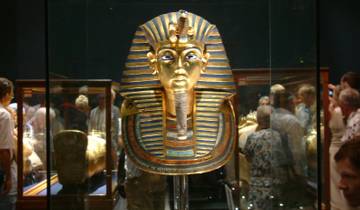
2 days
2 Days Private in Giza and Cairo
- ✓ Comprehensive Cairo tour
- ✓ Expert local guides included
- ✓ All accommodation arranged
- ✓ Transportation provided
3 days
3 Days of Wonder: Explore Giza, Cairo & Alexandria
- ✓ Comprehensive Cairo tour
- ✓ Expert local guides included
- ✓ All accommodation arranged
- ✓ Transportation provided
2 days
2 Days Luxury Private Tour to all Pyramids and Old Cairo
- ✓ Comprehensive Cairo tour
- ✓ Expert local guides included
- ✓ All accommodation arranged
- ✓ Transportation provided
3 days
City of Wonders: 3-Day Private Cairo Tour – Pyramids, Sphinx, Egyptian Museum & Nile Dinner Cruises
- ✓ Comprehensive Cairo tour
- ✓ Expert local guides included
- ✓ All accommodation arranged
- ✓ Transportation provided
Multi-day tour packages powered by TourRadar. Prices and availability subject to change.
Essential Planning Information for 2026 Walking Tours
Understanding Cairo’s Walking Districts and Geography
Cairo’s pedestrian-friendly quarters occupy distinct geographical zones across the sprawling metropolis, each offering unique architectural periods and cultural atmospheres. Islamic Cairo dominates the eastern historic center between the Citadel and Al-Azhar districts, preserving medieval urban fabric along Al-Muizz Street and surrounding lanes. Coptic Cairo clusters around Mari Girgis Metro station in Old Cairo 5 kilometers south of downtown, where ancient Roman fortifications created protected Christian quarter. Downtown Cairo spreads west of Tahrir Square through 19th-century planned development featuring grand boulevards, European-style architecture, and cultural institutions built during Khedive Ismail’s Paris-inspired modernization.
These three primary walking districts connect via Cairo Metro, taxis, or longer inter-district walks for ambitious pedestrians. The Metro Red Line efficiently links Coptic Cairo (Mari Girgis station) to Downtown (Sadat or Nasser stations) in 15 minutes for $0.50, while Islamic Cairo lies 2 kilometers east of Downtown reachable via 25-minute walk or short taxi ride ($3-5). Understanding these geographical relationships allows travelers to construct multi-district walking days combining complementary architectural periods and cultural themes, such as morning Coptic Cairo followed by afternoon Islamic Cairo progression ending at Khan el-Khalili for sunset market atmosphere.
Walking terrain varies significantly across districts, influencing footwear choices and mobility considerations. Islamic Cairo features narrow cobblestone lanes, occasional steps between elevations, and uneven medieval surfaces requiring closed-toe shoes with good ankle support and thick soles absorbing impact on stone pavements. Coptic Cairo’s compact area contains mostly paved walkways though uneven stone steps connect churches at different levels within the religious quarter. Downtown Cairo’s wide sidewalks accommodate comfortable walking though heavy pedestrian traffic and street vendors create crowded conditions requiring attention to navigate through human density rather than challenging physical terrain.
Current Costs and Entrance Fee Planning for 2026
Islamic Cairo walking routes cost $8-12 per person for major mosque entries, with Sultan Hassan Mosque-Madrasa charging $5 entrance, Al-Rifai Mosque $3 for tomb complex access, and Al-Azhar Mosque $4 for non-prayer visitors (check mosque websites for current official rates as pricing may vary). Many historic mosques along Al-Muizz Street including Al-Hakim, Aqsunqur, and Al-Muayyad remain free with requested donations of $2-3 appreciated for maintenance. Photography fees of $2-5 apply at major sites for professional camera use, though phone cameras typically photograph freely without additional charges. The comprehensive Islamic Cairo route visiting 5-6 major mosques costs $15-20 per person total including photo permits.
Coptic Cairo entrance fees focus on the Coptic Museum ($8 per person), while individual churches including the Hanging Church, Abu Serga Church, and St. Barbara Church request voluntary donations of $2-5 per site to support preservation and community programs. The Ben Ezra Synagogue charges $3 entrance for historical site access. Complete Coptic Cairo walking exploration costs $15-25 per person covering museum and church donations across the religious quarter’s primary monuments. These modest entrance fees support local Christian communities maintaining ancient structures through independent fundraising rather than government preservation budgets.
Downtown Cairo architectural walks remain largely free as most buildings function as active offices, residential spaces, or ground-floor retail rather than formal museums charging admission. Notable exceptions include the Egyptian Museum ($15 entrance for main collections, additional $10 for Royal Mummies), Townhouse Gallery (free), and occasional exhibitions at Goethe Institute or cultural centers charging $3-8 entry. Budget walkers explore Downtown spending nothing beyond refreshment costs at historic cafes, while comprehensive cultural visits including Egyptian Museum raise total costs to $20-35 per person. The downtown experience centers on observing architectural exteriors, people-watching at sidewalk cafes, and absorbing cosmopolitan neighborhood atmosphere rather than paid site entries.
Khan el-Khalili bazaar walking remains completely free as traditional souk with no entrance gates or admission requirements, though purchases naturally accumulate during market exploration. Budget $10-30 for refreshments at famous cafes like El Fishawy (mint tea $2-3, Turkish coffee $3-4), with meal costs at traditional restaurants running $8-15 per person for Egyptian specialties. Shopping expenses vary wildly from modest souvenir purchases ($5-20 for small items) to serious textile, jewelry, or handicraft investments (hundreds of dollars for quality pieces). Pure bazaar walking without purchases costs only cafe refreshments, making Khan el-Khalili economical exploration option for budget-conscious travelers appreciating atmospheric wandering over acquisition.
Islamic Cairo Walking Routes 2026
Islamic Cairo Classic Route: Citadel to Khan el-Khalili
This comprehensive 4-hour walk covers 3.5 kilometers of Islamic Cairo’s greatest architectural achievements, beginning at the Citadel’s southern entrances and progressing north through medieval heart toward Khan el-Khalili’s culminating bazaar atmosphere. The route showcases Mamluk-era architecture (1250-1517 CE) representing Cairo’s Islamic Golden Age, when the city served as capital of powerful sultanate controlling trade between Mediterranean and Indian Ocean. Morning start times (8:00-9:00 AM) provide optimal lighting for photography while avoiding midday heat that makes stone-paved medieval lanes uncomfortable during summer months.
Begin at Sultan Hassan Mosque-Madrasa (built 1356-1363 CE), one of Islamic architecture’s monumental masterpieces featuring soaring 36-meter entrance portal and cruciform interior with four massive iwans surrounding central courtyard. The adjacent Al-Rifai Mosque (completed 1912) mirrors Sultan Hassan’s scale in neo-Mamluk style, housing tombs of Egyptian royal family including King Farouk and Mohammad Reza Pahlavi (Iran’s last shah). Spend 60-90 minutes exploring both mosques’ architectural details, decorative elements, and panoramic views from Sultan Hassan’s rooftop when open to visitors. The $8 combined entrance includes both structures’ interiors, tomb chambers, and photography permissions.
Progress 800 meters north through Darb al-Ahmar neighborhood toward Al-Muizz li-Din Allah Street, Cairo’s premier medieval thoroughfare lined with restored monuments and traditional workshops. Stop at Mosque of Ibn Tulun (879 CE) via 400-meter detour west – Cairo’s oldest mosque surviving in original form with distinctive spiral minaret inspired by Samarra’s Iraqi architecture. The $5 entrance provides access to prayer courtyard, minaret climb offering panoramic Cairo views, and adjacent Gayer-Anderson Museum occupying restored Ottoman house with period furnishings. Allow 45 minutes for comprehensive mosque and museum exploration.
Enter Al-Muizz Street’s southern section near Bab Zuweila, the southern medieval gate featuring twin minarets and walls from Fatimid Cairo’s 11th-century fortifications. Walk north 1.5 kilometers through Cairo’s most concentrated historic architecture including Blue Mosque (Aqsunqur Mosque) with Damascus-imported tile work, Mosque of Al-Muayyad built atop Bab Zuweila in 1420, and continuous sequence of Mamluk-era monuments demonstrating architectural evolution across 250-year dynasty. Al-Muizz Street’s restoration projects completed 2008-2020 transformed previously deteriorating medieval quarter into pedestrian-friendly open-air museum with interpretive plaques, heritage lighting, and traffic-free exploration environments.
Continue through textile souk sections where traditional weaving shops and fabric merchants maintain craft traditions unchanged for centuries, providing authentic commercial atmosphere alongside restored monuments. Pass Qalawun Complex (1284 CE) with magnificent mausoleum featuring geometrical stucco decorations and stained glass, then Al-Azhar Mosque founded 972 CE as Fatimid dynasty’s religious and educational center that became Sunni Islam’s preeminent university. The mosque’s multiple prayer halls, courtyard, and theological college buildings demonstrate architectural additions across 1,000-year institutional history. Entrance $4 for non-Muslim visitors outside prayer times, allow 30-45 minutes for comprehensive exploration.
The route culminates at Khan el-Khalili bazaar entrance near Sayyidna al-Hussein Mosque, where medieval lanes transform into vibrant commercial district filled with souvenir shops, traditional cafes, gold merchants, and tourist-oriented businesses. Total walking time reaches 3-4 hours excluding extended mosque visits, with additional 1-2 hours recommended for Khan el-Khalili lunch and shopping immersion completing comprehensive Islamic Cairo experience.
Al-Muizz Street Focused Walk 2026
This concentrated 2-hour route follows the restored Al-Muizz li-Din Allah Street, Cairo’s medieval main thoroughfare running 1.5 kilometers through Historic Cairo’s densest monument concentration. The pedestrian street connects Bab al-Futuh (northern gate) to Bab Zuweila (southern gate), featuring over 30 protected monuments within UNESCO World Heritage boundaries. This walk suits travelers with limited time requiring maximum architectural exposure per kilometer walked, or those preferring focused medieval street exploration over scattered neighborhood wandering.
Enter from northern Bab al-Futuh gate, walking the less-touristed northern Al-Muizz section past Fatimid-era monuments including Al-Hakim Mosque (1013 CE) with massive fortified walls and twin minarets, recently restored after decades of deterioration. Continue south through medieval residential sections where ground-floor workshops maintain traditional metal-working, textile production, and food preparation visible through open archways. The street’s architectural diversity demonstrates Islamic Cairo’s stratified history from Fatimid founding (969 CE) through Ottoman rule (1517-1914 CE), with building styles reflecting changing dynasties and construction techniques.
Mid-street landmarks include Qalawun Complex’s ornate mausoleum, Al-Ghuri Complex (1504 CE) with facing mosque and mausoleum flanking the street, and multiple sabil-kuttab structures combining ground-floor water fountain with upper-floor Quranic school. These public welfare buildings demonstrate medieval Islamic cities’ social infrastructure providing free water, education, and religious services through architectural monuments simultaneously serving ceremonial and practical functions. Most monuments open freely to visitors with requested $2-3 donations supporting local maintenance, allowing economical exploration of numerous sites during concentrated street walk.
Textile Khan section near southern terminus preserves traditional fabric trading courtyard where merchants display cotton, silk, and traditional Egyptian textiles continuing medieval commercial traditions in historic architecture. End at Bab Zuweila gate with minaret climb option ($3) providing panoramic views across Islamic Cairo’s minarets, domes, and contemporary neighborhoods extending to distant pyramids on clear days. This efficient route condenses Islamic Cairo’s architectural essence into manageable 2-hour exploration suitable for half-day Cairo itineraries or travelers avoiding extensive walking distances.
Islamic Cairo Photography Route 2026
Specialized 3-hour photography-focused walk targets Cairo’s most photogenic Islamic architecture combining monumental mosques with atmospheric medieval lanes ideal for architectural, street, and cultural photography. This route prioritizes visual composition opportunities, dramatic lighting locations, and diverse photographic subjects over comprehensive historical coverage, designed for photography enthusiasts maximizing image collection during limited Cairo time. Golden hour timing (6:30-8:30 AM or 4:30-6:30 PM) provides optimal natural lighting though requires planning around mosque prayer times when interior access becomes restricted.
Begin at Sultan Hassan Mosque during early morning when eastern light illuminates the massive facade creating dramatic shadows across carved stone portal and geometric decorative patterns. The adjacent Al-Rifai Mosque provides contrasting compositions with dome and minaret clusters photographing beautifully against clear morning skies. Move to Ibn Tulun Mosque for minaret climb offering 360-degree Cairo panoramas including Citadel views eastward and downtown skyline westward, with morning clarity before afternoon haze obscures distant landmarks. The mosque courtyard’s arcaded columns and central fountain create geometric patterns ideal for architectural detail photography.
Progress to Al-Muizz Street’s atmospheric medieval sections where narrow lanes, traditional shops, and architectural fragments create layered compositions impossible in modern Cairo’s wide boulevards. Target specific photographic subjects including ornate wooden mashrabiya (screened balconies), decorative doorways with geometric brass patterns, street vendors in traditional context, and local residents providing human scale against monumental architecture. Blue Mosque’s Damascus tiles photograph magnificently when interior lighting illuminates glazed surfaces, though photography permit ($5) becomes mandatory for serious camera equipment.
Conclude at Khan el-Khalili during late afternoon when low sun penetrates bazaar alleys creating dramatic side lighting on merchandise displays, craftsmen at work, and atmospheric cafe scenes. Famous locations like El Fishawy Cafe offer classic Cairo compositions with mirrors, lanterns, and crowded tables creating layered visual complexity. Sunset timing allows golden hour market photography followed by blue hour architectural shots when heritage lighting illuminates monuments against darkening skies. Total photography walk covers 2.5-3 kilometers with slower pace emphasizing composition development over distance covered, suitable for photographers prioritizing image quality over landmark quantity.
Islamic Cairo Walking Costs for 2026
Sultan Hassan and Al-Rifai mosques combined entry $8, Ibn Tulun Mosque and Gayer-Anderson Museum $5, Al-Azhar Mosque $4, photography permits $2-5 per major site, bottled water $2-3, traditional cafe refreshments $3-6, lunch at local restaurant $8-15. Total Classic Route cost: $32-46 per person (excluding accommodation).
Budget alternatives completing Al-Muizz Street walk with free monument entries and requested donations cost $10-20 per person including refreshments, while photography-focused routes spending extended time at fewer paid sites total $25-35 with permit fees. Comprehensive full-day Islamic Cairo exploration visiting all major mosques, museums, and markets ranges $45-65 per person including entrance fees, meals, and bazaar cafe stops, representing excellent value for 6-8 hours of intensive cultural immersion in UNESCO World Heritage environment.
Coptic Cairo Walking Routes 2026
Coptic Quarter Comprehensive Walk
This concentrated 2-3 hour route explores Egypt’s Christian heritage within compact Coptic Cairo quarter occupying ancient Babylon Fortress site where Christianity took root during Roman Egypt period (1st-7th centuries CE). The 2-kilometer walking circuit connects churches, museums, and religious sites clustered around Mari Girgis Metro station, making this Cairo’s most accessible and efficient heritage walk. The quarter’s walled layout simplifies navigation within clearly defined boundaries, eliminating the route-finding challenges of sprawling Islamic Cairo’s maze-like medieval lanes.
Begin at Coptic Museum (opening 9:00 AM) housing Egypt’s premier Christian art collection spanning 1,700 years from early Christianity through Islamic period. The museum displays icons, manuscripts, textiles, and architectural elements including mashrabiya screens and decorated doorways removed from demolished churches for preservation. Dedicate 60-90 minutes examining galleries chronologically arranged from Roman-era Christian artifacts through medieval Coptic artistic traditions showing Islamic artistic influences while maintaining distinct religious identity. The $8 entrance provides comprehensive introduction to Coptic history and art essential for understanding subsequent church visits. Photography permits cost additional $3 for interior exhibits.
Exit museum into Old Cairo’s cobblestone lanes leading to the Hanging Church (Al-Muallaqa), Coptic Cairo’s most architecturally significant sanctuary built atop Roman fortress gatehouse with nave suspended above passageway. The 3rd-century foundation supports medieval church renovated through centuries of Byzantine, Islamic, and modern periods creating layered architectural palimpsest. Interior features include cedar-wood iconostasis, marble pulpit supported by 13 columns (representing Christ and apostles), and precious icons showing Syrian, Byzantine, and Coptic artistic traditions. Requested donation $2-5 supports church maintenance and community programs, with 30-45 minutes recommended for comprehensive interior examination and time absorbing ancient sanctuary atmosphere.
Continue 100 meters to Abu Serga Church (St. Sergius), Cairo’s oldest church founded 4th-5th century CE on cave traditionally identified as Holy Family’s shelter during Flight into Egypt. Descend steps to crypt level where ancient columns and vaulted ceiling create atmospheric space venerated for nearly 2,000 years. The church features elaborate iconostasis, hanging lanterns, and religious paintings depicting saints and biblical scenes in distinctively Egyptian Coptic style. Small courtyard provides shaded rest area with benches offering respite from Cairo’s intensity while remaining within spiritual environment of active Christian worship community.
Progress to St. Barbara Church (300 meters southwest) dedicated to 3rd-century martyr, featuring beautiful wooden iconostasis and traditional Coptic architectural elements including domed sanctuary and marble columns with carved capitals. The adjacent Ben Ezra Synagogue ($3 entrance) occupies 9th-century structure housing historically significant Torah scrolls and manuscripts discovered in geniza (storage) during 1890s renovations. Though no longer active synagogue (Cairo’s Jewish community dwindled to dozens), the building preserves architectural and historical importance as Egyptian Judaism monument within predominantly Christian quarter.
Conclude at Roman Tower remains and Babylon Fortress walls where original Roman construction from 30 BCE – 14 CE creates historical foundation literally supporting medieval churches built atop ancient military infrastructure. The visible archaeological layers demonstrate Cairo’s continuous inhabitation from Roman military outpost through Christian stronghold to Islamic Cairo’s eventual dominance. Total walking distance reaches 2 kilometers within compact quarter, though uneven terrain and stone steps between elevation levels require sturdy footwear despite short distances covered.
Coptic Cairo Extended Route to Islamic Cairo
This ambitious 5-6 hour combination walk connects Coptic Cairo with Islamic Cairo via 4-kilometer route progressing through Fustat archaeological site and medieval Qarafa necropolis, creating comprehensive historical journey from Christianity’s Egyptian roots through Islamic Cairo’s medieval flowering. The extended itinerary suits history enthusiasts and strong walkers comfortable with longer distances across varied terrain including modern neighborhoods lacking formal tourist infrastructure. Complete this route during cool winter months (November-March) when temperatures support sustained walking, or split across two days for more leisurely exploration pace.
Begin with standard 2-hour Coptic Quarter circuit, then progress northeast toward Fustat ruins (1.5 kilometers, 20-minute walk) through modern Old Cairo neighborhoods where residential buildings and light industry occupy area between ancient sites. Fustat marks Egypt’s first Islamic capital founded 642 CE after Muslim conquest, though fires and urban abandonment left only archaeological remains visible today. The site preserves pottery kilns, building foundations, and excavated dwellings showing early Islamic urban planning before Cairo’s founding 300 years later. Limited formal facilities and interpretive signage make Fustat more interesting for archaeology enthusiasts than casual visitors, though the transitional location provides historical connection between Christian and Islamic Cairo exploration.
Continue northeast through Qarafa (City of the Dead), Cairo’s vast cemetery district where mausoleums, tombs, and burial complexes house both dead ancestors and living communities in unique urban arrangement. Several Mamluk-era sultans’ tombs feature significant architecture including elaborate stone carvings, domed chambers, and attached mosques, though navigating informal neighborhoods requires confidence walking through residential cemetery areas where families inhabit tomb structures. This 2-kilometer cemetery traverse takes 30-45 minutes arriving at Salah Salem Road, where crossing major highway (via pedestrian overpass) enters Islamic Cairo’s southern sections near the Citadel.
Conclude with standard Islamic Cairo route from Sultan Hassan Mosque northward along Al-Muizz Street to Khan el-Khalili, completing historical progression from Roman-era Christianity through Islamic founding at Fustat to medieval Cairo’s architectural zenith. This chronological journey provides unmatched understanding of Cairo’s layered civilization, though the extended distance, informal neighborhoods, and complex routing make it suitable only for experienced urban walkers comfortable with adventurous exploration beyond standard tourist circuits.
Coptic Cairo Walking Costs 2026
Coptic Museum $8, Ben Ezra Synagogue $3, church donations (4-5 churches) $10-20 total, bottled water $2-3, refreshments at Old Cairo cafe $3-6. Total Coptic Quarter cost: $26-40 per person (excluding accommodation).
Extended routes adding Fustat and cemetery sections require only personal initiative rather than additional entrance fees, with total costs remaining comparable to Coptic Quarter alone unless purchasing lunch in Old Cairo restaurants ($8-15 per person). Budget walkers skip Coptic Museum focusing on free church access with minimal donations, reducing costs to $10-15 for comprehensive Coptic Quarter exploration.
Downtown Cairo Walking Routes 2026
Downtown Cairo Architectural Heritage Walk
This 3-hour route covers 4 kilometers of Belle Époque Cairo exploring 19th-century European-influenced architecture built during Khedive Ismail’s 1860s-1870s modernization transforming Cairo from medieval Islamic city into cosmopolitan capital rivaling Paris and Vienna. The walk showcases neoclassical, art nouveau, and art deco buildings housing banks, hotels, government offices, and cultural institutions, many in various states of preservation from beautifully maintained to evocatively crumbling. Downtown’s grid pattern simplifies navigation along wide boulevards contrasting sharply with Islamic Cairo’s narrow medieval lanes, creating accessible walking environment for urban strollers appreciating architectural diversity.
Begin at Tahrir Square (meaning Liberation Square), Cairo’s symbolic heart featuring the Egyptian Museum as northeastern anchor and modern government buildings surrounding circular plaza. The museum’s neoclassical facade (built 1901) represents early 20th-century Egyptology monumentalization, though this walk focuses on exterior architectural appreciation rather than interior collections requiring separate visit time. Circle counter-clockwise around Tahrir examining Cairo University administration building, Mogamma government complex (modernist architecture from 1940s-50s), and Omar Makram Mosque blending traditional Islamic elements with contemporary design.
Progress northeast along Talaat Harb Street, downtown’s main shopping thoroughfare lined with 4-6 story mixed-use buildings featuring ground-floor retail and upper residential or office floors. Notable structures include Yacoubian Building (1934 art deco), Groppi’s historic cafe and patisserie (restored belle époque interiors), and multiple buildings with decorative balconies, carved stone facades, and period ironwork demonstrating European architectural influences adapted to Cairo’s climate and local building traditions. Many structures show wear from Cairo’s intense urban environment, creating evocative contrast between former grandeur and current faded elegance that photographers find compelling.
Turn southeast along Qasr al-Nil Street toward Nile riverfront, passing Opera House site (original 1869 Khedivial Opera burned 1971, replaced by modern Cairo Opera House in Zamalek), continental hotels including Shepheard’s Hotel site (historic structure demolished 1957), and administrative buildings from British colonial period. Continue south along Corniche el-Nil riverside promenade where 1960s-1970s modernist towers replaced many historic buildings, though remaining belle époque structures including Semiramis Hotel and riverside palaces demonstrate former waterfront elegance. The Corniche provides Nile views with felucca sailboats, modern bridges, and Gezira Island creating photogenic river landscape.
Return inland via Qasr al-Ainy Street passing Teaching Hospital’s expansive 19th-century medical complex, French Cultural Center in restored mansion, and numerous buildings combining commercial ground floors with residential upper stories where mashrabiya screens blend Islamic architectural traditions with European structural forms. End at Sadat Metro station (Tahrir Square) completing 4-kilometer circuit through downtown’s architectural highlight zone requiring 2.5-3 hours comfortable walking pace with stops for photography, cafe breaks, and architectural observation.
Downtown Cultural Institutions Walk 2026
This specialized 2-3 hour route targets downtown’s museums, galleries, and cultural centers distributed across 3 kilometers of cultural district concentrated around Tahrir Square and radiating through surrounding neighborhoods. The walk combines exterior architectural appreciation with interior cultural experiences, suitable for art enthusiasts and culture-focused travelers prioritizing museums over shopping or café society. Plan this route for museum operating hours (9:00 AM – 5:00 PM typical, though individual institutions vary) and consider splitting across multiple days if attempting comprehensive collection visits at each location.
Begin with Egyptian Museum dedication of 2-3 hours for world’s premier Pharaonic collection including Tutankhamun galleries, royal mummies (separate ticket), and comprehensive artifacts spanning 3,000+ years of ancient Egyptian civilization. Standard entrance $15, Royal Mummies additional $10, photography prohibited inside galleries. The museum’s overwhelming collection makes focused visits more productive than attempting complete coverage, with recommended priorities including Tutankhamun treasures, Amarna Period artifacts, and royal mummy collection demonstrating ancient Egyptian mummification sophistication. Allow significant time as this institution justifies extended visit beyond typical walking tour pace.
Progress to Townhouse Gallery (free admission) on nearby Mahmoud Bassiouni Street featuring contemporary Egyptian art, photography exhibitions, and occasional performance events showcasing modern artistic production engaging with Egypt’s complex present and contested historical narratives. The gallery occupies converted residential building maintaining intimate exhibition atmosphere distinct from larger institutional museums. Operating hours vary with exhibitions; confirm current schedule before walking tour planning. Dedicate 30-45 minutes viewing current exhibitions and exploring surrounding downtown neighborhoods where authentic Cairo street life continues beyond tourist-focused Islamic Cairo or commercialized Khan el-Khalili.
Continue to Abdeen Palace Museum (2 kilometers south via 25-minute walk or short taxi) occupying portions of Mohamed Ali dynasty’s primary Cairo residence. The palace museum ($7 entrance) displays royal collections including weapons, presidential gifts, decorative arts, and historical documents showing Egyptian monarchy’s material culture and diplomatic relationships from Ottoman era through 1952 revolution. Extensive gardens and multiple museum wings require 90 minutes comprehensive tour. Alternatively, visit nearby Museum of Islamic Art (currently undergoing post-renovation reopening) housing world’s finest Islamic decorative arts collection when fully operational.
Cultural walk costs vary based on museum selections: Egyptian Museum $15-25 with mummies, Townhouse free, Abdeen Palace $7, refreshments at downtown cafes $5-10. Total cultural route costs $27-42 per person excluding meals, providing full day of museums and architecture for culture-focused visitors.
Downtown Cairo Walking Costs 2026
Downtown architectural walks remain free for exterior observation, with optional Egyptian Museum entry $15 ($25 including Royal Mummies), Abdeen Palace Museum $7, cafe refreshments at historic venues $5-10, lunch at traditional Egyptian restaurant $10-18. Total Downtown heritage walk cost: $15-35 per person excluding museum entries, or $37-65 including comprehensive museum visits (excluding accommodation).
Budget travelers explore downtown spending only cafe costs for mint tea while observing street life and architecture freely, creating economical half-day Cairo experience showcasing 19th-20th century urbanism contrasting with ancient and medieval focus of Giza, Islamic Cairo, and Coptic quarters.
Khan el-Khalili Market Walking Routes 2026
Khan el-Khalili Classic Bazaar Circuit
This immersive 2-4 hour market exploration navigates Khan el-Khalili’s labyrinthine lanes covering 1.5 square kilometers of traditional souk where merchants sell everything from tourist souvenirs to household goods serving local residents. The bazaar’s medieval origins (founded 1382 CE) create atmospheric shopping environment with narrow covered passages, wooden-beamed ceilings, and traditional architecture housing modern commerce. No formal entrance or exits exist as Khan el-Khalili integrates seamlessly with surrounding Islamic Cairo neighborhoods, making wandering and discovering rather than following rigid routes the authentic bazaar experience.
Enter from Al-Azhar Mosque side approaching tourist-focused sections selling papyrus paintings, alabaster pyramids, scarab jewelry, Turkish lamps, leather goods, textiles, spices, and endless Egyptian souvenirs targeting international visitors. Prices require negotiation – expect to pay 40-60% of initial asking prices for fair values on most items, with good-natured bargaining considered normal business interaction rather than insulting behavior. Tourist sections operate 9:00 AM – 10:00 PM daily with extended evening hours creating different atmosphere as day tourists depart and local Egyptian shoppers arrive.
Progress deeper into bazaar away from obvious tourist alleys into traditional sections serving local customers with household goods, textiles for domestic use, traditional clothing, perfume oils, metalwork, and practical items demonstrating authentic Egyptian market culture. These lanes feature less aggressive merchant approaches and often better quality goods at more reasonable starting prices due to local customer expectations. Observe traditional craftsmen hammering copper, tailoring traditional galabeyas, and creating wooden furniture using centuries-old techniques in workshops opening directly onto market passages.
Cultural highlight includes visiting El Fishawy Cafe (founded 1773), Khan el-Khalili’s most famous traditional coffee house featuring mirrors, lanterns, marble tables, and atmosphere unchanged for decades. The cafe occupies prime bazaar location with alley-side seating perfect for people-watching while sipping mint tea ($2-3) or Turkish coffee ($3-4). Legendary local intellectuals, artists, and writers historically frequented El Fishawy, making it cultural institution beyond mere tourist attraction. Allow 30-60 minutes relaxing in authentic Cairo cafe culture surrounded by bazaar energy and traditional Egyptian social rhythms.
Navigate through spice souk sections where vendors display colorful pyramids of cumin, saffron, hibiscus, cinnamon, and Egyptian spice blends used in local cuisine. Photograph carefully as some merchants request small fees for photography permissions ($1-2) when camera obviously focuses on their merchandise displays. Gold and jewelry quarters cluster along specific lanes where window displays show 18-karat gold jewelry sold by weight plus craftsmanship charges, popular with Egyptian brides and international buyers appreciating Cairo’s competitive gold prices. Exit anywhere bazaar lanes lead back to familiar landmarks like Al-Azhar Mosque or Hussein Mosque, as getting pleasantly lost represents authentic Khan el-Khalili experience.
Khan el-Khalili Photography and Crafts Route
Specialized 2-3 hour bazaar route targets photogenic locations and traditional craft workshops scattered throughout Khan el-Khalili’s interconnected passages. This walk prioritizes visual opportunities and artisan encounters over shopping, ideal for photographers and culturally curious travelers appreciating traditional craftsmanship. Morning light (9:00-11:00 AM) or late afternoon (4:00-6:00 PM) provides softer illumination filtering through market passages, though photography permissions vary with merchants – always request consent before photographing people or shop displays to avoid misunderstandings.
Target specific photographic subjects including spice pyramids in late afternoon light, copper merchants hammering traditional vessels, textile vendors arranging colorful fabrics, street vendors preparing traditional Egyptian street food, and architectural details like carved wooden doors and Islamic geometric patterns decorating historic buildings. Portrait photography of willing merchants or craftsmen requires respectful approach and often small purchase or tip acknowledging their time posing for images. Avoid obvious tourist photography focusing instead on authentic market moments showing genuine commercial interactions and traditional craftsmanship.
Visit workshops where craftsmen create merchandise rather than simply selling imported goods – look for copper smiths, leather workers, textile weavers, jewelry makers, and woodcarvers actively producing items on-site. These artisan encounters provide cultural depth beyond generic souvenir shopping, with opportunities learning traditional techniques and potentially commissioning custom pieces. Perfume distilleries offer demonstrations of traditional scent extraction and blending, though expect strong sales pitches following educational portions. Photography usually allowed with permission, creating opportunities documenting living craft traditions continuing for centuries in Khan el-Khalili’s medieval architecture.
Khan el-Khalili Walking Costs 2026
Khan el-Khalili entry free (public bazaar with no admission gates), traditional cafe refreshments $3-6, meal at bazaar restaurant $8-15, photography tips to merchants $1-2 per posed shot, shopping expenses variable from modest souvenirs ($10-30 for small items like papyrus, scarabs, small textiles) to significant purchases ($50-500+ for quality metalwork, jewelry, carpets, or custom pieces). Pure walking exploration costs only cafe refreshments total $5-12 per person, with shopping expenses added based entirely on purchasing desires and bargaining success.
Practical Walking Tour Considerations for 2026
Best Times for Cairo Walking Tours in 2026
October through April represents optimal walking season with comfortable 18-28°C daytime temperatures, minimal rainfall, and clear skies creating pleasant outdoor exploration conditions. Winter months (December-February) offer coolest temperatures of 15-22°C ideal for extended walking tours covering multiple kilometers without heat exhaustion concerns. Spring (March-April) sees temperatures rising to 25-30°C making early morning walks (7:00-10:00 AM) or late afternoon routes (4:00-7:00 PM) preferable to midday touring.
May through September brings intense heat of 32-40°C making walking challenging during midday hours (11:00 AM – 4:00 PM) when direct sun exposure on Cairo’s stone streets creates exhausting conditions. Summer walkers must schedule morning departures (6:30-9:00 AM) to complete routes before peak heat, or late afternoon starts (5:00-7:30 PM) utilizing cooler evening temperatures and atmospheric golden hour lighting. Indoor site visits including museums and mosque interiors provide air-conditioned relief during hottest hours, with outdoor walking concentrated during temperature lows.
Friday represents Muslim holy day affecting some site access and creating different neighborhood atmospheres. Major mosques close to non-Muslim visitors during Friday midday prayers (12:00-2:00 PM), requiring route timing adjustments. Conversely, Sunday affects Coptic Cairo when churches hold services and museums may have reduced hours. Plan walking routes considering weekly religious schedules to avoid closed sites and crowds during prayer times or holiday celebrations. Egyptian public holidays increase local tourist numbers but rarely prevent foreign visitor access to major monuments.
What to Bring and Wear for Walking Tours 2026
Footwear critically impacts walking comfort across Cairo’s varied terrain – choose closed-toe walking shoes with good ankle support and cushioned soles handling cobblestones, uneven surfaces, and extended distances on stone pavements. Avoid sandals or flip-flops that slip on stairs, provide inadequate arch support, and leave feet vulnerable to bruising on rough surfaces. Well-fitted athletic shoes or hiking boots work ideally, broken in before Cairo arrival to prevent blisters during multi-kilometer routes.
Modest clothing respects cultural norms while protecting from sun exposure – cover shoulders and knees with lightweight breathable fabrics in light colors reflecting heat rather than dark materials absorbing thermal energy. Women benefit from loose-fitting pants or below-knee skirts paired with sleeves covering upper arms, reducing unwanted attention while maintaining comfort in Cairo’s conservative Islamic cultural context. Men dress comfortably but avoid tank tops or short shorts in religious areas and traditional neighborhoods. Head covering (baseball cap, sun hat, or traditional headscarf) protects from intense solar exposure while sunglasses reduce glare reflecting off Cairo’s pale stone buildings.
Carry small backpack or cross-body bag containing water (1-2 liters essential for summer walks), sunscreen (SPF 50+ reapplied every 2-3 hours), portable phone charger (navigation apps drain battery quickly), basic first-aid supplies (band-aids for blisters, pain reliever), small Egyptian pound notes for entrance fees and refreshments, and emergency contact information. Smartphone with offline maps downloaded before departure enables navigation when WiFi unavailable, while camera or quality phone camera captures architectural and cultural photography opportunities. Minimize valuables carried during walking tours, leaving passports, excess cash, and unnecessary electronics secured at hotel safes.
Navigation and Wayfinding Strategies 2026
Download offline Google Maps sections covering Islamic Cairo, Coptic Cairo, Downtown, and connecting routes before walking tours, as cellular data proves unreliable in medieval quarter’s dense architecture blocking signals. GPS coordinates for major landmarks enable precise navigation even when street names remain unclear on mapping apps. Paper backup maps from hotels provide non-electronic navigation alternatives if phone battery dies or technology fails during extended walking days.
Islamic Cairo’s maze-like medieval lanes require strategic wayfinding using prominent landmarks as reference points – Al-Muizz Street serves as north-south spine connecting Bab al-Futuh and Bab Zuweila gates, while major mosques visible from distance guide orientation. Getting temporarily disoriented represents normal Islamic Cairo experience; remain calm and ask shopkeepers for directions toward major landmarks rather than attempting complex turns through unmarked alleys. Most routes eventually reconnect with Al-Muizz Street or emerge at familiar squares where reorientation becomes possible.
Coptic Cairo’s compact walled quarter simplifies navigation within clear boundaries marked by Roman fortress walls and main gates. Downtown’s grid pattern makes orientation straightforward using Tahrir Square as central reference and numbered streets creating logical navigation framework. Khan el-Khalili’s purposeful maze design means getting lost adds to authentic bazaar experience – embrace wandering and discovering rather than stressing about exact position, as all passages eventually lead back to surrounding major landmarks when ready to exit.
Safety and Cultural Etiquette for Walkers 2026
Cairo maintains safe walking environments in tourist districts with professional tourist police presence and local residents accustomed to international visitors. Standard urban awareness applies: secure bags across body rather than hanging from shoulder, avoid displaying expensive cameras when not actively photographing, keep smartphones in secure pockets rather than hand-held while walking, and trust instincts about uncomfortable situations. Walking during daylight hours (7:00 AM – 6:00 PM) provides maximum safety and visibility, with evening walks concentrated in well-lit commercial areas rather than isolated medieval lanes.
Persistent vendor approaches represent normal Khan el-Khalili experience – polite but firm “la shukran” (no thank you) proves most effective response to unwanted sales pitches. Avoid extended conversations with overly friendly strangers offering unsolicited guidance or tour services, as these often lead to commission-based shop visits. Legitimate assistance comes naturally from shopkeepers and residents when you clearly need directions, distinguishable from orchestrated “helpful strangers” steering tourists toward specific businesses.
Photography etiquette requires asking permission before photographing individuals, with particular respect for women who may object to appearing in tourist photos for religious or cultural reasons. Mosque photography follows site-specific rules – remove shoes at entrances, avoid photography during prayer times, never photograph worshipers without permission, and respect prayer space sanctity even when open to tourists. Churches appreciate similar courtesy with quiet observation during services, modest dress covering shoulders and knees, and requested donations supporting community programs. Following these cultural protocols ensures positive interactions and authentic cultural exchange during walking explorations.
Combining Walking Routes into Multi-Day Itineraries 2026
Three-Day Walking-Focused Cairo Itinerary
Day One begins with Islamic Cairo Classic Route (8:00 AM – 12:00 PM) covering Sultan Hassan Mosque through Al-Muizz Street to Khan el-Khalili for lunch at traditional restaurant. Afternoon continues with Khan el-Khalili exploration and shopping (1:00-4:00 PM), concluding with sunset from Bab Zuweila minaret. This comprehensive Islamic Cairo immersion covers 4-5 kilometers total walking, introducing Cairo’s medieval Islamic character through architecture, street life, and bazaar culture. Evening includes traditional dinner at Khan el-Khalili restaurant followed by mint tea at El Fishawy Cafe experiencing authentic Cairo social atmosphere.
Day Two explores Coptic Cairo morning circuit (9:00 AM – 12:30 PM) beginning with Coptic Museum followed by Hanging Church, Abu Serga, St. Barbara, and Ben Ezra Synagogue comprehensive tour. Lunch at Old Cairo restaurant precedes afternoon Downtown architecture walk (2:00-5:00 PM) covering Belle Époque buildings, Corniche riverfront, and colonial-era landmarks. This day contrasts ancient Christian heritage with 19th-century European-influenced modernization, demonstrating Cairo’s multi-layered civilizational development across radically different architectural and urban environments. Total walking reaches 5-6 kilometers across two distinct districts connected by Metro or taxi transfer.
Day Three dedicates morning to Egyptian Museum (9:00 AM – 12:00 PM) for comprehensive Pharaonic collection including Tutankhamun and Royal Mummies, followed by light lunch at downtown cafe. Afternoon offers choice between returning to favorite districts for deeper exploration, visiting previously skipped sites like Ibn Tulun Mosque, or relaxing at Nile-side cafes recuperating from intensive walking schedule. This balanced three-day itinerary covers Cairo’s essential historic districts through walking-based exploration totaling 15-18 kilometers across varied terrain, suitable for travelers prioritizing pedestrian cultural immersion over vehicle-based sightseeing.
Walking Tours Combined with Vehicle-Based Cairo Attractions
Balance intensive walking days with vehicle-based excursions to Giza Pyramids, Saqqara, and other distant sites requiring transportation, preventing fatigue from excessive daily pedestrian activity. Alternate walking-focused Cairo days with driver-based archaeological site visits creating sustainable touring rhythm managing energy levels across extended Cairo stays. This combination approach provides comprehensive city coverage while respecting physical limitations of continuous walking in heat and crowds.
Typical pattern includes Giza Pyramids vehicle tour followed by afternoon Islamic Cairo walk, or morning Coptic Cairo exploration preceding afternoon Nile felucca sailing rest period. Multi-day combinations might schedule walking-intensive Islamic Cairo and Khan el-Khalili Day One, vehicle-based Giza and Egyptian Museum Day Two, walking-focused Downtown and Coptic Cairo Day Three, creating varied experiences preventing monotonous daily patterns while covering essential Cairo attractions through appropriate transportation modes for each district’s characteristics.
Frequently Asked Questions About Walking Tours
How far will I walk on typical Cairo walking tours in 2026?
Islamic Cairo classic routes cover 3.5-5 kilometers requiring 3-4 hours including site visits, while Coptic Cairo walks span 2 kilometers completable in 2-3 hours within the compact quarter. Downtown architectural tours reach 4-5 kilometers across 2.5-3 hours exploring wider boulevards and riverfront areas. Khan el-Khalili bazaar exploration involves 2-3 kilometers of wandering though actual distance varies based on shopping interests and maze navigation paths. Comprehensive full-day walking combinations total 8-10 kilometers across morning and afternoon routes, manageable for moderately fit walkers accustomed to urban pedestrian activity. Those with mobility limitations focus on compact Coptic Cairo or concentrated Al-Muizz Street sections minimizing distance while maximizing architectural exposure per kilometer walked.
Can I hire a private guide for walking tours in Cairo?
Licensed Egyptologist guides offer private walking tours for $80-150 per group (2-6 people) providing 3-4 hours of expert interpretation covering Islamic Cairo, Coptic Cairo, or specialized thematic routes. These private arrangements allow customized pacing, specific interest focus (architecture, archaeology, Islamic history, photography), and flexible departure times impossible with fixed group tours. Book guides through reputable agencies, hotel concierges, or established online platforms ensuring qualified professionals with proper licensing and insurance coverage. Private guides prove particularly valuable for complex Islamic Cairo routes where architectural details and historical context significantly enhance site appreciation, justifying the premium cost through educational depth and personalized attention unavailable during self-guided exploration using only guidebooks.
Are Cairo walking tours accessible for visitors with mobility limitations?
Accessibility varies significantly across walking districts based on terrain and infrastructure. Downtown Cairo’s wide pavements and relatively flat terrain accommodate wheelchairs and limited mobility visitors best, though curbs, traffic, and crowded sidewalks create challenges requiring assistance. Coptic Cairo features multiple staircases between elevation levels and uneven stone surfaces limiting wheelchair access to main courtyard areas only, with church interiors often requiring steps making comprehensive visits difficult for mobility-impaired travelers. Islamic Cairo presents greatest accessibility challenges with narrow cobblestone lanes, frequent steps, uneven medieval surfaces, and no wheelchair-accessible routes through historic quarter. Visitors with significant mobility limitations consider vehicle-based tours stopping at accessible monuments or focus on limited Downtown walking avoiding Islamic Cairo’s challenging medieval terrain completely.
What should I do if I get lost during self-guided Cairo walks?
Remain calm and retrace steps to last recognized landmark rather than continuing randomly through unfamiliar lanes potentially moving farther from known locations. Ask shopkeepers or local residents for directions to major landmarks like Al-Azhar Mosque, Bab Zuweila, or main thoroughfares – most Cairenes assist tourists genuinely and enjoy demonstrating hospitality. Use phone GPS if available, noting that Islamic Cairo’s dense architecture sometimes blocks signals requiring patience until satellite connection reestablishes clear position. Taxis easily found on main streets provide quick return to hotels or familiar areas ($3-8 depending on distance) when disorientation prevents confident navigation back to routes. Accept getting temporarily lost as authentic Cairo experience creating memorable spontaneous encounters and unplanned discoveries that rigid adherence to routes eliminates, though ensure adequate daylight remains (at least 2 hours before sunset) for safe reorientation.
Can I combine walking tours with photography focused on people and street life?
Street photography opportunities abound throughout Cairo’s walking districts, though cultural sensitivity and permission requests prove essential for respectful image-making. Always ask permission before photographing individuals directly, particularly women who may decline for religious or personal reasons. Candid street scenes photographing general activity without individual focus faces less resistance, though remain aware some people object to appearing in tourist photographs regardless of composition. Bazaar merchants generally permit photography with informal understanding small purchases or tips ($1-2) acknowledge their cooperation posing with merchandise. Children’s parents almost always must be asked first before photographing minors, with refusals respected without argument. Architectural and monument photography faces fewer restrictions, making building facades, decorative details, and spatial compositions safer photographic subjects than direct portraiture. Photography-focused walks benefit from early morning or late afternoon visits when softer lighting creates better image quality and fewer crowds reduce compositional clutter in heritage environments.
How do I find authentic local experiences during walking tours versus tourist-oriented sites?
Venture beyond main tourist circuits into neighborhood areas slightly removed from primary monument clusters, where authentic Egyptian daily life continues without tourist-focused modification. Visit local cafes where Egyptian men gather for tea, backgammon, and conversation rather than tourist-oriented establishments like El Fishawy designed for international visitors. Shop at markets selling household goods, produce, and daily necessities rather than souvenir bazaar sections, observing genuine commercial interactions between locals. Walk residential lanes where families occupy traditional buildings, children play street games, and elderly residents sit in doorways watching neighborhood activity. Morning hours (7:00-10:00 AM) show authentic Cairo routines before tourist crowds arrive, while late afternoon (4:00-7:00 PM) captures evening social patterns when residents emerge from midday rest. Learning basic Arabic phrases like “sabah el kheir” (good morning), “shukran” (thank you), and “min fadlak” (please) facilitates natural interactions demonstrating respect for Egyptian culture beyond expecting English-language accommodation.