
Cairo with Kids 2026: Complete Family Travel Guide
This comprehensive guide provides parents with detailed information for planning exceptional Cairo family trips in 2026, covering everything from choosing optimal travel timing and budgeting realistic costs to selecting kid-friendly attractions, managing logistics with children, and creating balanced itineraries that maintain energy levels while maximizing experiences. Whether traveling with toddlers, school-age children, or teenagers, families will find practical strategies for navigating Cairo’s wonders while keeping everyone comfortable, engaged, and safe throughout the Egyptian adventure.
Key Takeaways
- Cairo offers extraordinary family experiences combining ancient wonders with modern attractions, with the Pyramids of Giza providing unforgettable educational adventures for children of all ages
- Family trips cost $150-250 per day for a family of four (excluding accommodation), with strategic planning reducing expenses through combination tickets, local restaurants, and advance bookings
- October through April provides optimal weather conditions for families, with temperatures ranging 15-25°C (59-77°F), while summer heat requires careful planning and frequent breaks
- Private drivers offer the most convenient family transportation option at $40-60 per day, providing flexibility, air conditioning, and eliminating navigation stress with young children
- Kid-friendly hotels in Zamalek and near the Pyramids range $120-280 per night for family rooms, with many offering pools, playgrounds, and child-specific amenities
- Egyptian cuisine includes numerous child-friendly options including koshari, grilled meats, fresh breads, and familiar international food available at most tourist-area restaurants
Planning Your Cairo Family Adventure in 2026
Cairo transforms family travel into an immersive educational adventure where children walk among 4,500-year-old pyramids, explore mummy collections in world-class museums, and navigate bustling bazaars filled with colors, sounds, and discoveries. The Egyptian capital combines ancient wonders with modern family amenities, creating unique experiences that captivate children’s imaginations while providing comfort and safety for parents. The city’s concentration of major attractions within manageable distances, abundance of family-friendly accommodations, and Egyptian cultural warmth toward children makes Cairo an increasingly popular destination for adventurous families in 2026.
Planning a successful Cairo family trip requires understanding the city’s rhythm, climate challenges, and logistics that differ significantly from typical European or North American destinations. The intense summer heat, cultural differences, traffic patterns, and sensory richness of Cairo demand strategic preparation, but families who invest in thoughtful planning discover that Cairo delivers transformative experiences that children remember for decades. The combination of tangible history, exotic culture, and genuine adventures creates learning opportunities impossible to replicate in classroom settings or conventional tourist destinations.
People Also Ask About Cairo with Kids 2026
Is Cairo safe for families with children in 2026?
Cairo maintains good safety conditions for families in tourist areas frequented by visitors with children. Major attractions including the Pyramids of Giza, Egyptian Museum, and established tourist districts employ security measures including bag checks, metal detectors, and visible security personnel. Tourist police patrol key sites and hotels, while family-friendly areas like Zamalek, Heliopolis, and the Pyramids plateau maintain low crime rates specifically affecting tourists.
The primary safety considerations involve traffic patterns and street crossing, as Cairo’s chaotic roads present genuine hazards for children unaccustomed to aggressive driving. Parents maintain constant physical contact with young children near roads, use pedestrian underpasses where available, and rely on private drivers or organized tours rather than attempting independent navigation with kids. The second consideration involves heat management during warmer months, requiring frequent water breaks, sun protection, and recognizing early signs of heat exhaustion in children.
Health safety focuses on food and water precautions: families stick to bottled water exclusively, choose restaurants in hotels or established tourist venues, and pack familiar snacks for picky eaters. Most families experience no health issues beyond minor digestive adjustments. Travel insurance covering medical emergencies provides peace of mind, though major hotels maintain relationships with English-speaking doctors familiar with treating tourists. Egyptian culture’s general affection toward children creates welcoming atmospheres, with locals often going out of their way to help families with young kids.
What are the best kid-friendly attractions in Cairo in 2026?
The Pyramids of Giza dominate family itineraries, providing the ultimate “wow” moment when children first glimpse these ancient structures. Kids climb inside pyramids, explore around the Sphinx, ride camels across the plateau, and tangibly connect with history in ways that photographs cannot replicate. The sheer scale impresses children of all ages, while the hands-on nature of exploring pyramid chambers creates adventure-story experiences kids retell for years.
The Egyptian Museum houses mummy collections that fascinate children, particularly the Royal Mummy Room showcasing preserved pharaohs. The Tutankhamun galleries display golden treasures that capture young imaginations, while the museum’s vast collection provides endless discovery opportunities. Al-Azhar Park offers green space, playgrounds, and stunning Cairo views where children run freely after days of structured sightseeing. Cairo Tower’s observation deck provides 360-degree city panoramas with elevator rides children enjoy. Khan el-Khalili bazaar engages older children through shopping adventures, traditional crafts, and sensory experiences of authentic Egyptian commerce.
The Pharaonic Village recreates ancient Egyptian life through actors, replicas, and interactive displays designed specifically for family education. Dream Park amusement park provides Western-style entertainment if children need familiar experiences. The Giza Zoo, while showing age, offers animal encounters and shaded gardens for relaxed family time. The CityStar mall complex includes play areas, cinemas, and restaurants when families need air-conditioned respite from Cairo’s intensity.
How much does a family trip to Cairo cost in 2026?
A family of four (two adults, two children) spends $150-250 per day on activities, meals, and local transportation in Cairo, excluding accommodation. Pyramid complex entry costs $25-30 per adult and $13-15 per child, with Great Pyramid interior access adding $27-32 per person in 2026 (check egypt.travel for current official rates as pricing may vary). Egyptian Museum entry runs $15-20 per adult, $8-10 per child. Private driver services range $40-60 per full day, eliminating public transport challenges with children.
Family meals cost $40-70 daily at tourist-friendly restaurants: breakfast $20-30, lunch $25-35, dinner $35-45, with children often sharing adult portions or ordering from kids’ menus where available. Snacks, bottled water, and treats add $15-25 daily. Hotel accommodations for families range dramatically: budget family rooms $80-120, mid-range hotels with pools and breakfast $150-220, luxury properties near Pyramids $250-400 per night.
Five-day Cairo family trips total approximately $2,500-4,000 including flights, accommodation, activities, meals, and local transport. Families reduce costs through apartment rentals with kitchens for breakfast preparation, combination tickets for multiple attractions, strategic lunch timing at local restaurants rather than tourist venues, and advance booking of tours during promotional periods. Luxury family experiences including premium hotels, private guides, and upscale dining reach $5,000-7,000 for five days.
What’s the best time to visit Cairo with kids in 2026?
October through April provides optimal conditions for Cairo family travel, with comfortable temperatures ranging 15-25°C (59-77°F) making outdoor exploration pleasant for children. November through February offers the coolest weather, ideal for pyramid climbing and extended outdoor activities, though occasional rain showers occur. March and April feature excellent weather before heat intensifies, with spring flowers blooming in parks and gardens.
December and January coincide with European and American holiday breaks, creating peak tourist periods with fuller attractions but manageable crowds compared to European destinations. Families booking this period secure accommodations and tours 3-4 months ahead. October and November provide the sweet spot of good weather, fewer tourists than winter peak, and lower hotel rates than holiday season.
May through September brings intense heat reaching 35-40°C (95-104°F), challenging for young children unused to extreme temperatures. Families visiting summer months plan indoor activities during midday heat (museum visits, mall time), schedule pyramid visits for early morning 6-9 AM, and ensure constant hydration. Summer offers lowest accommodation prices and smallest crowds, but the heat stress requires careful energy management with kids. Ramadan timing varies annually; 2026 Ramadan falls February 28-March 29, affecting restaurant hours and creating unique cultural experiences but requiring meal planning adjustments.
Extended multi-day tours – 5+ days
Featured Cairo Multi-Day Tour Packages
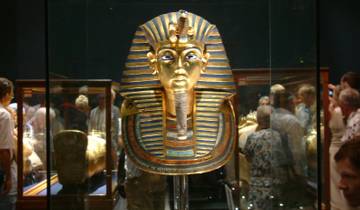
2 days
2 Days Private in Giza and Cairo
- ✓ Comprehensive Cairo tour
- ✓ Expert local guides included
- ✓ All accommodation arranged
- ✓ Transportation provided
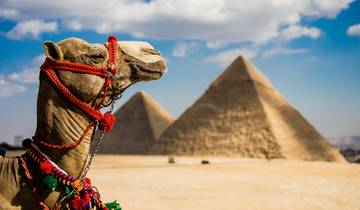
3 days
3 Days of Wonder: Explore Giza, Cairo & Alexandria
- ✓ Comprehensive Cairo tour
- ✓ Expert local guides included
- ✓ All accommodation arranged
- ✓ Transportation provided
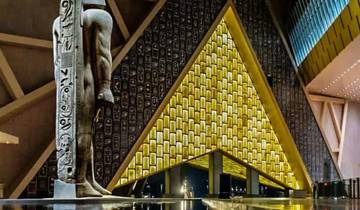
2 days
2 Days Luxury Private Tour to all Pyramids and Old Cairo
- ✓ Comprehensive Cairo tour
- ✓ Expert local guides included
- ✓ All accommodation arranged
- ✓ Transportation provided
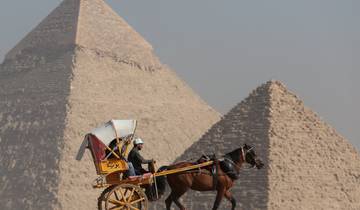
3 days
City of Wonders: 3-Day Private Cairo Tour – Pyramids, Sphinx, Egyptian Museum & Nile Dinner Cruises
- ✓ Comprehensive Cairo tour
- ✓ Expert local guides included
- ✓ All accommodation arranged
- ✓ Transportation provided
Multi-day tour packages powered by TourRadar. Prices and availability subject to change.
Essential Planning Information 2026
Entry Requirements and Visas for Families 2026
Most nationalities obtain Egyptian tourist visas on arrival at Cairo International Airport, costing $25 per person regardless of age. Children included on parents’ passports require their own visas. Passports must remain valid for six months beyond entry date. The visa-on-arrival process takes 20-40 minutes after immigration queues, with families keeping cash ready in US dollars or euros as credit cards aren’t accepted at visa counters.
E-visa options allow advance processing through Egypt’s official visa portal, eliminating airport queuing with tired children. E-visa approval takes 5-7 business days, costs the same $25 per person, and requires uploading passport photos and completing online forms. Families with infants find e-visas particularly valuable for streamlining airport arrival. Some nationalities including UAE residents enter Egypt visa-free for tourism stays up to 90 days.
Travel authorization requirements for minors traveling with one parent or without parents vary by home country. Families check their national requirements regarding notarized letters, custody documents, or permission statements needed when children travel internationally. Egypt doesn’t require specific documentation beyond passports and visas, but airlines and departure countries often impose requirements. Families carry birth certificates proving parent-child relationships, particularly when children have different surnames than accompanying adults.
Health and Safety Considerations 2026
No mandatory vaccinations exist for Egypt entry from most countries, though doctors recommend ensuring routine childhood immunizations remain current. Hepatitis A vaccination provides protection against food-borne illness exposure. Families consult travel medicine specialists 6-8 weeks before departure for personalized recommendations based on children’s ages and health conditions.
Water safety represents the primary health concern: families exclusively use bottled water for drinking, tooth brushing, and preparing infant formula. Hotels provide complimentary bottled water, while stores sell it inexpensively throughout Cairo. Ice in drinks occasionally causes issues; families stick to drinks without ice or verify hotels use purified water for ice production. Fresh fruits and vegetables washed in tap water pose minimal risk in upscale restaurants and hotels but families exercise caution with street food vendors.
Sun protection demands attention in Cairo’s intense sunshine: families pack high-SPF sunscreen, wide-brimmed hats, and lightweight long-sleeve clothing for children. Dehydration threatens children quickly in heat, requiring parents to offer water every 20-30 minutes regardless of whether children express thirst. Signs of heat exhaustion including excessive tiredness, crankiness, or reduced urination demand immediate cooling, hydration, and potential medical attention.
Comprehensive travel insurance covering medical evacuation, hospital stays, and trip cancellation provides essential protection for family travel. Policies specifically covering children ensure age-appropriate coverage limits. Major hotels maintain relationships with international-standard medical clinics staffed by English-speaking doctors. Families pack basic first-aid supplies, children’s pain/fever medication, motion sickness remedies, and any prescription medications in original containers with doctor’s notes for customs.
Best Kid-Friendly Attractions 2026
Pyramids of Giza: The Ultimate Family Adventure
The Pyramids of Giza deliver the quintessential Cairo family experience, combining ancient wonder, hands-on exploration, and photo opportunities that define trip memories. The sheer scale stuns children when approaching the plateau, with the Great Pyramid’s massive limestone blocks and the enigmatic Sphinx creating tangible connections to ancient civilizations studied in schools. Unlike museum artifacts behind glass, children touch 4,500-year-old stones, climb into pyramid chambers, and physically experience the archaeological marvels.
Families enter the Great Pyramid complex through tickets costing $25-30 per adult and $13-15 per child for the general complex. Interior pyramid access requires additional tickets: Great Pyramid (Khufu) $27-32 per person, Khafre Pyramid $7-9 per person (check official rates). The Great Pyramid interior involves steep, narrow passages with low ceilings, claustrophobic conditions unsuitable for very young children or those uncomfortable in tight spaces. Children over 8 with good mobility handle the climb well, finding the interior chambers thrilling. The Khafre interior provides easier access with similar atmospheric experiences.
Camel and horse rides across the plateau enchant children, with short rides costing $10-15 per person for 15-20 minutes. Families negotiate prices firmly before mounting, clarify exact route and duration, and ignore aggressive vendors suggesting route changes requiring additional payment. Reputable stables near the main entrance provide safer experiences than independent operators near distant pyramids. Photo opportunities with camels at dramatic pyramid backdrops create iconic family portraits.
Solar Boat Museum displays the reconstructed ancient wooden boat buried beside the Great Pyramid, fascinating children interested in how ancient Egyptians built ships. The museum’s air-conditioned environment provides heat relief while offering educational value. Panoramic viewpoints behind the smaller queens’ pyramids provide the classic three-pyramids alignment photo without crowds, where children safely run and explore while adults capture stunning images.
Optimal timing visits pyramids at 7-8 AM opening when temperatures remain cool, crowds stay minimal, and children maintain fresh energy. Two to three hours covers the complex thoroughly, including photos, camel rides, and short interior pyramid exploration. Families bring substantial water, snacks, sun protection, and comfortable walking shoes for extensive plateau exploration. Avoiding midday heat makes the experience enjoyable rather than exhausting for children.
Egyptian Museum: Mummies and Treasures
The Egyptian Museum houses the world’s most extensive collection of pharaonic artifacts, with galleries specifically capturing children’s imaginations through mummies, golden treasures, and ancient artifacts. The Royal Mummy Room displays preserved pharaohs including Ramses II and Queen Hatshepsut, providing the “wow” factor children seek. The separate mummy room requires additional tickets ($15-20 per adult, $8-10 per child) but delivers essential experiences families remember distinctly.
Tutankhamun galleries showcase the boy king’s golden mask, jewelry, chariots, and funerary equipment discovered intact in 1922. The treasures’ craftsmanship and gold quantity mesmerize children, while the story of discovery creates narrative context kids follow easily. Audio guides available for rental ($5-7) provide child-friendly commentary explaining artifacts without overwhelming young attention spans.
The museum’s vast collection risks overwhelming children with 120,000+ artifacts across multiple floors. Families create focused tours hitting highlights: Tutankhamun galleries, Royal Mummy Room, animal mummies, colossal statues in the ground floor central hall, and the Narmer Palette telling Egypt’s unification story. Themed scavenger hunts keep children engaged, challenging them to find specific artifacts, identify gods by their animal heads, or count items featuring particular symbols.
Two to three hours provides sufficient time for children’s attention spans while covering essential collections. The museum lacks modern climate control, making afternoon visits uncomfortably hot during warmer months. Morning visits 9-11 AM offer cooler conditions and thinner crowds. The museum prohibits photography in special rooms including mummy galleries, teaching children respectful behavior in cultural spaces. Families bring or purchase snacks and drinks from nearby vendors, as the museum’s café offers limited options.
Al-Azhar Park: Green Space for Play
Al-Azhar Park provides essential green space where children run, play, and simply be kids after days of structured historical touring. The 30-hectare park features landscaped gardens, playgrounds, water features, and stunning Cairo panoramas from its elevated position overlooking Islamic Cairo. Entry costs $2-3 per person, making it an affordable family activity providing hours of entertainment.
Playgrounds offer age-appropriate equipment for toddlers through pre-teens, with shaded seating areas where parents supervise while enjoying park views. Walking paths wind through gardens showcasing regional plants and flowers, providing pleasant family strolls without the chaos of Cairo streets. The lakeside promenade allows children to watch fountains and spot fish while parents relax on benches.
Multiple restaurants within the park serve Egyptian and international cuisine at various price points: casual cafés offering sandwiches and pastries $8-12 per person, mid-range restaurants serving full meals $15-25 per person, and upscale dining with terrace views $30-45 per person. The family-friendly atmosphere welcomes children, with outdoor seating and flexible menu options. Families often pack picnics using supplies from nearby supermarkets, though park authorities regulate picnicking to specific grass areas.
Evening visits during cooler months provide magical experiences with illuminated pathways, fountain light shows, and twinkling Cairo lights stretching to the Pyramids visible in distance. The park remains open until 10-11 PM, allowing families to escape hotel rooms for refreshing outdoor time after dinner. Friday and Saturday attract local Egyptian families, creating lively atmospheres where children observe local kids playing and potentially make international friends.
Cairo Tower: Sky-High Views
Cairo Tower’s observation deck provides 360-degree panoramas from 187 meters height, with children enjoying both the elevator ride and stunning views across Cairo, the Nile, and distant Pyramids on clear days. The distinctive lotus-flower-shaped tower in Zamalek stands as Cairo’s most recognizable modern landmark, offering family-friendly entertainment requiring minimal walking.
Tickets cost $7-10 per adult, $4-6 per child, with elevator access included. The observation deck visit takes 45-60 minutes, making it ideal for breaking up longer touring days or providing late afternoon activity before dinner. Binoculars (coin-operated $1-2) let children search for landmarks spotted during ground-level explorations. Interactive displays identify visible landmarks, though information quality varies.
The rotating restaurant at top provides dining experiences, though food quality and prices target tourists rather than offering value ($25-40 per person). Families often skip the restaurant, instead enjoying views from the observation deck then dining at superior restaurants in Zamalek below. Sunset timing creates spectacular light across Cairo, with golden-hour photography opportunities families cherish.
Late afternoon visits 4-6 PM avoid midday heat while providing excellent light conditions. Lines rarely exceed 15-20 minutes except during Egyptian holidays and Friday afternoons. The tower’s central Zamalek location makes it easy to combine with nearby activities: park strolls along the Nile Corniche, ice cream shops, or child-friendly restaurants in the neighborhood.
Khan el-Khalili Bazaar: Sensory Adventure
Khan el-Khalili bazaar immerses families in authentic Egyptian commerce, with narrow lanes filled with shops selling perfumes, jewelry, textiles, spices, and souvenirs. Older children and teenagers enjoy the exotic atmosphere, bargaining practice, and treasure-hunt nature of bazaar exploration. The sensory richness—colors, sounds, scents, crowds—creates memorable experiences distinctly different from Western shopping.
Families with young children keep bazaar visits brief, as the crowds, aggressive vendors, and navigation complexity overwhelm small kids quickly. Strategic timing visits mornings 10 AM-12 PM when vendors open but afternoon crowds haven’t arrived. Single-entrance, single-exit routes prevent children getting lost in the maze-like passages. Families maintain physical contact with children at all times, as the density of people makes supervision challenging.
Shopping opportunities abound for souvenirs children enjoy: papyrus paintings with names in hieroglyphics $3-8, alabaster pyramids and scarabs $5-15, traditional textiles and clothing $10-30, and Egyptian-themed toys and games $5-20. Bargaining expectations require offering 50-60% of initial quoted prices, teaching children negotiation skills while obtaining fair deals. Families set souvenir budgets with children before entering, preventing disappointment or excessive spending.
The famous Fishawi’s Café provides atmospheric rest stops where families order mint tea, fresh juice, or snacks while absorbing bazaar energy from relatively calm seating areas. The café’s 200+ year operation offers historical context children grasp. Evening visits after 6 PM showcase illuminated storefronts and cooler temperatures, though crowds intensify considerably, making navigation with children more challenging.
Family Accommodation Options 2026
Kid-Friendly Hotels Near Major Attractions
Hotels near the Pyramids of Giza provide unbeatable location convenience for families prioritizing ancient site access. Properties ranging from budget to luxury offer pyramid views, pools, and family-specific amenities. The Marriott Mena House ($280-450 per night for family rooms) sits directly at the Pyramids, with grounds children explore, multiple pools, and breakfast buffets featuring international options picky eaters accept. Pyramid views from rooms eliminate separate trips for sunset photography.
Mid-range pyramid-area hotels like Hayat Pyramids View ($150-220) offer pools, family rooms sleeping four, breakfast included, and proximity allowing families to walk to the Pyramids entrance in 10-15 minutes. Budget options including Pyramids Loft Homestay ($80-120) provide basic comfortable accommodation with helpful hosts offering local tips and breakfast preparation.
Zamalek island hotels cater to families seeking quieter neighborhoods with tree-lined streets, cafés, and Nile proximity. The Marriott Cairo ($200-320) features extensive grounds with pools, playgrounds, and multiple restaurant options. Sofitel El Gezirah ($180-280) provides Nile views, rooftop pool, and convenient access to Cairo Tower and Egyptian Museum. Zamalek’s safety and walkability let families explore neighborhoods on foot, visiting parks, ice cream shops, and local restaurants.
Downtown hotels near the Egyptian Museum offer central locations but noisier environments with heavier traffic. Families preferring downtown convenience choose hotels with pools and quiet upper floors: Kempinski Nile Hotel ($220-350) provides luxury amenities and museum proximity, while mid-range options like Hotel Longchamps ($120-180) offer clean comfortable rooms and helpful staff.
Hotel selection priorities for families include: air conditioning reliability, pool facilities for cooling off, breakfast buffets with child-friendly options, room configurations sleeping families comfortably, and helpful staff arranging tours and transportation. Many hotels offer children-stay-free promotions for kids under 6-12 sharing parent rooms. Crib and rollaway bed availability varies, requiring advance confirmation when booking.
Apartment Rentals and Extended Stay Options
Serviced apartments provide excellent value for families, with kitchen facilities reducing meal costs, more space than hotel rooms, and often lower nightly rates for week-long stays. Zamalek and Heliopolis neighborhoods offer the most family-friendly apartment options with safe environments and nearby amenities. Two-bedroom apartments sleep families of four comfortably, ranging $800-1,500 weekly depending on season and luxury level.
Kitchen access allows families preparing breakfast and simple lunches, dramatically reducing food costs while accommodating picky eaters or dietary restrictions. Supermarkets near apartment buildings stock familiar international brands alongside Egyptian products. Washing machines let families pack lighter, essential for week-long trips or traveling with young children requiring frequent clothing changes.
Apartment rentals through established platforms including Airbnb, Booking.com, and local agencies provide verified properties with reviews from previous guests. Families prioritize apartments in secured buildings with elevator access, air conditioning in all rooms, and proximity to family-friendly restaurants and activities. Hosts offering airport pickup and local orientation help families settle quickly without navigation stress.
Extended stay hotels including Residence Suites Cairo ($150-220 weekly rate) blend apartment facilities with hotel services: housekeeping, reception desks, and on-site restaurants. These properties suit families wanting cooking flexibility without managing entirely independent apartments. Studio and one-bedroom configurations work for smaller families, while two-bedroom units accommodate four to six people comfortably.
Dining with Kids in Cairo 2026
Kid-Friendly Restaurant Options
Tourist-area restaurants near major attractions understand family needs, offering children’s menus, familiar international dishes, and welcoming atmospheres. Hotel restaurants provide the safest introduction to Egyptian dining, with buffets letting picky eaters select comfortable options while adventurous family members try local specialties. Breakfast buffets particularly suit families, providing fresh fruit, cereals, yogurt, eggs, and pastries children recognize alongside Egyptian options like ful medames and fresh breads.
Chain restaurants including McDonald’s, KFC, and Pizza Hut operate throughout Cairo, providing familiar comfort food when children need recognizable meals. These locations maintain Western cleanliness standards and offer play areas at some branches. While not showcasing authentic Egyptian cuisine, they serve important roles helping children maintain eating routines, particularly after several days of unfamiliar foods.
Traditional Egyptian restaurants welcoming families include Abou El Sid (multiple locations, $15-25 per person) serving authentic cuisine in atmospheric settings, with staff accustomed to helping foreign families navigate menus. Felfela ($8-15 per person) offers casual Egyptian dining with mezze platters children graze through selection. Andrea El Mariouteya near the Pyramids provides garden seating, grilled meats children enjoy, and relaxed family-friendly service.
Street food tempts older children and adventurous eaters, though families stick to busy vendors with visible food preparation and high turnover ensuring freshness. Koshari—Egypt’s national dish combining rice, lentils, pasta, and tomato sauce—appeals to many children as familiar components combined novelty. Fresh fruit juice stands produce made-to-order mango, orange, and strawberry juices children love, though families ensure vendors don’t add water.
Timing meals accommodates children’s schedules and Cairo heat patterns. Large lunches 1-3 PM align with Egyptian dining customs but require early afternoon rest afterward. Light lunches followed by substantial dinners 7-9 PM work better for families maximizing daytime exploration. Restaurants remain open late by Western standards, with 9-10 PM dinner reservations common and accepted for families with children.
Egyptian Foods Children Enjoy
Egyptian cuisine includes numerous dishes naturally appealing to children’s palates, with mild flavors, familiar textures, and ingredients kids recognize. Grilled meats—chicken, kefta (ground meat kebabs), lamb—served with rice and bread represent safe choices picky eaters accept. The preparations avoid heavy spicing, with seasonings adding flavor without overwhelming children unused to complex spice profiles.
Koshari combines familiar carbohydrates—rice, pasta, lentils—in portions children customize by mixing according to preference. The crispy fried onions topping appeals to texture-oriented eaters, while the tomato sauce provides recognizable flavoring. Koshari portions feed children inexpensively ($2-4), with vendors packaging it for takeaway when families want picnic options.
Egyptian bread—fresh aish baladi flat bread—accompanies every meal, providing familiar bread-based filling for children. Kids enjoy tearing pieces to scoop hummus, baba ghanoush, or simple labneh (yogurt cheese). Breakfast includes fool (fava beans) children spread on bread like bean paste, often accepting it more readily than expected given the novelty.
Desserts and treats include basbousa (semolina cake with syrup) offering sweet satisfaction, konafa (shredded pastry with cheese or nuts) providing textural interest, and fresh fruit juices children universally enjoy. Ice cream shops throughout tourist areas serve Italian-style gelato alongside traditional Egyptian ice cream, with familiar flavors (chocolate, vanilla, strawberry) easing dessert anxiety.
Fresh fruits from markets or hotel breakfasts—oranges, bananas, dates, melons—provide healthy snacking children enjoy while offering nutritional security when meal acceptance varies. Packaged snacks familiar from home (crackers, cookies) supplement Egyptian options, though families discover Egyptian biscuits and chips children often embrace enthusiastically.
Transportation for Families 2026
Private Drivers and Taxis: The Family-Friendly Choice
Private driver services provide optimal transportation for Cairo families, eliminating navigation stress, providing air-conditioned comfort, and offering flexibility for managing children’s needs. Full-day driver services cost $40-60 for eight to ten hours, with drivers familiar with tourist attractions, accepting route modifications, and understanding families require bathroom breaks, rest stops, and schedule adjustments based on children’s energy levels.
Hotels arrange reliable drivers with registered vehicles and known track records serving tourists. Families establish total costs, hours included, and attraction coverage before departing, preventing disputes about additional charges. Reputable drivers speak functional English, know optimal visit timing for major sites, and offer valuable local insights. The personal relationship developed during multi-day trips creates child-friendly experiences, with drivers accommodating last-minute changes when toddlers need naps or pre-teens want extended museum time.
Uber and other ride-sharing apps operate throughout Cairo, providing metered alternatives to traditional taxis. Families appreciate transparent pricing, route tracking, and driver ratings ensuring service quality. Child car seats rarely exist in Egyptian vehicles including ride-share and private drivers, requiring families to make personal safety decisions regarding local transportation norms. Parents traveling with infants and toddlers who require car seats face challenging choices between strict safety adherence and practical Cairo mobility.
Traditional street taxis serve short trips when private drivers aren’t engaged: hotel to nearby restaurant, quick afternoon pharmacy runs, or single-attraction visits. Families negotiate fixed prices before entering taxis, clarifying destinations precisely to prevent misunderstandings. Typical short rides within districts cost $3-6, with airport transfers to central Cairo running $15-25. Licensed white taxis with meters provide more reliable service than older black-and-white taxis, though meter usage requires insistence.
Metro and Public Transportation Considerations
Cairo Metro provides efficient transportation between some major attractions, with air-conditioned cars and inexpensive fares ($0.50-1 per ride regardless of distance). The system’s three lines serve limited tourist areas, with Line 1 connecting Heliopolis, downtown, and Old Cairo, while Line 2 links Giza and Shubra through downtown. Line 3 reaches the airport from central Cairo.
Metro travel with children presents challenges including crowd density during rush hours (7-9 AM, 4-7 PM), aggressive entry/exit patterns, and limited elevator/escalator access requiring stair navigation with strollers. Families find metro useful for specific routes—airport to downtown, downtown to Old Cairo—when private drivers aren’t engaged, but generally avoid it for primary attraction touring with young children.
Women-only metro cars designated during peak hours provide safer, less crowded options for mothers traveling with children. These first-car accommodations welcome families, offering polite Egyptian women often helping with children, offering seats, and creating welcoming environments. Men traveling alone with children technically should use regular cars, though enforcement varies and conductors generally accommodate obvious tourists.
Public buses serve primarily local Egyptian transportation needs, with routes, Arabic signage, and crowded conditions making them impractical for tourist families. Families avoid buses entirely, relying instead on combination of private drivers, ride-share apps, and strategic hotel location minimizing daily transportation needs. The stress and time saved through paid transportation significantly outweighs modest cost savings buses might provide.
Sample Family Itineraries 2026
3-Day Cairo Family Adventure
Day 1: Pyramids of Giza and Sphinx
Begin the Egyptian adventure at the Pyramids of Giza, arriving 8 AM for optimal lighting, cool temperatures, and minimal crowds. The early start proves essential for children’s energy levels, allowing two to three hours exploring the plateau before heat intensifies. Purchase combination tickets covering the main complex and choose one interior pyramid for children over eight who handle enclosed spaces well. The Great Pyramid interior provides the most significant experience, though Khafre offers easier access with similar atmospheric impact.
Children immediately respond to the pyramids’ scale, with the first glimpse creating memorable “wow” reactions parents photograph. Explore the complex systematically: begin at the Great Pyramid, photograph from multiple angles, venture inside if tickets purchased, then progress to Khafre and Menkaure pyramids. The Sphinx viewing area provides essential photo opportunities, with morning light creating ideal conditions before tourist buses arrive 10 AM.
Camel rides across the plateau enchant children, offering 15-20 minute experiences ($10-15 per person) providing unique perspectives and photo opportunities. Schedule rides after main exploration, rewarding children for patient touring. Return to your hotel by 11 AM-12 PM as heat builds, allowing afternoon rest, pool time, and energy recovery before evening activities.
Evening dinner at Andrea El Mariouteya near the Pyramids provides garden seating, grilled meats children enjoy, and relaxed atmosphere after the momentous first day. Share observations about the ancient wonders while children draw pyramid pictures or write journal entries documenting their experiences.
Pyramid tickets $25-30 adult/$13-15 child, interior access $27-32, camel rides $10-15, lunch $25-35, dinner $35-45, private driver $50-60, water/snacks $10-15. Total day cost: $135-185 per family of four (excluding accommodation €150-220).
Day 2: Egyptian Museum and Khan el-Khalili
Visit the Egyptian Museum at 9 AM opening, providing two to three hours before lunch. Purchase Royal Mummy Room tickets ($15-20 adult, $8-10 child) despite additional cost, as mummies deliver experiences children specifically remember. Focus touring on highlights rather than attempting comprehensive coverage: Tutankhamun galleries, mummy rooms, animal mummies, and colossal statues in the central hall.
Create themed scavenger hunts keeping children engaged through massive collections: find ten different Egyptian gods, locate oldest artifact, identify items featuring specific hieroglyphics, or discover tools ancient Egyptians used. Audio guides ($5-7) provide educational content without requiring children to read extensive text panels. Take breaks in quieter galleries when children show attention fatigue, sitting on benches while discussing artifacts already seen.
Lunch at nearby Felfela ($8-15 per person) offers traditional Egyptian food in family-friendly casual setting. Order mezze platters allowing children sampling multiple dishes, with familiar grilled chicken and fresh bread accommodating picky eaters. Rest at hotel 2-4 PM, allowing both children and parents recovering energy before afternoon activities.
Late afternoon visit to Khan el-Khalili bazaar provides one to two hours experiencing authentic Egyptian commerce. Keep young children close in crowds, establish souvenir budgets beforehand, and practice bargaining together. Visit Fishawi’s Café for mint tea and Egyptian snacks while absorbing bazaar atmosphere from relatively calm seating. Return to Zamalek or your hotel area for dinner at familiar restaurants near accommodation.
Museum entry $15-20 adult/$8-10 child, Royal Mummy Room $15-20 adult/$8-10 child, audio guides $5-7, lunch $30-40, bazaar shopping/souvenirs $30-50, dinner $30-40, private driver $50-60, snacks/drinks $12-18. Total day cost: $155-215 per family of four (excluding accommodation).
Day 3: Al-Azhar Park and Cairo Tower
Slower-paced final day balances previous days’ intensive touring with relaxation children need. Late morning visit to Al-Azhar Park ($2-3 per person) provides green space where children play freely on playgrounds, run through gardens, and simply be kids without structured activities. Pack picnic lunch from nearby supermarkets or hotel breakfast buffets, finding shaded areas for family dining while enjoying Cairo panoramas.
Afternoon at hotel pool offers rest, relaxation, and final swimming opportunities. Children process experiences from previous days while parents organize photos, pack souvenirs, and prepare for departure. The downtime proves essential for maintaining positive family dynamics, preventing the exhaustion that creates meltdowns during final travel days.
Late afternoon Cairo Tower visit ($7-10 adult, $4-6 child) provides 360-degree views including distant Pyramids on clear days. The 45-60 minute observation deck experience requires minimal energy while delivering spectacular vistas. Time the visit for sunset, creating magical lighting across Cairo and Nile. Elevator rides fascinate younger children while offering effortless vertical transportation.
Final dinner at mid-range hotel restaurant or established Zamalek eatery provides reflective family time discussing favorite experiences, lessons learned, and memories created. Children often surprise parents with nuanced observations about Egyptian culture, ancient history, and cross-cultural differences observed throughout the trip.
Park entry $8-12, picnic supplies $15-25, Cairo Tower $18-26, dinner $40-50, transportation $20-30, snacks/treats $15-20. Total day cost: $116-163 per family of four (excluding accommodation).
5-Day Extended Family Trip
Five-day itineraries allow more relaxed pacing, adding depth to major attractions while incorporating additional experiences. Days 1-3 follow the three-day framework above, with Days 4-5 adding complementary activities.
Day 4: Coptic Cairo and Citadel
Morning exploration of Coptic Cairo (Old Cairo) provides religious and historical diversity, with ancient churches, synagogues, and the Babylon Fortress creating atmospheric narrow lanes children navigate like adventure mazes. The Hanging Church fascinates children with its suspended construction, while the Coptic Museum displays early Christian artifacts. The area’s compact size allows two-hour visits covering highlights without exhausting children.
Afternoon at the Citadel of Salah El-Din offers military history, panoramic Cairo views, and the impressive Mohamed Ali Mosque. Children climb fortress walls, explore towers, and imagine medieval battles while parents admire Islamic architecture and city vistas. The complex provides substantial outdoor space where children move freely between buildings and viewpoints.
Evening Nile dinner cruise (child-friendly, $35-50 per person) entertains families with traditional music, belly dancing performances, buffet dining, and nighttime Cairo views from the river. Children enjoy the novelty of boat dining while parents appreciate organized entertainment requiring no planning. The experiences provide cultural exposure without demanding active touring effort.
Combined tickets $20-30, lunch $25-35, Nile cruise $140-200 family, transportation $50-60, extras $15-25. Total day cost: $250-350 per family of four (excluding accommodation).
Day 5: Flexible Day for Personal Preferences
Final full day addresses specific family interests discovered during the trip. Options include returning to favorite attractions for extended visits, exploring neighborhoods not yet visited, shopping for last-minute souvenirs, or purely relaxing at hotel pools and nearby parks. Some families add day trips to Memphis and Saqqara pyramids (90 minutes outside Cairo), while others prefer Cairo leisure maximizing remaining time in the capital.
Children benefit from parent flexibility recognizing energy levels, interest patterns, and family dynamics. Permission to skip planned activities when everyone feels tired demonstrates responsive parenting adapting to travel realities rather than forcing itinerary completion. The final day often becomes families’ favorite, as reduced pressure creates spontaneous discoveries and relaxed experiences.
Activity costs vary dramatically based on choices, ranging $100-300 for full-day excursions or $50-100 for light activities and primarily hotel time.
Budget Planning for Families 2026
Comprehensive Cost Breakdown
Five-day Cairo family trips for four people (two adults, two school-age children) total $2,500-4,000 including international flights from Europe, mid-range accommodation, activities, meals, and local transport. Budget-conscious families managing costs carefully achieve the lower range, while comfortable mid-range travel without price sensitivity reaches the upper range. Breaking down major expense categories helps families plan realistically:
Flights: Round-trip flights from European cities cost $300-600 per person depending on departure city, season, and booking timing. Total family flight costs: $1,200-2,400. Advance booking 8-12 weeks before travel secures better prices, while last-minute deals occasionally appear 2-3 weeks before departure during low season.
Accommodation: Five nights at mid-range family-friendly hotels with pools and breakfast runs $750-1,100 total ($150-220 per night). Budget options reduce costs to $400-600 total, while luxury properties near Pyramids reach $1,400-2,000 for five nights. Apartment rentals provide cost-effective alternatives for families preparing some meals.
Activities and Attractions: Admission tickets for primary attractions (Pyramids complex, pyramids interior, Egyptian Museum, Mummy Room, Cairo Tower, Al-Azhar Park) total approximately $200-300 for family of four. Add camel rides, optional tours, and miscellaneous activities reaching $300-450 total activity budget.
Food and Dining: Families spend $150-250 daily on meals and snacks, totaling $750-1,250 for five days. Breakfast included in many hotels reduces costs. Strategic mix of restaurant dining, local eateries, and occasional hotel room service balances expense management with food safety and convenience.
Local Transportation: Private drivers for major touring days, ride-share for shorter trips, and strategic walking totals $250-400 for five days. Full-day driver services ($50-60 daily) provide best value for family comfort and logistics management.
Shopping and Souvenirs: Families budget $100-300 for souvenirs, gifts, and shopping depending on personal preferences. Cairo’s excellent shopping values for traditional crafts, textiles, and jewelry tempt buyers, though quality varies and bargaining skills determine final costs.
Money-Saving Strategies for 2026
Strategic planning reduces Cairo family trip costs significantly without sacrificing experience quality or safety standards essential for comfortable family travel. Advance preparation, flexible timing, and informed choices create substantial savings accumulating across multiple expense categories.
Book flights and accommodation 10-12 weeks before travel when prices remain moderate but availability stays strong. Flight comparison tools and hotel booking platforms offer lower rates than last-minute booking, while securing preferred family rooms and promotional rates. Consider shoulder season timing (October-November, March-April) providing 20-30% lower accommodation costs compared to peak December-January while maintaining excellent weather.
Accommodation choices dramatically impact budgets: mid-range hotels with breakfast included eliminate one daily meal expense while providing familiar start-day routines children need. Zamalek neighborhood apartments with kitchens allow breakfast and simple lunch preparation, reducing restaurant dependence. Hotels near Pyramids minimize transportation costs while maximizing children’s excitement from proximity to ancient wonders.
Combination attraction tickets and multi-day passes provide 10-20% savings versus individual entry purchases. The Egyptian Museum combination ticket covering multiple special exhibits costs less than separate tickets purchased independently. Private driver full-day rates ($50-60) cost less than multiple individual taxi rides while providing superior comfort and flexibility families require.
Dining strategy balances food safety, children’s preferences, and cost management. Hotels’ included breakfast becomes the day’s substantial meal, with lighter lunches at local restaurants ($8-15 per person) rather than tourist venues ($18-30 per person). Large afternoon/early evening meals capitalize on Egyptian restaurants’ value pricing before dinner hour premium periods. Supermarket snacks, bottled water, and fresh fruit provide healthy options at fraction of hotel minibar or tourist shop prices.
Free and low-cost activities supplement paid attractions: Al-Azhar Park ($2-3 per person) provides hours of entertainment, Nile Corniche offers free walking paths and playgrounds, Zamalek neighborhood exploration reveals local life without admission charges. Strategic rest afternoons at hotel pools maximize included amenities while managing children’s energy for optimal paid attraction experiences.
Practical Tips for Traveling with Kids 2026
Packing Essentials for Cairo Families
Cairo’s climate, infrastructure differences, and specific family needs require thoughtful packing beyond typical vacation essentials. Smart preparation prevents last-minute purchases at inflated tourist prices while ensuring children’s comfort and parents’ peace of mind throughout the Egyptian adventure.
Sun protection dominates clothing choices: lightweight long-sleeve shirts in breathable fabrics, wide-brimmed hats with chin straps preventing wind loss, quality sunscreen SPF 50+ in quantities exceeding expected needs, sunglasses with UV protection for all family members including young children, and cooling neck wraps or bandanas dampened for temperature regulation.
Comfortable walking shoes prove essential: broken-in athletic shoes or hiking sandals with good arch support and traction, avoiding brand-new shoes causing blisters during extensive pyramid plateau exploration. Children’s shoes require particular attention, as uncomfortable footwear ruins experiences quickly. Pack spare shoes in case primary pairs cause issues.
Health and medical supplies include: comprehensive first-aid kit with bandages, antibiotic ointment, pain relievers, thermometer, motion sickness medication for flights and potential boat rides, children’s electrolyte replacement powder for dehydration prevention, hand sanitizer and antibacterial wipes, insect repellent for evening outdoor activities, and prescription medications in original containers with doctor documentation.
Practical daily items: high-quality reusable water bottles for all family members with carabiner clips attaching to bags, small daypacks or backpacks for each person carrying personal water and snacks, wet wipes for quick cleanups when bathrooms lack facilities, tissues or toilet paper for public restrooms, plastic bags for wet clothes or trash, portable phone chargers preventing dead batteries during long touring days.
Entertainment and comfort items: tablets or devices with downloaded content for flights and downtime, travel games and activities, journals or sketchbooks for children documenting experiences, comfort items (stuffed animals, blankets) helping young children adjust to new environments, small LED flashlights for pyramid interior exploration and evening activities.
Cultural respect clothing: modest clothing covering shoulders and knees for mosque visits and conservative neighborhoods, lightweight scarves for women/girls covering hair when entering religious sites, respectful attire showing awareness of Islamic cultural norms in public spaces, while resort and hotel pools allow normal swimwear.
Managing Heat and Crowds with Children
Cairo’s heat and crowd density present genuine challenges for families unused to subtropical climates and developing world population density. Proactive strategies prevent heat exhaustion, dehydration, and crowd-induced stress that otherwise ruin carefully planned experiences.
Heat management begins with timing: schedule outdoor activities 7-10 AM when temperatures remain moderate and crowds stay light. Major attractions including the Pyramids deliver optimal experiences during early hours before sun intensity peaks. Return to air-conditioned hotels or activities 12-4 PM when heat reaches dangerous levels for children. Resume outdoor exploration late afternoon 5-7 PM as temperatures drop and golden-hour light enhances photography.
Hydration requires constant attention: parents offer water every 20-30 minutes regardless of whether children request it, as young bodies dehydrate rapidly without obvious thirst signals. Children drink 8-12 ounces hourly during outdoor activities, with increased consumption during pyramid exploration and bazaar wandering. Monitor urine color and frequency as dehydration indicators, seeking shade and increasing fluid intake if warning signs appear.
Cooling strategies include: dampening hats, neck scarves, and shirts with water for evaporative cooling, using small battery-powered fans providing personal airflow, seeking shaded rest spots every 45-60 minutes during outdoor touring, choosing air-conditioned restaurants for meal breaks, and timing museum visits during peak heat hours capitalizing on indoor environments.
Crowd navigation with children demands: maintaining constant physical contact in dense areas through hand-holding or shoulder contact, using child identification methods (wristbands with parent contact information, distinctive clothing colors for quick visual location), establishing meeting points if separation occurs, avoiding peak crowd times at major attractions through early arrival or late afternoon visits, and choosing less-crowded alternatives when popular sites overwhelm children.
Recognizing child stress signals: excessive whining, physical clinginess, requests to return to hotel, reduced eating, unusual tiredness, or emotional outbursts all indicate children reaching capacity. Parents respond by simplifying plans, adding rest time, reducing stimulation, or returning to hotel rather than pushing through resistance. Flexible itineraries accommodating children’s realistic tolerance levels create positive experiences rather than endurance contests.
Cultural Considerations and Family Etiquette
Egyptian culture’s specific norms, religious practices, and social customs require family awareness preventing unintentional offense while demonstrating respectful engagement with host culture. Teaching children appropriate behavior provides valuable lessons in cultural sensitivity extending beyond the immediate trip.
Modest dress expectations particularly affect women and girls visiting mosques or conservative neighborhoods. Shoulders, cleavage, and legs above knees remain covered in religious sites, with headscarves required for mosque entry. Men and boys avoid shorts and sleeveless shirts in religious contexts. Tourist areas and hotels maintain more relaxed standards, but families demonstrate respect through thoughtful clothing choices in public spaces.
Photography restrictions exist at certain locations including mosque interiors, museum mummy rooms, and military installations. Children learn to ask permission before photographing individuals, particularly women wearing traditional hijab or niqab. Egyptian hospitality generally welcomes family photos at tourist sites, though aggressive photographers requesting money after supposedly “helping” take pictures require firm refusals unless assistance was solicited.
Physical affection displays between couples remain minimal in public, though parent-child affection appears completely natural and acceptable. Egyptian culture warmly embraces children, with locals often offering compliments, small gifts, or playful interactions with foreign kids. While generally kind-hearted, parents maintain appropriate supervision preventing unwanted attention or uncomfortable situations.
Ramadan observance creates specific considerations if family travel coincides with the holy month. Eating, drinking, and smoking in public during daylight fasting hours shows disrespect, though tourists receive understanding for discreet consumption. Restaurants close during day or screen dining areas from street view. The festive nighttime atmosphere provides unique cultural experiences, though altered schedules affect restaurant hours and business operations.
Tipping culture expects small gratuities for various services: restaurant servers receive 10-15%, hotel porters $1-2 per bag, bathroom attendants $0.25-0.50, and guides/drivers $5-10 per day based on service quality. Teaching children about tipping as cultural practice and service recognition provides financial literacy lessons. Families carry small bills ($1 and $5) specifically for tips rather than attempting change-making in service situations.
Best Time to Visit Cairo with Kids 2026
Seasonal timing dramatically impacts family Cairo experiences, with temperature variations, crowd patterns, and weather conditions creating distinct advantages and challenges across the year. Understanding seasonal nuances helps families choose optimal timing matching their priorities, tolerance for heat or crowds, and children’s school schedules.
October-November (Autumn): Represents ideal family timing with comfortable temperatures 20-28°C (68-82°F), decreasing summer crowds, and stable weather patterns. Schools globally remain in session, limiting crowds to weekend peaks and local Egyptian holidays. Hotels offer competitive rates before winter high season arrives, while airlines maintain reasonable pricing outside major holiday periods. The only drawback involves occasional strong winds stirring sand, though these rarely persist more than one to two days.
December-February (Winter): Provides coolest weather 12-20°C (54-68°F), perfect for extensive outdoor exploration without heat stress. December and early January coincide with European and American holiday breaks, creating peak tourist season with fuller attractions, higher accommodation prices (+30-50% versus shoulder season), and advance booking requirements 3-4 months ahead for preferred hotels. January-February post-holiday weeks offer sweet spot of cool weather with reduced crowds and moderating prices. Occasional winter rain showers occur but rarely persist, with most days featuring brilliant sunshine.
March-April (Spring): Delivers excellent weather 18-28°C (64-82°F) before summer heat arrives, with gardens and parks displaying spring flowers. March coincides with European spring breaks creating moderate crowd increases, while April generally sees lighter tourism. Sandstorms occur occasionally during spring transition, potentially limiting visibility or causing respiratory irritation, though frequency remains relatively low. Spring provides ideal conditions for families prioritizing comfortable temperatures without peak season pricing or crowds.
May-September (Summer): Brings intense heat 30-40°C (86-104°F) challenging for young children unused to extreme temperatures. June-August represent low season with dramatically reduced accommodation prices (-40-60% versus winter), smallest crowds at attractions, and maximum availability. Families tolerating heat through strategic planning—indoor activities during midday, early morning touring, pool afternoons—access Cairo affordably while avoiding crowds. Summer requires constant hydration, frequent breaks, and realistic assessment of children’s heat tolerance before committing to this timing.
School holiday considerations significantly impact family timing options. European Easter breaks (March-April 2026), American spring breaks (March-April), summer holidays (June-August), and winter breaks (December-January) drive most family travel patterns. Families with flexibility choosing shoulder season timing (October-November, March-April excluding peak spring break weeks) optimize weather conditions while avoiding both extreme heat and peak crowds, creating ideal circumstances for positive family experiences.
Booking and Planning Your 2026 Family Trip
Successful Cairo family trips begin with strategic planning 8-16 weeks before departure, allowing optimal booking timing for flights and accommodation while maintaining flexibility for deals. Online booking platforms, official attraction websites, and tour operators provide various reservation channels with distinct advantages for family travelers.
Flight booking 10-14 weeks before departure typically captures lowest prices before scarcity pricing increases closer to travel dates. Tuesday and Wednesday departures often cost less than weekend flights, though family schedule constraints frequently prioritize convenience over modest savings. Direct flights command premium pricing but eliminate connection stress and reduce travel duration, particularly valuable when traveling with young children prone to flight fatigue. Budget airlines serving Cairo from European cities including Wizz Air, EasyJet, and Ryanair offer significant savings for price-conscious families accepting basic service and baggage restrictions.
Accommodation booking flexibility benefits families traveling shoulder seasons when hotel availability remains strong. Peak season (December-January) requires 3-4 months advance booking securing preferred family-friendly properties before full occupancy. Booking platforms including Booking.com, Hotels.com, and Agoda provide competitive rates, guest reviews, and often free cancellation options allowing flexibility if plans change. Direct hotel booking occasionally yields additional perks including breakfast upgrades, welcome amenities, or room enhancements worth requesting when confirming reservations.
Attraction tickets for most Cairo sites purchase at entrances without advance requirements, though some families prefer securing Pyramids tickets through Egypt’s official tourism website eliminating queue uncertainty. The Egyptian Museum, Cairo Tower, and other major attractions rarely sell out, making advance booking unnecessary despite numerous websites marketing “skip the line” tickets at premium prices. Families arriving early at opening times naturally avoid lines without paying expedited entry fees.
Private tour guides and drivers booked through hotel concierges or established tour operators provide licensed, insured, and accountable services. English-speaking Egyptologist guides charge $80-120 per day, adding substantial educational value for families with older children interested in historical context. Private drivers without guiding credentials cost $40-60 per day, sufficient for families preferring independent exploration with reliable transportation. Reputable operators provide vehicle photos, driver credentials, and clear cancellation policies protecting families from unethical practices.
Travel insurance covering medical emergencies, trip cancellation, baggage loss, and evacuation provides essential protection for family international travel. Policies specifically covering children ensure age-appropriate coverage limits for medical care. Premium policies including “cancel for any reason” coverage cost more but provide maximum flexibility for families concerned about children’s illness, family emergencies, or changed circumstances preventing travel. The peace of mind justifies costs, though basic medical and evacuation coverage represents minimum prudent protection.
Frequently Asked Questions
Can we visit Cairo safely with a toddler or infant?
Cairo welcomes families with infants and toddlers, with the primary considerations involving heat management, child-carrying logistics, and feeding convenience rather than safety concerns. Baby carriers and structured backpack carriers provide essential equipment for navigating pyramid terrain and museum floors where strollers prove impractical. Parents maintain strict bottled water discipline for formula preparation and cleaning bottles, while hotels provide bottle sterilization upon request. The intensive walking, heat exposure, and schedule disruption make Cairo moderately challenging with infants compared to destinations with better stroller infrastructure, but thousands of families successfully tour with babies annually. Consider whether the trip timing aligns well with infant development stages or whether delaying 1-2 years creates more enjoyable experiences for both children and parents.
What about food allergies and dietary restrictions in Cairo?
Managing food allergies in Cairo requires proactive communication and strategic restaurant selection, as Egyptian cuisine relies heavily on nuts (particularly sesame in tahini and peanuts in some dishes), gluten (bread at every meal), and dairy (yogurt-based sauces). Hotels and tourist-area restaurants increasingly understand allergy concerns, with English-speaking staff and international menus accommodating common restrictions. Parents carry translated allergy cards in Arabic explaining specific allergens and cross-contamination risks. Families with severe allergies pack emergency medications, choose hotels with kitchen facilities for safe meal preparation, and carefully vet restaurants before dining. Vegetarian and vegan diets adapt easily to Egyptian cuisine with abundant plant-based traditional dishes including fuul, ta’ameya (falafel), salads, and vegetable-based mezze platters.
How do we handle bathroom situations with children in Cairo?
Bathroom facilities in Cairo vary dramatically, with hotels and major tourist attractions maintaining Western-standard restrooms while traditional Egyptian bathrooms feature squat toilets and limited toilet paper. Families pack tissues or toilet paper rolls in day bags, along with hand sanitizer and wet wipes for hygiene when soap and water prove unavailable. Hotel lobbies, shopping malls, and restaurant restrooms before departing provide strategic opportunities for children using facilities before visiting sites with limited options. The Pyramids complex features basic but functional restrooms near the entrance and scattered across the plateau. Parents prepare children for different toilet types, demonstrating squat toilet use before encountering them unexpectedly. Young children still toilet training face additional challenges; families time visits during well-established routines, carry travel potties for emergencies, and maintain realistic expectations about accidents during exciting touring days.
What if children get sick during our Cairo trip?
Minor illnesses including digestive upset, colds, or heat-related discomfort affect some travelers, though serious medical issues remain rare. Hotels maintain relationships with English-speaking doctors making room calls for $80-150, diagnosing common travel ailments and prescribing medications. Major hospitals including Cairo Medical Center, As-Salam International Hospital, and Cleopatra Hospital provide international-standard emergency care with English-speaking staff. Travel insurance covering medical treatment proves essential, ensuring access to quality care without devastating out-of-pocket costs. Families bring comprehensive first-aid kits including children’s pain/fever reducers, anti-diarrheal medication, motion sickness remedies, and any prescription medications needed. The key involves recognizing when symptoms require professional evaluation versus home treatment, erring toward medical consultation for persistent fever, severe dehydration, or symptoms suggesting serious illness.
Can vegetarian or vegan children find adequate food in Cairo?
Egyptian cuisine naturally includes abundant vegetarian and vegan options, making plant-based eating easier in Cairo than many destinations. Traditional dishes including koshari (lentils, rice, pasta), ta’ameya (falafel), fuul (fava beans), baba ghanoush, hummus, and fresh vegetable salads provide protein and nutrient-rich options children enjoy. Restaurants understand vegetarian requests, with “vegetarian” recognized in English at tourist venues. Vegan eating requires more specific communication ensuring dishes don’t contain dairy products in sauces or preparation, though traditional recipes often naturally contain no animal products beyond main protein components easily omitted. Fresh fruits, vegetables, nuts, and legumes available throughout Cairo support healthy plant-based diets. The only challenges involve limited processed vegan convenience foods families might rely on at home; packing favorite protein bars, nut butters, or shelf-stable foods supplements local options.
What if our child has special needs or mobility limitations?
Cairo’s infrastructure presents genuine challenges for children with mobility limitations, sensory sensitivities, or developmental differences requiring special accommodations. The Pyramids plateau involves uneven terrain, sand, rocks, and extensive walking unsuitable for wheelchairs or walkers. Interior pyramid chambers feature steep narrow passages with low ceilings inappropriate for anyone with claustrophobia or physical limitations. Museums lack comprehensive disability access, though main galleries in the Egyptian Museum accommodate wheelchairs on ground floors. Hotels vary dramatically in accessibility, requiring specific advance confirmation of room configurations, elevator access, and facility modifications needed. Families travelling with special needs children plan carefully, consult with disability travel specialists, and set realistic expectations about limitations. Private drivers and custom tours provide maximum flexibility accommodating individual children’s needs, pace, and capabilities.
Should we worry about children getting lost in crowds?
Crowd density at popular times and locations creates genuine concern for parents of young children who might wander. Prevention strategies include physical connection through hand-holding or shoulder contact in dense areas, distinctive brightly-colored clothing making children easily visible, identification wristbands with parent contact and hotel information, teaching children to seek uniformed security personnel or families with children if separated, and establishing meeting points at obvious landmarks before entering crowded spaces. Modern solutions including GPS tracking watches or phone apps provide technological backup for older children carrying devices. Egyptian culture’s general protectiveness toward children means most locals quickly assist lost foreign kids, though language barriers complicate reunification. The key involves proactive prevention through constant supervision rather than reactive response to separation incidents.
How much time should we actually plan at each major attraction?
Realistic timing prevents rushed experiences while avoiding extended stays beyond children’s attention spans. The Pyramids of Giza requires two to three hours including complex exploration, photography, and camel rides, though families can extend to four hours when children deeply engage. The Egyptian Museum needs two to three hours covering highlights without overwhelming kids, with longer stays for families with teenager keen interest in extensive collections. Khan el-Khalili bazaar visits last one to two hours providing adequate shopping and cultural exposure without exhausting young children. Cairo Tower requires 45-60 minutes for observation deck visits. Al-Azhar Park accommodates half-day visits with playground time, picnicking, and relaxation. Families build buffer time into schedules accommodating slower pace with children, unexpected bathroom needs, snack breaks, and spontaneous interests requiring extended time at particular features.
What are the most common mistakes families make in Cairo?
The primary planning error involves overly ambitious itineraries attempting to maximize every moment without adequate rest, resulting in exhausted cranky children and frustrated parents by day three. Successful families build intentional downtime into schedules, plan lighter activity days after intensive touring, and maintain flexibility abandoning plans when energy flags. The second common mistake involves inadequate heat and hydration preparation, underestimating Cairo’s climate impact on children and failing to build cooling breaks into schedules. Parents also frequently misjudge children’s pyramid interior tolerance, purchasing entrance tickets then discovering claustrophobia or physical limitations prevent completion. Budget miscalculations occur when families rely solely on guidebook estimates without building contingency funds for unexpected expenses, impulse purchases, or budget-exceeding dining in tourist areas. Finally, cultural insensitivity through inappropriate dress at religious sites or disrespectful photography creates uncomfortable situations entirely preventable through basic research and awareness.
Is Cairo worth visiting with young children, or should we wait until they’re older?
The question depends entirely on family travel philosophy, children’s temperaments, and parents’ adventure tolerance. Families embracing cultural immersion, accepting infrastructure challenges, and prioritizing unique educational experiences find Cairo extraordinarily rewarding with children as young as 5-6 who remember experiences. The pyramids’ tangible impact, mummy fascination, and exotic atmosphere create lasting memories distinguishing the trip from conventional beach vacations or theme park visits. Conversely, families preferring convenience, predictability, and child-centric entertainment find Cairo’s intensity, infrastructure limitations, and cultural differences exhausting. Children under 4-5 likely won’t retain memories justifying the logistical effort, though travel experiences shape development regardless of conscious memory. The honest answer acknowledges Cairo rewards adventurous families willing to embrace challenges while potentially frustrating those expecting Western convenience levels. Assessing your specific family’s travel history, children’s adaptability, and honest comfort with developing-world logistics determines whether Cairo timing aligns well with current ages or benefits from postponement.-