
Cairo Travel Guide 2026: Ultimate Planning Resource
Key Takeaways
- Cairo offers unparalleled access to ancient Egyptian treasures including the Pyramids of Giza, Egyptian Museum, and Islamic Cairo UNESCO sites with comprehensive visitor infrastructure in 2026
- Budget €80-120 per person daily for mid-range travel in 2026, with luxury options from €200+ and budget alternatives from €50-70
- October through April provides optimal weather for Cairo exploration in 2026, with moderate temperatures and minimal rainfall across the archaeological sites
- Advance booking 2-3 months ahead secures better accommodation rates and tour availability for 2026 peak season visits
- Cairo’s metro system, ride-sharing apps, and organized tours provide efficient transportation between major heritage sites throughout 2026
- Multi-day Cairo Pass and combination tickets deliver significant savings for visitors planning comprehensive archaeological exploration in 2026
Planning Your Cairo Adventure in 2026
Cairo stands as one of the world’s most extraordinary heritage destinations, offering direct access to 5,000 years of human civilization concentrated in a single metropolitan area. The 2026 travel season brings enhanced visitor services, improved site management at the Pyramids of Giza, and expanded cultural programming across the city’s UNESCO World Heritage locations including Historic Cairo and the Memphis Necropolis.
Your Cairo experience in 2026 encompasses three distinct heritage zones: the ancient monuments of Giza and Saqqara on the western plateau, the medieval Islamic treasures of Historic Cairo in the old city center, and the world-class museum collections in downtown Cairo. Each zone requires dedicated time, with most visitors allocating 4-7 days for comprehensive exploration of the major sites plus selected day trips to nearby destinations like Memphis and Dahshur.
This guide provides the complete planning framework you need for a successful 2026 Cairo visit, covering practical logistics, cost optimization strategies, accommodation selection, transportation options, and detailed itinerary planning. Whether you’re pursuing archaeological interests, cultural immersion, or photographic opportunities, Cairo delivers transformative experiences that justify careful advance planning and strategic booking decisions for your 2026 journey.
People Also Ask About Cairo 2026
How much does it cost to visit Cairo in 2026?
Cairo visit costs in 2026 range €80-120 per person daily for mid-range travel including accommodation, meals, site admissions, and transportation. The Giza Pyramids complex charges 540 EGP (€16) for general admission, with Great Pyramid interior access at 900 EGP (€27) and combined tickets available (check official Ministry of Tourism websites for current rates as pricing may vary). The Egyptian Museum costs 500 EGP (€15) for international visitors. Budget travelers manage €50-70 daily using hostels and street food, while luxury experiences start from €200+ daily with premium hotels and private guided tours. A comprehensive 5-day Cairo visit totals €400-600 for mid-range travelers excluding international flights.
When is the best time to visit Cairo in 2026?
The optimal Cairo visit window in 2026 runs October through April, delivering comfortable temperatures of 20-28°C ideal for extended outdoor archaeological exploration. November through February represents peak season with the most pleasant conditions but larger crowds at major sites. March and April offer excellent value with warm weather and moderate visitor numbers. May through September brings intense heat exceeding 35°C, making morning-only site visits necessary but delivering significantly lower accommodation rates and minimal crowds for budget-conscious travelers willing to adapt their schedule.
Do you need advance bookings for Cairo in 2026?
Advance booking 2-3 months ahead for your 2026 Cairo visit secures better accommodation rates, preferred tour times, and guaranteed availability during peak season (November-February). The Giza Pyramids complex admits walk-up visitors but advance online tickets eliminate queuing time during busy periods. Sound and Light Show tickets and Nile dinner cruises require 3-7 days advance booking for weekend performances. The Egyptian Museum and Islamic Cairo monuments accept walk-up visits year-round. Private guided tours and multi-day packages offer 15-25% savings when booked 60+ days in advance for 2026 dates.
Is Cairo safe for tourists in 2026?
Cairo maintains comprehensive tourist security in 2026 with dedicated tourist police presence at all major heritage sites, hotels, and transportation hubs. The Giza Pyramids area, Egyptian Museum district, and Islamic Cairo neighborhoods feature enhanced security protocols specifically designed for international visitors. Standard urban precautions apply for downtown areas after dark. Female travelers find Cairo accessible using modest dress and organized tours for major site visits. Transportation via official taxis, ride-sharing apps, and organized tours provides secure movement between attractions throughout 2026.
Extended multi-day tours – 5+ days
Featured Cairo Multi-Day Tour Packages
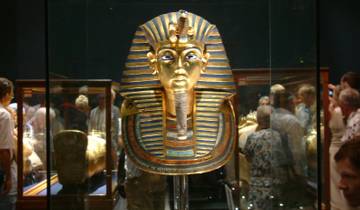
2 days
2 Days Private in Giza and Cairo
- ✓ Comprehensive Cairo tour
- ✓ Expert local guides included
- ✓ All accommodation arranged
- ✓ Transportation provided
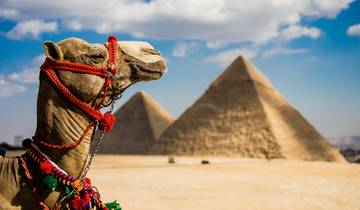
3 days
3 Days of Wonder: Explore Giza, Cairo & Alexandria
- ✓ Comprehensive Cairo tour
- ✓ Expert local guides included
- ✓ All accommodation arranged
- ✓ Transportation provided
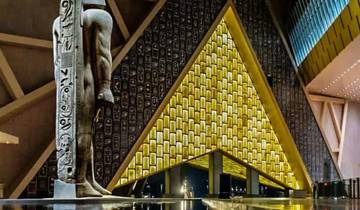
2 days
2 Days Luxury Private Tour to all Pyramids and Old Cairo
- ✓ Comprehensive Cairo tour
- ✓ Expert local guides included
- ✓ All accommodation arranged
- ✓ Transportation provided
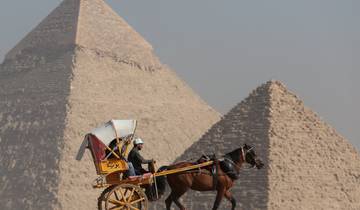
3 days
City of Wonders: 3-Day Private Cairo Tour – Pyramids, Sphinx, Egyptian Museum & Nile Dinner Cruises
- ✓ Comprehensive Cairo tour
- ✓ Expert local guides included
- ✓ All accommodation arranged
- ✓ Transportation provided
Multi-day tour packages powered by TourRadar. Prices and availability subject to change.
Essential Planning Information 2026
Understanding Cairo’s Heritage Sites in 2026
Cairo’s UNESCO World Heritage locations encompass the Giza Pyramids Necropolis (including the Great Pyramid of Khufu, Sphinx, and Valley Temples), Historic Cairo (featuring over 600 registered Islamic monuments including the Citadel, Sultan Hassan Mosque, and Al-Azhar Mosque), and the broader Memphis Necropolis archaeological zone extending to Dahshur and Saqqara. These sites collectively represent continuous human achievement from 2600 BCE through the Islamic Golden Age, creating an unmatched concentration of world heritage significance accessible from a single city base.
The 2026 visitor infrastructure includes the newly expanded Grand Egyptian Museum near the Pyramids (scheduled full opening), enhanced site interpretation at Saqqara’s Step Pyramid complex, improved pedestrian pathways throughout Islamic Cairo, and modernized facilities at the Egyptian Museum in Tahrir Square. Digital audio guides, multilingual signage, and professional photography permissions enhance the visitor experience across all major locations.
Most Cairo heritage sites open 8 AM – 5 PM October through March, extending to 7 PM during April through September for selected monuments. The Egyptian Museum operates 9 AM – 5 PM daily. Friday mosque visits require scheduling around 12-2 PM prayer times. Ramadan (March 2026) brings adjusted hours with most sites closing 3 PM, reopening 8-11 PM for evening visits during the holiday month.
2026 Pricing Structure and Admission Costs
Cairo’s tiered pricing system in 2026 charges international visitors premium rates while offering significant combination ticket savings. The Giza Pyramids complex admission costs 540 EGP (€16), Great Pyramid interior 900 EGP (€27), and Solar Boat Museum 180 EGP (€5.50). The Egyptian Museum charges 500 EGP (€15) for general admission, with Mummy Room supplement at 300 EGP (€9). Saqqara site entry costs 450 EGP (€13.50), and Dahshur pyramids 150 EGP (€4.50). Check the official Ministry of Tourism Egypt website for current rates as pricing may vary seasonally and with special exhibitions.
Multi-site combination passes deliver 20-30% savings for comprehensive visits. A three-day archaeological pass covering Giza, Saqqara, Dahshur, and Memphis costs approximately 1,200 EGP (€36) versus 1,680 EGP (€50) for individual entries. Islamic Cairo monuments mostly charge 100-180 EGP (€3-5.50) individual admission, with mosque complexes at the higher range. Student cards (ISIC) reduce costs 50% at all government-managed sites. Photography permits for professional equipment add 300 EGP (€9) at major locations, while smartphone photography is included in standard admission.
Currency and Payment Systems 2026
Egyptian Pound (EGP) serves as the primary currency, with approximate 2026 exchange rates of 1 EUR = 33 EGP. ATMs throughout Cairo accept international cards with 100-150 EGP withdrawal fees. Credit cards work at hotels, upscale restaurants, and major tour operators, while cash remains essential for site admissions, local restaurants, transportation, and market purchases. Exchange offices in downtown Cairo and near major hotels offer better rates than airport facilities. Carry small denomination bills (20-50 EGP) for tips, street food, and minor purchases throughout your 2026 visit.
Best Time to Visit Cairo 2026
Seasonal Climate Analysis for 2026
Cairo’s desert climate creates distinct visiting seasons that significantly impact your 2026 experience. Winter months (December-February) deliver ideal temperatures of 15-22°C with minimal rainfall, creating perfect conditions for all-day archaeological site exploration but bringing peak crowds and higher accommodation rates. Sunrise at Giza occurs 6:30-7 AM during winter, allowing early starts before midday tour groups arrive.
Spring (March-April) and autumn (October-November) represent the optimal balance zones for 2026 Cairo visits, offering warm 22-28°C temperatures, moderate visitor numbers, and mid-range accommodation pricing. Morning temperatures remain comfortable for pyramid climbing and desert site visits, while evenings cool sufficiently for pleasant Islamic Cairo walking tours and Nile-side dining.
Summer months (May-September) bring intense heat exceeding 35-40°C that restricts outdoor activities to early morning hours (6-10 AM) and late afternoon (4-7 PM onwards). The Egyptian Museum, mosques, and other indoor attractions become primary midday destinations. Summer delivers significant cost advantages with hotel rates dropping 30-50% compared to peak winter season, and archaeological sites experiencing minimal crowding for determined visitors willing to adapt their schedule around the heat.
Event Calendar and Cultural Programming 2026
Cairo’s 2026 cultural calendar enhances heritage visits with programmed events and festivals. Ramadan (March 1-30, 2026) transforms Cairo with evening festivities, special exhibitions, and extended nighttime site access, though daytime schedules adjust with most attractions closing 3 PM and reopening after sunset. The Cairo International Film Festival (November 2026) brings cultural programming alongside heritage tourism.
Sound and Light Shows at the Giza Pyramids run nightly year-round with performances in multiple languages scheduled 7:30-9 PM depending on season. Winter performances feature earlier times due to cooler temperatures. Summer shows benefit from dramatic desert sunset backdrops. Advance booking 3-7 days ahead ensures preferred language and seating for 2026 performances, with tickets at 390 EGP (€12) for international visitors.
Accommodation Strategies 2026
Location Selection for Cairo Heritage Access
Strategic accommodation positioning maximizes your 2026 Cairo efficiency across three key zones. Giza hotels near the pyramids (Marriott Mena House, Steigenberger Pyramids) place you 5-10 minutes from the site entrance but require 30-45 minute transfers to downtown museums and Islamic Cairo. Expect €120-250 per night for pyramid-view properties, with spectacular sunrise views from your room but higher meal costs due to resort pricing.
Downtown Cairo accommodations near Tahrir Square (Kempinski Nile Hotel, Ramses Hilton) position you 10-15 minutes from the Egyptian Museum, 20 minutes to Islamic Cairo, and 30 minutes to Giza. Mid-range downtown hotels cost €80-150 per night with better restaurant access and authentic local atmosphere. The downtown base works best for comprehensive Cairo exploration combining museums, mosques, and markets with day trips to Giza and Saqqara.
Zamalek island neighborhood offers upscale boutique properties (Marriott Cairo Hotel, Four Seasons Cairo at Nile Plaza) at €150-350 per night, providing quiet residential atmosphere, excellent restaurants, and central location equidistant from all major sites. Zamalek appeals to travelers prioritizing evening relaxation and dining quality over immediate proximity to specific monuments.
Accommodation Categories and 2026 Pricing
Budget accommodations in Cairo center on downtown hostels and guesthouses charging €15-35 per person for dormitory or basic private rooms. Wake Up Cairo Hostel, Freedom Hostel Cairo, and Australian Hostel offer clean facilities, rooftop terraces, and social atmospheres for independent travelers. Budget hotels in the €40-70 range (Osiris Hotel, Golden Tulip Flamenco) provide private rooms with air conditioning and breakfast, concentrating in the Dokki and Giza neighborhoods.
Mid-range Cairo hotels (€80-150 per night) deliver international standards with pools, restaurants, and tour desks. Steigenberger El Tahrir, Novotel Cairo El Borg, and Sonesta Hotel Tower provide reliable comfort, downtown locations, and efficient service for heritage-focused travelers. These properties offer the best value-to-quality ratio for 2026 visitors prioritizing site access and comfort without luxury premiums.
Luxury Cairo properties (€200-500+ per night) include the legendary Marriott Mena House with direct pyramid views, Four Seasons First Residence overlooking the Nile, and Kempinski Nile Hotel combining heritage building character with modern amenities. Luxury properties deliver spa facilities, multiple restaurants, private guides, and premium service justifying higher rates for travelers seeking complete comfort and convenience during their 2026 Cairo exploration.
Transportation Guide 2026
Cairo Airport Access 2026
Cairo International Airport (CAI) serves as your gateway, located 22 km northeast of downtown. Prepaid airport taxis cost fixed 250-300 EGP (€7.50-9) to downtown hotels, 350-400 EGP (€10.50-12) to Giza hotels, with 45-60 minute transfer times depending on traffic. Uber and Careem ride-sharing services operate from the airport at similar rates, offering app-based pricing transparency and driver rating systems for secure transfers to your accommodation.
Airport shuttle buses run hourly 6 AM – midnight connecting terminals to Tahrir Square for 50 EGP (€1.50), requiring 60-90 minutes with multiple stops. The Cairo Metro Line 3 extends to Terminal 3, providing downtown connections for 7 EGP (€0.20) but challenging with luggage during peak hours. Private transfer services arranged through hotels cost €20-30 but eliminate arrival negotiation and guarantee direct routing to your accommodation.
Cairo Metro and Public Transportation 2026
Cairo’s three-line metro system provides efficient, air-conditioned transportation between major districts for 7-15 EGP (€0.20-0.45) per journey depending on distance. Line 1 connects New Maadi through downtown Tahrir to Helwan. Line 2 runs from Shubra through Opera (for Islamic Cairo) to Giza. Line 3 links the airport to Attaba downtown. Metro operates 5:30 AM – midnight weekdays, 6 AM – 1 AM weekends, with trains every 5-10 minutes during peak hours.
Women-only metro cars on the first two carriages of each train provide comfortable options for female travelers during crowded commute periods. English signage and announcements aid navigation. The metro delivers the fastest downtown-to-Giza routing at 25-30 minutes versus 45-60 minutes by car during rush hours, though stations don’t reach directly to the Pyramids entrance (requiring taxi/Uber for the final 3-4 km segment).
Taxis and Ride-Sharing for Site Access 2026
Uber and Careem dominate tourist transportation in 2026 Cairo, providing reliable pricing and professional drivers familiar with major heritage sites. Typical fares run 40-80 EGP (€1.20-2.40) for short downtown trips, 120-180 EGP (€3.60-5.40) for downtown-to-Giza transfers, and 80-120 EGP (€2.40-3.60) for Islamic Cairo exploration. Apps eliminate price negotiation and provide trip records for reference.
Traditional white taxis operate throughout Cairo but require price agreement before departure. Expect to pay 60-100 EGP for downtown routes, 150-200 EGP for Giza transfers from downtown, and 100-150 EGP for Islamic Cairo circuits. Successful traditional taxi use requires firm but polite negotiation and small denomination cash for exact payment. Hotel taxis charge premium rates (30-50% above street taxis) but guarantee immediate availability and driver quality.
Organized Tours and Private Drivers 2026
Private day tours with licensed guides and air-conditioned vehicles cost €60-100 per person for Giza and Saqqara combined visits, €40-70 for comprehensive Islamic Cairo exploration, and €50-80 for Egyptian Museum-focused experiences. Group tours reduce costs to €40-60 per person but follow fixed schedules with larger participant numbers. Multi-day packages (3-5 days) including guide, transportation, and site admissions range €200-350 per person depending on group size and accommodation inclusion.
Private driver arrangements for your entire 2026 Cairo stay cost €40-60 per day for vehicle and driver (excluding guide services), providing maximum flexibility for custom schedules and photography stops. This option works best for groups of 3-4 sharing costs, or photographers requiring specialized timing for optimal light conditions at archaeological sites. Professional photography guides specializing in heritage sites charge €100-150 daily for expert instruction combined with site access guidance.
Money-Saving Strategies 2026
Combination Tickets and Multi-Site Passes
The Cairo Archaeological Pass delivers the best value for comprehensive 2026 site exploration, covering Giza complex, Saqqara, Dahshur, Memphis, and selected Islamic monuments over three consecutive days for approximately 1,200 EGP (€36). Individual site purchases total 1,680 EGP (€50), creating 30% savings. Purchase passes at the Giza ticket office or Egyptian Museum entrance. Student passes (requiring valid ISIC card) cost 600 EGP (€18), representing 50% reduction from standard international visitor pricing.
The Egyptian Museum + Islamic Cairo combination ticket covers Egyptian Museum general admission plus three major Islamic monuments (Citadel, Sultan Hassan, Al-Azhar Mosque complex) for 900 EGP (€27) versus 1,100 EGP (€33) purchased separately. Sound and Light Show packages combining Giza admission with evening performance save 15-20% compared to separate purchases, particularly valuable for one-day Giza visitors maximizing their pyramid experience.
Off-Peak Travel Advantages 2026
Summer travel (May-September 2026) delivers 30-50% accommodation savings compared to winter peak season, with mid-range hotels dropping from €120-150 to €70-100 per night. Flight costs to Cairo decrease 25-40% during summer months, and tour operators offer shoulder season discounts reaching 20-30% below winter rates. The trade-off requires heat adaptation with early morning site visits (6-10 AM) and late afternoon resumption (5-8 PM), plus midday indoor programming at museums and mosques.
Booking 60-90 days in advance for peak season (November-February 2026) captures early reservation discounts of 15-25% from hotels and tour operators. Last-minute summer deals occasionally appear 7-14 days before arrival, though accommodation selection narrows. Flight tracking tools (Google Flights, Skyscanner) alert you to price drops for your preferred 2026 Cairo dates, with Tuesday-Wednesday departures averaging €50-80 below weekend flights from most European origins.
Local Dining and Market Shopping
Street food and local restaurants slash meal costs from €15-25 at tourist-oriented establishments to €3-8 for authentic Egyptian cuisine. Koshary (Egypt’s national dish of rice, lentils, pasta, and tomato sauce) costs 25-40 EGP (€0.75-1.20) at local spots versus 120-180 EGP (€3.60-5.40) in tourist areas. Falafel sandwiches run 15-30 EGP (€0.45-0.90). Full meals at neighborhood restaurants cost 80-150 EGP (€2.40-4.50) versus 400-600 EGP (€12-18) at hotel restaurants.
Khan el-Khalili market and Islamic Cairo souks provide authentic shopping experiences at 30-50% below hotel gift shop pricing. Successful market negotiation targets 40-60% of initial asking prices for textiles, crafts, and souvenirs. Fixed-price government-run crafts centers (El Souk El Masry, Egyptian Handicrafts) eliminate bargaining with fair pricing as reference points for later market negotiations. Alexandria cotton products, papyrus art, and alabaster items offer best value with clearly verifiable quality.
Sample 2026 Itineraries
Three-Day Cairo Essential Experience 2026
Day 1: Giza Pyramids and Sphinx – Start 8 AM at the Giza complex with 2-3 hours exploring the Great Pyramid exterior, Sphinx, and Valley Temple area. Great Pyramid interior access requires separate ticket and additional 45 minutes for chamber visits. Solar Boat Museum visit adds 1 hour. Lunch at panoramic view restaurant (€12-20). Afternoon camel ride near the pyramids (100-150 EGP / €3-4.50) and photography from multiple viewpoints. Evening Sound and Light Show (7:30 PM performance). Giza admission €16, Great Pyramid interior €27, Solar Boat Museum €5.50, lunch €15, snacks €8, camel ride €4, Sound and Light Show €12. Total day cost: €87.50-95 per person (excluding accommodation).
Day 2: Egyptian Museum and Islamic Cairo – Morning 3-hour visit to Egyptian Museum (9 AM opening) including Tutankhamun galleries and Mummy Room. The collection requires focused attention on key highlights: Royal Mummies Room, Tutankhamun treasures, Old Kingdom statuary, and Amarna Period exhibits. Lunch in downtown Cairo (€8-12). Afternoon Islamic Cairo walking tour starting at the Citadel (including Mosque of Muhammad Ali), continuing to Sultan Hassan Mosque complex, and exploring Khan el-Khaliki market. Sunset from Al-Azhar Park (20 EGP / €0.60 admission). Museum admission €15, Mummy Room €9, Citadel €12, Sultan Hassan Mosque €3, lunch €10, snacks €8, Al-Azhar Park €0.60, transportation €6. Total day cost: €63.60-70 per person (excluding accommodation).
Day 3: Saqqara and Memphis Day Trip – Organized day tour to Saqqara’s Step Pyramid complex, Dahshur Bent and Red Pyramids, and Memphis ancient capital remains (8 AM – 4 PM). Tour includes guide, transportation, and site admissions. Lunch at Saqqara tourist restaurant (€10-15). Saqqara entry €13.50, Dahshur €4.50, Memphis €5, lunch €12, tour guide and transportation €45 (or organized group tour €60-80 per person all-inclusive). Independent visit total: €80 per person. Organized tour option: €60-80 per person all-inclusive (excluding accommodation).
Three-Day Total Budget: €231-245 per person (excluding accommodation). Add accommodation: budget €45-105 (hostel/budget hotel), mid-range €240-450 (3-star/4-star), luxury €600-1,500 (5-star with pyramid views). Complete three-day trip: budget €276-350, mid-range €471-695, luxury €831-1,745 per person.
Five-Day Comprehensive Cairo Heritage Tour 2026
Day 1: Arrival and Giza Pyramids introduction with afternoon site visit, sunset photography, and evening Sound and Light Show. Pyramid admission €16, Great Pyramid interior optional €27, Sound and Light Show €12, dinner €15-25. Total: €43-80 per person (excluding accommodation).
Day 2: Full-day Egyptian Museum immersion (morning general collection, afternoon Mummy Room and special exhibitions), lunch in downtown Cairo, evening Nile dinner cruise. Museum €15, Mummy Room €9, lunch €10, dinner cruise €35-50, transportation €6. Total: €75-90 per person (excluding accommodation).
Day 3: Saqqara Step Pyramid complex, Dahshur bent pyramid, Memphis archaeological site. Private tour with guide and transportation €60-70 per person, lunch €12, site admissions included. Total: €72-82 per person (excluding accommodation).
Day 4: Islamic Cairo comprehensive exploration starting Citadel of Saladin, Al-Azhar Mosque, Sultan Hassan Mosque, Coptic Cairo churches, Khan el-Khalili market shopping. Citadel €12, mosques combined €8, Coptic Cairo churches €6, lunch €10, snacks €8, purchases budget €20-40, transportation €6. Total: €70-90 per person (excluding accommodation).
Day 5: Alexandria day trip via organized tour or train (historical sites including Bibliotheca Alexandrina, Qaitbay Citadel, Roman amphitheater, Corniche seafront). Tour costs €70-90 per person all-inclusive, or independent train visit €45-60 including transport and admissions, lunch €12-15. Total: €70-90 per person (excluding accommodation).
Five-Day Total Budget: €330-432 per person activities and meals (excluding accommodation). Add accommodation: budget €75-175 (hostels), mid-range €400-750 (3-star/4-star downtown), luxury €1,000-2,500 (5-star pyramid view or Nile properties). Complete five-day trip: budget €405-607, mid-range €730-1,182, luxury €1,330-2,932 per person.
Booking and Reservations 2026
Official Site Bookings and Advance Tickets
The Egyptian Ministry of Tourism manages official bookings for major heritage sites through its website and authorized partners. Giza Pyramids advance tickets eliminate queuing time during peak morning hours (8-10 AM) when tour buses arrive. Online booking opens 30 days before visit dates, charging standard admission prices without booking fees. Great Pyramid interior access limits daily visitors to 300, requiring early morning reservation (first 150 tickets) or afternoon session (second 150 tickets) for guaranteed entry during peak season.
Sound and Light Show reservations operate through the site’s dedicated booking system, with performances in English, Arabic, French, German, Italian, and Spanish scheduled throughout the week. Peak season (November-February 2026) requires 5-7 days advance booking for weekend shows, while shoulder season (March-April, October) and summer allow 2-3 days notice. Tickets cost 390 EGP (€12) for international visitors, available online or at the Giza site box office.
Tour Operator Selection 2026
Licensed tour operators provide professional guiding, transportation, and optimized itineraries for 2026 Cairo visits. Memphis Tours, Egypt Tours Plus, and Viator-affiliated operators offer highest reliability with customer reviews, fixed pricing, and quality assurance. Small group tours (8-12 participants) cost €60-90 per person for single-day programs, €200-300 for three-day packages, and €400-600 for week-long comprehensive programs including accommodation.
Private guided tours cost €100-150 per day for guide services, plus vehicle rental at €40-60 daily, working best for groups of 3-6 sharing costs. Photography-focused tours with specialized guides charge €150-200 daily but deliver expert positioning for optimal shots at archaeological sites, including sunrise access at Giza and Saqqara when available through special permits. Multi-day private packages (4-7 days) including accommodation range €600-1,200 per person depending on hotel category and group size.
Accommodation Booking Strategies 2026
Book Cairo accommodation 60-90 days in advance for peak season (November-February 2026) to secure preferred properties and rates 20-30% below last-minute pricing. Booking.com, Agoda, and Hotels.com offer price matching and flexibility for planning changes. Direct hotel bookings sometimes provide 5-10% additional savings plus room upgrade opportunities, particularly for multi-night stays.
Pyramid-view hotels (Marriott Mena House, Steigenberger Pyramids) require earliest booking due to limited availability of rooms with direct monument views. Downtown and Zamalek properties offer greater availability with 30-45 days advance booking sufficient for most dates. Summer season (May-September 2026) allows last-minute deals with 7-14 days notice often delivering 30-40% savings as hotels fill remaining capacity, though selection narrows significantly.
2026 Updates & Current Information
Grand Egyptian Museum Opening 2026
The Grand Egyptian Museum (GEM) near the Giza Pyramids represents the world’s largest archaeological museum dedicated to a single civilization, with full public opening scheduled for 2026. The facility houses 100,000 artifacts including the complete Tutankhamun collection reunited for the first time. Anticipated admission costs €20-25 for international visitors, with guided tours at €40-60 per person. The GEM location 2 km from the Pyramids creates a comprehensive Giza heritage zone requiring dedicated full-day visits combining pyramid exploration with museum immersion.
GEM facilities include climate-controlled galleries, conservation laboratories visible to visitors, 3D virtual reality experiences, children’s museum, multiple restaurants, and extensive gift shops. Architecture features a translucent facade offering pyramid views from interior spaces. Advanced audio guide systems provide multilingual interpretation with specialized tracks for architecture, art history, and archaeology interests. Photography permissions follow Egyptian Museum protocols with smartphone use allowed in most galleries, professional equipment requiring permits.
Infrastructure Improvements 2026
Cairo’s ongoing heritage site improvements for 2026 include enhanced visitor facilities at Saqqara’s Step Pyramid complex with new interpretation center, improved pathways throughout Islamic Cairo’s historic district connecting major mosques and markets, and expanded pedestrian zones around the Egyptian Museum in Tahrir Square. The Giza Plateau features new ticketing systems reducing queuing times, improved site signage in multiple languages, and enhanced security screening procedures.
Transportation upgrades include expanded metro system coverage, improved ride-sharing infrastructure with dedicated pickup zones at major sites, and enhanced airport shuttle services connecting terminals to downtown hotels and Giza accommodation. Digital visitor guides available through official tourism apps provide real-time information on site conditions, crowd levels, and optimal visiting times throughout your 2026 Cairo stay.
Sustainable Tourism Initiatives 2026
Egypt’s 2026 sustainable tourism program focuses on archaeological site preservation while maintaining visitor access. Giza Pyramids implements controlled visitor flow systems limiting simultaneous attendance in sensitive areas, rotating interior pyramid access to manage environmental impact, and requiring guided escorts in certain conservation zones. Islamic Cairo monuments undergo continuous restoration with periodic closures for specific structures (current work schedules published on official Ministry of Tourism website).
Visitor education programs emphasize respectful site interaction, with clear guidelines on prohibited activities including climbing pyramid exterior blocks, touching painted surfaces in tombs, and feeding animals in archaeological zones. Solar-powered facilities, water conservation systems, and waste management programs reduce tourism’s environmental footprint while maintaining visitor comfort and access throughout the heritage areas.
Frequently Asked Questions – Cairo 2026
Can you visit the Pyramids independently or do you need a guide?
Independent Giza Pyramids visits work well for self-directed travelers, with clear signage, multiple entry points, and straightforward site layout. Purchase admission tickets at the main entrance, explore at your own pace, and use site maps provided with entry. However, licensed guides significantly enhance the experience by providing historical context, directing you to optimal viewpoints, managing interactions with persistent vendors, and efficiently navigating the complex for comprehensive coverage in 3-4 hours. Guides cost €30-40 for private 3-hour tours, €15-20 per person for small group options arranged at the entrance or booked in advance.
How many days do you need for Cairo?
A minimum 3-day Cairo visit covers essential highlights including Giza Pyramids, Egyptian Museum, and Islamic Cairo overview. This compressed schedule requires early starts and efficient planning but captures the major heritage sites. A 4-5 day stay adds Saqqara and Memphis day trips plus deeper Islamic Cairo exploration, providing more comfortable pacing. Week-long visits incorporate Alexandria day trips, specialized museum collections, photography-focused sessions, and opportunities for multiple pyramid complex visits at different times of day. Most heritage-focused travelers find 4-5 days optimal for comprehensive Cairo coverage without excessive rushing.
Is tipping expected at Cairo heritage sites?
Tipping represents standard practice throughout Cairo tourism in 2026. Guides receive €10-15 for half-day tours, €20-30 for full-day experiences, adjusted upward for exceptional service. Drivers without guide duties receive €5-8 daily. Restroom attendants at heritage sites expect 5-10 EGP (€0.15-0.30). Hotel porters receive 20-30 EGP per bag. Restaurant service charges often appear on bills, but additional 10-15% tips reward good service. Small denomination bills (20-50 EGP) facilitate smooth tipping interactions throughout your visit. Budget €10-15 daily for miscellaneous tips beyond guide and restaurant gratuities.
What should you wear visiting Cairo mosques and Islamic sites?
Islamic Cairo mosque visits require conservative dress for both women and men in 2026. Women cover shoulders, arms to wrists, and legs to ankles, with headscarf required inside mosque prayer halls. Loose-fitting clothing in breathable fabrics works best for comfort in Cairo’s heat. Men wear long pants and covered shoulders. Shoe removal is mandatory at mosque entrances (bring socks for comfort on stone floors, or go barefoot). Most major mosques provide rental abayas and headscarves (10-20 EGP / €0.30-0.60) if your clothing doesn’t meet requirements. Respect photography restrictions posted at individual sites, with most mosques allowing exterior shots but prohibiting interior flash photography during prayer times.
Can you climb the Pyramids?
Pyramid climbing is strictly prohibited throughout the Giza complex in 2026, with security enforcement and significant fines for violations. Historical climbing access ended decades ago due to safety concerns and preservation requirements. You can enter the Great Pyramid interior chambers via the official entrance, ascending narrow passages to the King’s Chamber. This interior access costs 900 EGP (€27) as a supplement to standard Giza admission, limiting daily visitors to 300 to manage conservation. The experience includes navigating the Grand Gallery and viewing the burial chamber, requiring moderate fitness and comfort with confined spaces.
Is Cairo suitable for families with children?
Cairo offers excellent family heritage experiences with children ages 8+, particularly those interested in ancient history and archaeology. The pyramids, Sphinx, and mummies capture children’s imagination powerfully. Egyptian Museum provides focused 90-minute family tours highlighting major treasures without overwhelming young visitors. Camel rides at Giza appeal to most children (supervised closely). Consider private guides for family groups to maintain appropriate pacing and child-friendly explanations. Summer heat requires careful planning with morning-only outdoor activities. Most mid-range and luxury hotels offer family rooms and children’s menus. Budget additional time for rest breaks between sites with young children.
What vaccinations do you need for Cairo?
Cairo visits in 2026 require no mandatory vaccinations for most travelers from Europe, North America, or Australia. Routine vaccinations (MMR, tetanus-diphtheria-pertussis) should be current. CDC and WHO recommend Hepatitis A vaccination for all Cairo travelers due to potential food and water exposure. Hepatitis B vaccination is advised for longer stays or specific activities. Typhoid vaccination provides additional protection, particularly for adventurous eaters exploring street food. Yellow fever vaccination is required only for travelers arriving from yellow fever endemic countries. Consult travel medicine specialists 4-6 weeks before departure for personalized recommendations based on your health status and planned activities.
Can you drink tap water in Cairo?
Cairo tap water in 2026 is not recommended for drinking by international visitors, even though it meets Egyptian safety standards. Local water can cause digestive discomfort in travelers unaccustomed to the specific bacterial profile. Bottled water is universally available at 5-15 EGP (€0.15-0.45) for 1.5-liter bottles at shops throughout the city. Budget €2-3 daily per person for bottled water. Use bottled water for tooth brushing and medication taking. Ice in upscale hotels and restaurants comes from filtered water systems and is safe. Street vendor ice should be avoided. Most hotels provide complimentary bottled water in rooms. Restaurants serve bottled water as standard practice.
How do you handle photography at heritage sites?
Photography regulations vary across Cairo heritage sites in 2026. The Giza Pyramids complex allows smartphone and camera photography throughout exterior areas without additional fees. Interior pyramid photography prohibits flash and tripods. The Egyptian Museum bans all photography in the Royal Mummies Room and Tutankhamun galleries, while allowing no-flash photography in other sections. Islamic Cairo mosques generally permit exterior photography freely, with interior restrictions during prayer times and prohibition of flash photography. Professional equipment (defined as detachable lens cameras, drones, or video equipment with external microphones) requires special permits costing 300 EGP (€9) at most major sites, purchased at ticket offices.
What language is spoken and do you need Arabic?
Arabic serves as Cairo’s primary language, but functional English is widespread in tourism sectors throughout 2026. Hotel staff, licensed tour guides, museum personnel, and tourism police communicate effectively in English. Restaurant menus in tourist areas appear in English alongside Arabic. Uber and Careem drivers managing tourist routes understand basic English instructions. Learning basic Arabic phrases (hello, thank you, numbers for prices) enhances interactions and demonstrates cultural respect. Google Translate offline mode downloaded before travel provides backup communication for situations outside main tourism infrastructure. Street vendors and local restaurants outside tourist zones require more Arabic, though pointing and calculator negotiations work for basic transactions.