Cairo Day Trips 2026: Best Excursions & Planning Guide
This comprehensive guide covers Cairo’s best day trip destinations for 2026, providing detailed cost breakdowns, transportation analysis, timing recommendations, and practical booking strategies. Whether exploring Alexander the Great’s coastal city, walking through Egypt’s ancient administrative capital, or discovering pyramid complexes beyond Giza’s crowds, these excursions enhance any Cairo visit with deeper historical context and diverse cultural experiences.
Key Takeaways
- Alexandria day trips cost $90-140 per person including transportation, guide, and lunch, with travel time of 2.5-3 hours each way along the Mediterranean coast
- Memphis and Saqqara combined trips run $60-95 per person, visiting Egypt’s ancient capital and the Step Pyramid complex just 30 kilometers south of Cairo
- Dahshur’s Bent and Red Pyramids offer crowd-free pyramid exploration for $40-65 per person, located 40 kilometers from central Cairo with fewer tourists than Giza
- Fayoum Oasis excursions provide desert landscape experiences and ancient sites for $75-110 per person, positioned 100 kilometers southwest of Cairo with unique natural attractions
- Book day trips 2-4 weeks ahead for 2026 peak season (October-April) to secure preferred dates and transportation, with private tours offering flexible departure times
- Combine multiple nearby sites in single trips to maximize value, with Memphis-Saqqara-Dahshur combinations covering three UNESCO areas in one comprehensive day
Planning Your Cairo Day Trips in 2026
Cairo serves as the perfect base for exploring Egypt’s most significant archaeological and cultural sites beyond the metropolitan area. The city’s central location provides access to ancient capitals, Mediterranean coastal cities, desert oases, and lesser-known pyramid complexes within day trip distance. These excursions complement Cairo’s own UNESCO World Heritage sites while offering diverse experiences from Greco-Roman coastal heritage to pyramid fields untouched by mass tourism.
The 2026 travel season brings enhanced transportation infrastructure and improved site facilities across major day trip destinations. New highway connections reduce travel times to Alexandria and Fayoum, while upgraded visitor centers at Memphis and Saqqara provide better interpretation of ancient Egyptian history. Tour operators offer diverse options from budget group experiences to private customized excursions with Egyptologist guides.
Successful day trip planning requires understanding distance, travel time, site opening hours, and seasonal considerations. Summer heat (May-September) makes early morning departures essential, while winter months (November-March) offer comfortable temperatures for all-day excursions. Transportation choices range from organized tours with included guides to independent travel using private drivers or public transport, each option suited to different traveler preferences and budgets.
People Also Ask About Cairo Day Trips 2026
What is the best day trip from Cairo in 2026?
Alexandria ranks as the premier Cairo day trip, offering Mediterranean coastal scenery combined with Greco-Roman archaeological sites including the Citadel of Qaitbay, Catacombs of Kom el Shoqafa, and the modern Bibliotheca Alexandrina. The 220-kilometer journey takes 2.5-3 hours via the upgraded desert highway, with organized tours costing $90-140 per person including transportation, guide, and lunch. Alexandria provides complete contrast to Cairo’s desert setting, featuring seaside promenades, fresh seafood restaurants, and Egypt’s second-largest city atmosphere. The combination of historical significance, cultural diversity, and coastal environment creates the most varied single-day experience from Cairo.
How much do Cairo day trips cost in 2026?
Cairo day trip costs vary significantly based on destination and tour type. Group tours to Memphis and Saqqara run $60-95 per person, Alexandria trips cost $90-140, Dahshur excursions range $40-65, and Fayoum visits run $75-110 (check tour operator websites for current rates as pricing may vary). These prices include transportation, entrance fees, and guide services, with lunch included in full-day excursions. Private tours cost $150-300 depending on group size and customization, offering flexible departure times and personalized itineraries. Independent travelers using private drivers pay $40-80 for transportation plus separate entrance fees of $10-20 per site, providing budget-friendly options for experienced travelers comfortable navigating Egyptian archaeological sites without guided commentary.
Do I need to book Cairo day trips in advance for 2026?
Advance booking 2-4 weeks ahead secures preferred dates and ensures availability during 2026 peak season (October-April). Popular Alexandria and Luxor day trips fill quickly, particularly during Egyptian holidays and international vacation periods. Hotel concierges arrange same-day tours during low season (May-September), but options become limited and prices increase for last-minute bookings. Booking ahead provides confirmed transportation, guaranteed English-speaking guides, and better group compositions avoiding overcrowded buses. Early reservations also allow coordination with Cairo sightseeing schedules, ensuring day trips complement rather than conflict with Giza Pyramids visits and Egyptian Museum tours.
Can you visit Luxor as a day trip from Cairo in 2026?
Luxor day trips from Cairo operate via domestic flights, departing Cairo International Airport at 6:00-7:00 AM and returning by 8:00-9:00 PM. These excursions cost $250-400 per person including round-trip flights, guide, entrance fees, and lunch, covering Valley of the Kings, Karnak Temple, and Luxor Temple in a compressed 8-10 hour itinerary. The 670-kilometer distance makes overland travel impractical for single-day visits. Flying provides feasible access to Upper Egypt’s premier archaeological sites, though the rushed schedule and high cost make Luxor better suited for dedicated multi-day visits. Day trip participants see highlights but miss the sunset atmosphere at Luxor Temple and early morning Valley of the Kings experiences that create deeper connections to ancient Thebes.
Extended multi-day tours – 5+ days
Featured Cairo Multi-Day Tour Packages
2 days
2 Days Private in Giza and Cairo
- ✓ Comprehensive Cairo tour
- ✓ Expert local guides included
- ✓ All accommodation arranged
- ✓ Transportation provided
3 days
3 Days of Wonder: Explore Giza, Cairo & Alexandria
- ✓ Comprehensive Cairo tour
- ✓ Expert local guides included
- ✓ All accommodation arranged
- ✓ Transportation provided
2 days
2 Days Luxury Private Tour to all Pyramids and Old Cairo
- ✓ Comprehensive Cairo tour
- ✓ Expert local guides included
- ✓ All accommodation arranged
- ✓ Transportation provided
3 days
City of Wonders: 3-Day Private Cairo Tour – Pyramids, Sphinx, Egyptian Museum & Nile Dinner Cruises
- ✓ Comprehensive Cairo tour
- ✓ Expert local guides included
- ✓ All accommodation arranged
- ✓ Transportation provided
Multi-day tour packages powered by TourRadar. Prices and availability subject to change.
Essential Planning Information for 2026 Day Trips
Understanding Cairo Day Trip Geography and Distances
Cairo’s day trip destinations spread across four distinct geographical zones, each offering different historical periods and landscape types. Northern destinations focus on the Mediterranean coast, southern sites explore pyramid development and ancient capitals, western excursions venture into desert oases, and distant Upper Egypt locations require flight-based access. Understanding these geographical relationships helps travelers select complementary excursions that provide diverse experiences without repetitive content.
Alexandria lies 220 kilometers northwest along the Mediterranean coast, reached via the Cairo-Alexandria Desert Highway in 2.5-3 hours depending on Cairo departure point and traffic conditions. The modern highway bypasses agricultural Delta region, providing direct desert route with rest stops and fuel stations every 30-40 kilometers. This northern corridor represents Egypt’s most developed tourist route with consistent road conditions and reliable transportation options.
Memphis and Saqqara sit 30 kilometers south of central Cairo in the ancient Memphis necropolis region, accessible via the Saqqara Road in 45-60 minutes. Dahshur extends another 10 kilometers south, creating natural three-site combinations covering Old Kingdom pyramid development. These southern destinations occupy agricultural land along the Nile’s west bank, contrasting Cairo’s urban density with rural village landscapes and palm groves surrounding archaeological sites.
Fayoum Oasis lies 100 kilometers southwest across desert terrain, requiring 2-2.5 hours travel time via the Fayoum Desert Road. This western destination features Egypt’s largest natural oasis, ancient Greco-Roman sites, and unique desert-meets-agriculture landscapes. The route crosses pure desert before descending into the depression containing Qarun Lake and agricultural communities, providing geographical diversity absent from other Cairo day trips.
Current Costs and Pricing Breakdown for 2026
Organized group tours represent the most popular day trip option, combining transportation, guide services, and entrance fees in single packages. Alexandria day trips cost $90-140 per person for groups of 8-15 travelers, departing Cairo hotels at 7:00-8:00 AM and returning by 6:00-7:00 PM (check reputable tour operator websites for current official rates as pricing may vary). These comprehensive packages include air-conditioned vehicle transportation, English-speaking Egyptologist guide, entrance fees to Citadel of Qaitbay and Catacombs, and lunch at local seafood restaurant. Premium tours at the higher price range feature smaller groups (6-8 people), additional sites including Greco-Roman Museum and Montazah Palace Gardens, and upgraded lunch venues.
Memphis-Saqqara combination tours run $60-95 per person for half-day excursions (4-5 hours) or full-day trips adding Dahshur’s pyramids. Standard packages include transportation from Cairo hotels, guide services, entrance fees to Memphis Open Air Museum ($5) and Saqqara Step Pyramid complex ($15), with Dahshur’s Bent and Red Pyramids adding $8 entrance fee. These southern archaeological site tours depart 8:00-9:00 AM, allowing morning exploration during comfortable temperatures before returning to Cairo for lunch. Full-day combinations including all three sites cost $75-120 depending on group size and tour operator.
Fayoum Oasis day trips range $75-110 per person for full-day excursions visiting Wadi el-Rayan waterfalls, Qarun Lake, Wadi el-Hitan (Whale Valley) fossil site, and optional pottery workshops in Tunis village. These diverse itineraries combine natural landscapes, archaeological sites, and cultural experiences, departing Cairo at 7:00-8:00 AM and returning by 5:00-6:00 PM. Transportation covers desert road travel, entrance fees total $10-15 across multiple sites, and lunch occurs at lakeside restaurants featuring fresh-caught fish.
Private tour options provide flexibility and customization for 2-6 travelers, costing $150-300 total for vehicle, driver, and guide services. This per-vehicle pricing makes private tours economical for families or small groups, offering personalized departure times, adjustable itineraries, and ability to spend more or less time at specific sites based on interests. Private excursions to Memphis-Saqqara-Dahshur run $150-200, Alexandria private trips cost $200-280, and Fayoum private tours range $180-250. Entrance fees remain separate at $15-30 per person depending on sites visited.
Independent travelers hiring private drivers without guide services pay $40-80 for full-day transportation to southern sites or $80-120 for Alexandria trips. Drivers wait at sites while travelers explore independently using guidebooks or mobile apps. This budget option requires more planning and foregoes expert interpretation but reduces costs significantly. Add entrance fees of $10-20 per person and self-arranged meals at $15-25 per person for complete independent day trip budgets of $65-145 depending on destination.
Alexandria Day Trips 2026: Mediterranean Heritage
Alexandria Historical Context and Significance
Alexandria stands as Egypt’s second city and premier Mediterranean port, founded by Alexander the Great in 331 BCE following his conquest of Egypt. The city served as Ptolemaic Egypt’s capital for three centuries, housing the legendary Library of Alexandria and Pharos Lighthouse, one of the Seven Wonders of the Ancient World. While ancient structures largely vanished beneath modern development, Alexandria retains Greco-Roman character distinct from Cairo’s Islamic and Pharaonic heritage, offering cultural diversity and coastal atmosphere within day trip distance.
The city’s 4.5 million residents occupy 32 kilometers of Mediterranean coastline, creating Egypt’s most European-influenced urban environment. Alexandria’s history spans Ptolemaic, Roman, Byzantine, and Islamic periods, each leaving architectural and cultural marks still visible in the modern cityscape. The combination of archaeological sites, cosmopolitan neighborhoods, seaside promenades, and fresh seafood culture creates complete contrast to Cairo’s desert setting and ancient Egyptian focus.
Modern Alexandria balances historical preservation with contemporary development, featuring restored heritage buildings along the Corniche waterfront, renovated Greco-Roman sites, and the striking Bibliotheca Alexandrina library complex opened in 2002. The city’s manageable size allows day trip visitors to experience multiple neighborhoods, from the fishing harbors and Ottoman-era bazaars to upscale European-style cafes and Mediterranean beach clubs, all within single excursion timeframes.
Alexandria Day Trip Itinerary and Timing for 2026
Standard Alexandria day trips depart Cairo hotels at 7:00-8:00 AM, allowing 2.5-3 hour highway transfer to reach the Mediterranean coast by 10:00-11:00 AM. The desert highway provides efficient routing, though Friday traffic increases travel time by 30-45 minutes due to weekend congestion. Tours begin at the Citadel of Qaitbay, the 15th-century fortress built on the ancient Pharos Lighthouse site, where visitors explore battlements and enjoy harbor views for 45-60 minutes.
Mid-morning continues to the Catacombs of Kom el Shoqafa, Egypt’s largest Roman burial site featuring three underground levels with unique blend of Egyptian, Greek, and Roman artistic elements. The 60-minute catacomb visit includes the spiral staircase descent, main tomb chamber with intricate carvings, and Hall of Caracalla with ancient sarcophagi. Surface temperatures reach 30-35°C in summer, but underground chambers maintain comfortable 20-22°C year-round.
Lunch occurs 12:30-1:30 PM at Corniche waterfront restaurants specializing in Mediterranean seafood, featuring fresh-caught fish, calamari, and Egyptian mezze. Tour groups dine at established venues with set menus, while private tours offer restaurant selection flexibility. Post-lunch exploration includes the Corniche promenade walk, photo stops at Alexandria’s historic Stanley Bridge, and visits to either Greco-Roman Museum or Montazah Palace Gardens depending on itinerary specifics.
The afternoon concludes at Bibliotheca Alexandrina, the modern library and cultural center commemorating the ancient Library of Alexandria. Visitors tour the striking architectural space for 45-60 minutes, exploring exhibitions, manuscript collections, and panoramic city views from upper reading rooms. Departure for Cairo begins 3:30-4:00 PM, reaching Cairo hotels by 6:30-7:30 PM depending on traffic. Friday returns extend 30-60 minutes later due to increased highway volume during weekend travel.
Alexandria Transportation and Logistics 2026
Tour company vehicles provide the most reliable Alexandria transportation, featuring modern air-conditioned buses for groups or private cars for smaller parties. Professional drivers navigate the Cairo-Alexandria Desert Highway’s three lanes, maintaining consistent speeds and managing rest stops at designated facilities near the halfway point. Tour transportation includes hotel pickup from most Cairo and Giza accommodations, eliminating taxi coordination to tour departure points.
Independent travelers hire private drivers for $80-120 full-day rate, negotiating through hotel concierges or online platforms. Drivers pick up from hotels at agreed times, wait during site visits, and provide basic navigation assistance though not formal guiding services. This option suits travelers comfortable with guidebooks and mobile app interpretation, offering cost savings compared to organized tours while maintaining comfortable highway transportation and parking convenience at busy Alexandria sites.
Public transportation between Cairo and Alexandria exists via train or bus but consumes valuable day trip time and complicates site-to-site movement within Alexandria. Express trains depart Ramses Station every 1-2 hours, taking 2.5-3 hours and costing $5-10 in second-class or $15-20 in first-class comfort. Upon Alexandria arrival, taxis or ride-sharing apps provide site transportation at $3-6 per trip, but coordinating multiple sites and managing return train schedules reduces overall efficiency compared to organized tours or private drivers.
Alexandria visit timing depends on season and weather preferences. October-April offers comfortable 18-26°C temperatures ideal for walking tours and outdoor site exploration, though winter brings occasional rain requiring flexible itineraries. May-September features hot 28-35°C conditions but fewer crowds, with early morning departures from Cairo allowing site visits during morning coolness before afternoon heat peaks. Coastal breezes moderate Alexandria temperatures compared to Cairo’s desert climate, typically running 3-5°C cooler year-round.
Alexandria Day Trip Costs for 2026
Citadel of Qaitbay entry €5, Catacombs €8, Bibliotheca Alexandrina €4, seafood lunch €20-30, bottled water and refreshments €5-8, transportation included in tour package. Total day cost: €42-55 per person (excluding accommodation).
Private tour alternatives provide per-vehicle pricing of $200-280 for groups of 2-6 people, making four-person groups particularly economical at $50-70 per person. Add entrance fees of €17 per person and lunch costs of €20-30 for complete private tour budgets of €37-47 per person plus prorated transportation share. This option works well for families or friend groups seeking flexible departure times and personalized itinerary pacing.
Memphis and Saqqara Day Trips 2026: Ancient Capital Region
Memphis and Saqqara Historical Significance
Memphis served as Egypt’s capital for over 1,500 years from its founding around 3100 BCE until the New Kingdom period, when Thebes (modern Luxor) assumed political prominence. The city controlled Lower Egypt’s administrative functions, religious ceremonies, and trade networks, reaching peak importance during the Old Kingdom when nearby pyramid complexes at Saqqara rose as royal necropolises. Today’s archaeological remains represent small fraction of ancient Memphis’s vast extent, though preserved monuments and statuary provide insight into Egypt’s longest-serving capital city.
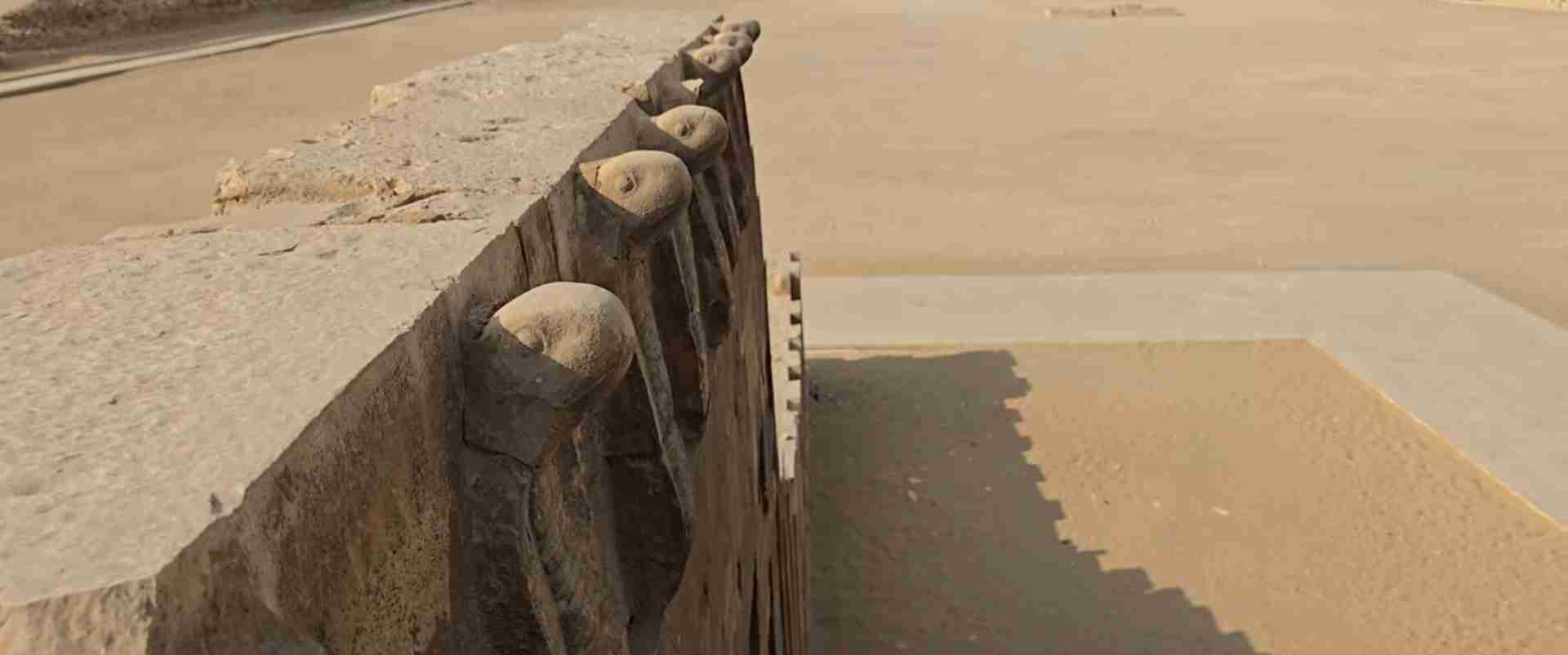
Saqqara extends across 7 kilometers of desert plateau west of Memphis, containing tombs, pyramids, and temples spanning 3,000 years of Egyptian history. The site’s centerpiece, the Step Pyramid of Djoser, revolutionized Egyptian architecture as the world’s first large-scale stone building, constructed around 2670 BCE by architect Imhotep. The surrounding complex includes temples, courtyards, and decorated chapels demonstrating Old Kingdom artistic and engineering achievements that directly influenced Giza’s later pyramid construction.
The Memphis-Saqqara region holds UNESCO World Heritage status as part of the Memphis and its Necropolis site, recognized for representing early Egyptian civilization’s political, religious, and artistic development. These locations complement Giza Pyramid visits by showing pyramid architecture’s evolution and providing context for ancient Egyptian society beyond monumental tombs. The less-crowded sites allow closer monument access and more contemplative exploration compared to Giza’s tourist density.
Memphis and Saqqara Combined Itinerary 2026
Half-day Memphis-Saqqara tours depart Cairo hotels at 8:00-9:00 AM, reaching the Memphis Open Air Museum by 8:45-9:45 AM after 45-60 minute drives. The outdoor museum displays colossal statues, sphinxes, and architectural elements from ancient Memphis across landscaped gardens, featuring the massive Ramses II alabaster statue as the collection centerpiece. Visitors spend 30-45 minutes examining statuary and reading interpretive panels explaining Memphis’s historical role, with shade structures providing relief during summer visits.
The journey continues 7 kilometers to Saqqara, arriving by 10:00-10:30 AM for the main exploration period. The Step Pyramid complex opens spectacular views across the desert necropolis, with the restored entrance colonnade leading to the pyramid’s towering six-tier structure. Visitors explore the South Court, Heb Sed Court with its ceremonial buildings, and can enter the pyramid’s interior passages (additional $10 fee) to view underground chambers decorated with blue faience tiles.
Mid-morning at Saqqara includes visits to the Imhotep Museum displaying artifacts from site excavations, then progression to nearby mastaba tombs featuring vivid wall paintings depicting daily life, agricultural scenes, and funerary rituals. The Tomb of Mereruka stands as Saqqara’s largest mastaba with 33 decorated chambers, while the Tomb of Ti offers exceptionally preserved relief carvings showing ancient Egyptian craftsmanship. Each tomb visit takes 10-15 minutes, with guides providing historical context and pointing out significant artistic details.
Half-day tours conclude with return transportation to Cairo, arriving hotels by 12:30-1:30 PM. Full-day combinations adding Dahshur’s pyramids extend itineraries to 6-7 hours total, with lunch breaks at local restaurants or packed picnic stops near pyramid sites. These extended excursions provide comprehensive Old Kingdom pyramid architecture overview, from Saqqara’s revolutionary step design through Dahshur’s transitional bent form to Giza’s perfected smooth-sided structures.
Memphis and Saqqara Transportation and Practical Tips 2026
Tour vehicles access Memphis and Saqqara via the Saqqara Road, a well-maintained route passing through agricultural areas and desert fringes south of Cairo. The 30-kilometer distance takes 45-60 minutes depending on Cairo departure location, with Giza-based hotels enjoying 15-20 minute shorter drives compared to Heliopolis or Downtown Cairo accommodations. Tour transportation navigates directly to site parking areas, eliminating walking distances in desert heat.
Independent travelers hiring private drivers pay $40-60 for half-day Memphis-Saqqara combinations or $60-80 for full-day trips including Dahshur. Drivers provide transportation between sites but not interpretive services, making this option suitable for travelers with archaeological background or willingness to study guidebooks. Site entry remains straightforward with clear signage and ticket offices at main entrances, though lack of explanatory labels at many monuments makes guide services valuable for historical understanding.
Both sites open 8:00 AM – 4:00 PM daily, with summer heat making morning visits essential for comfort. October-March temperatures range 18-25°C during morning hours, ideal for walking site complexes and climbing pyramid steps. April-September morning temperatures start 25-28°C but rise rapidly after 11:00 AM, with desert exposure and limited shade creating challenging conditions by midday. Bring sun protection, comfortable walking shoes for uneven surfaces, and extra water beyond what tour operators provide.
Photography opportunities abound at both locations, with Step Pyramid compositions benefiting from wide-angle lenses to capture the entire complex. Interior tomb photography requires permission (additional $5-10 fee at ticket office), with flash prohibited to preserve delicate wall paintings. Morning side-lighting creates dramatic shadows on Memphis statuary around 9:00-10:00 AM, while Saqqara’s elevated position offers panoramic necropolis views extending to Dahshur’s distant pyramids on clear days.
Memphis and Saqqara Day Trip Costs 2026
Memphis Open Air Museum entry $5, Saqqara Step Pyramid Complex $15, optional pyramid interior $10, mastaba tombs included in Saqqara ticket, bottled water $2-3, snacks $5-8, lunch at local restaurant $12-18, transportation included in tour package. Total day cost: $49-59 per person for half-day tour (excluding accommodation).
Full-day combinations adding Dahshur cost $75-120 on organized tours or $65-95 with private driver plus entrance fees. The extended itinerary visits Red Pyramid (Egypt’s third-largest pyramid with accessible interior chambers) and Bent Pyramid (showing unique angle change mid-construction), adding $8 combined entrance fee. These full-day archaeological explorations provide lunch at village restaurants featuring traditional Egyptian cuisine at $12-18 per person, with total full-day costs of $95-145 per person including all sites, transportation, and meals.
Dahshur Day Trips 2026: Pyramid Exploration Beyond Giza
Dahshur Pyramid Complex and Historical Context
Dahshur occupies desert plateau 10 kilometers south of Saqqara and 40 kilometers from central Cairo, containing five major pyramids from the Old and Middle Kingdom periods. The site’s two primary monuments, the Bent Pyramid and Red Pyramid, represent crucial transitional phase in pyramid construction between Saqqara’s Step Pyramid and Giza’s perfected smooth-sided structures. These 4th Dynasty pyramids (circa 2600 BCE) demonstrate architectural experimentation that resolved engineering challenges and established techniques used at Giza decades later.
The Bent Pyramid stands as Egypt’s most unusual pyramid, changing angle mid-construction from 54 to 43 degrees, creating the distinctive bent appearance. This angle adjustment likely addressed structural concerns about the steep initial incline, representing real-time problem-solving by ancient builders. The adjacent Red Pyramid, named for its reddish limestone blocks, achieves successful 43-degree slope from base to apex, marking the first true smooth-sided pyramid and direct predecessor to Giza’s Great Pyramid.
Dahshur receives fraction of Giza’s visitor numbers, allowing intimate pyramid exploration without crowds, tour groups, or persistent vendors. The expansive desert setting provides unobstructed pyramid views and photography opportunities impossible at busy Giza. Visitors climb interior passages into burial chambers, walk pyramid bases examining construction techniques, and experience desert silence broken only by wind across ancient stones. This combination of accessibility, historical significance, and peaceful atmosphere makes Dahshur essential complement to mainstream pyramid sites.
Dahshur Visit Itinerary and Experience 2026
Standalone Dahshur day trips depart Cairo at 8:00-9:00 AM, though most visitors combine Dahshur with Memphis and Saqqara in comprehensive full-day archaeological tours. Independent Dahshur trips take 2-3 hours total including travel time, while three-site combinations extend to 6-7 hours. The 40-kilometer distance from central Cairo requires 60-75 minutes by car or tour vehicle, crossing desert road with minimal traffic and striking views of palm groves contrasting against sand dunes.
Site arrival brings first views of Dahshur’s two massive pyramids rising from empty desert, their scale becoming apparent during approach across flat terrain. The Red Pyramid receives first visit, where entrance passages descend at 27-degree angle through 63 meters of narrow corridors to reach three corbelled chambers deep inside the pyramid. The descent and climb take 30-45 minutes including time examining chamber construction and experiencing the ancient burial space’s echoing acoustics. Summer heat makes interior exploration challenging, with temperatures inside reaching 35-38°C and limited ventilation.
The Bent Pyramid stands 2 kilometers south across open desert, accessible via connecting road or desert track depending on security conditions (military presence restricts some access due to nearby air base). Exterior examination reveals the unique angle change and different construction phases, with close pyramid base access allowing study of limestone blocks and original facing stones that vanished from most other pyramids. The surrounding necropolis contains smaller satellite pyramids, officials’ tombs, and causeway remnants leading to valley temples near agricultural land.
Photography sessions at Dahshur benefit from isolation and 360-degree pyramid access unavailable at Giza. Morning visits (8:00-10:00 AM) provide excellent lighting conditions with side illumination revealing pyramid surface details and dimensions. The empty landscape allows creative compositions combining pyramids with desert elements, while clear winter days offer exceptional visibility extending to distant Cairo skyline and Saqqara plateau 10 kilometers north.
Dahshur Transportation and Visiting Strategies 2026
Most Dahshur visitors arrive via organized Memphis-Saqqara-Dahshur combination tours costing $75-120 per person, which efficiently connect three geographically related sites in logical progression showing pyramid architecture development. These full-day excursions depart Cairo at 8:00-9:00 AM and return by 3:00-4:00 PM, including transportation, guide services, entrance fees, and lunch at local restaurants between archaeological sites.
Independent access requires private driver ($60-80 for full-day three-site combination) or rental car with GPS navigation to remote desert locations. The Saqqara Road leads to Memphis and Saqqara, with Dahshur reached via continuing south on paved roads marked by Arabic signs and occasional tourist direction indicators. Security checkpoints along routes require passport presentation but process tourists quickly during daylight hours. Independent visitors should confirm current access conditions before departure, as military restrictions occasionally close certain approach roads without advance notice.
Dahshur site facilities remain basic compared to Giza, with small ticket office, minimal shade structures, and no restaurants or shops beyond occasional vendors near parking areas. Visitors must bring adequate water (1-2 liters per person), sun protection, and snacks for desert exploration lasting 1-2 hours. The site opens 8:00 AM – 4:00 PM daily, with early morning visits recommended to avoid midday heat and maximize interior pyramid exploration comfort. Winter months (November-March) provide ideal conditions with comfortable 18-24°C temperatures and clear skies for photography.
Combining Dahshur with other sites creates efficient archaeological itineraries exploring pyramid evolution chronologically from Saqqara’s Step Pyramid (first large stone structure) through Dahshur’s transitional forms to Giza’s perfected designs. This progression reveals ancient Egyptian engineering innovation and problem-solving across 100-year development period that transformed pyramid construction from experimental to canonical architectural form.
Dahshur Day Trip Costs 2026
Dahshur entrance $8, Red Pyramid interior included, Bent Pyramid exterior viewing included, bottled water $2-3, snacks $5-8, transportation in combination tour included. Total Dahshur-specific cost: $15-19 per person for site visit (excluding accommodation).
When combined with Memphis and Saqqara, comprehensive full-day costs become: Memphis $5, Saqqara $15-25 (including optional pyramid interior and tombs), Dahshur $8, lunch $12-18, water and snacks $8-12, photography permits $5-10 if taking interior photos. Total full-day archaeological excursion: $53-78 per person plus tour transportation, making organized tours at $75-120 economical when guide services and convenience factors are considered.
Fayoum Oasis Day Trips 2026: Desert and Water Landscapes
Fayoum Oasis Geography and Characteristics
Fayoum Oasis occupies a natural depression 100 kilometers southwest of Cairo, forming Egypt’s largest oasis region with 6,000 square kilometers of agricultural land fed by Nile water via the ancient Bahr Yussef canal system. The oasis sits 45 meters below sea level, containing Qarun Lake (Egypt’s third-largest lake), extensive palm groves, and farming communities producing fruits, vegetables, and fish for Cairo markets. This unique landscape combines desert, water, agriculture, and ancient sites, creating geographic diversity absent from other Cairo day trips.
The region’s attractions span natural wonders and archaeological sites across multiple periods. Wadi el-Rayan features two desert lakes connected by Egypt’s only waterfalls, created in 1970s when agricultural drainage formed spectacular desert water landscape. Wadi el-Hitan (Whale Valley), a UNESCO World Heritage Site 35 kilometers into desert, contains world’s most important concentration of whale fossils from 40 million years ago when the region lay beneath Tethys Sea. These natural sites combine with Greco-Roman ruins at Karanis and Dionysias, providing comprehensive oasis experience.
Fayoum’s cultural character differs from Cairo’s metropolitan intensity or tourist-focused Giza, offering authentic Egyptian provincial life in market towns and agricultural villages. Pottery workshops in artistic Tunis village demonstrate traditional crafts, lakeside fish restaurants serve fresh-caught catches, and countryside roads pass donkey carts and palm-shaded farms. The combination of natural beauty, archaeological interest, and cultural authenticity makes Fayoum distinctive day trip contrasting strongly with Cairo’s ancient Egyptian pyramid focus.
Fayoum Day Trip Itinerary Options 2026
Comprehensive Fayoum day trips depart Cairo at 7:00-8:00 AM for the 2-2.5 hour desert drive crossing barren landscape before descending into the green oasis depression. The itinerary begins at Wadi el-Rayan’s waterfalls, where desert lakes create striking turquoise water against sand dunes, with 30-45 minute stops for photography, short walks, and viewing desert ecology. The waterfalls flow year-round with consistent volume, though surrounding vegetation changes seasonally from lush green after winter rains to golden-brown during summer drought.
Mid-morning continues to Wadi el-Hitan, requiring 4×4 vehicles for desert track access to the fossil site. The UNESCO-protected area displays whale skeletons embedded in rock formations, interpretive trails explaining prehistoric marine environment, and modern visitor center with paleontology exhibits. Visitors spend 60-90 minutes walking designated paths among fossils, with expert guides explaining whale evolution and Tethys Sea history. The remote desert setting enhances the experience, placing ancient marine life in context of dramatic landscape transformation.
Lunch occurs at lakeside restaurants beside Qarun Lake around 1:00-2:00 PM, featuring grilled fish caught that morning, Egyptian salads, and traditional bread. These simple establishments offer authentic food in scenic waterfront settings with views across the lake to distant desert hills. Post-lunch options include visits to Greco-Roman Karanis ruins with well-preserved houses and temple remains, or pottery workshops in Tunis village where artisans demonstrate wheel techniques and sell finished pieces.
Return to Cairo begins 3:30-4:00 PM, reaching hotels by 6:00-7:00 PM after traversing desert highway back to metropolitan area. Alternative shorter itineraries focus on either natural sites (Wadi el-Rayan and Wadi el-Hitan) or cultural aspects (Qarun Lake, Karanis, Tunis village), reducing trip to 8-9 hours total for travelers with limited time or specific interests in either nature or archaeology.
Fayoum Transportation and Seasonal Considerations 2026
Fayoum excursions require 4×4 vehicles for Wadi el-Hitan desert access, making organized tours the practical choice for most visitors. Tour operators provide appropriate vehicles, experienced desert drivers, and UNESCO site permits included in package prices. The 100-kilometer journey from Cairo crosses pure desert via Fayoum Desert Road, a well-maintained highway with minimal traffic and impressive dune landscape views during the approach descent into the oasis depression.
Independent travel to Fayoum oasis remains possible using private drivers or rental cars, but accessing Wadi el-Hitan specifically requires either 4×4 rental (limited availability and expensive at $100-150 per day) or hiring local guides in Fayoum City for desert portions. Most independent visitors focus on accessible sites like Qarun Lake, Karanis ruins, and Tunis village, using standard vehicles for paved roads while skipping remote fossil areas. This approach reduces costs to $50-80 for private driver plus $10-15 entrance fees, making economical Fayoum day trips possible for budget travelers.
Seasonal timing significantly impacts Fayoum experiences. Winter months (November-March) offer comfortable 18-25°C temperatures ideal for desert hiking and outdoor site exploration, with occasional rain creating temporary greenery across usually barren landscapes. Spring (April-May) brings wildflowers to desert areas following winter precipitation, creating photographic opportunities impossible during dry summer and fall. Summer (June-September) features intense heat of 35-40°C making midday desert activities uncomfortable, though early departures from Cairo allow morning site visits during cooler hours.
Birdwatching opportunities around Qarun Lake peak during winter migration season (November-March) when European waterfowl winter in Egypt’s warmth. The lake attracts flamingos, herons, ducks, and numerous shore birds, making Fayoum popular with ornithologists and nature photographers. Spring and fall migration periods (March-April, September-October) offer additional species diversity as birds pass through Egypt between European breeding grounds and African wintering areas.
Fayoum Oasis Day Trip Costs 2026
Wadi el-Rayan entrance $3, Wadi el-Hitan UNESCO site $10, Karanis ruins $5, lunch at lakeside restaurant $15-25, bottled water and refreshments $8-12, optional pottery purchase in Tunis village $15-50, transportation included in tour package. Total day cost: $56-105 per person (excluding accommodation and optional pottery purchases).
Private tour alternatives for Fayoum run $180-250 per vehicle for groups of 2-6 people, providing 4×4 transportation and driver-guide services. This creates economical per-person pricing for families or friend groups at $45-85 per person for vehicle share, plus entrance fees of $18 per person and lunch costs of $15-25, totaling $78-128 per person for comprehensive Fayoum exploration with private tour flexibility and personalized pacing.
Multi-Day Excursions from Cairo 2026
Luxor and Valley of the Kings 2-Day Trips
Luxor’s distance from Cairo (670 kilometers) makes two-day excursions more practical than compressed single-day flights. These trips allow proper exploration of Valley of the Kings, Karnak Temple, Luxor Temple, and Hatshepsut’s Temple across two full days, with overnight stay providing evening Luxor Temple illumination experiences and sunrise balloon ride opportunities over the necropolis. Two-day Luxor packages cost $350-550 per person including round-trip flights or sleeper train, accommodation, guide services, entrance fees, and most meals.
Flight-based itineraries depart Cairo early morning (6:00-7:00 AM), arrive Luxor by 8:00 AM, and spend full first day exploring west bank sites (Valley of the Kings, Hatshepsut Temple, Colossi of Memnon) before checking into Luxor hotels. The second day covers east bank monuments (Karnak Temple complex, Luxor Temple), with afternoon return flight reaching Cairo by evening. This schedule provides comprehensive Upper Egypt archaeological experience without rushing, allowing time for photography, detailed site examination, and absorption of ancient Thebes’s monumental scale.
Sleeper train alternatives offer overnight travel experience, departing Cairo’s Ramses Station at 8:00-9:00 PM and arriving Luxor by 7:00-8:00 AM. The first-class sleeping cars feature private compartments with beds, dinner and breakfast service, and comfortable viewing windows for Nile Valley scenery. Return train departs Luxor evening of second day, arriving Cairo following morning. This transportation option reduces costs compared to flights while adding unique train journey experience, though some travelers find overnight train sleep quality challenging.
Red Sea Beach Escapes: Hurghada and Ain Sokhna
Red Sea coastal resorts provide beach relaxation alternatives to archaeological site-focused day trips, located 450 kilometers (Hurghada) or 120 kilometers (Ain Sokhna) from Cairo. These destinations offer swimming, snorkeling, diving, and seaside resort amenities, creating complete environmental change from Cairo’s urban density and desert heat. Day trips to Ain Sokhna run $45-75 per person including transportation and beach club access, while overnight Hurghada trips cost $150-250 with accommodation and water activities.
Ain Sokhna represents closest Red Sea access from Cairo, reached in 90 minutes via Ain Sokhna Highway through Eastern Desert mountains and Red Sea tunnel. The developed beach resort area features hotel beach clubs opening to day visitors for $25-40 per person, including pool access, beach facilities, lunch, and water sports equipment. These relaxation-focused excursions suit travelers seeking break from intensive Cairo sightseeing, particularly during hot summer months when beach activities provide cooling alternatives to archaeological site touring.
Desert Adventures: White Desert and Bahariya Oasis
Egypt’s White Desert lies 370 kilometers southwest of Cairo in the Sahara proper, featuring surreal chalk rock formations carved by wind erosion into mushroom shapes and sculptural forms. The remote location requires overnight camping trips rather than single-day visits, with 2-day packages costing $200-300 per person including 4×4 transportation, camping equipment, guide services, and meals. These desert adventures combine natural wonder with Bedouin cultural experiences and star-filled night skies visible only in deep desert isolation.
Bahariya Oasis serves as White Desert expedition base, situated 330 kilometers southwest of Cairo with hot springs, palm groves, and archaeological sites including Valley of the Golden Mummies discovered in 1996. The oasis itself makes worthwhile overnight destination for travelers interested in Sahara environments without White Desert camping commitment, with basic hotels at $30-50 per night and local guides for hot spring visits and desert edge exploration.
Booking Strategies and Tour Operators 2026
Advance Booking Recommendations for 2026
Peak season day trips (October-April) benefit from 2-4 week advance booking to secure preferred dates and ensure quality tour operators rather than last-minute budget options. Popular Alexandria excursions and Luxor flights fill especially quickly during holiday periods including Christmas, New Year, Egyptian National holidays, and European spring breaks (March-April). Booking ahead provides confirmed English-speaking guides, guaranteed small group sizes avoiding overcrowded buses, and better cancellation policies offering flexibility for changed travel plans.
Low season travelers (May-September) find greater same-day or 2-3 day advance booking availability, though summer heat makes some destinations less appealing during midday hours. Hotel concierges arrange tours through established operator networks, often at competitive prices due to lower demand and operator willingness to fill remaining capacity. Last-minute bookings miss advance purchase discounts but provide flexibility for weather-dependent decisions and adjustment to Cairo sightseeing schedules based on energy levels and interest.
Online booking through established platforms like Viator, GetYourGuide, or direct operator websites offers transparent pricing, verified customer reviews, and secure payment processing. Compare offerings across multiple operators, noting inclusions (entrance fees, lunch, guide quality) and exclusions (tips, optional sites, photography permits) that affect total costs. Private tour options appear more expensive initially but become economical for groups of 3-4+ travelers when per-vehicle pricing divides across participants, often providing better value than joining larger group tours.
Reputable Tour Operators and Selection Criteria
Established Cairo-based operators including Egypt Tailor Made, Memphis Tours, and Egypt Tours Plus maintain professional standards with licensed Egyptologist guides, modern vehicle fleets, and comprehensive insurance coverage. These companies operate fixed-price tours with clear inclusions, avoiding hidden costs or unexpected “optional” fees during excursions. Customer review platforms and tourism forums provide operator reputation information, with consistent positive feedback indicating reliable service and knowledgeable guides.
Hotel-recommended operators offer convenience and accountability, as hotels maintain relationships with trusted partners and handle booking coordination. This option works well for travelers prioritizing ease over cost optimization, though hotel-arranged tours typically run 10-20% higher than direct booking with same operators. The premium covers hotel commission but provides recourse through hotel management if service issues arise, valuable for visitors uncomfortable navigating Egyptian tourism infrastructure independently.
Small-group tours (6-12 participants) provide better guide access and faster site movement compared to large bus tours (20-40 people). Private tours offer maximum flexibility but cost significantly more unless group size reaches 4+ travelers to distribute per-vehicle pricing. Budget group tours at lower price points often include commission-based stops at papyrus workshops, perfume shops, or jewelry stores, consuming 30-60 minutes of excursion time for vendor presentations. Clarify itinerary details before booking to avoid these commercial stops if undesired.
Payment Methods and Pricing Considerations 2026
Tour operators accept credit cards through online booking platforms, though direct bookings may require bank transfers or cash payment in Egyptian pounds or US dollars. ATM withdrawals in Cairo provide Egyptian currency for cash payments, with favorable exchange rates compared to currency exchange services. Credit card payments through international platforms like Viator include buyer protection but add 3-5% processing fees reflected in final prices. Cash payments to operators eliminate processing fees but lack purchase protection if service issues arise.
Tipping represents expected additional cost for Egyptian guides and drivers, following cultural norms of service industry gratuity. Guides receive $5-10 per person per day for good service, while drivers receive $3-5 per person for full-day excursions. These gratuities supplement base wages that operators pay staff, making tips significant income component for tourism workers. Factor tip costs into total day trip budgets when comparing tour prices, as nominal tour prices excluding tips may end up equal to slightly higher all-inclusive alternatives.
Dynamic pricing during peak season can increase tour costs 15-25% above low season rates, particularly for Alexandria and Luxor excursions facing higher demand during comfortable weather months. Booking during shoulder seasons (April-May, September-October) balances moderate pricing with acceptable temperatures, avoiding both winter peak pricing and summer heat extremes. Group discounts apply for parties of 4+ travelers, reducing per-person costs 10-15% compared to individual rates on private tours.
Planning Your 2026 Cairo Day Trip Strategy
Combining Day Trips with Cairo Itineraries
Effective day trip integration requires balancing Cairo city sightseeing with regional excursions, avoiding fatigue from excessive daily travel and site touring. Standard week-long Cairo itineraries accommodate 2-3 day trips while maintaining energy for Giza Pyramids, Egyptian Museum, Islamic Cairo, and Khan el-Khalili bazaar exploration. Space intensive archaeological days (Memphis-Saqqara-Dahshur, Alexandria) with lighter Cairo activities (museum visits, shopping) rather than attempting Giza Pyramids and Saqqara same day.
First-time Cairo visitors prioritize Giza Pyramids, Egyptian Museum, and Islamic Cairo as essential experiences before considering day trips. These core Cairo attractions provide foundational ancient Egyptian context making regional sites more meaningful. Once Cairo’s primary monuments receive proper attention, day trips expand chronological understanding (Saqqara shows pre-Giza pyramid development) and cultural breadth (Alexandria demonstrates Greco-Roman period, Fayoum reveals oasis ecology).
Trip duration influences day trip selection: 4-5 day Cairo visits accommodate 1 day trip maximum without excessive rushing, 7-day stays allow 2-3 comfortable excursions, while 10+ day itineraries support comprehensive regional exploration including overnight Luxor trips. Factor rest days for longer stays, as intensive daily touring in heat and crowds creates fatigue requiring recovery time for sustainable travel experience rather than daily forced marching through attractions.
Weather and Seasonal Planning for 2026 Day Trips
October through April represents optimal day trip season with comfortable 18-28°C temperatures during daytime hours, clear skies averaging 300+ sunny days annually, and minimal rainfall making outdoor archaeological site exploration pleasant. These months align with global tourist season, bringing larger crowds but also maximum tour operator availability and best guide selection. Peak periods (December-January, March-April) see highest visitor numbers requiring advance booking, while shoulder months (October-November) offer ideal combination of good weather and moderate crowds.
May through September features hot conditions of 30-40°C making midday site touring challenging, though early morning departures (7:00-8:00 AM) allow comfortable exploration before heat peaks at 1:00-3:00 PM. Summer months suit travelers with high heat tolerance or those scheduling indoor activities during afternoon temperature peaks. Reduced tourist numbers create positive aspects including lower prices, better guide availability, and crowd-free archaeological sites despite uncomfortable thermal conditions.
Alexandria day trips work year-round due to Mediterranean coastal climate moderating temperatures 3-5°C cooler than Cairo’s desert setting, with sea breezes providing natural air conditioning during summer visits. Fayoum’s oasis environment and water features similarly moderate desert heat, making it more summer-viable than exposed pyramid sites. Memphis-Saqqara-Dahshur suffer most from summer conditions due to open desert exposure and lack of shade, best reserved for winter months when temperatures make outdoor exploration genuinely enjoyable rather than endurance test.
Budget Optimization Strategies for 2026
Maximum day trip value emerges from strategic operator selection and site combinations. Private tours become economical for 3-4+ travelers when per-vehicle pricing divides across group, often matching or beating per-person group tour rates while providing flexibility and personalized attention. Solo travelers and couples find group tours more economical, accepting fixed schedules and commercial stops in exchange for lower pricing and opportunity meeting fellow travelers.
Combining multiple nearby sites in single trips maximizes transportation investment efficiency. The Memphis-Saqqara-Dahshur combination visits three distinct archaeological zones during one travel day, providing comprehensive Old Kingdom pyramid overview for less than cost of three separate excursions. Similarly, Fayoum’s diverse attractions (waterfalls, fossils, ruins, lake) justify longer travel time by delivering multiple experience types within single trip.
Independent travel using private drivers without guides reduces costs significantly but requires more research and planning. Travelers comfortable using guidebooks and mobile apps for site interpretation save 30-40% compared to guided tours by paying only transportation and entrance fees. This approach works best at well-documented sites like Saqqara and Memphis where site layout remains straightforward, less effectively at complex locations like Fayoum’s dispersed attractions or Alexandria’s scattered monuments requiring local knowledge for efficient routing.
Booking directly through hotel concierges eliminates commission-based vendor stops that consume 30-60 minutes during budget group tours. Higher-end tours skip these commercial interruptions, using time for extended site exploration or additional monuments. Calculate value based on actual attraction time rather than nominal tour duration when comparing options, as 8-hour tours with 2 hours of shopping yield less archaeological exposure than 6-hour tours dedicated to site visiting.
2026 Updates and Current Information for Cairo Day Trips
New Infrastructure and Accessibility Improvements
The 2024 completion of Cairo-Alexandria Desert Highway expansion reduces travel time by 15-20 minutes through additional lanes and improved surface conditions, making Mediterranean day trips more feasible and comfortable. Enhanced highway rest facilities at kilometer 100 provide modern services including clean restrooms, food courts, and fuel stations with convenience store offerings, improving journey comfort during 3-hour transfers.
Saqqara’s Grand Egyptian Museum (GEM) opening creates potential day trip extensions combining pyramid site visits with museum tours when coordinating southern archaeological circuits. The museum’s location near Giza makes it logical addition to Memphis-Saqqara itineraries for travelers interested in artifact displays complementing architectural sites. Tour operators develop new combination packages integrating GEM visits with traditional pyramid excursions, though separate admission tickets and advanced booking requirements add complexity to itinerary planning.
Security and Safety Considerations 2026
Egyptian tourism infrastructure maintains high security standards with tourist police presence at major archaeological sites and highway checkpoints monitoring traffic between Cairo and day trip destinations. Alexandria, Memphis, Saqqara, Dahshur, and Fayoum all operate with consistent security protocols ensuring visitor safety without intrusive procedures. Licensed tour operators coordinate with authorities regarding access permissions and movement restrictions, particularly relevant for military-sensitive areas near Dahshur.
Standard safety practices include staying with tour groups at archaeological sites, following guide instructions regarding restricted areas, and maintaining awareness of personal belongings in crowded locations like Alexandria’s markets or Fayoum’s village areas. Egypt’s conservative cultural norms suggest modest clothing covering shoulders and knees, particularly important when visiting religious sites or traditional communities outside cosmopolitan Cairo. Women travelers find Egypt generally safe, though solo female visitors might prefer joining tours rather than independent travel for both practical assistance and social comfort in conservative rural areas.
Environmental and Preservation Awareness
UNESCO World Heritage sites implement carrying capacity management and conservation protocols to protect monuments from overtourism damage. Interior pyramid access at Saqqara and Dahshur rotates between different chambers periodically, allowing restoration work and humidity control in enclosed spaces. These temporary closures affect small portions of site experiences while protecting monuments for long-term preservation, with alternative tombs and structures remaining open to maintain visitor value.
Responsible tourism practices at day trip destinations include following photography restrictions inside tombs (flash damages ancient pigments), staying on designated pathways at fossil sites like Wadi el-Hitan, and avoiding touching ancient surfaces where oils from hands accelerate deterioration. Tour operators emphasizing sustainable practices and cultural sensitivity provide better overall experiences while supporting Egyptian heritage preservation efforts protecting monuments for future generations.
Frequently Asked Questions
Can I visit the Pyramids of Giza as a day trip from Cairo?
The Pyramids of Giza lie within Greater Cairo metropolitan area, just 13 kilometers from Downtown Cairo and 8 kilometers from central Giza, making them regular half-day attractions rather than true day trips requiring extended travel. Most Cairo hotels offer Giza Pyramid tours lasting 3-4 hours including transportation, guide services, and entrance fees at $40-75 per person. The pyramids represent essential Cairo sightseeing rather than regional excursion, typically visited during first 2 days of Cairo itineraries. This proximity allows multiple visits during extended Cairo stays, with separate trips for pyramid interiors, Sound and Light shows, and photography sessions at different times of day.
Which Cairo day trip offers the best value for money in 2026?
The Memphis-Saqqara-Dahshur combination provides exceptional value by covering three distinct archaeological zones showing pyramid architecture evolution from Saqqara’s revolutionary Step Pyramid through Dahshur’s transitional forms to later Giza perfection. Full-day tours cost $75-120 per person including transportation, guide, entrance fees, and lunch, delivering 6-7 hours of ancient Egyptian archaeological immersion. This comprehensive experience costs less per site than separate excursions while providing chronological context making pyramid development understandable. The less-crowded atmosphere at all three sites allows closer monument access and more contemplative exploration compared to busy Giza, maximizing educational and photographic opportunities within single efficient itinerary.
Are Cairo day trips suitable for families with young children?
Cairo day trips work well for families with children aged 8+ who handle moderate walking, heat exposure, and full-day touring schedules. Alexandria offers most child-friendly experience with coastal environment, seafood lunches, and Bibliotheca Alexandrina’s modern facilities providing variety beyond pure archaeology. Fayoum’s waterfalls and lake activities engage children more than monument touring, though remote desert location makes bathroom access challenging for youngest travelers. Memphis-Saqqara appeals to history-interested children but requires shade breaks and portable snacks since site facilities remain basic. Private tours provide family flexibility for pacing, rest stops, and activity duration based on children’s energy levels and interest, worth the premium cost for parents prioritizing comfortable family travel over group tour economics.
Can I do Cairo day trips independently without joining tours?
Independent day trips work for experienced travelers comfortable with private drivers, basic Arabic phrases, and self-guided archaeological exploration using guidebooks or mobile apps. Hire private drivers through hotel concierges or online platforms at $40-80 for southern sites or $80-120 for Alexandria, adding entrance fees separately. This approach saves 30-40% compared to guided tours but foregoes expert interpretation that significantly enriches understanding of complex archaeological sites. Independent travel suits budget-conscious visitors with strong research skills and willingness to study site history beforehand, while guided tours benefit travelers prioritizing educational content, convenience, and comprehensive site explanation from qualified Egyptologists.
What is the most unique day trip experience from Cairo in 2026?
Fayoum Oasis offers Cairo’s most distinctive day trip by combining desert waterfalls, UNESCO World Heritage fossil sites, Greco-Roman ruins, and traditional pottery villages in single excursion through Egypt’s largest natural oasis. The geographical diversity from Wadi el-Rayan’s turquoise desert lakes to Wadi el-Hitan’s 40-million-year-old whale skeletons provides experiences unavailable anywhere else near Cairo. Unlike pyramid-focused archaeology at Saqqara, Dahshur, and Giza, Fayoum emphasizes natural wonders and paleontology alongside cultural encounters in authentic Egyptian agricultural communities. The remote desert access and UNESCO recognition create adventure tourism atmosphere appealing to travelers seeking Cairo alternatives beyond mainstream ancient Egyptian monuments, though the full-day commitment and higher costs make it suitable for visitors with sufficient Cairo stay duration to explore beyond essential attractions.
How do I choose between Alexandria and Luxor for my single Cairo day trip?
Alexandria provides true day trip experience with 2.5-3 hour drives each way, manageable timing for full coastal city exploration, and comprehensive Greco-Roman cultural immersion contrasting Cairo’s Pharaonic focus. Luxor requires domestic flights creating compressed 8-10 hour itineraries rushing through Valley of the Kings and Karnak Temple highlights, better suited for dedicated 2-day excursions allowing proper archaeological attention. First-time Egypt visitors with limited time should choose Alexandria for feasible single-day logistics and distinct cultural experience, saving Luxor for future trips with proper overnight stays. Alexandria costs $90-140 per person via comfortable highway transportation, while Luxor flights run $250-400 per person making Alexandria more economical. The coastal city offers relaxed Mediterranean atmosphere absent from desert-based sites, providing psychological break from Cairo’s intensity while delivering substantial historical content across multiple Greco-Roman periods.
What should I bring on Cairo day trips during summer 2026?
Summer day trips (May-September) require sun protection including wide-brimmed hat, sunglasses, SPF 50+ sunscreen reapplied every 2-3 hours, and lightweight long-sleeve shirt covering shoulders from intense desert ultraviolet exposure. Bring 2-3 liters of water per person beyond what tour operators provide, as dehydration occurs rapidly in 35-40°C temperatures with low humidity accelerating fluid loss. Comfortable closed-toe walking shoes with ankle support handle uneven archaeological site surfaces better than sandals, though breathable mesh construction prevents overheating. Small backpack carries water, snacks, extra sunscreen, and personal items, leaving hands free for photography and pyramid climbing. Modest clothing covering knees and shoulders respects cultural norms while protecting skin from sun damage, with light colors reflecting heat better than dark fabrics absorbing thermal energy.
Are photography permits required for Cairo day trip sites in 2026?
Most outdoor archaeological areas including Memphis, Saqqara courtyards, and Dahshur exteriors allow free photography without special permits using personal cameras and phones. Interior photography inside Saqqara and Dahshur pyramids and decorated tombs requires separate photography tickets costing $5-10 purchased at site ticket offices, with flash photography prohibited to protect ancient wall paintings from light damage. Alexandria’s Citadel and Catacombs permit photography in most areas without additional fees, though commercial photography using professional equipment requires advance permissions from site management. Fayoum’s natural sites at Wadi el-Rayan and Wadi el-Hitan allow photography freely, though drone usage requires special permits from Egyptian Civil Aviation Authority obtained through tour operators. When photographing local people in villages or markets, request permission respectfully before taking portraits, as cultural sensitivity regarding personal images varies across rural communities.
Can I visit multiple destinations in one long day trip from Cairo?
Multi-site combinations work best when destinations cluster geographically, making Memphis-Saqqara-Dahshur the ideal three-site itinerary covering 40 kilometers north-south with logical progression showing pyramid architectural development. These comprehensive archaeological tours run 6-7 hours including transportation, site visits, and lunch breaks, departing Cairo at 8:00-9:00 AM and returning by 3:00-4:00 PM. Attempting distant combinations like Alexandria plus Fayoum creates excessive driving time reducing actual site exploration to rushed photo stops rather than meaningful visits. Organized tour operators design efficient multi-site itineraries balancing travel time against attraction quantity, with full-day packages providing better value than separate half-day trips to nearby locations. Private tours offer flexibility to adjust multi-site itineraries based on group interests, extending time at favorite sites while shortening less engaging stops, though attempting too many locations in single day dilutes experience quality regardless of transportation mode.
What currency should I bring for Cairo day trips and tipping?
US dollars and Egyptian pounds both work for day trip payments, with tour operators accepting either currency though often preferring dollars for ease of international booking. ATM withdrawals in Cairo provide Egyptian pounds at favorable exchange rates for tip payments to guides and drivers, site purchases, and restaurant bills outside tour packages. Bring small denominations ($1, $5, 50 LE, 100 LE notes) for tips and incidental purchases, as making change for large bills proves difficult at archaeological sites and small restaurants. Guide tips run $5-10 per person per day for good service, drivers receive $3-5 per person, while restaurant bills already include service charges though additional 5-10% appreciation tips remain customary. Factor approximately $15-25 per person for tips and personal expenses beyond tour package inclusions when budgeting day trip costs, ensuring adequate small bills for appropriate gratuities respecting Egyptian tourism service culture.