
Cairo Budget Guide 2026: Complete Cost Breakdown
Key Takeaways
- Cairo delivers exceptional value for heritage travelers in 2026, with mid-range budgets of €80-120 per person daily covering accommodation, meals, site admissions, and transportation across world-class archaeological and Islamic monuments
- Budget travelers manage €50-70 daily using hostels, street food, and public transportation while accessing the same UNESCO World Heritage sites as luxury visitors paying €200+ per day
- Site admission costs for 2026 range from 100 EGP (€3) for individual Islamic monuments to 900 EGP (€27) for Great Pyramid interior access, with multi-site passes delivering 20-30% savings on comprehensive visits
- Accommodation represents the largest variable cost, spanning €15-35 per person for hostel dormitories, €40-70 for budget hotels, €80-150 for mid-range properties, and €200-500+ for luxury pyramid-view hotels
- Street food and local restaurants cost 80-150 EGP (€2.40-4.50) for full meals versus €15-25 at tourist-oriented establishments, with similar food quality at authentic neighborhood spots
- Strategic timing delivers significant savings, with summer travel (May-September 2026) reducing accommodation costs 30-50% and tour operators offering 20-30% shoulder season discounts
Understanding Cairo Costs in 2026
Cairo stands as one of the world’s most affordable major heritage destinations in 2026, offering unparalleled access to ancient pyramids, medieval Islamic architecture, and comprehensive museum collections at price points significantly below European or North American equivalents. A mid-range traveler exploring Giza Pyramids, Egyptian Museum, Islamic Cairo, and Saqqara over five days spends approximately €400-600 total including accommodation, meals, site admissions, and transportation—less than many visitors spend on single-night luxury hotel rates in Western capitals.
The favorable economics result from Egypt’s currency exchange rates, with 1 EUR equaling approximately 33 EGP in 2026, combined with domestic price structures reflecting local rather than international wage scales for most services. Government-subsidized site admissions maintain UNESCO World Heritage access at reasonable costs while generating tourism revenues. The dual-tier pricing system charges international visitors 5-10 times Egyptian rates but still delivers exceptional value compared to heritage sites in developed countries where admission costs often exceed €20-30 per site.
Cost optimization in Cairo focuses on accommodation selection, meal sourcing, and strategic tour booking rather than compromising site access. Budget and mid-range travelers visit identical monuments and museums as luxury travelers, with cost differences reflecting comfort levels, convenience, and time efficiency rather than access to heritage experiences. Smart budgeting allows comprehensive Cairo exploration within modest financial constraints while maintaining quality experiences that justify the journey to Egypt.
People Also Ask About Cairo Budget 2026
How much money do I need per day in Cairo in 2026?
Daily Cairo budgets for 2026 vary significantly based on travel style. Budget travelers manage €50-70 per person daily using hostel accommodation (€15-25), street food and local restaurants (€8-15 for all meals), public transportation including metro and Uber (€5-8), and standard site admissions. Mid-range travelers budget €80-120 daily with 3-star hotels (€80-100 for double occupancy), mix of local and tourist restaurants (€20-35 for all meals), combination of metro and taxis (€8-12), and comprehensive site access including special exhibitions. Comfortable travelers allocate €150-200 daily for 4-star hotels (€120-180), diverse restaurant options (€40-60 for all meals), convenient taxi and tour transportation (€15-25), and premium experiences including private guides. Luxury travelers spending €250+ daily access pyramid-view 5-star hotels (€200-350+), upscale dining (€80-120), private drivers and guides (€60-100), and exclusive experiences including after-hours site access when available. These ranges cover all daily expenses except international flights and major purchases.
Is Cairo cheaper than other Egyptian destinations in 2026?
Cairo offers superior value compared to resort destinations like Sharm el-Sheikh or Hurghada while providing more diverse experiences. Accommodation costs less in Cairo than Red Sea resorts, with mid-range Cairo hotels at €80-120 versus €100-150 for comparable beach properties. Meals cost significantly less in Cairo where authentic local restaurants abound, compared to resort areas dominated by tourist-priced establishments. However, Cairo’s heritage-focused activities (site admissions, guided tours, museum visits) add costs absent from beach-vacation budgets focusing on included resort amenities. Luxor and Aswan offer similar archaeological experiences to Cairo at comparable or slightly lower accommodation costs, though with fewer dining and hotel options. Overall, Cairo delivers the most heritage value per euro spent, with unmatched monument concentration and accommodation diversity across all price ranges enabling budget optimization impossible in more limited destinations.
What is the biggest expense when visiting Cairo in 2026?
Accommodation represents the largest single daily expense for most Cairo visitors in 2026, with mid-range hotel double rooms at €80-150 per night (€40-75 per person) consuming 40-60% of typical mid-range budgets. Site admissions constitute the second major cost category, with comprehensive heritage visits totaling €40-80 over 4-5 days depending on which monuments and museums you access. Meals typically cost €20-40 daily for mid-range travelers mixing local and tourist restaurants. Transportation remains relatively inexpensive at €8-15 daily for metro, Uber, and occasional taxis. Organized tours or private guides add €40-100 per day when used. Budget travelers can significantly reduce accommodation costs through hostels (€15-35 per person) while accessing identical heritage sites. Luxury travelers dramatically increase accommodation expenses (€200-500+ nightly) without proportional enhancement of heritage access, as the monuments remain the same regardless of your hotel’s star rating.
Can you negotiate prices in Cairo markets and with guides in 2026?
Price negotiation remains standard practice in Cairo souks, markets, and with some service providers in 2026, though the context matters significantly. Khan el-Khalili market and tourist-oriented shops expect bargaining, with initial asking prices typically 2-3 times fair market value. Successful negotiation targets 40-60% of opening prices for textiles, crafts, and souvenirs. Fixed-price government shops (El Souk El Masry) provide reference pricing for similar items without bargaining. Hotel rates, particularly for walk-in bookings or extended stays, may allow 10-20% negotiation depending on occupancy and season. However, some areas prohibit or discourage negotiation: major museum and site admissions follow fixed official pricing; restaurants with posted menus use non-negotiable prices; metro and public transportation employ fixed fares; Uber and Careem apps set pricing eliminating negotiation; organized tour companies quote fixed rates though multi-day packages sometimes allow modest discounts. Freelance guides and drivers operating outside official tour companies may negotiate rates, though establishing clear price agreements before services begin prevents disputes. The key distinguishes contexts where bargaining is expected and appropriate versus situations where it would be inappropriate or offensive.
Extended multi-day tours – 5+ days
Featured Cairo Multi-Day Tour Packages

3 days
Cairo 3-Day Discovery Tour
- ✓ Comprehensive Cairo experience
- ✓ Expert local guides included
- ✓ All accommodation included
- ✓ Transportation provided

5 days
Cairo 5-Day Highlights Experience
- ✓ Comprehensive Cairo experience
- ✓ Expert local guides included
- ✓ All accommodation included
- ✓ Transportation provided

7 days
Cairo 7-Day Cultural Journey
- ✓ Comprehensive Cairo experience
- ✓ Expert local guides included
- ✓ All accommodation included
- ✓ Transportation provided
10 days
Cairo 10-Day Complete Adventure
- ✓ Comprehensive Cairo experience
- ✓ Expert local guides included
- ✓ All accommodation included
- ✓ Transportation provided
Multi-day tour packages powered by TourRadar. Prices and availability subject to change.
Accommodation Costs 2026
Budget Accommodation Options and Pricing
Cairo’s budget accommodation sector in 2026 offers diverse options from basic hostels to modest hotels, all providing clean facilities with essential amenities at traveler-friendly prices. Downtown hostels including Wake Up Cairo, Freedom Hostel, and Australian Hostel charge €15-25 per person for dormitory beds in 6-8 bed rooms, with private rooms at €35-50 nightly. Facilities typically include air conditioning, WiFi, shared bathrooms with hot showers, rooftop terraces with Nile or city views, communal kitchens, and social spaces encouraging traveler interaction. Many hostels provide free breakfast (typically bread, eggs, cheese, tea/coffee), adding value to already economical rates.
Budget hotels in the €40-70 range (Osiris Hotel, Golden Tulip Flamenco, Happy City Hotel) deliver private double rooms with en-suite bathrooms, air conditioning, WiFi, and breakfast for two guests. These properties concentrate in Dokki, downtown Cairo, and Giza neighborhoods within 20-30 minutes of major sites via metro or Uber. Room standards include clean linens, daily housekeeping, basic toiletries, and functional furniture without luxury amenities. The mid-low budget category (€50-70) adds small pools, modest restaurants, and tour desks providing booking services, while maintaining economical pricing through simpler decor and efficient operations.
Strategic budget accommodation selection emphasizes location efficiency and included amenities. Downtown properties position you near the Egyptian Museum and Islamic Cairo with extensive local dining options, though street noise requires interior rooms for light sleepers. Giza budget hotels near the pyramids cost €5-10 more nightly but eliminate daily transportation to that primary attraction. Zamalek budget options (limited availability) occupy quieter residential areas but reduce meal costs through proximity to local eateries versus tourist-zone pricing.
Mid-Range Hotel Costs and Value Analysis
Mid-range Cairo accommodation (€80-150 per night for double occupancy) provides international comfort standards while maintaining economical pricing compared to European or North American equivalents. Properties in this category (Steigenberger El Tahrir, Novotel Cairo El Borg, Sonesta Tower, Le Passage Cairo Hotel) feature spacious rooms with quality beds and linens, reliable air conditioning and heating, modern bathrooms with full amenities, swimming pools, multiple restaurants and bars, fitness facilities, and professional service from English-speaking staff.
The €80-100 tier delivers solid 3-star standards with rooms averaging 25-30 square meters, simple but attractive decor, basic breakfast buffets, rooftop or ground-level pools, and central locations near downtown or Giza. The €100-150 range elevates to 4-star quality with larger rooms (30-40 square meters), superior furnishings, extensive breakfast spreads, multiple dining venues, larger pools with lounging areas, and often Nile views or pyramid visibility. Both price points include breakfast, WiFi, and basic concierge services arranging tours and transportation.
Mid-range hotels deliver optimal value-to-quality ratios for heritage-focused travelers, providing comfortable recovery spaces between intensive site visits without luxury premiums. The professional tour desks efficiently arrange guides and transportation, the restaurants offer reliable quality when you want convenient meals, and the pools provide welcome relaxation after hot weather site exploration. The price difference between budget hotels (€40-70) and mid-range properties (€80-150) of €40-80 per night translates to €20-40 per person daily—manageable premium for significantly enhanced comfort on multi-day stays.
Luxury Accommodation Premium Costs
Luxury Cairo hotels (€200-500+ per night) concentrate in three categories: pyramid-view properties near Giza (Marriott Mena House, Steigenberger Pyramids), Nile-front downtown hotels (Four Seasons First Residence, Sofitel Cairo Nile El Gezirah, Kempinski Nile), and Zamalek boutique properties (Marriott Cairo, Conrad Cairo). These establishments provide spacious rooms (40-60+ square meters), premium furnishings and linens, marble bathrooms with separate tubs and showers, concierge services arranging comprehensive trip planning, multiple restaurants including fine dining options, extensive spa facilities, large pools with full-service bars, and personalized attention throughout your stay.
The pyramid-view properties command peak pricing (€250-500+ depending on season and room category) for direct monument visibility from rooms and terraces. Marriott Mena House, positioned within walking distance of the Giza entrance, combines 19th-century palace heritage with modern luxury additions, delivering unique heritage-plus-luxury experience. Nile-view properties (€200-350) offer central downtown positions, spectacular river panoramas, and proximity to Egyptian Museum and Islamic Cairo. Zamalek luxury options (€200-400) provide quiet residential locations with excellent restaurants and boutique atmosphere.
The luxury premium purchases convenience, comfort, and exceptional service rather than different heritage access, as site admissions and monument visits remain identical regardless of accommodation quality. The investment makes sense for travelers prioritizing relaxation, requiring dietary accommodations, seeking concierge expertise for complex itinerary planning, or celebrating special occasions where hotel quality enhances overall experience. For pure heritage maximization, luxury hotel premiums deliver diminishing returns compared to investing equivalent funds in private guides, exclusive tours, or extended trip duration visiting more sites.
Dining Budget Strategies 2026
Street Food and Local Restaurant Economics
Cairo’s authentic street food and local restaurants deliver exceptional value and quality in 2026, with full meals costing €2.40-4.50 at establishments serving Egyptian clientele versus €15-25 at tourist-oriented venues. Koshary, Egypt’s national dish combining rice, lentils, pasta, chickpeas, and spiced tomato sauce, costs 25-40 EGP (€0.75-1.20) for generous portions at specialist shops throughout downtown and Giza. Falafel and foul (mashed fava beans) sandwiches cost 15-30 EGP (€0.45-0.90), providing protein-rich breakfast or lunch options. Shawarma wraps range 30-50 EGP (€0.90-1.50), grilled meats with rice and salad 60-100 EGP (€1.80-3), and mezze platters 80-120 EGP (€2.40-3.60).
Local restaurant full meals including appetizer, main course, soft drink, and tea cost 120-180 EGP (€3.60-5.40) at neighborhood establishments. These venues provide identical food quality to tourist restaurants while serving Egyptian families and workers, indicating authentic pricing and preparation. Locations cluster in residential areas slightly removed from major sites, requiring 5-10 minute walks from tourist zones but delivering immediate cost savings. Downtown Cairo streets parallel to Tahrir Square, Giza neighborhoods behind the pyramids area, and Islamic Cairo residential districts all contain numerous local restaurants identifiable by Arabic-only signage and Egyptian patron demographics.
Budget-conscious travelers easily structure €8-15 daily food budgets using street food and local restaurants exclusively: breakfast foul and falafel €1-2, lunch koshary or shawarma €1.50-3, snacks €2-3, dinner full meal €3.60-5.40, beverages €1-2. This approach requires modest adventure tolerance and comfort with simpler dining environments but delivers authentic Egyptian culinary experiences impossible at tourist restaurants while dramatically reducing daily costs compared to €20-40 mid-range dining budgets or €40-60 comfortable restaurant spending.
Mid-Range Restaurant Strategies
Mid-range restaurants mixing local and tourist-oriented establishments balance convenience, variety, and cost optimization. Downtown Cairo restaurants catering to business professionals and middle-class Egyptians (Felfela, Naguib Mahfouz Café in Khan el-Khalili, Sequoia) charge moderate premiums over pure street food while providing air-conditioned comfort, English menus, table service, and diverse offerings. Meals cost €8-15 per person including appetizer or soup, main course, beverage, and dessert or tea. These venues deliver reliable quality, comfortable settings for lingering over meals, and accessibility when you want sit-down dining without premium pricing.
Tourist-area restaurants including those near major sites, hotels, and designated tourist streets charge €15-25 per person for similar meal compositions but add convenience of immediate proximity when you need efficient meals between site visits. The premium purchases time savings (avoiding transportation to local restaurant areas), comfort during extreme heat, and sometimes superior ambiance with Nile views, historic building settings, or entertainment including live music. The value proposition depends on opportunity cost: paying €10 extra per meal but gaining two additional hours for site visits might justify premium pricing for time-constrained visitors.
Smart mid-range strategies combine approaches: breakfast at your hotel (typically included), lunch at quick local spots near sites you’re visiting (€3-6), afternoon snack during site visits (€2-4), and dinner at comfortable restaurants when you want relaxed evening meals (€10-18). This pattern delivers variety, controls costs at €25-35 daily for all meals, maintains energy throughout intensive touring days, and provides restaurant experiences contextualizing Egyptian food culture beyond pure sustenance. The flexibility adapts to each day’s schedule and energy levels rather than forcing rigid dining patterns.
Upscale Dining and Special Occasion Budgets
Upscale Cairo restaurants (€25-50+ per person) concentrate in Zamalek, Garden City, and luxury hotel venues, delivering international cuisine standards, sophisticated ambiance, creative menus, extensive wine lists, and professional service. These establishments serve special occasion dinners, provide culinary variety when you need break from Egyptian food, and offer pleasant evening entertainment with Nile views or historic settings. Sequoia (Zamalek), Zitouni (Four Seasons), and hotel restaurants in Marriott Mena House and Kempinski Nile represent this category.
Nile dinner cruises cost €35-65 per person for buffet meals with entertainment including belly dancing, Tanoura spinning, and live music while sailing past illuminated Cairo landmarks. These experiences combine dining with entertainment and sightseeing, justifying premium costs through integrated programming rather than food quality alone (buffet quality varies from acceptable to mediocre). Book through hotel concierges or reputable tour operators rather than street vendors to ensure quality boats and fair pricing.
Fine dining represents optional budget enhancement rather than necessity for quality Cairo experiences. Budget and mid-range travelers access identical heritage sites while dining at local restaurants delivering excellent Egyptian cuisine at fraction of upscale restaurant costs. However, travelers allocating €40-80 for one or two special dinners during 5-7 day Cairo stays add memorable experiences complementing heritage exploration without substantially impacting overall budgets. The key maintains cost consciousness for routine meals while allowing splurges for occasions when ambiance and experience justify premium pricing.
Site Admission and Activity Costs 2026
Major Heritage Sites Pricing Breakdown
Cairo’s UNESCO World Heritage sites in 2026 employ tiered pricing with international visitors charged premium rates while maintaining accessibility compared to developed country heritage sites. The Giza Pyramids complex general admission costs 540 EGP (€16), providing access to the plateau, Sphinx, valley temples, and exterior pyramid views. Great Pyramid interior access requires additional 900 EGP (€27) supplement, limiting daily visitors to 300 for conservation purposes. The Solar Boat Museum costs 180 EGP (€5.50). Check the official Ministry of Tourism Egypt website for current rates as pricing may vary with special exhibitions and seasonal adjustments.
The Egyptian Museum charges 500 EGP (€15) for general admission accessing the vast collection of Pharaonic artifacts including Tutankhamun galleries (excluding mummies). The Royal Mummies Room requires 300 EGP (€9) supplement, providing extraordinary viewing of preserved New Kingdom pharaohs including Ramesses II and Seti I. Photography tickets (if required beyond smartphone use) add 50 EGP (€1.50). The Grand Egyptian Museum (anticipated full opening 2026) will likely charge €20-25 admission with supplement for special exhibitions and virtual reality experiences.
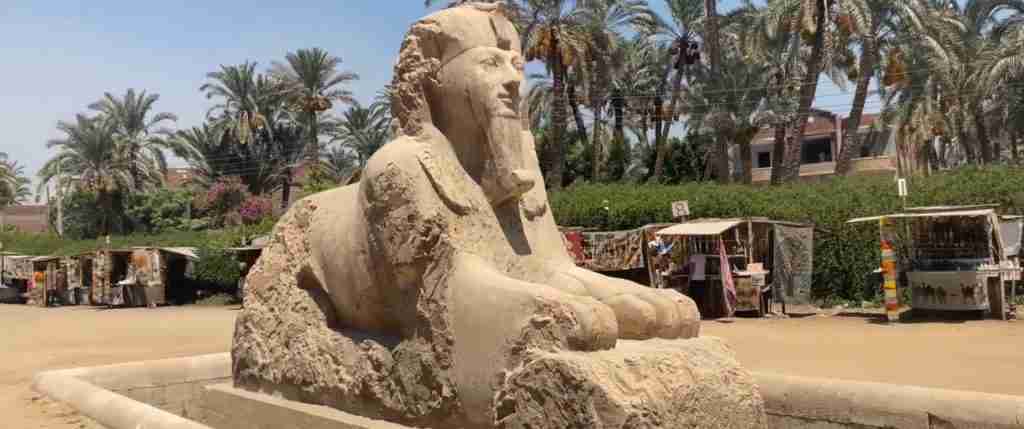
Saqqara archaeological site (Step Pyramid complex, mastaba tombs) costs 450 EGP (€13.50). Dahshur pyramid fields (Bent Pyramid, Red Pyramid) charge 150 EGP (€4.50). Memphis ancient capital remains cost 150 EGP (€4.50). Islamic Cairo individual monuments charge 100-180 EGP (€3-5.50) depending on significance and scale: Cairo Citadel including Muhammad Ali Mosque 400 EGP (€12), Sultan Hassan Mosque 180 EGP (€5.50), Ibn Tulun Mosque 100 EGP (€3), Al-Azhar Mosque 100 EGP (€3). Most smaller mosques request modest donations rather than fixed admission fees.
Multi-Site Passes and Combination Tickets
The Cairo Archaeological Pass delivers the best value for comprehensive heritage exploration in 2026, covering Giza Pyramids (excluding Great Pyramid interior), Saqqara, Dahshur, Memphis, and selected Islamic monuments over three consecutive days for approximately 1,200 EGP (€36). Individual purchases of these sites total 1,680 EGP (€50), creating 30% savings. The pass works best for heritage-focused visitors prioritizing archaeological sites over extended time at any single location. Purchase at the Giza Pyramids ticket office, Egyptian Museum entrance, or designated tourism authority offices.
Student passes (requiring valid ISIC International Student Identity Card) reduce costs 50% at all government-managed sites, bringing the archaeological pass to approximately 600 EGP (€18)—extraordinary value enabling students to access world-class heritage on limited budgets. The Egyptian Museum + Islamic Cairo combination ticket (not always available, inquire at ticket offices) covers museum general admission plus three major Islamic monuments for approximately 900 EGP (€27), saving 15-20% versus separate purchases.
Sound and Light Show packages at Giza combining admission with evening performances save 10-15% compared to separate tickets. Some tour operators offer packages bundling site admissions with transportation and guides at modest savings versus purchasing components separately, though independent travelers often achieve better overall value through selective combination of public transportation, independent site visits, and guides hired only for specific locations requiring specialized knowledge.
Optional Activities and Experience Costs
Camel and horse rides at Giza Pyramids cost 100-200 EGP (€3-6) for 30-minute experiences, with pricing negotiable before mounting. Vendors initially quote inflated rates; successful negotiation targets 100-150 EGP range. Private photography guides specializing in optimal pyramid shots charge €50-100 for 3-4 hour sessions providing expert positioning for sunrise/sunset light and unique angles impossible without insider knowledge. These guides access restricted areas through permits and relationships, delivering photography opportunities justifying costs for serious photographers.
Nile felucca sailing (traditional wooden sailboats) costs 100-200 EGP (€3-6) per hour for entire boat (accommodating 4-8 people comfortably), creating economical group activity with per-person costs of €1-2 hourly. Negotiate rates and duration before boarding to prevent disputes. Evening felucca sails during sunset provide magical Cairo perspectives with illuminated buildings reflecting in the Nile, creating memorable experiences at minimal costs.
Cooking classes teaching Egyptian cuisine cost €40-70 per person for 3-4 hour sessions including market visits, instruction, and eating the prepared meal. These experiences provide cultural immersion, practical skills, and entertainment combining education with dining, appealing to food-oriented travelers willing to allocate one afternoon’s budget toward culinary learning rather than additional site visits. Workshop groups typically limit to 6-10 participants, ensuring hands-on attention.
Transportation Budget Planning 2026
Public Transportation Economics
Cairo Metro provides the most economical transportation option in 2026, charging 7-15 EGP (€0.20-0.45) per journey depending on distance traveled. The three-line network connects downtown Tahrir Square, Giza University (nearest station to pyramids, requiring 10-minute taxi for final approach), Islamic Cairo via Opera and Attaba stations, and Cairo Airport. Operating 5:30 AM-midnight weekdays with 5-10 minute frequency during peak hours, the metro eliminates traffic congestion issues plaguing surface transportation. Budget €1-2 daily for metro transport if you position accommodation near stations and structure itineraries around metro-accessible sites.
Public buses cost 5-10 EGP (€0.15-0.30) per ride but require Arabic language skills and local knowledge for route navigation. Microbuses (shared minivans) running fixed routes charge similar rates with slightly easier navigation through standardized routes, though determining correct vehicles and payment procedures challenges first-time visitors. These options suit adventurous budget travelers willing to invest time learning local systems, though the modest savings (€0.20-0.30 per ride versus metro) rarely justify navigation difficulties for short-stay tourists.
Ride-Sharing and Taxi Costs
Uber and Careem dominate tourist transportation in Cairo, providing reliable service at transparent pricing. Typical fares run 40-80 EGP (€1.20-2.40) for downtown trips (Egyptian Museum to Islamic Cairo areas, hotel to restaurant), 120-180 EGP (€3.60-5.40) for downtown-to-Giza transfers, and 80-120 EGP (€2.40-3.60) for Islamic Cairo exploration between non-adjacent mosques. Budget €8-12 daily for ride-sharing covering 4-6 trips between sites, meals, and accommodation—economical compared to developed country ride-sharing while dramatically more convenient than figuring out public bus routes.
Traditional white taxis require price negotiation before departure, with successful bargaining achieving 60-100 EGP (€1.80-3) for downtown routes and 150-200 EGP (€4.50-6) for Giza transfers—similar to ride-sharing apps but without pricing transparency or trip records. Hotel taxis charge 30-50% premiums but provide guaranteed immediate availability useful for early morning site visits or airport transfers. For budget optimization, use ride-sharing apps for routine transportation while accepting hotel taxis only when convenience justifies premium pricing.
Organized Tour Value Analysis
Private day tours with licensed guides and air-conditioned vehicles cost €60-100 per person for comprehensive Giza and Saqqara combined visits, €40-70 for Islamic Cairo walking tours, and €50-80 for Egyptian Museum focused experiences. Group tours reduce costs to €40-60 per person but operate on fixed schedules with larger participant numbers (10-15 people) reducing flexibility and guide attention. Tour costs include transportation, guide services, and sometimes site admissions (confirm inclusion before booking).
The value calculation compares tour costs against independent visit expenses plus intangible benefits. Independent Giza-Saqqara visits cost approximately €25-35 (site admissions plus transportation) but require researching routes, negotiating taxis, and lacking expert interpretation. Tours at €60-100 add €35-65 premium for convenience, knowledge, vendor interaction management, and time efficiency through optimized scheduling. For first-time visitors or those prioritizing educational depth, the premium justifies costs. For repeat visitors or extremely budget-conscious travelers comfortable with self-guided exploration, independent visits deliver superior value.
Multi-day tour packages (3-5 days) including guide, transportation, and site admissions range €200-400 per person depending on group size and accommodation inclusion. These packages simplify planning and ensure comprehensive coverage but reduce flexibility for spontaneous schedule changes or extended time at particularly compelling sites. Solo travelers and couples often find private multi-day tours economical when compared to per-day guide costs, while groups of 4-6 achieve excellent per-person rates sharing private tour expenses.
Sample 2026 Budget Scenarios
Ultra-Budget Cairo Experience
Daily Budget: €50-60 per person
Accommodation: Downtown hostel dormitory €18 per night including breakfast. Transportation: Metro €1.50 daily plus two Uber rides €3. Meals: Street food breakfast included at hostel, koshary lunch €1.20, street shawarma dinner €1.80, snacks and beverages €3. Site admission: One major site daily averaging €12-15 (Giza one day, Egyptian Museum another, Islamic Cairo mosques third day). Total: €51-61 daily.
5-Day Total: €255-305 per person covering accommodation, all meals, transportation, and comprehensive heritage site access including Giza Pyramids, Egyptian Museum with Mummy Room, Saqqara, Islamic Cairo mosques, and local cultural experiences. Additional costs: airport transfer €7-10, souvenirs budget €20-40, optional activities €10-20.
This budget requires hostel accommodation comfort, street food adventure tolerance, public transportation patience, and self-guided site visits without paid guides. Trade-offs include basic comfort levels, limited air-conditioned relief during hot weather, and missing detailed historical interpretation available through guides. Benefits include authentic local experiences, traveler community in hostels, maximum heritage access on minimal budget, and extended trip duration possible due to low daily costs.
Mid-Range Comfortable Cairo Visit
Daily Budget: €90-110 per person
Accommodation: 3-star downtown hotel €45-55 per person (double occupancy) including breakfast. Transportation: Metro €1.50 plus Uber rides €10-12 daily. Meals: Hotel breakfast included, local restaurant lunch €8-12, comfortable restaurant dinner €15-20, snacks €5. Site admission: €15-18 daily average. Private guide one day €30 per person (shared cost). Total: €94.50-118 daily.
5-Day Total: €470-590 per person covering mid-range hotel, diverse dining options, convenient transportation, comprehensive site access, and one day with private guide for Giza-Saqqara tour. Additional costs: airport transfer €15, Nile dinner cruise €45, souvenirs €40-80, optional activities €20-40.
This budget delivers comfortable recovery spaces between site visits, dining variety including air-conditioned restaurant relief, convenient transportation eliminating route navigation, and one guided day providing expert interpretation. Trade-offs include smaller souvenir budgets and fewer optional activities versus luxury range. Benefits include genuine comfort, comprehensive heritage access, efficiency maximizing site time, and flexibility adjusting daily plans without rigid tour schedules.
Luxury Heritage Experience
Daily Budget: €220-280 per person
Accommodation: Pyramid-view 5-star hotel €125-175 per person (double occupancy) including breakfast. Transportation: Private driver €30 per day. Meals: Hotel breakfast included, upscale lunch €25-35, fine dining dinner €40-50, snacks €8. Site admission: €18-22 daily. Private guide daily €50. Premium experiences €20-40 (photography guide, exclusive access). Total: €221-285 daily.
5-Day Total: €1,105-1,425 per person covering luxury accommodation with pyramid views, private drivers and guides daily, upscale dining throughout, comprehensive premium experiences, and flexibility for spontaneous additions. Additional costs: airport private transfer €25, multiple Nile experiences €100-150, premium souvenirs €150-300, spa services €100-200.
This budget purchases maximum convenience, comfort, and personalized service while accessing identical heritage sites as budget travelers. The premium funds exceptional hotel experiences, expert daily interpretation, efficiency through private transportation, culinary excellence, and elimination of all logistical concerns. Trade-offs include significantly higher costs for ultimately similar site access. Benefits include complete comfort, zero planning stress, deep historical understanding through expert guides, flexible scheduling, and treating Cairo visit as luxury experience rather than budget travel.
Money-Saving Strategies 2026
Seasonal Timing for Cost Optimization
Summer travel (May-September 2026) delivers 30-50% accommodation savings compared to winter peak season, with mid-range hotels dropping from €120-150 to €70-100 per night. Flight costs to Cairo decrease 25-40% during summer months, and tour operators offer shoulder season discounts reaching 20-30% below winter rates. A 5-day summer trip saves €150-250 per person on accommodation plus €80-150 on flights compared to December-February travel—total savings of €230-400 per person offsetting heat adaptation requirements.
The trade-off requires scheduling outdoor site visits during early morning (6-10 AM) and late afternoon-evening (5-9 PM) hours while spending midday in air-conditioned museums, mosques, restaurants, and hotels. This pattern actually enhances photography with better light angles and reduces crowding at major sites. Summer travelers need higher sun protection standards but access identical heritage at significantly lower costs with near-empty sites during optimal lighting hours.
Advance Booking Benefits
Booking 60-90 days in advance for peak season (November-February 2026) captures early reservation discounts of 15-25% from hotels and tour operators. Flight tracking tools (Google Flights, Skyscanner) alert you to price drops for preferred dates, with Tuesday-Wednesday departures averaging €50-80 below weekend flights from most European origins. Package deals bundling flights and hotels sometimes deliver 10-20% savings versus separate bookings, though compare carefully against independent booking costs and ensure package flexibility accommodates your schedule.
Last-minute summer deals occasionally appear 7-14 days before arrival, with hotels filling remaining capacity at 30-40% discounts. This strategy risks reduced accommodation selection and higher flight costs, working best for flexible travelers willing to adjust plans based on availability. Peak season last-minute bookings rarely offer savings, with popular properties fully booked and remaining options charging premium rates for limited availability.
Strategic Splurges and Cost Cuts
Smart budgeting identifies where spending enhances experiences and where economies cause minimal sacrifice. Priority spending: private guides for Giza-Saqqara (€60-80 provides expert interpretation impossible through independent visits), Egyptian Museum guided tour (€40-50 helps navigate the overwhelming collection), one upscale dinner with Nile views (€40-60 creates memorable evening). Strategic economies: street food lunches (€1-3 versus €10-15 restaurant meals with identical food quality), metro transportation when practical (€0.20-0.45 versus €3-5 taxis for same routes), hotel breakfast included versus €8-15 restaurant breakfasts, hostel accommodation except perhaps one night in pyramid-view property for the special experience.
The approach invests in irreplaceable experiences while economizing on commodity purchases and routine necessities. A mid-range traveler allocating €400-500 for Cairo might spend €180 on guides and one special dinner delivering maximum enrichment, then economize with €120 hostel accommodation and €60 on street food rather than €250 on mid-range hotels and €140 on restaurant meals. Both approaches total €400-500 but the first prioritizes experience quality over daily comfort—optimal for heritage-focused travelers versus comfort-prioritizing visitors.
Frequently Asked Questions – Cairo Budget 2026
Is haggling expected everywhere in Cairo?
Haggling context matters significantly in Cairo. Expect and engage in negotiation at tourist markets (Khan el-Khalili, papyrus shops, souvenir vendors), with unmetered taxis before trips begin, for camel/horse rides at Giza, and with some independent guides and drivers. Target 40-60% of initial asking prices at markets, with final agreements feeling reasonable to both parties. Do not haggle at: restaurants with posted menus (prices are fixed), site admission ticket offices (government rates are non-negotiable), Uber/Careem (app sets pricing), metro/public transportation (fixed fares), modern shops and malls (Western-style fixed pricing). Hotels sometimes negotiate for walk-in bookings or extended stays (10-20% potential discounts) but online bookings follow posted rates. When unsure whether negotiation is appropriate, observe local customers’ interactions or simply ask “Is this price negotiable?” Most vendors appreciate respectful engagement and distinguish between hardball haggling over reasonable negotiation reaching mutually acceptable prices.
Should I carry cash or use cards in Cairo?
Cairo in 2026 requires significant cash usage despite increasing card acceptance. All site admissions, most local restaurants, street food vendors, souks, taxis, and tips operate cash-only. ATMs throughout Cairo accept international cards, charging 100-150 EGP (€3-4.50) withdrawal fees on top of your bank’s foreign transaction fees. Credit cards work at hotels, upscale restaurants, major tour operators, and modern retail stores, but cash remains essential for daily expenses. Recommended approach: withdraw €150-200 equivalent (5,000-6,500 EGP) every 3-4 days covering most daily expenses, use cards for hotel payments and organized tours, and carry small denomination bills (20-50 EGP) for tips and minor purchases. Avoid exchanging currency at Cairo Airport’s official exchange counters which offer poor rates; instead withdraw directly from airport ATMs or wait until reaching downtown exchange offices providing better rates. Inform your bank before travel to prevent card blocks from Egypt transactions. The Egyptian Pound’s stability makes cash carry reasonable, though divide amounts between multiple pockets/bags for security.
How much should I budget for souvenirs from Cairo?
Souvenir budgets vary dramatically based on interests and bargaining success. Budget purchases €20-40 buys quality items including papyrus paintings (€5-10 after negotiation from €20-30 opening prices), small alabaster pyramids (€3-8), Egyptian cotton scarves (€8-15), spice mixes from Khan el-Khalili (€5-10), and decorative jewelry (€5-12). Mid-range collectors allocating €60-120 access better quality papyrus art (€20-40), larger alabaster pieces (€25-50), authentic Egyptian cotton textiles (€30-60), and copper/brass decorative items (€15-30). Serious collectors spending €200-400+ purchase museum-quality papyrus reproductions from specialty shops (€80-150), fine alabaster sculptures (€100-200), antique or antique-style textiles and carpets (€150-300), and authenticated artifacts from licensed dealers. Reference pricing at fixed-price government shops (El Souk El Masry) before Khan el-Khalili negotiations. Ship large purchases through hotel concierges who know reliable shipping services, avoiding street vendor shipping offers. Quality varies dramatically; buy papyrus only from specialist shops showing hand-painting techniques, test alabaster by holding to light (real alabaster allows light transmission), and purchase cotton goods from established textile merchants rather than general souvenir stalls. The best approach allocates modest budgets for impulse purchases while reserving larger amounts for genuinely special items discovered during market exploration.
Can I visit Cairo on a vegetarian or vegan budget?
Cairo offers excellent vegetarian and vegan options at all price points, with Egyptian cuisine naturally featuring many plant-based dishes. Foul (mashed fava beans), ta’ameya (Egyptian falafel using fava beans rather than chickpeas), koshary (rice, lentils, pasta, chickpeas, tomato sauce), and hummus provide protein-rich options costing €0.75-2 per meal at street vendors and local restaurants. Mezze platters at restaurants combine multiple vegetable preparations (baba ghanoush, tahini, stuffed grape leaves, fresh salads) for €3-8 depending on venue. Budget vegetarian/vegan travelers manage €6-12 daily for food using street food and local restaurants exclusively. The challenge involves ensuring restaurants don’t use animal fats in cooking (request “min ghair lahma” – without meat – and clarify butter/lard avoidance). Upscale restaurants catering to international clientele clearly mark vegetarian options and accommodate vegan requests. Some Egyptian dishes use butter, clarified butter (samna), or meat broths in cooking despite appearing vegetable-based—asking preparation details prevents accidental animal product consumption. The abundance of naturally vegan Egyptian dishes makes budget vegetarian/vegan travel easier than in many destinations, with costs lower than omnivore budgets due to meat price premiums. Western vegetarians sometimes discover favorite new dishes like koshary which combine complex flavors and textures while costing under €1.50 per satisfying meal.
What hidden costs should I budget for?
Several categories often escape initial budget planning. Tipping (baksheesh) adds €10-15 daily for guides (€10-20), drivers (€5-8), hotel staff (€2-5), restaurant service beyond posted charges (10-15%), and restroom attendants at sites (€0.15-0.30). Photography permits for professional equipment at some sites cost €9. Bottled water consumption in Cairo’s heat requires €2-3 daily. Site locker/storage fees when required run €0.30-1. Security entrance tips at some locations request €0.30-1. ATM withdrawal fees total €3-4.50 per transaction plus your bank’s foreign transaction fees (1-3% typically). Travel insurance covering medical emergencies, trip cancellation, and theft costs €20-60 for typical 5-7 day trips. Visa fees for many nationalities (available at Cairo Airport on arrival) cost €25. Mobile SIM cards for local calls and data run €10-20 for tourist packages. Laundry at hotels charges €3-5 per item versus €1-3 per kg at local services. Budget an additional 15-20% beyond core expenses (accommodation, meals, site admissions, transportation) for these miscellaneous categories, or approximately €15-25 daily on mid-range budgets. The costs individually seem minor but collectively impact total expenses, causing budget overruns when not anticipated.
Is Cairo affordable for solo travelers or do singles pay more?
Solo travelers face accommodation premiums in Cairo with private hotel rooms charging 70-85% of double occupancy rates rather than 50%—effectively €55-110 for single rooms versus €80-150 doubles. Hostel dormitories eliminate this premium, charging per-person rates of €15-25 regardless of travel party size. Tour costs sometimes include single supplements for private tours (guides typically quote per-group rather than per-person rates), though group tours charge identical per-person rates for singles and couples. Restaurant meals, site admissions, and transportation cost identically regardless of solo or group travel. The overall impact: solo travelers in hotels pay 20-40% more per person than couples sharing rooms, but solo backpackers using hostels experience minimal disadvantage. Strategies for solo travelers: use hostel accommodation at least some nights to reduce accommodation costs; seek other solo travelers at hostels to share guide and transportation costs; accept single supplements at hotels as unavoidable cost of solo travel; allocate savings from single meals versus couple dining to offset accommodation premiums. Many solo travelers find Cairo’s hostel social scenes facilitate meeting travel companions for shared site visits and cost-sharing opportunities, transforming solo budget challenges into advantages through traveler community connections.
How much does mobile data cost in Cairo?
Local SIM cards for tourists cost €10-20 for packages providing 10-20 GB data plus local calls, available at Cairo Airport upon arrival or from Vodafone/Orange/Etisalat shops throughout the city. The data suffices for 7-10 days of heavy use including navigation apps, Uber/Careem, restaurant research, and social media uploads. This investment dramatically enhances convenience through Google Maps navigation, ride-sharing apps providing transparent pricing, restaurant research on TripAdvisor/Google, instant translation apps, and WhatsApp communication with hotels and tour operators. The €10-20 cost delivers far greater value than attempting to rely solely on hotel WiFi, which requires constant return to accommodation for planning and research. Most tourists consider local SIM cards essential budget items rather than optional extras, given the convenience and safety benefits of always-available navigation and communication. Ensure your phone is unlocked before travel to accept Egyptian SIM cards. Shop staff help with setup, typically requiring passport for registration. The process takes 10-15 minutes at airport kiosks or downtown shops, representing excellent value for enhanced trip convenience.
Can I get refunds on site tickets if I change my mind?
Egyptian heritage site tickets follow no-refund policies once purchased, with ticket offices declining to refund or exchange tickets regardless of circumstances. This applies to all government-managed sites including Giza Pyramids, Egyptian Museum, Saqqara, and Islamic monuments. The policy requires careful planning before purchasing, particularly for expensive tickets like Great Pyramid interior access (€27) or combination passes (€36+). Strategies to minimize risks: purchase tickets immediately before entering sites rather than days in advance; verify sites are open and operating normally before buying tickets (occasional unannounced closures or restricted access occur); confirm what each ticket actually includes (some visitors buy Great Pyramid interior tickets misunderstanding they can also access Khafre and Menkaure interior chambers, which require separate tickets); read posted information carefully at ticket windows. Tour operators sometimes negotiate refunds or exchanges when site closures affect booked experiences, but independent travelers must accept purchased tickets as final. This inflexibility stems from preventing ticket resale schemes and simplifying administration at high-volume sites processing thousands of daily visitors, but requires tourists to plan carefully and accept occasional losses when circumstances change.
What’s a realistic souvenir negotiation outcome at Khan el-Khalili?
Successful Khan el-Khalili negotiation typically achieves 40-60% of opening asking prices for most items, with final prices feeling reasonable to both parties. Example: vendor opens at €40 for papyrus painting, tourist counters €15, vendor drops to €32, tourist increases to €18, eventual agreement at €22-25 represents good outcome—tourist pays 55-62% of opening price, vendor earns acceptable margin, both parties satisfied with transaction. Attempting below 40% often results in vendor walking away or offended responses. Going above 65% means you overpaid significantly. The process involves good humor, patience, and willingness to walk away if prices don’t reach comfortable levels (vendors often call you back with better offers). Comparison shopping among multiple vendors establishes market ranges before committing. Government fixed-price shops provide reference pricing: Khan el-Khalili negotiations achieving 30-50% below government shop prices indicate successful bargaining. Items with clearer intrinsic value (cotton goods, precious metals, large alabaster pieces) allow less negotiation room than items with subjective value (art, decorative objects). Purchase decisions should feel good to both parties—tourists getting fair prices for desired items, vendors earning reasonable profits. Aggressive bargaining treating vendors as adversaries creates unpleasant experiences, while paying inflated prices without negotiation misses cultural engagement opportunities and rewards overcharging. The middle path of respectful negotiation reaching mutually agreeable prices provides optimal outcomes.
Should I pre-book tours or arrange upon arrival?
The optimal approach combines advance booking for key experiences with flexibility for on-ground decisions. Pre-book: pyramid-view hotel rooms (limited availability in peak season), first-day airport transfer (reduces arrival stress), one or two major guided tours providing trip structure (Giza-Saqqara day tour, Egyptian Museum focused tour), and any special experiences requiring advance arrangement (photography guides, cooking classes). Book on arrival: additional guided tours after assessing first guide’s quality, Islamic Cairo explorations where self-guided visits might suffice, restaurants and Nile cruises easy to book 1-3 days ahead, day trips depending on energy levels and interest after seeing major sites. This strategy provides arrival security through pre-booked accommodation and initial transportation plus one guided experience establishing quality standards, while maintaining flexibility to adjust based on weather, energy, interests, and discovered opportunities. Hotel concierges arrange quality tours at fair prices, often with same-day availability for most experiences. The exception: peak season (December-January) major holidays when advance booking 30-60 days ahead secures preferred options and prevents disappointment. Summer and shoulder season travelers need minimal advance booking beyond accommodation and airport transfer.