Salta Travel Guide 2026: Gateway to Northwest Argentina
Key Takeaways:
- Salta serves as the strategic base for exploring Northwest Argentina’s UNESCO World Heritage sites and dramatic Andean landscapes in 2026
- Budget travelers spend ARS 45,000-65,000 daily while mid-range visitors allocate ARS 85,000-125,000 for comprehensive experiences (excluding accommodation)
- Peak season (June-September) delivers exceptional Andean weather but requires booking tours and accommodation 6-8 weeks ahead for optimal rates
- Direct flights from Buenos Aires cost ARS 180,000-320,000 round-trip, while the 20-hour bus journey offers budget alternatives at ARS 35,000-55,000
- Three-day minimum visits allow core city exploration plus one UNESCO day trip, while five-day itineraries enable comprehensive regional discovery
- The Tren a las Nubes and Quebrada de Humahuaca represent essential Northwest Argentina experiences accessible from Salta’s central location
Introduction to Salta Planning 2026
Salta emerges as Northwest Argentina’s most captivating colonial city and the essential gateway for exploring the region’s extraordinary UNESCO World Heritage sites, dramatic Andean landscapes, and indigenous cultural heritage. Known as “Salta la Linda” (Salta the Beautiful), this provincial capital combines impeccably preserved Spanish colonial architecture with modern traveler infrastructure, creating the perfect launching point for discovering the Quebrada de Humahuaca valley, the dramatic Calchaquí Valleys wine region, and the engineering marvel of the Tren a las Nubes railway.
The city sits at 1,187 meters elevation in the Lerma Valley, surrounded by the sub-Andean ranges that define Northwest Argentina’s geography. This strategic position provides comfortable altitude acclimatization before venturing to higher elevations like Purmamarca (2,324m) or the Salinas Grandes salt flats (3,450m). Salta’s compact historic center concentrates colonial monuments, museums, restaurants, and accommodation within easy walking distance, while the surrounding valleys offer access to pre-Columbian archaeological sites, traditional Andean villages, and some of South America’s highest-altitude vineyards.
Planning your 2026 Salta experience requires understanding the region’s distinct seasons, coordinating day trips to UNESCO sites and natural wonders, and navigating accommodation options that range from colonial-era hostels to boutique hotels in restored casas coloniales. The city serves 350,000 residents but maintains an intimate scale that allows travelers to grasp its colonial layout within hours while using it as a base for weeks of regional exploration. This guide provides comprehensive planning information for maximizing your Northwest Argentina discovery through Salta’s strategic gateway position.
People Also Ask About Salta Travel 2026
How much does it cost to visit Salta in 2026?
Daily costs in Salta range from ARS 45,000-65,000 for budget travelers to ARS 85,000-125,000 for mid-range experiences, excluding accommodation. A typical budget day includes hostel accommodation at ARS 22,000-32,000, empanadas and set menus totaling ARS 18,000-25,000, local bus transportation at ARS 800-1,200 per trip, and museum entries at ARS 2,500-4,500. Mid-range travelers staying in boutique hotels (ARS 65,000-95,000 per night) and dining at regional restaurants spend ARS 45,000-65,000 on meals plus ARS 15,000-25,000 on organized day trips and entrance fees.
Organized day trips to UNESCO sites represent significant additional costs: Quebrada de Humahuaca tours run ARS 48,000-72,000, Tren a las Nubes tickets cost ARS 85,000-115,000, and Cafayate wine valley excursions range ARS 42,000-68,000 (check tour operators for current official rates as pricing may vary). Multi-day trips to Salinas Grandes and surrounding attractions add ARS 165,000-245,000 for two-day guided experiences. Budget-conscious travelers reduce costs by using public buses to Purmamarca (ARS 8,500 each way) instead of organized tours, self-catering breakfast in hostel kitchens, and walking the compact historic center rather than taking taxis.
When is the best time to visit Salta in 2026?
June through September delivers optimal conditions for Salta exploration, combining clear Andean skies, minimal rainfall, and comfortable daytime temperatures of 18-24°C. This Austral winter period transforms the Quebrada de Humahuaca into a photographer’s paradise with crystalline light illuminating the multicolored rock formations, while the high desert climate ensures precipitation remains below 10mm monthly. Night temperatures drop to 2-8°C in the city and reach freezing at higher elevations like Salinas Grandes, requiring warm layers for evening activities and early morning departures.
April-May and October-November provide excellent shoulder season alternatives with 20-26°C daytime temperatures, blooming desert vegetation, and 30-40% lower accommodation rates compared to peak winter months. Summer (December-March) brings afternoon thunderstorms, humidity reaching 65-75%, and temperatures climbing to 28-34°C, but creates the opportunity to witness the region’s brief green transformation and enjoy nearly-empty attractions. The summer rainy season occasionally disrupts mountain road access, particularly to Cachi and the higher Calchaquí Valley destinations, making winter’s dry stability preferable for comprehensive regional exploration.
How many days should you spend in Salta in 2026?
Three days provides the minimum timeframe for experiencing Salta’s colonial core plus one major UNESCO day trip, allocating one day for city exploration (Cathedral, Cerro San Bernardo cable car, MAAM museum), one full day for Quebrada de Humahuaca or Cafayate valley, and one half-day for Museo de Arqueología de Alta Montaña and departure logistics. This compressed schedule covers essential highlights but requires efficient time management and pre-booked organized tours to maximize limited hours.
Five to seven days enables comprehensive Northwest Argentina discovery, with two days exploring Salta proper, two to three days covering multiple UNESCO sites and natural wonders (Humahuaca, Salinas Grandes, Cachi), and one to two days experiencing the Cafayate wine region or the Tren a las Nubes railway. This extended timeframe allows flexibility for weather contingencies, spontaneous discoveries in colonial neighborhoods, extended photography sessions at dramatic viewpoints, and deeper engagement with regional museums and archaeological sites. Travelers interested in combining Salta with Bolivia’s Uyuni salt flats or Chile’s Atacama Desert typically allocate 8-12 days for the complete tri-nation Northwest circuit.
Do you need advance bookings for Salta in 2026?
Peak season (June-September) requires booking quality accommodation 6-8 weeks ahead, particularly for boutique colonial hotels and well-reviewed hostels that fill completely during July-August school vacation periods. The Tren a las Nubes sells out 4-6 weeks before departure dates during winter months, while popular Quebrada de Humahuaca tour operators (English-language small groups) reach capacity 2-3 weeks prior to weekends and Argentine holidays. Booking these essential elements in advance secures preferred dates and avoids last-minute premium pricing.
Shoulder seasons (April-May, October-November) and summer (December-March) offer same-week booking flexibility for most services, though researching and reserving highly-rated tour operators ensures quality experiences versus improvising with street touts at Plaza 9 de Julio. Restaurant reservations become necessary only for upscale regional dining venues on weekend evenings, while casual empanada shops, cafes, and set-menu restaurants accommodate walk-ins throughout the year. International flights to Buenos Aires and domestic connections to Salta warrant booking 8-12 weeks ahead for optimal fares, particularly during peak season when demand from Argentine domestic travelers drives prices upward.
Extended multi-day tours – 5+ days
Featured Salta Multi-Day Tour Packages

3 days
Salta 3-Day Discovery Tour
- ✓ Comprehensive Salta experience
- ✓ Expert local guides included
- ✓ All accommodation included
- ✓ Transportation provided
5 days
Salta 5-Day Highlights Experience
- ✓ Comprehensive Salta experience
- ✓ Expert local guides included
- ✓ All accommodation included
- ✓ Transportation provided
7 days
Salta 7-Day Cultural Journey
- ✓ Comprehensive Salta experience
- ✓ Expert local guides included
- ✓ All accommodation included
- ✓ Transportation provided

10 days
Salta 10-Day Complete Adventure
- ✓ Comprehensive Salta experience
- ✓ Expert local guides included
- ✓ All accommodation included
- ✓ Transportation provided
Multi-day tour packages powered by TourRadar. Prices and availability subject to change.
Essential Planning Information 2026
Understanding Salta Costs 2026
Salta operates on a dual pricing structure that significantly favors budget-conscious travelers willing to embrace local customs while penalizing those seeking familiar international standards. Accommodation demonstrates this range most dramatically: dormitory beds in hostels cost ARS 18,000-28,000 in renovated colonial buildings with shared kitchens and common areas, private rooms in budget hotels run ARS 35,000-55,000 without breakfast, mid-range boutique hotels charge ARS 65,000-95,000 for colonial charm and included breakfast, while top-tier properties in restored casas coloniales command ARS 125,000-185,000 for luxury amenities and design details.
Daily meal costs vary equally dramatically based on dining choices. Budget travelers subsist on empanadas (ARS 1,800-2,500 each, requiring 3-4 for full meal), street food like tamales and humitas (ARS 2,200-3,500), and almuerzo ejecutivo set lunches (ARS 6,500-9,500 including main, side, drink, dessert). Mid-range dining at regional restaurants serving locro stew, tamales, and grilled meats runs ARS 15,000-25,000 per person with wine, while upscale establishments featuring contemporary takes on Northwest cuisine charge ARS 32,000-48,000 for three-course meals with premium Cafayate wines.
Transportation costs within Salta remain minimal: city buses charge ARS 800 per trip with rechargeable SAETA cards, taxis cost ARS 3,500-6,500 for cross-city journeys, and remis (private car services) run ARS 4,500-8,500 to the airport. The cable car to Cerro San Bernardo costs ARS 8,000-12,000 round-trip, while organized day trips constitute the major transportation expense at ARS 42,000-85,000 depending on distance and destination. Museum and attraction entry fees remain modest: MAAM costs ARS 4,500-6,500, Cathedral entry is free, archaeological sites charge ARS 2,500-4,500, while the comprehensive Tren a las Nubes experience reaches ARS 85,000-115,000 (check official websites for current rates as pricing may vary).
Currency and Payment Systems 2026
Argentina’s complex currency situation requires understanding multiple exchange rates and payment strategies. The official exchange rate differs substantially from the “blue dollar” parallel market rate, with savvy travelers using ATMs that dispense pesos at near-market rates or exchanging cash at authorized casas de cambio. Credit cards process at official rates plus 3-5% foreign transaction fees, making them less advantageous than strategic cash management for most purchases.
Most Salta businesses accept cash only, particularly budget restaurants, street vendors, local buses, and small shops. Mid-range and upscale establishments accept credit cards but add 10-15% surcharges for card payments, effectively negating any convenience. Tour operators and hotels accept bank transfers for advance bookings, while some boutique properties welcome foreign credit cards without surcharges for guaranteed reservations. Carrying a mix of payment methods—cash for daily expenses, one credit card for emergencies, and backup ATM cards—provides flexibility across Salta’s varied payment landscape.
Getting to Salta in 2026
Air Travel to Salta
Martín Miguel de Güemes International Airport (SLA) sits 11 kilometers southwest of central Salta, receiving multiple daily flights from Buenos Aires Aeroparque (AEP) on Aerolíneas Argentinas, Flybondi, and JetSmart. The 2.5-hour flight costs ARS 180,000-320,000 round-trip depending on booking timing and carrier, with budget airlines offering lower base fares plus additional charges for checked baggage, seat selection, and onboard services. Morning departures from Buenos Aires arrive before noon, allowing same-day city exploration or afternoon connections to day trip destinations.
Direct flights also connect Salta to Mendoza (2 hours), Córdoba (1.5 hours), and Iguazú Falls (2 hours), enabling multi-destination Argentine itineraries without returning to Buenos Aires. International connections through Buenos Aires link Salta to Santiago de Chile (4-5 hours total including layover), Lima (6-7 hours), and São Paulo (5-6 hours). Booking domestic flights 8-12 weeks ahead secures lowest fares, while last-minute purchases 1-2 weeks before departure often cost double or triple advance purchase rates.
Airport transfer options include official remis services (ARS 8,500-12,000 to city center, pre-paid at airport desk), regular taxis (ARS 6,500-9,500, meter-based), shared van shuttles (ARS 3,500-5,000 per person, coordinated with hotels), and city bus line 8A (ARS 800, 45-minute journey with luggage restrictions). Most mid-range and upscale hotels arrange airport pickup for ARS 10,000-15,000, while budget travelers use the public bus or shared shuttles to minimize transfer costs.
Overland Routes to Salta 2026
Long-distance buses connect Salta to Buenos Aires (20 hours, ARS 35,000-55,000), Mendoza (14 hours, ARS 28,000-42,000), Córdoba (12 hours, ARS 25,000-38,000), and Tucumán (4 hours, ARS 12,000-18,000). Premium cama ejecutiva (fully-reclining seats) and cama suite (business class) services include meals, blankets, entertainment screens, and comfortable seating that makes overnight journeys bearable for budget-conscious travelers avoiding flight costs. Buses depart from Salta’s modern terminal 7 blocks east of Plaza 9 de Julio, with ticket counters, luggage storage, cafeterias, and money exchange services.
International bus routes connect Salta to Jujuy province border crossings with Bolivia and Chile, serving as transit points for travelers combining Argentina with neighboring countries. The route to San Pedro de Atacama, Chile (10-12 hours including border formalities, ARS 32,000-48,000) crosses spectacular high desert and salt flat landscapes, while connections to Uyuni, Bolivia (12-14 hours, ARS 35,000-52,000) traverse dramatic Andean passes above 4,000 meters elevation. These routes require warm clothing, altitude awareness, and advance booking during peak season.
Self-drive options appeal to travelers seeking flexibility and access to remote destinations. Rental cars in Salta cost ARS 45,000-85,000 daily for compact vehicles, ARS 65,000-105,000 for SUVs better suited to unpaved mountain roads. International driving permits combine with home country licenses for vehicle rental, while comprehensive insurance (mandatory) adds 40-60% to base rates. Fuel costs ARS 850-1,100 per liter, making the 1,600-kilometer Buenos Aires-Salta drive cost ARS 145,000-185,000 in fuel alone, plus 20-24 hours driving time typically split across three days.
Best Time to Visit Salta 2026
Peak Season Analysis 2026
June, July, and August constitute absolute peak season, delivering cloudless Andean skies, zero precipitation, and perfect conditions for photography at UNESCO sites and high-altitude destinations. Daytime temperatures hover at 18-24°C in Salta city, while higher elevations like Salinas Grandes experience 10-16°C maximums with crystalline air that extends visibility for 100+ kilometers. Night temperatures drop to 2-8°C in the city and reach -5 to 0°C at altitude, requiring warm layers for stargazing sessions and early morning tour departures.
This exceptional weather attracts maximum tourist numbers, both international visitors and Argentine domestic travelers during school vacation periods. Accommodation prices peak 40-60% above shoulder season rates, organized tours fill completely requiring 2-4 week advance booking, and popular viewpoints at Quebrada de Humahuaca experience tour group congestion during midday hours. Budget travelers face challenges finding available hostel beds without advance reservations, while spontaneous travelers pay premium rates for remaining inventory.
The peak season’s advantages—guaranteed weather, optimal photography light, comfortable temperatures for multi-hour excursions—justify higher costs and advance planning requirements for travelers prioritizing experience quality over budget flexibility. Those willing to wake early beat tour group crowds to viewpoints, while afternoon visits to city museums and indoor attractions avoid midday tourist peaks at major sites. Strategic booking 6-8 weeks ahead locks in better rates while ensuring access to quality accommodation and tours.
Shoulder Season Opportunities 2026
April, May, October, and November deliver 20-26°C daytime temperatures, blooming desert vegetation, and significantly reduced tourist numbers compared to winter peaks. Accommodation costs drop 30-40% from peak rates while maintaining quality standards, organized tours operate with smaller groups or private departures, and popular attractions offer more contemplative experiences without crowd management stress. Shoulder months provide 80% of peak season’s weather reliability at 60% of the cost, creating optimal value for budget-conscious travelers.
Spring (October-November) transforms the typically arid landscape with brief wildflower blooms following September rains, creating photographic opportunities distinct from winter’s stark desert beauty. Fruit trees in Cafayate valley bloom, vineyards show fresh growth, and the Quebrada de Humahuaca valleys display green patches among multicolored rock formations. Afternoon clouds develop more frequently than winter months but rarely produce significant precipitation, clearing by sunset for spectacular light shows on mountain faces.
Fall (April-May) offers harvest season experiences in wine country, with Cafayate wineries celebrating Torrontés grape harvests and offering special tastings and vineyard tours. Temperatures remain comfortable for multi-hour excursions, though occasional rain systems require flexible itinerary planning and backup indoor activities. Booking 2-3 weeks ahead suffices for quality accommodation and tours, while spontaneous same-week arrangements work for less-popular destinations and budget properties.
Summer Season Considerations 2026
December through March brings afternoon thunderstorms, humidity climbing to 65-75%, and temperatures reaching 28-34°C, creating significantly different conditions than peak season’s dry cold. The summer rainy season transforms the desert landscape briefly green, waterfalls flow in usually-dry canyons, and dramatic storm clouds create spectacular photography opportunities distinct from winter’s clear skies. Accommodation and tour prices drop to annual lows, quality properties offer 40-50% discounts, and attractions operate with minimal crowds.
Rain typically arrives as intense afternoon thunderstorms lasting 1-3 hours rather than all-day precipitation, allowing morning excursions to complete before weather deterioration. December and March experience less frequent storms than January-February peak rainy months, creating shoulder opportunities within summer season. High-altitude destinations like Salinas Grandes become more challenging due to cloud cover obscuring views, while lower-elevation sites like Cafayate wine valley tolerate afternoon rain without significant impact.
Summer’s heat makes early morning departures essential for comfortable sightseeing, with tours leaving at 6-7 AM to complete major activities before midday temperature peaks. The season suits travelers combining Salta with beach destinations (Argentina’s Atlantic coast, northern Brazil), those with flexible schedules allowing weather-dependent itinerary adjustments, and photographers seeking dramatic storm light and green landscapes. Budget travelers maximize savings during January-February’s absolute low season when desperate hoteliers negotiate walk-in rates 50-60% below rack prices.
Accommodation Strategies 2026
Budget Accommodation Options 2026
Salta’s hostel scene concentrates in the historic center within walking distance of Plaza 9 de Julio, offering renovated colonial buildings with high ceilings, interior patios, and communal kitchens. Dormitory beds cost ARS 18,000-28,000 in quality establishments featuring lockers, reading lights, USB charging ports, and clean shared bathrooms. Private rooms in hostels run ARS 35,000-48,000 for doubles with shared bath, ARS 45,000-62,000 with private bathroom, providing budget hotel alternatives with hostel social atmosphere and guest kitchen access.
Top-rated budget options include Hostel Giramondo (Calle Balcarce, colonial building with rooftop terrace, organized activities), Hostel Portal de Salta (near bus terminal, kitchen facilities, tour booking desk), and Marcopolo Inn (central location, breakfast included, knowledgeable staff). These establishments attract independent travelers and backpackers, facilitating tour group formation for cost-sharing on day trips and creating social environments for exchanging regional travel information.
Budget hotels occupy converted residential buildings outside the immediate historic core, offering ARS 38,000-55,000 doubles with basic amenities, minimal breakfast (coffee, bread, jam), and functional rather than atmospheric accommodations. These properties suit travelers prioritizing price and location over architectural charm, with money saved on accommodation funding upgraded tour experiences or extended regional stays. Many budget hotels lack English-speaking staff, requiring basic Spanish for communication and check-in procedures.
Mid-Range Boutique Properties 2026
Salta’s colonial architecture supports exceptional boutique hotel development, with restored 18th and 19th-century casas offering modern comforts within historical shells. Mid-range boutique properties charge ARS 65,000-95,000 per night for doubles with colonial details (exposed beams, interior patios, original tile floors), quality mattresses, reliable hot water, air conditioning, and substantial breakfasts featuring regional specialties. These hotels cluster around Plaza 9 de Julio and along Calle Balcarce, positioning guests within walking distance of restaurants, museums, and the Cathedral.
Representative mid-range options include Hotel Alejandro I (Calle Balcarce, pool, colonial courtyard), Hotel Salta (Plaza 9 de Julio, rooftop terrace, historic building), and Hotel Almería (near Cerro San Bernardo cable car, modern amenities, regional breakfast). These properties provide tour booking assistance, arrange airport transfers, store luggage for day trips, and employ English-speaking staff capable of addressing traveler needs beyond basic accommodation.
Booking mid-range hotels 4-6 weeks ahead during peak season secures availability at published rates, while last-minute bookings face 20-30% premiums for remaining rooms during high-demand periods. Shoulder and low seasons enable same-week booking with potential for walk-in negotiation, particularly for multi-night stays or small groups requiring multiple rooms. Many boutique properties offer better direct booking rates than third-party platforms, rewarding travelers who contact hotels directly via email or WhatsApp.
Luxury and Design Hotels 2026
Salta’s luxury tier features meticulously restored colonial properties combining historical architecture with contemporary design sensibilities, charging ARS 125,000-185,000 per night for the city’s finest accommodations. These establishments occupy prime historic buildings, offering 8-15 rooms with individual design schemes, premium bedding and bath amenities, professional concierge services, gourmet breakfasts featuring regional ingredients, and curated common spaces showcasing local art and colonial antiques.
Leading luxury properties include Legado Mítico (themed rooms honoring regional historical figures, exceptional service, intimate scale), House of Jasmines (restored 1850s mansion, pool, gardens, personalized experiences), and Carpe Diem Bed & Breakfast (6 rooms, architectural details, gourmet breakfast, owner-operated). These hotels attract discerning travelers seeking authentic colonial atmosphere combined with modern luxury standards, couples celebrating special occasions, and travelers prioritizing experience quality over budget considerations.
Luxury properties warrant advance booking 8-12 weeks ahead during peak season when limited room inventory sells quickly to repeat guests and travel agency allocations. Direct booking often secures room upgrades, flexible check-in/out times, and personalized services unavailable through third-party platforms. The premium pricing includes intangible benefits like insider regional knowledge from passionate owner-operators, introduction to local artists and craftspeople, and curated experiences impossible to arrange independently.
Exploring Salta City 2026
Historic Center Attractions 2026
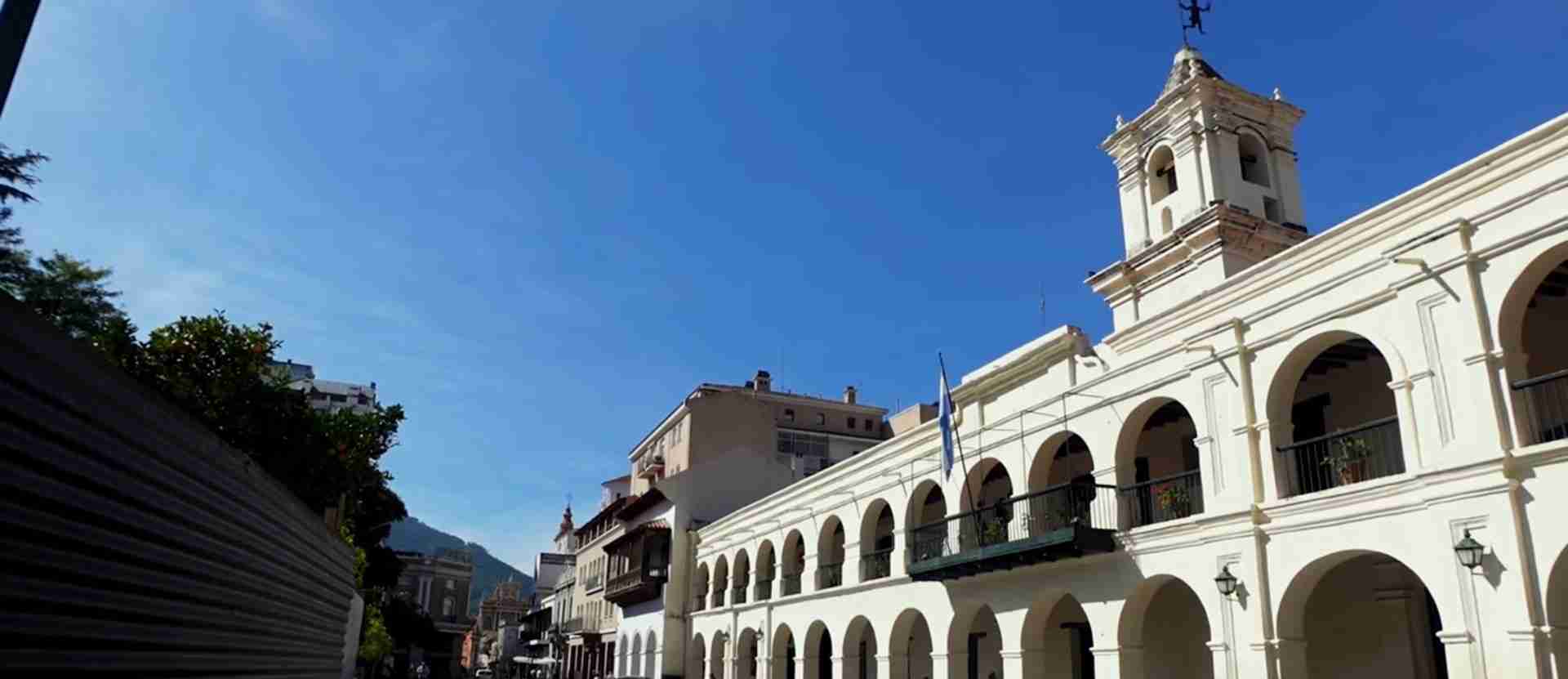
Plaza 9 de Julio anchors Salta’s colonial core, surrounded by arcaded buildings housing cafes, the Cathedral, and the Cabildo (colonial government building). The plaza’s tree-shaded walkways, central monument, and peripheral benches create the city’s social heart where locals gather evenings and weekends. The Cathedral’s pink and white colonial facade fronts an elaborate interior featuring the Shrine of the Lord and Virgin of the Miracle, Salta’s patron saints credited with stopping earthquakes in 1692, while the adjacent Cabildo houses historical museum galleries (entry ARS 2,500-3,500).
Museo de Arqueología de Alta Montaña (MAAM) demands 2-3 hours for comprehensive appreciation of its extraordinary Inca child mummies discovered on Andean peaks above 6,000 meters elevation. The museum presents rotating displays of three children sacrificed 500+ years ago, preserved by high-altitude freezing to exceptional detail, plus context on Inca capacocha ceremonies and archaeological expeditions. Entry costs ARS 4,500-6,500 with English-language audio guides, while photography is strictly prohibited to preserve artifact integrity. The museum operates Tuesday-Sunday 11 AM-7:30 PM with last entry at 6:30 PM.
Cerro San Bernardo cable car (teleférico) rises 269 meters to summit viewpoints overlooking Salta’s urban grid, the Lerma Valley, and surrounding mountain ranges. Round-trip tickets cost ARS 8,000-12,000, with departures every 15-20 minutes from the base station on Avenida San Martín. The summit features walking paths, craft vendors, a café, and multiple viewpoint terraces for photography. Energetic travelers save cable car costs by hiking the 1,070-step staircase from Parque San Martín, requiring 45-60 minutes ascent.
Museum and Cultural Experiences 2026
Museo Histórico del Norte (Casa Leguizamón) occupies a meticulously preserved colonial mansion featuring period furnishings, religious art, and exhibits on Northwest Argentina’s independence era history. The museum’s courtyard and multiple room displays demonstrate elite colonial lifestyle, while temporary exhibitions highlight regional folk art traditions and archaeological discoveries. Entry costs ARS 2,500-3,500 with Spanish-language guided tours available by appointment.
Convento San Bernardo stands as Salta’s oldest building, constructed in 1582 as a hospital before conversion to a Carmelite convent. The complex remains an active monastery closed to public interior access, but its carved wooden door (created in 1762) and exterior colonial architecture warrant photography stops during historic center walks. The adjacent church allows visitor entry during morning mass hours, revealing simple interior spaces contrasting with the Cathedral’s elaborate decoration.
Museo de Arte Contemporáneo (MAC) presents rotating exhibitions of Argentine and Latin American contemporary art in a modern gallery space near Plaza 9 de Julio. The museum hosts opening receptions first Fridays monthly, creating opportunities to engage Salta’s art community, while educational programs offer workshops and lectures on contemporary regional art movements. Entry remains free, with suggested donations supporting exhibition programming and artist stipends.
Local Neighborhoods and Markets 2026
Mercado Central Salta (Calle Florida) operates daily 8 AM-8 PM, offering regional produce, dried fruits, cheeses, empanadas, and prepared food stalls serving traditional Northwest dishes. The market’s upstairs food hall provides lunch at ARS 6,500-9,500 for complete meals including locro stew, tamales, humitas, and grilled meats with wine or beer. The ground floor stalls sell Andean textiles, leather goods, yerba mate supplies, and regional handicrafts at lower prices than tourist-focused shops around Plaza 9 de Julio.
Mercado Artesanal (Avenida San Martín) concentrates handicraft vendors in a permanent covered market structure, displaying woven textiles from Jujuy province, silver jewelry, ceramics, leather goods, and woolen sweaters. Prices exceed Mercado Central rates but support individual artisans directly, with opportunities to observe weaving demonstrations and discuss traditional techniques. The market operates daily 9 AM-9 PM with peak artisan presence during afternoon hours.
Balcarce neighborhood stretches north from Plaza 9 de Julio along its namesake street, featuring restored colonial buildings housing restaurants, bars, craft breweries, and cultural venues. Evening hours transform Balcarce into Salta’s dining and nightlife corridor, with peñas (folk music venues) offering traditional Northwest music performances, modern gastropubs serving regional ingredients with contemporary techniques, and ice cream shops attracting locals and visitors seeking dulce de leche creations. The street’s pedestrian-friendly character encourages evening strolls sampling multiple venues across single outings.
Day Trips from Salta 2026
Quebrada de Humahuaca UNESCO Valley 2026
The Quebrada de Humahuaca World Heritage Site extends 155 kilometers north of Salta, showcasing multicolored rock formations, pre-Columbian archaeological sites, and traditional Andean villages. Organized day trips depart 7-8 AM, returning 7-8 PM after visiting Purmamarca (Cerro de los 7 Colores), Tilcara (Pucará fortress ruins), Humahuaca town (Independence Monument), and viewpoint stops. Tours cost ARS 48,000-72,000 including guide and transportation (check tour operators for current rates).
The full-day experience covers 400+ kilometers driving through dramatic elevation changes from Salta’s 1,187 meters to Humahuaca’s 2,939 meters, with multiple photography stops at Hill of Seven Colors, Painter’s Palette viewpoint, and Tropic of Capricorn marker. Lunch stops in Purmamarca or Tilcara add ARS 12,000-18,000 for regional dishes like llama steaks, quinoa soups, and Andean cheese platters. Entry to Pucará archaeological site costs ARS 3,500-5,000, while other viewpoints and village exploration remain free.
Independent travelers using public buses save significantly but sacrifice guided interpretation and flexible timing. Buses from Salta to Purmamarca cost ARS 8,500 each way with 3-hour journey times, while continuing to Tilcara or Humahuaca adds another ARS 4,500-6,500 and 1-2 hours. This option suits budget travelers prioritizing cost savings and extended time in individual villages over comprehensive one-day coverage, enabling overnight stays in Purmamarca or Tilcara for sunrise photography and deeper cultural immersion.
Cafayate Wine Valley 2026
Cafayate sits 194 kilometers south of Salta in the Calchaquí Valley, Argentina’s second-highest wine region specializing in crisp Torrontés white wines and high-altitude Malbec production. Day trips depart 8 AM, returning 8-9 PM after traversing the Quebrada de las Conchas’ dramatic rock formations (amphitheater, throat of the devil), visiting 2-3 wineries for tastings, and exploring Cafayate’s plaza and artisan shops. Tours cost ARS 42,000-68,000 including transportation and winery visits.
The journey showcases geological wonders including Las Ventanas rock windows, El Sapo toad-shaped formation, and El Anfiteatro’s natural amphitheater with exceptional acoustics. Winery visits at establishments like Bodega El Esteco, Bodega Nanni, or Bodega El Porvenir include property tours, barrel room access, and 3-5 wine tastings. Lunch in Cafayate adds ARS 15,000-22,000 for regional cuisine at restaurants around the main plaza, with opportunities to purchase wines at cellar door prices 30-40% below Buenos Aires retail.
Overnight stays in Cafayate enable deeper wine exploration, attendance at weekend artisan markets, visits to additional wineries requiring independent transportation, and sunset walks through vineyard rows with Andean mountain backdrops. Cafayate accommodation ranges from budget hostels (ARS 22,000-32,000 dormitory beds) to wine country boutique hotels (ARS 75,000-125,000 per night), while return buses to Salta cost ARS 12,000-16,000 for the 3.5-hour journey.
Tren a las Nubes Railway Experience 2026
The Train to the Clouds ranks among South America’s most spectacular railway journeys, climbing from Salta (1,187m) to San Antonio de los Cobres (3,775m) before reaching La Polvorilla Viaduct at 4,220 meters elevation. The 434-kilometer round-trip operates April-November on Saturdays, departing 7 AM and returning 10 PM after 15 hours combining train travel with bus segments. Tickets cost ARS 85,000-115,000 for tourist class, ARS 125,000-165,000 for premium class with enhanced meals and seating (check official website for current rates as pricing may vary).
The experience begins with bus transport to San Antonio de los Cobres, where passengers board the train for the final ascent to La Polvorilla Viaduct, a 224-meter-long curved bridge spanning a canyon 63 meters deep. The viaduct provides the journey’s iconic photography opportunity and showcases early 20th-century engineering that created one of the world’s highest railways. Onboard service includes breakfast, lunch, entertainment, and oxygen availability for altitude-sensitive passengers.
Advance booking 4-6 weeks ahead secures preferred departure dates during peak season when limited weekly capacity sells completely. The journey’s altitude gain requires awareness of soroche (altitude sickness) symptoms, with coca tea provided onboard and descent available for passengers experiencing severe reactions. The experience suits travelers seeking engineering marvels and Andean landscape immersion over active hiking or cultural engagement, delivering unique high-altitude perspectives accessible no other way.
Salinas Grandes Salt Flats 2026
Salinas Grandes spreads across 212 square kilometers at 3,450 meters elevation, creating Argentina’s most accessible high-altitude salt flat experience. Day trips combine Quebrada de Humahuaca valley visits with afternoon salt flat exploration, or dedicate full days to extended photography and the Cuesta de Lipán’s hairpin mountain road. Tours cost ARS 52,000-82,000 for combined itineraries, ARS 38,000-58,000 for salt flat-focused experiences.
The salt flats entrance fee (ARS 3,000-4,000) supports local indigenous communities who maintain access roads and provide artisan salt processing demonstrations. The blinding white expanse creates exceptional photography conditions, particularly for perspective-play images using the flat horizon, while salt crystals, small pools, and traditional salt extraction methods provide foreground interest. Midday sun creates harsh contrast, making early morning or late afternoon visits preferable for balanced exposures.
The access route via Purmamarca and the Cuesta de Lipán mountain pass reaches 4,170 meters elevation, requiring altitude awareness and warm clothing despite summer temperatures. Winter months (June-August) deliver clearest skies but freezing temperatures and potential ice on unpaved access roads, while summer (December-March) brings occasional flooding that makes the flats temporarily inaccessible. Tour operators monitor conditions and adjust itineraries based on weather and road status, with some departures canceled during extreme weather periods.
Sample Salta Itineraries 2026
Three-Day Salta Essential Experience
Day 1 – Salta City Discovery: Begin with morning cable car ascent (ARS 8,000-12,000) to Cerro San Bernardo for orientation views, descending for MAAM museum visit (ARS 4,500-6,500, 2-3 hours for comprehensive exploration). Lunch at Mercado Central (ARS 6,500-9,500) for regional specialties, followed by afternoon Cathedral visit, Plaza 9 de Julio exploration, and historic center walking route along Calle Balcarce. Evening empanadas (ARS 1,800-2,500 each, 3-4 for dinner) or regional restaurant meal (ARS 15,000-25,000). Total day cost: ARS 45,000-68,000 per person (excluding accommodation ARS 65,000-95,000 mid-range).
Day 2 – Quebrada de Humahuaca: Organized tour departure 7-8 AM for UNESCO valley exploration, visiting Purmamarca’s Cerro de los 7 Colores, Tilcara’s Pucará fortress (ARS 3,500-5,000 entry), Humahuaca town, and multiple viewpoint stops. Tour includes transportation and guide (ARS 48,000-72,000), lunch at traditional restaurant (ARS 12,000-18,000), afternoon return to Salta arriving 7-8 PM. Light dinner of empanadas or snacks (ARS 3,500-6,000). Total day cost: ARS 67,000-101,000 per person (excluding accommodation).
Day 3 – Cafayate Wine Valley: Day trip departing 8 AM through Quebrada de las Conchas geological formations, winery visits with tastings, Cafayate plaza exploration, return to Salta by 8-9 PM. Tour cost (ARS 42,000-68,000) includes transportation and winery entries, lunch in Cafayate (ARS 15,000-22,000), dinner upon return (ARS 8,000-12,000 quick meal before departure or next-day activities). Total day cost: ARS 65,000-102,000 per person (excluding accommodation).
Three-Day Total Budget: Daily costs ARS 45,000-68,000 + ARS 67,000-101,000 + ARS 65,000-102,000 = ARS 177,000-271,000 per person (excluding accommodation total ARS 195,000-285,000 for three nights mid-range).
Five-Day Comprehensive Northwest Argentina
Day 1 – Arrival and City Introduction: Morning arrival via flight or overnight bus, hotel check-in, afternoon historic center walk including Plaza 9 de Julio, Cathedral entry (free), Mercado Artesanal browse. Cable car to Cerro San Bernardo (ARS 8,000-12,000) for sunset views. Dinner at regional restaurant (ARS 18,000-28,000). Total: ARS 30,000-46,000 per person (excluding accommodation).
Day 2 – Cultural Deep Dive: Morning MAAM museum (ARS 4,500-6,500, 2-3 hours), Museo Histórico del Norte visit (ARS 2,500-3,500), lunch at Mercado Central (ARS 7,500-11,000), afternoon Convento San Bernardo photography and Balcarce neighborhood exploration. Evening peña folk music venue (ARS 12,000-18,000 including cover and drinks). Total: ARS 30,000-45,000 per person (excluding accommodation).
Day 3 – Quebrada de Humahuaca Extended: Full-day organized tour (ARS 48,000-72,000) with comprehensive UNESCO valley coverage including Purmamarca, Tilcara archaeological site (ARS 3,500-5,000), Humahuaca, multiple photography stops. Lunch included in tour or at traditional restaurant (ARS 12,000-18,000). Light evening meal (ARS 6,000-10,000). Total: ARS 69,500-105,000 per person (excluding accommodation).
Day 4 – Cafayate Wine Immersion: Day trip to wine valley (ARS 42,000-68,000) including Quebrada de las Conchas, 2-3 winery visits with tastings, Cafayate exploration. Lunch at regional restaurant (ARS 16,000-24,000), return evening dinner (ARS 10,000-15,000). Wine purchases (ARS 15,000-35,000 for 2-4 bottles at cellar door prices). Total: ARS 83,000-142,000 per person (excluding accommodation).
Day 5 – Salinas Grandes and Departure: Morning salt flats tour (ARS 38,000-58,000) with Cuesta de Lipán mountain road, salt flat photography, indigenous community visit. Entry fee (ARS 3,000-4,000), lunch (ARS 10,000-15,000), afternoon return for evening departure preparations or overnight stay. Total: ARS 51,000-77,000 per person (excluding accommodation).
Five-Day Total Budget: Daily costs ARS 30,000-46,000 + ARS 30,000-45,000 + ARS 69,500-105,000 + ARS 83,000-142,000 + ARS 51,000-77,000 = ARS 263,500-415,000 per person (excluding accommodation total ARS 260,000-380,000 for four nights mid-range).
Dining in Salta 2026
Regional Cuisine and Specialties
Northwest Argentine cuisine emphasizes Spanish colonial influences combined with indigenous Andean ingredients and techniques, creating dishes distinct from Buenos Aires’ European-focused gastronomy. Empanadas salteñas feature spiced ground beef filling with potatoes, onions, and hard-boiled eggs baked in flaky pastry (ARS 1,800-2,500 each), served at specialized empanada shops throughout the city. Locro, a hearty corn and meat stew traditionally consumed during patriotic holidays, combines hominy, beans, beef, pork, and chorizo in slow-cooked richness (ARS 8,500-13,000 per bowl at restaurants).
Tamales and humitas distinguish themselves through cooking methods and ingredients: tamales wrap seasoned meat in corn dough steamed in corn husks (ARS 2,500-4,000 each), while humitas use fresh corn paste with no meat, creating sweet-savory vegetarian alternatives (ARS 2,200-3,500 each). Llama and goat meat appear on upscale menus, prepared as carpaccio (ARS 12,000-16,000), grilled steaks (ARS 18,000-26,000), or slow-cooked stews (ARS 15,000-22,000), offering lean alternatives to traditional beef-focused Argentine dining.
Regional cheese production supports artisan cheesemakers in high valleys, with aged goat cheeses, cow’s milk quesos, and fresh cheeses served at restaurants’ entrada (appetizer) courses. These pair naturally with Cafayate Torrontés wines (ARS 8,000-15,000 per glass, ARS 25,000-45,000 per bottle), creating regional flavor combinations unavailable elsewhere in Argentina. Quinoa integration in contemporary dishes reflects Andean ingredient renaissance, appearing in salads, risotto-style preparations, and side dishes at upscale establishments.
Budget Dining Strategies 2026
Mercado Central delivers exceptional value through its upstairs food hall, where traditional stalls serve complete lunches for ARS 6,500-9,500 including main course, side, drink, and often dessert. The ground floor offers individual empanadas, tamales, and humitas for assembly-style meals totaling ARS 8,000-12,000 for satisfying quantities. Street vendors around Plaza 9 de Julio sell fresh fruit salads (ARS 2,500-3,500), roasted chestnuts in winter (ARS 1,500-2,500), and regional snacks throughout the day.
Almuerzo ejecutivo (set lunch) menus at neighborhood restaurants run ARS 7,500-11,000 for three courses, providing main opportunities for sampling regional specialties at budget prices. These lunch specials operate Monday-Friday during 12 PM-3 PM windows, targeting local workers with home-style cooking and substantial portions. Requesting “menú del día” or “almuerzo” at any restaurant reveals current offerings, with written menus often unavailable but servers explaining daily preparations.
Self-catering using hostel kitchens minimizes food costs, with supermarket shopping at Carrefour or Disco providing ingredients for ARS 15,000-25,000 daily budget covering breakfast, packed lunch, and simple dinner. Markets offer fresh produce, local cheeses, cured meats, bread, and wine at prices 40-60% below restaurant rates, while empanada shops sell “docena” (dozen) quantities for ARS 18,000-28,000, providing multiple meals from single purchases.
Mid-Range and Upscale Dining 2026
Balcarce street and streets radiating from Plaza 9 de Julio host regional restaurants serving contemporary interpretations of Northwest cuisine, charging ARS 22,000-35,000 for three-course meals with wine. Representative establishments include Viejo Jack (grilled meats, regional wine selection, atmospheric colonial building), Doña Salta (traditional preparation, generous portions, tourist-friendly service), and José Balcarce (upscale regional dishes, extensive wine list, sophisticated ambiance).
El Solar del Convento and Casa Moderna exemplify upscale dining, presenting refined regional ingredients with contemporary techniques, charging ARS 35,000-52,000 for multi-course tasting menus with wine pairings. These establishments source ingredients from local producers, feature Cafayate wine programs showcasing premium labels unavailable elsewhere, and employ professional service teams explaining dish origins and preparation methods. Reservations become necessary for weekend dinners during peak season.
Peña folk music venues combine dining with traditional Northwest music performances, charging ARS 18,000-32,000 for fixed-price meals including empanadas, grilled meats, regional specialties, and live music cover. La Casona del Molino and Peña Gauchos de Güemes deliver authentic experiences attracting both tourists and locals, with performances beginning 10-11 PM and continuing past midnight on weekends. The combination of traditional music, dancing, and regional food creates cultural immersion unavailable at conventional restaurants.
Practical Information 2026
Transportation Within Salta
Salta’s compact historic center allows walking between major attractions, with Plaza 9 de Julio to Cerro San Bernardo cable car base spanning 12 blocks (15-20 minutes). The SAETA city bus system operates comprehensive routes connecting neighborhoods to the center, charging ARS 800 per trip with rechargeable cards purchased at kiosks. Bus line 8A connects the airport to city center, while lines 6, 7, and 13 serve the bus terminal and surrounding residential areas.
Taxis use meters starting at ARS 1,200 with ARS 350-450 per 200 meters, making cross-city trips cost ARS 3,500-6,500. Remis (private car services) charge fixed rates negotiated before departure, running 15-20% higher than metered taxis but providing guaranteed pricing and often superior vehicle conditions. Most hotels and hostels maintain relationships with trusted remis companies, arranging airport transfers and day trip transportation at competitive rates.
Bicycle rentals appeal to environmentally-conscious travelers and those seeking active city exploration, costing ARS 8,000-15,000 per day from shops near Plaza 9 de Julio. Salta’s relatively flat central grid suits cycling, though altitude may affect exertion levels for recently-arrived visitors. Bike paths remain limited, requiring awareness when sharing roads with aggressive Argentine drivers and narrow colonial streets.
Safety and Health Considerations
Salta maintains lower crime rates than Buenos Aires, though standard urban precautions apply: avoiding isolated areas after dark, securing valuables in hotel safes, monitoring bags in crowded markets and buses, and declining unsolicited street assistance. The historic center remains safe for evening strolls, with active restaurant and bar scenes maintaining street presence until midnight. Petty theft targets distracted tourists at tourist attractions and bus terminals, requiring awareness rather than paranoia.
Altitude considerations affect travelers ascending rapidly to Quebrada de Humahuaca (2,900+ meters), Salinas Grandes (3,450m), or Tren a las Nubes destinations (4,200+ meters). Symptoms including headache, nausea, fatigue, and shortness of breath resolve with acclimatization, coca tea, adequate hydration, and avoiding alcohol. Severe cases require descent to lower elevations, with tour operators trained to recognize serious altitude sickness and abort excursions when necessary.
Sun exposure intensifies at altitude, requiring SPF 50+ sunscreen, sun-protective clothing, hats, and sunglasses for outdoor activities. The region’s low humidity dries skin, necessitating moisturizer and lip balm. Tap water remains potable in Salta city, though bottled water provides peace of mind for sensitive stomachs. Pharmacies stock basic medications, sunscreen, and altitude remedies, with “farmacia de turno” (duty pharmacy) system ensuring 24-hour access to medications.
Communication and Connectivity
Mobile phone coverage extends throughout Salta city and major tourist routes, though mountain valleys and remote areas experience intermittent service. Major Argentine carriers (Claro, Movistar, Personal) sell prepaid SIM cards for ARS 5,000-8,000 with data packages starting at ARS 8,000-12,000 for 5-10GB monthly allowances. Hotels, restaurants, and cafes offer WiFi with varying reliability, while coworking spaces provide faster connections for digital nomads requiring consistent bandwidth.
WhatsApp dominates Argentine communication, with tour operators, hotels, and restaurants preferring WhatsApp messaging over email or phone calls for reservations and inquiries. Installing the app before arrival and obtaining local SIM card facilitates communication and provides access to group chats coordinating shared tours or activity meetups.
Limited English prevails outside upscale hotels and tourist-focused businesses, making basic Spanish essential for navigating markets, budget restaurants, and local bus systems. Translation apps assist menu decoding and basic communication, though patience and humor smooth inevitable linguistic misunderstandings. Learning essential phrases—”cuánto cuesta” (how much), “dónde está” (where is), “no entiendo” (I don’t understand)—demonstrates respect and often elicits helpful responses from locals.
Money-Saving Strategies 2026
Accommodation Cost Reduction
Booking hostels directly via WhatsApp rather than online platforms eliminates commission fees, often securing 10-15% discounts for cash payment upon arrival. Extended stays trigger weekly rates 20-30% below nightly pricing, while dormitory beds in 6-8 person rooms cost 30-40% less than 4-bed dorms at the same properties. Hostel kitchens enable breakfast and packed lunch preparation, saving ARS 12,000-18,000 daily on meal costs.
Shoulder season (April-May, October-November) delivers optimal accommodation value, with quality mid-range hotels charging 30-40% below peak winter rates while maintaining full service levels. Same-week booking during shoulder periods often enables walk-in negotiation, particularly for multi-night stays or small groups requiring multiple rooms. Many properties prefer guaranteed occupancy over published rates when facing vacant inventory.
Staying outside the immediate historic center reduces costs 25-35% while adding only 10-15 minutes walking to Plaza 9 de Julio. Neighborhoods along Avenida Entre Ríos or near the bus terminal offer budget hotels and hostels with easy city bus access, appealing to travelers prioritizing savings over atmospheric colonial settings. These areas provide authentic local atmosphere and superior value for extended Salta stays serving as regional exploration bases.
Transportation Savings
Using public buses instead of organized tours to accessible destinations like Purmamarca saves 60-70% on transportation costs, though sacrifices guided interpretation and flexible timing. The ARS 8,500 each-way bus fare to Purmamarca versus ARS 48,000-72,000 for organized Quebrada de Humahuaca tours creates substantial savings for budget travelers willing to research attractions independently and arrange their own schedules.
Shared remis to the airport splits ARS 10,000-15,000 fixed-rate cost among 3-4 passengers, reducing per-person expense to ARS 2,500-5,000 versus individual taxi fares. Coordinating airport transfers with hostel common area bulletin boards or WhatsApp travel groups facilitates ride-sharing, while some hostels actively organize shared shuttles at set departure times.
The Mercado Central’s ground floor offers identical handicrafts to tourist shops at 30-50% lower prices, requiring negotiation skills and willingness to browse multiple stalls comparing quality and prices. Purchasing wine directly from Cafayate wineries reduces costs 30-40% versus Buenos Aires retail or restaurant pricing, with cellar door sales eliminating distributor markups and providing access to limited production labels unavailable elsewhere.
Activity Optimization
Free walking tours operate in Salta’s historic center, concluding with voluntary tipping (ARS 8,000-15,000 suggested) versus fixed-price guided tours charging ARS 25,000-38,000. These informal tours provide historical context, architectural appreciation, and local insider knowledge while allowing budget flexibility based on experience quality and personal financial capacity.
Hiking the Cerro San Bernardo staircase eliminates ARS 8,000-12,000 cable car expense while providing exercise and gradual ascent for altitude acclimatization. The 45-60 minute climb rewards effort with identical summit views and personal satisfaction, though requires early morning timing to avoid midday heat and carrying water for hydration.
Museum free days and discounted afternoon rates reduce cultural attraction costs: MAAM offers reduced pricing after 5 PM on select weekdays, while some museums provide free entry on specific days monthly. Inquiring at hotel reception or tourist information offices reveals current promotion schedules, enabling strategic planning around discounted or complimentary access opportunities.
Frequently Asked Questions About Salta Travel 2026
Is Salta safe for solo travelers in 2026?
Salta maintains reputation as one of Argentina’s safer cities for solo travelers, with lower crime rates than Buenos Aires and Mendoza. Standard urban precautions suffice: secure valuables in hotel safes, avoid isolated areas after dark, monitor bags in crowded spaces, and maintain awareness in bus terminals. The compact historic center supports safe evening strolls, while active restaurant and bar scenes ensure populated streets until midnight. Solo female travelers report comfortable experiences walking central areas alone, though joining group tours for remote destinations provides additional security and facilitates social connections with fellow travelers.
Can you visit Salta without speaking Spanish?
Limited English prevails outside upscale hotels and tourist-focused businesses, making basic Spanish valuable though not essential. Translation apps assist menu decoding, hotel check-in, and basic transactions, while gestures and patience facilitate most interactions. Tour operators serving international clientele employ English-speaking guides, and mid-range hotels maintain reception staff with functional English. Budget travelers relying on local buses, neighborhood restaurants, and market shopping benefit substantially from basic Spanish phrases, though successful visits occur regularly with zero Spanish capability and willingness to embrace linguistic challenges as adventure components.
What should you pack for Salta in winter (June-September)?
Layered clothing proves essential for winter’s dramatic temperature swings: nights drop to 2-8°C in the city and reach freezing at altitude, while midday sun warms to 18-24°C. Pack warm base layers, fleece or wool mid-layers, windproof outer jacket, warm hat, gloves, and comfortable walking shoes for city exploration. Add sun protection (SPF 50+ sunscreen, sunglasses, brimmed hat) for intense high-altitude exposure, moisturizer and lip balm for dry air, and reusable water bottle for hydration during extended day trips. Altitude destinations require additional warm layers beyond city needs, with tour operators recommending clothing suitable for 0-10°C temperatures at Salinas Grandes and Tren a las Nubes destinations.
How does altitude affect visitors in Salta?
Salta city’s 1,187-meter elevation causes minimal altitude effects for most visitors, providing comfortable acclimatization before ascending to higher destinations. Day trips to Quebrada de Humahuaca (2,900+ meters), Salinas Grandes (3,450m), and Tren a las Nubes (4,200+ meters) expose travelers to rapid elevation gain potentially triggering mild altitude symptoms: headache, fatigue, nausea, shortness of breath. Preventive strategies include coca tea consumption, adequate hydration (3-4 liters daily at altitude), avoiding alcohol, eating light meals, and ascending gradually when possible. Severe symptoms require descent to lower elevations, though serious altitude sickness remains rare on day trips departing from Salta’s moderate base elevation.
Are credit cards widely accepted in Salta?
Credit card acceptance varies dramatically by establishment type and size. Upscale hotels and restaurants accept cards but add 10-15% surcharges for card payments, effectively negating convenience benefits. Most budget restaurants, small shops, street vendors, markets, local buses, and many tour operators accept cash only, making Argentine pesos essential for daily transactions. ATMs dispense pesos at near-market rates, while credit cards process at less favorable official exchange rates plus 3-5% foreign transaction fees. Carrying mixed payment methods—cash for daily expenses, credit card for emergencies and large hotel bills, backup ATM card—provides flexibility across Salta’s varied payment landscape.
Can you visit Quebrada de Humahuaca independently?
Independent public bus travel to Quebrada de Humahuaca saves 60-70% versus organized tours but sacrifices guided interpretation, flexible timing, and comprehensive coverage. Buses depart Salta’s terminal hourly for Purmamarca (ARS 8,500 each way, 3 hours), with continuing service to Tilcara (additional ARS 4,500, 1 hour) and Humahuaca (additional ARS 3,000, 1 hour). This budget approach enables overnight stays in valley villages for sunrise photography and cultural immersion impossible on rushed day trips, though requires advance accommodation research, Spanish communication skills, and acceptance of basic village amenities versus city comforts.
What’s the best base for exploring Northwest Argentina in 2026?
Salta serves as Northwest Argentina’s optimal base, combining superior accommodation options, restaurant diversity, and strategic central location for accessing UNESCO sites and natural attractions. The city’s infrastructure supports extended stays with reliable services, while its position enables day trips to Quebrada de Humahuaca, Cafayate, Salinas Grandes, and Tren a las Nubes experiences. Alternative bases like Cafayate suit wine-focused travelers accepting limited dining variety and basic services, while Purmamarca offers immediate access to Cerro de los 7 Colores but lacks infrastructure for comfortable extended stays. Most travelers optimize experiences using Salta as primary base with optional overnight stays in specialized destinations when deeper engagement justifies basic accommodation trade-offs.
How far ahead should you book Tren a las Nubes tickets?
Tren a las Nubes requires booking 4-6 weeks ahead during peak season (June-September) when Saturday departures sell completely weeks before travel dates. The limited weekly schedule and fixed capacity create supply constraints during high-demand periods, with premium class selling faster than tourist class. Shoulder season (April-May, October-November) offers 2-3 week booking windows, while occasional cancellations create last-minute opportunities checking official website or authorized tour operators. Booking advance guarantees preferred dates and seating choices, while spontaneous travelers risk missing this signature Northwest experience or settling for less desirable tourist class seats during peak demand periods.
Is Salta suitable for families with children?
Salta accommodates family travel through safe historic center, manageable walking distances, diverse dining options including familiar foods, and kid-friendly attractions like the Cerro San Bernardo cable car. Altitude day trips require assessing children’s tolerance for elevation and long vehicle journeys, with Quebrada de Humahuaca tours spanning 12+ hours including driving time. Families with young children benefit from hiring private vehicles enabling flexible timing, bathroom stops, and itinerary adjustments impossible on rigid group tours. Many mid-range hotels provide family rooms (two doubles) at rates competitive with separate accommodation, while restaurant portions suit sharing and Mercado Central offers familiar foods alongside regional specialties.
What’s the WiFi situation in Salta?
WiFi availability and quality varies by accommodation tier and location. Mid-range and upscale hotels provide reliable connectivity in rooms and common areas, while budget hostels offer functional but slower speeds often restricted to common areas. Restaurants and cafes advertise WiFi but maintain variable reliability, with modern establishments delivering better service than traditional venues. Digital nomads requiring consistent high-speed connectivity utilize coworking spaces (ARS 12,000-18,000 daily) or premium hotels, while casual users find hostel and cafe WiFi adequate for basic browsing, messaging, and navigation. Purchasing local SIM cards with data packages provides reliable mobile connectivity independent of venue-based WiFi limitations.