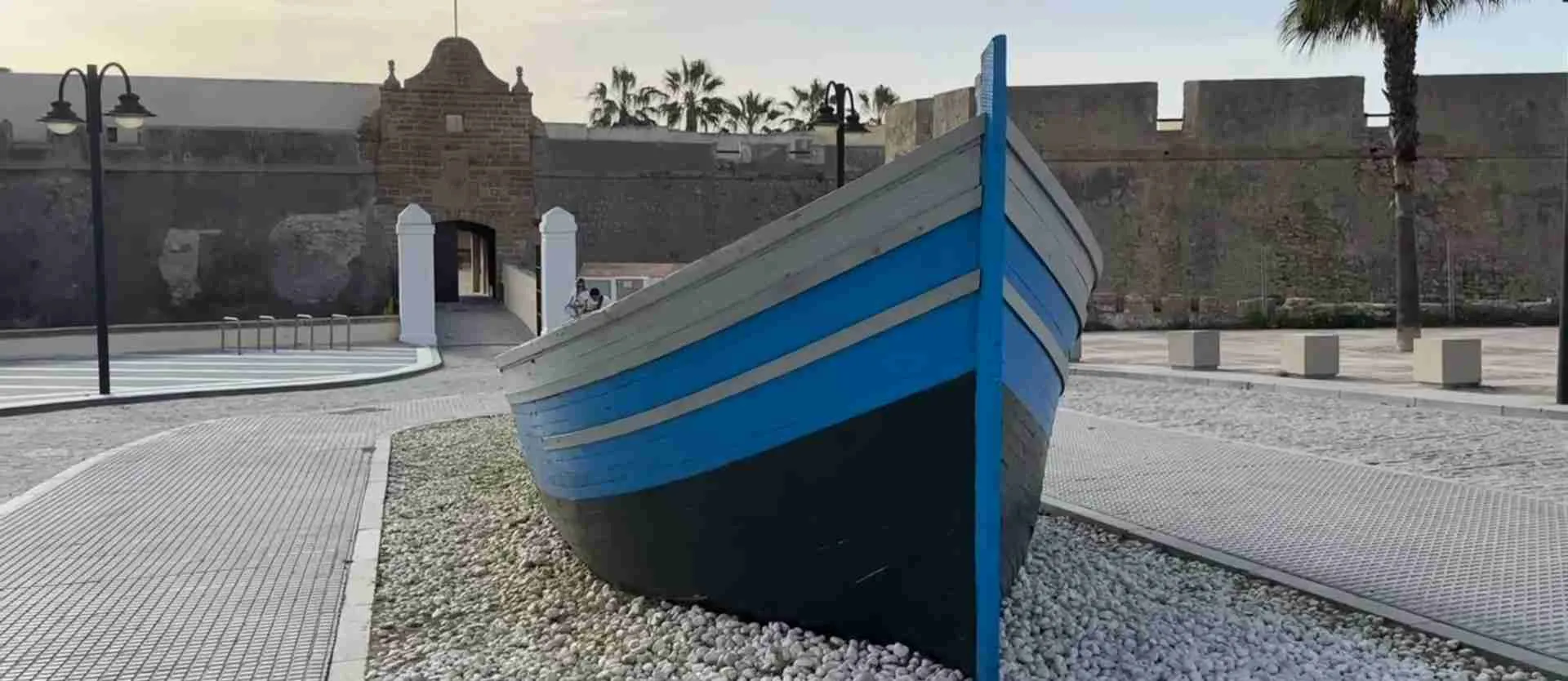
Cádiz Free Things to Do 2026: Budget-Friendly Experiences
Key Takeaways:
- Cádiz offers exceptional free cultural experiences throughout 2026 including daily access to historic fortification walls, atmospheric neighborhood exploration, and beach time without entrance fees or costs
- The old town’s compact layout (1.5 x 0.8 kilometers) enables complete walking exploration covering all major landmarks, architectural highlights, and waterfront promenades entirely on foot without transportation expenses
- Sunset viewing from multiple free vantage points including Alameda Apodaca, Campo del Sur ramparts, and Playa de la Caleta delivers world-class Mediterranean experiences requiring zero budget allocation
- Weekly free cultural programming during 2026 includes outdoor concerts in summer months, market exploration at Mercado Central, and spontaneous street performances throughout the historic quarter
- Strategic timing around free museum hours (typically Sunday mornings at major institutions) and religious sites with no-charge access enables comprehensive cultural education without admission costs
- Beach activities at Playa de la Caleta and Playa Victoria provide unlimited free entertainment from swimming and sunbathing to beach walks and ocean photography throughout the travel season
Understanding Free Activities Philosophy in Cádiz for 2026
Cádiz distinguishes itself among Spanish coastal destinations through the remarkable accessibility of its primary attractions and cultural experiences without mandatory entrance fees. The ancient city’s essential character reveals itself through public spaces, waterfront promenades, neighborhood wandering, and beach access rather than ticketed attractions that dominate other tourist destinations. This fundamental characteristic creates exceptional opportunities for budget-conscious travelers during 2026 to experience authentic Andalusian coastal culture while maintaining minimal daily expenditure.
The city’s urban structure facilitates free exploration through its compact historic center where pedestrian accessibility eliminates transportation costs entirely. Major landmarks including the Cathedral exterior, Torre Tavira facade, and historic fortification walls provide visual impact and photographic opportunities without interior access fees. The waterfront location delivers unlimited beach time, ocean views, and dramatic Atlantic scenery accessible to all visitors regardless of budget constraints. Public parks, gardens, and plazas scattered throughout the old town offer shaded rest areas and people-watching opportunities during the traditional evening paseo when locals emerge for their social strolls.
Cultural immersion in Cádiz during 2026 happens organically through market visits, neighborhood exploration, and observation of daily life rather than requiring museum entrance fees or guided tour participation. The Mercado Central operates as a free attraction where visitors wander among produce vendors, seafood displays, and local shoppers experiencing authentic commercial culture. Street life throughout neighborhoods like Barrio del Pópulo, La Viña, and Santa María reveals traditional architecture, local social patterns, and genuine Gaditano atmosphere without any access charges or restrictions.
People Also Ask About Free Activities in Cádiz During 2026
What are the completely free attractions in Cádiz that don’t require any payment in 2026?
Cádiz offers numerous completely free attractions throughout 2026 requiring absolutely no payment or entrance fees. The entire historic fortification wall system including Campo del Sur ramparts provides unrestricted access for walking, photography, and ocean viewing along several kilometers of defensive walls dating to the 18th century. The old town’s complete street network enables unlimited exploration through atmospheric neighborhoods revealing Baroque churches, Neoclassical mansions, and traditional Andalusian architecture without any access restrictions or charges.
Beach access remains completely free across all Cádiz coastal areas during 2026, including the famous Playa de la Caleta featured in James Bond films and the extensive Playa Victoria stretching 3 kilometers along the Atlantic coast. Public parks including Parque Genovés and the waterfront Alameda Apodaca promenade offer shaded walking paths, gardens, and Atlantic views without entrance fees. The Mercado Central welcomes visitors free of charge to explore the market atmosphere, observe seafood vendors, and experience local shopping culture without purchase requirements.
Religious sites throughout Cádiz maintain free access during non-service hours, including the stunning San Felipe Neri Church where Spain’s first liberal constitution was signed in 1812. Plaza viewing opportunities abound across locations like Plaza de San Juan de Dios, Plaza de las Flores, and Plaza de la Candelaria where café culture and architectural surroundings create compelling atmospheres requiring only the cost of an optional drink at terrace tables.
Can I experience Cádiz’s beaches completely free during my 2026 visit?
Cádiz beaches provide entirely free access and use throughout 2026 without any entrance fees, beach club requirements, or mandatory service charges. Both Playa de la Caleta in the historic center and the extensive Playa Victoria offer unrestricted access for swimming, sunbathing, beach walks, and ocean activities at no cost. The public beaches include free access to basic facilities including public showers for rinsing after swimming, though towels, umbrellas, and lounge chairs require either bringing your own equipment or rental fees from beach vendors.
Beach umbrella and lounge chair rentals cost €5-8 per day from authorized vendors operating on both main beaches, though these services remain completely optional. Many budget travelers bring towels or inexpensive beach mats purchased from local shops (€3-6) for comfortable beach positioning without rental fees. Public beach areas maintain no restrictions on bringing food, drinks, or equipment from outside sources, enabling picnic-style beach days using provisions purchased at supermarkets or the Mercado Central at costs 60-70% below beachfront vendor pricing.
Swimming, beach walking, sunset viewing, and ocean photography require no fees or permissions throughout the entire 2026 season. The beaches operate without closing hours, allowing sunrise photography, early morning swims, evening beach walks, and nighttime ocean listening without any time restrictions or access charges. This unrestricted access creates ideal conditions for budget travelers to enjoy Mediterranean beach culture while maintaining zero beach-related expenditure beyond personal provisions.
Are there free museum days or reduced admission times in Cádiz during 2026?
Several Cádiz museums and cultural institutions offer free admission periods during 2026, requiring strategic timing to access collections and exhibitions without entrance fees. The Museo de Cádiz, housing remarkable Phoenician artifacts and Roman archaeological collections, provides free access Sunday mornings throughout the year, typically opening at 9 AM with free admission continuing until 3 PM. European Union citizens receive free admission year-round by presenting valid identification, while non-EU visitors access the free Sunday morning period for cost-free cultural education.
The Cathedral of Cádiz maintains free access for prayer and religious observation during morning hours (typically 8:30-10 AM) before ticketed tourist access begins, though photography restrictions apply during these devotional periods. The Cathedral treasury and tower climb require paid admission (€7 for adults), but the main nave viewing during morning hours provides architectural appreciation and religious atmosphere without cost. Various parish churches throughout the old town offer free entry during non-service hours, including the historically significant San Felipe Neri Church with its impressive elliptical interior and constitutional history.
Summer 2026 brings free outdoor cultural programming including concerts, film screenings, and performances in public plazas and parks, announced through city tourism websites and local information offices. These events typically occur weekly during June-August, providing entertainment value without admission charges. Holy Week processions and Carnival street celebrations remain completely free to observe despite being the city’s most significant cultural events, though finding viewing positions for major processions requires arriving early to secure spots along popular routes.
How much can I save by focusing on free activities during a 2026 Cádiz visit?
Strategic focus on free activities during a 2026 Cádiz visit dramatically reduces daily expenditure while maintaining rich cultural experiences and authentic destination immersion. A typical paid tourism day in Cádiz including museum admissions, tower climbs, guided tours, and transportation costs €40-60 per person in attraction fees alone before accounting for meals and accommodation. Focusing exclusively on free activities eliminates these costs entirely, reducing daily budgets to essential expenses of food (€25-40 per day for three meals) and accommodation (€60-150 per night depending on season and location choice).
The savings compound significantly over multi-day visits. A three-day Cádiz trip emphasizing paid attractions and guided tours accumulates €120-180 in entrance fees and tour costs per person, while an equivalent free-activity itinerary maintains comprehensive destination exposure at zero attraction cost. These savings enable budget reallocation toward enhanced dining experiences, day trips to nearby destinations, or extended travel duration within the same overall budget envelope.
Beyond direct cost savings, free activity focus provides unexpected benefits including flexible scheduling without pre-booked time slots, authentic cultural immersion through neighborhood wandering rather than tourist-focused presentations, and freedom to spend unlimited time at appealing locations without feeling pressure to maximize paid admission value. Budget travelers consistently report that free exploration of Cádiz delivers more meaningful experiences than structured paid activities, as the city’s essential character reveals itself through street life, architecture, and coastal atmosphere rather than interior attractions requiring entrance fees.
Extended multi-day tours – 5+ days
Featured Cadiz Multi-Day Tour Packages

3 days
Cadiz 3-Day Discovery Tour
- ✓ Comprehensive Cadiz experience
- ✓ Expert local guides included
- ✓ All accommodation included
- ✓ Transportation provided
5 days
Cadiz 5-Day Highlights Experience
- ✓ Comprehensive Cadiz experience
- ✓ Expert local guides included
- ✓ All accommodation included
- ✓ Transportation provided

7 days
Cadiz 7-Day Cultural Journey
- ✓ Comprehensive Cadiz experience
- ✓ Expert local guides included
- ✓ All accommodation included
- ✓ Transportation provided
10 days
Cadiz 10-Day Complete Adventure
- ✓ Comprehensive Cadiz experience
- ✓ Expert local guides included
- ✓ All accommodation included
- ✓ Transportation provided
Multi-day tour packages powered by TourRadar. Prices and availability subject to change.
Free Architectural Exploration Throughout 2026
Cádiz’s extraordinary architectural heritage remains accessible throughout 2026 via free street-level exploration requiring no entrance fees or guided tour participation. The compact old town concentrates architectural highlights within comfortable walking distance, creating natural circuits that reveal the city’s evolution through Phoenician, Roman, Moorish, Baroque, and Neoclassical periods. Begin architectural exploration at Plaza de San Juan de Dios where the Neoclassical Ayuntamiento (City Hall) dominates the waterfront plaza with its elegant facade and twin towers visible from multiple vantage points across the historic center.
The Cathedral of Cádiz anchors the city’s architectural identity with its distinctive golden-tiled dome visible throughout the old town and from approaching ferries. The exterior viewing from Plaza de la Catedral provides comprehensive appreciation of the building’s Baroque and Neoclassical elements without interior admission costs. The adjacent streets reveal additional architectural treasures including the former Episcopal Palace with its imposing stone facade and the narrow alleys of Barrio del Pópulo showcasing medieval urban structure beneath later architectural overlays.
Baroque church facades throughout the historic center deliver exceptional architectural study opportunities without access fees. The Church of Santiago features dramatic stone carving and religious iconography characteristic of Andalusian Baroque style, while the Oratorio de la Santa Cueva presents an understated exterior concealing magnificent interior spaces (paid admission required for interior access). The Church of San Antonio with its distinctive twin towers creates a landmark visible across the city skyline, offering exterior photography opportunities and architectural detail observation from the surrounding plaza.
Civil architecture from the 18th and 19th centuries concentrates along major thoroughfares including Calle Ancha where merchant mansions display elaborate facades, wrought-iron balconies, and decorative elements reflecting the city’s commercial prosperity during the colonial trade era. The Puerta de Tierra, the old town’s primary landward gate, maintains free access for passage through its monumental archway and offers views of the remaining fortification walls extending toward the waterfront. These defensive structures from the 18th century provide architectural context for understanding Cádiz’s strategic military importance throughout Spanish history.
Neighborhood wandering reveals vernacular architecture patterns including the distinctive Gaditano watchtowers (miradores) atop merchant houses, traditional white-painted facades with colorful trim details, and narrow street patterns optimized for summer shade and Atlantic breeze circulation. The complete architectural experience develops through systematic neighborhood exploration rather than isolated monument visiting, as the city’s character emerges from the accumulated effect of centuries of development visible throughout the public streetscape.
Coastal Walking and Waterfront Experiences for 2026
Cádiz’s peninsula location creates exceptional free coastal walking opportunities throughout 2026, offering virtually unlimited waterfront access without entrance fees or restrictions. The complete seafront circuit measuring approximately 6-7 kilometers enables comprehensive coastal exploration from the Castillo de Santa Catalina in the northwest through the Atlantic-facing beaches to the southeastern bastion of Castillo de San Sebastián. This entire route follows public promenades, beach boardwalks, and rampart paths accessible year-round without payment or access limitations.
The Alameda Apodaca promenade ranks among Spain’s most beautiful waterfront walks, stretching along the northwestern coastline with ancient trees creating natural shade, Atlantic views across the bay toward Puerto de Santa María, and sunset viewing opportunities rivaling paid observation decks. The promenade connects seamlessly to the adjacent Parque Genovés where botanical gardens, fountains, and shaded paths provide rest areas and contemplative spaces without any entrance fees. These waterfront spaces fill with locals during evening hours, creating authentic social atmosphere and people-watching opportunities unavailable in commercial tourist zones.
Campo del Sur ramparts extend along the southern coastline, providing elevated walking paths atop 18th-century defensive walls with dramatic Atlantic wave action below. The rampart walk delivers exceptional photography opportunities during all seasons, with winter storms creating spectacular wave crashes against the fortification walls and summer evenings offering peaceful ocean contemplation. Access points at multiple locations along the route enable flexible exploration lengths, from short 20-30 minute segments to extended 90-minute complete circuit walks incorporating multiple historic bastions and defensive positions.
Playa de la Caleta creates the city’s most atmospheric beach environment, positioned between two historic castles and offering 360-degree views encompassing the old town architecture, Atlantic horizon, and fortress structures. The beach enables unlimited free time including swimming, sunbathing, sunset viewing, and photography without any costs beyond personal provisions. The surrounding area includes the former Royal Tobacco Factory and La Palma district where narrow streets reveal traditional architecture and authentic neighborhood character without tourist commercialization.
The eastern waterfront toward Castillo de San Sebastián provides less-visited walking opportunities appealing to those seeking solitude and contemplation. The causeway connecting to the castle island creates a dramatic walking experience extending into the Atlantic with ocean surrounding the narrow path. Though the castle interior requires admission fees, the causeway walk and exterior viewing remain completely free, offering exceptional sunset vantage points and photography compositions during golden hour periods throughout the travel season.
Parks, Gardens and Green Space Access During 2026
Cádiz maintains several exceptional public parks and gardens throughout the historic peninsula offering free access, shade, contemplative spaces, and escape from the compact urban density. Parque Genovés represents the city’s premier green space, featuring mature botanical collections including exotic species from South America and Asia reflecting Cádiz’s colonial trade history. The park layout incorporates winding paths, fountains, and strategically positioned benches enabling comfortable rest during exploration or providing shaded reading and relaxation areas during hot summer days.
The park’s botanical diversity creates year-round interest with seasonal blooms, mature tree specimens providing study opportunities for plant enthusiasts, and well-maintained garden beds demonstrating Andalusian horticultural traditions. The Atlantic-facing location within the park delivers ocean breezes that moderate summer heat, making the gardens particularly appealing during afternoon hours when the compact old town streets trap warmth. Free concerts and cultural events occasionally utilize the park’s central plaza area during summer months, creating entertainment value without admission charges.
Plaza de España provides another significant green space on the peninsula’s Atlantic-facing edge, featuring the Monument to the Constitution of 1812 as the centerpiece surrounded by manicured gardens and palm trees. The plaza creates a popular gathering point for locals during evening hours, offering sunset viewing opportunities across the Atlantic and people-watching as families and young people socialize in the open environment. The location adjacent to the waterfront promenade enables easy integration into coastal walking routes, creating natural rest stops during extended explorations.
Smaller neighborhood plazas scattered throughout the old town including Plaza de las Flores, Plaza de San Antonio, and Plaza de la Candelaria function as outdoor living rooms where locals gather throughout the day. These plazas provide free seating areas, shade from surrounding buildings and occasional trees, and authentic neighborhood atmosphere without commercial pressure. The flower market at Plaza de las Flores creates visual interest and photographic opportunities while surrounding cafés enable optional drink purchases at terrace tables, though plaza seating remains available without consumption requirements.
Jardines de la Alameda Marqués de Comillas offers waterfront gardens along the eastern coastline with palm-lined paths and Atlantic views creating tropical atmosphere unusual in Spanish coastal cities. The gardens connect to broader coastal walking routes while providing specific destination value for those seeking quiet contemplation or photography opportunities combining botanical subjects with ocean backgrounds. Access remains completely free year-round with no restricted hours or entrance control.
Market and Commercial Culture Exploration in 2026
The Mercado Central de Cádiz operates as a free cultural attraction throughout 2026, welcoming visitors to explore traditional market atmosphere without purchase requirements or entrance fees. The market building itself presents architectural interest through its iron and glass construction typical of late 19th-century Spanish market halls, while the interior reveals authentic commercial culture as locals shop for daily provisions among vendors displaying regional produce, fresh seafood, and specialty products from across Andalusia.
The seafood sections deserve particular attention, showcasing the remarkable variety of Mediterranean and Atlantic species available in Cádiz’s fishing industry. Vendors arrange elaborate displays of fish, shellfish, and crustaceans creating visual compositions that photography enthusiasts find compelling. The social interactions between vendors and regular customers demonstrate traditional shopping relationships largely disappeared from modern supermarket culture, offering anthropological interest beyond the commercial function.
Produce sections reveal seasonal variation throughout the 2026 calendar with spring bringing artichokes, fava beans, and early strawberries, summer delivering tomatoes, peppers, and stone fruits, fall showcasing grapes and pomegranates, and winter presenting citrus varieties and root vegetables. This seasonal progression creates repeat-visit interest for extended-stay travelers observing how market offerings change across weeks or months. Vendors typically allow photography of their displays with polite request, enabling colorful market documentation without purchase obligations.
The market environment provides linguistic immersion opportunities as Spanish-only interactions dominate vendor communications. Budget travelers planning self-catered meals find exceptional value purchasing ingredients at the market, with prices 40-60% below restaurant equivalents enabling significant food cost reductions. However, even visitors without cooking facilities benefit from exploring the market’s cultural atmosphere, observing shopping patterns, and understanding the regional food culture that informs restaurant menus and local dining traditions.
Surrounding streets near the Mercado Central host additional specialty food shops including traditional bakeries, wine merchants, and delicatessen vendors where window shopping and cultural observation require no financial commitment. The neighborhood maintains authentic local character without tourist commercialization, creating genuine immersion in daily Gaditano life unavailable in the more tourist-focused zones near major landmarks.
Religious and Historical Sites with Free Access for 2026
Numerous religious buildings throughout Cádiz maintain free access during 2026, providing architectural appreciation, artistic viewing, and historical education without entrance fees. The Church of San Felipe Neri holds exceptional historical significance as the site where Spain’s first liberal constitution was drafted in 1812 during the Peninsula War. The church welcomes visitors free of charge during non-service hours, revealing an unusual elliptical interior design and religious art collection including paintings by Murillo. The adjacent museum requires paid admission, but the church proper remains accessible without cost.
The Oratorio de San Felipe Neri (distinct from the church of the same name) offers free exterior appreciation with its understated baroque facade, while interior access requires modest admission fee to view Goya paintings and exceptional religious art. Various parish churches scattered throughout the old town including the Church of Santiago, Church of San Antonio, and Church of Santa Cruz maintain free entry during daylight hours outside service times. These sites provide air-conditioned rest during summer heat, quiet contemplation spaces, and architectural variety revealing different periods of Spanish religious building traditions.
The Cathedral of Cádiz allows limited free access during morning prayer hours (typically 8:30-10 AM) enabling interior viewing without the standard €7 admission fee, though photography restrictions apply during devotional periods and the treasury/tower climb remains unavailable during free access times. The exterior viewing from Plaza de la Catedral provides comprehensive facade appreciation and dome photography without any restrictions or costs, delivering the essential architectural experience for budget-conscious visitors willing to forego interior detail exploration.
Historical plaques and informational markers throughout the old town create a free self-guided historical tour explaining significant buildings, events, and personalities associated with various locations. The city maintains these markers in Spanish and often English, enabling educational walking tours without paid guide services. The narrow streets of Barrio del Pópulo, Cádiz’s oldest neighborhood, preserve medieval urban structure where simply wandering reveals authentic historical atmosphere and architectural evolution across centuries.
The Puerta de Tierra gate and adjacent fortification walls provide free historical context for understanding Cádiz’s military importance throughout Spanish history. Information panels explain the defensive system evolution and the city’s role during various conflicts including the Napoleonic occupation and the Spanish American War. The gate passage remains open continuously without entrance fees or access restrictions, functioning as an active threshold between the historic peninsula and the modern mainland city.
Beach Activities and Coastal Recreation Throughout 2026
Cádiz beaches deliver unlimited free recreational opportunities during 2026 from swimming and sunbathing to beach sports, walking, and ocean photography without any access fees or mandatory service charges. Playa de la Caleta provides the most atmospheric beach environment within the historic center, positioned between two castles and offering views across the old town architecture. The relatively small beach area (approximately 400 meters length) creates intimate atmosphere though space limitations during summer peak season (July-August) require early arrival (before 10 AM) to secure comfortable positioning.
Swimming at La Caleta benefits from the sheltered position between the two castle headlands, creating calmer water conditions than the more exposed Atlantic beaches. The sandy bottom and gradual depth increase make the location family-friendly and suitable for less confident swimmers. Public showers provide free rinsing facilities after swimming, eliminating the need for beach club amenities. The surrounding historic architecture and castle structures create exceptional photographic backgrounds unavailable at conventional resort beaches.
Playa Victoria extends 3 kilometers along the Atlantic coast, offering vastly more space than La Caleta and maintaining comfortable beach density even during summer high season. The beach width (approximately 80-100 meters at mid-tide) provides ample room for beach activities including volleyball, frisbee, and running without crowding concerns. The Atlantic exposure creates more dramatic wave action appealing to bodyboarders and those seeking active ocean experiences, while the consistent breeze provides natural cooling during summer heat.
Beach walking opportunities along Playa Victoria enable extended exercise sessions or contemplative ocean strolls at zero cost. The complete beach length allows 45-60 minute walks each direction, with the firm sand near the waterline providing excellent surface for barefoot walking or jogging. Sunrise viewing from the eastern end delivers exceptional light across the Atlantic without the crowds that gather for sunset at western-facing locations. The beach operates without access restrictions enabling early morning exercise, midday swimming, evening walks, or nighttime ocean listening according to personal preferences.
Beach photography throughout 2026 benefits from Cádiz’s dramatic coastal setting with the old town skyline creating compelling backgrounds from Playa Victoria perspectives. The distinctive Cathedral dome, church towers, and fortress structures create recognizable compositions that capture the city’s unique character. Sunset photography from La Caleta positions the old town in golden hour light, while the castle structures provide foreground interest for seascape compositions. The Atlantic weather creates more dynamic sky conditions than Mediterranean locations, adding dramatic cloud formations and changing light quality that enhance photographic interest.
Neighborhood Walking Tours for 2026 Cultural Immersion
Self-guided neighborhood exploration throughout Cádiz’s historic districts creates the richest free cultural experience available during 2026 visits. The Barrio del Pópulo represents the city’s oldest neighborhood, preserving medieval street patterns and containing the highest concentration of historic buildings within the compact peninsula. Begin exploration at the Cathedral and wander northward through narrow alleys revealing glimpses of domestic architecture, neighborhood shops serving local residents, and small plazas where daily life continues largely unaffected by tourist presence.
The neighborhood’s Roman Theatre remains partially visible through protective barriers along Calle San Juan Bautista, offering free viewing of archaeological excavations revealing the ancient city of Gades beneath the modern urban fabric. The surrounding streets maintain the irregular patterns typical of organic medieval development, creating photographic opportunities and architectural interest through the accumulated layers of construction spanning two millennia. Small neighborhood bars throughout Pópulo serve as authentic local gathering points where observation of daily social patterns provides cultural insights unavailable in tourist-oriented establishments.
La Viña neighborhood extending along the northwestern coastline creates the city’s most distinctive district, famous for Carnival participation, seafood restaurants, and traditional working-class character. The streets parallel to the waterfront reveal authentic neighborhood life with residents socializing on doorsteps, children playing in narrow alleys, and corner shops serving daily necessities. The area maintains genuine local atmosphere despite proximity to tourist attractions, offering free immersion in contemporary Gaditano culture while exploring streets largely unchanged since the 19th century.
Santa María neighborhood in the southern peninsula showcases flamenco heritage through informal signs indicating notable performers’ former residences and traditional peñas (flamenco clubs) housed in modest buildings. The neighborhood streets reveal working-class architecture with laundry hanging from balconies, neighbors conversing across narrow alleys, and small shops displaying limited tourist awareness. This authentic environment provides cultural immersion appealing to travelers seeking genuine experiences beyond commercialized tourism zones.
The waterfront promenade extending from the Alameda Apodaca through Parque Genovés to Campo del Sur creates a comprehensive walking circuit revealing different aspects of the city’s coastal identity. The route incorporates green spaces, architectural landmarks, fortification walls, and Atlantic viewpoints while maintaining completely free access throughout the several-kilometer distance. Strategic timing during evening hours (7-10 PM) enables observation of the traditional paseo when locals emerge for social strolling, creating animated atmosphere and people-watching opportunities demonstrating authentic Spanish coastal culture.
Sunset and Photographic Opportunities Throughout 2026
Cádiz delivers world-class sunset viewing from multiple free vantage points throughout the historic peninsula, creating evening entertainment value without any cost requirements. The Alameda Apodaca promenade ranks among the premier sunset locations, offering westward Atlantic views with the old town architecture silhouetted against the colorful sky. The tree-lined walkway provides natural framing for photographic compositions while benches enable comfortable seated viewing during the 30-45 minute period surrounding actual sunset time.
Campo del Sur ramparts along the southern coastline create dramatic elevated sunset platforms with fortress walls providing architectural foreground interest and the Atlantic creating the natural horizon. The stone fortifications photographed during golden hour display warm tones enhanced by the low sun angle, while the wave action against the walls creates dynamic elements for long-exposure photography. Multiple access points along the rampart walk enable flexible positioning to optimize composition based on specific sky conditions each evening.
Playa de la Caleta delivers the city’s most atmospheric sunset environment, with the beach positioned to capture the sun descending toward the Atlantic horizon framed by the two historic castles. The location combines natural ocean scenery with architectural elements and beach activity creating complex compositions unavailable from pure landscape vantage points. Arrive 45-60 minutes before sunset to secure optimal beach positioning as locals and knowledgeable tourists gather for the evening spectacle during summer months.
The Castillo de San Sebastián causeway extending into the Atlantic creates unique sunset perspectives with the narrow walkway surrounded by ocean and the old town skyline visible across the water. The fortress structure itself provides photographic interest as silhouette against the colorful sky, while the extended Atlantic horizon creates expansive compositions. The location receives fewer visitors than Alameda Apodaca despite exceptional quality, offering more solitude for contemplative sunset viewing.
Photography throughout Cádiz benefits from the consistent excellent light quality created by the maritime location and Atlantic weather patterns. Morning light (7-9 AM) delivers crisp conditions for architectural photography before summer heat intensifies atmospheric haze. Midday light works well for street photography and market documentation despite harsh shadows, while the extended golden hour (90-120 minutes before sunset) creates warm tones ideal for capturing the white buildings and coastal architecture. Cloudy conditions sometimes enhance photographic opportunities by creating dramatic skies and diffused light that reveals architectural detail better than bright sunshine.
Free Summer Cultural Programming in 2026
Summer months during 2026 bring expanded free cultural programming as the city capitalizes on good weather and increased visitor population to present outdoor entertainment across multiple venues. The specific schedule announcements typically occur in May-June through official tourism channels, but established patterns suggest weekly free concerts in Plaza de San Juan de Dios, Parque Genovés, and various neighborhood plazas throughout July-August. These performances feature diverse genres including flamenco, jazz, classical, and contemporary Spanish music appealing to broad audiences.
Outdoor cinema screenings occur periodically during summer at rotating locations including beach areas and public plazas, typically featuring Spanish films or international releases with Spanish subtitles. The screenings begin after sunset (approximately 10-10:30 PM) when darkness enables adequate projection quality, running until midnight or later. Bring portable seating or blankets for comfort as permanent seating may be limited, and arrive early for popular screenings to secure good viewing positions.
The waterfront promenades host spontaneous street performances and buskers throughout summer evenings as musicians, acrobats, and artists utilize the concentrated foot traffic for informal performances. While some performers maintain collection containers suggesting voluntary contributions, the performances remain accessible to all passersby without payment requirements. The quality varies considerably, though talented musicians and skilled performers occasionally create memorable entertainment experiences rivaling ticketed venues.
Plaza performances by Carnival groups preparing for the following year’s competition occur sporadically during summer months as chirigotas and comparsas develop new material. These informal rehearsals provide authentic previews of Cádiz’s famous musical satire tradition without the crowds and ticketing requirements of official Carnival celebrations. The performances occur unpredictably based on individual group schedules, creating fortunate discoveries rather than reliable programming, though asking locals about group rehearsal schedules sometimes yields specific timing information.
Beach volleyball tournaments and amateur athletic competitions periodically utilize Playa Victoria during summer weekends, providing spectator entertainment and beach atmosphere without admission charges. The city sometimes sponsors beach exercise classes or dance sessions open to public participation, creating social activities and cultural immersion opportunities beyond passive tourism consumption. Information about these events typically appears on municipal notice boards near the Mercado Central and tourist information offices several days in advance.
Day Cost Management Strategies Using Free Activities for 2026
Strategic emphasis on free activities during 2026 Cádiz visits enables dramatic reduction in daily costs while maintaining comprehensive destination experiences. A completely free activity day might include morning beach time at Playa de la Caleta (arriving 8-9 AM), midday exploration of the Mercado Central and surrounding neighborhoods during market shopping hours, afternoon rest during siesta with return to the beach or waterfront walking along Campo del Sur ramparts, and evening sunset viewing from Alameda Apodaca followed by old town wandering during the paseo hours.
This entirely free itinerary delivers beach recreation, cultural immersion, architectural appreciation, market exploration, sunset viewing, and authentic neighborhood experiences without spending beyond food and accommodation costs. Food expenses optimize through picnic-style meals using market purchases (bread €1-2, cheese €3-5, fruit €2-4, beverages €2-3) totaling €10-15 for substantial provisions rather than restaurant meals costing €12-25 per person. The daily activity cost remains zero while the experience quality equals or exceeds many paid tourism alternatives.
Mixed free/paid activity days enable balanced budgeting where some paid admissions (Cathedral €7, Torre Tavira €7, Museo de Cádiz €1.50 for non-EU visitors) integrate with predominantly free programming. Allocating €15-20 daily for selective paid attractions while emphasizing free exploration maintains €25-35 daily savings compared to comprehensive paid tourism approaches. These savings compound across multi-day visits, enabling extended trip duration within fixed budgets or enhanced dining experiences as budget reallocation from avoided entrance fees.
Timing visits to coincide with free museum periods (Sunday mornings at major institutions) maximizes cultural education while minimizing admission costs. Strategic planning enables complete museum coverage during free access windows, dedicating other days entirely to free outdoor and neighborhood activities. This approach delivers comprehensive destination exposure including both indoor cultural education and outdoor architectural/coastal exploration at minimal expense.
Transportation costs remain negligible in Cádiz as the compact historic center enables complete walking exploration without bus requirements. Visitors staying outside the old town require occasional bus use (€1.20 per ride, 10-ride cards €9) but even these minimal costs reduce to zero for those selecting accommodation within the peninsula even if slightly more expensive, as the convenience and walking accessibility offset transportation savings from cheaper suburban locations.
Seasonal Considerations for Free Activities in 2026
Free activity appeal and feasibility varies across 2026 seasons, requiring strategic planning to optimize outdoor experiences based on weather patterns. Summer months (June-August) provide ideal conditions for beach-focused free activities with guaranteed swimming weather, extended daylight hours enabling evening exploration until 9-10 PM, and outdoor cultural programming maximizing free entertainment options. However, summer heat during midday hours (1-5 PM) makes indoor free options (churches, market) more comfortable than outdoor walking during the hottest period.
Spring (April-May) delivers optimal conditions for walking-focused free activities with comfortable temperatures (18-24°C) perfect for extended neighborhood exploration, rampart walks, and architectural photography. Beach activities become marginally feasible during May as Atlantic temperatures warm to 18-19°C, though swimming appeals primarily to those accustomed to cooler water. The season provides excellent balance between outdoor accessibility and comfortable exploration conditions without summer’s oppressive midday heat or winter’s occasional rain disruption.
Fall (September-October) extends summer beach conditions into September with 21-22°C water temperatures, while October becomes increasingly variable with some rainy days requiring flexible scheduling. Free indoor options (churches, market during wet weather, covered walkways in certain streets) enable activity continuation during brief rain events. The moderate fall crowds create more comfortable free experiences at popular locations like Campo del Sur ramparts and Playa de la Caleta where summer density sometimes overwhelms the available space.
Winter (November-March) emphasizes cultural and architectural free activities over beach recreation as swimming becomes impractical for most visitors despite the mild daytime temperatures (16-17°C). Market exploration, church visits, old town walking, and indoor cultural observation replace beach time as primary free activities. The atmospheric winter light creates exceptional photography conditions for both coastal and architectural subjects, while the minimal tourist presence enables uncrowded experiences at all free viewpoints and locations.
Combining Free and Low-Cost Activities for 2026 Budget Optimization
Strategic combination of free activities with selective low-cost paid experiences during 2026 creates balanced Cádiz itineraries maintaining budget consciousness while accessing certain paid attractions that significantly enhance destination understanding. The Cathedral admission (€7) provides interior access revealing architectural details and treasury collections unavailable through free exterior viewing, representing worthwhile investment for architecture and art enthusiasts. Torre Tavira’s camera obscura (€7) delivers unique city overview through the optical device complementing free architectural walking tours with technological and historical context.
Guided walking tours offered by various operators cost €10-18 for 90-120 minute historical explorations providing structured education complementing self-guided free walking. For budget travelers willing to allocate modest funds toward enhanced learning, one guided tour at visit beginning establishes context and highlights for subsequent independent free exploration. The guided presentation reveals details and stories easily missed during unguided wandering, while the majority of trip duration emphasizes free self-directed activities building on the guided introduction.
Ferry trips to nearby destinations including Puerto de Santa María (€2.80 round-trip on the historic passenger ferry) create low-cost excursions complementing free Cádiz activities while providing variety and coastal perspectives. The ferry journey itself functions as a scenic tour viewing Cádiz from the water, while Puerto exploration continues the free walking and cultural observation patterns established in Cádiz proper. Day trips to white villages via public bus (€5-12 round-trip depending on destination) similarly extend the free exploration approach to surrounding areas at minimal transportation cost.
Budget accommodation selection enables reallocation of saved lodging costs toward selective paid experiences while maintaining overall trip affordability. Choosing hostels or budget hotels at €30-50 per night rather than mid-range properties at €80-120 creates savings enabling cathedral admission, guided tours, or enhanced dining experiences. The balance between accommodation cost and activity budget varies by individual priorities, though Cádiz’s exceptional free offerings make luxury accommodation less essential than in destinations requiring paid access to primary attractions.
Food cost optimization through market shopping and picnic-style meals creates additional budget space for desired paid activities. Reducing restaurant meals from three daily to one allows allocation of €20-30 daily food savings toward admission tickets, tours, or day trip transportation. This flexible budgeting approach enables customization based on personal interests while maintaining the free activity foundation that makes Cádiz particularly accessible to budget-conscious travelers.
Frequently Asked Questions
Can I spend an entire day in Cádiz without spending any money beyond accommodation and food in 2026?
Yes, multiple satisfying full days utilize exclusively free activities throughout 2026. A typical free day includes morning beach time at Playa de la Caleta or Playa Victoria, midday market exploration and neighborhood wandering through Barrio del Pópulo or La Viña, afternoon rampart walks along Campo del Sur with Atlantic views, and evening sunset viewing from Alameda Apodaca followed by old town strolling during the traditional paseo. This schedule delivers beach recreation, cultural immersion, architectural appreciation, and authentic local atmosphere entirely free of charge beyond provisions if choosing picnic-style meals over restaurant dining.
Are Cádiz’s best beaches really completely free to use during 2026?
Both major Cádiz beaches—Playa de la Caleta and Playa Victoria—operate as completely free public beaches throughout 2026 without entrance fees, access restrictions, or mandatory service charges. Swimming, sunbathing, beach walking, and all natural beach activities require no payment. Optional services including umbrella/chair rentals (€5-8 per day) and beachfront bar purchases remain available but completely voluntary. Bringing personal beach equipment (towels, umbrellas purchased from local shops for €5-15) eliminates all beach costs while maintaining full access to all coastal areas and facilities including public showers.
What are the best free photography locations in Cádiz during 2026?
Exceptional free photography locations include the Campo del Sur ramparts for Atlantic seascapes and fortress architecture, Alameda Apodaca for sunset compositions with old town silhouettes, Playa de la Caleta for beach scenes framed by historic castles, the Mercado Central for colorful market photography and cultural documentation, and the narrow streets of Barrio del Pópulo for architectural detail and atmospheric alley compositions. The Cathedral exterior from Plaza de la Catedral provides iconic architectural shots, while the Castillo de San Sebastián causeway delivers unique ocean perspectives. All locations maintain unrestricted free access year-round without photography fees or permits for non-commercial use.
How much can a budget traveler realistically save by focusing on free activities in Cádiz during 2026?
Budget travelers emphasizing free activities save €40-60 daily compared to typical paid tourism approaches. Avoiding museum admissions (€15-25 daily for multiple sites), guided tours (€15-30 for standard walking tours), and paid viewpoints (€5-10 for various towers and attractions) while utilizing free beaches, architectural exploration, market visits, and neighborhood wandering eliminates these costs entirely. Over a three-day visit, this strategy saves €120-180 per person—enough to fund an additional 1-2 days of accommodation and food in budget properties, enabling extended travel duration within fixed budgets.
Are there any free flamenco performances in Cádiz during 2026?
Scheduled free flamenco performances occur sporadically during summer cultural programming, though predictable free shows remain rare. Spontaneous street performances and informal rehearsals by Carnival musical groups occasionally happen in public plazas throughout the year, creating fortunate discoveries rather than reliable programming. The Santa María neighborhood hosts traditional peñas (flamenco clubs) where authentic performances occur, though these typically require membership or modest cover charges (€5-15). Summer outdoor concert series sometimes includes flamenco among diverse musical programming, announced through tourism information channels several weeks in advance of specific events.
Can I visit religious sites like the Cathedral interior for free during 2026?
The Cathedral allows limited free access during morning prayer hours (typically 8:30-10 AM) before ticketed tourist access begins, though photography restrictions apply during devotional periods and treasury/tower areas remain unavailable during free access times. Many parish churches throughout the old town including San Felipe Neri, Santiago, and San Antonio maintain free entry during non-service hours throughout the day. The Oratorio de San Felipe Neri requires paid admission for interior access despite the similar name to the free church. European Union citizens receive free Museo de Cádiz access year-round, while Sunday mornings provide free admission for all visitors to this institution.
What free activities work best during rainy days in Cádiz in 2026?
Rainy day free activities emphasize covered spaces including the Mercado Central for extended market exploration and vendor interaction, church visits throughout the old town providing architectural appreciation and shelter, covered arcade sections along certain streets enabling continued walking during light rain, and the public library near Plaza de la Candelaria offering reading rooms and free WiFi. Brief rain events common to Atlantic weather patterns typically clear within 1-3 hours, enabling flexible outdoor activity scheduling around weather breaks rather than requiring full-day indoor alternatives. Major rain events occur primarily November-February, while summer months bring virtually rainless conditions.
Are there free walking tour options in Cádiz during 2026, or only paid guided tours?
Free walking tours (“free tour” model where tips are expected but not mandatory) operate in Cádiz during peak tourist season (April-October) with various independent guides offering historical and cultural walks. These tours typically last 90-120 minutes and cover major landmarks including Cathedral exterior, Plaza de San Juan de Dios, Barrio del Pópulo, and market areas. Groups gather at Plaza de San Juan de Dios or near the Cathedral at scheduled times (usually 10-11 AM and 4-5 PM during high season). Though technically free, guides expect tips of €5-10 per person based on satisfaction and financial capability, making the experience low-cost rather than entirely free.
What should budget travelers prioritize among Cádiz’s free activities during limited visit time in 2026?
Essential free activity priorities for limited-time budget visits include morning beach time at Playa de la Caleta for iconic Cádiz beach experience, midday market visit to Mercado Central for cultural immersion and food culture appreciation, afternoon walk along Campo del Sur ramparts for Atlantic views and fortification architecture, and evening sunset viewing from Alameda Apodaca followed by old town wandering during paseo hours. This sequence delivers beach recreation, cultural education, architectural appreciation, and authentic local atmosphere within a single day without expenditure. Add neighborhood exploration in Barrio del Pópulo or La Viña if additional time permits.
How do free activities in Cádiz compare to other major Spanish coastal destinations in 2026?
Cádiz offers superior free activity quality and quantity compared to most Spanish coastal destinations due to the compact historic center concentration enabling walking exploration, the extensive free beach access including urban beaches within the old town, the numerous free-entry religious and historical sites, and the authentic neighborhood character creating cultural immersion without commercial tourism infrastructure. Barcelona, Valencia, and Málaga provide excellent free beaches but charge admission for most major cultural sites, while resort destinations like Marbella or Benidorm emphasize paid entertainment and beach clubs over free cultural experiences. Cádiz’s combination of accessible history, architecture, coastal beauty, and authentic atmosphere at no cost creates exceptional value for budget-conscious travelers.