Cáceres Travel Guide 2026: Medieval UNESCO City Complete Planning
This comprehensive guide addresses all planning dimensions for successful Cáceres discovery: timing strategies balancing weather and crowds, accommodation selection matching budgets with location preferences, transportation logistics for both city access and regional day trips, cost management across dining and activity expenses, and practical considerations ensuring comfort throughout medieval quarter exploration. Understanding Cáceres’s historical development, architectural significance, and contemporary cultural offerings enables travelers to appreciate the destination’s complexity beyond superficial medieval aesthetics, recognizing the UNESCO designation as acknowledging living heritage rather than preserved artifact status.
Key Takeaways
- Cáceres preserves Europe’s finest medieval-Renaissance urban complex with 30+ monumental palaces and towers concentrated within intact 12th-century walls accessible year-round
- The UNESCO Ciudad Monumental requires 2-3 days for comprehensive exploration of aristocratic architecture, Jewish quarter heritage, and integrated Roman-Moorish-Christian construction layers
- Strategic 2026 planning around shoulder seasons (April-May, September-October) combines optimal weather, reduced crowds, and competitive accommodation rates 30-40% below summer peaks
- Budget travelers achieve €50-70 daily costs through apartment rentals, market-sourced meals, and free monument exterior access, while mid-range comfort runs €100-130 per person
- Cáceres serves as ideal base for UNESCO circuit exploration including Mérida (70km), Guadalupe (120km), and Trujillo (45km) through strategic day trip planning
Introduction to Cáceres 2026 Travel Planning
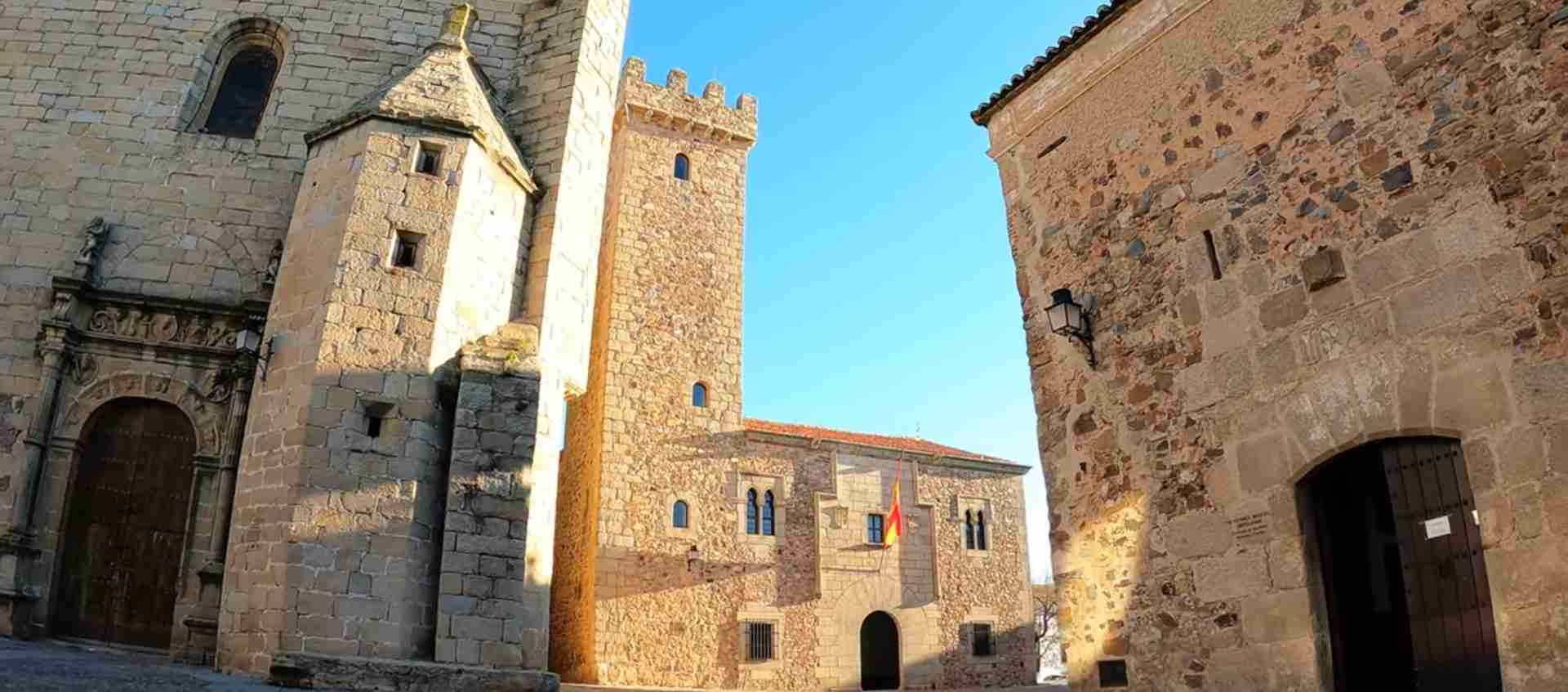
Cáceres emerges from the Extremaduran plains as Spain’s supreme medieval urban preservation, where aristocratic towers, fortified mansions, and narrow cobblestone streets maintain architectural integrity unmatched across the Iberian Peninsula. The Ciudad Monumental (Monumental City) achieves UNESCO World Heritage status through exceptional conservation of urban planning and architecture spanning Roman foundations through 16th-century Renaissance culmination, creating an intact medieval cityscape where Game of Thrones filming and historical authenticity converge within living community fabric. This walled quarter represents not a museum reconstruction but rather continuous urban occupation across 2,000 years, where modern residents inhabit palaces and towers their aristocratic ancestors constructed five centuries past.
Planning Cáceres exploration for 2026 requires understanding the destination’s dual character: the spectacular medieval old town dominating UNESCO recognition, and the vibrant modern city providing contemporary amenities, dining diversity, and cultural programming beyond historical monument tourism. The compact Ciudad Monumental concentrates within 500-meter radius enabling comprehensive pedestrian exploration, while the surrounding modern districts offer accommodation value, restaurant variety, and authentic Spanish urban culture complementing tourist-oriented old quarter experiences. Spring and autumn 2026 deliver optimal visiting conditions when comfortable temperatures support extended outdoor architectural appreciation without summer heat challenges or winter’s abbreviated daylight limiting photography opportunities.
People Also Ask About Cáceres 2026
How much does it cost to visit Cáceres in 2026?
Cáceres travel costs vary significantly based on accommodation standards, dining preferences, and activity selections across three primary budget categories for 2026 planning. Budget travelers achieve €50-70 daily expenses through apartment rentals with kitchen facilities (€35-45 per night for double occupancy equals €18-23 per person), market-sourced breakfast and lunch provisions (€12-18 total), budget dinner at neighborhood restaurants (€12-15), and free walking tour participation (€5-8 tip). Mid-range comfort costs €100-130 per day including boutique hotel accommodation (€70-90 per night equals €35-45 per person), restaurant meals for all dining occasions (€35-50 combined), paid guided tours (€15-20), and occasional taxi usage for convenience (€5-10).
Luxury experiences extend to €180-250 daily through parador accommodation within historic palaces (€140-180 per night equals €70-90 per person), fine dining at chef-driven restaurants (€60-90 for dinner), private guided tours (€40-60), and premium wine tasting experiences (€25-40). These estimates exclude major transportation costs reaching Cáceres but include all in-destination expenses for accommodation, meals, activities, and local movement. Two-night visits require €100-140 budget range, €200-260 mid-range, or €360-500 luxury spending per person covering complete Cáceres experiences. Check current accommodation rates and restaurant pricing as costs may fluctuate throughout 2026 season.
When is the best time to visit Cáceres in 2026?
April through May and September through October provide optimal Cáceres visiting conditions when comfortable temperatures (15-25°C), reduced tourist crowds, and competitive accommodation rates combine for enhanced experiences across all budget levels. Spring months deliver wildflower blooms in surrounding countryside, stork nesting activity on palace towers, and extended daylight (sunset 20:30-21:15) supporting evening architectural photography after day-visitor departures. Autumn offers harvest season cultural programming, ideal light quality for photography through softer atmospheric conditions, and comfortable walking temperatures enabling all-day outdoor exploration without heat exhaustion concerns.
Summer months (June-August) bring intense heat (32-38°C afternoon temperatures), peak tourist congestion, and elevated accommodation rates 40-50% above shoulder season pricing, though extended opening hours and festival programming provide cultural compensation. The WOMAD world music festival transforms Cáceres each May, creating exceptional cultural immersion opportunities though requiring advance accommodation booking as city capacity fills completely. Winter visits (November-March) offer minimal crowds, dramatic lighting for photography, and significant accommodation discounts (30-40% below peak rates), though abbreviated daylight hours (sunset 18:00-18:30), cooler temperatures (8-15°C), and reduced restaurant/tour availability limit experience flexibility compared to shoulder season advantages.
Do you need advance bookings for Cáceres in 2026?
Accommodation advance booking becomes essential during peak periods including Easter week (April 13-20, 2026), WOMAD Festival (May 8-10, 2026), and summer weekends (July-August), when ciudad monumental hotels and boutique properties fill 2-3 months ahead. Shoulder season visits (April-May excluding Easter/WOMAD, September-October) benefit from 2-4 week advance reservations securing preferred properties at competitive rates, though last-minute availability exists in modern district accommodations. Winter travel (November-March) rarely requires advance booking beyond 3-7 days except around Christmas and New Year holidays.
Guided tours, particularly specialized evening walking tours and floodlit monument experiences, warrant advance reservation through tourism office or tour operator websites ensuring English-language availability and preferred timing slots. Restaurant reservations become advisable for weekend dinners at popular establishments (Atrio, Torre de Sande) requiring 1-2 week advance booking during peak season, though walk-in availability exists at most dining establishments outside Friday-Saturday evening periods. The Museo de Cáceres and other cultural institutions accept walk-in visitors without timed entry requirements, eliminating advance ticket purchasing needs though checking operating hours and temporary closures through official websites prevents wasted journey time.
Can you explore Cáceres without a car in 2026?
Cáceres functions excellently for car-free exploration through compact ciudad monumental layout, comprehensive pedestrian access, and efficient public transportation connecting modern districts with historic center. The medieval quarter prohibits vehicle traffic, creating exclusively pedestrian environment where all monuments lie within 500-meter radius accessible via cobblestone streets and stepped passages. Arrivals by train or bus reach the historic center through 1.5-kilometer walk or €5-7 taxi rides, while municipal bus lines connect modern accommodation areas with plaza Mayor (old town entry point) for €1.10 per ride.
However, regional day trip exploration to Mérida, Trujillo, Guadalupe, and other Extremaduran UNESCO sites strongly benefits from rental car access, as public transportation frequencies and schedules limit same-day return possibilities from multiple destinations. Car rental costs €35-50 daily for compact vehicles in 2026, splitting economically across 2-4 travelers for shared day trip expenses while providing schedule flexibility impossible through bus-dependent travel. The ciudad monumental offers limited parking requiring use of peripheral lots (€10-15 daily) and 400-600 meter walks to accommodation, making car ownership unnecessary for Cáceres city exploration but valuable for regional tourism maximization.
Extended multi-day tours – 5+ days
Featured Spain Multi-Day Tour Packages
5 days
Madrid and Barcelona (4 destinations)
- ✓ Comprehensive Spain tour
- ✓ Expert local guides included
- ✓ All accommodation arranged
- ✓ Transportation provided
9 days
Spain in Style (Small Group)
- ✓ Comprehensive Spain tour
- ✓ Expert local guides included
- ✓ All accommodation arranged
- ✓ Transportation provided

8 days
Highlights of Northern Spain – 8 Days
- ✓ Comprehensive Spain tour
- ✓ Expert local guides included
- ✓ All accommodation arranged
- ✓ Transportation provided
6 days
6-Day Andalucia & Toledo from Madrid
- ✓ Comprehensive Spain tour
- ✓ Expert local guides included
- ✓ All accommodation arranged
- ✓ Transportation provided
Multi-day tour packages powered by TourRadar. Prices and availability subject to change.
Essential Planning Information 2026
Understanding Cáceres UNESCO Heritage Significance
The Ciudad Monumental achieves World Heritage designation through exceptional preservation of medieval-Renaissance urban planning where aristocratic competition created Europe’s densest concentration of fortified palaces and defensive towers within intact wall circuit. The 12th-century Almohad walls enclose 8 hectares containing 30+ monumental buildings representing five centuries of architectural evolution from Reconquista fortifications through Renaissance humanist refinement. This urban complex demonstrates the transformation of military frontier settlement into cultural capital, where noble families returning from Americas conquest invested New World wealth in palatial architecture asserting social status through increasingly elaborate facades, coats of arms, and defensive towers.
The designation encompasses architectural layers revealing Cáceres’s strategic importance across Mediterranean civilizations: Roman urban foundations visible in forum remains and street alignments, Moorish contributions including the Bujaco Tower and wall systems, Jewish quarter heritage in the narrow street patterns of Barrio de San Antonio, and Christian Reconquista monuments establishing Castilian cultural dominance post-1229. This stratigraphic urban development creates exceptional educational value where single walking routes encounter 2,000 years of architectural and cultural evolution compressed within minutes of pedestrian movement. UNESCO recognition acknowledges not isolated monuments but rather the integrated urban ensemble where buildings, streets, plazas, and fortifications function as cohesive historical narrative impossible to experience through individual monument appreciation.
Current Entry Requirements and Documentation for 2026
International visitors to Cáceres follow standard Spanish entry requirements applicable throughout 2026. European Union and Schengen Area citizens enter without visa requirements using valid national ID cards or passports, enjoying unlimited stay duration and complete movement freedom across Spain. United States, Canada, Australia, New Zealand, and most developed nation citizens visit visa-free for tourism stays up to 90 days within 180-day periods, requiring passport validity extending 3+ months beyond departure dates. The European Travel Information and Authorization System (ETIAS) launches autumn 2024, requiring advance online authorization (€7 fee, three-year validity) for visa-exempt visitors entering Schengen territory, applicable to 2026 Cáceres travel for non-EU international tourists.
No specific health documentation or vaccination requirements exist for Cáceres entry beyond standard Spanish public health regulations, with COVID-19 restrictions eliminated as of 2024 though travelers should verify current requirements through official channels as policies may adjust based on emerging health situations. Travel insurance proves advisable though not mandatory, covering medical emergencies, trip cancellations, and personal liability incidents during Spanish travel. EU citizens access Spanish public healthcare through European Health Insurance Card (EHIC) reciprocity, while international visitors should secure comprehensive travel medical insurance addressing emergency treatment costs and potential medical evacuation expenses beyond Spain’s public health system coverage for non-residents.
Mobile Connectivity and Digital Resources for 2026
Cáceres offers comprehensive mobile connectivity through all major Spanish carriers (Movistar, Vodafone, Orange) providing 4G/5G coverage throughout the ciudad monumental and modern districts. EU residents benefit from “roam like home” regulations eliminating roaming charges when using domestic mobile plans, while international visitors should purchase Spanish SIM cards (€15-25 for 20-30GB data packages) at airport kiosks, city center phone shops, or supermarket locations for economical connectivity versus expensive international roaming rates. Free WiFi operates at most accommodation properties, restaurants, and cafés, though connection reliability varies with historic building construction materials limiting signal penetration in some medieval quarter locations.
Essential smartphone applications for 2026 Cáceres navigation include Google Maps for basic orientation and walking directions, though offline map downloading proves crucial as data connectivity occasionally fails within thick-walled medieval buildings. The “Cáceres Patrimonio” official app provides augmented reality experiences, historical monument information, and self-guided walking routes available for iOS and Android platforms with English language support. WhatsApp functions as Spain’s dominant communication platform, used by accommodation hosts, tour operators, and restaurant reservations requiring international visitors to maintain active accounts for smooth local interaction. Payment apps including Apple Pay and Google Pay achieve wide acceptance at modern establishments though carrying €50-100 cash remains advisable for small purchases, traditional restaurants, and tip payments where digital systems may not operate.
Best Time to Visit Cáceres 2026
Spring Season Analysis (March-May 2026)
Spring delivers Cáceres’s premier visiting conditions when March temperatures rise from cool 10-18°C through comfortable April-May ranges of 15-25°C, supporting extended outdoor exploration without heat exhaustion risks characterizing summer months. Rainfall decreases progressively through the season, with March averaging 40mm across 8-10 wet days transitioning to May’s minimal 35mm spread over 6-7 days, creating predominantly dry conditions ideal for walking tours and outdoor photography. Daylight extends from March’s 12 hours (sunset 19:00) through May’s 14+ hours (sunset 21:15), providing ample evening architectural appreciation after day-visitor departures when ciudad monumental achieves magical atmospheric quality under soft twilight illumination.
Easter week (April 13-20, 2026) brings intense religious processions, traditional ceremonies, and peak domestic tourism creating maximum accommodation demand and elevated pricing (50-60% above baseline rates). The WOMAD World Music Festival (May 8-10, 2026) transforms Cáceres into global cultural destination, where world music performances in plaza mayor, ciudad monumental concerts, and diverse programming attract 80,000+ visitors requiring advance booking 3-6 months ahead. Post-WOMAD May offers exceptional value when spring weather continues but crowds dissipate, creating optimal shoulder period combining comfortable conditions with available accommodation at competitive rates. Stork nesting activity peaks April-May, when dozens of pairs occupy palace towers and chimney tops throughout the ciudad monumental, providing wildlife photography opportunities unique to spring migration and breeding patterns.
Summer Season Considerations (June-August 2026)
Summer heat intensifies across June’s rising 28-35°C through July-August peaks of 32-38°C with occasional 40°C+ extremes during heat waves, requiring activity timing adjustments emphasizing morning (7:00-11:00) and evening (19:00-23:00) exploration while avoiding midday exposure risks. The ciudad monumental’s stone architecture and narrow street patterns provide natural shade and thermal mass cooling, creating 3-5°C temperature differentials versus modern district open spaces, though indoor comfort requires air conditioning access during peak heat periods. Rainfall virtually disappears (10-15mm monthly totals) ensuring dry conditions for outdoor activities, while extended daylight (sunset 21:45 in June-July) supports ambitious daily itineraries including post-dinner architectural walks under natural evening light.
Tourist congestion peaks July-August when domestic Spanish tourism, European visitors, and cruise ship day-trippers converge, creating crowded monument access, extended restaurant wait times, and diminished atmospheric intimacy within medieval quarter spaces. Accommodation rates reach annual maximums (40-50% above shoulder season baseline), particularly during August when Spanish vacation culture fills available capacity across all budget ranges. However, summer brings expanded cultural programming including outdoor cinema screenings in plaza mayor, evening classical music concerts at historic palaces, and extended museum hours (open until 21:00) providing compensation for heat and crowd challenges. Budget travelers should avoid June-August unless specifically attracted to summer festivals or constrained by school vacation schedules, as shoulder seasons deliver superior value and comfort for comparable architectural experiences.
Autumn Season Advantages (September-October 2026)
Autumn represents Cáceres’s second optimal visiting period when September temperatures moderate from summer extremes to comfortable 25-30°C through October’s ideal 18-25°C ranges supporting all-day outdoor activity without heat stress concerns. Rainfall remains minimal (September 30mm, October 50mm) with excellent weather reliability, while autumn light quality achieves superior photographic character through softer atmospheric conditions and lower sun angles emphasizing architectural texture and dimensional depth impossible during summer’s harsh vertical illumination. September’s extended daylight (sunset 20:30 declining to 19:30) provides generous evening exploration windows, while October’s earlier darkness (sunset 18:30-19:30) creates enhanced opportunities for floodlit monument photography and atmospheric night walking tours.
Post-summer crowd dissipation creates peaceful ciudad monumental experiences where monument access, restaurant seating, and accommodation availability ease dramatically compared to peak season congestion. Rates decline 25-35% from summer maximums while maintaining service quality and full operational status across restaurants, tours, and cultural institutions. The harvest season brings local culinary celebrations emphasizing Extremaduran gastronomic traditions—new wine releases, fresh game availability, mushroom specialties—creating enhanced dining experiences reflecting regional agricultural cycles. Medieval festival programming occasionally occurs October weekends, when period costume events, artisan markets, and historical reenactments animate the ciudad monumental with cultural programming beyond standard monument tourism though specific dates vary annually requiring schedule verification through tourism office.
Winter Season Realities (November-March 2026)
Winter brings significant cost advantages through accommodation discounts of 30-40% below peak rates and minimal tourist presence creating intimate ciudad monumental experiences, though cooler temperatures (8-15°C daytime, 2-8°C overnight) and abbreviated daylight (sunset 18:00-18:30) require planning adjustments. December-February rainfall increases to 45-60mm monthly while remaining modest compared to northern Spanish regions, creating occasional wet days requiring flexible scheduling around weather windows. Clear winter days deliver spectacular photographic opportunities through dramatic cloud formations, low-angle sunlight emphasizing architectural details, and crystalline atmospheric clarity impossible during summer haze conditions.
Reduced restaurant and tour operations characterize winter months when many establishments close 1-3 days weekly or reduce operating hours reflecting decreased demand, requiring advance research confirming specific business availability. However, major monuments, museums, and tourist services maintain year-round operations with adjusted winter schedules typically running 10:00-18:00 versus summer extensions to 20:00-21:00. Christmas and New Year periods (December 20-January 6) bring festive programming including nativity scene displays, holiday markets, and Three Kings parade (January 5 evening) creating cultural experiences unavailable during other seasons, though accommodation rates rise temporarily to mid-range summer equivalents. Winter suits budget-conscious travelers prioritizing cost savings over maximum comfort and those appreciating uncrowded heritage sites enabling contemplative architectural appreciation impossible during peak tourism crush.
Accommodation Strategies 2026
Ciudad Monumental Historic Hotels and Boutiques
Medieval quarter accommodation delivers immersive heritage experiences within converted palaces, aristocratic mansions, and historic buildings ranging from budget-conscious to luxury standards. The Parador de Cáceres occupies a 14th-century palace with original stone architecture, vaulted ceilings, and central patio, offering premium accommodation at €140-180 per night in 2026 (check official parador.es for current rates). The property’s ciudad monumental location enables immediate monument access while providing restaurant, bar, and historical ambiance justifying elevated costs for travelers prioritizing atmospheric setting over budget optimization.
Mid-range boutique properties including Hotel Casa Don Fernando (€70-95), Hospedería Palacio de los Marqueses (€80-110), and NH Collection Cáceres Palacio de Oquendo (€85-120) deliver historic architecture integration with modern comfort standards at accessible price points. These hotels occupy restored palaces featuring original staircases, period furnishings, and architectural details creating authentic medieval urban living experiences. Budget travelers access basic accommodation through Pensión Márquez (€40-55) and Hostal Almonte (€45-60), offering essential amenities within walking distance of plaza mayor though sacrificing historic building atmosphere and comprehensive facilities characterizing luxury alternatives.
Modern District Value Accommodation
The modern city beyond medieval walls provides accommodation value through contemporary hotels and apartment rentals delivering 20-35% cost savings versus comparable ciudad monumental properties. Three-star hotels including Hotel Extremadura (€50-70), Sercotel Gran Hotel Don Manuel (€55-75), and AC Hotel Cáceres (€60-80) offer full-service amenities, parking access, and comfortable rooms at mid-range budgets, located 1-1.5 kilometers from the old town requiring 15-20 minute walks or €5-7 taxi connections. Modern district locations sacrifice medieval atmospheric immersion but provide authentic Spanish urban neighborhood experiences among residential areas, local restaurants, and commercial districts where tourists remain minority presence.
Apartment rentals through Airbnb and Booking.com deliver exceptional value for 2-4 person groups when kitchen facilities enable market-sourced meal preparation reducing daily dining costs by €20-40 per person. One-bedroom apartments run €35-55 nightly while two-bedroom units accommodate families/groups for €50-75, splitting to €13-25 per person with four-person occupancy. Apartment selection requires attention to location proximity, building elevator access (many walk-up configurations exist in older buildings), and host communication reliability, though superior cost efficiency compensates for reduced hotel service standards. Modern district apartments particularly suit extended stays (3+ nights) when initial orientation effort pays dividends through neighborhood restaurant discovery, local market shopping routines, and residential area cultural immersion impossible through tourist-oriented old quarter hotel isolation.
Strategic Booking Timing and Cancellation Policies
Accommodation booking strategies balance advance reservation security against flexible cancellation options protecting against itinerary changes or force majeure situations. Peak period travel (Easter, WOMAD, summer weekends) requires 2-4 month advance booking securing desired properties before capacity fills completely, accepting typical €10-30 non-refundable deposits or restrictive cancellation windows (30+ days pre-arrival). Shoulder season visits benefit from flexible booking through Booking.com or hotel direct websites offering free cancellation up to 24-72 hours pre-arrival, allowing weather monitoring and itinerary adjustments without financial penalties.
Price monitoring through hotel aggregator sites (Trivago, Kayak) and property direct booking comparison identifies rate fluctuations, with direct hotel bookings occasionally delivering 5-10% discounts versus commission-based booking platforms. Mid-week stays (Sunday-Thursday) cost 15-25% less than weekend rates across most properties, creating savings opportunities for flexible travelers structuring Cáceres visits around weekday schedules. Last-minute booking (48-72 hours pre-arrival) during low seasons occasionally yields exceptional value when properties reduce rates filling unsold inventory, though risks exist regarding limited availability or undesirable room assignments acceptable only for budget-flexible travelers prioritizing spontaneity over guaranteed preferred accommodation standards.
Transportation Guide 2026
Getting to Cáceres: Air Access Strategies
Air access to Cáceres requires connecting through Madrid or regional airports, as the city lacks commercial air service. Madrid-Barajas Airport lies 260 kilometers northeast, requiring 2.5-3 hour ground transportation via direct bus services (€18-25 one-way, 6-8 daily departures), rental car drives via A-5 motorway, or train connections requiring transfers. Bus services through ALSA operate from Madrid airport terminals and city center bus station (Estación Sur) providing economical direct connections, though schedule inflexibility and 3-hour journey times suit only cost-conscious travelers accepting transportation time investments. Check alsa.es for current schedules and pricing as routes and frequencies may vary throughout 2026 season.
Alternative air access through Seville Airport (230km south) or Lisbon Airport (270km west) serves travelers combining Cáceres with Andalusian or Portuguese tourism, though ground transportation complexity increases requiring rental cars or multi-segment bus connections. Regional Badajoz Airport offers limited service, while upcoming Seville-Madrid high-speed rail improvements may enhance combined air-rail access patterns by late 2026. Rental car pickup at Madrid airport costs €120-180 for 3-day Extremadura circuit including Cáceres, Mérida, Trujillo, and Guadalupe, delivering schedule flexibility and UNESCO site access impossible through public transportation constraints though requiring highway toll expenses (€15-20) and parking fees (€10-15 daily) offsetting initial rental economy.
Rail Access via Renfe Services
Cáceres railway station connects to national network through conventional rail services, lacking high-speed AVE connections limiting Madrid access to 4-4.5 hour journey times via regional and medium-distance trains. Madrid-Cáceres routes operate 4-6 daily with fares ranging €25-45 depending on service class and advance purchase timing, departing from Madrid Chamartín station and arriving at Cáceres station 2 kilometers north of ciudad monumental. The rail journey traverses scenic Extremaduran landscapes providing superior comfort and workspace capability versus bus alternatives, though longer travel times and limited frequency reduce rail appeal compared to bus convenience for budget travelers.
Alternative rail access from Seville (3.5 hours, €20-35), Lisbon (4-5 hours, €30-50), and regional Extremaduran cities creates tourism circuit possibilities combining UNESCO sites through public transportation. Train stations connect to ciudad monumental via municipal bus lines (€1.10) or 25-minute walks through modern districts, while taxis charge €5-7 for direct hotel delivery. Advance ticket purchase through renfe.com delivers 20-40% discounts versus station walk-up fares, though restrictive exchange and cancellation policies limit flexibility compared to bus alternatives offering superior schedule density and more forgiving change policies appropriate for uncertain travel planning.
Local Transportation Within Cáceres
The compact ciudad monumental functions exclusively as pedestrian zone where all monuments lie within 500-meter radius accessible via cobblestone streets, stepped passages, and narrow lanes prohibiting vehicle traffic. Medieval quarter exploration requires comfortable walking shoes with good traction as historic paving stones create uneven surfaces, while modest inclines connecting plaza mayor with elevated tower zones demand reasonable fitness levels though gradient severity remains manageable for average mobility. The old town’s circular configuration around central plaza mayor creates intuitive navigation where directional orientation relies on landmark towers (Bujaco, Arco de la Estrella) visible from multiple vantage points preventing serious disorientation despite narrow street confusion.
Modern city districts beyond medieval walls connect through municipal bus system operating 10+ routes linking residential areas, commercial zones, and the ciudad monumental at €1.10 single-ride fares or €4.50 for 10-trip bono cards. However, most accommodation locations lie within 1.5-kilometer walking distance of plaza mayor, making bus usage unnecessary for standard tourist movement patterns. Taxis charge €5-10 for typical cross-city journeys, useful for luggage transport between train/bus stations and accommodation or late-night returns from modern district restaurants. Bicycle rental exists through scattered shops though cobblestone surfaces, vehicle traffic in modern zones, and minimal cycling infrastructure limit practical cycling utility compared to pedestrian exploration dominance characterizing Cáceres tourism patterns.
Money-Saving Strategies 2026
Dining Cost Management Techniques
Restaurant expenses constitute major budget components, requiring strategic approaches balancing culinary experience against cost control across three daily meals. Breakfast optimization emphasizes café con leche and tostada (toast) consumed at standing bar positions (€2.50-3.50 total) versus table service (€4-5.50), with local pastry shops (panaderías) offering fresh baked goods at €1-2 per item for portable breakfast assembly. Mid-morning coffee breaks follow Spanish customs through single espresso consumption (€1.20-1.50) at neighborhood bars providing cultural immersion and rest opportunities during extended architectural walks.
Lunch represents primary restaurant meal when menú del día (daily menu) offerings deliver three-course meals including wine or beverage for €12-18 at traditional establishments, providing superior value versus €25-35 à la carte dinner equivalents. Strategic lunch timing (14:00-15:30) captures authentic Spanish dining culture when restaurants fill with local clientele versus tourist-heavy evening services. Dinner cost reduction occurs through tapas grazing at multiple bars, where 3-4 small plates (€3-6 each) plus beverage create satisfying evening meals for €15-25 versus formal restaurant commitments. The Mercado de Abastos (municipal market) supplies picnic provisions—bread, cheese, cured meats, fruit—assembling €8-12 per person meals consumed in plaza benches or park settings eliminating restaurant expenses entirely while providing authentic food market cultural experiences.
Free and Low-Cost Activity Maximization
The ciudad monumental’s architectural heritage remains substantially accessible without admission fees, as palace exteriors, plaza spaces, and church facades deliver comprehensive medieval urban appreciation through exterior viewing. The Arco de la Estrella (main gateway), Bujaco Tower exterior, Plaza de Santa María, and Co-Cathedral de Santa María facade provide free architectural documentation opportunities rivaling paid interior experiences for photography-focused visitors. Church interior access occurs during service hours (morning mass 9:00-10:00, evening vespers 19:00-20:00) when respectful observation coexists with worship functions, eliminating typical €3-5 monument entry fees characterizing controlled access sites.
Free walking tour options include self-guided routes using municipal tourism office maps and interpretive panels, smartphone apps providing augmented reality experiences and historical commentary, and informal exploration following intuitive medieval street patterns discovering hidden plazas and architectural details impossible to encounter through structured tour constraints. The evening paseo tradition (20:00-22:00) along plaza mayor and adjoining streets provides authentic cultural immersion requiring only optional café beverage purchases (€2-4), while sunset viewing from muralla (city walls) delivers romantic atmospheric experiences at zero cost. The Museo de Cáceres offers free admission Sunday mornings and Tuesday afternoons, providing strategic timing opportunities for cultural institution access without standard €1-3 entry fees applicable during regular hours.
Accommodation Value Optimization
Multi-night stays unlock volume discounts when booking directly with hotels or apartment hosts, with 3+ night reservations generating 10-20% reductions versus per-night rates. Off-season timing (November-March excluding holidays) delivers 30-40% discounts across all accommodation categories while maintaining full service standards, creating exceptional value propositions for budget-flexible travelers. Apartment rentals with kitchen facilities enable market-based meal preparation reducing dining costs by €20-40 daily per person, with four-person occupancy driving per-person accommodation costs to €13-25 versus €35-90 hotel equivalents.
Modern district accommodation provides 20-35% savings versus ciudad monumental properties while requiring 15-20 minute walks bridging the amenity-location trade-off favoring budget optimization over medieval atmospheric immersion. Loyalty program enrollment with major hotel chains (Paradores, NH Hotels, AC Hotels) accumulates points toward free nights and room upgrades, valuable for frequent Spain travelers though requiring advance account establishment before booking. Last-minute booking platforms (HotelTonight, Booking.com deals) occasionally offer 20-40% discounts on unsold inventory 24-72 hours pre-arrival, though availability risks and property selection limitations suit only flexible travelers accepting uncertainty versus guaranteed preferred accommodation security.
Sample 2026 Itineraries
Two-Day Medieval Immersion Experience
A comprehensive two-day itinerary balances architectural exploration with cultural immersion and culinary discovery across the ciudad monumental’s concentrated heritage landscape. Day 1 begins 9:00 with breakfast at plaza mayor café (€3-4), followed by Museo de Cáceres entry when opening 10:00 provides uncrowded viewing of archaeological collections, fine arts, and ethnographic displays establishing historical context for subsequent monument exploration. By 11:30, proceed to Co-Cathedral de Santa María for Gothic-Renaissance architecture appreciation and treasury viewing (€4 admission), then Plaza de Santa María’s aristocratic palace facades including Palacio de los Golfines de Abajo and Casa de los Ovando demonstrating competing noble family architectural expressions.
Lunch (14:00-15:30) at traditional restaurant enjoys menú del día (€12-18), followed by afternoon architectural walk through Jewish quarter narrow streets reaching Torre de Bujaco (€2.50 admission) for panoramic city views and Moorish fortification interpretation. Late afternoon (17:00-19:00) explores Palace Quarter’s monumental mansions—Palacio de las Veletas (Arab cistern access €1), Casa del Sol, Torre de las Cigüeñas—before evening plaza mayor paseo observation (20:00-21:30) and dinner at tapas bars (€15-25 per person). Day 1 total: Museum €4, Cathedral €4, Tower €2.50, Veletas €1, breakfast €3-4, lunch €12-18, dinner €15-25. Combined costs: €41.50-58.50 per person excluding accommodation.
Day 2 emphasizes free experiences and regional extension options, beginning 8:00 with market visit (Mercado de Abastos) assembling picnic provisions (€8-12), then 9:30 departure via rental car or guided tour to Trujillo (45km, 45 minutes) exploring that UNESCO-candidate medieval town’s plaza mayor and conquistador heritage (3-4 hour visit). Return to Cáceres 15:00 allows afternoon rest, then evening 18:00-20:00 walking tour discovers ciudad monumental’s hidden corners, lesser-known palace courtyards, and sunset views from muralla sections. Final evening (21:00-23:00) includes dinner at mid-range restaurant (€25-35) and nighttime illuminated monument photography. Day 2 total: Market provisions €8-12, Trujillo gasoline €8-10 (if driving), dinner €25-35. Combined costs: €41-57 per person. Two-day total: €82.50-115.50 per person excluding accommodation, enabling comprehensive Cáceres experience within €100-130 daily budget targets.
Three-Day UNESCO Circuit Extension
Extended three-day planning incorporates regional UNESCO site visits maximizing Extremaduran heritage exposure through strategic day trip organization. Days 1-2 follow the previous two-day Cáceres itinerary, establishing ciudad monumental familiarity and completing major monument viewing. Day 3 executes ambitious Mérida day trip (70km southwest, 50-minute drive) departing 8:30 for arrival by 9:30 when Roman monuments open with minimal crowds. Spend 5-6 hours exploring Mérida’s Archaeological Ensemble—Roman Theater, Amphitheater, Museo Nacional de Arte Romano—through self-guided walking (Conjunto Monumental ticket €15, museum €3 in 2026, check official websites for current pricing), with lunch at Mérida restaurants (€12-18 menú del día).
Return to Cáceres by 17:00 allows final evening architectural appreciation, sunset plaza mayor dining, and departure preparation for subsequent travel. Alternative Day 3 substitutes Guadalupe (120km east, 1.5-hour drive) visiting that spectacular monastery UNESCO site with Virgin of Guadalupe shrine, Mudéjar architecture, and art collections (monastery admission €5). Day 3 costs: Mérida option—gasoline €12-15, monument tickets €18, lunch €12-18, total €42-51. Guadalupe option—gasoline €18-22, monastery €5, lunch €12-18, total €35-45. Three-day total reaches €117.50-166.50 per person excluding accommodation, delivering comprehensive Extremadura UNESCO exposure impossible through single-destination focus. This extended format suits heritage enthusiasts maximizing archaeological and architectural diversity across Spain’s premier Roman-medieval-Renaissance concentration.
Budget Five-Day Extremadura Deep Dive
An ambitious five-day itinerary enables thorough Extremaduran heritage exploration while maintaining budget discipline through strategic cost management across accommodation, dining, and activities. Days 1-2 execute comprehensive Cáceres ciudad monumental coverage per previous two-day itinerary, establishing base camp in modern district apartment rental (€40-55 per night, €80-110 total two nights). Day 3 tackles Mérida through early departure (7:30) maximizing daylight for extended Roman site exploration, adding Alcazaba fortress and aqueduct visits beyond basic theater-amphitheater focus. Return evening allows Cáceres tapas dinner and rest preparation for subsequent day trips.
Day 4 explores Trujillo morning (3-4 hours) followed by afternoon extension to Guadalupe (90km from Trujillo, 1.5 hours), creating efficient two-destination combination reducing backtrack driving versus separate individual trips. Guadalupe overnight (budget hostal €35-50) enables evening monastery illumination viewing and morning detailed interior exploration before noon return to Cáceres. Day 5 concludes with free ciudad monumental activities—church visits, final photography sessions, market shopping for journey provisions—and afternoon departure connections. Five-day total: Accommodation €155-215 (4 nights mixed apartment/hostal), monument admissions €30-40, gasoline €40-50, dining €180-250 (mix market/menú/tapas), activities €20-30. Combined €425-585 per person for comprehensive five-day Extremadura UNESCO circuit, averaging €85-117 daily maintaining budget category targets while achieving exceptional heritage exposure impossible through shorter visit durations.
Booking and Reservations 2026
Official Tourism Resources and Contacts
The Oficina de Turismo de Cáceres operates from Plaza Mayor location providing comprehensive planning support, free city maps, event calendars, and accommodation assistance Monday-Saturday 9:00-14:00, 16:00-19:00 with extended summer hours (9:00-20:00 July-August). Contact through (+34) 927 01 08 34 or [email protected] enables pre-arrival planning support, though English-language email responses may require 24-48 hours versus immediate phone assistance during operating hours. The official tourism website (turismo.ayto-caceres.es) provides downloadable maps, monument information, restaurant listings, and event programming though navigation complexity and limited English translation reduce user-friendliness compared to commercial travel platforms.
The Extremadura regional tourism authority (turismoextremadura.com) delivers broader destination context including day trip suggestions, regional festival calendars, and UNESCO circuit planning resources complementing Cáceres-specific information. Monument-specific websites including Museo de Cáceres (museodecaceres.es) and Co-Cathedral information provide detailed visiting hours, admission policies, and temporary exhibition programming though requiring Spanish language comprehension for complete content access. Social media presence through Facebook and Instagram (@turismodecaceres) shares current city imagery, event announcements, and visitor experiences providing contemporary insight beyond static tourism office materials.
Accommodation Booking Platforms and Strategies
Multiple booking platforms serve Cáceres accommodation reservations with varying advantages across price transparency, cancellation flexibility, and property selection breadth. Booking.com dominates through comprehensive inventory (100+ properties), user reviews, and flexible cancellation policies, though 12-18% commission structures occasionally inflate final prices versus direct hotel booking. Airbnb excels for apartment rentals delivering kitchen-equipped accommodations enabling market-based meal preparation, though host communication reliability varies and booking fees (14% guest service charge) erode apparent savings compared to direct vacation rental platforms.
Direct hotel bookings through property websites occasionally yield 5-10% discounts eliminating platform commission costs, while parador.es serves official Parador de Cáceres reservations with loyalty program benefits unavailable through third-party platforms. Price comparison through metasearch engines (Trivago, Kayak, Google Hotels) identifies rate variations across platforms, though travelers should verify final total costs including taxes and fees before completing reservations as advertised rates sometimes exclude mandatory charges. Reading recent guest reviews across platforms (Booking.com, TripAdvisor, Google Reviews) provides authentic facility condition and service quality insights beyond promotional photography and marketing descriptions, particularly valuable for independent properties lacking major chain quality standards consistency.
Tour and Activity Reservation Systems
Guided walking tours operate through multiple providers with varying quality standards, group sizes, and language availability requiring careful selection matching individual preferences. The municipal tourism office coordinates official city tours (€8-12 per person) running fixed schedules with Spanish and occasional English availability depending on guide staffing, requiring advance inquiry regarding English-language timing. Private tour operators including Cáceres Free Tour (tip-based, 2-hour ciudad monumental overview) and specialized thematic tours (Jewish heritage, Game of Thrones filming locations, aristocratic palace architecture) charge €15-30 per person for focused experiences suiting specific interests beyond general historical orientation.
Evening illuminated tours capture ciudad monumental’s atmospheric transformation when floodlit monuments create dramatic nocturnal experiences impossible to appreciate through daytime visiting alone. These specialty tours (€18-25 per person, 90-120 minutes) require advance booking through tourism office or direct operator contact, particularly during peak season when capacity fills quickly. Day trip tours to Mérida, Trujillo, and Guadalupe operate through regional operators departing from Cáceres plaza mayor, charging €45-65 per person including transportation and basic guiding though excluding monument admission fees. Independent travelers with rental cars achieve comparable experiences for €30-40 total costs (gasoline, parking) though sacrificing structured guiding and local expertise valuable for historical context and hidden detail appreciation beyond self-guided observation.
2026 Planning Checklist and Final Preparations
Essential Packing Considerations
Footwear selection proves critical for Cáceres exploration given extensive walking across cobblestone surfaces, uneven medieval paving, and occasional stepped passages connecting elevation changes. Comfortable walking shoes with good traction and ankle support prevent slips and provide all-day comfort during 5-8 kilometer daily walking typical for comprehensive ciudad monumental coverage. Spring and autumn visits require layered clothing accommodating 10-15°C temperature variations between morning, afternoon, and evening, while summer demands lightweight, breathable fabrics, sun hats, and sunscreen protecting against intense UV exposure during peak heat hours.
Photography equipment should include fully charged smartphone, portable battery pack maintaining device power throughout extended daily shooting, and optional compact camera for superior image quality beyond smartphone capabilities. Tripods or gorillapods enable evening low-light photography of illuminated monuments, though checking photography permission policies at controlled sites prevents equipment confiscation or access denial. A daypack carries water bottles (2-liter daily consumption recommended during warm months), snacks, camera equipment, and purchased items accumulated during market visits and shopping discoveries.
Health and Safety Preparations
Travel insurance provides essential protection covering medical emergencies, trip cancellations, baggage loss, and liability incidents during Spanish travel. Comprehensive policies cost €40-80 for week-long coverage depending on age, coverage limits, and included benefits, purchased through specialist travel insurers or credit card travel benefits when charging travel expenses to qualified cards. European Health Insurance Card (EHIC) coverage serves EU citizens accessing Spanish public healthcare, though supplemental private insurance addresses coverage gaps and repatriation expenses beyond public system limitations.
Prescription medication supplies should cover complete trip duration plus 3-5 day buffer addressing potential return delays, carried in original pharmacy containers with documentation preventing customs concerns. Basic first aid supplies including blister treatments (extensive walking generates friction injuries), pain relievers, antihistamines, and digestive aids address common travel health concerns without requiring pharmacy visits or Spanish language medical consultations. Emergency contact information including travel insurance provider details, embassy/consulate locations (+34 915 872 200 for US Embassy Madrid), and accommodation addresses supports crisis management capabilities during unexpected situations requiring rapid response and coordinated assistance.
Cultural Etiquette and Local Customs
Spanish dining customs emphasize late meal timing with lunch occurring 14:00-15:30 and dinner beginning 21:00-22:00, requiring schedule adaptation from northern European or North American norms expecting earlier service availability. Siesta culture closes many shops and services 14:00-17:00, though tourist-oriented establishments increasingly maintain continuous hours during peak season. Respectful church visiting requires modest dress (covered shoulders, no shorts) and silent observation during services, with photography permissions varying by specific institution requiring advance inquiry or posted policy observation.
Tipping practices differ from North American standards, with rounding up bills or leaving small change (€1-2) at casual establishments and 5-10% for exceptional service at upscale restaurants, though mandatory service charges do not exist requiring obligatory minimum percentages. Spanish greetings emphasize “buenos días” (morning), “buenas tardes” (afternoon/evening), and “buenas noches” (night) when entering shops, restaurants, or initiating stranger interactions, with basic courtesy phrases improving local reception quality. Learning 10-15 essential Spanish phrases enhances navigation efficiency and demonstrates cultural respect, though major tourist establishments maintain English-speaking staff capabilities addressing language barrier concerns for monolingual English visitors.
FAQ: Cáceres Travel Guide 2026
Is Cáceres worth visiting compared to other Spanish cities?
Cáceres delivers exceptional value for heritage-focused travelers prioritizing authentic medieval urban preservation over mass tourism experiences characterizing Barcelona, Madrid, or Seville. The ciudad monumental’s architectural integrity surpasses more famous Spanish destinations where modern development compromised historical fabric, while significantly lower tourism saturation levels create intimate monument experiences impossible in overcrowded sites like Granada’s Alhambra or Toledo’s cathedral. However, Cáceres offers limited museum collections, minimal nightlife diversity, and fewer international dining options compared to major Spanish cities, making the destination ideal for 2-3 day focused heritage visits rather than week-long urban exploration.
The city functions excellently as Extremadura base camp enabling UNESCO circuit coverage including Mérida (70km), Guadalupe (120km), and Trujillo (45km), creating comprehensive Roman-medieval-Renaissance architectural education impossible through single-destination focus. Budget travelers particularly benefit from Cáceres’s cost advantages delivering 30-50% savings versus Barcelona or Madrid equivalents across accommodation, dining, and activity expenses while maintaining exceptional cultural significance and World Heritage designation justifying international travel investment.
How many days do you need in Cáceres?
Two full days enable comprehensive ciudad monumental exploration including major monuments, museum visits, and leisurely architectural appreciation without rushed itinerary pressure. Day 1 covers primary sites (cathedral, museums, tower viewpoints, palace exteriors) while Day 2 allows deeper neighborhood discovery, extended photography sessions, and regional day trip options to Trujillo or Mérida. Single-day visits suffice for travelers on tight schedules prioritizing superficial architectural exposure over detailed cultural immersion, though rushed timing prevents full appreciation of the ciudad monumental’s layered historical development and atmospheric quality.
Three-day visits incorporate comfortable pacing with afternoon rest periods, multiple day trip possibilities, and evening cultural programming attendance (classical concerts, illuminated tours) impossible to experience during shorter stays. Extended 4-5 day durations suit photography enthusiasts awaiting optimal lighting conditions, those pursuing detailed architectural study, or travelers using Cáceres as extended Extremadura base camp for regional UNESCO circuit completion. Most international visitors allocate 2-3 nights (enabling 2 full days plus arrival/departure partial days) balancing comprehensive experience against onward travel scheduling within broader Spain itineraries.
Can you visit Cáceres as a day trip from Madrid?
Cáceres functions poorly as Madrid day trip due to 3-4 hour each-way transportation requirements consuming 6-8 hours of 12-hour day-trip window, leaving merely 4-6 hours for actual ciudad monumental exploration. While technically feasible through early morning bus departure (7:00-8:00) and evening return (19:00-20:00), the experience quality deteriorates significantly versus overnight visits enabling relaxed architectural appreciation, evening atmospheric experiences, and extended photography opportunities. Transportation costs (€36-50 round-trip bus, €50-90 rental car including fuel) plus time investment justify 1-2 night stays distributing travel effort across superior experience quality.
Travelers specifically seeking day trip convenience from Madrid should prioritize closer destinations including Toledo (70km), Segovia (90km), or Ávila (115km) offering comparable medieval heritage with 1-1.5 hour travel times supporting genuine single-day exploration feasibility. However, combined Cáceres-Mérida 2-3 night itineraries from Madrid deliver exceptional value for World Heritage enthusiasts accepting initial transportation investment while accessing Spain’s premier Roman-medieval architectural concentration unavailable through more accessible but heavily touristed alternatives.
What’s the parking situation in Cáceres old town?
The ciudad monumental operates as vehicle-restricted pedestrian zone prohibiting private car access except for resident permit holders and delivery services during limited hours. Visitors must use peripheral parking facilities located 300-600 meters from plaza mayor entry points, with underground parking (Parking Plaza Mayor, Parking Obispo Galarza) charging €1.50-2 per hour or €12-18 for 24-hour periods. Surface lots along Ronda del Carmen and Avenida de España offer slightly reduced rates (€10-15 daily) though requiring longer walks to old town access points and lacking overnight security comparable to supervised underground facilities.
Hotel guests in ciudad monumental properties sometimes access limited nearby parking through property arrangements, though spaces remain scarce and expensive (€15-25 daily) versus modern district hotel parking included in accommodation rates. Day visitors should arrive before 10:00 claiming parking availability before tourist influx fills capacity, or accept 10-15 minute walks from free residential street parking in modern districts surrounding the old town. Rental car travelers planning Extremadura circuits should select accommodation with included parking versus ciudad monumental properties adding €12-25 daily parking costs to accommodation expenses.
Are Cáceres restaurants expensive compared to other Spanish cities?
Cáceres dining costs run 20-30% below Barcelona and Madrid equivalents while maintaining comparable quality standards, with menú del día lunch offerings delivering exceptional value at €12-18 for three-course meals including beverages. Traditional tapas bars charge €3-6 per plate enabling €15-25 satisfying dinners through small plate selection, while mid-range restaurants serve evening meals for €25-35 per person including wine or beer. However, modern Spanish cuisine restaurants charging €40-60+ per person exist for travelers seeking contemporary gastronomy and chef-driven experiences, though most visitors find traditional Extremaduran cuisine at €15-30 price points delivers superior regional authenticity and value.
Budget travelers achieve €20-30 daily dining costs through market-sourced breakfast and lunch provisions plus traditional restaurant menú del día or tapas dinners, while mid-range comfort budgets running €35-50 daily support restaurant meals for all occasions with beverage inclusions. The ciudad monumental concentrates tourist-oriented establishments with 15-25% price premiums versus modern district neighborhood restaurants serving local clientele, creating savings opportunities for adventurous diners willing to walk 10-15 minutes beyond old town tourist concentration discovering authentic regional cuisine at superior value pricing.
Is Cáceres safe for solo travelers and women?
Cáceres maintains excellent safety standards with minimal violent crime and tourist-targeted theft characterizing some larger Spanish cities, creating comfortable environment for solo travelers including women. The ciudad monumental’s pedestrian streets, tourist presence, and residential occupation provide natural surveillance and community atmosphere reducing isolation concerns even during evening hours when plaza mayor and surrounding streets maintain active social life through 23:00-midnight. However, standard travel precautions regarding unattended belongings, awareness in crowded spaces, and avoiding dark isolated areas after midnight apply as universal safety practices.
Solo female travelers report positive experiences throughout Cáceres with respectful local interactions and minimal harassment concerns compared to Barcelona or Madrid where tourist concentration attracts more aggressive attention. The evening paseo culture facilitates solo dining and plaza observation without awkward single-person restaurant isolation, while boutique hotel and apartment host communications typically prove helpful regarding solo traveler safety considerations and neighborhood orientation. Solo travelers should maintain charged smartphones, share accommodation details with trusted contacts, and trust instincts regarding uncomfortable situations, though Cáceres’s modest size and community culture create generally supportive environment for independent exploration across all traveler demographics.
What souvenirs and local products should you buy in Cáceres?
Extremaduran specialty products emphasize food and craft traditions reflecting regional agricultural heritage and artisan customs. Ibérico ham from acorn-fed pigs represents the premier gastronomic souvenir, with vacuum-sealed packages (€15-40 depending on quality grade) enabling international transport while delivering authentic taste of dehesa pork culture. Torta del Casar cheese (€8-15 per wheel) showcases regional sheep milk traditions, though requires careful packing preventing breakage during transit. Local olive oils, honey varieties, and pimentón (paprika) cost €5-12 per package providing cooking ingredients extending Extremaduran flavors beyond trip duration.
Artisan ceramics including traditional pottery and decorative tiles range €10-50 for smaller pieces transportable in luggage without excessive weight penalties, while leather goods (belts, wallets, bags) demonstrate regional craftsmanship at €20-80 price points. Local textile productions including embroidered table linens and traditional costume elements appeal to decorative arts collectors, though bulkier items challenge luggage capacity limits. The municipal market and old town artisan shops concentrate authentic product selections versus generic Spanish tourist souvenirs, with vendor conversations providing cultural context and craftsmanship appreciation enhancing purchase satisfaction beyond mere object acquisition.
Can you drink tap water in Cáceres?
Cáceres tap water meets European Union drinking water standards and proves safe for consumption by international visitors, though some travelers prefer bottled water addressing taste preferences or digestive system sensitivities to mineral content variations from home water supplies. Restaurants and cafés serve tap water upon request without charges, though Spaniards typically consume bottled mineral water (€1.50-2.50 per liter) during meals. Public fountains throughout the ciudad monumental provide free water refills for reusable bottles, reducing single-use plastic waste while maintaining hydration during extended walking explorations.
Summer heat demands substantial water consumption (2-3 liters daily) preventing dehydration during outdoor activities, making tap water refills economically advantageous versus purchasing multiple bottled waters at tourist establishment prices. Travelers with sensitive digestive systems or specific health concerns should consult physicians regarding travel water consumption recommendations, though healthy adults generally experience no issues drinking Cáceres municipal water throughout visit durations. Environmental consciousness increasingly encourages reusable bottle usage with tap water refills reducing plastic waste while achieving comparable safety standards to commercially bottled alternatives.
Are there English tours available in Cáceres?
English-language guided tours operate with more limited frequency than Spanish alternatives, requiring advance inquiry through tourism office or tour operator websites confirming availability aligning with travel dates. The municipal tourism office coordinates occasional English tours depending on guide staffing and minimum group sizes, typically running 2-3 weekly during peak season (May-September) versus sporadic winter availability. Private tour operators offer guaranteed English guiding through advance booking, charging €15-30 per person for group tours or €80-120 for private customized experiences providing flexible scheduling and personalized content addressing specific interests.
Smartphone apps including “Cáceres Patrimonio” deliver English audio guide content and augmented reality experiences enabling self-directed exploration without language barriers, while downloadable walking tour podcasts and YouTube video guides provide free English commentary supplementing visual architectural appreciation. International visitors comfortable with Spanish language exposure often find mixed-language tours valuable through partial comprehension plus visual architectural elements conveying significant content independent of precise verbal explanations. However, English-only travelers seeking comprehensive historical context and architectural detail should prioritize advance tour booking or invest in quality smartphone app content ensuring satisfactory educational experience matching monument significance and travel investment.