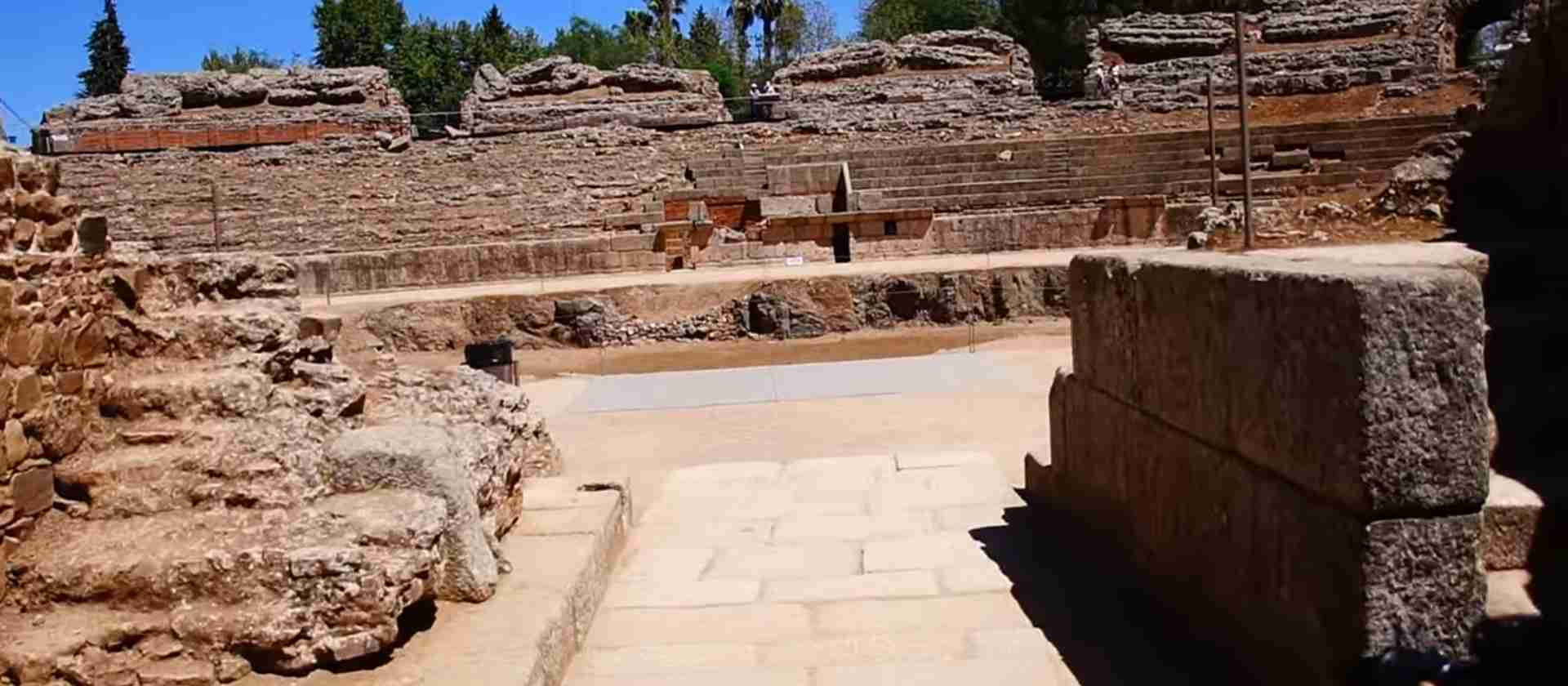
Mérida Spain Free Things to Do 2026: UNESCO Roman Heritage Experience
Key Takeaways
- Mérida offers exceptional free access to Roman ruins scattered throughout the city center, including visible theater and amphitheater sections from public viewpoints
- The city’s UNESCO World Heritage designation encompasses 15 major monuments, with several exterior areas accessible without admission fees throughout 2026
- Strategic timing allows free entry to premium archaeological sites on specific dates including International Museum Day (May 18) and Heritage Days (September 2026)
- Walking tours through the historic center provide immersive Roman urban planning experiences combining preserved streets, bridges, and public spaces at no cost
- Budget-conscious travelers can experience authentic Extremaduran culture through free festivals, markets, and architectural exploration throughout the 2026 season
Introduction to Free Mérida Experiences in 2026
Mérida stands as one of Spain’s most remarkable archaeological treasures, where the ancient Roman capital of Lusitania emerges from modern streetscapes with extraordinary preservation. The UNESCO World Heritage Archaeological Ensemble encompasses the most complete Roman provincial capital remains outside Italy, offering travelers in 2026 an unparalleled opportunity to explore classical civilization without significant financial barriers. This ancient city along the Guadiana River reveals 2,000 years of continuous urban development, where Roman engineering achievements blend seamlessly with medieval, Moorish, and contemporary Spanish culture.
The 2026 season brings enhanced accessibility to Mérida’s archaeological heritage through expanded public viewpoints, improved interpretive signage, and strategic free-entry opportunities that make premium sites accessible to budget travelers. The city’s compact historic center concentrates UNESCO monuments within comfortable walking distance, eliminating transportation costs while providing comprehensive cultural immersion. Spring through autumn 2026 offers optimal conditions for extended outdoor exploration, when favorable weather patterns support all-day archaeological discovery across the ancient city’s spectacular ruins.
Understanding Mérida’s free access opportunities requires strategic planning around specific monuments with partial public visibility, designated free-entry dates throughout the cultural calendar, and the extensive network of Roman infrastructure integrated into modern city fabric. The archaeological ensemble includes visible sections of the theater, amphitheater, circus, aqueducts, bridges, and urban fortifications—many offering significant educational value without requiring paid admission. This guide provides comprehensive strategies for experiencing Mérida’s Roman heritage through free activities, architectural exploration, and cultural engagement that honors the city’s extraordinary archaeological significance while respecting budget constraints.
People Also Ask About Mérida Spain Free Things to Do 2026
What Roman ruins can you see for free in Mérida in 2026?
Visitors can explore substantial Roman heritage without admission fees across Mérida’s historic center. The Roman Bridge (Puente Romano) spanning the Guadiana River offers complete free access to this 792-meter marvel from 25 BCE, where 60 granite arches demonstrate classical engineering excellence while providing scenic river views and sunset photography opportunities. The Acueducto de los Milagros (Miracle Aqueduct) presents dramatic free viewing along multiple access points, where 38-meter-tall triple-arch sections reveal sophisticated hydraulic engineering that supplied water from Proserpina Reservoir 12 kilometers distant.
The city walls and fortress sections remain accessible throughout the historic center, where restored Moorish Alcazaba fortifications built atop Roman foundations can be photographed from exterior viewpoints without entry fees. Multiple thermal bath complexes expose archaeological excavations visible from public streets, particularly around Calle Baños and Plaza de España, where interpretive panels explain bathing culture significance. The circus (chariot racing stadium) reveals external wall sections and foundation structures from public sidewalks, though interior access requires admission. The Temple of Diana stands prominently in the historic center as a free-access monument, where Corinthian columns and architrave fragments demonstrate imperial cult architecture integrated into later medieval construction.
When can you visit Mérida archaeological sites for free in 2026?
Strategic planning around designated free-entry dates maximizes access to Mérida’s premium archaeological sites throughout 2026. International Museum Day on May 18, 2026 provides complimentary admission to all National Museum of Roman Art collections and associated archaeological sites, including full access to the Roman Theater, Amphitheater, and Casa del Mitreo complex. European Heritage Days during September 2026 (specific dates announced spring 2026) extend free entry across the entire UNESCO ensemble for weekend celebration of cultural patrimony.
Tuesday afternoons from 16:00-19:00 between April-September 2026 offer free admission to Spanish and EU residents at major sites, though international visitors pay standard rates during these periods. The first Sunday of each month provides reduced pricing rather than free entry, with tickets costing €6 for the combined ensemble rather than standard €15. Winter months (November-March 2026) feature extended free-access Tuesdays when afternoon hours include international visitors, though shorter daylight limits exploration time compared to summer season opportunities.
How much can you save by doing free activities in Mérida in 2026?
Budget-conscious travelers realize substantial savings through strategic free activity selection across Mérida’s archaeological landscape. The standard Conjunto Monumental ticket costs €15 in 2026 for combined access to Roman Theater, Amphitheater, Casa del Mitreo, Alcazaba, and Cryptoporticus (check official website for current pricing). The National Museum of Roman Art charges €3 general admission, bringing total premium site costs to €18 per person. A couple planning three days in Mérida could spend €108 on archaeological admissions, while strategic free-entry date selection and exterior viewpoint exploration reduces this to €0-30 depending on visit timing.
Free walking tours through the historic center eliminate €45-60 per person guided tour expenses, while self-directed exploration using municipal interpretive materials and smartphone apps provides comparable educational value. Sunset viewing from the Roman Bridge and evening strolls through illuminated archaeological zones replace €25-35 per person dinner cruise experiences with equally memorable atmospheric encounters. Festival attendance during Mérida’s Classical Theater Festival (July-August 2026) offers free outdoor cultural programming beyond ticketed performances, where street entertainment, period costume displays, and Roman-themed activities create immersive historical experiences without admission charges.
What free cultural experiences showcase Mérida beyond Roman ruins in 2026?
Mérida’s contemporary cultural scene provides diverse free experiences complementing ancient heritage exploration throughout 2026. The morning municipal market (Mercado de Calatrava) operates Tuesday-Saturday 8:00-14:00, where local produce vendors, artisan food producers, and Extremaduran specialty stalls create authentic cultural immersion and budget-friendly meal component shopping. Weekly evening paseos along Paseo de Roma and Plaza de España demonstrate traditional Spanish social customs, where multigenerational families promenade through historic center amid vibrant café culture requiring only beverage purchase participation costs.
The Guadiana River parklands offer extensive free recreation spaces with Roman Bridge views, cycling paths, and sunset observation areas ideal for picnicking with market-sourced provisions. Modern Mérida’s contemporary art installations throughout the historic center include sculpture gardens and public murals interpreting archaeological heritage through current artistic perspectives. Free classical music concerts occur monthly at various historic venues during cultural season (September-June), while July-August brings outdoor performances in public squares beyond the Classical Theater Festival’s ticketed programming. Sunday morning church services at historic basilicas provide architectural access and sacred music experiences, particularly at the 13th-century Santa María la Mayor where Roman temple columns integrate into Christian construction.
Extended multi-day tours – 5+ days
Featured Andalucia Multi-Day Tour Packages
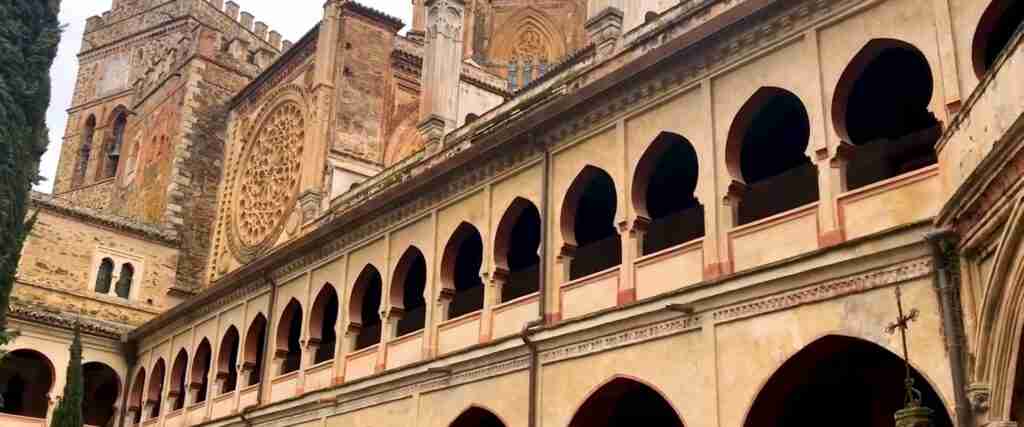
3 days
Andalucia 3-Day Discovery Tour
- ✓ Comprehensive Andalucia experience
- ✓ Expert local guides included
- ✓ All accommodation included
- ✓ Transportation provided

5 days
Andalucia 5-Day Highlights Experience
- ✓ Comprehensive Andalucia experience
- ✓ Expert local guides included
- ✓ All accommodation included
- ✓ Transportation provided
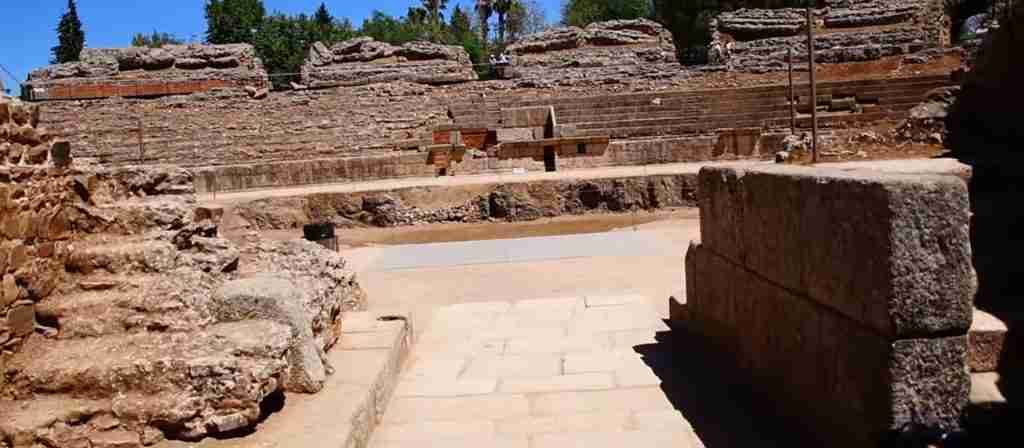
7 days
Andalucia 7-Day Cultural Journey
- ✓ Comprehensive Andalucia experience
- ✓ Expert local guides included
- ✓ All accommodation included
- ✓ Transportation provided
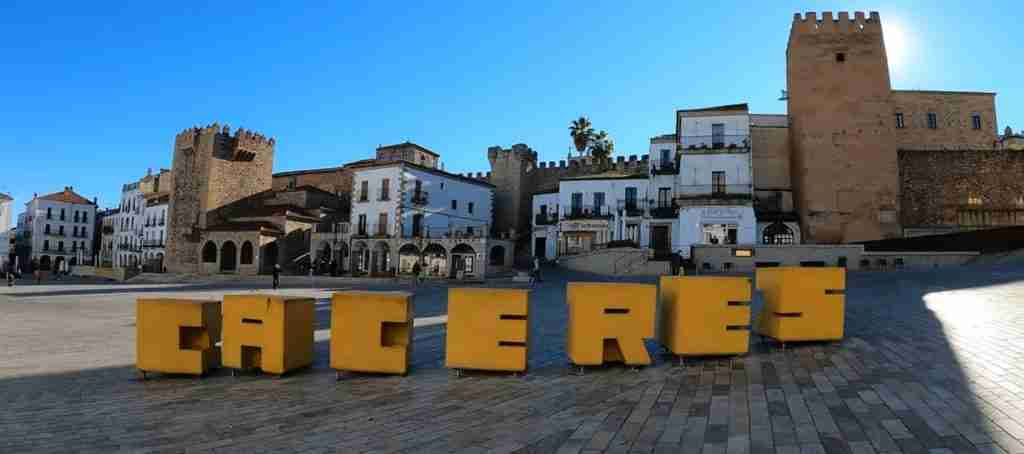
10 days
Andalucia 10-Day Complete Adventure
- ✓ Comprehensive Andalucia experience
- ✓ Expert local guides included
- ✓ All accommodation included
- ✓ Transportation provided
Multi-day tour packages powered by TourRadar. Prices and availability subject to change.
Essential Planning Information for Free Mérida Activities 2026
Understanding Mérida’s UNESCO Archaeological Ensemble
The Archaeological Ensemble of Mérida achieves UNESCO World Heritage status through exceptional preservation of Roman provincial capital urbanism, where 15 major monuments demonstrate empire administration, entertainment, religion, engineering, and daily life from 25 BCE through late antiquity. The ensemble encompasses three primary zones: the monumental center containing theater, amphitheater, and forum; the residential and commercial districts with villa remains and infrastructure; and the peripheral engineering works including aqueducts, reservoirs, and defensive installations. This integrated urban landscape allows comprehensive understanding of Roman civilization’s organizational principles and technological achievements across three centuries of Lusitanian capital dominance.
Free access opportunities concentrate along these zones’ exterior boundaries and public infrastructure elements, where significant archaeological visibility exists without requiring controlled monument entry. The Roman Bridge, aqueduct systems, city wall sections, and scattered temple remains occupy public spaces that maintain their original urban planning functions—streets, crossings, water supply, and civic gathering areas. Understanding this archaeological geography enables strategic route planning that maximizes visible heritage exposure while respecting controlled access areas requiring admission fees for interior exploration and artifact preservation.
Optimal Timing for Free Archaeological Exploration in 2026
Weather patterns significantly influence free outdoor activity comfort across Mérida’s seasonal extremes. Spring months (March-May 2026) provide ideal temperatures of 15-25°C with minimal rainfall, when extended daylight supports morning through evening archaeological walks without heat exhaustion risks. Summer heat (June-August) reaches 35-40°C during afternoon hours, requiring morning (7:00-11:00) and evening (19:00-22:00) activity scheduling with midday siesta breaks following local customs. Autumn (September-November) offers comfortable 18-28°C temperatures with September’s heritage festivals and October’s optimal photography lighting for golden-hour monument documentation.
Winter months (December-February 2026) present cooler 8-15°C conditions requiring layered clothing but delivering tourist-free archaeological sites and enhanced photographic opportunities under dramatic cloud formations. Sunrise timing varies from 6:45 (June) to 8:30 (January), while sunset ranges from 21:45 (summer) to 18:00 (winter), affecting available daylight hours for architectural photography and extended walking tours. Monday closures affect controlled monuments but not free-access public infrastructure, while Tuesday afternoon free-entry periods (16:00-19:00 April-September) influence visit timing for strategic partial paid access combined with extensive free exploration.
Getting Around Mérida Without Transportation Costs in 2026
Mérida’s compact 2.5-kilometer historic center concentrates UNESCO monuments within comfortable walking distance, eliminating public transport expenses for archaeological exploration. The Roman Bridge marks the southern entry point, from which Plaza de España lies 600 meters north through medieval street patterns, while the theater and amphitheater complex stands 400 meters northeast of the central square. The Miracle Aqueduct requires a 1.8-kilometer walk northwest from city center, manageable as a 25-minute stroll through residential neighborhoods with minimal elevation change across the Guadiana River valley floor.
Walking routes follow ancient Roman street alignments preserved through continuous urban occupation, where Decumanus Maximus (modern Calle Santa Eulalia) and Cardo (Calle Trajano) maintain original imperial grid planning. Pedestrianized zones throughout the historic center eliminate vehicle traffic concerns while providing shaded arcades and frequent plaza rest stops for extended exploration. The Guadiana River parkland offers riverside paths connecting the Roman Bridge, Alcazaba fortress, and Lusitania Bridge (modern crossing) through 3-kilometer greenway ideal for sunset walks and morning jogging combining exercise with archaeological viewpoint access at zero cost.
Free Roman Monuments and Archaeological Sites 2026
Roman Bridge Complete Experience
The Puente Romano dominates Mérida’s southern approach as Spain’s longest surviving Roman bridge, where 60 granite arches span 792 meters across the Guadiana River from original 25 BCE construction. Free pedestrian access extends complete bridge length, offering mid-river viewpoints toward the Alcazaba fortress, medieval tower refuges, and Casa del Mitreo archaeological zone. Early morning visits (7:00-9:00) capture sunrise illumination of eastern arch sequences while avoiding summer heat, when bridge pavement temperatures exceed comfortable walking conditions by midday.
The bridge’s engineering sophistication reveals itself through varying arch heights accommodating seasonal water level fluctuations, massive pier foundations visible during summer low-water periods, and strategic cutwaters protecting structural integrity against flood forces. Medieval modifications include the central defensive tower and 17th-century baroque chapel, demonstrating continuous bridge utility across 2,000 years of river crossing necessity. Sunset viewing from the eastern bank (Parque de las Siete Sillas) provides dramatic photography angles where bridge silhouette frames against amber skies, while nighttime illumination creates romantic walking opportunities popular with local couples and photographers seeking long-exposure light trail compositions.
Acueducto de los Milagros Public Access
The Miracle Aqueduct presents Mérida’s most photographically dramatic free monument, where 38-meter-tall triple arches demonstrate Roman hydraulic engineering mastery supplying water from Proserpina Reservoir. The primary viewing area along Avenida Via de la Plata offers unobstructed access to the tallest standing sections, where granite pillars and brick arch construction create striking geometric patterns against sky backgrounds. Morning light (8:00-11:00) provides optimal photography conditions when eastern illumination emphasizes textural details and dimensional depth through shadow contrast.
A secondary aqueduct section (Acueducto de San Lázaro) stands 500 meters south, where lower arches and different construction periods demonstrate technological evolution across imperial centuries. Free walking paths connect both aqueduct zones through residential neighborhoods, where interpretive panels explain gravitational flow systems, maintenance procedures, and the 12-kilometer supply route engineering. Spring wildflower growth around aqueduct bases creates colorful foreground elements for photography, while winter rainfall fills ancient stone channels with water demonstrating original hydraulic function. Bird nesting in upper arch spaces during April-June brings wildlife observation opportunities, where lesser kestrels and spotless starlings inhabit Roman stonework uninterrupted since construction completion.
Temple of Diana and Forum Area
The Temple of Diana stands prominently in central Mérida as the city’s best-preserved Roman religious structure, where six Corinthian columns and partial architrave remain visible from all street approaches without access restrictions. The 1st-century CE construction served imperial cult worship, later incorporated into 16th-century Renaissance palace construction that ironically preserved the temple from medieval demolition affecting other forum monuments. Free viewing from surrounding sidewalks reveals classical proportions, decorative capital details, and the ingenious architectural integration spanning 1,500 years of construction history.
The adjacent forum area exposes archaeological excavations visible from street level, where foundation outlines and column bases indicate the ancient civic center’s original extent. Interpretive panels explain forum functions—political assemblies, commercial transactions, judicial proceedings—that occurred within this urban heart across three centuries of Roman provincial administration. Evening visits benefit from illumination systems highlighting architectural elements invisible during daylight hours, while nearby Plaza de España provides café seating with direct temple views ideal for leisurely observation while enjoying budget-friendly beverage purchases.
Roman Circus External Sections
The Roman Circus (chariot racing stadium) reveals substantial external architecture from public streets surrounding the archaeological site, where 400-meter-long walls and entrance gate foundations demonstrate the venue’s massive scale accommodating 30,000 spectators. Free viewing from Avenida Juan Carlos I exposes the circus’s western wall with preserved seating tier supports, while northern perimeter access shows starting gate mechanisms and competitor preparation areas. Though interior access requires admission, external perspectives convey the monument’s urban dominance and entertainment significance within Roman social culture.
The circus’s elongated oval plan remains readable from surrounding elevated viewpoints, where modern street patterns preserve the ancient structure’s footprint despite residential development. Foundation excavations visible through perimeter fencing demonstrate construction techniques using opus caementicium (Roman concrete) and massive stone blocks capable of supporting multi-story seating frameworks. Interpretive signage explains chariot racing procedures, faction competitions, and the circus’s role in imperial propaganda through sponsored games maintaining public support for provincial administration. Winter afternoon visits avoid summer heat while providing clearer views through deciduous vegetation that obscures wall sections during growing season.
Free Walking Routes Through Roman Mérida 2026
Historic Center Archaeological Circuit
A comprehensive self-guided walking route connects Mérida’s major free-access monuments through 4-kilometer circuit requiring 2.5-3 hours for complete exploration with photography stops. Beginning at the Roman Bridge’s southern approach, the route proceeds north along Calle Puente Romano to Plaza de España, where the Temple of Diana and forum excavations provide central historic district context. Continuing northeast via Calle Santa Eulalia (ancient Decumanus) reaches the theater and amphitheater complex, where exterior walls and entrance architecture remain visible without admission fees.
The circuit extends north to the Alcazaba fortress for exterior rampart photography, then west through residential zones to the Miracle Aqueduct’s impressive arch sections. Returning south along Avenida Extremadura connects to the circus area before completing the loop at the Roman Bridge for sunset viewing. This route encompasses eight major monuments, numerous street-level archaeological excavations, and preserved Roman urban grid patterns demonstrating provincial capital planning sophistication. Strategic cafe stops at Plaza de España and Parque de las Siete Sillas provide rest opportunities with historical ambiance, while public restrooms near tourist office and major monuments eliminate facilities concerns during extended walking.
Guadiana River Parkland Trail
The river parkland offers a 5-kilometer linear trail connecting the Roman Bridge with Proserpina Reservoir’s southern approaches, providing natural scenery integration with archaeological infrastructure viewing. Beginning at Parque de las Siete Sillas along the eastern riverbank, the trail follows paved and gravel paths north through riparian habitats where bird watching opportunities include white storks, gray herons, and seasonal waterfowl migrations. The Alcazaba fortress dominates eastern perspectives, while western views encompass medieval and modern Mérida development patterns.
Trail segments pass beneath modern Lusitania Bridge while revealing Roman bridge foundations exposed during low water periods, where construction techniques and repair additions across centuries become visible through seasonal river level variations. The northern trail sections reach suburban zones where aqueduct supply routes and ancient quarry sites integrate with contemporary recreational infrastructure. This route suits morning jogging, afternoon cycling (bike rentals available outside historic center), and sunset strolls combining exercise with archaeological appreciation at zero cost beyond optional bicycle fees.
Medieval Mérida Integration Walk
A specialized 3-kilometer route explores medieval and Moorish contributions to Mérida’s architectural heritage, demonstrating continuous urban occupation across Islamic and Christian periods. Starting at the Alcazaba fortress (exterior viewing), the walk proceeds through the judería (former Jewish quarter) with its narrow street patterns and whitewashed architecture contrasting Roman monumental scale. The 13th-century Santa María la Mayor basilica incorporates Roman temple columns into Christian construction, visible during church opening hours (9:00-13:00, 17:00-20:00) without admission fees.
The route continues through Plaza de España to the Arch of Trajan, a monumental gateway integrating Roman foundations with medieval modifications. Eastern progress along Calle Trajano (ancient Cardo) reveals casa-palacio facades from 15th-17th centuries, where aristocratic architecture employs recycled Roman columns and capitals. The circuit concludes at Puerta de la Villa, a preserved medieval city gate demonstrating defensive architecture evolution from Roman military engineering precedents. This walk provides cultural continuity understanding across 2,000 years of urban development, accessible entirely through public streets and open church hours without paid monument admission.
Free Cultural Experiences and Local Immersion 2026
Municipal Market and Food Culture
The Mercado de Calatrava operates Tuesday-Saturday 8:00-14:00 as Mérida’s central food market, where traditional vendor culture and Extremaduran specialty products create authentic immersion without requiring purchase commitments. The market’s 1930s architecture features wrought-iron framework and tile decorations worth appreciating architecturally, while vendor interactions demonstrate regional dialect and commercial customs unchanged across generations. Sampling opportunities include olive varieties, cured meats (jamón ibérico), sheep cheeses (Torta del Casar), and seasonal produce reflecting agricultural rhythms in surrounding dehesa landscapes.
Budget travelers source picnic provisions for archaeological site lunches, where bread, cheese, olives, and fruit cost €8-12 per person versus €15-25 restaurant meals. Morning market visits (9:00-11:00) capture peak activity when vendors arrange displays and locals conduct daily shopping, providing superior people-watching versus late-morning depleted inventory periods. The adjacent streets contain traditional shops selling Extremaduran ceramics, textiles, and agricultural tools, where window shopping reveals regional craft traditions without purchase pressure from welcoming but uninsistent proprietors.
Evening Paseo and Plaza Culture
The traditional Spanish paseo reaches peak activity 20:00-22:00 throughout Mérida’s historic center, when multigenerational families promenade through pedestrianized streets demonstrating social customs dating to medieval urban culture. Plaza de España serves as the primary gathering point, where café terrace seating surrounds the square while pedestrians circulate in established counter-clockwise patterns. Participation costs nothing beyond optional beverage purchases, though claiming café seating requires consumption commitments of €2-4 for coffee, soft drinks, or beer.
The paseo tradition provides cultural anthropology opportunities observing courtship rituals, family interactions, and generational fashion expressions impossible to experience through monument tourism alone. Summer evening timing extends to midnight during July-August, when plaza culture intensifies around the Classical Theater Festival’s performance schedules and visiting theater companies mingling with local audiences. Free outdoor seating in Parque de las Siete Sillas offers alternative gathering spaces where guitar players, informal soccer games, and picnicking groups create community atmosphere welcoming respectful visitor observation and participation.
Church and Religious Architecture Access
Mérida’s historic churches provide free architectural and artistic access during religious service hours and designated visiting periods, where significant cultural heritage exists independent of archaeological monuments. Santa María la Mayor basilica occupies the forum’s former temple precinct, where Roman columns integrate into Gothic and Renaissance construction demonstrating architectural continuity across religious transitions. Free access occurs during morning mass (9:00-10:00) and evening services (19:00-20:00), plus midday visiting hours (11:00-13:00) when respectful tourism coexists with worship functions.
The Concatedral de Santa María features baroque altarpieces, 16th-century choir stalls, and sacred art collections accessible without admission fees during open hours. Church visits require modest dress (covered shoulders, no shorts) and silent observation during services, though photography permissions vary by specific church policies. The convento de Santa Clara and other religious institutions occasionally open for cultural programming during heritage festivals, while regular Sunday masses (10:00-13:00) provide sacred music experiences featuring organ performances and choral traditions dating to medieval liturgical practices.
Strategic Free-Entry Opportunities 2026
International Museum Day – May 18, 2026
International Museum Day provides the year’s premier free-access opportunity to Mérida’s controlled archaeological sites, when all National Museum of Roman Art facilities and associated monuments open without admission charges. The complete Conjunto Monumental including Roman Theater, Amphitheater, Casa del Mitreo, Alcazaba, and Cryptoporticus welcome visitors 9:30-20:00, eliminating the standard €15 combined ticket cost. The National Museum itself extends hours to 21:00, allowing evening access to Spain’s premier Roman artifact collections including sculpture, mosaics, glass, ceramics, and daily life objects.
Strategic planning maximizes this single-day opportunity through early arrival (9:30) at the theater-amphitheater complex, where morning light provides optimal photography conditions and minimal crowding enables intimate monument experiences. Midday museum visits avoid peak sun exposure while accessing climate-controlled exhibition halls, then afternoon return to Casa del Mitreo and Alcazaba completes comprehensive site coverage. Advanced reservation (free) through museo.mnar.es prevents entry delays, though walk-up access remains possible depending on capacity limits. Visitors should verify 2026 specific dates through official channels, as International Museum Day occasionally shifts dates around May 18 depending on weekend proximity.
European Heritage Days – September 2026
European Heritage Days during September 2026 extend free monument access across a weekend celebration of cultural patrimony, with specific dates announced spring 2026 through Ministry of Culture programming. Past years featured Saturday-Sunday free entry to all state-managed heritage sites, supplemented by special guided tours, archaeological demonstrations, and cultural programming highlighting conservation efforts and historical research discoveries. The event attracts significant local and regional visitors, requiring early arrival and potential queuing for popular monuments like the Roman Theater.
Heritage Days programming includes normally restricted areas such as theater backstage zones, amphitheater gladiator tunnels, and archaeological storage facilities where artifact conservation occurs out of public view. Expert-led tours explore construction techniques, restoration challenges, and UNESCO World Heritage management strategies through sessions conducted in Spanish with occasional English availability. The weekend atmosphere combines serious heritage appreciation with festive cultural celebration, where period costume demonstrations, Roman cooking displays, and craft workshops create family-friendly educational environments. Budget travelers benefit from €30-40 savings on monument admissions plus valuable specialized access unavailable during standard visiting periods.
Tuesday Afternoon Free Access Periods
Tuesday afternoons between April-September 2026 offer free admission to Spanish and EU citizens from 16:00-19:00 at major archaeological sites, though international visitors from outside the European Union pay standard rates during these periods. Spanish citizens and EU residents carrying valid identification documents access the Roman Theater, Amphitheater, Casa del Mitreo, and Alcazaba without charges during these designated hours, representing significant savings for European travelers willing to adjust visit timing around this weekly opportunity.
The afternoon access period provides three hours of monument exploration under favorable spring-autumn lighting conditions, when western sun angles create dramatic shadows enhancing architectural photography and relief sculpture visibility. Crowd levels during Tuesday late afternoons remain moderate as most tourists follow morning visit patterns, allowing more intimate experiences with reduced group tour presence. International travelers ineligible for free Tuesday access can still benefit from reduced crowding and exceptional photography conditions by purchasing tickets for the same afternoon period, combining ticket cost with enhanced quality experiences impossible during peak morning hours when tour groups dominate major monuments.
Photography and Documentation Without Costs 2026
Optimal Photography Locations and Timing
Mérida’s free-access monuments provide exceptional photography opportunities across varied lighting conditions and seasonal atmospheric effects. The Roman Bridge achieves optimal morning documentation from eastern bank viewpoints (Parque de las Siete Sillas) during 7:00-9:00 golden hour, when low-angle sunlight illuminates western arch faces while eastern sky provides balanced exposure contrast. Sunset photography from the bridge itself captures amphitheater and Alcazaba silhouettes against western skies, requiring positioning on southern span sections for unobstructed horizon views.
The Miracle Aqueduct demands morning light (8:00-11:00) emphasizing granite texture and brick arch details through directional illumination, while afternoon backlight creates dramatic silhouettes suitable for artistic interpretations. The Temple of Diana photographs well throughout the day from multiple street approaches, though evening illumination (activated 20:00-midnight) reveals architectural details invisible during daylight while eliminating tourist presence for clean architectural documentation. Winter months provide enhanced dramatic photography through cloud formations and occasional rain creating reflective pavement surfaces amplifying monument reflections, though equipment protection becomes essential during precipitation events.
Smartphone Photography Techniques
Modern smartphone cameras deliver professional-quality archaeological documentation without additional equipment costs, though technical understanding maximizes image quality. Morning and evening golden hours provide naturally balanced lighting eliminating harsh midday shadows that create exposure challenges on highly contrasted ancient stonework. Portrait mode capabilities blur backgrounds emphasizing architectural details while creating depth perception comparable to professional lens effects, particularly effective for column capital decorations and relief sculpture documentation.
HDR (High Dynamic Range) functions combat extreme brightness variations between illuminated stone surfaces and shadowed recesses common in Roman architecture, automatically merging multiple exposures for balanced tonal range. Panorama features capture the Roman Bridge’s complete 792-meter length or aqueduct’s impressive vertical scale impossible to convey through standard horizontal compositions. Night mode enables handheld long-exposure photography of illuminated monuments without tripod requirements, though bracing against stable surfaces improves sharpness during multi-second exposures. Free editing apps including Snapseed and Adobe Lightroom Mobile allow post-capture adjustments optimizing contrast, color balance, and perspective corrections for professional-quality archaeological documentation.
Social Media and Content Creation Opportunities
Mérida’s photogenic archaeological heritage provides content creation opportunities for travel bloggers, Instagram photographers, and video documentarians without location fees or filming restrictions in public spaces. The Roman Bridge’s dramatic arch sequences create natural leading lines for compositional depth, while human figure inclusion provides scale reference emphasizing monument dimensions. Sunrise and sunset time-lapse photography from riverbank viewpoints captures changing light quality across the bridge’s granite spans, delivering dynamic content impossible through static images.
The Miracle Aqueduct’s towering arches frame against sky backgrounds ideal for drone photography, though flight restrictions exist near controlled monument airspace requiring verification through local authorities before aerial filming. Video walk-throughs connecting multiple monuments demonstrate Mérida’s archaeological concentration while providing valuable planning resources for future travelers, establishing content creators as authentic destination experts. Social media geotagging promotes Mérida’s UNESCO heritage to international audiences while building follower engagement around archaeological tourism themes, potentially generating partnership opportunities with tourism boards and heritage organizations valuing authentic destination promotion through independent creator content.
Seasonal Free Activities and Events 2026
Classical Theater Festival Cultural Programming
The Festival Internacional de Teatro Clásico de Mérida runs July-August 2026, bringing professional theater companies performing Greek and Roman classics within the ancient Roman Theater’s original performance space. While ticketed performances cost €15-45, extensive free cultural programming surrounds festival operations including street theater demonstrations in Plaza de España, costume exhibitions, and period music performances in public squares. The festival atmosphere transforms Mérida’s historic center into a living theater community, where actors, directors, and audiences mingle throughout pedestrianized streets creating electric cultural energy.
Free outdoor concerts occur weekend afternoons (18:00-20:00) in Parque de las Siete Sillas, where classical music ensembles and folk groups perform beside the Roman Bridge without admission charges. The festival market along Paseo de Roma features craft vendors selling handmade goods, traditional foods, and cultural artifacts while street performers entertain through juggling, acrobatics, and improvisational comedy appropriate for all ages. Evening plaza gatherings (22:00-midnight) after theater performances allow conversation with theater professionals and fellow culture enthusiasts, while late-night bar culture extends around historic center’s tapas establishments creating festival community impossible to experience outside July-August concentration.
Spring Wildflower Season Archaeological Walks
March-May 2026 brings spectacular wildflower blooms throughout Mérida’s archaeological zones, when Mediterranean climate patterns combine with winter rainfall creating explosions of poppies, chamomile, wild iris, and endemic Extremaduran species. The Miracle Aqueduct’s surrounding fields achieve peak bloom mid-April through early May, when red poppy carpets contrast against granite pillars and blue skies creating photographically stunning natural-archaeological fusion. The Roman circus area develops wildflower meadows between excavated foundations, accessible through perimeter pathways allowing close observation of seasonal botanical diversity.
Riverbank trails bloom with riparian species including oleander, wild rose, and purple loosestrife, while abandoned agricultural terraces near aqueduct routes host traditional Mediterranean herbs—rosemary, thyme, lavender—creating aromatic walking experiences. Free botanical walks organized by local naturalist groups occur April weekends (10:00-12:00), departing from tourist office for guided meadow explorations identifying native plants and explaining traditional medicinal uses in Extremaduran folk culture. These walks require advance registration through museo.mnar.es but charge no participation fees, offering educational value complementing archaeological heritage through environmental and ethnobotanical perspectives unavailable through monument tourism alone.
Winter Holiday Illuminations and Celebrations
December 2026 through January 2027 brings elaborate holiday illumination programs transforming Mérida’s monuments into spectacular nighttime displays without viewing charges. The Roman Bridge receives complete lighting installation where individual arches illuminate in rotating color sequences synchronized to classical music broadcasts, creating dramatic evening viewing experiences from riverbank viewpoints. Plaza de España installations feature traditional nativity scenes (belenes) incorporating regional craftsmanship and biblical narratives interpreted through Extremaduran cultural traditions, open 24 hours for free viewing throughout holiday season.
New Year’s Eve celebration concentrates in Plaza de España, where midnight countdown and twelve grapes tradition (eating one grape per bell toll) welcomes January 1 through community gathering impossible to experience independently. The event requires no admission, though claiming favorable viewpoints demands 22:00-23:00 arrival accommodating crowd assembly. Three Kings Day (Epiphany, January 6) brings evening parade through historic streets where elaborate floats, costumed performers, and candy distribution create family-friendly spectacle mixing religious tradition with community celebration, concluding the extended holiday period characterizing Spanish December-January cultural calendar.
Budget Dining and Picnic Strategies 2026
Market-Sourced Picnic Assembly
Archaeological site picnicking eliminates restaurant costs while providing flexibility for extended monument exploration throughout optimal visiting hours. The municipal market offers complete meal components—bread (€1-2), Extremaduran cheese (€4-6 per 200g portion), cured meats (€5-8 per 150g), seasonal fruit (€2-3), and olives (€3-4 per 250g)—assembling €8-12 per person picnic meals versus €15-25 restaurant equivalents. Local bread varieties including hogaza (dense wheat loaf) and torta de aceite (olive oil flatbread) provide authentic regional specialties unavailable through tourist-oriented restaurants.
Optimal picnic locations include Parque de las Siete Sillas along the eastern riverbank, where shaded seating, Roman Bridge views, and public facilities support comfortable al fresco dining. The Miracle Aqueduct’s surrounding meadows offer dramatic monument backdrops for memorable outdoor meals, though visitors must pack out all waste maintaining site cleanliness. Spring and autumn temperatures (15-25°C) support midday outdoor dining, while summer heat demands morning (8:00-10:00) or evening (19:00-21:00) picnic timing when ambient conditions enable comfortable extended outdoor meal experiences. Wine purchases (€3-6 per bottle at supermarkets) complement picnic provisions, though glass containers require careful handling and responsible disposal following environmental protection principles.
Budget Bar and Café Strategies
Strategic café selection provides cultural immersion and rest breaks without excessive dining costs throughout Mérida exploration. Standing bar service at traditional establishments costs 30-40% less than terrace table seating, where a café con leche at the bar costs €1.20-1.50 versus €2-2.50 at tables. Morning coffee and pastry (tostada con tomate, churros) ranges €2.50-4 at neighborhood bars versus €5-7 at plaza tourist establishments, with comparable quality and superior local character among regular neighborhood clientele.
Afternoon snacking follows Spanish tapa culture, where small plates (€2-4) accompany beverage orders creating light meal experiences versus formal restaurant commitments. Extremaduran specialties include migas (breadcrumb dish, €3-5), caldereta (lamb stew sample, €4-6), and revuelto de espárragos (scrambled eggs with wild asparagus, €5-7) providing authentic regional cuisine introduction. Free tapa service continues at some traditional establishments, where each drink order (beer €2, wine €2.50) includes complimentary small plate—olives, potato chips, cheese cubes—stretching beverage budgets while sampling local flavors. Evening bar-hopping (21:00-23:00) through side streets away from Plaza de España discovers neighborhood establishments where prices drop significantly while authentic local culture intensifies beyond tourist-oriented center establishments.
Practical Free Resources and Services 2026
Tourist Information and Planning Support
The municipal tourist office (Oficina de Turismo) operates at Paseo Álvarez Sáenz de Buruaga beside the Roman Theater entrance, providing free maps, event calendars, monument information, and personalized itinerary planning Monday-Saturday 9:00-14:00, 16:00-19:00 (extended summer hours). English-speaking staff assist with accommodation recommendations, transportation connections, and dining suggestions without promoting specific commercial interests, offering unbiased destination expertise unavailable through hotel concierges or tour operators. Comprehensive city maps detail all free-access monuments, public facilities, parking areas, and walking routes connecting archaeological sites through pedestrian-friendly pathways.
Free smartphone apps including “Mérida Romana” provide self-guided audio tours, augmented reality monument reconstructions, and historical context for major sites accessible through iOS and Android platforms. The app delivers Spanish, English, French, and German language support, eliminating paid guided tour expenses (€10-15 per person) while allowing self-paced exploration matching individual interests and energy levels. QR codes throughout the archaeological ensemble link to detailed monument information, construction histories, and archaeological research discoveries, transforming any smartphone into a comprehensive interpretive device requiring only data connectivity or pre-downloaded content files.
Public Facilities and Comfort Resources
Public restroom facilities operate near major monuments and plaza areas without usage fees, located at the Roman Theater visitor center, Plaza de España underground facilities, and Parque de las Siete Sillas. These facilities maintain reasonable cleanliness standards though toilet paper and soap supplies vary, warranting pocket tissue carrying for guaranteed comfort. Water fountains throughout the historic center provide free drinking water refills, though summer temperatures demand substantial hydration with 2-3 liters daily consumption recommended for extended outdoor archaeological exploration.
Shaded rest areas include plaza arcades, park benches under mature trees, and church porticos offering relief from summer sun exposure without cost commitments. Free WiFi operates throughout Plaza de España and major monuments through municipal networks requiring simple registration, allowing real-time information access, social media posting, and digital navigation without mobile data charges. Public charging stations near tourist office and major café areas support smartphone battery maintenance throughout extended exploration days, though portable battery packs provide independence from fixed charging locations during remote aqueduct or circus area visits.
Safety and Health Considerations
Mérida maintains excellent public safety standards with minimal tourist-targeted crime, though standard precautions regarding pickpocketing in crowded areas and unattended belongings apply throughout historic center. The city’s modest size (60,000 residents) creates community atmosphere where local residents monitor public spaces and assist disoriented visitors without expectation of compensation. Police presence concentrates around major monuments and nighttime plaza areas, providing visible security reassurance without oppressive enforcement approaches characterizing some tourist destinations.
Health services include Centro de Salud Mérida-Urbano I offering public medical care for emergencies, while pharmacies throughout the historic center supply over-the-counter medications, sunscreen, and basic first aid supplies without prescription requirements for most products. Summer heat exhaustion represents the primary health risk for extended outdoor activity, requiring frequent shade breaks, substantial water consumption, and awareness of symptoms including dizziness, nausea, and disorientation warranting immediate rest and rehydration. Spring and autumn conditions present minimal health concerns beyond standard travel precautions, while winter months require awareness of evening temperature drops to 5-8°C demanding layered clothing for comfortable extended outdoor walking after sunset.
Sample Free Day Itineraries 2026
Complete One-Day Free Archaeological Experience
A comprehensive free exploration day combines major monuments, cultural experiences, and strategic timing maximizing Mérida’s heritage without admission costs. Begin 7:30-8:00 with sunrise at the Roman Bridge’s eastern viewpoint (Parque de las Siete Sillas), where golden hour light illuminates western arches while morning calm provides meditative monument appreciation. Walk the bridge’s complete length (20 minutes) examining construction details and enjoying mid-river perspectives toward the Alcazaba fortress and medieval city silhouettes.
Proceed to the municipal market (opens 8:00) for breakfast provisions—fresh bread, local cheese, fruit—assembling picnic components for later consumption while experiencing authentic vendor culture. By 9:00, visit the Temple of Diana and forum excavations for morning photography under favorable northeastern light, then continue to the Roman Theater and Amphitheater complex for exterior architecture documentation from public viewpoints. Late morning (11:00) reaches the Miracle Aqueduct, where dramatic arch perspectives photograph well under midday vertical light emphasizing structural height and engineering sophistication.
Midday break (12:00-16:00) follows Spanish customs, with market-sourced picnic in shaded park areas during peak heat hours. Resume exploration 16:00 with the circus area’s external walls and foundation viewing, then proceed through medieval quarter examining church architecture during late afternoon visiting hours (17:00-19:00 at Santa María la Mayor). Conclude with evening paseo participation in Plaza de España (20:00-21:30), observing local social customs while enjoying budget café seating, followed by sunset return to the Roman Bridge for nighttime illumination photography (after 21:00 in summer, 19:00 in winter). Total day cost: €10-15 (market food, café beverages) for comprehensive archaeological and cultural experience requiring no monument admissions.
Strategic International Museum Day Maximization
May 18, 2026 demands careful planning to fully utilize all free-access opportunities across Mérida’s controlled monuments and museum collections. Arrive at Roman Theater-Amphitheater complex by 9:30 opening, immediately entering the theater for morning light photography in the scaenae frons and cavea sections. Spend 90 minutes exploring performance spaces, backstage areas, and museum exhibits normally requiring €15 combined ticket admission. By 11:00, transition to adjacent Amphitheater for gladiatorial arena exploration, underground passage access, and seating tier examination requiring additional 60-90 minutes for complete coverage.
Midday (12:30-14:30) visits the National Museum of Roman Art for climate-controlled exhibition hall viewing during peak outdoor temperatures, where exceptional mosaic, sculpture, and daily life artifact collections represent Spain’s premier Roman provincial capital material culture. The museum’s distinctive 1980s Rafael Moneo architecture deserves appreciation alongside artifact collections, where brick vaulting and natural light create dramatic exhibition spaces worthy of architectural study independent of displayed objects.
Afternoon returns outdoors (15:00) to Casa del Mitreo, where well-preserved domestic architecture, cosmological mosaics, and garden reconstructions demonstrate upper-class residential life standards. By 16:30, visit the Alcazaba fortress for Moorish period architecture and panoramic city views from rampart walkways. Final stop (18:00) reaches the Cryptoporticus, an underground gallery system supporting the forum’s monumental architecture, before museum closing at 20:00 (extended hours for International Museum Day). Conclude the evening with celebration dinner (budget €15-20) acknowledging the €30-40 admission savings achieved through strategic free-entry day utilization. Total day cost: €15-20 for meals while accessing €45 worth of premium archaeological sites and museum collections.
Nature and Archaeology Combination Walk
A specialized itinerary balances archaeological heritage with natural landscape exploration along the Guadiana River corridor, suitable for visitors seeking environmental diversity complementing monument concentration. Begin 8:00 with Parque de las Siete Sillas riverside path heading north, where birding opportunities include white storks nesting on Roman ruins, cormorants fishing in river shallows, and seasonal migrations bringing waterfowl variety March-May and September-October. The 5-kilometer trail reaches suburban zones by 10:00, where aqueduct supply routes and ancient quarry sites integrate archaeological interest with riparian habitat observation.
Return south (11:00) via alternative eastern bank paths, stopping at the Roman Bridge for mid-morning photography and architectural examination. Cross to western bank via the modern Lusitania Bridge, where elevated viewpoints provide dramatic perspective toward the Alcazaba fortress and historic center skylines. Afternoon exploration (14:00-17:00) focuses on wildflower areas surrounding the Miracle Aqueduct and circus zones, where seasonal botanical displays create photographically spectacular monument contexts impossible during winter dormancy or summer heat-stressed conditions.
Evening progression (18:00) enters the historic center for church visits, plaza culture observation, and sunset viewing from the Roman Bridge’s western approach. The combination walk totals 10-12 kilometers across moderate terrain with minimal elevation change, suitable for average fitness levels while delivering diverse experiences balancing natural environment, archaeological infrastructure, and urban cultural immersion. Total day cost: €8-12 for market-sourced snacks and water, with optional budget dinner (€12-18) in neighborhood establishments away from tourist center premium pricing. This itinerary particularly suits spring and autumn seasons when comfortable temperatures, wildflower displays, and bird migration activity maximize outdoor experience quality.
FAQ: Mérida Spain Free Things to Do 2026
How many UNESCO monuments can you visit for free in Mérida?
Visitors access significant portions of eight UNESCO-listed monuments through free public viewing: the complete Roman Bridge, extensive Miracle Aqueduct sections, Temple of Diana exterior, circus external walls, city wall segments, forum excavations, aqueduct of San Lázaro, and Proserpina reservoir dam (5 kilometers north). Additional monuments including the theater, amphitheater, Casa del Mitreo, and Alcazaba require admission tickets though offer partial exterior viewing from public streets. Strategic timing around International Museum Day and European Heritage Days provides complete free access to controlled monuments on designated dates.
What’s the best free activity in Mérida during summer 2026?
Walking the Roman Bridge at sunset delivers Mérida’s premier free experience during summer months, when evening timing (21:00-22:00 in July-August) provides comfortable temperatures, dramatic western light illuminating ancient stonework, and atmospheric Guadiana River views. The bridge walk combines architectural appreciation, engineering study, photography opportunities, and romantic ambiance without cost or time restrictions. Following bridge exploration, the Classical Theater Festival’s free outdoor programming in Plaza de España and Parque de las Siete Sillas extends cultural engagement through period music performances, costume exhibitions, and street theater demonstrations unavailable outside summer festival season.
Can you photograph inside Mérida’s Roman Theater without paying admission?
Photography from outside the Roman Theater captures impressive scaenae frons architecture, upper seating tier sections, and monumental gateway structures through perimeter viewing positions along adjacent streets. However, complete theatrical space documentation including orchestra floor, stage details, and comprehensive cavea (seating) perspectives requires paid admission (€15 for Conjunto Monumental ticket in 2026, check official website for current rates). International Museum Day (May 18) and European Heritage Days (September 2026) provide free interior access with unrestricted photography permissions, representing optimal opportunities for comprehensive visual documentation without admission costs.
Are there free guided tours in Mérida during 2026?
Municipal free walking tours operate May-September on Saturday mornings (11:00 departure from tourist office), covering major monuments, historical context, and architectural highlights through 90-minute Spanish-language presentations. English-language tours require advance arrangement through the tourist office depending on guide availability, though smartphone apps provide equivalent self-guided content with multilingual support at no cost. Private tour companies occasionally offer free introductory walks (requiring tip payment €5-10 per person) as marketing for paid specialized tours, while university archaeology students sometimes lead informal study group walks welcoming respectful visitor participation without charges beyond optional donations supporting student research projects.
What free activities suit families with children in Mérida?
The Roman Bridge walk appeals to all ages through manageable length (20-25 minutes complete crossing), river views, and dramatic arch structures capturing children’s imagination about ancient engineering. The Guadiana River parklands offer playgrounds, open grass areas for informal games, and duck feeding opportunities at riverside edges (bring bread from market purchases). The municipal market provides sensory experiences—colors, smells, vendor interactions—engaging young travelers in cultural discovery, while Plaza de España’s evening paseo demonstrates Spanish family social customs through multigenerational promenade participation. July-August Classical Theater Festival includes free children’s workshops, costume demonstrations, and street performances specifically designed for young audiences, creating family-friendly cultural programming supplementing monument tourism.
Can you swim in the Guadiana River near Roman monuments?
Swimming in the Guadiana River near Mérida’s historic center remains officially discouraged due to current patterns, water quality concerns, and boat traffic around bridge areas. However, supervised swimming areas operate 3 kilometers downstream at recreational zones (Playa Artificial de Mérida) offering summer season access to river bathing without associated costs beyond transportation to reach these designated zones. The Proserpina and Cornalvo reservoirs (5-15 kilometers from city center) provide formal swimming beaches with lifeguard supervision during July-August, though reaching these locations requires private vehicle or organized transportation beyond walking distance from archaeological ensemble.
What’s the quietest time to visit free monuments without crowds?
Winter months (November-March 2026) deliver minimal tourist presence across all free-access monuments, when comfortable 10-15°C midday temperatures support extended outdoor exploration without summer heat challenges or peak season crowding. Early morning hours (7:00-9:00) throughout the year provide solitary monument experiences before tour group arrivals and general visitor traffic concentrates after 10:00. The Roman Bridge achieves particular serenity during sunrise timing when local residents exercise along riverside paths but tourists remain absent from early morning hours. Tuesday afternoons during free-access periods paradoxically reduce crowds as most visitors assume these hours experience maximum traffic, creating opportunities for uncrowded exploration contradicting conventional wisdom about popular timing.
Are Mérida’s free monuments wheelchair accessible?
The Roman Bridge provides complete wheelchair accessibility along modern paved surface, though historic cobblestone sections near bridge approaches require caution for mobility devices. The Temple of Diana allows exterior viewing from fully accessible surrounding sidewalks, while the Miracle Aqueduct viewing areas include wheelchair-friendly paths to primary observation points. However, many archaeological zones feature uneven terrain, stairs, and historic street patterns creating accessibility challenges for visitors with mobility limitations. The municipal tourist office maintains detailed accessibility information for specific sites and can recommend barrier-free routes connecting major monuments through modern pedestrian infrastructure where available. Accessible public facilities exist in Plaza de España and near major monuments, meeting European accessibility standards for restroom access and comfort facilities.
Can you visit Mérida’s monuments during rainy weather?
Mérida experiences limited rainfall (average 450mm annually) with wet periods concentrating November-March when brief showers alternate with clear conditions rather than sustained precipitation. Most free monuments remain accessible during light rain, though photography quality declines and visitor comfort decreases without covered viewing areas. The National Museum of Roman Art provides excellent rainy day alternative during International Museum Day free access, while church visits (Santa María la Mayor, Concatedral) offer architectural appreciation independent of weather conditions. Heavy rain creates dramatic atmospheric photography opportunities at the Roman Bridge and aqueduct, where moisture-darkened stonework and reflective surfaces intensify visual impact, though equipment protection becomes essential for camera gear and smartphones during active precipitation events.
What budget should you plan for a full day of free activities in Mérida?
A comprehensive free activity day requires €15-25 per person covering essential expenses outside monument admissions: market food purchases for picnic lunch (€8-12), morning coffee and pastry (€2-4), afternoon beverage at plaza café (€2-3), optional evening tapa sampling (€5-8). Zero-cost alternatives reduce daily expenses to €10-15 through supermarket provisions versus market shopping, eliminating café stops, and focusing exclusively on monument exploration with packed water bottles. Conversely, enhanced comfort approaches including restaurant meals, multiple café breaks, and souvenir purchases extend daily costs to €30-40 while maintaining free monument access as the primary budget advantage. Transportation costs within the compact historic center remain zero for pedestrian exploration, while parking fees (€5-10 daily) affect visitors arriving by personal vehicle.