
Bucharest Travel Guide 2026: Best Things to Do in Romania’s Capital
Bucharest emerges as Eastern Europe’s most underrated capital, blending French-inspired Belle Époque grandeur with stark communist-era architecture, vibrant nightlife, and remarkable affordability. This comprehensive guide reveals why Romania’s largest city deserves a place on your 2026 travel itinerary, from the colossal Palace of Parliament to hidden courtyards in the atmospheric Old Town.
Key Takeaways for Bucharest 2026
- Exceptional Value for Money: Bucharest delivers premium European experiences at budget-friendly prices, with quality mid-range hotels starting around $80-120 per night and excellent restaurant meals averaging $12-18 per person in 2026.
- The Palace of Parliament Dominates: The world’s second-largest administrative building requires advance booking for guided tours at 60 lei ($13) per adult, with tours available in English, Spanish, Italian, and Romanian throughout 2026.
- Efficient Public Transport Network: Metro, buses, trams, and trolleybuses provide comprehensive coverage across the city, with single metro tickets at 5-7 lei ($1-1.50) and tourist travel cards offering unlimited rides at 20 lei for 24 hours in 2026.
- Spring and Autumn Peak Seasons: April through June and September through October offer the ideal combination of mild temperatures, blooming parks, outdoor café culture, and fewer crowds than Western European capitals during 2026.
- Strategic Base for Transylvania: Bucharest’s central location positions travelers perfectly for day trips to Brașov, Bran Castle (Dracula’s Castle), and Sinaia’s Peleș Castle, with organized tours typically ranging $45-70 per person in 2026.
- Thriving Food and Nightlife Scene: The capital’s restaurant landscape spans traditional Romanian cuisine in historic beer halls to contemporary farm-to-table concepts, while the Old Town transforms into one of Eastern Europe’s liveliest nightlife districts after dark.
People Also Ask About Bucharest 2026
How many days do you need in Bucharest in 2026?
Plan a minimum of two full days in Bucharest to cover the major attractions comfortably, though three to four days allows deeper exploration of neighborhoods, museums, and day trips to surrounding castles. Most travelers spend 2-3 nights in the capital during 2026, combining city sightseeing with either Transylvania excursions or the thermal spa experience at Therme București. A focused 48-hour itinerary covers the Palace of Parliament, Old Town exploration, the Village Museum, and select churches or museums, while extended stays permit leisurely café culture, evening concerts at the Romanian Athenaeum, and trips to Brașov or Sinaia.
Is Bucharest expensive to visit in 2026?
Bucharest ranks among Europe’s most affordable capital cities in 2026, with daily costs significantly lower than Paris, London, or Berlin. Budget travelers manage comfortably on $40-60 per day staying in hostels and eating at local restaurants, while mid-range visitors spending $100-150 daily enjoy quality hotels, diverse dining, and guided tours. The metro costs just 5-7 lei ($1-1.50) per ride, traditional restaurant meals average $12-18 per person, and admission to major attractions like the Palace of Parliament runs 60 lei ($13), making Bucharest exceptional value for money compared to Western European destinations.
What is Bucharest best known for in 2026?
Bucharest gained international recognition as “Little Paris of the East” for its Belle Époque architecture along boulevards like Calea Victoriei, though the city today is equally famous for the monumental Palace of Parliament built during Nicolae Ceaușescu’s communist regime. The capital represents Romania’s complex 20th-century history through contrasting architectural styles, from elegant pre-war villas to imposing Brutalist structures. In 2026, Bucharest increasingly attracts visitors for its vibrant nightlife scene, exceptional food culture blending traditional and contemporary cuisine, remarkably fast internet (among Europe’s fastest), and strategic position as the gateway to Transylvania’s medieval towns and Carpathian Mountain castles.
Is Bucharest worth visiting compared to other Eastern European capitals in 2026?
Bucharest absolutely merits inclusion alongside Prague, Budapest, and Kraków on any Eastern Europe itinerary in 2026, offering distinct experiences unavailable elsewhere in the region. While Prague and Budapest attract millions annually, Bucharest receives far fewer international tourists, resulting in authentic local experiences, shorter queues at major attractions, and more genuine interactions with residents. The capital combines architectural contrasts unmatched in the region (French Belle Époque meets Soviet Brutalism), exceptional value for money, world-class museums documenting Romania’s Dacian roots through modern history, and serves as the logical jumping-off point for Transylvania’s castles and painted monasteries that define Romanian heritage. The city surprises visitors who arrive with modest expectations, revealing layers of sophistication, energy, and cultural richness throughout extended exploration.
Extended multi-day tours – 5+ days
Featured Bucharest Multi-Day Tour Packages
3 days
Bucharest 3-Day Discovery Tour
- ✓ Comprehensive Bucharest experience
- ✓ Expert local guides included
- ✓ All accommodation included
- ✓ Transportation provided
5 days
Bucharest 5-Day Highlights Experience
- ✓ Comprehensive Bucharest experience
- ✓ Expert local guides included
- ✓ All accommodation included
- ✓ Transportation provided
7 days
Bucharest 7-Day Cultural Journey
- ✓ Comprehensive Bucharest experience
- ✓ Expert local guides included
- ✓ All accommodation included
- ✓ Transportation provided

10 days
Bucharest 10-Day Complete Adventure
- ✓ Comprehensive Bucharest experience
- ✓ Expert local guides included
- ✓ All accommodation included
- ✓ Transportation provided
Multi-day tour packages powered by TourRadar. Prices and availability subject to change.
Introduction: Discovering Romania’s Capital in 2026
Bucharest confounds expectations from the moment travelers emerge from Henri Coandă International Airport into Romania’s sprawling capital of 1.8 million residents. Unlike Prague’s fairy-tale preservation or Budapest’s Danube-bisected elegance, Bucharest presents a city still finding its post-communist identity while simultaneously celebrating its pre-war golden age when French architects shaped grand boulevards and Romanian aristocracy embraced Parisian sophistication.
The city’s architectural narrative reads like Romania’s tumultuous 20th-century history compressed into physical form. Belle Époque palaces with ornate façades stand alongside massive communist-era apartment blocks. Nicolae Ceaușescu’s megalomaniacal Palace of Parliament—the world’s heaviest building and second-largest administrative structure after the Pentagon—dominates the southern cityscape as both tourist attraction and architectural symbol of dictatorship’s excess. Medieval foundations remain visible in the atmospheric Old Town, where Prince Vlad III (the historical Dracula) once ruled Wallachia from the 15th-century Curtea Veche palace ruins.
Modern Bucharest in 2026 has shed its immediate post-revolution grayness to emerge as one of Eastern Europe’s most dynamic capitals. The Old Town’s pedestrian streets pulse with restaurants, craft cocktail bars, and specialty coffee shops housed in restored 18th and 19th-century buildings. Young Romanians and international visitors mingle in sidewalk cafés along Calea Victoriei, the capital’s historic spine connecting northern parks with the city center. Street art brightens communist-era building facades. The contemporary food scene rivals any European capital, with traditional Romanian cuisine served in atmospheric beer halls like Caru’ cu Bere complemented by innovative farm-to-table restaurants reinterpreting Carpathian ingredients.
The city’s affordability represents perhaps its most compelling advantage for 2026 travelers. Quality hotels that would command $300 nightly in Western European capitals cost $80-150 here. Michelin-quality dining experiences average $40-60 per person including wine. The comprehensive metro and surface transport network connects attractions for $1-2 per ride. Museums charge minimal admission fees. This exceptional value extends beyond budget considerations—Romanian hospitality, increasingly fluent English among younger residents, and improving tourism infrastructure create welcoming conditions for international visitors exploring beyond mainstream European destinations.
Bucharest also functions as the strategic gateway to Romania’s greatest treasures. Transylvania’s medieval towns and castles lie 2-3 hours north, accessible through organized day tours or independent train travel. The Carpathian Mountains rise within view of the capital’s northern suburbs. The Danube Delta, Europe’s second-largest river delta and a UNESCO Biosphere Reserve, sits four hours east. Painted monasteries of Bucovina and wooden churches of Maramureș—among Romania’s UNESCO World Heritage Sites—require longer journeys but reward culturally curious travelers with extraordinary artistic and spiritual experiences unavailable elsewhere in Europe.
This guide navigates Bucharest’s complexity through practical planning advice, neighborhood overviews, attraction priorities, transportation strategies, dining recommendations, and day-trip options. The capital rewards visitors who arrive without Prague’s crowds, explore beyond guidebook highlights, and appreciate authenticity over polish. Bucharest doesn’t compete with Western European capitals on preservation or tourist-friendly infrastructure—instead, it offers something increasingly rare: a major European city still revealing itself, still evolving, still accessible to travelers seeking genuine discovery rather than curated experiences.
Top Attractions and Things to Do in Bucharest 2026
The Palace of Parliament: Communist Monumentality
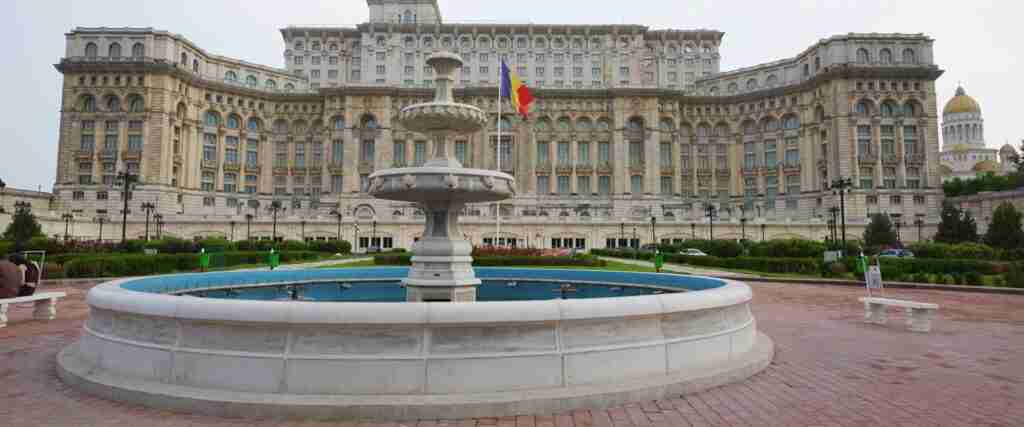
Nicolae Ceaușescu’s Palace of Parliament stands as Bucharest’s most visited attraction and most controversial architectural legacy, a structure so massive it remains visible from space. The guided tour costs 60 lei ($13) for adults in 2026, with reduced rates at 30 lei for students and 20 lei for children, though checking official rates before visiting remains advisable. Tours operate in English, Spanish, Italian, and Romanian throughout the day, requiring advance booking during peak summer months and valid photo identification for security screening.
The building’s statistics stagger comprehension: 365,000 square meters of floor space across 12 stories, 1,100 rooms, 4 million tons of total weight, and construction that consumed one billion cubic meters of marble, 480 chandeliers, 1,409 ceiling lights, and entire forests worth of hardwood flooring. Construction began in 1984 and continues unfinished nearly 40 years later. The palace ranks second globally only to the Pentagon in administrative building size, while its designation as the world’s heaviest building reflects Ceaușescu’s obsession with permanence and power projection through architecture.
Standard tours cover approximately 3-5% of the total building, guiding visitors through marble-floored hallways, parliamentary chambers, enormous conference halls, and the dictator’s balcony overlooking Bulevardul Unirii—the massive boulevard bulldozed through Bucharest’s historic neighborhoods to create a ceremonial approach to the palace. Tours last 45-60 minutes and illuminate both architectural excess and historical context. The opulent interiors juxtapose against knowledge that Ceaușescu ordered the demolition of one-fifth of central Bucharest, including churches, historic homes, and entire neighborhoods, to construct this monument while Romanians endured severe austerity measures and food rationing.
The palace currently houses Romania’s Chamber of Deputies and Senate, limiting access to certain areas when parliament convenes. The National Museum of Contemporary Art occupies one wing, though the building’s sheer scale means thousands of rooms remain empty or underutilized. Photography inside requires purchasing a separate permit beyond the admission ticket. The visit leaves visitors simultaneously awed by architectural ambition and sobered by the human and historical cost of totalitarian vanity.
Bucharest Old Town: Historic Heart and Nightlife Hub
The Lipscani district forms Bucharest’s historic core, a pedestrian-friendly maze of narrow cobblestone streets lined with 18th and 19th-century buildings that survived both World War II bombing and communist-era demolitions. The area derives its name from merchants who once traded goods from Leipzig, transforming medieval merchant quarters into the capital’s commercial heart. Decades of neglect left the Old Town crumbling by the 1990s, but comprehensive restoration completed by 2010 transformed Lipscani into Bucharest’s primary tourist zone while maintaining authentic architectural character.
Daytime exploration reveals Bucharest’s layered history through surviving landmarks. The Stavropoleos Monastery Church, built in 1724, exemplifies the unique Brâncovenesc architectural style combining Byzantine, Ottoman, and Renaissance elements through ornate stone carvings, covered balconies supported by columns with floral designs, and interior frescoes painted by Gheorghe Tattarescu around 1860. The monastery operates as an active place of worship; visitors should observe appropriate respectful behavior and modest dress when entering. The ruins of Curtea Veche (Old Princely Court) occupy a small archaeological site where Vlad III Dracula ruled Wallachia in the 15th century, offering glimpses of medieval palace foundations and defensive structures.
Lipscani Street itself functions as the Old Town’s main artery, connecting Strada Smârdan with Bulevardul Brătianu through a concentration of restaurants, bars, souvenir shops, and boutiques. Side streets reveal quieter squares, hidden courtyards, and architectural gems like Hanul lui Manuc (Manuc’s Inn), an 1808 caravanserai that now houses a traditional Romanian restaurant and beer garden around a central courtyard. Caru’ cu Bere, operating since 1879, offers Gothic Revival interior architecture with stained glass, carved wood columns, and painted ceilings while serving traditional Romanian dishes including mici (grilled meat rolls), sarmale (stuffed cabbage rolls), and local Ursus beer.
Evening transforms the Old Town into Bucharest’s liveliest nightlife district. Bars, pubs, and clubs fill the pedestrian streets with crowds from Thursday through Sunday nights, with weekend evenings particularly energetic from 10 PM until 4 AM. The concentration of venues within walking distance makes bar-hopping easy, though quality varies significantly—research beforehand or join organized pub crawl tours available through hostels and tour operators. Music spans Romanian pop, international DJ sets, and live rock or folk performances depending on venue. Prices remain remarkably low compared to Western European nightlife, with cocktails averaging 25-35 lei ($5-7) and beer 12-20 lei ($2.50-4).
The Village Museum: Rural Romania Preserved
The Dimitrie Gusti National Village Museum occupies 30 acres along Lake Herăstrău’s shores in northern Bucharest, preserving traditional Romanian rural architecture through over 300 authentic buildings relocated from villages across the country. Founded in 1936, the open-air museum functions as Romania’s most important ethnographic collection, documenting regional architectural styles, construction techniques, and rural life patterns from the 17th through 20th centuries that modernization and collectivization erased from the landscape.
Wooden churches form the museum’s architectural highlights, including the 1724 Church from Drăgușeni with its characteristic tall wooden steeple and interior frescoes, and the 1784 Church of the Descent from Dragomirești distinguished by exquisite wooden carving and original painted decoration. Traditional peasant houses represent each Romanian region—Transylvania’s Saxon farmhouses with fortified courtyards, Moldavian homes with elaborately decorated wooden porches, Maramureș dwellings with soaring Gothic-style roofs, and Wallachian cottages with exterior frescoes and carved gates.
Functional structures complete village complexes: windmills from Dobrogea, wine presses from Oltenia, watermills powered by wooden mechanisms, pottery workshops, blacksmith forges, and storage barns demonstrating pre-industrial rural self-sufficiency. Interior furnishings, agricultural tools, traditional textiles, and household implements illustrate daily life patterns. Informational plaques provide historical context in Romanian and English, though guided tours in English (arranged through the museum office) offer deeper insight into architectural details, construction methods, and cultural significance.
The museum operates Tuesday through Sunday from 10 AM to 6 PM (last entry 5 PM), closing Mondays. Admission costs approximately 10-15 lei ($2-3) for adults, with reduced rates for students and seniors. The expansive grounds require 2-3 hours for thorough exploration, more with photography stops or guided tours. Shaded paths wind between buildings set in landscaped grounds that bloom spectacularly during spring and early summer. The adjacent Herăstrău Park extends lakeside strolling, boat rentals, and additional restaurants beyond the museum grounds, creating opportunities for half-day excursions combining cultural exploration with recreational outdoor time.
Calea Victoriei: Bucharest’s Historic Boulevard
Calea Victoriei forms Bucharest’s most architecturally significant thoroughfare, a 1.8-mile boulevard connecting Piața Victoriei in the north with the Dâmbovița River and Old Town in the south. Construction beginning in 1692 established the route as the capital’s primary axis, lined over centuries with aristocratic mansions, cultural institutions, government ministries, and commercial buildings that document Romanian architectural evolution from Baroque through Art Nouveau to Brutalist styles.
The Romanian Athenaeum anchors the boulevard’s cultural offerings, a neoclassical concert hall completed in 1888 that serves as home to the George Enescu Philharmonic Orchestra. The circular auditorium seats 652 beneath a 41-meter painted dome depicting scenes from Romanian history. Concert schedules span classical symphonies, chamber music recitals, and the annual George Enescu Festival (held biennially in September of odd-numbered years). Tours of the interior when concerts aren’t scheduled reveal the hall’s stunning acoustics and artistic details, accessed through a small entrance fee. The exterior colonnade and golden dome create one of Bucharest’s most photographed architectural landmarks, particularly when illuminated after sunset.
The National Museum of Art of Romania occupies the former Royal Palace, displaying Romanian medieval and modern art collections alongside European old masters. The museum’s Romanian art section traces development from religious icons through 19th-century academic painting to contemporary works, providing essential context for understanding Romanian cultural identity. European galleries feature works by Rembrandt, Rubens, El Greco, and other masters acquired by Romanian royalty. The museum underwent renovation in recent years, improving displays and visitor amenities while maintaining the Royal Palace’s original architectural features including ceremonial staircases and throne rooms.
Additional architectural highlights punctuate Calea Victoriei’s length: the CEC Palace’s monumental Beaux-Arts façade housing the national savings bank, the Cantacuzino Palace mixing Neo-Romanian and French architectural elements, the Kretzulescu Church’s 18th-century Brâncovenesc style, and the Revolution Square where protests culminated in Ceaușescu’s flight and execution in December 1989. Between April and October 2026, weekend Open Streets events close Calea Victoriei to vehicle traffic, transforming the boulevard into a pedestrian promenade with street performances, food vendors, and outdoor café seating extending across roadways.
Churches and Religious Architecture
Bucharest’s religious architecture spans Orthodox Christianity’s artistic traditions from medieval foundations through contemporary construction. The Patriarchal Cathedral, completed in 1658 and renovated multiple times, functions as the seat of the Romanian Orthodox Patriarch and the center of Romanian religious life. The cathedral’s Byzantine plan incorporates Brâncovenesc decorative elements including carved stone doorways, painted exterior frescoes, and gilded interior iconostasis. Services welcome visitors who observe appropriate Orthodox etiquette: women covering heads, men removing hats, modest dress for both genders, and silent respectful behavior during worship.
The Stavropoleos Monastery Church has already been mentioned as an Old Town highlight, but Bucharest contains dozens of historic Orthodox churches worth architectural attention. The Biserica Zlatari (Goldsmiths’ Church), built in 1709, sits tucked behind modern buildings near the Old Town, preserving original frescoes and carved iconostasis amid the urban chaos. The Antim Monastery, founded in 1715, demonstrates pure Brâncovenesc style through symmetrical façades, arcaded galleries, and integrated bell tower. The Crețulescu Church (1722) occupies a prominent Calea Victoriei location, distinguished by stone carving quality and well-preserved exterior frescoes depicting religious scenes and donor portraits.
The People’s Salvation Cathedral represents contemporary Orthodox monumentalism, under construction since 2010 and scheduled for completion by the late 2020s. When finished, the cathedral will rank among the world’s largest Orthodox churches at 120 meters tall and 127 meters long, accommodating 6,000 worshippers indoors with capacity for 125,000 on surrounding grounds. The massive structure rises immediately east of the Palace of Parliament, creating architectural dialogue between communist and religious monumentality. Interior access remains limited during 2026 due to ongoing finalization work, opening only during major religious holidays announced close to those dates. The exterior architectural form, visible from surrounding streets and particularly impressive when floodlit at night, demonstrates traditional Byzantine cross-in-square plan scaled to unprecedented dimensions.
Parks and Green Spaces Throughout 2026
Herăstrău Park occupies 460 acres along Lake Herăstrău’s shores in northern Bucharest, functioning as the capital’s premier recreational green space. The park combines landscaped gardens, extensive lakeside walking and cycling paths, children’s playgrounds, outdoor cafés, and boat rentals during warm months (April through October). The northern section houses the Village Museum, while the southern areas contain the massive open-air Arenele Romane concert venue hosting summer music festivals and major performances. Weekend afternoons see Bucharest families picnicking on lawns, couples rowing pedal boats, and joggers circling the 6-kilometer perimeter path.
Cișmigiu Garden, dating from 1847, holds distinction as Bucharest’s oldest public park, occupying 44 acres near the city center between Bulevardul Regina Elisabeta and Bulevardul Schitu Măgureanu. The park’s romantic landscape design incorporates a central lake for summer rowboat rentals and winter ice skating, tree-shaded pathways lined with 19th-century sculptures and monuments, rose gardens blooming May through September, and cafés overlooking water features. The mature trees create particularly atmospheric environments during autumn when golden leaves carpet walking paths. Cișmigiu attracts locals seeking quiet respite from urban intensity rather than tourists, making it ideal for observing authentic Bucharest daily life—elderly residents playing chess on permanent stone tables, young couples meeting on benches, children feeding ducks and swans.
Carol Park occupies strategic high ground south of the city center, designed in 1906 as a formal garden celebrating Romanian independence. The park’s main feature, the Tomb of the Unknown Soldier within a massive Neoclassical mausoleum, honors Romanian military dead from both World Wars. The elevated position provides panoramic views across southern Bucharest toward the Palace of Parliament and Sistrul Dunării areas. Well-maintained gardens, fountains, and tree-lined promenades make Carol Park popular for evening strolls and weekend family outings. The open-air theater hosts summer concerts and cultural events throughout June, July, and August 2026.
Neighborhoods and Districts to Explore in 2026
The Old Town (Lipscani): Tourist Central
Lipscani’s status as Bucharest’s primary tourist zone has already been established through previous sections, but the neighborhood deserves extended consideration for accommodation and dining strategies. The concentration of hotels, hostels, restaurants, and nightlife creates convenience for short visits—everything lies within walking distance, requiring no public transport beyond airport transfers. This density brings predictable drawbacks: higher prices than other neighborhoods, weekend noise continuing past 2 AM, persistent restaurant touts clutching menus, and a slight theme-park atmosphere lacking authentic residential character.
Budget accommodation clusters around the Old Town’s periphery, with hostels along Strada Gabroveni and Strada Smârdan offering dorm beds $15-25 per night and private rooms $40-60. Mid-range hotels occupy converted historic buildings on quieter side streets, charging $80-140 nightly for rooms with breakfast included. Luxury options like the Suter Palace Heritage Hotel or boutique properties along Calea Victoriei provide Belle Époque elegance and personalized service starting around $150-250 per night. Booking directly through hotel websites often yields better rates than third-party platforms, particularly for extended stays of 3+ nights.
Restaurant selection spans Romanian traditional (Caru’ cu Bere, Hanul lui Manuc), international cuisines (Italian, Asian fusion, Middle Eastern), vegetarian and vegan options increasingly common, and numerous cafés serving specialty coffee and pastries. Prices escalate in prime Old Town locations—expect 60-80 lei ($13-17) for restaurant main courses, 25-35 lei ($5-7) for cocktails, 35-50 lei ($7-11) for pizza. Walking two blocks beyond the main pedestrian zone drops prices approximately 30% while maintaining quality. Street food options include covrigi (soft pretzels) from Luca bakery carts at 3-5 lei ($0.60-1), shawarma wraps 15-20 lei ($3-4), and traditional Romanian fast food like mici served with mustard and bread.
Calea Victoriei and Universitate: Central Elegance
The neighborhoods flanking Calea Victoriei from Piața Victoriei south through Piața Universității represent Bucharest’s most architecturally cohesive districts, where Belle Époque townhouses, Art Nouveau apartment buildings, and Neoclassical institutions create streetscapes reminiscent of Paris or Vienna. This central zone attracts business travelers, cultural tourists, and visitors prioritizing sophistication over nightlife intensity. The area maintains residential character despite proximity to tourist attractions, with local shops, traditional markets, and neighborhood restaurants serving Romanian regulars alongside international visitors.
Accommodation options span luxury hotels like the InterContinental Athénée Palace (facing the Athenaeum), mid-range chains including NH Collection and Novotel, and smaller boutique properties in converted historic buildings. Prices range $100-180 for quality mid-range hotels, $200-400 for luxury properties. The neighborhood’s central location provides walking access to both Old Town and northern parks, while metro stations along Calea Victoriei (Universitate, Piața Romană) connect to outer districts.
Dining reflects more sophisticated tastes than the Old Town’s tourist-oriented offerings. Bistro Vénétie serves Italian-influenced cuisine in an Art Deco setting, while The Artist focuses on contemporary Romanian ingredients through tasting menus. Traditional restaurants maintain authenticity—La Mama operates multiple locations serving home-style Romanian cooking including ciorbă (sour soups), mămăligă (polenta), and țuică (plum brandy). Cafés along Calea Victoriei include Origo Coffee Shop (specialty roasters), Gregory’s (international chain), and historic Capsa pastry shop dating from 1852. Street markets like Piața Amzei (near Piața Romană metro) sell fresh produce, cheeses, meats, and prepared foods at local prices.
Cotroceni and Politehnica: Residential Bucharest
Western Bucharest districts including Cotroceni, Politehnica, and surrounding residential areas provide authentic glimpses of middle-class Romanian life away from tourist infrastructure. These neighborhoods developed during the early 20th century as villa districts for the professional classes, preserving quiet tree-lined streets, small parks, and low-rise apartment buildings that escaped communist-era high-density development. Contemporary residents include university professors (Politehnica hosts Romania’s largest technical university), doctors, lawyers, and young families seeking alternatives to central Bucharest’s congestion.
Tourist attractions remain sparse—the Cotroceni Palace and Museum, former residence of Romanian kings and current presidential residence, offers guided tours showcasing royal apartments and art collections. Most visitors explore these neighborhoods only when seeking apartment rentals through Airbnb and similar platforms, where two-bedroom flats rent $50-90 nightly, offering substantially more space and lower costs than equivalent Old Town hotels. The trade-off requires 15-25 minute metro commutes to central attractions (Politehnica metro station connects to M1 and M3 lines), though the experience of shopping at neighborhood markets, dining in local restaurants, and observing residential Romanian life appeals to travelers seeking authentic immersion over convenience.
Restaurant options serve local tastes rather than international visitors—family-run Romanian eateries, pizzerias, shawarma shops, and the occasional ethnic restaurant (Vietnamese, Chinese) catering to students and residents. Prices drop 40-60% compared to Old Town equivalents: restaurant meals 35-50 lei ($7-11), coffee 10-12 lei ($2-2.50), groceries at Carrefour or Mega Image supermarkets. Evening entertainment remains limited to local pubs and the occasional cultural event at the Politehnica University’s theaters and lecture halls.
Northern Districts: Parks, Embassies, and Upscale Bucharest
North Bucharest developed during the 20th century as the capital’s most prestigious residential zone, positioning Herăstrău Park, the Village Museum, diplomatic compounds, and affluent villa districts along tree-canopied avenues extending toward Băneasa Forest. The area feels remarkably different from central Bucharest—spacious, green, ordered, with architectural quality maintained through strict planning regulations and property values that insulated the zone from communist-era demolitions. Contemporary north Bucharest houses Romania’s wealthiest residents, international business executives, and the capital’s expat community.
Tourist infrastructure concentrates around Herăstrău Park’s perimeter, with several upscale hotels offering lakefront positions and park access. The Phoenicia Grand Hotel, Crowne Plaza, and similar properties charge $120-200 per night, targeting business travelers and visitors prioritizing quiet surroundings over central location. Metro access via Aviatorilor and Piața Victoriei stations connects northern districts to downtown attractions within 15-20 minutes. The Arc de Triomphe, modeled after Paris’s monument and completed in 1935, stands at Piața Charles de Gaulle along Șoseaua Kiseleff, functioning more as traffic roundabout than destination but worth quick photos when visiting the Village Museum or Herăstrău Park.
Dining options skew upscale and international—Japanese restaurants, contemporary European bistros, steakhouses, and the occasional traditional Romanian restaurant catering to business lunches and diplomatic receptions. Prices reflect the neighborhood’s wealth: expect restaurant meals 80-150 lei ($17-33) per person, though quality typically justifies premiums. Shopping centers including Promenada Mall and Băneasa Shopping City provide international retail brands, supermarkets, cinemas, and food courts. The neighborhoods function best for extended Bucharest stays when visitors tire of central district intensity and seek genteel Romanian residential life approximating Western European suburban comfort.
Getting Around Bucharest: Transportation Guide 2026
Metro System: Fast and Efficient
Bucharest’s metro system operates five lines (M1, M2, M3, M4, M5) connecting 63 stations across 80 kilometers of track, serving over 700,000 passengers daily as the capital’s backbone public transport infrastructure. The network’s four-decade development since the 1979 opening created comprehensive coverage linking residential districts, business centers, major attractions, and the main Gara de Nord railway station. Trains run every 5-10 minutes during peak hours (7-9 AM, 5-7 PM weekdays), extending to 10-15 minute intervals during off-peak times and weekends.
Metro operations span 5 AM to 11 PM daily, with the last trains departing terminal stations around 11:30 PM to complete final runs. Late-night transportation after metro closure requires buses (select lines operate 24 hours), taxis, or rideshare services. Stations maintain reasonable cleanliness and safety standards, with security guards present at entry points and CCTV monitoring throughout. Some stations preserve 1980s original décor creating somewhat dated atmospheres, while recent renovations modernized others with improved lighting, digital displays, and accessibility features for mobility-impaired passengers.
Ticketing underwent recent restructuring with price increases during early 2026. Single metro tickets now cost approximately 5-7 lei ($1-1.50) depending on when during 2026 you visit, purchased from automated machines or ticket windows at station entrances. Ten-trip cards offer modest savings at 45-55 lei ($10-12). Day passes at 15-20 lei ($3-4) provide unlimited metro rides within 24 hours from first validation. The 24-hour and 72-hour tourist travel cards at 20 lei and 40 lei respectively include both metro and surface transport (buses, trams, trolleybuses) plus the airport train connection, delivering best value for visitors making multiple daily trips. Tickets require validation at turnstiles when entering and exiting stations—retain validated tickets for potential inspector checks.
Key tourist-relevant stations include Piața Unirii (M1, M2, M3 interchange near Old Town), Universitate (M2, near Calea Victoriei), Victoriei (M2, northern parks and museums), Piața Romană (M2, mid-Calea Victoriei), and Gara de Nord (M1, M4, main train station). Google Maps integration provides accurate metro routing with real-time schedules. The metro’s efficiency and low cost make it vastly preferable to surface transport for covering distances across the city, though the network’s age means some transfer stations involve lengthy underground walks between platforms.
Buses, Trams, and Trolleybuses: Surface Network
STB (Societatea de Transport București) operates 120+ bus lines, 22 tram lines, and 13 trolleybus lines covering areas beyond metro reach, though service quality, frequency, and reliability lag behind the metro system. Vehicles range from modern air-conditioned buses on major routes to aging trams and trolleybuses dating from the 1980s that rattle along secondary lines. Peak-hour crowding reaches uncomfortable levels, particularly on buses serving residential districts during morning and evening commutes. Traffic congestion slows surface transport significantly, making journey times unpredictable—routes taking 20 minutes during off-peak hours may require 45 minutes during rush periods.
Surface transport tickets operate separately from metro tickets despite both falling under Metrorex and STB jurisdiction. Single journey tickets cost 3-5 lei ($0.60-1), valid for 90 minutes with unlimited transfers between buses, trams, and trolleybuses. Tickets must be purchased before boarding from STB kiosks at major stops, vending machines, or validated using contactless bank cards directly on newer vehicles equipped with card readers. Physical tickets require validation using electronic validators immediately after boarding—failure to validate or riding without valid tickets incurs fines when inspectors board vehicles for random checks.
Combined metro and surface transport tickets offer convenience for visitors making frequent trips. The 7-lei ($1.50) combined ticket provides 120 minutes of unlimited metro and surface transport rides from first validation. Tourist travel cards at 20 lei (24 hours) and 40 lei (72 hours) include all transport modes within Bucharest plus the airport train connection to Gara de Nord, representing optimal value for visitors staying 2-3 days who will make multiple daily trips between accommodation, attractions, and dining areas.
Select bus and tram lines operate 24 hours covering major routes after metro closure, though frequencies drop to 30-60 minute intervals overnight. The N152, N158, and N189 night bus routes connect Gara de Nord with various residential districts. Google Maps shows surface transport routing, stops, and schedules, though real-time arrival information proves less reliable than metro predictions. Most visitors rely primarily on metro supplemented by walking, using surface transport only when destinations lack convenient metro access or during evening hours when metro operations cease.
Taxis and Rideshare Services in 2026
Traditional yellow taxis prowling Bucharest streets have earned notorious reputations for overcharging tourists through manipulated meters, deliberately longer routes, or refusal to use meters entirely. Local residents increasingly avoid regular taxis in favor of app-based rideshare services offering transparent pricing, reliable service, and driver accountability through rating systems. Visitors should follow local practice by using Uber, Bolt (formerly Taxify), or other rideshare apps rather than hailing street taxis.
Uber and Bolt operate extensively throughout Bucharest with competitive pricing averaging 12-20 lei ($2.50-4) for typical 10-15 minute rides between central locations, roughly $3-6 for longer journeys from airport to city center. Multiple drivers ensure wait times rarely exceed 5-10 minutes even during peak demand periods. Payment processes through credit cards registered with apps, eliminating cash transaction concerns and potential overcharging. Both platforms offer multiple vehicle categories from budget (UberX, Bolt) to premium options (Uber Comfort, Bolt Premium) with minimal price differences given Bucharest’s overall low transportation costs.
For visitors unable or unwilling to install rideshare apps, legitimate taxi companies including Speed Taxi, Meridian Taxi, and Cobalcescu operate through phone dispatch with metered rates regulated by municipal authorities. Fares should display clearly on meters starting around 1.69-2.09 lei ($0.35-0.45) per kilometer during daytime, slightly higher overnight. Requesting receipts and noting taxi identification numbers provides recourse for disputes. Airport taxi stands offer pre-paid rides at fixed rates, eliminating meter concerns but charging premiums of approximately 40-60 lei ($9-13) for journeys to central Bucharest—still reasonable by international standards but double Uber costs for identical routes.
Airport Connections: Getting to Central Bucharest 2026
Henri Coandă International Airport (OTP), located 17 kilometers north of central Bucharest, handles the vast majority of international flights serving Romania’s capital. The airport features two terminals connected by indoor walkways, with Terminal 1 handling most European and international flights. Multiple transportation options connect the airport with central Bucharest at various price points and convenience levels.
The airport train operates 24 hours between Henri Coandă and Gara de Nord railway station, providing the fastest and most economical connection at 7 lei ($1.50) per person. Trains depart every 40-60 minutes, completing the journey in approximately 25 minutes. The station sits within the airport terminal complex, clearly signed and easily located from baggage claim areas. At Gara de Nord, metro connections (M1, M4 lines) continue to various city destinations. The airport train represents optimal value for solo travelers or couples with moderate luggage, though families or groups carrying substantial bags may find taxis more practical despite higher costs.
Express Bus 100 runs 24 hours connecting the airport with multiple central Bucharest stops including Piața Victoriei, Piața Romană, and Piața Unirii. Buses depart every 15-20 minutes during daytime, extending to 30-40 minute intervals overnight. The journey takes 40-70 minutes depending on traffic, considerably slower than the train but offering more flexible destinations along the route. Tickets cost 3.50-7 lei ($0.75-1.50) purchased from STB booths at the airport or validated using contactless payment directly on newer buses. The bus proves convenient for travelers staying in northern or central districts near bus route stops, avoiding Gara de Nord transfers required for train passengers.
Uber and Bolt rideshare services operate from dedicated pickup zones outside both terminals, clearly marked with signage directing passengers to waiting areas. Fares to central Bucharest average 50-70 lei ($11-15) depending on traffic conditions and exact destination, taking 25-45 minutes. Pre-arranged private airport transfers through hotels or dedicated services charge premiums of 70-100 lei ($15-22) but offer guaranteed service, English-speaking drivers, and luggage assistance. Airport taxi stands outside arrivals areas charge fixed rates of 40-60 lei ($9-13) for central destinations, more reliable than street taxis elsewhere in Bucharest but still more expensive than rideshare alternatives.
Where to Stay in Bucharest: Accommodation Guide 2026
Budget Accommodation: Hostels and Guesthouses
Bucharest’s hostel scene concentrates in and around the Old Town, offering sociable budget accommodation with dorm beds averaging $15-25 per night and private rooms $40-60. Antique Hostel near the Dâmbovița River occupies a renovated 19th-century building with dorms, private rooms, shared kitchen, common areas hosting regular social events, and knowledgeable staff organizing pub crawls and day trips to Brașov or Bran Castle. The Hive Hostel in the Old Town provides modern pods-style dormitories with individual reading lights, USB ports, and curtains for privacy, plus rooftop terrace, bar, and 24-hour reception.
Budget hotels and guesthouses outside the immediate Old Town offer private rooms with bathrooms at hostel-equivalent total costs for couples or small groups. Family-run establishments along streets radiating from Piața Romană or near Gara de Nord charge $35-60 per night for basic but clean double rooms with breakfast, air conditioning, and WiFi. These properties lack charm and design aspirations but deliver functional accommodation for travelers prioritizing budget savings over atmosphere. Reviews on Booking.com or Hostelworld help identify reputable options among numerous budget properties varying significantly in quality and cleanliness standards.
Airbnb and apartment rentals provide alternatives to traditional budget accommodation, with studio apartments in residential districts like Cotroceni or Politehnica renting $40-70 per night, entire two-bedroom flats $60-100. This option suits longer stays when cooking facilities and separate living spaces enhance comfort, though requires metro commutes to central attractions. Short-term rental regulations in Bucharest remain less restrictive than major Western European cities, maintaining broad availability across price ranges and neighborhoods.
Mid-Range Hotels: Quality and Comfort
Bucharest’s mid-range hotel category spans $80-180 per night, encompassing international chains, local boutique properties, and renovated historic buildings offering reliable comfort, central locations, breakfast buffets, and professional service standards. This bracket represents optimal value for most visitors, delivering quality significantly exceeding equivalent-priced accommodations in Western European capitals while maintaining convenient locations and amenities expected by international travelers.
The Old Town and immediate surroundings contain numerous options including the Suter Palace Heritage Hotel (Belle Époque building with individually designed rooms), Old Town Boutique Hotel (small property with roof terrace overlooking Lipscani), and larger chains like Ibis Styles or Mercure offering standardized international quality. Rooms typically measure 20-30 square meters with private bathrooms, air conditioning, flat-screen TVs, minibars, and complimentary WiFi. Breakfast buffets include Romanian specialties (pastries, cheeses, cold cuts) alongside international options (eggs, cereals, juices), though quality varies substantially between properties—research breakfast reviews before booking if morning meals influence decisions.
Along Calea Victoriei and surrounding central districts, mid-range properties often occupy renovated historic buildings providing architectural character absent from purpose-built modern hotels. The Berthelot by Hilton adapts an early 20th-century townhouse maintaining original features including carved staircases, stained glass, and period details. The Atrium Hotel near Piața Unirii balances historic façade preservation with contemporary interior design. These boutique-scale properties (30-60 rooms) offer personalized service, neighborhood restaurants, and authentic Bucharest atmosphere appealing to culturally curious travelers.
Booking strategies significantly impact mid-range pricing. Direct bookings through hotel websites often beat third-party platforms (Booking.com, Expedia) by 10-20%, particularly when properties offer “best rate guarantee” matching or beating online travel agency prices. Advance booking 2-3 months before travel secures lowest rates, especially during peak months (May, June, September, October) when central hotels fill capacity. Off-season visits (January, February, November, early December) bring substantial discounts of 30-50% off peak pricing, reducing quality mid-range hotels to budget-category costs while maintaining full service standards.
Luxury Hotels: Premium Bucharest Experiences
Bucharest’s luxury accommodation sphere occupies the $200-400+ per night range, delivering five-star amenities, historic prestige, or contemporary design that would command $400-800 in Paris, London, or Rome. The category divides between grand dame properties preserving early 20th-century elegance, modern business hotels prioritizing professional services and facilities, and boutique properties emphasizing individualized design and intimate atmospheres.
The InterContinental Athénée Palace represents Bucharest’s most historically significant luxury hotel, constructed in 1914 during the capital’s Belle Époque peak and meticulously restored following decades of communist-era decline. The property occupies a prime Calea Victoriei position facing the Romanian Athenaeum, offering 272 rooms and suites with period details, marble bathrooms, and views over the city center. Multiple restaurants include a French brasserie, Italian dining, and traditional Romanian cuisine, while the spa, indoor pool, and conference facilities serve both leisure travelers and business clientele. Rates average $220-350 per night depending on season and room category.
The JW Marriott Bucharest Grand Hotel dominates the southern city adjacent to the Palace of Parliament, a 402-room property functioning as Romania’s largest and most comprehensive luxury hotel. The massive scale supports extensive facilities including indoor pool, full-service spa, fitness center, multiple restaurants ranging from casual to fine dining, executive lounges, and conference spaces hosting major international business events. Rooms maintain Marriott’s international luxury standards with contemporary design, premium bedding, marble bathrooms, and city or Palace of Parliament views. The hotel serves primarily business travelers and upscale tour groups, with rack rates $250-400 per night though frequent promotions and Marriott loyalty member rates substantially reduce costs.
Boutique luxury properties offer alternatives to grand hotels’ institutional scale. The Caro Hotel in elegant Dorobanți presents 12 individually designed rooms and suites within a renovated early 20th-century mansion, emphasizing art collections, personalized service, and exceptional Romanian cuisine in the ground-floor restaurant. The Marmorosch Bucharest occupies the former Marmorosch Blank bank headquarters, transforming 1920s Neoclassical banking halls into dramatic public spaces complemented by 217 rooms blending period architectural details with contemporary luxury. Boutique properties charge $180-350 per night, attracting design-conscious travelers and those seeking intimate experiences over mass-market luxury hotel standardization.
Romanian Cuisine and Dining Experiences 2026
Traditional Romanian Dishes and Restaurants
Romanian cuisine reflects the country’s position at the crossroads of Central European, Balkan, and Ottoman culinary traditions, producing hearty dishes emphasizing grilled meats, fermented dairy, polenta, stews, and soups adapted to harsh winters and agricultural abundance. Bucharest restaurants preserve these traditions while contemporary chefs reinterpret classic preparations through refined techniques and modern presentations.
Ciorbă (sour soup) appears in numerous regional variations, most commonly ciorbă de burtă (tripe soup flavored with garlic, sour cream, and vinegar), ciorbă de legume (vegetable soup), and ciorbă de perișoare (meatball soup in tomato-soured broth). The characteristic sourness derives from fermented wheat bran, lemon juice, or borș (fermented vegetable brine), creating distinctive flavor profiles unlike Western European soups. Romanians consume ciorbă as a first course or light meal, served with fresh bread and hot peppers.
Mici (also called mititei) function as Romania’s national snack—short skinless sausages made from minced pork, beef, and lamb mixed with garlic, black pepper, and thyme, grilled over charcoal and served with mustard and fresh bread. Street vendors, beer gardens, and traditional restaurants serve mici as Romania’s equivalent to hot dogs or hamburgers, eaten informally while drinking beer. Prices range 3-5 lei per piece ($0.60-1) from street carts, 15-25 lei ($3-5) for restaurant portions with accompaniments.
Sarmale (stuffed cabbage rolls) represent celebratory cooking, prepared for holidays, weddings, and family gatherings through labor-intensive processes of rolling minced pork and rice in pickled cabbage leaves, layering in pots with smoked meat and sauerkraut, then slow-cooking for hours. Restaurants serve sarmale year-round, though quality varies—the best examples require extended cooking producing tender cabbage and deeply flavored filling. The dish arrives with mămăligă (polenta), sour cream, and often a slice of smoked pork belly.
Mămăligă functions as Romania’s traditional starch, similar to Italian polenta but cooked firmer and sliceable. Historically peasant food providing inexpensive calories during winters, mămăligă now accompanies stews, grilled meats, and cheese dishes in modern restaurants. Mămăligă cu brânză și smântână (polenta with sheep cheese and sour cream) offers vegetarian comfort food, while mămăligă cu tocană (polenta with meat stew) provides heartier sustenance.
Caru’ cu Bere remains Bucharest’s most atmospheric traditional restaurant despite tourist popularity, operating since 1879 in a Gothic Revival interior of stained glass, carved columns, and frescoed ceilings. The menu spans Romanian classics including mici, sarmale, ciorbă, and grilled meats alongside German-influenced dishes reflecting Transylvanian Saxon heritage. Live folk music performances occur nightly, creating festive if occasionally loud atmospheres. Reservations prove essential for dinner service, particularly Friday and Saturday evenings when local celebrations fill the cavernous dining hall. Expect 70-100 lei ($15-22) per person for three courses with beer or wine.
Hanul lui Manuc offers similar traditional cuisine in the atmospheric courtyard of the 1808 caravanserai, with outdoor seating during warm months and interior halls during winter. La Mama operates multiple locations serving home-style Romanian cooking including ciorbă, sarmale, mici, and regional specialties from Transylvania and Moldavia. Casa Doina in Herăstrău Park combines traditional architecture with folk music performances and extensive Romanian menu. Prices at these establishments average 50-80 lei ($11-17) for main courses, 25-35 lei ($5-7) for appetizers, and 80-120 lei ($17-26) per person for complete dinners with drinks.
Contemporary Romanian Cuisine and Fine Dining
Bucharest’s culinary scene evolved significantly during the 2010s as young Romanian chefs trained abroad returned home to reinterpret traditional ingredients and preparations through contemporary techniques, seasonal emphasis, and presentation aesthetics influenced by Nordic and Mediterranean fine dining movements. These restaurants demonstrate Romanian cuisine’s potential beyond hearty peasant dishes, showcasing ingredients like Carpathian mushrooms, game meats, freshwater fish, heritage vegetables, and artisanal cheeses through refined preparations.
The Artist represents Bucharest’s fine dining pinnacle, occupying an Art Deco townhouse near Piața Romană with tasting menus emphasizing Romanian ingredients prepared through modern techniques. The seasonal menu might include Danube Delta sturgeon, Carpathian venison, heritage tomato varieties, and foraged mushrooms presented through multi-course sequences balancing tradition with innovation. Reservations essential, with tasting menus priced 250-350 lei ($55-75) per person before wine pairings, making it Bucharest’s most expensive restaurant yet still remarkably affordable compared to equivalent Michelin-starred experiences in Western capitals.
Kaiamo focuses on Romanian ingredients through Italian-influenced preparations, creating pastas with local cheeses and vegetables, risottos with mushrooms and game, and meat dishes balancing Romanian and Mediterranean sensibilities. The wine list emphasizes Romanian producers from Dealu Mare, Murfatlar, and Cotnari regions, educating diners about the country’s wine heritage while complementing food through thoughtful pairings. Expect 100-150 lei ($22-33) per person for dinner with wine.
Shift Pub represents the gastropub movement bringing elevated preparations to casual settings, with burgers made from Romanian beef, craft beer selections from local microbreweries, and seasonal vegetable sides demonstrating contemporary urban Romanian eating patterns. The relaxed atmosphere and moderate prices (50-80 lei/$11-17 for burgers and mains) make it accessible for younger travelers and locals seeking quality without fine dining formality.
International Cuisine and Diverse Dining
Bucharest’s international restaurant scene reflects both its multicultural heritage (Turkish, Greek, Jewish, German historical communities) and contemporary global influences (Italian, Asian, Middle Eastern cuisines popular with young Romanians). The Old Town concentrates international options serving tourist demands, while residential neighborhoods contain ethnic restaurants catering to immigrant communities and adventurous local diners.
Italian cuisine dominates international dining, with numerous trattorias, pizzerias, and upscale Italian restaurants reflecting Romanians’ affinity for pasta, pizza, and Mediterranean flavors. Quality varies enormously from frozen pizza at tourist traps to authentic preparations by Italian chefs at establishments like Trattoria Il Calcio or Rossetya. Pizza averages 35-50 lei ($7-11), pasta dishes 40-60 lei ($9-13), more substantial than Romanian portions and often shareable.
Middle Eastern and Turkish cuisine maintains strong presence given Ottoman historical influence and contemporary Turkish business connections. Shawarma shops line major streets offering chicken or beef wraps at 15-20 lei ($3-4), while sit-down Lebanese restaurants like Ali Baba or Jerusalem serve mezze spreads, grilled meats, and traditional preparations in atmospheric settings. Turkish restaurants specialize in kebabs, pide (Turkish pizza), and baklava, with meal costs averaging 50-70 lei ($11-15) per person.
Asian cuisines expanded rapidly during the 2010s, with Japanese, Vietnamese, Thai, and Chinese options now common throughout central Bucharest. Sushi restaurants range from conveyor-belt chains to premium omakase counters, prices spanning 40-150 lei ($9-33) depending on venue and preparation styles. Vietnamese pho shops serve authentic soups and spring rolls at 25-40 lei ($5-9). Chinese restaurants divide between Romanianized preparations catering to local tastes and authentic Sichuan or Cantonese establishments serving immigrant communities near Gara de Nord.
Vegetarian and vegan dining improved dramatically during the 2020s as plant-based eating gained popularity among younger Bucharest residents. Restaurants like Lola concentrate exclusively on vegetarian/vegan preparations rather than offering token meatless options, with creative menus spanning global influences from Indian curries to Mexican tacos to Mediterranean salads. Prices remain moderate at 35-55 lei ($7-12) for mains. Traditional Romanian restaurants increasingly mark vegetarian dishes on menus, though options beyond cheese-based preparations remain limited compared to Western European standards.
Day Trips from Bucharest 2026
Brașov and Bran Castle: Transylvania Classic
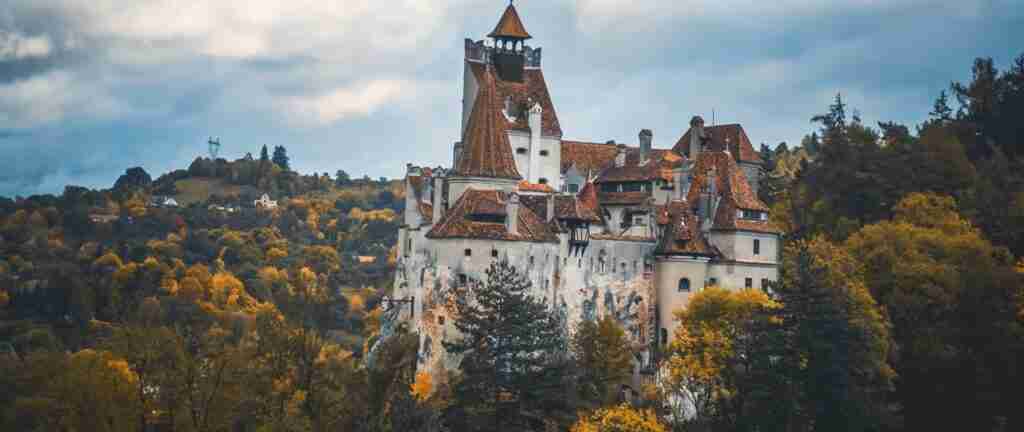
Brașov ranks as Romania’s most popular day trip destination from Bucharest, combining medieval Saxon architecture, mountain scenery, and proximity to Bran Castle marketed internationally as “Dracula’s Castle.” The 170-kilometer distance requires 2.5-3 hours by car or bus, making organized tours logistically simpler than independent travel for single-day excursions. Most commercial tours combine Brașov’s Old Town exploration with Bran Castle visits and stops at Peleș Castle in Sinaia, creating comprehensive Transylvania experiences condensed into 10-12 hour excursions.
Bran Castle occupies a strategic mountain pass position where medieval fortifications controlled trade routes between Transylvania and Wallachia. The castle’s association with Dracula stems from tenuous historical connections—Vlad III Dracula may have passed through the region, and Bram Stoker’s novel describes a Carpathian castle matching Bran’s mountainous setting, though Stoker never visited Romania and based descriptions on published illustrations. The castle itself dates from 1377 with subsequent expansions, functioning primarily as customs station and later royal residence. Interior exhibits display medieval furniture, armor, royal apartments, and Dracula-themed marketing capitalizing on international fascination with vampire legends.
Brașov’s medieval center preserves Saxon commercial architecture within fortified walls, centered on the vast Council Square (Piața Sfatului) surrounded by colorful Baroque townhouses, the Gothic Black Church (largest between Vienna and Istanbul), and cafe-lined pedestrian streets ascending toward Mount Tâmpa. The city offers superior dining and accommodation compared to Bran’s tourist-oriented infrastructure, making it preferable for overnight stays when combining Transylvania attractions over multiple days.
Organized day tours from Bucharest cost $45-70 per person including transportation, English-speaking guides, and entrance fees to castles. Tours typically depart 8-9 AM from central Bucharest hotels, returning 7-8 PM after full-day itineraries. Independent travel via train or bus costs less ($15-25 round trip) but requires additional local transport between Brașov train station and Bran Castle plus careful schedule coordination to ensure same-day return. Many travelers find organized tours worth premium pricing for logistical convenience, particularly first-time Romania visitors unfamiliar with transport infrastructure.
Peleș Castle and Sinaia: Royal Mountain Resort
Peleș Castle represents Romania’s architectural crown jewel—a Neo-Renaissance palace constructed between 1873-1914 as King Carol I’s summer residence, showcasing extraordinary craftsmanship through 160 elaborately decorated rooms, German stained glass, Murano chandeliers, carved wood ceilings, and period furnishings collected from across Europe. The castle occupies stunning Carpathian Mountain surroundings near Sinaia mountain resort, creating dramatic alpine backdrop enhancing the palace’s fairy-tale aesthetics.
Interior tours reveal opulent royal apartments including the music room with leather wall panels and mother-of-pearl inlays, the weapons room displaying European and Oriental arms collections, the Italian terrace with peacock-motif floor tiles, and the theater room with retractable glass roof. The guided tours (mandatory for interior access) last approximately 45 minutes covering ground floor highlights, with extended tours available showing additional levels and private apartments. Admission costs approximately 50-70 lei ($11-15) depending on tour type selected. Photography inside requires additional permits, though exterior photography captures the palace’s mountain setting and architectural details without restrictions.
Sinaia town developed during the late 19th century as Romania’s premier mountain resort, preserving Belle Époque hotels, villas, and the Sinaia Monastery that gave the town its name. Cable cars ascend to hiking trails, ski slopes operational during winter months (December through March), and panoramic viewpoints overlooking the Prahova Valley. The town functions well for overnight stops when combining Peleș Castle with other Transylvania destinations, offering superior hotel options and mountain resort atmosphere compared to Bucharest’s urban environment.
Independent travel to Sinaia proves straightforward via regular trains from Bucharest’s Gara de Nord, with 1.5-2 hour journeys costing 35-50 lei ($7-11) each direction. Trains depart multiple times daily, though schedules require checking via CFR (Romanian Railways) website or station boards. From Sinaia station, Peleș Castle lies 2 kilometers uphill—accessible through local buses, taxis, or pleasant walks through forested paths. Many Bran Castle tours include Peleș Castle stops, creating efficient combinations visiting both major castles plus Brașov Old Town within single-day excursions.
Snagov Monastery and Vlad the Impaler Connections
Snagov Monastery occupies a forested island in Lake Snagov approximately 40 kilometers north of Bucharest, accessible via causeway connecting to the mainland. The monastery church dates from the late 15th or early 16th century, with legend suggesting Vlad III Dracula’s burial here following his death in battle around 1476. Archaeological investigations during the 1930s found a headless skeleton near the altar area, though whether it represents Vlad’s remains continues debating among historians. The monastery functions as an active religious site managed by the Romanian Orthodox Church, requiring respectful behavior and modest dress from visitors.
The journey to Snagov requires personal vehicle, taxi, or organized tour, as public transport connections remain inconvenient for day-trippers. The monastery itself offers modest architectural interest beyond Dracula associations, with simple church interior decorated with 17th-century frescoes and icons. The lake surrounding the island provides scenic environments for summer swimming, boating, and lakeside dining at nearby restaurants. Most visitors combine Snagov with Mogoșoaia Palace, a Brâncovenesc-style palace 5 kilometers south featuring restored 17th-century architecture, formal gardens, and art exhibitions, creating half-day excursions exploring Bucharest’s northern surroundings.
Organized tours focusing on Dracula-themed sites operate from Bucharest, combining Snagov Monastery with other Vlad Dracula connections including Curtea Veche ruins in Bucharest, Târgoviște (Wallachia’s medieval capital where Vlad ruled), and sometimes extending to Bran Castle for comprehensive vampire tourism experiences. These specialized tours cost $60-90 per person, appealing primarily to Dracula enthusiasts seeking historical context behind Bram Stoker’s fictional vampire rather than general cultural tourists.
The Danube Delta: Europe’s Biodiversity Hotspot
The Danube Delta where Europe’s second-longest river empties into the Black Sea forms one of the continent’s last wilderness areas, a UNESCO Biosphere Reserve encompassing 5,800 square kilometers of wetlands, channels, lakes, and reed beds supporting extraordinary biodiversity including 300+ bird species and 45 freshwater fish species. The delta ecosystem represents Europe’s largest wetland and second-largest river delta (after Volga), maintaining pristine natural conditions increasingly rare across developed Europe.
Accessing the Danube Delta from Bucharest requires full-day or overnight excursions given the 280-kilometer distance to gateway towns like Tulcea. Organized tours operate April through September when weather permits comfortable boat travel through delta channels, with typical itineraries including bus transport to Tulcea, motorboat transfers navigating narrow waterways between reed islands, visits to traditional fishing villages, fish lunch in delta restaurants, and afternoon returns to Bucharest. Full-day excursions cost $80-120 per person including all transport, boat rides, guide services, and lunch. The long journey times (3-4 hours each direction) combined with boat transfers mean days extending 12-14 hours total, exhausting but worthwhile for nature enthusiasts and photographers.
Wildlife observation opportunities vary seasonally—spring (April-May) brings migratory birds including pelicans, cormorants, herons, and egrets nesting throughout the delta; summer (June-August) offers warm weather but fewer bird species; autumn (September-October) sees return migrations and easier navigation as water levels drop. Binoculars prove essential for bird watching, while insect repellent counters prolific mosquitoes during warm months. The delta’s isolation and undeveloped character create authentic wilderness experiences increasingly difficult finding in modern Europe, though visitors expecting tourist infrastructure may find basic facilities in remote fishing villages challenging.
Practical Information for Visiting Bucharest 2026
Best Time to Visit Bucharest 2026
Bucharest experiences continental climate with four distinct seasons producing significant temperature variations between harsh winters and hot summers. Spring (April-June) and autumn (September-October) deliver optimal conditions for city exploration, combining moderate temperatures, lower precipitation, and manageable tourist crowds. These shoulder seasons align with blooming parks in spring and colorful foliage in autumn while avoiding summer heat exceeding 35°C (95°F) and winter cold dropping below -10°C (14°F).
Summer (July-August) brings intensive heat and occasional afternoon thunderstorms, with temperatures frequently exceeding 30°C (86°F) and high humidity creating uncomfortable walking conditions during midday hours. Tourist attractions remain busy with Romanian domestic tourists escaping smaller cities plus international visitors on Balkan tours. Hotel prices peak during summer months though Bucharest avoids extreme price premiums seen in coastal or alpine European destinations. Air conditioning proves essential for summer accommodation comfort, as many older buildings lack cooling systems.
Winter (December-February) tests visitors’ cold tolerance, with January temperatures averaging -3°C (27°F) and wind chill intensifying discomfort during outdoor exploration. Snow covers Bucharest intermittently but inconsistently, creating picturesque scenes when present but also slush and gray conditions during thaws. Winter compensates through minimal tourist crowds, dramatically reduced hotel rates (30-50% below peak season pricing), and authentic observation of Romanian daily life without tourist industry distortions. Christmas markets operate late November through early January, particularly in Constitution Square and University Square, though Bucharest’s markets remain modest compared to Vienna, Prague, or Dresden equivalents. Museums, restaurants, and indoor cultural venues maintain full operations throughout winter, making cold-weather visits viable for culturally focused travelers prioritizing affordability over climate comfort.
Major cultural events influence optimal visit timing. The George Enescu International Festival, held biennially during odd-numbered years (next edition 2027), brings world-class classical music performances to Bucharest’s concert halls throughout September. The Bucharest International Jazz Competition occurs annually in March. Film festivals, theater performances, and contemporary art exhibitions occur year-round, with cultural calendar details available through Bucharest tourism office websites and local English-language publications like Bucharest Life.
Money, Currency, and Costs in 2026
Romania uses the Romanian leu (plural lei, currency code RON) despite European Union membership, maintaining its own currency rather than adopting the euro. Exchange rates fluctuate around 4.5-5 lei per US dollar and 5-5.5 lei per euro during 2026, though rates vary daily—check xe.com for current conversions. Banks, exchange offices (casa de schimb), and ATMs provide currency exchange services, with ATMs offering most favorable rates by withdrawing lei directly rather than exchanging physical cash.
Credit cards (Visa, Mastercard) achieve wide acceptance at hotels, restaurants, attractions, and chain stores throughout central Bucharest, though smaller establishments, markets, street vendors, and public transport may require cash. Contactless payment technology reached near-universal adoption in Romania, with most merchants accepting tap-to-pay transactions. Notify credit card providers before traveling to avoid fraud blocks on Romanian transactions. Chip-and-PIN cards work universally, though some US-issued signature-based cards occasionally face acceptance issues at automated ticket machines.
ATM withdrawal strategies significantly impact total costs. Romanian ATMs offer “with conversion” or “without conversion” options when withdrawing—always select “without conversion” (transaction in lei) to receive card issuer’s wholesale exchange rate rather than inflated ATM conversion rates. Euronet ATMs scattered throughout tourist areas display particularly aggressive conversion markups; use bank-affiliated ATMs (BCR, BRD, Raiffeisen, ING) for better rates and lower fees. Most US and European banks charge foreign transaction fees (1-3%) plus ATM operator fees ($2-5), making high-value infrequent withdrawals more economical than multiple small withdrawals.
Tipping customs in Romania follow moderate European norms. Restaurants expect 10% tips for satisfactory service, 15% for exceptional experiences, though some tourist-oriented establishments include service charges in bills—check before adding additional tips. Taxi drivers receive rounding up to next whole amount or 5-10% for longer journeys. Hotel porters appreciate 5-10 lei per bag. Tour guides expect 20-40 lei per person for full-day tours. Tip cash directly to service providers rather than adding to credit card payments, ensuring gratuities reach staff rather than management.
Safety, Scams, and Travel Precautions
Bucharest maintains generally safe conditions for tourists, with violent crime rates low and most security concerns limited to opportunistic theft, pickpocketing, and tourist-targeted scams. Common sense precautions—monitoring belongings in crowded areas, avoiding dark unlit streets late at night, keeping valuables secured—provide adequate protection. The city lacks dangerous neighborhoods requiring absolute avoidance, though some residential districts far from tourist areas offer little reason for visitor presence.
Pickpocketing concentrates in predictable locations: crowded public transport (especially buses and trams during rush hours), the Old Town’s dense weekend crowds, and around major tourist attractions like the Palace of Parliament. Thieves target distracted tourists examining maps, taking photos, or navigating unfamiliar surroundings. Secure bags with interior pockets, avoid keeping phones or wallets in exterior pockets, and maintain awareness of immediate surroundings particularly when boarding/exiting public transport or navigating dense crowds.
Taxi scams represent Bucharest’s most persistent tourist problem despite rideshare services reducing exposure. Unlicensed drivers approaching arriving passengers at the airport or train station offer rides at negotiated fixed rates inevitably exceeding legitimate fares. Street-hailed yellow taxis may employ manipulated meters, deliberately longer routes, or refuse meter usage demanding inflated fixed payments. The solution involves exclusively using Uber, Bolt, or pre-arranged legitimate taxi services with transparent pricing, ignoring aggressive drivers approaching unsolicited.
Restaurant bill scams occur occasionally in tourist-heavy Old Town establishments. Waiters may add unauthorized items to bills, charge for bread or appetizers brought unrequested, or calculate incorrect totals hoping inattentive customers accept inflated charges. Always review itemized bills before payment, question discrepancies immediately, and request detailed explanations for unexpected charges. Refusing to pay disputed amounts until satisfaction provided or management involvement brings rapid resolutions—Romanian consumer protection laws favor customers in billing disputes.
ATM card skimming remains a concern at standalone machines in tourist areas, particularly non-bank-affiliated Euronet ATMs. Inspect card slots for unusual attachments or cameras before inserting cards, shield PIN entry from observation, and use bank-branch ATMs during business hours when possible. Monitor account statements for unauthorized transactions following Romanian ATM usage, reporting suspicious charges immediately to card issuers.
Communication: Language, WiFi, and Mobile Data 2026
Romanian serves as the national language, though English proficiency among younger Bucharest residents (under 40) reaches functional to fluent levels particularly in tourism, hospitality, and business sectors. Tourist-oriented businesses maintain English-speaking staff, while older residents and those in working-class neighborhoods may communicate only in Romanian. Learning basic Romanian phrases (bună ziua – hello, mulțumesc – thank you, cât costă – how much, vă rog – please) demonstrates respect and facilitates warmer interactions, though survival without Romanian remains perfectly feasible for short visits.
Romania boasts some of Europe’s fastest internet speeds and most extensive WiFi coverage, with free WiFi standard at hotels, restaurants, cafés, shopping centers, and many public spaces including parks and metro stations. Connection speeds routinely exceed 100 Mbps through fiber optic infrastructure deployed nationwide during the 2010s. Password-protected networks remain common at cafés and restaurants—staff willingly provide access codes to customers. The ubiquitous WiFi reduces mobile data necessity for travelers staying in central Bucharest with consistent access to free connections.
Mobile data proves invaluable for navigation, rideshare apps, restaurant reservations, and maintaining communication throughout the day. European Union travelers benefit from “roam like at home” regulations allowing domestic data allowances throughout Romania without additional charges. Non-EU visitors should purchase local SIM cards for data access rather than accepting extortionate international roaming charges from home carriers. Orange, Vodafone, and Digi Mobil operate retail stores throughout central Bucharest selling prepaid SIM cards 10-30 lei ($2-6) with generous data packages (10GB-unlimited) for 30-day periods. Passport or photo ID required for SIM card registration per Romanian regulations.
Activating local SIMs requires unlocked phones compatible with European GSM networks—verify device unlock status before departing home countries. Staff at mobile provider stores assist with SIM installation, data activation, and initial setup speaking functional English. The modest costs and enormous convenience of local SIMs make them worthwhile for visits exceeding 2-3 days, while shorter trips manage adequately through hotel/café WiFi supplemented by downloaded offline maps.
Cultural Insights and Travel Etiquette 2026
Romanian Cultural Norms and Social Customs
Romanian culture blends Latin heritage (Romanians descended from Roman colonization of Dacia) with Orthodox Christian traditions, Slavic influences, and Ottoman legacy, creating distinctive social patterns differing from both Western European and Balkan norms. Romanians value hospitality, family connections, and personal relationships while maintaining formal social hierarchies in professional contexts. First-time visitors encounter warmer interpersonal interactions than stereotypically reserved Northern European cultures but more structured etiquette than informal Mediterranean societies.
Greetings follow formal patterns—”bună ziua” (good day) during daytime, “bună seara” (good evening) after approximately 6 PM. Handshakes accompany introductions in business and formal settings. Friends and family greet through cheek kisses (typically two, left-right) among women or between women and men, while men exchange handshakes. Address strangers and elders using formal “dumneavoastră” (you-formal) rather than informal “tu” until relationships establish familiarity permitting informal address.
Dining etiquette emphasizes hospitality—Romanian hosts typically insist guests consume generous portions and accept multiple refills, with polite declinations often ignored until firmly repeated. When invited to Romanian homes, bringing small gifts (flowers for hosts, chocolates, wine) demonstrates appreciation. Table manners follow Central European norms: hands remain visible on table (not lap), utensils placed on plate (not table) between bites, waiting for hosts to begin eating before starting. Toasting occurs frequently with “noroc” (cheers) or “sănătate” (health), maintaining eye contact while clinking glasses. Leaving modest food on plates signals satisfaction, though finishing everything demonstrates appreciation for the cooking.
Orthodox Christianity significantly influences Romanian cultural patterns despite growing secularization in urban areas. Churches remain active places of worship requiring respectful behavior—men remove hats, women cover shoulders (scarves available at church entrances if needed), photography often prohibited during services, silence maintained inside church buildings. Major Orthodox holidays (Christmas, Easter, St. Mary’s Day) see increased church attendance and altered business hours. The calendar follows both Gregorian dates for secular purposes and Julian dates for religious observances, meaning Orthodox Christmas occurs January 7 and Easter typically differs from Catholic/Protestant dates.
Photography Etiquette and Restrictions
Photography policies vary significantly across Bucharest attractions, museums, and religious sites. The Palace of Parliament prohibits interior photography without purchasing separate photo permits beyond standard admission tickets, with permits allowing still photography but prohibiting video recording. Museum photography policies range from completely prohibited (National Museum of Art’s old masters galleries) to freely permitted (contemporary exhibitions, outdoor sculptures), with specific rules posted at entrances and enforced by museum staff. When restrictions exist, secure cameras visibly in bags to avoid misunderstandings with security personnel.
Churches generally discourage or prohibit photography during religious services, though exterior photos and interior documentation when services aren’t occurring typically receives permission if discreet and respectful. Flash photography damages frescoes and icons while disturbing worshippers, making it universally prohibited in active religious sites. Always observe posted signage and request permission from priests or monastery staff before photographing church interiors, particularly at smaller churches and monasteries outside major tourist circuits.
Street photography capturing general scenes, architecture, and public spaces remains legal and unrestricted in Romania. Photographing individuals requires consideration for privacy—obviously tourists in public squares expect photos, but Romanian locals going about daily business deserve privacy respect. Request permission before photographing faces in close-up portraits, market vendors at their stalls, or private moments. Military installations, government buildings with security restrictions, and infrastructure like train stations or metro systems may limit photography—observe any posted prohibitions and immediately comply if security personnel request stopping.
Frequently Asked Questions About Visiting Bucharest 2026
Do I need a visa to visit Bucharest in 2026?
Visa requirements depend on nationality and length of stay. Citizens of the United States, Canada, Australia, New Zealand, European Union countries, and many other nations enjoy visa-free entry to Romania for tourism stays up to 90 days within any 180-day period. Passports must remain valid for at least three months beyond departure date from Romania. Travelers from countries requiring Schengen visas need Romanian visas separately, as Romania hasn’t yet joined the Schengen Area despite EU membership. Verify current requirements through Romanian Embassy websites or official Ministry of Foreign Affairs sources before booking, as visa policies undergo periodic revisions.
Is Bucharest safe for solo female travelers in 2026?
Bucharest maintains generally safe conditions for solo female travelers exercising standard urban travel precautions. Women walking alone in central tourist areas during daytime face minimal harassment beyond occasional catcalling or unwanted attention that’s unpleasant but rarely threatening. Evening safety depends on location—well-lit main streets, restaurant districts, and tourist zones remain comfortable for solo women until late hours, while empty side streets, parks after dark, and isolated areas warrant avoidance or taxi transport. Bucharest lacks systematic harassment culture present in some Mediterranean or Middle Eastern destinations, with most Romanian men respecting personal boundaries and disengaging when disinterest is clearly communicated.
Public transport during rush hours involves crowding potentially enabling pickpocketing or unwanted physical proximity, though this represents opportunistic crime rather than targeted harassment. Solo female travelers should book accommodations in central neighborhoods with good lighting and evening foot traffic, use rideshare apps for late-night transport, avoid excessive alcohol consumption in unfamiliar environments, and maintain communication with friends/family regarding daily plans. These universal precautions apply anywhere—Bucharest presents no special dangers beyond typical European city concerns.
What should I pack for Bucharest in 2026?
Seasonal packing requirements vary dramatically due to Bucharest’s continental climate. Spring visits (April-June) require layers accommodating temperature swings between cool mornings (10-15°C/50-60°F) and warm afternoons (20-25°C/68-77°F), plus light rain jacket or umbrella for occasional showers. Summer (July-August) demands light breathable clothing for extreme heat (30-35°C/86-95°F), sun protection including wide-brim hats and high-SPF sunscreen, and water bottles for hydration during sightseeing. Autumn (September-October) mirrors spring conditions with layers and rain protection. Winter (November-February) necessitates heavy coats, warm layers, insulated boots for snow and ice, gloves, scarves, and hats for bitter cold regularly dropping below freezing.
Footwear must balance style with practicality—Bucharest involves extensive walking on cobblestone Old Town streets, uneven sidewalks, metro stairs, and park paths. Comfortable walking shoes with good arch support prevent foot pain during 15,000+ daily step counts typical for active sightseeing. Pack dressier shoes for upscale restaurants or classical music concerts at the Romanian Athenaeum, though Bucharest maintains relatively casual dress codes compared to Paris or Milan.
Additional essentials include universal power adapter (Romania uses Type F European plugs, 230V), portable phone charger for day-long navigation and photography, basic first aid kit with any prescription medications, hand sanitizer and tissues (public restroom standards vary), and photocopies of passport, credit cards, and travel insurance documents stored separately from originals. Romanian pharmacies (farmacie) stock international brands of common medicines, contact lens solutions, and toiletries, so overpacking consumables proves unnecessary.
Can I drink tap water in Bucharest in 2026?
Bucharest tap water meets EU safety standards and remains safe for consumption by Romanian residents and most international visitors. The municipal water system undergoes regular treatment and testing, with quality maintaining acceptable parameters for drinking. However, aging infrastructure in older buildings may introduce metallic tastes or minor contaminants between treatment plants and taps, leading many Bucharest residents to filter water before drinking or purchase bottled water for daily consumption.
Sensitive stomachs or travelers from regions with significantly different water treatment approaches (reverse osmosis systems in Middle Eastern countries, chlorination levels in the United States) might experience minor digestive adjustment during first days adjusting to local water bacteria profiles. These symptoms remain harmless and temporary but can disrupt travel comfort. Bottled water availability proves universal and inexpensive (2-5 lei/$0.40-1 for 1.5L bottles at supermarkets), providing peace of mind for cautious travelers without significant additional costs.
Brushing teeth with tap water causes no issues. Ice in restaurants and hotels uses filtered or bottled water meeting consumption standards. Some upscale hotels install room water filtration systems or provide complimentary bottled water, eliminating concerns entirely. The balance between local sustainability (reducing plastic waste) and personal health comfort depends on individual risk tolerance and digestive sensitivity—both approaches remain viable for Bucharest visits.
How much cash should I carry daily in Bucharest 2026?
Daily cash requirements depend on planned activities and personal spending patterns, though Bucharest’s widespread credit card acceptance reduces cash necessity compared to more traditional European destinations. A reasonable daily cash budget might include 50-100 lei ($11-22) for contingencies: street food or market purchases, public transport tickets if not using contactless payment, small purchases at vendors not accepting cards, and tipping for services. Major expenses (hotel bills, restaurant meals, attraction admissions, organized tours) process through credit cards, while minor transactions (coffee, snacks, souvenirs) might require cash at smaller establishments.
Markets and street vendors operate exclusively cash-based—Obor Market, Piața Amzei, or flower sellers along Calea Victoriei won’t accept cards. Traditional bakeries, small neighborhood shops, and some Old Town souvenir stands maintain cash-only policies despite surrounding businesses accepting cards. Public transport purchasing requires cash when using vending machines or STB kiosks (though newer vehicles accept contactless cards), and bus/metro ticket inspectors fine passengers without valid tickets immediately in cash only.
Carrying excessive cash increases theft risk unnecessarily. Withdrawing 200-300 lei ($45-65) every 2-3 days from ATMs provides sufficient cash reserves while minimizing exposure if wallets are stolen or lost. Distribute cash between wallet, hotel safe, and backup location rather than concentrating amounts in single locations. Small denomination bills (10, 20, 50 lei) prove most useful, as large bills (100, 200 lei) face acceptance resistance at small vendors and taxis.
What’s the nightlife scene like in Bucharest in 2026?
Bucharest rivals Berlin, Budapest, or Belgrade for Eastern European nightlife intensity, with the Old Town transforming into a massive outdoor party zone Thursday through Saturday nights drawing thousands of young Romanians and international visitors to bars, pubs, clubs, and live music venues concentrated within a few walkable blocks. The scene spans diverse musical styles—electronic music clubs hosting international DJs, live rock venues, jazz bars, traditional Romanian folk music restaurants, and massive dance clubs operating until 6 AM. Cover charges remain modest (20-50 lei/$4-11) when imposed at all, while drinks cost 15-30 lei ($3-6) for cocktails, 10-15 lei ($2-3) for beers, enabling extended nights without bankrupting budgets.
The party atmosphere peaks between midnight and 3 AM when streets fill with crowds moving between venues, outdoor drinking continues despite official regulations, and energy reaches peak intensity. Noise levels make conversation difficult in many bars, with volume calibrated for dancing and socializing rather than quiet conversation. Some visitors find the Old Town scene overwhelming or too tourist-oriented, seeking alternatives in hipper neighborhoods like Floreasca where craft cocktail bars, specialty beer pubs, and intimate venues serve more sophisticated crowds at higher prices with lower volume.
Safety concerns during nightlife hours remain minimal—police maintain visible presence in Old Town, crowds create safety through numbers, and aggressive behavior toward foreigners remains rare. Women experience occasional unwanted attention or persistent advances but rarely threatening situations requiring intervention. Standard nightlife precautions apply universally: monitor drinks, travel in groups when possible, use rideshare apps rather than street taxis for late-night transport, keep valuables secured, and trust instincts when situations feel uncomfortable.
Are restaurants open on Sundays and holidays in Bucharest 2026?
Most Bucharest restaurants, cafés, and bars operate seven days weekly including Sundays, with tourist-oriented establishments in the Old Town and along Calea Victoriei maintaining full schedules regardless of day. Traditional Romanian restaurants often close one weekday (typically Monday or Tuesday) for staff rest but remain open weekends when business peaks. Shopping mall food courts, international chains (McDonald’s, KFC, Starbucks), and hotel restaurants operate daily without closures.
Major Orthodox holidays (Christmas January 7, Easter variable date, St. Mary’s Day August 15) see reduced operations particularly at traditional Romanian establishments, with family-run restaurants closing entirely for staff to observe religious holidays with families. Larger establishments and tourist-oriented businesses remain open on holidays recognizing international visitors’ needs, though with potentially reduced hours or limited menus. Museums, attractions, and shops observe similar holiday closures—verify operating hours in advance when visiting during major Orthodox celebrations.
Sunday brunch culture gained popularity during the 2010s, with numerous cafés and restaurants offering extended breakfast menus, bottomless mimosas, and leisurely mid-morning dining appealing to young Bucharest residents and tourists alike. These brunch spots operate approximately 9 AM to 3 PM Sundays, concentrated in Floreasca, near Herăstrău Park, and select Old Town locations. Reservations prove advisable for popular venues during Sunday late mornings (11 AM-1 PM) when crowds peak.
Can I visit Bucharest with children and families in 2026?
Bucharest accommodates family travel reasonably well despite lacking purpose-built children’s attractions common in major Western European capitals. Families with children find adequate diversions through parks (Herăstrău offers playgrounds, boat rentals, open spaces), the Village Museum appeals to children through traditional architecture and outdoor exploration, and Therme București (Europe’s largest wellness center, located 15km north of the city) provides water slides, thermal pools, and family-friendly facilities for full-day entertainment. The Palace of Parliament interests older children and teenagers capable of appreciating historical significance and architectural scale, though younger children may find guided tours boring.
Restaurant culture welcomes families with children—Romanian dining remains family-centered rather than adult-exclusive, with children visible at restaurants throughout the day including dinner hours. High chairs availability varies by establishment though most larger restaurants accommodate families. Traditional Romanian restaurants often provide child-friendly options like grilled meats, fries, and familiar preparations appealing to cautious young palates. Street food (covrigi pretzels, pizza slices, ice cream) satisfies children’s snack preferences throughout the day.
Practical challenges include limited pedestrian infrastructure in some areas (uneven sidewalks, insufficient ramps for strollers, crossing guards absent at intersections), public transport crowding during rush hours making stroller navigation difficult, and museum/attraction facilities (nursing rooms, diaper changing stations) less developed than Western European equivalents. Families visiting Bucharest benefit from flexible schedules accommodating children’s needs, strategic use of taxis/rideshares avoiding public transport hassles, and realistic expectations about available family-oriented attractions beyond what guidebooks suggest.
What souvenirs should I buy from Bucharest in 2026?
Romanian handicrafts and traditional artisan products offer authentic souvenir options reflecting cultural heritage beyond generic tourist tchotchkes. Traditional embroidered blouses (ie pronounced “ee-yeh”), each region featuring distinctive patterns and colors, function as wearable cultural artifacts ranging from simple cotton versions (100-200 lei/$22-44) to elaborate silk pieces with extensive hand embroidery (500-1000+ lei/$110-220+). Quality varies enormously—seek artisan shops or the Village Museum gift shop rather than Old Town tourist stalls selling machine-made imitations.
Painted eggs (ouă încondeiate) decorated through wax-resist dyeing techniques showcase folk art traditions particularly from Bucovina region, with geometric patterns and symbolic motifs created through meticulous hand processes. Authentic examples cost 30-100 lei ($6-22) depending on complexity. Wooden crafts including carved spoons, bowls, and decorative items demonstrate traditional carpentry skills, while Horezu ceramics (distinctive red pottery with rooster and floral motifs) represent Romania’s most recognized ceramic tradition and UNESCO-inscribed cultural heritage.
Local food products travel well and represent edible Romanian culture—Bucegi honey from Carpathian mountain wildflowers, papanași mix for traditional Romanian donuts, Romanian wines from Dealu Mare or Cotnari regions, and small bottles of țuică (plum brandy) or pălincă (fruit brandy). Wine and spirits require careful packing in checked luggage complying with airline liquid restrictions and destination country import limits. Chocolate from Romanian producers like Kandia or Poiana costs far less than Western equivalents while maintaining reasonable quality.
Dracula merchandise saturates Old Town souvenir shops—wooden stake sets, Dracula masks, vampire-themed shot glasses, and countless variations on the theme. These items serve humorous purposes but lack authenticity given Dracula’s fictional nature and Vlad III’s complex historical legacy bearing little resemblance to Bram Stoker’s creation. Savvier souvenir hunters seek regional handicrafts, artisan products, and cultural items reflecting genuine Romanian heritage rather than international vampire marketing.
How does Bucharest compare to other Eastern European capitals in 2026?
Bucharest occupies a distinctive position among Eastern European capitals, differing significantly from Prague’s preserved medieval core, Budapest’s elegant Danube-bisected harmony, or Kraków’s compact historic perfection. Where those cities prioritize tourism through careful preservation and restoration, Bucharest presents Romania authentically—chaotic, contrasting, still finding post-communist identity, simultaneously frustrating and fascinating. This raw character deters tourists seeking polished experiences but attracts travelers appreciating authenticity over curation.
Pricing comparisons favor Bucharest substantially—accommodation, dining, transportation, and attractions cost 30-50% less than Prague or Budapest, 40-60% less than Kraków, making it Eastern Europe’s best value major capital. Quality matches price—Bucharest’s mid-range hotels deliver standards comparable to Prague’s equivalents at significantly lower costs, while restaurants provide generous portions of flavorful food for modest payments. This affordability extends throughout experiences, enabling travelers to upgrade accommodation categories, dine at better restaurants, or extend stays within original budgets planned for more expensive destinations.
Architectural quality divided opinions. Bucharest preserves less overall—World War II bombing and communist-era demolitions destroyed vast historic neighborhoods that Prague and Kraków carefully maintained. However, Bucharest’s surviving Belle Époque districts along Calea Victoriei rival Central European elegance, while the Palace of Parliament represents communist monumentality without equivalent elsewhere in the region. The architectural narrative reads as less cohesive but more historically honest, revealing Romania’s turbulent 20th century through built environment rather than concealing complexity beneath tourist-friendly preservation.
Cultural offerings concentrate strongly in Bucharest as Romania’s overwhelming primate city containing the country’s premier museums, theaters, orchestras, and cultural institutions. The National Museum of Art, Romanian Athenaeum, and Village Museum collectively provide comprehensive Romanian cultural education unavailable elsewhere despite individual buildings perhaps lacking grandeur of equivalent Budapest or Prague institutions. Contemporary culture thrives—Bucharest’s restaurant scene, nightlife energy, and artistic experimentation rival any European capital, increasingly recognized by international media as Romania sheds outdated perceptions.