
Romania Best Time to Visit 2026: Seasonal Planning Guide
Romania’s four distinct seasons offer dramatically different experiences across its Carpathian mountains, medieval towns, Black Sea coast, and Danube Delta, making timing essential for maximizing your visit. The country’s continental climate delivers hot summers perfect for festivals and outdoor exploration, vibrant spring and autumn shoulder seasons with fewer crowds and stunning landscapes, and snowy winters ideal for skiing and Christmas markets. Understanding seasonal patterns helps you align weather conditions, festival schedules, and regional variations with your travel priorities.
Key Takeaways: Romania Seasonal Planning 2026
- Optimal Visit Windows 2026: May through June and September through October provide the most balanced conditions with moderate temperatures, long daylight hours, minimal rainfall, and manageable crowd levels across all major destinations and activities.
- Peak Festival Season: July and August 2026 bring Romania’s biggest music festivals including UNTOLD Cluj-Napoca (August), Electric Castle mid-July at Bánffy Castle, Neversea Kapital Bucharest, and Summer Well at Știrbey Domain, drawing international crowds and requiring advance bookings.
- Special 2026 Designation: Romania declares 2026 as Brâncuși Year, celebrating 150 years since the birth of Constantin Brâncuși, father of modern sculpture, with special exhibitions and cultural events centered in Gorj County and major museums nationwide.
- Regional Climate Differences: Transylvania stays 3-5°C cooler than southern plains year-round, the Black Sea coast offers milder winters, and Carpathian mountain areas receive snow from October through April, requiring regional planning adjustments.
- Shoulder Season Advantages: April-May and September-October 2026 deliver 40-50% lower accommodation rates compared to peak summer, reduced visitor congestion at major sites like Bran Castle and Peles Castle, and ideal conditions for photography with spring blooms or autumn foliage.
- Winter Appeal: December 2026 through February brings exceptional skiing conditions in Poiana Brașov, Sinaia, and Predeal, spectacular Christmas markets in Bucharest and Sibiu, and authentic winter folk traditions, though temperatures drop to -6°C nationally with mountain areas reaching -15°C.
People Also Ask About Romania Best Time 2026
What is the best month to visit Romania in 2026?
September 2026 emerges as the single best month for visiting Romania, offering warm temperatures averaging 20-25°C, minimal rainfall, long daylight hours, stunning autumn colors beginning in higher elevations, and significantly reduced crowds compared to peak summer while most attractions and services remain fully operational. The month provides ideal conditions for exploring Transylvanian castles, hiking Carpathian trails, touring Bucharest and major cities, and experiencing the Danube Delta without July-August heat or tourist saturation. Early September still feels summery in southern regions, while mountain areas display first autumn foliage. Late September brings harvest festivals, wine tasting opportunities, and crisp morning air perfect for photography. Hotels and guesthouses offer shoulder-season pricing while maintaining full service levels, making September the optimal balance of weather comfort, accessibility, value, and authentic experiences.
When should I avoid visiting Romania in 2026?
January and February 2026 present the least favorable conditions for general tourism in Romania, with average temperatures hovering around -6°C nationally and dropping to -15°C in mountain regions, persistent snow and ice affecting road conditions, reduced daylight hours of only 8-9 hours daily, and many rural attractions and guesthouses closed for winter. Late November 2026 also proves challenging, combining cold temperatures, frequent rain, early darkness, and the transition period when summer tourism infrastructure closes but winter ski facilities haven’t fully opened. These months suit only dedicated winter sports enthusiasts or those specifically seeking Christmas market experiences in December. March remains unpredictable with lingering winter conditions in northern regions and Transylvania, though southern areas begin warming. For travelers prioritizing comfortable sightseeing, outdoor activities, and full destination accessibility, the November-February window requires significant weather tolerance and flexibility.
Is Romania crowded during summer 2026?
Summer 2026, particularly July and August, brings Romania’s highest visitor concentrations to major attractions, with Bran Castle, Peles Castle, Brașov Old Town, and Sighișoara experiencing peak crowding especially during midday hours and weekends when domestic and international tourists converge. Major music festivals including UNTOLD in Cluj-Napoca and Electric Castle near Cluj draw over 300,000 combined attendees, overwhelming local accommodation and requiring bookings months in advance. Black Sea coastal resorts like Constanța and Mamaia reach maximum capacity in August with Romanian families on summer holiday. However, Romania’s crowds remain manageable compared to Western European destinations, rural areas and smaller towns maintain authenticity even in peak season, and strategic timing like visiting popular sites early morning or late afternoon significantly reduces congestion. June and early September offer near-summer weather with 40-50% fewer visitors, making them superior alternatives for crowd-averse travelers while maintaining excellent conditions.
What festivals happen in Romania during 2026?
Romania’s 2026 festival calendar features major international music events including UNTOLD Festival Cluj-Napoca in August with electronic music and global headliners, Electric Castle mid-July at Bánffy Castle blending rock, electronic, indie, and hip-hop across five days, Neversea Kapital relocating from Black Sea coast to Bucharest for urban electronic festival experience, and Summer Well at Știrbey Domain in August showcasing indie, alternative, and international acts in boutique atmosphere. Classical music highlights include the George Enescu International Festival and Competition in late August through mid-September at Romanian Athenaeum Bucharest, and Johann Strauss Festival January 17, 2026 celebrating Viennese waltz and operetta traditions. Traditional cultural events include Sâmbra Oilor sheep festival marking mountain pasture departure, Maidens’ Fair at Gaina Mountain in July preserving centuries-old matchmaking traditions, Sibiu International Theatre Festival early summer, Jazz in the Park Cluj-Napoca, and countless regional folk festivals celebrating harvest, crafts, and local heritage across Transylvania, Maramureș, and rural communities. The special Brâncuși Year 2026 designation brings enhanced exhibitions and events honoring the sculptor’s 150th birth anniversary.
Extended multi-day tours – 5+ days
Featured Romania Multi-Day Tour Packages

7 days
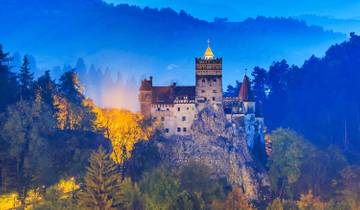
Authentic Transylvania: 7-Day Small-Group Journey
- ✓ Comprehensive Romania tour
- ✓ Expert local guides included
- ✓ All accommodation arranged
- ✓ Transportation provided
10 days
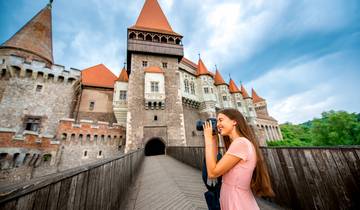
Best of Romania in 10 days
- ✓ Comprehensive Romania tour
- ✓ Expert local guides included
- ✓ All accommodation arranged
- ✓ Transportation provided
4 days
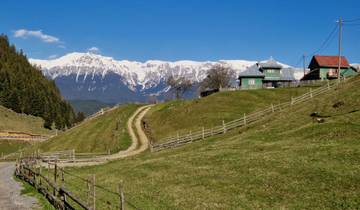
Transylvania Castles tour in 4 days from Bucharest
- ✓ Comprehensive Romania tour
- ✓ Expert local guides included
- ✓ All accommodation arranged
- ✓ Transportation provided
8 days
Transylvanian Village Life: 8-Day Carpathian Hiking & Cultural Journey
- ✓ Comprehensive Romania tour
- ✓ Expert local guides included
- ✓ All accommodation arranged
- ✓ Transportation provided
Multi-day tour packages powered by TourRadar. Prices and availability subject to change.
Introduction: Planning Your Romania Visit in 2026
Romania’s position at the crossroads of Central and Eastern Europe, shaped by the sweeping Carpathian mountain range and bordered by the Danube River and Black Sea, creates a climate mosaic that transforms dramatically across seasons and regions. This geographic complexity means the ideal visiting time depends entirely on your priorities: festival-goers target the July-August music season when UNTOLD, Electric Castle, and Neversea Kapital dominate the cultural calendar, while outdoor enthusiasts favor May-June or September-October when hiking trails remain accessible and temperatures stay comfortable. The country’s continental climate delivers pronounced seasonal differences that would challenge visitors expecting Mediterranean mildness, yet this very characteristic creates opportunities unavailable in more temperate destinations.
Understanding Romania’s seasonal rhythm proves essential for successful trip planning in 2026. Spring arrives tentatively in March, transforming rapidly through April and May as wildflowers blanket mountain meadows and Orthodox Easter traditions fill towns with painted eggs and festive celebrations. Summer blazes across the southern plains with temperatures regularly exceeding 30°C while Transylvania’s plateau stays pleasantly moderate, and the Black Sea coast draws sunbathers from June through September. Autumn emerges as perhaps Romania’s most rewarding season when September maintains summer warmth without crowds, October paints the Carpathians in gold and crimson, and harvest festivals celebrate wine, food, and rural traditions. Winter transforms the country into a snow-covered realm perfect for skiing in Poiana Brașov or Sinaia, exploring Christmas markets in Bucharest and Sibiu, and experiencing authentic winter folk customs largely unchanged for centuries.
The 2026 travel year holds special significance as Romania celebrates Brâncuși Year, marking 150 years since Constantin Brâncuși’s birth. This designation brings enhanced cultural programming to Gorj County where the sculptor was born, special exhibitions at the Romanian Athenaeum and major museums nationwide, and increased international attention to Romania’s artistic heritage. Festival organizers have announced preliminary dates for major 2026 events, though specific lineups remain under development. Hotels and airlines report strong early booking patterns for summer peak season, suggesting travelers should secure reservations by early spring for July-August visits, while shoulder season months maintain availability closer to travel dates.
This guide examines each season’s characteristics in detail, analyzes regional climate variations from the Danube Delta to mountain peaks, profiles major festivals and cultural events, and provides month-by-month planning recommendations. Whether you’re drawn by medieval castles, pristine wilderness, vibrant cities, or Europe’s most traditional folk cultures, matching your visit to Romania’s seasonal patterns maximizes comfort, minimizes costs, and unlocks experiences unavailable during other times of year. The following sections equip you with the knowledge to choose your optimal Romania travel window in 2026, understanding what each season offers and demands in return.
Understanding Romania’s Climate and Seasons in 2026
Romania’s continental climate operates under Central European weather patterns modified by the Carpathian Mountains’ semicircular embrace, creating conditions notably different from Mediterranean destinations despite sharing similar latitudes. Winter cold penetrates deeply from November through March, summer heat builds intensely in July and August, and transitional seasons compress into brief but dynamic periods when weather can shift dramatically within days. This pattern means travelers experience genuine four-season variety with pronounced differences between periods, requiring careful packing and expectation management based on visit timing.
Annual precipitation averages 600-650mm nationally, distributed relatively evenly across months but concentrated in May and June when afternoon thunderstorms develop regularly. These storms, particularly common in mountainous areas and Transylvania, can be intense but typically brief, clearing within hours to reveal fresh air and dramatic cloud formations. Winter precipitation falls primarily as snow from December through February, accumulating heavily in the Carpathians where depths exceed two meters at higher elevations, while southern plains receive lighter snowfall that may melt between storms. The Black Sea coast experiences the country’s lowest annual rainfall around 350-400mm, contributing to longer beach seasons and more reliable summer sunshine.
Temperature ranges span from July-August highs regularly reaching 30-35°C in Bucharest and southern plains, occasionally exceeding 40°C during heat waves, down to January-February lows averaging -6°C nationally with mountain valleys dropping to -15°C or colder during Siberian air mass intrusions. This 45-50°C annual range exceeds Mediterranean or Western European norms, creating winters that feel genuinely cold and summers that deliver sustained heat rather than brief warm spells. Transylvania’s plateau elevation moderates these extremes somewhat, keeping July-August temperatures around 22-25°C and making the region Romania’s most comfortable summer destination for heat-sensitive visitors.
Daylight variation follows continental Europe patterns with June solstice bringing approximately 15 hours of daylight, enabling extended sightseeing and outdoor activities, while December solstice reduces available light to just 8-9 hours, concentrating visits into compressed midday windows and favoring indoor cultural experiences. Sunrise occurs around 5:30 AM in summer and 8:00 AM in winter, sunset falls around 9:00 PM in summer and 4:30 PM in winter. These dramatic shifts affect photography opportunities, activity scheduling, and overall travel rhythm more significantly than many visitors anticipate, particularly those arriving from more equatorial regions with stable day length.
Wind patterns bring cold northern and eastern flows in winter from Russia and Ukraine, occasionally creating blizzard conditions and wind chill that makes thermometer readings feel deceptively mild. Summer brings gentler southern breezes except during afternoon thunderstorm development when local wind gusts can reach 50-60 km/h briefly. The Black Sea coast experiences consistent onshore breezes in summer that moderate heat and make beach conditions pleasant, while mountain passes can funnel winds to uncomfortable speeds during any season, requiring windproof layers even in summer.
Spring in Romania 2026: March Through May
Spring 2026 emerges as Romania’s most unpredictable season, spanning dramatic transformation from winter’s lingering grip in March through May’s full bloom, with conditions varying so significantly across the three-month period that March and May feel like different climate zones. March remains essentially winter across northern Romania, Transylvania, and mountain areas, with snow still covering high elevations, morning temperatures near freezing, and occasional blizzards, though southern regions around Bucharest and the Danube begin thawing. April marks transition when genuine spring arrives to most lowland areas but mountain regions continue experiencing winter weather, creating challenging trip planning for visitors hoping to explore diverse areas. May delivers reliable spring conditions nationwide, bringing temperatures into the comfortable 18-22°C range, wildflower displays across Carpathian meadows, and increasing daylight hours approaching summer levels.
Early spring travel in March 2026 suits only those specifically targeting winter sports in their final weeks before slopes close, visitors interested in observing Orthodox Easter preparations when they occur in late March or April, or photographers seeking the stark beauty of landscapes transitioning between seasons. The unpredictability means packing for winter remains essential even as occasional warm days hint at approaching spring. Rural accommodations may remain closed, some mountain roads stay blocked by snow, and overall tourist infrastructure operates at reduced capacity. However, major cities maintain full accessibility, museums and indoor attractions welcome visitors without summer crowds, and prices remain at off-season levels.
Mid-spring April 2026 presents variable conditions requiring flexibility, with southern regions experiencing pleasant temperatures around 15-18°C while northern areas and Transylvania lag several degrees cooler. Rainfall increases as the region’s storm season begins, bringing frequent showers that necessitate waterproof layers and may disrupt outdoor plans. Orthodox Easter falls in April 2026, transforming the country with traditional preparations, painted eggs adorning shop windows and town squares, special church services, and festive meals featuring lamb and cozonac sweet bread. Villages welcome respectful visitors to observe customs, and family-run guesthouses often invite guests to participate in egg painting and traditional celebrations. This cultural dimension makes April worth considering despite weather uncertainties, especially for travelers prioritizing authentic experiences over guaranteed sunshine.
Late spring May 2026 stands as the season’s crown jewel, delivering conditions that rival autumn’s appeal while offering completely different landscape character. Temperatures climb into the 18-23°C range, making outdoor activities comfortable without summer heat, though afternoon thunderstorms remain common especially in mountainous areas and require monitoring weather forecasts. Wildflower displays peak across Carpathian meadows, painting alpine zones in purple, yellow, and white, while fruit trees throughout Transylvania and Maramureș blossom, creating photo opportunities against historic wooden churches and traditional villages. Daylight extends to 14-15 hours, enabling full day itineraries, and most tourist services resume full operations while summer crowds haven’t yet arrived.
May 2026 works exceptionally well for active travelers planning hiking, cycling, or extensive outdoor exploration, as trails dry out from spring snowmelt, temperatures stay moderate for exertion, and long days permit ambitious itineraries. The Danube Delta becomes particularly appealing as migratory birds return from Africa, creating world-class birdwatching opportunities with over 300 species present. Cultural attractions in Brașov, Sibiu, Sighișoara, and other towns welcome visitors without summer queues, hotels offer shoulder-season rates typically 30-40% below peak summer, and restaurants and cafes maintain authentic local character rather than tourist-oriented service models.
Spring travel considerations include packing layers accommodating 10-15°C temperature ranges between morning and afternoon, waterproof gear for frequent rain especially in May and June, and closed-toe shoes for muddy trails and wet cobblestones. Higher elevation destinations like Transfăgărășan Highway may remain closed until June, limiting certain scenic routes, and some rural guesthouses don’t open until late May. However, these minor limitations pale against the advantages of comfortable temperatures, emerging landscapes, cultural richness around Easter, and excellent value compared to summer peak season.
Summer in Romania 2026: June Through August
Summer 2026 brings Romania’s warmest weather, longest days, highest tourist concentrations, and most vibrant festival calendar, creating a season that suits travelers prioritizing outdoor activities, beach vacations, major cultural events, and guarantee of consistently warm conditions over tranquility or budget considerations. June through August temperatures range from pleasant 22-25°C in Transylvania to hot 28-32°C in Bucharest and southern plains, with July-August heat waves occasionally pushing thermometers above 35-40°C in Wallachia and requiring heat management strategies. The Black Sea coast enjoys reliable beach weather throughout the three-month period, though water temperatures peak in late July and August when they reach comfortable 23-25°C.
Early summer June 2026 represents perhaps the season’s sweet spot, offering near-peak temperatures and daylight without August’s oppressive heat or maximum crowds, though afternoon thunderstorms remain common and occasionally disrupt plans. The month transitions from May’s spring character into full summer by late June, with landscapes maintaining green freshness before July-August heat stresses vegetation. Major festivals begin ramping up with regional events preceding July-August megafestivals, accommodation remains available without requiring months-advance booking except during specific festival weekends, and outdoor activity conditions reach optimal levels. Hikers find trail conditions perfect after spring snowmelt has cleared high elevations, cyclists enjoy long days and moderate temperatures, and photographers benefit from lush landscapes and extended golden hour light.
Midsummer July 2026 delivers peak summer conditions across all metrics, bringing the year’s longest days around summer solstice with nearly 15 hours of daylight, hottest temperatures averaging 28-32°C in most regions, and the most intense festival activity. Electric Castle returns to Bánffy Castle in mid-July for five days of international music featuring rock, electronic, indie, hip-hop, and world genres across multiple stages in a fairytale castle setting. The festival draws over 200,000 attendees and has achieved cult status on Europe’s festival circuit, though characteristic rain and mud demand appropriate preparation including waterproof boots and camping gear. Jazz in the Park transforms Cluj-Napoca’s Romulus Vuia Ethnographic Park into a boutique music venue blending jazz, funk, soul, and world music with rustic open-air museum charm.
August 2026 marks Romania’s absolute tourism peak, combining maximum heat with the country’s biggest festivals and Romanian domestic holiday season when families flood coastal resorts and mountain retreats. UNTOLD Festival dominates Cluj-Napoca’s Cluj Arena for four days in early-to-mid August under the theme “UNTOLD ONE,” launching a new decade of electronic music programming with global headliners, spectacular production values, and immersive experiences that have established it among Europe’s premier electronic festivals. The event attracts over 375,000 attendees across four days, overwhelming Cluj-Napoca’s accommodation and requiring bookings by April-May. Neversea Kapital brings beach festival vibes to Bucharest’s urban setting with electronic and pop acts, while Summer Well creates a boutique alternative music experience at Știrbey Domain in Buftea featuring indie rock, art installations, and cultural programming in a laid-back atmosphere.
Classical music enthusiasts should note the George Enescu International Festival and Competition running late August through mid-September at Romanian Athenaeum and other Bucharest venues, showcasing world-class orchestras, soloists, chamber music, and opera while hosting competitions in violin, cello, piano, and composition that attract exceptional young musicians from across the globe. This biennial event, titled “In Pursuit of Excellence” in 2026, represents one of Europe’s most prestigious classical music gatherings and provides highbrow cultural counterpoint to summer’s electronic festival scene.
Summer travel requires heat management strategies including starting sightseeing early morning when temperatures remain moderate and museums open but crowds haven’t arrived, taking midday breaks in air-conditioned spaces or shaded parks, and resuming activities in late afternoon when heat subsides. Sunscreen, sun hats, and increased water consumption become essential, particularly in cities where concrete and stone amplify heat. Light, breathable clothing in natural fabrics proves far more comfortable than synthetic materials that trap heat and moisture. Evening temperatures typically drop to pleasant 18-22°C, making outdoor dining and nightlife genuinely enjoyable rather than sweaty affairs.
Accommodation booking timelines vary dramatically by destination and event schedule. Cluj-Napoca around UNTOLD requires reservations by April or earlier, with prices tripling or more and quality options selling out completely. Brașov, Sibiu, and other popular Transylvanian towns need June booking for August visits, while rural guesthouses maintain better availability. Black Sea coastal resorts Constanța, Mamaia, and Vama Veche reach capacity in August during Romanian domestic holiday season, requiring advance planning or willingness to stay inland. Bucharest hotels manage summer demand better given the capital’s business hotel inventory, though prices increase 40-60% over shoulder season rates.
Autumn in Romania 2026: September Through November
Autumn 2026 emerges as Romania’s second optimal season and arguably the country’s most rewarding period for travelers who appreciate transformation, as landscapes shift from summer green to autumn gold while weather remains generally pleasant, crowds dissipate significantly, and harvest celebrations showcase food and wine traditions. September through November span from September’s near-summer conditions through November’s winter preview, creating another dramatically transitional season requiring careful timing to match conditions with expectations.
Early autumn September 2026 stands as many experienced Romania travelers’ preferred month, combining late summer warmth averaging 20-25°C, minimal rainfall compared to spring and summer, long daylight hours still approaching 13 hours, and sharply reduced tourist concentrations as summer visitors depart but attractions maintain full operations. Southern regions and Bucharest remain genuinely warm through September with temperatures occasionally reaching 28-30°C, while Transylvania and mountain areas show first signs of autumn with cooler mornings and earlier color change in high elevation forests. The month works exceptionally well for outdoor activities as hiking trails lose summer congestion, cycling benefits from moderate temperatures perfect for exertion, and photography captures transitional landscapes with early autumn light and developing foliage.
The George Enescu Festival continues through early September, providing world-class classical music performances in Bucharest’s most elegant venues. Harvest festivals proliferate across wine regions, particularly in Transylvania and Moldova, celebrating the year’s grape crush with tastings, traditional music, and regional cuisine. Rural guesthouses offer authentic experiences as families preserve vegetables, make jams and pickles, and prepare homes for winter using methods unchanged for generations. These authentic activities remain largely closed to summer’s rushed tourist hordes but open naturally to autumn visitors staying longer and engaging more deeply with local communities.
Mid-autumn October 2026 delivers Romania’s peak foliage period when Carpathian forests explode in gold, orange, and red, creating spectacular landscapes ideal for scenic drives along Transfăgărășan Highway and Transalpina, hiking through deciduous forests, and photographing medieval towns against mountain backdrops painted in autumn colors. Temperatures cool to comfortable 12-18°C ranges, morning frost appears in mountain areas, and rainfall increases somewhat though typically less than May-June spring storms. Days shorten noticeably as winter solstice approaches, with sunset advancing to 6:00-6:30 PM, requiring earlier completion of outdoor activities and making candlelit castle tours particularly atmospheric.
October balances outstanding conditions against reduced services as some rural accommodations close for winter, mountain roads may face temporary closures during early snowstorms, and tourist-oriented restaurants in smaller towns reduce hours or shut down until spring. However, major cities and popular destinations maintain full operations, hotels offer excellent shoulder-season value typically 50% below summer peak rates, and the overall experience feels more authentic as visitors interact with communities transitioning to winter rhythms rather than performing tourism service. Wildlife becomes more visible as forests thin and animals prepare for winter, with brown bears, deer, and bird populations easier to observe in national parks and reserve areas.
Late autumn November 2026 represents the year’s least appealing month for general tourism, combining cold temperatures averaging 5-10°C, frequent rain transitioning to snow at higher elevations, short daylight hours around 9-10 hours, and the tourism season’s definitive end when many rural accommodations close completely and mountain areas hunker down for approaching winter. The month feels gray and damp, skies stay overcast for extended periods, and outdoor activities become challenging rather than pleasant. However, November offers rock-bottom prices for travelers unbothered by gloomy conditions, cities maintain full accessibility and cultural programming, and the period provides authentic insight into Romanian life between tourist seasons.
Autumn packing requires versatile layers accommodating 15-20°C daily temperature swings, waterproof outerwear for October-November rain, warm fleece or sweater for evening chill, and sturdy walking shoes for wet trails and cobblestones. September visitors can pack light summer clothes with light layers for cooler mornings, while November demands approaching winter gear including warm jacket and possible hat and gloves. The season rewards photographers willing to rise early for misty mountain valleys, patient wildlife observers as animal activity increases, and food enthusiasts seeking harvest specialties including wild mushrooms, game meats, fresh preserves, and new wine.
Winter in Romania 2026: December Through February
Winter 2026 transforms Romania into a snow-covered realm that divides sharply into two distinct travel experiences: December’s magical Christmas market season when cities glow with festive lights and traditional celebrations draw visitors despite cold, and January-February’s deep winter when brutal cold and limited daylight suit only dedicated skiers and winter sports enthusiasts willing to trade comfort for authentic winter character. Temperatures average -3 to -6°C nationally but drop far lower during Siberian air mass intrusions when thermometers fall to -15°C or colder, particularly in mountain areas and northeastern regions closer to Ukraine and Russia borders.
Early winter December 2026 offers the season’s most tourist-friendly experience, combining genuine winter atmosphere with festive celebrations that make cold weather feel part of the experience rather than endurance challenge. Christmas markets bloom across Bucharest, Sibiu, Brașov, Cluj-Napoca, and Timișoara from late November through December, offering traditional crafts, mulled wine (vin fiert), seasonal foods including cozonac sweet bread and mici grilled sausages, live music, and warm community atmosphere that showcases Romanian hospitality at its finest. Bucharest’s markets rank among Eastern Europe’s largest and most impressive, particularly the main market at University Square and Constitution Square, featuring panoramic wheels, ice skating rinks, decorated wooden chalets, and nightly entertainment.
Ski resorts including Poiana Brașov, Sinaia, and Predeal open in mid-December once sufficient snow accumulates, offering significantly lower prices than French, Austrian, or Swiss alternatives while maintaining reasonable infrastructure and trail variety suitable for intermediate skiers and families. Poiana Brașov, Romania’s premier ski destination, features 13 slopes totaling over 20km with vertical drop of approximately 760 meters, modern lift systems, and village atmosphere mixing Romanian character with resort amenities. Equipment rental, ski schools, and accommodations cost 50-70% less than Western European equivalents, making Romanian ski holidays exceptional value for budget-conscious winter sports enthusiasts.
Christmas and New Year periods December 25-January 1 bring Romanian families to mountain resorts and cities for holiday celebrations, creating the year’s second major tourist peak after summer. Hotels and guesthouses require advance booking, prices increase 100% or more over shoulder season rates, and popular destinations feel genuinely crowded. However, the festive atmosphere, traditional celebrations, and authentic holiday spirit make this period worthwhile for travelers specifically targeting Christmas market experiences or wanting to observe Orthodox Christmas traditions that blend religious reverence with pre-Christian folk customs.
Deep winter January-February 2026 delivers Romania’s coldest months when thermometers hover at or below freezing continuously, snow covers most of the country except southern plains where it may melt between storms, and daylight shrinks to just 8-9 hours making outdoor activities compress into limited midday windows. Cities feel gray and cold, pedestrian traffic decreases noticeably, and overall atmosphere turns inward as Romanians endure winter rather than embrace it. However, this period offers absolute rock-bottom prices for travelers willing to brave cold, ski conditions reach their peak with maximum snow accumulation and optimal grooming, and the experience feels genuinely authentic as tourism infrastructure operates at minimum capacity.
January 17, 2026 brings the Johann Strauss Festival to Romanian Athenaeum Bucharest, celebrating Viennese waltz, operetta, and symphonic music in the stunning 19th-century concert hall. This elegant event marks its 23rd edition, providing refined cultural experience perfect for winter visitors seeking indoor entertainment in spectacular surroundings. Bucharest’s museums, theaters, and concert halls maintain full winter programming, making the capital particularly appealing for culture-focused travelers unbothered by outdoor weather.
Traditional winter folk customs continue in rural areas, particularly Maramureș, where centuries-old practices including mask-wearing rituals, singing groups visiting homes, and winter festivals preserve pre-Christian traditions beneath Christian overlay. Villages welcome respectful visitors to observe these authentic cultural expressions, providing remarkable experiences unavailable during tourist season when communities perform rather than simply live their traditions.
Winter travel demands serious cold-weather preparation including thermal base layers, insulated jacket rated for -15°C or colder, warm hat covering ears, insulated gloves, waterproof winter boots with good traction for icy sidewalks, and multiple mid-layers like fleece or wool sweaters. Scarves protecting face from wind become essential during cold spells. Hotels and guesthouses maintain indoor heating, but older buildings may feel drafty, and some rural accommodations lack central heating entirely, relying instead on wood stoves that create warm zones but leave bedrooms quite cold.
Major Festivals and Cultural Events 2026
Romania’s 2026 festival calendar spans from classical music and theatre to massive electronic music events, traditional folk celebrations, and regional cultural gatherings, creating opportunities to experience contemporary international culture alongside customs unchanged for centuries. Planning around major events requires careful attention to booking deadlines, as festivals drive accommodation scarcity and price spikes in host cities, sometimes radiating effects to surrounding regions as visitors seek overflow lodging.
UNTOLD Festival Cluj-Napoca, scheduled for August 2026 (specific dates to be announced), stands as Romania’s premier music event and one of Europe’s largest electronic festivals, transforming Cluj Arena and surrounding areas into an immersive musical universe under the theme “UNTOLD ONE” marking a new decade. The four-day event attracts over 375,000 attendees annually with main stage headliners complemented by multiple genre-specific stages covering techno, house, trance, hip-hop, and alternative music. Production values rival world-class festivals like Tomorrowland, featuring spectacular stage designs, synchronized lighting and pyrotechnics, and immersive art installations. Accommodation in Cluj-Napoca becomes impossible without April-May advance booking, with hotels, hostels, and Airbnb listings selling out completely or pricing at 300-400% normal rates. Many attendees stay in nearby Brașov, Sibiu, or even Bucharest and commute via festival shuttles or regional trains.
Electric Castle returns to Bánffy Castle near Bonțida (25km from Cluj-Napoca) in mid-July 2026 for five days (exact dates to be announced) of eclectic programming across multiple stages set within and around the historic castle grounds. The festival’s distinctive character blends rock, electronic, indie, hip-hop, folk, and world music, attracting more musically diverse crowds than UNTOLD’s electronic focus. Past headliners have included major international acts like Justin Timberlake, Queens of the Stone Age, and Justice, alongside over 300 artists across genres. The castle setting creates fairytale atmosphere unmatched by typical festival grounds, though attendees must prepare for characteristic rain and mud that occur during many editions. Camping facilities, multiple food and bar areas, and art installations complete the experience that has developed cult following among European festival circuits.
Neversea Kapital continues its evolution from Black Sea beach festival to Bucharest urban event in 2026 (dates to be announced), bringing electronic and pop acts to the capital with state-of-the-art production and festival-within-city concept. This transformation maintains Neversea’s party atmosphere while improving logistics and expanding beyond beach resort limitations. Summer Well returns to Știrbey Domain in Buftea near Bucharest in August 2026, offering boutique alternative to megafestivals with indie rock, alternative, and international acts in intimate historic estate setting. The three-day event attracts 15,000-20,000 attendees who appreciate more relaxed atmosphere, art installations, culinary programming, and comfortable infrastructure balancing festival energy with refined experiences.
Classical music anchors in the George Enescu International Festival and Competition running late August through mid-September 2026 at Romanian Athenaeum, Sala Palatului, and other Bucharest venues. This biennial event, one of Europe’s most prestigious classical gatherings, presents world-class orchestras, renowned soloists, chamber ensembles, and opera productions while hosting international competitions in violin, cello, piano, and composition that discover exceptional young talent. The 2026 edition themed “In Pursuit of Excellence” draws classical music enthusiasts globally and provides sophisticated counterpoint to summer’s electronic festival scene. Individual concert tickets and series passes become available spring 2026, with premium performances selling quickly.
Traditional folk festivals populate the calendar year-round but concentrate in warmer months when outdoor celebrations prove comfortable. Sâmbra Oilor marks sheep departure to mountain pastures with festivities combining ancient pastoral traditions and community celebration. The Maidens’ Fair (Târgul de Fete) at Gaina Mountain plateau near the weekend of July 20 continues centuries-old matchmaking tradition, though today functioning more as cultural festival featuring traditional costumes, folk music and dance, regional crafts, and mountain atmosphere drawing participants from 80 villages across four counties. Village festivals celebrating saints’ days, harvest, crafts, and local heritage occur throughout rural Romania, particularly Maramureș, Bucovina, and Transylvania, providing authentic cultural experiences for travelers willing to research local calendars and venture beyond mainstream tourist circuits.
The Brâncuși Year 2026 designation celebrates 150 years since Constantin Brâncuși’s birth, bringing special exhibitions to Gorj County where the sculptor was born, enhanced programming at National Museum of Art Bucharest and other major museums, international symposia examining his artistic legacy, and cultural events connecting his modernist vision with Romanian folk traditions that influenced his aesthetic. This special focus makes 2026 particularly significant for art-oriented travelers and provides thematic thread connecting multiple destinations across the country.
Regional and specialty festivals including Sibiu International Theatre Festival (typically June), Bucharest Deathfest (extreme metal, March), Jazz in the Park Cluj-Napoca, film festivals showcasing Italian, Japanese, and European cinema, wine festivals across Transylvania and Moldova celebrating harvest, and countless local celebrations create opportunities to align visits with specific interests. However, major accommodation and logistics impact radiates primarily from UNTOLD and Electric Castle, with other events causing localized effects in specific cities but not system-wide disruption.
Regional Climate Variations Romania 2026
Romania’s geography creates distinct climate zones that experience the same season differently enough to require regional planning adjustments, particularly for itineraries spanning from Danube Delta through Transylvania to Carpathian mountains. Understanding these variations prevents uncomfortable surprises and enables strategic routing that maximizes favorable conditions while minimizing exposure to weather extremes.
Transylvania’s central plateau, encompassing major destinations Brașov, Sibiu, Cluj-Napoca, and Sighișoara, sits at 300-600 meters elevation, creating conditions consistently 3-5°C cooler than southern plains throughout the year. Summer maximum temperatures rarely exceed 28°C, making the region Romania’s most comfortable warm-season destination when Bucharest and Wallachia swelter above 35°C. This moderation comes with winter trade-off of colder conditions and more persistent snow, though the difference proves less dramatic during cold months when entire country experiences similar freezing temperatures. Spring arrives 1-2 weeks later than southern regions, autumn lingers slightly longer with earlier and more dramatic foliage, and overall climate feels more Central European than Balkanic. Afternoon thunderstorms occur frequently June through August, requiring flexible planning and waterproof gear, but precipitation rarely ruins entire days as storms typically clear within hours.
The Carpathian Mountains dominating Romania’s center and arcing southwest toward Serbian and Hungarian borders create true alpine conditions above 1,500 meters, with summer temperatures remaining cool even in July-August, winter snow lasting October through May, and weather capable of dramatic shifts within hours as fronts sweep across ridges. Mountain roads including the spectacular Transfăgărășan and Transalpina highways typically open only June through September, with exact dates depending on snowmelt progression and late-season storms. High mountain hiking above treeline requires proper preparation even in summer when afternoon thunderstorms develop rapidly, bringing rain, hail, and dramatic temperature drops that can catch unprepared hikers dangerously exposed. However, these same conditions create exceptional trekking environments for properly equipped visitors, with pristine wilderness, dramatic scenery, and solitude impossible to find in more temperate European destinations.
Wallachia’s southern lowlands, including Bucharest and extending to the Danube River, experience Romania’s most extreme continental climate with hottest summers regularly exceeding 32-35°C and occasionally reaching 38-40°C during African heat waves, combined with cold winters dropping to -10°C or below during Siberian air mass intrusions. The region lacks Transylvania’s moderating elevation, resulting in more dramatic seasonal swings and less comfortable mid-summer conditions. Spring arrives earliest here, typically 1-2 weeks before Transylvania, making March-April visits more viable for southern itineraries than northern routes. Autumn warmth persists longer through September and into October when mountain regions cool rapidly.
The Black Sea coast enjoys Romania’s mildest winter climate, with temperatures hovering near freezing rather than plunging deeply negative, and less persistent snow than inland regions. However, winter brings fierce winds that create harsh wind chill, making the coast feel colder than thermometer readings suggest and eliminating any Mediterranean-style winter refuge expectations. Summer brings reliable beach weather June through September with maximum temperatures moderated by sea breezes to comfortable 26-30°C rather than inland’s 33-38°C extremes. Water temperatures peak in late July-August at pleasant 23-25°C, making swimming genuinely comfortable rather than bracing endurance test. The shoulder months May and October remain too cool for beach activities but work well for coastal town exploration and Danube Delta visits without summer heat or mosquito populations.
The Danube Delta, Europe’s largest remaining natural wetland and UNESCO biosphere reserve, creates its own microclimate characterized by high humidity, abundant mosquitoes May through September, and water-moderated temperatures slightly cooler than surrounding plains in summer. The region’s appeal peaks during spring and autumn bird migrations when over 300 species pass through or nest in reed beds, channels, and lakes, creating world-class birdwatching unmatched elsewhere in Europe. Summer heat combined with humidity and insects makes extended Delta visits uncomfortable without proper preparation including mosquito repellent, light long-sleeve clothing, and heat tolerance. Winter brings the region’s quietest period when wildlife activity decreases and many accommodations close, though specialized birding tours operate year-round for dedicated enthusiasts.
Maramureș in far northern Romania near Ukrainian border experiences the country’s most severe winter conditions, with temperatures regularly dropping below -15°C, deep and persistent snow November through March, and isolated mountain valleys where traditional life continues largely unchanged. The region’s wooden churches, distinctive folk culture, and preserved pastoral traditions make it Romania’s most authentic cultural destination, but winter visits demand serious cold tolerance and realistic expectations about comfort levels. Summer brings pleasant temperatures ideal for hiking and cultural exploration, though afternoon rain remains common. The region feels most Central European during spring and autumn when landscapes display seasonal transitions dramatically and traditional harvest activities provide insight into subsistence patterns unchanged for centuries.
Best Time to Visit Romania by Travel Style 2026
Different travel priorities align with specific seasonal windows, and understanding these patterns helps match conditions to expectations rather than forcing predetermined schedules onto unsuitable weather. The following recommendations assume visitors prioritize particular activities or experiences above general sightseeing flexibility.
Festival and nightlife enthusiasts targeting UNTOLD, Electric Castle, Neversea Kapital, Summer Well, or other major music events must visit during July-August 2026 despite peak heat, maximum crowds, and premium prices. This window proves non-negotiable for experiencing Romania’s internationally recognized festival scene, and attempting to visit during optimal weather without festivals means missing the country’s defining contemporary cultural phenomenon. Book accommodation by April for August festivals, expect extreme heat requiring sun protection and hydration strategies, and plan recovery days in air-conditioned spaces between intense festival experiences.
Outdoor adventurers prioritizing hiking, cycling, wildlife observation, and nature photography should target May-June or September-October 2026 when trail conditions optimize, temperatures stay moderate for sustained exertion, and daylight hours permit ambitious itineraries. May brings wildflower displays across Carpathian meadows and Danube Delta birdwatching as migrants return from Africa. September offers autumn foliage beginning in high elevations, comfortable temperatures after summer heat subsides, and reduced trail congestion as casual tourists depart. Both periods work well for multi-day trekking in Făgăraș Mountains, Piatra Craiului Ridge, or Retezat National Park, though May requires flexibility for lingering snow above 2,000 meters and September faces increasing rainfall toward month’s end.
Cultural and historical tourism focusing on castles, fortified churches, museums, and medieval towns functions year-round with seasonal trade-offs between comfort and crowds. Summer June-August guarantees warm weather and full opening hours but brings maximum tourist concentrations requiring early morning visits to major sites like Bran Castle, Peles Castle, and Sighișoara Citadel to avoid midday crowds. May, September, and October provide nearly ideal conditions with moderate temperatures, manageable visitor numbers, and full operations, making these months optimal for sightseeing-focused itineraries. Winter December-February works surprisingly well for castle and museum visits as indoor attractions maintain heating, crowds disappear completely, and snow-covered landscapes create atmospheric settings, though short daylight compresses itineraries and cold between sites requires warm transport and accommodations.
Photography enthusiasts should consider specific seasonal light and landscape conditions aligning with their aesthetic preferences. Spring May brings vibrant wildflowers, fresh green landscapes, and dramatic weather creating dynamic cloud formations. Summer July-August offers long golden hour periods with sunset around 9:00 PM enabling extended evening shooting, though harsh midday light challenges middle-of-day work. Autumn September-October delivers spectacular foliage, mist-filled valley mornings, and rapidly changing conditions rewarding flexibility. Winter provides snow-covered landscapes, Christmas market lights, and low-angle winter sun creating dramatic shadows, though short working windows and extreme cold challenge equipment and photographer endurance.
Food and wine tourism aligns with harvest seasons, making September-October 2026 optimal for experiencing grape crush, attending wine festivals in Transylvania and Moldova, tasting fresh seasonal produce, and observing traditional preservation methods as families prepare for winter. Rural guesthouses particularly in Maramureș showcase authentic cuisine using just-harvested ingredients prepared with techniques unchanged for generations. Spring brings different culinary focus on fresh dairy products as sheep return from mountain pastures, wild asparagus and mushrooms, and Orthodox Easter specialties including lamb dishes and cozonac sweet bread.
Winter sports enthusiasts must visit December through February when ski resorts operate, with January-February offering maximum snow accumulation and optimal grooming despite coldest temperatures. Poiana Brașov, Sinaia, and Predeal provide varied terrain suitable for intermediate skiers and families, though expert skiers may find trails limited compared to alpine destinations. Prices remain significantly lower than Western European alternatives, making Romanian ski holidays exceptional value propositions despite more modest infrastructure.
Budget travelers seeking maximum value should avoid July-August peak season and major festival dates when prices spike dramatically, instead targeting November, February, or March when off-season rates drop 50-70% below summer peaks. May and October shoulder seasons balance reasonable prices with excellent conditions, typically running 30-40% below July-August rates while maintaining comfortable weather and full attraction operations. Christmas and New Year periods December 25-January 1 bring second annual price spike rivaling summer, making them poor choices for budget-conscious visitors unless specifically targeting holiday atmosphere.
Families with school-age children face July-August constraint when most European schools close, forcing peak season visits despite drawbacks. Within this limitation, late June or very early September provide slightly better conditions with marginally fewer crowds and more moderate temperatures, though differences remain modest. Families should prioritize accommodation with air conditioning for July-August visits, plan indoor alternatives during peak afternoon heat, and book major attraction tickets online to minimize queuing with children in sun.
Crowd Patterns and Tourism Seasons 2026
Romania’s tourism flows concentrate heavily into June-August peak season when European school holidays, warm weather guarantees, and festival programming combine to create the year’s maximum visitor concentrations, with August representing absolute peak when domestic Romanian tourists join international visitors. However, the country’s crowds remain manageable compared to overtourism disasters plaguing Western European destinations, and strategic planning minimizes congestion even during busy periods.
Peak season July-August 2026 brings highest visitor numbers to major attractions including Bran Castle, Peles Castle, Brașov Old Town, Sighișoara Citadel, Cluj-Napoca during UNTOLD, and Black Sea coastal resorts. Bran Castle, forever associated with Dracula mythology despite minimal historical connection, experiences queues of 30-60 minutes during midday July-August, particularly weekends when Bucharest day-trippers combine with international tour groups. Visiting at opening time around 9:00 AM or after 4:00 PM dramatically reduces wait times while providing better light for photography. Peles Castle in Sinaia implements timed-entry tickets that limit capacity and require advance online booking during summer, preventing excessive crowds inside while creating potential access issues for walk-up visitors during sold-out periods.
Brașov’s Council Square and surrounding old town pedestrian zone reach maximum saturation August afternoons when tourists fill terrace restaurants, creating generic European resort atmosphere rather than authentic Romanian character. Early morning exploration before 10:00 AM reveals the medieval city’s genuine character with locals shopping at markets, elderly residents taking coffee, and historical architecture visible without human obstruction. Similarly, Sighișoara Citadel’s small scale makes crowd impact more noticeable, though the hilltop fortress never approaches Prague or Dubrovnik saturation levels even in absolute peak times.
Cluj-Napoca transforms completely during UNTOLD Festival in August when 375,000 attendees over four days overwhelm the city’s 325,000 resident population. Every hotel, hostel, and Airbnb listing sells out months in advance, restaurants require reservations, and city infrastructure strains under unprecedented load. Many regular Cluj residents leave during UNTOLD, renting their apartments to festival-goers and escaping the chaos. The experience proves exhilarating for festival participants but nightmarish for independent travelers accidentally arriving during the event without appropriate preparation.
Shoulder seasons May-June and September-October deliver dramatically improved crowd conditions while maintaining excellent weather and full attraction operations. May reduces visitor numbers approximately 40% compared to July-August peak, September drops them 50%, and October falls to perhaps 30% of summer peaks. These reductions manifest primarily at major tourist sites and hotels in popular destinations, while rural areas, smaller towns, and off-beaten-path attractions remain quiet even in summer. The shoulder season experience feels more authentic as tourism infrastructure serves rather than defines communities, locals interact naturally rather than performatively, and travelers can move through destinations without constant crowds buffering them from genuine place character.
Winter November through February represents true off-season when visitor numbers drop to bare minimums except Christmas market period in December and ski resort weekends January-February. Cities feel local rather than touristy, museums and castles welcome visitors with personalized attention, and overall atmosphere reflects authentic Romanian life rather than tourism-economy performance. However, this authenticity comes with real trade-offs including reduced accommodation options as many properties close, limited restaurant choices particularly in smaller towns, and challenging weather requiring serious cold tolerance.
Domestic Romanian tourism patterns concentrate into August when most working Romanians take annual holidays, flooding Black Sea coastal resorts, Carpathian mountain retreats, and popular Transylvanian destinations. This creates secondary layer of congestion affecting accommodation availability and local service quality as businesses operate at maximum capacity. Weekend tourism from Bucharest impacts destinations within 2-3 hours including Brașov, Sinaia, and Bran throughout the year, creating Friday-Sunday peaks even during otherwise quiet shoulder seasons.
Month-by-Month Romania Planning Guide 2026
The following month-by-month analysis provides detailed conditions for specific planning purposes, recognizing that mid-month characteristics may differ significantly from month-start or month-end conditions during transitional spring and autumn periods.
January 2026: Romania’s coldest month averages -6°C nationally with mountain areas dropping to -15°C or below during Siberian air intrusions. Snow covers most of the country, daylight shrinks to just 8-9 hours, and tourism infrastructure operates at minimum capacity. Ski resorts Poiana Brașov, Sinaia, and Predeal offer good snow conditions and weekend crowds but weekday quiet. Cities feel gray and cold, though museums, theaters, and concert halls maintain programming. The Johann Strauss Festival January 17 at Romanian Athenaeum provides elegant classical music experience. Rock-bottom accommodation prices suit budget travelers willing to endure cold, and authentic winter atmosphere appeals to photographers and cultural travelers seeking unfiltered Romanian life.
February 2026: Continues January’s deep winter pattern with slight temperature increase to around -3 to -5°C average but conditions remaining harsh. Snow persists, particularly in northern regions and mountains, while southern areas may experience brief thaws between storms. Days lengthen noticeably toward month’s end, hinting at approaching spring. Ski season reaches peak with maximum snow accumulation and optimal grooming. Sibiu Wine Festival “VinFest” mid-February offers indoor wine tasting and cultural programming. The month remains unsuitable for general tourism unless specifically targeting winter sports, cultural events, or extreme budget priorities.
March 2026: Transition month when southern regions begin thawing while northern areas and Transylvania remain locked in winter. Bucharest and southern plains reach 8-12°C averages, making city exploration viable, but Maramureș and mountain areas stay near freezing with persistent snow. Unpredictable weather brings mix of winter storms and spring-like warm days, requiring flexible packing. Orthodox Easter preparations begin appearing in shop windows and markets if holiday falls in late March or early April. Some years bring genuine spring conditions by late March, others maintain winter through month’s end. International Women’s Day March 8 sees flower-giving traditions and celebrations. Various cultural events including Italian Film Festival Cluj-Napoca, Japanese Film Festival Brașov and Craiova, and Artisan/Slow Food Festival Bucharest provide indoor activities.
April 2026: Spring establishes across most regions though northern areas lag behind. Temperatures climb into 12-18°C range, wildflowers begin blooming, and fruit trees blossom across Transylvania. Rainfall increases as the region enters storm season, bringing frequent showers particularly late afternoon. Orthodox Easter likely falls in April 2026, transforming the country with painted eggs, special church services, traditional meals, and festive celebrations offering remarkable cultural experiences for respectful visitors. Mountain areas remain cool and some high passes stay closed by snow. Southern regions enjoy genuinely pleasant spring weather while Transylvania and Maramureș experience delayed spring. Tourist season begins ramping up but crowds remain minimal. Accommodation opens for the season in many rural areas.
May 2026: One of Romania’s two best months delivers excellent conditions nationwide. Temperatures reach comfortable 18-23°C, wildflower displays peak across Carpathian meadows, and days extend to 14-15 hours enabling ambitious itineraries. Afternoon thunderstorms occur regularly, especially in mountains, requiring rain gear and flexible planning. The Danube Delta hosts spring bird migration with over 300 species present, creating world-class birdwatching. Trails dry out from snowmelt, making hiking comfortable, and full tourist services resume while summer crowds haven’t yet arrived. Eibenthal Fest celebrates Banat region gastronomy early May. Various international music, film, and cultural festivals begin season programming. Shoulder-season pricing runs 30-40% below summer peaks. May earns reputation as ideal balance of weather, accessibility, and value.
June 2026: Early summer brings reliably warm temperatures 22-28°C without July-August extreme heat. Days peak at nearly 15 hours of daylight around summer solstice. Afternoon thunderstorms remain common but typically clear quickly. Landscapes maintain spring freshness before summer heat stresses vegetation. Tourist numbers increase significantly but remain below July-August peaks. The month works exceptionally well for outdoor activities with optimal hiking, cycling, and outdoor exploration conditions. Hotels and guesthouses require booking several weeks in advance for popular destinations. Black Sea water temperatures warm sufficiently for swimming though peak comfort waits until July-August. Various music, cultural, and traditional festivals begin summer programming.
July 2026: Peak summer heat arrives with temperatures averaging 28-32°C and occasionally exceeding 35-38°C during heat waves in southern regions. Transylvania stays more moderate around 25-28°C. Electric Castle returns to Bánffy Castle mid-month for five days of music festival in fairytale setting. Tourist numbers approach annual peaks. Accommodation requires advance booking, particularly in Cluj-Napoca around Electric Castle and popular Transylvanian towns. Heat management strategies become essential including early morning starts, midday breaks, and evening activity resumption. Black Sea coast delivers ideal beach conditions with warm water and reliable sunshine. Long days with sunset around 9:00 PM enable extended evening activities and golden hour photography. Despite heat and crowds, July provides guaranteed warm weather and full programming.
August 2026: Romania’s absolute tourism peak combines maximum heat with biggest festivals and Romanian domestic holiday season. UNTOLD Festival dominates Cluj-Napoca in early-to-mid August, drawing 375,000+ attendees and overwhelming city capacity. Neversea Kapital brings electronic music to Bucharest, Summer Well offers boutique alternative festival at Știrbey Domain. George Enescu International Festival and Competition begins late August, running through mid-September with world-class classical performances. Temperatures remain at or near July levels, averaging 28-32°C with occasional extreme heat. Black Sea coastal resorts reach maximum capacity as Romanian families take summer holidays. Accommodation sells out months in advance near festivals, requires booking by June for other popular destinations. Despite challenges, August offers guaranteed weather, major cultural events, and vibrant atmosphere worth premium prices for many travelers.
September 2026: Arguably Romania’s single best month maintains summer warmth averaging 20-25°C while crowds dissipate dramatically as school resumes across Europe. Rainfall decreases compared to summer thunderstorm season. Daylight remains generous around 13 hours. Southern regions stay genuinely warm through the month while mountain areas show first autumn colors by late September. George Enescu Festival continues through early September. Harvest festivals celebrate wine and agricultural traditions across Transylvania and Moldova. Tourist infrastructure maintains full operations while visitor numbers drop 50% compared to August. Hotels offer shoulder-season rates typically 40% below summer peaks. The month combines excellent weather, authentic atmosphere, developing autumn landscapes, and outstanding value, earning top recommendation from experienced Romania travelers.
October 2026: Mid-autumn delivers Romania’s peak foliage when Carpathian forests explode in gold, orange, and red. Temperatures cool to comfortable 12-18°C, morning frost appears in mountains, and rainfall increases somewhat. Days shorten noticeably with sunset advancing to 6:00-6:30 PM. Conditions suit outdoor adventures including hiking, scenic drives along Transfăgărășan and Transalpina, and castle tours against autumn backdrops. Wildlife becomes more visible as forests thin. Some rural accommodations begin closing for winter toward month’s end. Tourist numbers drop to approximately 30% of summer peaks. Hotels offer excellent value at 50% below peak rates. The month rewards travelers seeking autumn beauty, comfortable temperatures, and authentic atmosphere before winter arrives.
November 2026: Romania’s least appealing month combines cold temperatures 5-10°C, frequent rain transitioning to snow at higher elevations, short daylight 9-10 hours, and tourism season’s definitive end. Skies stay overcast for extended periods, outdoor activities become challenging, and many rural accommodations close completely. Mountain areas prepare for winter, roads may face temporary closures during early storms. Cities maintain accessibility and cultural programming. The period offers rock-bottom prices and authentic insight into Romanian life between tourist seasons but demands tolerance for gray, damp conditions. Only recommended for budget travelers unbothered by gloomy weather or city-focused cultural visits.
December 2026: Early winter transforms cities with Christmas markets, festive lights, and holiday atmosphere that makes cold feel part of the experience. Bucharest, Sibiu, Brașov, Cluj-Napoca, and Timișoara host impressive markets offering crafts, mulled wine, seasonal foods, and warm community atmosphere. Temperatures average -3 to -6°C with colder periods during Siberian air intrusions. Ski resorts open mid-month once sufficient snow accumulates, offering significantly lower prices than Western European alternatives. Christmas and New Year periods December 25-January 1 bring Romanian families to resorts and cities, creating second annual tourist peak requiring advance booking and premium pricing. The month works well for travelers specifically targeting Christmas market experiences or beginning winter sports season despite genuine cold.
Frequently Asked Questions About Romania Best Time 2026
How many days should I spend in Romania in 2026?
A comprehensive Romania visit requires 10-14 days minimum to experience the country’s diversity without rushed itineraries, allowing exploration of Bucharest, multiple Transylvanian destinations including Brașov, Sibiu, and Sighișoara, at least one major festival if visiting during summer, and either the Danube Delta, Black Sea coast, or extended mountain hiking depending on interests. Week-long visits of 7-8 days work for focused itineraries targeting specific regions like Transylvania’s medieval towns and castles or combining Bucharest with 2-3 secondary destinations, though this timeframe forces difficult choices between competing attractions. Shorter 4-5 day visits suit travelers treating Romania as add-on to regional trips, enabling exploration of either Bucharest plus Brașov or a focused Transylvanian circuit of Sibiu-Sighișoara-Brașov. Weekend trips of 2-3 days limit options to Bucharest city breaks or single-destination focus, missing the country’s remarkable diversity. Travelers attending major festivals like UNTOLD or Electric Castle should add 2-3 days beyond festival dates for recovery and surrounding area exploration. Regional variations affect daily pacing, with Transylvania’s compact distances enabling efficient multiple-town visits while Danube Delta and Maramureș require slower movement between sparse attractions.
What should I pack for Romania trip in 2026?
Summer June-August packing requires light, breathable clothing in natural fabrics like cotton and linen for hot days averaging 28-32°C, but must include light jacket or sweater for evening temperature drops to 18-22°C, particularly in mountain areas and Transylvania where cooling remains more pronounced. Sunscreen rated SPF 30+ proves essential for extended outdoor exposure, alongside sun hat and sunglasses. Comfortable walking shoes with good arch support manage cobblestone streets in medieval towns, while sandals work for casual situations. Rain jacket or umbrella covers brief afternoon thunderstorms common June-August. Spring April-May and autumn September-October demand layering systems accommodating 10-15°C daily temperature swings, including base layers, warm fleece or sweater, and waterproof shell. Sturdy waterproof hiking boots prove essential for trail conditions, particularly May after snowmelt when paths remain muddy. Winter December-February requires serious cold weather gear including thermal base layers, insulated jacket rated for -15°C or colder, warm hat covering ears, insulated gloves or mittens, waterproof winter boots with good traction, and scarf protecting face from wind. Universal items regardless of season include electrical adapter for European two-pin outlets, basic first aid supplies, prescription medications with documentation, photocopies of passport and insurance documents, modest clothing for church visits covering shoulders and knees, and daypack for daily excursions. Festival attendees need appropriate gear including camping equipment if not booking accommodation, waterproof boots for muddy fields, portable phone chargers, and patience for challenging conditions.
Do I need a visa to visit Romania in 2026?
Romania remains outside the Schengen Area as of 2026 despite being European Union member since 2007, meaning visa requirements depend on nationality and Romania’s specific regulations rather than standard Schengen rules. United States, Canada, United Kingdom, Australia, New Zealand, Japan, and most European Union citizens can enter Romania visa-free for tourism stays up to 90 days within any 180-day period without requiring advance visa applications. This 90-day allowance functions independently from Schengen Area calculations, enabling travelers to spend 90 days in Romania then 90 days in Schengen countries or vice versa within the same European trip. Citizens of countries requiring Schengen visas should verify Romania’s specific requirements as they may differ, potentially requiring separate visa application even when holding valid Schengen documents. All visitors must carry passports valid at least six months beyond intended departure date and may need to demonstrate return tickets, accommodation bookings, and sufficient financial means during border entry despite checks remaining generally perfunctory for most Western nationalities. Travel insurance proving coverage within Romania improves entry process smoothness. Travelers should verify current requirements directly from Romanian embassy or consulate in their home country several months before travel, as regulations can change and nationality-specific exceptions exist beyond general guidelines.
Is Romania safe for tourists in 2026?
Romania ranks among Europe’s safest tourist destinations with violent crime against visitors exceptionally rare, terrorist threat minimal, and political stability solid despite occasional domestic controversies that don’t affect tourist security. Standard urban precautions against pickpocketing and petty theft apply in crowded areas of Bucharest, Brașov, and other major cities, particularly around major tourist attractions, crowded public transport, and late-night bar districts, but incidents remain far less common than Western European capitals. Aggressive taxi scamming that plagued Bucharest airport in previous decades has largely been eliminated through ride-sharing apps and improved regulation, though travelers should still use official taxi stands or Uber/Bolt rather than accepting unsolicited taxi offers. Solo female travelers report generally positive experiences with respectful treatment, though standard caution regarding excessive alcohol consumption, poorly lit areas after dark, and overly friendly strangers remains prudent. Rural areas and smaller towns prove remarkably safe with traditional values maintaining strong community oversight and limited crime beyond occasional theft from unlocked vehicles. Traffic presents the primary safety risk, as Romanian driving culture tolerates aggressive overtaking, inconsistent lane discipline, and excessive speed, making defensive driving essential for rental car users and heightened pedestrian awareness necessary when crossing streets even at marked crosswalks. Stray dogs in some urban and rural areas, once significant issue, have decreased dramatically through sterilization and adoption programs but remain present requiring maintaining respectful distance and avoiding feeding. Hiking and mountain activities carry inherent risks amplified by rapid weather changes, inadequate trail marking in some areas, and presence of large carnivores including brown bears, though actual encounters remain rare and serious incidents almost nonexistent when following basic wilderness safety protocols. Overall, Romania presents far fewer safety concerns than reputation might suggest, with most visitor issues involving minor scams, transportation confusion, or weather-related discomfort rather than genuine security threats.
What is Romania’s currency and how should I handle money in 2026?
Romania uses the Romanian leu (RON, plural lei), divided into 100 bani, rather than the euro despite European Union membership, as the country hasn’t yet met economic convergence criteria for eurozone adoption. As of 2026, exchange rates fluctuate around 1 EUR ≈ 4.9-5.0 RON and 1 USD ≈ 4.5-4.7 RON, though rates vary daily and travelers should verify current figures before departure. ATMs providing excellent rates appear widely throughout cities and most towns, enabling cash withdrawal using international debit cards bearing Visa, Mastercard, or Cirrus networks, with English language options standard and typical withdrawal limits around 1,500-2,000 RON per transaction. Credit cards see widespread acceptance in hotels, restaurants, shops, and tourist attractions in major cities, though smaller establishments, rural areas, and markets remain cash-oriented requiring maintaining lei supply for these situations. Currency exchange offices offering competitive rates operate at airports, major hotels, and city centers, though airport exchange typically provides 5-10% worse rates than city-center options and should be used only for immediate small amounts until reaching better exchange locations. Hotels generally accept euros or dollars but apply poor exchange rates, making direct lei transactions significantly more economical. Tipping culture expects 10% in restaurants for good service, rounding up taxi fares to nearest convenient amount, and small gratuities for hotel staff and tour guides, with lei cash remaining standard for these purposes rather than credit card additions. Many establishments, particularly tourist-oriented hotels and tour operators, quote prices in euros for foreign visitors’ convenience but accept payment in lei at daily exchange rates, creating opportunity for confusion that travelers should clarify before agreeing to purchases. Contactless payment systems have expanded rapidly in urban areas, enabling quick transactions, though cash remains necessary for rural areas, street vendors, some transportation options, and backup when card systems malfunction. Travelers should inform their banks of Romania travel dates to prevent fraud blocks on legitimate foreign transactions, verify international ATM fee structures that can add $3-5 per withdrawal plus percentage charges, and consider carrying emergency cash backup in euros or dollars that can be exchanged locally if cards fail.
Can I drink tap water in Romania in 2026?
Tap water safety varies significantly across Romania, with Bucharest and major cities like Cluj-Napoca, Brașov, Timișoara, and Sibiu maintaining municipal water systems meeting European Union quality standards and theoretically safe for consumption, though taste often proves unpleasant due to chlorination and aging infrastructure delivering metallic or chemical notes that sensitive palates find objectionable. Many Romanian residents and experienced visitors prefer bottled water despite technical safety, particularly in older buildings where internal plumbing may introduce contaminants regardless of municipal supply quality. Smaller towns and rural areas present less reliable water quality, with some communities experiencing intermittent supply issues, inadequate treatment, or agricultural runoff contamination that makes drinking untreated tap water risky for foreign visitors lacking local immunity. Practical strategy involves drinking bottled water for all consumption purposes, readily available at low cost throughout the country with 1.5-2 liter bottles costing under 1-2 RON in supermarkets, while using tap water for tooth brushing and basic hygiene without significant risk. Hotels and guesthouses in tourist areas often provide complimentary bottled water recognizing foreign guests’ preferences. Restaurants and cafes serve bottled water as standard, making hydration during meals straightforward. Hiking and outdoor activities require carrying sufficient water supplies as mountain streams, regardless of pristine appearance, can harbor Giardia and other pathogens causing unpleasant gastrointestinal issues. Some high-end hotels install filtration systems providing genuinely pleasant drinking water from taps, typically advertising this amenity prominently. Winter visitors should note that extremely cold temperatures can affect plumbing in older buildings, occasionally leading to frozen pipes or contamination from system stress. Overall, the simple solution of ubiquitous, inexpensive bottled water eliminates any real concern, making water safety a non-issue for travelers willing to carry or purchase bottles rather than relying on tap sources.
What language do people speak in Romania and will I manage with English in 2026?
Romanian serves as the sole official language, a Romance language descended from Latin and thus sharing substantial vocabulary and structure with Italian, Spanish, French, and Portuguese, though average Romance language speakers won’t understand Romanian without specific study given millennia of independent evolution and Slavic influences. English has become increasingly common among younger Romanians, hospitality workers, and urban populations, particularly in Bucharest, Cluj-Napoca, Brașov, Sibiu, and other destinations on standard tourist circuits where hotels, restaurants, tour operators, and major attractions maintain English-speaking staff as business necessity. University students and young professionals often speak excellent English, frequently offering assistance to confused tourists even when not working in tourism sector. However, English proficiency drops dramatically in rural areas, smaller towns, among older populations who learned Russian during Communist era, and in everyday situations like local markets, small grocery stores, public transport ticket windows, and traditional restaurants not targeting foreign visitors. Learning basic Romanian courtesy phrases including “Bună ziua” (hello/good day), “Mulțumesc” (thank you), “Vă rog” (please/you’re welcome), and “Scuzați-mă” (excuse me) earns goodwill and demonstrates respect, with locals typically appreciating attempts however mangled pronunciation might be. German maintains presence in Transylvanian regions with Saxon heritage including areas around Sibiu, Brașov, and Sighișoara, particularly among older residents. French retains historical cultural prestige as educated older Romanians learned it preferentially during Communist period, occasionally proving useful fallback with elderly individuals. Translation apps like Google Translate provide essential backup for complex situations, restaurant menus, and negotiating accommodations, though internet connectivity remains necessary for full functionality. Most tourist maps, museum displays, and major site information provide English translations, though quality varies from professional to charmingly awkward. Romanian written language uses Latin alphabet with additional diacritical marks including ă, â, î, ș, and ț that modify pronunciation but don’t prevent reading cognates for Romance language speakers. Transportation apps, major hotel booking platforms, and tour operator websites operate in English, simplifying advance planning. Overall, English-only travelers manage successfully on standard tourist routes but face genuine communication challenges in authentic rural settings where linguistic limitations force creative problem-solving and gesture communication.
How is internet and mobile connectivity in Romania during 2026?
Romania boasts some of Europe’s fastest and most reliable internet infrastructure, paradoxically superior to many wealthier Western nations, with fiber optic networks reaching even moderately sized towns and 4G LTE mobile coverage blanketing urban and most rural areas. Bucharest consistently ranks among European cities with fastest residential internet speeds, and this technological advantage extends to tourism sector where hotels, cafes, restaurants, and public spaces commonly offer free WiFi with genuinely usable speeds rather than token connections. Major mobile carriers Vodafone, Orange, and Telekom provide excellent coverage nationwide except remote mountain areas where valleys may experience signal gaps, with 4G speeds sufficient for video streaming, navigation, and video calls throughout cities and transportation corridors. European Union roaming regulations since 2017 enable visitors from EU countries to use their home mobile plans in Romania without additional charges or reduced speeds, meaning French, German, Italian, and other EU visitors maintain complete connectivity at home costs. Non-EU travelers should investigate local SIM card purchase for extended stays, with prepaid packages offering substantial data allowances at remarkably low costs, typically under 10-15 EUR for 10-30 GB monthly packages purchased at carrier stores or authorized retailers in airports and city centers. Most modern smartphones support Romanian mobile frequencies and LTE bands, though travelers with older or unusual devices should verify compatibility before relying on purchased local SIMs. Major international messaging apps including WhatsApp, Signal, and Telegram function normally without restrictions. Social media platforms, email, and cloud services operate without censorship or access limitations. Internet cafes have largely disappeared given ubiquitous personal device usage and free WiFi availability, though some remain in areas targeting budget backpackers. Translation apps requiring internet connectivity work reliably throughout tourist areas. Navigation apps like Google Maps and Maps.me function well within cities and major routes, though downloading offline map packages before traveling to remote areas provides backup when signal drops in mountain valleys. Public transportation apps in Bucharest and other major cities require connectivity for real-time tracking but operate on minimal data. Accommodations from budget hostels through luxury hotels include free WiFi as standard amenity, with speeds typically sufficient for video calls though may slow during peak usage periods in smaller properties. Overall, Romania’s excellent digital infrastructure means connectivity concerns prove minimal for modern travelers, making the country more accessible from communication perspective than many supposedly more developed European destinations.
What are the most important Romanian customs and etiquette I should know for 2026?
Romanian social customs blend Latin expressiveness with Orthodox religious conservatism and remnant Communist-era formality, creating distinctive etiquette patterns that visitors should observe for smooth interactions. Greetings maintain importance beyond casual Western norms, with handshakes standard for business or formal situations and cheek kissing common between friends and family, typically consisting of three alternating kisses right-left-right, though observation and following locals’ lead proves safer than initiating physical greetings with new acquaintances. Elderly people receive considerable respect in Romanian culture, with younger people expected to offer seats on public transport, hold doors, and generally defer to senior citizens in social situations, and foreign visitors who display similar courtesy earn appreciation. Religious sites including churches and monasteries require modest dress covering shoulders and knees, with women sometimes needing headscarves at Orthodox monasteries though most tourist-visited locations provide temporary coverings, and photography restrictions apply inside many churches requiring permission before shooting. Orthodox traditions permeate daily life even for non-religious Romanians, with feast days, saints’ celebrations, and ritual practices maintaining cultural rather than purely spiritual significance, and visitors should show respect for ceremonies and customs even without sharing beliefs. Traditional hospitality remains strong, particularly in rural areas where refusing offered food or drink risks offense, and guests should accept at least small portions and express appreciation for generosity. Gift-giving customs when visiting Romanian homes include bringing flowers in odd numbers only as even numbers associate with funerals, chocolates or wine for hosts, and small appropriate gifts for children, with overly expensive presents causing embarrassment rather than gratitude. Dining customs expect keeping hands visible on table rather than in lap American-style, waiting for host to begin eating or offer toast before starting meal, and finishing everything on plate to show appreciation though hosts typically serve generous portions. Tipping culture requires 10% in restaurants for good service, rounding up taxi fares, and small gratuities for hotel staff and tour guides, with lei cash remaining standard rather than credit card additions. Public behavior maintains moderate conservatism with loud conversations, excessive public affection, and drunken behavior drawing disapproval particularly in smaller towns and rural areas where traditional values hold stronger. Smoking remains more socially acceptable than Western Europe despite legal restrictions, with designated smoking areas common and enforcement inconsistent, though indoor restaurant and bar smoking bans have largely succeeded. Photography restrictions affect military installations, some government buildings, and occasionally metro stations, with guards enforcing prohibitions sometimes arbitrarily, making it wise to ask permission before photographing anything potentially sensitive. Overall, Romanian etiquette proves less formal than German or Japanese but more structured than casual American or Australian patterns, with genuine respect and common courtesy smoothing most interactions and locals typically forgiving foreign visitors’ minor missteps while appreciating authentic attempts at cultural sensitivity.
What are the most essential items to know before traveling to Romania in 2026?
Several practical realities significantly impact Romania travel experience that guidebooks sometimes gloss over. First, transportation infrastructure remains work-in-progress with excellent highways connecting major cities but many secondary roads exhibiting poor quality with potholes, unclear marking, and aggressive local driving culture that demands heightened attention when using rental cars. Train services connect major destinations but operate slowly by Western European standards, with journeys taking substantially longer than equivalent driving distances, though offering authentic local experience and spectacular scenery through Carpathian mountain passages. Bucharest’s metro system serves the capital efficiently but most other cities lack mass transit beyond buses, requiring walking, taxis, or ride-sharing for local movement. Second, customer service standards vary dramatically between modern tourist-oriented establishments and traditional local businesses, with some family-run guesthouses and restaurants offering extraordinarily warm hospitality while others display residual Communist-era indifference requiring patience and low expectations for rapid or effusive service. Third, payment practices lean cash-heavy despite increasing card acceptance, with markets, smaller shops, rural areas, some transportation options, and many traditional restaurants requiring lei regardless of tourism designation. Fourth, Romania’s dramatic regional and socioeconomic contrasts mean luxury hotels exist next to crumbling infrastructure, medieval towns preserve authentic character while struggling with modern amenities, and wealth concentrations in Bucharest and major cities contrast sharply with rural poverty. Fifth, tourist information availability proves inconsistent with excellent resources in major destinations but minimal support in secondary locations, requiring stronger self-sufficiency and research than highly developed Western European destinations. Sixth, language limitations outside core tourist zones mean English speakers face genuine communication challenges in authentic settings, necessitating translation apps, pointing at menu items, and creative problem-solving. Seventh, accommodation standards using star ratings often underperform equivalent ratings elsewhere, with three-star Romanian hotels potentially comparing to two-star Western properties, making review verification essential before booking. Eighth, wild animal encounters particularly brown bears occur in mountain areas with sufficient frequency that hikers should understand proper behavior including making noise while walking, traveling in groups, carrying bear spray where available, and never approaching or feeding wildlife. Ninth, bathroom facilities in rural areas, some gas stations, and budget accommodations may include squat toilets or require providing own toilet paper, with carrying tissue packets advised. Tenth, seasonal extremes exceed expectations with summer heat genuinely challenging in southern cities and winter cold proving uncomfortable without proper preparation, requiring realistic assessment of personal comfort thresholds. These practical realities don’t diminish Romania’s appeal but enable realistic expectations and appropriate preparation for travelers seeking authentic experiences beyond sanitized tourist bubbles.