
British Columbia Budget Guide 2026: Complete Cost Breakdown for Vancouver & the Pacific Coast
British Columbia’s coastal destinations—from Vancouver’s urban waterfront to Victoria’s heritage harbor—combine spectacular Pacific scenery with costs reflecting Canada’s most expensive city. Vancouver hotel rates run CAD $100-600 per night depending on season and location, while world-class attractions like Capilano Suspension Bridge and ferry access to Vancouver Island add significant expense. Understanding 2026 pricing structures, seasonal variations, and strategic booking tactics transforms British Columbia from prohibitively expensive to financially manageable for budget-conscious travelers willing to plan carefully and make informed trade-offs between comfort and cost.
Key Takeaways: British Columbia Costs 2026
- Budget Travelers in 2026: Expect CAD $90-140 ($65-100) per person daily assuming two sharing budget accommodation. This covers hostel dormitory or basic hotel CAD $50-70 per person (two sharing), transit CAD $10-15, meals CAD $25-45, and select free or low-cost attractions.
- Mid-Range Comfort 2026: Budget CAD $205-280 ($150-205) per person daily for two sharing mid-range hotels. Includes hotel CAD $110-150 per person (two sharing), transit passes CAD $13-15, restaurant meals CAD $60-85, and major paid attractions like Capilano Bridge CAD $75 and Vancouver Aquarium CAD $40-55.
- Luxury Experience 2026: Luxury travelers invest CAD $350-550+ ($255-400+) per person daily for two sharing premium hotels. Covers luxury accommodation CAD $200-300+ per person (two sharing), fine dining CAD $100-150, private transportation CAD $30-50, and premium tours plus comprehensive attraction access.
- Hidden Costs Matter: Vancouver hotels add 20.5% in combined taxes (PST, GST, MRDT, hotel tax, FIFA 2026 surcharge). Restaurant bills include 12% sales tax plus expected 18-20% tips. The YVR Airport AddFare costs an additional CAD $7 on top of transit fares. Budget an extra 15% contingency for these mandatory add-ons.
- Seasonal Price Swings 2026: July-August peak summer sees hotel rates 35-50% higher than January-February low season. FIFA World Cup matches in Vancouver (June 11-July 19, 2026) create extreme pricing and availability challenges. May-June pre-World-Cup and September offer the best value-to-weather balance.
- Money-Saving Strategies: Book accommodation 60+ days ahead for savings up to 25%. Use TransLink day passes CAD $13 for multiple transit trips. Visit free Stanley Park Seawall and Lynn Canyon Suspension Bridge instead of paid Capilano. Shop Granville Island Public Market for affordable meals. Explore Richmond for cheaper Asian dining where meals cost CAD $12-18 versus downtown’s CAD $25-40.
People Also Ask About British Columbia Budget 2026
How much does British Columbia cost per day in 2026?
British Columbia daily costs in 2026 range from CAD $90-140 ($65-100) for budget travelers to CAD $205-280 ($150-205) for mid-range comfort, all calculated per person assuming two sharing accommodation. Budget travelers staying in hostel dormitories or sharing budget hotels spend approximately CAD $50-70 per person on lodging (two sharing CAD $100-140 rooms), CAD $25-45 on food from markets and casual eateries, CAD $10-15 on public transit, and CAD $5-10 on select attractions while prioritizing free options. Mid-range travelers sharing CAD $220-300 downtown hotels allocate CAD $110-150 per person for accommodation (two sharing), CAD $60-85 for restaurant dining, CAD $13-15 for transit including day passes, and CAD $20-25 for attractions. These estimates exclude the mandatory 20.5% hotel tax and 12% restaurant sales tax plus 18-20% dining tips, which collectively add 15-20% to base costs.
When are Vancouver hotels cheapest in 2026?
January, February, and November 2026 offer Vancouver’s lowest hotel rates, with downtown properties priced 35-40% below summer peaks—CAD $180-280 per night versus July-August’s CAD $300-450 for comparable mid-range rooms. The January-February window provides optimal savings for budget-focused travelers willing to accept winter weather (average 6°C with frequent rain), while November offers transitional shoulder-season rates before holiday pricing begins. Avoid FIFA World Cup dates (June 11-July 19, 2026) when hotel availability becomes severely constrained and rates spike to CAD $2,000+ per night for properties near BC Place Stadium. May and September represent the best compromise between reasonable pricing (20-30% below peak) and favorable weather conditions for outdoor activities in Stanley Park, Grouse Mountain, and Vancouver Island day trips.
What are the biggest budget mistakes in British Columbia 2026?
The most expensive mistake travelers make in British Columbia 2026 is underestimating Vancouver’s cumulative fees and taxes—a CAD $375 hotel room becomes CAD $452 after the 20.5% combined tax burden (GST, PST, MRDT, hotel tax, FIFA surcharge), while a CAD $80 restaurant dinner reaches CAD $101 after 12% sales tax and 20% tip. Booking last-minute during peak season (July-August) or FIFA World Cup period costs 2-3 times advance booking rates. Overlooking free alternatives proves costly: paying CAD $75 for Capilano Suspension Bridge when free Lynn Canyon offers comparable suspension bridge experiences, or dining exclusively in downtown tourist zones where meals cost CAD $35-50 versus Richmond’s CAD $12-18 authentic Asian cuisine. Failing to purchase TransLink day passes (CAD $13) for multiple trips wastes money on individual CAD $3-7 fares. Not researching BC Ferries Saver Fares leaves travelers paying CAD $64 vehicle roundtrips versus CAD $49 each way with advance booking.
How much does the BC Ferry to Victoria cost in 2026?
BC Ferries service between Vancouver (Tsawwassen) and Victoria (Swartz Bay) costs CAD $20 per adult foot passenger one-way using Saver or Prepaid fares as of 2026, with children ages 5-11 paying CAD $10, BC resident seniors 65+ riding free Monday-Thursday, and infants under 5 free. Vehicle transport adds CAD $49-89 per standard under-height vehicle with driver depending on fare type and booking window—Saver fares (CAD $49-89) require advance purchase with limited change flexibility, while regular fares paid at terminal run higher. The 90-minute crossing operates hourly during peak season with reduced frequency off-season. Booking 7+ days ahead provides best Saver fare availability, particularly for summer travel when ferries reach capacity. Combined bus-ferry packages from downtown Vancouver to downtown Victoria through services like BC Ferries Connector bundle transportation for approximately CAD $60-75 roundtrip, eliminating separate booking hassles and providing seamless transfers.
Extended multi-day tours – 5+ days
Featured British Columbia Multi-Day Tour Packages
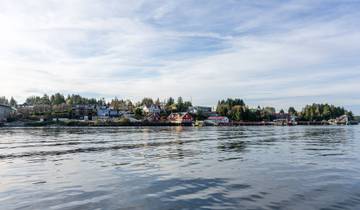
8 days
Vancouver Island Premium Tour
- ✓ Comprehensive British Columbia tour
- ✓ Expert local guides included
- ✓ All accommodation arranged
- ✓ Transportation provided

8 days
Active West Coast Canada Discovery
- ✓ Comprehensive British Columbia tour
- ✓ Expert local guides included
- ✓ All accommodation arranged
- ✓ Transportation provided

6 days
Vancouver Island Inn Based Walking Tour
- ✓ Comprehensive British Columbia tour
- ✓ Expert local guides included
- ✓ All accommodation arranged
- ✓ Transportation provided
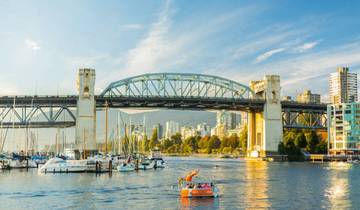
5 days
Sea to Sky City Stay: Vancouver and Whistler
- ✓ Comprehensive British Columbia tour
- ✓ Expert local guides included
- ✓ All accommodation arranged
- ✓ Transportation provided
Multi-day tour packages powered by TourRadar. Prices and availability subject to change.
Introduction: Understanding British Columbia Costs in 2026
British Columbia’s Pacific Coast presents one of Canada’s most dramatic cost contrasts—Vancouver ranks as the nation’s most expensive city for accommodation and dining, while the province offers both wallet-draining tourist traps and surprisingly affordable alternatives for travelers who research beyond mainstream marketing. The 2026 travel landscape introduces unique pricing pressures: FIFA World Cup matches at BC Place Stadium (June 11-July 19) create unprecedented hotel demand and rates potentially reaching CAD $2,000 per night, while the summer peak season (July-August) already commands premium pricing 35-50% above winter baseline rates. Understanding these temporal fluctuations, combined with Vancouver’s complex tax structure adding 20.5% to hotel bills and tips pushing restaurant costs 30% above menu prices, separates financially unprepared tourists paying CAD $400+ daily from strategic travelers achieving comparable experiences for CAD $140-200 through careful timing, neighborhood selection, and attraction prioritization.
British Columbia’s geography fundamentally shapes its cost structure. Vancouver anchors the mainland with urban infrastructure, world-class dining from hole-in-the-wall ramen shops to Michelin-caliber establishments, and attractions ranging from free Stanley Park to CAD $75 Capilano Suspension Bridge. Vancouver Island—accessed via CAD $20-89 BC Ferries depending on vehicle transport—adds Victoria’s heritage architecture, Butchart Gardens, and Pacific Rim wilderness. Whistler, located 120 kilometers north, operates as a distinct high-cost ecosystem catering to ski resort clientele. This guide focuses primarily on Vancouver and Vancouver Island corridors where most visitors concentrate their itineraries and where budget optimization strategies yield greatest impact.
The 2026 cost landscape reflects post-pandemic inflation adjustments, TransLink’s July 1, 2026 fare increase implementing 5% hikes across metro transit, and hospitality sector labor cost pressures. Mid-range hotel rates increased approximately 8-12% compared to 2024 baseline, while restaurant menu prices rose 6-9% industry-wide. Budget travelers face tighter constraints: hostel dormitory rates climbed from CAD $45-60 in 2024 to CAD $50-70 in 2026, and formerly CAD $12-15 casual meals now cost CAD $15-20 after inflation. Conversely, strategic opportunities emerged—BC Ferries Saver fares remained frozen since 2024, Lynn Canyon Suspension Bridge stays free as municipal policy, and Richmond’s Asian food court pricing resists downtown inflation due to different customer demographics and competitive dynamics.
This comprehensive budget guide provides verified 2026 pricing for accommodation across all tiers, detailed restaurant and grocery costs, complete attraction admission fees, transportation expenses including nuanced BC Ferries structures, and synthesized daily cost breakdowns assuming two travelers sharing accommodation—the most common scenario for couples and traveling companions. Each price category receives thorough treatment with specific examples, neighborhood cost variations, and booking strategy recommendations. Money-saving sections identify high-value free alternatives to expensive paid attractions, optimal timing for advance purchase discounts, and neighborhood pricing differentials that can reduce daily costs by 30-40% without sacrificing experience quality. Whether planning a budget backpacking adventure through hostels and public transit or a comfortable mid-range vacation balancing cost control with amenities, this guide equips travelers with actionable intelligence to align British Columbia’s extraordinary Pacific Coast experiences with realistic financial parameters for 2026 visits.
Accommodation Costs in British Columbia 2026
Accommodation represents British Columbia’s largest single expense category and exhibits extreme price variability based on neighborhood, season, booking timing, and FIFA World Cup proximity. Vancouver downtown hotels range CAD $200-600 per night in peak summer, while identical properties drop to CAD $140-350 in winter low season. The mandatory 20.5% tax burden (combining 5% GST, 8% PST, 3% MRDT, 2.5% Vancouver hotel tax, and 2% FIFA 2026 surcharge) transforms advertised rates significantly—a CAD $375 room becomes CAD $452 after taxes. Vancouver Island properties in Victoria generally run 15-25% below Vancouver equivalent categories, while Whistler commands 20-40% premiums during ski season. Understanding these dynamics and booking strategically can reduce accommodation costs by 40-50% compared to last-minute peak-season reservations.
Budget Accommodation 2026: Hostels and Economy Hotels
Budget travelers allocate CAD $50-70 per person nightly assuming two sharing budget rooms or hostel dormitories. Vancouver’s hostel scene concentrates on Granville Street downtown corridor, where dormitory beds cost CAD $50-70 per night in summer peak (July-August), dropping to CAD $40-55 in winter months. Hostels include HI Vancouver Downtown at 1114 Burnaby Street (CAD $55-70 dorm beds summer), HI Vancouver Jericho Beach near the waterfront (CAD $50-65 summer), and YWCA Hotel Vancouver at 733 Beatty Street (CAD $50-60 dorm beds). Private rooms in these same hostels run CAD $140-180 per night for two people, providing budget hotel pricing with shared bathroom facilities. Basic economy hotels like Days Inn Vancouver Downtown (CAD $140-180 per night) and Ramada Limited Vancouver Downtown (CAD $150-190) offer private rooms with ensuite bathrooms at costs only marginally above hostel private rooms.
Vancouver Island budget accommodation in Victoria costs slightly less than Vancouver equivalents. Ocean Island Inn at 791 Pandora Avenue offers dormitory beds CAD $45-60 and private rooms CAD $120-160. Budget hotel chains like Days Inn Victoria on the Harbour (CAD $130-170) and Travelodge Victoria Inner Harbour (CAD $140-180) provide waterfront proximity without downtown Vancouver’s premium pricing. Budget travelers willing to accept locations 20-30 minutes from downtown via transit access even lower rates—Richmond near the airport offers properties like Executive Plaza Hotel Metro Vancouver (CAD $100-140 nightly) with free airport shuttles and easy Canada Line access to downtown.
Budget accommodation booking strategies significantly impact final costs. Advance booking 60+ days ahead yields 15-25% discounts compared to last-minute rates. Hostelling International members receive CAD $3-5 per night discounts on HI properties. Mid-week stays (Tuesday-Thursday) cost 10-15% less than Friday-Sunday in both hostels and budget hotels. Consider accommodation outside central Vancouver in neighborhoods like Commercial Drive, Main Street, or Richmond, where CAD $100-140 nightly properties combine public transit access with significant savings versus CAD $200+ downtown equivalents. Budget travelers splitting costs—two sharing a CAD $140 private room pay CAD $70 each, often equaling or beating hostel dormitory rates while gaining privacy.
Mid-Range Comfort 2026: Downtown Hotels and Boutique Properties
Mid-range travelers seeking comfortable private rooms with modern amenities allocate CAD $110-150 per person nightly assuming two sharing CAD $220-300 rooms. Vancouver’s mid-range hotel landscape divides into chain properties and boutique alternatives. Reliable chains include Best Western Plus Downtown Vancouver (CAD $220-280), Holiday Inn Vancouver Downtown (CAD $240-300), and Sandman Signature Vancouver Downtown (CAD $230-290), all offering standard amenities like fitness centers, business facilities, and central locations within walking distance of major attractions. Boutique options like Century Plaza Hotel at 1015 Burrard Street (CAD $230-280) and Exchange Hotel Vancouver at 475 Howe Street (CAD $260-320) add character with art collections, custom design, and unique architectural elements for similar pricing.
Coal Harbour and False Creek waterfront neighborhoods command CAD $20-40 premiums over inland downtown locations for equivalent hotel categories. Pinnacle Hotel Harbourfront at 1133 West Hastings Street (CAD $280-340) and Coast Coal Harbour Hotel by APA (CAD $270-330) deliver water views and marina access justifying the surcharge for travelers prioritizing scenery. Conversely, locations along Robson Street or near BC Place Stadium offer mid-range comfort CAD $220-270 without waterfront premiums while maintaining excellent walkability to restaurants, shopping, and transit hubs.
Vancouver Island mid-range accommodation in Victoria costs CAD $180-250 per night, reflecting 15-25% discounts versus Vancouver. Abigail’s Hotel at 906 McClure Street (CAD $200-250) and Inn at Laurel Point at 680 Montreal Street (CAD $220-280) provide heritage ambiance and Inner Harbour proximity. Delta Hotels by Marriott Victoria Ocean Pointe Resort (CAD $210-270) and Chateau Victoria Hotel & Suites (CAD $190-240) offer modern chain reliability with views across Victoria’s harbor.
Booking tactics for mid-range travelers include comparing rates across Booking.com, Hotels.com, and hotel direct websites—direct booking often provides best rates plus perks like parking discounts or late checkout. Package deals bundling hotel plus car rental through agencies like Expedia sometimes yield CAD $30-50 daily savings. Shoulder season timing (May, June pre-World-Cup, September, October) provides 20-30% savings versus peak July-August while maintaining warm weather and attraction availability. Mid-week rates typically cost CAD $30-60 less than weekend equivalents in the same property.
Luxury Experience 2026: Premium Hotels and Waterfront Resorts
Luxury travelers allocate CAD $200-300+ per person nightly for two sharing premium rooms CAD $400-600+. Vancouver’s luxury tier includes iconic properties like Fairmont Hotel Vancouver at 900 West Georgia Street (CAD $450-650), Rosewood Hotel Georgia at 801 West Georgia Street (CAD $500-700), and Fairmont Waterfront at 900 Canada Place (CAD $480-650). These establishments provide concierge services, high-thread-count linens, spa facilities, fine dining restaurants, and central locations steps from major attractions. Waterfront luxury options like Pan Pacific Vancouver (CAD $520-700) and Fairmont Pacific Rim (CAD $550-750) add harbor views and marina proximity commanding CAD $50-100 premiums over comparable inland luxury properties.
Boutique luxury represents an alternative to chain properties. Loden Hotel at 1177 Melville Street (CAD $420-600) and Opus Hotel Vancouver at 322 Davie Street (CAD $400-550) offer smaller room counts, personalized service, distinctive design aesthetics, and Yaletown neighborhood character. Executive suites and corner rooms in these boutique properties rival five-star chain offerings while maintaining independent hotel intimacy.
Vancouver Island luxury accommodation concentrates in Victoria’s Inner Harbour district. Fairmont Empress at 721 Government Street (CAD $550-800+) stands as Victoria’s signature property with 1908 heritage architecture, afternoon tea service, and harbor-facing rooms. Delta Hotels by Marriott Victoria Ocean Pointe Resort (CAD $350-500) provides modern luxury across the harbor with water taxi access to downtown. Wickaninnish Inn on Vancouver Island’s Pacific Rim region near Tofino (CAD $650-900+) represents British Columbia’s premier coastal luxury resort with storm-watching suites and oceanfront wilderness ambiance, though its remote location requires separate transportation planning beyond this guide’s Vancouver-Victoria corridor focus.
Luxury booking strategies emphasize advance reservations and loyalty program leverage. Fairmont President’s Club, Marriott Bonvoy, and independent hotel programs offer complimentary room upgrades, late checkout, and occasional free nights for repeat guests. Booking 90+ days ahead sometimes provides early-bird rates 15-20% below standard pricing. Luxury travelers should compare suite rates against double standard rooms—CAD $150-200 suite premiums often deliver significantly enhanced space and amenities justifying the incremental cost for multi-night stays.
Food and Dining Expenses British Columbia 2026
British Columbia’s dining landscape spans extraordinary diversity—from CAD $5 food cart snacks to CAD $200+ per person tasting menus—with costs varying dramatically by neighborhood, cuisine type, and service model. Vancouver’s restaurant scene reflects its Asian-influenced demographics, offering legitimate Chinese, Japanese, Korean, Vietnamese, and Thai options at price points 40-60% below comparable Western cuisine establishments. The universal cost multipliers require careful budgeting: 12% combined sales tax (5% GST plus 7% PST) and expected 18-20% tips add approximately 30% to menu prices. A CAD $60 dinner check becomes CAD $78 after these additions. Understanding where and how to eat strategically separates budget-conscious travelers spending CAD $25-45 daily on food from those hemorrhaging CAD $80-120 for equivalent nutritional intake.
Budget Dining Strategies 2026
Budget travelers allocate CAD $25-45 daily per person for food by combining self-catering, food courts, casual eateries, and strategic restaurant selection. Breakfast typically costs CAD $5-12 through supermarket purchases (bagels, yogurt, fruit CAD $8-10) or casual café stops (coffee CAD $4-5, pastry CAD $3-6). Granville Island Public Market offers artisan bakeries where CAD $4-6 purchases provide filling breakfast options with waterfront seating.
Lunch represents prime budget optimization opportunity. Downtown Vancouver food courts at Pacific Centre Mall and Harbour Centre charge CAD $12-18 for substantial meals from Chinese, Japanese, Thai, or Indian vendors. Richmond’s Asian food courts along Number 3 Road (Aberdeen Centre, Parker Place, Yaohan Centre) deliver authentic cuisine CAD $10-15 per meal—significantly below downtown tourist area pricing. Food trucks stationed near Vancouver waterfront locations offer unique options CAD $8-15: Japadog hot dogs (CAD $9-12), Tacofino tacos (three for CAD $12-15), and Mr. Tube Steak European sausages (CAD $8-11) combine novelty with value. Casual ramen shops throughout Vancouver serve massive bowls CAD $12-18: Hokkaido Ramen Santouka, Marutama Ramen, and Kintaro Ramen provide filling lunches well below sit-down restaurant costs.
Dinner on budget requires strategic choices. Ethnic restaurants away from tourist corridors deliver authentic cuisine at local pricing—East Vancouver Vietnamese restaurants along Kingsway serve pho CAD $12-16, Richmond Chinese restaurants offer dinner plates CAD $10-15, and Commercial Drive Italian trattorias provide pasta CAD $15-20. Budget travelers can enjoy sit-down dinners CAD $18-28 per person before tax and tip by selecting carefully. Alternatively, supermarket assembly (Safeway, Save-On-Foods, Whole Foods) creates dinner for CAD $8-15 using prepared salads, rotisserie chicken, fresh bread, and fruit.
Vancouver Island dining costs run slightly lower than Vancouver. Victoria’s Chinatown restaurants serve meals CAD $12-18, while casual cafés along Government Street and Wharf Street charge CAD $15-22 for lunch plates. Budget-conscious Victoria visitors prioritize self-catering using supermarkets and enjoy occasional restaurant meals rather than dining out for every meal.
Mid-Range Restaurant Dining 2026
Mid-range diners allocate CAD $60-85 daily per person, enabling two restaurant meals plus coffee/snacks. Breakfast at casual restaurants costs CAD $12-20: Café Medina (Mediterranean breakfast dishes CAD $15-22), Jam Café (comfort breakfast plates CAD $14-20), or Chambar (Belgian breakfast options CAD $16-24) provide quality starts to sightseeing days. Coffee shop stops add CAD $4-6 per person.
Lunch in mid-range establishments runs CAD $18-30 per person before tax and tip. Vancouver’s diverse neighborhoods offer distinct lunch experiences: Gastown bistros (CAD $22-32), Yaletown gastropubs (CAD $20-30), Kitsilano health-focused cafés (CAD $18-28), and West End fusion restaurants (CAD $20-30). Notable options include Cactus Club Café locations throughout Vancouver (lunch entrées CAD $18-26), Joey restaurants (CAD $20-30), and White Spot (British Columbia institution, CAD $15-24). These mid-range chains deliver consistent quality, generous portions, and predictable pricing.
Dinner represents the primary restaurant experience for mid-range travelers. Quality sit-down restaurants charge CAD $30-50 per person for entrées before beverages, tax, and tip. Vancouver’s thriving neighborhood dining scenes provide diverse options: Chambar Restaurant in Gastown (Belgian-influenced, entrées CAD $28-42), Miku Vancouver for aburi sushi (CAD $32-48), Hawksworth Restaurant in Rosewood Hotel Georgia (contemporary Canadian, CAD $38-55), and Botanist at Fairmont Pacific Rim (seasonal Pacific Northwest cuisine, CAD $35-52). Adding appetizers CAD $12-20, desserts CAD $10-15, and wine CAD $12-18 per glass pushes comprehensive dinners to CAD $65-95 per person after taxes and tips. Budget-conscious mid-range travelers skip appetizers and desserts, order water instead of alcohol, and maintain CAD $40-55 per person dinner costs.
Victoria’s mid-range dining scene offers comparable quality at marginally lower prices. Il Terrazzo (Italian courtyard dining, CAD $26-38 entrées), Nautical Nellies Steak & Seafood House (waterfront location, CAD $28-42), and Red Fish Blue Fish (harbor-side food truck offering sustainable seafood, CAD $15-25) demonstrate Victoria’s range. The city’s proximity to agricultural Vancouver Island and fresh Pacific seafood creates outstanding ingredient quality at prices 10-15% below Vancouver equivalents.
Luxury Culinary Experiences 2026
Luxury diners allocate CAD $100-150+ daily per person, accessing British Columbia’s finest restaurants, wine programs, and tasting menu experiences. Vancouver’s culinary scene earned Michelin recognition in 2023, with two one-star establishments—Masayoshi and Published on Main—offering exceptional experiences. Multi-course tasting menus at these venues run CAD $150-200+ per person before beverages.
Fine dining restaurants provide luxury experiences CAD $80-120 per person for à la carte dining including appetizers, entrées, and desserts. Hawksworth Restaurant (CAD $85-110 per person), CinCin Ristorante (Italian with wine cellar, CAD $75-105), Elisa (contemporary regional cuisine, CAD $80-115), and AnnaLena (creative Canadian, CAD $70-95) exemplify Vancouver’s high-end culinary landscape. Wine pairings add CAD $60-120 per person, while cocktail programs charge CAD $16-22 per drink.
Luxury travelers often incorporate special experiences like Fairmont Hotel Vancouver’s afternoon tea (CAD $75-95 per person), Vancouver Aquarium member dining events, and chef’s table experiences at premium restaurants (typically CAD $200-300 per person for exclusive multi-course presentations). The seasonal Dine Out Vancouver Festival (January 21-February 8, 2026) offers special three-course prix fixe menus at participating restaurants (CAD $25-70 depending on restaurant tier), providing luxury dining access at structured pricing for value-conscious food enthusiasts.
Vancouver Island’s luxury dining centers on Victoria’s Inner Harbour restaurants and Vancouver Island wine country. The Courtney Room at Magnolia Hotel & Spa (CAD $75-110 per person), Il Terazzo (CAD $65-95), and Aura Waterfront Restaurant + Patio (CAD $70-100) deliver sophisticated cuisine with local ingredient focus. Wine touring through Cowichan Valley—40 kilometers north of Victoria—adds tastings CAD $15-30 per winery with restaurant meals at winery bistros averaging CAD $55-85 per person.
Transportation Costs British Columbia 2026
British Columbia transportation costs divide cleanly into urban transit (Vancouver’s TransLink system and Victoria’s BC Transit), inter-city connections (BC Ferries linking Vancouver and Vancouver Island), and optional car rentals for extended exploration. Vancouver’s comprehensive public transit eliminates rental car necessity for city-focused itineraries, while BC Ferries’ frequency and capacity make Vancouver-Victoria day trips straightforward. Understanding TransLink’s zone-based pricing, BC Ferries’ advance booking discounts, and optimal transit pass structures reduces transportation expenses by 30-40% compared to casual on-demand travel patterns.
Vancouver Public Transit Costs 2026
TransLink operates Vancouver’s integrated transit system including SkyTrain (rapid transit), buses, SeaBus (passenger ferry), and West Coast Express (commuter rail). Effective July 1, 2026, TransLink implemented 5% fare increases across the network, establishing new pricing tiers that impact daily budgets. The system uses zone-based pricing during weekday peak hours (before 6:30 PM), with zones eliminating evenings and weekends when all travel costs one-zone rates.
Single adult fares as of July 1, 2026: one-zone CAD $4 cash or CAD $3 Compass Card stored value, two-zone CAD $5 cash or CAD $4 Compass Card, three-zone CAD $6 cash or CAD $5 Compass Card. Compass Card usage saves 15-25% per trip compared to cash fares, making the reloadable card essential for multi-day visitors. Compass Cards cost CAD $6 for the card itself with stored value loaded separately—a CAD $6 card plus CAD $20 stored value (CAD $26 total) provides sufficient credit for 6-7 single-zone trips or 4-5 two-zone trips. Children 12 and under ride free on all TransLink services, significantly reducing family transportation costs.
Day passes provide optimal value for active sightseeing days. Adult day passes cost CAD $13 (regular) or CAD $10 (concession for seniors 65+ and students), permitting unlimited all-zone travel from first use until 4:00 AM next day. A typical sightseeing itinerary visiting Stanley Park, Gastown, Granville Island, and Kitsilano Beach requires 4-6 transit segments costing CAD $12-18 as individual fares, making the CAD $13 day pass 8-28% cheaper while eliminating trip planning stress and enabling spontaneous route changes.
Monthly passes suit travelers spending 10+ days exploring Vancouver extensively. One-zone monthly passes cost CAD $117, two-zone CAD $157, three-zone CAD $198 (July 2026 pricing). These passes provide unlimited travel across purchased zones plus unlimited bus travel throughout the region regardless of zones. Visitors rarely need monthly passes unless planning extended stays combining work and tourism.
Vancouver International Airport (YVR) transit access includes a mandatory CAD $7 AddFare surcharge on top of regular zone fares for trips originating from Airport, Sea Island Centre, or Templeton stations traveling beyond Sea Island. This CAD $7 charge (increased from CAD $5 on July 1, 2026) applies to single trip fares only—day passes, monthly passes, and stored value Compass Cards bypass the surcharge for return trips from downtown to airport. Budget-conscious travelers arriving at YVR purchase Compass Cards with stored value at London Drugs outlets in downtown Vancouver for return trips, avoiding the CAD $7 surcharge entirely on airport-bound travel.
Victoria Public Transit 2026
Victoria operates BC Transit bus service covering Greater Victoria region including downtown core, Inner Harbour attractions, Butchart Gardens route (number 75 bus), and residential suburbs. Victoria transit pricing runs simpler than Vancouver’s multi-zone structure: adult single fare CAD $3, day pass CAD $5, and 31-day pass CAD $90. Visitors exploring Victoria downtown attractions (Royal BC Museum, Legislature Buildings, Inner Harbour, Fisherman’s Wharf) manage easily on foot, using transit primarily for Butchart Gardens trips or reaching accommodation outside the central core.
The number 75 bus connecting downtown Victoria to Butchart Gardens operates seasonally with enhanced summer frequency. Single CAD $3 fares enable affordable CAD $6 roundtrip access to the famous gardens (CAD $38 garden admission separate), creating comprehensive experiences well below private tour costs. Victoria’s compact downtown geography means most visitors use transit sparingly—perhaps CAD $10-15 total over multi-day visits supplementing walking as primary transportation mode.
BC Ferries: Vancouver to Victoria 2026
BC Ferries operates the critical Vancouver-Victoria marine link, connecting Tsawwassen terminal (45 minutes south of Vancouver downtown via transit or highway) to Swartz Bay terminal (32 kilometers north of Victoria downtown). Understanding BC Ferries’ pricing structure, reservation requirements, and advance booking discounts saves significant money while ensuring capacity on busy summer sailings and FIFA World Cup period routes.
Foot passenger fares (walk-on, no vehicle): adult CAD $20 one-way, child ages 5-11 CAD $10, seniors 65+ with BC residency free Monday-Thursday, and children under 5 free. These fares apply to Saver (advance purchase, limited change flexibility), Prepaid (advance purchase with moderate change flexibility), and regular walk-up rates. Foot passengers purchase tickets at terminal kiosks or online through bcferries.com, with reservations recommended but not mandatory during peak summer and FIFA World Cup periods when capacity constraints cause sailing waits.
Vehicle transport adds substantial expense. Standard under-height vehicle (under 20 feet long) with driver: Saver fares CAD $49-89 depending on specific sailing time and day (early morning and late evening sailings price lower as Saver options), Prepaid fares CAD $64-89, and regular fares CAD $89-120 for peak period travel. Vehicle reservations cost additional CAD $17 surcharge per sailing, recommended for summer weekends when unreserved vehicles risk multiple-sailing waits. Total vehicle costs for family of four traveling Tsawwassen-Swartz Bay roundtrip: vehicle with driver CAD $128-178 (CAD $64-89 each way times two), plus three additional adult passengers CAD $120 roundtrip (three adults at CAD $20 each way times two), equaling CAD $248-298 total. Ferry crossing time runs approximately 90 minutes with hourly departures during peak season.
Cost comparison clarifies decision factors. Foot passengers pay CAD $40 per adult roundtrip (CAD $80 for couple), requiring additional ground transportation at both terminals—CAD $15-25 each way via public transit or shuttle from downtown Vancouver to Tsawwassen, and CAD $10-15 from Swartz Bay to Victoria downtown. Total foot passenger costs CAD $100-140 for couple. Vehicle transport costs CAD $248-298 roundtrip plus CAD $30-50 gasoline and CAD $20-40 parking if leaving car overnight in Victoria, totaling CAD $300-390 for couple but enabling flexible island exploration, stops at Butchart Gardens enroute, and convenience of personal vehicle. Budget travelers prioritize foot passenger options, mid-range travelers evaluate itinerary flexibility needs, and families or groups find per-person vehicle costs competitive with foot passenger alternatives when split among three or four travelers.
BC Ferries booking strategies maximize savings. Reserve Saver fares 7+ days ahead for lowest pricing and guaranteed capacity—critical during July-August and FIFA World Cup June-July period when last-minute passengers face CAD $89-120 walk-up vehicle rates or sailing waits. Tuesday-Thursday travel costs 15-25% less than Friday-Sunday due to Saver fare availability differences. BC seniors 65+ with provincial residency ride free as foot passengers Monday-Thursday, representing extraordinary savings for demographic-eligible travelers planning multi-day Vancouver Island trips during weekday windows.
Car Rental Considerations 2026
Car rental suits travelers prioritizing flexibility, planning extensive Vancouver Island exploration beyond Victoria, or visiting destinations like Whistler, Sea-to-Sky Highway locations, or Fraser Valley wine country requiring highway access. Downtown Vancouver locations make rental cars optional verging on counterproductive—daily parking costs CAD $30-50 at hotels plus CAD $5-8 per hour at attractions, combined with congestion and TransLink’s comprehensive coverage, argue against rentals for city-focused itineraries.
Rental rates vary seasonally and by vehicle class. Compact cars (Toyota Corolla, Honda Civic, similar) cost CAD $50-80 per day peak summer, CAD $35-55 off-season winter. Mid-size vehicles (Honda Accord, Toyota Camry) run CAD $65-95 summer, CAD $45-70 winter. SUVs command CAD $95-140 daily summer for flexibility transporting outdoor gear or larger groups. Weekly rentals provide 15-25% per-day discounts versus daily rates. Additional costs include rental agency location fees (airport pickup surcharges CAD $30-60, downtown location often cheaper), gasoline CAD $1.75-2 per liter (CAD $35-50 to fill compact car tank), and optional insurance CAD $20-35 daily if personal auto insurance doesn’t cover rentals.
Budget calculation for five-day Vancouver Island road trip including Victoria, Butchart Gardens, Tofino, and Parksville: compact car rental CAD $275 (CAD $55 daily rate times five days), gasoline CAD $150 (800 kilometers at CAD $0.19 per kilometer fuel cost), BC Ferries vehicle roundtrip CAD $250 (two adults in vehicle CAD $64 each way vehicle, plus CAD $40 foot passengers roundtrip), hotel parking CAD $75 (CAD $15 per night times five nights), equaling CAD $750 total or CAD $375 per person for two travelers. This CAD $75 per person per day transportation cost significantly exceeds public transit alternatives but enables access to regions impractical via bus routes.
Attraction and Activity Costs 2026
British Columbia attractions span free natural experiences to premium paid venues charging CAD $75+ admission. Vancouver’s signature experiences divide cleanly: Stanley Park Seawall, beaches, and countless neighborhood walks cost nothing, while Capilano Suspension Bridge (CAD $75), Vancouver Aquarium (CAD $40-55), and Grouse Mountain Skyride (CAD $70) represent major expenses. Victoria’s Inner Harbour attractions include free Legislature Building tours alongside paid Royal BC Museum (CAD $35) and Butchart Gardens (CAD $38). Strategic selection between free alternatives and must-see paid attractions defines budget structures—travelers prioritizing free options maintain CAD $5-15 daily attraction spending, while comprehensive paid attraction access requires CAD $75-150 daily per person.
Free and Low-Cost Vancouver Attractions 2026
Vancouver provides extraordinary free experiences throughout the city. Stanley Park’s 10-kilometer Seawall offers world-class waterfront walking and cycling with views of downtown skyline, North Shore mountains, and passing cargo ships. The Seawall circuit takes 2-3 hours walking or 1-1.5 hours cycling, with bike rentals CAD $8-12 per hour or CAD $40-60 full day from vendors near Denman Street entrance. Stanley Park’s interior trails, beaches, totem poles at Brockton Point, and Vancouver Aquarium exterior (admission separate, CAD $40-55) combine into comprehensive half-day or full-day free experiences.
Lynn Canyon Park in North Vancouver provides free suspension bridge experiences comparable to paid Capilano Bridge (CAD $75). Lynn Canyon’s 50-meter-high suspension bridge spans the canyon above Lynn Creek, surrounded by hiking trails through old-growth rainforest. The Lynn Canyon Ecology Centre offers free exhibits explaining Pacific Northwest ecology and Indigenous cultural connections. Transit access requires CAD $3-7 bus fare depending on zones, making comprehensive free alternative to Capilano realistic at CAD $6-14 roundtrip transit versus Capilano’s CAD $75 admission plus CAD $6-14 transit.
Granville Island combines free attraction status with commercial activity—exploring the island’s artisan studios, watching glass blowing demonstrations, browsing Public Market vendors, and enjoying waterfront ambiance costs nothing, while food purchases and brewery tastings remain optional. False Creek waterfront paths connecting Granville Island to Science World and Olympic Village provide scenic walking free from vehicular traffic. Beaches throughout Vancouver—English Bay, Kitsilano Beach, Jericho Beach, Spanish Banks—offer summer swimming and year-round walking at no cost beyond transit fares reaching neighborhoods.
Neighborhood exploration provides diverse free experiences. Gastown’s cobblestone streets and Victorian architecture, Chinatown’s heritage buildings and traditional shops, Commercial Drive’s bohemian coffee culture, and Yaletown’s renovated warehouse district present distinct character without admission charges. Public library branches throughout Vancouver welcome visitors—Central Library at 350 West Georgia Street showcases award-winning architecture with multiple floors accessible for free browsing.
Major Paid Attractions Vancouver 2026
Capilano Suspension Bridge Park represents Vancouver’s most expensive single attraction at CAD $75 adult admission (CAD $70 seniors, CAD $64 students 18+, CAD $49 youth 13-17, CAD $28 children 6-12, free under 6). The 137-meter suspension bridge spans 70 meters above Capilano River, complemented by Treetops Adventure (suspended bridges through tree canopy 30+ meters high), Cliffwalk (cantilevered walkway along canyon cliff), and forested trails. The park operates daily 9:00 AM-6:00 PM baseline hours with extended hours during seasonal events (Canyon Lights November-January, Love Lights January-February, Hoppy Heights March-April). After-5:00 PM entry discounts 25% when offered during extended-hour periods. BC resident annual passes cost CAD $75 (equivalent to single-day admission), providing unlimited year-round access including all seasonal events—exceptional value for local residents or travelers planning multiple British Columbia visits within 12 months.
Vancouver Aquarium in Stanley Park charges variable admission pricing based on demand: CAD $40-55 adult (13-64), CAD $35-50 senior (65+) and student (19+), CAD $25-40 children (3-12), free under 3. Dynamic pricing means peak summer weekends cost CAD $55 adults while winter weekdays drop to CAD $40. Advance online purchase saves CAD $5-8 versus walk-up rates and guarantees entry during busy periods when capacity limits apply. The aquarium displays 65,000+ marine animals including rescued sea otters, Steller sea lions, penguins, Pacific octopus, and Amazon rainforest species. Visit duration runs 2-3 hours for comprehensive viewing including 4D theater presentations, touch pools, and feeding demonstrations. Annual membership CAD $160 pays for itself in 3-4 visits.
Grouse Mountain Skyride gondola costs CAD $70 adult roundtrip, providing alpine access 1,100 meters above sea level with panoramic views of Vancouver, Strait of Georgia, and Gulf Islands. Admission includes gondola transport, wildlife refuge featuring grizzly bears and gray wolves, Birds in Motion demonstration (seasonal), lumberjack shows, hiking trails, and mountaintop dining options (food costs additional). Grouse Mountain’s pricing structures reward advance online booking with CAD $5-10 discounts. Evening gondola rides during sunset provide romantic experiences within same admission price. Winter skiing operations (December-March) charge separate lift ticket rates CAD $90-140 depending on day and advance booking.
Science World’s distinctive geodesic dome at False Creek waterfront houses interactive STEM exhibits. Adult admission CAD $35, youth/senior CAD $30, children (3-12) CAD $28, under 3 free. OMNIMAX theater films cost additional CAD $10-12 per person. Science World targets families with children, though adult visitors enjoy many interactive physics, biology, and technology demonstrations. Combined tickets bundling Science World plus Vancouver Aquarium admission save CAD $8-12 per person versus separate purchases—useful for families prioritizing educational attractions.
FlyOver Canada flight simulation ride located at Canada Place offers immersive virtual flight across Canadian landscapes. Admission CAD $35 adult, CAD $30 youth/senior, CAD $25 children (12 and under). The 8-minute experience combines motion seats, wind, mist effects, and curved screen creating realistic flight sensations. FlyOver positions as quick 30-45 minute total experience including wait times—efficient option for cruise ship passengers or travelers with limited schedules rather than primary all-day attraction.
Victoria and Vancouver Island Attractions 2026
Royal BC Museum in Victoria explores British Columbia’s natural history and Indigenous cultures through comprehensive exhibitions. Adult admission CAD $35, youth/senior CAD $30, under 18 free. IMAX theater films cost additional CAD $12. Museum visit duration runs 2-3 hours for thorough exploration of permanent galleries plus rotating exhibitions. Annual membership CAD $90 provides unlimited admission plus discounts at museum shop and café.
Butchart Gardens—located 20 kilometers north of Victoria—represents Vancouver Island’s premier horticultural attraction. Adult admission CAD $38 peak summer (June-September), CAD $33 spring (March-May), CAD $20 winter (November-February). Youth ages 13-17 CAD $19 peak, children 5-12 CAD $5, under 5 free. The 55-acre gardens showcase themed areas including Sunken Garden, Rose Garden, Japanese Garden, and Italian Garden with seasonal variations (spring bulbs, summer roses, fall foliage, winter lights December-January). Visit duration requires 2-4 hours depending on photography interests and walking pace. Transit access via BC Transit number 75 bus (CAD $3 single fare) provides affordable transportation alternative to tour packages costing CAD $75-120 including gardens admission and hotel transfers.
Craigdarroch Castle charges CAD $25 adult admission, CAD $15 youth 6-18, under 6 free. This 1890s Victorian mansion features period furnishings, stained glass, and panoramic city views from tower. Visit duration 60-90 minutes suits architecture enthusiasts and Victorian-era history interest.
Victoria’s Inner Harbour whale watching tours cost CAD $115-145 per person for 3-4 hour excursions seeking orcas, humpback whales, and gray whales. Peak season (July-August) provides highest marine mammal visibility. Zodiac-style boats offer intimate wildlife encounters, while larger vessels provide more stability for seasick-prone travelers. Tour operators include Prince of Whales, Eagle Wing Tours, and Springtide Whale Watching with similar pricing structures.
Sample Daily Cost Breakdowns 2026
Understanding how individual cost components combine into total daily expenses helps travelers budget realistically for British Columbia trips. These sample breakdowns calculate per-person costs assuming two travelers sharing accommodation—the most common scenario for couples and traveling companions. All budgets include accommodation, meals, local transportation, and attraction costs, with separate calculations for BC Ferries day trips to Victoria.
Budget Traveler: CAD $90-140 Per Person Daily
Budget daily costs: accommodation CAD $55 per person (two sharing CAD $110 hostel private room or budget hotel), breakfast CAD $8 (supermarket bagel, coffee, fruit), lunch CAD $14 (food court or food truck), dinner CAD $20 (ethnic restaurant or market assembly), transit CAD $13 (TransLink day pass), attractions CAD $10 (mix of free options plus occasional paid venue). Total: approximately CAD $120 per person daily.
This budget prioritizes free or low-cost attractions like Stanley Park Seawall, Lynn Canyon Suspension Bridge, beach walks, and neighborhood exploration. Paid attractions rotate with one major venue every 2-3 days (Capilano Bridge CAD $75, Vancouver Aquarium CAD $45, Science World CAD $35) rather than comprehensive daily admission spending. Food costs remain controlled through supermarket breakfasts, lunch food courts in Richmond or downtown, and strategic casual restaurant dinner selections in ethnic neighborhoods like Commercial Drive Vietnamese (CAD $12-16), Chinatown dim sum (CAD $12-18), or East Vancouver pizza slices (CAD $3-5).
Budget travelers visiting Victoria face additional costs beyond baseline Vancouver days. Victoria day trip expenses include BC Ferries roundtrip CAD $40 per person, transit Vancouver-Tsawwassen roundtrip CAD $8, Victoria transit day pass CAD $5, meals CAD $30-40, and attraction admission CAD $35-75 (Royal BC Museum CAD $35, Butchart Gardens CAD $38, or both). Total Victoria day trip costs CAD $128-197 for ferry, transit, meals, and attractions, which when added to accommodation CAD $55 produces CAD $183-252 total daily cost versus CAD $120 baseline Vancouver day.
Mid-Range Comfort: CAD $205-280 Per Person Daily
Mid-range daily costs: accommodation CAD $135 per person (two sharing CAD $270 downtown hotel), breakfast CAD $18 (café restaurant), lunch CAD $28 (casual restaurant), dinner CAD $45 (quality restaurant entrée, no appetizers/desserts, water rather than alcohol), transit CAD $13 (day pass), attractions CAD $40 (major paid venues most days). Total: approximately CAD $280 per person daily peak summer, CAD $205 winter low season when accommodation drops CAD $75 per person.
Mid-range budget accommodates comprehensive paid attraction access: Capilano Suspension Bridge CAD $75, Vancouver Aquarium CAD $48, Grouse Mountain CAD $70, Science World CAD $35, plus smaller venues totaling CAD $40-60 per person per day amortized across week-long stays. Restaurant dining focuses on quality casual establishments and neighborhood favorites, avoiding fine dining price points while ensuring diverse culinary experiences beyond food courts. Occasional nice dinners with appetizers and wine (CAD $70-90 per person) balanced by simpler meals maintain CAD $90-100 daily average across trip duration.
Mid-range Victoria day trip adds BC Ferries roundtrip CAD $40 foot passenger, ground transportation both terminals CAD $25, Victoria transit CAD $10, Victoria restaurant lunch CAD $35, Victoria attractions CAD $73 (Royal BC Museum CAD $35 plus Butchart Gardens CAD $38 visited same day with efficient scheduling), totaling CAD $183 for day trip activities. Combined with accommodation CAD $135, total Victoria day costs reach CAD $318 per person versus CAD $280 baseline Vancouver peak summer day. Some mid-range travelers opt for overnight Victoria stays, spreading costs across two days and allowing evening Inner Harbour exploration without ferry schedule constraints.
Luxury Experience: CAD $350-550+ Per Person Daily
Luxury daily costs: accommodation CAD $240 per person (two sharing CAD $480 premium hotel), breakfast CAD $35 (hotel restaurant or high-end café), lunch CAD $50 (quality restaurant with wine), dinner CAD $100 (fine dining with appetizers, desserts, wine pairings), private car service or multiple taxis CAD $40, attractions and experiences CAD $90 (premium access, private tours, special experiences). Total: CAD $555 per person daily peak season, dropping to CAD $350-430 shoulder season when luxury accommodation falls to CAD $160-220 per person, dining moderates to CAD $120-150 daily total, and transportation plus attraction costs reduce to CAD $50-60 combined through less frequent taxi usage and selective premium experience choices.
Luxury travelers prioritize premium experiences over cost optimization. Private tours with specialized guides (CAD $150-250 per person for half-day experiences) replace self-guided attraction visits. Tasting menus at Michelin-recognized restaurants (CAD $150-200 per person before wine) deliver culinary excellence. Helicopter tours over coastal British Columbia (CAD $250-400 per person for 30-45 minute flights) provide unique perspectives. Spa treatments at luxury hotel facilities (CAD $150-250 per person for comprehensive services) add relaxation components.
Luxury Victoria experiences leverage private water taxi transport (CAD $150-200 chartered for couple versus CAD $40 public ferry) enabling flexible scheduling. Private Butchart Gardens tours after normal hours (arranged through concierge services, CAD $300-500 per couple) deliver exclusive access. Accommodation at Fairmont Empress (CAD $600-800 per night) positions travelers within Inner Harbour epicenter. Multi-day luxury Gulf Islands yacht charters extending beyond this guide’s scope represent ultimate British Columbia coastal experiences, though requiring substantial budgets CAD $2,000-5,000 daily per couple depending on yacht size and crew services.
Seasonal Pricing Variations 2026
British Columbia’s tourism calendar exhibits dramatic seasonal cost fluctuations driven by weather patterns, school vacation schedules, and special events. Understanding these temporal variations enables strategic travel timing that reduces costs 30-50% while potentially improving experience through fewer crowds and more authentic local atmosphere during shoulder seasons. The 2026 calendar introduces unique FIFA World Cup pricing pressures overlaying traditional seasonal patterns, requiring careful navigation for June-July travelers.
Peak Summer Season: July-August 2026
Peak summer (July 1-August 31) represents Vancouver’s highest prices and densest crowds. Hotel rates reach annual peaks—downtown mid-range properties commanding CAD $300-450 versus shoulder season’s CAD $220-280, luxury hotels CAD $550-750 versus CAD $400-550 shoulder rates. Popular attractions like Capilano Suspension Bridge, Grouse Mountain, and Vancouver Aquarium operate extended hours but experience capacity constraints requiring advance reservations. BC Ferries sailings sell out during summer weekends, making vehicle reservations mandatory (additional CAD $17) and creating multi-sailing waits for unreserved travelers.
Peak summer advantages include guaranteed warm weather (average 22-26°C), minimal rain (July averages only 5-7 rainy days monthly), extended daylight (sunset after 9:00 PM enabling evening activities), and full operational hours at all attractions. Vancouver’s outdoor summer events—fireworks competitions, outdoor concerts in parks, beach activities—create vibrant atmosphere despite higher costs. Families with school-age children constrained by academic calendars accept peak season pricing as unavoidable reality.
Peak summer budget impact: expect daily costs 35-50% above baseline shoulder season. A mid-range traveler paying CAD $205 per person daily in May faces CAD $280-305 equivalent experience in July-August, driven primarily by accommodation surcharges and increased demand for restaurant reservations requiring earlier booking or accepting less-preferred time slots.
FIFA World Cup Period: June 11-July 19, 2026
The 2026 FIFA World Cup introduces unprecedented pricing pressure for June 11-July 19 when Vancouver hosts multiple matches at BC Place Stadium. FIFA’s block booking release returned approximately 15,000 room nights to Vancouver inventory, but demand from global soccer fans creates severe competition for accommodation. Downtown hotels within walking distance of BC Place Stadium command CAD $800-2,000+ per night during match days—roughly 3-6 times typical summer peak rates depending on proximity. Properties requiring transit access to stadium areas price CAD $400-800, still representing 2-3 times normal rates. Richmond and Burnaby hotels farther from stadium concentration price CAD $250-500, offering relative value while requiring 30-45 minute transit commutes.
FIFA period travel requires extreme advance planning—booking 90-120 days ahead provides more options than 30-60 day windows when inventory depletes rapidly. Some travelers avoid Vancouver entirely during World Cup weeks, pivoting to Victoria or Vancouver Island destinations seeing less severe pricing impacts (Victoria hotels increase only 30-50% during World Cup versus Vancouver’s 200-400% spikes). Others embrace the global festival atmosphere accepting premium costs as worthwhile for once-in-lifetime World Cup atmosphere.
Alternative accommodations like Airbnb and VRBO experience similar demand pressure, with entire apartments/homes CAD $400-800 nightly during World Cup versus CAD $150-300 typical summer rates. University dormitory accommodations through programs like Simon Fraser University (CAD $250 per night per room) provide budget alternatives, though requiring booking through specialized travel agencies partnering with universities.
Shoulder Season: May, June Pre-World-Cup, September-October 2026
Shoulder seasons (May 1-June 10 and September 1-October 31) represent optimal value-to-experience ratios. Weather remains favorable—May averages 16-19°C with increasing sunshine, June pre-World-Cup delivers 18-22°C, September provides 16-20°C with stunning fall colors, October offers 12-16°C before winter rains intensify. Hotel rates drop 20-30% below peak summer: mid-range downtown properties CAD $220-280 versus summer’s CAD $300-450, budget options CAD $140-180 versus CAD $180-240 peak.
Shoulder season advantages extend beyond pricing. Attraction lineups diminish significantly—Capilano Suspension Bridge and Grouse Mountain experience moderate crowds versus summer’s capacity-level traffic, enabling more contemplative experiences. Restaurant reservations become easier to secure at preferred times. BC Ferries operates reduced frequency (sailings every 2 hours versus peak summer’s hourly departures) but rarely sells out, eliminating reservation necessity for most travelers. Local Vancouverites engage more authentically with visitors during less-hectic periods.
September specifically shines for photography enthusiasts—fall foliage transforms Stanley Park and North Shore mountains into gold and red displays, while harvest season activates Vancouver Island farm tours, wineries, and agricultural festivals. May appeals to garden lovers as Vancouver’s world-class public gardens and residential landscaping reach peak bloom. June pre-World-Cup (June 1-10) captures early summer warmth before tourism crush begins, representing the single best value period for travelers flexible with late planning.
Winter Low Season: November-February 2026
Winter low season (November-February excluding December holiday weeks) delivers lowest annual prices alongside challenging weather. Vancouver’s maritime climate creates mild temperatures (6-10°C) but persistent rain averaging 15-20 rainy days monthly. Hotel rates plummet 35-40% below summer peaks—downtown mid-range properties CAD $180-280 versus summer’s CAD $300-450, budget hotels CAD $100-140 versus CAD $180-240. Attraction admission pricing remains consistent, but winter operating hours reduce (Capilano Bridge closes earliest at 5:00-6:00 PM versus 9:00 PM summer extended hours during Canyon Lights events).
Winter advantages include authentic local atmosphere as tourism dramatically decreases, easier restaurant reservations at top establishments without advance booking requirements, and potential snow conditions enabling Grouse Mountain skiing within 30 minutes of downtown (lift tickets CAD $90-140). Capilano Suspension Bridge transforms into magical experience during Canyon Lights (late November-mid January), featuring 500,000+ lights creating enchanted rainforest atmosphere worth winter visit despite colder temperatures.
Winter budget travelers willing to embrace rain gear and reduced daylight achieve remarkable value—CAD $90-110 daily per person covers hostel accommodation, food, comprehensive transit access, and occasional paid attractions. Indoor attractions like Vancouver Aquarium, Science World, museums, and shopping centers provide weather-independent activities. Richmond’s covered Asian malls (Aberdeen Centre, Parker Place) offer extensive indoor exploration combining retail, dining, and cultural experiences completely protected from rain.
December holidays (December 20-January 5) represent winter exception, with hotel rates surging back toward summer levels as domestic Canadian travelers and international visitors celebrate holidays. Pricing during these two weeks approaches 70-80% of summer peak rates while weather remains firmly winter (cold, wet, dark by 4:30 PM). Holiday seekers enjoy festive decorations throughout Vancouver, Canyon Lights at Capilano, and New Year’s Eve celebrations, though accepting near-peak pricing during lowest-daylight weeks of the year.
Money-Saving Strategies British Columbia 2026
Strategic cost reduction in British Columbia requires understanding where premium pricing delivers genuine value versus where free or budget alternatives provide comparable experiences. The following strategies collectively reduce daily costs 30-40% compared to default tourist spending patterns, while maintaining high-quality experiences and avoiding false economies that diminish trip satisfaction.
Accommodation Booking Tactics
Advance booking 60+ days ahead yields 15-25% discounts versus last-minute rates. Major booking platforms (Booking.com, Hotels.com, Expedia) frequently offer limited-time promotions—signing up for email alerts enables capturing flash sales and member-exclusive discounts. Compare hotel direct websites against third-party platforms—occasionally direct booking provides best rates plus loyalty points, complimentary breakfast, or late checkout perks. Consider accommodation in Richmond, Burnaby, or New Westminster neighborhoods connected to downtown via SkyTrain—properties 20-30 minutes from downtown cost 30-40% less than equivalent downtown locations while maintaining excellent transit access.
Hostels provide greatest savings beyond dormitory beds. Private rooms in hostels like HI Vancouver Downtown (CAD $140-180 per room) deliver budget hotel pricing with hostel amenities (communal kitchens for self-catering, guest lounges, organized activities). Couples sharing hostel private rooms achieve CAD $70-90 per person accommodation costs rivaling mid-range hotel pricing for solo travelers. University accommodation during summer breaks (May-August when students absent) offers another budget option through programs at University of British Columbia and Simon Fraser University, providing dormitory-style rooms CAD $60-90 per night with campus amenities.
Transportation Optimization
TransLink day passes (CAD $13) become cost-effective on days requiring 3+ transit trips. Strategic use combines day passes for active sightseeing days with stored-value Compass Card usage on lighter-activity days involving only 1-2 trips. Purchasing Compass Card stored value at London Drugs outlets outside YVR Airport zone bypasses the CAD $7 AddFare surcharge on return trips from downtown to airport—small effort saving significant percentage on single fares.
BC Ferries Saver fares require advance booking but provide 25-40% discounts versus walk-up rates. Booking specific sailing times introduces schedule rigidity, but most travelers visiting Victoria follow predictable morning departure/evening return patterns fitting Saver fare structures. Tuesday-Thursday travel costs less than Friday-Sunday for identical routes and times. BC senior residents 65+ riding free Monday-Thursday foot passenger represents extraordinary savings—couples where one partner qualifies pay only CAD $20 one-way instead of CAD $40, halving ferry costs.
Walking and cycling maximize free transportation. Stanley Park Seawall, False Creek waterfront paths, and downtown Vancouver walkability enable car-free and transit-minimal exploration. Bike rentals CAD $40-60 full day provide affordable transportation plus recreational activity combined. Vancouver’s comprehensive cycling infrastructure (protected bike lanes, trail networks, widespread bike racks) supports confident cycling even for casual riders.
Food Cost Reduction Without Quality Sacrifice
Granville Island Public Market enables gourmet eating at budget prices—assembling picnic lunches from market vendors (artisan bread CAD $4, cheese CAD $6, charcuterie CAD $8, fruit CAD $4) creates CAD $22 meals for two rivaling CAD $45 restaurant lunches while enhancing experience through waterfront picnic settings. Supermarket prepared foods sections (Whole Foods, Safeway, Save-On-Foods) offer restaurant-quality salads, rotisserie chickens, and sushi at 40-50% below comparable restaurant pricing.
Richmond’s Asian dining scene delivers authentic cuisine at remarkable value. Aberdeen Centre, Parker Place, and Yaohan Centre food courts serve legitimate Chinese, Japanese, Korean, and Taiwanese dishes CAD $10-15 per meal—half downtown tourist area pricing for superior authenticity. Richmond night markets (summer weekends) offer international street food vendors CAD $5-12 per serving, creating affordable dinner entertainment.
Dine Out Vancouver Festival (January 21-February 8, 2026) provides fixed-price access to premium restaurants CAD $25-70 for three-course meals—typically 30-40% below à la carte equivalent. Restaurants participate to fill slower January-February periods, creating win-win opportunities for budget-conscious food enthusiasts seeking upscale experiences. Happy hour promotions (typically 3:00-6:00 PM) at pubs and gastropubs reduce appetizer and drink pricing 25-40%, enabling affordable sampling of multiple establishments.
Strategic Attraction Selection
Free alternatives to expensive paid attractions deliver comparable experiences at zero cost. Lynn Canyon Suspension Bridge provides legitimate rainforest canyon suspension bridge thrills identical to Capilano’s expensive option (CAD $75 saved per person). Grouse Grind hiking trail (free) ascends Grouse Mountain gaining identical elevation and views versus Skyride gondola (CAD $70), though requiring strong physical fitness for the 2.9-kilometer, 850-meter elevation gain trail nicknamed “Nature’s Stairmaster.” Second Beach Pool in Stanley Park (outdoor saltwater pool CAD $7 admission summer) costs 85% less than commercial aquatic centers while offering superior natural setting.
BC Parks provide free access to extraordinary wilderness throughout Vancouver Island and mainland British Columbia. Lighthouse Park in West Vancouver, Whytecliff Park for tide pools, and Pacific Spirit Regional Park near UBC campus deliver old-growth forest and ocean experiences costing nothing beyond transit fares. Victoria’s Beacon Hill Park, Fisherman’s Wharf, and Dallas Road waterfront walks create comprehensive free experiences rivaling paid attraction quality.
Selective paid attraction focus maximizes value. Rather than purchasing admission to every major venue, research identifies must-see priorities while skipping secondary options. Capilano Suspension Bridge justifies its CAD $75 cost for first-time visitors seeking iconic Vancouver experience and comprehensive park infrastructure. Vancouver Aquarium merits CAD $48 for marine life enthusiasts, families with children, or visitors lacking comparable home-region aquariums. Conversely, FlyOver Canada’s CAD $35 flight simulation represents debatable value for travelers who’ve experienced similar attractions elsewhere. Creating personal priority hierarchies prevents default spending on attractions adding marginal value.
Seasonal and Timing Strategies
Shoulder season travel (May, June 1-10, September-October) reduces accommodation costs 20-30% while maintaining excellent weather and attraction availability. January-February visits achieve maximum savings (35-40% below summer peak) for travelers tolerating winter conditions and willing to prioritize indoor attractions during rainy periods. Avoiding FIFA World Cup period (June 11-July 19, 2026) eliminates extreme pricing pressure—travelers flexible with dates choose June 1-10 pre-World-Cup window or post-tournament July 20+ for dramatic savings.
Mid-week travel costs less than weekends across most dimensions. Hotel rates discount 15-20% Sunday-Thursday versus Friday-Saturday. BC Ferries Saver fares provide better availability and pricing Tuesday-Thursday. Restaurant reservations secure preferred times more easily mid-week. Stanley Park and beaches experience lighter crowds Monday-Thursday enabling better photography and more relaxed experiences.
After-hours timing at flexible attractions reduces costs. Capilano Suspension Bridge offers 25% evening admission discounts during Canyon Lights extended-hour periods. Grouse Mountain’s evening Skyride tickets cost less than daytime rates while providing sunset views. Late-night transit after 8:00 PM often encounters lighter crowds making single-zone Compass Card fares stretch farther through multiple trips within 90-minute transfer windows.
Budgeting for Hidden Costs and Fees 2026
British Columbia’s advertised prices represent only baseline costs before mandatory taxes, expected gratuities, and various surcharges combine to increase final expenses 20-35% above initial budget estimates. Understanding these additions and planning 15% contingency buffers prevents budget shortfalls during trips. The cumulative impact of multiple small fees and percentage-based charges significantly affects total costs—a couple planning CAD $3,500 total trip budget should allocate CAD $525 contingency (15%) for taxes, tips, and unexpected additions.
Hotel Taxes: 20.5% Combined Rate
Vancouver hotel bills include 20.5% combined tax burden: 5% GST (federal Goods and Services Tax), 8% PST (provincial Provincial Sales Tax), 3% MRDT (Municipal and Regional District Tax), 2.5% Vancouver hotel tax, and 2% FIFA 2026 surcharge implemented specifically to offset World Cup hosting costs. This means a CAD $375 per night hotel room becomes CAD $452 after all taxes applied. Many booking platforms display prices without taxes, revealing full costs only at final checkout step—careful budget planning requires calculating 20.5% additions to advertised rates. Victoria applies 18% combined hotel taxes (identical components except lacking Vancouver’s additional 2.5% city-specific hotel tax), providing marginal savings versus Vancouver despite initially comparable room rates.
This tax structure impacts all accommodation types: hotels, motels, hostels, bed-and-breakfasts, and vacation rentals booked through platforms like Airbnb and VRBO. The mandatory nature eliminates avoidance possibilities—every commercial accommodation transaction in Greater Vancouver incurs the full 20.5% burden. Week-long stays multiply the impact: CAD $2,000 total accommodation becomes CAD $2,410 after taxes, representing CAD $410 increase that might fund two days of food or several major attractions if budgeted but often catches travelers unprepared when calculated post-trip.
Restaurant Taxes and Gratuities
Restaurant bills increase 30% above menu prices through combined 12% sales tax (5% GST plus 7% PST) and expected 18-20% gratuities. A CAD $60 dinner check becomes CAD $78 after these additions. Tipping culture in Canada closely mirrors American expectations—18% represents minimum acceptable restaurant service gratuity, 20% indicates satisfaction with good service, and 15% signals service problems requiring manager discussion. Bartenders receive CAD $1-2 per drink or 15-18% on total alcohol bills. Hotel porters expect CAD $2-3 per bag, housekeeping CAD $3-5 per night for standard rooms (higher for suites).
Many point-of-sale terminals present tip suggestions calculated on post-tax totals rather than pre-tax amounts, increasing effective tip percentages. A CAD $60 pre-tax bill becomes CAD $67.20 after 12% tax, and terminal-suggested 18% tip calculates on CAD $67.20 (CAD $12.10) rather than CAD $60 pre-tax (CAD $10.80)—small but noticeable difference. Budget-conscious diners verify whether tip calculations use pre-tax or post-tax bases, though social pressure often prevents questioning terminal-presented amounts.
Fast-casual restaurants (counter service, no table service) traditionally expect 10-15% tips versus full-service 18-20% rates, though tip culture creep increasingly presents 18-20% suggestions even at counter-service establishments. Food trucks and market vendors rarely receive tips beyond occasional “keep the change” gestures. Coffee shops expect CAD $1 per drink or 15% on multi-item orders. These nuanced tip expectations create budgeting challenges for travelers unfamiliar with Canadian service industry norms.
Transit and Transportation Surcharges
The YVR Airport AddFare (CAD $7 effective July 1, 2026) catches many travelers unprepared—advertised CAD $3 single-zone fare becomes CAD $10 total for airport-origin trips. This surcharge applies regardless of destination distance, meaning airport to downtown Waterfront Station (2-zone trip) costs CAD $11 (CAD $4 two-zone Compass fare plus CAD $7 AddFare) using stored value. Day passes and monthly passes exempt from AddFare surcharge, though CAD $13 day pass represents expensive option for single airport trip versus CAD $10-11 individual fare.
BC Ferries vehicle reservations add CAD $17 per sailing beyond vehicle transport costs. The reservation fee provides guaranteed capacity but doesn’t appear in initial fare quotes when browsing bcferries.com route pricing. A family booking CAD $89 vehicle fare for Tsawwassen-Swartz Bay crossing pays CAD $106 actual cost (CAD $89 vehicle plus CAD $17 reservation), then CAD $106 return reservation for CAD $212 total versus initially perceived CAD $178 (CAD $89 times two sailings). This CAD $34 difference represents meaningful budget impact when multiplied across family or group travel scenarios.
Parking costs accumulate rapidly in downtown Vancouver. Hotel parking charges CAD $25-50 per night, attraction parking CAD $5-8 per hour, and street parking CAD $3-6 per hour depending on neighborhood with maximum stay limits 2-4 hours. Evening and Sunday rates discount 30-50% versus weekday daytime costs. A week-long stay parking at hotel (CAD $35 nightly average) plus three attraction visits (CAD $7 per visit times 3) totals CAD $266 parking expenses—potentially exceeding week-long transit costs via day passes (CAD $13 daily times 7 equals CAD $91). This calculation reinforces car-free strategies for Vancouver city exploration.
Credit Card Foreign Transaction Fees
International travelers using credit cards incur foreign transaction fees typically 2.5-3% unless specifically holding no-foreign-transaction-fee cards. A CAD $3,000 total trip spend incurs CAD $75-90 additional charges through transaction fees. Currency conversion rates applied by card issuers include 1-2% markups above wholesale exchange rates. Combined, credit card costs add 3.5-5% to all purchases, representing CAD $105-150 on CAD $3,000 spending—meaningful amounts potentially avoided through financial planning.
Strategies minimizing these fees include applying for no-foreign-transaction-fee credit cards before travel (many premium rewards cards eliminate these charges), using ATMs for Canadian cash withdrawals paying only wholesale exchange rates plus fixed ATM fees (CAD $3-5 per withdrawal), and prepaying larger expenses like hotels and tours before travel using favorable exchange rates. Some travelers use services like Wise (formerly TransferWise) or Revolut providing near-wholesale exchange rates and no transaction fees, though requiring advance planning and account setup.
Regional Cost Variations: Vancouver vs. Victoria vs. Richmond 2026
British Columbia’s three primary visitor destinations exhibit distinct pricing patterns reflecting local economic factors, tourism pressure, and demographic compositions. Understanding these variations enables strategic itinerary routing that optimizes costs while maintaining comprehensive regional experiences.
Vancouver Downtown Premium Pricing
Vancouver downtown commands highest prices across all categories. Hotel rates CAD $220-600 per night reflect constrained supply within walkable downtown radius and strong international tourism demand. Restaurant meals average CAD $35-55 per person for quality dining, with Gastown, Yaletown, and Coal Harbour neighborhoods exhibiting premiums versus citywide averages. Attractions concentrate downtown—Capilano Bridge, Grouse Mountain, Vancouver Aquarium—creating clustering effects where tourists navigate limited geography spending continuously on admission, food, and incidental purchases.
Downtown advantages justify premium costs for short-stay visitors (2-3 days) prioritizing walkability and attraction access. Staying within downtown core eliminates transit time and costs while enabling spontaneous exploration. Evening entertainment concentrates downtown—theaters, clubs, live music venues, upscale cocktail bars—creating vibrant nightlife inaccessible from suburban accommodations requiring transit ending service by midnight. Business travelers and cruise ship passengers on tight schedules find downtown locations essential despite higher costs.
Victoria: 15-25% Below Vancouver Equivalent Categories
Victoria provides comparable quality at discounted pricing. Mid-range downtown Victoria hotels run CAD $180-250 per night versus Vancouver’s CAD $220-300 equivalent properties. Restaurant meals cost CAD $30-45 per person for similar quality versus Vancouver’s CAD $35-55. Victoria’s slower pace, smaller tourist crowds, and competition among family-run establishments create pricing discipline absent in Vancouver’s high-velocity market.
Victoria advantages extend beyond pricing. Walkability exceeds Vancouver—Inner Harbour attractions cluster within 15-minute walks maximum. Architecture provides heritage character lacking in Vancouver’s modern glass towers. British afternoon tea culture (Fairmont Empress CAD $75-95 per person remains premium experience but delivers authentic tradition impossible in Vancouver). Victoria functions as relaxed counterpoint to Vancouver’s urban intensity, justifying overnight stays versus rushed day trips attempting to compress experiences into ferry schedule windows.
Victoria disadvantages include limited ethnic dining diversity compared to Vancouver’s Asian food scene, fewer evening entertainment options (city quiets by 10:00 PM versus Vancouver’s midnight-plus vitality), and isolation from other destinations requiring ferry or float plane transport. Budget travelers debating Vancouver versus Victoria allocation should weight whether heritage architecture and relaxed pace justify shifting days from Vancouver’s superior ethnic cuisine and urban energy.
Richmond: Budget Alternative with Authentic Asian Culture
Richmond—20 minutes south of Vancouver downtown via Canada Line—delivers budget-focused Asian culture experiences at prices 30-40% below downtown Vancouver. Hotels like Executive Plaza Hotel Metro Vancouver (CAD $100-140 nightly) and River Rock Casino Resort (CAD $140-200) provide comfortable accommodation with airport proximity and downtown SkyTrain access. Food courts at Aberdeen Centre, Parker Place, Lansdowne Centre, and Richmond Centre charge CAD $10-15 per substantial meal versus downtown’s CAD $18-28.
Richmond shopping centers function as cultural attractions—99% Asian demographic creates authentic Chinese, Hong Kong, Taiwanese, Korean, and Japanese retail, dining, and entertainment environments. Daiso Japan (discount housewares and novelties), T&T Supermarket (Asian grocery megastore), and numerous boutique shops selling imported goods from Asia provide unique browsing experiences cost-free beyond transit fares. Richmond Night Market (summer weekend evenings, CAD $5 admission) offers international street food, carnival games, and Asian pop culture merchandise creating affordable entertainment evenings.
Richmond disadvantages include suburban geography limiting walkability (everything requires driving or transit), minimal tourist infrastructure (few hotels market to international visitors), and distance from Vancouver’s signature natural attractions like Stanley Park and Grouse Mountain. Richmond functions optimally as budget base for travelers comfortable with transit commutes and prioritizing Asian cultural immersion over conventional tourist experiences. Some visitors split stays—several nights downtown Vancouver for attractions access, followed by Richmond nights for budget relief and authentic Asian dining exploration.
Frequently Asked Questions About British Columbia Budget 2026
Is British Columbia expensive to visit in 2026?
Yes, British Columbia ranks among North America’s most expensive destinations, with Vancouver specifically competing with Toronto as Canada’s costliest city. Hotel rooms range CAD $140-600 per night depending on category and season, meals cost CAD $18-50 per person for sit-down dining, and major attractions charge CAD $35-75 admission. The mandatory 20.5% hotel tax and expected 18-20% restaurant tips increase costs approximately 25% above advertised prices. However, strategic planning reduces expenses significantly—budget travelers achieve CAD $90-140 daily per person through hostel accommodation, ethnic restaurant selection, transit usage, and free attraction prioritization. Mid-range travelers spending CAD $205-280 daily access comfortable hotels and comprehensive paid attractions. The province’s extraordinary natural beauty, cultural diversity, and infrastructure quality justify costs for most visitors, though British Columbia requires larger budgets than many alternative North American destinations.
What is the cheapest month to visit Vancouver in 2026?
January and February 2026 (excluding December holiday weeks) offer Vancouver’s lowest hotel rates and smallest crowds, with accommodation pricing 35-40% below peak summer levels. Mid-range downtown hotels cost CAD $180-280 per night winter versus CAD $300-450 July-August peak. November also provides low-season pricing while avoiding January-February’s darkest, wettest weather conditions. Budget travelers tolerating rain and reduced daylight (sunset by 4:30 PM) achieve extraordinary value during these months—comprehensive Vancouver experiences feasible at CAD $90-110 daily per person including accommodation, food, transit, and select attractions. The trade-off involves frequent rain (expect 15-20 rainy days per month), cool temperatures (6-10°C), and reduced operating hours at some outdoor attractions. Indoor venues like Vancouver Aquarium, Science World, museums, Richmond shopping centers, and extensive restaurant scene provide weather-independent activities. Capilano Suspension Bridge’s Canyon Lights event (late November-mid January) creates magical experience justifying winter visits despite challenging weather.
How much money do I need for a week in British Columbia 2026?
A week in British Columbia (seven nights, eight days) requires CAD $630-980 ($460-715) per person for budget travel, CAD $1,435-1,960 ($1,050-1,430) for mid-range comfort, or CAD $2,450-3,850+ ($1,790-2,810+) for luxury experiences, all assuming two travelers sharing accommodation. Budget totals cover hostel accommodation CAD $385 (CAD $55 nightly times seven nights), food CAD $245 (CAD $35 daily times seven days), transit CAD $91 (day passes CAD $13 times seven days), and attractions CAD $70 (mix of free options and occasional paid venues). Mid-range week costs include hotel CAD $770-1,050 (CAD $110-150 nightly times seven nights), food CAD $420-595 (CAD $60-85 daily times seven days), transit CAD $91-105, and attractions CAD $140-210. These figures exclude flights to British Columbia and major optional expenses like multi-day car rentals or overnight Vancouver Island trips. Add BC Ferries Victoria day trip (CAD $120-170 for ferry, transit, meals, and attractions) if extending beyond Vancouver city limits. Budget 15% contingency (CAD $95-590 depending on tier) for taxes, tips, and unexpected expenses not captured in base calculations.
Can I visit British Columbia without a car in 2026?
Yes, Vancouver functions excellently car-free through TransLink’s comprehensive transit system combining SkyTrains, buses, and SeaBus passenger ferry. Downtown attractions, Stanley Park, Granville Island, neighborhoods, and North Shore destinations like Capilano Bridge and Grouse Mountain all connect via public transit costing CAD $13 daily for unlimited day passes. BC Ferries foot passenger service (CAD $20 each way) enables Victoria access without vehicle transport, and Victoria’s compact downtown permits walking to Inner Harbour attractions with buses reaching Butchart Gardens. Car-free travel actually saves money—eliminating CAD $50-80 daily rental costs, CAD $30-50 hotel parking fees, CAD $1.75-2.00 per liter gasoline expenses, and CAD $250-300 BC Ferries vehicle transport roundtrip. The trade-offs include slower travel times versus driving, reduced flexibility for spontaneous schedule changes, and limited access to remote Vancouver Island destinations like Tofino or Gulf Islands requiring ferry connections. Vancouver Island road trips exploring multiple regions (Victoria, Parksville, Tofino, Cowichan Valley wineries) justify rental cars through increased mobility despite costs, while Vancouver city-focused itineraries benefit from transit-only strategies.
What attractions are free in Vancouver 2026?
Vancouver offers extensive free attractions providing world-class experiences without admission charges. Stanley Park’s 10-kilometer Seawall, beaches throughout the city (English Bay, Kitsilano, Jericho, Spanish Banks), and Lynn Canyon Suspension Bridge in North Vancouver deliver signature Pacific Coast experiences at no cost beyond transit fares. Granville Island public areas, False Creek waterfront paths, and neighborhood exploration in Gastown, Chinatown, Commercial Drive, and Yaletown combine into comprehensive free sightseeing. BC Legislature Buildings in Victoria provide free tours explaining provincial government and showcasing heritage architecture. Public library branches welcome visitors including award-winning Central Library downtown. Museums offer occasional free admission days—Vancouver Art Gallery free evenings first Friday monthly, Museum of Vancouver discounted community days. Parks Canada sites throughout British Columbia eliminate admission fees entirely June 19-September 7, 2026 (Canada Strong Pass free entry period), though this applies more to mountain national parks like Jasper and Yoho versus Vancouver urban region. Budget travelers prioritizing free attractions maintain CAD $5-15 daily entertainment costs while accessing extraordinary natural and cultural experiences.
Should I book BC Ferries in advance for 2026?
Yes, advance BC Ferries booking provides significant benefits: guaranteed capacity during busy summer and FIFA World Cup periods when unreserved vehicles risk multi-sailing waits, access to Saver fares offering 25-40% discounts versus walk-up rates (Saver CAD $49-89 per vehicle versus regular CAD $89-120), and reduced stress knowing exact departure times enabling better daily itinerary planning. Book 7-14 days ahead minimum for summer travel (July-August), and 30-60 days ahead for FIFA World Cup period (June 11-July 19, 2026) when capacity constraints intensify dramatically. Foot passengers experience more flexibility—walk-on capacity rarely fills completely, though summer weekend sailings occasionally reach limits requiring waits for next departure. The CAD $17 vehicle reservation fee represents worthwhile insurance against uncertainty and potential multi-hour delays. Off-season travel (November-April excluding holidays) reduces advance booking necessity as ample capacity exists for both foot passengers and vehicles, though Saver fares still require advance purchase even during slow periods. Visit bcferries.com to review specific sailing availability and pricing for intended travel dates—dynamic inventory management means last-minute availability varies significantly between weekday/weekend and different seasonal periods.
How expensive are restaurants in Vancouver 2026?
Vancouver restaurant prices span enormous range from CAD $10 food court meals to CAD $200+ per person fine dining tasting menus. Casual dining at inexpensive restaurants costs CAD $18-28 per person before tax and tip, with ethnic cuisines (Vietnamese pho, Japanese ramen, Chinese dim sum, Indian curry) typically pricing lower end of range CAD $12-20. Mid-range sit-down restaurants charge CAD $30-50 per person for entrées, with appetizers adding CAD $12-20 and desserts CAD $10-15. Fine dining establishments command CAD $80-120 per person for comprehensive à la carte meals or CAD $150-200+ for tasting menus excluding beverages. The 12% combined sales tax (GST plus PST) and expected 18-20% gratuities add approximately 30% to menu prices—a CAD $60 dinner check becomes CAD $78 after all additions. Richmond’s Asian restaurants provide best value with authentic Chinese, Japanese, and Korean meals CAD $10-15 at food courts and CAD $18-28 at full-service establishments. Downtown tourist corridors (Gastown, Coal Harbour waterfront, Robson Street) exhibit 20-30% premiums versus neighborhood restaurants for equivalent cuisine quality. Strategic diners balance occasional mid-range or fine dining experiences with frequent casual meals, supermarket prepared foods, and food truck/food court options, maintaining CAD $60-85 daily per person food budgets while sampling Vancouver’s celebrated culinary diversity.
Is Victoria cheaper than Vancouver in 2026?
Yes, Victoria generally costs 15-25% less than Vancouver across most categories while providing comparable quality experiences. Mid-range Victoria hotels charge CAD $180-250 per night versus Vancouver’s CAD $220-300 for similar comfort levels and downtown locations. Restaurant dining runs CAD $30-45 per person Victoria versus CAD $35-55 Vancouver for equivalent meal quality and service. Attraction admission pricing remains similar (Royal BC Museum CAD $35, Butchart Gardens CAD $38 comparable to Vancouver Aquarium CAD $45, Capilano Bridge CAD $75), though Victoria requires fewer paid attractions as Inner Harbour area provides extensive free walking and architecture viewing. Victoria’s slower pace, family-run establishments, and less intense tourism pressure create pricing discipline lacking in Vancouver’s high-velocity market. The primary caveat involves transportation costs reaching Victoria—BC Ferries roundtrip CAD $40 per person foot passenger or CAD $250-300 including vehicle transport adds expenses that partially offset Victoria’s lower daily rates. Travelers spending 2-3 nights Victoria rather than day-tripping amortize ferry costs across multiple days, while Vancouver-only itineraries avoid inter-city transportation entirely. Budget travelers splitting week between both cities achieve optimal balance—Vancouver’s urban energy and diverse attractions complemented by Victoria’s heritage ambiance and relaxed atmosphere, with Victoria nights providing 15-25% budget relief versus Vancouver-only stays.
What should I budget for a Victoria day trip from Vancouver 2026?
A Victoria day trip from Vancouver requires CAD $128-197 per person for ferry, ground transportation, Victoria transit, meals, and attractions, which when combined with accommodation costs produces total daily expenses CAD $183-252 for budget travelers or CAD $318-362 for mid-range visitors. The day trip components include BC Ferries roundtrip CAD $40, ground transportation to/from Tsawwassen terminal CAD $15-25 (public transit or shuttle), Victoria local transit CAD $5-10 (day pass CAD $5 provides best value), lunch CAD $25-35 (casual restaurant), coffee/snacks CAD $8-12, and attraction admission CAD $35-75 (Royal BC Museum CAD $35, Butchart Gardens CAD $38, or Craigdarroch Castle CAD $25). Budget-conscious travelers skipping paid venues and prioritizing free Inner Harbour exploration, Legislature Building tours, and waterfront walking reduce trip costs to CAD $95-120. The day trip timeline typically follows: 7:00-8:00 AM ferry departure Tsawwassen, 8:30-9:30 AM arrival Swartz Bay, 10:00 AM-6:00 PM Victoria exploration, 7:00-8:00 PM return ferry departure, 8:30-9:30 PM arrival Tsawwassen. This packed schedule enables 8-9 hours Victoria time but creates exhausting days limiting spontaneous discoveries. Many travelers prefer overnight Victoria stays spreading experiences across two days, allowing evening Inner Harbour atmosphere, reduced schedule pressure, and better value from BC Ferries costs amortized across extended visit. Vehicle transport increases day trip costs substantially—BC Ferries vehicle roundtrip CAD $250-300 plus gasoline CAD $30-40, though enabling flexible island driving, Butchart Gardens convenient access, and potential stops at seaside towns like Sidney enroute.
Are there budget airlines serving Vancouver in 2026?
Yes, several carriers provide budget-friendly options to Vancouver International Airport (YVR), though “budget airline” pricing relative to traditional carriers requires comparison on specific routes as Canadian aviation remains generally expensive compared to US or European markets. WestJet operates extensive domestic Canadian network and transborder US routes with pricing typically 15-25% below Air Canada mainline fares, though WestJet’s recent evolution toward full-service model with à la carte fees structure blurs traditional budget airline distinctions. Flair Airlines represents Canada’s ultra-low-cost carrier offering domestic routes to Vancouver with base fares potentially 40-60% below traditional airlines, though unbundled pricing means checked bags (CAD $30-50 each), seat selection (CAD $10-40), and carry-on bags (CAD $30-40) add substantially to advertised fares—careful comparison of total costs including fees often narrows perceived savings. Alaska Airlines serves Vancouver extensively from West Coast US cities (Seattle, Portland, San Francisco, Los Angeles) with competitive pricing and generous baggage policies included in base fares. International travelers from Asia benefit from increased capacity on Vancouver routes via All Nippon Airways, Japan Airlines, Korean Air, and Cathay Pacific creating competitive pricing environments particularly for shoulder season travel. Booking 60-90 days advance provides best airfare opportunities regardless of carrier, while last-minute bookings (under 21 days before departure) face premium pricing across all airlines. Comparing flight costs across Tsawwassen-Seattle route alternatives (bus/ferry combination) sometimes reveals savings despite longer travel times for price-sensitive travelers willing to substitute time for money.