
Brighton Budget Guide 2026: Complete Travel Cost Breakdown
Brighton transforms England’s most vibrant seaside city into an accessible destination where cobbled Lanes meet contemporary culture, all an hour from London by train. This comprehensive budget guide reveals exactly what travelers spend across accommodation, dining, transportation, and attractions in 2026, from budget backpackers stretching £80-110 daily to luxury visitors investing £315-470 per person for premium coastal experiences.
Key Takeaways: Brighton Travel Costs 2026
- Budget Travel 2026: Expect £80-110 per person daily for hostel dormitories, street food and budget restaurants, bus transport, and free/low-cost attractions including the beach and Lanes exploration, with weekly trips costing £560-770.
- Mid-Range Comfort 2026: Plan £185-250 per person daily assuming two sharing mid-range hotels (£140-200 per room), restaurant meals throughout the day, mixed public transport and taxis, and paid attractions including Royal Pavilion and SEA LIFE Brighton, totaling £1,295-1,750 weekly.
- Luxury Experience 2026: Invest £315-470 per person daily for two sharing luxury seafront hotels (£260-400 per room), upscale dining at award-winning restaurants, private transport, and premium guided experiences, reaching £2,205-3,290 for week-long stays.
- London Connection Savings: Advance train tickets from London start at £9-13 versus same-day fares of £25-38, making Brighton an affordable day trip or weekend escape with journey times under one hour on fastest services.
- Seasonal Price Variations 2026: Summer months (June-August) command 40-60% higher accommodation rates than winter (November-February), while autumn shoulder season (September-October) offers mid-range value with warmer weather than winter but lower prices than summer peaks.
- Free Brighton Essentials: The 9-kilometer pebble beach, iconic Lanes shopping district, North Laine independent boutiques, seafront promenade walks, and numerous museums provide substantial free experiences that reduce daily attraction budgets significantly for cost-conscious travelers.
People Also Ask About Brighton Budget 2026
How much does Brighton cost per day in 2026?
Brighton costs £80-110 per person daily for budget travelers staying in hostel dormitories and eating street food, £185-250 per person daily for mid-range comfort with hotel accommodation and restaurant meals (assuming two sharing rooms), and £315-470 per person daily for luxury experiences with seafront hotels and upscale dining. These ranges include accommodation, all meals, local transportation, and typical attraction costs. Budget travelers can stretch funds further by choosing free beach time and Lanes exploration over paid attractions, while mid-range visitors balance museum visits with dining experiences. Luxury travelers investing £315-470 daily access premium seafront properties, award-winning restaurants, and private guided experiences that showcase Brighton’s cultural richness beyond standard tourist offerings.
Is Brighton expensive compared to other UK cities in 2026?
Brighton ranks as moderately expensive among UK destinations in 2026, positioned between budget-friendly northern cities like Liverpool or Manchester and premium London pricing. Mid-range hotel accommodation costs £140-200 per room nightly compared to £180-280 in central London or £90-140 in cities like Bristol or Edinburgh. Restaurant dining reflects similar patterns with mid-range dinner costing £25-35 in Brighton versus £35-50 in London or £18-28 in Newcastle. Transportation represents exceptional value with £3 capped bus fares and £9-13 advance train tickets from London making day trips economically viable. The coastal location premium adds 15-25% to accommodation costs compared to inland cities of similar size, but Brighton’s compact layout and free attractions offset higher lodging expenses for travelers willing to walk and explore independently rather than relying on paid tours.
What’s the cheapest way to visit Brighton from London in 2026?
Advance train tickets booked 7-12 weeks ahead cost £9-13 for standard class service from London to Brighton in 2026, representing the cheapest option with journey times under one hour on fastest trains. Thameslink services offer the best value at £9-13 advance fares versus Gatwick Express or Southern services at £17-25 for similar journeys. National Express coaches provide slower alternatives at £8-12 but add 90-120 minutes travel time compared to 53-63 minute train journeys. Same-day train purchases jump to £25-38 making advance booking essential for budget-conscious travelers. Super Off-Peak Day Returns at £37 work for same-day round trips departing after 09:30 weekdays, while weekend travelers save with two separate advance singles at £17-20 each direction. Railcard holders (16-25, Senior, Two Together) secure 33% discounts on off-peak fares, reducing costs to £12-18 for return journeys when booking standard off-peak tickets.
How much spending money do I need for a weekend in Brighton 2026?
Weekend visitors to Brighton need £160-220 spending money for budget travel (excluding accommodation), £370-500 for mid-range experiences, or £630-940 for luxury weekend breaks in 2026. Budget calculations assume two days of meals £54-86, local transport £12, and attractions £20-40 covering Royal Pavilion entry and pier activities. Mid-range weekend spending covers restaurant dining all meals £106-150, mixed transport £28-42, and attraction package £80-106 including Royal Pavilion £20, SEA LIFE Brighton £18, Brighton i360 £18, and additional activities. Luxury weekend budgets accommodate fine dining £196-290, private transport £50-80, and premium experiences £120-170 including guided food tours, cocktail tastings, and exclusive museum access. Add accommodation costs separately using £55-75 per night for hostels, £140-200 per room for mid-range hotels (£70-100 per person sharing), or £260-400 per room for luxury seafront properties (£130-200 per person sharing) to calculate complete weekend totals.
Extended multi-day tours – 5+ days
Featured London Multi-Day Tour Packages

2 days
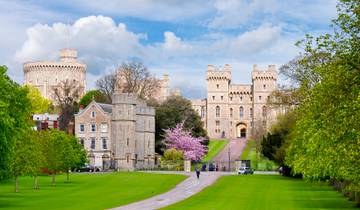
Windsor, Stonehenge, Bath & Oxford from London – 2 Days
- ✓ Comprehensive London tour
- ✓ Expert local guides included
- ✓ All accommodation arranged
- ✓ Transportation provided
5 days
Classic England – 5 Days
- ✓ Comprehensive London tour
- ✓ Expert local guides included
- ✓ All accommodation arranged
- ✓ Transportation provided
5 days
Royal Indulgence | London, England
- ✓ Booking needs min. 2 travelers
7 days
Spotlight on London (2026)
- ✓ Comprehensive London tour
- ✓ Expert local guides included
- ✓ All accommodation arranged
- ✓ Transportation provided
Multi-day tour packages powered by TourRadar. Prices and availability subject to change.
Introduction: Planning Your Brighton Budget 2026
Brighton defies the typical English seaside resort stereotype, blending Regency architecture with contemporary creativity in a compact coastal city where independent boutiques outnumber chain stores and vegan restaurants flourish alongside traditional fish and chips. Just 47 miles south of London, this vibrant destination attracts over 10 million visitors annually who discover that sophisticated cultural experiences need not command premium London pricing, while the seaside setting offers experiences impossible to replicate in the capital.
Understanding Brighton’s cost structure empowers travelers to maximize experiences within any budget bracket. The city operates on distinct seasonal pricing patterns where summer accommodation (June-August) commands rates 40-60% higher than winter months, while spring and autumn shoulder seasons deliver optimal value combining favorable weather with reduced crowds. Transportation represents exceptional value with £3 capped bus fares throughout the city and advance train tickets from London starting at £9, making even day trips economically viable for budget-conscious travelers.
Brighton’s compact geography concentrates attractions within walkable distances, reducing transportation expenses compared to sprawling urban destinations. The free beach, Lanes shopping district, North Laine independent quarter, and seafront promenade provide substantial no-cost experiences that anchor budget travelers’ itineraries, while paid attractions like the Royal Pavilion (£20), SEA LIFE Brighton (£18), and Brighton Museum (free) offer diverse cultural engagement at modest prices. Mid-range and luxury travelers access award-winning restaurants, boutique hotels, and exclusive experiences that rival London quality without matching capital pricing.
This guide deconstructs Brighton’s cost structure across accommodation tiers, dining options from street food to fine restaurants, transportation including optimal train booking strategies, and attraction pricing with money-saving combinations. Sample itineraries demonstrate realistic daily spending for budget backpackers, mid-range couples, and luxury travelers, while seasonal analysis reveals optimal booking windows and neighborhood comparisons expose price variations across the city’s distinct quarters. Hidden costs including resort fees, parking charges, and tipping expectations receive dedicated attention alongside money-saving strategies developed from local knowledge rather than generic travel advice.
Accommodation Costs Brighton 2026
Brighton’s accommodation market spans from £55 hostel dormitory beds to £400 luxury seafront suites per night in 2026, with pricing heavily influenced by proximity to the beach, seasonal demand, and property age. The city operates dual seasonal pricing where peak summer rates (mid-June through August) exceed winter prices by 40-60% across all categories, while Easter weekend, Pride Brighton in August, and major festivals trigger premium weekend rates even within shoulder seasons. Mid-week stays typically cost 15-25% less than Friday-Saturday nights year-round, with greatest savings appearing in business-focused hotels near the station that target weekend leisure travelers.
Budget Accommodation Brighton 2026 (£50-85 Per Night)
Brighton’s hostels and budget guesthouses concentrate in Kemptown, London Road, and areas north of the station, delivering clean dormitory beds and private rooms at £55-75 per night in hostels or £70-85 for budget hotel doubles. YHA Brighton stands out at £55-65 for dormitory beds with breakfast included, positioned near Preston Park providing easy bus access to city center and beach. Independent hostels like St Christopher’s Inn Brighton (£60-70 dormitories) and Kipps Brighton (£55-68) occupy converted Regency townhouses in Kemptown, offering social atmospheres with communal kitchens that enable meal preparation savings alongside organized pub crawls and city tours.
Budget hotels including Premier Inn Brighton City Centre (£75-95), Travelodge Brighton Seafront (£70-88), and Ibis Brighton City Centre (£72-90) provide private en-suite rooms with breakfast options, though summer pricing pushes these establishments toward mid-range territory at £95-110 per room. These chain properties deliver consistent quality with 24-hour reception, WiFi inclusion, and proximity to train station or seafront, trading historic charm for modern reliability. Guesthouses in residential areas 15-20 minutes walk from seafront offer £70-85 per room rates with traditional English breakfast included, particularly along Lewes Road and Preston Road where Victorian terraces house small B&Bs catering to value-conscious travelers willing to sacrifice central location for lower nightly rates.
Seasonal variations dramatically impact budget accommodation availability and pricing, with summer weekends requiring 6-8 weeks advance booking to secure rooms under £80, while November-February offers same-week availability at £55-65 for previously £85-95 properties. Budget travelers visiting during Brighton Pride (early August), Brighton Festival (May), or Great Escape music festival (May) face £95-125 minimum rates even for basic accommodation, making these periods unsuitable for £80-110 daily budget targets unless booking hostels 3-4 months ahead to lock pre-festival pricing.
Mid-Range Accommodation Brighton 2026 (£140-200 Per Room)
Brighton’s mid-range hotels occupy converted Regency squares, modern purpose-built properties near Churchill Square, and seafront positions offering sea views without luxury price tags. Artist Residence Brighton (£165-190) epitomizes boutique charm with 25 eclectic rooms in two Grade II-listed townhouses on Regency Square, featuring antique furniture, copper baths, and balcony sea views in premium rooms. The property includes excellent bar and breakfast service while maintaining neighborhood character over corporate blandness, appealing to travelers seeking design-conscious accommodation without luxury hotel formality.
Hotel Una (£150-185), Blanch House (£170-195), and Drakes Hotel (£160-190) represent Brighton’s boutique hotel category where individually designed rooms, personalized service, and central locations justify pricing 30-40% above budget chains. These properties occupy prime Kemptown and seafront positions, offering champagne bars, Mediterranean restaurants, and concierge services that enhance stays beyond simple accommodation provision. Mid-range chains including Holiday Inn Brighton Seafront (£145-175) and Leonardo Royal Hotel Brighton (£155-185) deliver reliable quality with pools, fitness centers, and meeting facilities, though lacking the character of independent boutiques.
Neighborhood pricing reveals significant variations within mid-range category, with seafront properties commanding £15-25 premiums over equivalent quality hotels in North Laine or London Road areas. Regency Square and Kemptown seafront positions offer optimal mid-range value, providing beach access and Lanes proximity at £140-165 per room versus £175-200 for Marina or Brunswick Square equivalents. Seven Dials and North Laine boutique hotels at £145-170 trade sea views for immediate access to independent restaurants and shops, suiting travelers prioritizing dining and culture over beach time.
Luxury Accommodation Brighton 2026 (£260-400+ Per Room)
Brighton’s luxury accommodation tier centers on historic seafront grand hotels and modern boutique properties offering superior service, premium amenities, and uncompromising positions. The Grand Brighton (£280-350) dominates the seafront as Brighton’s largest Victorian hotel, featuring 201 rooms with sea views, award-winning restaurant, spa, indoor pool, and gym facilities within landmark Grade II-listed building. This property exemplifies classic English seaside grandeur, attracting weekend leisure travelers and wedding parties willing to invest £140-175 per person nightly (sharing double) for comprehensive hotel resort experience.
Hotel du Vin Brighton (£260-320) and Drakes of Brighton (£240-300) represent smaller luxury options where 37-50 rooms receive meticulous attention, champagne bars serve craft cocktails, and breakfast extends to champagne options. These boutique properties appeal to couples and solo luxury travelers seeking intimate service over grand hotel scale, with room rates including amenities like Nespresso machines, luxury toiletries, and Egyptian cotton bedding as standard. The Charm Brighton Boutique Hotel and Spa (£270-340) adds full-service spa facilities to luxury boutique formula, enabling guests to book treatments, afternoon tea, and romantic packages without leaving property.
Luxury travelers willing to extend budgets beyond £400 per room access Brighton’s most exclusive options including Alias Hotel Seattle (£350-450) with rooftop hot tub and sea views, or self-catering apartments in Brunswick Square (£380-500) providing two-bedroom seafront flats with kitchens, living spaces, and balconies overlooking the beach. These premium options suit longer stays where £190-250 per person nightly costs (sharing between two) deliver apartment living rather than hotel rooms, with grocery shopping and meal preparation reducing overall trip costs despite higher accommodation investment.
Food and Dining Costs Brighton 2026
Brighton’s dining scene mirrors its creative reputation, spanning from £7 vegan street food to £75 tasting menus while maintaining exceptional quality across price brackets. The city boasts England’s highest vegan population density, manifesting in plant-based options at virtually every restaurant from budget cafes to fine dining establishments. North Laine and Kemptown neighborhoods concentrate independent restaurants where owner-operated venues prioritize ingredient quality over chain restaurant margins, creating exceptional value in £15-25 mid-range category where London equivalents cost £25-35.
Budget Dining Brighton 2026 (£25-45 Daily)
Budget-conscious travelers eating three meals daily in Brighton spend £27-43 covering breakfast £5-8, lunch £10-15, and dinner £12-20 when selecting street food, cafes, and budget restaurant options strategically across neighborhoods. Breakfast costs minimize at Tesco Metro or Sainsbury’s Local stores near Churchill Square where meal deals provide coffee, pastry, and fruit for £5-6, while Brighton Open Market hosts multiple vendors serving full English breakfast £7-9 or vegan alternatives £6-8 in casual market hall setting popular with locals.
Lunch represents optimal budget dining opportunity in Brighton where £10 lunch specials, pre-theatre menus, and street food vendors cluster around North Laine and Kemptown. Fatto a Mano (voted Brighton’s best value dining 2026) serves authentic Neapolitan pizza £10-14 in generous portions, while La Choza delivers Mexican street food tacos £8-12 and burritos £9-13 in vibrant North Laine location. Moshimo offers Japanese lunch sets £12-16 including miso soup, rice, and protein, providing exceptional value compared to £18-25 dinner equivalents for identical quality and portion sizes.
Dinner budget strategies include Brighton Open Market’s international food stalls (open Thursday-Saturday evenings) where £10-15 purchases substantial meals from Turkish, Indian, Caribbean, and Mexican vendors. Wahaca (£12-16 mains), Purezza vegan pizzeria (£11-15), and Zafron Afghan restaurant (£13-19 with enormous portions) represent Brighton’s budget dinner category where quality rivals mid-range pricing but portions and value orientation keep bills manageable. Supermarket meal preparation using Brighton’s numerous Waitrose, Sainsbury’s, and Tesco stores reduces dinner costs to £6-10 when hostel or apartment accommodation provides kitchen access, enabling budget travelers to allocate saved funds toward attractions or occasional restaurant splurges.
Mid-Range Dining Brighton 2026 (£55-75 Daily)
Mid-range dining in Brighton encompasses £53-75 daily budgets covering breakfast £10-15 at hotel or independent cafes, lunch £18-25 at casual restaurants, and dinner £25-35 at quality establishments serving British contemporary, Italian, Asian fusion, or seafood specialties. Breakfast at Bill’s Brighton (£12-16 for full breakfast) or Small Batch Coffee (£10-14 for eggs Benedict and coffee) represents relaxed start versus hotel buffets, with these popular venues requiring weekend reservations but offering weekday walk-in availability.
Lunch in mid-range bracket accesses Brighton’s award-winning casual dining scene where £18-25 budgets secure restaurant quality without fine dining formality. The Salt Room (£19-28 mains) overlooks seafront serving locally caught fish, while Riddle & Finns The Lanes (£20-32) specializes in oysters and champagne in medieval street setting. Cin Cin (£16-24 mains) delivers authentic Italian small plates ideal for sharing, and The Coal Shed (£22-30 steaks) provides upscale pub dining with Sussex beef and local produce emphasis. These restaurants cluster in Lanes and seafront positions, making lunch a strategic meal for travelers prioritizing central location dining experiences.
Dinner represents mid-range travelers’ primary splurge meal where £25-35 mains access Brighton’s celebrated independent restaurant culture. Terre à Terre (£24-32) pioneered vegetarian fine dining in 1993 and maintains exceptional creativity despite mainstream plant-based trends, while 64 Degrees (£18-28 small plates) operates open kitchen where chefs interact with diners. The Ginger Dog (£22-30) and The Ginger Pig (£24-32) represent elevated pub dining with seasonal British menus, Sussex ingredients, and wine lists emphasizing English vineyards. Mid-range diners typically spend £60-80 for two including mains, sides, and drinks when selecting one course each, though Brighton’s small plates culture enables £50-65 dinners sharing multiple dishes at venues like Bincho Yakitori (£16-24) or Mowgli Indian street food (£14-22).
Luxury Dining Brighton 2026 (£100-145 Daily)
Luxury dining budgets of £98-145 daily access Brighton’s finest restaurants where £50-75 per person dinners, champagne breakfast options £18-25, and upscale lunch £30-45 showcase Sussex ingredients, award-winning chefs, and exceptional wine programs. The Set (£100 tasting menu) operates intimate 12-seat counter dining Thursday-Saturday only, with chefs Dan Kenny and Marcin Miasik preparing 8-course seasonal menus that compete with London’s best contemporary restaurants at half Mayfair pricing. Reservations require 4-6 weeks advance booking for this exclusive experience representing Brighton’s culinary pinnacle.
The Ivy Asia Brighton (£28-48 mains) combines Pan-Asian fusion with theatrical interiors and seafront position, attracting luxury diners seeking Instagram-worthy settings alongside quality cuisine. Isaac At (£55-75 tasting menu) provides modern European fine dining in Kemptown, while Etch by Steven Edwards (£65 tasting menu) earned Michelin Bib Gourmand recognition for seasonal British cooking showcasing South Downs ingredients. These establishments expect £120-160 spend per couple including wine, though tasting menu-only venues like The Set or Isaac At require £200-220 for two with wine pairing options adding £40-60 per person.
Luxury travelers pursuing exceptional breakfast experiences book afternoon tea at The Grand Brighton (£45-65 per person) or champagne breakfast at Hotel du Vin (£28-38), while lunch at Riddle & Finns seafood bar (£35-55 including oysters and champagne) or The Salt Room (£30-45) transforms midday meal into culinary highlight. Daily luxury dining budgets realistically accommodate two restaurant meals (lunch and dinner) totaling £80-120 plus breakfast £18-25, with remaining funds covering coffee £4-5, afternoon snacks £8-12, or impromptu seaside ice cream £6-8 that maintain momentum between meals without sacrificing quality expectations.
Transportation Costs Brighton 2026
Brighton’s compact city center measuring approximately 2 miles east-west and 1.5 miles north-south enables extensive walking, reducing transportation requirements compared to sprawling destinations. The flat seafront geography and pedestrian-friendly Lanes quarters mean many visitors spend £6-12 daily on transport despite city’s excellent bus network, with costs increasing for travelers staying in outlying neighborhoods, visiting day trip destinations, or preferring taxis over walking 15-20 minute distances.
Brighton Local Transport 2026
Brighton & Hove Buses operates comprehensive city network with £3 maximum single fare regardless of distance traveled, representing exceptional value for journeys across town versus £2-3 charged per mile in many UK cities. The citySAVER day ticket costs £6 on mobile app (£7 cash on bus) providing unlimited travel from activation until 04:30 following day, making this optimal choice for travelers planning 3+ journeys daily. Weekly citySAVER tickets at £24 suit visitors staying 5-7 days, saving £18-24 versus daily ticket purchases while providing complete transportation freedom without per-journey cost consideration.
Bus routes 1, 1A, 2, and 5 connect Brighton Station to seafront and Kemptown every 10-15 minutes from 06:00-23:00, with night buses operating hourly after midnight Friday-Saturday. Route 7 serves Churchill Square shopping center and Western Road, while routes 12, 13, and 14 extend to Hove, Brighton Marina, and Rottingdean enabling exploration beyond immediate city center. Real-time bus tracking via Brighton & Hove Buses mobile app eliminates uncertainty about arrival times, while contactless payment acceptance on all buses speeds boarding versus cash payment delays.
Taxi and rideshare services operate throughout Brighton with Uber, Bolt, and local firms like Brighton & Hove Streamline Taxis competing on pricing. Typical taxi costs include Brighton Station to seafront £8-12, Churchill Square to Marina £12-16, and city center to Hove £10-14, with weekend evening demand surges adding 20-40% premiums after 22:00 Friday-Saturday. Budget travelers avoid taxis entirely using £6 day bus tickets, while mid-range visitors allocate £8-15 daily for occasional taxi use when tired, carrying shopping, or running late for reservations. Luxury travelers budget £25-40 daily for private car service or frequent taxi use, prioritizing convenience over public transport economy.
London to Brighton Train Costs 2026
Train travel between London and Brighton represents essential cost consideration for visitors using the city as base for London exploration or Brighton as day trip from London accommodation. Advance tickets booked 7-12 weeks before travel cost £9-13 for single journey on Thameslink services departing St Pancras, London Bridge, Blackfriars, or Farringdon with 63-80 minute journey times. These advance fares deliver exceptional value but restrict travel to specific booked service, requiring flexibility forfeiture versus higher-priced flexible tickets.
Off-Peak and Super Off-Peak tickets provide travel flexibility at higher cost, with Super Off-Peak Singles £17-20 valid after 09:30 weekdays and anytime weekends on Thameslink, Southern, or Gatwick Express services. Off-Peak Day Returns cost £37-40 enabling same-day round trips departing after 09:30, suitable for London day trips from Brighton or reverse Brighton day visits from London accommodations. Same-day Anytime tickets reach £25-38 single or £50-60 return, eliminating travel time restrictions but consuming significant budget compared to advance purchase alternatives.
Railcard holders secure 33% discounts on off-peak fares, reducing Super Off-Peak Singles to £12-14 and Day Returns to £25-27 with Two Together Railcard (£30 annual fee for two named travelers), 16-25 Railcard, or Senior Railcard (60+). Budget travelers visiting Brighton from London for 2-3 days save £40-60 per couple purchasing Two Together Railcard plus advance tickets versus buying standard off-peak fares, while luxury travelers prioritize Anytime tickets (£25-38 single) accepting premium pricing for schedule flexibility when coordinating hotel check-in times or restaurant reservations.
Gatwick Express operates premium service London Victoria to Brighton via Gatwick Airport in 53-58 minutes versus 63-75 minutes on Thameslink, charging identical fares but targeting airport travelers and business commuters. Southern services provide third operator option with similar pricing to Thameslink and Gatwick Express, making fare comparison essential when booking rather than assuming single operator delivers best value. Weekend travelers combining Brighton visit with Gatwick arrival or departure benefit from £17-20 Super Off-Peak Singles covering Victoria-Gatwick-Brighton routing without additional cost versus standard Brighton-only tickets.
Day Trip Transportation from Brighton 2026
Brighton serves as base for South Downs National Park, Seven Sisters cliffs, Arundel Castle, and historic towns including Lewes, Chichester, and Winchester within 30-90 minute train journey. Southern Railway operates frequent services to Lewes (£6-9 single, 15 minutes), Chichester (£12-16 single, 45 minutes), and Portsmouth (£14-19 single, 65 minutes), with advance booking reducing costs 30-40% versus same-day purchase. Bus route 12 reaches Brighton Marina (£3 single) where coastal walks begin, while route 13 extends to Rottingdean (£3) providing village charm 20 minutes from city center.
Seven Sisters Country Park requires £12-16 return bus journey on Brighton & Hove route 13X (seasonal April-October) or taxi £45-60 each way to Seaford where clifftop walks commence. Budget travelers prioritize Lewes (£6-9 train) or South Downs villages accessible by bus, allocating £10-15 transport budget for full day excursions versus £30-45 for Seven Sisters taxi-dependent visits. Mid-range travelers balance bus and occasional taxi use, spending £15-25 daily on day trip transport, while luxury visitors budget £40-60 for private car hire enabling flexible scheduling without public transport constraints or coastal walk access limitations.
Attraction and Activity Costs Brighton 2026
Brighton’s attractions range from free beach access and museum entry to £20-30 paid experiences at Royal Pavilion, SEA LIFE Brighton, and British Airways i360 observation tower. The city’s compact center enables combining multiple attractions daily without transport costs between venues, while free offerings including beach, Lanes shopping, and seafront promenade provide substantial experiences that anchor budget travelers’ itineraries without admission fees depleting daily budgets.
Top Paid Attractions Brighton 2026
Royal Pavilion stands as Brighton’s signature attraction charging £20 adult admission in 2026, providing access to King George IV’s extraordinary seaside palace where Indian-inspired exterior houses Chinese-influenced interiors featuring the famous one-ton dragon chandelier. Audio guides cost additional £5 or guided tours £8 supplement base admission, though self-guided visits enable 90-120 minute exploration revealing Regency excess without guide requirement. Multi-attraction annual pass (£27) includes Royal Pavilion plus Brighton Museum and Preston Manor, delivering value for visitors planning 2+ days exploring city museums or returning within 12 months.
SEA LIFE Brighton occupies Victorian arches beneath seafront promenade, charging £18-24 adult admission depending on advance online booking versus walk-up purchase. The aquarium showcases tropical fish, sharks, sea turtles, and local marine life across themed zones, requiring 60-90 minutes for thorough visit. Combination tickets bundling SEA LIFE with Royal Pavilion or i360 provide modest savings versus separate admissions, though discounts rarely exceed 10-15% making combinations worthwhile only for travelers genuinely planning multiple attractions rather than seeking forced value from bundled pricing.
British Airways i360 observation tower (£18 adult) elevates visitors 450 feet above beach in glass viewing pod, offering 360-degree views extending to Seven Sisters cliffs and South Downs on clear days. The 20-minute rotation provides photography opportunities and complimentary guidebook explaining visible landmarks, though £18 pricing positions i360 as luxury add-on rather than essential Brighton experience given free views from various elevated positions throughout city. Brighton Palace Pier charges £2 admission during peak season (March-September weekends) with rides requiring additional £3-8 individual charges or £27-32 unlimited wristbands, making pier visit costs vary £2-35 depending on activity selection.
Free Attractions Brighton 2026
Brighton Beach stretches 9 kilometers of pebble coastline providing unlimited free access to swimming, sunbathing, and coastal walks without admission charges or time restrictions. The beach represents Brighton’s primary free attraction where budget travelers spend entire days enjoying seaside atmosphere, while paid deckchair hire (£5-8 daily) and beach hut rental (£45-65 daily) offer comfort upgrades for visitors willing to invest in enhanced beach experience. The seafront promenade enables evening walks past illuminated Palace Pier and i360, creating romantic experiences without costs beyond potential drink or ice cream purchases.
The Lanes shopping district and North Laine independent quarter provide hours of free browsing through medieval alleyways housing jewelry boutiques, antique shops, vintage clothing stores, and independent bookshops. These neighborhoods showcase Brighton’s creative character without requiring purchases, though tempting specialist shops often convert browsers into buyers spending £15-50 on unique items unavailable in chain stores. Brighton Museum & Art Gallery offers free admission to permanent collections including decorative arts, fashion, and local history exhibitions, requiring 60-90 minutes for comprehensive visit that complements paid Royal Pavilion experience with additional Brighton cultural context.
South Downs National Park begins at Brighton’s northern edge, providing free access to chalk downland walks including Devil’s Dyke viewpoint (bus route 77, £3 fare) and Ditchling Beacon. These countryside escapes deliver dramatic views across Sussex Weald without admission charges, though reaching trailheads requires £3-6 bus fares from central Brighton. Stanmer Park (bus route 25, £3) offers 200 hectares of free parkland, woodland trails, and village exploration 20 minutes from city center, appealing to travelers seeking nature experiences without Seven Sisters’ £45-60 taxi costs or tourist crowds.
Tours and Experiences Brighton 2026
Walking tours represent budget-friendly guided experience option with Brighton’s Story offering 90-minute historical tours £12 per person covering Regency architecture, royal history, and local legends through Lanes and seafront districts. Free walking tours operate on tips-based model where guides work for gratuities, with £8-12 per person representing standard tip for quality 2-hour tours covering similar content to paid alternatives. Food tours (£55-75 per person) combine historical narrative with 5-6 food tastings at North Laine restaurants, markets, and specialty shops, providing substantial lunch while learning Brighton’s culinary culture.
Kayak tours (£35-45 per person for 2 hours) launch from Brighton Marina enabling coastal exploration and sea cave access impossible from beach, appealing to active travelers comfortable with moderate physical exertion. Stand-up paddleboard lessons (£40-50 per person for 2-hour group session) teach SUP basics in sheltered waters near Palace Pier, combining skill development with beach activity. These water sports experiences suit mid-range budgets seeking active alternatives to traditional sightseeing, though reliance on favorable weather conditions requires flexible scheduling and backup indoor plans when sea states prevent safe paddling.
Brighton Fringe (May) and Brighton Festival (May) deliver concentrated cultural programming where £10-25 tickets access comedy, theater, music, and art performances across 200+ venues. Festival attendance requires advance research identifying priority shows since popular performances sell out weeks ahead, though last-minute availability enables spontaneous attendance at lesser-known acts. Budget travelers allocate £20-40 for 2-3 Fringe shows during festival weeks, while mid-range visitors spend £60-100 experiencing headline acts and emerging talent across multiple disciplines. Luxury travelers invest £150-250 in VIP packages, premium seating, and exclusive events that maximize festival immersion beyond general admission experiences.
Complete Daily Budget Breakdowns Brighton 2026
Sample daily budgets demonstrate realistic spending across accommodation, dining, transportation, and attractions for budget backpackers, mid-range couples, and luxury travelers visiting Brighton. These breakdowns reflect typical patterns where accommodation consumes 35-45% of daily budget, dining 30-40%, and attractions plus transport sharing remaining 20-30%, with variations occurring based on individual priorities like extended restaurant dining reducing attraction budgets or intensive sightseeing limiting culinary exploration.
Budget Traveler Daily Breakdown 2026
Budget travelers targeting £80-110 per person daily allocate hostel dormitory accommodation £28-38 per person, meals £27-43 combining supermarket breakfast £5-8, street food lunch £10-15, and budget restaurant dinner £12-20, local transport £6 for bus day ticket, and attractions £20-25 covering Royal Pavilion £20 or SEA LIFE Brighton £18-24 with remaining funds for coffee £4 or beach activities. This budget enables comfortable experiences without luxury expectations, focusing on Brighton’s free attractions including beach, Lanes shopping, and coastal walks that provide substantial content between paid museum visits and restaurant meals.
Sample budget day begins with supermarket breakfast £6 at hostel, morning Royal Pavilion visit £20, Lanes browsing (free), lunch at Fatto a Mano pizza £12, afternoon beach time (free), bus ride to North Laine £3, dinner at La Choza Mexican £15, and evening seafront walk (free), totaling £56 plus accommodation £28-38 for complete daily spend £84-94. Additional costs might include coffee £4, beer at pub £5-6, or pier admission £2, pushing upper budget limit to £105-110 on days combining multiple small purchases with standard accommodation and dining patterns. Budget travelers stretch funds by choosing free beach days over consecutive paid attraction visits, preparing occasional hostel meals using supermarket ingredients, and walking rather than riding buses for journeys under 20 minutes.
Mid-Range Traveler Daily Breakdown 2026
Mid-range travelers spending £185-250 per person daily (two sharing hotel accommodation £140-200 per room) allocate accommodation £70-100 per person, meals £53-75 covering hotel or cafe breakfast £10-15, restaurant lunch £18-25, and quality dinner £25-35, transport £14-21 combining bus day ticket £6 with occasional taxi £8-15, and attractions £48-53 including Royal Pavilion £20, SEA LIFE £18, and additional activities £10-15. This budget enables comfortable hotel stays, restaurant dining throughout day, and comprehensive attraction coverage without luxury pricing constraints.
Sample mid-range day features hotel breakfast £12, morning i360 observation tower £18, taxi to Lanes £10, lunch at Cin Cin £22, afternoon SEA LIFE Brighton visit £18, bus to hotel £3, rest period at hotel (free), taxi to dinner restaurant £12, dinner at The Ginger Pig £28, and seafront evening stroll (free), totaling £123 plus accommodation £70-100 per person for daily spend £193-223. Additional purchases including afternoon coffee £4, wine with dinner £8-12 per glass, or evening cocktail £10-14 push spending toward £245-260 upper limits, demonstrating how beverage choices and spontaneous purchases influence final daily totals. Mid-range travelers balance paid attractions with free experiences, typically visiting 2-3 paid venues over 3-day weekend rather than attempting comprehensive attraction coverage daily.
Luxury Traveler Daily Breakdown 2026
Luxury travelers investing £315-470 per person daily (two sharing premium hotel £260-400 per room) allocate accommodation £130-200 per person, meals £98-145 covering champagne breakfast £18-25, upscale lunch £30-45, and fine dining dinner £50-75, transport £25-40 for private car service or frequent taxi use, and attractions £60-85 including Royal Pavilion £20, SEA LIFE £18, guided food tour £55-75, or premium experiences replacing standard admission venues. This budget delivers seafront luxury hotels, award-winning restaurant dining, and exclusive experiences impossible within budget or mid-range constraints.
Sample luxury day includes Grand Brighton champagne breakfast £28, private car to Seven Sisters cliffs day trip £120 (£60 per person sharing), packed gourmet lunch £35, return to Brighton, hotel spa treatment £85, taxi to Lanes £12, dinner at The Set tasting menu £100, wine pairing £45, and taxi return £12, totaling £437 plus accommodation £130-200 per person for daily spend £567-637. This exceeds standard luxury budget demonstrating how special experiences like tasting menu dinners and spa days elevate spending beyond typical £315-470 range, with luxury travelers accepting occasional £550-650 days balanced against £300-350 days focused on beach relaxation and free attraction exploration. Luxury positioning enables spontaneous upgrades from standard plans, ordering champagne versus wine, booking last-minute spa appointments, or choosing taxis over buses without budget recalculation requirements.
Sample Multi-Day Itineraries with Costs Brighton 2026
Multi-day itineraries demonstrate how daily budgets aggregate into complete trip costs while accounting for natural spending variations where arrival days involve transport costs, full activity days maximize attraction budgets, and departure days reduce spending through partial-day hotel use and limited dining. These samples reflect realistic patterns where travelers alternate intensive sightseeing days with relaxed beach days, enabling recovery from cultural overload while managing attraction fatigue and budget distribution.
Budget 3-Day Brighton Weekend
Budget weekend targeting £240-330 per person total cost spans Friday evening arrival through Sunday afternoon departure, combining 2 hostel nights £55-75 per night, 7 meals ranging £5-15 each, comprehensive free attraction exploration, and selective paid venue visits maximizing Brighton experiences within constrained budget. This itinerary prioritizes free beach and Lanes content, includes one major paid attraction (Royal Pavilion), and demonstrates money-saving strategies including supermarket meals, walking over buses, and strategic timing avoiding Friday-Saturday night accommodation premiums.
Day 1 Friday evening features London train arrival £9-13 advance ticket, hostel check-in £55-65, dinner at Brighton Open Market £12, and seafront walk (free), totaling £76-90. Day 2 Saturday allocates supermarket breakfast £6, morning Royal Pavilion visit £20, Lanes browsing (free), lunch at Fatto a Mano £12, afternoon beach time (free), North Laine exploration (free), dinner at La Choza £15, and evening pub drink £6, totaling £59 plus accommodation £55-65 for daily spend £114-124. Day 3 Sunday involves hostel breakfast £6, morning South Downs walk Devil’s Dyke (bus £6 round trip), packed lunch from supermarket £8, afternoon Brighton Museum (free), departure train to London £9-13, totaling £29-33.
Weekend total ranges £242-307 including accommodation £110-130 two nights, dining £74-91 seven meals, transport £24-32 trains and buses, and attractions £20 Royal Pavilion only. Budget travelers extend value by bringing reusable water bottles versus buying £2 drinks, choosing Friday-Sunday over Friday-Saturday stays to avoid peak night pricing, and allocating one day to entirely free activities (beach, walks, Lanes) maximizing content without admission charges. This approach delivers authentic Brighton experiences without luxury pretense, focusing on city’s natural assets and independent character over premium venues and services.
Mid-Range 5-Day Brighton Break
Mid-range 5-day break targeting £925-1,250 per person enables comprehensive Brighton exploration combining cultural attractions, dining experiences, day trips, and beach relaxation without budget constraints limiting spontaneous decisions. This itinerary assumes Monday-Friday timing avoiding weekend accommodation premiums, includes 4 hotel nights at £140-200 per room (£70-100 per person sharing), features restaurant dining throughout, and incorporates Seven Sisters day trip demonstrating budget allocation for excursions beyond immediate Brighton attractions.
Day 1 Monday features London train arrival £9-13 advance ticket, hotel check-in £70-90, lunch at The Salt Room £25, afternoon SEA LIFE Brighton £18, dinner at Terre à Terre £32, totaling £154-178. Day 2 Tuesday allocates hotel breakfast £12, morning Royal Pavilion £20, Lanes shopping (free), lunch at Cin Cin £22, afternoon i360 observation tower £18, North Laine exploration (free), dinner at The Coal Shed £30, totaling £102 plus accommodation £70-90 for daily spend £172-192. Day 3 Wednesday involves hotel breakfast £12, full-day Seven Sisters excursion (taxi £45, packed lunch £15, admission free), return dinner at Moshimo £28, totaling £100 plus accommodation £70-90 for daily spend £170-190.
Day 4 Thursday features hotel breakfast £12, morning beach relaxation (free), lunch at Riddle & Finns £28, afternoon Brighton Museum and Royal Pavilion gardens (free), spa treatment £65, dinner at 64 Degrees £30, totaling £135 plus accommodation £70-90 for daily spend £205-225. Day 5 Friday involves hotel breakfast £12, morning Lanes final shopping (spending variable £30-60), lunch at Bill’s £18, departure train to London £9-13, totaling £69-103. Five-day total ranges £930-1,288 including accommodation £280-360 four nights, dining £265-315 covering 12 restaurant meals plus packed lunch, transport £99-103 trains and taxis, and attractions £121 paid venues plus shopping variable.
Mid-range travelers optimize value by booking Monday-Thursday hotel stays at £140-160 versus £180-200 Friday-Saturday rates, alternating intensive attraction days with beach relaxation days reducing consecutive paid venue costs, and allocating one meal daily to lunch specials (£18-25) versus dinner pricing (£25-35) for identical restaurant quality. This approach maintains comfortable experiences without luxury splurges while demonstrating realistic daily spending variations where Seven Sisters day trip costs £170-190 daily but beach relaxation day reaches only £172-192 despite including spa treatment through strategic free activity selection.
Luxury 3-Day Romantic Weekend
Luxury romantic weekend targeting £945-1,410 per person delivers premium Brighton experiences across 2 seafront hotel nights, tasting menu dining, private transport, and exclusive activities impossible within budget constraints. This itinerary assumes Friday-Sunday timing accepting weekend premium rates, features Grand Brighton or equivalent luxury property £280-350 per room (£140-175 per person sharing), includes champagne breakfast and fine dining throughout, and demonstrates how luxury budgets enable spontaneous upgrades from standard plans without recalculation requirements.
Day 1 Friday evening features London first-class train £55-65, hotel check-in with room upgrade request £140-165, afternoon tea with champagne £65, evening at hotel spa and pool (included), dinner at Hotel du Vin £85, cocktails at bar £28, totaling £373-408. Day 2 Saturday allocates hotel champagne breakfast £28, private car Seven Sisters excursion £120 (£60 per person), packed gourmet lunch £35, return to Brighton, afternoon rest at hotel, taxi to restaurant £12, dinner at The Set tasting menu £100, wine pairing £45, taxi return £12, nightcap at Grand Hotel bar £15, totaling £347 plus accommodation £140-165 for daily spend £487-512. Day 3 Sunday involves hotel breakfast £28, morning beach walk (free), luxury brunch at Riddle & Finns £45, afternoon shopping Lanes (£80-150 variable), departure first-class train £55-65, totaling £208-288.
Weekend total ranges £1,068-1,483 per person including accommodation £280-330 two nights, dining £461-523 covering 5 upscale meals plus packed lunch and bar drinks, transport £182-204 first-class trains and private car, and attractions £65 afternoon tea plus shopping variable. Luxury travelers justify premium pricing through experience quality over cost efficiency, accepting £140-175 nightly accommodation delivering sea views and spa access versus £70-100 mid-range equivalents without these amenities. This budget demonstrates how luxury positioning transforms standard Brighton weekend into curated experience emphasizing quality over quantity, featuring fewer attractions but deeper engagement through tasting menus, private transport, and exclusive access creating memorable romantic escape impossible to replicate within budget or mid-range spending patterns.
Seasonal Price Variations Brighton 2026
Brighton operates distinct seasonal pricing across accommodation, attractions, and dining where summer peak (mid-June through August) commands premium rates, shoulder seasons (April-May, September-October) deliver optimal value, and winter (November-February) offers lowest prices but reduced hours at some attractions and weather limitations for beach activities. Understanding these patterns enables strategic trip timing maximizing experience value while minimizing costs through smart seasonal selection based on individual priorities balancing weather preferences, crowd tolerance, and budget constraints.
Peak Summer Season Brighton 2026 (June-August)
Summer represents Brighton’s most expensive period where mid-range hotels charging £140-160 in shoulder seasons reach £180-200 per room, while budget hostels escalate from £55-65 to £75-85 per night responding to maximum demand from UK school holidays and European visitors. Weekend accommodation during July-August requires 6-8 weeks advance booking to secure any pricing, with last-minute bookings encountering £220-260 minimum rates even for standard 3-star hotels as remaining inventory commands premiums. Brighton Pride weekend (early August) and Great Escape music festival (late May) trigger additional 20-40% rate increases over base summer pricing, making these specific weekends prohibitively expensive for budget travelers targeting £80-110 daily spending.
Summer advantages include longest daylight hours (sunrise 04:45, sunset 21:15 late June) enabling extended beach time and evening activities, guaranteed warm weather (average 20-22°C) suitable for swimming and outdoor dining, and complete attraction availability with Royal Pavilion and museums maintaining 09:30-17:45 hours versus winter’s 10:00-17:00 closure. The vibrant summer atmosphere features street performers along seafront, outdoor markets expanding vendor count, and restaurant terrace dining creating lively scene impossible to replicate during quieter winter months. These experiential benefits justify summer premiums for travelers prioritizing guaranteed sunshine, beach swimming, and festival atmosphere over cost optimization.
Summer budget strategies include Monday-Thursday visits avoiding Friday-Saturday peak weekend rates, booking accommodation 8-12 weeks advance locking pre-peak pricing before summer demand inflates rates, and choosing early June or late August edges of season when weather remains favorable but school holiday crowds haven’t materialized. Budget travelers visiting during summer should expect £95-125 daily costs versus standard £80-110 budgets, with mid-range spending reaching £215-280 daily compared to shoulder season’s £185-250 baseline due to accommodation inflation across all categories.
Shoulder Season Brighton 2026 (April-May, September-October)
Shoulder seasons deliver Brighton’s optimal value proposition where accommodation pricing sits 20-30% below summer peaks, weather remains generally favorable (average 15-18°C), and crowd levels enable spontaneous restaurant bookings and relaxed beach experiences without mid-summer density. April features unpredictable weather mixing sunny days with cool periods, while September-October provides most reliable shoulder conditions with warm sea temperatures carried from summer and stable weather patterns before winter’s arrival. Brighton Festival in May attracts cultural visitors without beach crowd densities, creating unique atmosphere emphasizing arts over seaside resort character.
Shoulder season accommodation reflects moderate demand where mid-range hotels charge £140-180 per room enabling budget flexibility, hostels maintain £55-70 nightly rates, and luxury properties offer £240-300 rooms versus summer’s £280-350 expectations. Weekend bookings require 2-3 weeks advance notice compared to summer’s 6-8 week requirements, while mid-week availability enables spontaneous trips booking 3-5 days ahead without severely limited inventory or inflated pricing. This booking flexibility suits travelers with uncertain schedules or last-minute decision making impossible during summer’s advance reservation requirements.
Shoulder season advantages extend beyond pricing to include more authentic local atmosphere as year-round Brighton residents reclaim city from summer tourist influx, restaurant availability without 90-minute waits at popular venues, and beach space enabling comfortable deckchair setups without immediate neighbor proximity. These quality-of-life improvements enhance experiences for travelers who prioritize relaxed exploration over guaranteed beach swimming weather, with September’s warm sea temperatures (16-17°C) supporting beach swimming for cold-tolerant visitors while October transitions toward walking and cultural focus over beach activities. Budget travelers achieve £80-110 daily targets comfortably during shoulder months, while mid-range visitors stay within £185-250 budgets without seasonal adjustments required during summer inflation periods.
Winter Season Brighton 2026 (November-February)
Winter delivers Brighton’s lowest accommodation pricing where mid-range hotels drop to £90-140 per room (40-50% below summer peaks), hostels reach £45-60 nightly, and luxury properties offer £200-260 rates enabling premium access at mid-range summer pricing. These dramatic reductions reflect minimal tourist demand as UK domestic visitors avoid coastal destinations during cold months, though Brighton’s year-round local population maintains restaurant, pub, and cultural venue vitality preventing dead-season atmosphere common in purely seasonal resort towns. Christmas and New Year weeks (December 23-January 2) represent brief exceptions where rates rebound 30-40% above base winter levels as London day-trippers and UK domestic visitors fill hotels for festive celebrations.
Winter limitations include shortened daylight (sunrise 08:00, sunset 16:15 December), cold temperatures (average 6-8°C) eliminating beach swimming and limiting seafront activities, and reduced attraction hours at some venues with Royal Pavilion closing 17:00 versus summer’s 17:45. Weather unpredictability ranges from crisp sunny days ideal for coastal walks to stormy periods when pier closes and seafront becomes inhospitable, requiring flexible itineraries accommodating indoor alternatives when conditions prevent outdoor plans. These constraints position winter as optimal timing for culture-focused visitors prioritizing museum visits, restaurant dining, and shopping over beach activities, with winter storms creating dramatic seafront atmosphere appealing to photographers and nature enthusiasts accepting weather unpredictability.
Winter budget opportunities enable luxury hotel access at mid-range summer pricing, with £200-260 seafront properties delivering sea views, spa facilities, and premium dining at rates enabling spontaneous upgrades from standard £140-180 mid-range summer hotels. Budget travelers reduce accommodation costs to £45-60 hostels or £75-95 budget hotels, lowering baseline daily budgets to £70-95 versus summer’s £95-125 inflation. Restaurant dining maintains year-round pricing without seasonal variation, though some cafes and beach vendors reduce hours or close November-February limiting casual dining options. Winter visitors should allocate £8-12 daily for cafe coffee and warming food during beach walks compensating for reduced mobile food vendor availability versus summer’s extensive pier and promenade options.
Money-Saving Strategies Brighton 2026
Strategic planning enables significant savings across accommodation, dining, transport, and attractions without sacrificing experience quality or limiting Brighton exploration to budget-only venues. These proven strategies derive from local knowledge and frequent visitor experience rather than generic travel advice, delivering practical cost reductions that compound across multi-day stays transforming a £1,200 mid-range weekend into £950-1,050 experience maintaining equivalent content and comfort level.
Accommodation Money-Savers Brighton 2026
Booking 8-12 weeks advance locks lower pricing before seasonal demand triggers rate increases, with savings reaching 30-40% on summer weekends and 15-25% during shoulder seasons when comparing identical properties at different booking windows. Monday-Thursday stays avoid Friday-Saturday weekend premiums that add £20-45 per room across all categories, enabling visitors extending trips from Friday-Sunday to Monday-Thursday weekends reducing 2-night costs £40-90 through day-of-week selection alone. Seven Dials, London Road, and Preston Park neighborhoods offer 20-30% accommodation savings versus seafront equivalents while maintaining 15-20 minute bus or walk access to beach and Lanes, suiting travelers prioritizing lower lodging costs over immediate beach proximity.
Alternative accommodation including Airbnb apartments and holiday rentals deliver value for groups or extended stays where 4-7 night bookings enable kitchen access reducing dining costs £15-25 daily through breakfast and occasional dinner meal preparation. Brunswick Square and Hove seafront apartments cost £120-180 nightly providing two bedrooms, full kitchen, and sea views at rates comparable to single hotel room, enabling couples sharing with friends to access £60-90 per person accommodation (splitting 2-bedroom flat) versus £70-100 standard hotel rates. These self-catering options suit travelers comfortable preparing some meals and valuing living space over hotel services, though cleaning fees (£60-90) and minimum stay requirements (often 3 nights) reduce value for brief weekend visits.
Dining Money-Savers Brighton 2026
Lunch represents Brighton’s optimal dining value opportunity where identical restaurants charge £18-25 lunch versus £25-35 dinner for similar quality and portion sizes, enabling budget-conscious travelers to allocate one daily meal to lunch special pricing while preparing breakfast from supermarket ingredients (£5-7) and choosing budget dinner venues (£12-18). Pre-theatre menus at restaurants near Brighton Dome offer £18-22 two-course early dinner (typically 17:30-18:30) versus £30-40 for identical dishes during standard service, suiting travelers willing to dine early for 30-40% savings on quality restaurant experiences.
Brighton Open Market operates Thursday-Saturday providing market hall atmosphere where international food stalls serve £8-14 substantial meals rivaling restaurant quality at street food pricing, while local produce vendors enable meal preparation savings for self-catering visitors purchasing fresh ingredients at 20-40% below supermarket prices. The market combines money-saving functionality with authentic local atmosphere where residents shop alongside tourists, creating cultural experience impossible to replicate at generic chain restaurants or hotels. BYOB (bring your own bottle) restaurants including several North Laine venues charge £3-5 corkage versus £20-35 restaurant wine markups, enabling couples saving £30-60 on wine during dinner by purchasing bottles at Waitrose (£8-15) or Majestic Wine (£10-20) then paying minimal corkage rather than accepting 200-300% restaurant wine markups.
Happy hour timing at seafront bars and pubs delivers £5-7 cocktails and £4-5 pints versus standard £10-14 cocktails and £6-7 pints, typically operating 17:00-19:00 weekdays enabling pre-dinner drinks at half-price before transitioning to restaurant bookings. These deals concentrate along Western Road, North Street, and Kemptown areas where competitive bar scene drives promotional pricing, while seafront tourist venues rarely discount given captive audience willing to pay premium for beach views. Budget travelers replace restaurant desserts (£7-10) with gelato from Boho Gelato (£4-5) or cookies from Flour Pot Bakery (£3-4), satisfying sweet cravings at 40-50% savings while supporting independent businesses over chain restaurant dessert markups.
Transport Money-Savers Brighton 2026
Walking replaces bus transport for journeys under 20 minutes, with Brighton’s compact geography enabling seafront to North Laine (12 minutes), station to beach (15 minutes), and Lanes to Marina (35 minutes) walks saving £3-6 daily versus bus tickets while providing city immersion impossible from vehicle travel. Downloading Brighton & Hove Buses mobile app enables £6 citySAVER day ticket purchase versus £7 cash payment on bus, with additional app benefits including journey planning, real-time tracking, and ticket activation only when boarding rather than 24-hour countdown from purchase moment.
Train advance booking 7-12 weeks before travel reduces London-Brighton costs to £9-13 single versus £25-38 same-day Anytime fares, delivering £30-50 round-trip savings for travelers with confirmed schedules willing to forfeit flexibility for lower pricing. Railcard investment (£30 annually for Two Together, 16-25, or Senior options) provides 33% discounts on off-peak fares, breaking even after single weekend round trip while enabling unlimited future savings during card validity. Weekend visitors combining Two Together Railcard (£30) with Super Off-Peak Day Return tickets (£25-27 after discount versus £37-40 standard) recover railcard cost through single weekend trip while establishing discount framework for future Brighton visits or other UK train travel.
Bike rental from Brighton Bike Share scheme costs £5 daily providing unlimited 30-minute rides, suiting active travelers comfortable cycling Brighton’s relatively flat terrain for seafront-to-Marina journeys (20 minutes) or city-center-to-Preston-Park trips (15 minutes) impossible to walk comfortably but wasteful to taxi at £10-14 fares. Electric scooter rentals through Tier or Voi apps charge £1 unlock plus £0.25 per minute, making 10-minute journeys cost £3.50 versus £3 bus or £8-10 taxi, though scooters require phone app setup and moderate technical comfort limiting appeal for non-technical travelers or those preferring traditional transport modes.
Hidden Costs and Budget Traps Brighton 2026
Unexpected expenses including parking fees, restaurant service charges, attraction photography upsells, and seasonal admission fees accumulate to £20-50 daily for unprepared visitors, transforming carefully planned £185-250 mid-range budgets into £220-285 actual spending through incremental charges assumed included in base pricing. Awareness of these hidden costs enables defensive budgeting where £10-20 daily contingency allocation prevents budget overruns while maintaining travel enjoyment without constant expense anxiety.
Parking Costs Brighton 2026
Brighton discourages car travel through expensive parking where seafront NCP car parks charge £18-28 for 4-8 hour stays and £35-45 for 24 hours, while street parking meters cost £3.50-4.50 per hour with 2-4 hour maximum stays creating £14-18 minimum daily parking costs even when finding metered space. These rates position driving to Brighton as expensive option unless staying accommodation providing free parking or arriving for multi-day visit where £35-45 daily parking costs spread across 3-4 days become more palatable than single-day £28 expenditure for few-hour visit.
Visitors driving despite high parking costs should use NCP car parks over street meters given unlimited stay duration versus 2-4 hour meter limits requiring mid-day relocation, with advance online booking through NCP website delivering 10-20% savings versus drive-up rates. Brighton residents receive parking permits enabling street parking throughout most neighborhoods, though visitor eligibility requires local address verification making permits unavailable for tourists relying on expensive pay-and-display alternatives or private car park options. The city’s excellent train connections from London (£9-38) and comprehensive local bus network (£3 single, £6 daily) position public transport as vastly superior economic choice versus driving, with £28 parking plus £15-25 fuel costs versus £18-26 train return journeys creating £30-40 savings before considering congestion, parking search frustration, and Brighton’s excellent walkability making car unnecessary once arrived.
Restaurant Service Charges and Tipping Brighton 2026
Service charges appear on most restaurant bills as 10-12.5% automatic addition, creating confusion about whether additional tipping remains appropriate and inflating expected meal costs by £8-15 for £80-120 dinner for two. Brighton restaurants split between automatic service charge venues (primarily mid-range and upscale establishments) and tip-optional venues (cafes, budget restaurants), with service charge notation appearing prominently on menus though diners frequently overlook this detail when budgeting meal costs from main course pricing alone. UK convention allows service charge removal for poor service though most diners leave automatic charges rather than confronting staff, making service charge effectively mandatory despite legal optionality.
Tipping beyond service charge remains unnecessary at venues adding automatic gratuity, though exceptional service warrants additional £5-10 cash tip left directly for server rather than added to card payment potentially retained by management. Budget-conscious travelers should verify menu small print for service charge policy before ordering, mentally adding 10-12.5% to menu prices when calculating expected meal costs, with £25 mains actually costing £27.50-28 after service inclusion. Bars and pubs operate tip-optional culture where rounding up to nearest pound (£4.80 pint becomes £5 with £0.20 tip) represents standard practice though tips remain genuinely optional without social pressure for generous gratuity common in full-service restaurants.
Attraction Photography and Upsells 2026
Royal Pavilion prohibits interior photography despite £20 admission charge, selling professional postcards and guidebooks £5-12 at exit shop where visitors hoping to capture memories discover restriction only after entering. This policy frustrates visitors assuming smartphone photography rights included with admission, though audio guide rental (£5) or guidebook purchase (£8-12) provides some compensation through detailed information impossible to retain from single visit alone. SEA LIFE Brighton allows photography but upsells “shark dive” experiences £85 and behind-scenes tours £25 beyond base £18-24 admission, creating pressure to purchase upgrades when encountering these opportunities mid-visit rather than pre-planning expenditure.
Brighton Palace Pier charges £2 admission during peak season (March-September weekends) before ride costs, creating two-tier expense where pier access plus rides wristband (£27-32) totals £29-34 versus promotional materials suggesting £27-32 all-inclusive pricing. Individual ride tickets cost £3-8 each with popular attractions (roller coasters, drop tower) commanding £6-8 fees, making unlimited wristband worthwhile for visitors planning 4+ rides but poor value for those wanting single ride experience or primarily visiting for pier atmosphere and food. These hidden admission fees and upgrade opportunities add £10-25 to anticipated attraction budgets when visiting multiple venues, with defensive strategy involving research of actual all-inclusive costs before arrival rather than relying on base admission pricing that excludes photography guides, premium experiences, or seasonal admission surcharges.
Brighton Costs for Different Traveler Types 2026
Specific traveler demographics face unique cost considerations where families absorb higher accommodation and dining costs despite child discounts, solo travelers lack room-sharing economies making budget targeting challenging, and seniors benefit from attraction discounts but require accessibility-related transport expenses. Understanding category-specific patterns enables realistic budgeting accounting for actual spending patterns rather than generic per-person calculations that ignore group dynamics and demographic variations.
Family Travel Costs Brighton 2026
Families with two adults and two children (ages 5-15) face daily costs £280-420 for mid-range comfort including hotel family room £180-250 per night, meals £90-130 covering child portions at budget-to-mid-range venues, transport £12-18 for family bus tickets, and attractions £60-85 with child discounts applied. Accommodation represents largest family expense where single family room (sleeping 4) costs £180-250 versus two separate double rooms at £280-400, making family room availability crucial for budget management. Many Brighton hotels limit family rooms to 15-20% inventory, requiring 4-8 weeks advance booking during summer when these rooms sell out while standard doubles remain available.
Child-friendly attractions including SEA LIFE Brighton (child £14-18 versus adult £18-24), Brighton Pier rides, and free beach activities anchor family itineraries, though Royal Pavilion child admission (£17 versus adult £20) provides minimal savings making this venue expensive for families spending £74 for four admissions versus £20 solo adult cost. Family dining budgets benefit from Brighton’s casual restaurant scene where children’s menus cost £6-10 at venues like Bill’s, Wagamama, or Pizza Express enabling family dinner costs £50-70 versus £80-100 if ordering individual adult portions for all members. Supermarket picnic preparation using Brighton’s numerous grocery stores reduces lunch costs to £15-25 for family of four versus £40-60 restaurant lunch, with beach picnics combining cost savings with authentic Brighton beach atmosphere children enjoy.
Family budget strategies prioritize accommodation with kitchen facilities enabling breakfast preparation (saving £25-40 daily) and occasional dinner cooking, self-catering apartments in Brunswick Square or Hove (£180-280 nightly) delivering two-bedroom space, kitchen, and often washing machine justifying higher accommodation costs through dining savings and comfort improvements over cramped hotel family rooms. Weekend family visits should target shoulder seasons (May, September) when accommodation prices drop 20-30% versus summer peaks while weather remains suitable for beach activities, with comprehensive family weekend (2 nights, 3 days) ranging £560-840 total for family of four including accommodation, dining, transport, and attractions when selecting budget-to-mid-range options strategically.
Solo Traveler Costs Brighton 2026
Solo travelers face accommodation premium paying full room rates (£70-200 per night) versus per-person sharing costs (£35-100) utilized in standard budget calculations, making private room accommodation 50-100% more expensive than couple sharing equivalent room. Hostel dormitory beds (£55-75) provide economy option though compromising privacy and comfort, while single-occupancy hotel rooms command 70-85% of double room rates creating £50-85 nightly savings versus full double pricing but still exceeding per-person couple costs substantially. Solo travelers targeting mid-range comfort should budget £110-160 accommodation nightly versus £70-100 per person couple rates, with luxury solo rooms reaching £180-280 versus £130-200 per person luxury couple pricing.
Dining represents another solo challenge where sharing multiple dishes becomes impossible, restaurant tables favor couples over singles, and minimum charges at some upscale venues assume two-person spending. Solo diners benefit from Brighton’s strong cafe culture and bar dining options where individual portions suit solo consumption without portion wastage, with venues like 64 Degrees (small plates £18-28) and Bincho Yakitori (£16-24) enabling satisfying solo meals through tapas-style ordering. Solo travelers should budget £8-12 breakfast, £15-22 lunch, and £22-35 dinner for equivalent comfort level couples achieve at £6-9, £12-18, and £18-28 respectively when sharing accommodation costs and occasional meal splitting.
Solo traveler daily budgets realistically reach £140-200 for mid-range comfort versus £185-250 per person couple calculations suggest, with accommodation premium (£110-160 versus £70-100 per person sharing) partially offset by lower dining costs from reduced meal quantities and simpler breakfast versus couple sharing hotel breakfast expenses. Solo budget travelers can achieve £95-135 daily through hostel dormitories £55-75, budget dining £30-50, and free/low-cost attractions, though sacrificing privacy and comfort compared to couples managing £80-110 per person with private room sharing economies. Solo luxury travelers targeting £280-380 daily access quality equivalent to couple’s £315-470 per person spending through careful venue selection emphasizing value over automatic upgrade to highest tier simply because traveling alone.
Senior Traveler Costs Brighton 2026
Seniors (60+) benefit from attraction discounts including Royal Pavilion senior rate £18 versus standard £20, SEA LIFE Brighton £16-20 versus £18-24, and various tour discounts 10-15% reducing daily attraction costs £8-15 when visiting multiple paid venues. Senior Railcard (£30 annually, 60+ eligibility) provides 33% off most train fares including London-Brighton routes, reducing Off-Peak Day Return costs to £25-27 versus £37-40 standard pricing and enabling frequent Brighton visits within railcard year. These discounts offset potential additional costs from mobility limitations requiring taxi use over bus transport or premium accommodation with elevator access versus budget properties lacking lifts.
Senior travelers prioritizing accessibility should budget £15-25 daily transport allocation versus £6-14 standard mid-range calculations, accounting for taxi use £8-12 per journey when fatigue, distance, or comfort considerations override bus economy. Accommodation selection emphasizes elevator access, ground floor rooms, or central locations minimizing walking requirements, with boutique hotels and modern chains offering superior accessibility over converted Victorian guesthouses featuring narrow staircases and upper-floor-only rooms. These accessibility priorities may add £20-30 nightly to accommodation costs when comparing accessible mid-range hotels £160-180 versus non-accessible budget equivalents £90-120 serving younger travelers willing to navigate stairs and accept outlying locations requiring additional walking.
Senior couples targeting mid-range comfort should budget £200-270 per person daily including accessible accommodation £160-200 per room (£80-100 per person), restaurant dining £60-80 with senior portions or appetizer-based ordering reducing costs from standard £65-90 allocations, transport £15-25 incorporating taxi flexibility, and attractions £40-50 applying senior discounts across multiple venues. This positioning enables comfortable experiences without accessibility compromises or exhausting itineraries attempting maximum venue coverage daily, with Brighton’s compact geography and extensive bench seating along seafront supporting senior-friendly exploration patterns alternating activity bursts with rest periods impossible to replicate in sprawling destinations lacking adequate rest facilities.
Neighborhood Price Comparison Brighton 2026
Brighton’s distinct neighborhoods exhibit significant price variations across accommodation, dining, and general visitor costs where seafront positions command 20-40% premiums over inland areas, while East Brighton and Hove offer different value propositions than North Laine or Kemptown central districts. Understanding neighborhood characteristics enables strategic location selection balancing proximity preferences, budget constraints, and desired atmosphere beyond generic “Brighton” booking approach that ignores substantial intra-city variations.
Seafront and Lanes Premium Pricing
Seafront hotels directly facing beach charge £180-250 mid-range rates versus £140-180 for equivalent quality properties 3-5 blocks inland, with sea view rooms adding further £20-40 premiums over rear-facing alternatives within same property. These premiums purchase immediate beach access, seafront promenade proximity, and iconic Palace Pier views from room windows, justifying costs for visitors prioritizing beach time over city exploration or willing to invest accommodation budget for enhanced daily convenience versus walking 10-15 minutes from inland hotels. The Lanes district surrounding seafront delivers highest restaurant and shopping pricing where tourist-focused venues charge £25-38 dinner mains versus £18-28 for comparable quality in North Laine or Kemptown neighborhoods catering more heavily to residents than visitors.
Budget-conscious travelers avoid seafront accommodation and Lanes dining while maintaining beach access through 10-15 minute walks from Seven Dials, Preston Park, or London Road neighborhoods where £90-140 mid-range hotels and £12-22 restaurant mains deliver equivalent quality at 25-40% savings. The seafront remains accessible for daytime beach use, evening promenade walks, and occasional splurge dinners without requiring expensive seafront hotel bookings that consume disproportionate budget percentage for sleeping hours barely spent in room. Mid-range travelers weighing seafront versus inland positions should calculate total trip impact where £180-250 seafront hotel for 3 nights costs £60-150 premium over £140-180 inland equivalent, determining whether immediate beach access justifies this incremental expense versus allocating saved funds toward superior dining, additional attractions, or extended trip duration.
North Laine and Kemptown Value Districts
North Laine represents Brighton’s independent quarter where locally owned cafes, vintage shops, and international restaurants deliver exceptional value across budget and mid-range categories. Accommodation in surrounding Seven Dials area costs £120-165 for mid-range hotels providing 10-minute walk to beach and Lanes while maintaining quieter neighborhood atmosphere versus seafront tourist density. Dining in North Laine accesses Brighton’s best value restaurants where owner-operated venues like Fatto a Mano pizza (£10-14), La Choza Mexican (£12-18), and Moshimo Japanese (£14-24) prioritize ingredient quality and portion generosity over profit margin optimization common in tourist-focused Lanes establishments.
Kemptown extends east from Palace Pier offering mix of budget guesthouses, boutique hotels, and gay village nightlife creating diverse neighborhood character. Accommodation costs £100-180 mid-range occupying converted Regency terraces with period features and character often lacking in modern seafront chain hotels, while maintaining equivalent beach access through 5-10 minute walks from most Kemptown properties. St James’s Street running through Kemptown hosts independent restaurants, cafes, and bars where £15-25 dinner mains and £4-6 pints undercut Lanes pricing 15-30% while serving identical quality to residents choosing neighborhood dining over tourist-area venues. Kemptown suits travelers prioritizing authentic local atmosphere, value dining, and character accommodation over seafront convenience and traditional tourist district immersion.
Hove and Western Neighborhoods
Hove extends west from Brighton proper, delivering quieter residential atmosphere with superior beach access due to lower crowd density compared to central Brighton seafront. Accommodation costs £125-190 mid-range for Hove seafront properties offering sea views and beach proximity at 15-25% discounts versus equivalent Brighton seafront hotels, while inland Hove residential streets host £90-140 guesthouses providing value alternative to both Brighton and Hove seafront options. Hove attracts families and older visitors seeking traditional English seaside atmosphere versus Brighton’s contemporary edge, with this demographic shift reflected in restaurant scene emphasizing classic British cooking and seafood over international fusion and vegan innovation dominating North Laine.
Dining in Hove delivers mid-range value where £18-28 mains access quality restaurants like The Ginger Pig gastropub, Cin Cin Italian, and various seafood specialists emphasizing Sussex ingredients over imported exotica. The Hove Lagoon area offers free outdoor activities including sailing club viewing, cafe culture, and beach access without Palace Pier crowds creating family-friendly day out costing only meals and transport versus central Brighton’s paid attraction density. Travelers choosing Hove sacrifice North Laine’s shopping and independent culture for quieter beach experiences, superior accommodation value, and traditional English seaside character, with comprehensive bus connections (routes 1, 1A, 2, 6, 49) maintaining easy central Brighton access for cultural attractions and dining when desired.
Frequently Asked Questions: Brighton Budget 2026
Can you visit Brighton on a day trip from London in 2026?
Brighton works excellently as London day trip spending £18-26 train return journey (advance booking) plus £30-60 activities and dining covering lunch, pier admission, potential museum visit, and coffee. Fastest trains reach Brighton in 53-58 minutes from London Victoria or 63-75 minutes from London Bridge/St Pancras enabling arrival by 10:00 and return departure 19:00-20:00 providing 9-10 hours Brighton exploration. Day trips should prioritize compact itineraries focusing on seafront, Lanes shopping, Royal Pavilion, and beach time rather than attempting comprehensive attraction coverage better suited to overnight stays.
Is Brighton more expensive than London in 2026?
Brighton costs 20-35% less than central London for accommodation and dining while maintaining comparable quality, with mid-range Brighton hotels £140-200 versus London’s £180-280 and restaurant dinner £25-35 versus London’s £35-50 for equivalent venues. Transportation represents Brighton’s greatest value advantage where £3 capped bus fares and compact walkable geography contrast sharply with London’s £6-12 daily transport costs and extended distances between attractions. Luxury travelers find minimal difference between Brighton and London pricing for upscale hotels and fine dining, while budget and mid-range categories deliver superior Brighton value enabling London residents to access seaside escape without premium resort pricing.
What’s the best month to visit Brighton for value in 2026?
September delivers optimal value combining warm weather (average 18°C), sea temperatures comfortable for swimming (16-17°C), reduced summer crowds, and accommodation rates 25-40% below July-August peaks. May represents second choice offering spring conditions before summer inflation, though weather proves less reliable and sea remains cold (13-14°C) limiting beach swimming. Budget travelers should avoid June-August when accommodation premiums reach maximum and weekend availability requires 6-8 weeks advance booking, instead targeting September-October or April-May shoulder periods maintaining pleasant weather without summer pricing or crowd density.
How much does a weekend in Brighton cost in 2026?
Weekend visitors spend £240-330 per person for budget experiences (hostels, street food, free attractions), £465-625 per person for mid-range comfort (hotels, restaurants, paid attractions), or £945-1,410 per person for luxury weekends (seafront hotels, fine dining, premium experiences) covering Friday evening through Sunday afternoon including accommodation, all meals, transport, and typical attraction visits. Budget calculations assume 2 hostel nights £110-150, 7 meals £74-91, transport £24-32, and selective attractions £20-40. Mid-range encompasses 2 hotel nights £140-200 per person sharing, restaurant dining £159-225, transport £42-56, and comprehensive attraction coverage £121-144. These totals demonstrate how accommodation tier selection fundamentally drives overall weekend costs beyond meal and activity choices.
Is Brighton suitable for solo travelers on a budget in 2026?
Brighton welcomes solo budget travelers through hostel dormitories £55-75 nightly, strong cafe culture enabling comfortable solo dining, and comprehensive free attractions including beach, Lanes, and coastal walks providing substance without paid venue dependency. Solo travelers should budget £95-135 daily including hostel accommodation, budget dining £30-50, transport £6-12, and selective paid attractions £20-40, achieving comfortable experiences without luxury expectations or private room requirement. The city’s independent character, LGBTQ-friendly atmosphere, and creative community create welcoming environment for solo exploration beyond couples-focused romantic destinations where solo dining feels uncomfortable or activities assume pair participation.
What free things can you do in Brighton in 2026?
Brighton Beach provides unlimited free access to pebble shoreline, swimming, and sunbathing without admission charges, while the Lanes shopping district and North Laine independent quarter offer hours of browsing through medieval alleyways and boutique shops. Brighton Museum & Art Gallery maintains free admission to permanent collections, seafront promenade enables sunset walks past illuminated Palace Pier, and South Downs National Park begins at city edge providing countryside escapes via £3-6 bus fares to trailheads. These free experiences enable budget travelers spending £35-60 daily on accommodation, meals, and transport to access authentic Brighton character without paid attraction dependency, with occasional splurges on Royal Pavilion (£20) or SEA LIFE (£18-24) supplementing rather than defining trip content.
How expensive is food in Brighton compared to other UK cities in 2026?
Brighton restaurant prices match Manchester, Bristol, and Edinburgh in mid-range category (£18-28 mains) while exceeding northern cities like Liverpool, Newcastle, or Leeds (£14-22 mains) and falling below central London (£28-45 mains). Budget dining including street food and cafes costs £8-15 meals comparable to most UK cities, while luxury fine dining £50-75 per person positions Brighton between regional city pricing (£40-60) and London’s £80-120 expectations. Overall food costs represent moderate expense within UK context, with excellent value available through strategic venue selection in North Laine and Kemptown neighborhoods where independent restaurants prioritize quality over tourist-area profit margins.
Should I rent a car for Brighton in 2026?
Visitors should avoid car rental for Brighton-only stays given expensive parking £18-45 daily, compact walkable geography, excellent bus network £3-6 daily tickets, and frequent train connections from London £9-38 return making car unnecessary and costly. Cars become worthwhile only for travelers planning extensive South Downs exploration, Seven Sisters day trips, or multi-destination tours combining Brighton with Cotswolds, Sussex villages, or Kent coast where public transport proves impractical. These extended itineraries justify £40-60 daily rental plus £15-25 fuel costs through countryside access impossible via Brighton’s urban-focused bus network, though purely Brighton-based visitors waste £60-85 daily (rental, parking, fuel) versus £6-18 public transport costs delivering identical city access without parking stress or congestion navigation.
Are there Brighton discount passes worth buying in 2026?
Brighton lacks comprehensive multi-attraction discount pass comparable to London Pass or Edinburgh Explorer, though Royal Pavilion multi-attraction annual pass (£27) includes Royal Pavilion plus Brighton Museum and Preston Manor worthwhile for visitors planning 2+ museum days or returning within 12 months. Individual attraction advance online booking delivers 10-20% savings versus walk-up purchase at SEA LIFE Brighton and i360, making venue-specific advance reservations superior value strategy versus seeking bundle passes with limited coverage. Two Together Railcard (£30 annually) represents best Brighton-related pass investment for couples, providing 33% train discount saving £30-60 on single weekend return journey while enabling unlimited future UK rail savings during card validity period.
What hidden costs should I budget for Brighton in 2026?
Budget-conscious travelers should allocate £10-20 daily contingency covering restaurant service charges 10-12.5% (£8-15 on £80-120 dinner), attraction photography upsells and premium experiences £5-25, pier admission £2 during peak season, parking if driving £18-45 daily, and incidental purchases including coffee £4, beach snacks £5-8, or spontaneous shopping £15-40. Brighton Pier operates two-tier pricing where £2 admission precedes ride costs creating £29-34 total for unlimited wristband versus promotional £27-32 expectations, while some restaurants add discretionary service charges not prominently displayed pre-ordering. These incremental expenses accumulate to £25-50 daily for unprepared visitors, transforming carefully planned £185-250 mid-range budgets into £210-300 actual spending through hidden charges and spontaneous purchases underestimated during advance planning.