
Brighton Best Tours & Walking Routes 2026: Complete Travel Guide
Brighton’s vibrant seaside character reveals itself best through guided tours and self-paced walking routes that showcase everything from Regency architecture and bohemian neighborhoods to dramatic coastal cliffs and hidden cultural gems. Whether you’re exploring the city’s colorful Lanes on foot, riding the hop-on hop-off bus through historic districts, or venturing to the Seven Sisters cliffs on a small-group excursion, Brighton’s tour options match every interest, fitness level, and time frame in 2026.
Key Takeaways About Brighton Tours and Walking Routes 2026
- Hop-On Hop-Off Flexibility 2026: The City Sightseeing bus tour costs £20 ($24) for a 24-hour pass and includes unlimited access to all Brighton & Hove local bus services, making it excellent value for reaching Seven Sisters (routes 12X/13X) and Devil’s Dyke (route 77) beyond the city tour circuit.
- Seven Sisters Excellence: Small-group tours from Brighton to the Seven Sisters and South Downs range £79-107 ($107-143), with award-winning operators like Brighton & Beyond Tours offering 5-6.5 hour excursions through England’s most dramatic coastal landscapes.
- Self-Guided Walking Freedom: Brighton’s compact city center supports self-guided exploration via free mapped routes including the 3-mile Undercliff Walk (Brighton Marina to Saltdean), the historic Lanes maze, and North Laine’s bohemian streets, all accessible without tour fees.
- Cultural Walking Tours 2026: Specialized guided walking tours cover food experiences (around £50/$66), ghost walks, DS Grace crime fiction routes, and Blue Badge-guided heritage tours, typically running 2-2.5 hours with expert local guides.
- Combination Value: Day passes maximize value by combining city sightseeing with countryside access—the hop-on hop-off ticket’s included local bus access saves £8-15 ($10-19) in separate Seven Sisters or Devil’s Dyke transport costs.
- South Downs Accessibility 2026: The Breeze bus network runs weekends year-round to major hiking starting points (Stanmer Park, Ditchling Beacon, Devil’s Dyke) with discounts for train travelers, making car-free countryside exploration practical and affordable.
People Also Ask About Brighton Tours and Walking Routes 2026
What’s the Best Tour Option for First-Time Visitors to Brighton in 2026?
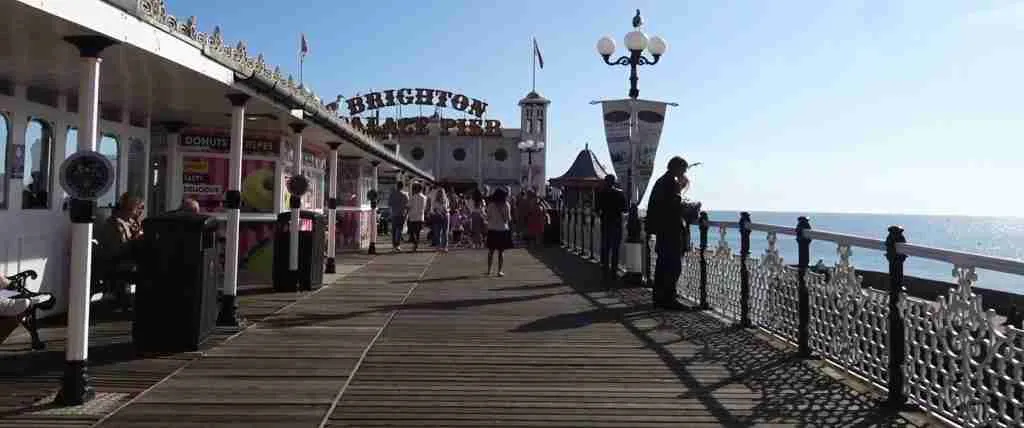
The City Sightseeing hop-on hop-off bus tour serves as the best introduction for first-time visitors to Brighton in 2026. The 24-hour pass costs £20 ($24) and covers 12 stops including Brighton Palace Pier, Royal Pavilion, Brighton Marina, Clock Tower, and the shopping districts, with buses departing every 30-60 minutes depending on season. The tour includes audio commentary in seven languages explaining Brighton’s transformation from fishing village to Regency resort to modern cultural capital.
What makes this tour particularly valuable is the included unlimited access to all Brighton & Hove local bus services until 4:30 AM the next morning, effectively providing city-wide transportation plus access to destinations like Seven Sisters (routes 12X/13X) and Devil’s Dyke (route 77) without additional cost. First-timers gain comprehensive city orientation while maintaining flexibility to explore attractions at their own pace, hopping off at Royal Pavilion for 90 minutes, then continuing to the Marina for lunch, then finishing at the Lanes for shopping—all on one ticket.
How Much Does a Seven Sisters Tour from Brighton Cost in 2026?
Seven Sisters tours from Brighton in 2026 range £79-143 ($107-186) depending on departure point and inclusions. Tours departing directly from Brighton cost £79-107 ($107-143) for 5-6.5 hour small-group excursions with Brighton & Beyond Tours and similar operators, including luxury minibus transport, expert driver-guides, and stops at Cuckmere Valley, Birling Gap, Beachy Head, and viewpoints along the white cliffs.
Tours originating from London that include Brighton as a stop cost £114-143 ($150-186) for full-day 9-10 hour experiences covering both Brighton city highlights and the Seven Sisters coastal scenery. Most Seven Sisters tours accommodate maximum 16 passengers for a more personal experience compared to large coach tours. Independent travelers can reach the Seven Sisters using the Brighton & Hove bus routes 12X or 13X (included free with the hop-on hop-off ticket) combined with the 3-mile coastal walk from Seaford, creating a budget alternative to organized tours.
Which Brighton Walking Routes Offer the Best Coastal Views in 2026?
The Undercliff Walk delivers Brighton’s finest coastal views in 2026, running 3 miles from Brighton Marina to Saltdean beneath dramatic white chalk cliffs with the English Channel stretching to the horizon. This paved path accommodates walkers and cyclists, remaining relatively flat and accessible for most fitness levels while offering continuous sea views, beach access points, and the architectural drama of Victorian-era cliff-face development. The walk takes 1.5-2 hours at leisure pace with cafe stops available at both ends.
For more dramatic clifftop perspectives, the King Charles III England Coast Path from Brighton to Rottingdean covers 9.5 miles with sections elevated above the beach, providing sweeping views back toward Brighton Marina, across to Beachy Head, and along the South Downs ridgeline. This moderate route combines paved promenade sections with natural clifftop paths, passing through Rottingdean village (historic Kipling connections) with its tea rooms and galleries. The Seven Sisters clifftop walk near Seaford (accessible via bus 12X/13X) remains the ultimate coastal walking experience within easy reach of Brighton—the most photographed stretch of England’s southern coastline.
Are Brighton’s Walking Tours Suitable for Families with Children in 2026?
Brighton offers numerous family-friendly walking tours and routes in 2026, with options scaled to children’s ages and attention spans. The flat 3.5-mile Brighton to Hove seafront walk via Brighton Beach passes the piers, beach attractions, and playground areas with ice cream stops and amusements maintaining children’s interest throughout the 1.5 hour stroll. The route’s entirely paved surface accommodates strollers and provides frequent rest points with facilities.
For slightly older children, the self-guided Lanes maze exploration creates an adventure-style walking experience through narrow alleyways filled with quirky shops, street performers, and small squares, typically holding children’s attention for 45-60 minutes. Specialized family treasure hunt experiences like Black Cat Treasure Hunts design bespoke adventures across Brighton with puzzles and challenges tailored to ages 5-12, combining walking with interactive problem-solving. The Stanmer Park 5.2-mile loop in the South Downs offers family-suitable countryside walking with the playground, cafe, and walled gardens providing activity breaks, though the route includes moderate hills requiring reasonable fitness for children over age 6.
Extended multi-day tours – 5+ days
Featured London Multi-Day Tour Packages
3 days
London 3-Day Discovery Tour
- ✓ Comprehensive London experience
- ✓ Expert local guides included
- ✓ All accommodation included
- ✓ Transportation provided
5 days
London 5-Day Highlights Experience
- ✓ Comprehensive London experience
- ✓ Expert local guides included
- ✓ All accommodation included
- ✓ Transportation provided

7 days
London 7-Day Cultural Journey
- ✓ Comprehensive London experience
- ✓ Expert local guides included
- ✓ All accommodation included
- ✓ Transportation provided
10 days
London 10-Day Complete Adventure
- ✓ Comprehensive London experience
- ✓ Expert local guides included
- ✓ All accommodation included
- ✓ Transportation provided
Multi-day tour packages powered by TourRadar. Prices and availability subject to change.
Introduction: Discovering Brighton Through Expert Tours and Scenic Walking Routes
Brighton’s dual identity as England’s most exuberant seaside resort and gateway to the South Downs National Park creates exceptional opportunities for exploration both within the city and across the surrounding countryside. The compact city center concentrates most major attractions within a 30-minute walk of each other, making self-guided pedestrian discovery entirely practical, while the extensive tour infrastructure serves visitors seeking expert commentary, efficient sightseeing, or access to locations requiring transport. Understanding which tours deliver genuine value versus redundant experiences, and which walking routes match your interests and fitness level, transforms a Brighton visit from generic tourism into personally meaningful exploration.
Brighton’s tour landscape in 2026 divides into four distinct categories: the hop-on hop-off city bus providing comprehensive orientation and transport convenience; specialized guided walking tours led by Blue Badge guides, food experts, or theme specialists covering everything from Regency history to crime fiction locations; countryside and coastal excursions reaching the Seven Sisters, Devil’s Dyke, and South Downs destinations requiring vehicle access; and self-guided walking routes following mapped paths through city neighborhoods, along the coastline, and into nearby green spaces. Each category serves different needs—the bus suits time-limited visitors wanting efficient coverage, guided walks appeal to those seeking deep context and local stories, excursions access dramatic landscapes beyond walking range, and self-guided routes offer unlimited flexibility at zero cost.
The walking route network spans urban cultural exploration and natural landscape discovery. Within Brighton proper, the medieval Lanes district, bohemian North Laine neighborhood, and Victorian-Regency architecture of Kemptown create distinct pedestrian experiences, each revealing different facets of Brighton’s character through their shops, architecture, and street life. The 3-mile Undercliff Walk beneath white cliffs connects Brighton Marina to Saltdean along a paved coastal path combining exercise with sea air, while inland routes like the 5.2-mile Stanmer Park loop venture into ancient woodlands and chalk grassland within the South Downs National Park. Longer expeditions reach the Seven Sisters via the England Coast Path or climb to Devil’s Dyke for panoramic views across Sussex, establishing Brighton as a hiking base rivaling any inland location.
Tour quality varies significantly by operator, season, and group size. Small-group tours limited to 8-16 passengers provide more personal attention, easier questioning of guides, and access to narrow village streets large coaches cannot navigate. Award recognition from organizations like Visit England indicates consistent quality standards, while Blue Badge accreditation guarantees guide training meeting national standards. Booking timing affects availability—summer weekends and school holidays fill earliest, while shoulder season (April-May, September-October) offers better availability at identical prices with fewer crowds on popular routes.
This guide examines each major tour type and walking route in detail, explaining what each experience delivers, who it suits best, and how to book or access it. Practical considerations include mobility requirements (some routes involve hills, stairs, or uneven surfaces), weather dependencies (open-top buses and coastal walks vary dramatically with conditions), and time management (tour duration versus independent exploration). The recommendations prioritize value, authentic local experience, and sustainable exploration practices, steering readers toward options delivering genuine insight rather than generic sightseeing box-ticking.
City Sightseeing Hop-On Hop-Off Bus Tours Brighton 2026
The Brighton City Sightseeing hop-on hop-off bus operates open-top double-deckers along a single route connecting 12 stops throughout Brighton and Hove, providing the city’s most efficient orientation tour with maximum flexibility. The service runs from late March through early November 2026, with buses departing every 30 minutes during peak season (late May through September) and every 60 minutes during shoulder periods. The complete circuit without stops takes approximately 50 minutes, though the system’s value lies in the freedom to disembark at any stop, explore at your own pace, then board a subsequent bus to continue the tour.
Tour stops include Brighton Palace Pier (traditional seaside amusements and arcades), West Pier remains (photogenic Victorian-era ruins), Grand Avenue and Palmeira Square (elegant Regency residential architecture), Seven Dials (village-like shopping district), Brighton Station (transport hub and Victorian landmark), Clock Tower (city center orientation point), Royal Pavilion (exotic palace and gardens), Brighton Racecourse (historic sporting venue with Downs views), Brighton Marina (waterfront dining and shopping complex), and Paston Place (residential area). Each stop positions visitors within 100-200 meters of the named attraction, minimizing walking between bus and destination.
The 24-hour pass costs £20 ($24), while the 48-hour option costs approximately £27 ($32), with tickets valid from first use until service end the following day rather than exactly 24/48 hours. Children under 5 travel free without seat entitlement, while children 5-15 receive reduced rates around £12 ($15) for 24 hours. Audio commentary operates in English, Spanish, French, German, Italian, Japanese, and Chinese via provided headphones or downloadable app, explaining Brighton’s evolution from 18th-century fishing hamlet through Regency transformation and Victorian expansion to modern creative hub.
The ticket’s exceptional value derives from included unlimited travel on all Brighton & Hove bus services until 4:30 AM the morning after ticket expiry. This means your £20 hop-on hop-off pass also functions as unlimited local transport across greater Brighton, including routes to destinations the tour bus doesn’t reach: the 12X and 13X buses to Seaford and the Seven Sisters cliffs (normally £8 return/$10), route 77 to Devil’s Dyke viewpoint (£7 return/$9), and all city routes connecting neighborhoods, shopping districts, and beach areas. Visitors planning countryside excursions save substantially by purchasing the hop-on hop-off ticket rather than separate tour and transport tickets.
Practical operation details matter for optimal use. Buses depart from Stop 1 (Brighton Palace Pier) between 10:00 AM and 5:00 PM, with the final complete circuit leaving around 4:00-4:30 PM depending on season. Summer weekends see highest demand, with occasional full buses requiring waits for the next service during 11:00 AM-3:00 PM peak hours. No advance booking is required—purchase tickets directly from the driver using contactless payment or the GetYourGuide/Viator apps for advance purchase with mobile vouchers. The service does not operate during Brighton Pride (first Saturday in August), with alternative arrangements posted on the Brighton & Hove Buses website.
The open-top upper deck provides best views and photo opportunities but becomes uncomfortable during rain or strong wind, while the enclosed lower deck offers weather protection with reduced sightlines. The audio commentary delivers solid factual information about architecture, history, and cultural figures but lacks the personality and anecdotal richness of live guides on specialized walking tours. For visitors wanting efficient city coverage, transport convenience, and countryside access flexibility, the hop-on hop-off bus represents Brighton’s best tour value in 2026.
Seven Sisters and South Downs Countryside Tours 2026
The Seven Sisters chalk cliffs rank among England’s most dramatic coastal features—seven consecutive white cliff ridges undulating along the coastline between Seaford and Eastbourne, rising up to 525 feet above the English Channel. Tours from Brighton access this landscape via luxury minibus, combining the cliffs with complementary South Downs locations to create comprehensive countryside experiences lasting 5-10 hours depending on operator and departure point.
Brighton & Beyond Tours operates the highest-rated local service, with tours departing directly from Brighton accommodating maximum 8-16 passengers in Mercedes minibuses. Their 6.5-hour Seven Sisters and South Downs tour costs approximately £107 ($143) and includes Birling Gap (clifftop cafe and beach access), Cuckmere Valley (river meanders through chalk grassland), Seaford Head viewpoint (panoramic perspective of all seven cliff ridges), East Dean village (quintessential English hamlet), and Beachy Head (Britain’s highest chalk sea cliff at 530 feet). The tour allows 45-60 minutes at the Seven Sisters themselves for cliff-top walking, photography, and absorbing the dramatic seascape.
Shorter 5-hour Seven Sisters tours from Brighton cost around £102 ($134) with slightly reduced countryside time but similar cliff access, while full-day tours from London including Brighton as an additional stop range £114-143 ($150-186) for 9-10 hour experiences. The London-based tours typically allocate 2-3 hours in Brighton for Royal Pavilion visits and lunch, then 3-4 hours for Seven Sisters and Beachy Head, creating an efficient combination for visitors based in London but sacrificing depth in each location compared to dedicated tours.
What distinguishes quality Seven Sisters tours from generic coach trips is access to viewpoints large vehicles cannot reach. Premium operators use smaller minibuses capable of navigating the narrow lanes to Crowlink and Birling Gap, reaching cliff-edge parking areas where walkers can access the cliff-top path within 100 meters. Large coach tours stop only at official car parks 10-15 minutes walk from cliff access, significantly reducing actual time at the destination. Knowledgeable guides explain the chalk formation geology, the erosion rates that continually reshape the cliffs (approximately 1 meter annually), the historical significance including wartime coastal defenses, and the ecology of chalk grassland supporting rare orchids and butterflies.
Independent travelers can create their own Seven Sisters experience using the Brighton & Hove 12X or 13X bus routes (free with hop-on hop-off ticket, otherwise £8 return/$10) to Seaford, then walking the 3-mile England Coast Path from Seaford to Birling Gap with continuous cliff-top views. This option requires 5-6 hours total including bus travel and walking, suits fit hikers comfortable with uneven paths and moderate hills, and provides unlimited time at the cliffs without tour schedule constraints. However, it lacks the expert commentary, additional South Downs locations, and transport convenience of organized tours.
Tours operate year-round but deliver vastly different experiences by season. Summer (June-August) guarantees best weather probability and longest daylight but sees highest visitor numbers, particularly July-August when cliff-top paths become crowded 11:00 AM-4:00 PM. Spring (April-May) offers wildflower displays across chalk grassland, temperate weather, and thinner crowds, though higher rain probability. Autumn (September-October) combines manageable crowds with stable weather and dramatic light for photography. Winter tours (November-March) run subject to weather, with stark beauty but cold winds making cliff exposure uncomfortable—only viable for hardy walkers with proper clothing.
Devil’s Dyke tours and walks provide an alternative South Downs experience focused on inland views rather than coastal drama. This massive V-shaped valley on the Downs north of Brighton offers 360-degree panoramas across Sussex to the sea, accessible via route 77 bus (30 minutes from Brighton, free with hop-on hop-off ticket) or organized tours. The 2.5-mile Devil’s Dyke circular walk from the pub and viewpoint provides gentle terrain suitable for families, with the added interest of Bronze Age earthworks and folklore about the Devil’s attempt to dig a trench flooding the churches of the Weald.
Specialized Guided Walking Tours Brighton 2026
Brighton’s guided walking tour scene divides into Blue Badge-guided heritage tours, themed specialty tours, and food/drink experiences, each delivering different forms of local insight beyond what self-guided exploration or bus tours provide. Blue Badge guides complete rigorous national training and examination, qualifying them as official city guides with comprehensive historical and architectural knowledge.
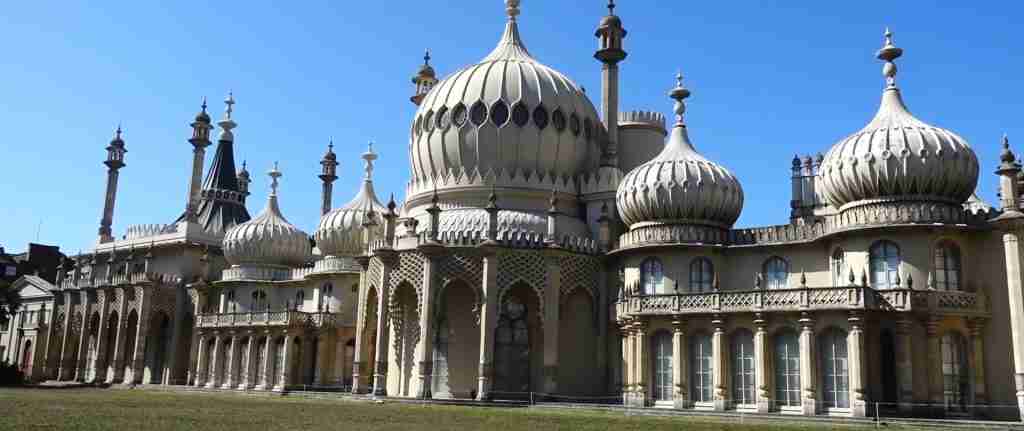
Traditional Blue Badge heritage walks typically run 2 hours and cost £12-18 ($15-23) per person for scheduled group tours, with private bookings available from £120-180 ($160-240) for groups up to 15. These tours cover Brighton’s transformation from Brighthelmston fishing village through Regency development under Prince Regent George IV to Victorian resort expansion and modern cultural renaissance. Routes wind through the Lanes examining medieval street patterns preserved in 18th-century buildings, the Royal Pavilion grounds explaining John Nash’s exotic Indo-Islamic architecture, and Regency squares like Brunswick and Kemp Town showcasing the grandest seaside residential development of the 1820s-1840s.
The DS Grace crime fiction walking tour represents Brighton’s most distinctive themed experience, following locations from Peter James’ bestselling detective novels featuring DS Roy Grace investigating murders across Brighton and Sussex. Created in collaboration with James and led by specialist guides, this 2-hour walk visits real locations used in the novels—police stations, crime scenes, investigation sites—while explaining how Brighton’s darker history (organized crime, gang violence, smuggling) influences contemporary crime fiction. The tour costs around £15 ($19) per person and appeals particularly to readers familiar with the novels, though guides provide sufficient context for newcomers.
Food and drink tours explore Brighton’s independent culinary scene through tastings at 4-6 venues over 2.5-3 hours. The No Diet Club tour focuses on Brighton’s best independent eateries, visiting bakeries, delis, restaurants, and producers in North Laine and the Lanes, with tastings ranging from artisan pastries to locally sourced seafood to international street food. Tours cost approximately £50 ($66) including all tastings, providing both sustenance and neighborhood exploration. Guides explain Brighton’s food culture evolution from traditional seaside fish and chips to the current emphasis on sustainability, local sourcing, and culinary diversity reflecting the city’s creative character.
Ghost walks and evening tours operate March-October offering theatrical entertainment alongside genuine historical ghost stories. These 90-minute tours cost £12-15 ($15-19) and visit allegedly haunted locations including Theatre Royal (centuries of reported paranormal activity), old fishing quarter alleys, and Victorian-era hotels. While skeptics may find the supernatural claims unconvincing, the tours deliver atmospheric evening entertainment and access to historical buildings rarely open to public tours.
Private tour flexibility represents the significant advantage of booking individual guides versus joining scheduled group tours. Private Blue Badge guides create customized itineraries matching specific interests—architecture enthusiasts receive detailed analysis of styles from Regency through Victorian to Art Deco, literature fans explore connections to Graham Greene and Aubrey Beardsley, LGBTQ+ history tours examine Brighton’s role in British gay rights movements. Private rates of £120-240 ($160-315) total (not per person) become economical for groups of 4-8 dividing the cost.
ToursByLocals and similar platforms connect travelers with local guides offering fully flexible private tours adapting to interests, pace, and mobility requirements. This works especially well for multigenerational groups where grandparents might prefer slower-paced architectural focus while younger members seek street art and contemporary culture—guides can balance these within a single tour. Advance booking is essential for private guides, particularly weekends and summer, while scheduled group tours typically accept same-day walk-up participants subject to availability.
Self-Guided City Walking Routes Brighton 2026
Brighton’s compact historic core and pedestrian-friendly streets make self-guided walking exploration practical and rewarding, with several mapped routes available via free apps, printed guides from the tourist office, or simple directions followed using smartphone mapping. The routes below require no tour fees, operate entirely on public paths, and allow unlimited time at each stop.
The Lanes walking route covers approximately 1 mile over 45-60 minutes through Brighton’s most atmospheric historic district—the maze of narrow alleyways preserving the medieval street pattern of the original fishing village. Begin at the junction of North Street and East Street, the traditional boundary of the old town, then explore Meeting House Lane, Brighton Place, Brighton Square, Union Street, and Prince Albert Street, each lined with jewelry shops, antique dealers, cafes, and boutiques occupying 18th and 19th-century buildings on ancient plot divisions. The district remains genuinely maze-like—getting temporarily “lost” in the alleys forms part of the authentic experience, with all paths eventually emerging onto major boundary streets.
The architectural significance lies not in individual buildings (most underwent 19th-century reconstruction) but in the preserved medieval urban pattern—the plots divided for fish drying created the narrow buildings and passages that give the Lanes their distinct character. Look for original features including bow windows, overhanging upper floors, and the occasional Georgian doorway or wrought iron detail. The route works best morning 9:00-11:00 AM (quieter, shops opening) or late afternoon 4:00-6:00 PM (good light, fewer crowds than midday). Wednesday and Sunday see reduced commercial activity with some shops closed.
North Laine explores Brighton’s bohemian creativity through a 1.5-mile walk requiring 90-120 minutes including browsing time. This area north of North Street between Trafalgar Street and Gloucester Road developed as worker housing in the 19th century, then suffered decline mid-20th century before reinvention as Brighton’s independent retail and artistic quarter. The route covers Bond Street (vintage clothing, record shops), Kensington Gardens (cafes, vegan eateries, independent bookshops), Gardner Street (antiques, salvage, retro furniture), and Sydney Street (galleries, craft studios, alternative fashion).
The streets remain fully pedestrianized, creating relaxed exploration free from traffic. Street art appears throughout—legal murals on designated walls, stencil work, paste-ups—with the scene constantly evolving as new artists add work. The North Laine aesthetic contrasts sharply with the Lanes’ tourist-oriented polish, maintaining a grittier, more authentically alternative character. Shopping ranges from genuinely quirky independents to lifestyle stores matching any city, but the overall neighborhood retains character absent from chain-dominated high streets. Budget 2-3 hours if planning serious vintage clothing hunting or record browsing.
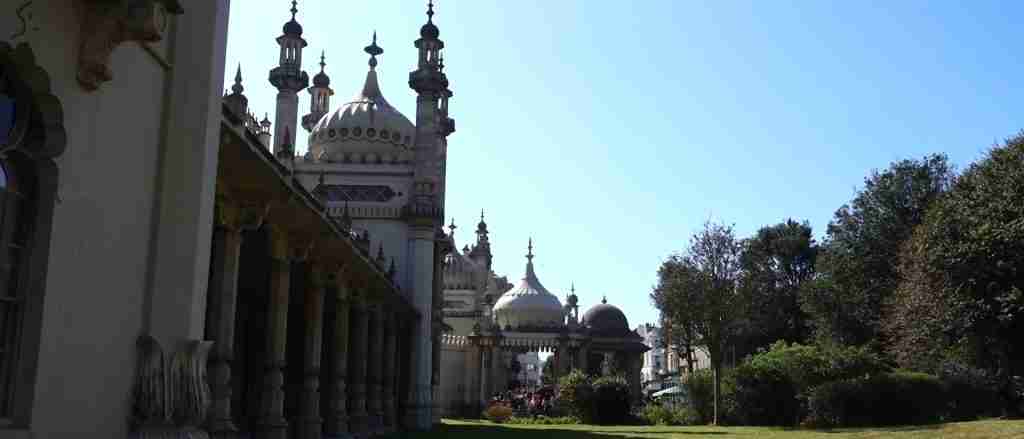
The Royal Pavilion Gardens self-guided circuit requires just 30-40 minutes but provides peaceful green space respite amid city walking. The gardens surround the Royal Pavilion with restored Regency-era landscaping including the original shrubberies, lawns, and pathways designed for George IV’s residence. Access is free (unlike the £29/$37 Pavilion interior), making this a cost-free taste of Brighton’s most iconic attraction. The grounds include mature trees, bedding displays updated seasonally, and views of the Pavilion’s extraordinary Indo-Islamic domes and minarets from multiple angles. Benches throughout provide rest points, and the Pavilion Gardens Cafe offers refreshments within the free-access area.
The Brighton seafront promenade walk from Palace Pier to Hove Lagoon covers 3.5 miles along entirely paved pathways, requiring 90-120 minutes at leisure pace. This flat, accessible route passes the iconic Palace Pier, West Pier remains (Victorian cast-iron skeleton photographically striking especially at sunset), the bandstand and Regency Square, Hove lawns and beach huts, and terminates at the Hove Lagoon watersports center. The walk can be shortened at any point by turning inland to return via bus or extended eastward to Brighton Marina for a 5-mile total distance.
The promenade provides continuous English Channel views, people-watching opportunities, and access to beach areas if you want to descend the steps to walk on the shingle. The Victorian era seafront architecture—grand hotels, apartment blocks, decorative railings and shelters—creates visual interest beyond just beach and sea. Food and drink options appear every 400-500 meters including traditional fish and chips, ice cream vendors, cafes, and pubs, with public facilities (toilets, water fountains) at regular intervals. The route suits all fitness levels including wheelchair users and families with strollers, operating safely any time of day though early morning (7:00-9:00 AM) or late afternoon (5:00-7:00 PM) avoid peak crowds.
The Kemptown Heritage Walk traces approximately 2 miles through Brighton’s easternmost historic district, developed in the 1820s-1840s as elegant residential streets and squares rivaling the famous Brunswick Town development in Hove. Thomas Read Kemp’s ambitious estate includes Sussex Square, Lewes Crescent, Arundel Terrace, and Chichester Terrace—sweeping Regency crescents and squares demonstrating town planning principles imported from Bath and Edinburgh. The route also covers St. George’s Church (architect Charles Barry) and the network of supporting streets where service industries and worker housing developed alongside the grand residential squares.
Kemptown today balances preserved Regency architecture with contemporary character as Brighton’s established LGBTQ+ neighborhood, with St. James’s Street’s bars, cafes, and independent shops creating village atmosphere within the city. The heritage walk rewards architecture enthusiasts with some of Brighton’s finest Regency facades, ironwork, and square gardens, while maintaining active neighborhood feel absent from purely tourist districts. Allow 90 minutes for architectural focus or 2-3 hours including St. James’s Street browsing and refreshment stops.
Coastal and Clifftop Walking Routes 2026
The Undercliff Walk ranks as Brighton’s signature coastal walking route—3 miles of paved pathway running along the base of white chalk cliffs from Brighton Marina eastward to Saltdean, with the beach on one side and cliff faces rising 100-200 feet on the other. The path accommodates both pedestrians and cyclists, remaining relatively flat throughout with only gentle inclines at either end where the route descends from cliff-top to beach level.
Access the walk from Brighton Marina (parking available, bus routes 1/1A/7 from city center) or the Kemptown/Rottingdean end where it connects with the seafront promenade. Walking the full distance takes 1.5-2 hours at relaxed pace, though most visitors walk to Rottingdean (1.8 miles, 50-70 minutes) then return the same way rather than continuing to Saltdean. The path passes directly below the white cliffs with their geological striations visible, while the seaward side provides continuous Channel views with France sometimes visible on exceptionally clear days.
Points of interest along the route include Roedean School’s imposing clifftop buildings, the Rottingdean village beach and cafe area (traditional village maintaining distinct identity despite Brighton’s expansion), and sections where Victorian-era engineering embedded pathways into the cliff face. The walk works magnificently at low tide when the beach extends wide providing additional walking surface and tidal pool exploration, but becomes more confined at high tide when waves reach the seawall. Check tide times via smartphone apps if you want optimal beach access—Brighton experiences semi-diurnal tides with roughly 12.5-hour cycles.
The path’s exposure to prevailing southwesterly winds makes it significantly more challenging during poor weather, with winter storms sending spray over the seawall and summer heat providing minimal shade. Optimal conditions occur during calmer spring and autumn days with light winds, temperate temperatures, and good visibility. Early morning (7:00-9:00 AM) offers solitude and morning light illuminating the cliffs, while late afternoon (4:00-6:00 PM) provides dramatic backlighting on the chalk faces. The route includes strategically placed benches for rest and contemplation, with cafes at both Marina and Rottingdean ends for refreshment.
The England Coast Path Brighton to Rottingdean section provides a clifftop alternative to the Undercliff Walk below, covering approximately 9.5 miles with moderate difficulty including several significant ascents and descents. This route follows the national trail network along the cliff tops, providing elevated perspectives over both the sea and inland across the South Downs. The path alternates between close cliff-edge walking (requiring attention to path safety, especially in wind) and inland sections through residential areas and parks.
Begin at Brighton Marina climbing the steep path to the cliff top, then follow waymarked trails eastward through Roedean, past Ovingdean, and into Rottingdean at sea level. The route requires reasonable fitness for the accumulated 1,000+ feet of elevation gain across multiple ascents, with some sections on narrow earth paths that become muddy during wet weather. Walking boots or substantial trail shoes are recommended rather than casual trainers. Allow 4-5 hours including rest stops, bringing water and snacks as facilities appear only at Brighton Marina start and Rottingdean finish.
The clifftop perspective reveals geological features invisible from below—the white chalk layers alternating with flint bands, occasional chalk stacks isolated by erosion, and the clifftop grassland ecology supporting numerous butterfly species during summer months. The route also passes the historic Rottingdean Windmill and provides access to Ovingdean village (Saxon church, traditional village green), creating cultural interest alongside natural beauty. Return via bus 23 or 24 from Rottingdean to Brighton, or walk the Undercliff path back for a 12-mile combined loop suitable for strong hikers.
Stanmer Park represents Brighton’s principal inland walking destination—a 5,000-acre country park in the South Downs National Park just 3 miles north of the city center. The most popular route, the Stanmer Park Loop, covers 5.2 miles with 1,000 feet of elevation gain over 2.5-3 hours, passing through ancient woodlands, crossing open chalk grassland, visiting Stanmer village (medieval church, preserved estate cottages), and offering panoramic views across Brighton to the sea.
Access Stanmer Park via the 25 bus route from Brighton center or by car with free parking at the park entrance. The well-maintained paths include both paved sections near the visitor facilities and natural earth trails through wooded areas and grassland slopes. Spring (April-May) delivers spectacular bluebell displays carpeting the woodland floor, while summer provides full canopy shade and grassland wildflowers. Autumn offers deciduous color change and reduced crowds, while winter reveals the landscape structure with bare trees and long views.
The park includes One Garden Brighton (free-entry walled garden managed by Plumpton College), Stanmer House (18th-century manor house, grounds open), a café, and the Stanmer Organics farm shop for local produce. Families appreciate the excellent playground near the car park, making Stanmer suitable for varying ages and interests within a single group. The paths accommodate strollers on paved sections near facilities, though the full loop requires hiking capability unsuitable for very young children or limited mobility visitors.
Devil’s Dyke, 5 miles northwest of Brighton, offers the South Downs’ most dramatic inland vista—a 300-foot deep, V-shaped valley carved by ancient meltwater creating a massive amphitheater viewpoint. The 2.5-mile circular walk from Devil’s Dyke pub (accessible via bus 77 from Brighton, free with hop-on hop-off ticket) provides relatively easy terrain rewarded with 360-degree panoramas across the Weald to the north and Sussex coast to the south. On clear days visibility extends 40-50 miles encompassing the Isle of Wight, Portsmouth, and Beachy Head.
The walk descends into the valley bottom, crosses the base, then climbs the opposite side before returning along the ridge, accumulating modest 400-500 feet elevation gain over gentle slopes suitable for most fitness levels. The exposed ridgetop position makes Devil’s Dyke vulnerable to strong winds—check weather forecasts and dress appropriately for exposed conditions significantly cooler than sea-level Brighton. The dyke’s Bronze Age earthworks and folklore (the Devil supposedly dug the valley attempting to flood the churches of Sussex) add cultural layers to the landscape experience.
Spring and autumn deliver optimal conditions with temperate weather, good visibility, and manageable crowds, while summer weekends see heavy visitor numbers at the pub and viewpoint. Winter can be spectacular with snow emphasizing the valley’s contours, though parking access may close during severe weather. The pub serves as a practical refreshment and facility stop, though its popularity means busy periods with queuing. The walking route itself remains uncrowded even when the pub area is packed, as most visitors simply view from the parking area without exploring the surrounding paths.
South Downs National Park Hiking Routes from Brighton 2026
The South Downs National Park encompasses 628 square miles of chalk grassland, woodlands, river valleys, and picturesque villages across Sussex and Hampshire, with Brighton positioned at its southern edge providing exceptional access to numerous hiking routes. The South Downs Way National Trail—100 miles from Winchester to Eastbourne—crosses immediately north of Brighton, with multiple access points reachable by public transport or short drives creating day-hike opportunities ranging from gentle 3-mile circuits to challenging 12-mile ridge walks.
The Ditchling Beacon to Devil’s Dyke ridge walk represents one of the finest sections of the South Downs Way within easy reach of Brighton. This 8-mile linear route (4 hours hiking time) follows the South Downs Way along the crest of the chalk ridge, maintaining elevation around 700-800 feet with expansive views north across the Weald and south over Brighton to the English Channel. The route passes Ditchling Beacon (813 feet, Sussex’s highest point with Iron Age hillfort remains), crosses Westmeston Down and Newmarket Hill (the most remote section feeling far removed from urban areas despite proximity to Brighton), and concludes at Devil’s Dyke viewpoint.
Access Ditchling Beacon via the Breeze 79 bus from Brighton on summer weekends, or arrange transport to the start then walk to Devil’s Dyke where bus 77 returns to Brighton. The trail follows clear paths along the ridge crest with minimal navigation challenges, though fog can reduce visibility requiring map and compass skills. The route’s exposure to weather demands preparation for conditions potentially harsh despite proximity to the city—wind, rain, and temperature drops affect the exposed ridge far more severely than sheltered valleys. Carry water, snacks, weather protection, and charged phone, as the central section lacks facilities or phone signal for 3-4 miles.
The South Downs provide habitat for numerous butterfly species (chalkhill blue, Adonis blue, Duke of Burgundy) visible June-August, while the grassland supports wildflowers including numerous orchid species spring through summer. The archaeological landscape includes Bronze Age burial mounds visible as low mounds along the ridgeline, Iron Age hillforts with defensive ditches still evident, and the remains of medieval dewponds created for sheep watering. These cultural layers enrich the walking experience beyond pure landscape appreciation for those interested in long human habitation of these hills.
The Juggs Road historic route links Brighton to Lewes via ancient paths used for centuries to transport fish from Brighthelmston to Lewes market. The modern walking route covers approximately 8 miles from Ditchling Road in Brighton to Lewes town center, crossing Falmer, passing the University of Sussex campus, climbing through Ashcombe and Kingston, then descending into Lewes. The route combines urban sections, farmland paths, and downland slopes, providing variety but requiring 4-5 hours with accumulated elevation gain around 800 feet.
The name “Juggs Road” possibly derives from “joggers” (panniers used to transport fish) or “jogging” (the practice of walking loaded donkeys). Regardless of etymology, the route creates tangible connection with centuries of trade and travel predating motor transport. The path reaches the Swan Inn at Lewes end—a traditional pub mentioned in walking guides since the 1700s—maintaining continuity with the route’s historical function. Return to Brighton via frequent train service from Lewes (20 minutes, approximately £8/$10) or Southern Rail bus connections.
Castle Hill National Nature Reserve near Lewes (20 minutes from Brighton via train then short walk) protects rare chalk grassland habitat with exceptional wildflower diversity visible May-July. The reserve’s circular walk covers just 1.5 miles but ascends the hillfort site providing panoramic views while traversing some of Britain’s most biodiverse grassland supporting over 30 butterfly species and numerous rare plants. This short route suits visitors wanting landscape beauty and ecological interest without committing to longer hikes, with Lewes town amenities (cafes, pubs, shops, castle) providing additional activities for a full day excursion from Brighton.
The Breeze bus network operates weekends throughout the year providing access to South Downs hiking starting points without requiring car transport. Routes include the 79 to Ditchling Beacon, 77 to Devil’s Dyke, and services to Stanmer Park, with discounted fares for rail passengers encouraging car-free countryside access. Consult the Brighton & Hove Buses website for current timetables, as service frequency varies seasonally and routes may experience temporary suspension during severe weather.
Specialized and Activity Tours Brighton 2026
Beyond standard sightseeing, Brighton offers specialized tours combining activities with exploration for visitors seeking active or educational experiences beyond passive bus tours or walking routes. These range from water-based activities to cycling adventures to workshops integrating craft or culinary skills with neighborhood discovery.
Brighton sailing and boat tours operate from the marina providing English Channel experiences from relaxation to adventure. The sunset sailing cruise costs approximately £102 ($134) for a 2-hour small-group experience on a yacht sailing westward along the coast with wine service, returning as the sun sets over Hove and the West Pier ruins. These tours accommodate maximum 8-12 passengers creating intimate settings while requiring advance booking, particularly summer weekends when slots fill early. The boats remain within a few miles of shore providing relatively calm conditions suitable for most, though rough weather causes cancellations with full refunds or rescheduling.
Powerboat experiences and RIB (rigid inflatable boat) tours offer high-speed thrills exploring the Sussex coast at 30-40 mph, with 30-minute taster sessions around £40-50 ($52-66) and longer 90-minute coastal expeditions around £80-95 ($105-125). These tours focus on excitement rather than sightseeing, appealing to those seeking adrenaline alongside coastal scenery. Participants must meet minimum age (typically 8+) and height requirements, with weight restrictions on some boats, and understand that cold spray, wind, and motion create physically demanding conditions unsuitable for young children, elderly visitors, or those with back problems.
The Seven Sisters boat tour from Brighton Marina provides unique cliff perspectives impossible from land, departing hourly during summer for 90-minute trips along the coast eastward past Rottingdean, Newhaven, and Seaford to view the Seven Sisters cliffs from sea level. The tour costs approximately £54 ($70) and operates April-September subject to sea conditions, with calm summer mornings providing optimal experiences. Viewing the 500-foot cliffs from a small boat emphasizes their scale while revealing geological details, wildlife (seabirds nesting on cliff faces, occasional seal sightings), and historical features like the Belle Tout lighthouse and wartime coastal defenses.
Weather dependency affects boat tours significantly—operators typically cancel if wind exceeds Force 5 or sea state reaches moderate, both common on the English Channel even during summer. Always confirm tour operation on the morning of scheduled departures, particularly if you’ve traveled specifically for boat tours, and maintain schedule flexibility if weather appears marginal. Spring and autumn see higher cancellation rates but often deliver best wildlife viewing with migrant birds and seal activity.
Cycling tours explore Brighton and the South Downs via guided groups or self-guided routes with rental equipment and route planning support. Brighton Beach Bikes near the pier rents city bikes (£20-25/$26-33 daily) and electric bikes (£35-45/$46-59 daily), providing recommended routes for various abilities including the flat seafront 10-mile circuit to Hove and back, the moderate 18-mile loop through Stanmer Park and the Downs, or ambitious 35-mile South Downs Way sections for experienced cyclists.
Guided cycling tours typically run 3-4 hours covering 12-18 miles with frequent stops for explanations, photos, and rest, priced around £45-60 ($59-79) including bike rental and guide. These tours balance cycling with sightseeing, appealing to moderately fit cyclists comfortable riding 3-5 miles between stops but not seeking aggressive athletic challenges. Electric bike options make hillier routes accessible to those intimidated by the South Downs gradients, though these typically require premium £10-15 ($13-19) surcharges.
Food and craft workshops combine hands-on learning with neighborhood exploration, including jewelry-making at Jewellers Academy Brighton (2-3 hour silver jewelry classes £85-145/$112-190 depending on project complexity), cookery workshops focusing on local seafood preparation, and street art tours with graffiti art instruction. These experiences appeal to visitors seeking memorable skills-based activities beyond passive consumption, creating both tangible souvenirs (self-made jewelry, artworks) and deeper engagement with Brighton’s creative culture.
The Sussex Dolphin Project runs boat-based marine wildlife research trips May-September (4 trips annually, limited availability) allowing participants to contribute to active cetacean research while experiencing dolphin and porpoise encounters in their natural habitat. These £95-120 ($125-158) trips combine citizen science, conservation education, and wildlife viewing, attracting visitors interested in marine biology beyond pure tourism. Booking opens early in the year with trips filling rapidly, requiring advance planning for inclusion in Brighton itineraries.
Practical Considerations for Brighton Tours and Walking Routes 2026
Weather significantly impacts tour and walking route experiences, with Brighton’s coastal location creating variable conditions requiring preparation beyond checking simple forecasts. The microclimate varies substantially between seafront (cooler, breezier) and inland areas (warmer, calmer), while elevation changes of just 500-700 feet create noticeable temperature and wind differences. The Met Office provides detailed local forecasts including wind speed, UV index, and visibility crucial for coastal walking and boat tours.
Summer (June-August) delivers most reliable conditions with average highs 18-22°C (64-72°F) and lowest rainfall probability, though sea breezes keep Brighton 2-3°C cooler than inland Sussex. Pack layers allowing adjustment—a light fleece or jacket over t-shirt provides flexibility for changing wind and cloud conditions. Spring (March-May) and autumn (September-November) range 12-18°C (54-64°F) with higher rainfall probability requiring waterproof outer layers, though these shoulder seasons offer magnificent light for photography and thinner crowds on popular routes.
Winter (December-February) remains viable for hardy walkers prepared for 7-12°C (45-54°F) temperatures, significant wind chill on exposed cliffs and ridges, and regular rainfall. Winter walking rewards those properly equipped with stark beauty, empty paths, and dramatic storm-watching opportunities, but demands full waterproof protection, warm layers, and experience managing potentially challenging conditions. Several countryside tours suspend operations December-February, limiting organized options though self-guided routes remain accessible year-round.
Footwear requirements vary by route type but generally favor function over fashion. Urban walking routes in the Lanes, North Laine, and along paved seafront promenades require only comfortable walking shoes or trainers—no specialized hiking boots needed. The Undercliff Walk’s paved surface similarly accepts casual footwear, though ankle support helps if walking the full 3-mile distance. Countryside routes including South Downs walks, clifftop paths, and woodland trails require hiking boots or substantial walking shoes with good ankle support and grip, as earth paths become muddy during wet conditions and uneven surfaces risk ankle rolls in inadequate footwear.
Mobility and accessibility considerations determine which tours and routes suit visitors with disabilities, limited fitness, or families with young children. The hop-on hop-off bus operates wheelchair-accessible vehicles with ramps and designated spaces, making city orientation practical for wheelchair users. The paved Undercliff Walk accommodates wheelchairs and mobility scooters on its flat sections, though some areas narrow creating passing difficulties during busy periods. The seafront promenade Brighton to Hove provides another fully accessible paved route with regular benches for rest stops.
Most countryside walking routes prove challenging for wheelchair users and those with significant mobility limitations due to uneven surfaces, stiles, and elevation changes, though Stanmer Park’s paved paths near the facilities offer limited accessible countryside access. Several tour operators accommodate mobility-impaired visitors in their minibuses with advance notice, reaching viewpoints accessible from parking areas even if the trails themselves remain inaccessible. Always contact tour operators directly discussing specific needs rather than assuming accessibility from generic descriptions.
Families with children benefit from routes offering interest variety beyond pure walking—Stanmer Park’s playground and farm activities break up walking for young children, the Palace Pier provides beach and amusement distractions, and shorter routes (Lanes maze, Royal Pavilion Gardens) work within limited attention spans. Several operators create family-specific tours including treasure hunts transforming walking routes into games, and food tours engage children through eating rather than architectural appreciation. Most organized tours specify minimum age recommendations (typically 5-8+ depending on length and terrain), with some excluding very young children for safety and group dynamic reasons.
Booking timing affects both availability and experience quality. Summer weekends and UK school holidays (Easter week, last week July through first week September, October half-term) see highest demand requiring advance booking days or weeks ahead for popular small-group tours. Shoulder season (April-May, September-October) typically allows day-of or next-day booking for most tours, while winter availability often permits walk-up participation. The trade-off involves weather probability—advance summer booking provides high confidence in conditions but locks in dates potentially inflexible for weather windows, while shoulder season flexibility allows booking only during good weather forecasts but with more marginal conditions.
Tour cancellation policies vary by operator but generally allow full refunds for weather-related cancellations and cancellations made 24-48 hours before scheduled departure. Policies shift risk—full advance payment with limited refund windows protects operators but places weather risk on participants, while pay-on-day or flexible cancellation policies transfer risk to operators but enable higher last-minute cancellation rates. Premium tours often charge 25-50% deposits with balance due on arrival, while hop-on hop-off and casual tours accept full payment on boarding.
Group size affects tour experience quality significantly. Tours limited to 8-12 passengers provide personal attention, easier conversation with guides, and access to narrow village streets large vehicles cannot navigate. Tours accommodating 16-40 passengers reduce per-person cost but sacrifice intimacy and flexibility. Private tours for 2-8 people maximize customization and schedule control but require organizing participants and typically cost £200-400 ($265-530) total regardless of group size, making them economical per person only for groups of 4+.
Brighton Tour and Walking Route Costs 2026
Understanding tour and walking route costs in Brighton requires distinguishing between essential expenses, value-adding options, and unnecessary expenditures. Many visitors overspend purchasing redundant tours when free or lower-cost options deliver equivalent experiences, while others miss transformative experiences attempting to save on all guided tours.
The City Sightseeing hop-on hop-off bus at £20 ($24) for 24 hours represents Brighton’s best tour value for first-time visitors, particularly given the included unlimited local bus access extending reach to Seven Sisters and Devil’s Dyke without additional transport costs. This single purchase provides orientation, flexibility, and countryside access potentially eliminating need for separate tours totaling £60-80 ($79-105) if booked independently. The 48-hour option around £27 ($32) suits visitors staying 2-3 days wanting repeated city transport and countryside excursions spread across multiple days.
Self-guided walking routes carry zero cost beyond potential food, drink, or shopping during the walk, making them budget-optimal for independent explorers comfortable navigating without commentary. Download free route maps from Visit Brighton or Brighton & Hove council websites, use Google Maps for turn-by-turn navigation, and rely on guidebooks or online research for background information matching paid guided tours for perhaps 10% the cost. The trade-off involves missing expert guide insights, local stories, and historical context available only from knowledgeable guides, plus time spent researching versus walking.
Royal Pavilion admission at £29 ($37) isn’t a tour per se but often combines with city tours as Brighton’s signature attraction. The ticket includes self-guided audio tour in multiple languages and permits return visits within 12 months, useful for visitors planning repeat Brighton trips. The Pavilion Gardens surrounding the building provide free access to the grounds without interior admission, creating a cost-free taste of the attraction if budget constraints prevent full entry.
Guided walking tours range £12-60 ($15-79) depending on duration, specialization, and group size. Blue Badge heritage tours around £12-18 ($15-23) deliver exceptional value—2 hours of expert guidance for less than a mediocre restaurant meal. Food tours around £50 ($66) including tastings justify higher costs by substituting for a meal while providing neighborhood exploration and culinary education. Private tours £120-240 ($160-315) total become economical for groups of 4-8 dividing the cost, potentially reaching £15-30 ($19-39) per person for premium customized experiences.
Seven Sisters tours from Brighton £79-107 ($107-143) represent the significant countryside tour investment, justified for visitors without car access wanting hassle-free cliff access with expert commentary and additional South Downs locations beyond Seven Sisters alone. The independent alternative—£8 ($10) bus fare to Seaford plus self-guided walking—saves £70-100 but requires fitness for 6-8 miles hiking, navigation skills, and foregoing guide expertise. Choose based on hiking confidence, available time, and budget priorities rather than assuming either option universally superior.
Boat tours £40-102 ($52-134) occupy the luxury experience category—not essential but potentially memorable for those valuing unique coastal perspectives. The sunset sailing cruise £102 ($134) targets couples or small groups seeking atmospheric evening experiences combining activity with romance, while powerboat thrills appeal to adventure-seekers valuing speed and excitement. Weather cancellation risk increases with boat tours, requiring schedule flexibility if you’ve allocated significant budget to marine experiences.
Combined pass schemes rarely deliver value in Brighton given the limited attraction base. Unlike London or Edinburgh with numerous expensive attractions, Brighton concentrates value in the hop-on hop-off bus, Royal Pavilion, and free walking routes, with remaining attractions (SEA LIFE Centre, i360 observation tower) appealing to limited audiences and operating independent pricing. Purchase attractions individually based on genuine interest rather than pursuing pass schemes presuming they generate savings.
Free or near-free experiences include the entire Brighton beach and seafront promenade, all city walking routes detailed earlier, the Royal Pavilion Gardens exterior (£0), numerous municipal parks and gardens, street performer entertainment along the seafront and Lanes, and window shopping through North Laine and the Lanes. A well-planned Brighton day could involve £0 tour costs beyond transport and meals, making the destination accessible to budget travelers willing to self-guide.
The cost-optimal strategy for most first-time visitors involves the hop-on hop-off bus £20 ($24) for orientation and transport flexibility, one paid guided walking tour £12-50 ($15-66) matching specific interests (heritage, food, themed tour), one countryside excursion either paid Seven Sisters tour £79-107 ($107-143) or self-guided via bus and walking £8 ($10), and extensive free self-guided walking through the Lanes, North Laine, seafront, and Royal Pavilion Gardens. This combination totals £111-177 ($146-233) for comprehensive Brighton exploration balancing guided expertise and independent discovery.
Booking Brighton Tours and Planning Walking Routes 2026
Booking methods and advance planning requirements vary significantly by tour type, season, and group size. Understanding the booking landscape prevents both missing out on sold-out tours and paying unnecessary booking fees or premium rates for experiences allowing walk-up participation.
The City Sightseeing hop-on hop-off bus requires no advance booking—simply board at any stop and pay the driver using contactless payment. The system’s capacity rarely reaches limits outside peak summer weekends, making spontaneous participation practical. However, purchasing through GetYourGuide, Viator, or the City Sightseeing website often provides 10-15% discounts versus driver prices, justifying advance booking even when availability isn’t constrained. Mobile vouchers accepted on-board eliminate printing requirements, maintaining flexibility while securing lower rates.
Small-group countryside tours (Seven Sisters, Devil’s Dyke, South Downs) fill earliest and merit booking 3-7 days ahead during summer, particularly weekends. Tours limited to 8-12 passengers reach capacity frequently, with popular operators like Brighton & Beyond Tours often showing “sold out” for prime weekend slots. Book through operator websites directly for best communication regarding pickup locations, schedule adjustments, and special requirements, though third-party platforms like GetYourGuide and Viator offer comparable pricing with potentially more flexible cancellation policies.
Guided walking tours accommodate larger numbers and typically accept walk-up participants during shoulder and winter seasons, though summer weekends benefit from advance booking ensuring preferred tour times. Blue Badge guides listing on the Guild of Guide Lecturers website provide contact details for direct booking, often offering more flexible scheduling and customization than tours sold through tourist office channels. Food tours and specialized experiences (crime fiction walks, craft workshops) operate smaller groups requiring advance booking days or weeks ahead, particularly summer and weekends.
Private tours require direct operator contact and advance booking, typically 5-14 days ahead during busy periods. Discuss specific requirements—mobility needs, pacing preferences, interest areas—during initial contact rather than presuming standard tours can be modified on the day. Private tour booking involves more extensive communication than simple online purchase, but results in experiences genuinely tailored to your group rather than generic itineraries.
Self-guided walking route planning requires no bookings but benefits from basic preparation. Download route maps from Brighton & Hove council website or Visit Brighton before arriving, ensuring offline access if relying on smartphone navigation during the walk. The GPSmyCity app provides numerous Brighton self-guided routes with offline maps and turn-by-turn navigation, useful for visitors uncomfortable with standard map reading. Review routes noting cafes, facilities, and transport links for planning reasonable breaks and exit points if weather deteriorates or energy flags.
Weather contingency planning matters more in Brighton than many destinations given the coastal location’s rapid weather changes. The hop-on hop-off bus operates in all but severe conditions (strong gales, heavy snow) but experiences vastly different quality open-top versus enclosed lower deck. Boat tours cancel frequently for marginal sea conditions, requiring backup plans if marine experiences represent significant itinerary priorities. Countryside walks remain viable in light rain with proper gear but become genuinely unpleasant during heavy rain or high winds, particularly on exposed cliff-tops and ridge walks.
Build schedule flexibility allowing weather-responsive decisions—book accommodation and transport but leave tour selection until 24-48 hours before when accurate forecasts available. This prevents committing to coastal walks during forecast storms or booking boat trips during predicted high winds. The strategy requires comfortable spontaneity versus rigid advance planning, but maximizes both safety and experience quality in Brighton’s variable maritime climate.
Tourist information resources include Visit Brighton (official visitor website with tour listings, route maps, and booking links), Brighton & Hove Council parks and walks pages (free route downloads), and TripAdvisor reviews providing current feedback on tour operators and route conditions. The Visit Brighton office near the seafront provides in-person advice, printed maps, and same-day tour bookings for walk-up visitors, though their recommended tours may include operators providing commission rather than genuinely optimal experiences.
Local knowledge from accommodation hosts, pub staff, and shop workers often reveals current route conditions, hidden gems, and recent changes affecting published route descriptions. Ask specific questions—”Is the Undercliff Walk passable at high tide today?” or “Which Seven Sisters operator do locals recommend?”—rather than generic “what should we see” queries generating tourist-focused rather than insider recommendations.
Seasonal Variations Brighton Tours and Walking Routes 2026
Brighton’s tour and walking route experiences vary dramatically across seasons, with differences extending beyond mere weather to wildlife, vegetation, crowds, and atmosphere. Understanding seasonal character enables optimal timing matching personal preferences for solitude versus vibrant energy, guaranteed sunshine versus dramatic skies, and budget prices versus premium rates.
Summer (June-August) delivers peak Brighton experience—warm temperatures, longest daylight hours (sunset around 9:00 PM in midsummer), active street life, and full tour service operation. The seafront becomes genuinely busy particularly weekends and school holidays, with tours often fully booked and popular routes crowded midday. The Lanes and North Laine overflow with shoppers and diners, creating vibrant but sometimes overwhelming atmosphere for visitors seeking quieter exploration. Coastal walks become social experiences sharing paths with numerous others rather than solitary communion with nature.
Summer advantages include wildflower displays across South Downs grassland (orchids peak June-July), butterfly activity, calm sea conditions for boat tours (though never guaranteed on the English Channel), and open-top bus weather suitable for comfortable upper deck riding. Extended daylight permits longer walks with relaxed timing, starting later morning and continuing into evening light perfect for photography. Disadvantages include highest prices, earliest booking requirements, hottest conditions for strenuous walking (though rarely exceeding 24°C/75°F), and crowds diminishing the peaceful aspects of coastal and countryside walking.
Spring (March-May) represents arguably optimal timing balancing good weather probability, minimal crowds, and natural beauty. April-May delivers bluebell displays carpeting woodland areas including Stanmer Park and Hollingbury Woods, creating magical walking environments impossible in other seasons. Temperatures range 12-18°C (54-64°F)—cool enough for energetic walking without overheating, warm enough for comfortable outdoor time without heavy clothing. Rainfall probability remains significant requiring waterproof preparation, but dry days deliver crystal-clear visibility and perfect light for photography.
Spring tour operations begin late March with the hop-on hop-off bus and most countryside tours, though boat tours may not commence until April or even May subject to sea conditions. Booking pressure eases substantially compared to summer, allowing more spontaneous tour participation, while route crowds thin dramatically making popular paths feel almost private. The seaside atmosphere lacks summer’s carnival energy but maintains appealing vitality as locals and visitors emerge after winter.
Autumn (September-October) mirrors spring conditions with temperate weather, manageable crowds, and special character from deciduous color change transforming woodland walks. September extends summer warmth into early autumn, often delivering excellent conditions with reduced visitor numbers as schools resume. October introduces more variable weather and shorter daylight (sunset around 6:00 PM late October) limiting after-work walking, but rewards prepared walkers with dramatic cloudscapes, atmospheric light, and largely empty countryside paths.
Autumn’s particular appeal involves Sussex countryside showing its full landscape structure as vegetation dies back revealing topography and geological features obscured during leafy summer. The South Downs ridge walks provide exceptional clarity with reduced haze, while shorter shadows emphasize terrain contours perfect for landscape photography. Tour availability begins declining as operators reduce frequencies or end seasonal operation, with boat tours typically finishing late September or early October subject to demand.
Winter (November-February) transforms Brighton into a different destination—quieter, more contemplative, and rewarding for visitors embracing brisk seaside atmosphere over guaranteed sunshine. Temperatures range 7-12°C (45-54°F), requiring full cold and wet weather protection for walking but remaining viable with proper equipment. The seafront maintains year-round character with locals walking dogs, joggers, and hardy swimmers using the beach regardless of temperature, creating community atmosphere absent from pure tourist seasons.
Winter walking delivers raw coastal beauty with storm watching from cliff-top paths, empty beaches enabling solitary shore walking, and dramatic winter light creating photographic opportunities impossible during summer. The South Downs wear winter starkness revealing contours and historical features masked by summer vegetation, while occasional snow transforms the landscape creating magical conditions for photographs and memorable experiences. Practical challenges include limited daylight (3:30-4:30 PM sunset), frequent rain requiring waterproof gear, strong winds affecting exposed routes, and reduced tour availability as many operators suspend winter operations.
Winter remains optimal for budget-focused visitors given lower accommodation rates, reduced crowds permitting spontaneous tour participation, and zero pressure booking attractions or restaurants. Brighton’s cultural life—theaters, galleries, music venues—intensifies during winter compensating for reduced outdoor appeal, creating viable city-break experiences for those emphasizing cultural over outdoor activities. Indoor attractions like the Royal Pavilion deliver identical experiences regardless of season, making winter visiting practical for architecture and culture enthusiasts unconcerned with beach weather.
Specific seasonal events affect tour availability and character throughout 2026. Brighton Pride (first Saturday in August) sees the hop-on hop-off bus suspended and significant route disruptions across the city center, requiring advance awareness if visiting that weekend. The Brighton Festival and Fringe (May) create enhanced cultural programming but also booking pressure for accommodation and popular tours. Christmas and New Year periods see some tours suspended while others offer special themed walks exploring Brighton’s Christmas lights, Victorian winter traditions, and New Year celebrations.
Frequently Asked Questions Brighton Tours and Walking Routes 2026
Do I Need to Book Brighton Tours in Advance or Can I Walk Up?
The hop-on hop-off bus accepts walk-up participants year-round without booking, though purchasing through GetYourGuide or Viator 1-2 days before often secures 10-15% discounts versus driver prices. Small-group countryside tours (Seven Sisters, South Downs) fill 3-7 days ahead during summer weekends, requiring advance booking for preferred dates and times. Standard guided walking tours accommodate walk-ups most of the year except peak summer weekends. Private tours require booking 5-14 days ahead during busy periods. General rule: book small-group tours (under 16 people) 3-7 days ahead in summer, larger tours can be walk-up except July-August weekends, winter allows spontaneous participation for most tours.
What’s the Best Way to Reach the Seven Sisters from Brighton Without a Car in 2026?
The Brighton & Hove bus routes 12X and 13X run from Brighton to Seaford (approximately 1 hour, £8 return/$10), from where the 3-mile England Coast Path coastal walk reaches Birling Gap and the Seven Sisters cliffs. The 12X/13X buses are included free with the City Sightseeing hop-on hop-off ticket, making the £20 ($24) bus tour pass plus walking the most economical Seven Sisters access. This independent option requires fitness for 6-8 miles total walking, basic navigation skills, and several hours time compared to organized tours reaching the cliffs in luxury minibuses. Organized Seven Sisters tours from Brighton cost £79-107 ($107-143) but eliminate navigation concerns, provide expert commentary, include additional South Downs stops, and suit visitors preferring guided experiences to independent hiking. Choose based on fitness, budget, and preference for guided versus self-directed exploration.
Are Brighton’s Coastal Walking Routes Safe for Solo Walkers?
Brighton’s coastal routes including the Undercliff Walk, seafront promenade, and England Coast Path sections near the city are safe for solo walkers during daylight hours year-round. The routes remain well-used by locals and visitors creating natural surveillance, while staying on marked paths avoids cliff-edge danger. Basic precautions include walking during daylight (critical for cliff-top routes where poor visibility creates genuine fall risk), informing someone of your route and expected return time, carrying charged mobile phone, checking tide times for beach-level routes like the Undercliff Walk, and monitoring weather forecasts avoiding coastal exposure during high winds or storms. Solo walkers should exercise particular caution on remote South Downs sections where phone signal may be absent for several miles and encountering other walkers becomes less frequent—the Ditchling Beacon to Devil’s Dyke ridge includes 3-4 mile stretches with potential isolation requiring confidence navigating independently.
Can I Do Brighton Tours with Mobility Limitations or Wheelchair Access Requirements in 2026?
The City Sightseeing hop-on hop-off bus provides wheelchair accessibility with ramps and designated spaces, making city orientation practical for wheelchair users. The paved Undercliff Walk and Brighton to Hove seafront promenade accommodate wheelchairs and mobility scooters on flat sections, though some narrow areas create passing difficulties during busy periods. The Royal Pavilion provides full wheelchair access to ground floor rooms with lift access to upper floors, while the surrounding gardens offer paved paths suitable for wheelchairs. Most countryside walking routes prove challenging for wheelchair users due to uneven surfaces, stiles, and elevation changes, though Stanmer Park’s paved sections near facilities offer limited accessible countryside access. Several tour operators accommodate mobility-impaired visitors in minibuses with advance notice, reaching viewpoints accessible from parking even if trails remain inaccessible. Contact operators directly discussing specific needs—describing actual mobility limitations rather than generic “wheelchair accessible” requests—enabling them to confirm suitability honestly rather than risking arrival at unsuitable experiences.
What Should I Wear for Brighton Walking Routes in Different Seasons?
Summer walking requires comfortable walking shoes or trainers for urban routes (Lanes, North Laine, seafront promenade), hiking boots or substantial walking shoes for countryside paths, lightweight layers allowing adjustment as conditions change, sun protection (hat, sunscreen, sunglasses) particularly on exposed coastal routes, and light rain jacket given England’s unpredictable weather. Spring and autumn add fleece or insulating layer for temperatures 12-18°C (54-64°F), full waterproof jacket and waterproof trousers for countryside routes during wet conditions, and gloves for early morning or late afternoon walks. Winter demands full cold and wet weather gear including insulated jacket, waterproof outer layers (jacket and trousers), warm hat and gloves, thermal base layers for extended walking, and hiking boots with good tread for potentially muddy paths. All seasons benefit from layering system allowing adjustment—carrying layers in daypack better than wearing everything then overheating during energetic walking. Coastal routes particularly require wind-resistant outer layer year-round given sea breezes adding significant chill factor beyond actual temperature.
Are Brighton Food Tours Worth the Cost Compared to Independent Dining?
Brighton food tours around £50 ($66) provide value beyond mere food sampling by combining neighborhood exploration with culinary education and insider access to vendors who explain their products and preparation. The 2.5-3 hour tours substitute for a lunch or dinner while delivering 4-6 tastings equivalent to a meal, making the net cost perhaps £20-30 ($26-39) beyond what you’d spend dining independently. The true value lies in discovering independent eateries you’d likely never find without guide expertise, understanding Brighton’s food culture evolution, and tasting diverse cuisines (from artisan bakery to seafood to international street food) beyond what single restaurant dining permits. Food tours suit visitors interested in culinary culture, wanting efficient introduction to neighborhood dining options for later independent visits, and valuing guided experiences over pure independent exploration. Independent diners preferring restaurant discovery through personal wandering, uncomfortable with tour group dynamics, or seeking specific cuisine types beyond mixed tours find better value researching and visiting restaurants directly.
How Long Should I Allocate for the Undercliff Walk?
The full Undercliff Walk from Brighton Marina to Saltdean covers 3 miles requiring 1.5-2 hours at relaxed walking pace including brief stops for photos and sea viewing. Most visitors walk to Rottingdean (1.8 miles, 50-70 minutes) then return the same way for a 3.6-mile round trip taking 2-2.5 hours total, or continue to Rottingdean then return via bus 23 or 24 to Brighton for a one-way walk. The route’s flat, paved surface permits faster pace for energetic walkers completing the full distance in under an hour, though this sacrifices enjoyment rushing past the coastal scenery. Optimal timing includes tide awareness—low tide provides widest beach and tidal pool access, high tide confines walking to the path with waves occasionally reaching the seawall. Allow 2.5-3 hours total including travel to Marina start (bus from city center), the walk itself at comfortable pace with cafe stop at Rottingdean, and return bus to city center, creating a half-day activity combined with other Brighton exploration.
Do Brighton Tours Operate During Bad Weather?
The hop-on hop-off bus operates in all except severe conditions (strong gales, heavy snow), though experience quality varies dramatically between comfortable open-top in sunshine versus sheltering on enclosed lower deck during rain. Boat tours cancel frequently for marginal sea conditions including winds exceeding Force 5, rough sea states, or poor visibility, with operators notifying participants morning of scheduled departure and offering rescheduling or full refunds. Guided walking tours generally proceed in rain providing participants attend with appropriate waterproof clothing, though some operators cancel during heavy rain or storms at guide discretion. Countryside tours to Seven Sisters and South Downs typically operate in light rain but may cancel during heavy rain, high winds, or conditions making cliff-top paths potentially dangerous. Self-guided walking routes remain accessible in all weathers, but coastal cliff walks become genuinely hazardous during high winds (over 30-40 mph) with exposure creating fall risk even on well-maintained paths. Check operator websites morning of tours for cancellation notices, call operators directly if conditions appear marginal, and maintain schedule flexibility if weather-dependent activities represent significant itinerary elements.
Can I Combine the Hop-On Hop-Off Bus with Self-Guided Walking Routes?
The hop-on hop-off bus serves excellently as transport infrastructure for self-guided walking routes, delivering you to walk starting points then providing return transport after completion. Use the bus to reach Seven Dials for North Laine walking, Brighton Marina for Undercliff Walk start, or Brighton Station for walks beginning from the city’s northern edge. The included unlimited Brighton & Hove bus access extends this further, with route 77 to Devil’s Dyke enabling self-guided countryside walking from that viewpoint, routes 12X/13X to Seaford for Seven Sisters access, and route 25 to Stanmer Park for woodland and downland walking. This hybrid approach combines efficient transport, city orientation from the bus tour, and independent walking exploration without the commentary and pacing of guided walking tours, while costing just the £20 ($24) 24-hour bus pass. The strategy works particularly well for confident walkers wanting countryside access without car rental but preferring independent hiking to joining organized tour groups.
What’s the Difference Between The Lanes and North Laine in Brighton?
The Lanes and North Laine are distinct neighborhoods often confused due to similar names but offering different character and shopping experiences. The Lanes occupy the historic old town south of North Street—the maze of narrow medieval alleyways now lined with jewelry shops, antique dealers, upscale boutiques, and tourist-oriented cafes. This area preserves the original fishing village street pattern in buildings rebuilt 18th-19th century, creating atmospheric though commercialized historical district. North Laine lies north of North Street between Trafalgar Street and Gloucester Road—the former working-class residential area reinvented as bohemian shopping quarter filled with vintage clothing stores, record shops, vegan cafes, independent bookshops, and alternative fashion retailers. North Laine maintains grittier, more authentically alternative character compared to The Lanes’ polished tourist appeal. Walking routes typically explore both areas separately due to different character—The Lanes for medieval atmosphere and window shopping upscale goods, North Laine for counter-culture vibe and vintage hunting. Budget 45-60 minutes for each area’s walking route, or 2-3 hours if serious shopping or cafe time planned.