
Brighton Museums & Galleries 2026: Ultimate Cultural Guide
Brighton’s cultural landscape blends Regency opulence, Victorian collections, and cutting-edge contemporary art across five major municipal museums and dozens of independent galleries. From the exotic Royal Pavilion to free contemporary spaces in converted churches, this seaside city offers world-class collections within minutes of the beach, making cultural exploration an integral part of any Brighton visit in 2026.
Key Takeaways: Brighton Museums & Galleries 2026
- Budget Cultural Days 2026: Experience Brighton’s museums for approximately £100-145 per person daily (two sharing budget accommodation), including Royal Pavilion admission, Brighton Museum entry, and free contemporary galleries throughout the North Laine and city centre.
- Mid-Range Cultural Exploration 2026: Comprehensive museum visits cost approximately £155-220 per person daily (two sharing mid-range hotel), covering all major paid attractions, special exhibitions, guided tours, and comfortable dining near cultural venues.
- Five Municipal Venues Under One Trust 2026: Brighton & Hove Museums Trust operates the Royal Pavilion, Brighton Museum & Art Gallery, Hove Museum of Creativity (free), Preston Manor (reopening March 2026), and Booth Museum (closed for renovations until autumn 2026), with annual membership at £51 providing unlimited access to paid venues.
- Free Contemporary Art Scene 2026: Phoenix Art Space, Fabrica gallery, and numerous North Laine independent galleries offer free admission to cutting-edge exhibitions, making Brighton one of England’s most accessible contemporary art destinations.
- Strategic Location Advantages 2026: All major museums cluster within a 15-minute walk of Brighton Railway Station and the seafront, enabling efficient cultural itineraries that combine museum visits with beach time, shopping in The Lanes, and dining in the North Laine.
- 2026 Special Exhibitions: Major exhibitions include Dragons at the Royal Pavilion (through March), Wildlife Photographer of the Year at Brighton Museum (May-September), Into the Blue exploring colour history (May-September), and Brighton & Hove Albion football club gallery opening (August 2026).
People Also Ask About Brighton Museums & Galleries 2026
How much does it cost to visit Brighton museums in 2026?
Royal Pavilion admission costs £19.50 for adults in 2026 (check the official site for current rates), with annual passes valid for one year from purchase date. Brighton Museum & Art Gallery charges £9.50 adults and £4.50 children. Hove Museum of Creativity, Phoenix Art Space, and Fabrica gallery offer free admission. The annual Royal Pavilion & Museums Trust membership at £51 provides unlimited visits to all paid venues, paying for itself after three Royal Pavilion visits or six Brighton Museum visits.
Which Brighton museums are free in 2026?
Hove Museum of Creativity offers completely free admission to all visitors in 2026, featuring craft and design collections, toy exhibits, and the Wizard’s Attic children’s gallery. Contemporary art venues Phoenix Art Space and Fabrica maintain free admission policies for all exhibitions. Brighton Fishing Museum on the seafront accepts donations rather than charging admission. Booth Museum of Natural History traditionally offers free entry but remains closed for essential renovations from April 2025 through autumn 2026.
What are Brighton museums’ opening hours in 2026?
Brighton Museum & Art Gallery and Royal Pavilion open Tuesday through Sunday throughout 2026, closing Mondays except public holidays. Venues close at 2:30pm on 24 December and remain closed 25-26 December and 1 January 2026. Phoenix Art Space galleries operate Wednesday through Sunday, 12:00pm-5:00pm. Fabrica’s hours vary by exhibition. Preston Manor reopens 14 March 2026 with seasonal hours (March-November). Always verify current hours on official websites before visiting, as special events occasionally alter schedules.
How do I plan a one-day cultural itinerary in Brighton for 2026?
An efficient one-day cultural route in 2026 starts at Royal Pavilion (allow 90-120 minutes), moves next door to Brighton Museum & Art Gallery (60-90 minutes), walks through North Laine to Phoenix Art Space (30-45 minutes), continues to Fabrica (20-30 minutes), and concludes with independent galleries in The Lanes. This route covers approximately 1.5 miles on foot, costs £29 admission for the two paid venues, and fills 4-6 hours depending on pace. Add Hove Museum (free, 20-minute bus ride) if time permits.
Extended multi-day tours – 5+ days
Featured London Multi-Day Tour Packages
3 days
London 3-Day Discovery Tour
- ✓ Comprehensive London experience
- ✓ Expert local guides included
- ✓ All accommodation included
- ✓ Transportation provided
5 days
London 5-Day Highlights Experience
- ✓ Comprehensive London experience
- ✓ Expert local guides included
- ✓ All accommodation included
- ✓ Transportation provided
7 days
London 7-Day Cultural Journey
- ✓ Comprehensive London experience
- ✓ Expert local guides included
- ✓ All accommodation included
- ✓ Transportation provided
10 days
London 10-Day Complete Adventure
- ✓ Comprehensive London experience
- ✓ Expert local guides included
- ✓ All accommodation included
- ✓ Transportation provided
Multi-day tour packages powered by TourRadar. Prices and availability subject to change.
Introduction: Brighton’s Museum & Gallery Scene in 2026
Brighton’s reputation as England’s most creatively vibrant seaside city rests substantially on its exceptional density of museums and galleries. Within a compact area stretching from the Royal Pavilion Gardens to the North Laine’s bohemian streets, visitors encounter collections ranging from Regency royal treasures to Victorian natural history specimens to installations commissioned specifically for converted church spaces. This concentration creates a cultural experience unmatched by similarly sized British cities, with the advantage that every museum sits within easy reach of the beach, independent shops, and Brighton’s celebrated dining scene.
The 2026 cultural landscape presents both continuity and transformation. The Royal Pavilion remains the flagship attraction, its exotic Indo-Chinese architecture and Regency interiors drawing visitors who then discover Brighton Museum & Art Gallery’s surprisingly world-class collections next door. Hove Museum of Creativity offers an entirely free alternative, while the contemporary art scene centred on Phoenix Art Space and Fabrica provides cutting-edge exhibitions without admission charges. Preston Manor’s March 2026 reopening after extensive renovations adds Edwardian social history back to the mix, though Booth Museum’s temporary closure for essential improvements removes the natural history option until autumn 2026.
What distinguishes Brighton’s museum scene is its accessibility in both practical and financial terms. The physical clustering means visitors walk between venues rather than navigating complex transit systems. The mix of paid and free institutions enables cultural engagement across all budget levels. The integration with the city’s broader attractions means museum visits blend naturally into days that also include beach walks, vintage shopping, and meals in seafront restaurants. This guide provides the detailed practical information needed to navigate Brighton’s cultural offerings efficiently in 2026, from admission strategies and timing to neighbourhood contexts and combination itineraries.
Royal Pavilion 2026: Brighton’s Flagship Cultural Attraction
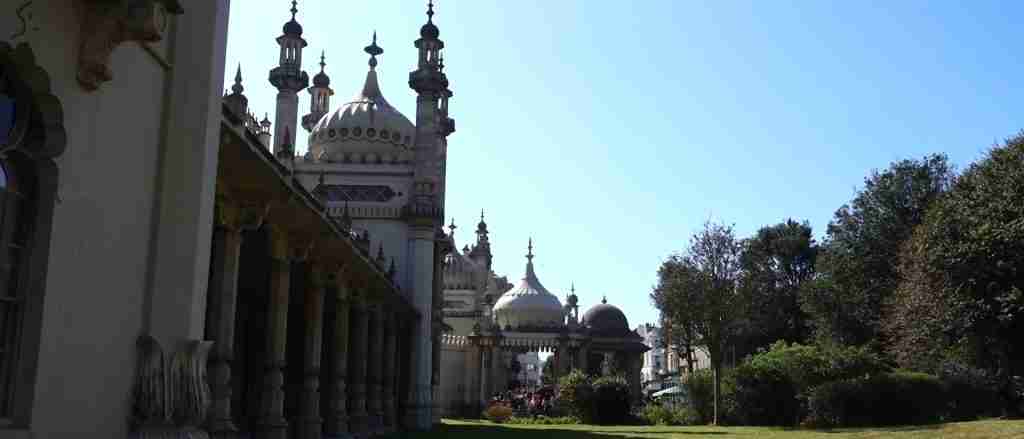
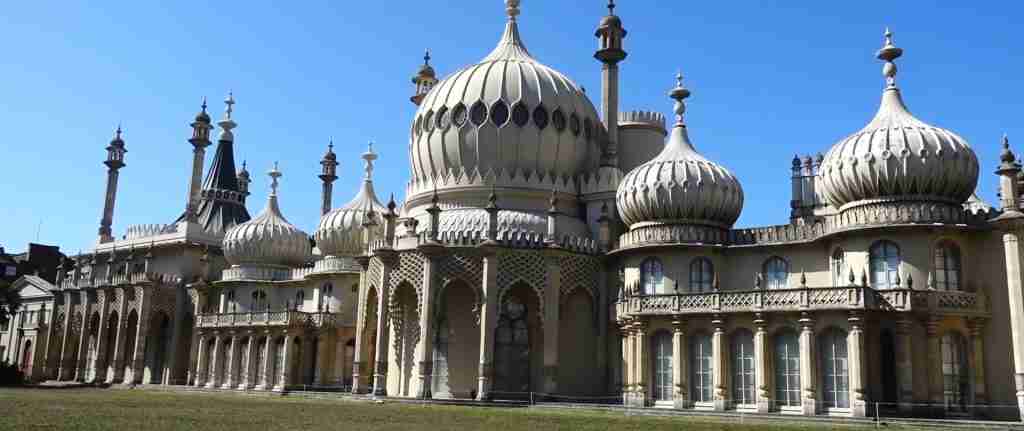
The Royal Pavilion stands as Brighton’s most iconic building and cultural centrepiece, an extraordinary Indo-Chinese fantasy palace built for King George IV between 1787 and 1823. Architect John Nash’s final design blends Indian exterior architecture with Chinese-inspired interiors, creating a visual spectacle unmatched in British royal residences. The 2026 visitor experience centres on the Dragons exhibition running through March, a collaboration with The Ivy Asia Brighton that transforms the palace into an immersive dragon-themed environment, followed by the permanent collections displayed in meticulously restored Regency rooms.
Admission in 2026 costs £19.50 for adults (check the official site for current rates), £11.75 for children aged 5-18, and £50.75 for family tickets admitting two adults and up to four children. Annual passes include free return visits for one full year from purchase date, making them exceptional value for residents or extended-stay visitors. Brighton & Hove residents with BN1, BN2, BN3, or BN41 postcodes pay discounted rates of £14.75 adults, £9 youth (13-18). Booking online provides a 5% discount on standard tickets, though walk-up admission remains available. Rail passengers arriving at Brighton station qualify for 2-for-1 admission using Days Out Guide vouchers.
The palace opens Tuesday through Sunday, closing Mondays except public holidays. Guided tours operate Saturdays at 2:00pm, providing expert commentary on the Pavilion’s construction, George IV’s extravagant lifestyle, and the building’s surprising role as a First World War hospital for Indian soldiers. Ground floor highlights include the Banqueting Room with its spectacular dragon chandelier weighing one tonne, the Music Room featuring hand-painted wallpaper and elaborate ceiling decorations, and the recently restored Saloon. The Great Kitchen showcases copper cookware and period equipment used to prepare elaborate royal feasts. First floor rooms include Queen Victoria’s bedroom with reinstated 19th-century Chinese Export wallpaper, and the North and South Galleries displaying Regency furniture and decorative arts.
Specialist tours in 2026 provide behind-the-scenes access normally off-limits to general visitors. The first floor tour (operating fortnightly from February) explores private royal apartments and galleries with detailed architectural commentary. Roof tours (select dates March-October) take small groups up forgotten staircases into the palace’s distinctive domes, offering both architectural insights and city views. Tea at the Pavilion experiences (advance booking essential) serve afternoon tea in the Adelaide Suite, a space not usually open to the public, combining refreshments with palace access.
The restored Regency garden surrounding the Pavilion provides free public access independent of palace admission. Landscape designer John Nash conceived the garden as an extension of the palace’s aesthetic, with serpentine paths, restored Regency plantings, and sight lines designed to frame the building’s exotic domes. The garden serves as Brighton’s most popular urban green space, hosting outdoor events, providing picnic areas, and offering photographers ideal vantage points for capturing the palace’s distinctive architecture. Audio guides included with admission provide detailed room-by-room commentary, available in multiple languages.
Practical considerations enhance the visit. The palace sits in the absolute centre of Brighton, equidistant from the seafront (5-minute walk), Brighton Railway Station (15-minute walk), and North Laine shopping district (immediately adjacent). Limited mobility visitors access all public rooms via lifts and ramps, though some specialist tours involve stairs. Photography for personal use is permitted without flash, tripods, or selfie sticks. The Pavilion Shop sells reproduction prints from the museums’ collections, Regency-inspired gifts, and locally made crafts. Plan 90-120 minutes for a thorough self-guided visit, 150 minutes including a guided tour.
Brighton Museum & Art Gallery 2026: World-Class Collections in Royal Pavilion Gardens
Brighton Museum & Art Gallery occupies historic buildings within the Royal Pavilion estate, housing collections that rival national institutions in both quality and diversity. The museum’s permanent galleries span fashion and style, 20th-century art and design, fine art, archaeology, and world cultures, complemented by an ambitious temporary exhibition programme. The 2026 highlights include Into the Blue (May-September) exploring humanity’s fascination with the colour blue across millennia, Wildlife Photographer of the Year (May-September) featuring the world’s finest nature photography, and the new Brighton & Hove Albion gallery opening August 2026 celebrating the football club’s history.
Admission costs £9.50 adults and £4.50 children aged 5-18 in 2026. Family tickets (one adult plus up to four children) cost £14, while two adults plus up to four children pay £23.50. Brighton residents enjoy discounted admission of £7 adults, as do university students from Brighton, Sussex, and Greater Brighton Metropolitan College. The museum opens Tuesday through Sunday, closing Mondays except public holidays. Entry includes free return visits for one full year from purchase date, encouraging repeat visits to see changing exhibitions and explore different galleries at leisure.
The Fashion & Style gallery showcases clothing from the 18th century through contemporary designs, with particularly strong holdings in 1960s-1970s fashion reflecting Brighton’s role in British popular culture. Interactive displays allow visitors to explore textile construction, fashion history timelines, and the work of designers with Brighton connections. The 20th Century Art & Design gallery presents furniture, ceramics, glass, and decorative arts from Art Nouveau through Postmodernism, with notable collections of studio pottery and British modernist furniture. Fine Art galleries display paintings from the museum’s permanent collection, spanning Old Masters through contemporary works.
The World Art collections transport visitors across continents and centuries. Egyptian galleries feature mummies, hieroglyphic inscriptions, and domestic artefacts from ancient Egypt. The South Asian collection includes textiles, metalwork, and ceremonial objects. African art and European decorative arts occupy dedicated gallery spaces. The Performance gallery, temporarily closed until the August 2026 Brighton & Hove Albion exhibition opening, previously explored Brighton’s theatrical and musical heritage from Victorian music hall through contemporary performance art.
Special exhibitions in 2026 demonstrate the museum’s curatorial ambition. Into the Blue examines why humans have been fascinated by blue pigments for thousands of years, combining art, science, and cultural history from ancient Egyptian blue through contemporary ultramarine. Wildlife Photographer of the Year brings the Natural History Museum London’s prestigious annual photography competition to Brighton, displaying images that capture the natural world’s beauty and fragility. The Brighton & Hove Albion gallery represents the museum’s first permanent football exhibition, exploring the club’s 123-year history and its deep connections to Brighton’s identity.
Family programming runs throughout the week. Art Club sessions (select Wednesdays, 10:00am-11:30am and 2:00pm-3:30pm, ages 5-13, free with museum admission) provide hands-on art activities inspired by the collections. Live animal handling (April-July, family-friendly) brings natural history to life. Museum Lates (22-23 May 2026) opens the galleries after hours with special programming, live performances, and themed activities. Curators at Work drop-in sessions (January-April) allow visitors to watch conservation staff and ask questions about current projects.
The museum building itself merits attention. Originally constructed in the 1870s as riding stables for the Royal Pavilion estate, the Grade II listed structure underwent conversion to museum use in 1873. The entrance hall features Victorian tile work and period architectural details. Passenger lifts provide accessibility to all floors. The museum shop specialises in art books, locally designed jewellery, prints from the collections, and Brighton-themed gifts. The café, recently refurbished, serves light meals and drinks in a space overlooking the Royal Pavilion Gardens.
Location advantages multiply the museum’s appeal. Sharing the Royal Pavilion Gardens grounds means visitors easily combine both venues in a single visit, with just a 2-minute walk between buildings. The North Laine’s vintage shops, independent boutiques, and cafés sit immediately north of the museum. The Dome concert hall and Theatre Royal occupy the same estate. Plan 60-90 minutes for a focused visit concentrating on specific galleries, 120-150 minutes for comprehensive exploration of permanent and temporary exhibitions.
Hove Museum of Creativity 2026: Brighton’s Free Museum Alternative
Hove Museum of Creativity provides completely free admission to collections celebrating craft, design, toys, and local history in a Grade II listed Victorian villa 2 miles west of Brighton city centre. The museum’s intimate scale, hands-on approach, and neighbourhood setting create a different atmosphere from central Brighton’s larger institutions, particularly appealing to families with young children and visitors interested in decorative arts and social history.
The permanent galleries showcase Hove’s development from rural parish to prosperous Victorian suburb. Local history displays document the area’s transformation, with photographs, objects, and documents tracing social change. The Wizard’s Attic children’s gallery on the first floor combines historical toys with interactive play areas, including puppet theatres, dress-up areas, and construction spaces. Film enthusiasts discover early cinema artifacts including equipment used by British film pioneers who worked in Hove during cinema’s formative years.
The Craft Study Centre represents the museum’s greatest treasure: an internationally significant collection of studio pottery, contemporary jewellery, textiles, and woodcraft. The collection includes works by Bernard Leach, Lucie Rie, and other studio pottery movement pioneers, displayed in cases that encourage detailed study of techniques and materials. Regular rotation means repeat visitors encounter different objects. Temporary exhibitions showcase contemporary makers, with quarterly changes maintaining fresh programming throughout 2026.
The museum opens Tuesday through Sunday with free admission to all areas. Ground floor galleries, café, and facilities are fully wheelchair accessible, though first floor access via lift is restricted by building regulations (the fire exit cannot accommodate wheelchairs). Visitor Services Officers positioned throughout the building provide assistance and answer questions. The museum hosts family-friendly events including storytelling sessions, craft workshops, and seasonal activities, many offered without charge beyond voluntary donations.
Reaching Hove Museum from central Brighton requires 20 minutes on buses stopping in New Church Road near the entrance. Services from North Street or Churchill Square operate every 10-15 minutes throughout the day. The museum sits in a residential neighbourhood 20 minutes’ walk from Hove seafront, surrounded by independent shops and cafés on Church Road. Visitors combining Hove Museum with central Brighton attractions should allocate half a day for the round trip and visit, as the separated location prevents quick pop-in visits.
Preston Manor 2026: Edwardian Social History Reopens in March
Preston Manor reopens 14 March 2026 after extensive renovations, revealing expanded Edwardian Ghosts and Glam exhibitions that explore both upstairs elegance and downstairs servant life in early 20th-century England. The Grade II* listed manor house, constructed in 1738 with significant Edwardian alterations, belonged to the Stanford family before passing to Brighton Corporation in 1932. The 2026 reopening adds a newly accessible top floor previously closed to visitors, restored servant spaces, and a History of the Manor exhibition contextualising the building’s evolution.
Admission prices for 2026 follow the standard Brighton & Hove Museums pricing structure, though specific rates had not been announced at the time of this guide’s research. Annual membership in the Royal Pavilion & Museums Trust at £51 includes Preston Manor along with the Royal Pavilion and Brighton Museum. The manor operates seasonal hours (March-November), closing during winter months. Advance online booking ensures entry during peak periods, though walk-up admission typically remains available except during special events.
The upstairs rooms preserve Edwardian upper-class life in meticulous detail. Reception rooms feature period furniture, wallpapers, and decorative arts selected to reflect early 1900s fashions. Bedrooms display clothing, personal items, and furnishings that illuminate daily routines of wealthy families. The newly opened top floor reveals spaces previously closed to the public, including additional bedrooms, storage areas, and attic rooms that complete the picture of household operations. Throughout these spaces, interpretation focuses on the Stanford family’s actual lives, using photographs, documents, and objects to personalise historical narratives.
The downstairs servant quarters provide the manor’s most socially revealing spaces. Original kitchens retain period equipment, from copper pots to ceramic sinks to early 20th-century cooking ranges. Servant bedrooms, sparse and utilitarian, contrast dramatically with upstairs opulence. The servants’ hall, housekeeper’s room, and butler’s pantry demonstrate the complex hierarchy governing household staff. This juxtaposition of upstairs and downstairs creates powerful insights into Edwardian social divisions, making Preston Manor one of England’s best venues for understanding class dynamics in the early 20th century.
The manor’s reputation for supernatural activity adds an unusual dimension. Staff and visitors have reported unexplained phenomena for decades, leading to Preston Manor’s designation as one of Brighton’s most haunted buildings. The museum embraces this reputation with atmospheric ghost hunting nights (select dates throughout the season), paranormal investigation equipment demonstrations, and ghost story events. Whether visitors believe in supernatural explanations or prefer historical ones, the atmospheric house and dramatic personal histories of its former inhabitants create an undeniably evocative setting.
Special programming in 2026 capitalises on the Agatha Christie death anniversary (50 years). Murder mystery experiences at Preston Manor (select dates June onwards) combine Edwardian atmosphere with interactive detective games inspired by Christie’s country house mysteries. The Slayers (select dates) blends table-based deduction, interactive challenges, and social strategy in an evening-length experience using the manor’s rooms as mystery-solving spaces. Traditional afternoon teas, guided tours, and family activity days complement these theatrical offerings.
Preston Manor occupies the edge of Preston Park, Brighton’s largest park, approximately 2 miles north of the city centre. Bus services from central Brighton reach the manor in 15-20 minutes, with stops directly outside the gates. The surrounding residential neighbourhood offers limited dining and shopping options compared to central Brighton, though the nearby London Road area provides cafés and restaurants. Visitors should plan Preston Manor as a standalone 2-3 hour excursion rather than attempting to combine it with city centre museums in a single walking route, as the 2-mile distance makes pedestrian links impractical.
Contemporary Art Galleries 2026: Free Exhibitions Throughout Brighton
Brighton’s contemporary art scene operates independently of the municipal museum system, with multiple venues offering free admission to cutting-edge exhibitions, experimental installations, and emerging artist showcases. This accessibility makes Brighton one of England’s most democratic contemporary art cities, where visitors explore international-quality exhibitions without financial barriers. The concentration of galleries in the North Laine and city centre enables gallery-hopping circuits that cover multiple venues within compact walking distances.
Phoenix Art Space anchors contemporary art provision in a striking glass-and-brick building opposite St Peter’s Church. The venue houses over 100 artist studios, two public galleries, and education spaces, functioning as both exhibition venue and creative community hub. Main gallery exhibitions change quarterly, showcasing professional artists working across media from traditional painting and sculpture through video installations and participatory projects. Opening hours run Wednesday through Sunday, 12:00pm-5:00pm, with all exhibitions free to attend. The on-site café provides excellent coffee and a relaxed atmosphere ideal for post-exhibition discussions.
Phoenix’s exhibition programme in 2026 demonstrates curatorial ambition spanning local and international artists, established names and emerging talent. Four major exhibitions rotate through the year, each conceived specifically for Phoenix’s architectural spaces. Studio open weekends (select dates throughout the year) allow visitors behind the scenes, meeting resident artists, viewing works-in-progress, and purchasing directly from makers. These events, immensely popular with both collectors and curious browsers, transform Phoenix into a temporary marketplace celebrating artistic production processes rather than just finished products.
Fabrica operates from a spectacularly converted Regency church in Duke Street, commissioning contemporary visual art installations designed specifically for the building’s soaring interior architecture. The deconsecrated church’s high ceilings, dramatic light, and ecclesiastical proportions inspire artists to create site-specific works that engage the space’s history and character. Three major commissioned exhibitions annually ensure continuously changing programming, with each installation remaining several months to allow word-of-mouth to build audiences.
The 2026 programme possibilities include large-scale installations, sound works, participatory projects, and digital art pieces that exploit Fabrica’s unique architecture. Past installations have ranged from Brian Eno’s generative music-and-light environments to forest installations addressing climate change to interactive pieces inviting visitor participation. Free admission removes economic barriers, while the central location (5 minutes’ walk from Royal Pavilion, immediately adjacent to The Lanes shopping district) makes Fabrica an easy addition to any Brighton itinerary. Check the website before visiting, as exhibitions have set run dates and the venue closes between installations.
The North Laine’s independent gallery ecosystem extends contemporary art provision across dozens of smaller venues. These galleries, many operated by working artists, cluster along Trafalgar Street, Gloucester Road, and surrounding side streets. Most maintain free admission, generating income through art sales rather than entry fees. Gallery types range from artist cooperatives showing members’ work to commercial galleries representing stable of artists to pop-up project spaces appearing in vacant shops. This diversity creates an ever-changing gallery landscape where discoveries happen through wandering rather than following fixed itineraries.
Notable North Laine galleries include Corridor Gallery (monthly rotating exhibitions), IO Gallery (established 1997, continuous local talent showcase), and Helm Gallery (contemporary prints and multiples). Art at 5, located in The Lanes beneath the Town Hall, represents regional talent in a more polished commercial setting. Cameron Contemporary Art showcases established and emerging British artists across traditional and modern media. Two Kats and a Cow, positioned on Kings Road Arches overlooking the beach, combines gallery space with sales of limited edition prints, ceramics, and contemporary jewellery.
Gallery opening hours vary significantly, with most operating Wednesday through Sunday afternoons (12:00pm-5:00pm or 12:00pm-6:00pm). Many close Mondays and Tuesdays. Smaller galleries may operate by appointment or during advertised exhibition openings. The transient nature of pop-up spaces means comprehensive listings quickly become outdated. Visitors serious about exploring Brighton’s contemporary art scene should check individual gallery websites and social media immediately before visiting, allocate flexible time for wandering, and embrace the possibility that specific galleries may be closed while unexpected discoveries appear in previously unknown spaces.
Brighton’s annual Artist Open Houses (May) transforms the gallery scene into a city-wide open studio event, with hundreds of artists opening homes and studios to visitors. This phenomenon, unique in its scale among British cities, provides unparalleled access to artistic production processes, enables direct artist-visitor conversations, and supports art purchases at every price point from affordable prints to major commissions. The Open Houses period represents Brighton’s contemporary art scene at its most accessible and democratic, though the sheer number of participating venues (300+) requires strategic planning to navigate efficiently.
Specialist Museums 2026: Niche Collections and Unique Venues
Beyond the major municipal museums and contemporary galleries, Brighton harbours specialist collections catering to focused interests. These smaller venues, often volunteer-operated or supported by dedicated societies, preserve aspects of Brighton’s history and culture overlooked by larger institutions. While individually modest in scale, collectively they demonstrate the depth and diversity of Brighton’s cultural commitment.
Brighton Fishing Museum occupies historic arches on Kings Road Arches, preserving the city’s maritime heritage from the centuries before tourism transformed Brighton’s economy. The museum displays historic fishing boats, nets, photographs documenting fishing families, and audio-visual presentations explaining traditional fishing techniques. Before the Prince of Wales discovered Brighton and the Royal Pavilion rose, this was a small fishing town whose economy depended entirely on Channel harvests. The museum contextualises this forgotten history through objects, oral histories, and reconstructions. Admission is free with donations welcomed, opening seven days weekly 10:00am-4:00pm (weather permitting, as seafront storms occasionally force closures).
Brighton Toy & Model Museum occupies Victorian railway arches beneath Brighton station, exhibiting over 10,000 toys accumulated over decades of collecting. The collection’s Victorian and Edwardian sections include early teddy bears, dolls, mechanical toys, and games that illuminate childhood experiences across class divisions. Mid-20th century holdings feature Hornby trains, Dinky cars, board games, and British toy manufacturing at its zenith. Interactive exhibits encourage hands-on engagement rather than purely observational visits. Puppet theatre performances occur at scheduled times. The museum operates as a charitable trust, charging admission (approximately £5-8, verify current rates on website) to support preservation and acquisition.
Old Police Cells Museum beneath Brighton Town Hall reveals the Victorian criminal justice system through preserved cells, washrooms, and custody areas. Original graffiti scratched by prisoners onto cell walls provides chilling firsthand testimony of incarceration experiences. Displays document Brighton policing history, the evolution of women’s roles in law enforcement, and notorious local crimes. The underground location and historical subject matter create an atmospheric experience quite unlike Brighton’s more cheerful museums. Opening days and times vary; advance booking essential via the website. Admission starts from £5. Accessibility is limited by the underground location and historic building constraints.
Brighton Museum of Natural History, commonly called Booth Museum, traditionally offers free admission to Victorian taxidermy collections, British birds displayed in habitat dioramas, fossils, skeletons, and natural history specimens. However, the museum closed 20 April 2025 for essential renovations, collection management improvements, and infrastructure upgrades. The closure extends through autumn 2026, with occasional drop-in days announced via the Brighton & Hove Museums website. When operational, Booth Museum provides the natural history complement to Brighton Museum’s cultural collections, particularly appealing to children fascinated by dinosaurs, butterflies, and animal skeletons. The museum occupies a purpose-built Victorian structure on Dyke Road, 2 miles northwest of city centre, requiring bus travel from central Brighton.
Cultural Itineraries 2026: Strategic Museum Route Planning
Brighton’s compact geography enables efficient cultural circuits covering multiple museums without backtracking or excessive walking. The following itineraries optimise time, minimise admission costs, and create natural breaks for refreshments. Each assumes a Tuesday-Sunday start, as Monday closures eliminate most options. Itineraries can be reversed, modified, or combined based on interests and available time.
Classic One-Day Cultural Circuit 2026
Start at Royal Pavilion opening time (10:00am typical, verify current hours). Allow 90-120 minutes for thorough exploration including audio guide commentary. The Banqueting Room, Music Room, and Great Kitchen demand attention, while first floor rooms reward interested visitors. Exit through the Regency garden. Walk 2 minutes through the gardens to Brighton Museum & Art Gallery, arriving approximately 11:45am-12:15pm. Spend 60-90 minutes exploring permanent galleries and temporary exhibitions, focusing on areas of personal interest rather than attempting comprehensive coverage.
Lunch break (1:00pm-2:15pm) in the North Laine, immediately north of Brighton Museum. This bohemian neighbourhood offers dozens of independent cafés, restaurants, and pubs within a 5-minute walk. Reservation-free casual dining predominates. Walk through North Laine browsing vintage shops and independent boutiques en route to Phoenix Art Space (10-minute walk from Brighton Museum). Arrive Phoenix approximately 2:30pm for current exhibition viewing (30-45 minutes depending on installation). Phoenix’s café provides coffee and breaks.
Continue to Fabrica (5-minute walk from Phoenix, 15-minute walk from Brighton Museum if skipping Phoenix). Arrive approximately 3:15pm-3:30pm. Fabrica’s installations typically require 20-30 minutes for contemplation and engagement. The former church architecture merits attention independent of current artwork. Exit Fabrica directly into The Lanes, Brighton’s historic shopping quarter of narrow alleyways, antique shops, and jewellery boutiques. Spend remaining afternoon (4:00pm-6:00pm) exploring The Lanes, visiting commercial galleries, browsing shops, or relaxing in seafront cafés.
This circuit covers approximately 1.5 miles walking across 6-8 hours. Total admission: £29 (Royal Pavilion £19.50, Brighton Museum £9.50), with all other venues free. The route maximises cultural diversity, balances indoor museum time with outdoor walking, creates natural meal and coffee breaks, and positions you perfectly for evening activities in central Brighton. Variations include extending to Hove Museum (add 3 hours round-trip via bus), substituting afternoon gallery time for beach walks, or reversing the route starting with free venues and progressing to paid attractions.
Budget-Conscious Free Museum Day 2026
This zero-admission itinerary demonstrates Brighton’s accessibility for financially-constrained cultural visitors. Start at Hove Museum of Creativity (10:00am opening, verify current hours). Reach Hove Museum via 20-minute bus ride from central Brighton, allowing travel time from accommodation. Spend 90 minutes exploring craft collections, local history, and Wizard’s Attic children’s gallery. The museum’s intimate scale makes comprehensive visits achievable in under 2 hours.
Return to central Brighton (11:45am) for lunch in North Laine or near Brighton Pavilion Gardens. Walk to Phoenix Art Space (opening 12:00pm, arrive 12:30pm-1:00pm). Spend 45-60 minutes with current exhibition and café break. Continue to Fabrica (2:00pm-2:30pm arrival) for 30-45 minutes with installation. Walk through North Laine independent galleries, most offering free browsing of artists’ work even in commercial spaces.
Late afternoon (3:30pm onwards) visit Brighton Fishing Museum on seafront (free admission, donations appreciated) for maritime history perspective. If weather permits, combine museum visit with beach walk. Total cost: bus fares only (approximately £5-8 for day ticket), zero admission charges, comprehensive cultural programming spanning decorative arts, contemporary installations, commercial galleries, and maritime heritage. This itinerary proves particularly valuable for families with young children (Hove Museum’s Wizard’s Attic provides child-focused programming) or extended-stay visitors spacing cultural experiences across multiple days.
Specialist Interest Routes 2026
Contemporary art enthusiasts should concentrate on Phoenix Art Space, Fabrica, and North Laine gallery circuit, allocating full day for unhurried engagement with current installations and studio visits if Artist Open Houses coincide with visit. Fine and decorative arts visitors prioritise Brighton Museum’s permanent galleries, supplementing with commercial galleries in The Lanes that specialise in antiques and traditional arts. Natural history interests currently face Booth Museum closure but can explore Brighton Museum’s archaeology collections and local history galleries.
Family itineraries benefit from Hove Museum (Wizard’s Attic), Brighton Museum (interactive displays, activity programmes), and seasonal outdoor events in Royal Pavilion Gardens. Architecture and design specialists allocate maximum time to Royal Pavilion’s extraordinary interiors, Preston Manor’s Edwardian spaces, and Brighton Museum’s 20th-century design collections. Photography permits (no flash, no tripods) allow detailed documentation at most venues, enabling extended study after visits conclude.
Admission Passes and Money-Saving Strategies 2026
Strategic admission planning reduces cultural costs substantially while ensuring comprehensive access to paid attractions. The annual Royal Pavilion & Museums Trust membership represents the single best value for visitors planning multiple museum days or extended Brighton stays. At £51 for individual adults, membership breaks even after visiting Royal Pavilion (£19.50) twice and Brighton Museum (£9.50) once, totaling approximately £50 admission. Any additional visits across the year generate pure savings.
Membership benefits extend beyond free admission. Members receive welcome tours of Royal Pavilion, free admission for children and grandchildren, invitations to exclusive members’ events, and discounts in museum shops. For visitors staying a week or more in Brighton, membership practically guarantees savings given the likelihood of return visits to favourite venues or changing temporary exhibitions. Couples or families should calculate whether individual memberships or family membership (£51 individual, family rates verify on website) provides better value based on household composition.
Day tickets purchased directly at museum admission desks provide one year of return visits from purchase date, making them de facto annual passes for local visitors or regular Brighton visitors. This generous policy means a single purchase in January 2026 permits free returns through January 2027, valuable for anyone visiting Brighton multiple times annually for work, family visits, or leisure. Online ticket purchases receive 5% discounts, though these day-of-purchase online tickets sometimes carry restrictions (verify terms at time of booking).
National Art Pass holders (£20-40 annual membership depending on age, separate from Brighton Museums membership) receive benefits at Brighton Museum & Art Gallery and occasional special offers at other Brighton cultural venues. The National Art Pass covers hundreds of UK museums and galleries, making it worthwhile for British residents visiting multiple cities’ cultural attractions throughout the year. However, for visitors focused exclusively on Brighton, the Royal Pavilion & Museums Trust membership delivers better local value.
Family ticket structures favour multi-child households. The two adults plus up to four children ticket at £50.75 for Royal Pavilion represents significant savings versus individual adult and child tickets totaling £62.50+ for a family of four or more. Families of one adult plus children pay £31.25 at Royal Pavilion, substantially cheaper than individual tickets. These family configurations work at Brighton Museum (£23.50 for two adults and up to four children) and create genuine value for larger families.
Brighton & Hove residents enjoy substantial discounts: £14.75 versus £19.50 at Royal Pavilion, £7 versus £9.50 at Brighton Museum. Residency proof requirements specify BN1, BN2, BN3, or BN41 postcodes. University students at Brighton, Sussex, and Greater Brighton Metropolitan College also qualify for resident rates with valid student identification. These discounts recognise that municipal museums serve local residents who fund them through council tax and should access cultural heritage without financial hardship.
Free admission days occur occasionally throughout the year. The traditional Free Weekend in January (specific dates announced in December) opens Royal Pavilion and Brighton Museum without charge, though queues form and booking is not possible. These special access days create family-friendly opportunities for residents priced out by standard admission or curious first-time visitors testing interest before committing to paid visits. Arrive early, expect crowds, bring patience.
Strategic free venue integration maximises cultural value without increasing costs. Every paid museum day can incorporate Hove Museum, Phoenix Art Space, Fabrica, and North Laine galleries without additional expense. A £29 day (Royal Pavilion plus Brighton Museum) that adds three free contemporary galleries delivers five distinct cultural experiences for under £6 per venue. This mixed paid-free approach ensures budget-conscious visitors access Brighton’s full cultural spectrum rather than just free offerings.
Temporary Exhibitions and Special Programmes 2026
Temporary exhibitions elevate Brighton’s museums beyond static collections, introducing fresh content that rewards repeat visits and addresses contemporary issues. The 2026 exhibition calendar demonstrates curatorial ambition spanning natural history photography, art historical inquiry, and local cultural celebration. Planning visits around specific exhibitions adds focus to museum days and ensures access to time-limited content unavailable in permanent galleries.
Royal Pavilion’s Dragons exhibition runs through March 2026, transforming the palace into an immersive dragon-themed environment created in collaboration with The Ivy Asia Brighton. This installation combines art, mythology, and interactive elements throughout the palace’s extraordinary rooms. Dragons have particular resonance in Royal Pavilion context given the building’s Chinese-inspired interiors and the prominent dragon chandelier in the Banqueting Room. The exhibition explores dragon mythology across cultures, Victorian fascination with orientalism, and contemporary dragon symbolism in art and popular culture.
Brighton Museum’s Into the Blue (2 May – 20 September 2026) examines humanity’s enduring fascination with the colour blue across thousands of years. The exhibition combines art, science, cultural history, and contemporary design, tracing blue pigments from ancient Egyptian blue (one of history’s first synthetic pigments) through medieval ultramarine ground from lapis lazuli to modern synthetic blues. Artworks, decorative objects, scientific instruments, and contemporary designs illustrate how blue’s rarity and expense made it a colour of prestige and power, while modern chemistry democratised access.
Wildlife Photographer of the Year (9 May – 6 September 2026) brings the Natural History Museum London’s prestigious international photography competition to Brighton Museum. Selected images from the annual competition showcase nature photography’s finest work, capturing wildlife behaviour, conservation challenges, landscape beauty, and environmental change through stunning imagery. Categories span animal portraits, habitat documentation, environmental crisis illustration, and innovative approaches to nature photography. The exhibition’s popularity demands early arrival or timed entry to avoid crowds, particularly during school holidays.
Brighton & Hove Albion gallery opens 15 August 2026 as Brighton Museum’s first permanent football exhibition, exploring the club’s 123-year history and its deep connections to Brighton’s identity. The gallery occupies the former Performance Gallery space, featuring memorabilia, historical documentation, interactive displays, and contemporary fan culture materials. For Brighton residents and football enthusiasts, this gallery represents recognition of football’s role in local culture and community identity. The August opening coincides with the 2026-27 football season start, ensuring maximum interest and attendance.
Specialist tours, workshops, and events extend beyond standard admission experiences. Royal Pavilion offers Saturday afternoon guided tours (2:00pm, included with admission, no booking required), first floor tours revealing spaces normally closed (fortnightly from February, separate booking), and roof tours climbing into the palace’s distinctive domes (select dates March-October, advance booking essential, limited capacity). Brighton Museum runs Curators at Work drop-in sessions (January-April) where conservation staff work in galleries answering visitor questions about current projects.
Family programming provides age-appropriate cultural engagement. Art Club at Brighton Museum (select Wednesdays, ages 5-13, free with museum admission) offers hands-on art activities inspired by collections. Live animal handling sessions (April-July) bring natural history to life through direct creature encounters. Dragon-themed storytelling and craft workshops (May-August) connect to exhibitions and seasonal themes. Museum Lates (22-23 May 2026) opens Brighton Museum after normal hours with special programming, performances, and themed activities creating adult-oriented cultural evenings.
Preston Manor’s murder mystery experiences capitalise on the building’s atmospheric reputation and Agatha Christie anniversary. These evening events (June onwards, advance booking essential, separate ticket price beyond admission) combine Edwardian setting with interactive detective games. The Slayers experience blends table-based deduction, interactive challenges, and social strategy across the manor’s historic rooms. Ghost hunting nights embrace Preston Manor’s reputation as Brighton’s most haunted building, offering paranormal investigation equipment and atmospheric exploration.
Exhibition admission is typically included in standard museum tickets, though occasional special exhibitions may carry surcharges (verify at time of booking). Temporary exhibitions create compelling reasons for return visits even to well-known venues, as the content refreshes quarterly or seasonally. Cultural visitors planning Brighton trips should check exhibition calendars during booking, potentially adjusting travel dates to align with particularly appealing temporary shows.
Accessibility and Practical Visitor Information 2026
Brighton’s museums maintain strong accessibility commitments, though historic building constraints occasionally limit universal access. Royal Pavilion provides level access or access via ramps and lifts to all public rooms, with passenger lifts connecting ground and first floors. Wheelchair users navigate the palace independently. Companions and carers accompanying disabled visitors enter free. The Regency garden surrounding the palace offers level paved paths suitable for wheelchair users and visitors with limited mobility. Audio guides include standard and audio-described versions. British Sign Language interpreted group tours are available by advance arrangement.
Brighton Museum & Art Gallery achieves full wheelchair accessibility across all areas. A passenger lift connects floors, accessible toilets are available, and level access eliminates step barriers. Visitor Services Officers positioned throughout the building provide assistance. BSL interpreted group tours can be arranged for hearing-impaired visitors. Some audio listening posts have transcript alternatives. The museum participates in the Visitor Attraction Quality Assurance scheme, meeting accessibility standards.
Hove Museum’s accessibility is more constrained by building regulations. Ground floor galleries, café, and facilities offer full wheelchair access with level flooring and wide doorways. However, first floor access via lift is restricted: the lift accommodates wheelchairs, but the first floor fire exit cannot legally accommodate wheelchairs, limiting first floor access. The museum staff openly communicate these limitations, allowing visitors to make informed decisions. Ground floor galleries alone provide substantial content including craft collections and local history, making partial visits worthwhile despite upper floor restrictions.
Preston Manor works to maximise accessibility within Grade II* listed building constraints. The manor provides accessible entry and routes to ground floor rooms. Some upper floors may be reached via lift, though historic building characteristics create limitations. Advance contact with the museum allows discussion of specific access needs and realistic assessment of which areas can be visited. Garden access is generally level with paths suitable for wheelchairs and limited mobility visitors.
Photography policies permit personal, non-commercial photography at most venues without flash, tripods, or selfie sticks. This enables detailed documentation for study, sharing experiences on social media, and creating personal records. Professional filming and photography require advance arrangement with museum staff. Fabrica and Phoenix Art Space occasionally restrict photography depending on artist agreements with specific exhibitions. When in doubt, ask staff before photographing.
Family facilities vary by venue. Baby changing facilities are standard at major museums. Brighton Museum and Royal Pavilion provide dedicated family programming, interactive displays designed for children, and activity sheets encouraging engagement. Hove Museum’s Wizard’s Attic specifically targets young children with hands-on exhibits. Most venues welcome unaccompanied children aged 13-14+, while children under 13-14 must be accompanied by adults (age thresholds vary by venue, verify on individual websites).
Transportation to museums clusters around Brighton Railway Station, 15 minutes’ walk from Royal Pavilion and Brighton Museum. London services take approximately one hour from Victoria or London Bridge stations. Gatwick Airport connections operate regularly. Local Brighton & Hove Buses service provides comprehensive city coverage with stops outside Royal Pavilion, frequent services to Hove Museum, and routes to Preston Manor. Day tickets (approximately £5-8, verify current prices) provide unlimited bus travel across the city, valuable for multi-venue itineraries.
Parking in central Brighton is expensive and limited. Designated Blue Badge parking bays appear in streets around Royal Pavilion and Brighton Museum. Commercial car parks within walking distance charge premium hourly rates. Park and Ride services on the city periphery offer cheaper alternatives. Visitors driving to Brighton should seriously consider parking outside the centre and using public transport or walking for museum visits. The compact geography makes walking between central venues faster than driving and re-parking.
Brighton BikeShare scheme hubs operate near Royal Pavilion, Brighton Museum, and throughout the North Laine, providing bicycle rental by the hour or day. The city forms part of National Cycle Network Route 2, with dedicated bike lanes and traffic calming on many roads. Bike racks appear on New Road, Church Street, and Pavilion Buildings near museums. Cycling between scattered venues like Hove Museum and Preston Manor becomes practical via bicycle where walking would consume excessive time.
Daily Budget Breakdowns 2026: Museum-Focused Cultural Days
Understanding true daily costs enables realistic budgeting and prevents mid-trip financial stress. These comprehensive breakdowns include accommodation, meals, transport, and admission for museum-focused cultural days in Brighton. All costs are per person, per day, assuming two people sharing hotel accommodation, with room rates divided by two before any calculation.
Budget Cultural Day Brighton 2026
Budget accommodation in Brighton ranges £100-140 per room for basic hotels or guesthouse doubles near the city centre or seafront. Per person sharing: £50-70 nightly. Budget hotels cluster in Kemptown east of the city centre and along the seafront towards Hove, typically 10-20 minutes’ walk from Royal Pavilion. Basic rooms provide clean beds, private or shared bathrooms, and minimal amenities. Book directly for best rates or use comparison sites filtering for £100-140 per room range.
Breakfast (self-catered or budget café): £5-8 per person. Many budget hotels include continental breakfast. Alternatively, purchase supplies from Sainsbury’s, Tesco Metro, or Co-op supermarkets throughout Brighton, or eat at North Laine cafés serving cooked breakfasts £7-10. Lunch (budget café, takeaway, or packed): £8-12 per person. North Laine and Kemptown offer numerous independent cafés, sandwich shops, and ethnic restaurants serving main meals £7-12. Vegetarian and vegan options abound, often cheaper than meat-based meals. Dinner (budget restaurant, pub meal): £12-15 per person. Chain pubs (Wetherspoons, Greene King) offer meals £8-12. Independent curry houses, Chinese restaurants, and pizza places provide filling dinners £10-15. Total meals: £25-35 per person daily.
Transport via Brighton & Hove Buses day ticket: £5-8 per person. This covers unlimited travel to Hove Museum, Preston Manor, and all city buses. Walking between central venues (Royal Pavilion, Brighton Museum, North Laine galleries) costs zero. Museum admission for budget day: Royal Pavilion £19.50 (if visiting) or mix of Brighton Museum £9.50 plus free venues. Budget cultural day typically visits one paid major venue plus multiple free galleries. Approximate admission: £20-30 per person depending on venue choices.
Budget daily total per person (two sharing accommodation): Hotel £50-70, meals £25-35, transport £5-8, museums £20-30. Range: approximately £100-145 per person daily. This budget delivers genuine cultural engagement including major paid attractions, comfortable budget accommodation near cultural venues, adequate meals, and comprehensive transport access. Three-day budget cultural trip: approximately £300-435 per person.
Mid-Range Cultural Day Brighton 2026
Mid-range hotels in Brighton charge £150-220 per room for comfortable city centre or seafront locations with modern amenities, larger rooms, private bathrooms, and often breakfast included. Per person sharing: £75-110 nightly. Mid-range options include boutique hotels in The Lanes, modern seafront hotels, and branded chains (Premier Inn, Travelodge). Book 2-3 months ahead for best availability and rates, particularly for weekend visits.
Breakfast (hotel included or nice café): £10-15 per person if not included. Brighton’s café culture provides exceptional breakfast options from avocado toast to full English to international specialities £9-15. Lunch (casual restaurant, pub, café): £15-22 per person. North Laine independent restaurants, seafront dining, or The Lanes establishments serve main courses £12-18 plus drinks. Dinner (mid-range restaurant): £25-35 per person for main course and drinks. Brighton’s restaurant scene spans cuisines and price points, with quality mid-range dining throughout the city. Total meals: £40-55 per person daily (if breakfast not included with hotel).
Transport via buses, occasional taxis: £8-12 per person. Mid-range visitors supplement walking and buses with occasional taxis for convenience, particularly late evening or when carrying shopping. Museum admission: £30-40 per person. Mid-range cultural day visits Royal Pavilion (£19.50), Brighton Museum (£9.50), possibly Preston Manor or special tours/exhibitions with additional costs. This tier adds guided tours (Saturday afternoon at Royal Pavilion included with admission, specialist tours £5-10 extra) and may include museum café refreshments.
Mid-range daily total per person (two sharing): Hotel £75-110, meals £40-55 (breakfast not included) or £30-40 (breakfast included), transport £8-12, museums £30-40. Range: approximately £155-220 per person daily. This budget enables comfortable cultural exploration without budget stress, quality dining and accommodation, and comprehensive access to all major museums plus specialist tours. Five-day mid-range cultural trip: approximately £775-1,100 per person.
Luxury Cultural Day Brighton 2026
Luxury hotels in Brighton charge £260-400+ per room for boutique properties, five-star seafront hotels, and design-focused accommodations. Per person sharing: £130-200+ nightly. The Grand Brighton seafront hotel, Hotel du Vin, Drakes boutique hotel, and Artist Residence represent luxury tier options, offering superior locations, elegant rooms, concierge services, and often Michelin-quality dining. Book directly for packages including breakfast and other amenities.
Breakfast (luxury hotel or premium café): £15-25 per person if not included. Hotel restaurants provide full cooked breakfasts, continental selections, and à la carte options. Lunch (upscale restaurant, seafront dining): £25-40 per person. Luxury dining in The Lanes, seafront venues with sea views, or North Laine’s most acclaimed restaurants. Dinner (fine dining): £45-60+ per person for multi-course meals without alcohol, £70-100+ with wine pairings. Brighton’s fine dining scene includes The Salt Room (seafood), The Ivy Brighton, Terre à Terre (vegetarian), and various Michelin-recommended establishments. Total meals: £70-100+ per person daily.
Transport via taxis and private cars: £15-25 per person. Luxury visitors minimise bus travel, using taxis for door-to-door service and hiring private guides for personalised tours. Museum admission and premium experiences: £45-60 per person. This tier includes Royal Pavilion (£19.50) with guided tours, Brighton Museum (£9.50), specialist Royal Pavilion roof tours (£8-12), Preston Manor with afternoon tea experiences (£25-35), and museum shop purchases. Private guided museum tours can be arranged through advance contact with venues, typically £100-200+ for small group exclusive access.
Luxury daily total per person (two sharing): Hotel £130-200+, meals £70-100+, transport £15-25, museums £45-60. Range: approximately £260-385+ per person daily. This budget delivers exceptional comfort, finest dining, stress-free transportation, and enhanced cultural access through specialist tours and premium experiences. Three-day luxury cultural weekend: approximately £780-1,155+ per person.
Seasonal Variations and Best Times to Visit 2026
Brighton’s museum scene operates year-round, making cultural visits viable during any season. However, seasonal factors affect crowds, accommodation costs, weather conditions for walking between venues, and exhibition schedules. Strategic timing balances availability, costs, and experience quality.
January-February represents Brighton’s quietest cultural period. Accommodation rates drop 30-40% below summer peaks, with mid-range hotels £90-140 per room versus £150-220 in summer. Museums experience minimal crowds, enabling leisurely gallery viewing without competition for space in front of popular exhibits. The traditional Free Weekend in late January (specific dates announced December) provides admission-free access to Royal Pavilion and Brighton Museum, though queues form. Weather involves cold temperatures and frequent rain, making indoor cultural activities particularly appealing but requiring waterproof clothing for walks between venues.
March-April transitions to spring with improving weather, moderate crowds, and rising accommodation rates. Preston Manor reopens 14 March 2026, adding Edwardian social history back to available options. Easter weekend (verify specific dates) sees increased visitors and altered museum hours, with some venues closing Easter Saturday. The Royal Pavilion’s Dragons exhibition concludes in March, while spring exhibitions begin appearing. Accommodation costs sit between winter lows and summer peaks, providing relative value for acceptable weather and growing exhibition options.
May-September constitutes peak cultural season. Major temporary exhibitions dominate this period: Into the Blue and Wildlife Photographer of the Year both run May-September at Brighton Museum, creating compelling reasons for museum visits. Brighton Festival (May) transforms the city with performances, installations, and cultural events, though museum programming remains distinct from festival activities. Artist Open Houses (May) opens hundreds of studios city-wide, overwhelming in scope but unparalleled for contemporary art access. Summer weather enables comfortable walks between venues and beach visits combined with cultural days.
Peak season disadvantages include maximum accommodation costs (£150-220+ mid-range rooms), substantial museum crowds particularly around temporary exhibitions, and queues at popular attractions. Families with school-age children concentrate visits during school holidays (late July-early September), creating additional crowding. Advance booking becomes essential for both accommodation and any timed-entry museum experiences. The benefits—best weather, most exhibition options, longest operating hours, fullest event calendars—often justify the premium costs and crowds for visitors with scheduling flexibility.
October-November offers shoulder season balance. Accommodation rates drop 20-30% from summer peaks while remaining above winter lows. Weather transitions toward autumn, with increasing rain but still-mild temperatures. Crowds thin substantially as families return to school schedules. Museums operate normal hours, with autumn temporary exhibitions replacing summer shows. This period suits visitors prioritising value over guaranteed sunshine, who appreciate reduced crowds and lower costs without sacrificing exhibition access or operating hours.
December brings Christmas markets, festive decorations, and holiday atmosphere to Brighton. Museums decorate historic buildings appropriately, creating atmospheric visits. However, museums close 25-26 December and 1 January, closing early (2:30pm) on 24 December. Planning December cultural trips requires careful attention to closure dates and modified hours. Accommodation costs vary dramatically: expensive during New Year’s weekend, moderate during mid-December, lower early December. Winter weather discourages extended outdoor walking but enhances appreciation of heated museums.
Exhibition-specific timing considerations: Wildlife Photographer of the Year runs May-September, Into the Blue runs May-September, Brighton & Hove Albion gallery opens August. Visitors prioritising these specific exhibitions must plan within these windows. Temporary exhibition schedules change quarterly or seasonally; check museum websites during trip planning to align visits with personally compelling content.
Combining Museums with Other Brighton Attractions 2026
Brighton’s compact geography and attraction density enable efficient combination itineraries mixing cultural venues with the city’s other famous draws. These integrated approaches maximise limited time, satisfy diverse travel party interests, and create well-rounded Brighton experiences beyond exclusively museum-focused days.
Beach and museums combine naturally given their geographic proximity. Royal Pavilion and Brighton Museum sit 5 minutes’ walk from the seafront. Fabrica, Phoenix Art Space, and North Laine galleries sit 10 minutes from the beach. Realistic daily schedules alternate indoor cultural time with outdoor beach time, weather permitting. Morning museum visits (10:00am-1:00pm) followed by seafront lunch and beach afternoon balance indoor/outdoor activities. Conversely, beach mornings transition to afternoon museum visits escaping midday sun or seeking climate-controlled comfort.
The Lanes shopping district integrates seamlessly with museum itineraries, occupying narrow medieval streets between Royal Pavilion and the seafront. After Royal Pavilion or Brighton Museum visits, The Lanes provide antique shops, jewellery boutiques, independent retailers, and numerous cafés within 2-5 minutes’ walk. Serious shoppers allocate 2-3 hours browsing The Lanes’ distinctive independent character. Art galleries including Art at 5 occupy Lanes locations, enabling continued cultural engagement while shopping.
North Laine’s bohemian shopping and dining district sits immediately north of Brighton Museum, making museum-to-shopping transitions effortless. North Laine specialises in vintage clothing, record shops, independent boutiques, street food markets, and craft sellers. Phoenix Art Space occupies North Laine’s eastern edge. Visitors often spend mornings in museums, lunch in North Laine, and afternoons gallery-hopping and shopping. The neighbourhood’s independent character complements rather than duplicates The Lanes’ offerings.
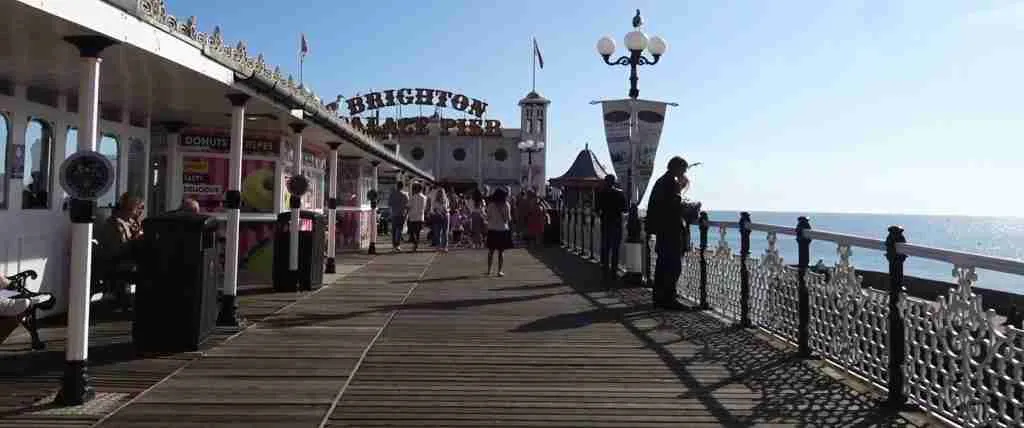
Brighton Pier, the city’s iconic Victorian pleasure pier, sits 10 minutes’ walk from Royal Pavilion. The pier’s amusement arcade, rides, fish and chips stalls, and seaside atmosphere provide complete tonal contrast to museum sophistication. Families with children often structure days alternating educational museum content with pier entertainment, preventing cultural fatigue. The pier costs nothing to walk (rides and attractions charge individually), making it a free addition to museum budgets.
i360 observation tower provides 360-degree views from a slowly ascending pod reaching 138 metres above sea level. The viewing pod departs from the seafront 15 minutes’ walk west of Royal Pavilion. Tickets cost approximately £16-18 adults (verify current prices). Weather-dependent views can be spectacular on clear days, disappointing in fog or rain. The observation experience takes 30-40 minutes total. Some visitors combine morning museum visits with lunchtime i360 ascent providing orientation and city overview before afternoon activities.
Royal Pavilion Gardens themselves provide free outdoor space requiring no separate visit planning. The gardens surround Royal Pavilion, open year-round, and function as Brighton’s central urban park. After palace admission or as an alternative to paid entry, the gardens offer Regency landscaping, pathways, benches, and architectural views. Locals use the gardens for lunch breaks, sunbathing, informal sports, and social gathering. Visitors combine garden time with nearby activities naturally given the central location.
Brighton Marina, a modern waterfront development with shopping, dining, cinema, and waterfront walks, sits 2 miles east of city centre. Bus services connect Marina to central Brighton in 15-20 minutes. The Marina provides contrast to central Brighton’s historic character, offering chain restaurants, multiplex cinema, and contemporary retail. Some itineraries position Marina visits as evening activities after cultural days, combining dinner and cinema with one bus journey. The clifftop walk from Marina back to city centre takes 45-60 minutes with excellent sea views.
Seven Sisters chalk cliffs and South Downs National Park provide spectacular countryside immediately inland from Brighton. While not practical as same-day combinations with extensive museum visits, visitors staying multiple days in Brighton often allocate one day to museums, another to countryside walks. Bus 12 and 13 reach various South Downs access points, though having a car significantly increases countryside accessibility. This day-by-day approach—cultural day, countryside day, shopping day—enables comprehensive Brighton-area experiences without rushing.
Brighton Museum Memberships and Annual Passes 2026
Annual membership in Royal Pavilion & Museums Trust provides the most cost-effective access to Brighton’s municipal museums for regular visitors, locals, or extended-stay tourists. At £51 for individual adult membership, the pass breaks even after three Royal Pavilion visits or six Brighton Museum visits during the year-long validity period. Membership benefits extend well beyond free admission, creating a relationship with the museums that encourages frequent, relaxed visits.
Individual membership (£51 annually) covers one named adult with unlimited visits to Royal Pavilion, Brighton Museum & Art Gallery, and Preston Manor (when open) for one full year from purchase date. The welcome tour of Royal Pavilion, included with new membership, provides expert-guided introduction to the palace’s history, architecture, and collections. Members receive priority booking for special events, exclusive members-only previews of temporary exhibitions, and invitations to talks and behind-the-scenes tours not offered to general visitors.
Family membership rates (verify current pricing on website, typically £70-85 annually) cover two named adults plus children and grandchildren, providing exceptional value for families making repeated Brighton visits throughout the year. For families visiting Brighton quarterly or more frequently, family membership transforms from luxury to practical necessity, eliminating per-visit admission calculations and enabling spontaneous museum visits without budgeting discussions.
Shop discounts (10% at all museum shops) accumulate value for frequent buyers of books, gifts, prints, and locally made crafts. Serious purchasers recover meaningful membership cost through shop savings alone. Members-only events throughout the year include lectures by curators, conservation demonstrations, special access to storage areas, and social gatherings connecting members with staff and fellow enthusiasts. These events create deeper engagement with collections beyond standard visits.
Free admission for children and grandchildren when accompanied by members provides substantial family value. Multi-generational visits (grandparents with membership bringing grandchildren) cost zero additional admission, encouraging family cultural experiences without financial stress. The programme recognises that regular engagement with museums often begins in childhood through family visits, and membership removes barriers to those formative experiences.
Membership particularly benefits several visitor categories. Brighton residents with BN1, BN2, BN3, or BN41 postcodes already receive discounted admission (£14.75 Royal Pavilion versus £19.50 standard), but membership at £51 still pays for itself after four Royal Pavilion visits. Weekly Brighton workers who lunch in city centre or meet colleagues at Royal Pavilion Gardens can pop into museums during lunch breaks without admission concern. Extended-stay visitors (working in Brighton for weeks or months) gain cultural access throughout their residency. Frequent business travellers to Brighton transform airport delays or cancelled meetings into cultural opportunities rather than waiting in hotel rooms.
Purchasing membership online or at museum admission desks takes minutes. Members receive welcome packets including membership cards, museum maps, exhibition calendars, and information about upcoming members’ events. Digital membership options eliminate physical cards for visitors preferring phone-based credentials. Membership renewals receive reminder emails before expiration, often with early renewal discounts incentivising continuity.
National Art Pass, a separate nationwide scheme (not affiliated with Brighton Museums specifically), provides benefits at Brighton Museum & Art Gallery and hundreds of UK museums and galleries. Annual National Art Pass membership costs £20-40 depending on age, with discounts for under-30s. Brighton Museum benefits vary annually but typically include discounted admission or special offers. The National Art Pass serves visitors touring multiple UK cities rather than concentrating on Brighton exclusively, as benefits distribute across national cultural institutions.
Museums for Children and Families 2026
Brighton’s museums cater to family audiences with dedicated children’s galleries, hands-on programming, and interactive displays designed for young visitors. The combination of family-friendly venues, accessible locations near the beach, and affordable or free options makes Brighton an excellent family cultural destination in 2026.
Hove Museum of Creativity’s Wizard’s Attic represents Brighton’s best dedicated children’s museum space, occupying the first floor with interactive exhibits, historical toys, dress-up areas, puppet theatres, and construction activities. Children aged 3-10 find age-appropriate engagement through hands-on exploration rather than passive observation. The museum’s free admission removes financial pressure to maximise time in any particular space, enabling families to visit for 30-60 minutes without feeling wasteful of expensive tickets. Toy collections throughout the museum fascinate children with Victorian dolls, teddy bears, mechanical toys, and vintage board games that adults remember from childhood.
Brighton Museum & Art Gallery provides family programming throughout the week. Art Club sessions (select Wednesdays, ages 5-13, free with museum admission) offer guided craft activities inspired by collections, allowing children to create rather than just observe. Live animal handling sessions (April-July) bring natural history to life through direct encounters with insects, reptiles, and small mammals. Dragon storytelling and craft workshops (May-August 2026) connect to the Dragons exhibition and seasonal themes, combining narrative engagement with hands-on creation. Museum Lates (22-23 May) creates adult-oriented programming but excludes young children, enabling parents to plan separate cultural evenings.
Interactive displays throughout Brighton Museum encourage children’s engagement rather than enforcing hands-off observation. Fashion gallery touchscreens allow exploration of textile construction and design history. World Art galleries include handling objects and participatory elements. The archaeology galleries feature ancient artifacts that capture children’s imagination—Egyptian mummies, Roman pottery, prehistoric tools. These collections transform history from abstract concepts to tangible objects that children can see, sometimes touch, and always question.
Royal Pavilion appeals to older children (8+) fascinated by palaces, royalty, or exotic architecture. The extraordinary dragon chandelier in the Banqueting Room, the elaborate ceiling decorations, and the fantasy-palace atmosphere capture imaginations more effectively than typical stately homes. Audio guides include child-friendly versions explaining the palace’s history at appropriate vocabulary levels. The Great Kitchen with its copper equipment and descriptions of lavish royal feasts helps children visualise how the palace functioned. Younger children (under 8) may find the palace impressive but demanding, as the experience involves careful movement through historic spaces with limited opportunities for active engagement.
Preston Manor’s upstairs-downstairs structure teaches social history through architectural division. Children grasp the Edwardian class system by comparing elegant reception rooms with sparse servant quarters more effectively than through academic explanations. The manor’s ghost reputation adds atmospheric interest, though parents should assess their children’s comfort with supposedly haunted settings. Manor staff occasionally run family activity days with period games, costume opportunities, and hands-on historical activities (check website for scheduled dates).
Practical family considerations shape successful museum visits. Baby changing facilities appear at all major museums. Cafés provide child-friendly food options beyond museum-quality adult fare. Accessibility via pushchairs and prams varies: Brighton Museum and Hove Museum offer excellent access, Royal Pavilion manages adequately though some rooms prove tight, Preston Manor faces historic building limitations. Many museums provide family ticket pricing (two adults plus up to four children) delivering significant savings versus individual tickets.
Strategic timing enhances family experiences. Weekday mornings (Tuesday-Friday, 10:00am-12:00pm) avoid weekend crowds while children remain fresh and engaged. School holiday periods bring increased visitors but also special family programming, creating a trade-off between crowds and enhanced content. Rainy days make museums particularly appealing for Brighton families, as beach plans shift to indoor alternatives. Combining short museum visits (60-90 minutes) with beach time, playground breaks, or ice cream stops prevents cultural fatigue and maintains children’s enthusiasm.
Free venues (Hove Museum, Phoenix Art Space, Fabrica) enable risk-free family trials. If children don’t engage or behaviour makes remaining impossible, leaving costs nothing beyond travel time. This flexibility encourages families to introduce children to museums without financial pressure to complete visits. The free admission policy at these venues means families can return multiple times, building familiarity and comfort that eventually translates to engagement at paid venues.
Dining Near Brighton Museums 2026
Museum-adjacent dining enhances cultural itineraries by providing convenient, time-efficient meal options without sacrificing quality or atmosphere. Brighton’s restaurant density ensures excellent choices within 5-10 minutes’ walk of every major museum, spanning cuisines, price points, and dining styles from quick cafés to leisurely restaurants.
North Laine, immediately north of Brighton Museum and Royal Pavilion, contains Brighton’s highest concentration of independent cafés and restaurants. Trafalgar Street and Kensington Gardens form the district’s spine, with side streets adding dozens more options. Vegetarian and vegan dining dominates, reflecting Brighton’s progressive food culture. Food + Drink serves contemporary vegetarian small plates and natural wines in relaxed surroundings. Terre à Terre, Brighton’s celebrated vegetarian fine dining restaurant, operates nearby for special-occasion meals. Boho Gelato provides exceptional ice cream perfect for post-museum treats.
Budget North Laine options include Infinity Foods Café (vegetarian, organic, counter service, mains £7-10), Pelicano (Spanish tapas, good value lunch deals), and numerous independent cafés serving cooked breakfasts, sandwiches, and light meals £6-12. These venues fill quickly during lunch hours (12:30pm-1:30pm); arrive early or late for immediate seating. Most operate no-reservation policies, creating queues at peak times but generally moving quickly given casual service styles.
The Lanes district, between Royal Pavilion and seafront, offers more polished dining in historic settings. English’s of Brighton serves traditional seafood in Victorian premises, with main courses £16-28. The Ivy Brighton provides glamorous all-day dining in an opulent interior, popular for special occasions and celebrations, mains £15-30. Riddle & Finns serves oysters and champagne in intimate basement setting, perfect for indulgent lunches. Lanes restaurants generally require reservations for dinner, accept walk-ins for lunch during quieter periods.
Seafront dining capitalises on sea views and Brighton Pier atmosphere. The Salt Room specialises in seafood and charcoal grilling, with floor-to-ceiling windows overlooking the beach, mains £18-32. Shelter Hall occupies the seafront arches with casual all-day dining, cocktails, and outdoor seating, mains £12-18. These venues charge premium prices for locations but deliver atmosphere impossible inland. Book ahead for dinner, particularly weekends and sunny days when outdoor tables fill immediately.
Museum cafés provide convenient on-site options. Royal Pavilion’s tea room serves light lunches, cakes, and afternoon tea in garden-view setting, mains £8-14. Brighton Museum’s café, recently refurbished, offers sandwiches, salads, hot dishes, and excellent coffee overlooking Royal Pavilion Gardens, mains £7-12. These museum cafés enable multi-hour visits without leaving premises, particularly valuable during rainy weather or when traveling with young children. Quality and pricing match neighbourhood standards rather than exploiting captive audiences.
Hove dining clusters along Church Road near Hove Museum and seafront. The Urchin serves modern British small plates in neighbourhood setting, £6-12 per dish. Cin Cin provides Italian dining with extensive wine list, mains £12-18. The Westbourne pub offers classic pub food with above-average execution, mains £10-16. Hove’s dining scene feels more residential than tourist-focused compared to central Brighton, with slightly lower prices and locals-oriented atmosphere.
Timing strategies maximise dining experiences. Early lunches (12:00pm-12:30pm) avoid peak crowds at popular venues. Late lunches (2:00pm-3:00pm) find restaurants emptying, enabling relaxed service without rushing. Dinner reservations become essential at quality restaurants, particularly Thursday-Saturday. Many Brighton restaurants operate continuous service rather than closing between lunch and dinner, accommodating museum visitors’ flexible schedules.
Budget dining clusters around Sainsbury’s, Tesco Metro, and Co-op supermarkets throughout Brighton, enabling picnic assembly for Royal Pavilion Gardens or seafront benches. This approach reduces meal costs to £5-8 per person versus £12-18 restaurant lunches, meaningful savings across multi-day visits. North Laine’s Infinity Foods Market sells organic groceries and prepared foods for quality-conscious picnicking. Brighton’s beach culture normalises outdoor eating, making weather-permitting picnics socially acceptable rather than marking visitors as budget tourists.
Shopping Near Museums and Cultural Venues 2026
Brighton’s shopping districts integrate naturally with museum itineraries, providing retail therapy alongside cultural engagement. The concentration of independent shops, vintage boutiques, and specialist retailers creates distinctive shopping experiences unavailable in standard British high streets, making shopping a cultural activity itself rather than just commercial necessity.
The Lanes, Brighton’s oldest shopping quarter, occupies narrow medieval streets between Royal Pavilion and seafront. Twisting alleyways lined with 17th-18th century buildings house antique shops, jewellery boutiques, independent retailers, and numerous cafés. The district specialises in antiques (furniture, silver, collectibles), vintage jewellery (particularly Brighton’s famous jewellery quarter), and distinctive gifts. Serious antique hunters allocate 2-3 hours systematically exploring individual shops rather than rushing through. Window shopping alone provides entertainment through the architectural setting and eclectic displays.
Lanes antique shops span periods and price points, from affordable vintage accessories to museum-quality furniture commanding thousands of pounds. Snoopers Paradise operates as antique department store occupying multiple floors with dozens of dealers, creating one-stop antique browsing. Individual specialist shops focus on particular periods (Georgian, Victorian, Art Deco), object types (silver, ceramics, toys), or aesthetics (industrial, cottage, modernist). Many dealers welcome questions and provide historical context, transforming shopping into informal education about design history and craftsmanship.
Jewellery Quarter within The Lanes concentrates dozens of independent jewellers in adjacent shops. This historical clustering dates to centuries of jewellery trade in Brighton, creating a contemporary concentration unmatched in British cities. Shops range from traditional gold and diamond retailers to contemporary designers, vintage specialists, and bespoke makers. The competitive density keeps prices reasonable while selection dramatically exceeds typical jewellers. Engagement ring shoppers find the Jewellery Quarter particularly valuable, enabling comparison across styles, materials, and budgets without travelling across town.
North Laine, immediately north of Brighton Museum, represents Brighton’s bohemian shopping heart. The district specialises in vintage clothing, record shops (vinyl specialists including Resident and Rounder Records), independent boutiques, street markets, and craft sellers. Every side street reveals unexpected specialist shops—comic books, rare teas, handmade chocolates, taxidermy, healing crystals, steampunk accessories. This eclectic character appeals to browsers delighting in discovery rather than shoppers seeking specific items.
Vintage clothing dominates North Laine retail, with shops ranging from curated high-end vintage (designer pieces, rare finds, investment-quality items £50-500+) to jumble-sale-style warehouses where £10 discovers treasure or rubbish depending on luck and patience. Popular vintage shops include Dirty Harry’s, Jump the Gun, and Vintage Guru. The density enables outfit assembly from multiple shops, creating looks impossible through single-store shopping. Sizing tends toward slim fits reflecting vintage eras; larger sizes appear less frequently but reward persistent searching.
Record shops serve vinyl enthusiasts and casual browsers alike. Resident Music stocks new releases and reissues with exceptional staff knowledge. Rounder Records specialises in rare and collectible vinyl. These shops function as cultural venues beyond retail, hosting in-store performances, promoting local music, and serving as community hubs for music enthusiasts. Prices reflect vinyl’s collector market—new albums £20-30, reissues £15-25, rare originals £30-hundreds—but the experience and selection justify premium over online shopping.
Museum shops at Royal Pavilion, Brighton Museum, and other venues deserve dedicated attention. The Royal Pavilion Shop sells reproduction prints from palace collections, Regency-inspired gifts, locally made crafts, books on architecture and royal history, and distinctive souvenirs unavailable elsewhere. Quality significantly exceeds typical tourist gift shops. Brighton Museum shop specialises in art books, design-focused gifts, prints from collections, and locally designed jewellery. Hove Museum shop emphasises craft and design reflecting the museum’s collections. These shops enable culturally-connected gift shopping supporting museum charitable missions.
Snoopers Paradise merits separate mention as Brighton institution occupying converted warehouse with multiple floors of antiques, vintage, and curiosities. The overwhelming density creates treasure-hunt atmosphere where persistence finds bargains and rarities alongside obvious stock. Prices range from £2 costume jewellery to £2,000 furniture, with most items £10-100. The shop appeals to dedicated vintage hunters willing to sift through quantity for quality, rather than shoppers seeking curated selections.
Shopping timing considerations: Lanes shops operate Monday-Saturday 10:00am-5:30pm, Sunday 11:00am-4:00pm typically, though individual shops vary. North Laine operates similar hours with some shops opening later (11:00am-12:00pm) reflecting independent character. Museum shops match museum hours. Weekend shopping brings maximum crowds but also fullest street markets and liveliest atmosphere. Weekday shopping provides browsing space and better staff interaction for questions about objects or history.
Frequently Asked Questions: Brighton Museums & Galleries 2026
Is the Royal Pavilion & Museums Trust annual membership worth it in 2026?
Annual membership at £51 breaks even after three Royal Pavilion visits (£19.50 each) or approximately five Brighton Museum visits (£9.50 each), making it exceptional value for anyone visiting multiple times throughout the year. Membership includes unlimited free admission to Royal Pavilion, Brighton Museum, and Preston Manor for one full year, plus welcome tours, priority event booking, members-only exhibition previews, and shop discounts. For Brighton residents, regular business visitors, extended-stay tourists, or anyone planning four or more museum visits annually, membership transforms from luxury to practical money-saving measure. Family membership covers two adults plus children, creating even greater value for households.
How much time should I allocate for Royal Pavilion visit in 2026?
Plan 90-120 minutes for thorough self-guided exploration using audio guides to appreciate the Banqueting Room, Music Room, Great Kitchen, and first floor royal apartments. Visitors with specialist interest in architecture, Regency history, or decorative arts may wish to extend to 150-180 minutes for detailed study. Guided tours (Saturdays 2:00pm) add expert commentary, extending visits to approximately 120-150 minutes. Specialist tours exploring first floor spaces or roof access require separate time allocations (60-90 minutes beyond standard admission). Visitors combining Royal Pavilion with Brighton Museum next door should allocate 3-4 hours total for both venues plus walking time and breaks.
Which Brighton museums offer free admission in 2026?
Hove Museum of Creativity maintains completely free admission to craft collections, toys, local history, and Wizard’s Attic children’s gallery. Phoenix Art Space and Fabrica gallery offer free contemporary art exhibitions year-round. Brighton Fishing Museum operates on voluntary donations rather than fixed admission. Booth Museum of Natural History traditionally offers free entry but remains closed for renovations from April 2025 through autumn 2026. This combination of free venues enables comprehensive cultural engagement for budget-conscious visitors, families, or anyone wanting to explore without financial commitment. All free venues maintain quality comparable to paid attractions.
Can I visit multiple Brighton museums in one day in 2026?
Absolutely. Brighton’s compact geography enables efficient multi-museum itineraries. The classic circuit covers Royal Pavilion (90-120 minutes), Brighton Museum next door (60-90 minutes), North Laine galleries including Phoenix Art Space (30-45 minutes), and Fabrica (20-30 minutes), totaling approximately 3.5-5 hours museum time plus meals and walking. This circuit covers 1.5 miles on foot across central Brighton. More ambitious itineraries add Hove Museum (requires 20-minute bus journey each way, add 3 hours total) or Preston Manor (20-minute bus, add 3 hours). Realistic one-day maximum: 4-5 venues if mixing quick gallery visits with longer museum experiences, or 3 venues if allocating comprehensive time to major collections.
Are Brighton museums suitable for young children in 2026?
Yes, with venue selection matching children’s ages and interests. Hove Museum’s Wizard’s Attic targets ages 3-10 with hands-on exhibits, toys, dress-up, and interactive play. Brighton Museum offers family programming including Art Club (ages 5-13), live animal handling, and child-friendly interactive displays. Royal Pavilion appeals to older children (8+) fascinated by palaces, though younger children may find it impressive but demanding. Preston Manor’s upstairs-downstairs structure teaches social history through exploration rather than reading, engaging children 7+. All major museums provide baby changing facilities and pushchair access (though historic buildings have some limitations). Free venues (Hove Museum, Phoenix, Fabrica) enable risk-free trials where leaving costs nothing if children don’t engage.
How do I reach museums outside central Brighton in 2026?
Hove Museum and Preston Manor require bus travel from central Brighton. Brighton & Hove Buses provide comprehensive city coverage, with day tickets (approximately £5-8) offering unlimited travel. Buses to Hove Museum depart from North Street or Churchill Square, reaching New Church Road stops near the museum in 20 minutes. Buses to Preston Manor serve stops directly outside the gates, 15-20 minutes from city centre. Taxis provide door-to-door service but cost £8-12 each way versus £5-8 all-day bus access. Cycling becomes practical for these scattered venues where walking would consume excessive time—Brighton BikeShare hubs operate throughout the city, and both museums have bike parking nearby.
What’s the best money-saving strategy for Brighton museums in 2026?
Mix free and paid venues strategically. Every paid museum day can incorporate Hove Museum (free), Phoenix Art Space (free), Fabrica (free), and North Laine galleries (free) without additional expense. A £29 day (Royal Pavilion £19.50 plus Brighton Museum £9.50) that adds three free contemporary galleries delivers five cultural experiences. For visitors planning multiple museum days, annual membership (£51) pays for itself after three Royal Pavilion visits. Book tickets online for 5% discounts versus walk-up prices. Visit during the Free Weekend in late January for admission-free access to Royal Pavilion and Brighton Museum. Rail passengers qualify for 2-for-1 Royal Pavilion admission through Days Out Guide. Family tickets provide genuine savings versus individual admissions for households with children.
When do temporary exhibitions change at Brighton museums in 2026?
Temporary exhibitions typically run 3-5 months, changing quarterly or seasonally. Major 2026 exhibitions include Into the Blue at Brighton Museum (2 May – 20 September), Wildlife Photographer of the Year at Brighton Museum (9 May – 6 September), Dragons at Royal Pavilion (through March), and Brighton & Hove Albion gallery opening (August). Phoenix Art Space rotates exhibitions quarterly (four major shows annually), while Fabrica mounts three commissioned installations yearly, each running several months. Exhibition schedules appear on museum websites typically 3-6 months in advance, enabling visit planning around specific shows. Last-minute changes occasionally occur; verify exhibition dates during final trip planning and check museum websites before visiting.
Are guided tours available at Brighton museums in 2026?
Royal Pavilion offers Saturday afternoon guided tours (2:00pm, included with standard admission, no advance booking required) providing expert commentary on architecture, royal history, and collections. Specialist tours include first floor access (fortnightly from February, separate booking) revealing normally-closed spaces, and roof tours (select dates March-October, advance booking essential, limited capacity) climbing into the palace’s distinctive domes. Brighton Museum runs Curators at Work drop-in sessions (January-April) where conservation staff work in galleries answering questions. Private guided tours for small groups can be arranged through advance contact with museums, particularly valuable for specialist interests or exclusive access. Phoenix Art Space and Fabrica occasionally host artist talks and curator-led exhibition tours announced on their websites.
What should I do if museums are closed when I visit Brighton in 2026?
Most Brighton museums close Mondays except public holidays—plan Tuesday-Sunday visits. All museums close 25-26 December and 1 January, closing early (2:30pm) on 24 December. Check individual museum websites before visiting, as special events occasionally alter normal hours. If your visit falls on closure days, alternatives include: exploring free outdoor spaces (Royal Pavilion Gardens, seafront, South Downs), shopping in The Lanes and North Laine (open daily), visiting commercial galleries with different schedules, or enjoying Brighton’s beach, pier, and restaurant scene. Booth Museum remains closed for renovations through autumn 2026 regardless of day. Some museums operate restricted hours during certain periods—verify current schedules during trip planning to avoid disappointment.