
Boyana Church Sofia: UNESCO Medieval Frescoes Visitor Guide
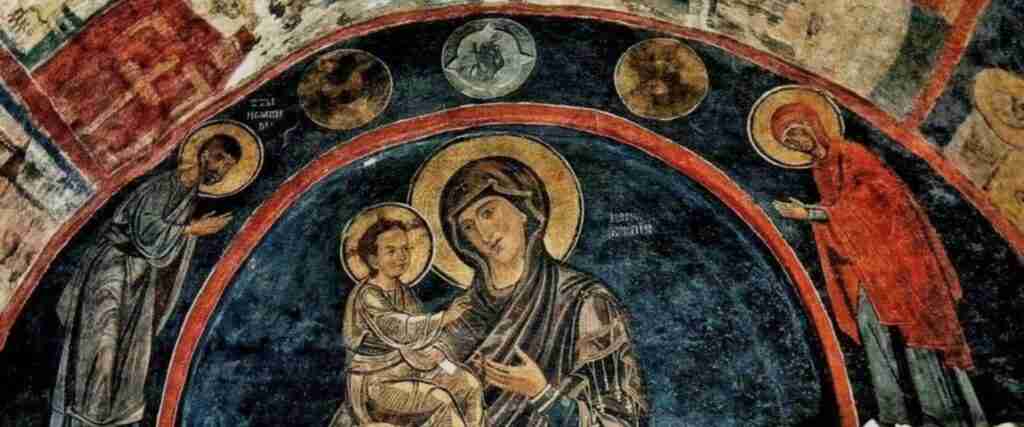
Boyana Church stands as one of Bulgaria’s most extraordinary medieval monuments, housing 13th-century frescoes that predate the Italian Renaissance and revolutionized European art with their unprecedented realism and psychological depth. Located at the foot of Vitosha Mountain on Sofia’s outskirts, this UNESCO World Heritage Site draws art historians and travelers from around the world to witness wall paintings that transformed Eastern Orthodox iconography and influenced the trajectory of Western art.
Key Takeaways: Essential Boyana Church Information
- UNESCO World Heritage Status: Inscribed in 1979 under criteria (ii) and (iii), Boyana Church represents one of the most complete and perfectly preserved monuments of Eastern European medieval art, featuring exceptional frescoes from three distinct historical periods.
- Renaissance Precursor: The 1259 frescoes, created by the anonymous Boyana Master, display humanistic realism, three-dimensional modeling, and emotional depth that anticipate Italian Renaissance art by several decades, painted before Giotto’s birth.
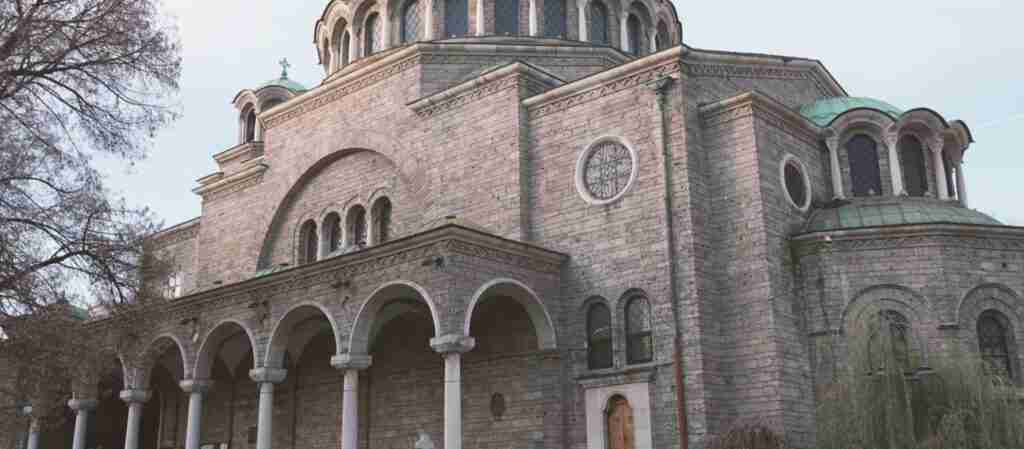
- Three-Part Architectural Ensemble: The complex comprises three buildings from different eras—an 10th-century eastern church, a 13th-century middle section added by Sebastocrator Kaloyan containing the famous frescoes, and a 19th-century western church built during Bulgaria’s National Revival.
- 240 Figures in 89 Scenes: The medieval paintings depict an extensive iconographic program including biblical narratives, patron portraits of Sebastocrator Kaloyan and Desislava, royal images of Tsar Constantine Asen and Tsaritsa Irina, and scenes from the lives of Christ and St. Nicholas rendered with unprecedented individualization.
- Timed Entry System: Visits operate on a structured schedule with groups of 8-10 people admitted every 30 minutes for 10-minute viewing sessions, requiring advance planning during peak periods when queues form outside this small but artistically significant space.
- Easy Sofia Access: Located 8 kilometers from Sofia center in the Boyana district, the church connects via bus 64 from Vitosha Metro Station, with the journey taking approximately 30-40 minutes, or by taxi in 20 minutes for convenient independent exploration.
People Also Ask About Boyana Church Sofia
What makes Boyana Church frescoes so significant in art history?
The 1259 frescoes at Boyana Church revolutionized medieval art by introducing humanistic realism, psychological depth, and individualized portraiture that departed from rigid Byzantine conventions and anticipated Renaissance naturalism. Created by the anonymous Boyana Master and his workshop from the Tarnovo School, these paintings feature three-dimensional modeling of faces and drapery, dynamic poses conveying movement and emotion, and subtle color palettes that create spiritual depth. The donor portraits of Sebastocrator Kaloyan and his wife Desislava rank among the earliest lifelike representations in European medieval art, displaying unique facial features and expressions rather than the stylized, interchangeable faces typical of Byzantine iconography. Art historians consider these frescoes precursors to the Italian Renaissance, painted before Giotto established his revolutionary naturalistic approach, making Boyana Church a crucial link between Byzantine tradition and Western European artistic evolution.
How long does a visit to Boyana Church take?
Interior visits to Boyana Church operate on a timed entry system limiting each group to 10 minutes inside the frescoed spaces, with maximum capacity of 8-10 people at once to protect the delicate medieval paintings from environmental stress. Total visit duration typically spans 45 minutes to 1.5 hours when accounting for travel time from Sofia center (30-40 minutes each direction by public transport), potential queuing time during busy periods, and brief exterior exploration of the church grounds and surroundings. Weekday mornings between 10:00-12:00 generally experience lighter crowds than weekends or afternoons, though summer months and Bulgarian holidays see increased visitor volumes that extend waiting times. The 10-minute interior limit, while brief, provides sufficient time to appreciate the major frescoes when visitors arrive with background knowledge of the iconographic program and artistic significance.
Can you photograph inside Boyana Church?
Photography restrictions inside Boyana Church protect the fragile 13th-century frescoes from light damage and camera flash exposure that accelerates pigment deterioration. Museum staff enforce strict no-photography policies within the frescoed interior spaces, with guards monitoring compliance throughout the brief 10-minute viewing sessions. Exterior photography of the church buildings, grounds, and surrounding landscape remains permitted and encouraged, allowing visitors to capture the architectural context and scenic mountain setting at Vitosha’s foot. The photography ban reflects conservation standards applied to medieval wall paintings worldwide, where cumulative light exposure from millions of camera flashes would irreversibly damage organic pigments that have survived seven centuries. Professional photography requires special permits arranged through the National Museum of History, which administers the site, and typically occurs during closed hours with controlled lighting conditions that minimize conservation risks.
Is Boyana Church worth visiting for non-art specialists?
Boyana Church offers compelling appeal beyond art history specialists through its intimate scale, dramatic mountain setting, accessible location from Sofia center, and tangible connection to medieval Bulgarian culture that makes history feel immediate rather than abstract. The small church interior creates an immersive experience where visitors stand mere feet from 13th-century paintings, experiencing the same spatial relationship medieval worshippers had with these images, unlike large museums where artworks remain distant behind barriers. The donor portraits of Kaloyan and Desislava, royal images, and biblical scenes display such lifelike facial expressions and emotions that even casual viewers recognize the artistic breakthrough these paintings represent, with details like individualized eyes, subtle smiles, and realistic hand gestures that transcend language and specialized knowledge. Combined visits pairing Boyana Church with the nearby National Museum of History (15-minute walk) create a comprehensive half-day cultural experience, while the Boyana neighborhood’s quiet residential character and proximity to Vitosha Mountain hiking trails provide pleasant surroundings that enhance the visit beyond the 10-minute interior viewing.
Extended multi-day tours – 5+ days
Featured Sofia Multi-Day Tour Packages

3 days
Sofia 3-Day Discovery Tour
- ✓ Comprehensive Sofia experience
- ✓ Expert local guides included
- ✓ All accommodation included
- ✓ Transportation provided

5 days
Sofia 5-Day Highlights Experience
- ✓ Comprehensive Sofia experience
- ✓ Expert local guides included
- ✓ All accommodation included
- ✓ Transportation provided
7 days
Sofia 7-Day Cultural Journey
- ✓ Comprehensive Sofia experience
- ✓ Expert local guides included
- ✓ All accommodation included
- ✓ Transportation provided
10 days
Sofia 10-Day Complete Adventure
- ✓ Comprehensive Sofia experience
- ✓ Expert local guides included
- ✓ All accommodation included
- ✓ Transportation provided
Multi-day tour packages powered by TourRadar. Prices and availability subject to change.
Introduction: Bulgaria’s Renaissance Before the Renaissance
Tucked into the Boyana district at the foot of Vitosha Mountain, eight kilometers from Sofia’s bustling center, stands a small medieval church that fundamentally altered the trajectory of European art. Boyana Church, a UNESCO World Heritage Site since 1979, houses wall paintings from 1259 that display humanistic realism, psychological depth, and naturalistic modeling decades before similar breakthroughs appeared in Italian Renaissance art. When the anonymous Boyana Master and his workshop completed these frescoes, Giotto—traditionally credited as the father of Renaissance painting—had not yet been born, making this Bulgarian mountain church a crucial but often overlooked precursor to artistic movements that would reshape Western culture.
The significance of Boyana Church extends beyond its famous 13th-century paintings to encompass an architectural ensemble spanning nearly a millennium. Three distinct buildings from the 10th, 13th, and 19th centuries form an integrated complex that documents Bulgaria’s religious, political, and artistic evolution through medieval glory, Ottoman occupation, and national revival. The eastern church, dating to the late 10th and early 11th centuries, established the sacred site during Bulgaria’s First Empire. The middle section, added in 1259 by Sebastocrator Kaloyan—a nobleman of the Second Bulgarian Empire—contains the world-renowned frescoes and represents the apex of medieval Bulgarian culture. The western church, constructed during the 19th-century Bulgarian National Revival, demonstrates cultural continuity across centuries of foreign domination.
Recognition of Boyana Church’s exceptional artistic and historical value came in 1979 when UNESCO inscribed it on the World Heritage List under criteria (ii) and (iii). Criterion (ii) acknowledges the church’s testimony to significant cultural exchanges with the Byzantine world and its contribution to Eastern European art development. Criterion (iii) recognizes Boyana Church as bearing unique and exceptional testimony to the cultural traditions of the Second Bulgarian Empire, representing one of the most complete and perfectly preserved monuments of medieval art in Eastern Europe. The UNESCO designation reflects art historians’ consensus that these frescoes represent a pivotal moment when rigid Byzantine conventions began yielding to more humanistic artistic approaches that would flower throughout Europe in subsequent centuries.
The paintings themselves represent an iconographic program of extraordinary scope and sophistication compressed into a small sacred space. The 1259 frescoes depict 89 distinct scenes featuring more than 240 human figures across two floors of the middle church section, covering biblical narratives from Christ’s life, extensive cycles from St. Nicholas’s ministry (the church’s patron saint), donor portraits that rank among medieval Europe’s most lifelike representations, and royal images that document 13th-century Bulgarian political power. The artistic style employed by the Boyana Master and his workshop—characterized by the Tarnovo School of painting that flourished in Bulgaria’s medieval capital—introduces individualized facial features, dynamic body poses that suggest movement and emotion, and subtle color modulation creating depth and volume that departed dramatically from the flat, stylized figures dominating contemporary Byzantine art.
Modern visitors encounter Boyana Church through a carefully managed conservation system balancing public access with preservation imperatives. The fragility of 760-year-old tempera and fresco paintings on medieval plaster surfaces necessitates environmental controls that limit interior exposure. Groups of 8-10 visitors enter every 30 minutes for precisely timed 10-minute viewing sessions, creating an intimate but brief encounter with these extraordinary artworks. This constraint, while initially frustrating to travelers accustomed to leisurely museum browsing, ultimately enhances appreciation by focusing attention on the most significant frescoes and creating a sense of privileged access to a precious cultural treasure rather than a commodified tourist attraction.
The church’s location in the Boyana district positions it within Sofia’s broader cultural landscape while maintaining separation from urban intensity. The neighborhood occupies the transitional zone between the capital’s southern suburbs and the lower slopes of Vitosha Mountain, Bulgaria’s most accessible peak and a beloved recreation area for Sofia residents. This geographic positioning makes Boyana Church easily reachable for day visitors while preserving the quiet, almost village-like atmosphere that enhances the sense of stepping back into medieval times. The proximity to the National Museum of History—Bulgaria’s largest history museum located 15 minutes’ walk from the church—enables comprehensive cultural visits combining medieval art, comprehensive Bulgarian historical exhibitions, and mountain scenery in a single half-day or full-day excursion.
Understanding Boyana Church requires situating it within the broader context of medieval Bulgarian civilization at its cultural apex. The Second Bulgarian Empire (1185-1396) represented a period of political power, territorial expansion, and extraordinary artistic achievement that rivaled contemporary Byzantine Constantinople in cultural sophistication. The Tarnovo School of painting, named for the empire’s capital, developed distinctive stylistic approaches that synthesized Byzantine traditions with indigenous Slavic elements and emerging humanistic tendencies that would later characterize the Renaissance. The frescoes at Boyana Church, along with contemporary paintings at other Bulgarian monasteries and churches, document this cultural florescence before the Ottoman conquest interrupted Bulgarian artistic development for five centuries.
The conservation history of Boyana Church’s frescoes illustrates both the vulnerability of medieval wall paintings and the evolution of restoration ethics over more than a century. Initial restoration efforts beginning in 1912 employed techniques considered standard at the time but which later proved problematic, with conservation materials that damaged original pigments or obscured details. Subsequent restoration campaigns in the mid-20th century attempted to remove these earlier interventions while stabilizing deteriorating plaster and paint layers, work complicated by the need to distinguish original 13th-century pigments from later retouching and conservation materials. The comprehensive restoration completed in 2006 by Professor Grigory Grigorov and Vladimir Tsvetkov employed modern scientific analysis and minimally invasive techniques that respected the paintings’ historical integrity while ensuring their long-term survival, allowing the church to reopen to controlled public visitation with the frescoes visible in unprecedented clarity.
UNESCO World Heritage Significance: Criteria and Universal Value
The inscription of Boyana Church on the UNESCO World Heritage List in 1979 during the Committee’s 3rd session formally recognized its outstanding universal value as a cultural monument of exceptional significance to all humanity, not merely Bulgarian national heritage. This designation, one of Bulgaria’s earliest World Heritage inscriptions, acknowledged the church’s role in documenting artistic transitions between Byzantine traditions and emergent Renaissance approaches, positioning these Bulgarian frescoes within the broader narrative of European cultural evolution. The UNESCO reference number 42 places Boyana Church among the initial wave of sites inscribed during the World Heritage Convention’s early years, when the program focused on unquestionably significant monuments whose global importance required no extensive justification.
Criterion (ii) addresses cultural interchange and influence, recognizing Boyana Church’s testimony to significant exchanges of human values over time within the Byzantine cultural sphere while simultaneously documenting the emergence of distinctive artistic approaches that would influence subsequent European art development. The 1259 frescoes demonstrate sophisticated engagement with Byzantine iconographic traditions and painting techniques while introducing innovations in naturalistic representation, psychological characterization, and compositional complexity that departed from rigid conventional formulas. This synthesis of inherited Byzantine knowledge with new humanistic sensibilities created a stylistic bridge between medieval Eastern Orthodox art and the Renaissance naturalism that would transform Western European painting in subsequent centuries. The church’s artistic significance extends beyond passive reception of Byzantine models to active participation in artistic evolution that contributed to broader European cultural development.
Criterion (iii) recognizes Boyana Church as bearing unique or exceptional testimony to a cultural tradition or civilization, specifically the cultural achievements of the Second Bulgarian Empire during its 13th-century apex. The frescoes document the artistic sophistication of medieval Bulgarian civilization at a moment of political power, territorial extent, and cultural confidence, providing visual evidence of a highly developed court culture that patronized ambitious artistic programs rivaling contemporary Byzantine and Western European achievements. The donor portraits of Sebastocrator Kaloyan and Desislava, along with the royal images of Tsar Constantine Asen and Tsaritsa Irina, document the political elite of this medieval state while demonstrating the existence of skilled artistic workshops capable of producing work at the highest international standards. The church stands as tangible testimony to cultural achievements that might otherwise be known only through written chronicles and archaeological remains.
The “outstanding universal value” concept central to World Heritage designation requires demonstrating that a site possesses cultural or natural significance transcending national borders and contemporary generations, belonging instead to the common heritage of all humanity deserving international cooperation for its protection. Boyana Church satisfies this criterion through its role in art historical evolution affecting multiple cultures rather than a single national tradition. The innovations visible in the 1259 frescoes—humanistic portraiture, naturalistic modeling, psychological depth, compositional dynamism—represent artistic breakthroughs relevant to understanding Renaissance art development throughout Europe, not solely Bulgarian medieval painting. This universal significance justifies international interest in the church’s preservation and accessibility, positioning these Bulgarian frescoes within global art history narratives taught in universities worldwide.
The integrity and authenticity requirements for World Heritage status address the extent to which a site retains its original physical fabric, historical associations, and cultural meanings without substantial modern alterations that compromise its heritage value. Boyana Church demonstrates exceptional integrity through the survival of all three architectural components in substantially original condition, with the 1259 frescoes preserved on their original plaster surfaces within the spatial context for which they were created. While inevitable deterioration over seven centuries and past conservation interventions have affected the paintings’ condition, the essential artistic content—composition, iconographic program, stylistic characteristics, and sufficient original pigment to understand the aesthetic intentions—remains legible. The church continues functioning as an active religious site under the Bulgarian Orthodox Church, maintaining the spiritual associations and cultural meanings that motivated its original construction and decoration, though public worship occurs infrequently given conservation requirements.
Protection and management systems implement UNESCO’s expectation that World Heritage Sites receive appropriate legal protection, conservation resources, and management planning ensuring long-term preservation. Boyana Church operates as a branch of the National Museum of History under Bulgaria’s Ministry of Culture, providing institutional support for professional conservation, controlled public access, scientific research, and educational programming. National cultural heritage legislation designates the church as a monument of national significance subject to strict preservation requirements and regulatory oversight. The World Heritage designation adds international monitoring through UNESCO’s periodic reporting system and reactive monitoring when threats arise, creating accountability mechanisms that supplement national protection. The restricted visitor access system limiting interior exposure to brief, controlled sessions reflects conservation-first management prioritizing long-term preservation over maximizing tourism revenue, an approach consistent with UNESCO’s expectation that heritage protection takes precedence over exploitation.
The minor boundary modification inscribed in 2025 adjusted the World Heritage property’s defined extent and buffer zone boundaries to reflect updated understanding of the site’s archaeological context and visual setting requiring protection. This modification expanded the buffer zone to 13.55 hectares surrounding the 0.68-hectare core property, establishing development controls that prevent inappropriate construction or land use changes that would compromise the church’s historical setting at Vitosha’s foot. Buffer zones serve crucial functions in World Heritage management by controlling the visual, environmental, and functional contexts supporting a monument’s outstanding universal value, ensuring that modern development does not create jarring contrasts or environmental pressures that undermine heritage significance. The 2025 boundary modification reflects evolving World Heritage practice emphasizing the importance of protecting cultural landscapes and urban contexts rather than treating monuments as isolated objects divorced from their surroundings.
Historical Context: Second Bulgarian Empire and 13th-Century Culture
The construction and decoration of Boyana Church’s middle section in 1259 occurred during a pivotal moment in the Second Bulgarian Empire’s history, approximately 75 years after the state’s re-establishment following nearly two centuries of Byzantine domination. The empire that emerged in 1185 under the Asen dynasty rapidly expanded to control territories spanning the Balkans from the Adriatic to the Black Sea, rivaling Byzantine power and establishing Tarnovo as a cultural capital that attracted artists, scholars, and craftsmen from across the Orthodox Christian world. By the mid-13th century, when Sebastocrator Kaloyan commissioned the church’s expansion and fresco program, Bulgarian civilization had achieved sufficient political stability, economic prosperity, and cultural confidence to support ambitious artistic patronage that produced monuments rivaling the finest Byzantine achievements.
Sebastocrator Kaloyan occupied a prominent position in the Bulgarian political hierarchy as sebastocrator—a high court title derived from Byzantine administrative nomenclature indicating noble rank just below the ruling tsar. Historical sources identify Kaloyan as potentially the grandson of Sebastocrator Peter, linking him to Bulgaria’s ruling dynasty and explaining his capacity to fund elaborate church construction and decoration requiring substantial financial resources. His wife Desislava appears alongside him in the church’s donor portraits, an inclusion reflecting her significant social status and potentially independent wealth or political connections that made her a co-patron rather than merely accompanying her husband. The couple’s decision to commission such an artistically ambitious program suggests sophisticated cultural engagement and awareness of contemporary artistic developments in Byzantine Constantinople and Crusader-controlled territories following the Fourth Crusade’s disruption of traditional Byzantine patronage networks.
The appearance of Tsar Constantine Asen (r. 1257-1277) and Tsaritsa Irina in the Boyana frescoes documents the relationship between Kaloyan’s patronage and royal power during this specific moment. Constantine Asen Tih ruled during a period of relative stability following his father’s death, though his reign would later face challenges from internal rivals and external pressures from Mongol and Byzantine forces. The inclusion of royal portraits in Kaloyan’s private church demonstrates the sebastocrator’s close relationship with the throne and suggests possible kinship connections, while positioning the church as a monument to Bulgarian royal authority as well as personal piety. The depiction of royal figures in a noble family’s private foundation reflects the medieval practice of legitimizing political power through religious patronage and visual programs that asserted divine sanction for temporal authority.
The Tarnovo School of painting that produced the Boyana frescoes represented the Second Bulgarian Empire’s most significant artistic achievement, developing distinctive stylistic approaches that synthesized Byzantine traditions with innovative tendencies toward naturalism and psychological characterization. Centered in the imperial capital Tarnovo (modern Veliko Tarnovo), this artistic movement emerged during the early 13th century and flourished until the Ottoman conquest in the late 14th century, producing fresco cycles in churches and monasteries across Bulgarian-controlled territories. The Boyana Master, while remaining anonymous despite his extraordinary talent, clearly trained within this artistic tradition and brought its characteristic techniques to bear on Kaloyan’s commission, creating paintings that exemplify the school’s achievements at their apex before political instability and foreign conquest disrupted Bulgarian cultural life.
The 1259 date for the Boyana frescoes carries particular significance in art historical chronology by predating Giotto di Bondone’s revolutionary naturalistic innovations in Italian painting by several decades. Giotto, born around 1267, began his documented artistic career in the 1290s with works like the Assisi frescoes, introducing three-dimensional modeling, psychological depth, and spatial coherence that transformed Western art and launched the Italian Renaissance. The Boyana frescoes’ anticipation of these same innovations by 30-40 years demonstrates that the artistic revolution traditionally attributed to Giotto and Italian masters had parallel or precedent developments in medieval Bulgaria and the broader Byzantine cultural sphere. This chronological priority challenges Eurocentric art historical narratives that position Renaissance naturalism as exclusively Western European innovation, revealing instead complex transcultural artistic exchanges and parallel evolutionary pressures toward more humanistic representation.
The relationship between Boyana’s artistic innovations and the broader phenomenon of the Palaeologan Renaissance situates these Bulgarian paintings within larger Byzantine cultural trends during the 13th-15th centuries. The Palaeologan period (named for the Palaiologos dynasty that restored Byzantine power after the Fourth Crusade) witnessed artistic renewal emphasizing classical models, humanistic representation, and sophisticated pictorial techniques that created the last great flowering of Byzantine culture before the Ottoman conquest. Scholars debate whether the Boyana frescoes represent an early manifestation of Palaeologan artistic tendencies or a parallel Bulgarian development influenced by similar cultural forces. The chronological proximity—Boyana predates the dynasty’s founding in 1261 by two years—suggests that these artistic innovations emerged from broader cultural currents affecting multiple centers simultaneously rather than unidirectional influence from Constantinople to provincial workshops.
The geographical positioning of Boyana Church within Sofia’s environs rather than in the imperial capital Tarnovo reflects complex patterns of medieval Bulgarian urbanization and noble patronage. Sofia (medieval Sredets) functioned as a significant regional center controlling access routes through the Balkans, though it ranked below Tarnovo in political importance during the Second Empire. Kaloyan’s choice to build his private church in Sofia rather than Tarnovo might reflect family landholdings in the region, administrative responsibilities requiring residence there, or strategic considerations positioning him away from potentially dangerous palace intrigues while maintaining proximity to important trade and communication routes. The church’s location at Vitosha’s foot provided practical advantages—fresh mountain water, summer cooling, winter heating from south-facing slopes—while offering symbolic associations between mountain settings and spiritual transcendence common in Orthodox Christian culture.
The medieval period’s devastating conclusion through Ottoman conquest profoundly affected Bulgarian cultural continuity and explains why sites like Boyana Church assume such significance in national consciousness. The Second Bulgarian Empire’s collapse in 1396 inaugurated nearly five centuries of Ottoman domination that suppressed Bulgarian political autonomy, restricted Orthodox Christian institutional development, and interrupted the artistic traditions that had produced monuments like Boyana Church. The survival of these frescoes through this extended period of foreign rule—when many Bulgarian churches were destroyed, converted to mosques, or abandoned—makes them precious documentation of pre-conquest cultural achievements and tangible connections to a medieval past otherwise known primarily through chronicles and ruins. The 19th-century addition of the western church during the Bulgarian National Revival demonstrates how this medieval monument assumed new significance as a symbol of cultural persistence and ethnic identity during the independence movement.
Medieval Architecture: Three Churches, Three Eras
The architectural composition of Boyana Church presents an unusual palimpsest where three distinct building campaigns from different centuries coexist as an integrated whole, each layer documenting shifts in Bulgarian political power, religious practice, and architectural fashion while maintaining functional unity as a single liturgical complex. This accretion of structures across nearly a millennium—from the 10th-century eastern church through the 13th-century middle section to the 19th-century western addition—creates a three-dimensional timeline of Bulgarian medieval and modern history readable through architectural forms, construction techniques, decorative programs, and spatial relationships. The ensemble’s preservation intact with all three components surviving demonstrates remarkable historical continuity despite the political upheavals, foreign occupations, and social transformations that swept Bulgaria across these ten centuries.
The eastern church, dating to the late 10th and early 11th centuries, represents the oldest component and establishes the site’s origins during Bulgaria’s First Empire period before Byzantine conquest temporarily ended Bulgarian independence in 1018. Architectural analysis identifies this structure as following the cross-in-square plan common in Byzantine church architecture, with a central dome supported by four pillars creating the characteristic cross shape within a square footprint, surrounded by lower subsidiary spaces forming narthex, side chambers, and apse. This plan type, ubiquitous across the Orthodox Christian world from Constantinople to Kievan Rus, demonstrates Bulgarian participation in broader Byzantine architectural culture while adapting standard forms to local materials, construction techniques, and worship practices. The church’s modest scale befits a private or village chapel rather than a major urban cathedral, suggesting Boyana functioned as a rural settlement or noble estate during this period rather than a significant administrative center.
Archaeological evidence from excavations under the middle church section revealed a necropolis surrounding the eastern church dating to shortly after its construction, indicating that the site quickly assumed funerary functions alongside liturgical worship. This pattern—establishing burial grounds around newly built churches—typifies medieval Orthodox Christian practice where proximity to sacred space and liturgical prayers offered spiritual benefits to the deceased and their families. The necropolis suggests that the eastern church served a community of sufficient size and stability to develop a consecrated burial ground, implying that Boyana had achieved permanent settlement status by the 11th century. The discovery of this necropolis also explains the middle church’s siting immediately adjacent to the eastern structure rather than on virgin ground, as religious and practical considerations dictated building near established sacred spaces and avoiding disturbance of Christian burials.
The middle church section, added in 1259 by Sebastocrator Kaloyan, constitutes the ensemble’s artistic and architectural centerpiece, housing the world-renowned frescoes that motivated UNESCO inscription and draw contemporary visitors. Kaloyan’s architects designed this addition as a two-story structure erected adjacent to the eastern church’s west facade, creating an expanded liturgical space while preserving the older building rather than demolishing and replacing it—a conservative approach reflecting respect for the site’s established sanctity and possibly canonical restrictions against destroying consecrated churches. The two-story design served specific liturgical and patronage functions, with the ground floor functioning as a burial chapel where Kaloyan and Desislava intended interment, while the upper floor provided additional worship space and housed the main fresco program including the celebrated donor portraits and biblical cycles. This vertical separation of funerary and liturgical functions typifies medieval Orthodox practice in private chapel construction by wealthy patrons seeking to ensure perpetual prayers for their souls in spaces under their family’s control.
The architectural style of the middle church reflects 13th-century Bulgarian building practices characterized by skilled masonry employing local stone and brick in decorative patterns, relatively thick walls providing structural stability and insulation, and compact proportions suited to interior fresco decoration rather than monumental exterior impact. The exterior facade visible today shows alternating courses of stone and brick creating horizontal banding that breaks up wall surfaces while providing aesthetic interest without elaborate sculptural decoration—an approach economical in execution but visually effective. Small windows sized to admit sufficient light for fresco visibility while minimizing heat loss and weathering of interior surfaces pierce the walls at carefully calculated positions, their narrow width and protective depth reflecting practical considerations about Sofia’s winter climate and summer heat. The architectural design prioritizes interior spatial quality and fresco presentation over external monumentality, an appropriate hierarchy for a private chapel where the patron’s primary concern centered on creating suitable settings for the devotional images and liturgical activities occurring within.
The connection between the eastern and middle churches creates an unusual liturgical space where worshippers move between two distinct architectural volumes from different centuries, each with its own fresco program, lighting character, and spatial proportions. The eastern church retains fragments of frescoes dating to the 11th-12th centuries underlying later additions, providing tantalizing glimpses of earlier artistic campaigns that preceded Kaloyan’s famous 1259 commission. These earlier paintings, though poorly preserved compared to the middle church’s frescoes, document continuous artistic engagement with the site across centuries and suggest that Boyana functioned as a significant religious center deserving repeated redecoration even before Kaloyan’s intervention elevated it to exceptional artistic status. The spatial sequence from east to west—following the liturgical orientation toward Jerusalem—creates a chronological progression where visitors symbolically move backward through time as they proceed toward the altar in the oldest church section.
The third church, constructed in the early 19th century during Bulgaria’s National Revival period, represents a dramatically different historical moment when Bulgarian cultural identity reasserted itself under Ottoman rule through church construction, education in Bulgarian language, and revival of historical consciousness linking contemporary Bulgarians to medieval glory. This western addition expanded the complex’s liturgical capacity during a period of Orthodox Christian religious resurgence when Ottoman authorities had relaxed some earlier restrictions on church building, allowing Bulgarian communities to construct or renovate religious structures with less interference. The 19th-century design reflects National Revival architectural characteristics including larger windows admitting more light than medieval structures, somewhat more spacious proportions suited to larger congregations, and decorative elements drawing on Bulgarian folk traditions and romantic medievalism rather than strict Byzantine formulas.
The architectural relationship between the three structures creates practical challenges for conservation and visitor management given their different construction periods, materials, structural conditions, and historical values. The medieval churches (eastern and middle sections) require careful environmental control to preserve their fragile frescoes, necessitating limited interior access, climate monitoring, and restrictions on visitor numbers and behavior. The 19th-century church, while historically significant as a document of the National Revival period, lacks the exceptional artistic merit of the medieval frescoes and receives less stringent conservation attention, sometimes serving as a buffer zone that protects the more sensitive medieval spaces. This hierarchical approach to conservation—prioritizing resources toward the most vulnerable and significant elements while accepting lower protection standards for more robust or less exceptional components—typifies heritage management at complex sites where absolute protection proves financially or practically impossible.
The integration of three distinct architectural periods into a unified complex creates interpretive opportunities and challenges for visitors seeking to understand Boyana Church’s significance. The architectural palimpsest physically embodies Bulgarian historical continuity across political ruptures and cultural transformations, demonstrating how religious sites maintained identity and function even as ruling powers, architectural fashions, and social contexts shifted dramatically. Contemporary interpretation must balance appreciation for each period’s individual architectural and historical interest against the tendency toward fragmented understanding that treats the three churches as separate rather than interdependent components of an evolving whole. The UNESCO World Heritage designation recognizes this integrated character by protecting the entire ensemble rather than only the 13th-century middle church, acknowledging that complete comprehension of Boyana’s significance requires understanding all three building phases and the historical processes they document.
The 1259 Frescoes: Artistic Masterpiece and Historical Document
The wall paintings executed in 1259 within Boyana Church’s middle section represent one of medieval Europe’s most sophisticated fresco cycles, featuring 89 distinct scenes containing more than 240 human figures across an ambitious iconographic program that encompasses biblical narratives, hagiographic cycles, patron portraits, royal images, and liturgical symbolism. The frescoes occupy virtually every interior surface of the two-story middle church—walls, vaults, arches, columns—creating an immersive environment where worshippers and viewers find themselves surrounded by sacred imagery that transforms architectural space into a visual representation of Orthodox Christian theology and cosmology. The density and complexity of this pictorial program, compressed into the relatively small interior volume of a private chapel, demonstrates extraordinary artistic ambition and iconographic sophistication requiring extensive planning, theological consultation, and coordinated execution by multiple painters working under the direction of the master artist.
The anonymous artist responsible for the overall design and finest execution within the fresco program—conventionally known as the Boyana Master though his actual identity remains undocumented—clearly trained within the Tarnovo School tradition that flourished in medieval Bulgaria’s imperial capital during the 13th century. His stylistic characteristics include individualized facial features that depict specific persons rather than generic types, subtle modeling creating three-dimensional volume through light and shadow rather than flat silhouettes, psychological expression conveyed through poses, gestures, and facial details that suggest interior emotional states, and compositional dynamism where figures interact across pictorial space rather than existing in static isolation. These innovations departed significantly from the conservative Byzantine painting conventions that dominated Orthodox Christian art during this period, introducing humanistic elements that anticipated Renaissance naturalism by several decades and demonstrated that artistic evolution toward more realistic representation occurred simultaneously across multiple cultural centers rather than exclusively in Western Europe.
The biblical narrative cycles occupy prominent positions in the church’s iconographic hierarchy, presenting scenes from Christ’s earthly ministry, passion, resurrection, and the lives of the Virgin Mary and various saints according to established Orthodox theological programs. The Life of Christ cycle includes distinctive renditions of familiar events—Nativity, Baptism, Transfiguration, Entry into Jerusalem, Crucifixion, Resurrection—where the Boyana Master’s characteristic psychological realism transforms standardized iconographic formulas into emotionally engaging narratives. The Crucifixion scene, positioned prominently where it would receive maximum liturgical attention, displays the master’s skill at conveying suffering, grief, and spiritual transcendence through facial expressions, body language, and compositional relationships between Christ, the Virgin Mary, St. John, and surrounding figures. Art historians have identified this particular Crucifixion as among the finest examples of its iconographic type in the entire Eastern Orthodox world, combining theological correctness with unprecedented emotional power.
The extensive cycle dedicated to St. Nicholas, the church’s patron saint, illustrates hagiographic narratives depicting the bishop’s legendary acts of charity, miracle-working, and intervention on behalf of imperiled Christians. These scenes include the famous episode of St. Nicholas saving sailors from shipwreck, rendered with remarkable attention to naturalistic detail in the depiction of churning sea waves, storm-tossed vessels, and desperate mariners—a level of maritime realism unusual in medieval painting where symbolic conventions typically trumped observational accuracy. The choice to devote substantial pictorial space to St. Nicholas reflects both the saint’s immense popularity in Orthodox Christianity and the patron Kaloyan’s particular devotion, with the extensive narrative cycle serving as perpetual prayer invoking the saint’s protection for the sebastocrator’s family and demonstrating appropriate veneration of the divine intercessor to whom the church was dedicated. The stylistic quality of these scenes matches the christological cycles, indicating that the Boyana Master personally executed these hagiographic narratives rather than delegating them to workshop assistants.
The donor portraits of Sebastocrator Kaloyan and Sebastokratoritsa Desislava rank among the most celebrated and art-historically significant elements of the entire fresco program, representing the earliest examples of realistic, individualized portraiture in medieval Bulgarian art and among the first such portraits anywhere in medieval Europe. These images, positioned prominently within the pictorial program to affirm the patrons’ piety and social status, depict Kaloyan and Desislava with distinctive facial features, realistic proportions, age-appropriate characteristics, and luxury court costume that suggests actual appearance rather than generic noble types. Kaloyan appears as a mature, serious-faced man with dark hair and beard, dressed in elaborate Byzantine-style court regalia that signals his high rank within the Bulgarian political hierarchy. Desislava presents an equally individualized portrayal showing a woman of comparable social status, her costume and bearing indicating that she participated as an equal co-patron rather than merely accompanying her husband in a subordinate role.
The royal portraits of Tsar Constantine Asen and Tsaritsa Irina integrate Bulgaria’s ruling dynasty into the church’s iconographic program, creating visual parallels between earthly and heavenly hierarchies that legitimize temporal power through association with divine authority. Constantine Asen appears in full imperial regalia including crown and ceremonial vestments that identify him as Bulgaria’s sovereign, while Irina’s equally elaborate costume reflects her status as empress. The inclusion of reigning monarchs in a private noble’s church indicates Kaloyan’s close relationship with the throne and possibly kinship connections, while serving propagandistic functions by visually asserting Bulgarian imperial power at a moment when the Second Empire faced external pressures from Byzantine and Mongol forces. The artistic treatment of these royal figures demonstrates the same individualized realism applied to Kaloyan and Desislava, suggesting that the Boyana Master worked from actual knowledge of his subjects’ appearance rather than painting from generic iconographic models.
The Last Supper composition displays particular art-historical interest through its incorporation of distinctively Bulgarian culinary elements among the food depicted on the apostles’ table. While Byzantine iconographic tradition typically represented the Last Supper with bread, wine, and fish following biblical accounts, the Boyana version includes garlic, onions, and turnips—vegetables common in medieval Bulgarian cuisine but unconventional in religious painting of this scene. This localization of sacred narrative through vernacular detail demonstrates the artistic confidence and cultural pride characterizing the Tarnovo School, where painters felt empowered to adapt imported Byzantine conventions to Bulgarian cultural contexts rather than slavishly copying foreign models. The inclusion of these specific vegetables also provides valuable documentation of medieval Bulgarian diet and agricultural practices, showing how religious art functioned as historical record even when its primary purpose remained theological and devotional.
The technical execution of the frescoes employed both true fresco (buon fresco) applied to wet plaster and tempera additions on dry surfaces, a mixed-media approach that allowed the master to achieve effects impossible through either technique alone. True fresco required rapid, confident execution as the artist worked on freshly plastered sections before drying made the surface unpaintable, producing the durable bond between pigment and plaster that has allowed these paintings to survive seven centuries. Tempera additions applied after the fresco dried enabled finer details, subtle color gradations, and corrections impossible in the rapid fresco technique, though these tempera layers proved more vulnerable to deterioration and required more extensive conservation intervention in modern restoration campaigns. The skillful integration of these two techniques demonstrates the Boyana Master’s technical sophistication and suggests training within an established workshop tradition where such complex technical knowledge passed from masters to apprentices across generations.
The color palette employed throughout the frescoes utilizes earth pigments, mineral colors, and organic dyes that were available to 13th-century painters and have proven relatively stable over centuries of exposure to environmental fluctuations and human use. Reds derived from iron oxides, blues from lapis lazuli or azurite, yellows from ochre, greens from copper compounds, and whites from lime create a harmonious range of hues that balance visual richness with spiritual solemnity. The pigments’ varying stability explains the current condition discrepancies visible across the fresco program, where some colors remain vibrant while others have faded or changed tone through chemical reactions with environmental moisture, carbon dioxide, and pollutants. Conservation analysis has revealed that the original color scheme was considerably brighter than currently visible, with modern restoration attempting to stabilize remaining pigments without attempting to recreate lost visual effects that would introduce inauthentic modern materials into the medieval fabric.
Artistic Techniques and Stylistic Innovation
The revolutionary artistic techniques displayed in the Boyana frescoes fundamentally transformed Orthodox Christian iconography by introducing naturalistic modeling, psychological characterization, and compositional dynamism that departed from rigid Byzantine conventions while remaining theologically orthodox. The Boyana Master achieved this synthesis through technical innovations in figure modeling, spatial construction, color application, and gestural expression that anticipated Renaissance developments in Italian painting by several decades, demonstrating that the artistic evolution toward humanism occurred across multiple cultural centers rather than exclusively within Western European contexts. Understanding these specific technical achievements illuminates why art historians consider these Bulgarian frescoes crucial documents in European artistic development despite their relative obscurity compared to celebrated Italian Renaissance works.
The modeling technique employed throughout the frescoes creates convincing three-dimensional volume through sophisticated manipulation of light and shadow rather than the flat, linear approach characteristic of contemporary Byzantine painting. The Boyana Master built up facial features, drapery folds, and anatomical forms through progressive applications of lighter and darker tones that simulate the way light reveals form in physical space, creating the illusion that painted figures occupy actual three-dimensional space rather than existing as flat patterns on wall surfaces. This chiaroscuro approach—using light-dark contrasts to model form—became a cornerstone technique in Renaissance painting through artists like Masaccio and Leonardo da Vinci, but appears in the Boyana frescoes 150-200 years earlier. The technique’s application required both technical skill in pigment mixing and application and perceptual acuity in observing how light actually interacts with physical forms, suggesting that the master worked from direct observation of human faces and figures rather than copying established iconographic models.
The psychological depth achieved through facial expressions and body language represents perhaps the frescoes’ most revolutionary innovation, introducing individualized emotional states that give painted figures psychological interiority lacking in most medieval religious art. The donor portraits of Kaloyan and Desislava display subtle facial expressions suggesting actual personalities—Kaloyan’s serious, slightly stern demeanor contrasting with Desislava’s softer, more reserved expression—rather than generic noble types. Even more remarkably, biblical and hagiographic figures display emotional differentiation appropriate to narrative contexts: grief-stricken faces in Crucifixion scenes, joyful expressions in Resurrection narratives, contemplative poses in teaching moments, anguished terror among the sailors imperiled at sea. This psychological realism required the artist to understand human emotional expression and to possess sufficient technical skill to convey subtle facial details—slightly raised eyebrows, downturned mouths, direct or averted gazes—that communicate interior states to viewers.
The gestural language employed throughout the figure compositions introduces dynamic movement and interaction between characters that creates narrative flow rather than static iconic presentation. Figures gesture toward each other, reach across compositional space, turn their bodies and redirect their gazes in ways that establish relationships and suggest ongoing action rather than frozen moments. In the St. Nicholas sea rescue cycle, sailors’ desperate reaching motions toward the saint, their twisted body positions suggesting violent ship movements, and varied facial expressions ranging from hope to terror create vivid narrative that engages viewers emotionally rather than simply illustrating textual sources. This compositional dynamism breaks from Byzantine conventions favoring frontal, static, hierarchically arranged figures that emphasized timeless spiritual truths over temporal narrative flow, indicating the master’s willingness to prioritize dramatic storytelling over conservative iconographic correctness when the two conflicted.
The spatial construction throughout the fresco cycles introduces rudimentary perspective and architectural settings that situate figures within coherent pictorial space rather than floating against abstract gold backgrounds typical of Byzantine iconography. While the Boyana Master did not employ systematic mathematical perspective that would be developed in Renaissance Italy, his architectural backgrounds display consistent viewpoints, receding diagonal lines suggesting depth, and overlapping forms that create spatial recession from foreground to background. The Last Supper scene, for example, depicts the apostles gathered around a table shown in approximate three-quarter view with receding orthogonals, situated within an architectural setting whose walls and ceiling establish a coherent interior space. This attention to spatial coherence reflects the same observational approach visible in figure modeling, where the artist sought to recreate the appearance of actual three-dimensional space rather than adhering to conventional symbolic spatial systems.
The drapery treatment throughout the frescoes demonstrates sophisticated understanding of how fabric responds to body movement, gravity, and underlying anatomical forms. The figures’ robes and mantles display naturalistic folds and bunching where fabric gathers, tension lines where garments stretch across bodies, and varied textures suggesting different materials rather than the standardized linear drapery patterns dominating Byzantine figure painting. This textile realism required direct observation of actual clothing rather than copying iconographic formulas, indicating that the master observed how real people’s garments draped and moved as they gestured, walked, and turned. The attention to such mundane physical details in sacred imagery reflects the humanistic tendency toward valuing accurate representation of material reality that would become central to Renaissance artistic philosophy.
The integration of portraiture conventions into religious iconography marks a crucial transition where sacred art begins incorporating secular portrait traditions that documented actual individual appearances. Medieval portraiture, when it existed at all, typically appeared in manuscript illuminations, seals, and coins that served documentary functions rather than in monumental religious painting where theological symbolism trumped individual likeness. The Boyana donor and royal portraits bring portraiture conventions into church decoration at an unprecedented scale and prominence, establishing the practice of inserting contemporary persons into religious narratives that would become common in Renaissance and Baroque religious art. The portraits’ prominent positioning and artistic quality—equal to or exceeding the religious narratives they accompany—signals the patrons’ social confidence and the artist’s recognition that documenting specific historical individuals served legitimate devotional and commemorative functions worthy of his finest technique.
The influence of Palaeologan artistic trends permeates the Boyana frescoes even though they slightly predate the Palaiologos dynasty’s restoration of Byzantine power in 1261. The sophisticated technique, humanistic tendencies, and classical influences visible in the paintings align with the cultural movement that would characterize the Palaeologan period’s artistic renewal, suggesting that these trends emerged from broader cultural forces affecting multiple centers simultaneously rather than being imposed by a single dynastic court. The Boyana Master may have encountered these new stylistic approaches through contact with Constantinople, where similar artistic experiments were occurring, or participated in indigenous Bulgarian artistic development parallel to but not derivative from Byzantine innovations. The chronological proximity complicates determining precise influence directions but demonstrates that 13th-century Orthodox Christian culture experienced widespread artistic ferment producing similar innovations in multiple locations.
The workshop organization implied by the frescoes’ varying quality levels across different sections indicates that the Boyana Master directed a team of assistants who executed portions of the program under his supervision while he personally painted the most important elements requiring his superior skill. The finest execution—donor portraits, royal images, key christological scenes, prominent saints—displays the sophisticated technique and psychological depth characteristic of the master, while some subsidiary decorative elements show competent but less inspired execution suggesting assistant work. This hierarchical workshop structure typified medieval artistic production where established masters trained apprentices, delegated routine tasks while reserving crucial artistic decisions and difficult passages for themselves, and developed recognizable “house styles” that united diverse hands’ work into coherent aesthetic wholes. The workshop’s capacity to execute such an ambitious program within the limited time available—fresco painting’s technical requirements dictate rapid execution while plaster remains workable—indicates an experienced, well-organized team rather than a single artist working alone.
Conservation and Preservation: Protecting Seven Centuries of Art
The survival of the Boyana Church frescoes across more than seven centuries represents an extraordinary conservation success story complicated by historical accidents, well-intentioned but sometimes problematic early interventions, and modern scientific approaches balancing preservation imperatives with public access. The fragility of medieval wall paintings created through water-based pigments applied to lime plaster surfaces makes their deterioration inevitable absent careful environmental control and minimal physical disturbance, yet these particular frescoes have endured Ottoman occupation, climatic extremes, structural shifts, air pollution, and millions of visitor breaths releasing moisture and carbon dioxide into confined spaces. Understanding the conservation history illuminates both the threats facing medieval art and the evolving ethics and techniques preservationists employ when intervening in irreplaceable cultural treasures.
The earliest documented conservation campaign began in 1912 when Bulgarian authorities recognized the frescoes’ exceptional significance and initiated efforts to stabilize deteriorating paint layers and consolidate failing plaster. These pioneering efforts employed techniques considered standard during the early 20th century but which subsequently proved problematic, including the application of organic consolidants that darkened over time, obscured original colors, and complicated future conservation work. The conservators working in 1912 lacked access to modern scientific analysis techniques that would have revealed the frescoes’ complex stratigraphy—multiple painting layers from different periods—and the chemical composition of original materials, leading them to make well-intentioned decisions that inadvertently introduced materials incompatible with medieval painting technology. The darkening and discoloration caused by these early consolidants remained visible for decades, distorting perceptions of the frescoes’ original appearance and requiring later conservators to develop methods for safely removing problematic 1912-era materials without damaging underlying medieval paint.
Subsequent conservation efforts through the mid-20th century focused on removing previous interventions while stabilizing the paint layers and plaster substrate using materials and techniques informed by advancing scientific understanding of medieval painting technology. Conservator Lozinka Koynova from Bulgaria’s National Institute for Cultural Monuments played a pivotal role in this work, applying emerging conservation science to analyze the frescoes’ physical and chemical condition, test cleaning and consolidation materials for compatibility with medieval substrates, and develop protocols for minimal intervention that respected the paintings’ historical integrity. This mid-century work established principles that would guide subsequent conservation campaigns: preference for reversible materials and techniques allowing future treatment modifications as knowledge advances, documentation of all interventions creating permanent records of conservation decisions and their rationales, and scientific analysis before intervention to understand what exists and how materials behave rather than proceeding on assumptions or tradition.
The comprehensive restoration completed in 2006 by Professor Grigory Grigorov and Vladimir Tsvetkov employed the most advanced scientific analysis and conservation techniques available at that time, producing the frescoes’ best condition since their medieval creation and establishing protocols for their ongoing maintenance. This decade-long project utilized non-invasive scientific analysis including X-ray fluorescence spectroscopy identifying original pigment compositions, infrared reflectography revealing underdrawing and compositional changes, stratigraphic analysis determining the sequence and nature of paint layers, and environmental monitoring documenting temperature, humidity, and pollutant fluctuations affecting paint stability. The actual conservation interventions proceeded with extreme caution, removing only materials definitively identified as later additions causing damage, consolidating fragile paint layers using modern conservation-grade materials tested for long-term stability, and resisting temptation to “complete” damaged areas through speculative repainting that would introduce modern interpretations into medieval fabric.
The 2006 restoration’s ethical approach prioritized preserving all surviving original material and making conservation interventions visually distinguishable from medieval painting upon close examination, following international conservation standards codified in documents like the Venice Charter that govern intervention in historic monuments. This philosophy rejects earlier restoration practices that attempted to recreate “complete” original appearances through speculative repainting filling losses with new imagery matching surrounding medieval work—an approach now recognized as falsifying historical evidence and imposing modern aesthetic preferences on incomplete but authentic remains. The current presentation at Boyana Church displays conservation interventions through subtle visual differentiation: areas where original paint has disappeared show the underlying plaster surface rather than speculative repainting, while consolidation of fragile paint uses materials that slightly alter surface sheen, creating texture differences visible to trained eyes that distinguish conserved areas from unretouched originals.
The environmental control system implemented following the 2006 restoration represents crucial infrastructure protecting the frescoes from their primary ongoing threat: fluctuations in temperature and relative humidity that cause plaster and paint to expand and contract at different rates, progressively loosening paint from its substrate and creating flaking and loss. The system maintains interior conditions within narrow parameters—temperature variations limited to 2-3 degrees Celsius daily, relative humidity controlled between 50-60%, and monitoring of pollutants including sulfur dioxide and particulates from outdoor urban air pollution. Achieving this stable environment requires balancing conservation needs against the building’s medieval architecture lacking modern climate control infrastructure, necessitating careful integration of modern mechanical systems that provide necessary environmental control without compromising the structure’s historical integrity or introducing moisture-generating equipment that could worsen the problems it’s meant to solve.
The visitor access restrictions limiting interior exposure to groups of 8-10 people for 10-minute sessions represent a crucial conservation strategy managing the single greatest ongoing threat to the frescoes: human breath. Each person exhales roughly 400-500 milliliters of water vapor per minute, and in the church’s confined interior volume, even small groups rapidly increase relative humidity to levels that accelerate paint deterioration. The brief visit duration and small group sizes limit cumulative moisture exposure while allowing thousands of annual visitors without causing unacceptable conservation damage. This access restriction frustrates some visitors who desire more leisurely contemplation, but reflects the reality that maximizing tourism revenue and maximizing preservation are fundamentally incompatible goals requiring management decisions about which value takes precedence. The UNESCO World Heritage designation and Bulgarian national heritage law clearly establish conservation priority, making restricted access both legally mandated and ethically justified.
The ongoing monitoring program tracks the frescoes’ condition through regular professional examination, photographic documentation creating permanent records enabling comparison across years to detect progressive deterioration, and scientific analysis investigating specific conservation concerns as they emerge. Annual condition assessments by qualified painting conservators identify any new areas of concern requiring intervention, ensuring that small problems receive attention before developing into major conservation crises requiring expensive emergency stabilization. The photographic archive accumulated over decades creates an irreplaceable resource documenting how the frescoes have changed across recent history, providing data for understanding deterioration mechanisms and evaluating whether current conservation protocols effectively slow damage or require modification. This long-term monitoring reflects contemporary conservation philosophy emphasizing preventive care and early intervention over crisis response and major restorations.
The tension between preservation and access creates ongoing management challenges as tourism to UNESCO World Heritage Sites continues growing globally, with visitors increasingly expecting close access and extended viewing times that conflict with conservation requirements. Boyana Church exemplifies how heritage managers navigate these competing demands through education, infrastructure, and regulation. The visitor center provides extensive interpretive materials including high-resolution photographs showing fresco details impossible to see from floor level, video presentations explaining the paintings’ significance and conservation challenges, and replicas allowing tactile exploration prohibited inside the church. This rich interpretive infrastructure attempts to satisfy visitors’ desire for comprehensive understanding while maintaining the strict access limitations that conservation requires, though some visitors inevitably leave disappointed that their brief interior glimpse didn’t match expectations formed by unlimited museum access elsewhere.
Visitor Information: Planning Your Visit to Boyana Church
Visiting Boyana Church requires advance planning and realistic expectations about the experience’s nature and constraints, as the site’s exceptional conservation requirements and small physical scale necessitate visitor management systems that differ substantially from typical museum or tourist attraction operations. The timed entry system limiting groups to 10-minute interior sessions means that visits operate more like theatrical performances with scheduled showtimes than self-guided museum browsing where visitors control their own pace and duration. Understanding these constraints before arrival prevents disappointment and allows proper scheduling to maximize the brief but meaningful encounter with these extraordinary medieval paintings. The visit’s brevity should not discourage potential visitors, as the concentrated artistic quality and intimate scale create surprisingly powerful experiences despite the time limitation.
The church operates with seasonal opening hours reflecting Bulgaria’s climate and visitor patterns: 9:30 AM to 6:00 PM during the summer season (April through October) and 9:00 AM to 5:30 PM during winter months (November through March). These hours accommodate the longest daylight periods and pleasant weather conditions when most international tourism occurs while accepting reduced visitation during cold winter months when few travelers visit Sofia. The earlier winter closing time reflects both shorter daylight hours and practical considerations about heating the ticket office and visitor facilities during extended hours when visitor volume doesn’t justify the operational costs. Visitors should note that these are general guidelines and actual hours may vary on specific dates due to Bulgarian holidays, religious observances (the church remains an active Orthodox Christian site), or conservation requirements requiring temporary closures. Calling ahead to confirm opening hours or checking the National Museum of History’s official website before visiting prevents wasted journeys.
Admission tickets cost 12 BGN (Bulgarian lev) for adults, equivalent to approximately €6 at current exchange rates, positioning Boyana Church at the lower end of pricing for major European cultural attractions. This modest fee reflects Bulgarian museum admission pricing standards generally lower than Western European equivalents while providing sufficient revenue to support the site’s substantial conservation and operational costs. Children typically receive discounted admission or free entry depending on age, though specific policies should be verified at the ticket office as pricing structures occasionally change. Students with valid identification cards and seniors qualify for reduced rates, continuing the standard European practice of making cultural heritage more accessible to populations with limited incomes. The admission price includes the brief interior viewing but does not cover optional audio guides or printed materials available for purchase separately at the ticket office.
A combined ticket option providing entry to both Boyana Church and the National Museum of History offers excellent value for visitors interested in comprehensive Bulgarian historical and cultural context. The National Museum of History, Bulgaria’s largest history museum located 15 minutes’ walk from Boyana Church, houses extensive collections documenting Bulgarian civilization from prehistoric times through the modern era, including medieval artifacts contextualizing the Second Bulgarian Empire period when the frescoes were created. This combined ticket encourages visitors to dedicate a full half-day to the area rather than making quick isolated stops, while the modest additional cost over single-site admission makes the comprehensive visit economically attractive. The two sites’ proximity and complementary collections create a coherent cultural itinerary covering medieval art in situ at Boyana Church and broader historical context at the museum.
Free admission on the last Monday of each month democratizes access by ensuring that residents and visitors lacking funds to pay standard admission can still experience this UNESCO World Heritage Site. This policy, common at museums and cultural sites across Europe, reflects the principle that public heritage sites supported through government funding should provide regular free access opportunities for citizens regardless of economic status. Visitors planning to take advantage of free admission days should anticipate significantly larger crowds than typical paid days, with waiting times potentially extending to an hour or more as the timed entry system maintains the same small group sizes and 10-minute visit durations regardless of total visitor volume. The increased crowding on free days may compromise the contemplative viewing experience that makes Boyana Church special, suggesting that visitors willing to pay the modest admission fee might prefer visiting on standard paid days for more relaxed conditions.
The timed entry system operates through 30-minute time slots accommodating multiple small groups sequentially entering and exiting the frescoed spaces. Visitors arriving at the ticket office receive assignment to the next available time slot, which during busy periods might be 30-60 minutes in the future, requiring patience or willingness to explore the church exterior and surrounding grounds while waiting. This waiting period actually provides opportunities for exterior photography, reading interpretive materials in the visitor center, exploring the small museum exhibition documenting the church’s history and conservation, or simply relaxing in the pleasant wooded setting at Vitosha’s foot. The 10-minute interior duration, while seemingly brief, actually provides adequate time to appreciate the major frescoes when visitors arrive with background knowledge about what they’re seeing and which elements deserve focused attention.
Photography restrictions inside the church protect the medieval frescoes from cumulative light damage and flash exposure that would accelerate irreversible pigment deterioration. Museum staff strictly enforce no-photography policies within the frescoed interiors, with guards monitoring compliance throughout the brief viewing sessions. Visitors caught attempting to photograph face warnings and potential removal without refund, as the conservation requirements underlying these restrictions are non-negotiable regardless of visitors’ desires to capture images. The frustration many visitors feel about photography bans reflects contemporary cultural expectations that experiences should be documented and shared digitally, but the frescoes’ irreplaceable nature and demonstrated vulnerability to light exposure justify strict enforcement despite visitor disappointment. The ticket office and visitor center sell high-quality postcards and books with professional photographs showing fresco details impossible to capture with personal cameras, providing alternative documentation options.
Exterior photography remains permitted and encouraged, allowing visitors to document the church buildings, surrounding landscape, and their own presence at this UNESCO World Heritage Site without conservation conflicts. The exterior photo opportunities include the church’s modest but attractive medieval and 19th-century facades, the wooded mountain setting with Vitosha’s slopes rising above, and the broader Boyana neighborhood context. These exterior images, while lacking the artistic drama of the interior frescoes, document the visit and provide context about the site’s physical setting and architectural character that interior photography alone would miss. Serious photographers interested in capturing the frescoes’ details for study or publication can arrange professional photography sessions through the National Museum of History, though these require advance scheduling, special permits, and fees reflecting the administrative complexity and conservation concerns about extended light exposure.
The optimal visiting times balancing crowd avoidance with practical considerations typically occur on weekday mornings between 10:00 AM and 12:00 noon when most tour groups haven’t yet arrived but the church has been open long enough to work through any early opening queues. Summer weekends see the heaviest visitation as international tourists combine Boyana Church with broader Sofia exploration, while winter weekdays offer the quietest conditions for visitors tolerant of colder weather and shorter daylight hours. Bulgarian public holidays create surge visitor volumes as domestic tourists have free time for cultural excursions, suggesting that foreign visitors should check Bulgarian holiday calendars and avoid these dates if crowd avoidance ranks as a priority. Spring and autumn shoulder seasons provide pleasant weather without peak summer crowds, making these perhaps the ideal times for relaxed visits.
Getting There: Transportation from Sofia Center
Reaching Boyana Church from Sofia’s city center involves navigating approximately 8 kilometers of urban and suburban territory through transportation options ranging from budget public buses requiring transfers and planning to convenient taxis providing door-to-door service in 20 minutes. The multiple route options accommodate different budgets, time constraints, and comfort preferences, though all require accepting that the church’s location in a quiet residential district necessitates some transportation effort rather than the walkable access enjoyed by Sofia’s central attractions. Understanding the transportation options and their practical realities allows visitors to make informed decisions about which approach suits their circumstances, skills with public transport in unfamiliar cities, and tolerance for navigation challenges versus direct payment for convenience.
Bus 64 represents the primary public transportation option for independent travelers seeking budget-friendly access to Boyana Church without hiring taxis or renting cars. This bus route connects the Boyana district with Sofia’s southern neighborhoods and metro system, running approximately every 15-20 minutes during daytime hours from early morning until early evening. However, bus 64 does not originate in Sofia’s city center, requiring travelers staying in central locations to first reach one of the route’s major connection points before boarding the Boyana-bound bus. This two-stage journey—central Sofia to bus 64 connection point, then bus 64 to Boyana—adds complexity but remains highly economical compared to taxis and provides authentic local transportation experience for travelers who enjoy using public systems rather than isolating themselves in private vehicles.
The most commonly recommended connection point for reaching bus 64 involves taking Sofia’s Metro Line 2 to Vitosha station, located near Paradise Mall in the city’s southern suburbs. From central Sofia locations like the Serdika metro station near the city center, the Line 2 journey to Vitosha station takes approximately 15 minutes, after which passengers exit the metro station and find the bus stops serving bus 64 and other routes serving the Boyana area. The Paradise Mall provides a clear landmark for navigation and offers facilities including restrooms, cafes, and shops useful for travelers managing layover time between metro and bus connections. The combined metro-to-Vitosha plus bus 64 journey typically totals 35-45 minutes depending on connection timing, making this a reasonable though not instantaneous option for reaching the church.
Alternative public transport routes involve bus 107, which also serves the Boyana area and can be reached through different connection points from central Sofia. Bus 107 terminates near Boyana Church, potentially providing more direct final approach than bus 64 depending on the specific church entrance and bus stop locations. Travelers can access bus 107 via connections from tram lines 5 or other bus routes, though the precise connection sequences vary based on starting locations in central Sofia. The multiple possible route combinations create confusion for first-time visitors unfamiliar with Sofia’s public transport geography, suggesting that travelers uncomfortable with complex urban transit navigation might prefer the simpler metro-to-Vitosha-to-bus-64 route or the straightforward convenience of taxi service.
Public transport tickets in Sofia operate on a flat-rate system where a single ticket covers one journey regardless of distance, with tickets purchased before boarding from kiosks, convenience stores, or automated machines at metro stations. As of current information, single-journey tickets cost 1.60 BGN while day passes offering unlimited travel cost 4 BGN, making the day pass economically attractive for travelers making multiple journeys including the round trip to Boyana Church plus other Sofia exploration. Passengers must validate tickets upon boarding buses by inserting them into yellow or grey validation machines inside vehicles, with inspectors randomly checking compliance and issuing substantial fines to those without valid tickets. The ticket system’s simplicity compared to some European cities where complex zone systems prevail makes Sofia public transport relatively accessible to foreign visitors willing to purchase tickets in advance and remember to validate them.
Taxi service from central Sofia to Boyana Church provides the simplest and most time-efficient transportation option at modest cost by Western European standards. Reputable taxi companies charge approximately 15-20 BGN (€8-10) for the journey from central Sofia hotels to Boyana Church, taking roughly 20 minutes depending on traffic conditions. This straightforward approach eliminates the navigation complexity, transfer waiting times, and crowding potential of public transport while providing door-to-door convenience particularly valuable for travelers with limited time, mobility constraints, or aversion to using unfamiliar public transport systems. Visitors should use established taxi companies like Yellow Taxi (+359 2 91119) rather than hailing unmarked vehicles, as Sofia experiences occasional taxi scams targeting tourists through unlicensed operators charging inflated rates or taking unnecessarily long routes.
Rideshare services including Uber and Bolt operate in Sofia and provide alternatives to traditional taxis with transparent pricing, GPS tracking, and cashless payment that some travelers prefer for convenience and reduced scam potential. These services typically charge similar rates to metered taxis for the Boyana Church journey while offering the security of predetermined pricing and electronic payment eliminating concerns about cash availability or currency exchange confusion. The rideshare app interfaces in multiple languages remove language barriers that might complicate communication with taxi drivers, though this convenience comes at the cost of requiring smartphone internet access and comfort with app-based services that some travelers—particularly older visitors—may lack.
Organized tours from Sofia combining Boyana Church with the Rila Monastery—Bulgaria’s most famous monastery and a separate UNESCO World Heritage Site—provide comprehensive full-day cultural experiences for travelers preferring structured group tours over independent exploration. Multiple tour operators offer these combined itineraries departing from central Sofia hotels or meeting points like Alexander Nevsky Cathedral, providing transportation, guided commentary, and sometimes lunch while visiting both UNESCO sites in a single day. These tours typically cost €40-60 per person depending on group size and inclusions, representing premium pricing compared to independent public transport costs but offering value through expert guidance, elimination of navigation stress, and efficient time management visiting two major attractions requiring substantial travel distances. The tours’ long duration—typically 8-10 hours—requires full-day commitment but maximizes cultural content for travelers with limited time in Bulgaria who want to see multiple major sites without planning individual trips.
The return journey to Sofia center reverses the outbound route using the same transportation options, with travelers needing to account for Boyana Church’s location requiring slightly uphill walking from bus stops to the entrance. The bus stop locations mean visitors should confirm correct stops for return journeys rather than assuming they board at the same location where they alighted when arriving. Taxis wait near the church entrance during busy periods, providing convenient return options for visitors who used public transport for outbound journeys but prefer paying for direct return convenience after their visit. The modest additional taxi cost for the return leg often proves worthwhile given fatigue after walking and standing during the church visit, particularly during hot summer weather or for older travelers for whom the multi-stage public transport journey presents greater challenges than for younger, more mobile visitors.
Beyond the Frescoes: Exploring Boyana Neighborhood and Vitosha Mountain
The Boyana district surrounding the church offers pleasant exploration opportunities beyond the brief interior fresco viewing, with the National Museum of History, mountain hiking trails, traditional restaurants, and residential Sofia life providing context about contemporary Bulgarian culture and lifestyle that complements the medieval artistic encounter. Allocating several hours for comprehensive Boyana area exploration rather than rushing directly back to central Sofia after the 10-minute church visit creates more satisfying cultural experiences and justifies the transportation effort required to reach this peripheral location. The neighborhood’s character—quiet residential streets, mountain backdrop, lack of commercial tourist infrastructure—provides refreshing contrast to central Sofia’s urban intensity while demonstrating how ordinary Bulgarians live in pleasant suburban settings rather than the tourist-focused downtown areas many foreign visitors exclusively experience.
The National Museum of History, located 15 minutes’ walk uphill from Boyana Church on Vitosha’s lower slopes, houses Bulgaria’s most comprehensive historical collections spanning from prehistory through the modern era across extensive exhibition galleries. The museum occupies a former Communist-era state residence, a modernist complex whose architecture itself documents recent Bulgarian history while providing spacious, well-lit exhibition spaces for thousands of artifacts. The medieval galleries contain particularly relevant material contextualizing the Second Bulgarian Empire period when Boyana Church’s frescoes were created, including religious metalwork, manuscript illuminations, architectural fragments from Tarnovo, and historical documentation about figures like Sebastocrator Kaloyan and Tsar Constantine Asen. The museum’s breadth—prehistory, Thracian civilization, Roman Bulgaria, medieval empires, Ottoman period, National Revival, 20th century—provides comprehensive overview of Bulgarian history impossible to gain from isolated site visits, making the combined Boyana Church-National Museum itinerary particularly valuable for first-time visitors seeking foundational understanding of Bulgarian civilization.
Vitosha Mountain, rising immediately behind Boyana Church to elevations exceeding 2,200 meters at Cherni Vrah peak, functions as Sofia’s backyard wilderness providing accessible hiking, mountain biking, nature appreciation, and winter sports within 30 minutes of the city center. The mountain’s lower slopes where Boyana Church sits offer gentle walking trails through deciduous and coniferous forests with minimal elevation gain suitable for casual hikers, while higher elevations challenge experienced mountain enthusiasts with substantial vertical ascent and alpine conditions. The combination of cultural monument visiting and mountain recreation creates distinctive full-day itineraries difficult to replicate in most European capitals, where urban cultural attractions typically lack immediate access to substantial wilderness areas. Visitors with appropriate footwear and clothing can transition directly from art historical contemplation to forest hiking without returning to central Sofia, though the church’s formal indoor environment suggests changing shoes and perhaps clothing between cultural visit and mountain activity.
Local restaurants in the Boyana neighborhood serve traditional Bulgarian cuisine in more authentic contexts than tourist-focused establishments in central Sofia’s pedestrian zones. These neighborhood restaurants cater primarily to local residents rather than international visitors, offering menus in Bulgarian with limited or absent English translations, lower prices than tourist areas, and cooking styles reflecting regional home-cooking traditions rather than modified versions adapted to foreign palates. The traditional Bulgarian foods—shopska salad, banitsa pastry, grilled meats, yogurt-based dishes, strong coffee—provide cultural immersion complementing the historical and artistic experiences at Boyana Church. The restaurants’ informal atmosphere and local clientele create opportunities for cultural observation and potentially interaction with Bulgarian residents if language barriers can be navigated through gestures, translation apps, or friendly attempts at communication transcending linguistic differences.
The residential character of the Boyana district illustrates contemporary Bulgarian upper-middle-class suburban life, with well-maintained houses, landscaped gardens, newer vehicles, and general prosperity indicators suggesting this neighborhood attracts successful Sofia professionals seeking quiet living environments away from urban density. The contrast between Boyana’s prosperity and some Sofia central neighborhoods reflects Bulgaria’s economic development patterns since Communist collapse in 1989, with wealth increasingly concentrated in suburban and mountain-adjacent districts like Boyana while some inner-city areas experience disinvestment. This socioeconomic geography provides context for understanding contemporary Bulgarian society beyond the tourist-focused narratives about medieval glory and Communist legacy that dominate foreign visitors’ historical understanding, revealing the lived reality of successful Bulgarians in a country that remains among the European Union’s poorest members despite three decades of market economic development.
The combination of cultural monument, major museum, mountain recreation, and authentic neighborhood character makes the Boyana area capable of supporting full-day visits rather than rushed two-hour excursions. Suggested itineraries might include: morning museum visit while fresh and able to absorb comprehensive historical information, midday lunch at a traditional restaurant, early afternoon Boyana Church visit avoiding late-day crowds, and late afternoon hiking on lower Vitosha trails while weather remains pleasant. This pacing distributes the day’s activities to prevent cultural fatigue from excessive museum time while allowing proper attention to each component rather than rushing through multiple sites superficially. The itinerary’s flexibility accommodates different interests and energy levels, with less mobile or less museum-enthusiastic travelers skipping the museum in favor of extended restaurant time or shorter nature walks, while highly motivated cultural tourists might add additional Sofia attractions during return journeys to the city center.
Photography Guide: Capturing Medieval Beauty
The strict interior photography ban at Boyana Church challenges travelers accustomed to documenting every cultural experience digitally, requiring alternative approaches to creating meaningful visual records of visits while respecting conservation imperatives that override personal preferences for photographic documentation. Understanding the rationale for photography restrictions—cumulative light damage from millions of camera flashes would irreversibly deteriorate 760-year-old organic pigments—helps visitors accept these constraints as necessary rather than arbitrary obstacles to their documentation desires. The photography ban ultimately serves visitor interests by ensuring that future generations experience essentially the same frescoes today’s visitors see rather than finding faded, damaged remains degraded through excessive light exposure prioritizing contemporary documentation over long-term preservation.
Exterior photography opportunities allow documenting the visit’s context if not its artistic centerpiece, with the church’s modest medieval and 19th-century facades, wooded mountain setting, and seasonal landscape changes providing attractive compositions that establish the site’s physical character and geographic context. The best exterior photography occurs during late morning and late afternoon when angled sunlight creates texture-revealing shadows on the church’s stone and plaster facades, while midday overhead sun produces flat, shadowless lighting that minimizes architectural detail and reduces visual interest. Seasonal timing dramatically affects landscape photography, with autumn foliage providing vibrant color backgrounds, winter snow creating stark monochromatic compositions emphasizing the church’s isolation and ancient character, spring wildflowers adding foreground interest, and summer greenery providing lush but sometimes monotonous backgrounds that require careful composition to avoid visual confusion.
The prohibition on tripods and professional photography equipment on the church grounds without special permits reflects both crowd management concerns—tripods create obstacles in the small interior spaces and exterior pathways—and desire to distinguish casual visitor photography from commercial image-making that might generate revenue from photographs taken on public heritage sites. Serious photographers interested in producing publication-quality images or extended photographic projects must arrange professional photography permits through the National Museum of History, typically requiring substantial advance notice, documentation of the project’s purpose, payment of permit fees, and acceptance of restrictions about image usage and commercial exploitation. These permit requirements protect the site from exploitation while allowing legitimate artistic, educational, and research photography that benefits broader public understanding of the monument’s significance.
Alternative documentation approaches include purchasing high-quality postcards, books, and art prints from the visitor center, which feature professional photographs taken under controlled lighting conditions by photographers with proper training in heritage photography who understand how to minimize conservation risks while capturing optimal fresco details. These commercially produced images typically show superior quality compared to personal photographs taken quickly in crowded conditions without professional lighting, making them better visual records than most visitors could capture even if photography were permitted. The purchase of official photographic products also provides direct financial support to the church’s conservation and operation, creating alignment between visitors’ documentation desires and the site’s funding needs rather than the conflict generated when personal photography satisfies documentation desires without contributing financially to conservation.
Sketch drawing remains permitted inside the church and offers artistic visitors alternative documentation methods that create personal connections with the frescoes while avoiding the conservation risks associated with photography’s cumulative light exposure. Art historians and students traditionally documented monuments through careful drawings before photography became universal, producing visual records that often captured essential artistic character more effectively than mechanical photographs focused on literal surface appearance rather than understanding underlying artistic structure and technique. The 10-minute visit duration limits detailed drawing but allows quick sketches capturing compositional relationships, facial expressions, or color notes that trigger memory and provide frameworks for more complete drawings created after visits from memory supplemented by commercially available photographic references. The drawing process forces slower, more careful observation than photography’s quick snapping, potentially creating deeper engagement with and memory of the artistic content.
Combining Visits: Boyana Church and Rila Monastery Day Trips
The combination of Boyana Church and Rila Monastery in single-day itineraries represents Bulgaria’s most efficient UNESCO World Heritage cultural experience, pairing two completely different monument types—intimate medieval church versus sprawling monastic complex—that together document Bulgarian religious art and architecture across different scales and historical periods. Rila Monastery, Bulgaria’s most famous and photographed monument, sits approximately 120 kilometers south of Sofia in the Rila Mountains, requiring two hours’ driving each direction and creating full-day commitments when combined with Boyana Church visits. The two sites’ contrasting scales and settings—Boyana’s small church in quiet Sofia suburbs versus Rila’s fortress-like monastery complex in remote mountain wilderness—provide complementary experiences that together create comprehensive understanding of Bulgarian medieval religious culture impossible to achieve through either site alone.
Organized tours represent the practical default for visiting both sites in one day given the substantial distances involved, complex navigation through unfamiliar Bulgarian roads, and time efficiency gained through professional driver-guides who know optimal routes and can provide historical commentary during transit periods. Tour operators offer various formats including budget bus tours with large groups, small-group minivan tours with more personalized service, and private tours for couples or families wanting maximum flexibility. The tours typically depart Sofia between 8:00-9:00 AM, visit Boyana Church first as it’s closest to the capital, then drive two hours to Rila Monastery for afternoon exploration before returning to Sofia around 6:00-7:00 PM. This schedule maximizes actual monument time while accepting that substantial portions of the day involve sitting in vehicles during mountain driving that, while scenically attractive, doesn’t provide cultural content equivalent to time at the monuments themselves.
Independent travelers with rental cars can execute these combined itineraries with greater flexibility but must accept navigation challenges, parking uncertainties, and time management responsibilities that organized tours eliminate. The driving from Sofia to Rila Monastery follows well-maintained roads through attractive mountain landscape, though some sections feature narrow lanes, steep grades, and hairpin curves requiring confident driving skills and attention to local traffic customs that may differ from visitors’ home countries. The independent approach allows departing Sofia earlier than group tours typically leave, potentially reaching Boyana Church right at opening time when crowds are minimal, and permits adjusting time allocation between sites based on personal interest rather than following predetermined tour schedules. The flexibility comes at the cost of driving stress, reduced historical commentary (unless using audio guides or hiring private guides at each site), and lack of social interaction with other travelers that makes tour buses congenial for solo travelers seeking companionship.
The substantial time required for the combined itinerary raises legitimate questions about whether attempting both sites in one day provides sufficient quality time at each location or whether the logistics and transit time create rushed, superficial experiences that compromise appreciation. Boyana Church’s brief 10-minute interior viewing means the site itself requires minimal time, though travelers might want longer periods exploring the surrounding area, having lunch in Boyana restaurants, or visiting the National Museum of History. Rila Monastery’s much larger scale demands 2-3 hours minimum for proper exploration of the church interior with its elaborate frescoes, museum with treasury of medieval artifacts, monastic cells, and surrounding complex. The combined day thus allocates roughly equal significant time at the two very differently scaled sites while sacrificing 4+ hours to driving, creating trade-offs that some travelers find acceptable while others prefer dedicating full days to individual sites for more contemplative experiences.
Alternative multi-day itineraries splitting the two UNESCO sites across separate days allow more relaxed pacing and additional exploration of each site’s surrounding region. A dedicated Boyana Church day could include the National Museum of History, substantial Vitosha Mountain hiking, and perhaps other Sofia cultural sites like Alexander Nevsky Cathedral or the Archaeological Museum, creating comprehensive Sofia area cultural experience. A separate Rila Monastery day enables earlier departure from Sofia, leisurely monastery exploration without time pressure, possible hiking in Rila National Park’s spectacular mountain landscape, and potential overnight stay in mountain villages or the town of Samokov providing multi-day mountain experiences. This less rushed approach better suits travelers spending week-plus periods in Bulgaria who can allocate multiple days to cultural excursions rather than attempting to compress major sites into minimum timeframes.
Frequently Asked Questions About Boyana Church
How far in advance should I book tickets to Boyana Church?
Tickets to Boyana Church sell at the on-site ticket office on a first-come, first-served basis without advance reservations or online booking options, making advance purchase impossible. Visitors arrive at the ticket office, purchase tickets for the next available timed entry slot, and either wait if the slot is imminent or return at the designated time if it’s 30+ minutes in the future. Summer weekends and Bulgarian holidays create the longest waits as domestic and international tourism peaks, with potential queuing times reaching 60-90 minutes during these busy periods when every time slot fills capacity. Weekday mornings, particularly during spring and autumn shoulder seasons, typically offer immediate or near-immediate entry with minimal waiting, making these optimal times for travelers prioritizing efficient visits over specific date requirements. The inability to reserve advance tickets frustrates some visitors accustomed to online booking systems that guarantee entry at precise times, but reflects the church’s small scale and conservation requirements limiting daily visitor capacity regardless of demand levels.
Can I visit Boyana Church during religious services?
Boyana Church functions as an active Bulgarian Orthodox Christian religious site occasionally hosting services for special occasions and religious holidays, during which public tourist access becomes restricted to avoid disrupting worship and creating inappropriate cultural situations where religious ceremonies become tourist spectacles. The church’s primary function as heritage museum rather than parish church means regular weekly services don’t occur, with religious activities limited to significant feast days, memorial services for donors and notable figures connected to the site’s history, and occasional private family religious occasions including baptisms and weddings. Visitors planning trips around specific dates should contact the National Museum of History or church administration to verify whether religious activities might close the site to general tourism on intended visit dates, though such closures affect relatively few days annually given the limited service schedule. The occasional service restrictions reflect the dual character of Bulgarian Orthodox churches functioning simultaneously as religious sites and cultural monuments, requiring management approaches balancing spiritual and heritage functions that sometimes create tensions between religious community needs and tourism access.
Are there guided tours in English available at Boyana Church?
Professional guided tours in English and other major European languages are available through private guide bookings arranged separately from the basic admission ticket, with qualified art historians and cultural heritage specialists offering in-depth explanations of the frescoes’ artistic significance, historical context, and iconographic details that substantially enhance understanding beyond self-guided visits. These guides typically meet clients outside the church entrance before timed entry slots, accompany groups during the 10-minute interior viewing while providing focused commentary on the most significant frescoes, and may extend explanations outside the building discussing architecture, conservation history, and broader Bulgarian medieval culture. The guide services cost additional fees beyond basic admission, with rates varying based on language, group size, and tour duration, though the enhanced comprehension they provide often justifies costs for serious cultural travelers seeking maximum educational value from brief visits. Alternatively, audio guides available for rent at the ticket office provide recorded explanations covering major frescoes and architectural features, offering compromise between costly private guides and purely self-guided visits lacking any expert interpretation.
Is Boyana Church accessible for visitors with mobility limitations?
The church’s medieval architecture presents significant accessibility challenges for visitors with mobility limitations, as the historic structures lack modern accessibility infrastructure including ramps, elevators, or other adaptations for wheelchair users or those unable to manage stairs and uneven surfaces. The middle church section housing the famous 1259 frescoes requires climbing stairs to reach the upper floor where many celebrated paintings appear, eliminating access for wheelchair users and creating difficulties for visitors with limited stair-climbing capacity even if ambulatory. The small interior spaces, narrow doorways designed for medieval human traffic rather than modern accessibility standards, and conservation requirements prohibiting structural modifications to accommodate wheelchairs mean that comprehensive accessibility improvements remain impossible without compromising the monument’s historic integrity. Visitors with mobility limitations should contact site administration before visiting to discuss what portions of the complex might be accessible and whether alternative arrangements—viewing lower-level frescoes only, extended time allowances, or assisted access—might be possible, though realistic expectations require accepting that some areas will remain physically inaccessible regardless of accommodations.
What is the best season to visit Boyana Church?
Spring (April-May) and autumn (September-October) offer optimal visiting conditions balancing pleasant weather, manageable crowd levels, and attractive landscape settings that enhance the overall experience beyond the brief interior fresco viewing. Spring brings mild temperatures ideal for combining church visits with mountain hiking, wildflowers covering Vitosha’s lower slopes providing colorful backdrops for exterior photography, and moderate tourist volumes as international visitors begin arriving without reaching summer peak levels. Autumn delivers similarly comfortable weather with spectacular fall foliage transforming the surrounding forests, crisp mountain air after summer heat, and lighter crowds as families return to school and work schedules reducing vacation travel. Summer (June-August) sees peak visitor numbers creating longer waits for timed entry slots but offers extended daylight hours for comprehensive daily itineraries and warmest weather for visitors from cooler climates who appreciate Bulgarian sunshine. Winter (November-March) provides the quietest conditions for contemplative visits but brings cold temperatures potentially unpleasant for outdoor waiting and limited daylight restricting itinerary planning, making this season best for hardy travelers prioritizing solitude and crowd avoidance over comfort and extended exploring time.
Can I visit just Boyana Church without the National Museum of History?
Visiting Boyana Church independently without including the National Museum of History remains perfectly feasible and common, particularly for travelers with limited time, specific interest in medieval art rather than broader Bulgarian history, or budget constraints making the combined ticket unnecessary. The church functions as an independent attraction with separate ticketing, requiring no museum visit commitment, and the 10-minute interior viewing duration makes isolated church visits practical for travelers allocating only 1-2 hours total including transportation. However, the two sites’ proximity—15 minutes’ walk—and complementary content create natural combined itineraries that many visitors find valuable for comprehensive cultural experiences justifying the transportation effort to reach this peripheral Sofia location. Travelers interested exclusively in medieval frescoes and unmotivated by extensive historical museum exhibitions should feel no obligation to visit the museum simply because guidebooks and tours frequently pair them, as the church’s artistic significance stands independently regardless of whether visitors choose to explore broader historical context at the adjacent museum.
Are there restaurants or cafes near Boyana Church?
Several traditional Bulgarian restaurants operate within walking distance of Boyana Church, serving authentic regional cuisine in neighborhood settings catering primarily to local residents rather than tourists, though the immediate church vicinity lacks the dense restaurant concentration found in central Sofia’s tourist zones. These establishments typically require 5-15 minutes’ walk from the church entrance, with menus primarily in Bulgarian and staff having limited English proficiency, creating authentic cultural dining experiences for adventurous travelers comfortable with navigation and communication challenges. The restaurants serve Bulgarian staples including grilled meats, vegetable dishes, dairy products, and traditional breads at lower prices than tourist-focused central Sofia restaurants, providing good value alongside cultural authenticity. Visitors planning lunch near the church should either accept these authentic but potentially challenging conditions or consider bringing snacks from Sofia, though the former option offers richer cultural experiences than defaulting to familiar international chains or returning to tourist areas for meals. The nearby National Museum of History operates a small cafe serving light refreshments, offering convenient if somewhat institutional dining suitable for simple needs if authentic neighborhood restaurants seem too daunting.
How does Boyana Church compare to other medieval Bulgarian churches?
Boyana Church occupies a unique position in Bulgarian medieval church architecture and painting through its exceptional 1259 frescoes displaying artistic innovations that influenced subsequent Eastern European art development, making it more art-historically significant than better-preserved or larger Bulgarian churches lacking comparable artistic merit. While Bulgaria preserves hundreds of medieval churches from the First and Second Bulgarian Empires, many featuring extensive fresco programs documenting various painting schools and periods, none achieved the specific combination of technical sophistication, humanistic realism, and psychological depth that distinguishes Boyana’s paintings as precursors to Renaissance naturalism. The church’s modest architectural scale—much smaller than major monastery churches like Rila or urban cathedrals—creates intimacy where the extraordinary frescoes’ artistic quality becomes immediately apparent through close viewing impossible in vast spaces where paintings remain distant from viewers. The UNESCO World Heritage designation, unique among Bulgarian churches not part of larger monastery complexes like Rila, reflects international recognition of Boyana’s exceptional universal value transcending national significance and justifying protection as humanity’s common heritage rather than solely Bulgarian national treasure.
What should I know about Bulgarian Orthodox etiquette when visiting?
Visitors to Boyana Church should observe modest dress requirements and respectful behavior appropriate for active religious sites even when functioning primarily as heritage museums, maintaining consciousness that these spaces retain spiritual significance for Orthodox Christian believers beyond their status as cultural monuments and tourist attractions. Modest dress means covered shoulders and knees for both sexes, avoiding shorts, tank tops, revealing clothing, or beach attire that would be inappropriate in religious contexts, with women sometimes expected to cover heads with scarves during active services though this requirement typically doesn’t apply during general tourist visiting hours. Silence or quiet conversation respecting the sacred space demonstrates appropriate behavior, as does refraining from pointing, gesturing dramatically, or engaging in conduct that would disrupt contemplation or prayer if believers were present. Photography prohibitions serve both conservation and religious purposes, as many Orthodox Christians consider photographing sacred images disrespectful commercialization of spiritual content regardless of conservation concerns. These etiquette considerations reflect Bulgaria’s living Orthodox Christian culture where medieval churches remain active worship sites integrated into contemporary spiritual life rather than secularized museums where religious functions have ceased, requiring visitors to balance touristic interest with sensitivity to ongoing religious meanings these spaces hold for believers.
Is it possible to see other medieval Bulgarian frescoes near Sofia?
Several other medieval churches within day-trip distance of Sofia preserve notable fresco cycles allowing visitors to compare different artistic schools, periods, and preservation conditions with Boyana’s famous paintings, creating opportunities for deeper understanding of Bulgarian medieval art’s breadth and evolution. The Dragalevtsi Monastery, located on Vitosha Mountain’s slopes approximately 5 kilometers from Boyana Church, contains 14th-century frescoes representing slightly later painting traditions than Boyana’s 13th-century work. The Church of St. Petka of the Saddlers in central Sofia houses medieval frescoes in an underground setting creating dramatically different viewing conditions than Boyana’s small mountain church. Slightly farther afield, the monasteries surrounding Sofia—Zemen, Kremikova, and others—preserve various medieval painting cycles documenting different artistic workshops and periods, though these sites require longer travel times and may have more restricted visiting hours than Boyana. These comparative visits illuminate Boyana’s exceptional quality by demonstrating the range of medieval Bulgarian painting from competent but conventional church decoration to the extraordinary artistic achievement the Boyana Master accomplished, helping visitors understand why UNESCO recognized this particular church rather than Bulgaria’s hundreds of other medieval religious buildings containing frescoes.