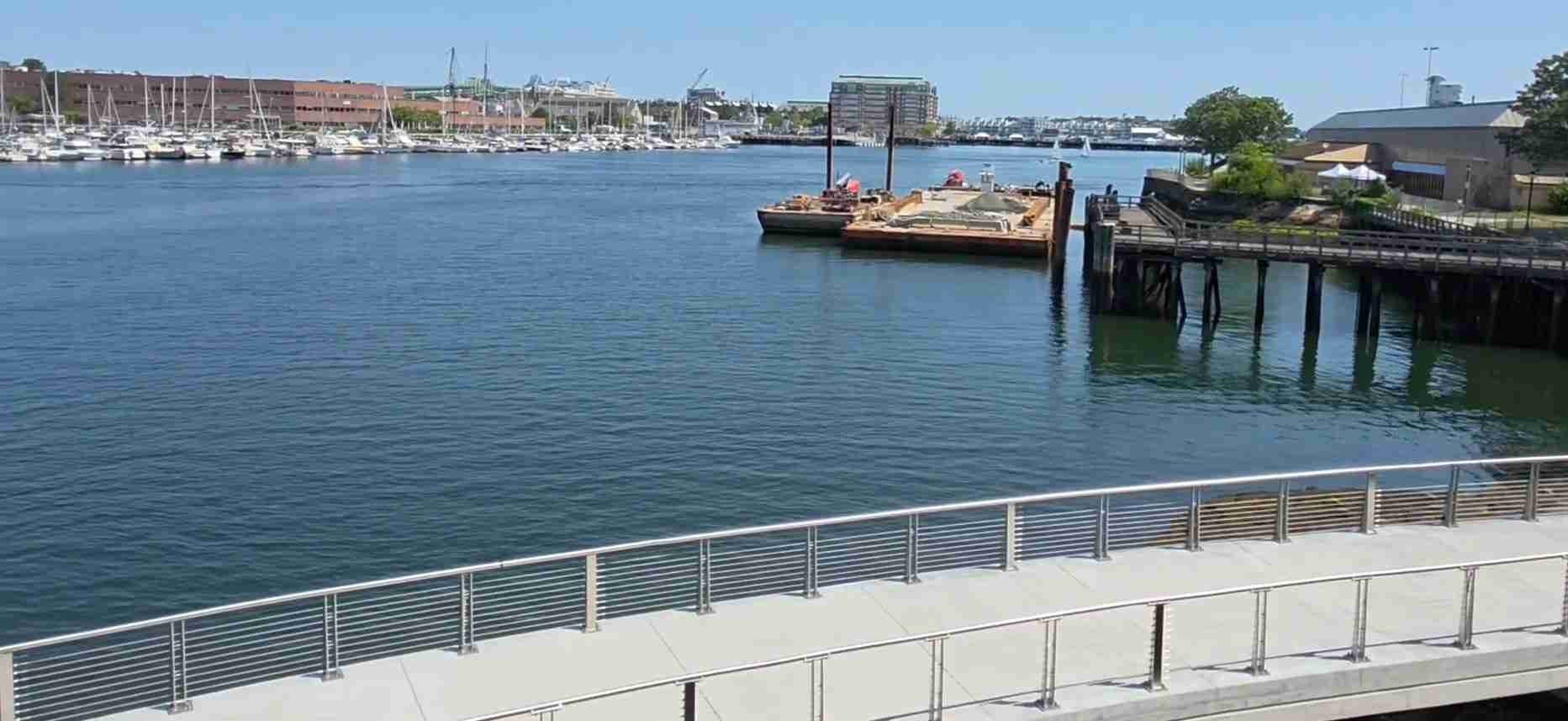
Best Day Trips from Boston 2026: Complete Excursion Guide
Boston’s location at the gateway to New England positions travelers within striking distance of historic coastal villages, scenic islands, and architectural treasures that showcase four centuries of American heritage. Whether seeking witch trial history in Salem, Gilded Age opulence in Newport, or windswept Atlantic beaches on Martha’s Vineyard, the region surrounding Boston delivers diverse experiences accessible within 30 minutes to two hours of the city center.
Key Takeaways About Boston Day Trips 2026
- Budget-Friendly Options Start at $50-60: Close destinations like Salem and Plymouth offer compelling historical experiences via commuter rail for $50-60 per person including transport, admission, and meals, making cultural exploration accessible on modest budgets.
- Island Escapes Cost $105-190 Per Person: Martha’s Vineyard and Nantucket day trips range $105-190 per person depending on ferry route and season, with Woods Hole offering the most economical access at $22 round trip via Steamship Authority versus premium fast ferries at $74-135 round trip.
- Newport’s Gilded Age Mansions Command $120-170: A Newport day trip costs $120-170 per person including round-trip transportation, mansion admissions at $25-57, and dining, with The Breakers representing the crown jewel at $32 admission for the grandest Vanderbilt estate.
- Seasonal Ferry Services Operate May Through October: The scenic Salem Ferry from Boston runs May 24 through October 31, 2026, departing Long Wharf at $26-29 one way for 50-minute crossings, while Martha’s Vineyard seasonal routes expand significantly June through September.
- Guided Tour Packages Range $120-255: Full-day guided excursions with transportation, narration, and admission to primary attractions cost $120-255 per person, eliminating parking logistics and providing expert historical context throughout the journey.
- Advance Planning Essential for Summer Weekends 2026: Peak season weekends, particularly July through August and October for fall foliage, require ferry reservations and mansion tickets purchased 2-4 weeks ahead, with same-day availability rare at popular destinations during high season.
People Also Ask About Boston Day Trips 2026
What is the Best Day Trip from Boston in 2026?
Salem ranks as the best overall day trip from Boston in 2026, combining accessibility, affordability at $50-60 per person, and concentrated historic attractions within walkable downtown. The city delivers witch trial history at the Salem Witch Museum, maritime heritage at the Peabody Essex Museum, and atmospheric 17th-century architecture along Essex Street, all reachable via 30-minute commuter rail from North Station at $8 one way or seasonal ferry at $26-29 one way departing Long Wharf. Most Salem attractions cluster within a 15-minute walk of the ferry terminal or train station, maximizing time for exploration rather than transit connections.
How Much Does a Martha’s Vineyard Day Trip Cost in 2026?
A Martha’s Vineyard day trip from Boston costs $105-190 per person in 2026, with pricing determined by ferry route, season, and dining choices. The most economical route involves driving or bus service to Woods Hole followed by Steamship Authority ferry at $22 round trip, combined with $30-45 for meals and $10-20 for bike rental or local transport. Premium fast ferry service from Hyannis at $74 round trip or Rhode Island at $115-135 round trip reduces travel time but increases total costs. Budget travelers keeping meals simple can complete the trip for $105, while those selecting waterfront dining and island tours approach $190 per person.
Can You Visit Newport Rhode Island as a Day Trip from Boston in 2026?
Newport functions excellently as a day trip from Boston in 2026, located 70 miles south with 90-minute driving time or bus service via Peter Pan at $35-45 round trip. A full Newport day trip costs $120-170 per person including transportation, admission to 2-3 Gilded Age mansions, and meals. The Breakers admission stands at $32, with combination tickets for three mansions at $46 providing better value. Visitors prioritizing mansion tours should allocate 3-4 hours for two properties including The Breakers and Marble House, leaving afternoon hours for Cliff Walk, Ocean Drive, and waterfront dining. Day-trippers benefit from arriving by 9:30 AM when mansions open to maximize exploration time before departing by 4:30 PM to avoid evening rush hour traffic on Route 24.
What Are the Closest Day Trips from Boston for 2026?
The closest day trips from Boston in 2026 include Lexington and Concord at 20 miles northwest, Salem at 16 miles north, and Plymouth at 40 miles south, all accessible within 30-60 minutes via commuter rail, car, or organized tours. Lexington offers Revolutionary War battlegrounds at Minute Man National Historical Park, Concord presents literary heritage at Walden Pond and Louisa May Alcott’s Orchard House, Plymouth showcases Pilgrim history at Plymouth Rock and Plimoth Patuxet Museums, and Salem delivers witch trial history and maritime museums. These proximate destinations cost $50-80 per person for transport, admission, and lunch, making them ideal for travelers with limited time or seeking afternoon half-day excursions departing Boston by midday.
Extended multi-day tours – 5+ days
Featured Boston Multi-Day Tour Packages
4 days
Boston & Salem – 4 Days of Magical History
- ✓ Booking needs min. 2 travelers

6 days
6-Day USA East Coast: Boston, New York, Philadelphia and Washington D.C.
- ✓ Comprehensive Boston tour
- ✓ Expert local guides included
- ✓ All accommodation arranged
- ✓ Transportation provided
7 days
Essential East Coast (5 destinations)
- ✓ Comprehensive Boston tour
- ✓ Expert local guides included
- ✓ All accommodation arranged
- ✓ Transportation provided
7 days
New England Holiday featuring the historic Omni Mount Washington Resort (Boston, MA to Newport, RI, 2026)
- ✓ Comprehensive Boston tour
- ✓ Expert local guides included
- ✓ All accommodation arranged
- ✓ Transportation provided
Multi-day tour packages powered by TourRadar. Prices and availability subject to change.
Introduction to Boston Day Trips 2026
Boston serves as an exceptional base for exploring New England’s most compelling destinations, with centuries of American history, natural coastal beauty, and distinctive cultural attractions distributed across six states within two hours of the city. The region’s compact geography and developed transportation infrastructure make day trips practical even without a car, as commuter rail lines, seasonal ferries, and regional bus services connect Boston to Salem witch trial sites, Cape Cod beaches, Vermont mountain villages, and Rhode Island Gilded Age estates.
Day trip planning in 2026 requires attention to seasonal ferry schedules, which dramatically expand options from late May through October, and advance reservations for popular attractions during peak summer weekends and October foliage season. The Martha’s Vineyard and Salem ferries operate seasonally, Cape Cod destinations experience heavy traffic Memorial Day through Labor Day, and Newport mansion tours reach capacity on warm weather weekends. Strategic travelers visit Tuesday through Thursday or schedule September visits to capture pleasant weather with reduced crowds and lower accommodation costs for those extending trips overnight.
Transportation choices significantly impact day trip budgets and experiences. Commuter rail from North Station or South Station reaches Salem, Gloucester, Plymouth, and Providence at $8-16 round trip per person, representing the most economical option for close destinations. Seasonal ferries to Salem at $26-29 one way and Martha’s Vineyard at $22-135 round trip depending on route add scenic water crossings but cost more than land alternatives. Driving provides flexibility for exploring multiple stops but introduces parking fees at $15-30 daily in popular areas and eliminates opportunities to relax or consume alcohol during the journey. Guided tour packages at $120-255 per person bundle transportation, admission, and narration but follow fixed itineraries with limited free time.
The optimal day trip selection depends on traveler interests, budget, and available time. History enthusiasts gravitate toward Salem witch trials, Plymouth Pilgrim heritage, Lexington Revolutionary War sites, and Newport Gilded Age mansions. Beach lovers target Cape Cod, Martha’s Vineyard, Nantucket, and southern Maine coastal towns. Foliage seekers head northwest to Vermont’s Green Mountains or New Hampshire’s White Mountains in late September through mid-October. Food-focused travelers explore Portland Maine’s dining scene or Cape Cod fishing villages. Art collectors visit the Clark Art Institute in Williamstown or Norman Rockwell Museum in Stockbridge.
This guide details the best day trips from Boston in 2026, providing current transportation costs, attraction admission prices, recommended itineraries, and practical logistics for each destination. Information reflects 2026 schedules and pricing verified through official sources, ensuring travelers can plan confidently with accurate budget expectations.
Salem Witch Trial History Day Trip 2026
Salem stands as New England’s most accessible and historically significant day trip from Boston, located 16 miles north with connections via 30-minute commuter rail from North Station or seasonal ferry from Long Wharf. The city’s compact historic district concentrates witch trial sites, maritime museums, and 17th-century architecture within walkable downtown, allowing comprehensive exploration in 4-6 hours.
Transportation options in 2026 include MBTA Newburyport/Rockport commuter rail departing North Station hourly at $8 one way, arriving Salem Station within walking distance of downtown attractions. The seasonal Salem Ferry operates May 24 through October 31 departing Boston’s Long Wharf at $26-29 one way for scenic 50-60 minute harbor crossings, with narrated commentary about Boston Harbor Islands and North Shore landmarks. Ferry passengers disembark at Blaney Street Wharf in downtown Salem, immediately adjacent to the historic district. Return ferry services conclude by 7:00 PM, requiring day-trippers to board afternoon departures or use evening commuter rail as backup.
The Salem Witch Museum anchors most Salem itineraries, presenting the 1692 witch trials through life-size stage sets depicting the accusations, trials, and executions that claimed 20 lives. Admission costs $15 for adults in 2026, with the museum located at 19 1/2 Washington Square North facing Salem Common. The museum requires 45-60 minutes for the multimedia presentation and exhibits exploring how the term “witch hunt” evolved into modern persecution contexts.
The Witch House at 310 Essex Street represents the only structure still standing with direct connections to the witch trials, serving as home to Judge Jonathan Corwin who examined accused witches in 1692. The restored 1642 dwelling charges $13 admission and presents period furnishings, architectural details, and interpretive exhibits about 17th-century Salem life and the judge’s role in the trials.
Beyond witch trial history, Salem offers the Peabody Essex Museum at 161 Essex Street, showcasing maritime collections, Asian art, and New England decorative arts in galleries spanning 350,000 square feet. Museum admission stands at $25 for adults, with visitors typically spending 2-3 hours exploring highlights including the reconstructed Chinese merchant’s house and maritime paintings. The museum campus includes the outdoor Yin Yu Tang house from China’s Huizhou region, transported and reassembled in Salem.
Salem’s historic district preserves Federal-era mansions, 17th-century homes, and the Custom House immortalized in Nathaniel Hawthorne’s “The Scarlet Letter.” Walking tours depart from the Salem Visitor Center at 2 New Liberty Street, offering free self-guided maps or paid guided walking tours at $20-25 per person covering witch trial sites, architectural landmarks, and maritime heritage routes.
Dining options cluster along Essex Street pedestrian mall, with lunch at casual restaurants costing $15-25 per person. Gulu-Gulu Cafe at 247 Essex Street serves sandwiches, salads, and craft beer in bohemian atmosphere, while Opus Underground at 279 Essex Street offers wood-fired pizzas and cocktails. For waterfront dining, Sea Level Oyster Bar at 94 Wharf Street provides harbor views with seafood entrees at $18-32.
A typical Salem day trip in 2026 costs $50-80 per person including commuter rail at $16 round trip, two museum admissions at $15-25 each, and lunch at $15-25, totaling approximately $66-126 depending on choices. Ferry transportation increases costs to $52-58 one way but adds scenic harbor experience. Budget-conscious travelers can reduce expenses by focusing on the Witch Museum, free walking the historic district, and picnicking at Salem Common.
Martha’s Vineyard Island Excursion 2026
Martha’s Vineyard delivers quintessential New England island atmosphere 7 miles off Cape Cod, featuring Victorian gingerbread cottages, pristine beaches, charming harbor towns, and celebrity-frequented restaurants accessible via multiple ferry routes from mainland Massachusetts and Rhode Island. Day trips from Boston require coordinated bus or car transport to ferry terminals, with total travel time ranging 2.5-4 hours each direction depending on route selection.
The most frequent and economical Martha’s Vineyard ferry service operates year-round from Woods Hole via Steamship Authority, charging $22 round trip for passengers in 2026, with 45-minute crossing to Vineyard Haven. Reaching Woods Hole from Boston involves 90-minute driving via Route 3 and Route 28, or Peter Pan bus service from South Station to Woods Hole at $35-45 round trip departing multiple times daily. Woods Hole parking costs $20 per day at terminal lots, with advance online parking reservations recommended for summer weekends.
Alternative ferry routes include Hy-Line Cruises from Hyannis to Oak Bluffs operating May through October at $74 round trip with one-hour crossing, and Seastreak ferry from New Bedford to Oak Bluffs at $55-84 round trip with 50-minute sailing. The Rhode Island Fast Ferry from Quonset Point to Oak Bluffs operates seasonally at $115-135 round trip ($75-85 one way) with 105-minute crossing, serving travelers from Providence and western Rhode Island. All seasonal routes expand schedules from Memorial Day through Labor Day, then reduce frequency through Columbus Day weekend before suspending service until the following May.
Upon arriving Martha’s Vineyard, day-trippers typically focus on one or two of the island’s six towns due to time constraints. Oak Bluffs attracts visitors for the Gingerbread Cottages neighborhood, where 300+ Victorian Gothic Revival homes painted in vibrant colors create a fairytale streetscape surrounding Trinity Park and the 1879 Tabernacle. The Flying Horses Carousel, America’s oldest operating platform carousel built in 1876, charges $3 per ride at 33 Circuit Avenue. Oak Bluffs harbor features waterfront restaurants, ice cream shops, and the ferry terminal for all seasonal services.
Edgartown presents upscale shopping, white-clapboard sea captains’ homes, and the Edgartown Lighthouse at the harbor entrance, accessible via 20-minute bus ride from Oak Bluffs or Vineyard Haven on the Martha’s Vineyard Regional Transit Authority at $2-8 per trip depending on distance. The town’s Main Street and Water Street offer art galleries, clothing boutiques, and harbor-view dining, with most day-trippers allocating 90 minutes for Edgartown exploration before returning to ferry departure points.
Bike rental represents the preferred Martha’s Vineyard transportation for day visitors, with shops near ferry terminals charging $30-45 for full-day rentals. The island’s relatively flat terrain and scenic bike paths connecting towns make cycling practical for reaching Edgartown, South Beach, and multiple swimming beaches within 30-60 minutes from Oak Bluffs or Vineyard Haven. Ride-share services via Uber and Lyft operate island-wide but cost $20-40 for longer distances.
Dining on Martha’s Vineyard ranges from casual seafood shacks to upscale waterfront restaurants. The Seafood Shanty in Edgartown serves lobster rolls at $28-32 and clam chowder at $9-12, while Back Door Donuts in Oak Bluffs (accessible through the back entrance of Martha’s Vineyard Gourmet Cafe & Bakery) provides fresh donuts and pastries at $4-7 each, operating evenings with lines forming by 7:30 PM during summer.
A complete Martha’s Vineyard day trip in 2026 costs $105-190 per person depending on ferry route and activity choices. Budget routing via Woods Hole Steamship Authority ferry at $22 round trip, combined with bus transport from Boston at $35-45, bike rental at $30-45, and casual dining at $30-45, totals approximately $117-152 per person. Premium fast ferry routes from Hyannis or Rhode Island at $74-135 round trip increase costs but reduce travel time. Day-trippers should depart Boston by 6:30-7:00 AM to catch morning ferries, allowing 5-6 hours on-island before afternoon return departures.
Newport Gilded Age Mansions 2026
Newport, Rhode Island showcases America’s Gilded Age at its most opulent, with Vanderbilt, Astor, and Belmont summer estates lining Bellevue Avenue and Cliff Walk above the Atlantic Ocean. Located 70 miles south of Boston, Newport functions superbly as a day trip destination with mansion tours, coastal scenery, and waterfront dining concentrated within compact geography accessible via 90-minute drive or bus service.
Transportation from Boston to Newport in 2026 includes Peter Pan bus from South Station departing multiple times daily at $35-45 round trip, arriving Newport Gateway Transportation Center after 90-minute journey. Driving via I-93 South, Route 24 South, and Route 114 into Newport takes approximately 80-90 minutes under normal traffic, with parking at mansion properties free at most locations except The Breakers, where visitors use nearby municipal lots at $10-15 for 3-4 hours.
The Breakers stands as Newport’s most spectacular mansion, the 70-room Italian Renaissance palazzo built for Cornelius Vanderbilt II in 1895. Covering 125,000 square feet with 62,000 square feet of living space across five floors, the home features gold-leaf ceilings, imported marble, and ocean-view terraces. Admission costs $32 for adults in 2026, with self-guided audio tours via smartphone app requiring personal headphones or $5 rentals. Visitors typically spend 90 minutes touring The Breakers, with the back terrace closed January through November 2026 for restoration, though surrounding gardens and lawns remain accessible.
Marble House, built as a 39th birthday present for Alva Vanderbilt in 1892, showcases Beaux-Arts architecture inspired by Versailles, with $7 million in construction costs (equivalent to $200+ million in 2026) creating what contemporaries called America’s most luxurious residence. The 50-room mansion includes the Chinese Tea House on the grounds above Cliff Walk, where afternoon tea service operates in partnership with Stoneacre Restaurants. Marble House admission charges $25-32 per adult depending on season.
The Elms presents a French chateau modeled after Chateau d’Asnieres near Paris, built for coal magnate Edward Julius Berwind in 1901. The mansion’s below-ground service areas offer the “Beneath The Elms” guided tour at $28-32 additional to general admission, exploring heating, electrical, plumbing, and refrigeration systems that made this 48-room estate a technological marvel. Standard admission to The Elms costs $25-32 per adult.
Newport mansion ticket packages provide better value than individual admissions for visitors touring multiple properties. The Breakers + 2 package at $57 includes admission to The Breakers plus two additional properties chosen from Marble House, The Elms, Rosecliff, Chateau-sur-Mer, Kingscote, Isaac Bell House, or Green Animals Topiary Garden. An Access Pass at $70 per person grants admission to all properties except specialty tours, useful for visitors planning multiple mansion tours or overnight stays.
Cliff Walk stretches 3.5 miles along the coastline between Easton Beach and Bailey’s Beach, passing behind Breakers, Marble House, and other estates with simultaneous ocean and mansion views. The public walkway combines natural coastal beauty with architectural grandeur, accessible free from multiple entry points including Narragansett Avenue and Memorial Boulevard. The walk’s southern portion grows increasingly rocky and requires sturdy footwear.
Ocean Drive scenic route follows Bellevue Avenue south along the coast past Brenton Point State Park, offering dramatic Atlantic views, rocky shoreline, and distant mansion profiles. The 10-mile drive or bike ride takes 30-45 minutes by car, longer by bicycle from downtown Newport.
Newport dining concentrates around Thames Street waterfront and Broadway commercial district. The Black Pearl at Bannister’s Wharf serves lunch at $15-32 for sandwiches, salads, and seafood in casual tavern atmosphere, while The Mooring Seafood Kitchen & Bar at Sayer’s Wharf offers waterfront dining with lobster rolls at $28-36 and raw bar selections. For elegant dining, Castle Hill Inn at 590 Ocean Avenue presents prix fixe lunches at $65-85 with ocean panoramas from the lawn overlooking Narragansett Bay.
A complete Newport day trip in 2026 costs approximately $120-170 per person including round-trip bus transportation at $35-45, admission to 2-3 mansions via package ticket at $46-57, and lunch at $25-45, totaling $106-147 for standard touring or $140-190 with upscale dining and additional attractions. Budget-conscious travelers reducing mansion visits to The Breakers only ($32) and selecting casual dining can complete the trip for $92-112 per person.
Newport day-trippers benefit from morning arrivals by 9:30 AM when mansions open, allowing 3-4 hours for two property tours before afternoon Cliff Walk exploration and waterfront dining. Return bus departures typically leave Newport by 4:30-5:30 PM, requiring dinner plans in Boston rather than Newport for day visitors without cars.
Plymouth Pilgrim Heritage 2026
Plymouth preserves America’s founding Pilgrim narrative at the site where the Mayflower passengers established the Plymouth Colony in 1620, offering living history museums, Plymouth Rock, waterfront walks, and maritime heritage concentrated within compact downtown 40 miles south of Boston. The city functions excellently as a half-day or full-day excursion via commuter rail, regional bus, or driving, with most attractions accessible within walking distance of downtown.
Transportation options include MBTA Commuter Rail Kingston Line from South Station to Kingston Station in approximately 75 minutes at $13 one way in 2026, followed by 10-minute taxi or rideshare at $12-18 to downtown Plymouth. Plymouth & Brockton Street Railway operates direct bus service from South Station to Plymouth Center in 75 minutes at $15-18 one way, arriving within walking distance of primary attractions. Driving from Boston via Route 3 South takes 50-60 minutes under normal conditions.
Plimoth Patuxet Museums (formerly Plimoth Plantation) recreates 17th-century Plymouth Colony and the Wampanoag Homesite, where costumed interpreters portray Pilgrims and Indigenous people using period-accurate language, tools, and daily activities. The living history museum sprawls across 135 acres at 137 Warren Avenue, with admission at $32 for adults in 2026. Visitors typically allocate 2-3 hours exploring the 1627 English Village, Wampanoag Homesite, craft center, and Mayflower II ship replica docked at State Pier downtown.
Plymouth Rock resides in a colonnaded monument at Water Street harbor, marking the legendary Mayflower landing site. The granite boulder, split and relocated multiple times since the 18th century, draws thousands of annual visitors for photographs despite its modest size. Access remains free year-round.
Pilgrim Hall Museum at 75 Court Street showcases original Pilgrim possessions, including the only surviving portrait of a Mayflower passenger, William Brewster’s Bible, and decorative arts from America’s first permanent European settlement. Museum admission costs $12 for adults, with exhibits requiring 60-90 minutes for comprehensive viewing.
The Mayflower II sits docked at State Pier as a full-scale reproduction of the original 1620 vessel that transported 102 passengers and approximately 30 crew members across the Atlantic. Built in Devon, England and launched in 1956, the ship underwent complete restoration from 2016-2020. Admission to Mayflower II includes entry to Plimoth Patuxet Museums at the combined $32 adult price, with interpreters aboard explaining shipboard life during the 66-day voyage.
Plymouth Harbor offers waterfront walking paths, seafood restaurants, and views across Cape Cod Bay. The Plymouth Waterfront extends from State Pier north past Cole’s Hill and the National Monument to the Forefathers, a 81-foot granite monument depicting Faith, Liberty, Morality, Law, and Education erected in 1889.
Dining in Plymouth centers on Water Street harbor district, where Wood’s Seafood at 15 Town Wharf serves fried clam plates at $18-24 and lobster rolls at $24-28. Sam Diego’s at 51 Main Street provides Mexican cuisine at $12-22 per entree in casual downtown location, while Blue-Eyed Crab Caribbean Grill & Rum Bar at 170 Water Street offers Caribbean-influenced seafood at $16-32.
Whale watching excursions depart Plymouth from April through October, with Captain John Boats at 117 Standish Avenue offering 3-4 hour trips at $55-65 per adult viewing humpback whales, finback whales, and Atlantic dolphins in Cape Cod Bay feeding grounds. Morning departures at 10:00 AM allow return by 1:30-2:00 PM for afternoon historical site exploration.
A comprehensive Plymouth day trip in 2026 costs approximately $80-125 per person including round-trip bus transportation at $30-36, Plimoth Patuxet Museums admission at $32, additional museum admission at $12, and lunch at $18-28, totaling $92-108 for standard itinerary or $147-173 with whale watching addition. Half-day Plymouth trips focusing on downtown Plymouth Rock, Mayflower II, and waterfront walks without Plimoth Patuxet cost $55-75 per person.
Cape Cod Beach Towns 2026
Cape Cod’s 65-mile peninsula extending into the Atlantic Ocean offers quintessential New England beach communities, from Sandwich’s historic windmills to Provincetown’s artistic harbors, all accessible via 75-minute to 2.5-hour drives from Boston depending on destination. The Cape functions best as a full-day excursion or overnight trip given transit time and beach-focused activities, with summer traffic significantly extending travel times on Friday afternoons and Sunday evenings.
Transportation to Cape Cod in 2026 primarily involves driving via Route 3 South to the Sagamore or Bourne bridges connecting mainland Massachusetts to Cape Cod. Traffic backups approaching bridges occur reliably on summer weekends, adding 30-60 minutes to normally 75-90 minute drives. Peter Pan bus service from Boston South Station reaches Hyannis in approximately 90 minutes at $25-35 one way, with connections to other Cape towns via Cape Cod Regional Transit Authority buses at $2-8 per trip.
The CapeFLYER weekend train operates seasonally from Memorial Day through Labor Day, departing Boston South Station Friday evenings and returning Sunday evenings, with stops in Braintree, Brockton, Middleborough/Lakeville, Wareham Village, Buzzards Bay, Bourne, Sandwich, and Hyannis at $20-40 round trip depending on distance. While convenient for weekend getaways, the Friday evening and Sunday service schedule limits usefulness for Saturday day trips.
Provincetown sits at Cape Cod’s northern tip, 115 miles and 2.5 hours from Boston, offering LGBTQ+ welcoming atmosphere, art galleries, whale watching, and Pilgrim Monument, a 252-foot granite tower commemorating the Mayflower’s first landing before Plymouth. The monument and adjacent Provincetown Museum charge $17 admission for adults, with visitors climbing 116 steps and 60 ramps to the top for panoramic Cape views. Commercial Street’s 2-mile pedestrian-friendly corridor concentrates galleries, shops, restaurants, and nightlife.
Whale watching trips depart Provincetown’s MacMillan Wharf April through October, with multiple operators offering 3-4 hour excursions at $50-65 per adult viewing humpback whales, finback whales, and dolphins feeding in Stellwagen Bank National Marine Sanctuary. Morning departures maximize whale activity and allow afternoon beach time.
Bay State Cruise Company operates seasonal fast ferry from Boston’s World Trade Center to Provincetown in 90 minutes at $62 one way, $115 round trip for adults in 2026, departing late May through early October. The ferry eliminates driving and parking challenges but limits flexibility for exploring other Cape destinations.
Chatham on Cape Cod’s elbow offers protected beaches, the Chatham Lighthouse, and Chatham Fish Pier where commercial fishing boats unload daily catches. The town maintains upscale boutique shopping along Main Street and pristine beaches on both Nantucket Sound and Atlantic Ocean sides. Chatham sits 90 miles and 105 minutes from Boston via Route 6.
National Seashore beaches from Eastham through Provincetown showcase the Cape’s most dramatic coastal scenery, with parking at Coast Guard Beach, Marconi Beach, and Race Point Beach at $25 per vehicle daily or $45 for 7-day pass in 2026. Facilities include restrooms, outdoor showers, and lifeguards during summer months, with swimming in 60-65°F Atlantic waters requiring tolerance for cold.
Cape Cod dining specialties include fried clam plates at $18-28, lobster rolls at $24-32, and oyster bars featuring Wellfleet oysters at $18-24 per dozen. The Lobster Pot in Provincetown at 321 Commercial Street serves traditional New England seafood with harbor views at $24-42 per entree. Captain Parker’s Pub in West Yarmouth offers more economical casual dining at $14-24 for sandwiches and seafood.
A Provincetown day trip via ferry in 2026 costs approximately $180-240 per person including round-trip ferry at $115, lunch at $25-35, and activities at $17-65 for monument admission and optional whale watching. Driving to Cape Cod beaches like Chatham or Nauset reduces transit costs but requires 3+ hours round-trip driving, making overnight stays more practical for beach-focused visits.
Portland Maine Coastal City 2026
Portland, Maine combines working waterfront authenticity with nationally recognized dining, craft beverage scene, and historic Old Port district 105 miles north of Boston via Interstate 95. The city has evolved into a culinary destination rivaling much larger metros, with James Beard Award-winning chefs, farm-to-table restaurants, and lobster shacks serving some of New England’s finest seafood.
Transportation from Boston to Portland takes 2 hours driving via I-95 North through New Hampshire and southern Maine, with tolls totaling $6-9 each direction depending on payment method. Concord Coach Lines operates hourly bus service from Boston South Station to Portland Transportation Center at $28-35 one way, with 2-hour journey time. Amtrak Downeaster train departs North Station five times daily at $26-36 one way, arriving Portland’s Union Station in 2.5 hours with scenic Maine coastal views.
Portland’s Old Port district preserves 19th-century brick buildings along cobblestone streets, now housing boutiques, art galleries, restaurants, and bars concentrated within a 10-block waterfront area. The neighborhood invites walking exploration, with Commercial Street following the harbor and Congress Street running parallel one block inland. Most Old Port attractions cluster within 15-minute walking radius of the waterfront.
Portland Head Light in adjacent Cape Elizabeth stands as Maine’s most photographed lighthouse, commissioned by George Washington in 1791 at the entrance to Portland Harbor. The lighthouse and Fort Williams Park surrounding it offer ocean views, rocky coastline walks, and the Museum at Portland Head Light exploring maritime history. The fort and grounds remain open year-round free of charge, with museum admission at $5 charging May through October.
Portland Museum of Art at 7 Congress Square showcases American and European art in galleries designed by I.M. Pei, with collections featuring Winslow Homer, Andrew Wyeth, and contemporary artists. Museum admission costs $20 for adults in 2026, with visitors typically spending 90 minutes viewing highlights. The museum closes Mondays but operates Tuesday through Sunday 10 AM to 6 PM, with extended Thursday hours until 8 PM.
Portland’s food scene deserves reputation as the primary draw for many day-trippers. Eventide Oyster Co. at 86 Middle Street serves Maine oysters at $16-24 per dozen and brown butter lobster rolls at $28-32. Central Provisions at 414 Fore Street offers shareable small plates at $14-24 in industrial-chic atmosphere. For traditional lobster shacks, Portland Lobster Company at 180 Commercial Street provides harbor views with whole lobster dinners at $18-32 depending on market price and size.
Craft beverage touring forms another Portland attraction, with breweries, distilleries, and cideries concentrated downtown. Allagash Brewing Company offers free tours and $3-5 tastings at 50 Industrial Way, while Maine Craft Distilling at 123 Washington Avenue provides cocktail tastings at $8-15. Most tasting rooms charge $5-12 for flights sampling multiple products.
The Eastern Promenade provides 2.5-mile waterfront walking and biking path with Casco Bay views, connecting downtown to East End Beach. The trail passes through 68-acre park green space, suitable for picnicking and summer sunset viewing over the islands.
Portland day trips work best departing Boston by 8 AM to maximize exploration time before afternoon return trips. A comprehensive Portland visit in 2026 costs approximately $95-155 per person including round-trip bus or train at $52-72, museum admission at $20, and lunch/dinner at $28-42, totaling $100-134 for standard itinerary. Adding brewery tours and upscale dining increases costs to $140-180 per person. Food-focused travelers should budget an additional $30-50 for afternoon tastings and samples across multiple establishments.
Portsmouth New Hampshire Historic Seaport 2026
Portsmouth, New Hampshire preserves one of New England’s most intact colonial downtown districts, with 18th-century homes, working waterfront, Strawbery Banke Museum, and dining scene concentrated within walkable historic center 60 miles north of Boston. The city combines manageable size with authentic maritime character, making it ideal for half-day or full-day excursions emphasizing architecture and harbor activities.
Transportation from Boston to Portsmouth requires 60-75 minute driving via I-95 North through New Hampshire, with no public transit option directly connecting the cities. COAST bus service operates within Portsmouth and surrounding communities but does not reach Boston. Driving remains the practical transportation choice, with municipal parking lots at $1-2 per hour or $8-12 daily in downtown locations.
Strawbery Banke Museum sprawls across 10 acres in Portsmouth’s historic Puddle Dock neighborhood, encompassing 37 restored buildings spanning four centuries of Portsmouth history. The living history museum employs costumed interpreters demonstrating colonial crafts, with admission at $22 for adults in 2026. Visitors typically spend 2-3 hours exploring the grounds, historic homes, and heritage gardens from May through October when the museum operates daily.
Portsmouth Harbor Trail offers self-guided walking route connecting 70+ historic sites marked with blue paint medallions embedded in sidewalks. The 2.5-mile loop requires approximately 90 minutes, passing John Paul Jones House, Governor John Langdon House, Warner House, and Moffatt-Ladd House. Trail maps distribute free from the Discover Portsmouth Visitor Center at 10 Middle Street.
Market Square anchors downtown Portsmouth, surrounded by brick buildings housing restaurants, boutiques, and the historic North Church. Bow Street and Ceres Street running parallel to Piscataqua River concentrate waterfront dining and Prescott Park, where free outdoor concerts and theater performances occur summer evenings.
Portsmouth’s dining reputation centers on seafood and farm-to-table restaurants. Black Trumpet Bistro at 29 Ceres Street serves eclectic American cuisine at $18-36 per entree in intimate waterfront setting. The Street Restaurant at 80 State Street offers wood-fired pizzas and seasonal New England ingredients at $16-28. For traditional New Hampshire seafood, Jumpin’ Jay’s Fish Cafe at 150 Congress Street presents daily catches at $24-38.
Prescott Park extends along Piscataqua River waterfront, offering gardens, harbor views, and the Prescott Park Arts Festival presenting free outdoor performances June through August. The 10-acre park provides picnic areas, waterfront benches, and colorful flower gardens maintained by volunteers.
Fort Constitution in nearby New Castle guards Portsmouth Harbor entrance, with Revolutionary War-era fortifications accessible free year-round. The fort occupies dramatic peninsula position with views across harbor to Maine coast. Coast Guard Station remains active adjacent to historic ruins.
A Portsmouth day trip in 2026 costs approximately $65-105 per person including gasoline at $15-20 round trip, parking at $8-12, Strawbery Banke admission at $22, and lunch at $18-28, totaling $63-82 for standard exploration. Half-day Portsmouth trips focusing on harbor trail and waterfront walks without museum admission cost $40-60 per person. The city combines well with nearby destinations like Ogunquit Maine beaches 30 minutes north or Hampton Beach New Hampshire 20 minutes south for multi-stop coastal day trips.
Lexington and Concord Revolutionary War Sites 2026
Lexington and Concord, Massachusetts preserve the April 19, 1775 battlegrounds where American minutemen first confronted British regulars, beginning the Revolutionary War with “the shot heard round the world.” Located 20 miles northwest of Boston, these adjacent towns offer concentrated Revolutionary history, literary heritage at Walden Pond, and historic town commons accessible within combined half-day or full-day excursions.
Transportation from Boston to Lexington and Concord includes MBTA bus Route 62 and Route 76 from Alewife Station (Red Line terminus) reaching Lexington Center in 30 minutes at $1.70 one way using CharlieCard, with limited service frequency requiring schedule planning. The Minuteman Bikeway follows former railroad bed 10 miles from Alewife Station to Lexington center, continuing to Bedford, providing scenic car-free cycling route requiring 45-60 minutes each direction. Driving via Route 2 West reaches Lexington in 25 minutes under normal traffic.
Lexington Battle Green marks where 77 minutemen assembled April 19, 1775, confronting 700 British troops marching from Boston to seize colonial military supplies in Concord. The clash killed eight minutemen in the war’s first violence. The triangular common features the Minuteman Statue honoring Captain John Parker and monuments commemorating the battle. Access remains free year-round, with walking tours departing from Lexington Visitor Center at 1875 Massachusetts Avenue at $10-15 per person April through November.
Buckman Tavern at 1 Bedford Street served as minutemen’s gathering point before the battle, with tours exploring 1690 structure and Revolutionary War artifacts. Admission costs $10 for adults, with guided tours departing hourly May through October. The tavern operates under Lexington Historical Society management alongside Munroe Tavern and Hancock-Clarke House, with combination tickets at $18 providing access to all three historic homes.
Minute Man National Historical Park extends 5 miles between Lexington and Concord, preserving the Battle Road where minutemen harassed retreating British troops. The park includes North Bridge in Concord where colonists first achieved tactical success, forcing British regulars to retreat. The North Bridge Visitor Center at 174 Liberty Street offers free admission with ranger programs, exhibits, and the quarter-mile walk to the bridge site. Daniel Chester French’s Minute Man Statue stands at the bridge, commemorating farmers who “fired the shot heard round the world.”
Concord’s literary heritage complements Revolutionary history, with homes of Ralph Waldo Emerson, Louisa May Alcott, Nathaniel Hawthorne, and Henry David Thoreau clustered near downtown. Orchard House at 399 Lexington Road showcases where Louisa May Alcott wrote “Little Women,” with guided tours at $13 for adults requiring advance reservations during peak season. The Concord Museum at 53 Cambridge Turnpike displays Paul Revere’s lantern, Thoreau’s Walden cabin contents, and decorative arts from Concord’s literary golden age at $15 admission.
Walden Pond State Reservation attracts visitors to the pond where Henry David Thoreau lived in his cabin 1845-1847, writing “Walden; or, Life in the Woods.” The 64-acre pond surrounded by 335-acre forest offers swimming, hiking, and replica cabin site marked by stone cairn. Parking costs $10 per vehicle April through October with capacity limits often filling by 10 AM on warm weekends. The reservation includes 2-mile shoreline trail and Thoreau’s cabin replica near parking area.
Dining in Lexington centers on Massachusetts Avenue downtown, with Via Lago at 1845 Massachusetts Avenue serving Italian cuisine at $16-32 per entree. Concord’s Walden Grille at 24 Walden Street offers American fare at $14-28 in casual downtown location. For coffee and pastries, Nashoba Brook Bakery in Concord at 152 Commonwealth Avenue provides artisan breads and sandwiches at $8-14.
A comprehensive Lexington and Concord day trip in 2026 costs approximately $65-100 per person including round-trip bus or bikeway access at $3-5, historic home admissions at $18-28 for combination tickets, Walden Pond parking at $10, and lunch at $14-24, totaling $45-67 plus transportation. Half-day trips focusing on Battle Green, North Bridge, and Walden Pond without historic home tours cost $30-45 per person. The destinations combine effectively into single day, with morning Battle Green and Concord Museum exploration followed by afternoon Walden Pond swimming or hiking.
Nantucket Island Day Trip 2026
Nantucket Island preserves 19th-century whaling prosperity in historic cobblestone streets, gray-shingled homes, and maritime museums 30 miles off Cape Cod. The island maintains strict architectural preservation codes ensuring period character, with no traffic lights, chain stores, or buildings taller than three stories. Day trips from Boston prove challenging due to 3-4 hour total transit time but remain possible for determined travelers prioritizing the island’s unique atmosphere.
Transportation to Nantucket requires reaching Hyannis ferry terminal via 90-minute drive from Boston or 90-minute Peter Pan bus from South Station at $25-35 one way. Steamship Authority conventional ferry from Hyannis to Nantucket operates year-round with 2.25-hour crossing at $38.50 round trip for passengers in 2026. The high-speed ferry reduces crossing to one hour at $80 round trip but operates limited schedules outside peak summer season.
Combined Boston-to-Nantucket travel time totals 3.5-4 hours each direction via bus and conventional ferry or 2.5-3 hours via driving and high-speed ferry, limiting on-island time to 4-6 hours for day-trippers. Most travelers find overnight stays more practical for experiencing Nantucket properly, though determined day visitors can tour downtown highlights and beaches within compressed timeframe.
Nantucket Town concentrates the island’s historic core around cobblestone Main Street, where 18th and 19th-century merchants’ homes line tree-shaded lanes. The Whaling Museum at 13 Broad Street anchors the historical society’s properties, displaying the skeleton of a 43-foot sperm whale, scrimshaw collections, and exhibits detailing Nantucket’s whaling industry dominance. Museum admission costs $28 for adults, including access to historic homes throughout town. Visitors typically spend 90 minutes exploring the museum’s three floors.
Brant Point Lighthouse marks Nantucket Harbor entrance, accessible via 20-minute walk from downtown ferry terminal. The red-and-white lighthouse, rebuilt nine times since 1746, represents one of America’s oldest light stations. The point offers harbor views and beach walking free of charge.
Nantucket beaches require bikes, cars, or buses to reach from downtown. Jetties Beach sits 2 miles west with gentle waves suitable for swimming, while Surfside Beach 3 miles south offers Atlantic surf and wider sands. Bike rentals cost $30-45 per day from shops near ferry terminals, with relatively flat island terrain making cycling practical for reaching beaches, Sconset village, and cranberry bogs.
Siasconset village at Nantucket’s eastern end showcases rose-covered cottages and the Sankaty Head Lighthouse, requiring 7-mile bike ride or $25-35 rideshare from town. The village maintains several restaurants and beach access, though day-trippers often lack time to explore both Siasconset and downtown thoroughly.
Dining on Nantucket runs expensive compared to mainland, reflecting island premium. The Wharf at 1 Old South Wharf serves casual seafood at $18-38 per entree with harbor views. Something Natural at 50 Cliff Road provides sandwiches and baked goods at $12-18 in garden setting away from waterfront premium pricing. For upscale dining, Topper’s at The Wauwinet charges $36-58 per entree with Nantucket Sound views, though day-trippers rarely allocate budget or time for elaborate meals.
A Nantucket day trip from Boston in 2026 costs approximately $155-220 per person including round-trip bus to Hyannis at $50-70, round-trip ferry at $38.50-80 depending on speed, museum admission at $28, bike rental at $30-45, and meals at $30-45, totaling $176.50-268. The aggressive transit schedule requires ferry departures from Boston by 6:30 AM to catch morning boats, allowing 4-6 hours on-island before afternoon return ferries, then arriving Boston by 7:30-9 PM. Most travelers find this exhausting for single-day visits, making Nantucket better suited for overnight stays or eliminating it in favor of more accessible Martha’s Vineyard.
White Mountains New Hampshire Nature Escape 2026
New Hampshire’s White Mountains deliver dramatic alpine scenery, hiking trails, and Mount Washington Auto Road 130 miles north of Boston via Interstate 93. The region functions as full-day excursion or weekend getaway destination, with 2.5-3 hour driving each direction consuming significant day-trip time but rewarding travelers with Northeast’s most spectacular mountain landscapes.
Transportation to White Mountains requires driving via I-93 North through New Hampshire to Franconia Notch or Conway, with no public transit connecting Boston to the mountain region. The drive passes through southern New Hampshire suburbs before entering increasingly mountainous terrain north of Plymouth, with Franconia Notch State Park at 2.5 hours and North Conway at 2.75 hours from Boston.
Franconia Notch State Park straddles I-93 through dramatic mountain pass, offering easy roadside access to natural attractions. The Flume Gorge charges $19 admission for adults to walk 2-mile boardwalk through 800-foot natural gorge with granite walls rising 70-90 feet. The park includes Profile Lake, Echo Lake swimming, and Lafayette Place Campground, with parking at attractions included in admission or $5 at lake beaches.
Mount Washington Auto Road ascends 7.6 miles from Route 16 in Pinkham Notch to Northeast’s highest summit at 6,288 feet. The privately operated toll road charges $45 per car and driver plus $15 for each additional adult passenger in 2026, with 30-45 minute uphill drives navigating switchbacks and steep grades. Summit facilities include the Sherman Adams building with cafeteria, gift shop, and observation deck, though conditions can deteriorate rapidly with clouds, fog, and wind even during summer. Guided van tours operate at $49 per adult for travelers uncomfortable driving themselves.
Mount Washington Cog Railway provides alternative summit access via historic coal-fired steam trains or biodiesel locomotives climbing 3-mile track with grades reaching 37%. The railway departs Marshfield Base Station on western slope at $89 per adult for 3-hour round-trip experience including one-hour summit time. The railway operates May through November with departures every 30-60 minutes during peak season.
Cannon Mountain Aerial Tramway in Franconia Notch lifts passengers 2,022 feet to 4,080-foot summit in 8 minutes, with round-trip tickets at $25 for adults. The tramway operates May through October, providing panoramic White Mountain views from summit observation deck and cafe. The New England Ski Museum operates free at tramway base, exploring regional skiing history.
North Conway village serves as White Mountains gateway with outlet shopping, restaurants, and Conway Scenic Railroad offering vintage train excursions through mountain valleys. The railroad operates multiple routes at $25-75 per adult depending on trip length, with most day visitors selecting shorter Valley Train or Notch Train options.
Hiking trails throughout White Mountains range from easy nature walks to challenging summit climbs. The Appalachian Mountain Club operates eight mountain huts along Appalachian Trail, with Lakes of the Clouds Hut near Mount Washington summit offering overnight accommodations. Day hikers typically select trails matching available time and fitness, with popular options including Artist Bluff (1.5 miles round trip), Arethusa Falls (2.8 miles round trip), and Mount Willard (3.2 miles round trip) providing dramatic views with moderate effort.
Dining in White Mountains concentrates in North Conway and Lincoln gateway towns. Delaney’s Hole in the Wall at 2966 White Mountain Highway in North Conway serves breakfast and lunch at $10-18 in local atmosphere. The Common Man restaurant locations throughout the region offer family dining at $14-28 per entree. For upscale mountain dining, The Wentworth provides fine dining at Jackson village Jackson Golf Course at $28-48 per entree with mountain views.
A White Mountains day trip in 2026 costs approximately $110-180 per person including gasoline at $40-50 round trip, Mount Washington Auto Road at $45-60 per person depending on car occupancy, Flume Gorge admission at $19, and meals at $20-35, totaling $124-164 for standard touring. The aggressive schedule requires Boston departures by 6:30-7 AM to maximize mountain time before afternoon returns, with arrival back in Boston by 7:30-9 PM. Most travelers find White Mountains better suited for overnight stays allowing multiple activities without rushed driving.
Vermont Fall Foliage Towns 2026
Vermont’s Green Mountains and Connecticut River Valley showcase New England’s most celebrated fall foliage from late September through mid-October, with covered bridges, village greens, and white-steepled churches providing quintessential autumn landscapes 150-200 miles northwest of Boston. Day trips to Vermont require significant driving but reward foliage enthusiasts with peak color displays and authentic rural New England character.
Transportation to southern Vermont requires 2.5-3 hour driving from Boston via Interstate 93 North through New Hampshire, then Interstate 91 North or Route 9 West into Vermont. No public transit connects Boston to Vermont destinations, making rental cars or private vehicles necessary. Weekend foliage traffic intensifies delays on Route 100 and popular tourist roads, requiring patience and flexibility.
Foliage peak timing varies by elevation and latitude, with higher elevations peaking late September, lower valleys reaching maximum color early-to-mid October. Vermont Tourism publishes weekly foliage reports from mid-September through mid-October, helping travelers time visits for peak conditions in specific regions.
Brattleboro anchors southern Vermont’s Connecticut River Valley, 2.5 hours from Boston via I-91 North. The town offers art galleries, farm stands, and Brattleboro Museum & Art Center at $10 admission. Main Street concentrates shops and restaurants, with Whetstone Station Restaurant & Brewery overlooking Connecticut River serving lunch at $14-24.
Woodstock, Vermont exemplifies classic New England village preservation, with tree-lined green, covered bridge, and Federal-era buildings housing boutiques and restaurants. Billings Farm & Museum at $18 admission for adults demonstrates Vermont agricultural heritage with working dairy farm and 1890 farmhouse. Woodstock sits 3 hours from Boston via I-89 North through New Hampshire.
Covered bridges throughout Vermont provide photogenic foliage settings, with concentrations near Woodstock, Stowe, and along Route 100. Vermont maintains 100+ historic covered bridges, many accessible via scenic byways. No admission charges apply for bridge visits, though many occupy rural roads requiring patient navigation of foliage traffic.
Route 100 follows Vermont’s spine through Green Mountains from Massachusetts border north past Stowe, earning designation as one of America’s most scenic drives during foliage season. The route passes through small villages, state forests, and mountain gaps, with numerous pull-offs for photography. The 100-mile stretch from Wilmington to Waitsfield requires 3-4 hours with stops, making partial tours more practical for day-trippers.
Quechee Gorge, Vermont’s “Little Grand Canyon,” carves 165-foot depths through rock, viewable from Route 4 bridge or hiking trails descending to Ottauquechee River below. The gorge offers dramatic foliage contrast against rocky walls, with free roadside viewing and parking. Quechee village nearby includes Simon Pearce glassblowing workshop and restaurant overlooking river falls.
Stowe village beneath Mount Mansfield serves as northern Vermont’s premier resort community, 3.5 hours from Boston. The village offers upscale shopping, restaurants, and Stowe Recreation Path, a 5.3-mile paved trail following West Branch Little River through mountain valley. Foliage season prices run premium, with lodging and dining elevated above summer rates.
Vermont apple orchards and cider mills welcome visitors for pick-your-own apples, cider donuts, and fresh-pressed cider during September and October. Cold Hollow Cider Mill in Waterbury Center and Shelburne Orchards near Burlington provide popular stops, though day-trippers from Boston more practically visit orchards in southern Vermont near Brattleboro or Putney.
Dining in Vermont emphasizes farm-to-table cuisine and local ingredients. The Prince & The Pauper in Woodstock offers upscale dining at $28-42 per entree in intimate bistro atmosphere. For casual Vermont fare, Vermont Country Deli in Brattleboro serves sandwiches at $10-14. Most foliage day-trippers pack picnics to maximize driving time rather than allocating hours to restaurant meals.
A Vermont foliage day trip in 2026 costs approximately $90-140 per person including gasoline at $50-70 round trip, admission to Billings Farm or similar attraction at $18, and meals or snacks at $20-30, totaling $88-118 for standard touring. The aggressive schedule requires Boston departures by 6-7 AM to reach peak foliage areas by mid-morning, allowing 4-5 hours exploration before afternoon returns arriving Boston by 7-9 PM. Most travelers find Vermont better experienced with overnight stays eliminating rushed driving and allowing evening village exploration.
Gloucester and Rockport Fishing Villages 2026
Gloucester and Rockport anchor Massachusetts’ North Shore as working fishing communities 30-45 miles northeast of Boston, offering rocky coastlines, lobster shacks, art galleries, and authentic maritime character accessible via scenic coastal drives or commuter rail. These adjacent towns function excellently as combined day trips exploring fishing heritage and Atlantic scenery.
Transportation from Boston to Gloucester takes 45-60 minutes driving via Route 128 North along the coast, or 60 minutes via MBTA Newburyport/Rockport commuter rail from North Station at $13 one way arriving Gloucester Station. The rail line continues to Rockport, totaling 75 minutes from Boston to line terminus at $14.50 one way. Trains operate hourly during weekdays with reduced weekend service requiring schedule verification.
Gloucester’s working waterfront maintains commercial fishing fleet heritage dating to 1623, making it America’s oldest seaport. The iconic Gloucester Fisherman’s Memorial statue at Stacy Boulevard honors 10,000+ fishermen lost at sea, memorialized in Sebastian Junger’s “The Perfect Storm.” The memorial offers harbor views and serves as gathering point for annual Blessing of the Fleet ceremony.
Rocky Neck Art Colony at 6 Wonson Street represents America’s oldest continuously operating art colony, founded in the 1850s. The peninsula’s galleries, studios, and restaurants occupy converted fishing buildings, with most galleries offering free admission. Artists often work in open studios during summer months. Rocky Neck Cultural District includes dozen+ galleries and Smith Cove with working boat shops.
Stage Fort Park at 23 Hough Avenue provides harbor beach, Revolutionary War earthworks, and views across Gloucester Harbor to Ten Pound Island Lighthouse. The park offers free admission with picnic areas, half-mile beach, and historic markers explaining Gloucester’s role in early American settlement. Parking costs $10 on summer weekends.
Cape Ann Museum at 27 Pleasant Street showcases maritime art, Fitz Henry Lane paintings, and Gloucester fishing history at $15 admission for adults. The museum’s galleries require 60-90 minutes for comprehensive viewing, with decorative arts and temporary exhibitions complementing permanent maritime collections.
Rockport village 10 miles northeast of Gloucester centers on Bearskin Neck, a narrow peninsula lined with shops, galleries, and restaurants overlooking Rockport Harbor. Motif Number 1, the red fishing shack at the harbor end of Bearskin Neck, claims status as America’s most-painted building. The entire neck operates as outdoor shopping district, with art galleries predominating and lobster restaurants positioned for harbor views.
Halibut Point State Park at Gott Avenue in Rockport preserves former granite quarry and rocky Atlantic coastline with tide pools, walking trails, and panoramic ocean views. The 56-acre park charges $5 parking May through October, with 3-mile trail network exploring quarry, World War II observation tower, and wave-splashed granite shores. Visitors allocate 60-90 minutes for Halibut Point exploration.
Good Harbor Beach in Gloucester offers mile-long crescent of sand between rocky headlands, considered one of North Shore’s finest swimming beaches. Summer parking costs $35 weekdays, $40 weekends for non-residents, with facilities including restrooms, snack bar, and lifeguards. The beach allows low-tide walking to Salt Island across tidal flats.
Dining in Gloucester and Rockport emphasizes fresh seafood and lobster. Woodman’s of Essex, 15 minutes from Gloucester, claims invention of the fried clam in 1916, serving whole-belly clams at $22-32 per plate. Roy Moore Lobster Company at 39 Bearskin Neck in Rockport provides lobster rolls at $24-28 and steamed lobster dinners at market prices. For upscale waterfront dining, Duckworth’s Bistrot in Gloucester offers French-influenced New England cuisine at $26-42 per entree.
Whale watching excursions depart Gloucester Harbor April through October, with multiple operators offering 3-4 hour trips at $55-65 per adult viewing humpback whales, finback whales, and Atlantic dolphins in Stellwagen Bank National Marine Sanctuary. Morning departures provide optimal conditions with calmer seas and active whale feeding.
A Gloucester and Rockport day trip in 2026 costs approximately $75-125 per person including round-trip commuter rail at $26-29 or driving at $15-20 gasoline, museum or beach parking at $10-15, and lunch at $20-35, totaling $56-79 for standard exploration or $130-190 with whale watching addition. The destinations combine naturally into single day, with morning Gloucester fishing heritage and afternoon Rockport village shopping and beachcombing before evening return to Boston.
Berkshires Cultural Attractions 2026
The Berkshires in western Massachusetts offer world-class art museums, summer performing arts festivals, and Gilded Age estates nestled in rolling mountains 140 miles west of Boston via Massachusetts Turnpike. The region combines cultural sophistication with rural New England character, functioning as full-day excursion or weekend destination for art lovers and music enthusiasts.
Transportation to Berkshires requires 2.5-3 hour driving from Boston via Massachusetts Turnpike (I-90 West) to exits 2-3 for Lee and Stockbridge or exits 4-5 for Lenox and Pittsfield. No public transit connects Boston to Berkshire destinations, making rental cars or private vehicles necessary. Peter Pan bus serves Pittsfield and Lee but operates limited schedules impractical for day trips.
The Clark Art Institute in Williamstown houses exceptional collections of Impressionist paintings, American art, and European masters in hillside setting with reflecting pools. The museum includes works by Renoir, Monet, Degas, and Winslow Homer, with admission at $20 for adults in 2026. Visitors typically spend 2-3 hours exploring galleries and stone hill walking trails. The Clark operates year-round except Mondays, with July-August seeing highest attendance during Tanglewood season.
Massachusetts Museum of Contemporary Art (MASS MoCA) in North Adams occupies 250,000 square feet in renovated textile mill complex, representing one of America’s largest contemporary art centers. The museum presents large-scale installations, performing arts, and exhibitions by living artists, with admission at $22 for adults. MASS MoCA’s scale allows entire afternoon exploration, with multiple buildings housing galleries, performance spaces, and outdoor sculpture court.
Norman Rockwell Museum in Stockbridge celebrates America’s most popular illustrator, displaying over 500 original Rockwell paintings and drawings including “Four Freedoms” series. The museum occupies 36-acre site with Rockwell’s studio relocated from his backyard. Admission costs $25 for adults, with visitors spending 90 minutes viewing galleries, watching documentary films, and touring studio. The museum grounds overlook Housatonic River Valley with benches for picnicking.
Tanglewood Music Center in Lenox serves as Boston Symphony Orchestra’s summer home, presenting classical concerts, popular artists, and jazz performances in 526-acre estate setting June through August. Lawn tickets at $20-45 allow picnicking during performances, while shed seating costs $30-135 depending on artist and location. Tanglewood operates concert schedule details at tanglewood.org, with advance ticket purchases recommended for popular performances.
The Mount, Edith Wharton’s Estate in Lenox, preserves the Pulitzer Prize-winning author’s 1902 home designed according to her architectural principles. Guided tours at $22 for adults explore the house museum and gardens designed by Wharton, operating May through October with the property closed winter months. Visitors allocate 90 minutes for house tour and garden walks.
Historic Stockbridge village center appears largely unchanged from Norman Rockwell’s paintings, with Red Lion Inn, white churches, and tree-lined Main Street preserved as depicted in his “Main Street at Christmas.” The village offers antique shops, art galleries, and restaurants in compact walkable center. Many travelers combine Stockbridge village exploration with Norman Rockwell Museum visit.
Berkshire Scenic Railway Museum in Lenox operates vintage train excursions on restored rail lines through Housatonic River Valley, with tickets at $20-35 for adults depending on trip length. The museum schedules weekend departures May through October, with foliage specials during September-October peak season.
Hiking trails throughout Berkshires include Monument Mountain in Great Barrington, where 3-mile loop reaches rocky summit with panoramic views. The mountain inspired Melville and Hawthorne during their famous 1850 encounter. Mount Greylock, Massachusetts’ highest peak at 3,491 feet, offers summit access via scenic road and Appalachian Trail, with Veterans War Memorial Tower providing observation deck. Most Berkshire hiking requires 2-4 hours round trip, consuming significant portions of day-trip schedules.
Dining in Berkshires ranges from casual cafes to upscale restaurants. Haven Cafe & Bakery in Lenox serves breakfast and lunch at $10-18 in community atmosphere. For farm-to-table dining, Prairie Whale in Great Barrington offers seasonal New England cuisine at $24-38 per entree. Red Lion Inn in Stockbridge provides traditional New England dining at $22-42 in historic setting.
A Berkshires cultural day trip in 2026 costs approximately $130-185 per person including gasoline at $45-60 round trip, museum admission to Clark or MASS MoCA at $20-25, Norman Rockwell Museum at $25, and meals at $25-40, totaling $115-150 for standard art museum touring. Adding Tanglewood lawn tickets increases costs $20-45. The region’s spread-out geography and 2.5-hour each direction driving time make Berkshires challenging as day trips, with overnight stays allowing evening Tanglewood concerts and morning museum visits without rushed schedules.
Guided Day Tour Packages from Boston 2026
Professionally guided day tours eliminate transportation logistics and parking challenges while providing expert historical narration and skip-the-line admission to popular attractions. Multiple tour operators serve Boston with packages targeting primary day trip destinations, charging $120-255 per person for full-day excursions including round-trip transportation, admission tickets, and narrated commentary.
Salem witch trial tours from Boston operate year-round with increased frequency during October, priced at $120-145 per person. Tours typically include round-trip coach or ferry transportation, Salem Witch Museum admission, guided walking tour of witch trial sites, and 2-3 hours free time for independent exploration. GetYourGuide, Viator, and local operators like New England Trips offer competing packages with similar itineraries and pricing.
Martha’s Vineyard guided day tours simplify the complex bus-ferry-island transportation chain, bundling all connections into single package at $140-180 per person. Most tours depart Boston hotels 6:30-7:00 AM via coach to Woods Hole or Hyannis ferry terminals, include ferry crossing, provide 4-5 hours on-island with narrated bus tour or free time, then return to Boston by 6:30-7:30 PM. Some premium packages upgrade to fast ferry service or include lunch.
Newport mansion tours from Boston cost $135-165 per person for full-day packages including round-trip bus transportation, admission to 1-2 mansions, guided walking tour or trolley tour, and 2-3 hours free time. Most tours focus on The Breakers as primary attraction, with some adding Marble House or offering Ocean Drive coastal touring. Tours operate year-round with reduced winter schedules.
Plymouth and Cape Cod combination tours at $145-175 per person pack multiple destinations into ambitious full-day itineraries. Typical packages include Plymouth Rock, Plimoth Patuxet Museums, Provincetown harbor town, and Cape Cod beaches, though some travelers find the pace rushed with brief stops at each location. These tours appeal to international visitors or those without rental cars seeking maximum destination coverage in single day.
Historical combination tours visiting Salem, Marblehead, and Gloucester cost $130-160 per person, emphasizing North Shore maritime heritage and witch trial history. Tours typically allocate 2-3 hours in Salem for witch museums and historic sites, with shorter stops in adjacent fishing villages. October departures command premium pricing and sell out weeks in advance.
Small group tours limited to 6-14 passengers charge $170-255 per person but offer more personalized experiences than 40-50 passenger motor coaches. Small group advantages include flexible schedules, local restaurant recommendations, and ability to adjust itineraries based on group interests. Companies like Boston Private Tours and New England Trips specialize in intimate group experiences.
Tour package considerations include departure times requiring 6:30-7:30 AM hotel pickups, fixed itineraries limiting personal exploration time, and varying quality of tour guides. Reviews on GetYourGuide, Viator, and TripAdvisor help identify reliable operators and avoid packages with rushed schedules or inexperienced guides. Most tours require 48-72 hour advance booking, with popular October dates needing 2-4 weeks advance reservation.
Group dynamics significantly impact tour experiences, with enthusiastic engaged groups enhancing enjoyment while difficult passengers can diminish the day. Tour buses provide comfortable climate-controlled transportation with restrooms, eliminating driving stress and parking frustrations but imposing rigid departure and return schedules. Tours prove especially valuable for solo travelers meeting other visitors and for international guests unfamiliar with New England geography and driving conditions.
Booking direct through tour operator websites sometimes provides better rates than third-party platforms like GetYourGuide or Viator, though those platforms consolidate reviews and offer convenient comparison shopping. Cancellation policies vary widely, with some operators offering full refunds 24-48 hours in advance while others impose 50% cancellation fees. Travel insurance covering tour cancellations costs an additional $15-25 per person.
Seasonal Considerations for Boston Day Trips 2026
Boston day trip experiences vary dramatically across seasons, with summer offering full ferry schedules and beach weather, fall delivering legendary foliage displays, winter reducing outdoor options, and spring providing shoulder season value with variable weather. Strategic seasonal planning maximizes enjoyment while managing crowds and costs.
Summer season from Memorial Day through Labor Day presents peak day trip conditions with maximum ferry services, warm weather, and longest daylight hours. Martha’s Vineyard, Nantucket, Salem Ferry, and Cape Cod destinations operate full schedules with multiple daily departures. Beach towns attract largest crowds with parking lots filling by 10 AM on sunny weekends. Newport mansion tours see steady traffic but rarely reach capacity except Fourth of July weekend. Summer disadvantages include premium pricing at $20-40 above shoulder season for ferries and accommodations, heavy weekend traffic extending drive times 30-60 minutes, and crowded attractions diminishing intimate experiences.
Fall foliage season from late September through mid-October ranks as New England’s signature experience, with Vermont, New Hampshire, and Berkshire destinations displaying brilliant reds, oranges, and yellows. Columbus Day weekend represents absolute peak, with advance reservations essential and traffic severe on scenic routes. Northern destinations like White Mountains and Vermont peak late September at higher elevations, early October in valleys. Southern New England coastal areas provide later foliage typically peaking mid-October. Fall offers comfortable temperatures for hiking and walking, reduced beach town crowds after Labor Day, and enhanced photographic light. October in Salem sees extreme crowds for witch-themed events, requiring advance ferry and museum tickets.
Winter months December through March curtail many day trip options with ferry services suspended until April, beach destinations wind-swept and cold, and mountain driving requiring snow tires or chains. Winter advantages include deeply discounted off-season rates, minimal crowds at open attractions, and seasonal activities like skiing in White Mountains or holiday displays in Newport. Salem remains accessible year-round via commuter rail, Plymouth museums operate reduced hours, and Newport mansions limit open properties but maintain core attractions. Indoor cultural destinations like Portland museums and Boston-adjacent historic sites function year-round with winter representing their least crowded seasons.
Spring shoulder season April through Memorial Day provides variable weather ranging from 40°F rainy days to 70°F sunshine, requiring flexible clothing and backup plans. Ferry services resume late April through May with limited schedules expanding toward summer. Spring advantages include moderate pricing, cherry blossoms and spring flowers in gardens, whale migration increasing sightings, and museums less crowded than summer. Spring disadvantages center on weather unpredictability, with coastal destinations particularly prone to fog and cold winds making beach activities unpleasant. Advance reservations prove less critical than summer or fall foliage season.
Weekend versus weekday travel significantly impacts experiences and costs. Summer and fall weekends bring heavy traffic, crowded ferries requiring advance reservations, and beach parking lots at capacity. Weekday visits offer shorter ferry lines, available same-day tickets, easier parking, and 20-30% lower accommodation costs for those extending trips overnight. Salem in October proves especially challenging on weekends, with hour-long ferry terminal waits and museum lines extending 30-45 minutes. Tuesday through Thursday represents optimal timing for most day trips, balancing manageable crowds with full attraction hours.
Weather contingency planning proves essential given New England’s variability. Ferry services cancel in rough seas, typically wind speeds exceeding 25-30 mph, with smaller seasonal boats suspending service before larger Steamship Authority vessels. Backup plans should include alternative destinations or Boston attractions for days when weather curtails day trip feasibility. Travel insurance covering tour cancellations costs $15-25 per person but provides refunds when weather forces cancellations.
Transportation Logistics and Parking Strategies 2026
Transportation choices fundamentally shape day trip experiences, budgets, and flexibility, with options ranging from personal vehicles providing autonomy to public transit offering economical fixed routes to guided tours bundling everything. Each approach carries distinct advantages and limitations requiring alignment with traveler preferences and destination characteristics.
Personal vehicle advantages include departure flexibility, ability to combine multiple stops, luggage storage, and cost-effectiveness for groups of 3-4 travelers splitting gasoline and parking expenses. Disadvantages encompass parking costs at $15-30 daily in popular areas, parking scarcity requiring early arrival, inability to consume alcohol, and driver fatigue on 2+ hour each direction trips. Gasoline costs approximately $25-60 round trip for most day trips from Boston at 2026 prices, with tolls adding $6-18 on Massachusetts Turnpike and New Hampshire routes. Vehicle rental costs $50-80 daily for standard cars from Boston-area agencies, practical for visitors without personal vehicles but usually eliminating cost advantages versus public transit.
Parking strategies vary by destination characteristics. Salem offers municipal garage at 10 Church Street at $2 per hour or $20 maximum daily, with ferry passengers eliminating parking needs entirely. Newport provides free parking at most mansion properties except The Breakers, where nearby municipal lots charge $10-15 for 3-4 hours. Cape Cod beach parking costs $25-40 daily at National Seashore beaches, with town beaches charging resident/non-resident differential rates often $20-35 for outsiders. Arriving destinations by 9-9:30 AM typically secures parking at popular sites, with noon arrivals often finding lots full on summer weekends.
MBTA commuter rail serves Salem, Gloucester, Rockport, and Plymouth from Boston’s North Station or South Station at $8-16 round trip per person, representing the most economical transportation for close destinations. Trains operate hourly weekdays with reduced weekend service, requiring schedule verification via mbta.com. Commuter rail advantages include avoiding driving and parking stress, working or reading during transit, and arriving destinations without vehicle obligations. Disadvantages encompass fixed departure times requiring advance planning, limited weekend schedules potentially stranding travelers missing last trains, and inability to easily combine multiple destinations or make side trips.
Regional bus services connect Boston to Portland, Portsmouth, Newport, Cape Cod, and other destinations via Peter Pan, Concord Coach, and Greyhound at $25-45 one way for most routes. Buses offer comfortable reclining seats, WiFi, and restrooms, departing South Station with convenient downtown Boston access. Bus disadvantages mirror commuter rail limitations with fixed schedules and inability to make spontaneous stops, plus longer journey times than driving due to intermediate stops. Advance online booking typically provides better rates than walk-up purchases, with discounts for Tuesday-Thursday travel and advance purchase requirements ranging 1-7 days.
Ferry services to Salem, Martha’s Vineyard, and Provincetown add scenic water crossings to day trips, with costs ranging $22-135 round trip depending on route and speed. Salem Ferry’s 50-minute harbor crossing provides narrated commentary and eliminates driving through congested North Shore suburbs. Martha’s Vineyard ferry options span conventional 45-minute crossings at economical pricing to premium fast ferries reducing travel time but tripling costs. Ferry advantages include relaxation, views, and avoiding mainland traffic. Disadvantages encompass weather-dependent operations with cancellations in rough seas, fixed departure schedules more restrictive than personal vehicles, and seasonal operations limiting off-season day trips.
Rideshare services via Uber and Lyft function for short trips from Boston to Salem at $30-45 one way or Lexington at $25-35, but prove impractical and expensive for longer distances like Newport at $150-200 one way or Cape Cod at $120-180. Rideshare works well for reaching ferry terminals or covering last-mile connections from train stations to destinations, typically costing $10-25 for these shorter links.
Guided tour packages at $120-255 per person bundle transportation, admission, and narration, eliminating all logistics and providing expert commentary throughout the day. Tours suit travelers prioritizing convenience over flexibility, international visitors unfamiliar with New England geography, and solo travelers seeking social experiences meeting other tourists. Tour disadvantages include rigid itineraries, brief stops allowing limited exploration, early morning departures at 6:30-7:30 AM, and group dynamics potentially including difficult passengers. Tour reviews on GetYourGuide and Viator help identify quality operators.
Budget Planning and Money-Saving Tips 2026
Day trip budgets from Boston span $50-255 per person depending on destination, transportation choices, admission preferences, and dining selections. Strategic planning significantly reduces costs while maintaining rich experiences, with key savings opportunities in transportation timing, attraction bundling, and meal planning.
Transportation represents the largest variable cost category, with commuter rail to Salem at $16 round trip versus guided tour packages at $120-145 demonstrating the $100+ range. Budget strategies include selecting close destinations accessible via MBTA commuter rail, traveling Tuesday-Thursday when bus and ferry advance purchase discounts often apply, and utilizing seasonal ferry routes only when the water crossing itself enhances experience rather than merely providing transportation. Group travelers benefit significantly from personal vehicle cost-sharing, with four-person trips to Newport or Cape Cod reducing per-person transportation to $10-20 versus $35-45 bus tickets.
Admission costs add $15-80 per person at most destinations, with museum and mansion entries forming major expense categories. Money-saving approaches include researching free admission days at major museums, selecting destinations with concentrated free or low-cost attractions like Plymouth waterfront and historic walking tours, and prioritizing outdoor activities like Cliff Walk in Newport, beaches, and hiking trails requiring no fees beyond parking. Many museums offer reciprocal admission through North American Reciprocal Museum (NARM) Association, with membership at one institution providing free entry to 1,000+ museums including Portland Museum of Art and Clark Art Institute.
Combination tickets provide significant savings at multi-attraction destinations. Newport’s Breakers + 2 package at $57 saves $20-30 versus individual admission to three properties. Salem offers Historic Salem ticket combining four attractions at $36 versus $50+ separately. Martha’s Vineyard and Cape Cod benefit from full-day bike rentals at $30-45 eliminating multiple rideshare trips costing $20-40 each. Researching official attraction websites rather than third-party booking platforms sometimes reveals direct purchase discounts or combination packages unavailable through resellers.
Dining costs range $15-60 per person depending on selection, with strategic approaches substantially reducing this expense category. Picnic planning works excellently at beach destinations, Salem Common, Walden Pond, and mansion grounds permitting outside food, cutting lunch costs from $20-35 restaurant meals to $8-12 grocery provisions. Portland and other foodie destinations justify splurging on quality restaurant experiences central to the destination’s character, while beach town casual dining provides better value than waterfront premium locations charging 40-60% markup for harbor views. Early dinners at 4:30-5:30 PM before returning Boston often access early-bird specials at $14-22 versus full dinner pricing at $24-38.
Seasonal timing dramatically impacts overall costs, with shoulder seasons offering advantages beyond mere transportation and lodging discounts. April-May and September-October provide 20-40% savings on many day tour packages compared to peak June-August pricing, while ferry routes extending operations into October capture foliage season at summer rates before price increases. Off-season January-March sees deeply discounted winter rates at destinations maintaining year-round operations, though limited attractions open and harsh weather constrain activities.
Free alternative attractions reduce spending while delivering quality experiences. Cliff Walk in Newport rivals mansion interiors for many visitors at zero cost. Plymouth waterfront walks, historic sites, and Plymouth Rock access remain free year-round. Beaches in Gloucester, Cape Cod, and Martha’s Vineyard charge parking fees but no admission, allowing sunset beach walks and tide pool exploration without parking if arriving late afternoon. Boston Public Library, Massachusetts State House, and Charlestown Navy Yard offer free tours for visitors with spare time before or after day trips.
Membership and pass programs provide value for frequent visitors or those planning multiple trips. Massachusetts State Parks Pass at $60 annually covers parking at all state park beaches and recreational areas including Walden Pond, Cape Cod beaches, and White Mountains state properties. Boston CityPASS bundles admission to five major attractions at $64 for adults, useful for visitors combining Boston exploration with day trips. National Park annual pass at $80 covers admission and parking at Minute Man National Historical Park and Cape Cod National Seashore.
Sample budget-friendly day trip: Salem via commuter rail ($16 round trip), Salem Witch Museum admission ($15), walking tour of historic district (free), lunch at casual cafe ($15-20), coffee and pastry ($5-8), totaling $51-59 per person for comprehensive cultural experience. Compare to premium guided tour package at $120-145 delivering similar content with added convenience but nearly triple cost. Budget-conscious travelers achieving $50-80 per person day trips gain resources for additional excursions or Boston dining experiences.
Packing Essentials and Day Trip Preparation 2026
Successful day trips require strategic packing balancing preparedness against traveling light, with emphasis on weather adaptability, sustenance planning, and activity-specific gear. New England’s variable conditions demand layers and backup plans even during summer months.
Weather protection forms the foundation of day trip packing regardless of season. Spring and fall require layered clothing starting with base t-shirt or light sweater, adding fleece or light jacket for morning and evening temperatures 15-20 degrees cooler than midday peaks. Coastal destinations generate wind requiring windbreaker or shell jacket even on calm days in Boston. Rain potential exists year-round, with compact umbrella or packable rain jacket proving essential April-October when afternoon thunderstorms develop unpredictably. Summer sun protection demands wide-brim hat, sunglasses, and SPF 30+ sunscreen, with ferry rides and beach destinations providing no shade relief.
Footwear selection significantly impacts comfort, with museum and historic site walking totaling 3-5 miles during typical day trips. Comfortable walking shoes with arch support prevent fatigue, while fashion-forward but unsupportive footwear causes blisters and exhaustion. Hiking destinations require proper trail shoes with ankle support and grippy soles. Beach trips benefit from sandals easily removed for sand walking, with backup closed-toe shoes for restaurant dining. Newport mansion tours and upscale destinations generally expect closed-toe footwear rather than flip-flops.
Hydration and snacks prevent energy crashes and reduce meal costs, with reusable water bottles essential for summer heat and hiking. Most ferry terminals and attractions provide water fountains for refilling. Trail mix, granola bars, and fruit supplement or replace expensive tourist-area snack purchases at $5-8 per item. Insulated bag or small cooler works for car-based trips to beaches or mountains, allowing picnic lunches saving $15-25 per person versus restaurants.
Technology and documentation requirements include smartphone for mobile tickets, ferry QR codes, and navigation, with backup portable battery preventing dead phone emergencies. Many attractions now require mobile tickets without paper alternatives, making charged phones non-negotiable. Credit cards suffice for most transactions, though cash helps at beach snack shacks, tips for tour guides, and ferry terminal food vendors sometimes accepting only bills. Driver’s license remains essential for personal vehicle trips and rideshare verification.
Photography gear ranges from smartphone cameras adequate for most travelers to DSLR or mirrorless cameras for serious photographers. Lighthouse destinations, Newport mansions, and fall foliage drives reward quality photography equipment, while polarizing filters enhance coastal scenes by reducing water glare and saturating sky colors. Backup memory cards and charged batteries prevent missing iconic shots, with many day trips offering once-in-visit photo opportunities.
First aid basics address minor injuries inevitable during active days, with adhesive bandages for blisters, pain reliever for headaches, antihistamine for allergic reactions, and any personal prescription medications. Motion sickness medication proves useful for ferry rides in choppy conditions, particularly Martha’s Vineyard and Salem crossings in windy weather. Insect repellent containing DEET protects against mosquitoes and ticks during woodland hiking May-October.
Activity-specific gear includes beach towels and swimwear for coastal destinations, binoculars for whale watching and bird watching, and small backpack or tote bag carrying layers as temperatures fluctuate throughout the day. Martha’s Vineyard and bike-friendly destinations benefit from bike gloves and helmet if bringing personal equipment, though rental bikes typically include helmets. Museum and mansion tours prohibit large backpacks in galleries, requiring lockers or coat check for oversized bags.
Advance preparation tasks include confirming ferry schedules, verifying attraction hours, purchasing advance tickets for time-entry museums, checking weather forecasts, and downloading offline maps for areas with spotty cell coverage. Many attractions now require timed entry reservations purchased online days or weeks ahead, particularly Newport mansions on summer weekends and Salem venues in October. Reading destination reviews on TripAdvisor identifies must-see highlights and avoidable tourist traps, maximizing limited day-trip time.
Frequently Asked Questions About Boston Day Trips 2026
What is the easiest day trip from Boston?
Salem ranks as the easiest day trip from Boston, located just 16 miles north with 30-minute MBTA commuter rail connections departing North Station hourly at $8 one way or seasonal ferry service from Long Wharf at $26-29 one way. Salem’s compact historic district concentrates all major attractions within 15-minute walks from the train station or ferry terminal, eliminating transportation needs once arriving. The Salem Witch Museum, Peabody Essex Museum, historic homes, and waterfront restaurants cluster around downtown, allowing comprehensive 4-6 hour visits without rushing. Salem’s year-round accessibility via commuter rail operates regardless of ferry seasonal schedules, and the manageable scope prevents overwhelm from too many scattered attractions competing for attention.
How much does a typical Boston day trip cost in 2026?
Typical Boston day trips in 2026 cost $80-140 per person for mid-range experiences including round-trip transportation via bus or commuter rail at $16-45, admission to primary attractions at $15-45, and lunch at $20-35, totaling approximately $51-125 depending on destination and choices. Budget travelers selecting close destinations via MBTA commuter rail, focusing on free or low-cost attractions, and packing picnic lunches can complete satisfying day trips for $50-70 per person. Premium experiences involving fast ferries to islands at $74-135 round trip, guided tour packages at $120-255, or upscale dining at $35-60 per meal push costs to $170-310 per person. Newport mansion tours typically run $120-170 including transportation and admissions, Martha’s Vineyard ranges $105-190 depending on ferry route, while Salem and Plymouth cost $50-80 for economical explorations.
Can you visit multiple destinations in one day trip from Boston in 2026?
Multiple destination day trips prove feasible for geographically proximate sites but risk rushed experiences sacrificing depth for breadth. Gloucester and Rockport combine naturally as adjacent North Shore fishing villages 10 miles apart, allowing morning exploration of Gloucester’s working waterfront and maritime museums followed by afternoon Rockport village shopping and Halibut Point State Park, totaling 6-7 hours on-site with 90 minutes round-trip commuter rail from Boston. Lexington and Concord Revolutionary War sites function as combined half-day or full-day trips covering Battle Green, North Bridge, and Walden Pond within 15-mile radius. Salem and Marblehead fit together for travelers seeking concentrated witch trial history supplemented by adjacent historic harbor town. Attempting overly ambitious combinations like Plymouth-Cape Cod-Providence or Newport-Block Island-Mystic typically results in excessive driving, brief unsatisfying stops, and exhaustion, making focused single-destination trips more rewarding despite covering less ground.
What are the best day trips from Boston for families with children in 2026?
Family-friendly day trips from Boston emphasizing interactive experiences and manageable attention spans include Plymouth with Plimoth Patuxet living history museum where costumed interpreters engage children in 17th-century activities, hands-on Mayflower II ship exploration, and waterfront Plymouth Rock visits totaling 3-4 hours at reasonable $32 adult admission. Salem combines witch trial history appealing to older children ages 10+ with accessible downtown walking requiring no extensive hiking. Martha’s Vineyard attracts families for Oak Bluffs Gingerbread Cottages providing fairy-tale photo opportunities, Flying Horses Carousel rides at $3, calm harbor beach swimming, and bike-friendly flat terrain with $30-45 rentals accommodating child trailers. Cape Cod beaches including Coast Guard Beach and Marconi Beach offer swimming, sand castle building, and tide pool exploration at $25 per vehicle parking. Gloucester whale watching excursions thrill children ages 6+ with humpback whale sightings and ocean adventure at $55-65 per child. White Mountains Flume Gorge provides dramatic natural scenery via 2-mile boardwalk accessible to young children at $19 adult admission. Avoid Newport mansion tours for children under 10 given prohibition on touching, lengthy historical narratives, and formal atmosphere discouraging active kids.
When is the best time to visit Martha’s Vineyard as a day trip in 2026?
September represents the optimal month for Martha’s Vineyard day trips from Boston in 2026, combining warm ocean temperatures from summer heat retention, reduced crowds after Labor Day exodus, more affordable ferry rates dropping 15-25% from peak July-August pricing, and pleasant 70-75°F average temperatures with minimal humidity. September ferries maintain frequent schedules with easier same-day ticket availability than summer, while beaches, restaurants, and attractions operate full hours without summer peak congestion. July and August deliver warmest weather and fullest ferry schedules but require advance reservations, encounter crowded conditions reducing intimate island charm, and command premium pricing across all services. Early June provides uncrowded conditions and spring landscape beauty but risks cooler ocean temperatures at 60-63°F deterring swimming. October offers spectacular early fall foliage but ferry services reduce schedules significantly after Columbus Day weekend and ocean temperatures drop to 60°F making beach activities less appealing. May and late October edge-of-season visits face unpredictable ferry weather cancellations and limited island business hours as seasonal establishments close until following year.
Are day trips from Boston possible without a car in 2026?
Many excellent Boston day trips function without personal vehicles using MBTA commuter rail, regional buses, seasonal ferries, and guided tour packages. Salem reaches via 30-minute commuter rail from North Station at $8 one way, with all attractions within walking distance of Salem Station. Plymouth connects via commuter rail to Kingston then taxi/rideshare, or direct bus service from South Station. Gloucester and Rockport sit at the terminus of commuter rail’s Newburyport/Rockport Line at $13-14.50 one way. Martha’s Vineyard requires coordination of Peter Pan bus from South Station to Woods Hole ferry terminal then Steamship Authority ferry, bundled efficiently in guided tour packages at $140-180. Salem Ferry eliminates car needs entirely with seasonal service from Boston’s Long Wharf. Newport reaches via Peter Pan bus from South Station at $35-45 round trip. Guided tour packages at $120-255 provide car-free access to virtually any destination while bundling transportation, admission, and narration. Car-dependent destinations include Vermont foliage drives, White Mountains hiking, Cape Cod beach hopping, and multi-stop combinations like Lexington-Concord-Walden Pond where public transit proves impractical. Solo travelers and international visitors without rental cars successfully experience Boston’s best day trips using public transit for close destinations and guided tours for distant attractions.
What day trips from Boston are best for October fall foliage in 2026?
Vermont’s Route 100 corridor from Wilmington through Stowe delivers New England’s most celebrated foliage displays, with mid-October typically marking peak color for valley elevations and late September for mountain summits. White Mountains in New Hampshire offer dramatic alpine foliage via Franconia Notch and Mount Washington at 2.5-3 hours from Boston, typically peaking late September at high elevations and early October at lower trails. Berkshires in western Massachusetts showcase rolling hill foliage combined with cultural attractions like Clark Art Institute and Norman Rockwell Museum, generally reaching peak color early-to-mid October. Salem maintains excellent accessibility via commuter rail or ferry while offering fall atmosphere during October’s intense witch-themed tourism, though foliage proves secondary to historical attractions. Lake Winnipesaukee in New Hampshire presents accessible foliage drives 2 hours from Boston surrounding New England’s largest lake, with peak color early October. Coastal routes including Gloucester, Rockport, and Cape Ann deliver more subtle foliage mixing autumn colors with ocean scenery, peaking mid-to-late October later than inland mountains. Vermont Tourism’s weekly Foliage Report published Thursdays September through October provides current color status and peak predictions by region, helping travelers time visits optimally given foliage’s narrow 7-10 day peak window per location.
What are the closest beach day trips from Boston in 2026?
Singing Beach in Manchester-by-the-Sea ranks among Boston’s closest quality beaches at 28 miles north, accessible via 45-minute MBTA commuter rail from North Station to Manchester Station followed by 15-minute walk. The quarter-mile crescent of fine sand produces musical sounds when walked upon, with calm waters protected by offshore reef suitable for children. Good Harbor Beach in Gloucester at 35 miles from Boston offers mile-long swimming beach with facilities, accessible via commuter rail to Gloucester then 2-mile taxi/rideshare. Crane Beach in Ipswich stretches 4 miles of pristine barrier beach backed by sand dunes, located 35 miles north with parking at $35 daily non-residents May through September. Nahant Beach lies closest at just 12 miles northeast in Lynn, accessible via MBTA bus from Haymarket Station or 25-minute driving, offering urban beach with lifeguards and snack bar. Revere Beach maintains Boston’s most accessible ocean beach via MBTA Blue Line, though 3-mile strand experiences heavy local use and urban setting. Cape Cod National Seashore beaches including Coast Guard Beach and Nauset Beach provide ultimate New England beach experience but require 90-minute minimum driving via Cape Cod traffic. Hampton Beach in New Hampshire delivers classic beach boardwalk atmosphere at 60 miles north via 75-minute drive, with amusement arcades, concerts, and traditional seaside carnival attractions complementing 3-mile strand.
How far in advance should I book day trips from Boston in 2026?
Booking timeframes depend heavily on season, destination, and weekend versus weekday travel. Peak summer weekends June through August and October foliage season require 2-4 weeks advance reservations for popular ferry services, guided tour packages, and timed-entry mansion tickets, with Columbus Day weekend and Salem October Saturdays selling out 4-6 weeks ahead. Martha’s Vineyard fast ferries from Hyannis and Rhode Island frequently reach capacity on July-August weekends, necessitating 10-14 day advance booking, while Woods Hole Steamship Authority conventional ferries accommodate walk-on passengers more flexibly with 2-3 day advance window typically sufficient. Newport mansion timed-entry tickets during summer weekends benefit from 7-10 day advance purchase ensuring preferred visit times, though same-day tickets often remain available weekdays. Tuesday-Thursday shoulder season trips April-May and September require minimal advance planning, with 2-3 day booking windows sufficient for most destinations. January-March off-season travel rarely needs any advance booking beyond confirming attraction hours and seasonal closures. Guided tour packages via GetYourGuide and Viator allow cancellation 24-48 hours advance with full refunds, encouraging early booking without commitment risk. Commuter rail and regional buses generally don’t require advance tickets except holiday weekends, with purchase day-of-travel standard practice.
What day trips from Boston offer the best food experiences in 2026?
Portland, Maine stands unrivaled as Boston’s premier food destination day trip, located 105 miles north with James Beard Award-winning restaurants, craft breweries, and working waterfront lobster shacks delivering extraordinary culinary range. Eventide Oyster Co., Central Provisions, and Fore Street showcase farm-to-table excellence while Portland Lobster Company provides authentic harbor seafood at accessible prices. The city’s concentrated Old Port district allows walking between multiple dining experiences during single visit, with Allagash Brewing tours and Maine Craft Distilling tastings adding craft beverage components. Cape Cod’s fishing villages including Provincetown and Wellfleet deliver exceptional seafood focused experiences, with raw oyster bars serving famous Wellfleet oysters at $18-24 per dozen and lobster rolls at every harbor. Gloucester and Rockport provide working waterfront authenticity rather than tourist atmosphere, featuring traditional New England fishermen’s cuisine alongside upscale harbor restaurants. Nantucket offers concentrated high-end dining but challenging day-trip logistics and premium pricing. Newport combines seafood with upscale farm-to-table restaurants and waterfront casual dining, though food plays supporting role to mansion tours. Salem provides solid downtown restaurants but lacks distinctive culinary identity compared to Portland or Cape Cod fishing ports. Food-focused day trips should allocate 3-4 hours specifically for meals and tastings rather than squeezing rushed lunches between attractions.