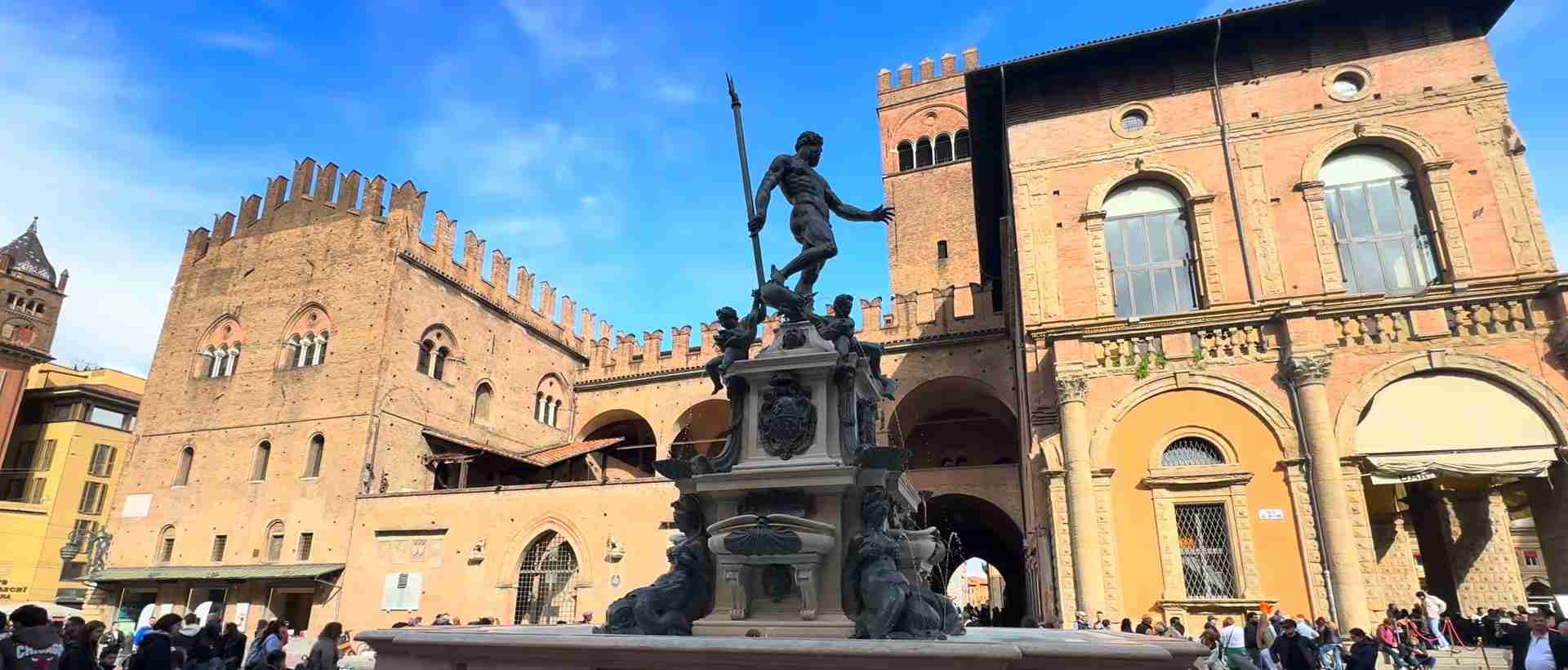
Bologna Budget Guide 2026: Complete Cost Breakdown
Bologna offers exceptional value among major Italian cities, combining world-class cuisine, medieval architecture, and vibrant university culture at prices 20-30% lower than Venice or Florence. Daily costs range from €87 for budget travelers to €202 for mid-range comfort, with strategic planning unlocking significant savings through free museum days, student-priced trattorias, and walkable city design that minimizes transport expenses.
Key Takeaways
- Bologna accommodation costs range €24-32 nightly for hostels, €50-65 for budget hotels, €110-180 for mid-range properties, and €220-650+ for luxury stays in 2026, with prices spiking 150-300% during BolognaFiere trade fair events
- Daily food budgets average €20-30 for budget dining at university-area trattorias, €40-60 for mid-range restaurant meals, with authentic tagliatelle al ragù costing €14-20 and mandatory coperto cover charges adding €1-2 per person
- Public transportation costs €2.30 per single 75-minute bus ticket following March 2025 price increases, with €6 day passes and walkable historic center design reducing transport needs for most visitors
- Strategic savings opportunities include 16 permanently free museums, first-Sunday-of-month free admission at major attractions, €35-42 Bologna Welcome Cards covering multiple sites, and avoiding premium-priced BolognaFiere dates
- Hidden costs include city tourist tax (€2.80-7 per night based on accommodation category), restaurant coperto charges, and €95 ZTL traffic zone fines for unauthorized vehicle entry
- Total weekly costs average €609 for budget travelers, €1,414 for mid-range visitors, and €2,898 for luxury experiences, excluding international flights
People Also Ask About Bologna Budget 2026
How much does Bologna cost per day in 2026?
Bologna costs €87 per day for budget travelers, €202 for mid-range visitors, and €414+ for luxury experiences in 2026. Budget daily costs break down to €24-32 hostel accommodation, €20-30 food from university-area trattorias and street vendors, €4-6 public transport, and €10-20 museum admissions using strategic free days. Mid-range travelers spend €110-180 on hotels, €40-60 on sit-down restaurant meals, €6-10 on transport including occasional taxis, and €15-30 on attractions with Bologna Welcome Card discounts. Luxury budgets allocate €220-650+ for boutique hotels, €80-150 for upscale dining experiences, €20-40 for private transport, and €30-50 for premium museum access and guided tours.
What are the biggest hidden costs in Bologna 2026?
Bologna’s biggest hidden costs in 2026 include city tourist tax (Imposta di Soggiorno) ranging €2.80-7 per person per night based on accommodation star rating, mandatory restaurant coperto cover charges of €1-2 per person regardless of meal cost, and €95 ZTL traffic zone fines for unauthorized vehicle entry into the historic center. BolognaFiere trade fair dates cause accommodation price spikes of 150-300%, transforming €120 mid-range hotels into €400+ properties overnight. Airport transport adds €12.80 for Marconi Express monorail or €6 for the slower BLQ bus. Late-night taxi surcharges, tourist menu markups on Piazza Maggiore, and aggressive street vendor tactics targeting Via dell’Indipendenza pedestrians create additional unexpected expenses.
When is the cheapest time to visit Bologna in 2026?
Bologna’s cheapest months in 2026 are January, February, July, and August, offering 20-30% lower accommodation and attraction prices compared to peak spring and autumn seasons. January and February winter months see hotel rates drop to €50-90 for properties charging €120-180 in high season, though shorter daylight hours and occasional rain affect sightseeing. July and August deliver excellent value despite summer heat, with locals on vacation creating reduced restaurant demand and lower prices, plus many hotels offering promotional rates to fill rooms. Avoid BolognaFiere trade fair dates year-round, as single events transform the entire city’s pricing structure, with accommodation costs tripling and restaurant reservations becoming mandatory even at casual trattorias.
Is Bologna cheaper than other major Italian cities?
Bologna costs 20-30% less than Venice, Florence, and Rome while offering comparable cultural experiences, making it one of Italy’s best-value major cities in 2026. Mid-range restaurant meals average €20-40 in Bologna versus €30-60 in Venice, hotel rooms run €110-180 versus €180-280 in Florence, and museum admissions stay €6-10 versus €15-25 at Rome’s major attractions. Bologna’s extensive network of 16 permanently free museums, compact walkable design minimizing transport costs, and thriving student population supporting budget dining options create savings unavailable in more tourist-dependent cities. However, premium luxury experiences cost similarly across all major Italian destinations, with five-star hotels and Michelin-starred restaurants commanding €300-800 nightly and €150+ per person respectively regardless of location.
Extended multi-day tours – 5+ days
Featured Bologna Multi-Day Tour Packages
2 days
2-Day Private Ferrari Experience: Speed & Italian Excellence
- ✓ Comprehensive Bologna tour
- ✓ Expert local guides included
- ✓ All accommodation arranged
- ✓ Transportation provided
5 days
A Quick Trip to Sunny Tuscany
- ✓ Booking needs min. 2 travelers
5 days
Veloce Italia
- ✓ Comprehensive Bologna tour
- ✓ Expert local guides included
- ✓ All accommodation arranged
- ✓ Transportation provided
4 days
Explore Italy – 4 Days
- ✓ Comprehensive Bologna tour
- ✓ Expert local guides included
- ✓ All accommodation arranged
- ✓ Transportation provided
Multi-day tour packages powered by TourRadar. Prices and availability subject to change.
Introduction to Bologna Budget Planning 2026
Bologna stands as northern Italy’s exceptional value proposition, delivering world-class medieval architecture, legendary cuisine, and vibrant cultural scenes at price points 20-30% below Venice, Florence, and Rome. The city’s 380,000 residents include 85,000 university students whose presence sustains an ecosystem of affordable trattorias, budget accommodation, and free cultural programming that benefits all visitors. While Bologna has shed its historical anonymity among international travelers, strategic budget planning in 2026 allows conscious travelers to experience authentic Bolognese life without the premium pricing that defines more tourist-saturated Italian destinations.
Understanding Bologna’s unique cost structure requires recognizing three critical factors that distinguish it from other Italian cities. First, the BolognaFiere trade fair complex hosts 30+ annual events that cause temporary accommodation price explosions of 150-300%, transforming budget planning from straightforward to strategic calendar management. Second, the city’s compact 2-kilometer historic center walkability eliminates most transport costs that burden visitors to sprawling Rome or Venice, while Bologna’s flat terrain makes it Italy’s premier cycling city with extensive bike infrastructure and sharing systems. Third, Bologna’s culinary reputation as Italy’s food capital creates a paradox where exceptional quality meals cost less than mediocre tourist menus in Venice, as local competition and student demand keep prices reasonable even at highly-regarded establishments.
The 2026 budget landscape reflects several recent changes affecting visitor costs. March 2025’s public transport fare increase raised single bus tickets from €1.50 to €2.30, a 53.3% jump that made Bologna Italy’s most expensive city for public transportation, though the walkable city center mitigates this impact. City tourist tax rates remain €2.80-7 per person nightly based on accommodation star rating, though 2026 enforcement has intensified with stricter collection from Airbnb and vacation rental operators. Museum pricing holds relatively stable at €6-10 for major attractions, with 16 permanently free museums and first-Sunday-of-month policies creating abundant no-cost cultural access. Restaurant prices have experienced modest 8-12% inflation since 2023, but Bologna’s coperto cover charges of €1-2 remain significantly lower than the €3-5 demanded in Venice or Florence.
Strategic budget optimization in Bologna centers on three core approaches. First, timing visits outside BolognaFiere event dates and shoulder seasons delivers immediate 30-50% accommodation savings without sacrificing weather quality or cultural access. Second, embracing Bologna’s university-area dining scene around Via Zamboni and Via delle Belle Arti provides authentic tagliatelle al ragù for €12-16 rather than the €22-28 charged in Piazza Maggiore tourist restaurants. Third, leveraging the extensive free museum network, first-Sunday policies, and Bologna Welcome Card for paid attractions allows comprehensive cultural engagement for €10-20 daily rather than the €40-60 required in Rome or Florence. These approaches require minimal sacrifice in experience quality while generating substantial cost reductions that extend travel duration or reallocate budgets toward premium dining experiences worth Bologna’s reputation as Italy’s gastronomic capital.
This comprehensive budget guide provides verified 2026 pricing data across all major expense categories, detailed sample daily budgets for budget/mid-range/luxury travel styles, strategic money-saving techniques specific to Bologna’s unique characteristics, and transparent discussion of hidden costs and pricing traps affecting uninformed visitors. All prices reflect current rates as of early 2026 with specific citations to official sources and booking platforms, ensuring reliability for active trip planning rather than outdated approximations.
Accommodation Costs Bologna 2026
Bologna accommodation in 2026 ranges €24-32 for hostel dormitories, €50-65 for budget hotels, €110-180 for mid-range properties, and €220-650+ for luxury boutique hotels and historic palazzos. These baseline rates apply to non-fair dates, with BolognaFiere events causing 150-300% price spikes that transform the city’s entire cost structure overnight. The city’s accommodation landscape offers exceptional value compared to Venice (30-40% higher) and Florence (20-30% higher) while maintaining quality standards that meet or exceed more expensive destinations, particularly in the mid-range category where Bologna’s historic building conversions and boutique properties deliver character unavailable in standardized chain hotels.
Budget Accommodation Bologna 2026 (€24-65 Per Night)
Budget accommodation in Bologna costs €24-32 nightly for hostel dormitories and €50-65 for private rooms in budget hotels or guesthouses. Hostel dormitories at properties like Bohoostel (Bologna’s most popular hostel according to booking data) provide 4-8 bed rooms with shared bathrooms, common kitchens, and rooftop terraces for €24-28 per bed in low season and €28-32 during spring and autumn demand peaks. Private hostel rooms with shared bathrooms cost €55-75 for doubles, offering hostel amenities with privacy. Budget hotels and B&Bs clustered around Bologna Centrale station and the university district provide en-suite doubles for €50-65, typically including basic breakfast, WiFi, and reception services but minimal additional amenities.
Location significantly impacts budget accommodation availability and pricing. The university quarter around Via Zamboni offers the highest concentration of hostels and budget guesthouses, positioned 10-15 minutes walking from Piazza Maggiore with immediate access to student-priced dining and nightlife. The Bologna Centrale station area provides slightly lower rates (€45-55 for budget hotels) but requires 15-20 minute walks to historic center attractions, though excellent public transport connections offset this inconvenience. Properties beyond the historic center perimeter in neighborhoods like San Donato or Bolognina offer €40-50 rates with 20-30 minute bus rides to central areas, suitable for cost-conscious travelers prioritizing savings over convenience.
Budget accommodation booking strategies in Bologna require understanding seasonal and event-driven pricing patterns. Standard low season (January-February, July-August) delivers the quoted €24-32 hostel and €50-65 budget hotel baseline rates with excellent last-minute availability. Spring (March-May) and autumn (September-November) shoulder seasons see 20-30% increases to €30-38 hostel beds and €65-85 budget hotels, with advance booking (60-90 days) securing lower rates. BolognaFiere trade fair dates cause complete market disruption, with even budget properties jumping to €120-180 or selling out entirely, making the BolognaFiere calendar mandatory consultation before booking any Bologna accommodation.
Mid-Range Accommodation Bologna 2026 (€110-180 Per Night)
Mid-range accommodation in Bologna costs €110-180 nightly for three-star hotels, boutique properties, and superior guesthouses in prime historic center locations. This category represents Bologna’s accommodation sweet spot, where converted medieval palazzos, family-run hotels with generations of hospitality tradition, and design-conscious boutique properties deliver character and location impossible to match in standardized chains. Properties like Hotel Corona d’Oro near the university district, Albergo delle Drapperie in the historic core, and various Via dell’Indipendenza hotels provide air-conditioned rooms with modern bathrooms, quality breakfast buffets, and reception services in buildings dating from the 13th-16th centuries.
Mid-range accommodation value in Bologna significantly exceeds equivalent categories in Venice or Florence. A €130-150 Bologna hotel occupies a restored palazzo with frescoed ceilings, terracotta floors, and Piazza Maggiore views, whereas similar Venice rates secure standard rooms in characterless buildings requiring vaporetto transport to San Marco. Bologna’s mid-range properties cluster in three prime zones: the Piazza Maggiore area (€140-180, maximum convenience), the university district (€110-140, excellent dining access with slight walking trade-off), and the Santo Stefano area (€120-160, quieter residential feel with basilica proximity). All three locations maintain under-15-minute walks to major attractions while offering distinct neighborhood characters and pricing structures.
Seasonal pricing variation affects mid-range accommodation more moderately than budget categories. Low season rates (January-February, July-August) bottom at €110-130 for properties commanding €150-180 in peak periods, though many mid-range hotels offer promotional packages including breakfast, museum tickets, or parking to maintain occupancy. Spring and autumn shoulder season rates average €140-160, representing fair value for optimal weather and manageable crowds. BolognaFiere dates remain the critical variable, pushing mid-range properties to €280-400 or requiring 6-12 month advance reservations, effectively pricing out spontaneous visitors during major trade fair weeks.
Luxury Accommodation Bologna 2026 (€220-650+ Per Night)
Luxury accommodation in Bologna costs €220-400 for four-star superior hotels and €400-650+ for five-star properties and historic palazzo conversions. Grand Hotel Majestic gia’ Baglioni (Bologna’s most celebrated five-star hotel with 9.4/10 guest ratings) occupies a Liberty-style palazzo facing Piazza dell’Indipendenza, offering marble-adorned interiors, Renaissance frescoes, and the Michelin-starred I Carracci restaurant. Luxury properties at this level provide concierge services, on-site spas, premium toiletries, turndown service, and locations in Bologna’s most prestigious addresses, though the limited pool of true luxury hotels means even this category books heavily during BolognaFiere dates.
Bologna’s luxury accommodation landscape differs from Rome or Venice in important ways that affect value perception. The city’s limited five-star inventory (under 10 properties compared to 50+ in Rome) means top-tier hotels command premium positioning without oversupply competition that moderates pricing in larger cities. However, four-star superior properties in the €220-300 range often deliver experiences comparable to nominal five-star hotels elsewhere, with converted aristocratic palazzos, personalized service impossible in large luxury chains, and locations that four-star properties in Venice simply cannot access. Properties like Hotel Corona d’Oro (four-star superior) and various boutique conversions occupy medieval buildings with modern luxury retrofits that create unique experiences unavailable in purpose-built hotels.
Luxury accommodation booking patterns in Bologna follow distinct seasonality compared to budget and mid-range categories. Summer months (July-August) see luxury hotels offering 15-25% promotional discounts to attract guests during traditionally slower periods when affluent Italians vacation elsewhere, creating opportunities for €280-350 stays at properties normally commanding €400-500. Winter months (January-February) similarly discount, though shorter daylight hours affect some guests’ value perception despite unchanged service quality. BolognaFiere dates eliminate all discounting while requiring 9-12 month advance reservations for guaranteed availability, with luxury properties pricing at €600-900 during major events.
Understanding Bologna’s BolognaFiere Impact on Accommodation 2026
BolognaFiere trade fair complex hosts 30+ annual events creating temporary accommodation price explosions that transform Bologna’s budget landscape more dramatically than any other Italian city factor. Major fairs like Cosmoprof beauty industry (March), SANA organic products (September), and EIMA agricultural machinery (November) drive citywide occupancy to 95-100%, causing hotels to implement event pricing that increases rates 150-300% above baseline. A €120 mid-range hotel becomes €380 during Cosmoprof, a €55 budget property jumps to €180 if rooms remain available, and luxury hotels escalate to €700-900 for standard doubles.
BolognaFiere calendar consultation represents mandatory budget planning for Bologna visits, as ignorance of event dates creates budget overruns of hundreds of euros for multi-night stays. The official BolognaFiere website (www.bolognafiere.it) publishes comprehensive event calendars 12-18 months in advance, allowing travelers to identify fair-free periods offering standard pricing and immediate booking availability. Strategic planning routes visitors away from major trade fair dates toward equally attractive non-event periods, though some travelers intentionally visit during specific fairs matching their professional interests, accepting premium pricing for access to industry events.
Alternative accommodation strategies during BolognaFiere events include booking in surrounding towns like Modena (30 minutes by train, normal hotel rates maintained), Ferrara (35 minutes by train), or Imola (25 minutes by train), then commuting to Bologna for daily sightseeing. This approach cuts accommodation costs by 60-70% while adding €10-16 daily in train fares and 60-90 minutes total commuting time, creating net savings of €150-250 for three-night stays during major fairs. Vacation rental platforms sometimes maintain more moderate event pricing than hotels, though professional property managers increasingly implement similar event surcharges, eliminating traditional arbitrage opportunities.
Food and Dining Costs Bologna 2026
Bologna dining costs range €10-20 for budget meals at university-area trattorias and street vendors, €20-40 for mid-range traditional restaurant experiences, and €40-80+ for upscale dining at celebrated culinary establishments. As Italy’s recognized food capital, Bologna delivers exceptional quality at all price points, with even budget-focused meals offering authentic tagliatelle al ragù, tortellini in brodo, and mortadella preparations that exceed tourist restaurant quality in Venice or Florence. The city’s 85,000 university students sustain an ecosystem of affordable, high-quality eateries impossible to find in more tourist-dependent cities, creating opportunities for €12-16 complete meals at establishments frequented by knowledgeable locals rather than guidebook-following visitors.
Budget Dining Bologna 2026 (€10-20 Per Meal)
Budget dining in Bologna costs €10-20 for substantial meals at university-quarter trattorias, street food vendors, and casual pasta shops clustered around Via Zamboni and Via delle Belle Arti. Legendary budget establishments like Trattoria del Rosso serve traditional primi piatti (pasta courses) for €8-12, secondi (main courses) for €10-14, and contorni (vegetable sides) for €3-5, with complete two-course meals totaling €15-20 before adding house wine carafes at €6-8 per liter. Street food specialists like Mo’ Mortadella Lab create iconic mortadella sandwiches with focaccia for €6-9, while Pasta Fresca Naldi offers fresh pasta takeaway for €5-8 portions that provide excellent lunch solutions.
University-area dining delivers authenticity advantages beyond pure cost savings, as these establishments serve primarily students and local workers who demand quality and reject tourist-menu compromises. The communal table atmosphere at venues like Trattoria da Gianni creates social experiences alongside meals, with locals sharing recommendations and conversation unavailable in Piazza Maggiore tourist restaurants charging €22-28 for identical tagliatelle al ragù. Budget dining requires accepting limited English, cash-only payment at some venues, and occasional midday crowding during 1-2 PM lunch rushes when university schedules drive peak demand.
Strategic budget dining in Bologna combines street food lunches (€6-12) with sit-down trattoria dinners (€15-25), balancing cost control against experience variety. Morning cappuccino and cornetto (croissant) at bar counters costs €3-4 versus €6-8 at table service, with standing at the bar representing standard Italian practice rather than budget compromise. Supermarket meals provide emergency options, with Pam and Conad grocery stores offering prepared pasta salads (€4-6), fresh bread (€2-3), and local cheeses and cured meats (€8-12 per kg) for picnic assembly, though Bologna’s restaurant quality makes this option less attractive than in overpriced tourist cities.
Mid-Range Restaurant Dining Bologna 2026 (€20-40 Per Person)
Mid-range restaurant dining in Bologna costs €20-40 per person for complete meals at traditional trattorias and contemporary bistros throughout the historic center and residential neighborhoods. This category encompasses Bologna’s culinary mainstream, where family-run restaurants with multi-generational recipes, wine bars (enoteche) offering seasonal menus, and modern interpretations of Bolognese classics deliver the city’s food capital reputation. Complete meals include antipasto or primo (€10-15), secondo with contorno (€14-20), house wine (€8-12 per bottle), coperto cover charge (€1-2), and water (€2-3), totaling €25-35 before considering dolce (dessert, €5-8).
Mid-range dining quality in Bologna consistently exceeds price-equivalent meals in Venice or Florence, where €30-40 often secures mediocre tourist menus rather than authentic local cuisine. Bologna’s competitive restaurant market driven by knowledgeable local clientele maintains quality standards that would command €50-70 in more tourist-dependent cities, with dishes like tortellini in brodo made fresh daily, ragù simmered for hours according to traditional techniques, and local Parmigiano-Reggiano and Prosciutto di Modena featured prominently. Establishments like Trattoria del Rosso, Osteria dell’Orsa, and various Via Pratello wine bars deliver these experiences nightly to packed dining rooms of locals and informed travelers.
Mid-range restaurant strategies in Bologna benefit from understanding local dining customs that affect costs and experiences. House wine (vino della casa) ordered in carafes costs €8-12 per liter compared to €15-25 for equivalent bottled wines, offering excellent value as most restaurants source quality local production. The coperto cover charge of €1-2 per person represents standard Italian practice covering bread and table service, appearing as separate line items on bills rather than embedded in menu prices. Lunch service (12:30-2:30 PM) at many mid-range restaurants offers fixed-price menus at €15-22 compared to €25-35 dinner pricing for identical quality, creating 30-40% savings for flexible schedules.
Upscale Dining Bologna 2026 (€40-80+ Per Person)
Upscale dining in Bologna costs €40-80+ per person at the city’s celebrated culinary establishments, Michelin-recognized restaurants, and contemporary dining rooms pushing Bolognese cuisine into innovative directions. This category spans venues like I Carracci (Michelin-starred restaurant at Grand Hotel Majestic), modern osterie specializing in tasting menus, and high-end enoteche pairing exceptional local and national wines with sophisticated small plates. Multi-course tasting menus range €60-100 per person before wine pairings (€30-60 additional), while à la carte dining at upscale establishments totals €50-70 for antipasto, primo, secondo, dessert, and mid-range wine selections.
Upscale Bologna dining delivers value compared to equivalent experiences in Milan, Rome, or Venice, where similar quality and creativity command €100-150 per person before wine. Bologna’s food capital reputation creates competitive pressure even in luxury categories, with chefs earning acclaim through ingredient quality and technique rather than premium pricing alone. The city’s proximity to Modena (balsamic vinegar), Parma (prosciutto and Parmigiano-Reggiano), and Emilia-Romagna wine regions allows upscale restaurants to source exceptional ingredients at wholesale costs unavailable to Venice or Florence establishments, translating to better value for diners seeking premium experiences.
Upscale dining occasions in Bologna suit celebration meals, final-night splurges, or culinary enthusiast priorities that justify premium budgets for food capital experiences unavailable elsewhere. Reservations require 1-4 week advance booking for celebrated venues, particularly weekends and October-November truffle season when demand peaks. The upscale category also includes Bologna’s innovative aperitivo culture, where €10-18 cocktails come with substantial food spreads at design-forward bars, creating light dinner alternatives for €15-25 compared to €50-70 sit-down meals.
Coffee, Snacks, and Quick Meals Bologna 2026
Coffee and quick meals in Bologna cost €1.60-1.90 for cappuccino at bar counters, €1.10-1.40 for espresso, €3-5 for standing coffee with table service surcharge, and €6-12 for panini, piadine, or pizza slices. Italian coffee culture distinguishes between bar (counter) service at standard pricing and tavolo (table) service commanding 50-100% premiums, with locals routinely consuming morning cappuccino standing at bars in 3-5 minutes before continuing daily activities. Piadina flatbread sandwiches from Quadrilatero market vendors cost €5-8 with mortadella, squacquerone cheese, and arugula, providing authentic quick lunches superior to international fast food chains.
Fast food chains in Bologna charge €10-12 for McDonald’s or Burger King combo meals, pricing that makes little economic sense compared to €8-12 authentic pasta portions or €6-9 mortadella sandwiches from local vendors. The university quarter sustains numerous pizza al taglio (by the slice) shops selling generous slices for €3-5, kebab shops offering wraps for €5-7, and Chinese takeaway providing €8-10 rice and noodle plates, creating international variety at budget-friendly prices. These options appeal primarily during late-night hours when traditional restaurants close, as Bologna’s abundant high-quality Italian options render them unnecessary during normal dining times.
Strategic snacking and coffee consumption significantly affects daily food budgets in Bologna. Morning cappuccino at bar counters (€1.60-1.90) versus table service (€3-4) saves €8-12 weekly for daily coffee drinkers, with no quality compromise as Italians prefer counter consumption. Mid-afternoon aperitivo at wine bars (€6-10 spritz with substantial food spreads) replaces dinner for some budget travelers, though this requires strategic timing as aperitivo service runs 6-8 PM before evening restaurant service begins. Bottled water purchases from supermarkets (€0.50-1 per 1.5L) versus restaurant orders (€2-3) generate additional savings, though tap water remains safe and free when requested at accommodations.
Transportation Costs Bologna 2026
Bologna transportation costs €2.30 for single 75-minute bus tickets following March 2025 price increases, €6 for unlimited 24-hour passes, €6 for direct airport bus service, and €12.80 for Marconi Express monorail connecting the airport to Bologna Centrale station. The city’s compact 2-kilometer historic center walkability eliminates transport needs for most sightseeing, while flat terrain and extensive portico coverage make Bologna Italy’s most pedestrian-friendly major city regardless of weather. Public transportation becomes relevant primarily for airport transfers, accommodation outside the historic center, and day trips to surrounding Emilia-Romagna destinations, with many visitors spending €6-12 total on transportation during entire 3-4 day stays.
Public Bus Transportation Bologna 2026
Public bus transportation in Bologna costs €2.30 for single tickets valid 75 minutes from validation, €6 for 24-hour unlimited passes, and €300-330 for annual passes offering limited tourist relevance. Single tickets purchased aboard buses cost the standard €2.30 when paying with contactless cards or exact change, eliminating the traditional onboard surcharges common in other Italian cities. Tickets require validation in orange machines upon boarding and at each transfer, with €60-200 fines for unvalidated tickets or fare evasion discovered during periodic inspector checks. The TPER bus network operates 5 AM to midnight on most routes, with reduced late-night service requiring taxi alternatives for post-midnight returns.
Public bus relevance for Bologna visitors remains minimal compared to Rome, Milan, or Naples due to walkable city design concentrating attractions within 15-minute walking radius of Piazza Maggiore. Accommodation outside the historic center in neighborhoods like San Donato or Bolognina requires €4.60 daily (€2.30 each direction) for bus commutes, while Savoia Hotel Country House and other suburban properties necessitate regular bus use totaling €6-12 daily without 24-hour pass purchases. The March 2025 fare increase from €1.50 to €2.30 (53.3% jump) made Bologna Italy’s most expensive public transport city, though eliminated onboard purchase surcharges offset this increase for tourists preferring payment flexibility.
Multi-day pass economics favor visitors staying outside historic center or planning extensive bus use. A 24-hour pass costs €6 (equivalent to three single tickets), making it economical for 4+ rides daily, while 72-hour passes do not exist in Bologna’s system, requiring daily pass repurchases for extended stays. Weekly and monthly passes (€27 and €50 respectively) offer limited tourist value unless staying 10+ days with daily bus commuting needs. Bike sharing and walking represent superior economic alternatives for historic center exploration, with bus transportation reserved for specific routes where walking proves impractical.
Airport Transportation Bologna 2026
Airport transportation from Bologna Guglielmo Marconi Airport to the historic center costs €6 for the BLQ bus (20-minute journey), €12.80 for Marconi Express monorail (7-minute journey), €9.80 for the Marconi Express 949 bus route without urban integration, and €15-25 for taxis covering the 6-kilometer distance. The BLQ bus represents optimal budget value, operating 5:30 AM to 12:15 AM with departures every 11 minutes during peak hours (7 AM-9 PM) and connecting directly to Bologna Centrale station with intermediate stops at Via dell’Indipendenza and other central locations. Tickets purchased from airport machines, tobacco shops, or TPER app maintain €6 standard pricing without onboard surcharges.
Marconi Express monorail costs €12.80 one-way or €23.30 round-trip, delivering 7-minute journey times from airport to Bologna Centrale compared to 20-minute bus service, with 7 AM to 11 PM operation and 7-minute headways. The €6.80 premium over bus service purchases time savings valuable for tight connections or business travelers, though budget-conscious tourists gain minimal benefit from 13-minute savings. Marconi Express tickets include 75-minute integration with urban TPER buses, allowing onward travel to accommodations outside Bologna Centrale area without additional fares, though this benefit applies equally to €6 BLQ bus tickets.
Taxi service from Bologna airport costs €15-25 depending on destination within historic center, time of day, and luggage quantity, with late-night (10 PM-6 AM) and Sunday surcharges increasing costs by 15-30%. Taxis make economic sense for groups of 3-4 travelers (€5-8 per person) or visitors with significant luggage, but rarely justify costs for solo budget travelers when €6 bus service offers comparable convenience. Ride-sharing services operate at Bologna airport with pricing similar to taxis, offering limited economic advantage while providing app-based payment convenience and price transparency.
Regional Train Transportation for Day Trips 2026
Regional train transportation from Bologna enables affordable day trips throughout Emilia-Romagna, with €9.45 return tickets to Florence (40-minute journey), €15-20 to Milan and Venice (90-minute journeys when booked in advance), €8-12 to Modena (20-30 minutes), €10-15 to Ferrara (30-40 minutes), and €8-12 to Ravenna (70-90 minutes). Bologna’s position as northern Italy’s rail hub creates exceptional value for multi-city explorations, with high-frequency regional trains departing Bologna Centrale every 30-60 minutes to surrounding destinations at walk-up fares significantly below reserved high-speed Frecciarossa services.
Day trip economics favor regional trains over guided tours for budget travelers comfortable with independent exploration. A Florence day trip costs €9.45 train return plus €15-25 museum admissions and €20-30 meals, totaling €45-60 compared to €80-120 organized tour packages that add minimal value for experienced travelers. Modena combines with Parma for €16-24 total train costs creating dual-city food experiences exploring balsamic vinegar, Parmigiano-Reggiano, and prosciutto at source production areas. Ravenna’s UNESCO Byzantine mosaics justify €10-15 train investment plus €10-15 attraction fees for world-class artistic experiences unavailable in Bologna itself.
Advance booking provides limited savings on regional trains compared to high-speed services, with walk-up regional fares matching online prices for most routes. However, purchasing return tickets at Bologna Centrale before departure saves time queuing at destination stations and ensures availability during peak summer weekends when some regional services sell out. Rail passes like Italy Rail Pass or Eurail offer minimal value for Bologna-based travelers making 3-5 day trips, as à la carte regional tickets totaling €40-60 weekly cost less than €150-200 multi-day pass investments.
Bike Sharing and Cycling Costs Bologna 2026
Bike sharing in Bologna costs €2.30 for first 30 minutes via Ride Movi electric bike service, €2.10 per additional 30 minutes, with traditional bike rentals ranging €12-20 daily from shops near Bologna Centrale station. Bologna’s flat terrain, extensive bike lanes, and 40-kilometer portico network providing weather protection make cycling the optimal transport mode for budget travelers comfortable on bikes, eliminating all public transport costs while accessing areas difficult to reach on foot. However, bike theft remains common in university areas, requiring strong locks and constant vigilance when leaving bikes unattended even briefly.
Private bike rental from shops provides superior economics for multi-day stays, with €12-20 daily rates (declining to €8-12 daily for weekly rentals) costing less than bike-sharing charges for 90+ minutes daily use. Rental shops supply locks, helmets, and route maps while allowing bikes to be kept overnight at accommodations, creating flexibility impossible with docked bike-sharing systems requiring returns to specific stations. Some budget accommodations and hostels offer free bike loans to guests, eliminating all cycling costs while providing valuable amenity differentiators when choosing between similar-priced properties.
Cycling safety in Bologna requires understanding local infrastructure and traffic patterns. Dedicated bike lanes cover major routes throughout the historic center and residential areas, though shared roadways remain common on narrower medieval streets where cyclists navigate alongside cars and scooters. The portico network allows all-weather cycling as 40 kilometers of covered walkways protect riders from rain and summer sun, though pedestrian congestion under popular porticos requires defensive cycling and frequent walking of bikes through crowded sections. T-Days (weekend and holiday pedestrian zones) prohibit vehicle traffic in historic center areas, creating ideal car-free cycling conditions though also restricting motorized access for accommodation deliveries.
Attraction and Activity Costs Bologna 2026
Bologna attraction costs range €6-10 for major museum admissions, €5-8 for tower climbs, €35-42 for Bologna Welcome Cards covering multiple sites, and €0 for 16 permanently free museums plus first-Sunday-of-month complimentary access at paid attractions. The city’s exceptional cultural access stands among Italy’s most budget-friendly, with comprehensive museum visits costing €20-40 weekly compared to €80-120 required in Rome or Florence, while quality and significance of Bologna’s medieval, Renaissance, and contemporary collections match or exceed more famous destinations. Strategic timing around first Sundays and leveraging free permanent collections allows near-zero attraction spending without sacrificing cultural depth.
Major Museum and Attraction Pricing Bologna 2026
Major museum admission in Bologna costs €6-10 for top attractions, with Archaeological Civic Museum charging €6, Pinacoteca Nazionale (National Art Gallery) €8, Museum of History of Bologna €10, and Medieval Civic Museum €8. These prices include audio guides in multiple languages and typically allow 2-3 hours of comprehensive viewing, with most museums occupying historic palazzos that constitute attractions themselves independent of collections. The Pinacoteca Nazionale houses Italy’s most significant Emilian painting collection (13th-18th centuries) with masterpieces by Giotto, Raphael, Carracci, Guercino, and Guido Reni, while Archaeological Museum features Egypt’s third-largest collection outside Cairo alongside Etruscan and Roman materials excavated from Bologna’s foundations.
Combination tickets and passes offer minimal savings at Bologna’s individual museums compared to comprehensive city cards, as most museums price independently without official bundling options. However, the Clock Tower (Torre dell’Orologio) admission includes Collezioni Comunali d’Arte gallery access for single €5-8 ticket prices, creating rare genuine bundling value. The Bologna Welcome Card represents the city’s primary multi-attraction pass, though value depends heavily on planned museum visit intensity and specific included attractions matching traveler interests.
First-Sunday-of-month free admission applies to most state-owned museums including Pinacoteca Nazionale and Archaeological Museum, creating €15-20 savings for travelers timing visits strategically. This policy mirrors national Italian museum free-day programs, though confusion exists as municipal Bologna museums (Medieval Civic Museum, Museum of History) maintain paid admission even on first Sundays, requiring verification of each museum’s ownership and policy before assuming free access. September 2025 through January 2026 brings free Pinacoteca Nazionale admission due to west wing closure for installation works, creating exceptional temporary value for this period.
Bologna Welcome Card Analysis 2026
Bologna Welcome Card costs €35 for Easy version and €42 for Plus version, valid 15 days from first use and covering varying combinations of museums, attractions, and tours. The Easy card includes Archaeological Museum, Medieval Museum, Music Museum, Morandi Museum, MAMbo modern art, and others plus complimentary walking tours (must pre-book), while Plus version adds San Luca Express train and City Red Bus on top of Easy inclusions. Savings potential reaches €77 with Easy card and €86 with Plus card when utilizing all included services, though achieving maximum value requires intensive museum schedule unlikely to match most travelers’ realistic itineraries.
Bologna Welcome Card value analysis requires calculating actual planned museum visits against €35-42 card costs. A traveler visiting Archaeological Museum (€6), Pinacoteca if paid admission period (€8), Medieval Museum (€8), Music Museum (€5), and MAMbo (€6) totals €33 in standard admissions, barely justifying €35 Easy card purchase without considering included walking tour value (€15-20 standalone). However, adding San Luca Express (€12 value) via Plus card and three additional included museums creates €60+ value against €42 cost, delivering genuine 40% savings for museum-intensive itineraries. Budget travelers visiting only 3-4 museums over multi-day stays save money paying individual admissions rather than purchasing either card version.
Bologna Welcome Card purchasing locations include Bologna Welcome tourist offices at Piazza Maggiore and Bologna airport, online via official Bologna Welcome website, and some hotel concierge desks. Online purchase allows immediate presentation via smartphone without requiring physical card collection, providing convenience for travelers arriving outside tourist office hours or preferring contactless transactions. The 15-day validity from first use creates flexibility for multi-day stays incorporating rest days between intensive sightseeing, though card value degrades significantly for short 2-3 day visits where concentrated museum visits prove difficult to schedule around opening hours and personal energy levels.
Towers, Churches, and Historic Sites Bologna 2026
Tower climbing in Bologna costs €5-8 for Asinelli Tower’s 498-step ascent to 97.6-meter summit providing panoramic city views across terracotta rooftops and surrounding Apennine mountains. This represents Bologna’s premier budget attraction, delivering iconic experiences comparable to Florence’s Duomo climb (€20+) at quarter cost, with audio guide QR codes and small tastings at selected partner shops included in admission. The Garisenda Tower remains closed to public climbing due to structural concerns, while various other medieval towers exist as exterior architectural features without interior access, creating Asinelli as the sole climbable tower experience.
Church admission in Bologna remains free at major religious sites including Basilica di San Petronio (Piazza Maggiore’s dominant structure), Basilica di Santo Stefano (complex of seven interconnected religious buildings), and San Giacomo Maggiore, following Catholic tradition of public worship access. These extraordinary monuments feature Renaissance and Baroque artworks, astronomical instruments, and architectural innovations without admission charges, though modest donations (€1-2 suggested) support maintenance and preservation efforts. The Sanctuary of Madonna di San Luca requires €12.80 San Luca Express train ride (included in Bologna Welcome Plus card) for convenient access, though determined budget travelers climb the 3.8-kilometer portico staircase for free city escapes and sanctuary visits.
Archiginnasio and Anatomical Theater cost €3-5 for audio-guided tours exploring the world’s oldest university building and its historic anatomy lesson hall, providing exceptional educational value at minimal cost. This medieval palace housing the Municipal Library features student coat-of-arms covering walls and ceilings, wooden carved lecture halls, and the theatrical anatomy theater where public dissections occurred under frescoed ceilings, creating immersive Renaissance academic experiences. Combined with free Basilica di San Petronio visits and Piazza Maggiore exploration, budget travelers access Bologna’s essential historic sites for under €10 total admission costs.
Free Museums and Cultural Activities Bologna 2026
Free museums in Bologna include 16 permanently complimentary institutions spanning natural history, anatomy, mineralogy, anthropology, resistance history, and specialized university collections, creating comprehensive no-cost cultural programming unavailable in Venice or Florence. The Museum of Palazzo Poggi houses extraordinary natural history collections, anatomical wax models, 18th-century scientific instruments, geography rooms, and military architecture displays without admission charges, while the Zoology Museum features African hunting trophies and Italian ecosystem dioramas free for all visitors. These university-system museums reflect Bologna’s academic heritage while delivering high-quality exhibits matching paid museum standards.
Free cultural programming extends beyond museums to include Sala Borsa public library occupying medieval structures with Roman archaeological excavations visible beneath glass floors, providing free WiFi, climate control, reading rooms, and exhibition spaces for zero cost to visitors. The Biblioteca dell’Archiginnasio (separate from Archiginnasio building tours) offers free access to historic reading rooms and collections, though research purposes receive priority over tourist browsing. Bologna’s extensive portico network (40 kilometers of covered walkways including UNESCO World Heritage San Luca portico) creates free architectural experiences and weather-protected walking routes that constitute attractions themselves rather than mere pedestrian infrastructure.
Free walking tour opportunities in Bologna include self-guided routes following porticos, medieval tower locations, university district historical buildings, and street art concentrations in university areas, all downloadable from Bologna Welcome website without cost. While these lack professional guide commentary, combination with free city maps and smartphone research creates comprehensive orientation and education for zero spending. First-Sunday-of-month free admission at state museums (Archaeological Museum, Pinacoteca Nazionale when not already free due to renovations) supplements permanent free collections, allowing travelers timing 3-4 day Bologna visits around first Sundays to access virtually all major attractions without admission costs.
Sample Daily Budget Breakdowns Bologna 2026
Sample daily budgets for Bologna 2026 range €87 for budget travelers minimizing costs through hostels and university-area dining, €202 for mid-range visitors balancing comfort with value, and €414+ for luxury experiences at boutique hotels and upscale restaurants. These breakdowns reflect realistic spending patterns across accommodation, food, transportation, and attractions while excluding international flights, demonstrating how Bologna’s unique cost structure enables extended stays impossible in more expensive Italian cities at equivalent comfort levels. Strategic choices within each category significantly impact totals, with timing decisions around BolognaFiere dates and first-Sunday museum access creating 30-40% cost variations independent of travel style changes.
Budget Traveler Daily Costs Bologna 2026 (€87 Per Day)
Budget traveler daily costs in Bologna average €87 per day, breaking down to accommodation €28, food €28, transportation €4, attractions €12, and miscellaneous €15. Accommodation at €28 reflects hostel dormitory beds in properties like Bohoostel or budget B&Bs sharing bathrooms, typically including basic breakfast (cappuccino and cornetto) that reduces daily food costs. Food budget of €28 allocates €3-4 breakfast supplementation (additional cappuccino and pastry when accommodation breakfast proves insufficient), €8-12 lunch from street vendors or pasta shops, €15-20 trattoria dinner in university areas, with grocery store snacks and water purchases filling remaining needs.
Transportation costs of €4 daily assume primarily walking with occasional €2.30 bus tickets for accommodation outside historic center or rain-day coverage, though many budget travelers spend €0-2 daily by walking all distances within the compact 2-kilometer city center. Attraction costs of €12 enable 1-2 paid museum visits daily with strategic free museum supplementation, or €6-10 single major museum admission plus free church visits and historic site exploration. Miscellaneous €15 covers city tourist tax (€2.80 hostel rate), gelato or aperitivo socializing (€4-6), and minor unplanned expenses like pharmacy items or additional water bottles.
Budget travel in Bologna requires accepting trade-offs including 15-20 minute walks between accommodation and historic center if optimizing for lowest rates, communal facilities at hostels and budget B&Bs, primarily standing-at-bar coffee consumption rather than table service, and limiting paid attraction visits to 1-2 daily rather than attempting comprehensive museum coverage. However, Bologna’s unique characteristics mean budget travel maintains higher quality than equivalent Rome or Venice budgets, with €28 daily food allocation accessing authentic tagliatelle al ragù and tortellini in brodo at restaurants serving discriminating locals rather than tourist-menu establishments, and free museum network providing cultural depth impossible in more commercialized cities.
Weekly budget costs total €609 for seven days at €87 daily average, though strategic optimization reduces this through multi-day accommodation discounts, grocery shopping for some meals, and cycling instead of bus transportation. Some budget travelers achieve €70-75 daily averages through extreme frugality combining hostel stays with grocery store meals and zero paid attractions, though this approach sacrifices the food and cultural experiences justifying Bologna visits. The €87 daily budget represents optimal balance between cost control and experience quality, enabling authentic Bologna engagement without the €120-140 daily minimums required for equivalent experiences in Venice or Florence.
Mid-Range Traveler Daily Costs Bologna 2026 (€202 Per Day)
Mid-range traveler daily costs in Bologna average €202 per day, breaking down to accommodation €140, food €60, transportation €8, attractions €20, and miscellaneous €24. Accommodation at €140 secures three-star hotels or boutique guesthouses in prime Piazza Maggiore or university district locations with en-suite bathrooms, quality breakfast buffets, and air conditioning, occupying converted medieval palazzos that deliver character impossible in standardized chains. Food budget of €60 allocates €6-8 hotel breakfast supplementation (additional cappuccino at bars during morning walks), €25-30 sit-down lunch at traditional trattorias, €35-45 dinner at well-regarded restaurants, with mid-afternoon gelato or aperitivo adding €5-8.
Transportation costs of €8 daily enable €6 unlimited day passes or multiple €2.30 single tickets covering airport transfers (allocated across stay duration), occasional taxi use for rain or fatigue, and flexibility in accommodation location without strict walkability requirements. Attraction spending of €20 allows 2-3 paid museum admissions daily or €35-42 Bologna Welcome Card purchase allocated across multi-day stays, creating comprehensive cultural access including tower climbs, specialty museums, and San Luca Express. Miscellaneous €24 covers €5-7 city tourist tax (three-star hotel rate), wine bar visits or evening entertainment (€8-12), and comfort purchases like bottled water at cafes or small souvenirs.
Mid-range travel in Bologna delivers exceptional value compared to equivalent budgets in other major Italian cities, with €140 accommodation accessing converted palazzos charging €180-220 in Florence and €60 daily food budgets securing restaurant meals that would cost €80-100 in Venice. This category represents optimal Bologna value proposition, combining comfort and quality without luxury premiums while accessing experiences that define Bologna’s food capital reputation and medieval architectural splendor. No significant compromises affect cultural or culinary experiences, as €20 daily attraction budgets cover all major museums and €60 food allocations enable nightly dinners at celebrated traditional trattorias.
Weekly mid-range costs total €1,414 for seven days at €202 daily average, representing realistic spending for travelers prioritizing comfort while maintaining cost consciousness. This budget accommodates 4-5 restaurant meals daily, comprehensive museum access via Bologna Welcome Cards, stress-free transportation including airport taxis and unlimited bus passes, and comfortable hotel stays in historic buildings with full amenities. Compared to €1,800-2,200 weekly mid-range budgets required in Venice or Florence, Bologna’s €1,414 total delivers superior experiences through authentic local culture access, world-class cuisine at reasonable prices, and medieval architecture concentration equaling more famous destinations.
Luxury Traveler Daily Costs Bologna 2026 (€414+ Per Day)
Luxury traveler daily costs in Bologna average €414+ per day, breaking down to accommodation €280, food €120, transportation €30, attractions €40, and miscellaneous €44. Accommodation at €280 books four-star superior or five-star hotels like Grand Hotel Majestic or boutique palazzo conversions with concierge services, premium toiletries, on-site restaurants, and prime Piazza Maggiore locations, though this represents conservative luxury spending as top properties command €400-650 during peak seasons. Food budget of €120 allocates €15-20 hotel breakfast buffets featuring extensive selections and table service, €40-50 upscale lunch, €80-100 evening dining at Michelin-recognized restaurants or celebrated osterie, with premium wine selections and digestifs adding to totals.
Transportation costs of €30 daily enable taxi use for all transfers including airport (€20-25), on-demand transportation for weather or convenience rather than scheduled bus routes, and private car service for day trips to surrounding Emilia-Romagna destinations when preferred over regional trains. Attraction spending of €40 allows guided tours (€25-40 per tour), premium museum audio guides, San Luca Express with first-class comfort, and specialized experiences like cooking classes or wine tastings that supplement standard museum admissions. Miscellaneous €44 covers €7 city tourist tax (four-star hotel maximum rate), €20-30 hotel minibar and in-room dining, shopping and souvenirs, and discretionary spending on luxury services.
Luxury travel in Bologna maintains 30-40% cost advantages compared to Venice or Milan luxury categories while delivering equivalent or superior experiences through Bologna’s food capital reputation and intimate boutique hotel scale. The city’s limited five-star inventory creates personalized service and unique accommodations unavailable in large luxury chain hotels, while Michelin-recognized restaurants and celebrated traditional establishments offer world-class dining at €80-100 per person compared to €150-200 required at equivalent Milan venues. Luxury travelers benefit from Bologna’s compact walkability that makes private drivers less essential than in sprawling Rome, while the city’s limited tourist crowds ensure availability and attention at top properties and restaurants.
Weekly luxury costs total €2,898 for seven days at €414 daily average, though flexibility exists for higher spending at €500-700 daily incorporating tasting menu experiences (€100-150 per person), private guided tours (€200-300 daily), or upgraded suites at top hotels (€400-800 nightly). Bologna’s luxury market caps below Venice or Rome due to limited super-luxury inventory, creating cost ceilings that prevent runaway spending while maintaining exceptional quality through boutique properties, celebrated culinary establishments, and personalized service reflecting family-run Italian hospitality traditions rather than international luxury chain standardization.
Money-Saving Strategies Bologna 2026
Strategic money-saving in Bologna centers on timing visits outside BolognaFiere trade fair dates (delivering 30-50% accommodation savings), leveraging the extensive free museum network and first-Sunday policies (€15-25 weekly attraction savings), dining in university areas rather than Piazza Maggiore tourist restaurants (€10-20 daily food savings), and embracing walkability to eliminate most transportation costs (€4-12 daily savings compared to public transit dependency). These approaches require minimal sacrifice in experience quality while generating cumulative 25-35% total cost reductions that extend travel duration or reallocate budgets toward premium dining experiences worth Bologna’s food capital reputation. Implementation demands advance planning for BolognaFiere calendar checking and first-Sunday timing, but execution proves straightforward once informed of Bologna’s unique cost structure.
BolognaFiere Calendar Strategic Planning 2026
BolognaFiere calendar consultation represents single most impactful money-saving strategy for Bologna visits, as avoiding major trade fair dates eliminates 150-300% accommodation surcharges that overwhelm all other budget optimization efforts. The official BolognaFiere website (www.bolognafiere.it) publishes event calendars 12-18 months in advance, allowing travelers to identify fair-free periods offering standard hotel pricing and immediate booking availability. Major 2026 fairs requiring avoidance include Cosmoprof beauty (March), BolognaFiere Food (May), SANA organic (September), and EIMA agricultural machinery (November), with each event triggering citywide occupancy approaching 100% and pricing explosions.
Strategic timing shifts Bologna visits to shoulder season weeks without trade fairs, maintaining optimal weather while accessing standard accommodation rates €100-200 nightly lower than fair-period pricing. March-May spring months outside Cosmoprof deliver 18-22°C temperatures, blooming gardens, and €110-140 mid-range hotel rates compared to €380+ during trade fairs. September-October autumn excellence combines 20-24°C weather, reduced summer crowds, and €120-160 mid-range hotel pricing when avoiding SANA dates, creating premium experience quality at reasonable costs. Even winter visits (January-February) offer acceptable 8-12°C temperatures, shortest queues, and €90-120 mid-range rates representing 40-50% savings versus high season.
Alternative approaches during unavoidable trade fair dates include booking Modena, Ferrara, or Imola accommodation and commuting to Bologna, cutting lodging costs 60-70% while adding €10-16 daily train fares and 60-90 minutes commuting time. This strategy maintains Bologna cultural access while sidestepping accommodation price gouging, though requires accepting reduced evening flexibility as last trains depart Bologna around 10-11 PM. Vacation rentals occasionally maintain more moderate event pricing than hotels, though professional property managers increasingly implement similar surcharges eliminating traditional arbitrage opportunities.
Free Museum Network and First-Sunday Optimization 2026
Free museum network optimization creates €15-25 weekly attraction savings by prioritizing Bologna’s 16 permanently complimentary institutions and timing paid museum visits for first-Sunday-of-month free admission at state museums. Museum of Palazzo Poggi, Zoology Museum, Anatomy Museum, and other university-system collections deliver comprehensive natural history, scientific instrument, and academic exhibitions matching paid museum quality without admission costs, while Archaeological Museum and Pinacoteca Nazionale open free every first Sunday (September 2025-January 2026 sees Pinacoteca free continuously due to renovations), enabling world-class collection access at zero cost.
Strategic museum scheduling sequences free and paid attractions to minimize admission spending while maintaining cultural depth. Budget travelers visiting Bologna Friday-Monday can access Archaeological Museum (normally €6) and Pinacoteca Nazionale (normally €8) free on first Sunday, visit permanently free Palazzo Poggi and Zoology Museum on other days, and allocate minimal attraction budgets to Medieval Museum (€8) or Museum of History (€10) if specific interest justifies spending. This approach delivers 5+ museum experiences for €8-10 total compared to €30-40 required for equivalent five-museum visits without free-day optimization.
Bologna Welcome Card value diminishes when travelers maximize free museum access, as card pricing assumes paid admission baseline that free-day optimization eliminates. A traveler accessing Archaeological Museum, Pinacoteca Nazionale, Palazzo Poggi, and Zoology Museum through free admission channels extracts €20-25 value previously included in Bologna Welcome Card justification calculations, leaving only €10-15 additional value from remaining card inclusions against €35-42 purchase costs. This creates threshold question where intensive free museum users may save money skipping Bologna Welcome Cards entirely and paying only for 1-2 specialized museums matching specific interests.
University Area Dining Economics 2026
University area dining in Bologna generates €10-20 daily food savings by choosing student-frequented trattorias, pasta shops, and street vendors around Via Zamboni rather than tourist-oriented Piazza Maggiore restaurants charging 40-60% premiums for identical dishes. Authentic tagliatelle al ragù costs €8-12 at Trattoria del Rosso or Osteria dell’Orsa versus €18-24 at Piazza Maggiore establishments, while complete two-course meals total €15-22 including house wine at university trattorias compared to €30-40 at tourist restaurants, with zero quality compromise as local students demand authentic preparation and reject tourist-menu shortcuts.
Strategic dining patterns combine street food lunches with sit-down trattoria dinners, maximizing value while maintaining variety and social experience. Mo’ Mortadella Lab mortadella sandwiches (€6-9) or Pasta Fresca Naldi takeaway portions (€5-8) provide authentic quick lunches for one-third sit-down restaurant costs, reserving dinner budgets for €15-25 trattoria experiences offering full meal service and local atmosphere. This pattern saves €8-15 daily versus three restaurant meals while preserving cultural and culinary engagement central to Bologna visits, as street food quality matches or exceeds casual restaurants in food capital context.
Coffee consumption strategy significantly impacts daily budgets, with bar counter cappuccino (€1.60-1.90) saving €1.50-2.50 versus table service (€3-4.50) for identical quality. Italian cultural norms favor standing consumption for morning coffee, making counter service standard rather than budget compromise, though tourists often overpay for table service through ignorance of local customs. Daily coffee savings of €3-6 (two cappuccinos at counter versus table) accumulate to €21-42 weekly, funding entire restaurant meals through behavior shifts requiring zero sacrifice beyond standing 3-5 minutes.
Walking and Cycling Transportation Savings 2026
Walking and cycling optimization eliminates €4-12 daily public transport costs while providing superior Bologna exploration through portico-covered routes protecting from weather and enabling architectural appreciation impossible from bus windows. Bologna’s compact 2-kilometer historic center concentrates all major attractions within 15-20 minute maximum walking radius of Piazza Maggiore, while flat terrain removes hills that complicate walking in Rome or Florence. The 40-kilometer portico network creates weather-protected walking routes maintaining comfort during rain or summer heat, with the UNESCO World Heritage San Luca portico delivering 3.8-kilometer covered hill climbs to sanctuary viewpoints.
Cycling provides extended range for accessing areas beyond comfortable walking distance, with bike sharing (€2.30 per 30 minutes) or daily rentals (€12-20) costing less than equivalent public transport for 90+ minutes daily use while offering flexibility impossible with fixed bus schedules. Some budget accommodations and hostels provide free bike loans eliminating all cycling costs, creating selection criteria when choosing between similar-priced properties. However, bike theft requires vigilant security practices including quality locks and never leaving bikes unattended even briefly in university areas where theft concentration peaks.
Transportation budget reallocation redirects €4-12 daily savings from eliminated bus tickets toward enhanced dining or attractions, funding daily gelato (€3-5), aperitivo experiences (€6-10), or additional museum admissions (€6-10) without increasing total budgets. For week-long stays, €28-84 accumulated transport savings enable splurge experiences like Michelin-recognized restaurant meals (€80-100 per person) or premium day trips, demonstrating how Bologna’s walkable design creates budget flexibility unavailable in sprawling Rome or archipelago Venice requiring constant public transport expenditure.
Hidden Costs and Budget Traps Bologna 2026
Hidden costs in Bologna include city tourist tax (€2.80-7 per person per night), mandatory restaurant coperto cover charges (€1-2 per person), €95 ZTL traffic zone fines, BolognaFiere accommodation price spikes, tourist menu premiums on Piazza Maggiore, and late-night taxi surcharges, cumulatively adding €15-30 daily to baseline budgets through charges absent from initial cost estimates. Informed travelers incorporate these expenses into planning rather than encountering unpleasant surprises, while understanding legitimate cultural practices like coperto charges versus exploitative tourist traps requiring avoidance. Bologna’s relatively modest hidden cost burden compared to Venice (€30-50 daily in hidden charges) or Rome (€25-40 daily) reflects its intermediate position between pure tourist cities and authentic local destinations, though BolognaFiere events create periodic exceptions where hidden costs explode beyond typical patterns.
City Tourist Tax (Imposta di Soggiorno) 2026
City tourist tax in Bologna costs €2.80-7 per person per night based on accommodation star rating, with hostels charged €2.80, one-star €3.50, two-star €4, three-star €5, four-star €6, and five-star €7, applied to all guests regardless of age with payments due directly to accommodations at checkout. This tax adds €19.60-49 to week-long stays for solo travelers or €39.20-98 for couples, representing 3-8% surcharge on total accommodation costs that rarely appears in initial booking platform price displays. Bologna’s rates remain moderate compared to Venice (€1-5 daily), Rome (€3-7 daily), and Florence (€1-5 daily), though 2026 enforcement intensification has eliminated previous informal avoidance opportunities at smaller B&Bs and vacation rentals.
Tourist tax exemptions apply to children under 14 years, residents of Emilia-Romagna region, and specific medical or emergency circumstances, though verification requirements and bureaucratic complexity make exemption claiming impractical for most eligible visitors. Some accommodations advertise inclusive pricing incorporating tourist tax into quoted rates, simplifying checkout and price comparison, while others display pre-tax pricing requiring manual calculation of final costs. Booking platforms increasingly clarify tourist tax exclusion from displayed rates while showing estimated totals including all mandatory charges, though older listings and direct hotel bookings often maintain ambiguous pricing requiring explicit inquiry.
Strategic tourist tax minimization focuses on accommodation star-rating optimization, as three-star hotels charging €5 nightly tax often deliver superior experiences to two-star properties at €4 tax, making the €1 daily differential (€7 weekly) negligible when considering overall value. However, premium four-star properties commanding €6 tax versus €5 for three-star equivalents create €7 weekly differences that accumulate meaningfully for budget-conscious travelers prioritizing cost control over marginal amenity upgrades. Vacation rentals and Airbnb properties technically owe identical tourist tax based on comparable star ratings, though some hosts underreport or absorb costs rather than passing through to guests, creating potential savings alongside compliance and ethical questions.
Restaurant Coperto Cover Charges and Service 2026
Restaurant coperto cover charges in Bologna cost €1-2 per person regardless of meal quantity or price, appearing as separate line items on bills covering bread service, table linens, and overhead costs, representing legitimate Italian cultural practice rather than exploitative tourist trap though often surprising uninformed visitors. Upscale restaurants charge €2-3 coperto while budget trattorias impose €1-1.50, with charges applying equally to locals and tourists, single-course meals and multi-course dinners, children and adults. This structure differs from American tipping expectations where service charges embed in menu prices, creating perception problems for travelers expecting listed prices to reflect complete meal costs.
Coperto legitimacy requires distinguishing from genuine tourist traps like excessive “service charges” (15-25% of bills) or separate “table fees” beyond standard coperto rates, both indicating establishments targeting tourists rather than serving local clientele. Authentic Bologna restaurants display coperto rates on posted menus alongside dish prices, maintain €1-2 charges consistent with citywide norms, and never combine coperto with additional percentage-based service fees unless explicitly disclosed for large groups (typically 8+ diners). Restaurants surrounding Piazza Maggiore sometimes implement €2-3 coperto alongside inflated menu prices, creating cumulative premiums of 50-70% versus equivalent meals at university-area trattorias charging €1 coperto and lower base prices.
Strategic coperto minimization proves impossible as Italian law mandates transparent charging and cultural norms defend the practice, leaving only restaurant selection as optimization variable. Budget travelers choosing student trattorias at €1 coperto save €3-7 daily versus tourist restaurants at €2-3 coperto when consuming three restaurant meals daily, though this differential proves secondary to 40-60% base menu price premiums at tourist establishments. Understanding coperto as legitimate overhead recovery rather than scam reduces frustration while focusing cost control on restaurant selection and meal timing rather than futile coperto negotiation attempts.
ZTL Traffic Zones and Driving Costs 2026
ZTL (Zona Traffico Limitato) restricted traffic zones in Bologna impose €95 fines per violation for unauthorized vehicle entry into historic center areas, with automatic camera enforcement creating unavoidable penalties for uninformed drivers and rental car users unaware of restrictions. Bologna’s extensive ZTL coverage includes entire Piazza Maggiore area and most historic center streets, operating Monday-Friday 7 AM-8 PM with select zones extending to 24-hour restrictions, enforced through 80+ cameras reading license plates and mailing fines to registered vehicle owners (often rental car companies who add administrative fees to passed-through penalties).
ZTL violations create cascading costs beyond €95 base fines, as rental car companies typically charge €30-50 administrative fees for processing and forwarding penalties, multiple camera intersections generate separate violations totaling €190-380 for single driving incidents, and non-payment escalates to €300+ penalties plus potential vehicle registration holds. International visitors often receive fines 3-6 months post-travel after returning home, creating surprise charges to credit cards or collection agency correspondence. Bologna’s walkable design eliminates legitimate reasons for most visitors to drive in historic center, making ZTL violations pure avoidable costs through proper planning rather than unfortunate necessary expenses.
Strategic ZTL avoidance requires understanding that Bologna visits rarely justify rental cars, as walkable city center, excellent public transport, and affordable regional trains eliminate driving needs while introducing ZTL risks, parking costs (€15-25 daily), and fuel expenses (€8-12 daily). Travelers arriving by car should use supervised parking lots outside ZTL zones like Tanari (€12-15 daily), then explore on foot or public transport. Hotel parking sometimes includes ZTL permits for guest access, though verification before booking prevents post-arrival surprises, and even permitted access proves unnecessary given walking efficiency for all historic center movement.
Tourist Menu Markups and Piazza Maggiore Premium Pricing 2026
Tourist menu markups on Piazza Maggiore cost 40-60% premiums versus university-area restaurants for identical dishes, with tagliatelle al ragù reaching €18-24 versus €8-12 at student trattorias, complete meals totaling €30-40 versus €15-22 at authentic establishments, and house wine charging €12-18 per bottle versus €8-10 elsewhere. These premiums reflect prime location costs, international tourist demand, and deliberate pricing strategies capturing maximum value from one-time visitors rather than cultivating repeat local clientele, creating clear value/convenience trade-offs where Piazza Maggiore dining purchases architectural ambiance at significant cost premiums over superior food quality available 5-10 minutes away.
Tourist menu identification requires recognizing warning signs including multilingual menus with photos (authentic trattorias use Italian-only text menus), locations directly facing Piazza Maggiore or major landmarks, aggressive host solicitation of passing pedestrians, and pricing 50-100% above neighborhood norm baselines. Legitimate exceptions exist as some Piazza Maggiore establishments serve quality meals at reasonable prices, though distinguishing these from tourist traps demands scrutiny of menu pricing, observation of customer demographics (locals versus tourists), and consultation of recent online reviews from food-focused travelers rather than casual sightseers.
Strategic tourist menu avoidance redirects dining toward side streets radiating from Piazza Maggiore where 2-3 minute walks access authentic trattorias at 50% cost reductions, university quarter around Via Zamboni offering student-priced excellence, and residential neighborhoods like Santo Stefano combining quality with fair pricing. This approach requires accepting 5-15 minute additional walking between sightseeing and meals versus immediate Piazza Maggiore convenience, though Bologna’s compact scale makes this trade-off trivial while generating €20-40 daily savings for restaurant-focused travelers eating three meals out.
Seasonal Budget Variations Bologna 2026
Seasonal budget variations in Bologna range from 30-40% cost differences between winter low season (January-February) and peak spring/autumn periods (April-May, September-October), with summer (July-August) offering paradoxical mid-range pricing as local vacation departures reduce restaurant demand despite tourist arrivals. These variations affect accommodation most dramatically (€90-120 winter versus €140-180 spring/autumn for mid-range hotels), influence restaurant availability and pricing moderately (€15-20 winter versus €18-25 spring/autumn for equivalent trattoria meals), and barely impact transportation or attractions (static pricing year-round). Strategic seasonal timing delivers significant savings without proportional experience quality reductions, as Bologna’s cultural programming, museum collections, and architectural splendor remain constant while weather variations prove modest compared to northern Europe or North America.
Winter Low Season Bologna 2026 (January-February)
Winter low season in Bologna (January-February) offers 30-40% accommodation discounts, minimal crowds at major attractions, and fastest museum access, offset by 8-12°C average temperatures, occasional rain, and 9 AM-5 PM shortened daylight hours affecting sightseeing schedules. Mid-range hotel rates drop to €90-120 compared to €140-180 spring peak, hostels decrease to €20-26 beds versus €28-32 high season, and luxury properties discount to €220-320 from €400-500 shoulder season pricing. Restaurant availability peaks as locals remain in city without summer vacation departures, creating easy walk-in seating at celebrated trattorias requiring advance reservations during busier months.
Winter cultural programming maintains full museum operations, comprehensive attraction access, and reduced queuing at popular sites like Asinelli Tower, though some outdoor activities like San Luca sanctuary visits prove less appealing during cold rain. The university calendar creates January exam period quiet (early-mid January) followed by February semester startup increasing student presence and energy in university quarter neighborhoods. Bologna’s extensive portico network provides 40 kilometers of covered walking routes maintaining exploration comfort during rain, while indoor museums, churches, and historic buildings deliver weather-independent cultural experiences surpassing Rome or Venice winter alternatives.
Winter budget optimization combines lowest accommodation rates with standard food costs (restaurants maintain consistent pricing year-round in Bologna unlike beach destinations with seasonal menu changes), minimal transport needs (walking sufficient despite weather given portico coverage), and strategic museum timing for immediate access without queuing. Total daily costs average €70-75 budget, €160-180 mid-range, and €320-380 luxury, representing 15-20% savings versus spring/autumn shoulder seasons through accommodation discounts while maintaining identical food, transport, and attraction spending patterns. Weather acceptance proves key variable, as 8-12°C temperatures and occasional rain affect some travelers significantly while others find conditions acceptable with proper clothing.
Spring Peak Season Bologna 2026 (April-May)
Spring peak season in Bologna (April-May) delivers optimal weather conditions (15-22°C averages), blooming gardens, extended daylight hours (7 AM-8 PM), and peak cultural programming, offset by maximum accommodation costs, crowded major attractions, and advance reservation requirements at celebrated restaurants. Mid-range hotel rates reach €140-180, hostels increase to €28-32 beds, and luxury properties command €400-500 nightly, representing 30-40% premiums versus winter low season. Restaurant demand intensifies requiring 1-3 day advance reservations at top trattorias, while major museums experience moderate queuing (10-20 minutes) during midday peaks though crowds remain modest compared to Venice or Florence equivalents.
Spring timing around Easter (variable March-April dates) and Liberation Day (April 25) creates additional demand spikes and accommodation price increases beyond standard season rates, while BolognaFiere events (particularly Cosmoprof beauty fair in March) continue generating extreme pricing distortions independent of natural seasonal patterns. May represents optimal spring balance with settled weather, full spring blooming, moderate crowds as Italian school groups concentrate in March-April, and accommodation pricing at season averages rather than peak premiums. University calendar sees active semester through May creating vibrant student energy in university quarter, though exam period quiet emerges mid-late May.
Spring budget planning requires accepting premium accommodation rates while optimizing other categories through strategic choices. Total daily costs average €85-90 budget (€5-8 increase versus winter), €195-210 mid-range (€15-30 increase), and €410-450 luxury (€30-70 increase), with accommodation driving most variation while food, transport, and attraction costs remain largely static. Advance booking (60-90 days) secures lower accommodation rates than last-minute availability, while restaurant reservations prevent premium-priced tourist menu fallbacks when preferred trattorias fill. Spring delivers clear value justification through optimal weather and cultural programming that enhance all experiences, making premium costs worthwhile for weather-sensitive travelers.
Summer Shoulder Season Bologna 2026 (July-August)
Summer shoulder season in Bologna (July-August) presents complex value proposition combining 25-32°C heat, reduced local presence during Italian vacation month (August), and paradoxical mid-range accommodation pricing (€110-140) sitting between winter lows and spring peaks. Italian business closures during August create eerily quiet city atmosphere some travelers find charming while others perceive as deadened, with select restaurants and shops closing 1-3 weeks though major attractions maintain full operations. Hotel rates moderate from spring peaks as conference and business travel declines, creating opportunities for €110-140 mid-range rooms that would cost €160-180 in May.
Summer heat management requires activity timing adjustments favoring early morning (7-10 AM) and evening (6-9 PM) exploration while spending midday hours (11 AM-4 PM) in air-conditioned museums, cafes, or accommodation, creating different daily rhythms versus spring/autumn all-day sightseeing patterns. Bologna’s portico network provides essential shade during summer heat, while gelato consumption increases from occasional treat to thermal management necessity (€3-5 daily budget addition). Some travelers find 28-32°C July-August temperatures excessive for walking-intensive sightseeing, while others accept heat as worthwhile trade-off for reduced crowds and moderate accommodation pricing.
Summer budget totals average €80-85 daily budget (slight savings versus spring), €185-200 mid-range (€10-15 savings), and €380-420 luxury (€20-40 savings), driven by moderate accommodation pricing offset by increased gelato/beverage spending for heat management and select restaurant closures reducing choice. August particularly delivers value for heat-tolerant travelers comfortable with reduced local energy, as €110-130 mid-range hotels represent 25-30% discounts versus May while museum access and major restaurant operations continue uninterrupted. However, specific August weeks see Italian vacation arrivals replacing local presence, creating crowd spikes that vary unpredictably year-to-year.
Autumn Peak Season Bologna 2026 (September-October)
Autumn peak season in Bologna (September-October) rivals spring for optimal conditions with 18-24°C temperatures, stable weather, harvest season culinary programming, and manageable crowds, offset by premium accommodation costs approaching spring levels and BolognaFiere events (particularly SANA organic fair in September) creating periodic pricing explosions. Mid-range hotels charge €130-160, hostels €26-30 beds, and luxury properties €380-480, representing 15-25% premiums versus summer shoulder season though remaining below spring absolute peaks. Restaurant demand intensifies with local population returning from August vacations, requiring advance reservations at celebrated establishments while creating vibrant city energy absent during summer.
Autumn cultural programming peaks with September-November exhibition openings, university semester startup in late September creating student vitality, and October truffle season enhancing culinary experiences through seasonal menus unavailable other months. Weather reliability exceeds spring with reduced rain frequency, settled patterns following summer transitions, and comfortable temperatures for extended walking without spring’s occasional cold snaps or summer’s extreme heat. October particularly delivers optimal conditions as summer tourist departures reduce crowds while weather remains excellent and autumn harvest programming reaches peak intensity.
Autumn budget planning requires balancing premium accommodation rates against exceptional experience quality through perfect weather and peak cultural programming. Total daily costs average €85-90 budget, €195-210 mid-range, and €410-450 luxury, matching spring pricing while delivering superior weather stability and harvest season culinary advantages. Strategic timing around SANA fair dates (September) prevents accommodation price explosions, while October represents autumn sweet spot with settled weather, manageable crowds, and truffle season menus. Advance booking (60-90 days) proves essential for October weekends when domestic Italian tourism peaks alongside international visitors seeking optimal conditions.
Bologna vs Other Italian Cities Budget Comparison 2026
Bologna costs 20-30% less than Venice, Florence, and Rome while delivering comparable cultural experiences, positioning it as northern Italy’s exceptional value destination combining world-class cuisine, UNESCO medieval architecture, and vibrant student culture at prices approaching southern Italian affordability. Mid-range daily budgets averaging €202 in Bologna compare to €260-280 in Venice, €240-260 in Florence, and €230-250 in Rome, with savings accumulating through moderate accommodation (€110-180 versus €180-280), reasonable restaurant pricing (€20-40 versus €30-60), and extensive free museum network (16 permanent free museums versus 2-4 elsewhere). However, Bologna’s budget advantages diminish or reverse during BolognaFiere trade fairs when accommodation explosions create temporary cost spikes exceeding even Venice’s notorious pricing, requiring strategic calendar management alongside city-to-city comparisons.
Bologna vs Venice Budget Comparison 2026
Bologna costs 25-35% less than Venice across all budget categories, with mid-range Bologna daily costs of €202 comparing to €260-280 Venice equivalents, driven by dramatic accommodation differentials (€110-180 Bologna versus €180-280 Venice for mid-range hotels), moderate food savings (€20-40 Bologna restaurant meals versus €30-60 Venice equivalents), and superior free cultural access (16 free Bologna museums versus 2-3 Venice). Venice’s island geography creates artificial scarcity driving hotel premiums and restaurant tourist-menu exploitation impossible in competitive Bologna market, while vaporetto water bus requirements add €25-35 weekly transport costs compared to Bologna’s walkable €6-12 weekly transport needs.
Quality comparisons favor Bologna significantly, as €140 mid-range Bologna hotels occupy converted medieval palazzos with frescoed ceilings rivaling Venice properties charging €220-260, while €30 Bologna trattoria meals deliver authentic tagliatelle al ragù exceeding €50 Venice tourist restaurant quality. Bologna’s 85,000 university students create competitive dining market rewarding quality over location, whereas Venice’s pure tourism economy incentivizes maximizing single-visit extraction over cultivating repeat clientele. Cultural depth proves comparable with Bologna’s museums, churches, and architecture matching Venice’s artistic significance though lacking lagoon setting’s romantic imagery that justifies Venice premiums for some travelers.
Strategic positioning views Bologna as Venice alternative delivering 70% cost of Venice at 100% cultural quality, ideal for budget-conscious travelers prioritizing authentic Italian experiences over iconic settings. Weekly Bologna costs of €1,414 mid-range compare to €1,820-1,960 Venice equivalents, saving €400-550 that funds entire additional week of Bologna travel or upgrades to luxury experiences within Bologna. However, Venice’s unique lagoon setting, gondola culture, and atmospheric canals create distinct experiential value unmatched by Bologna’s landlocked medieval character, making comparison ultimately about whether Venice’s special features justify 30-40% cost premiums rather than pure budget optimization.
Bologna vs Florence Budget Comparison 2026
Bologna costs 15-25% less than Florence with more modest differentials than Venice comparison, as mid-range Bologna daily costs of €202 compare to €240-260 Florence equivalents, driven by accommodation gaps (€110-180 Bologna versus €160-220 Florence), food savings (€20-40 Bologna versus €25-50 Florence), and comparable attraction costs with both cities offering extensive museums and free church access. Florence’s Renaissance art supremacy commands premium museum pricing (€15-25 Uffizi/Accademia versus €6-10 Bologna museums), while restaurant tourist-menu concentration around Duomo creates €30-50 meal pricing compared to Bologna’s €20-40 mid-range standards, though both cities maintain affordable options for informed diners.
Quality comparisons prove more competitive than Bologna-Venice pairing, as Florence delivers unmatched Renaissance masterpiece density justifying premium museum pricing, while Bologna counters with superior food culture, less tourist-saturated atmosphere, and comparable medieval architectural significance. Accommodation quality roughly matches at price points, with €140 mid-range hotels in both cities occupying historic buildings offering similar character and locations. The critical differential emerges in dining authenticity, where Bologna’s food capital reputation and university student presence create quality floors protecting visitors from tourist-menu traps, whereas Florence’s Duomo area concentrates mediocre €40-60 tourist restaurants requiring deliberate navigation to authentic alternatives.
Strategic positioning treats Bologna and Florence as complementary rather than competing destinations, with optimal Italy itineraries allocating 3-4 days each rather than choosing one over the other. Bologna-Florence proximity (40 minutes by train, €9.45 return fare) enables day trips allowing single-city accommodation while accessing both destinations, though splitting stays 50-50 provides superior experience depth. Weekly Bologna costs of €1,414 mid-range versus €1,680-1,820 Florence save €260-400 funding 2-3 additional full-day Florence visits from Bologna base, creating budget optimization while maintaining comprehensive Tuscany and Emilia-Romagna cultural access. However, Florence’s compact Renaissance core concentrates Uffizi, Accademia, Duomo, and Ponte Vecchio into single-day intensive experiences impossible to match from Bologna day-trip approaches.
Bologna vs Rome Budget Comparison 2026
Bologna costs 15-20% less than Rome with accommodation driving most differential, as mid-range Bologna daily costs of €202 compare to €230-250 Rome equivalents through hotel gaps (€110-180 Bologna versus €150-200 Rome), modest food savings (€20-40 Bologna versus €25-45 Rome), and comparable cultural access despite Rome’s Vatican and ancient site premium pricing. Rome’s sprawling geography necessitates €25-35 weekly public transport spending versus Bologna’s €6-12 walkable city costs, while tourist-menu concentration around Colosseum, Trevi Fountain, and Vatican creates €40-70 meal pricing requiring deliberate avoidance compared to Bologna’s more moderate tourist trap distribution.
Quality and experience differentiation proves most dramatic in Bologna-Rome comparison, as destinations serve fundamentally different purposes with Rome delivering ancient empire history, Vatican art, and global city energy while Bologna offers medieval intimacy, food culture immersion, and university town authenticity. Bologna’s 380,000 population creates manageable human scale versus Rome’s 2.8 million metropolitan sprawl, affecting everything from restaurant crowding (easy Bologna walk-ins versus Rome advance reservations) to local interaction opportunities (frequent Bologna-locals encounters versus Rome tourist-local separation). Cultural significance obviously favors Rome’s Colosseum, Vatican, and ancient monuments, though Bologna counters with comparable medieval architecture, superior museum manageability, and more authentic contemporary Italian culture exposure.
Strategic positioning views Bologna as ideal second-city Italian destination complementing first-time Rome visits rather than replacing them, with optimal itineraries combining Rome’s essential ancient and Vatican sites (4-5 days) with Bologna’s food and medieval culture (3-4 days). Weekly Bologna costs of €1,414 mid-range versus €1,610-1,750 Rome save €200-340 funding train connections and additional experiences, though many travelers justify premium Rome spending for once-in-lifetime ancient site access. Bologna particularly suits repeat Italy visitors having completed Rome-Florence-Venice grand tours seeking deeper cultural engagement beyond checklist monuments, as food capital reputation and university energy create distinct Italian experiences unavailable in pure tourism economies.
Frequently Asked Questions About Bologna Budget 2026
How much cash should I bring to Bologna in 2026?
Bring €200-300 cash for Bologna 2026 visit, as widespread credit card acceptance at hotels, restaurants, and museums reduces cash dependency while small trattorias, street food vendors, and markets prefer cash payments. Modern contactless payment infrastructure allows credit card use for public transport, museum admissions, and most restaurant bills, though 15-20% of budget dining establishments remain cash-only, particularly student-focused trattorias offering optimal value. ATMs throughout Bologna’s historic center and Bologna Centrale station provide convenient cash access at €2-5 withdrawal fees plus currency conversion charges, making initial €200-300 cash adequate for week-long stays with ATM replenishment as needed rather than carrying excessive amounts creating security concerns.
Are credit cards widely accepted in Bologna restaurants and shops?
Credit cards gain widespread acceptance at 80-85% of Bologna restaurants, hotels, and shops in 2026, with contactless payment infrastructure enabling tap-to-pay transactions for purchases over €5 at modern establishments throughout historic center and residential neighborhoods. However, budget trattorias in university areas, traditional markets like Quadrilatero vendors, street food specialists, and small family-run shops often remain cash-only, requiring €50-100 daily cash reserves for optimal dining flexibility and market shopping. Luxury hotels, mid-range restaurants, museum ticket offices, and chain retailers accept all major credit cards (Visa, Mastercard, American Express) without minimum purchase requirements, while smaller establishments may impose €10-15 minimums or add 2-3% surcharges for credit transactions reflecting merchant processing costs.
Should I buy Bologna Welcome Card or pay individual museum admissions?
Buy Bologna Welcome Card (€35 Easy, €42 Plus) only if planning 5+ museum visits within 15-day validity period, as break-even requires visiting Archaeological Museum (€6), Medieval Museum (€8), Music Museum (€5), MAMbo (€6), and two additional included attractions totaling €30-35 in standard admissions. Travelers visiting only 2-3 museums save money paying individual admissions (€12-20 total) versus €35-42 card purchase, while first-Sunday-of-month free admission at state museums (Archaeological Museum, Pinacoteca Nazionale) and 16 permanently free museums enable comprehensive cultural access for €10-20 weekly without card purchase. Bologna Welcome Plus card at €42 justifies purchase when using San Luca Express (€12.80 value) and City Red Bus (€14 value) alongside 3-4 museum visits, creating €45-60 total value against €42 cost for intensive sightseeing itineraries, though most budget travelers achieve equivalent experiences through selective paid admissions and free museum optimization.
How much should I budget for day trips from Bologna in 2026?
Budget €45-75 for Bologna day trips in 2026, breaking down to €9-20 return train fares (Florence €9.45, Modena €8-12, Ferrara €10-15, Venice €15-20), €15-30 destination food costs, €10-25 attraction admissions, and €5-10 local transport or incidentals. Florence day trips represent best value at €9.45 return train fare plus €15-25 Uffizi/Accademia admissions and €20-30 meals, totaling €45-65 for world-class Renaissance art access impossible from Bologna base. Modena and Parma food-focused trips combine for €16-24 total train costs enabling dual-city exploration of balsamic vinegar, Parmigiano-Reggiano, and prosciutto production areas, with €20-40 food purchases and tastings creating €40-70 complete day costs. Ravenna’s UNESCO Byzantine mosaics justify €10-15 train investment plus €10-15 attraction fees for €35-50 total day costs accessing artistic treasures rivaling Venice’s significance without lagoon city premiums.
What is the average cost of a meal in Bologna in 2026?
Average meal costs in Bologna range €10-20 for budget trattoria and street food options, €20-40 for mid-range traditional restaurant dining, and €40-80+ for upscale establishments and Michelin-recognized venues in 2026. Budget meals at university-area trattorias like Trattoria del Rosso or Osteria dell’Orsa provide authentic tagliatelle al ragù (€8-12), tortellini in brodo (€10-14), and complete two-course dinners with house wine for €15-22, while street vendors like Mo’ Mortadella Lab offer mortadella sandwiches for €6-9 and Pasta Fresca Naldi sells fresh pasta portions for €5-8. Mid-range restaurant complete meals including antipasto or primo (€10-15), secondo with contorno (€14-20), house wine (€8-12 per bottle), coperto (€1-2), and water (€2-3) total €25-35 before dessert (€5-8), while upscale dining at celebrated establishments costs €50-70 à la carte or €60-100 for tasting menus before wine pairings adding €30-60.
Is Bologna expensive compared to other Italian cities?
Bologna costs 20-30% less than Venice, Florence, and Rome while offering comparable cultural experiences, positioning it among Italy’s best-value major cities in 2026 through moderate accommodation (€110-180 mid-range versus €160-280 elsewhere), reasonable restaurant pricing (€20-40 versus €30-60), and extensive free museum network (16 permanent free museums versus 2-4 in tourist cities). However, BolognaFiere trade fair dates create temporary pricing explosions raising accommodation costs 150-300% above baseline, transforming Bologna into Italy’s most expensive city during major events like Cosmoprof beauty fair (March) or SANA organic products (September), requiring strategic calendar management to maintain cost advantages. Southern Italian cities (Naples, Palermo, Bari) undercut Bologna prices by 15-25%, while smaller northern towns (Bergamo, Verona, Padua) match or slightly exceed Bologna costs, though none combine Bologna’s food capital reputation, medieval architectural concentration, and vibrant university culture at similar accessibility and cultural depth.
How can I save money on accommodation during BolognaFiere events?
Save money during BolognaFiere events by booking accommodation in surrounding towns like Modena (30 minutes by train, €6-8 each way), Ferrara (35 minutes, €7-10), or Imola (25 minutes, €5-7) where hotels maintain standard €80-140 mid-range rates versus Bologna’s €280-400 event pricing, creating net savings of €150-250 nightly despite €12-16 daily train commuting costs. Alternative strategies include booking 6-12 months in advance when Bologna hotels still offer €140-180 pre-event rates before implementing fair surcharges, though this requires precise calendar knowledge and booking confidence months before travel dates. Vacation rental platforms occasionally maintain more moderate event pricing than hotels as individual hosts lack revenue management systems implementing automatic fair surcharges, though professional property managers increasingly adopt similar pricing creating diminishing arbitrage opportunities requiring platform searches comparing multiple properties against hotel rates during specific fair dates.
What are the cheapest months to visit Bologna?
Cheapest months for Bologna visits are January, February, July, and August, offering 20-30% lower accommodation and attraction prices compared to peak spring (April-May) and autumn (September-October) seasons, with mid-range hotel rates dropping to €90-120 versus €140-180 shoulder season pricing. January and February winter months deliver lowest absolute costs through minimal tourist competition, though 8-12°C temperatures and 9 AM-5 PM daylight hours affect some travelers’ experience quality despite Bologna’s extensive portico network providing weather-protected walking and comprehensive indoor cultural programming maintaining full museum operations. July and August paradoxically offer mid-range value as locals depart for vacation creating reduced restaurant demand and promotional hotel rates offsetting 25-32°C heat requiring activity timing adjustments and increased gelato consumption, with specific August weeks seeing variable crowds as Italian domestic tourism partially replaces departed local presence creating unpredictable cost and atmosphere fluctuations.
Do I need travel insurance for Bologna?
Purchase travel insurance for Bologna 2026 visits covering medical emergencies (€50-150 treatment costs without insurance versus €0-50 with coverage for typical issues), trip cancellation protection (recovering €500-2,000 nonrefundable bookings if illness or emergency forces cancellation), and baggage loss/delay (€500-1,500 coverage for lost luggage or €100-300 for delayed baggage essentials), with comprehensive policies costing €40-80 for week-long trips representing 3-6% of total travel budgets. European Health Insurance Card (EHIC) provides basic medical coverage for EU citizens in Italy, though excludes repatriation, private treatment, and various services requiring supplemental insurance, while non-EU visitors lack EHIC access making comprehensive travel insurance essential protection against €1,000-5,000+ medical emergency costs. Policy selection requires reviewing coverage limits, deductibles, exclusions (pre-existing conditions, high-risk activities, valuables limits), and claims processes, with reputable providers offering 24-hour emergency assistance, direct hospital billing, and straightforward claims submission versus budget policies requiring upfront payment and complex reimbursement procedures.
How much does it cost to visit Bologna for a week?
Week-long Bologna visits cost €609 for budget travelers (€87 daily average), €1,414 for mid-range comfort (€202 daily), and €2,898 for luxury experiences (€414 daily), excluding international flights but including accommodation, all meals, local transportation, attractions, and city tourist tax in 2026. Budget weekly costs allocate €196 accommodation (hostel dormitories), €196 food (university-area dining and street food), €28 transport (minimal bus use with primary walking), €84 attractions (selective paid museums with free network optimization), and €105 miscellaneous (tourist tax, gelato, incidentals), enabling authentic Bologna experiences through strategic optimization without significant quality compromises. Mid-range weekly costs distribute €980 accommodation (three-star historic center hotels), €420 food (traditional trattoria meals), €56 transport (day passes and airport transfers), €140 attractions (Bologna Welcome Card and specialty museums), and €168 miscellaneous (tourist tax, wine bars, comfort purchases), delivering optimal value proposition combining medieval palazzo stays, celebrated culinary establishments, and comprehensive cultural access at 20-30% savings versus equivalent Rome or Venice experiences.