Best Time Visit Bologna 2026: Seasonal Planning Guide
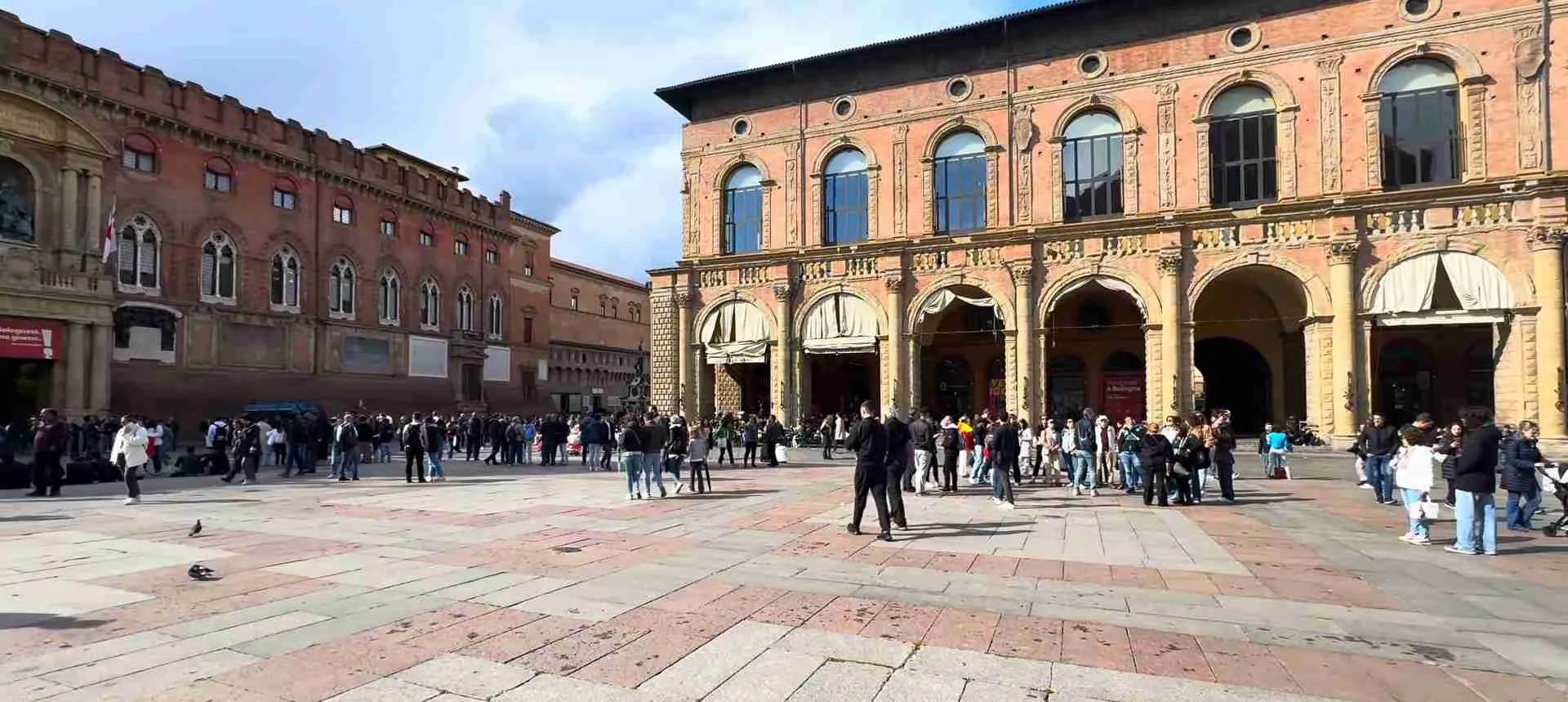
Bologna rewards strategic timing with dramatically different experiences across seasons—spring’s Renaissance festivals and perfect walking weather, summer’s open-air cinema and intense heat, autumn’s truffle season and returning students, or winter’s empty porticoes and authentic local life. Understanding the city’s seasonal rhythms, event calendar, and pricing patterns transforms a good visit into an exceptional one precisely matched to your priorities.
Key Takeaways
- Optimal weather windows in 2026: April through June delivers 18-28°C temperatures with 14-15 hours daily sunlight, ideal for exploring Bologna’s 38 kilometers of porticoes and climbing medieval towers without summer’s oppressive humidity.
- Strategic crowd avoidance: January-February and March offer authentic local experiences with minimal tourists, while July-October brings peak crowds and requires advance booking for major attractions and restaurants.
- Major 2026 events shape timing: Cinema Ritrovato film festival (June 20-28) celebrates its 40th anniversary with open-air screenings in Piazza Maggiore, Arte Fiera (February 6-8) dominates the contemporary art calendar, and Bologna’s 20th anniversary as a UNESCO City of Music brings year-round celebrations.
- Seasonal pricing strategies: Hotel rates range from €80-130 in winter low season to €200-400+ during July-August peak, with shoulder seasons (April-May, September-October) offering €130-200 mid-range options and excellent value.
- University population dynamics: Student departures in mid-August thin crowds but close many restaurants and shops, while September returns bring vibrant energy and moderate accommodation availability throughout the academic year.
- Festival concentration periods: February features Historic Carnival celebrations (February 8, 15, 17) and Slow Wine Fair (February 22-24), while September-November delivers white truffle festivals across the Bolognese hills with peak hunting season.
People Also Ask About Best Time Visit Bologna 2026
What is the best month to visit Bologna in 2026?
May 2026 represents the optimal single month for visiting Bologna, combining pleasant 24°C average temperatures with 14.8 hours of daily sunlight, manageable tourist crowds before peak summer, and major cultural events including the Bologna Festival classical music series and Diverdeinverde garden festival. The month offers comfortable exploration conditions for Bologna’s extensive portico network and outdoor attractions while avoiding July-August’s oppressive heat and humidity. Hotel availability remains good with mid-range properties at €130-200 nightly, restaurants accommodate walk-ins outside prime dining hours, and the city maintains its authentic character with full student population and local business operations. May also marks Bologna’s transition into sustained warm weather, with occasional spring thunderstorms clearing quickly and leaving refreshed air ideal for afternoon walks and evening aperitivi culture.
When should I avoid visiting Bologna in 2026?
Mid-August 2026 presents the most challenging visiting period for Bologna, as the city experiences dual pressures of peak heat (31°C average with humidity making it feel significantly hotter) and widespread business closures when locals take annual vacations. Many traditional trattorias, food shops, and markets shut down for 2-3 weeks, fundamentally altering Bologna’s gastronomic experience—the primary draw for most visitors. While major museums and tourist attractions remain open, the authentic local dining scene that defines Bologna becomes difficult to access, with remaining restaurants often tourist-focused rather than representing traditional Bolognese cuisine. January and early February also merit consideration for avoidance if you prioritize outdoor activities, as temperatures hover 3-6°C with frequent overcast conditions, occasional snow, and limited daylight hours (9 hours in January). However, these winter months offer compensating advantages of minimal crowds and low prices absent during August’s operational disruptions.
How far in advance should I book Bologna hotels for 2026?
Booking timelines for Bologna 2026 vary dramatically by season and events, with peak periods requiring 3-6 months advance reservation while off-season allows comfortable 2-4 week planning. For major festivals—Cinema Ritrovato (June 20-28), Arte Fiera (February 6-8), Auto e Moto d’Epoca vintage vehicle fair (October 22-25)—hotels fill 4-6 months ahead as these events draw international audiences and limited citywide capacity. July-August peak season similarly demands 3-4 months advance booking, particularly for properties in the historic center near Piazza Maggiore and the university quarter. April-May and September-October shoulder seasons offer more flexibility with 6-8 weeks providing good selection and rates, though popular boutique hotels and converted palazzo properties book earlier. November-March low season grants maximum flexibility, often allowing quality bookings just 2-3 weeks ahead, with occasional last-minute deals as properties adjust inventory. Bologna’s compact historic center concentrates desirable accommodations in walkable zones, creating genuine scarcity during high-demand periods that cannot be solved by booking peripheral properties as effectively as in larger cities.
What are the main festival periods to consider for Bologna 2026?
Bologna’s 2026 festival calendar concentrates around five major periods that dramatically reshape the city’s character and visitor experience. February 6-24 brings concentrated cultural events including Arte Fiera contemporary art fair (February 6-8), Historic Carnival celebrations in the city center and surrounding towns (February 8, 15, 17), and Slow Wine Fair (February 22-24), creating a winter cultural season that attracts sophisticated audiences. Late June features Cinema Ritrovato’s 40th anniversary (June 20-28), transforming Piazza Maggiore into an open-air cinema showing restored classics and drawing international film scholars and enthusiasts. September-November delivers Bologna’s renowned white truffle season, with Tartfóla International White Truffle Festival and numerous smaller sagre (food festivals) throughout the Bolognese hills celebrating autumn harvests. October 22-25 hosts Auto e Moto d’Epoca, one of Europe’s premier vintage vehicle fairs, filling hotels with collectors and automotive enthusiasts. Throughout 2026, Bologna celebrates its 20th anniversary as a UNESCO City of Music with various concerts and musical events, though specific anniversary programming details continue developing. Each festival period requires adjusted planning for accommodation availability, restaurant reservations, and crowd management strategies.
Extended multi-day tours – 5+ days
Featured Bologna Multi-Day Tour Packages

3 days
Bologna 3-Day Discovery Tour
- ✓ Comprehensive Bologna experience
- ✓ Expert local guides included
- ✓ All accommodation included
- ✓ Transportation provided

5 days
Bologna 5-Day Highlights Experience
- ✓ Comprehensive Bologna experience
- ✓ Expert local guides included
- ✓ All accommodation included
- ✓ Transportation provided

7 days
Bologna 7-Day Cultural Journey
- ✓ Comprehensive Bologna experience
- ✓ Expert local guides included
- ✓ All accommodation included
- ✓ Transportation provided
10 days
Bologna 10-Day Complete Adventure
- ✓ Comprehensive Bologna experience
- ✓ Expert local guides included
- ✓ All accommodation included
- ✓ Transportation provided
Multi-day tour packages powered by TourRadar. Prices and availability subject to change.
Introduction: Understanding Bologna’s Seasonal Opportunities 2026
Bologna’s position in the Po Valley creates a temperate semi-continental climate with distinct seasonal personalities that profoundly influence visitor experience beyond simple weather considerations. Unlike coastal Italian cities where Mediterranean breezes moderate extremes, Bologna experiences the valley’s characteristic temperature swings—cold, damp winters giving way to hot, humid summers—while maintaining year-round cultural vitality thanks to Europe’s oldest university and a local population that never truly abandons the city. This permanence distinguishes Bologna from tourist-dependent destinations like Venice or the Amalfi Coast, where seasonal closures fundamentally alter what’s accessible.
The city’s 2026 calendar reflects both established annual rhythms and special commemorations, most notably the 20th anniversary of Bologna’s UNESCO City of Music designation. This milestone brings enhanced programming throughout the year, layered onto traditional festivals that have defined Bologna’s cultural calendar for decades or centuries. Understanding these patterns allows visitors to align their timing with specific interests—whether prioritizing ideal photography conditions during spring’s golden light, immersion in Cinema Ritrovato’s film culture, autumn’s truffle-hunting season, or winter’s intimate access to local life when tourism evaporates.
Weather patterns, tourist volume, pricing structures, and event scheduling create a complex decision matrix where no single “best time” serves all travelers equally. A food-focused visitor prizes November’s white truffle festival and cooler temperatures for walking food tours, accepting shorter daylight hours and occasional rain. Photography enthusiasts target April-May’s extended golden hours and spring blooms along the porticoes. Budget travelers exploit January-February’s dramatically reduced hotel rates despite cold weather. Festival devotees build entire trips around Cinema Ritrovato or Arte Fiera, accepting premium pricing and crowds for irreplaceable cultural access.
Bologna’s compact historic center—easily walkable within 30 minutes across its diameter—means weather significantly impacts daily comfort regardless of season. The city’s famous 38 kilometers of porticoes provide shelter from rain and summer sun, but winter cold penetrates the covered walkways while summer humidity traps between Renaissance buildings regardless of architectural shade. This geographic reality makes seasonal selection more consequential than in sprawling cities where indoor activities and air-conditioned transport buffer weather’s effects.
The 2026 planning landscape also reflects post-pandemic tourism evolution, with shoulder seasons (April-May, September-October) increasingly crowded as travelers seek traditional peak season weather without July-August masses. This democratization of “best times” means even optimal windows now require strategic booking and crowd-management awareness that wasn’t necessary a decade ago. Simultaneously, true off-season periods (January-February) offer unprecedented value and authentic local access for travelers comfortable with weather trade-offs.
Understanding Bologna’s Climate Patterns Through 2026
Bologna’s temperate semi-continental climate creates four distinct seasons with dramatic temperature ranges, humidity variations, and precipitation patterns that directly determine outdoor activity comfort and photographic conditions. Annual temperatures span from January lows averaging 1°C to July-August peaks reaching 31°C, with extremes occasionally dipping below -5°C in winter or spiking to 38-40°C during summer heat waves. This 40-degree Celsius range exceeds what coastal Italian cities experience, making seasonal selection particularly consequential for visitor comfort.
Winter Weather Characteristics (December-February)
Winter in Bologna brings cold, damp conditions with average daytime temperatures 6-9°C and nighttime lows 0-2°C, though temperature perception feels colder due to 79-82% relative humidity that penetrates clothing and creates persistent chill. January represents the coldest month with average highs just 6°C and overnight temperatures frequently dropping to freezing or below, accumulating approximately 49 nights annually with sub-zero readings. The Po Valley’s characteristic fog, while less frequent than decades past, still appears during stable high-pressure periods, reducing visibility and creating atmospheric conditions that appeal to certain photographers while limiting landscape clarity.
Snowfall occurs most winters, typically accumulating 25-30 centimeters during heavier events, with exceptional years like February 2012 reaching 95 centimeters. However, snow rarely persists more than a few days before melting or turning to slush on Bologna’s historic cobblestones. December-February marks the driest season with just 6-7 rainy days monthly and 35-40 millimeters precipitation, making winter paradoxically more reliable for outdoor plans than spring despite uncomfortable temperatures. Daylight proves severely limited, with December’s winter solstice bringing just 8.9 hours from sunrise to sunset, though the low sun angle creates dramatic raking light through the porticoes during midday hours.
Spring Weather Transition (March-May)
Spring represents Bologna’s most dramatic weather evolution, beginning with unstable March conditions (14°C average highs, 5°C overnight lows) where winter cold fronts alternate with first warm days, creating unpredictable 10-degree daily swings. April stabilizes considerably with pleasant 18°C daytime temperatures and 9°C nights, though Atlantic depressions bring frequent rainfall—April averages 70 millimeters across 8-9 rainy days, making it technically the wettest month despite May’s greater rain day count. By late April through May, conditions achieve near-ideal exploration parameters: 24°C comfortable warmth, 14°C overnight cooling, and 14.8-15.5 hours of daylight maximizing sightseeing time.
May brings Bologna’s highest annual rain day count at 9 days monthly despite moderate 60 millimeter accumulation, as spring thunderstorms develop quickly during afternoon heating then clear by evening. These brief but intense storms rarely disrupt full-day plans given Bologna’s extensive portico network providing continuous covered walking routes. Humidity drops from winter’s 79-82% to more comfortable 65-70%, though not reaching August’s driest 58%. The extended daylight and strengthening sun create optimal conditions for photography, with golden hour light lasting well past 8 PM by late May, ideal for capturing the city’s terracotta rooftops and tower silhouettes.
Summer Heat and Humidity (June-August)
Summer transforms Bologna into a hot, humid environment where the Po Valley’s landlocked position traps heat between surrounding mountains, creating conditions distinctly less comfortable than coastal Italian cities receiving sea breezes. June initiates summer warmth with 28°C average highs and 17°C nights, while July-August peak at 31°C with 19-20°C overnight temperatures providing minimal relief. However, these averages understate heat stress—temperatures regularly reach 34-35°C during hot periods, with exceptional days hitting 38-40°C as recorded in July 1983, August 2003, and August 2017.
Humidity compounds thermal discomfort, though August paradoxically records the year’s lowest relative humidity at 58% due to extended dry periods. The combination of high temperatures and trapped air creates muggy conditions where perceived temperature exceeds actual readings, particularly in the historic center where Renaissance buildings block air circulation. Locals adapt by minimizing midday outdoor activity, seeking refuge in churches and museums during peak afternoon heat (2-5 PM), then emerging for evening passeggiata when temperatures drop modestly after sunset. Summer brings the year’s longest days, with June-July reaching 15-15.5 hours of daylight and 9-12.5 hours of sunshine, though hazy conditions from humidity can diffuse light quality.
Rainfall drops to annual lows during summer, with July recording just 48 millimeters across 6-7 days—the year’s driest period. However, when rain occurs, it typically manifests as dramatic afternoon or evening thunderstorms developing from heat buildup, bringing brief intense downpours that clear quickly but can disrupt outdoor dining and events. These storms rarely provide lasting temperature relief, with heat and humidity returning within hours.
Autumn Weather Decline (September-November)
Autumn begins with September’s still-warm 25°C daytime temperatures and 15°C nights, maintaining comfortable exploration conditions while tourist crowds begin dispersing and students return to animate the university quarter. October brings noticeable cooling to 18°C highs and 10°C lows—ideal walking weather that makes this month popular for cultural tourism and food festivals. However, autumn’s progression accelerates in November with temperatures dropping to 13°C days and 5°C nights, accompanied by the year’s heaviest rainfall at 95 millimeters across 10-11 rainy days.
November represents Bologna’s wettest and least sunny month, with overcast conditions dominating, visibility occasionally reducing to 9 kilometers, and daylight shrinking to just 9.6 hours. These conditions challenge outdoor-focused itineraries, though the city’s extensive covered porticoes and world-class museums provide ample shelter. Autumn’s cooling temperatures and increasing rainfall create ideal conditions for truffle hunting in the Bolognese hills, making October-November the prime season for food-focused visitors despite weather trade-offs. The season’s variable conditions—pleasant early autumn versus challenging late November—require precise timing for optimal experience.
Tourist Crowds and Atmosphere by Season 2026
Bologna’s tourism patterns reflect both seasonal weather influences and the unique dynamics of a university city where student population movements create distinct crowd rhythms separate from typical Italian tourist cycles. Unlike Venice or Florence where tourism dominates the economy, Bologna maintains authentic local character year-round thanks to its 85,000-student university population, government administration functions, and industrial economy. This permanence means restaurants, shops, and cultural venues operate continuously rather than shuttering off-season, but also creates complex crowd patterns where peak tourism doesn’t necessarily align with highest total population.
Peak Tourism Periods (July, September, October)
Bologna experiences maximum tourist density during July, September, and October 2026, when international visitors combine with optimal weather to create the year’s most crowded conditions. July represents pure tourism peak as university students depart after spring exams, temporarily reducing local population while summer festivals—particularly Cinema Ritrovato (June 20-28 extending into early July) and Bologna Estate’s citywide program of outdoor concerts and performances—attract cultural tourists from across Europe. The historic center’s piazzas and major attractions like Piazza Maggiore, the Two Towers, and San Petronio Basilica experience significant crowding during midday and evening hours, requiring strategic timing for photography and peaceful contemplation.
September-October brings a different crowd dynamic as tourists overlap with returning students creating Bologna’s highest total population density. September sees students reclaiming the university quarter, filling cafes and trattorias around Via Zamboni while cultural tourists pursue autumn’s favorable weather before winter. October maintains high tourism levels as travelers seek pleasant 18°C temperatures ideal for walking tours, coinciding with white truffle festivals in the Bolognese hills and major events like Auto e Moto d’Epoca (October 22-25). This dual population pressure means accommodation and restaurant reservations become essential, with popular trattorias requiring bookings 2-3 days ahead even for weekday dinners.
High Season Moderate Crowds (April, May, June, August, November)
April through June represents ascending high season as warming weather draws tourists while students remain in residence, creating vibrant but manageable crowd levels. April marks the transition from quiet spring to active tourism, with Easter holidays (timing varies annually) bringing family travelers. May experiences near-peak conditions as weather reaches ideal parameters, the Bologna Festival classical music series begins, and the Diverdeinverde garden festival opens private courtyards citywide. June balances departing students with arriving summer tourists, maintaining consistent crowd density.
August presents a paradoxical tourism landscape: international visitors continue arriving while locals and students depart for annual vacations, creating a strange demographic inversion where tourist attractions remain busy but residential neighborhoods feel emptied. Many traditional restaurants and shops close for 2-3 week August holidays (Ferragosto), reducing dining options and fundamentally altering the city’s gastronomic character despite continued tourist presence. November extends high season into autumn as truffle festivals and cultural events draw food-focused tourists despite increasing rainfall and decreasing temperatures, with crowds concentrated around specific festival dates rather than distributed throughout the month.
Low Season Transitional Periods (March, December)
March and December represent transitional low season periods where tourism diminishes but doesn’t evaporate, offering increased local character without complete crowd absence. March’s unpredictable weather—cold fronts alternating with warm days—discourages mass tourism while students remain active, creating authentic university-city atmosphere with available tables at popular restaurants and accommodation below high-season rates. The month appeals to visitors prioritizing local experience over optimal weather, with sufficient tourists present to keep major attractions and tours operating normally.
December brings holiday tourism concentrated around Christmas markets in Piazza Maggiore and Santo Stefano, creating a focused crowd period (mid-December through New Year) bookended by quieter weeks. The festive atmosphere, ice skating rink in Piazza Maggiore, and Christmas concerts in Baroque churches attract romantic couples and families seeking European holiday ambiance, driving hotel rates upward during the final two weeks despite overall low-season classification. Outside holiday weeks, December offers quiet exploration conditions with full operational status—unlike coastal destinations that largely shut down—though limited daylight (9 hours) and cold temperatures restrict outdoor time.
Very Low Season Minimal Tourism (January, February)
January and February represent Bologna’s quietest tourism period, offering near-exclusive local experience with dramatically reduced visitor presence. January’s post-holiday weeks see the city essentially belonging to residents and students, with museums, monuments, and restaurants operating at full capacity for minimal crowds. Visitors walk directly into attractions without queuing, secure restaurant tables without reservations, and experience Bologna’s authentic daily rhythms as if tourism infrastructure existed merely as convenient backdrop rather than dominant economic force.
February maintains minimal tourism until Carnival celebrations (February 8, 15, 17 in 2026) and Arte Fiera (February 6-8) bring focused cultural crowds for specific events. These festivals attract sophisticated audiences rather than mass tourism, creating brief activity spikes without overwhelming the city. The Historic Carnival of San Giovanni in Persiceto (suburb) and Bologna’s city center celebrations bring locals and regional visitors for traditional masked festivities, offering authentic cultural participation. February’s cold, damp weather deters weather-sensitive tourists, making this period ideal for visitors who prioritize cultural access and low prices over comfort, accept 2-3 hours reduced daily outdoor time compared to summer, and value intimate museum experiences and unhurried trattoria meals above all else.
Seasonal Price Variations and Value Periods 2026
Bologna’s accommodation pricing reflects seasonal demand fluctuations, event impacts, and university calendar influences, creating a complex rate structure where strategic timing can reduce costs 40-60% compared to peak periods while maintaining full access to attractions and services. Unlike purely tourist-dependent cities where low season brings operational closures alongside reduced rates, Bologna’s year-round local economy ensures consistent quality and availability across price tiers, making off-season value periods particularly attractive for budget-conscious travelers.
Peak Season Premium Pricing (July-August)
July-August 2026 commands Bologna’s highest accommodation rates across all categories, with mid-range hotels in the historic center reaching €200-280 per night and boutique properties or converted palazzos escalating to €300-450 nightly. Budget options remain available at €120-180 for basic hotels and €80-120 for guesthouses, but these properties often book months ahead, limiting last-minute flexibility. Premium five-star accommodations peak at €400-600+ during July-August, with exceptional properties exceeding these ranges during major events or peak summer weekends.
Restaurant pricing remains relatively stable year-round given local clientele, but reservation requirements intensify dramatically during summer peak. Traditional trattorias serving Bolognese specialties require 2-4 day advance bookings for dinner, with many refusing walk-ins entirely during July-August evenings. This reservation pressure effectively limits spontaneous dining exploration that represents part of Bologna’s appeal, forcing structured planning that contradicts the city’s laid-back gastronomic culture. Popular enotecas and wine bars fill by 7 PM, requiring early arrival or advance calls for table availability.
High Season Elevated Rates (April-June, September-October)
Shoulder season months deliver Bologna’s optimal value-to-experience ratio, combining favorable weather and full cultural programming with moderate pricing that splits the difference between winter lows and summer peaks. April-May hotel rates typically run €130-200 for quality mid-range properties, €180-280 for boutique hotels, and €80-130 for budget accommodations—representing 25-35% savings versus July-August while offering arguably superior weather for outdoor exploration. September-October mirrors this pricing structure, with slight premium toward October as autumn truffle season and optimal temperatures drive demand.
Booking flexibility improves considerably during shoulder seasons, with 4-6 weeks advance reservation generally securing preferred properties and good rates, versus 3-4 months required for summer peak. Restaurant reservations become manageable, with 24-48 hours notice sufficient for most establishments outside major festival dates. This operational ease enhances spontaneity and reduces planning stress while maintaining access to Bologna’s full cultural calendar—Cinema Ritrovato extends into late June, Bologna Festival runs April-June, truffle festivals populate September-October, and countless smaller events fill the shoulders year-round.
Low Season Moderate Discounts (March, November-December)
March and November-early December offer 30-40% discounts versus peak summer rates, with mid-range hotels dropping to €100-160 nightly and boutique properties reaching €150-220—substantial savings with trade-offs in weather comfort and daylight hours. Budget accommodations fall to €60-100, occasionally yielding exceptional value in well-located guesthouses when demand softens. December pricing proves variable: early month maintains low-season rates until approximately December 15, then Christmas market period (mid-December through New Year) drives rates upward to €150-250 mid-range, approaching shoulder-season levels despite winter weather.
November presents Bologna’s best pure value proposition for price-conscious travelers comfortable with rain and limited daylight, as white truffle festival programming provides compelling cultural content while weather remains tolerable (13°C average) compared to deep winter. Hotels and vacation rentals offer their best negotiating leverage during November, with properties often accepting direct booking discounts unavailable through OTA platforms, particularly for stays exceeding 3-4 nights. March delivers similar value with improving weather trajectory, making it preferable to November for travelers prioritizing outdoor comfort over autumn’s culinary focus.
Very Low Season Maximum Discounts (January-Early February)
January through early February 2026 yields Bologna’s lowest accommodation rates and greatest availability, with mid-range hotels dropping to €80-130 nightly, boutique properties reaching €120-180, and budget options falling to €50-90—effectively 50-60% below July-August peak pricing. Luxury properties offering €400+ summer rates become accessible at €200-300 during January, creating rare opportunities to experience converted palazzo hotels and design properties at mid-range budgets. This dramatic pricing collapse reflects minimal tourism demand combined with hotels’ willingness to fill inventory at reduced margins rather than leave rooms vacant.
Very low season also enables extended-stay negotiations, with many properties offering weekly rates that reduce effective nightly cost an additional 15-25%. Vacation rental platforms show similar discounting, with monthly stays in quality historic center apartments sometimes priced comparably to hostel dormitory accumulation. Restaurant pricing remains stable—Bologna’s local clientele prevents the dramatic menu cost reductions seen in purely tourist areas—but table availability reaches annual peak, allowing spontaneous dining decisions and extended meals without reservation pressure. January-February rewards travelers who prioritize cultural immersion and budget efficiency over weather comfort, offering unprecedented access to local daily life at minimum cost.
Major Events and Festivals Calendar 2026
Bologna’s 2026 festival calendar spans high culture, culinary traditions, contemporary arts, and specialized enthusiast events, creating distinct periods when the city’s character shifts significantly beyond baseline tourism patterns. Understanding these concentrations allows strategic planning either to pursue specific cultural experiences or deliberately avoid crowd surges and accommodation scarcity if events don’t align with travel interests.
Winter Festival Concentration (February 2026)
February 2026 delivers Bologna’s densest winter cultural programming, anchored by three major events within a 19-day span. Arte Fiera (February 6-8) represents Italy’s oldest contemporary art fair, transforming BolognaFiere exhibition center into a showcase of emerging and established artists, galleries, and installations that attracts international collectors, curators, and art enthusiasts. The event spawns citywide satellite exhibitions, gallery openings, and artist talks that extend impact beyond the fairgrounds, filling hotels in the Fiera district and historic center.
Historic Carnival celebrations occur February 8, 15, and 17 (Shrove Tuesday), with Bologna’s historic center hosting the Carnival Fair and elaborate masked festivities drawing families and regional visitors. The Historic Carnival of San Giovanni in Persiceto—celebrating its 152nd edition on February 8 and 15—presents allegorical floats and the traditional Bertoldo mask representing peasant culture, accessible via 20-minute train from Bologna. Additional carnival events populate surrounding towns including Pieve di Cento (February 1, 8, 15, March 1) and San Pietro in Casale (February 8, 15), offering authentic regional variations on carnival traditions.
Slow Wine Fair (February 22-24) concludes February’s festival cluster, focusing on natural and sustainable winemaking with emphasis on Central and South American producers alongside Italian vintners. The three-day event fills BolognaFiere with tastings, seminars, and wine merchant interactions, drawing oenophiles and industry professionals who book accommodations months ahead. This February concentration creates a winter cultural season that rivals traditional spring-summer festival appeal for sophisticated travelers prioritizing arts and gastronomy over weather optimization.
Spring Arts and Culture (March-May 2026)
March 2026 marks Lucio Dalla tribute season, with the “CIAO” festival (date to be confirmed) celebrating Bologna’s beloved singer-songwriter through concerts, seminars, and the “Ballerini Dalla” award recognizing innovative Italian music talent. These events typically occur around Dalla’s March 4 birthday, creating a focused period of musical programming across venues citywide. The month also sees Bologna’s 20th anniversary as UNESCO City of Music begin gaining momentum, though specific celebrations continue developing throughout the year.
April brings the Bologna Children’s Book Fair—one of the world’s premier children’s publishing events—attracting illustrators, authors, publishers, and literary agents for market activity, exhibitions, and awards. The 2026 edition features Japanese illustrator Icinori as guest of honor, with associated BolognaBookPlus programming including seminars and portfolio reviews. Exposanità (April 22-24) fills BolognaFiere with healthcare technology and medical equipment exhibitions, primarily drawing industry professionals but impacting accommodation availability. Cultural programming includes “We Will Rock You” musical performances (April 1-2) at Teatro EuropAuditorium and concerts by international artists like Louis Tomlinson (April 9) and Luca Carboni (April 19-20).
May features the Bologna Festival classical music series launch and Diverdeinverde, an annual weekend event opening Bologna’s private courtyards and hidden gardens for public exploration—offering rare access to Renaissance palazzos’ interior green spaces typically closed year-round. The combination creates compelling spring cultural content beyond standard tourist attractions.
Summer Film and Music Festival (June-August 2026)
Cinema Ritrovato (June 20-28, 2026) represents Bologna’s signature summer cultural event, celebrating its 40th anniversary with a prestigious program of restored classic films, rare screenings, and director retrospectives that transform the city into an open-air cinema. The festival’s iconic Piazza Maggiore evening screenings project masterworks onto a massive outdoor screen, drawing thousands for free public viewings under Bologna’s medieval towers. Daytime programming fills the Cineteca di Bologna and partner venues with specialized retrospectives, silent films with live musical accompaniment, and academic symposia attracting film scholars and restoration experts globally.
Cinema Ritrovato’s impact extends beyond dedicated cinephiles—the festival creates a distinctive urban atmosphere where evening piazza screenings become social events for locals and tourists alike, restaurants extend hours to serve post-film crowds, and the entire historic center adopts a celebratory late-night energy. Accommodation becomes exceptionally scarce during the June 20-28 window, with many film professionals and enthusiasts booking a year ahead for preferred historic center properties. Festival passes and individual screening tickets go on sale months prior, requiring advance planning for guaranteed access to popular retrospectives.
Bologna Estate summer festival programming runs throughout June-August, presenting free outdoor concerts, dance performances, and theater across the city’s piazzas. WeMakeFuture (June 24-26) at BolognaFiere focuses on artificial intelligence, digital marketing, and technology innovation, drawing tech professionals. These events create continuous summer cultural activity that keeps the city vibrant beyond standard tourism offerings.
Autumn Culinary Traditions (September-November 2026)
September-November 2026 centers on Bologna’s renowned food traditions, particularly white truffle season when the prized tuber reaches peak maturity in the Bolognese hills. Tartfóla International White Truffle Festival (dates typically late October-November) showcases the region’s finest specimens with tastings, truffle hunting demonstrations, and market vendors selling fresh truffles at premium but fair prices compared to restaurant markups. Numerous smaller sagre (village food festivals) throughout the hills celebrate chestnuts, porcini mushrooms, and autumn produce, offering authentic rural dining experiences accessible via short drives or organized tours from Bologna.
Fantastika (September 19-20) returns to Dozza, a 30-minute journey from Bologna, for its biennial thematic illustration festival featuring the Dragon of Dozza and fantasy art exhibitions transforming the medieval village. Auto e Moto d’Epoca (October 22-25) draws vintage vehicle enthusiasts to BolognaFiere for one of Europe’s largest classic car and motorcycle shows, filling hotels with collectors and industry specialists who book months ahead.
November extends truffle season through the month while adding the Porretta Terme Film Festival (December 2026) in the Bologna Apennines—a spa town cinema festival complementing summer’s Cinema Ritrovato with different programming focus. Tech Week (December 2026, dates to be confirmed) concludes the year with widespread technology and innovation events, though Christmas market season (mid-December onwards) becomes the dominant late-year cultural draw.
UNESCO City of Music 20th Anniversary Programming
Throughout 2026, Bologna celebrates 20 years since its UNESCO City of Music designation with various concerts, musical events, and programming details continuing to develop. The anniversary recognition stems from Bologna’s profound musical heritage—home to Europe’s oldest music conservatory (founded 1804), birthplace of numerous opera composers, and contemporary vibrant music scene spanning classical to experimental genres. While specific anniversary events remain under development, visitors can expect enhanced programming at established venues like Teatro Comunale, increased festival activities, and special exhibitions exploring Bologna’s musical contributions throughout the year.
Weather-Optimized Activity Planning by Season 2026
Bologna’s compact historic center and extensive portico network create unique weather-activity relationships where seasonal conditions dramatically affect optimal daily schedules, attraction accessibility, and outdoor comfort levels. Strategic planning around weather patterns maximizes each season’s advantages while mitigating inherent limitations.
Spring Activity Strategies (April-May)
Spring’s 18-24°C comfortable temperatures and extended daylight (14-15 hours) enable full-day outdoor exploration without the midday heat breaks summer demands. Optimal daily rhythm begins with 9-10 AM starts for climbing the Asinelli Tower (498 steps), photographing the city’s terracotta rooftops during morning’s softer light, and visiting the Sanctuary of the Madonna di San Luca via the 3.8-kilometer portico ascent before afternoon crowds gather. Mid-April through May offers the year’s most comfortable conditions for this iconic climb, avoiding winter’s icy steps and summer’s oppressive heat trapped under the covered portico.
Spring afternoon thunderstorms typically develop 3-6 PM, making this period ideal for museum visits at Pinacoteca Nazionale, MAMbo contemporary art museum, or the Archaeological Museum’s Egyptian and Etruscan collections. The porticoes provide continuous covered routes between indoor attractions, allowing seamless transitions during rain without disrupting schedules. Late afternoon clearing often yields dramatic evening light for photography around Piazza Maggiore and the Two Towers, with golden hour extending past 8 PM by late May.
Spring excels for day trips to surrounding destinations—Modena (30 minutes by train), Parma (1 hour), Ravenna (1 hour 15 minutes), Ferrara (30 minutes)—as pleasant temperatures make train station walks and town exploration comfortable without winter cold or summer heat. The Bolognese hills awaken with spring blooms and reopened agriturismi (farm restaurants) serving seasonal vegetables, accessible via rental car or organized tours from Bologna. Spring food tours focus on fresh produce at outdoor markets like Mercato delle Erbe and Mercato di Mezzo, where vendors display asparagus, artichokes, and early-season vegetables unavailable during winter.
Summer Heat Management (June-August)
Summer’s 28-31°C averages demand schedule restructuring around midday heat, adopting local patterns that minimize 12-4 PM outdoor exposure when sun intensity and trapped valley heat peak uncomfortably. Optimal summer rhythm begins early: 7-8 AM starts for morning market visits when vendors arrange fresh produce, temperatures remain tolerable 22-24°C, and morning light creates excellent photography conditions. The Asinelli Tower climb becomes advisable only before 9 AM or after 7 PM to avoid heat stress on the exposed steps and observation platform.
Midday retreat to Bologna’s magnificent churches—San Petronio Basilica, Santo Stefano complex, San Giacomo Maggiore—provides both cultural content and blessed cool refuge in stone interiors that maintain 18-22°C regardless of external heat. Museum visits during 12-4 PM capitalize on air-conditioned galleries while avoiding peak sun, with the Pinacoteca and Archaeological Museum offering world-class collections in climate-controlled comfort. Late afternoon (5-7 PM) resumes outdoor activity as temperatures moderate slightly and shadows lengthen, ideal for aperitivo culture in Piazza Santo Stefano or under the porticoes of Via Zamboni.
Evening activities extend later during summer’s long days, with sunset after 9 PM creating extended twilight perfect for passeggiata (traditional evening strolls) through the historic center. Open-air events dominate summer programming—Cinema Ritrovato’s Piazza Maggiore screenings, Bologna Estate concerts, outdoor dining—all designed around post-sunset cooling when evening temperatures drop to 20-22°C and city life migrates entirely outdoors. Summer excels for evening food tours sampling gelato, mortadella, and cold-cut platters that replace winter’s hot dishes, with outdoor seating maximizing the social atmosphere that defines Bologna’s summer character.
Autumn Comfortable Exploration (September-October)
Autumn delivers Bologna’s most comfortable all-day outdoor conditions, particularly September-October’s 18-25°C ranges that require neither heat management nor cold weather gear. Daily schedules can return to flexible timing without mandatory midday breaks, enabling spontaneous exploration and extended outdoor meals that capitalize on autumn’s reliable weather. The Asinelli Tower climb becomes pleasant again after summer heat, with 18°C temperatures making the 498-step ascent comfortable and observation platform views crystal-clear in autumn’s reduced humidity.
October represents the year’s optimal month for Bologna’s extensive portico network walks, as 18°C temperatures make the covered passageways perfect for extended strolls without winter cold or summer heat trap effects. The 3.8-kilometer portico to San Luca sanctuary becomes particularly appealing during autumn foliage season, when surrounding hills display fall colors visible through the arcade’s arches. Autumn light quality reaches annual peak during October’s “golden weeks” when humidity drops, skies clear, and raking sunlight creates dramatic shadows along the porticoes—ideal for photography enthusiasts.
Autumn excels for culinary activities centered on seasonal products: white truffle hunting tours in the Bolognese hills, grape harvest celebrations at area vineyards, chestnut and porcini mushroom festivals in Apennine villages. Cool but comfortable temperatures make outdoor market exploration pleasant, with vendors displaying autumn produce—squashes, chestnuts, grapes, wild mushrooms—that define seasonal Bolognese cooking. Food tours shift toward hearty autumn dishes: tagliatelle with ragù, tortellini in broth, roasted meats, and truffle-enhanced preparations that replace summer’s lighter fare.
Winter Indoor-Focused Programming (November-February)
Winter’s 3-13°C temperatures and 9-hour daylight windows require acceptance of primarily indoor schedules punctuated by brief outdoor transitions between venues via the portico network. Optimal winter rhythm concentrates outdoor activities during 11 AM-3 PM when temperatures peak and available daylight maximizes, reserving mornings and evenings for museum visits, cathedral interiors, and restaurant meals that dominate winter cultural consumption. The porticoes prove their essential function during winter, providing continuous covered routes that allow movement between attractions while minimizing exposure to cold, damp conditions.
Winter excels for Bologna’s extraordinary museum collections, benefiting from minimal tourist crowds that allow extended contemplation in the Pinacoteca’s Renaissance masterworks, Archaeological Museum’s Etruscan artifacts, and MAMbo’s contemporary installations. The city’s numerous historic churches become particularly atmospheric during winter, with sparse attendance creating intimate spiritual environments and Christmas season (December) adding elaborate nativity scenes (presepi) and musical concerts in Baroque settings. Guided tours of usually-closed palazzos and private collections operate year-round but become more accessible during winter’s reduced demand.
Winter food experiences shift toward Bologna’s rich comfort cuisine: tortellini in capon broth, cotechino sausage, bollito misto (mixed boiled meats), and thick ragù sauces that define cold-weather eating. December-February allows spontaneous trattoria visits without reservations, enabling authentic discovery of neighborhood osterie frequented by locals rather than tourist-packed establishments. Winter markets (Christmas markets December-January) add festive atmosphere and gift shopping opportunities, while January-February’s post-holiday quiet creates the year’s most intimate engagement with daily Bolognese life largely undiluted by tourism.
Strategic Booking and Planning Timeline 2026
Bologna’s accommodation and activity booking requirements vary dramatically by season and event proximity, with proper timeline planning preventing both unnecessary early commitment and disappointing unavailability. Understanding when to lock reservations versus maintaining flexibility optimizes both cost and selection quality.
Immediate Booking Requirements (4-6 Months Ahead)
Cinema Ritrovato (June 20-28) demands the earliest booking action, with film enthusiasts and industry professionals reserving preferred historic center hotels 6-12 months ahead for this 40th anniversary edition. Properties within walking distance of Cineteca di Bologna and Piazza Maggiore fill first, followed by Via Zamboni area hotels convenient to screening venues. Festival passes and popular retrospective tickets also require early purchase (sales open approximately 3 months prior), making Cinema Ritrovato the single event requiring most advance planning.
Arte Fiera (February 6-8), Auto e Moto d’Epoca (October 22-25), and Bologna Children’s Book Fair (April) similarly fill hotels 4-6 months ahead as these specialized events attract international audiences with fixed dates. Properties near BolognaFiere exhibition center book earliest for trade fair attendees, but spillover demand affects historic center availability as many visitors prefer staying centrally despite 30-minute travel to fairgrounds. Slow Wine Fair (February 22-24) requires 3-4 months advance booking for optimal selection.
Standard Peak Season Booking (3-4 Months Ahead)
July-August accommodation requires 3-4 months advance reservation for quality properties in desirable locations, particularly boutique hotels and converted palazzos that maintain limited inventory. Mid-range chains show somewhat more availability closer to arrival dates, but preferred room categories (quiet courtyard-facing, larger sizes) disappear 2-3 months out. Budget accommodations and hostels fill on similar timelines during peak summer despite lower price points, as backpackers and budget travelers book early to secure affordable options in expensive season.
Restaurant reservations during peak summer benefit from 1-2 week advance planning for dinner at traditional trattorias, with most properties accepting phone reservations 10-14 days ahead. Popular establishments like Trattoria di Via Serra, Osteria dell’Orsa, and All’Osteria Bottega may require full 2-week advance calls for Friday-Saturday dinners, while weekday evenings show more flexibility at 3-5 days notice. Highly regarded contemporary restaurants and Michelin-recognized properties warrant even earlier booking—contact 2-4 weeks ahead for best availability.
Shoulder Season Flexibility (6-8 Weeks Ahead)
April-May and September-October allow comfortable 6-8 week booking timelines that balance securing preferred properties with maintaining some travel flexibility. Hotels typically show good availability at this horizon, with quality selection still available and rates not yet reflecting last-minute scarcity premiums. This booking window suits travelers finalizing spring or autumn plans while avoiding excessive advance commitment that winter/summer demand necessitates.
Tours and specialized activities benefit from 4-6 week advance booking during shoulder seasons, as small-group food tours, cooking classes, and day excursions operate at reduced frequency (1-2 weekly departures) compared to summer’s daily programming. Bologna food tour companies typically require 7-14 days notice for guaranteed availability, with private tours commanding longer lead times. Day trips to Parma, Modena, or truffle hunting in the Bolognese hills warrant 3-4 week advance booking during autumn’s popular October window.
Low Season Short Timelines (2-4 Weeks Ahead)
November-March enables short 2-4 week booking horizons with excellent selection and potential direct-booking discounts when contacting hotels outside OTA platforms. Properties become more willing to negotiate rates and offer upgrades when approaching with early-moderate advance notice, as their revenue management systems identify softening demand and flexibility increases. This period allows spontaneous trip planning while still securing quality accommodations at advantageous rates.
Restaurant reservations become essentially optional during low season outside Christmas-New Year weeks, with most traditional trattorias accepting walk-ins even during prime Friday-Saturday dinner service. This spontaneity enables authentic discovery of neighborhood favorites and last-minute plan changes based on daily preferences—a flexibility impossible during summer peak when advance reservations constrain dining exploration. Tours and activities also relax booking requirements, often accepting 48-72 hour advance reservations or even day-before inquiries during January-February’s minimal demand.
Last-Minute and Walk-In Opportunities
Bologna’s permanent local population creates unusual last-minute accommodation availability even during moderate-demand periods, as business hotels serving corporate clients release unsold inventory 3-7 days ahead. Travelers comfortable with uncertainty can occasionally secure excellent rates 72 hours before arrival during shoulder seasons, particularly Sunday-Thursday nights when business demand evaporates. However, this strategy risks disappointment during events or festivals, and preferred property choices narrow substantially compared to advance booking.
Walk-in restaurant availability depends entirely on season: essentially impossible Friday-Saturday dinners during July-August peak without significant delay, moderately feasible during shoulder seasons with 30-60 minute waits at popular spots, and readily available during November-February low season. Bologna’s numerous excellent trattorias provide backup options even when first-choice establishments prove fully booked, making spontaneous dining more viable here than in cities with concentrated restaurant scenes.
Month-by-Month Planning Calendar 2026
Bologna’s 2026 monthly progression offers distinct advantages and limitations that guide optimal visit timing based on individual priorities weighting weather, crowds, cultural events, and budget considerations differently.
January 2026: Maximum Intimacy Minimum Comfort
January delivers the year’s coldest weather (6°C daytime, 1°C overnight) and shortest days (9 hours), creating challenging outdoor conditions that deter all but dedicated cultural tourists. However, these limitations enable unprecedented access to Bologna’s attractions without queues, restaurants without reservations, and authentic local daily life essentially undiluted by tourism. Hotels reach annual pricing lows (€80-130 mid-range), making luxury properties accessible at mid-range budgets. January suits visitors prioritizing cultural immersion, museum focus, and authentic trattoria experiences over weather comfort, with the understanding that outdoor time contracts to 2-3 hours daily maximum. University students return mid-month after holiday break, restoring energy to the city center.
February 2026: Cultural Festival Concentration
February transforms winter limitations into advantages through concentrated cultural programming: Arte Fiera (February 6-8), Historic Carnival (February 8, 15, 17), and Slow Wine Fair (February 22-24) create three distinct festival periods within one month. Temperatures remain cold (9°C daytime, 2°C overnight) but moderate slightly compared to January, with daylight extending to 10.5 hours by month’s end. Accommodation rates stay low except during festival weekends when demand spikes require advance booking. February rewards art enthusiasts, wine connoisseurs, and culture-focused travelers willing to accept winter weather for exceptional programming concentration. The month also celebrates Lucio Dalla’s legacy with musical tributes around his March 4 birthday, creating vibrant cultural atmosphere despite off-season classification.
March 2026: Unpredictable Transition
March brings weather volatility as winter cold fronts alternate with first warm days, creating 10-degree daily swings and unpredictable conditions (14°C average daytime, 5°C overnight). This instability discourages weather-dependent travelers but creates opportunities for those accepting occasional cold days for low crowds and moderate prices (€100-160 mid-range hotels). Student population remains fully active, animating the university quarter with authentic energy. March suits flexible travelers who can adapt daily plans based on weather—shifting museum-heavy days when cold returns versus outdoor exploration during warm spells. Daylight extends significantly (12 hours by month’s end), enabling post-dinner evening strolls as sunset pushes past 6:30 PM.
April 2026: Spring Emergence
April achieves comfortable exploration temperatures (18°C daytime, 9°C overnight) with 14 hours daylight and spring’s awakening energy across the city. Weather stabilizes compared to March’s volatility, though Atlantic depressions bring frequent rainfall (70mm across 8-9 days)—the year’s technically wettest month despite May’s higher rain day count. Tourism increases noticeably as favorable conditions draw travelers, requiring moderate advance booking (6-8 weeks) for preferred hotels (€130-200 mid-range). April hosts Bologna Children’s Book Fair, Exposanità trade show, and various concerts, creating cultural vibrancy without overwhelming crowds. The month excels for visitors balancing good weather, manageable tourism levels, and spring’s fresh atmosphere before peak summer heat and crowds arrive.
May 2026: Peak Conditions
May represents the single optimal month for weather-prioritizing visitors, delivering 24°C comfortable warmth, 14°C pleasant overnight cooling, and 14.8 hours daylight that extends golden hour past 8 PM. The Bologna Festival classical music series begins, Diverdeinverde opens private gardens for rare public access, and the city reaches its most vibrant state with full student population, returning tourists, and spring’s peak energy. However, May brings the year’s highest rain day count (9 days) as afternoon thunderstorms develop regularly, and tourism approaches summer levels requiring advance bookings (6-8 weeks for hotels at €130-200 mid-range). May suits general travelers seeking reliable pleasant weather, comprehensive cultural programming, and pre-summer crowd levels—accepting higher pricing and some reservation requirements for optimal conditions.
June 2026: Summer Begins
June initiates summer with 28°C comfortable warmth before July-August’s oppressive heat arrives, combining 15+ hours daylight with still-manageable temperatures for all-day outdoor exploration. Cinema Ritrovato (June 20-28) dominates the month’s second half, transforming Bologna into an open-air cinema and creating the year’s most distinctive cultural atmosphere. Accommodation becomes scarce during festival dates (book 4-6 months ahead), with mid-range hotels reaching €180-250 and premium properties €300-400+. June excels for film enthusiasts prioritizing Cinema Ritrovato’s 40th anniversary programming, culture-focused travelers seeking Bologna Estate’s outdoor concert series, and visitors comfortable with peak-approaching crowds for pre-July heat conditions and extended evening activities enabled by latest sunset (9 PM+).
July 2026: Peak Heat Peak Crowds
July brings the year’s highest temperatures (31°C daytime, 20°C overnight), longest days (15 hours), and maximum sunshine (12.5 hours), creating conditions that demand schedule restructuring around midday heat breaks. Student departure after spring exams temporarily reduces population while tourist crowds peak, filling the historic center with international visitors. Accommodation reaches annual pricing peak (€200-400+ mid-range) and requires 3-4 months advance booking, with restaurant reservations essential 1-2 weeks ahead for dinner. July suits heat-tolerant travelers who prioritize Bologna Estate programming, open-air cinema screenings, and extended outdoor evening activities over comfort, accepting that midday hours (12-4 PM) become indoor-focused regardless of plans. Budget-conscious travelers should avoid July entirely due to premium pricing without compensating advantages over June or September.
August 2026: Paradoxical Peak
August maintains July’s heat (31°C daytime, 19°C overnight) while creating a paradoxical tourism landscape as locals and students depart for annual vacations, leaving the city to international visitors. Many traditional restaurants and food shops close for 2-3 week Ferragosto holidays, fundamentally altering Bologna’s gastronomic character that represents most visitors’ primary interest. Tourist attractions remain open and operating, but authentic dining experiences become difficult to access. August suits travelers with fixed schedules accepting operational limitations for continued good weather, but represents the year’s least advisable month for food-focused visitors who should deliberately avoid mid-August’s widespread closures. Heat management strategies from July apply equally: early starts, midday indoor refuge, evening-focused outdoor activities.
September 2026: Optimal Balance Returns
September delivers excellent conditions as temperatures moderate to comfortable 25°C, student population returns creating vibrant energy, and summer’s operational issues resolve while weather remains reliably pleasant. Tourism stays high as travelers seek shoulder-season timing, requiring moderate advance booking (6-8 weeks for €130-200 mid-range hotels). September initiates autumn’s culinary season with early truffle appearances and grape harvest celebrations, while maintaining 12+ hours daylight for extended exploration time. The month suits general travelers seeking optimal weather-culture balance, food enthusiasts beginning truffle season, and visitors avoiding peak summer heat without accepting autumn’s decreasing daylight and increasing rain. September represents the year’s second-best overall month after May for visitors without specific festival priorities.
October 2026: Autumn Peak
October achieves ideal exploration temperatures (18°C daytime, 10°C overnight) with autumn foliage coloring the Bolognese hills and white truffle season reaching peak hunting period. Tourism remains high despite shortening days (10.5 hours), as travelers pursue autumn’s comfortable conditions and culinary programming. Auto e Moto d’Epoca (October 22-25) brings vintage vehicle enthusiasts, requiring advance hotel booking during this specific weekend. October excels for food-focused travelers prioritizing truffle season, photography enthusiasts capturing autumn light and foliage, and culture-seeking visitors accepting moderate crowds for excellent weather and comprehensive programming. Mid-range hotel rates (€130-200) offer good value for conditions provided, with booking timelines of 6-8 weeks securing quality properties.
November 2026: Value Season Begins
November brings noticeable cooling (13°C daytime, 5°C overnight), the year’s wettest conditions (95mm across 10-11 rainy days), and shortened days (9.6 hours) that challenge outdoor-focused itineraries while delivering maximum pricing value (€100-160 mid-range hotels) and minimal crowds. White truffle season continues through November, with Tartfóla festival and numerous hill-town sagre celebrating autumn’s peak culinary period. November rewards budget-conscious travelers comfortable with weather limitations, truffle enthusiasts pursuing season’s finest specimens, and culture-focused visitors accepting reduced outdoor time for authentic local experience and dramatic cost savings versus peak seasons. The month requires acceptance that 30-40% of time shifts indoor due to rain and limited daylight, but compensates with unprecedented access and value.
December 2026: Holiday Atmosphere
December splits into two distinct periods: early month (December 1-14) maintains low-season quiet with cold weather (9°C daytime, 3°C overnight) and minimal daylight (8.9 hours at winter solstice), while mid-to-late month (December 15-31) transforms with Christmas markets in Piazza Maggiore and Santo Stefano, ice skating rink, festive concerts, and holiday tourism that drives accommodation rates upward to €150-250 mid-range despite winter conditions. December suits romantic couples seeking European Christmas atmosphere, families wanting festive experiences, and culture-focused travelers comfortable with extreme daylight limitations (just 9 hours) for intimate museum visits and authentic trattorias serving winter comfort dishes. Early December offers the year’s final low-price window before Christmas premium pricing begins.
Special Considerations for Different Traveler Types 2026
Bologna’s diverse seasonal characteristics create dramatically different optimal timing depending on travel priorities, with weather, culture, food, photography, and budget considerations often pointing toward conflicting months.
Food and Culinary Travelers
Food-focused visitors prioritizing Bologna’s legendary cuisine face seasonal trade-offs between weather comfort and culinary authenticity. October-November represents the optimal window, despite challenging weather, as white truffle season brings the Bolognese hills’ most prized product, traditional restaurants serve hearty autumn dishes (tortellini in broth, bollito misto, ragù-heavy preparations), and food markets display seasonal vegetables, chestnuts, and wild mushrooms that define regional cooking. February-March offers winter comfort food at its richest—cotechino sausage, thick pasta with ragù, braised meats—with minimal tourist crowds enabling spontaneous trattoria discovery.
Mid-August should be deliberately avoided by food travelers as widespread restaurant closures during Ferragosto eliminate access to traditional Bolognese dining, leaving tourist-focused establishments that poorly represent the cuisine’s authentic character. April-May provides excellent food tour conditions with comfortable walking weather and spring produce (asparagus, artichokes, fresh herbs) appearing in seasonal dishes, though experiences lean lighter than autumn-winter’s characteristic richness. Food market visits (Mercato delle Erbe, Mercato di Mezzo) benefit from early starts year-round, but particularly during summer’s 7-8 AM opening when vendors arrange fresh produce before heat arrives.
Photography Enthusiasts
Photography-prioritizing visitors should target April-May or October for optimal light quality, extended golden hours, and atmospheric conditions that create dramatic images of Bologna’s terracotta rooftops, medieval towers, and portico perspectives. Spring offers the year’s longest golden hour (extending past 8 PM by late May), soft morning light for architectural details, and occasional dramatic storm light when afternoon thunderstorms clear leaving crystalline air and raking sun. October delivers autumn’s reduced humidity creating exceptional clarity, fall foliage adding color to hill compositions, and perfect 18°C temperatures allowing comfortable multi-hour outdoor sessions.
Winter (December-February) provides unique atmospheric opportunities—fog creating moody portico perspectives, Christmas market lights illuminating Piazza Maggiore, and empty early-morning streets allowing unobstructed architectural shots impossible during tourist seasons. However, limited daylight (9 hours December) constrains shooting windows severely, and overcast conditions dominate requiring acceptance of flatter light. Summer’s intense sun and hazy humidity create harsh midday conditions unsuitable for most architectural photography, though evening’s extended blue hour enables compelling twilight shots of illuminated towers and piazzas. Sunrise shoots (6-7 AM summer) capture the city awakening with golden light on eastern-facing facades before heat and crowds arrive.
Budget-Conscious Travelers
Budget-maximizing visitors should target January-February for 50-60% accommodation savings versus peak summer, minimal restaurant reservation pressure allowing discovery of excellent-value neighborhood trattorias, and free cultural access to Bologna’s churches and historic center. November offers similar pricing advantages (€100-160 mid-range hotels) with marginally improved weather compared to deep winter, while March provides transitional value (€100-160) with increasing daylight and improving temperatures. These low-season periods maintain full operational status unlike coastal destinations that shut down, ensuring budget savings don’t compromise access to attractions and dining.
Budget travelers should deliberately avoid July-August peak pricing (€200-400+ mid-range hotels) and major festival periods (Cinema Ritrovato June 20-28, Arte Fiera February 6-8) when accommodation costs spike 40-60% above baseline rates. Shoulder seasons (April-May, September-October) offer moderate compromise at €130-200 mid-range, splitting the difference between winter’s dramatic savings and summer’s premium costs while delivering superior weather. Budget strategy should include direct hotel booking attempts (phone/email bypassing OTA commissions), extended-stay negotiations (7+ nights often yields 15-25% reduction), and Sunday-Thursday travel when business hotel inventory releases at reduced rates.
First-Time Visitors
First-time Bologna visitors prioritizing comprehensive introduction to the city’s essential attractions should target May or September-October when favorable weather enables comfortable all-day outdoor exploration of key sites (Piazza Maggiore, Two Towers, portico network, San Luca sanctuary climb), full cultural programming operates including museums and special exhibitions, and moderate crowd levels allow manageable attraction access without overwhelming queues. These months deliver reliable pleasant conditions (18-24°C) for walking Bologna’s compact historic center, sufficient daylight (11-14 hours) for extended sightseeing, and operational ease with restaurants accepting reservations 2-4 days ahead rather than requiring week+ advance planning.
First-timers should generally avoid January-February unless specifically attracted to winter cultural focus, as severe daylight limitations (9 hours) and cold temperatures compress outdoor exploration time, potentially leaving essential monuments inadequately experienced. Mid-August’s widespread closures similarly undermine comprehensive introduction as dining access becomes constrained. April represents acceptable compromise for first-timers with flexible scheduling, offering good weather with occasional rain requiring indoor backup plans, while June-July works for heat-tolerant visitors comfortable with midday indoor retreats interrupting sightseeing flow.
Return Visitors and Bologna Specialists
Return visitors having completed essential monuments should pursue specific seasonal experiences: Cinema Ritrovato (June 20-28) for film culture immersion, white truffle season (October-November) for culinary deep-dive, Carnival (February 8, 15, 17) for traditional festivities, or winter low-season (January-February) for authentic local life access. These targeted visits prioritize unique seasonal content over weather optimization, accepting potential limitations (summer heat during Cinema Ritrovato, November rain during truffle season, winter cold during Carnival) for irreplaceable cultural experiences unavailable other times.
Return visitors benefit from intimate neighborhood exploration enabled by low-season quiet (November-March), pursuing lesser-known churches like Santa Maria della Vita and Oratorio di Santa Cecilia, discovering residential district trattorias beyond tourist guides, and experiencing daily rhythms—morning market shopping, afternoon café culture, evening aperitivo progression—that superficial visits miss. Specialized interests (medieval architecture deep-study, comprehensive museum collections, university quarter literary sites) align well with off-season timing when minimal crowds enable extended contemplation and repeat visits without queue frustration.
Frequently Asked Questions About Visiting Bologna 2026
Is Bologna worth visiting in winter despite cold weather?
Yes, Bologna offers exceptional winter value for culturally-focused travelers comfortable accepting weather limitations for significant compensating advantages. The city’s extensive portico network (38 kilometers of covered walkways) provides continuous shelter between indoor attractions, making winter more viable here than in cities lacking this infrastructure. January-February delivers 50-60% hotel discounts versus peak summer (€80-130 mid-range versus €200-400+), essentially zero tourist crowds enabling spontaneous restaurant access without reservations, and intimate museum experiences with world-class collections (Pinacoteca, Archaeological Museum) essentially private. Bologna’s permanent local population—unlike seasonal coastal destinations—ensures full operational status with restaurants, shops, and cultural venues maintaining normal schedules rather than closing for winter. The city’s famous cuisine shifts toward hearty winter comfort food (tortellini in broth, bollito misto, thick ragù) that actually suits cold weather better than summer’s lighter offerings. However, winter requires acceptance of 9-hour daylight windows (December-January), 3-9°C temperatures necessitating warm clothing, and predominantly indoor-focused schedules with outdoor time limited to 2-3 hours daily maximum. Winter suits visitors prioritizing cultural immersion, authentic local life, and dramatic budget savings over weather comfort and extended outdoor exploration time.
How does Bologna’s student population affect tourism and atmosphere in 2026?
Bologna’s 85,000-student university population creates unique seasonal dynamics where tourist patterns intersect with academic calendar rhythms, producing crowd levels and atmospheres that differ from typical Italian tourist cities. Students maintain year-round presence except mid-June through August when most depart after spring exams, temporarily reducing population density but simultaneously enabling restaurant and shop closures that alter the city’s character. September brings vibrant return energy as students reclaim the university quarter around Via Zamboni, filling cafes and trattorias and creating lively evening atmosphere that appeals to younger travelers while slightly increasing noise levels in student-concentrated areas. This academic energy distinguishes Bologna from purely tourist-dependent cities, ensuring authentic local vitality even during winter low-season when tourism evaporates but student population maintains demand for restaurants, cultural events, and nightlife. Student presence creates practical considerations: accommodation near the university quarter costs less but experiences more evening noise, traditional trattorias frequented by students offer better value and authenticity than tourist-focused establishments, and certain periods (September return, exam weeks) see localized crowding in student zones while tourist attractions remain less affected. The student demographic also maintains Bologna’s progressive political culture, vibrant arts scene, and intellectual atmosphere that define the city’s character beyond its Renaissance monuments and culinary fame. For travelers, student presence generally enhances rather than detracts from experience, creating energy and authenticity absent in museum-city destinations where tourism dominates completely.
What are the best day trips from Bologna and how does season affect them in 2026?
Bologna’s central location enables exceptional day trips to UNESCO sites and cultural destinations within 1-2 hours by train, with seasonal timing significantly affecting comfort, crowd levels, and operational status. Modena (30 minutes by train) showcases Romanesque cathedral, medieval center, and exceptional balsamic vinegar tours that operate year-round, though spring-fall offer most comfortable walking weather and full producer availability. Parma (1 hour) combines Renaissance art, Romanesque baptistery, and Parmigiano-Reggiano producer visits best experienced April-October when cheese aging caves tour comfortably and outdoor cathedral plaza viewing remains pleasant. Ravenna (1 hour 15 minutes) displays Byzantine mosaic masterpieces in climate-controlled basilicas, making it excellent year-round destination particularly suited to winter when indoor focus aligns naturally with artwork viewing. Ferrara (30 minutes) presents Renaissance urban planning and Este castle accessible any season, though bike rental exploration—the city’s signature activity—works better April-October than during winter cold or summer heat. The Bolognese hills surrounding the city offer vineyard tours, agriturismi dining, and truffle hunting best pursued September-November (truffle season) or April-June (comfortable temperatures, spring blooms), while winter sees many rural restaurants operating limited schedules. Beach access to Rimini and Adriatic coast (1.5 hours) functions only June-September when seaside establishments open, making this day trip purely summer-focused. Train frequency varies seasonally with hourly service to major destinations (Modena, Parma, Ravenna) maintained year-round, while smaller destinations may reduce Sunday/holiday frequency during winter months. Day trip timing should account for Bologna’s seasonal daylight constraints: winter’s 9-hour window severely limits how much can be accomplished in a single day trip, while May-June’s 15-hour daylight enables extended exploration of multiple sites before returning to Bologna for dinner.
How far in advance do I need to book restaurants in Bologna for different seasons 2026?
Restaurant booking requirements in Bologna vary dramatically by season, establishment category, and dining day, ranging from essential 2-week advance planning during peak summer to comfortable walk-in access during winter low season. July-August peak season demands 1-2 weeks advance reservation for dinner at traditional trattorias serving authentic Bolognese cuisine (Trattoria di Via Serra, Osteria dell’Orsa, All’Osteria Bottega), particularly for Friday-Saturday evenings when even 2-week advance calls may find limited availability at most popular establishments. Michelin-recognized restaurants and high-end contemporary properties require even longer timelines—contact 3-4 weeks ahead during summer for preferred seating times. Lunch proves more flexible year-round, with most establishments accepting walk-ins or 24-48 hour reservations except during major festivals when demand extends through midday service. April-May and September-October shoulder seasons operate with moderate 3-7 day advance booking windows, where quality traditional trattorias appreciate reservations but can often accommodate 2-3 day advance calls and occasional walk-ins for weekday dinners. November-March low season essentially eliminates reservation requirements outside Christmas-New Year weeks, with spontaneous walk-ins readily accommodated even Friday-Saturday evenings at excellent establishments—this operational ease enables authentic dining discovery unavailable when advance commitments constrain choices. Mid-August presents a paradox: tourist-focused restaurants stay busy requiring reservations, but many traditional Bolognese establishments close for 2-3 week Ferragosto vacations, eliminating access to authentic cuisine regardless of advance planning. For optimal booking strategy across seasons: identify 2-3 priority restaurants and book them immediately upon fixing travel dates (particularly for peak periods), maintain flexibility for spontaneous dining at secondary choices, and contact restaurants directly by phone rather than relying on online systems that may show “fully booked” when phone calls reveal actual availability. Bologna’s dining culture values advance reservation courtesy during busy periods but maintains relaxed walk-in acceptance during low season that enables the spontaneous exploration that represents much of the city’s gastronomic appeal.
What clothing should I pack for Bologna visits in different months of 2026?
Bologna’s seasonal temperature extremes and humidity variations require strategic packing tailored to specific visit months, with year-round essentials including comfortable walking shoes for cobblestone streets and portico exploration. January-February demands full winter wardrobe: heavy coat or insulated jacket, warm layers (sweaters, thermal underlayers), scarf and gloves for 1-3°C overnight temperatures, waterproof footwear for potential snow and slush, and compact umbrella for occasional precipitation. High humidity at 79-82% makes cold feel more penetrating than dry climates, necessitating windproof outer layers that protect from damp chill. March transitions unpredictably, requiring layering system with medium-weight jacket, sweater options for cold days alternating with lighter shirt choices when warm fronts arrive, and both umbrella and sunglasses to handle variable conditions. April-May moves toward spring/summer wardrobe with light jacket for 9-14°C evenings, breathable cotton layers for 18-24°C daytime comfort, sun protection (hat, sunglasses, sunscreen) for extended 14-15 hour daylight exposure, and compact rain jacket for frequent afternoon thunderstorms that develop quickly. June-August requires summer heat management clothing: lightweight breathable fabrics (linen, light cotton) for 28-31°C temperatures, sun protection essentials including wide-brim hat for unshaded piazza exposure, comfortable sandals or breathable walking shoes, and single light layer (cardigan, pashmina) for evening air-conditioned restaurant comfort when moving from 30°C outdoor heat to 22°C indoor cooling. September-October reverses spring transition with medium-weight jacket returning for 15-18°C evenings, layering options for variable 18-25°C daytime temperatures, and waterproof footwear for November’s wet conditions. November-December rebuilds winter wardrobe requirements as temperatures drop to 9-13°C days and 3-5°C nights, though full heavy-coat intensity isn’t essential until late December-January. Across all seasons, pack modest church-appropriate clothing (covered shoulders, knee-length skirts/pants) for visiting Bologna’s numerous historic basilicas and cathedrals, as dress code enforcement affects major sites including San Petronio. Multiple comfortable walking shoes prove essential given Bologna’s extensive portico network creates 5-10 kilometer daily walking totals for active sightseers exploring the compact but monument-dense historic center.
How does Bologna’s 2026 UNESCO City of Music anniversary affect visit planning?
Bologna’s 20th anniversary as UNESCO City of Music in 2026 enhances the cultural calendar throughout the year with additional concerts, musical events, and special programming celebrating the city’s profound musical heritage, though specific anniversary events continue developing and won’t create the concentrated impact of festivals like Cinema Ritrovato. The UNESCO designation recognizes Bologna’s historic and contemporary musical significance: home to Europe’s oldest music conservatory (founded 1804), birthplace of numerous opera composers, and vibrant current scene spanning classical to experimental genres performed across venues including Teatro Comunale, Auditorium Manzoni, and numerous smaller halls. Anniversary programming likely includes enhanced Bologna Festival classical music offerings (April-June), special exhibitions at museums exploring the city’s musical contributions, increased concert frequency at historic venues, and collaborative events with other UNESCO Cities of Music globally. However, unlike major festivals with fixed dates demanding advance planning, the anniversary’s distributed year-round programming means visitors across all seasons can expect elevated musical content without requiring specific timing around concentrated events. Music-focused travelers should monitor Bologna Welcome (official tourism site) and Teatro Comunale schedules as anniversary details finalize in early 2026, potentially identifying special performances or exhibitions meriting visit timing adjustments. The anniversary also provides thematic framework for exploring Bologna’s musical sites independently: the International Museum and Library of Music houses extraordinary instrument collections and musical manuscripts, the Conservatorio G.B. Martini presents student and professional concerts, and historic churches like San Giacomo Maggiore and San Petronio host concerts in Baroque settings where Renaissance and Baroque music premiered centuries ago. For general visitors, the anniversary enriches cultural options without fundamentally altering optimal visit timing based on weather, crowds, or other primary factors—treat enhanced musical programming as welcome bonus rather than primary planning determinant unless music represents your core travel interest. Specialized music tourists should contact specific venues and organizations directly as anniversary programming develops, as distributed smaller events may not appear in consolidated tourism marketing materials despite offering exceptional access to Bologna’s living musical traditions.
Is it better to stay inside Bologna’s historic center or in surrounding areas for different trip types in 2026?
Accommodation location decisions in Bologna depend on trip focus, budget, and tolerance for transportation, with the compact historic center offering maximum convenience at premium pricing while peripheral areas provide value and local character with trade-offs in access and atmosphere. Historic center lodging (zona A within medieval walls) places you within walking distance of all major attractions—Piazza Maggiore reachable in 10-15 minutes maximum from any central hotel, Two Towers visible from many properties, portico network accessible steps from accommodation. This convenience proves most valuable during winter’s limited daylight (9 hours) when maximizing indoor-outdoor transitions matters, summer’s heat when minimizing midday walking between air-conditioned spaces improves comfort, and festival periods (Cinema Ritrovato, Arte Fiera) when rapid access to venues becomes essential. However, historic center rates run 30-50% higher than equivalent-quality peripheral properties: €150-280 mid-range central versus €100-180 outside walls during shoulder seasons, with gaps widening during peak periods. Centro storico also concentrates tourist activity, creating some evening noise around Piazza Maggiore and Via Zamboni that light-sleeping visitors may find disruptive. University quarter accommodations (Via Zamboni area) cost less than prime centro positions while maintaining excellent walkability, though student-generated evening noise affects this zone particularly September-May academic year—benefit for younger travelers seeking nightlife proximity, drawback for visitors prioritizing quiet. The zone offers authentic neighborhood character with student-frequented trattorias providing better value and authenticity than tourist-focused establishments near Piazza Maggiore. Fiera district hotels (near BolognaFiere exhibition center) serve primarily business travelers and trade fair attendees, offering modern facilities, easy parking, and significantly lower rates (often €80-130 mid-range) with trade-off of 20-30 minute bus rides or walks to historic center—this location suits drivers exploring region beyond Bologna, budget-conscious visitors accepting transit time for cost savings, and business/conference attendees needing Fiera proximity. Train station area (north of centro) provides convenience for day-trippers to Modena, Parma, Ravenna with 10-minute station walks, though the zone lacks historic charm and attracts fewer tourists—acceptable for one-night Bologna stops within broader Italy itineraries, less appealing for dedicated multi-day city focus. San Luca hills (south of center) offer converted villa accommodations and agriturismi with panoramic views, gardens, and escape from urban density, though requiring car or taxi for center access (15-25 minutes)—excellent for romantic getaways, photography-focused visits capturing sunrise/sunset over the city, and visitors combining Bologna culture with countryside relaxation, less suitable for museum-intensive itineraries demanding frequent center access. For first-time visitors and those prioritizing convenience over budget, historic center accommodation justifies premium pricing through time savings, atmospheric immersion, and operational ease. Budget-focused travelers and return visitors exploring beyond standard tourist circuits benefit from peripheral locations offering better value and authentic neighborhood character with acceptable transportation trade-offs.
What are the main differences between visiting Bologna in spring (April-May) versus autumn (September-October) in 2026?
Spring and autumn represent Bologna’s two optimal visiting windows, both offering comfortable 18-24°C temperatures and extended daylight, yet delivering distinctly different experiences in culinary focus, crowd dynamics, light quality, and seasonal atmosphere. Spring (April-May) presents nature awakening with green growth along the porticoes, spring blooms in Margherita Gardens, and seasonal produce (asparagus, artichokes, fresh herbs) appearing in restaurant preparations that lean lighter than autumn-winter’s characteristic richness. The season offers the year’s longest daylight progression, with May reaching 14.8 hours from sunrise to sunset and golden hour extending past 8 PM—ideal for photography enthusiasts maximizing shooting windows. However, spring brings Bologna’s highest rainfall with April averaging 70mm across 8-9 days and May recording the year’s maximum 9 rainy days as afternoon thunderstorms develop regularly, requiring flexible scheduling and indoor backup plans. Student population remains fully present through May, animating the university quarter with exam-period energy before June departures. Tourism increases noticeably April-May as European travelers pursue shoulder-season timing, though crowds remain manageable compared to July-August peak. Autumn (September-October) delivers Bologna’s signature culinary season as white truffle hunting begins (peaking October-November), grape harvests occur across nearby Parnassus hills, and restaurants shift toward hearty preparations—tortellini in broth, bollito misto, ragù-heavy pastas—that define traditional Bolognese cooking. October specifically provides the year’s optimal weather for extended walking, with 18°C comfortable temperatures requiring neither heat management nor winter layers, and autumn’s reduced humidity creating crystalline light quality ideal for photography despite shorter 10.5-hour daylight compared to spring’s 14-hour advantage. September maintains summer warmth (25°C) while shedding oppressive humidity, creating pleasant transition before October’s cooling. However, autumn sees tourism peaking in September-October as travelers pursue this favorable window, requiring similar booking timelines (6-8 weeks) as spring, and student population returns in September creating dual pressure on restaurants and accommodation. Autumn also brings increasing rainfall trajectory, with November’s 95mm wettest-month conditions threatening trips extending into late autumn. For culinary travelers, autumn’s clear advantage lies in truffle season and hearty traditional cuisine unavailable during spring’s lighter seasonal offerings. Photography enthusiasts face trade-offs: spring’s longer daylight and golden hours versus autumn’s superior light clarity and fall foliage accents. Budget-conscious visitors find minimal pricing difference between shoulder seasons, both running €130-200 mid-range hotels—neither offers the dramatic savings of January-February low season. Weather-prioritizing travelers should note autumn’s superior comfort given May’s high rain day count creates more disruption than October’s drier pattern despite both seasons’ overall pleasant conditions. First-time visitors can choose either season successfully, with decision hinging on whether extended daylight (spring) or optimal culinary season (autumn) aligns better with priorities.
How does Bologna compare to Florence and Venice for first-time Emilia-Romagna/Northern Italy visitors in 2026?
Bologna offers fundamentally different character and crowd dynamics compared to Florence and Venice, serving distinct traveler priorities with trade-offs in monument concentration, tourism infrastructure, authenticity, and culinary focus. Florence concentrates Renaissance masterworks (Uffizi, Accademia, Duomo complex) creating museum-city atmosphere where art and architecture represent primary draw, whereas Bologna delivers more distributed cultural experience combining medieval/Renaissance architecture, world-class but less-crowded museums (Pinacoteca), and legendary cuisine as co-equal attractions. Venice’s unique canal geography and Byzantine-Gothic architectural fusion create incomparable romantic atmosphere that justifies crowds and premium pricing for visitors seeking that specific experience, while Bologna’s porticoed walkways and brick-terracotta aesthetic appeal to travelers prioritizing authenticity over iconic uniqueness. Crowd levels differ dramatically: Florence and Venice experience overwhelming mass tourism year-round creating queue requirements, reservation pressure, and diluted local character, whereas Bologna maintains authentic Italian city atmosphere with manageable tourist presence even during peak seasons thanks to its permanent university/business population and less concentrated international marketing. This translates practically—Bologna allows spontaneous restaurant access outside summer peak, walk-in museum visits without multi-hour Uffizi queues, and engagement with daily local life rather than pure tourist bubble existence. Pricing reflects crowd dynamics: Bologna accommodation costs 20-40% less than Florence/Venice equivalents during shoulder seasons (€130-200 Bologna mid-range versus €180-280+ Florence/Venice), restaurants deliver better value with excellent traditional meals €25-40 versus €35-60+ tourist-focused Venice establishments, and attractions charge moderate entry fees (€5-8 typical) versus Florence’s €15-25 major museum rates. Culinary focus represents Bologna’s clearest advantage—the city’s gastronomic reputation (tortellini, tagliatelle al ragù, mortadella) creates food-tourism infrastructure absent in Florence/Venice, with cooking classes, food tours, market visits, and traditional trattoria concentration exceeding other Northern Italian cities. Food-focused travelers should prioritize Bologna, while art-history enthusiasts naturally gravitate toward Florence’s unmatched Renaissance collections. Venice serves romantic trips and those seeking unique canal-city experience despite crowds and cost, while Bologna appeals to travelers valuing authenticity, culinary depth, and crowd avoidance over maximum monument concentration. Logistically, Bologna’s central rail position enables day trips to Florence (35 minutes), Venice (1.5 hours), Modena, Parma, and Ravenna, making it excellent base for exploring Emilia-Romagna while maintaining access to Tuscany and Veneto. First-time Northern Italy visitors should consider combining cities—Florence 2-3 days for Uffizi/Duomo intensive art exposure, Bologna 2-3 days for culinary immersion and authentic atmosphere, Venice 2 days for romantic canal experience—rather than choosing single destination, as complementary characters create more comprehensive regional understanding. However, if forced to select one city, choice depends entirely on primary interest: Florence for art/architecture focus, Venice for unique romantic setting, Bologna for food culture and authentic Italian city life with moderate monument access and minimal tourist-crowd frustration.
What COVID-19 or health considerations should visitors plan for Bologna in 2026?
As of early 2026, Bologna and Italy broadly have returned to pre-pandemic operational normalcy with minimal COVID-19 restrictions affecting travel, though some institutional practices and traveler behaviors retain pandemic-era influences worth noting for planning purposes. Italy eliminated COVID-19 entry requirements for international visitors in 2022-2023, with vaccination certificates and testing no longer required for entry from any origin country—standard passport control applies for non-EU visitors without additional health documentation. Mask requirements have been lifted in public spaces, public transport, museums, and restaurants, though individual establishments occasionally maintain voluntary masking recommendations in crowded indoor spaces, and some healthcare facilities retain mask requirements in patient-care areas. Museum and attraction advance booking systems expanded during pandemic years to manage capacity, and many institutions (Pinacoteca Nazionale, Archaeological Museum, major churches) maintain online ticketing options that reduce on-site queue time—advisable to check institutional websites for current booking procedures, though walk-up access without advance reservation has generally returned to pre-pandemic norms outside peak summer months. Restaurant reservation culture intensified during pandemic recovery, with establishments that previously accepted walk-ins now strongly preferring advance calls even during moderate-demand periods—this represents partially pandemic-influenced behavioral shift toward reservation systems that provide operational certainty, though Bologna’s traditional trattorias maintain more walk-in flexibility than tourist-focused establishments. Hand sanitizer stations remain present in many museums, restaurants, and public buildings despite no longer being mandated, and higher cleaning standards implemented during pandemic years often continue as quality-assurance measures. For travelers’ health planning, standard travel insurance covering medical treatment remains advisable (as always), and Italy’s excellent public healthcare system provides emergency care through Pronto Soccorso (emergency room) accessible to visitors regardless of insurance status, with costs settled subsequently. Pharmacies (farmacia) across Bologna provide non-prescription medications, rapid testing if desired for personal use, and professional health consultation for minor ailments—particularly useful given Italy’s tradition of pharmacist medical guidance for common conditions not requiring physician visits. Bologna’s air quality generally rates good-to-moderate on European standards, though Po Valley’s geography occasionally traps pollution creating temporary poor air quality episodes typically during stable winter high-pressure periods—relevant for asthma sufferers or those with respiratory sensitivities who might monitor AQI forecasts during winter visits. Overall, COVID-19 considerations have minimal impact on Bologna 2026 visit planning compared to 2020-2022 disruption, with travel logistics essentially returned to historical norms while some institutional practices (advance ticketing options, enhanced cleaning, reservation preferences) retain beneficial pandemic-era improvements without creating new barriers to enjoyable visits.