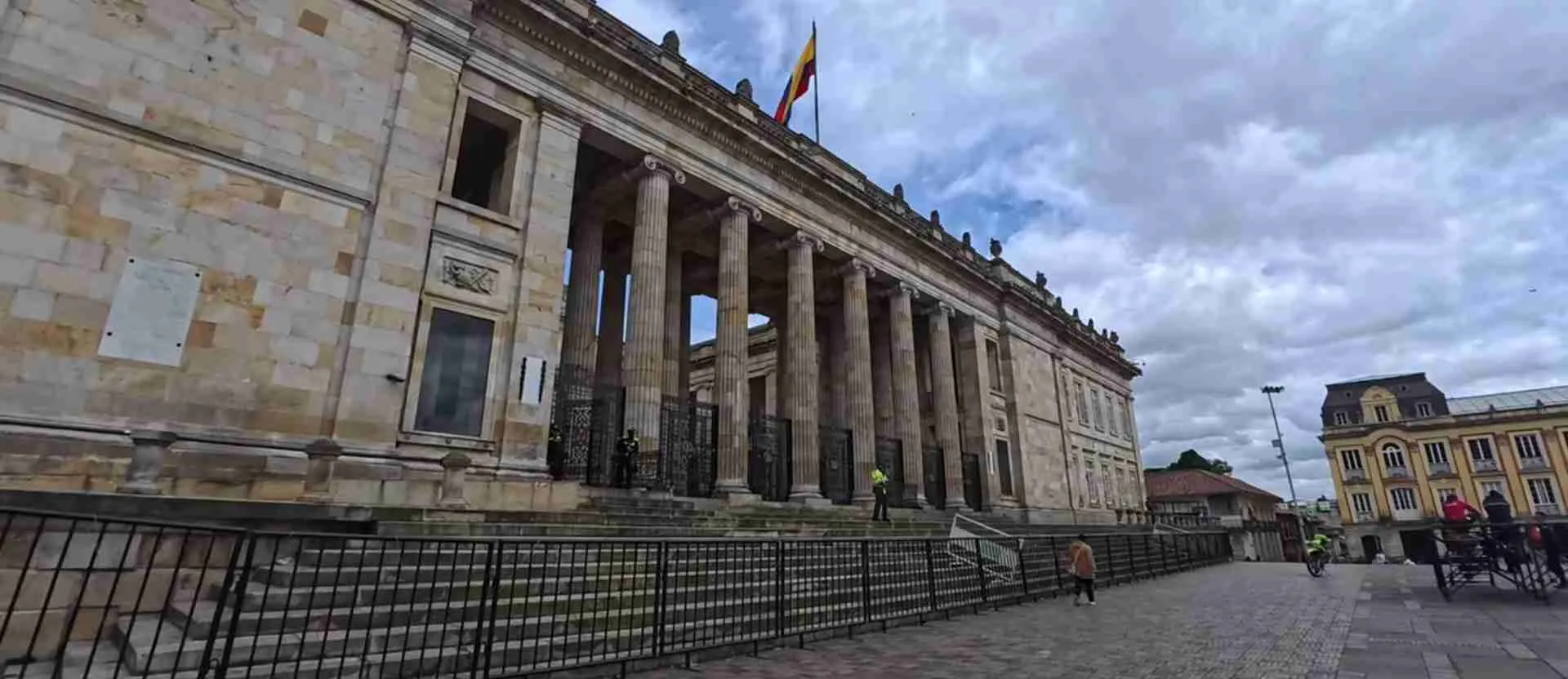
Bogotá Budget Guide 2026: How to Visit on a Budget
Key Takeaways
- Budget travelers can experience Bogotá for $30-45 per day in 2026, mid-range visitors spend $60-90 daily, while luxury travelers invest $120-180+ daily
- Colombian peso (COP) offers excellent value for international visitors, with USD $1 exchanging for approximately 4,000-4,200 COP in 2026
- Free walking tours, numerous museums with free admission days, and affordable public transportation make Bogotá one of South America’s most budget-friendly capitals
- Accommodation ranges from $8-15 for hostel dorms to $25-40 for budget hotels and $60-100 for mid-range options in 2026
- Street food and local eateries serve authentic Colombian meals for $2-5, while mid-range restaurants charge $8-15 per person
- The TransMilenio rapid transit system costs just 2,950 COP ($0.70) per ride, providing efficient city-wide access
Introduction: Planning Your Budget-Friendly Bogotá Experience in 2026
Bogotá stands as one of South America’s most rewarding budget destinations, combining rich cultural heritage, world-class museums, vibrant street art, and authentic culinary experiences at prices that make extended stays financially feasible. The Colombian capital’s 2,640-meter elevation setting provides a springlike climate year-round, eliminating seasonal price surges common in beach or ski destinations. Unlike many Latin American capitals where tourism inflates costs, Bogotá maintains genuine local pricing across most neighborhoods, allowing budget travelers to experience the city as Bogotanos do.
The city’s extensive public transportation network, free cultural offerings, and competitive accommodation market create ideal conditions for budget-conscious exploration. The Colombian peso’s favorable exchange rate amplifies purchasing power for visitors carrying US dollars, euros, or British pounds. Bogotá’s 1,587 square kilometers contain distinct neighborhoods serving different budget levels, from backpacker havens in La Candelaria to upscale dining in Zona Rosa, enabling travelers to customize spending based on preferences rather than necessity.
This comprehensive 2026 budget guide provides detailed cost breakdowns across all travel categories, money-saving strategies proven effective in Bogotá’s unique environment, and realistic daily budgets for different travel styles. Whether planning a weekend getaway or month-long exploration, these pricing insights and practical tips help maximize value while experiencing everything Colombia’s dynamic capital offers.
People Also Ask About Bogotá Budget Travel 2026
How much money do I need per day in Bogotá in 2026?
Daily budgets in Bogotá vary significantly by travel style in 2026. Ultra-budget backpackers can survive on $25-30 per day staying in hostel dorms, eating street food, and limiting paid activities. Budget travelers spending $30-45 daily enjoy comfortable hostel accommodation, mix street food with budget restaurant meals, and visit several museums weekly. Mid-range travelers allocating $60-90 per day stay in private hotel rooms, dine at quality local restaurants, and participate in guided tours. Luxury travelers investing $120-180+ daily book boutique hotels, dine at acclaimed restaurants, and arrange private experiences.
These ranges exclude international flights but include accommodation, meals, local transportation, activities, and incidental expenses. The Colombian peso’s 2026 exchange rate (approximately 4,000-4,200 COP per USD) provides substantial purchasing power, with $50 daily supporting comfortable travel including quality accommodation and diverse dining. Budget flexibility increases during shoulder seasons (February-March, September-October) when accommodation rates drop 15-25% from peak periods.
What is the cheapest way to get around Bogotá in 2026?
The TransMilenio Bus Rapid Transit system represents Bogotá’s most economical transportation solution in 2026, charging 2,950 COP ($0.70) per ride regardless of distance traveled across the city’s extensive network. The system operates dedicated bus lanes, avoiding traffic congestion and providing reliable journey times. The rechargeable Tullave card costs 6,000 COP ($1.45) initially, then loads with credit for subsequent trips, offering slight discounts compared to cash payments.
Traditional SITP buses charge 2,750 COP ($0.65) per ride, serving neighborhoods beyond TransMilenio routes. Walking remains free and practical in compact districts like La Candelaria, where major attractions cluster within 1-2 kilometers. The Ciclovía program closes 121 kilometers of major streets to vehicles every Sunday 7 AM-2 PM, creating free cycling and walking routes. Budget travelers walking between nearby attractions and using TransMilenio for longer journeys spend just $2-4 daily on transportation.
Are there free activities in Bogotá worth doing in 2026?
Bogotá offers extensive free cultural experiences in 2026, starting with the Gold Museum’s free admission every Sunday. The Botero Museum showcases Fernando Botero’s paintings and sculptures plus works by Picasso, Monet, and Dalí at no charge any day. Free walking tours depart daily from Plaza de Bolívar, covering La Candelaria’s colonial architecture, street art, and historical sites for 2-3 hours (tips appreciated but not required, with $3-5 considered generous).
Monserrate offers free hiking access via the mountain trail (approximately 90 minutes uphill), saving the 25,000 COP ($6) funicular or cable car fee while providing identical panoramic views. The Sunday Ciclovía transforms major streets into pedestrian zones with free fitness classes, street performers, and food vendors. Usaquén’s Sunday flea market provides free browsing among handicrafts and antiques. Simón Bolívar Park hosts free outdoor concerts and cultural events regularly. These no-cost options easily fill 3-4 days of sightseeing.
Is Bogotá cheaper than other South American capitals in 2026?
Bogotá ranks among South America’s most budget-friendly capitals in 2026, typically offering better value than Buenos Aires, Santiago, and Lima while roughly matching Quito and La Paz pricing. Comparable hostel beds cost $8-12 in Bogotá versus $15-20 in Buenos Aires or $12-18 in Santiago. Mid-range hotel rooms run $50-70 in Bogotá compared to $80-120 in Santiago. Restaurant meals price 30-40% below Buenos Aires equivalents, with quality local restaurants charging $8-12 per person in Bogotá versus $15-25 in Argentina’s capital.
Public transportation costs significantly less than Lima or Santiago, with Bogotá’s TransMilenio charging $0.70 versus Lima’s $0.90 or Santiago’s $1.10 per ride. Museum admission fees remain lower, and free cultural offerings exceed those in most regional capitals. The Colombian peso’s exchange rate provides additional value for visitors with US dollars or euros. Only La Paz offers comparable overall value, though Bogotá provides superior infrastructure and cultural diversity.
Extended multi-day tours – 5+ days
Featured Bogota Multi-Day Tour Packages
3 days
Colombia – Guatavita & Suesca by Bike
- ✓ Comprehensive Bogota tour
- ✓ Expert local guides included
- ✓ All accommodation arranged
- ✓ Transportation provided
2 days
Colombia – Villa de Leyva
- ✓ Comprehensive Bogota tour
- ✓ Expert local guides included
- ✓ All accommodation arranged
- ✓ Transportation provided
7 days
Private Service I Best-Selling Journey: One Week in Bogotá, Medellín & Cartagena — Domestic Flights Included
- ✓ Booking needs min. 2 travelers
6 days
Colombia Express: A 6 Day Journey of Charm, Culture & Tradition
- ✓ Comprehensive Bogota tour
- ✓ Expert local guides included
- ✓ All accommodation arranged
- ✓ Transportation provided
Multi-day tour packages powered by TourRadar. Prices and availability subject to change.
Essential Planning Information 2026
Currency and Exchange Rates for 2026
The Colombian peso (COP) serves as Bogotá’s official currency, with 2026 exchange rates fluctuating between 4,000-4,200 COP per US dollar. Check xe.com or oanda.com for current official rates as exchange rates vary. Major international banks, casa de cambio exchange offices, and ATMs throughout Bogotá provide currency services. ATMs offer the best exchange rates, typically matching interbank rates minus 1-2% bank fees, significantly better than airport or hotel exchanges that charge 5-8% premiums.
Credit cards gain acceptance at mid-range and upscale establishments, though budget restaurants, street vendors, and local shops operate cash-only. Visa and Mastercard work widely, while American Express sees limited acceptance. Budget travelers should carry sufficient pesos for daily expenses, withdrawing 400,000-800,000 COP ($100-200) weekly to minimize ATM fees while avoiding large cash holdings. Many hostels and budget hotels accept payment in US dollars at slightly unfavorable rates.
Cost of Living Context for Travelers
Understanding Bogotá’s cost structure helps budget effectively. A standard Colombian breakfast (eggs, arepa, hot chocolate, fruit) costs 8,000-12,000 COP ($2-3) at neighborhood cafés. A substantial set lunch menu (soup, main course, juice, dessert) runs 12,000-18,000 COP ($3-4.50) at local restaurants. Coffee costs 2,500-4,000 COP ($0.60-1) at cafés versus 8,000-12,000 COP ($2-3) at specialty shops. A craft beer in local bars costs 8,000-12,000 COP ($2-3) versus 15,000-22,000 COP ($3.75-5.50) in tourist zones.
Bottled water sells for 2,000-3,000 COP ($0.50-0.75) at supermarkets. Supermarket groceries price similarly to US discount chains, with fresh produce, bread, and dairy products offering particular value. A week’s basic groceries for self-catering travelers costs 80,000-120,000 COP ($20-30). These local price points enable budget travelers to experience authentic Bogotá culture while maintaining daily expenses well below Western European or North American levels.
Tipping Culture and Additional Costs
Colombian tipping customs differ from North American practices. Restaurants automatically add 10% service charges to bills, making additional tips optional though locals sometimes add 5% extra for exceptional service. Free walking tour guides receive voluntary tips, with 10,000-20,000 COP ($2.50-5) per person considered appropriate for 2-3 hour tours. Taxi drivers don’t expect tips, though rounding up fares to the nearest 1,000 COP shows appreciation. Hotel bellhops receive 2,000-5,000 COP ($0.50-1.25) per bag.
Budget calculations should include these discretionary expenses: walking tour tips (10,000-15,000 COP daily if participating), occasional restaurant extras beyond the automatic 10% (5,000-10,000 COP), and small service tips (2,000-5,000 COP daily). These add roughly $2-5 to daily budgets. Public restroom fees at some tourist sites cost 1,000-2,000 COP ($0.25-0.50), another minor consideration for budget planning.
Accommodation Costs 2026: Finding the Best Value
Hostel Options and Dormitory Pricing
Bogotá’s competitive hostel market offers exceptional value in 2026, with dormitory beds ranging from 30,000-60,000 COP ($8-15) per night depending on location, season, and amenities. La Candelaria hostels charge the lowest rates, with basic 8-12 bed dorms starting at 30,000-35,000 COP ($8-9). Chapinero hostels in the gayborhood cost 35,000-45,000 COP ($9-11) for similar accommodations. Zona Rosa hostels near nightlife command premium 50,000-60,000 COP ($12.50-15) for 4-6 bed dorms with superior facilities.
Most hostels include free breakfast (typically bread, eggs, fruit, coffee), free WiFi, communal kitchens, and common areas. Female-only dorms cost identical to mixed dorms. Private rooms in hostels range from 80,000-140,000 COP ($20-35) for doubles with shared bathrooms. Weekly rates provide 10-15% discounts at many properties. Booking platforms like Hostelworld and Booking.com show current availability and rates. Peak season (December-January, July-August) sees 20-30% price increases, while February-March and September-October offer the best value.
Budget Hotel Alternatives
Budget hotels targeting domestic Colombian travelers offer private rooms at competitive rates in 2026. Clean, safe doubles with private bathrooms, WiFi, and sometimes breakfast cost 100,000-160,000 COP ($25-40) in La Candelaria and downtown areas. Chapinero budget hotels charge 120,000-180,000 COP ($30-45) for equivalent rooms. These establishments provide more privacy than hostels while maintaining budget-friendly pricing.
Family-run guesthouses and pequeños hoteles throughout residential neighborhoods charge 90,000-140,000 COP ($22.50-35) for basic doubles. Many include breakfast and provide local insights from owner-operators. Booking directly by phone or walk-in sometimes yields 10-15% discounts versus online platforms. Multi-night stays often reduce per-night costs by 10%. Budget hotel guests sacrifice hostel social atmosphere but gain privacy, quieter environments, and sometimes better locations outside tourist zones.
Mid-Range Accommodation Options
Mid-range hotels serving business and leisure travelers charge 240,000-400,000 COP ($60-100) for doubles in 2026. Chapinero properties offer contemporary design, quality breakfasts, room service, and business facilities at these rates. La Candelaria boutique hotels in restored colonial buildings charge similar amounts while providing historic character and cultural immersion. Zona G (gourmet zone) hotels near acclaimed restaurants and galleries fall in the upper portion of this range.
Three-star chain hotels (NH Collection, GHL, Estelar) maintain consistent quality at 280,000-360,000 COP ($70-90). These properties include breakfast buffets, fitness centers, and sometimes swimming pools. Airbnb entire apartments in safe neighborhoods cost 200,000-320,000 COP ($50-80) nightly, offering kitchens that enable grocery shopping to reduce meal expenses. Mid-range travelers balancing comfort and budget find optimal value in this category, particularly during shoulder seasons when negotiated rates drop 15-20%.
Luxury and Boutique Hotels
High-end properties charge 480,000-720,000+ COP ($120-180+) per night in 2026, delivering exceptional service, premium locations, and upscale amenities. Four Seasons Casa Medina, W Bogotá, and JW Marriott represent luxury tier offerings with rates starting 600,000 COP ($150). Boutique properties in La Candelaria’s restored mansions charge 400,000-560,000 COP ($100-140) while providing intimate, design-focused experiences.
Luxury hotels include gourmet restaurants, spa facilities, concierge services, and sometimes airport transfers. Business amenities, executive lounges, and premium bedding justify higher rates for comfort-focused travelers. These properties work for special occasions or travelers prioritizing rest and rejuvenation between sightseeing. Most luxury hotels quote prices in US dollars with peso payment accepted at daily exchange rates.
Dining and Food Costs 2026: Eating Well on a Budget
Street Food and Casual Dining
Bogotá’s street food culture provides the most economical eating options in 2026, with substantial meals costing 8,000-15,000 COP ($2-3.75). Arepas stuffed with cheese, meat, or eggs sell for 3,000-6,000 COP ($0.75-1.50) from street vendors. Empanadas cost 1,500-2,500 COP ($0.40-0.60) each. Tamales wrapped in banana leaves run 5,000-8,000 COP ($1.25-2). Obleas (wafer cookies with arequipe) cost 4,000-6,000 COP ($1-1.50).
Corrientazo lunch specials at simple restaurants include soup, main course (chicken, beef, or pork with rice and plantains), fresh juice, and sometimes dessert for 12,000-18,000 COP ($3-4.50). These set menus, served 11:30 AM-2:30 PM, represent Bogotá’s best dining value. Rotisserie chicken restaurants sell whole birds with sides for 20,000-28,000 COP ($5-7), feeding 2-3 people. Budget travelers eating street food breakfasts (5,000-8,000 COP), corrientazo lunches (12,000-18,000 COP), and simple dinners (10,000-15,000 COP) spend just 27,000-41,000 COP ($6.75-10.25) daily on food.
Local Restaurants and Traditional Cuisine
Neighborhood restaurants serving authentic Colombian cuisine charge 25,000-50,000 COP ($6.25-12.50) for complete dinners in 2026. Ajiaco (chicken and potato soup with corn and avocado) costs 18,000-25,000 COP ($4.50-6.25). Bandeja paisa (platter with beans, rice, ground beef, chorizo, chicharrón, plantain, arepa, and egg) runs 25,000-35,000 COP ($6.25-8.75). Lechona (stuffed pork) portions cost 15,000-22,000 COP ($3.75-5.50). Sancocho (hearty stew) ranges 18,000-28,000 COP ($4.50-7).
Local beers cost 6,000-10,000 COP ($1.50-2.50) at neighborhood restaurants. Fresh fruit juices run 4,000-6,000 COP ($1-1.50). Coffee costs 2,500-4,000 COP ($0.60-1). Budget travelers dining at local restaurants twice daily spend 50,000-80,000 COP ($12.50-20) on food. Quality and portion sizes at these prices exceed expectations, with most meals leaving diners comfortably full.
Mid-Range and International Cuisine
Mid-range restaurants in Zona Rosa, Chapinero, and Usaquén charge 35,000-60,000 COP ($8.75-15) per person for main courses in 2026. International cuisines including Italian, Japanese, Mexican, and Thai price similarly. Three-course meals with appetizers and desserts run 50,000-80,000 COP ($12.50-20) per person before drinks. Craft beer bars charge 12,000-18,000 COP ($3-4.50) for local brews, 15,000-25,000 COP ($3.75-6.25) for imports.
Mid-range breakfast spots serve elaborate plates with fresh juice and coffee for 18,000-28,000 COP ($4.50-7). Brunch at contemporary cafés costs 25,000-40,000 COP ($6.25-10). Pizza and pasta dishes range 28,000-45,000 COP ($7-11.25). Travelers mixing budget meals with occasional mid-range dining maintain reasonable food budgets while experiencing Bogotá’s culinary diversity. Two budget meals plus one mid-range dinner daily totals 65,000-95,000 COP ($16.25-23.75).
Upscale Dining and Fine Restaurants
High-end restaurants including those on Latin America’s 50 Best list charge 80,000-200,000+ COP ($20-50+) per person in 2026. Tasting menus at acclaimed establishments like Leo, Prudencia, and Villanos run 180,000-320,000 COP ($45-80) before wine pairings. International fine dining in Zona G costs 120,000-180,000 COP ($30-45) for main courses. Wine lists feature bottles from 80,000 COP ($20) to 800,000+ COP ($200+).
Upscale dining suits special occasion meals rather than daily budgets for most travelers. Bogotá’s fine dining scene offers excellent value compared to equivalent restaurants in New York, London, or Paris, making one or two upscale meals reasonable splurges during extended stays. Lunch tasting menus sometimes cost 30-40% less than identical dinners. Budget-conscious travelers reserving fine dining for lunch optimize quality-to-cost ratios.
Self-Catering and Grocery Shopping
Supermarkets and neighborhood tiendas enable budget travelers to prepare meals, dramatically reducing food costs in 2026. Major chains (Éxito, Carulla, Jumbo) offer competitive pricing. A dozen eggs costs 8,000-12,000 COP ($2-3). Fresh bread runs 3,000-6,000 COP ($0.75-1.50) per loaf. Local cheese costs 15,000-25,000 COP ($3.75-6.25) per kilogram. Fresh produce prices vary seasonally, with tropical fruits particularly affordable: mangoes 2,000-4,000 COP ($0.50-1) per kilogram, bananas 3,000-5,000 COP ($0.75-1.25) per kilogram.
Chicken breasts cost 18,000-25,000 COP ($4.50-6.25) per kilogram. Ground beef runs 20,000-30,000 COP ($5-7.50) per kilogram. Rice sells for 4,000-7,000 COP ($1-1.75) per kilogram. Beans cost 6,000-10,000 COP ($1.50-2.50) per kilogram. Travelers with hostel kitchen access preparing breakfast and occasional dinners spend 60,000-100,000 COP ($15-25) weekly on groceries while still enjoying restaurant lunches. This hybrid approach balances budget control with cultural dining experiences.
Transportation Costs 2026: Moving Around Bogotá
TransMilenio Rapid Transit System
The TransMilenio Bus Rapid Transit system provides Bogotá’s primary public transportation, charging 2,950 COP ($0.70) per ride in 2026 regardless of distance or transfers within the network. The system operates dedicated lanes separate from traffic, connecting major city areas through trunk lines and feeder routes. Service runs 4:30 AM-11 PM weekdays, 5 AM-10 PM weekends. The rechargeable Tullave card costs 6,000 COP ($1.45) initially plus credit loads.
Major tourist destinations connect via TransMilenio: Museo del Oro and La Candelaria (Museo del Oro station), Zona Rosa (Calle 85 station), Usaquén (Calle 127 station), and airport connections (El Dorado station). Travelers making 4-5 trips daily spend 11,800-14,750 COP ($3-3.70) on transportation. Station infrastructure provides accessibility, security cameras, and route information in Spanish and English. Peak hours (7-9 AM, 5-7 PM) see crowding, while midday and weekend travel offers comfortable conditions.
SITP Traditional Bus System
The Integrated Public Transport System (SITP) complements TransMilenio with traditional buses serving 2,750 COP ($0.65) per ride in 2026. Blue SITP buses use the same Tullave card as TransMilenio. These routes reach neighborhoods beyond rapid transit coverage, including residential areas and peripheral attractions. Service frequency varies by route from every 5 minutes on major corridors to every 20-30 minutes in outer areas.
SITP buses offer window seats, making them preferable for sightseeing routes. Route maps available at stations and via TransMiApp mobile application help navigate the system. Combining TransMilenio for long distances with SITP for local connections optimizes efficiency and cost. The integrated fare structure allows mixing both systems for maximum coverage at minimal expense.
Taxi and Ride-Sharing Services
Licensed yellow taxis operate on meters in 2026, with base fares starting at 5,500 COP ($1.40) plus approximately 200 COP ($0.05) per 100 meters. Typical cross-city trips cost 15,000-30,000 COP ($3.75-7.50). Airport to La Candelaria runs 25,000-35,000 COP ($6.25-8.75) depending on traffic. Night surcharges (8 PM-5 AM) add 20% to metered fares. Weekends and holidays incur 15% supplements.
Uber, Didi, and Beat provide ride-sharing alternatives with upfront pricing. Similar routes cost comparable amounts to metered taxis. Ride-sharing services offer English-language apps, electronic payment options, and driver ratings. Budget travelers reserve taxis for late nights, heavy luggage situations, or traveling in groups where per-person costs become economical. Four people splitting a 20,000 COP ($5) taxi pay less per person than individual TransMilenio fares.
Bicycle Rentals and Ciclovía
Bike-sharing systems and rental shops charge 20,000-40,000 COP ($5-10) for full-day bicycle access in 2026. La Candelaria to Parque 93 measures approximately 10 kilometers via bike lanes, achievable in 40-50 minutes. Bogotá’s 550+ kilometers of bike lanes (ciclorrutas) provide dedicated cycling infrastructure, though steep terrain in some areas challenges casual cyclists.
The Sunday Ciclovía program (7 AM-2 PM) closes 121 kilometers of major streets to vehicles, creating free cycling and pedestrian routes connecting key districts. Many hostels offer free bicycle loans to guests. Budget travelers comfortable cycling save transportation costs while experiencing neighborhoods at street level. Bicycle touring companies offer guided rides for 80,000-140,000 COP ($20-35) including equipment and bilingual guides.
Walking and Pedestrian-Friendly Areas
Walking remains the most economical transportation method in compact neighborhoods in 2026. La Candelaria’s colonial core concentrates museums, plazas, and historic sites within 1-2 kilometers. Plaza de Bolívar to Museo del Oro measures 850 meters (10-minute walk). Gold Museum to Botero Museum spans 400 meters (5 minutes). Monserrate cable car base to La Candelaria center covers 1.2 kilometers (15 minutes).
Chapinero Alto and Zona Rosa shopping and dining areas suit pedestrian exploration. Usaquén’s village atmosphere encourages walking between plazas, markets, and restaurants. Safety considerations apply: stick to well-trafficked streets, avoid isolated areas after dark, and keep valuables secured. Budget travelers walking between nearby attractions while using TransMilenio for longer journeys balance cost savings with time efficiency.
Attraction and Activity Costs 2026
Museum Admission Prices
Bogotá’s world-class museums charge modest admission fees in 2026. The Gold Museum (Museo del Oro) costs 5,000 COP ($1.25) for adults and free on Sundays. The Botero Museum remains free daily, showcasing Fernando Botero’s works plus pieces by Picasso, Monet, Dalí, and other masters. The National Museum charges 5,000 COP ($1.25) general admission. The Museum of Modern Art runs 8,000 COP ($2) for adults.
Casa de la Moneda (Mint Museum) costs 4,000 COP ($1) admission. Colonial Art Museum charges 4,000 COP ($1). The Maloka Interactive Science Museum costs 32,000 COP ($8) for adults, 24,000 COP ($6) for children. Many museums offer free admission on Sundays or first weekends monthly. Student discounts (50% off) apply with valid ID cards. Budget travelers visiting 3-4 museums weekly spend 15,000-30,000 COP ($3.75-7.50) on admission after utilizing free days.
Monserrate Mountain Access
Monserrate, Bogotá’s iconic mountain viewpoint, charges 25,000 COP ($6.25) for round-trip funicular or cable car access in 2026. The funicular operates Monday-Saturday 6 AM-midnight, Sunday 5:30 AM-6:30 PM. The cable car runs similar hours as a backup system. One-way tickets cost 13,000 COP ($3.25), enabling hikers to descend via trail after ascending mechanically.
The mountain trail provides free hiking access Tuesday-Saturday 5 AM-1 PM, Sunday 5:30 AM-5 PM. The steep 2.4-kilometer path gains 465 vertical meters, taking 60-90 minutes uphill depending on fitness levels. Views from the 3,152-meter summit match those of paid visitors. The sanctuary and viewpoint areas remain free once at the top. Budget travelers hiking up save 25,000 COP while getting exercise. Descent takes 45-60 minutes via trail. Weekends see heavy hiker traffic, while weekday mornings offer quieter conditions.
Walking Tours and Guided Experiences
Free walking tours departing daily from Plaza de Bolívar provide excellent value in 2026, operating on tips-only models. Tours cover La Candelaria’s colonial architecture, street art, historical sites, and cultural insights over 2-3 hours. Guides work for tips, with 10,000-20,000 COP ($2.50-5) per person considered appropriate appreciation. Companies including Beyond Colombia, Free Walking Tour Colombia, and Bogotá Graffiti Tour offer these services.
Paid specialty tours charge 80,000-180,000 COP ($20-45) per person in 2026. Coffee farm day trips cost 120,000-180,000 COP ($30-45) including transportation and tastings. Salt Cathedral tours from Bogotá run 140,000-200,000 COP ($35-50) with transport. Bike tours through downtown and parks charge 80,000-120,000 COP ($20-30) including bicycle rental. Budget travelers participating in free walking tours plus one specialty tour weekly maintain moderate activity expenses.
Nightlife and Entertainment
Bogotá’s diverse nightlife accommodates all budgets in 2026. Local bars in La Candelaria and Chapinero charge 8,000-15,000 COP ($2-3.75) for domestic beers, 12,000-20,000 COP ($3-5) for cocktails. Zona Rosa clubs impose cover charges of 20,000-40,000 COP ($5-10) on weekends, often including a drink ticket. Craft beer bars charge 12,000-18,000 COP ($3-4.50) per beer.
Live music venues host free or low-cost performances midweek, with weekend shows costing 20,000-50,000 COP ($5-12.50). Salsa clubs offer free dance lessons early evenings before converting to regular dance venues. Cinema tickets cost 15,000-25,000 COP ($3.75-6.25) for first-run films. Theater performances range from 30,000-80,000 COP ($7.50-20). Budget travelers enjoying 2-3 nights out weekly with local bar beers spend 50,000-90,000 COP ($12.50-22.50) on nightlife.
Parks and Outdoor Activities
Simón Bolívar Metropolitan Park provides free access to Bogotá’s largest green space, hosting cultural events, concerts, and outdoor recreation. Parque 93 in Zona Rosa offers free yoga classes Sundays. Usaquén’s Hacienda Santa Bárbara park remains free daily. The Botanical Garden charges 4,000 COP ($1) admission for adults, with free entry Sundays before noon.
Laguna de Guatavita day trips cost 65,000-100,000 COP ($16.25-25) for guided access to the legendary lake. Chingaza National Park entrance fees run 18,000 COP ($4.50) for adults. These outdoor options provide budget-friendly alternatives to commercial attractions while showcasing Colombia’s natural beauty. Budget travelers mixing free urban parks with occasional paid natural sites maintain minimal outdoor activity expenses.
Money-Saving Strategies 2026
Timing Your Visit for Best Value
Shoulder seasons (February-March, September-October) offer optimal value in 2026, with accommodation rates 15-25% below peak season prices while maintaining pleasant weather. Avoid peak periods (December-January, July-August) when prices surge and attractions crowd. Midweek arrivals (Tuesday-Thursday) sometimes secure better hotel rates than weekend check-ins.
Lunch menus cost 30-40% less than identical dinners at mid-range restaurants. Many upscale restaurants offer lunch specials at half their dinner pricing. Museums and attractions see smaller crowds weekday mornings, enhancing experiences. Early-week nightlife offers drink specials and free entertainment that weekend venues charge for. Budget travelers optimizing timing across these dimensions reduce costs 20-30% versus default high-season weekend patterns.
Using Free Sundays Strategically
Plan museum visits for Sundays when the Gold Museum and many other cultural institutions offer free admission in 2026. The Botero Museum remains free daily but combines well with Gold Museum Sunday visits for a comprehensive art day. Sunday Ciclovía (7 AM-2 PM) provides free cycling and walking on closed streets, connecting multiple neighborhoods.
Usaquén Sunday flea market combines free browsing with optional purchases of handicrafts and antiques. Sunday farmers markets throughout neighborhoods sell fresh produce at better prices than weekday shops. Free outdoor concerts and cultural events concentrate on Sundays. Organizing itineraries around Sunday free offerings saves 30,000-60,000 COP ($7.50-15) on admission fees while experiencing Bogotá at its most vibrant.
Advance Booking Benefits
Hostel and hotel bookings 2-4 weeks ahead secure better rates and availability in 2026, particularly for peak season travel. Booking platforms offer early-bird discounts of 10-20% for advance reservations. Longer stays (7+ nights) enable negotiating weekly rates 15-25% below nightly totals. Booking.com and Hostelworld frequently feature flash sales with additional 10-15% discounts.
Bus tickets to destinations like Villa de Leyva or Salt Cathedral purchased online ahead cost less than day-of terminal purchases. Tour operators offer early-bird pricing for multi-day trips. Restaurant reservations through apps sometimes include discounts or bonus courses. Budget travelers booking accommodation and major activities 2-4 weeks in advance capture these savings while maintaining itinerary flexibility for daily activities.
Leveraging Free Walking Tours
Free walking tours provide comprehensive orientation plus historical context in 2026, replacing paid guidebooks and expensive guided tours. Multiple companies offer different focuses: general history, street art, food, and neighborhood-specific tours. Taking 2-3 free tours during an extended stay covers substantial content at 20,000-40,000 COP ($5-10) total tips versus 200,000+ COP ($50+) for equivalent private tours.
Free tours introduce local restaurants, safe neighborhoods, and money-saving tips through guide recommendations. Many free tour participants form groups for shared taxis or restaurant visits, reducing per-person costs. Free tour guides sometimes offer paid specialty experiences at discounted rates to their group members. Budget travelers maximizing free tour benefits gain cultural insights while networking with other budget-conscious travelers.
Smart Dining Choices
Eating corrientazo lunch specials (12,000-18,000 COP / $3-4.50) provides the best dining value in 2026, with substantial meals including soup, main course, juice, and dessert. Street food breakfasts cost 5,000-10,000 COP ($1.25-2.50), providing fuel for morning sightseeing. Supermarket snacks (fruit, yogurt, bread) fill gaps between meals at minimal cost.
Water bottle refills at hostels or filtered fountains eliminate buying bottled water. Cooking occasional dinners at hostel kitchens using supermarket ingredients costs 10,000-20,000 COP ($2.50-5) per meal versus 25,000-40,000 COP ($6.25-10) at budget restaurants. Sharing dishes family-style at restaurants reduces per-person costs while enabling menu variety. Budget travelers implementing these dining strategies spend 40,000-65,000 COP ($10-16.25) daily on food while eating well.
Transportation Optimization
Walking between nearby attractions saves TransMilenio fares while experiencing neighborhoods at ground level in 2026. The Tullave card eliminates per-transaction fees versus cash payments. Planning routes that minimize backtracking reduces daily trip counts. Combining multiple activities in one neighborhood before moving to the next area cuts transportation costs and time.
Weekend Ciclovía cycling connects distant neighborhoods for free versus weekday TransMilenio costs. Sharing taxis between 3-4 people for late-night transport costs less per person than individual rides. Budget travelers walking 3-5 kilometers daily between clustered attractions while using public transit only for longer journeys spend just 6,000-12,000 COP ($1.50-3) daily on transportation.
Sample 2026 Budget Breakdowns by Travel Style
Ultra-Budget Backpacker Daily Costs
Ultra-budget travel in Bogotá sustains on $25-30 daily in 2026 through strategic compromises. Accommodation in basic hostel dorms (30,000-35,000 COP / $8-9), street food breakfast (6,000 COP / $1.50), corrientazo lunch (12,000 COP / $3), street food dinner (10,000 COP / $2.50), TransMilenio transport (8,850 COP / $2.20 for three trips), free walking tour tip (10,000 COP / $2.50). Total: 76,850-83,850 COP ($19.20-20.95) excluding incidentals.
This budget supports basic comfortable existence while experiencing Bogotá authentically. Free museum Sundays, parks, and street art viewing fill time between paid activities. Hostel kitchen access enables some self-catering to reduce food costs further. Social hostel common areas provide entertainment alternatives to paid nightlife. Ultra-budget travelers extending stays to weeks or months negotiate better accommodation rates and develop money-saving routines.
Standard Budget Traveler Sample Day
Budget travel at $40-50 daily in 2026 provides comfort and flexibility. Hostel private room (100,000 COP / $25), café breakfast (10,000 COP / $2.50), restaurant lunch (20,000 COP / $5), mid-range dinner (35,000 COP / $8.75), snacks (8,000 COP / $2), TransMilenio (11,800 COP / $3 for four trips), museum admission (10,000 COP / $2.50). Total: 194,800 COP ($48.70).
This budget enables mixing budget and mid-range dining, staying in private hostel rooms, visiting paid attractions regularly, and occasional mid-range splurges. Budget travelers at this level enjoy comfortable beds, hot showers, varied cuisine, and activity choices without constant cost calculation. Extended stays enable occasional luxury upgrades (nice dinners, specialty tours) while maintaining overall budget discipline.
Mid-Range Traveler Sample Day
Mid-range travel at $70-90 daily in 2026 emphasizes comfort and experiences. Mid-range hotel (240,000 COP / $60 with breakfast included), lunch at quality restaurant (35,000 COP / $8.75), dinner at recommended restaurant (50,000 COP / $12.50), coffee shop breaks (12,000 COP / $3), taxis and TransMilenio mixed (20,000 COP / $5), paid tour or attraction (40,000 COP / $10). Total: 397,000 COP ($99.25).
Mid-range travelers enjoy private hotel rooms, quality dining, convenient transportation, and diverse activities without financial stress. This budget supports joining paid tours, trying acclaimed restaurants, and accessing cultural experiences. Mid-range travelers balance value and quality, selecting budget options where quality differences seem minimal while splurging on experiences offering significant value.
Comfortable Travel Sample Day
Comfortable travel at $120-150 daily in 2026 prioritizes convenience and quality. Boutique hotel (400,000 COP / $100), high-quality breakfast spot (25,000 COP / $6.25), lunch at excellent restaurant (50,000 COP / $12.50), upscale dinner (80,000 COP / $20), coffee and snacks (20,000 COP / $5), primarily taxi transportation (40,000 COP / $10), premium tour or multiple attractions (80,000 COP / $20). Total: 695,000 COP ($173.75).
Comfortable travelers stay in boutique properties, dine at acclaimed restaurants, use taxis liberally, and join premium tours without budget concerns. This level provides stress-free travel with focus on experiences rather than cost optimization. Comfortable travelers still find excellent value compared to equivalent travel in North American or European cities.
Sample 2026 Itineraries with Costs
Budget Weekend (3 Days/2 Nights)
Day 1: Arrive Bogotá, hostel check-in (30,000 COP / $7.50 dorm), walk La Candelaria exploring Plaza de Bolívar and colonial streets (free), street food lunch (12,000 COP / $3), visit Botero Museum (free), dinner at local restaurant (25,000 COP / $6.25), evening drinks at La Candelaria bar (15,000 COP / $3.75). Total: 82,000 COP ($20.50) excluding accommodation.
Day 2: Free hostel breakfast, free walking tour (tip 12,000 COP / $3), corrientazo lunch (15,000 COP / $3.75), Gold Museum (free on Sunday), Monserrate hike (free), dinner at Chapinero restaurant (30,000 COP / $7.50), evening exploring Zona Rosa (20,000 COP / $5 drinks). Total: 77,000 COP ($19.25) excluding accommodation.
Day 3: Hostel breakfast, Usaquén Sunday market (free browsing), brunch (25,000 COP / $6.25), TransMilenio to airport (2,950 COP / $0.70). Total: 27,950 COP ($6.95) half-day.
Weekend total: 186,950 COP ($46.70) excluding accommodation (60,000 COP / $15 for two nights). Complete weekend: 246,950 COP ($61.70) for full cultural immersion.
Mid-Range Week (7 Days/6 Nights)
Accommodation strategy: Mid-range hotel six nights (240,000 COP / $60 average per night = 1,440,000 COP / $360 total). Daily food budget: breakfast included, lunch 30,000 COP ($7.50), dinner 50,000 COP ($12.50), snacks and drinks 15,000 COP ($3.75) = 95,000 COP ($23.75) daily, 665,000 COP ($166.25) weekly.
Activities: Salt Cathedral day trip (180,000 COP / $45), museums and attractions (50,000 COP / $12.50), paid specialty tour (100,000 COP / $25), Monserrate cable car (25,000 COP / $6.25), nightlife and entertainment (80,000 COP / $20). Total activities: 435,000 COP ($108.75).
Transportation: TransMilenio and taxis mixed (20,000 COP / $5 daily = 140,000 COP / $35 weekly).
Week total: 2,680,000 COP ($670) for comprehensive Bogotá exploration with comfort and diverse experiences. Daily average: 383,000 COP ($95.70).
Budget Month-Long Stay (30 Days/29 Nights)
Accommodation: Hostel private room monthly rate negotiated (2,400,000 COP / $600 for 29 nights at discounted 82,750 COP / $20.70 per night).
Food: Self-catering groceries four days weekly (30,000 COP / $7.50), eating out three days weekly (60,000 COP / $15). Average daily food: 42,850 COP ($10.70), monthly total: 1,285,500 COP ($321.40).
Activities: Museums and free attractions (200,000 COP / $50 monthly), two day trips (300,000 COP / $75), nightlife and entertainment (300,000 COP / $75). Total activities: 800,000 COP ($200).
Transportation: Monthly TransMilenio usage (240,000 COP / $60 at 8,000 COP / $2 daily average).
Monthly total: 4,725,500 COP ($1,181.40). Daily average: 157,500 COP ($39.40). Extended stays enable substantial discounts and efficient routines.
Seasonal Cost Variations 2026
Peak Season Pricing (December-January, July-August)
Peak seasons see accommodation rates increase 25-40% in 2026, with hostel dorms reaching 40,000-60,000 COP ($10-15) versus 30,000-40,000 COP ($7.50-10) in shoulder seasons. Mid-range hotels climb to 320,000-480,000 COP ($80-120) from 240,000-360,000 COP ($60-90) typical rates. Tours and specialty activities add 15-20% peak surcharges.
Popular restaurants require reservations and sometimes impose minimums. Attractions see longer lines and waits. Transportation crowds increase, particularly TransMilenio during commute hours. Budget travelers visiting peak seasons should book accommodation 4-6 weeks ahead and accept 20-30% higher overall costs or focus on free activities and self-catering to offset accommodation increases.
Shoulder Season Value (February-March, September-October)
Shoulder seasons provide optimal value-to-experience ratios in 2026, with accommodation 15-25% below peak pricing while weather remains pleasant. Hostel dorms drop to 28,000-38,000 COP ($7-9.50). Mid-range hotels negotiate to 200,000-300,000 COP ($50-75). Tour operators offer promotions and discounts reaching 10-20% off published rates.
Restaurants operate normal menus without peak season supplements. Museums and attractions experience manageable crowds. Transportation operates at normal capacity. Budget travelers visiting shoulder seasons maximize value while enjoying superior experiences through better availability and less competition for resources. Booking 1-2 weeks ahead suffices for good selection.
Low Season Opportunities (April-June, November)
Low seasons coincide with rainy patterns in Bogotá in 2026, though rainfall typically occurs as afternoon showers rather than all-day events. Accommodation rates bottom out with hostel dorms at 25,000-32,000 COP ($6.25-8) and mid-range hotels at 180,000-260,000 COP ($45-65). Multi-night stays negotiate additional 10-15% discounts.
Tour operators offer significant promotions, sometimes bundling multiple experiences at 25-30% below regular pricing. Restaurants feature specials to attract customers. Cultural events and festivals continue regardless of season. Budget travelers willing to plan around occasional rain maximize savings while enjoying nearly empty attractions and responsive service. Last-minute booking often secures best rates during low season.
Booking and Reservations 2026
Accommodation Booking Strategies
Compare rates across Booking.com, Hostelworld, Hotels.com, and direct hotel websites in 2026. Direct booking sometimes offers 10-15% discounts or upgraded amenities versus third-party platforms. Hostelworld specializes in budget properties with detailed reviews. Booking.com provides wider mid-range and upscale selection with flexible cancellation options.
Book 2-4 weeks ahead for peak season, 1-2 weeks for shoulder season, and last-minute for low season. Read recent reviews focusing on cleanliness, safety, location, and noise levels. Confirm breakfast inclusions and cancellation policies. Email or message properties directly to inquire about weekly rates or special promotions. Budget travelers flexible on exact locations find better value in residential neighborhoods versus tourist centers.
Tour and Activity Reservations
Book major tours (Salt Cathedral, coffee farm visits) 1-2 weeks ahead in 2026 to secure preferred dates and ensure availability. Compare prices between GetYourGuide, Viator, and direct operator websites. Direct booking sometimes saves 10-20% commission fees. Free walking tours require no advance booking but confirm daily departure times and meeting points.
Museum tickets purchase on arrival except during major exhibitions requiring timed entry. Monserrate cable car operates walk-up service though Sunday crowds may mean waits. Tour operators often offer package deals combining multiple experiences at discounted rates. Budget travelers joining small group tours pay per-person rates averaging 30-40% below private tour costs while meeting fellow travelers.
Restaurant Reservations and Apps
Upscale and popular mid-range restaurants recommend reservations for dinner in 2026, particularly weekends. OpenTable and local apps facilitate bookings. Lunch typically requires no reservation except at acclaimed fine dining establishments. Budget restaurants and corrientazo spots operate walk-in only.
Food delivery apps (Rappi, Uber Eats) provide options for hostel or hotel dining at restaurant prices plus delivery fees (5,000-10,000 COP / $1.25-2.50). Some restaurants offer discount codes for first-time app users. Budget travelers reserving one or two special dinners weekly while dining casually otherwise balance planning and spontaneity.
Transportation Booking
TransMilenio requires no advance booking in 2026, operating walk-up service with Tullave cards available at stations. Long-distance buses to Villa de Leyva, Zipaquirá, or other destinations book online through company websites or at Terminal de Transporte. Advance booking secures preferred departure times and sometimes offers 10% early-bird discounts.
Airport taxis book at official stands with fixed zones pricing. Ride-sharing apps provide instant booking with upfront pricing. Bicycle tours reserve through operator websites or direct contact. Budget travelers booking only long-distance transportation ahead while using public transit walk-up minimize advance planning while ensuring key connections.
Frequently Asked Questions
Is Bogotá safe for budget travelers in 2026?
Bogotá offers generally safe conditions for budget travelers exercising standard precautions in 2026. Stick to well-trafficked areas, avoid displaying expensive electronics or jewelry, use registered taxis or ride-sharing services at night, and research neighborhood safety before venturing to unfamiliar areas. La Candelaria, Chapinero, Zona Rosa, and Usaquén maintain strong tourism infrastructure with visible police presence.
Budget accommodations in established hostel neighborhoods provide safety through concentrated traveler presence and hostel security measures. Use hostel safes for valuables and passport copies. Avoid isolated streets after dark and decline unsolicited help or tours from strangers. Many budget travelers experience months in Bogotá without incidents by following common-sense security practices.
Do I need travel insurance for Colombia in 2026?
Travel insurance provides valuable protection for medical emergencies, trip cancellations, and lost belongings in 2026. Colombia’s private hospitals offer excellent care but charge international rates ($100-300 for emergency room visits, $1,000+ for serious conditions). Budget travel insurance costs $30-60 for two-week trips, $80-150 for month-long stays through providers like World Nomads or SafetyWing.
Coverage should include medical evacuation, emergency hospital care, trip interruption, and baggage loss. Some credit cards provide partial travel insurance when booking flights with the card. Adventure activities like paragliding or whitewater rafting may require upgraded coverage. Budget travelers skipping insurance risk significant expenses if accidents or illnesses occur.
How much money should I bring to Bogotá in 2026?
Budget travelers should arrive with 200,000-400,000 COP ($50-100) in cash for immediate expenses (taxi from airport, first night accommodation if unpaid, initial meals) in 2026. ATMs throughout the city provide subsequent withdrawals as needed. Credit cards work at mid-range and upscale establishments but budget vendors, street food, and local shops operate cash-only.
Withdrawing 400,000-800,000 COP ($100-200) weekly minimizes ATM fees (typically 15,000-20,000 COP / $3.75-5 per transaction) while avoiding carrying excessive cash. Keep emergency US dollars ($100-200) separate from daily-use pesos in case of card problems. Budget travelers finding cash management challenging should use ATMs in secure locations like shopping malls or banks during business hours.
Can I use US dollars in Bogotá in 2026?
Colombian pesos serve as standard currency for all transactions in Bogotá in 2026. Some tourist hotels quote prices in US dollars but accept peso payment at daily exchange rates. Budget accommodations, restaurants, transportation, and shops require pesos. Attempting dollar payments at local businesses results in unfavorable exchange rates or refusal.
Exchange dollars at casa de cambio offices for better rates than airport or hotel exchanges. ATM withdrawals in pesos provide optimal exchange rates minus small bank fees. Budget travelers should exchange or withdraw pesos promptly after arrival and operate primarily with local currency throughout their stay for convenience and better pricing.
What’s the best area to stay in Bogotá for budget travelers in 2026?
La Candelaria offers the highest concentration of budget accommodations, free walking tours, museums, and historic sites in 2026, making it ideal for first-time budget visitors. The neighborhood’s compact layout enables walking to major attractions while dozens of hostels provide competitive rates and social atmospheres. Street food and budget restaurants cluster throughout La Candelaria.
Chapinero provides alternative budget options with better nightlife, restaurants, and contemporary atmosphere. Slightly higher prices buy safer neighborhoods and easier transportation connections. Zona Rosa suits budget travelers prioritizing nightlife over cultural sites. Budget travelers staying 5+ days might split time between La Candelaria for sightseeing and Chapinero for dining and nightlife.
How far ahead should I book accommodation in Bogotá for 2026?
Peak season travel (December-January, July-August) requires 4-6 weeks advance booking in 2026 for good selection and rates. Shoulder seasons (February-March, September-October) need 1-2 weeks notice. Low season (April-June, November) allows last-minute booking, often securing better rates day-of versus advance purchases.
Flexible cancellation policies enable booking early to lock rates while maintaining ability to adjust plans. Popular hostels with strong reputations fill quickly regardless of season. Budget travelers booking ahead for first nights while leaving later stays flexible balance security and spontaneity.
What smartphone apps help budget travelers in Bogotá in 2026?
Essential apps for budget travel include TransMiApp for public transportation route planning, Google Maps for walking directions and business information, Uber or Beat for ride-sharing, and WhatsApp for communicating with hostels and tour operators. Currency converter apps help verify pricing and calculate costs. Google Translate assists with Spanish-language menus and signs.
Banking apps from home institutions enable checking account balances and authorizing international transactions. Hostelworld and Booking.com apps facilitate on-the-go accommodation booking. Budget tracking apps help monitor daily spending against targets. Free WiFi at hostels, restaurants, and cafés enables using these tools without international data plans.
Should I learn Spanish before visiting Bogotá in 2026?
Basic Spanish significantly enhances budget travel experiences in Bogotá in 2026, enabling negotiating prices, ordering food, asking directions, and engaging with locals. Budget establishments operate primarily in Spanish with limited English. Tourist hostels and some restaurants provide English service but authentic experiences require Spanish communication.
Essential phrases include greetings, numbers, food vocabulary, and transportation terms. Language learning apps like Duolingo or Babbel provide free or inexpensive preparation. Many budget travelers arrive with minimal Spanish and learn through immersion, though this creates initial challenges. Spanish schools in La Candelaria offer inexpensive lessons (80,000-120,000 COP / $20-30 for five hours weekly) for extended-stay visitors.
What should I pack for budget travel in Bogotá in 2026?
Bogotá’s 2,640-meter elevation creates cooler temperatures than tropical lowland cities in 2026, requiring layers for 8-19°C (46-66°F) daily ranges. Pack light jacket, long pants, long-sleeve shirts, and closed-toe shoes. Budget hostels sometimes provide limited blankets, so warm sleeping layers help. Rain jacket or compact umbrella handles frequent afternoon showers.
Budget travel essentials include universal power adapter, reusable water bottle with filter, small daypack for daily excursions, and basic first-aid supplies. Sunscreen and sunglasses prove necessary despite cool temperatures due to intense equatorial sun. Padlock secures hostel lockers. Budget travelers packing light avoid checked baggage fees and ease navigation of public transportation.
Are credit cards widely accepted in Bogotá in 2026?
Mid-range and upscale establishments accept major credit cards (Visa, Mastercard) in Bogotá in 2026, but budget travelers encounter primarily cash-only operations. Hostels sometimes accept cards with 3-5% surcharges. Budget restaurants, street vendors, local shops, and transportation require pesos. TransMilenio accepts only the Tullave card or cash at select stations.
ATM withdrawals using debit cards provide the most economical access to pesos. Notify banks of Colombia travel plans to prevent fraud blocks. Budget travelers should carry sufficient pesos for 1-2 days of expenses while keeping credit cards for emergencies or occasional mid-range purchases. Contactless payment remains limited compared to North American or European adoption.