Bilbao Free Things to Do 2026: Insider Tips
Key Takeaways
- Bilbao offers 25+ completely free attractions including world-class museums, stunning architecture, and cultural experiences throughout 2026
- Free museum hours operate every Tuesday evening 6 PM – 8 PM at Guggenheim and Fine Arts Museum, saving €13-16 per person
- The historic Casco Viejo, Abandoned Alhóndiga, and riverside promenades provide free architectural exploration covering 4+ centuries of Basque heritage
- Strategic planning allows experiencing Bilbao’s top attractions spending €0 daily while enjoying authentic cultural immersion
- Free walking routes, parks, and viewpoints deliver premium Bilbao experiences without admission fees, combining culture, nature, and urban design
Introduction: Experiencing Bilbao Without Spending in 2026
Bilbao demonstrates that exceptional travel experiences don’t require substantial financial investment. The Basque city’s transformation from industrial port to cultural destination created numerous free attractions that rival paid experiences elsewhere. Understanding when museums open doors without charge, which architectural masterpieces remain publicly accessible, and where authentic Basque culture unfolds freely transforms budget constraints into strategic advantages for 2026 travelers.
The city’s commitment to public access means world-renowned institutions like the Guggenheim Museum Bilbao offer weekly free admission windows. Combined with permanently free attractions spanning Gothic quarters, contemporary parks, and waterfront promenades, visitors experience comprehensive Bilbao immersion spending zero euros on entertainment. This guide provides the complete framework for maximizing free experiences while discovering why Bilbao ranks among Europe’s most accessible cultural destinations.
Strategic timing proves essential for free Bilbao exploration in 2026. Tuesday evenings unlock premium museum access, weekday mornings provide quieter park experiences, and shoulder seasons deliver comfortable weather without summer crowds. The following comprehensive guide details every free attraction, optimal visiting times, and practical strategies for building entirely cost-free Bilbao itineraries that miss nothing essential.
People Also Ask About Bilbao Free Activities 2026
What free things can you do in Bilbao in 2026?
Bilbao offers 25+ completely free activities in 2026 including Guggenheim Museum every Tuesday 6 PM – 8 PM, entire Casco Viejo historic quarter exploration, Doña Casilda Iturrizar Park, Abandoibarra waterfront promenade, Artxanda Funicular viewpoint plaza, Fine Arts Museum Tuesday evenings, Euskalduna Conference Centre exterior, San Mamés Stadium exterior tours, Ribera Market architectural viewing, Zubizuri Bridge, all church interiors including Santiago Cathedral, Etxebarria Park hilltop views, and multiple free walking routes through architectural districts. The city’s public art installations, riverside paths, and cultural events create comprehensive free experiences.
Is the Guggenheim Museum Bilbao free in 2026?
The Guggenheim Museum Bilbao offers free admission every Tuesday from 6 PM to 8 PM throughout 2026, saving €13 per adult on standard tickets (check guggenheim-bilbao.eus for current official rates). This two-hour window provides complete museum access including permanent collections and temporary exhibitions. Arrive by 5:45 PM as queues form quickly, particularly during summer months. The Tuesday free admission represents the single best museum value in Bilbao, though the building’s exterior and surrounding sculptures remain freely accessible every day.
How much does it cost to visit Bilbao attractions in 2026?
Strategic free timing reduces Bilbao attraction costs to zero. Guggenheim Museum charges €13 for adults but opens free Tuesday evenings. Fine Arts Museum costs €10 but offers free Wednesday evenings and all day Fridays. Most major attractions including Casco Viejo, parks, bridges, waterfronts, churches, and architectural landmarks remain permanently free. A completely free Bilbao day includes morning Casco Viejo exploration, afternoon park visits, and Tuesday/Wednesday evening museum access, creating €23+ value without spending.
What is the best free viewpoint in Bilbao 2026?
Artxanda Funicular summit provides Bilbao’s best free viewpoint in 2026, though the funicular ride costs €4.10 round-trip (the hilltop plaza itself remains free after reaching the summit). For completely free panoramic views, Etxebarria Park hilltop terraces deliver sweeping Bilbao vistas including Guggenheim, Nervión River, and surrounding mountains without any cost. The park combines city views with green space, walking paths, and peaceful atmosphere. Alternative free viewpoints include Mallona stairs, various Casco Viejo elevated streets, and the Zubizuri Bridge pedestrian walkway.
Extended multi-day tours – 5+ days
Featured Bilbao Multi-Day Tour Packages

3 days
Bilbao 3-Day Discovery Tour
- ✓ Comprehensive Bilbao experience
- ✓ Expert local guides included
- ✓ All accommodation included
- ✓ Transportation provided

5 days
Bilbao 5-Day Highlights Experience
- ✓ Comprehensive Bilbao experience
- ✓ Expert local guides included
- ✓ All accommodation included
- ✓ Transportation provided

7 days
Bilbao 7-Day Cultural Journey
- ✓ Comprehensive Bilbao experience
- ✓ Expert local guides included
- ✓ All accommodation included
- ✓ Transportation provided
10 days
Bilbao 10-Day Complete Adventure
- ✓ Comprehensive Bilbao experience
- ✓ Expert local guides included
- ✓ All accommodation included
- ✓ Transportation provided
Multi-day tour packages powered by TourRadar. Prices and availability subject to change.
Essential Planning Information for Free Bilbao 2026
Understanding Free Museum Access in 2026
Bilbao’s free museum access follows strict schedules requiring advance planning. Guggenheim Museum Bilbao opens doors without charge every Tuesday from 6 PM to 8 PM throughout 2026. This consistent schedule means travelers can reliably plan Tuesday evening cultural experiences around this premium free access. The two-hour window provides sufficient time for exploring main galleries, though temporary exhibitions sometimes experience higher visitor density during free hours.
Fine Arts Museum complements Guggenheim with Wednesday evening free admission 6 PM – 8 PM and all day Friday. Combined strategic planning allows accessing both institutions without admission costs—Guggenheim Tuesday evening, Fine Arts Wednesday evening or Friday. This coordination creates €23 savings per person compared to standard admission rates across both museums. Additional smaller cultural spaces occasionally offer free days announced on municipal cultural calendars available online.
Arriving 15-20 minutes before free admission windows begins ensures entry before capacity limits. Summer months (June-August 2026) see highest demand for free museum access with queues forming 30-45 minutes before opening. Winter months (November-February) provide easier free access with shorter waits. The Guggenheim enforces capacity limits during free hours meaning late arrivals might not gain entry, particularly on July-August Tuesdays.
Free vs. Paid Experiences Value Analysis
Understanding which paid experiences truly enhance Bilbao visits versus quality free alternatives maximizes budget efficiency. The Artxanda Funicular costs €4.10 round-trip but delivers unique city perspectives and transport experience beyond just viewpoint access. Conversely, Etxebarria Park provides comparable panoramic views completely free, suggesting the funicular represents optional rather than essential spending for 2026 visitors prioritizing zero-cost experiences.
Guggenheim Museum standard admission at €13 per adult (check guggenheim-bilbao.eus for current official rates) versus free Tuesday evening access demonstrates significant value in strategic planning. The free window provides identical museum access including permanent collections and special exhibitions. Fine Arts Museum follows similar value patterns—€10 standard admission versus free Wednesday evenings and Fridays means timing flexibility creates meaningful savings for budget-conscious 2026 travelers.
Food experiences present different value equations. While Casco Viejo pintxos bars require spending, public markets like Ribera Market allow architectural appreciation and cultural observation free of charge. Similarly, San Mamés Stadium interior tours cost €14 but external architecture viewing and surrounding Athletic Club museums remain accessible without fees. Smart travelers balance strategic paid experiences (like memorable pintxos tastings) with comprehensive free attraction coverage creating satisfying overall Bilbao experiences within tight budgets.
Free Museum Experiences in Bilbao 2026
Guggenheim Museum Bilbao Free Access Strategy
The Guggenheim Museum Bilbao’s Tuesday evening free admission (6 PM – 8 PM) represents the most valuable free cultural experience in Bilbao throughout 2026. Frank Gehry’s titanium-clad architectural masterpiece houses rotating contemporary art exhibitions alongside permanent collections spanning mid-20th century to present. The free two-hour window provides complete museum access including all galleries, installations, and temporary exhibitions without restrictions on areas accessible during paid hours.
Arriving by 5:45 PM ensures entry before capacity limits, particularly during peak summer season. The museum opens free admission queues outside main entrance starting around 5:30 PM on Tuesdays. Summer Tuesdays (June-September 2026) see lines forming earlier, sometimes 6:00 PM arrivals face capacity issues. Winter months offer easier access with shorter waits. Security screening takes 5-10 minutes, meaning queue position matters for maximizing the two-hour free window.
Strategic visiting within the free window focuses on highest-priority galleries first. Permanent collection highlights including Richard Serra’s massive steel sculptures require 30-45 minutes for proper appreciation. Temporary exhibitions vary in size—major shows occupy multiple galleries requiring 45-60 minutes while smaller exhibitions need 20-30 minutes. Audio guides remain available during free hours providing context for contemporary works that benefit from interpretation. The museum shop and café operate during free hours though food requires separate payment.
The Guggenheim exterior and waterfront sculptures remain freely accessible every day, not just Tuesday evenings. Jeff Koons’ “Puppy” (a 13-meter-tall flower sculpture) and Louise Bourgeois’ “Maman” (giant spider sculpture) provide iconic photo opportunities without museum entry. The building’s titanium curves create architectural interest from multiple angles around the Abandoibarra waterfront. Walking completely around the museum takes 15-20 minutes, offering varied perspectives on Gehry’s revolutionary design—all without spending.
Fine Arts Museum Free Days
Bilbao Fine Arts Museum (Museo de Bellas Artes) complements Guggenheim’s free Tuesday access with Wednesday evening (6 PM – 8 PM) and all-day Friday free admission throughout 2026. The museum’s comprehensive collection spans medieval religious art through contemporary Basque works, providing historical context often missing from Guggenheim’s modern focus. Strategic planning visiting Guggenheim Tuesday evening and Fine Arts Wednesday evening or Friday delivers two world-class museums without spending €23 in combined admission costs.
The Fine Arts Museum’s medieval collection includes Basque Gothic paintings and sculptures from 12th-15th centuries. Spanish Golden Age galleries showcase El Greco, Zurbarán, and Goya works representing national artistic heritage. 19th-century Basque painting rooms feature regional landscape traditions and social realism documenting industrial transformation. Contemporary galleries include Basque artists like Eduardo Chillida and Jorge Oteiza whose sculptures appear throughout Bilbao public spaces.
Friday all-day free admission (10 AM – 8 PM) provides more flexible scheduling than Wednesday’s two-hour evening window. Morning visits (10 AM – 12 PM) encounter lightest crowds allowing unhurried viewing. Comprehensive museum exploration requires 2-3 hours for studying major works, reading interpretive panels, and appreciating artistic evolution across centuries. The museum’s smaller scale compared to Guggenheim means the full collection remains manageable within a single visit.
The museum building itself represents architectural interest combining original 1914 structure with contemporary expansion. Gardens surrounding the museum offer free outdoor sculpture viewing including works by Chillida and contemporary Basque sculptors. The cafe terrace overlooks park areas providing rest spots, though food requires payment. Museum shop browsing remains free allowing examination of Basque art books and exhibition catalogs without purchase obligation.
Free Architectural Experiences in Bilbao 2026
Casco Viejo Historic Quarter Complete Walking Route
Bilbao’s Casco Viejo (Old Town) provides the city’s most comprehensive free cultural experience throughout 2026. The seven original streets (Las Siete Calles) date from the 1300s, preserving medieval urban fabric within modern metropolitan context. Exploring Casco Viejo costs nothing while delivering authentic Basque atmosphere, architectural heritage spanning six centuries, and cultural immersion unavailable in newer districts. A complete walking route requires 2-3 hours covering historic buildings, churches, plazas, and traditional shops.
Beginning at Plaza Nueva (main square), the 64-arcade neoclassical plaza constructed in 1851 hosts Sunday morning stamp and coin markets plus occasional free cultural events. The plaza’s symmetrical architecture creates photogenic setting for traditional cafes and pintxos bars (viewing their facades remains free though eating requires spending). Walking south through Calle Bidebarrieta leads past the Bidebarrieta Library, a historic building offering free entry to view beautiful reading rooms and occasional exhibitions.
Santiago Cathedral anchors Casco Viejo’s religious architecture. The Gothic cathedral dating from 14th century (with 16th-century renovations) allows free entry for prayer and architectural viewing outside mass times. The interior’s soaring nave, elaborate altarpiece, and historic chapels represent Bilbao’s most significant religious monument. Adjacent San Antón Church (Iglesia de San Antón) beside the Nervión River provides the second major free religious experience with its distinctive Gothic-Renaissance architecture appearing on Bilbao’s coat of arms.
The original Siete Calles—Somera, Artecalle, Tendería, Belosticalle, Carnicería Vieja, Barrencalle, and Barrencalle Barrena—maintain medieval scale with narrow pedestrian streets lined with traditional Basque buildings. Walking these streets reveals architectural details: traditional balconies, stone ground floors with upper wooden stories, and varied building heights creating organic streetscapes. Many buildings display construction dates from 1400s-1800s preserved during restoration projects. The entire district walking experience costs nothing while providing tangible connection to Bilbao’s pre-industrial heritage.
Ribera Market (Mercado de la Ribera) occupies a monumental 1929 Art Deco building beside the river. While purchasing food requires spending, entering the market, viewing its architectural interior, and observing traditional food stalls remains completely free. The three-story structure houses fish, meat, produce, and specialty vendors maintaining authentic market operations. The riverfront facade’s distinctive arches and the interior’s soaring spaces make Ribera Market essential free architectural viewing illustrating Bilbao’s modernization period.
Abandoibarra Waterfront Architecture Walk
The Abandoibarra district transformation from industrial docklands to contemporary urban showcase created Bilbao’s premier free architecture walking route. Beginning at Guggenheim Museum, the waterfront promenade extends east along the Nervión River passing multiple landmark buildings viewable without admission costs. The complete route spans approximately 2 kilometers requiring 45-60 minutes walking at moderate pace, though extended viewing and photography typically extend visits to 90-120 minutes.
Zubizuri Bridge (designed by Santiago Calatrava) provides the route’s signature architectural moment. The white steel arch pedestrian bridge’s translucent glass deck creates unique walking experience while delivering views across river and toward Guggenheim. The bridge’s elegant curves epitomize Bilbao’s contemporary architectural ambitions. Walking across takes 3-5 minutes though most visitors pause mid-span for photographs and river views—all completely free experiences.
Euskalduna Conference Centre and Concert Hall stands further east representing post-Guggenheim architectural ambition. The massive structure evokes ship-building heritage with rusted steel exteriors and industrial aesthetics. While interior access requires event attendance, the exterior architecture and surrounding plaza offer free viewing illustrating how Bilbao extended its architectural renaissance beyond the single Guggenheim statement. The riverfront setting provides multiple viewing angles for photography and architectural analysis.
The promenade itself features contemporary urban design including riverside seating, public art installations, and landscaping creating pleasant walking environment. Bilbao’s commitment to public waterfront access means the entire route remains open 24 hours daily without restrictions. Evening visits provide illuminated building views while daytime offers better architectural photography. Spring and fall (April-May, September-October 2026) deliver ideal walking weather avoiding summer heat and winter rain.
Modern Bilbao Architecture Beyond Guggenheim
Bilbao’s architectural transformation extends beyond famous landmarks into residential and commercial districts offering free architectural discovery throughout 2026. The Metro system designed by Norman Foster features distinctive glass entrance pavilions called “fosteritos” (little Fosters). While riding Metro requires ticket purchase, viewing the exterior architecture of stations like Moyua or Casco Viejo remains free. The characteristic curved glass and steel structures appear throughout the city marking Metro entrances with recognizable contemporary design.
Azkuna Zentroa (formerly Alhóndiga Bilbao) represents Philippe Starck’s transformation of a 1909 wine warehouse into contemporary cultural center. The building’s exterior maintains original brick facades while interiors feature Starck’s signature eclectic design. The ground floor remains publicly accessible allowing free viewing of the distinctive support columns (each designed by different artists), the interior courtyard, and ground-level cultural spaces. The rooftop terrace pool requires facility membership but the architectural lobby experience costs nothing.
Isozaki Atea twin towers designed by Arata Isozaki create a contemporary gateway near Abandoibarra. The matching 83-meter residential towers’ distinctive architecture marks Bilbao’s skyline from multiple viewpoints. While buildings contain private residences preventing interior access, the plaza between towers and surrounding areas allow architectural appreciation from ground level. The towers represent high-end residential development emerging from Bilbao’s transformation, viewable without any admission requirements.
Torre Iberdrola, Bilbao’s tallest building at 165 meters, demonstrates the city’s continued architectural ambition into the 2010s. Cesar Pelli’s glass tower houses Iberdrola energy company headquarters. The building remains private without public observation decks, but exterior viewing from Plaza Euskadi and Deusto Bridge provides perspectives on this contemporary architectural statement. The tower’s illuminated nighttime presence creates additional viewing interest after dark—all free experiences for 2026 visitors exploring beyond traditional tourist circuits.
Free Parks and Green Spaces in Bilbao 2026
Doña Casilda Iturrizar Park
Doña Casilda Iturrizar Park provides Bilbao’s most significant urban green space free experience throughout 2026. The 85,000-square-meter romantic-style park created in 1920 features formal gardens, a duck pond, fountains, and mature tree canopy offering escape from urban density. The park sits beside Fine Arts Museum creating natural combination visiting both attractions—museum on Wednesday evenings or Fridays (free) followed by park relaxation costs nothing while delivering premium cultural and natural experiences.
The park’s formal design includes geometric flowerbeds changing seasonally, providing varied visual interest across 2026 visits. Spring (April-May) brings flowering bulbs and blooming trees. Summer maintains lush green lawns and mature shade. Fall (September-October) delivers autumn foliage without winter’s rain. The central pond attracts ducks and swans creating peaceful waterside walking. Numerous benches throughout allow extended stays for reading, picnicking (with brought food), or simply resting during full-day Bilbao exploration.
Children’s playground areas and wide pathways make Doña Casilda family-friendly free destination. Morning visits (8 AM – 11 AM) provide quieter atmosphere before afternoon crowds. The park opens sunrise to sunset year-round without admission charges. Evening visits during summer months (June-August 2026) offer pleasant temperatures and longer daylight extending park usefulness. Winter months see reduced usage but the park’s hardscape elements and evergreen plants maintain visual interest even during rainy periods characteristic of Basque climate.
Public restrooms near park entrances provide essential facilities for extended visits. The park’s central location—walking distance from both Fine Arts Museum and Casco Viejo—makes it convenient rest point during comprehensive free Bilbao exploration days. Unlike some European urban parks, Doña Casilda maintains free access without entrance fees creating guaranteed zero-cost experience suitable for budget-conscious 2026 travelers.
Etxebarria Park Hilltop Views
Etxebarria Park offers Bilbao’s best completely free panoramic viewpoint throughout 2026. The hilltop park provides sweeping city vistas including Guggenheim Museum, Nervión River valley, surrounding mountains, and urban sprawl—all without the €4.10 Artxanda Funicular cost. The park combines viewpoint access with green space, walking paths, and peaceful atmosphere making it comprehensive free experience beyond simple vista gazing.
Reaching Etxebarria requires uphill walking from city center taking 20-30 minutes depending on starting point and walking pace. The climb challenges fitness but creates earned reward when panoramic views unfold from park terraces. Multiple viewpoint areas at different elevations allow varied perspectives. The highest terrace delivers 360-degree views encompassing entire Bilbao valley. Lower terraces provide closer city views through tree frames creating different photographic compositions.
The park’s 90,000 square meters include meadows, tree groves, and hillside paths suitable for extended exploration. Walking the complete park perimeter takes 30-45 minutes connecting various viewpoints and natural areas. Benches positioned at scenic overlooks allow contemplative viewing time. Early morning visits (7 AM – 9 AM) provide clear air and soft light ideal for photography before daily haze accumulates. Sunset timing (check seasonal sunset schedules for 2026) delivers dramatic lighting though steeper uphill return walks in darkness require caution.
Weekday visits encounter lighter usage compared to weekend crowds when local families utilize park spaces. The completely free access without any associated costs makes Etxebarria excellent budget stretching strategy—premium views typically requiring paid viewpoint admission or funicular transport become accessible through 30 minutes walking effort. For 2026 travelers prioritizing zero spending, Etxebarria delivers unmatched value combining exercise, nature, views, and peaceful escape from urban intensity.
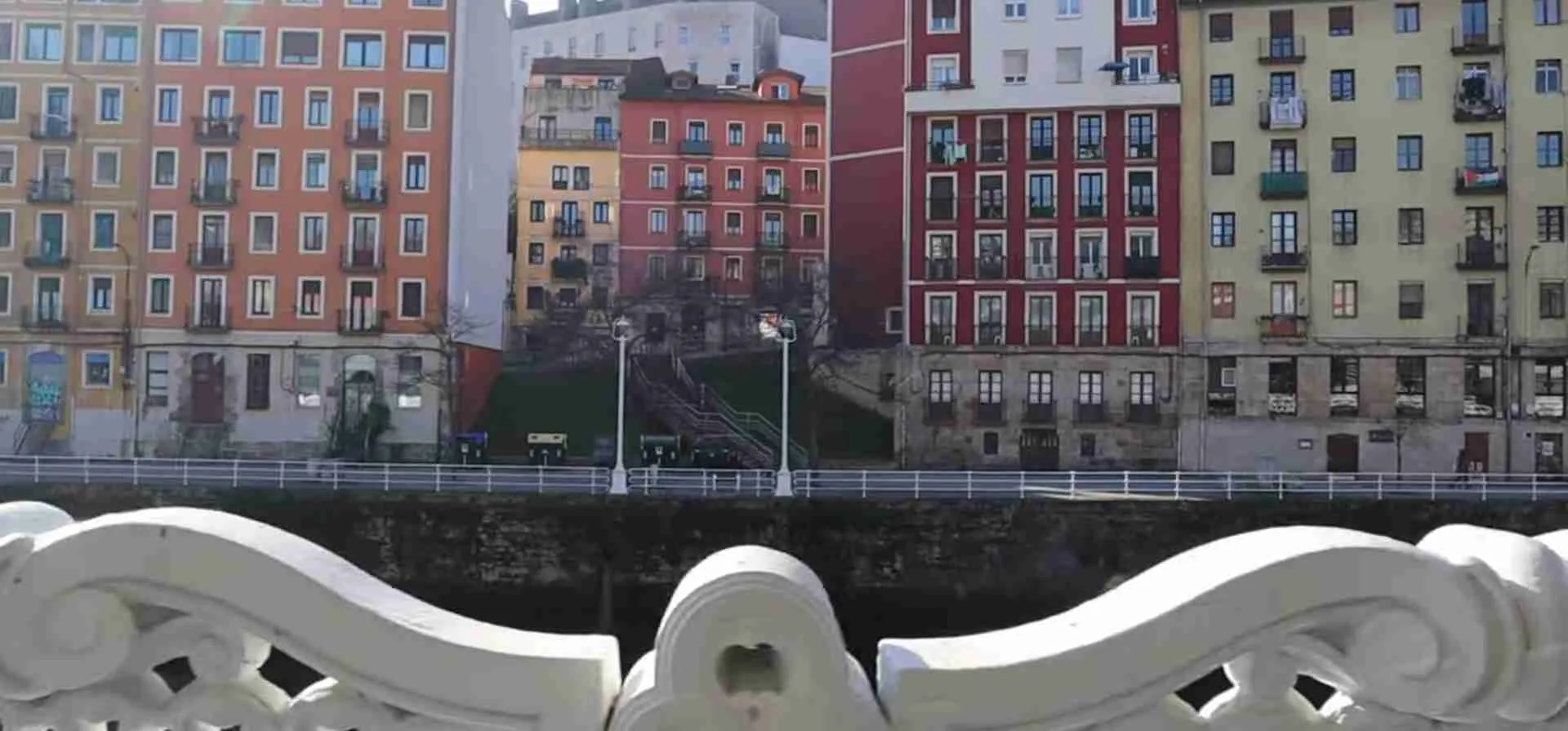
Riverside Promenades and Waterfront Walks
Bilbao’s extensive riverside promenade system provides kilometers of free walking routes throughout 2026. Both Nervión River banks feature developed pathways connecting major attractions while delivering waterfront experiences, bridge views, and urban landscape appreciation without any admission costs. The complete riverside network spans over 7 kilometers allowing comprehensive water-focused exploration or targeted segments connecting specific free attractions.
The primary waterfront route follows the right bank from San Mamés Stadium through Abandoibarra past Guggenheim Museum continuing to old port areas. This section passes most major contemporary architecture allowing free walking tour connecting multiple landmarks. The flat, wide pathways accommodate casual walking, jogging, or cycling. Numerous benches and viewing points provide rest opportunities during extended walks. Public art installations appear periodically adding visual interest beyond architectural viewing.
Left bank promenades offer alternative perspectives on city landmarks while passing through more residential neighborhoods. Views across the river toward Guggenheim and downtown create photographic opportunities showing landmarks within broader urban context. The less tourist-focused atmosphere provides authentic local environment observations. Sunday morning walks encounter local joggers and families creating cultural participation experiences distinct from tourist-concentrated right bank routes.
Bridge crossings punctuate waterfront walks allowing route variations and multiple perspective changes. Each bridge offers distinct views—Zubizuri’s glass deck, La Salve’s red arch beside Guggenheim, Deusto’s historic spans. Walking figure-eight patterns crossing and recrossing the river creates varied route experiences covering more ground without repetition. The entire riverside system remains accessible 24 hours daily throughout 2026, offering flexibility for dawn, daytime, or evening walks based on weather preferences and schedule constraints.
Free Cultural Experiences in Bilbao 2026
Church Interiors and Religious Architecture
Bilbao’s churches provide extensive free architectural and artistic experiences throughout 2026. Unlike many European cities charging church admission, Bilbao maintains traditional free access for prayer and viewing outside service times. Santiago Cathedral leads religious architectural offerings with its Gothic nave, elaborate baroque altarpiece, and historic significance as Bilbao’s main cathedral since 14th century. The cathedral opens daily for free entry allowing comprehensive interior viewing including side chapels, cloister (when accessible), and architectural details.
San Antón Church beside Nervión River provides distinct architectural interest with Gothic-Renaissance fusion dating from 15th century. The church’s prominent location—appearing on Bilbao’s coat of arms—makes it recognizable landmark. Free interior access reveals religious art, carved altarpieces, and architectural elements contrasting with Santiago Cathedral’s style. The adjacent bridge (Puente de San Antón) creates photogenic church-bridge-river compositions frequently appearing in Bilbao promotional materials.
San Nicolás Church in Casco Viejo represents baroque architectural tradition with elaborate interior decoration. The church dedicated to Bilbao’s patron saint features ornate altarpieces, religious paintings, and architectural detailing characteristic of Counter-Reformation Catholic churches. Free entry allows architectural study and peaceful contemplation. The church’s Casco Viejo location makes it convenient addition to Old Town exploration requiring no route deviation.
Smaller neighborhood churches throughout Bilbao extend free religious architecture viewing. While less architecturally significant than major churches, these parish churches reveal community religious life and varied architectural styles from different construction periods. Most maintain open doors during morning hours (9 AM – 12 PM) and evening (6 PM – 8 PM) for prayer, allowing impromptu visits during neighborhood exploration. Respectful viewing (avoiding services, maintaining quiet demeanor, appropriate dress) ensures continued public access to these community spaces.
Plaza and Public Space Cultural Observation
Bilbao’s plazas function as free cultural theaters throughout 2026 where daily urban life unfolds for observant travelers. Plaza Nueva in Casco Viejo serves as the primary stage with its Sunday morning markets, afternoon cafe culture, and evening social gatherings. Observing plaza life costs nothing while revealing Basque social patterns, language use (overhearing both Basque and Spanish), and community interactions unavailable in museums or paid attractions.
Sunday morning (9 AM – 1 PM) transforms Plaza Nueva into stamp and coin market attracting collectors and browsers. Walking among market stalls, observing transactions, and examining old Basque postal materials provides cultural insight without purchase requirements. The market atmosphere—elderly collectors debating values, families browsing, serious dealers negotiating—reveals continuation of traditional market culture in contemporary urban context.
Plaza Arriaga beside Teatro Arriaga creates another free cultural observation point. The small plaza’s cafe terraces (viewing exteriors remains free) and garden areas attract diverse crowd throughout day. Morning brings business professionals taking coffee breaks. Afternoon sees tourists consulting maps and planning routes. Evening delivers pre-theater crowds before performances. These daily rhythms reveal Bilbao’s functioning as lived city rather than tourist stage set.
Smaller neighborhood plazas throughout residential districts provide authentic local atmosphere distinct from tourist-center crowds. Plaza Unamuno in Casco Viejo, Plaza del Ensanche near Gran Vía, and Plaza Euskadi in contemporary districts each display particular neighborhood character. Weekday morning visits (9 AM – 11 AM) show market shopping, school activity, and work routines. Late afternoon (6 PM – 8 PM) brings evening strolls and social gatherings. Observing these patterns creates cultural understanding unavailable through paid tours or guide books—all completely free for patient observers.
Free Cultural Events and Festivals in 2026
Bilbao’s calendar includes numerous free cultural events throughout 2026 allowing visitors fortunate with timing to experience festivals, concerts, and celebrations without admission costs. Aste Nagusia (Bilbao’s Great Week) in August represents the year’s largest free cultural event with nine days of concerts, traditional Basque performances, fireworks, and street celebrations. The festival transforms the city into massive free party—though accommodation prices rise significantly during this period, the events themselves remain accessible without tickets.
Olentzero Christmas celebrations (December 24) bring traditional Basque Christmas character appearances throughout city center with free family activities, traditional music, and festive atmosphere. Unlike many European Christmas markets charging admission or requiring purchases, Bilbao’s Christmas celebrations maintain public character with free participation. Plaza Nueva and major streets host free concerts and traditional performances throughout December creating festive atmosphere for year-end visitors.
Santo Tomás Day (December 21) features traditional festival with farmer’s market in Plaza Nueva and city streets where local producers sell traditional foods and crafts. While purchasing foods requires spending, attending the festival, observing traditions, and experiencing authentic Basque celebration remains free. The festival’s continuation of centuries-old market traditions provides cultural insight unavailable in museums, all accessible without admission costs.
Summer concert series appears in various public spaces including Etxebarria Park and plaza areas offering free evening entertainment June-August 2026. Programs vary annually but typically include traditional Basque music, contemporary performances, and children’s entertainment. Checking municipal cultural calendars online or at tourist information offices reveals specific dates and locations. These free concerts allow evening entertainment without the €20-40 typical paid concert costs elsewhere in Europe.
Strategic Free Day Itineraries for Bilbao 2026
Tuesday Zero-Cost Full Day with Guggenheim
Tuesday provides optimal free Bilbao experience throughout 2026 centered on Guggenheim Museum’s free evening access. Begin at 9 AM in Casco Viejo exploring the seven original streets, Santiago Cathedral, and Plaza Nueva. Morning Casco Viejo visits (9 AM – 12 PM) encounter lighter crowds before afternoon increases. Three hours allows comprehensive Old Town exploration including churches, architectural viewing, and Ribera Market visit (architectural viewing free, food purchases optional).
Midday (12 PM – 2 PM) walk riverside promenades from Casco Viejo toward Abandoibarra covering approximately 3 kilometers at relaxed pace. This route passes multiple bridges allowing river crossing variations and different perspective viewing. Stop at Zubizuri Bridge for architectural photography and city views. Continue past Euskalduna Conference Centre viewing contemporary architecture. Return toward Guggenheim area by 2 PM allowing afternoon rest at Doña Casilda Iturrizar Park.
Afternoon (2 PM – 5 PM) combine Doña Casilda Park relaxation with exploring Gran Vía shopping street architecture (window shopping free, purchases optional). The park provides shaded rest crucial for maintaining energy for evening museum visit. Bring picnic lunch prepared at accommodation or purchased earlier (grocery stores offer substantially lower costs than restaurants). Reading, napping, or gentle walking allows recovery time before evening’s free cultural highlight.
Arrive Guggenheim Museum by 5:45 PM for 6 PM free admission window. The two-hour evening access (6 PM – 8 PM) provides complete museum experience with all galleries accessible. Post-museum (8 PM – 9 PM) walk Abandoibarra waterfront viewing illuminated Guggenheim exterior and Jeff Koons’ “Puppy” sculpture. Return to accommodation via Metro or walking depending on location and energy levels. This complete Tuesday itinerary costs €0 while delivering comprehensive Bilbao experience including world-class museum access, architectural viewing, park relaxation, and cultural immersion—total value exceeding €30 compared to paid admission alternatives.
Wednesday or Friday Art-Focused Free Day
Wednesday or Friday provides alternative free cultural immersion focused on Fine Arts Museum rather than Guggenheim. Friday’s all-day free museum access offers most flexibility. Begin morning (9 AM – 11 AM) at Etxebarria Park climbing for panoramic views and hilltop exploration. Early arrival ensures clearer air and lighter crowds. Two hours allows reaching park, viewing from multiple terraces, and descending—good morning exercise preparing for afternoon museum concentration.
Midday (11 AM – 2 PM) explore contemporary Abandoibarra district architecture including Zubizuri Bridge, Euskalduna Conference Centre exterior, Azkuna Zentroa ground floor, and Metro station entrances. This architectural walking tour spans approximately 2.5 hours covering major contemporary landmarks without admission requirements. End near Doña Casilda Park for afternoon transition.
Afternoon (2 PM – 5 PM) rest at Doña Casilda Iturrizar Park before evening museum visit or (if visiting Friday) enter Fine Arts Museum during afternoon quiet hours. The museum’s comprehensive collection requires 2-3 hours for proper viewing—Friday all-day access removes time pressure compared to Wednesday’s two-hour evening window. Focus medieval Basque art rooms, Spanish Golden Age galleries, and contemporary Basque sculpture for essential highlights.
Post-museum evening (5 PM – 7 PM Friday, 8 PM – 9 PM Wednesday) explore surrounding residential neighborhoods observing local life away from tourist centers. Plaza del Ensanche and surrounding streets reveal middle-class Bilbao residential character distinct from Old Town or contemporary waterfront. Return via Casco Viejo for early evening plaza atmosphere observing local social patterns. This alternative free day delivers art-focused cultural immersion, architectural discovery, and neighborhood authenticity spending €0 while avoiding Tuesday crowds at Guggenheim.
Weekend Free Exploration Without Museum Access
Weekends in Bilbao lack free museum access (Tuesday Guggenheim, Wednesday/Friday Fine Arts) but offer alternative free experiences maximizing outdoor attractions and cultural observation in 2026. Saturday or Sunday morning (8 AM – 12 PM) begin with extended Casco Viejo exploration including Sunday Plaza Nueva market (9 AM – 1 PM if visiting Sunday). Four morning hours allow comprehensive Old Town immersion: all seven original streets, Santiago Cathedral, San Antón Church, Ribera Market, and plaza cafes exterior viewing.
Midday (12 PM – 3 PM) complete riverside promenade system walking both banks. Begin at western end near San Mamés Stadium walking east past all bridges toward old port areas then returning via opposite bank. This extended waterfront walk spans 6-7 kilometers at moderate pace requiring 2.5-3 hours including photo stops and rest breaks. The route connects numerous free attractions while providing comprehensive river-focused urban landscape experience.
Afternoon (3 PM – 6 PM) visit both major parks: Doña Casilda Iturrizar and Etxebarria. Doña Casilda provides first park experience with formal gardens and duck pond. After 60-90 minutes, walk or take Metro toward Etxebarria for hilltop views and sunset timing (check seasonal sunset hours for specific 2026 dates). Etxebarria’s elevation delivers dramatic light during pre-sunset golden hour creating premium photography opportunities.
Evening (6 PM – 8 PM) return to Casco Viejo for peak weekend evening atmosphere. Plaza Nueva comes alive with locals gathering, street musicians performing, and cafes filling. Observing this social activity costs nothing while providing authentic Basque cultural experience. Walk surrounding streets viewing traditional architecture illuminated after dark. This weekend free day delivers comprehensive Bilbao exposure without museum access, demonstrating the city’s extensive free offerings beyond famous institutions—complete day cost €0 while covering major districts, attractions, and cultural experiences.
Practical Tips for Maximizing Free Bilbao 2026
Transportation to Free Attractions
Reaching Bilbao’s free attractions often requires public transportation or walking. Central free attractions—Casco Viejo, Guggenheim area, Doña Casilda Park—cluster within compact walkable zone. Walking between these core free attractions costs nothing though requires 20-40 minutes between zones. Comprehensive free day walking potentially totals 8-12 kilometers depending on route choices and return patterns.
Metro connections between major free attraction areas cost €1.80 per trip using Barik card (€3 card purchase plus credit). While this represents spending, strategic Metro use when fatigue accumulates or time constraints exist extends free attraction accessibility. For example, Metro from Casco Viejo to Santurtzi (Etxebarria Park area) saves 30-minute uphill walk. Balance walking for free transportation against energy conservation and time management for complete free day experiences.
Bus routes serve peripheral free attractions like Etxebarria Park or Artxanda area (though funicular itself costs €4.10). Bilbao buses cost €1.50 per trip providing cheaper alternative to taxis for reaching distant free viewpoints. Visitors staying longer than 2-3 days might consider Barik card balance allowing multi-trip flexibility while maintaining overall budget focus on free attraction maximization rather than transportation elimination.
Walking proves most economical transportation enabling €0 daily spending. The compact core containing Casco Viejo, Abandoibarra, and Doña Casilda Park remains entirely walkable. Download offline maps (Maps.me, Google Maps offline mode) allowing navigation without data charges. Comfortable walking shoes prove essential—Bilbao’s hills and extended daily walking totals demand proper footwear preventing fatigue or injury diminishing free attraction enjoyment.
Food Strategies for Zero-Spending Days
Enjoying Bilbao’s free attractions while maintaining zero daily spending requires food preparation. Accommodation with kitchen access (hostels, apartments) allows breakfast preparation and packed lunch creation. Grocery stores like Eroski, Mercadona, or Carrefour Express offer substantially lower costs than restaurants—€3-5 creates filling breakfast versus €8-12 cafe breakfast costs. Lunch picnics assembled from grocery items (bread, cheese, vegetables, fruit) cost €5-8 versus €15-25 restaurant lunches.
Parks like Doña Casilda Iturrizar provide pleasant picnic settings during free day itineraries. Midday park breaks combine rest, food, and continued free experience rather than interrupting free attraction flow for expensive restaurant meals. Riverside benches along promenade routes offer alternative picnic spots with water views. Strategic food preparation prevents hunger driving expensive spontaneous restaurant visits undermining daily zero-spending goals.
Water bottle refilling throughout day prevents beverage purchases. Bring reusable bottle from accommodation filling at public fountains or requesting free tap water at cafes (ordering nothing still allows restroom access and water request in Spain). Museums during free hours allow brief exits for snacks then re-entry using same admission—helpful for maintaining energy during two-hour evening free windows without cafe spending.
Evening accommodation dinners prepared from grocery purchases complete zero-spending food strategy. Cooking accommodation meals might seem less exciting than experiencing Bilbao’s renowned pintxos culture, but enables multiple completely free attraction days. Budget travelers might designate one evening for pintxos experience while maintaining zero spending other days maximizing overall trip duration and free attraction coverage. Strategic food planning proves essential for successful free Bilbao 2026 visits.
Weather Contingencies for Free Activities
Bilbao’s Atlantic climate brings frequent rain requiring weather-adaptable free activity planning for 2026 visits. November through April sees highest precipitation with rain likely on 40-50% of days. Summer months June-August offer most reliable dry weather though afternoon showers occur periodically. Monitoring weather forecasts allows optimizing free activity scheduling around predicted conditions.
Rainy day free activity focus emphasizes indoor experiences: museum free hours, church interiors, Ribera Market architectural viewing, and covered shopping arcades along Gran Vía. Guggenheim Tuesday free evening (6 PM – 8 PM) provides two indoor hours regardless of weather. Fine Arts Museum Wednesday evening or Friday free access offers extended rainy day indoor options. Church visiting creates brief shelter during passing showers while maintaining free cultural experiences.
Partial weather days allow flexible adaptation. Morning rain followed by afternoon clearing suggests visiting Casco Viejo’s narrow streets (providing some overhead cover) morning then transitioning to parks or riverside walks afternoon. Conversely, clear mornings merit prioritizing outdoor attractions (Etxebarria Park views, riverside promenades) before potential afternoon deterioration. Weather flexibility requires mental preparation and activity sequence willingness to adapt maintaining positive free experience attitude.
Rain gear investment—proper waterproof jacket, umbrella, water-resistant footwear—enables maintaining free outdoor activity schedules despite precipitation. Bilbao rain often comes as light drizzle rather than heavy downpours meaning adequate rain protection allows continued walking tours, park visits, and waterfront exploration. European travelers accustomed to rain should pack accordingly. For visitors from drier climates, acquiring rain protection in Bilbao before trip or immediately upon arrival prevents weather limiting free activity participation.
Money-Saving Strategies Beyond Free Attractions in 2026
Combining Free Attractions with Strategic Spending
While this guide focuses on free experiences, understanding strategic spending enhances overall Bilbao value in 2026. Museums during paid hours charge €13 (Guggenheim) and €10 (Fine Arts) meaning free Tuesday/Wednesday/Friday timing saves €23. These savings apply toward experiences difficult to replicate freely—memorable pintxos dinner (€25-35 per person) becomes affordable through museum admission savings.
Artxanda Funicular (€4.10 round-trip) represents optional spending where free Etxebarria Park alternative exists. However, the funicular provides unique hillside railway experience beyond mere viewpoint access. Budget allocation saving €23 museum costs allows affordable funicular experience adding variety to completely free viewpoint alternative. Strategic spending evaluation compares experience value versus free alternatives rather than eliminating all costs.
Accommodation location decisions impact free attraction accessibility. Central accommodation (Casco Viejo, Abando areas) positions within walking distance of major free attractions reducing Metro costs and maximizing walkable access. While central accommodation typically costs more, reduced transportation needs and time savings accessing free attractions potentially offset higher lodging costs through enhanced daily experience efficiency and zero transport spending.
Extending Stay Through Free Experiences
Comprehensive free attraction coverage allows extending Bilbao visits without proportional cost increases. Three days exploring free attractions costs no more than one day (excluding accommodation and food). This mathematical reality suggests budget travelers benefit from slower-paced extended stays maximizing free experiences rather than rushed short visits requiring paid attractions to compress experiences.
Four-night/five-day Bilbao visits allow hitting both Tuesday Guggenheim and Wednesday/Friday Fine Arts free hours while comprehensively covering parks, architecture, churches, and waterfront walks. Extended duration enables repeating favorite free experiences—returning to preferred viewpoints, revisiting engaging plaza atmospheres, or exploring neighborhoods initially missed. The incremental cost of additional nights (accommodation only, since daily spending remains €0) delivers proportionally larger experience increase.
Off-season extended visits (November-March 2026) combine lower accommodation costs with complete free attraction access. While weather proves less reliable, indoor free experiences (museums, churches) remain fully available. Extended winter stays provide authentic local atmosphere as tourist crowds diminish revealing Bilbao’s character as functioning city rather than tourist destination. Budget flexibility favoring duration over daily spending intensity enables deeper Bilbao cultural understanding through extended free experience immersion.
FAQ: Bilbao Free Activities 2026
Can you explore Bilbao completely free for an entire day?
Yes, comprehensive all-day Bilbao exploration spending €0 remains easily achievable throughout 2026. A typical free day includes morning Casco Viejo exploration (Santiago Cathedral, seven original streets, Ribera Market architecture), midday riverside promenade walks, afternoon park visits (Doña Casilda Iturrizar or Etxebarria), and evening free museum access (Guggenheim Tuesday 6 PM – 8 PM or Fine Arts Wednesday/Friday). This delivers 10-12 hours of activities spending nothing while experiencing major attractions, architecture, culture, and nature.
Are Bilbao churches free to enter in 2026?
All major Bilbao churches including Santiago Cathedral, San Antón Church, and San Nicolás Church maintain free entry throughout 2026 for prayer and respectful architectural viewing outside mass times. Churches typically open mornings 9 AM – 12 PM and evenings 6 PM – 8 PM allowing spontaneous visits. Free access represents continuation of Catholic church traditions providing public religious space without admission charges.
What is the best free day of the week to visit Bilbao in 2026?
Tuesday provides optimal free Bilbao experience throughout 2026 offering Guggenheim Museum free admission 6 PM – 8 PM. This weekly window provides access to Spain’s most visited contemporary art museum without the standard €13 admission cost. Combine Tuesday Guggenheim evening with daytime free attractions (Casco Viejo, parks, riverside walks, churches) creating comprehensive cultural day spending €0 while accessing premium museum experience.
How long do you need to see Bilbao’s free attractions?
Comprehensive Bilbao free attraction coverage requires 3-4 full days in 2026: Day 1 focuses on Casco Viejo and churches (6-8 hours), Day 2 covers contemporary architecture and Abandoibarra waterfront (6-8 hours), Day 3 includes both major parks and viewpoints (6-8 hours), Day 4 allows Guggenheim Tuesday free access plus supplemental exploration. Shorter 2-day visits hit highlights but miss substantial free experiences justifying longer stays for budget travelers maximizing zero-cost coverage.
Is Artxanda Funicular the only way to get views of Bilbao?
No, Etxebarria Park provides excellent free panoramic Bilbao views without the €4.10 Artxanda Funicular cost. The hilltop park delivers comparable vista quality through 20-30 minute uphill walk from city center. While Artxanda offers unique funicular ride experience, budget-focused 2026 travelers achieve nearly identical viewpoint results completely free at Etxebarria. Additional free viewpoints include Mallona stairs and various elevated Casco Viejo streets.
Can you visit Guggenheim Museum exterior for free?
The Guggenheim Museum Bilbao exterior, waterfront sculptures (including Jeff Koons’ “Puppy” and Louise Bourgeois’ “Maman”), and surrounding Abandoibarra plaza remain freely accessible 24 hours daily throughout 2026. Walking around the building viewing Frank Gehry’s titanium architecture from multiple angles, photographing iconic sculptures, and appreciating the waterfront setting costs nothing. Interior access requires Tuesday 6 PM – 8 PM free admission or €13 standard ticket.
Are there free walking tours in Bilbao in 2026?
Free walking tours operate in Bilbao throughout 2026 typically starting Plaza Circular or Casco Viejo focusing on Old Town history and architecture. These tours work on tip basis—officially free but guides expect €10-15 per person gratuity. For truly free experience, self-guided walking using downloaded maps or guide books provides complete Casco Viejo, Abandoibarra, and riverfront exploration without any costs. The compact walkable city center makes self-guided exploration straightforward.
What free activities work well for families with children in Bilbao?
Family-friendly free Bilbao activities in 2026 include Doña Casilda Iturrizar Park with playgrounds and duck pond, riverside promenade walks, Zubizuri Bridge crossing, Guggenheim exterior viewing including “Puppy” sculpture (children particularly enjoy the massive flower dog), Etxebarria Park open spaces, and Casco Viejo exploration. Museums during free hours (Tuesday Guggenheim, Wednesday/Friday Fine Arts) provide cultural exposure though contemporary art might engage children less than outdoor active experiences.
Does Bilbao have free WiFi for budget travelers?
Bilbao provides free public WiFi in major plazas including Plaza Nueva and areas around Guggenheim, though connectivity proves inconsistent. Museums during free hours offer reliable WiFi. Accommodation WiFi typically provides primary internet access for 2026 budget travelers. Download offline maps (Google Maps, Maps.me) and attraction information before leaving accommodation allowing navigation and planning without data needs during full-day free attraction exploration.
What are the best months for free outdoor activities in Bilbao 2026?
May, June, September, and October provide optimal weather for Bilbao free outdoor activities throughout 2026. These shoulder season months deliver comfortable temperatures (15-23°C), reduced rain compared to winter months, and fewer crowds than peak July-August. Spring blooms enhance park experiences May-June while autumn foliage beautifies parks and riverside walks September-October. Summer works well but brings higher temperatures and tourist density. Winter (November-March) requires focusing on indoor free experiences due to frequent rain.