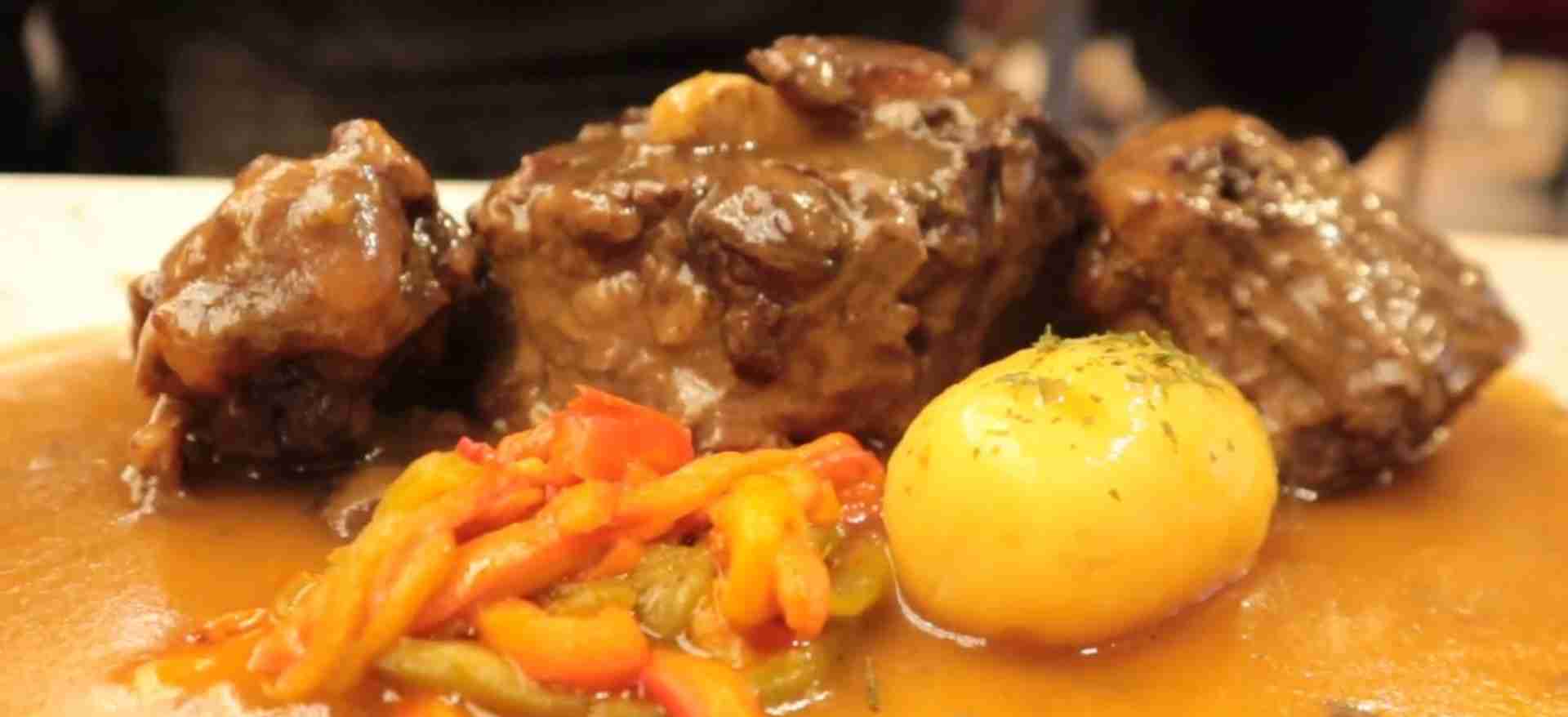
Bilbao Food Guide 2026: Pintxos & Basque Cuisine
Key Takeaways
- Bilbao’s pintxos culture offers sophisticated Basque cuisine in bite-sized portions, with prices ranging €3-8 per pintxo at traditional bars in 2026
- The Casco Viejo (Old Quarter) concentrates over 100 pintxos bars within walking distance, while Plaza Nueva and Jardines de Albia offer premium dining experiences
- Basque cuisine features exceptional seafood, traditional dishes like bacalao al pil-pil and marmitako, and innovative molecular gastronomy from Michelin-starred establishments
- Food tours cost €85-120 per person in 2026 and provide expert-guided tastings across 4-6 establishments with cultural context
- Strategic eating patterns maximize value: standing pintxos lunches €25-35, seated dinners €45-75, with local txakoli wine pairings €4-7 per glass
- Market visits to Mercado de la Ribera (Europe’s largest covered market) offer fresh ingredients and authentic local food culture experiences
Understanding Bilbao’s Gastronomic Culture
Bilbao stands as one of Europe’s premier food destinations, where centuries-old Basque culinary traditions merge with cutting-edge gastronomic innovation. The city’s food culture revolves around pintxos—the Basque Country’s sophisticated answer to tapas—transforming everyday eating into an art form. Unlike simple bar snacks, pintxos represent miniature culinary masterpieces, each small plate showcasing the region’s exceptional ingredients, technical precision, and creative spirit that has earned the Basque Country more Michelin stars per capita than anywhere else on earth.
The pintxos tradition reflects deep social customs where locals move from bar to bar (a practice called txikiteo or poteo), sampling one or two pintxos at each stop while standing at the bar with a small glass of wine or beer. This ritualized bar-hopping creates vibrant street life, particularly in the Casco Viejo where narrow streets fill with people each evening. The culture emphasizes quality over quantity, conviviality over speed, and the pleasure of good conversation alongside excellent food.
Bilbao’s gastronomic reputation extends beyond pintxos to encompass traditional Basque cuisine, innovative molecular gastronomy, exceptional seafood from the nearby Cantabrian Sea, and a wine culture centered on fresh, slightly sparkling txakoli. The city’s transformation from industrial port to cultural capital has paralleled a culinary renaissance, with neighborhoods like Abando and Indautxu now featuring contemporary restaurants alongside centuries-old establishments. Understanding this food culture provides essential context for experiencing Bilbao’s gastronomic offerings authentically.
People Also Ask About Bilbao Food in 2026
How much do pintxos cost in Bilbao in 2026?
Pintxos cost €3-8 per piece at traditional bars in Bilbao in 2026, with simpler options like tortilla or jamón at the lower end and elaborate seafood or foie gras creations at €6-8. A typical pintxos meal involves sampling 4-6 different pieces across multiple bars, resulting in total costs of €25-35 per person including drinks. Premium establishments in Plaza Nueva or upscale neighborhoods charge €8-12 per pintxo for more sophisticated preparations. Standing at the bar keeps prices lower than seated service, which adds 10-15% to costs. A glass of txakoli wine or small beer (zurrito) accompanies pintxos for €3-5, while vermouth costs €4-6. Check individual bar menus for current pricing as specialty ingredients can increase costs.
What is the best area for pintxos in Bilbao in 2026?
The Casco Viejo (Old Quarter) remains Bilbao’s prime pintxos destination in 2026, concentrating over 100 bars within a compact walkable area. The Seven Streets (Siete Calles)—particularly Calle Barrenkale, Calle Ronda, and Calle Perro—feature the highest concentration of traditional pintxos bars where locals gather. Plaza Nueva offers upscale options with outdoor seating and premium prices, while nearby Jardines de Albia provides a more modern pintxos scene. The Ensanche district around Licenciado Poza street attracts a younger crowd with innovative fusion pintxos. For authentic experiences away from tourist areas, neighborhoods like Santutxu and Rekalde offer neighborhood bars where Basque remains the primary language and prices stay 20-30% lower than central locations.
Do you need reservations for pintxos bars in Bilbao in 2026?
Traditional pintxos bars operate on a first-come, first-served basis with no reservations accepted or needed in 2026. The standing-at-the-bar format accommodates fluid crowds, and waits rarely exceed 5-10 minutes even during peak evening hours (8-10 PM Thursday through Saturday). However, if you want seated table service at popular bars like Gure Toki or Café Iruna, arriving before 8 PM or after 10 PM avoids waits. For fine dining restaurants serving pintxos-style tasting menus or Michelin-starred establishments, advance reservations become essential—book 2-4 weeks ahead for weekend dinners at top venues. Food tours require 3-7 days advance booking, while cooking classes need 1-2 weeks notice. Market visits and casual pintxos crawling need no planning beyond choosing your starting point.
What traditional Basque dishes should you try in Bilbao in 2026?
Essential Basque dishes to experience in Bilbao include bacalao al pil-pil (salt cod in emulsified olive oil and garlic sauce), marmitako (tuna and potato stew traditionally eaten by fishermen), txangurro (spider crab prepared with its own meat, cognac, and breadcrumbs), and kokotxas (hake or cod cheeks in green sauce). For meat lovers, txuleta (thick-cut aged beef steak) showcases Basque grilling mastery, typically served rare with minimal seasoning to highlight the meat quality. Vegetable-focused dishes include pimientos de padrón (blistered small green peppers), alcachofas a la plancha (grilled artichokes), and menestra de verduras (seasonal vegetable medley). Desserts feature mamia (sheep’s milk custard), cuajada (junket dessert with honey), and pantxineta (puff pastry with cream). Traditional restaurants serve these classics, while modern establishments reinterpret them with contemporary techniques.
Extended multi-day tours – 5+ days
Featured Bilbao Multi-Day Tour Packages
7 days
The North Trail, Self-drive
- ✓ Comprehensive Bilbao tour
- ✓ Expert local guides included
- ✓ All accommodation arranged
- ✓ Transportation provided
5 days
The Northern Gateway, Self-Drive
- ✓ Comprehensive Bilbao tour
- ✓ Expert local guides included
- ✓ All accommodation arranged
- ✓ Transportation provided
4 days
4-Day Green Spain (Northwest)
- ✓ Comprehensive Bilbao tour
- ✓ Expert local guides included
- ✓ All accommodation arranged
- ✓ Transportation provided
7 days
Best of Basque Country From Bilbao – 7 days (Superior)
- ✓ Comprehensive Bilbao tour
- ✓ Expert local guides included
- ✓ All accommodation arranged
- ✓ Transportation provided
Multi-day tour packages powered by TourRadar. Prices and availability subject to change.
Essential Planning Information for 2026
Budget Planning for Bilbao Dining 2026
Planning your Bilbao food budget for 2026 requires understanding different dining formats and price levels. Budget travelers can experience excellent Basque cuisine for €40-60 daily per person through strategic choices: breakfast at a café €6-10 (coffee and pastry), standing pintxos lunch €20-30 (4-6 pintxos plus drinks), market snacks €5-8, and casual dinner €25-35. This approach emphasizes pintxos bars over restaurants, standing versus seated service, and menu del día lunch specials where available.
Mid-range budgets of €75-110 daily allow for one seated restaurant meal plus pintxos experiences: café breakfast €8-12, market lunch €15-25 (seafood, wine), afternoon pintxos €20-30, and restaurant dinner €45-65 including wine. This level provides access to quality restaurants while maintaining pintxos culture participation. Splurge meals at Michelin-starred venues or renowned establishments cost €90-180 per person for tasting menus, positioning these as special occasion experiences within an overall mid-range budget.
Luxury dining experiences in Bilbao cost €150-250+ daily per person, featuring breakfast at premium hotels €20-30, market gastrobars €35-50 for lunch, afternoon pintxos at elite establishments €40-60, and fine dining dinners €90-150 before wine. Premium wine pairings add €45-75, while rare Spanish wines or aged reserves increase costs further. Food tours at this level (€150-200) include exclusive tastings and private guides. Check booking platforms and restaurant websites for current pricing and seasonal menu options.
Optimal Timing and Seasonal Considerations 2026
Bilbao’s food culture peaks during different seasons, each offering distinct advantages for culinary visitors in 2026. Spring (April-May) brings seasonal vegetables like white asparagus, artichokes, and fresh fava beans that feature prominently in Basque cuisine. Pintxos bars showcase these ingredients in creative preparations, while prices remain moderate before summer tourist season. Restaurant availability is excellent, and food tours operate with smaller groups. The San Prudencio festival in late April features special food events and traditional dishes.
Summer (June-September) offers peak produce including tomatoes, peppers, and stone fruits, plus prime fishing season for anchovy, tuna, and other species. However, this period also brings maximum tourist crowds, requiring earlier dining times (7-8 PM instead of 9-10 PM) to secure bar positions. Prices increase 10-15% at tourist-oriented establishments, though neighborhood bars maintain standard rates. August sees many family-owned establishments close for vacation, particularly mid-month, reducing options but creating opportunities at remaining establishments.
Fall (October-November) presents Bilbao’s optimal food season, featuring mushroom harvests, game meats, and the vendimia (grape harvest) for txakoli wine. This period balances excellent ingredients, moderate crowds, and special gastronomic events like the Bilbao Cooking Experience in late October. Pintxos competitions between bars elevate creativity, and restaurant reservations become easier than summer months. Prices return to standard levels, and the cultural calendar fills with food-focused programming. Winter months offer hearty stews, preserved seafood preparations, and the most authentic local experiences as tourist numbers decline significantly.
Pintxos Culture and Bar Hopping 2026
Understanding Pintxos Basics
Pintxos represent the cornerstone of Bilbao’s food culture, distinguished from simple tapas by their artistry, ingredient quality, and presentation standards. The term derives from the Spanish verb “pinchar” (to pierce), originally referring to items skewered with toothpicks atop bread. Modern pintxos have evolved far beyond this basic form into elaborate miniature dishes showcasing technical skill and creative combinations. A single pintxo bar displays 20-40 different options along its counter, refreshed throughout the day as items sell out.
Pintxos fall into several categories: cold pintxos sitting on the bar counter (cheeses, cured meats, marinated seafood on bread), hot pintxos prepared to order (grilled mushrooms, seared foie gras, tempura items), and plated pintxos that are essentially small sharing dishes. The traditional approach involves examining the counter display, pointing to desired items, and consuming them while standing at the bar with a small drink. Paying happens at the end of your visit—the bartender tracks consumption through toothpick counting or memory at smaller establishments.
Etiquette matters in pintxos culture: wait your turn at crowded bars rather than pushing forward, place used toothpicks and napkins on designated plates rather than the floor (though floor disposal remains acceptable at very traditional establishments), don’t monopolize bar space when establishments are busy, and tip by rounding up the bill or leaving small change. Speaking Spanish or attempting Basque phrases receives warm responses, though English is understood at central locations. The culture rewards curiosity—asking bartenders for recommendations or seasonal specialties enhances the experience beyond pointing at displays.
Casco Viejo Pintxos Route 2026
The Old Quarter’s Seven Streets district provides the classic Bilbao pintxos experience, with this strategic route covering diverse establishments within a compact area. Begin at Plaza Nueva, where Café Bar Bilbao (established 1911) opens at 11 AM and serves classic pintxos like gildas (anchovy, olive, and pepper skewers) for €3-4 and croquetas at €2.50 each. The plaza’s elegant architecture and outdoor tables create an atmospheric start, though standing inside keeps prices 10-15% lower than seated service.
Walk down Calle Bidebarrieta to Gure Toki, a modern pintxos bar earning consistent recognition for innovative creations. Signature items include foie gras with apple compote (€7), octopus carpaccio (€6), and deconstructed tortilla (€5). The establishment’s open kitchen lets you watch preparation techniques, and the knowledgeable staff offers excellent wine pairings from their 100+ bottle selection. Visit between 1-2 PM for lunch service or 8-9 PM for dinner, when new pintxos emerge from the kitchen every 15-20 minutes.
Continue to Calle Perro and enter Víctor Montes, a historic establishment featuring both traditional and creative options. The solomillo (beef tenderloin) pintxo costs €6, while their famous mushroom risotto pintxo (€5.50) showcases seasonal ingredients. The extensive wine list includes 30+ txakoli options (€4-7 per glass) and quality Rioja selections. The Art Deco interior and mosaic floors add historical ambiance, though expect crowds during peak hours requiring brief waits for bar position.
Head to nearby Calle Santa María and Sorginzulo (Basque for “witch’s cave”), which specializes in ham and cheese combinations. Their jamón ibérico pintxo (€6) uses premium acorn-fed ham, while the idiazabal cheese with quince paste (€4.50) highlights regional products. The cramped, atmospheric space fills quickly but turnover moves efficiently, and the friendly staff accommodates English speakers while maintaining authentic local character.
Finish at Plaza Nueva’s Café Iruna, an iconic establishment dating to 1903 with stunning Moorish-revival interior design. While tourist-frequented, the quality remains high: try their txangurro (spider crab) pintxo at €8, percebes (goose barnacles) at €12, or the simpler but excellent jamón serrano at €4. Their vermouth program features 15 varieties (€4-7), making this an ideal final stop. The elaborate tilework, carved wood details, and belle époque atmosphere justify slightly elevated prices, and outdoor seating offers prime people-watching opportunities.
This route covers approximately 400 meters of walking and takes 2-3 hours at a leisurely pace with 1-2 pintxos at each stop. Total cost ranges €25-40 per person including drinks, depending on selections and whether you choose cold or hot pintxos. Peak times are 1-3 PM for lunch and 8-11 PM for dinner Thursday through Saturday, when locals join tourists creating vibrant atmosphere but also crowds. Off-peak hours (11 AM-1 PM, 6-8 PM) offer easier bar access and more bartender interaction for questions about ingredients or preparation.
Ensanche Modern Pintxos Scene 2026
Bilbao’s modern Ensanche district (particularly around Licenciado Poza and Alameda Mazarredo streets) offers contemporary interpretations of pintxos culture with international influences and innovative techniques. This area attracts younger crowds and features modern design aesthetics contrasting the Old Quarter’s traditional atmosphere. Begin at Muga Taberna on Licenciado Poza, where fusion pintxos combine Basque ingredients with Asian techniques: tuna tataki pintxo (€7), tempura vegetables with miso (€5), and beef cheek bao buns (€6). The sleek interior features communal tables encouraging social interaction, and the craft beer selection (€4-6) complements food better than traditional wine options.
Walk to nearby La Viña del Ensanche, which despite its Ensanche location maintains traditional character while offering creative seasonal pintxos. Their specialties include slow-cooked pork belly with apple purée (€6.50), roasted red pepper filled with brandade (€5), and an exceptional tortilla (€3.50) that locals rate among Bilbao’s best. The extensive vermouth selection features both classic and artisanal producers, with knowledgeable staff explaining regional differences and production methods. Afternoon hours (6-8 PM) offer the best atmosphere as neighborhood professionals gather after work.
Continue to El Globo on Calle Diputación, an upscale establishment earning multiple gastronomic awards for ambitious pintxos that push boundaries. Their signature “eggs Globo” (€8) deconstructs classic Spanish egg preparations with molecular gastronomy techniques, while the foie mi-cuit with Pedro Ximénez reduction (€9) demonstrates refined technical execution. Prices run 20-30% above traditional bars, but presentation and ingredient quality justify premium costs. The modern dining room accommodates both standing bar service and seated meals, with tasting menus (€45-65) offering comprehensive sampling.
End at Brass Bilbao near the Guggenheim Museum, which combines pintxos culture with international craft beer offerings. This establishment appeals to visitors seeking familiar comfort alongside Basque flavors: gourmet burgers as pintxos (€7-9), international cheese boards (€12-16), and fusion items like Korean BBQ pintxos (€8). While less traditionally Basque than Old Quarter establishments, Brass provides comfortable introduction for visitors unsure about authentic options. The location near major hotels and museums makes this convenient for afternoon breaks during sightseeing, with river views from outdoor seating adding appeal.
Neighborhood Bar Experiences 2026
Authentic neighborhood pintxos bars in residential areas like Rekalde, Santutxu, and Basurto offer the most genuine local experiences with prices 20-30% below tourist zones and minimal English language accommodation. These establishments serve neighborhood regulars who visit daily, creating intimate social scenes where newcomers stand out but receive friendly welcome with respectful approach.
In Rekalde, Bar Ledesma on Calle Autonomía exemplifies the neighborhood bar concept: simple décor focusing on food quality, counter displays of traditional pintxos (€2.50-5), and a regular clientele conducting conversations in Basque. Their tortilla costs €2.50, croquetas €2 each, and daily specials like braised beef cheeks €6-8. The establishment maintains traditional closing patterns (closed Sundays, reduced August hours) that tourist-focused bars have abandoned. Metro line 2 to Santutxu station positions you within 5-minute walk, and the area offers other neighborhood bars for comparison.
Bar Txakoli in Santutxu focuses specifically on txakoli wine culture, with 25+ producers represented and staff knowledgeable about regional variations. Pintxos lean traditional—anchovies, tortilla, jamón, peppers—at €2.50-4.50, designed to complement wine rather than compete for attention. The unpretentious atmosphere and local crowd provide insight into everyday Basque food culture beyond performative tourist offerings. Weekend mornings see families gathering for vermouth and pintxos before lunch, a traditional social pattern rare in central neighborhoods now dominated by tourism.
These neighborhood experiences require more adventurous spirit and basic Spanish helps significantly, as English menus and staff are rare. However, the authentic atmosphere, lower prices, and warm local welcome reward effort. Expect simpler pintxos focusing on quality ingredients and traditional preparations rather than innovative presentations, and understand that peak hours differ from tourist areas (1-2:30 PM lunch, 8-9:30 PM dinner on weekdays earlier than tourist zones). Many close Monday or Tuesday for weekly rest days.
Traditional Basque Restaurants 2026
Classic Basque Cuisine Establishments
Traditional Basque restaurants in Bilbao preserve centuries-old recipes and cooking techniques, offering seated dining experiences focusing on ingredient quality and precise preparation. Restaurante Mina, located near the Guggenheim Museum, has earned one Michelin star through its modern interpretation of Basque classics. The tasting menu costs €120-140 per person in 2026 and showcases seasonal Basque products through creative preparations that honor tradition while embracing innovation. Chef Álvaro Garrido’s signature dishes include reinterpreted bacalao preparations, contemporary vegetable courses, and exceptional desserts. The intimate dining room seats only 30 guests, requiring reservations 3-4 weeks ahead for weekend dinners. Wine pairings add €60-80, though the extensive by-glass program (€8-15) allows selective pairings reducing costs.
Zortziko operates in a restored belle époque mansion, offering luxurious surroundings for elevated Basque cuisine. The restaurant earned Michelin recognition before voluntarily returning its star to focus on more relaxed dining, though quality remains exceptional. Main courses cost €28-45, with starters at €18-25 and desserts €12-15. Signature preparations include kokotxas al pil-pil (hake cheeks), txuleta aged beef, and seasonal game preparations. The extensive wine cellar features 800+ references including rare Riojas and historic vintages, with sommelier assistance for pairing selections. Lunch menu del día offers exceptional value at €45-55 for three courses plus wine, representing Bilbao’s best Michelin-quality lunch bargain.
Etxanobe in Euskalduna Palace provides panoramic city views alongside contemporary Basque cuisine from chef Fernando Canales. The restaurant holds one Michelin star, with tasting menus at €110-135 and à la carte mains €32-48. The cuisine balances technical precision with accessibility, avoiding extreme molecular gastronomy while embracing modern techniques. Reservations are essential for window tables offering Guggenheim and Nervión River views, particularly at sunset (book 2-3 weeks ahead). The lunch menu (€48-58) includes 4 courses and represents solid value considering quality and location. The restaurant participates in Bilbao’s restaurant week promotions, offering special pricing during specific periods.
Seafood Specialists 2026
Bilbao’s proximity to the Cantabrian Sea ensures exceptional seafood quality, with specialized restaurants focusing on pristine fish and shellfish preparations. Restaurante Yandiola occupies a stunning rooftop location in the Azkuna Zentroa cultural center, combining views with seafood excellence. Chef Ricardo Pérez sources directly from Bermeo and Ondarroa fishing ports, ensuring same-day catch. Seafood dishes cost €26-48, with whole fish priced by weight (€60-90 per kilo for premium species like rodaballo/turbot or lubina/sea bass). The restaurant’s signature dish, bacalao al pil-pil, showcases perfect technique in the emulsified sauce preparation. The location enables combined cultural center visits with dining, and the modern glass-enclosed space provides impressive city panoramas.
Near Mercado de la Ribera, smaller seafood specialists operate with direct market access and limited seating. Bar Ledesma (different from the Rekalde neighborhood bar) focuses on market-fresh preparations with minimal intervention: grilled fish, steamed shellfish, and raw preparations like oysters and sea urchin. Prices reflect market rates plus modest markup, with meals costing €35-55 per person including wine. The informal atmosphere contrasts upscale establishments while maintaining ingredient quality, and the market location ensures maximum freshness. Lunch service (1-3:30 PM) offers best selection as suppliers deliver morning catches.
For premium seafood experiences, Restaurante Aizian in Bilbao’s port area (Abandoibarra) specializes in rice dishes and seafood combinations. Their seafood paella serves 2-3 people for €65-85, while arroz con bogavante (lobster rice) costs €90-110 for two. Individual portions of grilled fish or shellfish run €24-38, and the wine list emphasizes white wines and txakoli selections complementing seafood. The waterfront terrace operates May-September, providing outdoor dining with marina views. Reservations are essential for terrace seating during summer weekends, though indoor dining accepts walk-ins except peak Friday-Saturday evenings.
Traditional Asador (Grill Houses) 2026
Basque grill culture centers on txuleta—thick-cut aged beef steaks cooked rare over oak coals. Asador Etxebarri operates outside Bilbao (45-minute drive) but represents the pinnacle of Basque grilling, earning three Michelin stars through chef Victor Arguinzoniz’s mastery of fire. While expensive (€180-220 per person), the experience demonstrates pure ingredient focus and smoking techniques that have influenced global cooking. The tasting menu features everything from vegetables to seafood to beef, all touched by smoke in precisely calibrated ways. Reservations require 2-3 months advance booking through their website, and the rural location necessitates car rental or taxi (€70-90 each way from Bilbao).
Within Bilbao, Casa Rufo specializes in charcoal-grilled meats including exceptional txuleta. The restaurant ages beef 40-60 days, resulting in concentrated flavor and tender texture. Steaks are priced by weight (€70-100 per kilo), with typical portions for sharing running €50-70 for 700-900 grams. The kitchen also grills pimientos de padrón (€8), spring onions (€12), and other vegetables showcasing smoke flavor. The wine list emphasizes Ribera del Duero and Rioja red wines (€28-60 per bottle) complementing beef preparations. The traditional dining room maintains old-school Basque restaurant character, and service follows formal patterns with proper meat carving and table-side presentation.
Bodegón Alejandro offers more casual grill dining with neighborhood character. Their txuleta costs €65-85 per kilo, while other grilled options like lamb chops (€22) or pork secreto (€18) provide excellent value. The extensive pintxos bar selection lets you begin with standing snacks before seated dinner, and the wine program features accessible regional bottles (€18-35) rather than prestigious reserves. Reservations help on weekends, though weeknight availability is good. The location in Deusto neighborhood positions you away from tourist concentration, providing authentic local dining atmosphere.
Markets and Food Shopping 2026
Mercado de la Ribera Experience
The Mercado de la Ribera ranks as Europe’s largest covered food market, occupying an Art Deco building along the Nervión River since 1929. The market operates Monday-Friday 8 AM-2:30 PM and 5-8 PM, Saturday 8 AM-3 PM, with reduced vendor hours on Saturdays and summer Fridays. Over 60 permanent vendors sell exceptional fresh produce, seafood, meats, cheeses, and specialty products, providing insight into daily Basque food shopping patterns and ingredient quality standards that underpin the region’s gastronomic reputation.
The ground floor concentrates on seafood, with vendors displaying catches from nearby Bermeo, Ondarroa, and Lekeitio ports. Species vary by season: spring brings anchovies and bonito, summer offers tuna and gilt-head bream, fall features hake and sea bream, while winter showcases preserved preparations and salted fish. Prices reflect daily market rates—expect €15-25 per kilo for common species, €30-50 for premium fish like turbot or sole, and €60-90+ per kilo for specialty items like percebes (goose barnacles) or sea urchin. Vendors clean, fillet, and prepare fish to your specifications, providing service that converts market shopping into educational experiences about species identification, preparation methods, and cooking recommendations.
Upper floors house meat vendors, produce sellers, and specialty shops. The txistorra (Basque chorizo) stalls sell fresh sausages for €12-16 per kilo, perfect for apartment cooking or picnic provisions. Cheese vendors offer regional varieties: idiazabal (smoked sheep cheese) at €25-30 per kilo, aged hard cheeses €18-24, and fresh cheeses €10-15. Many vendors provide tasting before purchase, and staff explains regional production methods and aging processes. Vegetable stands display seasonal produce highlighting Basque farming traditions—white asparagus in spring (€8-12 per kilo), tomatoes in summer (€3-5), mushrooms in fall (€15-40 depending on variety), and root vegetables in winter.
Several market bars and restaurants operate within the building, offering prepared foods using market ingredients. These establishments serve breakfast (€4-8), coffee and pintxos (€2-5 per item), and simple lunches (€12-18 for daily specials). The atmosphere mixes vendors taking breaks, shoppers refueling, and visitors experiencing market culture. Prices undercut tourist-area establishments by 30-40%, and the authentic local scene provides cultural context for Bilbao food traditions. Upper-floor bars offer better seating and views than ground-level options.
The market’s rooftop terrace (access €1) provides panoramic city views and includes a gastrobar serving elevated market-based cuisine. Dishes cost €8-18, with daily specials featuring seasonal market finds. The terrace operates 10 AM-10 PM daily, functioning as both viewpoint and dining destination. Many visitors combine market shopping with rooftop meals, creating a comprehensive market experience. The building’s architecture—particularly the Art Deco details and riverside façade—merits attention beyond the food focus.
Specialty Food Shops 2026
Beyond the central market, Bilbao’s specialty food shops offer artisanal products and regional specialties. Casa Víctor Montes operates a gourmet shop adjacent to their pintxos bar in Casco Viejo, selling premium products: aged cheeses (€20-45 per kilo), artisanal conservas (preserved seafood, €6-25 per tin), premium olive oils (€15-35 per 500ml), and regional wines (€12-80 per bottle). The shop provides vacuum packing for travel, and staff offers expert advice on product selection and pairing recommendations. This represents ideal sourcing for picnic provisions or ingredients for apartment cooking.
Colmado Ibérico specializes in Spanish charcuterie, with exceptional jamón ibérico selections. Prices range €30-60 per kilo depending on acorn-feeding duration and aging, with staff slicing to order and explaining quality classifications. The shop also stocks regional chorizos, salchichones, and lomos (€18-28 per kilo), plus wine selections emphasizing Ribera del Duero and Rioja producers complementing cured meats. For visitors seeking high-quality portable souvenirs or provisions, this shop delivers premium products with knowledgeable service.
Near the Guggenheim, Aitor Lasa offers modern Basque sweets and chocolates, including traditional treats like pastel vasco (Basque custard tart, €12-18) and tejas (thin almond cookies, €8-15 per box). The shop’s artisanal chocolates (€25-40 per kilo) incorporate regional flavors like txakoli or idiazabal cheese, creating distinctive Bilbao-specific souvenirs. Special packaging accommodates travel, and the café area serves coffee and pastries (€4-8) for immediate consumption. The shop participates in Bilbao’s chocolate route during winter months, offering special products and tastings.
Food Tours and Culinary Experiences 2026
Professional Food Tour Options 2026
Professional food tours provide structured introductions to Bilbao’s pintxos culture and Basque cuisine, with expert guides offering cultural context, establishment selection, and insider access. Bilbao Food Tour operates small-group experiences (8-12 people) covering 4-5 pintxos bars over 3-4 hours at €85-95 per person in 2026. Check their website for current pricing and seasonal schedules as availability varies. Tours visit both tourist-known establishments and neighborhood spots, providing cultural explanations about pintxos traditions, Basque history, and regional ingredients. The price includes all pintxos and drinks (typically 8-12 pintxos total plus 3-4 beverages), making this comprehensive value considering individual pintxos crawl costs similar amounts without guided expertise.
Devour Bilbao Food Tours offers afternoon experiences (3:30-7 PM) focusing on Old Quarter establishments. Their Ultimate Pintxos and Wine Tour costs €99 per person and visits 4 bars with 10+ pintxos plus wine pairings. Guides emphasize Basque cultural identity and language, pintxos etiquette, and seasonal ingredient selection. Group sizes max at 12 people, maintaining intimate atmosphere and enabling questions. The tour structure alternates traditional and modern establishments, demonstrating pintxos evolution while respecting traditions. Tours run daily except Mondays when many establishments close, and booking 5-7 days ahead secures preferred dates during busy seasons.
Bilbao Greeters provides free volunteer-led city tours that can incorporate food stops, though this differs from professional food tours. Local volunteers share their city for 2-3 hours, often including brief pintxos bar stops or market visits. While not comprehensive food experiences, Greeters offer authentic local perspectives and can customize routes to individual interests. Request food-focused walks when booking (2 weeks advance notice recommended), and expect to pay for your own pintxos and drinks while your greeter may or may not join consumption. This option works well for budget travelers seeking cultural exchange alongside food exploration.
Cooking Classes and Hands-On Experiences 2026
Cooking classes teach traditional Basque techniques and recipes in hands-on formats. Mimo San Sebastián operates a Bilbao location offering 4-hour classes (€120-140 per person) covering 3-4 dishes plus wine pairings. Classes begin with market visits to source ingredients, continue with hands-on cooking instruction, and conclude with seated meals enjoying prepared dishes. Typical recipes include pintxos varieties, bacalao preparations, seafood dishes, and traditional desserts. Classes run with 6-10 participants, maintaining manageable instructor-to-student ratios. Book 10-14 days ahead, particularly for weekend classes that fill quickly during high season. Check their website for current class schedules and pricing.
Basque Culinary Experience offers private classes (€180-220 per person, 2-person minimum) in professional kitchen settings. These intensive sessions cover advanced techniques like pil-pil sauce emulsification, seafood cleaning and preparation, and traditional Basque stew construction. The 5-hour format includes market tours, cooking instruction, wine education, and extended meals. Private format enables customization to skill levels and interests, from beginner-friendly to advanced technique focus. The premium pricing reflects professional instruction and facilities, plus the flexibility of private scheduling and menu customization.
Several pintxos bars offer informal cooking demonstrations or short workshops. Café Iruna occasionally hosts pintxos-making sessions (€45-60 per person for 90-minute demos) teaching signature preparations. These abbreviated experiences work well for visitors with limited time or those wanting social group activities. Check establishment websites or local tourism office for current schedules, as these sessions operate irregularly based on demand and chef availability.
Wine and Beverage Experiences 2026
Txakoli wine tours visit nearby production regions, particularly Getaria and the Basque Coast 30-45 minutes from Bilbao. Organized tours (€95-120 per person) include winery visits, production explanations, tastings, and pintxos lunches. These half-day experiences depart mornings, returning mid-afternoon, and require advance booking (7-10 days). The coastal drive provides scenic complement to wine education, and multiple winery visits demonstrate regional variations in txakoli styles. Tours include transportation, making this easier than independent visits requiring car rental and designated drivers.
Within Bilbao, specialized bars focus on beverage education. Vinos y Pintxos offers weekly tastings (€35-45 per person, 90 minutes) exploring Spanish wine regions with paired pintxos. These educational sessions accommodate 8-15 people and cover specific topics: Rioja classifications, Ribera del Duero producers, or regional wine and food pairings. The informal format encourages questions and discussion, and the central location enables independent pintxos crawling afterward. Reserve online through their website, checking schedules that vary seasonally.
Vermouth culture has grown significantly in Bilbao, with specialty bars offering extensive selections. La Casa del Vermouth stocks 50+ varieties (€4-8 per glass) from traditional Spanish producers and artisanal makers. Staff explains production methods, botanical additions, and serving traditions. Informal tastings occur regularly without structured scheduling—visiting around 7-8 PM positions you for peak local crowd when bartenders have time for extended conversations about products. Vermouth pairs excellently with olives, anchovies, and potato chips (provided free with drinks at traditional establishments), creating affordable alternative to wine-focused experiences.
Budget-Friendly Dining Strategies 2026
Menu del Día Opportunities
Menu del día (daily set menus) provide exceptional value throughout Bilbao, offering 3 courses plus wine or beverage for €12-18 at neighborhood establishments and €18-28 at better restaurants. These fixed-price meals operate Monday-Friday lunch service (1-3:30 PM), designed for working locals seeking quality affordable lunches. Typical format includes bread, choice of starter (soup, salad, pasta), main course (fish, meat, daily special), and dessert (fruit, flan, ice cream) with wine, beer, or soft drink included.
In residential neighborhoods like Rekalde and Santutxu, local bars serve menú del día for €12-15, featuring home-style Basque cooking: hearty stews, grilled fish, roasted meats, and seasonal vegetables. Quality varies, so observe which establishments attract steady local crowds—full dining rooms at 1:30-2:30 PM indicate reliable kitchens. These authentic experiences provide substantial meals for minimal cost, though English menus are rare and service assumes Spanish language ability.
Near the university area (Abandoibarra and Deusto), student-oriented restaurants offer menú del día at €10-14, with generous portions compensating for simpler preparations. These establishments operate year-round except August, maintaining service when many family-run places close for vacation. The young crowd creates casual atmosphere, and many restaurants tolerate extended stays for studying or socializing, reducing time pressure common at business-oriented lunch spots.
Upscale restaurants often offer menú del día at €25-35, providing access to Michelin-level cooking at fraction of dinner costs. Zortziko, Mina, and similar establishments reduce portions slightly but maintain quality standards, enabling budget-conscious visitors to experience high-end cuisine. These lunch menus require reservations (book 3-5 days ahead) and operate with limited seating (often just 15-20 covers), so timing and planning matter significantly. The value proposition is extraordinary—meals that would cost €70-100 dinner pricing become accessible at lunch rates.
Market Eating and Picnic Provisions
Mercado de la Ribera’s prepared food vendors sell items for immediate consumption or picnic assembly: roasted chickens (€8-12 whole), tortilla sections (€4-6 for 4-person portion), fresh bread (€2-4 per loaf), cheeses (buy small quantities, €3-6), cured meats (€5-10 for 200 grams), olives and pickles (€4-8 per container), and fresh fruit (€2-4 per kilo). Assembling market provisions for 2 people costs €20-30, creating substantial meals for Nervión River park picnics or apartment dining.
Park locations for market-provisioned meals include Doña Casilda Iturrizar park (near Fine Arts Museum) with benches, lawns, and pond atmosphere, the Nervión riverside walkways with water views and modern landscaping, and Campo Volantín offering Guggenheim perspectives and pedestrian-friendly spaces. These locations provide pleasant dining settings from late morning through early evening, with proper trash receptacles and nearby public facilities. Local wine shops near the market sell wine at €6-15 per bottle, far below restaurant markups.
Bakeries throughout Bilbao sell excellent sandwiches (bocadillos) for €4-7, using quality bread and generous fillings: jamón serrano, Spanish omelets, grilled vegetables, or local cheeses. These portable meals work well for museum visits, pre-dinner snacks, or late-night hunger. Bakeries also offer empanadas (savory turnovers, €3-5), pastries (€2-4), and small tortilla portions (€3-5), enabling light meals for under €10. The Cathedral area and streets around Plaza Nueva concentrate bakery options, most operating 8 AM-9 PM daily.
Standing vs. Seated Pricing Dynamics
Understanding bar pricing structure saves 10-20% on pintxos costs. Standing at the bar (barra pricing) charges base rates, while seated table service (mesa pricing) adds surcharges covering table use, waiter service, and perceived comfort premium. The same pintxo costing €4 at the bar becomes €5-5.50 seated, and drinks increase proportionally. This differential accumulates significantly across multiple pintxos and several bars.
At traditional establishments, ordering at the bar but moving to tables is generally discouraged—once you sit, you’re expected to order seated service. However, some modern bars operate hybrid systems where you order at the bar, pay immediately, and carry items to tables without service premium. These establishments typically display clear signage explaining their system, and the contemporary design aesthetic usually signals this approach versus traditional format.
For budget optimization, embrace standing culture: position yourself at the bar, order directly from bartenders, consume your pintxos there, pay immediately, and move to the next establishment. This approach maximizes variety across multiple bars while minimizing costs. The social aspect often enhances experience—striking up conversations with locals or other visitors becomes natural at the bar in ways seated isolation prevents. Physical stamina matters for extended standing sessions, but the constantly shifting crowd creates energy that seated dining lacks.
Sample Food Itineraries 2026
Budget Food Day (€40-50 per person)
Morning: Café breakfast at neighborhood establishment in Casco Viejo (coffee and pastry €4-6), exploring Seven Streets architecture and morning market activity. Visit Mercado de la Ribera (free entry) observing vendors, seafood displays, and local shopping patterns. Late morning market bar coffee and small pintxo (€4-5 total) provides authentic local scene.
Midday: Menu del día lunch at neighborhood restaurant in Rekalde or Santutxu (€12-15 including wine and 3 courses), requiring metro trip (€1.50) to residential area. This substantial meal forms the day’s primary expense and calories, following Spanish patterns of large lunch, light dinner.
Afternoon: Return to city center, afternoon coffee at regular café (€2-3), rest period at apartment or hotel, explore neighborhoods on foot without spending. The 5-8 PM gap in Spanish dining culture enables sightseeing without pressure to eat.
Evening: Standing pintxos crawl through Casco Viejo visiting 4-5 bars (€18-25 total for 6-8 pintxos plus drinks). Strategy: one pintxo and a small drink per bar, moving frequently for variety. Focus on cold pintxos from counter displays (€2.50-4) rather than expensive hot items made to order (€6-8). Simple choices like tortilla, jamón, or cheese maintain quality while controlling costs.
Day cost summary: Breakfast €4-6, market coffee €4-5, metro €1.50, lunch menu €12-15, afternoon coffee €2-3, pintxos dinner €18-25. Total day cost: €42-55 per person. This budget provides authentic experiences without luxury but maintains quality standards and satisfies nutritionally. Skipping afternoon coffee or reducing pintxos to 5-6 pieces enables €40 target.
Mid-Range Food Day (€90-110 per person)
Morning: Quality café breakfast (coffee, pastry, orange juice €8-12), seated service in pleasant environment. Mercado de la Ribera rooftop gastrobar for late-morning snack and city views (€8-12 for small plate and drink).
Midday: Seafood lunch at market-adjacent restaurant like Bar Ledesma or similar (€35-45 including wine, appetizer, grilled fish, dessert). This mid-day splurge showcases Cantabrian seafood quality and professional preparation while avoiding premium dinner prices. The 1:30-2 PM timing captures peak lunch service and fresh market supplies.
Afternoon: Rest period, then late afternoon pintxos in Plaza Nueva or Ensanche district (€15-20 for 2-3 quality pieces and drinks). This lighter snack bridges lunch and dinner without excessive calories.
Evening: Seated dinner at quality restaurant, either traditional Basque establishment or modern creative venue (€45-60 for appetizer, main, dessert, wine). Focus on restaurants offering à la carte rather than tasting menus, enabling cost control through selective ordering. Casa Rufo for grilled meat, Yandiola for seafood, or similar tier establishments provide excellent quality at this price point.
Day cost summary: Breakfast €8-12, market rooftop €8-12, seafood lunch €35-45, afternoon pintxos €15-20, restaurant dinner €45-60. Total day cost: €111-149 per person. Adjust by simplifying breakfast (€4-6 at regular café) or reducing afternoon pintxos to €8-12, bringing totals to €92-123. This budget enables one significant restaurant meal plus quality pintxos experiences without reaching luxury tier.
Luxury Food Day (€200+ per person)
Morning: Hotel breakfast or upscale café (€15-25), leisurely start to the day with premium coffee and extensive breakfast selection. Private market tour with food professional (€80-100 per person, 90 minutes) providing insider access, vendor introductions, and expert ingredient education.
Midday: Extended pintxos experience at premium establishments (€50-70 for 8-10 elaborate hot pintxos plus quality wine or craft beer). Focus on bars like Gure Toki, El Globo, or similar where elaborate preparations justify premium pricing. This replaces traditional lunch with sophisticated grazing approach, allowing afternoon flexibility.
Afternoon: Txakoli winery tour (€30-40 including transportation, tastings, light snacks) in nearby coastal production areas, or private wine tasting session in Bilbao (€40-60 per person). These experiences provide beverage education and cultural context.
Evening: Michelin-starred tasting menu dinner at Mina, Zortziko, or Etxanobe (€120-180 for food, €60-90 for wine pairing). This pinnacle experience showcases contemporary Basque cuisine at highest technical levels, with 8-12 course menus demanding 2.5-3 hours. Reservations require 2-4 weeks advance booking for weekend dates.
Day cost summary: Breakfast €15-25, market tour €80-100, premium pintxos €50-70, winery tour €30-40, Michelin dinner with wine €180-270. Total day cost: €355-505 per person. Adjusting by simplifying breakfast (€8-12), skipping the market tour, and choosing à la carte Michelin dinner without wine pairing (€90-120) reduces totals to €198-282. This budget provides luxury experiences at each meal without excessive indulgence.
Practical Logistics 2026
Dining Hours and Cultural Timing
Spanish dining schedules differ significantly from Northern European and American patterns, and adaptation maximizes food experiences. Breakfast (desayuno) occurs 8-10 AM, typically consisting of coffee and pastry or toast rather than substantial meals. Hotels serve buffet breakfasts 7:30-10:30 AM for international guests, while locals grab quick coffee and minimal food before work.
Lunch (comida) represents the day’s main meal, served 1:30-3:30 PM with peak crowds 2-3 PM. Many restaurants close after 3:30 PM and don’t reopen until 8 PM or later. Menu del día availability ends sharply at 3:30 PM—arrive by 3 PM for full selection, earlier for prime tables. The extended lunch break (2-5 PM) sees shops and businesses closed, though tourist areas maintain reduced operations.
Pintxos culture begins around 7 PM with locals enjoying pre-dinner drinks and snacks. This vermouth hour (la hora del vermut) provides atmosphere and social scenes but light eating. Dinner (cena) service starts 8:30-9 PM, with locals arriving 9:30-10:30 PM. Restaurants seat until 11 PM or midnight, particularly weekends. Tourist-oriented establishments accommodate earlier dining (7-8 PM), though kitchen quality peaks 9-10 PM when chefs work at optimal rhythm and ingredients are freshest from early dinner prep.
Weekend patterns shift later—Friday and Saturday see dinner reservations as late as 11 PM, and pintxos bars remain busy until 1-2 AM. Sunday lunch becomes major social occasion with extended family meals 2-4 PM, making this difficult time for visitors to secure restaurant tables without reservations. Sunday evenings are quiet as many establishments close, and Monday sees additional closures for weekly rest days.
Language and Communication
Bilbao’s food scene operates primarily in Spanish with Basque (Euskara) prevalent in traditional neighborhoods. Major tourist areas and upscale establishments have English-speaking staff, but authentic neighborhood bars rarely do. Basic Spanish phrases significantly improve experiences: “¿Qué me recomiendas?” (What do you recommend?), “¿Cuánto cuesta?” (How much?), “La cuenta, por favor” (The check, please), and “Uno más de esto” (One more of this) cover most essential situations.
Menu vocabulary helps with ordering: mariscos (shellfish), pescado (fish), carne (meat), verduras (vegetables), entrante (appetizer), plato principal (main course), postre (dessert). Common preparations include al horno (baked), a la plancha (grilled), frito (fried), asado (roasted), and guisado (stewed). Pintxos bars often label items with small signs or flags, though many rely on bartender descriptions requiring verbal interaction.
Numbers matter for ordering and paying: uno/dos/tres (one/two/three) and understanding prices in euros. Pointing at desired pintxos while saying “uno de esto, dos de esto” (one of this, two of this) communicates effectively without fluency. At payment time, asking “¿Cuánto es?” (How much is it?) prompts bartenders to total your consumption and provide the bill.
Translation apps help with complex menus or detailed questions, though signal strength varies inside thick-walled historic buildings. Downloading offline dictionaries or taking photos of menus for later translation works better than real-time app dependence. Most establishments appreciate good-faith language attempts even when imperfect, and patience generally overcomes communication barriers in food contexts where pointing and gestures supplement words.
Payment Methods and Tipping
Credit cards are widely accepted at restaurants and established pintxos bars, though small neighborhood establishments and market vendors often prefer cash. Visa and Mastercard work universally, while American Express acceptance is limited. Contactless payment functions at most modern establishments, with €50 limits common. ATMs are abundant in city center (look for Santander, BBVA, or CaixaBank branches), charging €2-4 per withdrawal for foreign cards plus home bank fees.
Tipping culture differs from American expectations. Restaurant bills include service, so additional tipping is minimal—rounding up the bill or leaving €1-2 per person for good service is standard. Exceptional service or Michelin-level dining merits 5-10% tips. At pintxos bars, leaving small change (coins from your payment) is customary but not obligatory—locals often don’t tip at casual bars. For seated table service with extended meals, small tips show appreciation for waitstaff effort.
Payment timing varies by establishment type. Traditional pintxos bars track consumption through toothpick counting or bartender memory, settling the bill when you’re ready to leave. Modern establishments often require immediate payment per order, especially for takeaway items. Restaurants present bills after dessert or coffee, typically bringing the check in a small folder after you request it—bills don’t arrive automatically, giving you control over timing.
Split bills (cuentas separadas) are commonly accommodated, though busy establishments may prefer single payment with guests settling amongst themselves afterward. Notify servers at ordering time if you’ll need separate checks, making division easier than post-meal splitting. Cash payments enable precise individual splits, while card payments work best for couples or small groups paying together. Large groups (8+ people) sometimes face difficulties splitting checks minutely, so designating one payer and settling privately afterward often works smoother than complex restaurant bill divisions.
FAQ: Bilbao Food Guide 2026
Do vegetarians and vegans have good options in Bilbao?
Vegetarian options exist throughout Bilbao, though traditional Basque cuisine focuses heavily on seafood and meat. Pintxos bars always offer vegetarian choices: pimientos de padrón, tortilla española, mushroom preparations, cheese plates, roasted vegetables, and various bread-based options with non-meat toppings. Many bars prepare vegetables a la plancha (grilled) or tempura-style as pintxos. Vegetarian meals cost similarly to omnivorous options, as quality vegetables and preparations maintain standard pricing.
Vegan options prove more challenging at traditional establishments, though increasing availability reflects changing dietary patterns. Several specialized vegan restaurants now operate in Bilbao: Bilbao Vegan in Casco Viejo offers completely plant-based menus including vegan pintxos, while Bizimodu combines vegetarian and vegan options. Markets provide excellent vegan provisions—fresh produce, nuts, olives, breads, and increasingly available plant-based products—for apartment meal preparation or picnics. When dining at traditional restaurants, communicating dietary restrictions in advance enables kitchen adaptation, though options may be limited to salads, grilled vegetables, and pasta dishes.
Can you drink tap water in Bilbao restaurants?
Bilbao’s tap water meets European Union safety standards and is perfectly safe to drink. However, Spanish cultural norms favor bottled water in restaurants—requesting tap water (agua del grifo) often receives surprised reactions and sometimes reluctance from servers who see bottled water as part of proper service. Most restaurants comply with tap water requests when clearly stated, though some establishments charge minimal fees (€1-2) even for tap water in glasses.
Ordering bottled water follows specific patterns: ask for “agua con gas” (sparkling) or “agua sin gas” (still), which arrives in 500ml-1 liter bottles costing €2-4. Sharing bottles between diners is standard practice. For budget optimization, drinking water at cafés between pintxos bars reduces hydration costs, or carrying a refillable bottle enables tap water access throughout the day. Hotel rooms, apartments, and public fountains all provide safe drinking water sources.
How do food allergies and dietary restrictions work?
Food allergies require clear communication in Spanish for safety. Key phrases include: “Soy alérgico a…” (I’m allergic to…) followed by the allergen—frutos secos (nuts), mariscos (shellfish), pescado (fish), huevos (eggs), lácteos (dairy), gluten, or soja (soy). European Union regulations require restaurants to provide allergen information, so requesting this prompts servers to consult with kitchen staff or reference documentation. Serious allergies warrant printing cards in Spanish explaining restrictions and potential cross-contamination concerns.
Gluten-free options (sin gluten) have improved significantly in recent years, with many establishments now offering gluten-free bread for pintxos and dedicated gluten-free menu items. However, cross-contamination risks remain at pintxos bars where the same surfaces and utensils handle multiple ingredients. Celiac disease sufferers should prioritize restaurants over casual bars, where dedicated preparation areas reduce contamination risk. Several pintxos bars now advertise gluten-free options with clear labeling, though verifying preparation methods with staff provides additional safety.
What’s the best way to experience Bilbao food culture in limited time?
With only 1-2 days in Bilbao, prioritize pintxos experiences in Casco Viejo as the most distinctive local food culture. A single evening dedicating 3-4 hours to bar-hopping provides authentic taste of Basque tradition—visit 5-6 establishments sampling 1-2 pintxos each, trying both traditional and modern options. This approach delivers maximum variety, cultural immersion, and memorable experiences within tight timeframes. Adding a morning Mercado de la Ribera visit (30-45 minutes observing vendors and perhaps a market bar coffee) provides market culture context without extensive time investment.
If time permits one seated restaurant meal, choose lunch menu del día at quality establishment (€25-35 for three courses) over expensive dinners, saving costs while experiencing proper Basque cooking. Alternatively, splurge on Michelin-starred lunch (€48-65) for high-end exposure at fraction of dinner pricing. These strategies maximize authentic experiences and minimize tourist-trap risks within condensed schedules. Food tours (3-4 hours, €85-95) efficiently combine multiple establishments with expert guidance, working well for very limited timeframes requiring structured experiences.
Are children welcome in pintxos bars and restaurants?
Spanish culture embraces family dining, and children are welcome in virtually all establishments. Pintxos bars accommodate families during daytime and early evening hours (before 9 PM), when many locals bring children for casual outings. The standing bar format can challenge very young children’s sight lines and physical comfort, so establishments with seated areas or outdoor tables work better for families. Many pintxos bars offer simple children’s options—tortilla, jamón and cheese sandwiches, patatas fritas (fries)—though formal children’s menus are uncommon except at tourist-oriented restaurants.
Restaurant dining with children follows Spanish norms where well-behaved children participate in extended family meals from young ages. High chairs (tronas) are available at most restaurants when requested, though calling ahead for confirmation helps, especially for infant seats. The late Spanish dining schedule (9-10 PM dinner starts) can conflict with children’s bedtimes, so either adjusting children’s schedules or dining earlier at tourist-accommodating establishments solves this challenge. Sunday lunch represents prime family dining time in Spanish culture, providing opportunities to observe multigenerational meals and joining this tradition yourself.
What food souvenirs travel well from Bilbao?
Best portable food souvenirs include conservas (canned/jarred seafood) which showcase Spanish preservation traditions and last months or years. Quality conservas from specialty shops cost €6-25 per tin and include anchovies, tuna, octopus, mussels, and razor clams in various preparations. These tins pack efficiently, survive luggage transport, and provide taste memories long after returning home. Look for premium brands like Conservas Ortiz, Conservas de Cambados, or Ramon Peña.
Pimentón (Spanish smoked paprika) in metal tins (€4-8) weighs little and adds authentic Spanish flavor to home cooking—choose sweet (dulce), bittersweet (agridulce), or hot (picante) varieties. Small bottles of quality olive oil (€12-25 for 250-500ml) travel well when wrapped carefully. Hard cheeses like aged manchego or idiazabal (vacuum-packed, €15-25) survive luggage transport, though avoid fresh soft cheeses requiring refrigeration. Chocolate and sweets including turron (nougat), pastel vasco, or artisanal chocolates (€8-20) provide sweet options, though summer heat can damage chocolate during transport.
Avoid attempting to bring jamón ibérico or other cured meats internationally—regulations prohibit importing pork products into many countries including the United States. Vacuum-sealed packages may tempt purchase, but customs confiscation and potential fines make this unwise. Similarly, fresh produce, cheeses, and other perishables face import restrictions. When in doubt, stick with shelf-stable products in sealed containers clearly labeled with commercial packaging rather than market purchases in unmarked bags.
How much should you budget for wine with meals?
Wine costs vary dramatically by establishment type and selection. House wine by the glass costs €3-5 at casual bars and €6-10 at restaurants, providing drinkable quality sufficient for most meals. Bottles start around €12-18 for basic regional wines at restaurants (market retail is €6-10 for equivalent bottles), rising to €25-45 for quality selections and €60-150+ for premium reservas and renowned producers. Markup ratios run 2.5-3.5x retail at most restaurants, though pintxos bars charge more modest premiums on wine by the glass.
Txakoli by the glass costs €4-7, representing good value for the regional specialty—bottles run €15-28 at restaurants. For budget-conscious dining, house wine or single glasses per person keeps wine costs at €8-12 per couple. Mid-range approach ordering bottles for shared meals costs €25-40 for quality regional wines pairing well with food. Splurging on special bottles (€60-120) makes sense for Michelin-starred meals where wine enhances the culinary experience significantly.
Some restaurants now offer premium by-glass programs using preservation systems that enable quality wine access without full bottle purchase—these selections cost €8-18 per glass but provide exposure to better wines at controlled costs. Vermouth represents budget-friendly alternative to wine, priced at €4-7 per drink and pairing excellently with pintxos culture. During market meals or picnics, purchasing wine retail (€8-20 for good bottles) eliminates restaurant markup entirely.
What apps or resources help with food planning?
Google Maps provides essential establishment location and basic information including hours, though reviews skew toward tourist perspectives rather than local opinions. The Fork (El Tenedor in Spanish) handles restaurant reservations and sometimes offers discount programs (10-50% off) for participating establishments—download the Spain version app for best functionality. These discounts typically exclude weekends and prime dining times but can significantly reduce costs for Tuesday-Thursday dinners.
Pintxos-specific resources include various blog and website guides, though these quickly become outdated as bars open, close, and change ownership. Local tourism office websites (bilbaoturismo.net) maintain current establishment listings, though these lean toward tourist-friendly options rather than neighborhood discoveries. Social media, particularly Instagram hashtags like #pintxosbilbao or #bilbaofood, show current popular spots and recent dishes, though influencer endorsements sometimes prioritize photogenic presentations over authentic quality.
For market hours, vendor information, and event schedules, checking Mercado de la Ribera’s official website or Facebook page provides reliable current information. Many individual restaurants maintain Instagram accounts updating daily specials, menu changes, and availability—following establishments you’re interested in provides real-time updates. WhatsApp booking works at some smaller establishments that don’t use formal reservation systems—requesting staff contact information enables direct communication in Spanish about availability and special requests.
How does Bilbao food culture compare to San Sebastián?
San Sebastián (45 minutes from Bilbao) claims higher concentration of Michelin stars and more internationally recognized gastronomic prestige, with pintxos culture reaching more refined heights. However, Bilbao offers more authentic everyday food experiences with lower tourist saturation and better value. Pintxos cost 20-40% less in Bilbao than San Sebastián’s Parte Vieja district, and neighborhood bar scenes maintain stronger local character. San Sebastián’s food scene has become somewhat performance-oriented for tourism, while Bilbao’s remains more functional within local life.
Both cities excel at pintxos culture and traditional Basque cuisine, with San Sebastián showing more innovation and Michelin presence while Bilbao emphasizes accessibility and tradition. The cities’ proximity enables easy day trips—morning train to San Sebastián for beach and lunch, return to Bilbao for evening pintxos creates optimal sampling of both. Most food-focused Basque Country itineraries include both cities, positioning Bilbao as the authentic base with San Sebastián representing splurge excursions for serious gastronomy enthusiasts.
What’s the dress code for Bilbao restaurants?
Casual dining dominates Bilbao food culture, with pintxos bars requiring no specific dress beyond basic cleanliness and modesty. Locals dress casually but tidily for evening bar-hopping—jeans and nice tops are perfectly acceptable, though excessively athletic wear (gym clothes, running shorts) looks out of place. Most mid-range restaurants maintain similarly relaxed standards where smart casual attire works well—collared shirts and proper shoes rather than athletic wear suffices.
Michelin-starred establishments and upscale restaurants expect business casual or better: button-down shirts or blouses, proper trousers or dresses, closed-toe shoes. Jackets aren’t universally required for men, though some top-tier restaurants request them—checking individual restaurant websites clarifies specific expectations. Generally, dressing slightly more formally than you think necessary ensures comfort and avoids feeling underdressed, though extreme formality (suits, evening gowns) exceeds typical standards even at top restaurants. When in doubt, the “one step nicer than smart casual” guideline works well for virtually any Bilbao dining situation.