Albufera Natural Park: Paella Birthplace Guide
Key Takeaways:
- Albufera Natural Park protects Spain’s largest freshwater lagoon spanning 2,100 hectares, supporting 350+ bird species and traditional rice cultivation methods unchanged for centuries
- The park serves as paella’s historical birthplace, where 18th-century farmers created the iconic rice dish using locally grown Bomba rice, lagoon eels, freshwater snails, and wild duck
- Seven traditional fishing villages surround the lagoon, maintaining centuries-old barracas (thatched-roof dwellings), wooden boat building traditions, and family-run restaurants serving authentic Albufera paella
- Sunset boat rides across the lagoon create Spain’s most iconic natural photography opportunities, with golden hour reflections transforming the shallow waters into mirror-like surfaces
- The ecosystem faces environmental pressures from agricultural runoff and urban development, making conservation efforts critical for preserving this unique Mediterranean wetland habitat
- Strategic location just 10 kilometers south of Valencia city center makes Albufera the most accessible natural park in the Valencia region for easy half-day or full-day excursions
Introduction to Albufera Natural Park
Albufera Natural Park represents one of Spain’s most significant wetland ecosystems, protecting a shallow freshwater lagoon that once extended across the entire Valencia coastal plain before centuries of land reclamation reduced it to its current 2,100-hectare size. The Arabic name “al-buhayra” meaning “small sea” reflects Moorish recognition of this water body’s importance during their 500-year occupation of the Iberian Peninsula, when the lagoon served as vital fishing grounds and natural harbor for Mediterranean commerce reaching Valencia’s ancient port.
The park’s ecological significance extends far beyond its modest size, with the lagoon and surrounding rice paddies creating critical habitat for over 350 bird species including rare migrants, breeding populations, and winter residents. This biodiversity concentration earned Albufera designation as both Ramsar Wetland of International Importance and Special Protection Area under European Union conservation directives, recognizing the site’s irreplaceable role in Mediterranean avian ecology and as refuge for species threatened by widespread wetland destruction across southern Europe.
Beyond ecological value, Albufera holds profound cultural significance as the birthplace of paella, Spain’s most internationally recognized culinary creation. The rice fields surrounding the lagoon supplied the essential ingredient, while eels, freshwater snails, wild duck, and seasonal vegetables from the fertile marsh soils provided the traditional protein and flavoring elements. 18th-century farmers working these rice fields created the dish as practical midday sustenance, cooking rice over open fires in wide shallow pans that eventually gave paella its name, derived from the Latin “patella” meaning pan.
Seven traditional villages circle the lagoon—El Palmar, El Perellonet, El Perelló, El Saler, Pinedo, Castellar-Oliveral, and Catarroja—each maintaining distinct character through preservation of traditional architecture, fishing practices, and family-run restaurants serving authentic Albufera-style paella prepared with locally harvested rice and lagoon-caught ingredients. These communities resist homogenization pressures from nearby Valencia’s urban expansion, maintaining cultural identities rooted in centuries of rice cultivation, eel fishing, and waterfowl hunting that shaped their ancestors’ lives since medieval times.
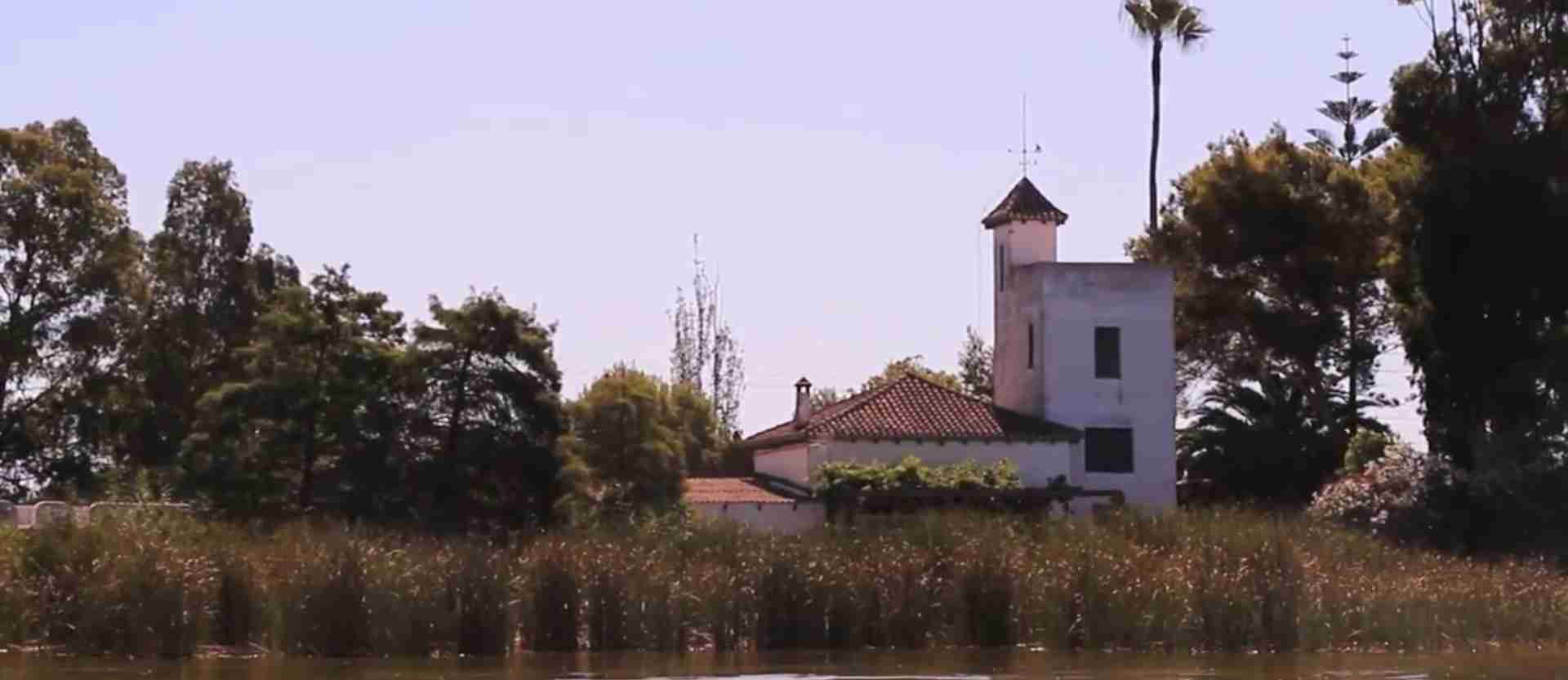
The landscape presents stark contrasts between wild lagoon shores lined with reeds and sedges harboring nesting waterbirds, geometrically precise rice paddies reflecting centuries of irrigation engineering, and traditional barracas (thatched-roof dwellings) representing vernacular architecture uniquely adapted to wetland living. This cultural landscape designation recognizes how human activity and natural processes intertwined across millennia, creating ecosystems and traditions inseparable from each other and equally deserving of conservation attention.
People Also Ask About Albufera Natural Park
Why is Albufera famous?
Albufera achieved fame through dual identities as paella’s birthplace and Spain’s largest freshwater lagoon ecosystem. The rice paddies surrounding the lagoon supplied the essential ingredient for paella, while traditional fishing provided eels, snails, and freshwater fish that characterized original 18th-century recipes before modern adaptations incorporated seafood and chicken. This culinary heritage attracts food enthusiasts worldwide seeking authentic paella experiences at traditional restaurants in El Palmar village, where family-run establishments serve recipes passed through generations using locally grown Bomba rice and traditional cooking methods over wood fires.
Ecologically, Albufera’s significance stems from supporting 350+ bird species in a region where extensive wetland drainage eliminated most natural habitat. The shallow lagoon and surrounding rice paddies create feeding and nesting grounds for rare species including purple herons, marbled teal, and ferruginous duck, while serving as critical stopover point for migratory birds traveling between European breeding grounds and African wintering areas. Ornithologists recognize Albufera as among Mediterranean Europe’s premier birdwatching destinations, with seasonal migrations concentrating thousands of individuals from dozens of species in spectacular displays visible from observation points and boat tours crossing the lagoon waters.
What does Albufera mean in English?
Albufera derives from Arabic “al-buhayra” translating as “small sea” or “little lake,” reflecting Moorish perception of this substantial water body during their occupation of Valencia from 711-1238 CE. The name captures the lagoon’s intermediate character between lake and sea, with freshwater origins from surrounding rivers mixing with occasional Mediterranean salt water intrusions during storms when waves breach the narrow sand barrier separating lagoon from open ocean. This linguistic heritage preserves Moorish cultural influences that profoundly shaped Valencia’s agricultural systems, particularly the sophisticated irrigation networks that enabled rice cultivation in the wetlands surrounding the lagoon.
What can you do at Albufera?
Traditional boat rides represent Albufera’s signature experience, with local fishermen operating wooden barques offering sunset tours across the lagoon waters. These excursions provide intimate perspectives on the ecosystem while demonstrating traditional navigation techniques using long poles to push through shallow areas where motorized craft cannot reach. Sunset timing proves optimal for photography as low light angles create mirror-like water reflections and golden illumination of surrounding rice fields, while flocks of returning waterbirds create dynamic skies as they settle into evening roosts among lakeside reeds.
Birdwatching activities concentrate at designated observation points equipped with viewing platforms, information panels identifying common species, and strategically positioned hides minimizing disturbance to sensitive wildlife areas. The park maintains several kilometers of walking trails through rice paddies and along lagoon shores, offering ground-level engagement with the wetland ecosystem and agricultural landscape that satellite imagery or vehicle-based tours cannot provide. These paths prove particularly rewarding during migration periods when shore edges concentrate feeding waders, ducks, and herons in densities creating continuous wildlife encounters.
Culinary tourism centers on traditional restaurants in El Palmar village serving authentic Albufera paella prepared with locally grown rice varieties and traditional ingredients. These family-run establishments maintain recipes and cooking techniques passed through generations, using wood-fired outdoor kitchens, wide shallow paella pans, and precise timing that creates the prized socarrat (caramelized rice crust) distinguishing superior paella from mediocre versions. Dining experiences often include visits to nearby rice mills, fishing demonstrations, and explanations of local food culture connecting visitors to living traditions that shaped Spanish cuisine’s most iconic dish.
How do you get to Albufera from Valencia?
Public bus service operates from Valencia city center directly to Albufera Natural Park, with EMT line 25 departing from the city’s southern districts toward El Palmar village, the primary tourist gateway. The journey takes approximately 30-40 minutes depending on traffic conditions, delivering passengers to the village center within walking distance of restaurants, boat departure points, and lagoon access areas. This convenient public transportation eliminates private vehicle requirements while providing economic access to the park for budget-conscious travelers or those preferring to avoid parking challenges during high-visitation periods.
Alternative transportation includes organized tours departing Valencia’s tourist areas, combining bus transfer with guided park visits, boat rides, and often paella lunches at traditional restaurants. These comprehensive packages appeal to time-limited visitors seeking curated experiences without independent navigation challenges or language barriers when arranging activities. Bicycle access proves popular among active travelers, with dedicated cycling paths following the coastline from Valencia’s urban beaches southward to Albufera covering approximately 15 kilometers through flat terrain suitable for casual cyclists and families with children.
Extended multi-day tours – 5+ days
Featured Valencia Multi-Day Tour Packages
7 days
Spanish Delights, 7 days from Madrid
- ✓ Comprehensive Valencia tour
- ✓ Expert local guides included
- ✓ All accommodation arranged
- ✓ Transportation provided

5 days
From Madrid to Barcelona
- ✓ Comprehensive Valencia tour
- ✓ Expert local guides included
- ✓ All accommodation arranged
- ✓ Transportation provided

7 days
Jewels of Andalucia & Barcelona – 7 days
- ✓ Comprehensive Valencia tour
- ✓ Expert local guides included
- ✓ All accommodation arranged
- ✓ Transportation provided

6 days
Barcelona, Andalucia & Valencia – 6 days
- ✓ Comprehensive Valencia tour
- ✓ Expert local guides included
- ✓ All accommodation arranged
- ✓ Transportation provided
Multi-day tour packages powered by TourRadar. Prices and availability subject to change.
Geological and Ecological Formation
Lagoon Origins and Evolution
Albufera formed approximately 3,000 years ago through gradual closure of a Mediterranean coastal bay by sand bar development driven by longshore sediment transport along Valencia’s coastline. The Turia and Júcar rivers deposited massive sediment loads eroded from inland mountain ranges, with coastal currents redistributing this material southward to create the elongated sand barrier that eventually separated the former bay from open sea. This geological process continues today, with ongoing sediment deposition slowly shrinking the lagoon through natural infilling that will ultimately convert the entire basin to terrestrial landscape absent human intervention maintaining water depth and circulation.
Historical records document dramatic lagoon size reduction from an estimated 30,000 hectares during Roman times to the current 2,100 hectares, representing 93% area loss driven primarily by deliberate land reclamation for rice cultivation beginning in the 18th century and accelerating through the 19th and 20th centuries. This agricultural expansion transformed vast shallow wetlands into geometrically precise rice paddies irrigated by sophisticated canal networks that simultaneously drained standing water from areas targeted for crop production. The remaining lagoon represents merely a remnant of the formerly extensive wetland system that once dominated the Valencia coastal plain from the Turia River south to the Júcar River mouth.
Current lagoon bathymetry averages less than 1 meter depth across most areas, with maximum depths reaching only 2.5 meters in former navigation channels and areas artificially dredged for boat access. This shallow profile creates unique ecological conditions where sunlight penetrates to the lagoon bottom throughout the water column, supporting extensive submerged aquatic vegetation and benthic organism communities that form the food web foundation supporting the diverse waterbird populations. The shallow waters warm quickly under Mediterranean sun, creating productive conditions for fish breeding and invertebrate development that attract feeding birds during spring and summer months.
Hydrological Systems and Water Management
Albufera’s hydrology depends on complex interactions between freshwater inflows from surrounding rivers, agricultural drainage from rice paddies, occasional Mediterranean seawater intrusions, and deliberate water management through a system of gates, channels, and pumping stations controlling water levels and circulation. The Turia, Júcar, and minor tributary streams historically provided natural freshwater inflows maintaining lagoon salinity near zero, though modern irrigation demands have reduced these natural flows substantially, requiring supplementation with treated wastewater and agricultural returns to maintain adequate water levels.
Rice cultivation requires precisely controlled flooding and draining cycles synchronized with plant growth stages, creating seasonal water level fluctuations that profoundly impact lagoon ecology. Spring flooding of rice paddies dramatically increases available wetland habitat as fields transform into shallow marshes, attracting breeding waterbirds and migratory species stopping to feed during northward journeys. Autumn drainage concentrates fish and invertebrates in shrinking water bodies, creating feeding bonanzas for herons, egrets, and other wading birds taking advantage of concentrated prey before winter arrives.
Water quality challenges emerged through the 20th century as agricultural intensification increased fertilizer and pesticide applications reaching the lagoon through runoff and drainage channels. Excess nutrients triggered eutrophication problems including algal blooms that reduced water clarity, depleted dissolved oxygen, and degraded habitat quality for sensitive species. Contemporary management efforts focus on reducing nutrient inputs through improved agricultural practices, treating incoming water to remove pollutants, and promoting natural wetland processes that filter and purify water circulating through the lagoon ecosystem.
Biodiversity and Wildlife
Avian Diversity and Migration Patterns
Albufera supports over 350 bird species recorded across all seasons, representing approximately 60% of Spanish avifauna despite the park’s modest geographic extent. This exceptional diversity stems from the wetland’s position along the East Atlantic Flyway, a major migration corridor connecting European breeding grounds with African wintering areas. Millions of birds pass through Mediterranean coastal wetlands annually during spring and autumn migrations, with Albufera serving as critical stopover point where exhausted travelers rest and refuel before continuing their journeys across the Mediterranean Sea or Sahara Desert.
Breeding populations include species rarely encountered elsewhere in Spain due to widespread wetland habitat loss. Purple herons construct elaborate stick nests in dense reed beds, their cryptic plumage and secretive habits making observations challenging despite substantial breeding numbers. Marbled teal, classified as globally vulnerable due to precipitous population declines, finds refuge in Albufera’s secluded lagoon corners where shallow waters and abundant aquatic vegetation provide ideal nesting and feeding conditions. Whiskered terns form noisy breeding colonies on floating vegetation mats, their aerial acrobatics and fish-catching dives creating spectacular summer wildlife viewing opportunities.
Winter transforms Albufera into waterfowl headquarters, with tens of thousands of ducks, coots, and other swimming birds concentrating on the lagoon and adjacent rice paddies. Northern shovelers dabble at the surface filtering tiny organisms through specialized bill structures, while common pochard and tufted ducks dive in deeper areas pursuing small fish and aquatic invertebrates. Greater flamingos wade through shallows sweeping heads side-to-side filtering microscopic organisms, their pink plumage creating startling color contrasts against muddy water and green rice stubble remaining after autumn harvest.
Aquatic Life and Fisheries Heritage
The lagoon supports diverse fish communities including introduced species like common carp, European perch, and largemouth bass alongside native species adapted to fluctuating salinity and seasonal water level changes. European eels, integral to traditional Albufera paella recipes, undertake remarkable life cycles beginning in the distant Sargasso Sea, where mature adults spawn before dying. Larval eels drift across the Atlantic Ocean on currents taking 1-3 years to reach European coasts, where they transform into glass eels ascending rivers toward inland waters. Some individuals enter Albufera through coastal connections, maturing over 10-20 years before eventually returning to the sea for their fatal spawning migrations.
Traditional eel fishing employed specialized traps, nets, and spears operated by fishermen possessing detailed ecological knowledge passed through generations. These practices declined dramatically through the 20th century as eel populations collapsed across Europe due to dam construction blocking migration routes, pollution degrading water quality, overfishing reducing spawning populations, and mysterious diseases affecting recruitment. Contemporary eel populations in Albufera represent mere shadows of historical abundances when these fish supported significant commercial fisheries and formed the protein foundation for authentic traditional paella.
Invertebrate diversity includes numerous species rarely visible to casual visitors but ecologically crucial for supporting the food webs sustaining visible wildlife. Freshwater snails graze algae coating submerged vegetation and bottom sediments, their populations fluctuating with water quality conditions and seasonal temperature patterns. Aquatic insects including dragonflies, damselflies, water beetles, and mosquito larvae reach astronomical densities during warm months, providing essential food sources for breeding birds feeding insatiable nestlings. These invertebrate communities serve as sensitive indicators of ecosystem health, with population crashes signaling water quality degradation or other environmental problems requiring management attention.
Rice Cultivation Traditions
Historical Development of Rice Agriculture
Rice cultivation arrived in the Valencia region during Moorish occupation, with Arab agricultural engineers recognizing Albufera wetlands’ potential for producing this water-intensive crop central to Mediterranean Islamic cuisine and economy. Sophisticated irrigation systems developed between the 8th and 13th centuries transformed previously marginal marshlands into productive agricultural landscapes, establishing patterns that persist today despite technological modernization. The Moors introduced short-grain rice varieties adapted to Mediterranean climates, agronomic techniques optimizing yields in wetland soils, and culinary traditions celebrating rice as dietary staple rather than exotic import.
Christian reconquest in 1238 initially disrupted rice cultivation as new rulers unfamiliar with irrigation management allowed systems to deteriorate, causing temporary agriculture collapse and wetland reversion. Recovery began in the 15th-16th centuries when Valencia’s merchant class recognized rice’s economic potential, investing in irrigation infrastructure repairs and expansion that enabled large-scale commercial production. By the 18th century, Albufera rice fields supplied markets throughout Spain and Mediterranean trading partners, establishing Valencia’s reputation for quality rice production that continues influencing global perceptions of Spanish rice agriculture and paella authenticity.
The 19th and 20th centuries witnessed dramatic expansion of rice cultivation through aggressive land reclamation converting remaining natural wetlands into agricultural fields. This development created contemporary landscape patterns where geometrically precise paddies dominate the park, with natural lagoon reduced to central remnant surrounded by intensive agriculture. The cultural landscape emerged from this transformation reflects complex negotiation between agricultural productivity, traditional practices, and ecological conservation that continues shaping park management decisions and community identities today.
Contemporary Rice Production Methods
Modern Albufera rice cultivation combines traditional practices with technological innovations enhancing productivity while maintaining regional quality standards. The agricultural calendar follows annual cycles beginning with spring field flooding and soil preparation, followed by direct seeding or transplanting seedlings into standing water. Rice plants grow through summer months, with farmers carefully managing water levels to optimize plant development while suppressing weeds and maintaining appropriate soil conditions. Harvest occurs in autumn when plants mature and grain moisture content drops to appropriate levels for mechanical reaping and drying.
Bomba rice variety dominates Albufera cultivation, prized for its unique absorption properties that allow grains to absorb substantial liquid without becoming mushy or sticky. This characteristic proves essential for authentic paella preparation, where rice cooks in flavorful broths absorbing tastes while maintaining distinct grain separation and achieving the prized al dente texture that distinguishes superior paella from overcooked alternatives. Bomba rice commands premium prices reflecting its superior culinary properties and relatively low yields compared to modern hybrid varieties developed for maximum production rather than gastronomic excellence.
Environmental concerns increasingly influence agricultural practices as rice farmers confront criticism regarding water consumption, fertilizer runoff contributing to lagoon eutrophication, and pesticide applications affecting wildlife populations. Progressive farmers adopt integrated pest management approaches reducing chemical inputs, implement precision irrigation technologies minimizing water waste, and explore organic production methods appealing to environmentally conscious consumers willing to pay premium prices. These transitions prove economically challenging given rice’s modest profit margins, requiring government support, consumer awareness, and market mechanisms rewarding sustainable practices to achieve widespread adoption.
Paella Origins and Evolution
Birth of Spain’s National Dish
Paella emerged in the 18th century among Albufera rice field workers who combined locally available ingredients in practical one-pot meals cooked over wood fires during midday breaks from agricultural labor. The wide shallow pan that gave the dish its name facilitated even cooking of rice in thin layers maximizing surface contact with heat, while allowing entire workforce to eat directly from the cooking vessel in communal dining that reinforced social bonds among laborers. This rustic origin contrasts sharply with paella’s contemporary status as restaurant specialty and symbol of Spanish gastronomy served at formal occasions and tourist-focused establishments throughout Spain and internationally.
Original paella recipes employed ingredients readily accessible in the Albufera environment: rice harvested from surrounding fields, freshwater snails collected from irrigation channels, eels caught in lagoon waters, seasonal vegetables including green beans and tomatoes from nearby gardens, and occasionally wild duck or rabbit when hunting proved successful. Saffron flavored and colored the rice, while rosemary branches gathered from Mediterranean scrubland surrounding the wetlands provided aromatic smoke complementing the dish’s earthy flavors. This ingredient profile reflected the wetland ecosystem and agricultural landscape, creating a dish intimately connected to place rather than generic recipe reproducible anywhere.
The transformation from workers’ field meal to refined culinary specialty occurred gradually through the 19th and 20th centuries as Valencia’s urban middle classes adopted paella for Sunday family gatherings and special occasions. Restaurants in El Palmar village began serving paella to city residents seeking rustic dining experiences, with family establishments developing reputations for maintaining traditional recipes while accommodating evolving tastes. This commercialization introduced variations including seafood paella incorporating Mediterranean fish and shellfish, mixed paella combining meat and seafood, and vegetable paella appealing to dietary restrictions, though purists insist authentic Valencian paella adheres strictly to traditional ingredient combinations developed in the rice fields.
Cultural Significance and Contemporary Identity
Paella evolved into powerful cultural symbol representing Valencian regional identity and Spanish national gastronomy simultaneously, creating complex cultural dynamics around authenticity, tradition, and adaptation. Valencians defend traditional recipes against innovations they perceive as corrupting the dish’s essence, with particular hostility toward chorizo additions, excessive seafood in supposedly “Valencian” paella, and various ingredient substitutions that violate historical precedent. This cultural conservatism reflects deeper anxieties about regional identity preservation within unified Spain, where Catalonian, Basque, Galician, and Valencian communities assert distinct cultural traditions against perceived homogenization pressures.
International spread established paella as globally recognized Spanish culinary icon, though this fame came at the cost of substantial recipe modifications and quality variations ranging from exceptional preparations respecting traditional methods to disappointing frozen versions bearing minimal resemblance to authentic Albufera originals. This global commercialization creates economic opportunities for Spanish tourism and food exports while generating frustration among culinary traditionalists witnessing their regional specialty transformed into generic “Spanish rice dish” served at mediocre restaurants worldwide with minimal connection to Valencian cultural heritage or Albufera ecosystem.
UNESCO recognition of Mediterranean diet as Intangible Cultural Heritage indirectly elevated paella’s cultural status, though the designation emphasizes overall dietary patterns rather than specific dishes. This recognition reinforced arguments for preserving traditional food cultures including paella preparation techniques, ingredient sourcing priorities, and communal dining practices that shaped the dish’s development. Contemporary interest in food heritage, sustainable agriculture, and culinary tourism creates opportunities for Albufera communities to promote authentic paella experiences while supporting rice farmers, traditional restaurants, and ecosystem conservation through market mechanisms rewarding quality and authenticity over mass-produced alternatives.
Traditional Villages and Cultural Heritage
El Palmar: Gastronomic and Cultural Center
El Palmar village occupies a small island within Albufera lagoon, accessible via causeway and remaining the most visited settlement for its concentration of traditional restaurants, boat tour operators, and preserved cultural elements including historic barracas. The village developed from fishing and rice farming settlement where families built characteristic thatched-roof dwellings adapted to wetland environment, with raised foundations protecting against flooding and reed roofing providing insulation against summer heat and winter dampness. Many original structures disappeared through 20th-century development pressures, though some restored examples preserve this distinctive architectural tradition for educational purposes and cultural tourism.
The restaurant scene dominates contemporary El Palmar economy, with numerous family-run establishments competing for paella reputation and customer loyalty through recipe refinements, quality ingredient sourcing, and service traditions passed through multiple generations. These restaurants typically feature outdoor seating in gardens or terraces where wood-fired paella cooking occurs in full view, allowing diners to observe preparation techniques and appreciate the skill required for achieving optimal results. The communal atmosphere encouraged by these settings recreates elements of paella’s rustic origins, though refined service and higher prices reflect transition from workers’ field meal to tourist-oriented culinary experience.
Traditional boat building workshops persist in El Palmar, maintaining wooden craft construction techniques using methods largely unchanged for centuries despite availability of modern materials and manufacturing approaches. The characteristic flat-bottomed barques optimized for navigating Albufera’s shallow waters require specialized knowledge of wood selection, hull shaping, and waterproofing that master craftsmen transmit to apprentices through hands-on training rather than formal education. These boats serve practical purposes for fishing and eco-tourism while functioning as cultural symbols connecting contemporary community identity to historical livelihoods that shaped settlement patterns and social structures.
Architectural Heritage: Barracas and Traditional Dwellings
Barraca architecture represents Albufera’s most distinctive built heritage, with these traditional thatched-roof dwellings reflecting centuries of adaptation to wetland living conditions. The characteristic form features whitewashed walls constructed from mud bricks or later concrete blocks, steep-pitched roofs covered with dried reeds providing insulation and water shedding, and raised floor levels protecting against seasonal flooding. Interior layouts typically organized around central living space with sleeping areas separated by curtains rather than permanent walls, reflecting modest rural lifestyles focused on agricultural work rather than elaborate domestic comforts.
The distinctive thatching technique employed local reed species harvested from lagoon margins, bundled and layered in overlapping patterns that shed rainwater while creating air spaces providing thermal insulation. This roof design required regular maintenance as vegetation deteriorated through weather exposure and insect activity, with complete re-thatching necessary every 10-15 years depending on material quality and climate conditions. The labor-intensive maintenance contributed to barraca abandonment during the late 20th century as families moved to modern housing offering greater comfort and reduced upkeep demands, leaving only scattered preserved examples representing formerly widespread architectural tradition.
Cultural institutions including the Albufera Information Center maintain restored barracas demonstrating traditional construction techniques, interior furnishings, and daily life patterns of rice farming and fishing families who inhabited these structures for generations. These preservation efforts serve educational functions while supporting arguments for protecting remaining historic structures against demolition pressures from development interests. The barracas connect contemporary park visitors to human histories intertwined with lagoon ecology and rice cultivation, illustrating how cultural and natural heritage prove inseparable in landscapes shaped by centuries of human-environment interaction.
Photography Guide and Visual Opportunities
Sunset Photography: Timing and Techniques
Albufera sunset represents Spain’s most photographed natural phenomenon, with the shallow lagoon transforming into mirror-like surface during evening calm reflecting dramatic sky colors and silhouetted vegetation. The optimal photography window begins approximately 45 minutes before sunset when golden hour light illuminates landscape elements while maintaining sufficient brightness for handheld shooting, continuing through sunset itself when orange and red tones peak, and extending into blue hour when residual light creates ethereal atmospheres particularly effective with long exposures. This extended optimal period provides multiple composition opportunities as changing light conditions alter the scene’s character and emotional impact.
Technical considerations include using tripods for stability during low-light conditions, shooting in RAW format preserving maximum dynamic range for post-processing flexibility, bracketing exposures to capture both bright sky and darker foreground elements, and employing graduated neutral density filters balancing exposure between bright horizon and darker water surface. Wide-angle lenses capture expansive landscape views emphasizing sky reflections, while telephoto focal lengths compress perspective creating intimate compositions of silhouetted fishing boats or wading birds against colorful backgrounds. The flat landscape and unobstructed horizons provide ideal conditions for practicing long-exposure techniques creating motion blur in clouds while maintaining sharpness in static elements.
Composition strategies emphasize including foreground interest such as moored boats, reed clumps, or fishing stakes creating depth and scale in otherwise minimalist lagoon scenes. The rule of thirds places horizon line at upper or lower third rather than center, with critical focus on sky when dramatic clouds dominate or on reflections when water surface proves most compelling. Silhouettes of traditional barracas, palm trees, or waterbirds against sunset sky create recognizable Albufera imagery, though photographers should explore beyond obvious viewpoints to discover unique perspectives distinguishing their work from thousands of similar sunset photographs captured from popular accessible locations.
Wildlife Photography Opportunities
Bird photography in Albufera requires different approaches than landscape work, with telephoto lenses in the 300-600mm range essential for capturing frame-filling images of wary waterfowl maintaining substantial flight distances from human presence. The abundant species provide targets for photographers of all skill levels, from easy subjects like egrets and herons allowing relatively close approach to challenging targets like distant ducks and rapid-flying terns demanding advanced techniques. Early morning hours prove optimal for photography as birds actively feed during first light, creating action opportunities absent during midday rest periods, while low sun angles produce warmer light tones flattering wildlife subjects.
Observation hides positioned along walking trails provide concealment enabling close wildlife approach without disturbing natural behaviors. These structures function as permanent photography blinds where patient photographers waiting quietly observe fascinating behaviors including courtship displays, feeding techniques, territorial conflicts, and parent-offspring interactions impossible to witness from exposed positions where human presence triggers flight responses. Using hides effectively requires arriving early before birds begin daily activities, remaining still and quiet to avoid alerting wildlife to human presence, and accepting that productive sessions may last several hours as photographers wait for optimal subject positions and lighting conditions.
Flight photography presents technical challenges requiring fast shutter speeds freezing wing motion, continuous autofocus tracking moving subjects, and burst shooting modes capturing multiple frames as birds pass through optimal positions. Panning techniques following flying birds while using slower shutter speeds create motion blur in wings while maintaining sharp heads and bodies, producing dynamic images conveying movement that static frozen-action shots cannot match. Backgrounds prove critical in bird photography, with clean water, sky, or vegetation surfaces isolating subjects more effectively than cluttered scenes containing distracting elements drawing viewer attention away from wildlife subjects.
Rice Field Landscapes and Agricultural Scenes
Rice paddy photography opportunities vary dramatically across seasons as agricultural cycles transform landscape character from flooded mirror-like fields in spring to lush green vegetation in summer to golden stubble after autumn harvest. Spring flooding creates striking geometric patterns as water fills rectangular fields separated by narrow raised paths, with sky reflections in standing water producing double landscapes particularly effective during sunrise and sunset when warm light tones dominate. This period also attracts migratory birds stopping to feed in temporarily created wetlands, combining landscape and wildlife elements in comprehensive environmental portraits.
Summer growth stages present vibrant green landscapes as rice plants reach full height, creating textured fields contrasting with blue skies and occasional white clouds. Midday harsh light typically problematic for landscape photography proves acceptable for agricultural scenes where overhead sun reveals structural details and growth patterns less apparent during angled morning or evening illumination. Including farmers working in fields, traditional irrigation infrastructure, or distant villages provides human elements and scale reference in otherwise abstract geometric patterns, while aerial perspectives from elevated viewpoints reveal the agricultural landscape’s astonishing regularity and extensive coverage.
Harvest season introduces warm color palettes as mature rice plants turn golden yellow and straw remaining after reaping creates straw-colored fields extending to horizons. The stubble patterns, scattered hay bales, and harvesting machinery provide varied compositional elements celebrating agricultural productivity and human modification of natural wetland environments. Smoke from burning rice straw (though increasingly restricted due to air quality concerns) creates atmospheric effects particularly dramatic during sunset when particles in the air scatter light producing intensified colors and mysterious hazes softening distant landscape features.
Conservation Challenges and Environmental Management
Water Quality and Eutrophication
Water quality degradation represents Albufera’s most serious environmental challenge, with decades of agricultural intensification introducing excessive nutrients triggering eutrophication processes that transformed the historically clear-water lagoon into turbid ecosystem dominated by algae rather than diverse aquatic plant communities. Fertilizer applications in surrounding rice fields contribute nitrogen and phosphorus reaching the lagoon through surface runoff and subsurface drainage, with excess nutrients promoting explosive algal growth that blocks sunlight penetration, depletes dissolved oxygen during decomposition, and degrades habitat quality for fish and invertebrates forming food web foundations.
The transition from clear to turbid water occurred gradually through the mid-to-late 20th century as agricultural practices intensified and surrounding urban development increased wastewater inputs. Historical photographs and elderly residents’ memories preserve knowledge of past clarity when submerged vegetation covered lagoon bottoms and water transparency allowed visibility to depths impossible in contemporary conditions. This ecological regime shift proves difficult to reverse once established, as turbid conditions create feedback loops maintaining algal dominance even when nutrient inputs decline, requiring aggressive management interventions to restore historical clear-water states.
Remediation efforts include wastewater treatment plant upgrades reducing urban pollution inputs, agricultural best management practices minimizing fertilizer runoff, experimental biomanipulation removing planktivorous fish that suppress zooplankton populations naturally controlling algae, and deliberate water circulation improvements flushing accumulated nutrients from system. These interventions show promise in localized areas but struggle to overcome decades of degradation across the entire lagoon, highlighting the challenge of restoring damaged ecosystems once critical thresholds have been crossed and new equilibrium states established.
Urban Development Pressures
Metropolitan Valencia’s expansion generates constant pressures for converting park lands to residential, commercial, and industrial uses that threaten remaining natural areas and agricultural landscapes. The park’s proximity to city limits makes protected lands attractive for development interests viewing wetlands and rice fields as underutilized space better suited to urban expansion meeting housing demands and economic development goals. These pressures intensified during Spain’s early 21st-century construction boom when coastal areas experienced frantic development that consumed agricultural lands and natural areas throughout Mediterranean Spain.
Road construction and infrastructure expansion fragment wetland habitats while increasing access that brings benefits including recreation opportunities alongside problems like disturbance to sensitive wildlife areas and trash accumulation in previously pristine locations. The balance between providing public access supporting conservation awareness and economic benefits through tourism while protecting vulnerable species and ecosystems from excessive disturbance represents ongoing management challenges requiring careful planning and adaptive responses to changing conditions and user patterns.
Climate change introduces additional uncertainties including sea level rise threatening the narrow sand barrier separating lagoon from Mediterranean Sea, altered precipitation patterns affecting water availability for rice cultivation and ecosystem maintenance, and temperature increases potentially disrupting agricultural schedules and wildlife breeding cycles evolved over millennia under different climatic conditions. These long-term threats demand forward-looking management approaches anticipating future challenges rather than merely responding to current conditions, requiring political commitment and resources often difficult to secure for environmental concerns competing with immediate economic and social priorities.
Visiting Albufera: Practical Information
Access Points and Visitor Centers
The Albufera Information Center (Racó de l’Olla Visitor Center) serves as the park’s primary gateway, offering exhibits explaining lagoon ecology, bird identification displays, observation platforms overlooking lagoon and reed beds, and knowledgeable staff providing current information on wildlife sightings, trail conditions, and temporary access restrictions. The facility includes modern amenities including restrooms, parking, and picnic areas while maintaining architectural styles respecting traditional regional building forms. Free admission and extended opening hours make the center valuable starting point for first-time visitors orienting themselves to park geography and available activities.
Multiple road access points connect from Valencia, with the most direct route following coastal roads southward from the city through Pinedo beach area before turning inland toward El Palmar village. Public bus service provides economical access without private vehicle requirements, though limited frequency and restricted routes make personal transportation more convenient for visitors seeking flexibility exploring multiple park locations during single visits. Bicycle access proves increasingly popular, with dedicated cycling paths linking Valencia’s urban beaches to Albufera through largely flat terrain suitable for casual cyclists and families with children.
Seasonal Visiting Considerations
Spring migration (March-May) brings peak birdwatching opportunities as hundreds of thousands of northbound migrants pass through Albufera, with daily arrivals introducing new species and creating dynamic wildlife viewing where observer species lists expand continuously through migration period. Flooded rice fields during this season create temporary wetlands multiplying available habitat and concentrating birds in smaller areas for easier observation compared to summer when vegetation growth provides cover reducing visibility. Wildflower blooms along walking trails and surrounding Mediterranean scrublands add botanical interest complementing ornithological attractions.
Summer heat (June-August) proves challenging for midday activities, though early morning and evening hours remain comfortable for wildlife observation and photography during extended daylight periods. Breeding bird activities including nest building, chick rearing, and dramatic aerial territorial displays create compelling wildlife watching unavailable during migration and winter periods when birds focus on feeding and survival rather than reproduction. Rice fields reaching full growth create lush green landscapes distinct from other seasons, while agricultural activities including field maintenance and irrigation management provide insights into traditional farming practices continuing today.
Autumn (September-November) combines pleasant temperatures with developing rice harvest activities transforming fields from green vegetation to golden stubble as farmers reap mature crops. Southbound bird migration brings different species compositions than spring movements, with particular concentrations of waders and ducks building fat reserves before continuing to African wintering grounds. Harvest festivals in surrounding villages celebrate agricultural cycles with paella competitions, traditional music, and cultural events providing windows into local customs and community identities shaped by centuries of rice cultivation.
Winter (December-February) delivers peak waterfowl populations as tens of thousands of ducks, coots, and other swimming birds concentrate on the lagoon seeking refuge from frozen northern European wetlands. The mild Mediterranean climate creates comfortable conditions for walking trails and wildlife observation without summer heat or autumn rain concerns, while reduced tourist numbers ensure uncrowded experiences and better opportunities for undisturbed nature observation. Bare rice stubble after harvest reveals landscape structure and geometric field patterns less apparent when summer vegetation obscures ground level views.
UNESCO Recognition and International Significance
Ramsar Wetland Designation
Albufera achieved Ramsar Wetland of International Importance designation in 1990, joining over 2,400 sites worldwide recognized under the international treaty protecting valuable wetland ecosystems. This designation acknowledges the lagoon’s critical role supporting migratory waterbirds, rare breeding species, and unique Mediterranean wetland ecology threatened throughout the region by development, drainage, and degradation. Ramsar status brings international prestige while establishing commitments for conservation management, sustainable use balancing ecological and human needs, and reporting obligations ensuring accountability for protection efforts.
The designation recognizes Albufera as meeting multiple Ramsar criteria including supporting vulnerable species populations, regularly hosting over 20,000 waterbirds, and representing rare wetland type within Mediterranean biogeographic region. These qualifications establish Albufera’s global rather than merely regional significance, placing the site within network of internationally important wetlands requiring coordinated conservation efforts transcending national boundaries and jurisdictions. This global perspective reinforces local and regional conservation commitments while connecting Albufera management to international best practices and scientific knowledge exchange.
European Union Conservation Designations
European Union Birds Directive and Habitats Directive designations establish Albufera as Special Protection Area (SPA) and Site of Community Importance (SCI) within the Natura 2000 network of protected areas across European Union member states. These designations mandate specific conservation measures for threatened bird species, habitat types, and ecological processes, with member state obligations to maintain favorable conservation status and avoid activities causing significant negative impacts. The EU framework provides legal protections and funding mechanisms supporting habitat restoration, species monitoring, and management planning complementing national and regional conservation programs.
The Natura 2000 network approach recognizes that effective conservation requires coordinated efforts across political boundaries, with migratory species like birds requiring protected habitats throughout their ranges spanning multiple countries and continents. Albufera’s designation within this network connects local management to broader European strategies ensuring that protected areas function as integrated system rather than isolated fragments insufficient for supporting populations of far-ranging species dependent on multiple sites during annual cycles.
Frequently Asked Questions
Is Albufera worth visiting?
Albufera delivers unique combinations of natural beauty, cultural heritage, and culinary experiences unavailable elsewhere in the Valencia region, making visits worthwhile for travelers seeking diversity beyond urban historical attractions. The sunset boat rides create iconic Spanish nature experiences rivaling any coastal location, while authentic paella dining in traditional El Palmar restaurants offers superior quality compared to tourist-oriented Valencia city establishments. Birdwatchers find exceptional species diversity concentrated in accessible locations, photographers discover endless compositions across varied landscapes, and history enthusiasts connect with living traditions linking contemporary communities to centuries of wetland living.
What is special about Albufera?
Albufera’s significance derives from its triple identity as Spain’s largest freshwater lagoon, paella’s historical birthplace, and critical Mediterranean wetland supporting extraordinary wildlife diversity. This combination of natural, cultural, and gastronomic heritage creates multifaceted destination appealing to diverse interests and visitor motivations. The lagoon’s shallow waters and sunset reflections produce visual spectacles unmatched elsewhere along Spain’s Mediterranean coast, while the preserved rice cultivation traditions and village architecture maintain authentic cultural landscapes increasingly rare in modernized European contexts.
Can you swim in Albufera?
Swimming in Albufera lagoon itself proves neither practical nor advisable due to shallow depths, muddy bottoms, and water quality concerns stemming from agricultural runoff and eutrophication. The lagoon functions as wildlife habitat and working agricultural landscape rather than recreation swimming area, with nearby Mediterranean beaches including El Saler providing proper swimming facilities just kilometers from the lagoon. These beaches combine coastal recreation with easy Albufera access for visitors seeking both swimming and natural park experiences during single outings.
How long does it take to visit Albufera?
Half-day visits of 3-4 hours suffice for experiencing core Albufera highlights including sunset boat ride, brief bird observation at visitor center, and dinner at El Palmar restaurant. Full-day visits of 6-8 hours allow comprehensive exploration incorporating multiple walking trails, extended birdwatching sessions at different locations, village wandering discovering architectural heritage, and relaxed paella lunches without time pressures. Serious birdwatchers and photographers often require multiple visits across different seasons to fully appreciate the park’s seasonal transformations and variable wildlife populations.
What is the best time to visit Albufera?
Late afternoon timing proves optimal for sunset boat rides capturing the lagoon’s most photogenic moments, typically departing 1-2 hours before sunset allowing leisurely tours culminating in peak golden hour conditions. Spring and autumn seasons deliver comfortable temperatures for outdoor activities, peak bird migration creating exceptional wildlife viewing, and pleasant conditions for walking trails that prove challenging during summer heat or winter rain. Early morning hours benefit serious birdwatchers and photographers seeking active wildlife and optimal lighting unavailable later in the day.
Where does paella come from?
Paella originated in Albufera’s rice fields during the 18th century, created by agricultural workers combining locally available ingredients including rice, eels, snails, seasonal vegetables, and occasionally rabbit or duck in practical one-pot meals cooked over wood fires. The dish’s name derives from the wide shallow pan (paella in Valencian dialect) used for cooking rice in thin even layers maximizing heat contact and flavor development. This rustic origin in working-class field meals contrasts with contemporary paella’s status as refined culinary specialty and symbol of Spanish gastronomy worldwide.
How was Albufera formed?
Albufera formed approximately 3,000 years ago through gradual closure of a Mediterranean coastal bay by sand bar development driven by longshore sediment transport and river deposits. The Turia and Júcar rivers carried massive sediment loads from inland mountains, with coastal currents redistributing material to create elongated sand barriers eventually separating the former bay from open sea. This natural process created the freshwater lagoon, though subsequent centuries witnessed dramatic size reduction through deliberate land reclamation for rice cultivation transforming extensive wetlands into agricultural landscapes.
What animals live in Albufera?
Over 350 bird species have been recorded at Albufera including resident populations, breeding species, and migratory visitors using the wetland during passage between European and African ranges. Notable residents include purple herons nesting in reed beds, marbled teal in secluded lagoon corners, and whiskered terns forming summer breeding colonies. Winter waterfowl congregations include tens of thousands of ducks, coots, and other swimming birds, while spring and autumn migrations concentrate waders, gulls, and terns passing through the Mediterranean flyway. Aquatic life includes fish communities dominated by carp and introduced species, European eels undertaking remarkable Atlantic migrations, and diverse invertebrate populations supporting the food webs sustaining visible wildlife.
Is Albufera a natural park?
Albufera achieved Natural Park status in 1986 under Spanish protected area legislation, establishing management framework balancing conservation with traditional land uses including rice agriculture and fishing. This designation recognizes both ecological values and cultural landscape significance, protecting the ecosystem while supporting communities whose livelihoods depend on sustainable resource use. The park encompasses 21,000 hectares including the 2,100-hectare lagoon, surrounding rice paddies, Mediterranean coastal forests, and sand dune systems extending along the shoreline.
Why is Albufera important?
Albufera’s importance stems from irreplaceable ecological functions supporting migratory waterbirds, rare breeding species, and unique Mediterranean wetland communities threatened throughout the region. The lagoon serves as critical stopover point along the East Atlantic Flyway, with hundreds of thousands of birds depending on Albufera habitat during spring and autumn migrations. Cultural significance includes status as paella’s birthplace and preservation of traditional rice cultivation, fishing practices, and architectural heritage maintaining living connections to centuries of human-wetland interaction shaping both landscape and cultural identity.