Best Time to Visit Vilnius 2026: Weather, Events & Seasonal Tips
Vilnius experiences dramatic seasonal variations that profoundly influence your travel experience, from summer’s midnight sunshine and outdoor festivals to winter’s snow-draped baroque architecture and Christmas markets. Understanding Lithuania’s continental climate patterns, major cultural events scheduled for 2026, and seasonal tourism dynamics helps you choose the ideal travel window matching your weather preferences, budget constraints, and cultural interests for an optimal Lithuanian capital visit.
Key Takeaways: Vilnius Seasonal Planning 2026
- Best Overall Time 2026: Late May through early September offers warmest weather (18-23°C), longest days (sunset 10:00 PM in June), and maximum festival activity including outdoor concerts and cultural events
- Summer Peak Season: July-August delivers ideal weather but highest prices, largest crowds at attractions, and advance booking requirements (2-4 weeks) for popular hotels and tours
- Budget-Friendly Periods: Late March-April and September-October provide comfortable weather (12-18°C), reduced crowds, hotel prices 30-40% lower than summer, and easier tour availability
- Major 2026 Events: Pink Soup Fest (May 29-31), Culture Night (June 12), Vilnius Marathon (September), Christmas markets (November 28-January 6)
- Winter Considerations: December-February brings harsh cold (-3°C average) but magical snow-covered Old Town, lowest annual prices, and authentic winter cultural experiences
- Month-by-Month Optimal: May for spring bloom, July for warmest weather, September for autumn colors and reduced crowds, December for Christmas atmosphere
People Also Ask About Best Time to Visit Vilnius 2026
What are the warmest months to visit Vilnius in 2026?
July ranks as Vilnius’s warmest month with average high temperatures of 23°C (73°F) and daily sunshine averaging 8+ hours. Late June through mid-August forms the warmest period when daytime temperatures consistently reach 20-25°C, occasionally hitting 28-30°C during heat waves. August averages 22°C high temperature, slightly cooler than July but still comfortably warm with pleasant summer weather continuing through the first half of the month. June warms progressively through the month, starting at 18°C early June and reaching 21°C by month’s end. This June-August window provides the most reliable warm weather for outdoor activities, al fresco dining, and sightseeing comfort. However, warmest months coincide with peak tourist season, bringing higher hotel prices (€100-180 per night for mid-range hotels versus €60-100 in shoulder seasons), crowded attractions, and advance booking requirements. July also represents the rainiest month with frequent afternoon thunderstorms, though these are typically brief (30-60 minutes) and followed by clear skies.
When is the cheapest time to visit Vilnius during 2026?
January-February represents Vilnius’s absolute cheapest travel period with hotel prices 50-60% below summer peaks (€40-70 per night for quality 3-star hotels versus €100-180 in July-August). November and March also offer excellent budget opportunities with prices 40-50% below peak season while providing milder weather than deep winter. Flight prices to Vilnius drop significantly outside June-August, with January-March and November showing the lowest fares. Tour operators reduce prices 15-25% during winter months, and restaurants offer lunch specials targeting local office workers rather than tourist premium pricing. However, cheapest periods involve trade-offs: January-February brings harsh cold (-5 to 0°C) limiting outdoor enjoyment, November features dark rainy weather dampening sightseeing appeal, and March remains quite cold (0-8°C) with lingering winter conditions. For optimal value balancing weather and cost, late April and early October provide comfortable temperatures (10-15°C) with hotel prices 30-35% below peak summer rates—not the absolute cheapest but far more pleasant than deep winter while still delivering significant savings.
What major events and festivals happen in Vilnius in 2026?
Vilnius Pink Soup Fest (May 29-31, 2026) celebrates šaltibarščiai (cold beetroot soup) with city-wide pink decorations, food tastings, costume parade, outdoor concerts, and activities attracting 100,000+ participants annually. Culture Night (Kultūros Naktis, June 12, 2026) opens 100+ museums, galleries, and cultural venues free of charge from 6:00 PM to midnight with performances, exhibitions, and special programming throughout Old Town. Vilnius City Festival (first weekend of September) brings outdoor concerts, markets, sports events, and citywide celebrations. Vilnius Marathon (September 2026, specific date TBA) features full marathon, half marathon, 10K, and 5K family run through Old Town streets. Street Music Day (late May) transforms the city into an open-air concert venue with 5,000+ performers. Kaziukas Fair (early March, weekend nearest March 4) represents Lithuania’s largest craft fair with traditional products, folk art, and street food celebrating St. Casimir’s feast day. Christmas Markets (November 28-January 6, 2027) fill Cathedral Square and Town Hall Square with traditional crafts, festive food, and holiday decorations. Vilnius Jazz Festival (October 2026) showcases international and Lithuanian jazz performers across multiple venues. These events require advance accommodation booking (2-4 weeks ahead) as hotel availability tightens during major festivals.
How cold does Vilnius get in winter and is it worth visiting?
Vilnius winter brings substantial cold with January averaging -3°C daytime high and -8°C overnight low. December and February are similarly cold (-1 to 2°C daytime). Extreme cold spells from Russia can push temperatures to -15 to -20°C for several days, though modern cold spells are less severe than historical extremes (record low -37°C in 1940). Snowfall is frequent but usually light, accumulating 15-30 cm throughout winter. Despite harsh temperatures, winter Vilnius offers worthwhile experiences: snow-covered baroque architecture creates fairy-tale atmosphere perfect for photography, Christmas markets (late November through early January) rank among Europe’s most atmospheric with traditional Lithuanian crafts and food, lowest annual hotel prices (€40-70 per night) stretch travel budgets significantly, authentic cultural experiences replace summer’s tourist crowds, and winter activities like ice skating, sleigh rides, and cozy cafe culture showcase Lithuanian winter lifestyle. However, visit only if you genuinely enjoy cold weather and winter conditions—this isn’t mild European winter but proper continental cold requiring serious winter gear (insulated boots, heavy coat, thermal layers). Short daylight (8 hours in December) limits sightseeing time, some outdoor attractions close or reduce hours, and walking tours become less comfortable despite shorter routes.
Extended multi-day tours – 5+ days
Featured Vilnius Multi-Day Tour Packages
3 days
Vilnius 3-Day Discovery Tour
- ✓ Comprehensive Vilnius experience
- ✓ Expert local guides included
- ✓ All accommodation included
- ✓ Transportation provided
5 days
Vilnius 5-Day Highlights Experience
- ✓ Comprehensive Vilnius experience
- ✓ Expert local guides included
- ✓ All accommodation included
- ✓ Transportation provided
7 days
Vilnius 7-Day Cultural Journey
- ✓ Comprehensive Vilnius experience
- ✓ Expert local guides included
- ✓ All accommodation included
- ✓ Transportation provided
10 days
Vilnius 10-Day Complete Adventure
- ✓ Comprehensive Vilnius experience
- ✓ Expert local guides included
- ✓ All accommodation included
- ✓ Transportation provided
Multi-day tour packages powered by TourRadar. Prices and availability subject to change.
Introduction: Understanding Vilnius’s Continental Climate and Seasonal Patterns
Vilnius’s location in southeastern Lithuania, 300 kilometers from the Baltic Sea, creates a humid continental climate with pronounced seasonal differences that dramatically affect travel experiences. Unlike Western Europe’s maritime climate moderating temperature extremes, Vilnius experiences proper winters with sustained freezing temperatures and substantial snowfall, hot summers occasionally reaching 30°C, and rapid transitional springs and autumns. This 30-35°C annual temperature range (from -5°C winter averages to 25-28°C summer peaks) exceeds most Western European capitals, making seasonal timing crucial for enjoyment.
The city’s northern latitude (54.7°N, roughly parallel to Copenhagen or Hamburg) creates significant daylight variation between seasons. Summer days extend extraordinarily long with June sunset occurring around 10:00 PM and twilight persisting past 11:00 PM, allowing evening strolls and outdoor dining extending well into night. Conversely, December brings just 7-8 hours of daylight with 4:00 PM sunset creating long dark evenings that can feel oppressive to visitors unaccustomed to northern winter light patterns.
Lithuania’s continental position means weather patterns arrive from multiple directions. Atlantic weather systems bring mild, wet conditions from the west. Arctic air masses descend from the north bringing cold snaps. Continental air from Russia pushes in from the east delivering the coldest winter temperatures and occasional summer heat waves. This weather variability means Vilnius experiences unpredictable conditions even within generally defined seasons—May can bring both 25°C sunny days and 8°C rainy spells within the same week.
Tourism seasonality in Vilnius follows weather patterns closely. Summer (June-August) represents absolute peak season when Lithuanian vacations, European travelers seeking northern destinations, and optimal weather converge. Accommodation prices reach annual maximums, popular restaurants require reservations, and Old Town streets buzz with international visitors. Shoulder seasons (late April-May, September-early October) attract savvy travelers seeking pleasant weather without summer crowds or prices. Winter and early spring (November-March) see tourism drop dramatically as cold weather, short days, and reduced festival activity deter casual visitors, though Christmas markets bring a brief December spike.
2026 introduces several timing considerations beyond typical seasonal patterns. Major cultural events like Pink Soup Fest (May 29-31) and Culture Night (June 12) require advance planning as hotels fill quickly. EU presidency rotations and international conferences scheduled for Vilnius in 2026 may affect hotel availability during specific weeks. Post-pandemic tourism patterns show increased demand for shoulder season travel as remote work enables flexible timing, potentially reducing traditional summer-shoulder season price differentials.
This guide examines each season’s weather patterns, tourist dynamics, pricing structures, and optimal activities, then provides month-by-month analysis identifying ideal travel windows for different visitor priorities. Whether you prioritize budget savings, optimal weather, festival experiences, or avoiding crowds, understanding Vilnius’s seasonal patterns enables strategic planning matching your travel style.
Summer in Vilnius (June-August 2026): Peak Season Dynamics
Summer represents Vilnius’s most popular travel period, combining warmest temperatures, longest days, maximum cultural programming, and vibrant outdoor life that showcases the city at its most animated. However, peak popularity brings corresponding challenges of crowds, elevated prices, and advance booking requirements.
June 2026: Early Summer Advantages
June ushers in proper summer weather with average high temperatures climbing from 18°C early month to 21°C by month’s end. Days extend extraordinarily long—sunset occurs around 10:00 PM with twilight persisting past 11:00 PM, providing 16+ hours of usable daylight for sightseeing. This extended daylight allows ambitious itineraries covering multiple sites daily without feeling rushed, evening Old Town strolls when golden light illuminates baroque facades, and late outdoor dining at 9:00-10:00 PM when cafes and restaurants remain bustling.
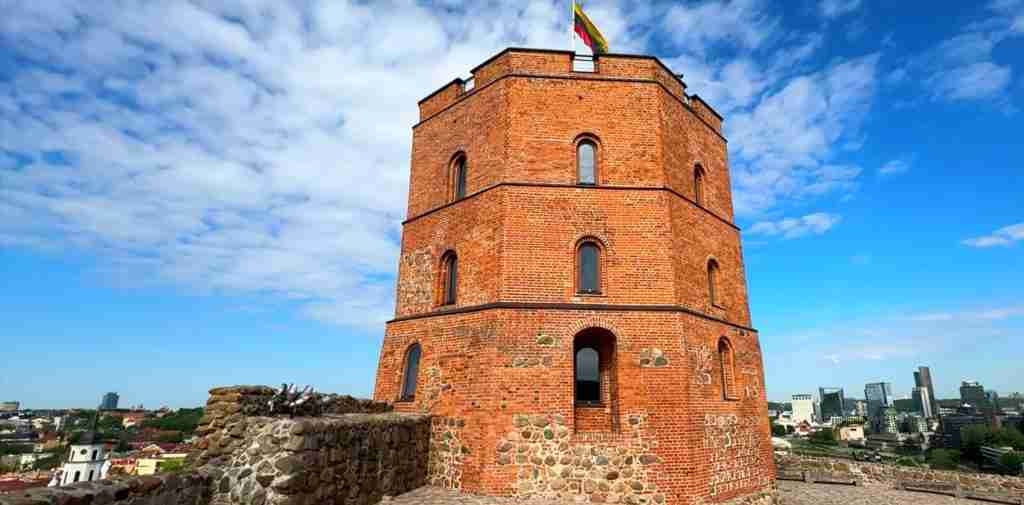
Early June falls just before absolute peak season, meaning hotel prices remain 15-20% below July-August maximums while weather approaches summer quality. Tourist crowds build gradually through June but haven’t reached July saturation, making popular sites like Gediminas Castle Tower and Užupis district more accessible without queues or overcrowding. This shoulder-to-peak transition period offers excellent value.
June 12 brings Culture Night (Kultūros Naktis), one of Vilnius’s signature annual events when 100+ museums, galleries, and cultural venues open free of charge from 6:00 PM to midnight. Special exhibitions, performances, concerts, and installations transform the Old Town into an all-night cultural celebration. Street performers fill squares, contemporary art installations activate public spaces, and locals join tourists in marathon museum-hopping. This single evening provides extraordinary cultural access justifying June timing for culture enthusiasts. Book accommodation 3-4 weeks ahead for Culture Night weekend as hotels fill quickly.
June weather brings occasional instability with afternoon thunderstorms developing 1-2 times weekly. These typically last 30-60 minutes with heavy rain, lightning, and sometimes hail, then clear rapidly. Carry a compact umbrella or rain jacket, but don’t let rain possibilities deter June travel as clear periods dominate.
July 2026: Warmest Weather, Highest Prices
July delivers Vilnius’s peak warmth with average high temperatures of 23°C (73°F) and pleasant evenings around 14°C. Heat waves occur 1-2 times monthly when temperatures reach 28-30°C for 3-5 day stretches—warm by Lithuanian standards but comfortable compared to Mediterranean destinations. The combination of warm days and cool nights creates ideal conditions for active sightseeing without heat exhaustion concerns affecting southern European summer travel.
Outdoor activities flourish in July: café culture peaks with every restaurant and bar operating outdoor seating, outdoor concerts and performances fill parks and squares nightly, lakes surrounding Vilnius (reachable by local bus) attract swimmers and beach-goers, and extended daylight enables evening kayaking, cycling, or forest walks returning well after 9:00 PM in lingering twilight.
However, July brings the year’s highest costs. Mid-range hotel prices (€120-180 per night) exceed shoulder season rates by 50-70%. Restaurant prices incorporate tourist premiums, tour operators charge peak season rates, and even local services like taxis may demand higher fares. Budget €150-220 daily per person for comfortable mid-range travel including quality hotel, meals, tours, and entertainment—significantly above €100-140 daily in shoulder seasons.
July also marks the rainiest month with 75-85mm precipitation falling primarily as afternoon thunderstorms. These brief intense storms develop when daytime heating triggers convection, creating dramatic lightning displays and heavy downpours that clear within an hour. Morning sightseeing typically enjoys clear weather, with clouds building mid-afternoon. Plan indoor museum visits or lunch breaks for 2:00-5:00 PM when storms most commonly occur.
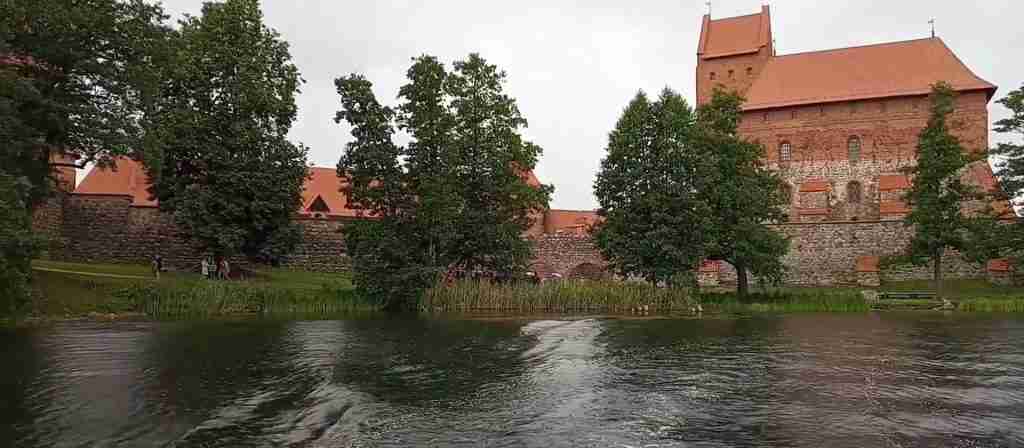
Tourist crowds peak in July, particularly mid-month when European school holidays concentrate travel. Popular sites like Trakai Island Castle see queues for tickets and crowded interiors reducing enjoyment. Old Town’s main thoroughfares (Pilies Street, Didžioji Street) become congested with tour groups. Photography enthusiasts struggle to capture landmark shots without crowds. Book restaurants for dinner 1-2 days ahead as popular venues fill nightly.
August 2026: Late Summer Balance
August maintains July’s pleasant weather with average highs of 22°C but subtle signs of summer’s end appear mid-month: days shorten noticeably (sunset shifts from 9:30 PM early August to 8:30 PM by month’s end), evening temperatures drop to 12°C creating jacket weather for late dining, and the light quality changes from June-July’s bright intensity to softer golden tones favored by photographers.
Early August (first two weeks) mirrors July’s tourist levels and pricing as European vacations continue. However, mid-August onward sees crowds taper as schools resume in many countries, hotel prices drop 10-15% from peak, and local life reasserts as Vilnius residents return from summer cottages. This late August shoulder period (roughly August 15-31) provides excellent conditions—still warm weather, reduced crowds, easier restaurant and hotel availability, while maintaining most summer’s festival and outdoor programming.
August weather brings slightly less rainfall than July (60-70mm) with similar afternoon thunderstorm patterns. Morning and early afternoon typically offer clear conditions perfect for sightseeing. The Baltic Sea reaches annual maximum temperature (18-20°C) in August, making beach day trips to Palanga or Klaipėda more appealing than earlier summer when water remains quite cold.
Late August marks summer festival season’s crescendo before autumn transition: outdoor concerts continue through month’s end, restaurant terraces remain open weather permitting, and locals embrace final weeks of summer warmth before acknowledging autumn’s approach. The city’s energy becomes slightly more relaxed and local-focused compared to July’s tourist intensity.
Summer 2026 Planning Recommendations
Book June travel 2-3 weeks ahead for regular weekends, 4-6 weeks for Culture Night weekend (June 12-14). July requires 3-5 weeks advance booking for popular hotels and 1-2 weeks for mid-range options, with even budget hostels filling during mid-month peak. August early-mid month needs 2-4 weeks advance booking, while late August allows 1-2 weeks or sometimes last-minute availability.
Budget summer travelers should focus on late May-early June or late August when prices drop 20-30% from July peak while weather remains quite good. Utilize free walking tours, picnic supplies from supermarkets rather than constant restaurant dining, and free outdoor programming (concerts, festivals) abundant throughout summer.
Photography enthusiasts benefit from June’s extended golden hour light (8:00-10:00 PM), while July-August’s warmer temperatures suit early morning shoots (6:00-8:00 AM) when Old Town is empty and light is soft. Summer crowds make iconic landmark photography challenging—arrive at popular viewpoints for sunrise (4:30-5:30 AM in June-July) to avoid people.
Spring in Vilnius (March-May 2026): Awakening Season
Spring brings dramatic transformation as harsh winter yields to warming temperatures, blooming vegetation, and increasing daylight. This transitional season offers excellent value and pleasant conditions, though March remains quite cold while May approaches summer warmth.
March 2026: Late Winter Character
March straddles winter and spring with highly variable conditions. Early March (first two weeks) often maintains winter character with temperatures averaging 0-4°C, occasional snowfall, and gray overcast skies. However, late March (third week onward) sees rapid warming with averages climbing to 8-12°C, snow melting, and first green shoots appearing in parks. This variability means March travel requires flexible expectations and layered clothing for 10-15°C daily temperature swings.
Kaziukas Fair, held the weekend nearest March 4 (March 7-8 in 2026), represents Lithuania’s largest craft fair dating to the 17th century. Cathedral Square and surrounding streets fill with 300+ artisan stalls selling traditional crafts (pottery, textiles, wood carvings, amber jewelry), folk art, and street food. Live folk music, dance performances, and crowds of 200,000+ locals create vibrant atmosphere despite often-cold weather. This event showcases Lithuanian folk traditions more authentically than tourist-oriented summer markets. Book accommodation 2-3 weeks ahead for Kaziukas weekend.
March tourism remains minimal—hotels average 40-50% occupancy versus 85-95% in summer, creating excellent negotiating power for rates. Expect to pay €45-70 per night for quality 3-star hotels, 50% below July prices. Tours operate on reduced schedules (3-4 weekly versus daily summer departures) but with small intimate groups. Restaurants focus on local clientele rather than tourists, offering better value and authentic menus.
Daylight increases rapidly through March from 11 hours early month to 13.5 hours by month’s end. Sunset shifts from 6:00 PM to 7:00 PM, allowing more sightseeing time than deep winter while avoiding summer’s intense tourist pace. However, weather remains unpredictable—bring warm layers, waterproof jacket, and closed-toe waterproof shoes for variable conditions.
April 2026: Proper Spring Emergence
April delivers genuine spring weather with average temperatures climbing from 7°C early month to 14°C by late April. Days lengthen to 15 hours by month’s end (sunset around 8:30 PM), providing ample sightseeing time. Trees bud and bloom, parks transform from brown to green, and outdoor café seating begins appearing mid-month when temperatures consistently reach 12°C or above.
April represents optimal shoulder season timing—pleasant weather without summer’s heat or winter’s cold, hotel prices 40-45% below peak season (€60-90 per night for mid-range), tourist numbers remain manageable allowing easy landmark access, and local life dominates over tourist crowds creating authentic atmosphere. Tour operators increase frequency to 5-6 weekly departures versus March’s reduced schedules, while maintaining small group sizes.
Weather variability persists as April can bring both warm 18-20°C sunny days suitable for light clothing and cold 4-6°C rainy spells requiring winter jacket. May occasionally sees late snowfall, though this is increasingly rare with climate warming. Pack layers and waterproof outerwear. April rainfall averages 40-45mm—lighter than summer but occurring on 8-10 days monthly, often as persistent drizzle rather than brief heavy storms.
Easter typically falls in April (2026: April 12), bringing local holiday traditions including palm decorating, traditional egg dyeing, and special church services. Some businesses close Easter Sunday-Monday, though tourist-oriented restaurants and hotels maintain operations. Easter week doesn’t create the tourist surge of summer festivals but does increase regional Lithuanian travel as families gather, so book accommodation 1-2 weeks ahead for Easter weekend.
May 2026: Late Spring Prime Time
May ranks among Vilnius’s best travel months, combining comfortable temperatures (average high 18°C), blooming parks and gardens at peak beauty, tourist numbers still below summer crush, and hotel prices 25-35% below July-August rates (€80-110 per night mid-range). Days stretch to 16 hours by month’s end with sunset around 9:30 PM, providing maximum sightseeing flexibility.
Late May (particularly the last week) sees phenomenon called “Old Ladies’ Summer” (bobų vasara) when warm stable weather settles in with temperatures reaching 20-25°C, creating summer-like conditions before official summer begins. This weather pattern makes late May potentially Vilnius’s finest time—warm enough for outdoor dining and activities, yet crowd-free compared to July-August.
Pink Soup Fest (May 29-31, 2026) celebrates Lithuanian beloved šaltibarščiai (cold beetroot soup) with city-wide pink theme. Events include pink soup tastings at 50+ restaurants and cafes, costume parade through Old Town, outdoor concerts, food markets, cooking demonstrations, and playful activities like pink soup-themed slide and games. The festival attracts 80,000-100,000 participants and transforms the city into pink wonderland with decorations, special menus, and jubilant atmosphere. This quirky celebration showcases Lithuanian food culture’s playful side while marking summer season’s official opening. Book accommodation 3-4 weeks ahead for Pink Soup Fest weekend as hotels fill rapidly.
May weather brings moderate rainfall (50-60mm) but also high sunshine hours as days lengthen. Morning and early afternoon typically offer clear conditions, with occasional afternoon showers. The combination of long days, comfortable temperatures, blooming vegetation, and pre-summer pricing makes May arguably the single best month for Vilnius visits balancing all factors.
Spring 2026 Planning Recommendations
Target late April or May rather than March for best spring weather—the few weeks difference transforms conditions from lingering winter to pleasant spring. May’s Pink Soup Fest weekend requires advance booking but avoid booking March hoping for spring as winter conditions often persist.
Spring suits nature and photography enthusiasts as parks bloom spectacularly, tree blossoms create temporary beauty, and fewer tourists allow capturing landmarks cleanly. Cultural travelers benefit from reduced crowds at museums and churches allowing unhurried appreciation. Budget travelers find spring’s reduced pricing particularly attractive while weather is acceptable.
Pack layered clothing for 10-15°C temperature variations between early morning and afternoon, plus waterproof jacket for spring showers. Closed-toe waterproof shoes are essential as melting snow and spring rains create wet conditions. Spring’s unpredictable weather rewards flexible itineraries allowing indoor museum days when conditions turn poor.
Autumn in Vilnius (September-November 2026): Second Shoulder Season
Autumn mirrors spring’s shoulder season advantages with moderate weather, reduced crowds, and lower prices, while offering distinct character through fall colors, harvest cuisine, and melancholic autumn light beloved by photographers.
September 2026: Indian Summer Extension
September maintains summer warmth through the first half with average highs of 17°C, though evening temperatures drop to 8°C creating jacket weather. Days shorten noticeably—sunset shifts from 8:00 PM early month to 7:00 PM by month’s end—but still provide ample 12-13 hour daylight for sightseeing. Fall colors begin appearing in parks and forests by late September as maples and oaks turn yellow, orange, and red.
Vilnius City Festival typically occupies the first weekend of September, bringing outdoor concerts in Cathedral Square, market stalls along main streets, sports events (running races, cycling competitions), and evening performances. The festival celebrates Vilnius’s birthday with family-friendly programming and community atmosphere. Unlike tourist-focused summer events, this local celebration offers authentic insight into contemporary Lithuanian urban culture.
Vilnius Marathon 2026 (specific date TBA, typically mid-September) attracts 10,000+ runners from Lithuania and internationally for full marathon, half marathon, 10K, 5K family run, and 200-meter children’s race. The course winds through Old Town streets, crosses bridges, and showcases baroque architecture while creating festive atmosphere. Even non-runners enjoy spectating and supporting runners as the city rallies around this sporting event. Marathon weekend brings elevated accommodation demand—book 4-6 weeks ahead.
September weather brings decreasing rainfall (40-45mm, the year’s lowest monthly total) and stable conditions without July-August’s afternoon thunderstorms. This dry weather makes September ideal for outdoor activities, day trips to surrounding countryside, and multi-hour walking tours. Average 6-7 rainy days monthly, often as light drizzle rather than heavy downpours.
Tourist numbers drop substantially post-August as European school years resume. Hotel prices fall 30-40% from summer peak (€70-100 per night mid-range), restaurant reservations become unnecessary except weekend prime times, and popular attractions return to manageable visitor levels. September delivers summer-quality weather at shoulder season pricing—arguably Vilnius’s best value month.
October 2026: Peak Fall Colors
October brings dramatic fall foliage as deciduous trees throughout Vilnius’s numerous parks transform into brilliant yellow, orange, and red displays. The combination of baroque architecture, cobblestone streets, and autumn colors creates stunning photography opportunities, particularly in parks like Bernardine Garden, Vingis Park, and along Neris River pathways. Mid-October (around October 10-20) typically offers peak color intensity before leaves begin falling.
Average temperatures drop to 10°C daytime, with evening lows around 4°C requiring warm jacket for outdoor activities. Days shorten to 10 hours by month’s end (sunset around 6:00 PM) limiting afternoon sightseeing options compared to spring-summer but creating beautiful low-angle light for photography. The cooler temperatures suit vigorous walking without overheating, making October ideal for ambitious multi-site itineraries.
October marks pre-winter booking lull with excellent hotel availability and willingness to negotiate rates. Expect €55-80 per night for quality 3-star hotels, among the year’s best values. Weekend city breaks remain popular with regional travelers but weekday occupancy drops substantially. Tours operate on reduced autumn schedules (3-4 weekly departures) but groups stay small, often 4-8 people versus summer’s 15-20.
Vilnius Jazz Festival (dates TBA, typically late October) attracts international jazz performers for multi-day event across various venues. Evening concerts in historic churches, intimate jazz clubs, and concert halls showcase traditional and contemporary jazz. The festival draws serious jazz enthusiasts and creates sophisticated cultural programming contrasting summer’s mass-participation festivals.
October weather brings increasing rainfall (55-60mm) and cloudy days becoming more common as autumn transitions toward winter. Expect 10-12 rainy days monthly, often as persistent drizzle throughout the day. Pack waterproof jacket and umbrella. However, October offers spectacular fall foliage and comfortable temperatures making trade-off worthwhile for autumn enthusiasts.
November 2026: Pre-Winter Challenge
November represents Vilnius’s least appealing travel month with cold temperatures (average high 4°C, low -1°C), dark conditions (only 8 hours daylight by month’s end, sunset 4:30 PM), and frequent rain or mixed precipitation. Lithuanian name “lapkritis” means “time of falling leaves,” aptly describing the bleak month when trees stand bare, parks turn brown, and gray overcast dominates.
However, November brings the absolute lowest hotel prices (€40-60 per night mid-range) and minimal tourist competition. Travelers who don’t mind cold, dark, wet conditions and prioritize budget savings find exceptional value. Museums and indoor attractions become primary focus as outdoor sightseeing loses appeal. The city assumes authentic character without any tourist veneer—you experience Vilnius as locals do, navigating November’s gloom through café culture, museums, and indoor entertainment.
Christmas market preparation begins late November (typically last weekend) with stall construction in Cathedral Square and Town Hall Square, Christmas tree installation, and first seasonal decorations appearing. The anticipatory atmosphere creates interest for travelers who time visits to see transformation from everyday city to Christmas wonderland. Full Christmas market opening occurs November 28 in 2026, with festive programming extending through January 6, 2027.
November weather brings 60-65mm precipitation falling on 12-15 days monthly. Early November sees mostly rain, while late November increasingly brings mixed precipitation (rain, sleet, wet snow) as temperatures hover around freezing. First lasting snow typically arrives late November or early December. Pack warm waterproof clothing and embrace indoor cultural activities if visiting during this challenging month.
Autumn 2026 Planning Recommendations
September ranks as autumn’s prime month, offering summer weather remnants at reduced prices. Target first two weeks of September for warmest conditions or late September for fall color beginnings. October suits photographers and budget travelers who tolerate cooler temperatures and shorter days for spectacular foliage and low prices. Skip November unless you’re extreme budget traveler or specifically drawn to Christmas market setup period.
Autumn favors cultural and urban sightseeing over nature activities, as beaches and outdoor recreation lose appeal with cooling weather. Focus on museums, churches, galleries, concert halls, restaurants, and café culture. The reduced daylight hours naturally limit daily itinerary scope—plan 3-4 major activities rather than summer’s 5-6.
Pack warm layers for autumn: medium-weight jacket for September, heavier coat for October, winter coat for November. Waterproof footwear becomes essential as rain and leaf litter create slippery conditions. Umbrella and rain jacket are non-negotiable autumn gear. The cooler weather suits hearty Lithuanian cuisine—autumn is prime season for cepelinai (potato dumplings), meat stews, and warming soups.
Winter in Vilnius (December-February 2026-2027): Cold Season Character
Winter transforms Vilnius into snow-covered wonderland where baroque architecture gains fairy-tale quality under white blanket, Christmas markets create festive atmosphere, and harsh cold tests visitor resolve while delivering authentic Lithuanian winter experience.
December 2026: Christmas Magic
December centers around Christmas celebrations transforming Vilnius into one of Europe’s most atmospheric winter destinations. Christmas markets fill Cathedral Square and Town Hall Square from November 28 through January 6, featuring traditional Lithuanian crafts (amber jewelry, linen textiles, wooden toys, handmade ornaments), festive foods (gingerbread cookies, traditional pastries, hot mulled wine, grilled meats), and holiday atmosphere with twinkling lights, decorated Christmas tree, and nightly entertainment.
The Christmas tree in Cathedral Square typically stands 25-30 meters tall, elaborately decorated and ranked among Europe’s most beautiful holiday trees. Evening illuminations transform Old Town into magical nightscape with building facades, church spires, and streets glowing with seasonal lighting installations. The combination of medieval architecture, snow cover (when present), and festive decorations creates romantic atmosphere particularly appealing for couples and families.
December weather averages 0°C daytime high with -5°C overnight lows. Snowfall is likely but not guaranteed—some December periods see persistent snow cover while others experience gray wet conditions without picturesque white blanket. The coldest weather typically holds off until January, making early December (first two weeks) relatively mild for winter conditions.
Daylight reaches annual minimum with only 7 hours daily in late December (sunset around 4:00 PM). This darkness creates challenges for sightseeing as afternoons quickly transition to night, but enhances Christmas light displays and festive evening atmosphere. Plan indoor museum visits for afternoon hours (3:00-6:00 PM) when daylight fades, saving evening for illuminated Old Town strolling and Christmas market browsing.
Hotel prices spike moderately for Christmas market period (December 15-30) compared to November or January, reaching €70-90 per night for mid-range—still below summer but elevated from typical winter rates. New Year’s Eve (December 31) brings highest winter prices and earliest booking requirements. Reserve 4-6 weeks ahead for Christmas week travel, 6-8 weeks for New Year’s Eve.
January 2027: Deep Winter
January delivers Vilnius’s harshest weather with average -3°C daytime high and -8°C overnight low. Extended cold spells can push temperatures to -15 to -20°C for several days when continental air masses arrive from Russia. Modern Vilnius handles extreme cold efficiently with heated indoor spaces, reliable public transport, and infrastructure prepared for winter conditions, but outdoor sightseeing becomes genuinely uncomfortable requiring extensive warm clothing.
Snowfall accumulates 15-25 cm throughout January, creating picturesque winter scenes but also requiring vigilance for slippery conditions. Old Town’s cobblestone streets become particularly treacherous when snow-packed or icy. Invest in quality winter boots with excellent traction, walk slowly and carefully, and accept reduced mobility compared to other seasons.
January represents absolute low season with minimal tourist presence. Hotels drop to lowest annual rates (€40-60 per night mid-range) and readily negotiate further discounts for multi-night stays. Restaurants focus entirely on local clientele, offering lunch specials targeting office workers rather than tourist menus. Tours operate on winter schedules (2-3 weekly) with tiny groups often consisting of 2-4 hardy travelers willing to brave the cold.
Daylight increases slightly through January from 7 hours early month to 9 hours by month’s end as winter solstice passes. Sunset shifts from 4:30 PM to 5:15 PM—still early but improving. The long dark evenings suit Vilnius’s excellent café culture, cozy restaurants with fireplace warmth, and concert hall programming (opera, symphony, chamber music) reaching seasonal peaks.
January suits extreme budget travelers who tolerate harsh cold for rock-bottom prices, photography enthusiasts seeking dramatic winter light and snow-draped architecture, and culturally focused visitors prioritizing indoor museums, churches, concerts, and galleries over outdoor sightseeing. This is not casual winter tourism but committed cold-weather travel rewarded with authentic experiences and exceptional value.
February 2027: Late Winter Improvement
February maintains January’s cold (average -1°C daytime) but shows subtle signs of winter’s end: daylight increases to 10.5 hours by month’s end (sunset 6:00 PM), occasional warm spells bring brief thaws, and psychological awareness that spring approaches creates optimism absent in January’s depths. Snow cover remains likely through mid-February but begins melting late month as temperatures occasionally reach 5-8°C.
February 16 marks Lithuanian Independence Day (commemorating 1918 independence declaration) with flag-waving ceremonies, patriotic concerts, and cultural programming. While primarily a local holiday without major tourist events, the observance provides insight into Lithuanian national identity and modern independence meaning. Some museums offer free entry on Independence Day.
Hotel prices remain at winter lows (€45-70 per night) as February continues shoulder season between Christmas market period and spring uptick. Late February (last week) sometimes sees early Easter bookings if Easter falls in late March, but generally availability remains excellent. Tour operators maintain winter reduced schedules but begin advertising spring season starting April.
February weather brings slightly less precipitation than January (35-40mm) with mix of snow, rain, and sleet depending on temperature fluctuations. Cloudy days remain common but increasing sunshine hours (4-5 hours daily versus 1-2 in December-January) improve mood. Pack same winter gear as January—heavy coat, insulated boots, thermal layers, warm accessories.
Winter 2026-2027 Planning Recommendations
December’s Christmas market period (especially December 15-January 6) offers most rewarding winter visit combining festive atmosphere with manageable cold. Book accommodation 4-6 weeks ahead for this popular period. January-February suit only committed winter travelers or extreme budget seekers—savings are substantial but weather is harsh.
Winter visits require serious cold-weather clothing: insulated waterproof boots rated to -20°C or below, heavy winter coat (down or synthetic insulation), thermal underlayers, warm hat covering ears, insulated gloves, and scarf. Layering allows temperature regulation when moving between heated indoors and freezing outdoors. Chemical hand warmers provide extra comfort for extended outdoor time.
Plan itineraries around short daylight with major outdoor sightseeing concentrated in 10:00 AM-3:00 PM window when light is strongest. Schedule indoor museums, galleries, and churches for afternoon as darkness falls. Evening activities focus on restaurants, concerts, theater, or illuminated Old Town strolls when Christmas lights create magical atmosphere.
Winter suits photography enthusiasts despite (or because of) challenging conditions: snow-covered baroque architecture creates fairy-tale scenes, dramatic winter light with low sun angles illuminates facades beautifully, and minimal tourists allow landmark photos without crowds. Bring extra batteries as cold drains power quickly, protect equipment from condensation when transitioning indoors, and embrace the unique winter light quality.
Month-by-Month Weather Data and Travel Suitability 2026
January 2026/2027: Winter Minimum
Average Temperature: -3°C high, -8°C low | Daylight: 7-9 hours | Rainfall: 45mm (10-12 rainy/snowy days) | Tourist Level: Minimal | Hotel Rates: €40-60 (lowest annual) | Suitability: Extreme budget travelers, winter enthusiasts, cultural focus visitors. Highlights: Authentic winter experience, lowest prices, indoor cultural programming. Challenges: Harsh cold, short days, limited outdoor appeal.
February 2026/2027: Late Winter
Average Temperature: -1°C high, -6°C low | Daylight: 9-11 hours | Rainfall: 35mm (8-10 days) | Tourist Level: Low | Hotel Rates: €45-70 | Suitability: Winter travelers, budget seekers. Highlights: Independence Day (Feb 16), increasing daylight, low prices. Challenges: Still cold, variable snow/rain mix, limited activity options.
March 2026: Transitional Month
Average Temperature: 4°C high, -2°C low | Daylight: 11-13.5 hours | Rainfall: 40mm (8-10 days) | Tourist Level: Low | Hotel Rates: €50-75 | Suitability: Budget travelers, cultural visitors, Kaziukas Fair attendees. Highlights: Kaziukas Fair (March 7-8), spring beginnings, good value. Challenges: Variable weather, lingering cold early month, muddy conditions.
April 2026: Spring Emergence
Average Temperature: 12°C high, 2°C low | Daylight: 13.5-15 hours | Rainfall: 42mm (8-10 days) | Tourist Level: Moderate | Hotel Rates: €65-95 | Suitability: Excellent shoulder season for most travelers. Highlights: Blooming parks, comfortable temperatures, Easter traditions, good value. Challenges: Variable weather requiring layers, occasional cold spells, some rain.
May 2026: Late Spring Prime
Average Temperature: 18°C high, 7°C low | Daylight: 15-16.5 hours | Rainfall: 55mm (9-11 days) | Tourist Level: Moderate-High | Hotel Rates: €85-115 | Suitability: Outstanding month balancing weather, crowds, prices. Highlights: Pink Soup Fest (May 29-31), beautiful gardens, long days, pre-summer value. Challenges: Occasional cool rainy periods, festival weekend booking challenges.
June 2026: Early Summer
Average Temperature: 21°C high, 11°C low | Daylight: 16.5-17 hours (sunset 10:00 PM) | Rainfall: 70mm (10-12 days, thunderstorms) | Tourist Level: High | Hotel Rates: €100-140 | Suitability: Excellent weather, manageable crowds before peak. Highlights: Culture Night (June 12), extraordinary daylight, summer beginning, active outdoor scene. Challenges: Increasing prices, afternoon thunderstorms, growing crowds.
July 2026: Peak Summer
Average Temperature: 23°C high, 13°C low | Daylight: 16-17 hours | Rainfall: 80mm (11-13 days, frequent thunderstorms) | Tourist Level: Maximum | Hotel Rates: €120-180 (annual peak) | Suitability: Best weather but highest costs and crowds. Highlights: Warmest month, vibrant outdoor culture, maximum festival activity. Challenges: Highest prices, largest crowds, advance booking essential, frequent afternoon storms.
August 2026: Late Summer
Average Temperature: 22°C high, 12°C low | Daylight: 14.5-16 hours | Rainfall: 65mm (9-11 days) | Tourist Level: High early, moderate late | Hotel Rates: €100-160 (declining late month) | Suitability: Excellent, especially late month shoulder period. Highlights: Still warm, crowd reduction late month, beautiful light quality. Challenges: Shortening days noticeable, cooling evenings, early month still expensive.
September 2026: Early Autumn Excellence
Average Temperature: 17°C high, 8°C low | Daylight: 12.5-14.5 hours | Rainfall: 42mm (7-9 days, lowest monthly total) | Tourist Level: Moderate | Hotel Rates: €70-100 | Suitability: Arguably best value month overall. Highlights: City Festival, Marathon, dry weather, fall colors beginning, summer-like early month. Challenges: Cooling temperatures, shortening days, jacket weather evenings.
October 2026: Peak Fall Color
Average Temperature: 10°C high, 4°C low | Daylight: 10-12.5 hours | Rainfall: 57mm (10-12 days) | Tourist Level: Low-Moderate | Hotel Rates: €55-85 | Suitability: Excellent for autumn lovers and photographers. Highlights: Spectacular fall foliage (mid-month peak), Jazz Festival, good value, comfortable walking weather. Challenges: Cool temperatures, increasing rain, short days limiting itinerary scope.
November 2026: Pre-Winter Low Season
Average Temperature: 4°C high, -1°C low | Daylight: 8-10 hours | Rainfall: 62mm (12-15 days, mixed precipitation) | Tourist Level: Minimal | Hotel Rates: €40-65 (very low) | Suitability: Only extreme budget travelers or Christmas market setup enthusiasts. Highlights: Lowest prices, Christmas market beginning late month, authentic local atmosphere. Challenges: Dark, cold, wet, minimal outdoor appeal, many activities curtailed.
December 2026: Christmas Season
Average Temperature: 0°C high, -5°C low | Daylight: 7-8 hours (minimum annual) | Rainfall/Snow: 50mm (11-13 days) | Tourist Level: Moderate (Christmas market period) | Hotel Rates: €70-100 | Suitability: Excellent for Christmas market enthusiasts willing to embrace cold. Highlights: Christmas markets (Nov 28-Jan 6), festive atmosphere, snow-covered architecture, romantic winter scenes. Challenges: Cold temperatures, short daylight, variable snow conditions, elevated Christmas week prices.
Frequently Asked Questions: Best Time to Visit Vilnius 2026
Is Vilnius worth visiting in winter or should I wait for warmer months?
Winter Vilnius offers worthwhile experiences if you genuinely enjoy winter conditions and cold-weather travel. December’s Christmas markets rank among Europe’s most atmospheric, snow-covered baroque architecture creates magical photo opportunities, lowest annual prices (€40-70 per night hotels) stretch budgets significantly, and authentic Lithuanian winter culture (café traditions, holiday foods, winter activities) provides cultural depth beyond warm-season tourism. However, visit only if you tolerate cold well—January-February bring harsh conditions (-3 to -10°C) requiring serious winter gear, short 7-8 hour days limit sightseeing time, and outdoor activities lose appeal in freezing temperatures. Summer visits (June-August) deliver easier tourism experiences with 20-23°C warmth, 16-17 hour days, vibrant outdoor culture, and maximum festival programming, but cost substantially more and attract peak crowds. Shoulder seasons (late April-May, September-early October) balance pleasant weather with moderate prices for travelers who want comfort without winter commitment or summer expenses.
How many days should I spend in Vilnius to see major attractions?
Three full days provides sufficient time for comprehensive Vilnius exploration covering Old Town landmarks (Gediminas Tower, Cathedral, university courtyards, Gates of Dawn, Town Hall Square), neighborhood wandering (Užupis artistic district, Jewish Quarter), museum visits (Museum of Occupations, National Museum, applied arts collections), and one day trip (Trakai Island Castle). Two days allows accelerated coverage hitting main highlights but feeling rushed. Four to five days enables deeper exploration adding specialized tours (Soviet history, Jewish heritage, food tours), additional day trips (Kernavė, Aukštaitija National Park), leisurely café culture enjoyment, and spontaneous discoveries without schedule pressure. One week suits travelers who want thorough Vilnius immersion plus excursions to Kaunas, Hill of Crosses, or combining Vilnius with Riga/Tallinn as Baltic capitals tour. Summer’s extended daylight allows packing more activities daily versus winter’s shorter hours, so winter visits might require one extra day to achieve same coverage as efficient summer sightseeing.
What clothes should I pack for Vilnius in different seasons?
Summer (June-August) requires lightweight breathable clothing with layers: shorts/skirts and t-shirts for daytime, light sweater or jacket for cool evenings (12-14°C), comfortable walking shoes (NOT sandals on cobblestones), sun protection (hat, sunglasses, sunscreen), rain jacket or umbrella for afternoon thunderstorms, one dressy outfit if planning upscale dining. Spring/Autumn (April-May, September-October) needs moderate layers: long pants, medium-weight tops, fleece or light jacket, waterproof coat, closed-toe waterproof shoes, scarf for cool mornings/evenings. Winter (December-February) demands serious cold-weather gear: insulated waterproof boots rated -20°C, heavy winter coat (down or synthetic), thermal underwear layers, warm hat covering ears, insulated gloves, thick scarf, wool socks. All seasons benefit from daypack for carrying layers as temperature fluctuates, reusable water bottle, and phone with camera. Vilnius dress code is casual for sightseeing, smart-casual for nicer restaurants, with Orthodox churches requiring modest coverage (knees and shoulders covered).
Do I need to book hotels far in advance for visiting Vilnius in 2026?
Advance booking requirements depend heavily on season and specific events. Summer peak season (July-August) requires 3-5 weeks advance booking for popular hotels, 2-3 weeks for mid-range, with even budget hostels filling during mid-July peak. Major event weekends (Pink Soup Fest May 29-31, Culture Night June 12-14, Marathon weekend September) need 4-6 weeks advance booking as hotels fill quickly. Christmas market period (December 15-January 5) requires 4-6 weeks ahead for quality options. Shoulder seasons (late April-May, September-October) allow 1-2 weeks advance booking with good selection and occasionally last-minute availability. Deep winter (January-February) and November low season permit same-day booking as occupancy rates drop below 50%. Private apartments and boutique hotels fill faster than chain hotels, so book earlier for unique properties. Summer weekends need more advance planning than weekdays. Booking 6-8 weeks ahead for any travel guarantees widest selection and often early-bird discounts (10-15% off) regardless of season.
How does Vilnius weather compare to other Baltic capitals like Riga and Tallinn?
Vilnius experiences the most extreme seasonal temperature variation among Baltic capitals due to its southeastern inland location furthest from maritime moderating influences. Winter in Vilnius is coldest among the three capitals (January average -3°C versus Riga 0°C, Tallinn -2°C) with more severe cold snaps when continental air pushes in from Russia. Summer temperatures are comparable (Vilnius 23°C, Riga 22°C, Tallinn 21°C July averages). Vilnius receives slightly less annual rainfall (660mm) than Riga (700mm) or Tallinn (680mm) but experiences more dramatic seasonal precipitation variation. Spring arrives latest in Vilnius with cold lingering into April while coastal capitals warm faster. Autumn cooling occurs simultaneously across the three cities. For travelers visiting multiple Baltic capitals in one trip, this means Vilnius winters are harshest requiring warmest gear, while summers show minimal weather difference. The coastal capitals (Riga, Tallinn) benefit from Baltic Sea moderating effects creating milder winters and slightly cooler summers compared to inland Vilnius’s more continental extremes.
Are there any traditional Lithuanian festivals or events unique to specific seasons?
Lithuanian festival calendar follows seasonal rhythms with unique celebrations throughout the year. Spring brings Kaziukas Fair (early March) celebrating St. Casimir with traditional crafts and folk culture when winter yields to spring. Joninės (Midsummer Night, June 23-24) celebrates summer solstice with bonfires, flower wreaths, traditional songs, and overnight festivities in parks and countryside, though this is more prominent outside Vilnius in rural areas. Autumn features harvest festivals and Užgavėnės (Shrove Tuesday, February/March depending on Easter date) marking winter’s end with costume parades and pancake eating symbolizing spring’s arrival. Winter traditions center around Christmas (December 25) and New Year’s with extensive family celebrations, traditional twelve-dish Christmas Eve supper, and caroling. Pink Soup Fest (late May) represents newer tradition celebrating Lithuanian beloved šaltibarščiai (cold beetroot soup) in playful modern festival format. Lithuanian Song Festival (held every four years, next in 2027) brings 30,000+ singers for massive outdoor concert showcasing national choral tradition. These seasonal events provide cultural depth beyond typical tourist activities, offering authentic insight into Lithuanian traditions and contemporary celebrations.
What are the daylight hours like throughout the year and how does this affect sightseeing?
Vilnius’s northern latitude (54.7°N) creates dramatic daylight variation between seasons fundamentally affecting sightseeing patterns. Summer solstice (late June) brings 17+ hours of daylight with sunset around 10:00 PM and twilight extending past 11:00 PM, allowing leisurely evening outdoor dining, late sightseeing flexibility, and romantic sunset strolls through illuminated Old Town. July-August maintain 15-16 hour days enabling ambitious itineraries visiting 5-6 major sites daily without rushing. Spring (April-May) and autumn (September) offer balanced 12-15 hour days suitable for standard sightseeing schedules covering 4-5 sites comfortably. Winter solstice (late December) brings just 7 hours of daylight with 4:00 PM sunset creating long dark evenings—this necessitates concentrated morning-afternoon outdoor sightseeing (10:00 AM-3:00 PM optimal) with evening hours devoted to indoor museums, restaurants, concerts, or illuminated Old Town walks. January-February extend to 8-10 hours gradually as winter progresses. The short winter days mean visitors accomplish fewer activities daily (3-4 maximum) compared to summer’s extended hours, requiring either more days for equivalent coverage or accepting reduced itinerary scope during dark seasons.
Is Vilnius expensive compared to other European capitals and does cost vary significantly by season?
Vilnius ranks among Europe’s most affordable capitals with costs substantially below Western European equivalents. Mid-range hotel rooms average €100-140 nightly in peak summer (July-August) compared to €200-300 for comparable quality in Paris, Amsterdam, or Rome. Shoulder seasons drop to €65-95 (40% savings) while deep winter reaches €40-65 (50-60% below peak). Restaurant meals cost €12-20 for quality casual dining, €25-45 for upscale restaurants—roughly half Western European city prices. Museums charge €4-8 entrance (most), public transport €1 per ride or €10 for 3-day pass, and guided tours €20-45 for quality half-day experiences. Daily budget for comfortable mid-range travel: €150-220 in summer peak, €100-150 in shoulder seasons, €80-120 in winter. Budget travelers manage on €50-80 daily using hostels (€18-30 per bed), free walking tours, supermarket meals, and free attractions. Luxury travelers spending €250-400+ daily access top-end hotels, fine dining, and private experiences. Seasonal variation is substantial with 40-60% cost swings between peak summer and winter lows, making timing strategic for budget-conscious travelers. Vilnius delivers exceptional value versus Western Europe regardless of season.
Can I visit Vilnius as a stopover between other Baltic cities or should I dedicate more time?
Vilnius works excellently as Baltic circuit component but deserves 3-4 dedicated days rather than brief overnight stopover. Many travelers combine Vilnius-Riga-Tallinn itineraries spending 3-4 days in each capital (9-12 days total) with bus or train connections (Vilnius-Riga 4 hours, Riga-Tallinn 4.5 hours). This allows proper exploration of each distinct capital while maximizing regional trip efficiency. Two-day Vilnius stopover enables hitting major highlights (Old Town core, one museum, Trakai day trip) but feels rushed and misses deeper cultural experiences. One-night stopover is insufficient beyond cursory Old Town walk. If time is severely constrained (7-8 days total for Baltics), consider Vilnius-Tallinn combination (4 days each) skipping Riga, or vice versa, rather than superficial coverage of all three. Vilnius’s UNESCO Old Town, complex history, excellent food scene, and day trip options merit substantial time, not quick checkbox visit. Summer’s extended daylight maximizes stopover efficiency (can accomplish more in compressed timeframe) versus winter’s short days requiring more days for equivalent coverage. Budget travelers benefit from dedicated Vilnius time exploiting lower costs versus more expensive Stockholm or Copenhagen if extending northern Europe circuit.
How do I dress appropriately for visiting Vilnius churches and religious sites?
Orthodox churches (St. Paraskeva, Holy Spirit) require modest dress with knees and shoulders covered for both men and women—no shorts, mini-skirts, tank tops, or revealing clothing. Women typically cover heads with scarf though this is becoming less strictly enforced for tourists. Catholic churches (Cathedral, St. Anne’s, St. Casimir) are more relaxed but still appreciate modest dress avoiding extremely short shorts or bare shoulders. Most churches provide shawls or wraps at entrance for visitors who arrive unprepared, though bringing your own scarf allows convenient coverage. Remove hats for men in all Christian churches (opposite of Jewish synagogues where head covering is required for men). Photography policies vary—some churches permit photos without flash, others request no photography, specific rules are posted at entrances or ask attendants. Avoid loud conversation or phone use inside active religious spaces showing respect for worshippers. Summer sightseeing in shorts/sleeveless tops requires carrying light cardigan or scarf in daypack for church visits. Winter’s naturally covered clothing rarely creates modesty issues. Gates of Dawn chapel is active pilgrimage site where especially respectful behavior (quiet voices, no eating/drinking) is expected even though it’s major tourist attraction.