
Best Ubud Tours 2026: Rice Terraces & Temples
Ubud’s most popular tours in 2026 combine Tegalalang Rice Terraces, Sacred Monkey Forest, and Tirta Empul water temple into full-day packages costing $25-35 per person for shared groups or $16-25 per person for private tours with 4+ travelers, with comprehensive itineraries including hotel pickup, English-speaking guides, and 8-10 hour durations covering 5-7 major attractions plus optional lunch stops.
Key Takeaways: Ubud Tour Selection 2026
- Standard Tour Pricing Structure 2026: Shared group tours average $26-35 per person including transport-guide-insurance but excluding entrance fees (total IDR 435,000-485,000 / $30-34 additional for Waterfall IDR 20,000 + Temple IDR 50,000 + Rice Terrace IDR 40,000-50,000 + Monkey Forest IDR 100,000 + Swing IDR 225,000), while private tours cost $60-95 total for 2 people, $80-120 for 3-4 people creating per-person savings at larger group sizes
- Classic Ubud Circuit 2026: The standard itinerary sequence visits Tegenungan Waterfall (morning 8:30-9:30 AM), Tegalalang Rice Terraces (9:45-11:00 AM), Tirta Empul Temple (11:15 AM-12:30 PM), lunch overlooking rice paddies (12:45-1:45 PM), Sacred Monkey Forest (2:00-3:15 PM), swing activities at Alas Harum or Zen Hideaway (3:30-4:45 PM optional), return to hotels 5:30-6:30 PM
- Booking Platform Comparison 2026: Viator-GetYourGuide charge $30-50 per person with 24-hour free cancellation and customer support but include 15-20% platform commission markup, Klook offers $25-40 pricing with instant confirmation and app-based management, direct operator booking (WhatsApp contact numbers) achieves $20-30 rates negotiating 20-30% savings though requiring advance payment and limited refund flexibility
- Private Versus Shared Tour Trade-offs 2026: Private tours provide flexible timing allowing 30-60 minute attraction extensions versus rigid shared schedules, itinerary customization swapping standard stops for personal preferences (Gunung Kawi replacing swing, coffee plantations adding), and personalized guide attention explaining cultural contexts, costing $60-120 total split among group versus $26-35 per person shared making private economical for 3+ travelers
- Entrance Fee Reality 2026: Tour prices almost universally exclude attraction admissions requiring cash payment onsite, with full-day circuit totaling IDR 435,000-485,000 ($30-34) per person (varying by swing inclusion IDR 225,000 / $15.75), lunch IDR 80,000-150,000 ($5.60-10.50), and optional activities (coffee tasting free-with-pressure-to-purchase, photo-spot fees IDR 50,000-100,000), necessitating IDR 700,000-900,000 ($49-63) cash budget beyond tour base price
- Tour Quality Indicators 2026: Red flags include significantly under-market pricing ($15-20 tours suggesting unlicensed operations, poorly-maintained vehicles, commission-focused shopping detours), while quality markers show recent positive reviews (50+ reviews within 3 months), clear English communication in booking confirmations, transparent entrance fee disclosures upfront, and professional operator websites listing government licenses-insurance coverage
People Also Ask About Ubud Tours 2026
What is included in Ubud tour packages in 2026?
Standard Ubud tour packages in 2026 include hotel pickup-dropoff from Ubud-Seminyak-Canggu-Sanur areas (Nusa Dua-Uluwatu incur IDR 100,000-200,000 / $7-14 surcharges), air-conditioned private vehicle or minivan transportation, English-speaking driver-guide providing cultural commentary and photography assistance, basic accident insurance covering medical expenses up to $10,000-25,000 (verify specific coverage limits in booking terms), cold bottled water throughout day (2-3 bottles per person), and 8-10 hour touring duration typically 8:00 AM-6:00 PM. Tours almost universally exclude entrance fees to attractions (total $30-34 for standard circuit), meals beyond occasional complimentary coffee-tea at plantation stops, optional activities like jungle swings ($15.75) or zip-lining ($10-15), personal expenses (souvenirs, additional snacks-drinks), and gratuities for driver-guides (customary IDR 50,000-100,000 / $3.50-7 per person for satisfactory service). Some premium tours ($45-70 per person) include entrance fees and set-menu lunches at rice terrace restaurants, though majority operators maintain base+exclusions pricing model enabling travelers to choose which activities to enter versus skip. The tour vehicle type varies by group size with 1-4 passengers receiving sedan or small SUV (Toyota Avanza, Honda Mobilio), 5-8 passengers in larger minivans (Toyota Hiace), and 9-15 passengers in full-size buses, all air-conditioned with functional seatbelts and reasonable cleanliness standards. Driver-guides combine transportation with cultural education roles, explaining temple significance, rice cultivation techniques, Balinese Hindu practices, and local customs during drives between attractions, though depth and English fluency vary significantly creating quality inconsistencies—premium operators employ certified guides with 2-3 years training and excellent English, while budget tours sometimes provide drivers with limited English and minimal cultural knowledge beyond basic facts. Insurance coverage typically includes basic third-party liability and passenger accident protection, though serious incidents (major injuries, fatalities) often reveal coverage gaps requiring travelers to maintain comprehensive travel insurance covering medical evacuation ($50,000-100,000 minimum recommended given Bali’s limited trauma facilities requiring Singapore-Australia evacuations for serious cases).
How much do Ubud rice terrace and temple tours cost in 2026?
Ubud rice terrace and temple tours in 2026 cost $26-35 per person for standard shared group tours through booking platforms (Viator, GetYourGuide, Klook), $20-30 per person booking directly with operators via WhatsApp-website, or $60-120 total for private tours split among 2-6 travelers achieving $10-30 per person rates depending on group size. The baseline tour price covers only transportation and guide services, requiring additional cash expenditures for entrance fees totaling IDR 210,000-310,000 ($14.70-21.70) covering typical stops: Tegalalang Rice Terraces IDR 40,000-50,000 ($2.80-3.50 varying by entry point), Tirta Empul Temple IDR 50,000 ($3.50 including sarong rental), Sacred Monkey Forest IDR 100,000 weekdays / IDR 120,000 weekends ($7-8.40), and Tegenungan Waterfall IDR 20,000 ($1.40). Full-day comprehensive tours adding jungle swing experiences increase entrance costs by IDR 225,000 ($15.75) for unlimited swing sessions at Alas Harum or similar venues, while lunch at rice terrace restaurants runs IDR 80,000-150,000 ($5.60-10.50) for Indonesian set menus or à la carte Western options. Total realistic budget per person calculates $50-75 combining tour base price ($26-35), entrance fees ($19-28 depending on attractions visited), lunch ($6-11), and incidentals ($3-6 for additional water-snacks-photo tips), with private tours achieving similar totals when splitting among 3-4+ travelers. Premium all-inclusive packages ($65-95 per person) bundling entrance fees, lunch, and swing activities eliminate payment hassles and provide cost predictability, appealing to travelers prioritizing convenience over maximum budget optimization, though careful calculation shows DIY entrance-payment typically costs less than bundled pricing markups. The tour pricing varies by pickup location with Ubud-Sanur-central areas included in base rates, while Seminyak-Canggu add IDR 50,000-100,000 ($3.50-7) per person, Nusa Dua-Uluwatu increase IDR 100,000-200,000 ($7-14), and distant locations (Amed, Candidasa, Lovina) require either $20-40 surcharges or separate tour operators servicing those regions. Seasonal pricing shows minimal variation with dry season (May-September) sometimes commanding IDR 50,000-100,000 ($3.50-7) premiums during peak July-August, while wet season (November-March) occasionally offers 10-15% discounts though most operators maintain year-round pricing given tourism fluctuation unpredictability. Advanced booking versus same-day pricing remains relatively stable unlike accommodation sector, with most operators offering identical rates whether booking 3 months or 3 days ahead, though last-minute (24-hour) bookings sometimes access distressed inventory at 20-30% discounts when operators fill remaining vehicle seats.
Are Ubud tours worth it or should I hire a private driver in 2026?
Ubud tours deliver better value than private drivers for solo travelers and couples ($26-35 per person tour versus $42-55 private driver plus equivalent entrance fees), while groups of 3-4+ travelers achieve superior economics-flexibility hiring private drivers ($42-55 total split among group versus $78-140 total tour costs, plus itinerary control and timing flexibility impossible on scheduled tours). The tour advantages include professional guides providing cultural context and historical explanations beyond basic drivers’ knowledge (temple significance, rice cultivation traditions, Balinese Hindu practices), structured itineraries visiting optimal attractions efficiently without planning burden, photography assistance with guides knowing best angles and offering to capture group photos, social opportunities meeting other travelers on shared tours, and included insurance-coordination eliminating logistics stress. Private driver benefits encompass complete schedule flexibility allowing 2-hour temple visits when tours allocate 45 minutes, spontaneous itinerary modifications adding unplanned stops or eliminating uninteresting attractions, peaceful exclusive experience without 8-12 other tourists, lunch restaurant choice versus tour-designated commission-earning establishments, and ability to extend-shorten day matching energy levels rather than fixed 10-hour commitments. The cost comparison for 2-person couple traveling from Ubud shows: Standard tour ($26 × 2 = $52 tour base + $60 entrance fees = $112 total), Premium tour ($45 × 2 = $90 all-inclusive), Private driver ($42-48 + $60 entrance fees = $102-108 total), revealing private driver delivers equivalent total cost with superior flexibility-control. For 4-person group: Tour ($26 × 4 = $104 + $120 entrance fees = $224), Private driver ($42-48 + $120 entrance fees = $162-168), showing private achieves 25-28% savings while gaining itinerary flexibility. The educational value differential favors tours when travelers prioritize cultural learning, as professional guides explain temple architectural symbolism, demonstrate proper offering techniques, describe rice terrace subak irrigation systems, and discuss Balinese calendar-ceremony connections, while basic drivers often provide minimal commentary beyond “this is Tirta Empul temple, very famous, very old” surface-level facts. However, private drivers allow deeper engagement at personally-interesting attractions—spending 90 minutes participating in Tirta Empul purification rituals versus tour’s 30-minute photo-stop, walking Tegalalang terrace loop trails versus quick viewing platform visit, or lingering at Monkey Forest observing macaque social behaviors versus rushed 45-minute circuit. Strategic hybrid approaches combine tour benefits with driver flexibility by booking half-day tours (4-5 hours, $18-25) covering primary attractions then hiring separate drivers for personalized afternoon exploration, or alternating tour days with private driver days maximizing both learning opportunities and independent discovery. The decision ultimately balances budget constraints, group size, cultural interest depth, and desired schedule flexibility—solo-couple travelers on standard budgets default to tours maximizing value and social interaction, while groups of 3+ or travelers prioritizing customization-control select private drivers accepting slightly higher solo-couple costs for dramatically enhanced experience quality.
What is the best Ubud tour for first-time visitors in 2026?
The “Best of Ubud” full-day tour visiting Tegalalang Rice Terraces, Sacred Monkey Forest, Tirta Empul Temple, Tegenungan Waterfall, and jungle swing with lunch included represents optimal first-timer selection in 2026, priced $30-35 per person through Viator-GetYourGuide or $26-30 via Klook-direct operators, delivering comprehensive introduction to Ubud’s primary attractions within single convenient 9-10 hour package requiring no planning beyond booking confirmation. This tour format balances breadth covering rice agriculture (Tegalalang terraces demonstrating traditional subak irrigation and photogenic cascading paddies), spirituality (Tirta Empul water temple enabling purification ritual participation), wildlife (Monkey Forest’s 1,200+ macaques in jungle temple setting), natural beauty (Tegenungan waterfall with swimming opportunities), and Instagram-worthy experiences (jungle swings suspended above valleys) providing diverse activities preventing single-attraction boredom while maintaining manageable 45-75 minute duration per stop avoiding exhaustion. The structured itinerary eliminates decision paralysis overwhelming first-timers unfamiliar with Ubud’s 50+ potential attractions, following proven sequence optimizing timing (waterfall morning before crowds, terraces mid-morning ideal lighting, temple late-morning avoiding tour bus peaks, lunch 12:30-1:30 PM natural break, Monkey Forest afternoon post-siesta, swing late afternoon golden hour) and logistics (north-to-south routing minimizing backtracking, stops clustered reducing drive time, restaurant positioning near afternoon attractions). First-timer benefits include guide education explaining unfamiliar concepts (temple dress codes, offering significance, monkey behavior warnings, rice cultivation seasons), photography assistance crucial for solo travelers lacking trip companions for posed shots, small-group social dynamics (typically 6-10 participants) enabling conversation-friendships with fellow travelers, and safety-security monitoring from guides preventing common rookie mistakes (Monkey Forest theft prevention, waterfall current awareness, temple ceremony respect protocols). The tour provides baseline familiarity enabling strategic follow-up visits—after experiencing Monkey Forest on tour’s rushed 45-minute allocation, first-timers often return independently for 2-hour contemplative walks discovering overlooked temple corners and macaque social dynamics impossible during group schedule constraints, while Tegalalang terrace appreciation deepens through subsequent solo sunrise visits or extended loop trail hikes beyond tour’s viewpoint-photo-leave limitations. Alternative specialized first-timer tours include temple-focused packages (Tirta Empul + Gunung Kawi + Besakih, $35-50) for spirituality-oriented travelers, nature-emphasis options (multiple waterfalls + rice terraces + volcano viewpoint, $30-45) for outdoor enthusiasts, and cultural deep-dives (temple ceremony participation + traditional village visits + offering-making lessons, $40-60) for anthropology-interested visitors, though broad “Best of Ubud” format suits 70-80% first-timers providing sampling across categories before specializing in preferred interests during subsequent visits or extended stays. Booking platform selection for first-timers prioritizes customer support and cancellation flexibility over marginal cost savings, making Viator-GetYourGuide preferred despite 10-15% price premiums versus direct operators, as 24-hour free cancellation policies accommodate inevitable itinerary changes (weather delays, illness, schedule conflicts) and English-language customer service resolves booking confusion-problems impossible when communicating with WhatsApp-only Indonesian operators using broken English and offering no-refund policies.
Extended multi-day tours – 5+ days
Featured Bali Multi-Day Tour Packages
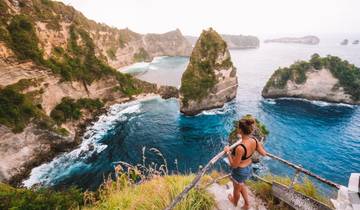
3 days
Best of Bali Instagram 3 Day Tour (Private & All Inclusive)
- ✓ Comprehensive Bali tour
- ✓ Expert local guides included
- ✓ All accommodation arranged
- ✓ Transportation provided

7 days
7 Days Real Bali Culture And Sightseeing Tour
- ✓ Comprehensive Bali tour
- ✓ Expert local guides included
- ✓ All accommodation arranged
- ✓ Transportation provided

3 days
Bali Unforgettable Adventure 3 Days Tour (Private & All-Inclusive)
- ✓ Comprehensive Bali tour
- ✓ Expert local guides included
- ✓ All accommodation arranged
- ✓ Transportation provided
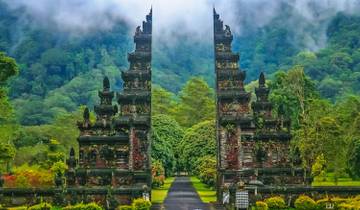
5 days
Bali Essence Discovery 5 Days Tour
- ✓ Comprehensive Bali tour
- ✓ Expert local guides included
- ✓ All accommodation arranged
- ✓ Transportation provided
Multi-day tour packages powered by TourRadar. Prices and availability subject to change.
Introduction: Understanding Ubud’s Tour Landscape in 2026
Ubud’s tourism industry in 2026 revolves around packaged tours combining rice terraces, temples, and cultural attractions into structured day trips serving the 2-3 million annual visitors seeking efficient access to highland Bali’s primary sights without independent transportation logistics. The tour sector employs 3,000+ drivers, guides, and support staff operating 500+ licensed tour companies plus uncounted informal operators, creating intensely competitive market delivering exceptional value ($25-35 full-day packages) while simultaneously generating quality inconsistencies from unlicensed operators cutting corners on vehicle maintenance, insurance coverage, and guide training to undercut established competitors.
The tour format evolution reflects changing traveler demographics and preferences over Ubud’s tourism development decades. Traditional tours 2000-2015 emphasized temple visits and cultural demonstrations (woodcarving workshops, traditional dance viewings, batik painting) appealing to older cultural tourists prioritizing education over Instagram content, while contemporary 2016-2026 tours integrate photogenic experiences (jungle swings, rice terrace walks, waterfall swimming) responding to millennia-Gen Z travelers seeking visual documentation proving Bali adventures to social media audiences. This shift manifests in itinerary composition—classic tours allocated 90 minutes for Tirta Empul temple participation learning purification ritual significance, while modern tours compress temple visits to 30-45 minute photo stops maximizing time for swing sessions and terrace selfie opportunities generating shareable content.
The pricing structure demonstrates remarkable value compared to equivalent experiences globally, with $26-35 packages including 8-10 hours transportation-guide-insurance matching single-day car rental costs ($40-50) in most countries before adding guide fees ($50-100), creating economic model possible only through Indonesia’s low labor costs (driver-guides earning $15-25 daily), competitive tourism market preventing price collusion, and commission income supplementing base tour revenue (operators earning $5-15 per customer delivered to swing venues-restaurants-shops paying kickbacks). This pricing transparency varies—ethical operators disclose commission arrangements explaining lunch restaurant selection or swing venue recommendation, while exploitative companies pressure customers toward specific establishments maximizing operator profit rather than customer experience quality, creating tensions between value-seeking travelers and commission-dependent business models.
The tour quality spectrum spans professional operations employing certified guides, maintaining modern vehicle fleets, carrying comprehensive insurance, and following government regulations, to informal arrangements where unlicensed drivers offer “tours” using personal vehicles lacking commercial insurance, providing minimal cultural knowledge, and potentially exposing customers to accident liability and security risks. First-time Bali visitors struggle distinguishing quality operators from problematic alternatives given similar marketing presentations, price points varying only $5-10, and review manipulation where operators purchase fake positive feedback or pressure customers for 5-star reviews through post-tour WhatsApp harassment, necessitating careful vetting examining review authenticity markers (detailed specific experiences versus generic praise, recent posting dates, reviewer history showing legitimate account versus single-review profiles).
This comprehensive guide navigates Ubud’s tour complexities providing verified 2026 pricing, itinerary details, booking platform comparisons, quality selection criteria, and strategic planning advice enabling informed decisions matching personal preferences, budgets, and travel styles with optimal tour experiences.
Standard Ubud Tour Itineraries 2026
The “Classic Ubud Highlights” tour represents Ubud’s most popular package, visiting 5-6 attractions in standardized sequence optimized for timing-logistics over 8-10 hours priced $26-35 per person excluding entrance fees. The typical itinerary begins with 8:00-8:30 AM hotel pickup across Ubud-Seminyak-Canggu-Sanur regions, proceeding first to Tegenungan Waterfall (30 minutes from central Ubud, 60 minutes from Seminyak) for 45-60 minute visits including 100-meter descent-ascent on concrete stairs, photography opportunities of 20-meter cascade, and optional swimming in pool below falls. Morning waterfall timing (9:00-10:00 AM arrival) precedes tour bus crowds arriving 11:00 AM-1:00 PM, while morning light side-illuminates falls creating better photography than afternoon direct overhead sun flattening dimensional effect.
Tegalalang Rice Terraces follows (20 minutes drive north) with 60-75 minute visits spanning entrance fee payment at official booth (IDR 40,000-50,000), photography from multiple viewing platforms at different elevations showing terraced cascades, walking down into terrace paths experiencing agricultural setting close-up, and shopping at roadside stalls selling carved wooden signs, woven bags, sarongs, and souvenirs with aggressive vendor solicitation requiring firm polite refusals avoiding unwanted purchases. Tour guides typically lead groups to specific viewpoints known for optimal photography, demonstrate photo poses maximizing Instagram appeal, and offer group photography capturing entire party against rice terrace backdrops, before allowing 15-20 minutes free exploration navigating lower terrace paths (slippery when wet, requiring careful footing) or shopping vendor stalls (prices inflated 200-300% above Art Market equivalents, negotiation expected starting 40-50% below asking). The terraces show varying aesthetics by season—January-April display vibrant emerald paddies after monsoon planting, May-August transition to golden-yellow maturing grain, September-October bring harvest activity with brown fallow fields, November-December show replanting preparation creating patchwork of colors across different farming cycles.
Tirta Empul Temple (25 minutes northeast) receives 60-90 minute allocation including entrance fee payment (IDR 50,000 including sarong-sash rental), courtyard exploration viewing temple architecture and lotus pond, purification ritual observation as Balinese Hindu practitioners bathe beneath spring water spouts, and optional participation for tourists willing to change into appropriate clothing (swimwear beneath sarong, women’s modest covering) and follow proper ritual sequence progressing left-to-right through 13 spouts (skipping 11th-12th reserved for cremation ceremonies). Guides explain temple’s 962 CE foundation, spiritual significance of holy spring water believed possessing healing properties, and purification protocol proper techniques (hands pressed prayer position, facing spout before submerging head three times, proceeding sequentially without skipping spouts), though participation remains entirely optional with many tourists content photographing rather than engaging ritual directly.
Lunch occurs 12:30-1:30 PM at rice terrace view restaurants (Bebek Putih, Sari Organik, Mandapa Rice Terrace) serving Indonesian set menus (nasi goreng, nasi campur, mie goreng IDR 50,000-80,000), Western options (pasta, sandwiches, burgers IDR 85,000-140,000), and beverages (fresh juices IDR 35,000-50,000, soft drinks IDR 25,000-35,000, beer IDR 45,000-65,000), with guides selecting restaurants paying commission to tour operators creating potential conflicts between operator profit and customer satisfaction, though quality generally remains acceptable given tourism competition preventing obviously poor food service.
Sacred Monkey Forest (20 minutes return to central Ubud) allocates 60-75 minutes exploring 12.5-hectare sanctuary with 1,200+ long-tailed macaques, paved paths through jungle vegetation and temple complexes, mandatory bag security against monkey theft targeting sunglasses-phones-water bottles, and photography opportunities capturing macaque behaviors (grooming, playing, mating, feeding) under guide supervision warning against feeding, touching, or direct eye contact triggering aggression. The afternoon timing (2:00-3:00 PM) brings heat and humidity creating less comfortable conditions than morning visits, while macaque activity levels vary unpredictably—some days show playful social interactions, other days find lethargic monkeys resting in shade avoiding midday heat.
Jungle swing experiences at Alas Harum, Zen Hideaway, or Tegalalang-area venues conclude tours with 60-90 minute sessions including entrance fee payment (IDR 225,000 / $15.75), costume changes into flowing dresses (provided for women, regular clothing for men), unlimited swing sessions across 3-5 different swings at varying heights-angles, professional photographer shooting continuous sequences ensuring mid-swing captures, and access to photo platforms-nests-props creating variety of Instagram compositions. Tour return to hotels occurs 5:30-6:30 PM depending on traffic conditions (Ubud-area dropoffs finish earliest, Seminyak-Canggu extend 60-90 minutes in evening congestion), completing 9-10 hour days covering 5-6 attractions with approximately 5 hours actual attraction time and 3-4 hours driving given Bali’s traffic realities.
Tour Pricing and Value Analysis 2026
Shared group tour pricing averages $26-35 per person across major booking platforms with minimal price variation suggesting industry standardization or collusion preventing competitive undercutting. Viator charges $30-35 for most operators, GetYourGuide ranges $28-33, Klook offers $25-30, and direct operator booking (WhatsApp, websites) delivers $20-28, creating $5-15 spread driven by platform commission structures (Viator-GetYourGuide retain 20-25% commissions, Klook takes 15-18%, direct booking eliminates middleman). The base tour price covers transportation in air-conditioned vehicles (quality varies from well-maintained 2-year-old Avanza SUVs to aging 10-year-old minivans with marginal air conditioning and worn suspension), driver-guide services (English fluency ranges from excellent to broken depending on operator quality), accident insurance (coverage limits and exclusions require scrutiny in booking terms), and bottled water (2-3 bottles per person throughout day).
Entrance fees excluded from base pricing total IDR 210,000-485,000 ($14.70-34) per person depending on attractions visited and optional activities included. Minimum circuit visiting Tegenungan Waterfall (IDR 20,000), Tegalalang terraces (IDR 40,000-50,000), Tirta Empul temple (IDR 50,000), and Monkey Forest (IDR 100,000) requires IDR 210,000-220,000 ($14.70-15.40). Adding jungle swing (IDR 225,000) increases total to IDR 435,000-445,000 ($30.45-31.15). Additional stops including Gunung Kawi temple (IDR 50,000), coffee plantations (free entry but pressure-to-purchase drinks-products), and art villages (free browsing, purchases optional) maintain similar baselines. Lunch costs separately average IDR 80,000-150,000 ($5.60-10.50) depending on menu selections (Indonesian dishes cheaper than Western options, alcohol significantly increasing totals). Realistic all-in daily budget per person calculates $52-80 combining tour base ($26-35), entrance fees ($15-34), lunch ($6-11), and contingencies ($5-10 for extra water-snacks-souvenirs).
Private tour economics favor groups of 3+ travelers, with 2-person pricing running $60-95 total ($30-47.50 per person), 3-person $80-110 ($26.67-36.67 per person), 4-person $90-120 ($22.50-30 per person), and 5-6 person $100-140 ($16.67-28 per person), demonstrating per-capita savings as group size increases while maintaining superior flexibility and personalized service impossible on shared tours. The private tour advantages include itinerary customization (swapping uninteresting attractions for preferred alternatives, adding extra stops within time limits, extending favorite attractions), timing flexibility (departing earlier/later matching personal schedules, spending 2 hours at compelling temples versus 45-minute rushed visits), exclusive guide attention (in-depth cultural explanations, personalized photo assistance, conversation engaging personal interests), and vehicle comfort (guaranteed window seats versus middle-row assignments on shared vans, climate control matching preferences, music selection).
All-inclusive tour packages bundling entrance fees and lunch cost $55-75 per person, eliminating payment hassles and providing cost certainty, though careful calculation typically shows unbundled base+entrances totaling $5-15 less due to markup inflation on included components. The convenience-versus-savings decision favors all-inclusive for hassle-averse travelers prioritizing predictability, while budget-conscious visitors selecting base tours accepting minor inconvenience paying separate entrance fees achieve maximum value. Seasonal pricing variations remain minimal with most operators maintaining year-round rates, though peak July-August sometimes commands $3-7 premiums and wet season January-February occasionally offers 10-15% discounts during low-occupancy periods.
Booking Platforms and Operators 2026
Viator (Tripadvisor’s tour division) dominates Ubud tour bookings with 50,000+ monthly transactions, offering 200+ Ubud tour variations from 100+ operators, featuring customer review systems (average 4.2-4.5 stars across top tours based on 2,000-15,000 reviews), 24-hour free cancellation on most tours enabling flexibility, instant confirmation for popular tours, and mobile app-based booking-management simplifying logistics. Viator’s commission structure adds 20-25% markup over direct operator pricing, explaining $30-35 tour costs versus $20-25 direct booking, though value proposition includes customer support resolving booking problems-complaints, payment security through Viator holding funds until tour completion, review transparency enabling quality assessment, and English-language interface avoiding communication challenges with Indonesian operators.
GetYourGuide operates similarly to Viator with comparable inventory (150+ Ubud tours), pricing ($28-33 typical range), review systems (4.3-4.6 average ratings), and cancellation policies (24-hour free cancellation standard), while emphasizing instant mobile tickets (QR codes replacing paper vouchers), offline access enabling confirmation viewing without internet, and customer service chat support resolving real-time problems. The platform maintains slightly lower pricing than Viator due to reduced commission rates (18-20% versus Viator’s 20-25%), passing partial savings to customers while operators retain higher net revenue per booking.
Klook targets Asian markets (Singapore, Hong Kong, Taiwan, mainland China) expanding into Western demographics with aggressive pricing ($25-30 tours matching direct operator rates), app-based booking requiring smartphone installation, frequent promotional campaigns (10-15% discount codes common), and rewards programs earning credits toward future bookings. The platform’s lower commission structure (15-18%) benefits both customers (lower prices) and operators (higher margins), though customer support quality receives mixed reviews regarding refund processing and complaint resolution, creating value-risk trade-offs between cost savings and support accessibility.
Direct operator booking via WhatsApp contact numbers published on operator websites, Google Maps listings, TripAdvisor pages, and travel forums delivers lowest pricing ($20-28 typical) eliminating platform commissions, enabling direct communication with drivers for pickup timing-meeting points-special requests, and allowing negotiation opportunities especially for multi-day bookings or group discounts. However, direct booking requires upfront payment via bank transfer or PayPal without refund protections, depends on operator honesty-reliability with booking confirmations sometimes unreliable, and eliminates dispute resolution mechanisms when tours disappoint or operators no-show, creating risks inappropriate for first-time Bali visitors lacking local knowledge or Indonesian contacts assisting problem resolution.
Quality operator identification requires examining multiple indicators beyond pricing alone. Positive markers include: recent reviews (50+ within past 3 months suggesting active operations), detailed review content (specific experiences rather than generic praise), professional website presence (proper domain, comprehensive information, contact details), government licenses disclosed (ASITA membership, transport permits), insurance documentation available, and responsive communication (replies within 24 hours, clear English, detailed answers). Red flags warning problematic operators include: significantly under-market pricing ($15-20 when competitors charge $25-35), no recent reviews or obvious fake reviews (multiple reviews same day, generic language, reviewer profiles showing only single review), poor English communication, pressure for immediate payment without booking confirmation, lack of verifiable company information, and defensive-aggressive responses to negative reviews rather than professional resolution attempts.
Tour Quality and Guide Standards 2026
Professional tour guides in Ubud complete 6-12 month government-certified training programs covering Balinese history, temple architecture, Hindu religious practices, rice agriculture techniques, Indonesian and English language proficiency, first aid certification, and customer service skills, earning licenses authorizing commercial guiding after passing written-practical examinations. These certified guides command premium employment with established operators, deliver comprehensive cultural education explaining temple symbolism (why guardian statues face specific directions, meaning of carved figures, significance of tiered roofs representing sacred mountains), demonstrate proper offering techniques (how to hold incense, placement protocols, prayer gestures), discuss rice terrace subak irrigation systems dating to 9th century, and engage travelers through storytelling abilities making history-culture accessible rather than academic-dry.
However, guide quality varies dramatically across Ubud’s tour sector given certification enforcement inconsistencies and operator cost-cutting. Budget operators sometimes employ uncertified drivers lacking formal training, offering minimal cultural commentary beyond surface facts (“this is Tirta Empul, very old temple, 962 CE, holy water, Balinese come pray”), unable to answer deeper questions about ritual significance or architectural symbolism, and functioning primarily as transportation coordinators rather than educational guides. The English proficiency spectrum spans guides with near-native fluency (studied university-level English, lived abroad, conducted thousands of tours refining communication) to drivers with broken English communication (subject-verb disagreements, vocabulary gaps, reliance on simple present tense, difficulty understanding questions) limiting cultural exchange depth.
Photography assistance represents unexpected tour value beyond transportation and guiding. Quality guides identify optimal photo locations (viewpoints, angles, lighting conditions), demonstrate poses enhancing compositional appeal (positioning against backgrounds, body angles creating flattering silhouettes), and capture group photos ensuring entire party documents experiences together rather than trading photographer duties missing someone each shot. The Instagram-era guides master smartphone camera operation across iPhone-Samsung-Huawei devices, understanding portrait mode, HDR settings, and composition rules, while traditional guides sometimes struggle with modern phone cameras producing blurry-poorly-framed results requiring customers to re-shoot losing spontaneous moments.
Safety awareness separates professional from amateur guides through proactive risk management. Competent guides warn about Monkey Forest theft risks (securing bags, removing tempting items, avoiding food), supervise waterfall activities (identifying safe swimming areas, warning about current dangers, monitoring participant behavior), and enforce temple dress codes (ensuring shoulders-knees covered, sarongs properly tied, removing shoes before entering sacred areas). Negligent guides allow preventable problems through inattention—permitting tourists to feed monkeys despite prohibition (triggering aggressive behavior), failing to warn about slippery waterfall rocks (causing falls-injuries), or ignoring temple protocols (allowing inappropriate dress creating offense or potential denial of entry).
The guide-customer ratio affects attention quality and tour pacing. Small groups (2-6 participants) enable personalized service with guides addressing individual questions, adapting explanations to interest levels (more historical detail for engaged listeners, concise summaries for distracted tourists), and maintaining conversational atmosphere. Large groups (10-15 participants) force guides into broadcast mode delivering standardized information to all, struggling to answer simultaneous questions, and maintaining regimented timing preventing personal exploration. Private tours maximize guide attention enabling custom-depth cultural education, though guide quality matters more than exclusivity—mediocre private guide provides less value than excellent shared-tour guide despite 1:1 versus 1:10 ratios.
Seasonal Considerations for Ubud Tours 2026
Dry season (May-September) optimizes outdoor tour experiences with minimal rain disruption (85-90% sunny morning probability), though peak July-August brings maximum crowds creating tour bus traffic (30-40 minute queues at popular Monkey Forest, Tegalalang terrace congestion, restaurant waits), higher humidity despite “dry” classification (Ubud’s highland location maintains 70-75% humidity year-round), and accommodation-restaurant premium pricing (25-40% above wet season) though tour prices remain relatively stable. The dry season rice terraces show less vibrant aesthetics with post-harvest brown-gold fields (June-September) lacking emerald intensity of wet season’s flooded paddies, while waterfalls experience reduced flow (Tegenungan cascades at 30-40% wet season volume) creating less dramatic imagery though still adequate for photography-swimming.
Wet season (November-March) tours face afternoon rain probability (60-70% chance 2:00-5:00 PM requiring schedule flexibility), though morning departures (8:00 AM) typically complete major outdoor attractions (waterfall, terraces, temple) before afternoon storms arrive 1:00-3:00 PM. Tours adapt by front-loading weather-sensitive stops and reserving indoor-covered attractions (Monkey Forest’s jungle canopy providing rain protection, covered temple pavilions enabling ceremony observation during downpours) for afternoon periods. The wet season advantages include vibrant emerald rice terraces (December-March after monsoon planting), dramatically enhanced waterfall flows (Tegenungan thunders at 200-300% dry season volume creating spectacular cascades), empty attractions eliminating queue waits and crowd congestion, and 35-40% accommodation discounts maximizing budget travelers’ value though tour pricing remains stable.
Shoulder months (April, October) balance weather reliability (70-75% sunny mornings before afternoon cloud formation) against moderate pricing (10-15% below July-August peak), manageable crowds (tourist numbers 60-70% of peak season avoiding saturation while maintaining viable tour operations), and transitional terrace aesthetics showing patchwork of green-yellow-brown as different fields progress through varying planting-growing-harvesting stages creating diverse agricultural landscapes rather than uniform emerald or uniform brown periods.
Specialized Tour Options 2026
Sunrise tours to Mount Batur volcano depart midnight-2:00 AM for nighttime ascents reaching 1,717-meter summit by 5:30-6:00 AM, combining 2-hour trekking through volcanic terrain using flashlights, sunrise viewing over crater lake and eastern Bali highlands, and breakfast cooked using volcanic steam vents, with package pricing $35-50 per person including midnight hotel pickup, mandatory HPPGB guide fees, flashlights-walking sticks, breakfast, and return transport arriving Ubud 9:00-10:00 AM enabling afternoon rest or secondary activities. The trek requires moderate fitness managing steep rocky sections and early wake-up challenging sleep schedules, though delivering dramatic sunrise illuminating Bali’s eastern mountains and Lake Batur’s turquoise caldera waters rewarding effort.
Cultural immersion tours emphasize temple participation, traditional crafts, and village life over scenic photography, featuring Tirta Empul purification ritual guidance (proper clothing, protocol instruction, spiritual context explanation), offering-making lessons with Balinese families (creating palm leaf trays, arranging flowers-rice-incense, understanding symbolic components), gamelan music instruction (basic metalphone techniques, ensemble coordination, traditional melodies), and home-cooked meal preparation using traditional cooking methods (open-fire clay pots, mortar-pestle spice grinding, coconut milk extraction). These specialized tours cost $45-65 per person given extended time commitments (teaching requires 60-90 minutes versus 30-minute photo stops), smaller group sizes (maximum 6 participants versus 12 on standard tours), and instructor compensation (local families receive payment for cultural transmission), appealing to anthropology-oriented travelers prioritizing authentic engagement over superficial attraction visiting.
Adventure-focused tours combine white water rafting on Ayung River (Class II-III rapids, 2-hour descent, $28-38 per person), ATV riding through rice paddies and jungle trails (60-90 minutes riding, $30-45), and jungle swings-ziplines (multiple swing heights, zip-line courses, $25-40), creating active experiences for adrenaline-seekers beyond passive sightseeing. These activity-heavy itineraries allocate 4-5 hours for adventure components versus standard tours’ emphasis on cultural attractions, though often combining both elements—morning rafting followed by afternoon temple visits, or ATV riding then rice terrace exploration.
Photography and Instagram Optimization 2026
Photography-focused tours cater to Instagram content creators through strategic timing (sunrise-sunset golden hour shooting, midday avoiding harsh overhead light), location selection (photogenic viewpoints, trending swing venues, iconic terrace backgrounds), and wardrobe assistance (flowing dress recommendations, color coordination suggestions, outfit change opportunities). These specialized tours cost $55-85 per person including professional photographer services (DSLR camera shooting, 100-200 edited images provided digitally), makeup-hair artist (optional $30-50 supplement), costume rentals (traditional Balinese dress, modern flowing gowns), and extended location times (90-120 minutes per major stop versus standard 45-60 minutes).
Standard tours accommodate photography through guide assistance but prioritize efficiency over perfect shots. Guides identify photo-worthy locations (Rice terrace viewpoints, Monkey Forest bridges, Tirta Empul lotus pond), demonstrate popular poses (swinging legs over terrace edges, prayer positions at temples, monkey-on-shoulder compositions), and capture group photos, though time constraints (45-60 minutes per attraction) limit creative exploration. Smartphone photography dominates with 90%+ tourists relying on phones rather than dedicated cameras, making guide familiarity with mobile camera operation essential—competent guides navigate portrait mode, HDR settings, Live Photos, and composition techniques across iOS-Android platforms.
The Instagram-worthiness ranking of standard tour attractions shows: (1) Jungle swings above valleys delivering most viral-worthy content (100,000+ Instagram posts tagged #BaliSwing), (2) Tegalalang rice terraces cascading green stairs creating classic Bali imagery, (3) Tirta Empul lotus pond with temple background, (4) Monkey Forest bridges with macaques, (5) Tegenungan waterfall base showing 20-meter cascade. Social media-conscious travelers often prioritize swing-terrace experiences over temple visits creating tension when guides allocate equal time to all attractions versus Instagram-centric preference for photogenic locations receiving extended duration.
Common Tour Problems and Solutions 2026
Commission-driven shopping detours represent tour complaints’ primary source, with unethical operators inserting 30-60 minute stops at silver workshops, wood carving galleries, batik showrooms, or jewelry stores paying operators kickbacks (20-40% of sales) for customer deliveries. These detours consume tour time reducing attraction visits, pressure tourists through aggressive sales tactics (prices inflated 200-400% above market rates, staff persistence ignoring refusals, guides earning commissions creating conflict between client interests and personal income), and sometimes refuse allowing tour continuation until customers purchase. Solutions include booking tours explicitly advertised “no shopping stops” (though enforcement varies), assertively refusing to exit vehicle at unsolicited shops, and reporting commission stops to booking platforms for refunds-future bookings deterrence.
Vehicle breakdowns occur occasionally given Bali’s vehicle maintenance standards varying across operators. Professional companies maintain backup vehicles arriving 30-60 minutes when primary transportation fails, while budget operators sometimes leave customers stranded requiring taxis to complete tours at personal expense. Booking platform tours provide stronger recourse (partial refunds, complaint mechanisms) than direct bookings where operator disputes lack resolution channels.
Entrance fee surprises frustrate tourists expecting all-inclusive pricing when “all-inclusive” descriptions prove misleading—tours include transport-guide-insurance but exclude $30-40 entrance fees creating perceived deception. Careful booking page review examining “Inclusions” versus “Exclusions” sections prevents surprises, though operators sometimes bury exclusion details in fine print. Conservative budgeting assuming $50 daily beyond base tour price ($30 entrances + $10 lunch + $10 contingency) prevents financial stress when facing multiple cash payments throughout day.
Time constraints create rushed experiences when itineraries overcommit (7 attractions in 8 hours allowing only 30-40 minutes each after driving time). Quality tours limit 5-6 attractions enabling 60-90 minute engagement, while quantity-focused tours sacrifice depth for breadth creating superficial photo-stop experiences. Review scrutiny identifying tour duration, number of attractions, and reviewer comments about pacing prevents disappointment from overstuffed itineraries.
Frequently Asked Questions About Ubud Tours 2026
Do Ubud tours include hotel pickup in 2026?
Yes, virtually all Ubud tours include hotel pickup and dropoff from central Ubud, Seminyak, Canggu, and Sanur areas within base pricing, with pickup times typically 7:30-8:30 AM coordinating tour start and dropoff occurring 5:30-6:30 PM depending on traffic conditions and pickup location distance. Tours operating from Ubud coordinate pickups across town’s 10-15 major hotel clusters within 15-20 minutes, while Seminyak-Canggu pickups sequence through multiple hotel stops across 45-60 minutes creating earlier departures (7:00-7:30 AM Seminyak guests, 8:00-8:15 AM Ubud guests arriving same 8:30 AM tour start). Distant locations including Nusa Dua, Uluwatu, Sanur, and Jimbaran incur surcharges ranging IDR 100,000-200,000 ($7-14) per person given extended transport distances (60-90 minutes each direction), while remote areas (Amed, Candidasa, Lovina) either prove unavailable from Ubud-based operators or require prohibitive $30-50 surcharges making local tour operators in those regions more economical. The pickup process involves drivers contacting guests via WhatsApp 15-30 minutes before arrival confirming exact hotel location and estimated arrival time, waiting 5-10 minutes in hotel lobbies or parking areas, then departing once full group assembles (private tours depart immediately, shared tours collect 6-12 participants across multiple hotels). Accommodation types sometimes affect pickup feasibility—major hotels and resorts with clear addresses and reception staff coordinating guest contact pose no problems, while budget homestays and Airbnb properties in unmarked village compounds require precise location sharing (Google Maps pins, landmark descriptions) and potential meeting at nearby main road intersections when narrow alleys prevent vehicle access. Strategic pickup optimization includes staying in central Ubud eliminating early pickups and late dropoffs adding 90-120 minutes to already-long tour days, confirming exact pickup time during booking rather than assuming 8:00 AM default, and exchanging WhatsApp contact with driver 24 hours before tour enabling last-minute coordination adjusting meeting points or timing. Some tours offer meeting point alternatives at Ubud central locations (Palace, Starbucks, Art Market) enabling independent travelers to reach centralized departure points avoiding pickup routing delays, though hotel pickup convenience usually outweighs marginal time savings for most tourists.
Can I customize or modify standard Ubud tour itineraries in 2026?
Yes, private tours allow complete itinerary customization including attraction substitutions (replacing swing with coffee plantation, adding Gunung Kawi temple, eliminating waterfall), timing modifications (extending favorite stops from 60 to 90 minutes, shortening uninteresting attractions, adding photo sessions), and route changes (reversing sequence, adding extra stops within time-distance constraints), with modifications communicated to operators during booking or via WhatsApp before tour day enabling guide preparation and realistic expectation setting. Standard shared group tours maintain fixed itineraries preventing individual customization given 6-12 participant consensus requirements, though minor adjustments sometimes occur when entire group agrees (skipping lunch stop if all prefer snack-on-go approach, extending temple visit if unanimous interest, reducing swing time when group lacks interest), and professional guides accommodate reasonable requests balancing flexibility against schedule maintenance. Private tour customization enables strategic optimizations matching personal interests—culture enthusiasts replacing swing-waterfall (90 minutes combined) with additional temple visits (Gunung Kawi 11th-century rock shrines, Pura Kehen terraced temple), photographers extending Tegalalang terrace time (90-120 minutes versus standard 60 minutes) capturing various lighting angles, adventure seekers adding white water rafting (2.5 hours) eliminating multiple small attractions, and families with young children reducing stops (4 attractions versus 6) providing extended time without rushed exhaustion. The customization communication process involves clearly articulating preferences during initial booking inquiry (WhatsApp, email, booking platform message), receiving operator confirmation regarding feasibility (some attractions require advance coordination, certain combinations prove logistically impractical given distance-timing), and finalizing detailed itinerary 24-48 hours before tour including approximate timing for each stop enabling realistic daily flow expectations. Practical customization limits include total driving distance constraints (operators typically limit 150-200 kilometers preventing excessive driving time), time allocation realities (10-hour tour days allow maximum 6-7 attractions including lunch after accounting for 3-4 hours driving-breaks), and entrance fee implications when swapping attractions affect total costs (adding Besakih temple IDR 60,000 versus removing Tegenungan IDR 20,000 creates net increase). Strategic customizers research Ubud attraction locations-distances-durations before requesting modifications ensuring realistic proposals (clustering northern attractions like Tegalalang-Tirta Empul-Kintamani creating efficient routing versus requesting scattered south-north-west attractions requiring excessive driving), accept operator expertise regarding timing (guides know actual 90-minute Monkey Forest visits versus idealized 60-minute estimates), and maintain backup preferences when primary requests prove impossible (alternative temple if preferred option closed for ceremony, swing venue substitution if primary location overcrowded). Some operators restrict customization on discounted promotional tours maintaining standardized itineraries achieving efficiency-cost savings through repetition and optimization, while premium-priced custom tours welcome extensive personalization given higher margins accommodating planning-coordination overhead, creating value decision between maximum flexibility at premium pricing versus accepting standard itineraries at budget rates.
What should I bring on an Ubud tour in 2026?
Essential tour items include cash totaling IDR 700,000-900,000 ($49-63) covering entrance fees (IDR 435,000-485,000 / $30-34 for full circuit), lunch (IDR 80,000-150,000), and contingencies (IDR 100,000-200,000 for extra water-snacks-tips), carried in small denominations (IDR 20,000-100,000 notes) facilitating exact payments and change provision, secured in front pockets or cross-body bags preventing theft at Monkey Forest and waterfall stairs. Temple-appropriate clothing including shoulders-knees covered (lightweight long pants-skirts and t-shirts-blouses covering shoulders) satisfies dress code requirements though sarongs provided at temple entrances, with quick-dry fabrics (polyester, nylon blends) recommended over cotton given humidity preventing overnight air-drying when hand-washing. Comfortable closed-toe shoes (sneakers, trail runners, supportive sandals) enable rice terrace path walking and temple stair climbing while protecting feet from mud-rocks-uneven surfaces, though waterproof sandals prove optimal when swimming at waterfalls requiring wet-dry transitions. Sun protection essentials include 30-50 SPF broad-spectrum waterproof sunscreen (reapply every 2 hours during outdoor activities), wide-brimmed hats or baseball caps, and sunglasses with UV protection, given equatorial intensity causing burns even on cloudy days. Insect repellent containing DEET 20-30% or picaridin prevents mosquito bites carrying dengue fever, applied morning before tour and reapplied midday especially at jungle-area attractions (Monkey Forest, rice terraces, waterfall approaches) where standing water creates breeding sites. Reusable water bottles (500ml-1 liter capacity) reduce plastic waste and supplement tour-provided 2-3 bottles, with refills available at restaurants and some attractions though confirming potability before drinking. Waterproof phone cases or ziplock bags protect electronics during waterfall visits and sudden tropical downpours, while portable chargers (10,000+ mAh capacity) prevent phone death when shooting 500+ photos throughout tour days. Small backpacks or daypacks carry essentials hands-free, though requiring vigilant security at Monkey Forest where macaques target bags, and lightweight rain jackets or compact umbrellas provide wet season protection during afternoon thunderstorms though tours sometimes provide ponchos. Optional valuable items include GoPro-action cameras for waterfall swimming videos, extra clothing for temple purification participation (swimwear, quick-dry clothing), and wet wipes for hand-cleaning after market-food-monkey encounters lacking immediate bathroom access. Items to avoid bringing include expensive jewelry (unnecessary risk for theft-loss), excessive cash (withdraw only daily required amounts), large valuable cameras (smartphones suffice for most tourists, DSLRs become burdensome during long days), and white/light clothing prone to dirt-stains from rice terrace mud and temple ash. The packing philosophy emphasizes travel-light practicality given 8-10 hour days alternating air-conditioned vehicles and outdoor tropical heat, quick transitions between attractions preventing lengthy gathering-organizing, and theft risk management minimizing valuables while bringing essentials enabling comfortable safe touring.
Are Ubud tours suitable for families with young children in 2026?
Ubud tours accommodate families with children ages 6-12 comfortably through attractions offering varied activities (wildlife at Monkey Forest, swimming at waterfalls, rice terrace exploration), manageable activity levels (minimal strenuous hiking, mostly walking-observing), and child-friendly facilities (bathrooms at major stops, lunch restaurants with children’s menus, air-conditioned vehicle rest periods), though standard 8-10 hour durations prove exhausting for children under 6 requiring shortened custom itineraries or split-day approaches visiting 2-3 attractions per half-day over multiple days. The child-appropriate activities include Monkey Forest wildlife observation sparking fascination (though requiring parental supervision given macaque unpredictability and theft risks), Tegenungan waterfall swimming in safe pool areas (though monitoring current strength and depth), Tegalalang terrace walks through paddies (though assistance on uneven paths), and jungle swings at lower heights (operators offer smaller swings for children 6-10 years), while temple visits receive mixed child interest (some fascinated by architecture-ceremonies, others bored requiring patience-distraction). Family-specific considerations include booking private tours enabling pace-flexibility accommodating bathroom breaks, snack stops, and rest periods impossible on shared tours maintaining fixed schedules, requesting child-friendly guides who engage young participants through age-appropriate explanations and interactive demonstrations, bringing entertainment (tablets, books, toys) for vehicle time between attractions, and accepting shortened attraction visits (30-45 minutes versus adult 60-90 minutes) preventing exhaustion-meltdowns. Age-specific challenges show children under 4 struggling with 8-10 hour tour durations leading to naps-crankiness disrupting group dynamics (problem for shared tours, manageable in private), ages 4-6 handling 6-8 hour shortened itineraries visiting 3-4 attractions comfortably, ages 7-12 completing full standard tours with occasional rest breaks, and teenagers managing adult itineraries while potentially showing disinterest in cultural-educational components preferring adventure activities. Safety concerns include Monkey Forest theft-aggression risks requiring constant parental awareness (securing children’s belongings, preventing feeding attempts, maintaining safe distances from macaques), waterfall current-depth hazards necessitating swimming supervision, temple stair climbing (uneven ancient steps, minimal railings) requiring hand-holding for young children, and vehicle safety (proper seatbelt usage, motion sickness prevention through window seating and anti-nausea preparation). The tour operator selection prioritizes family-experienced guides comfortable engaging children (asking questions, sharing stories, maintaining patience with slower pace), vehicles with functional rear seatbelts (many older Indonesian vehicles lack working rear restraints creating safety compromise), and flexible operators accommodating special requests (earlier starts-finishes matching child schedules, mid-tour returns for naps then resuming, attraction substitutions when child interest flags). Practical family optimization includes morning tour starts (7:00-7:30 AM departures) when children show peak energy before afternoon fatigue, bringing ample snacks-drinks supplementing tour provisions, applying extra sunscreen-insect repellent given children’s skin sensitivity, and maintaining realistic expectations accepting shortened experiences or occasional attraction skips when exhaustion-boredom override planned itineraries. Some families split touring—one parent taking older child on standard tour while other parent supervises younger child at hotel pool-playground, then alternating next day—maximizing experiences for capable participants without forcing unsuitable activities on resistant younger siblings, though this approach requires multiple hotel-days versus single-day tour convenience.
How physically demanding are Ubud rice terrace and temple tours in 2026?
Standard Ubud tours require moderate fitness managing 2,000-3,000 steps daily across uneven terrain, stair climbing (Tegenungan waterfall 200+ steps descent-ascent, Tegalalang terrace paths with elevation changes, temple courtyards), and 8-10 hour duration in tropical heat-humidity (27-32°C temperatures, 75-85% humidity), though physical demands remain manageable for average-fitness adults accepting slower pace and rest breaks as needed. Specific activity analysis shows Tegenungan waterfall requiring 10-15 minute descent on concrete stairs (approximately 100 meters elevation drop) followed by swimming-photography time then 15-20 minute ascent (slower than descent due to uphill effort and heat), creating cardiovascular demand manageable through rest stops and slower pacing though challenging for elderly or low-fitness participants. Tegalalang rice terraces involve 20-30 minute walks descending into terrace paths (200-300 meters from viewpoint parking to lower paths) on narrow sometimes-muddy trails with uneven footing, creating ankle-strain risks and slip potential especially after rain, though visitors can limit to viewpoint photos avoiding lower path exploration reducing physical demands. Temple visits (Tirta Empul, Gunung Kawi when included) require stair climbing across ancient stone steps often irregular heights-depths with minimal handrails, creating challenge for mobility-limited visitors though slow careful progression usually succeeds with occasional rest breaks. Sacred Monkey Forest features paved paths through relatively flat terrain enabling easy walking, though humidity and afternoon heat create exertion during extended exploration combining physical effort with hydration demands. The cumulative effect across full-day tours shows initial morning energy declining through afternoon as heat exposure, dehydration, and repetitive attraction visits create fatigue, with 2:00-4:00 PM periods marking lowest energy when humidity peaks and meal digestion reduces alertness, before evening cooldown improving comfort during final attractions-return transport. Age-fitness correlations suggest adults under 50 with regular exercise habits (walking 30+ minutes daily, occasional hiking, sports participation) handle standard tours comfortably, adults 50-70 with moderate fitness manage when accepting slower pace and extended rest breaks, adults 70+ or those with mobility limitations should consider modified itineraries (reducing attractions from 6 to 3-4, eliminating waterfall stair-climbing, extending per-attraction time allowing rest), while very low fitness or significant health conditions warrant medical consultation before booking. Heat management strategies include scheduling tours during cooler months (April-October average 27-30°C versus November-March 28-32°C), starting early (7:30-8:00 AM) completing outdoor activities before afternoon peak heat, wearing lightweight moisture-wicking clothing facilitating sweat evaporation, consuming 2-3 liters water throughout day preventing dehydration (tour bottles plus self-carried refills), and recognizing overexertion symptoms (dizziness, nausea, excessive fatigue, headache) requiring immediate rest and hydration. Accessibility limitations show Ubud tours poorly accommodating wheelchair users given stairs, uneven terrain, and narrow paths at most attractions though Tegalalang viewpoints and some temple outer courtyards offer limited wheelchair access, while significant mobility impairments (requiring walking aids, unable to manage stairs) suggest custom modified tours visiting wheelchair-friendly locations (Ubud Palace, Art Market, accessible rice terrace viewpoints) rather than standard circuits. Injury prevention emphasizes proper footwear (closed-toe shoes with tread preventing slips, avoiding flip-flops on stairs-uneven paths), careful footing on wet surfaces (waterfall areas, temple stones, rice terrace mud), handrail usage when available, and conservative pacing accepting slower tour progression over injury risks from rushing.
What time do Ubud tours typically start and finish in 2026?
Standard Ubud tours begin 8:00-8:30 AM with hotel pickups starting 7:00-8:00 AM depending on accommodation location (Seminyak-Canggu guests collected 7:00-7:30 AM, Ubud guests 7:45-8:15 AM), concluding with hotel dropoffs 5:30-7:00 PM depending on attraction visit duration, lunch timing, traffic conditions, and return distance from final attraction to accommodation. The morning departure timing balances multiple factors: early enough to reach first attractions (typically waterfalls or temples) before 10:00-11:00 AM tour bus crowds arrive, late enough allowing reasonable breakfast and preparation time rather than predawn stress, and coordinated to complete outdoor activities before afternoon heat peaks 1:00-3:00 PM. Shared group tours maintain relatively fixed schedules optimizing overall group timing though accepting individual preferences vary, while private tours offer flexible departure (6:00 AM sunrise seekers, 9:00 AM late starters, 10:00 AM matching children’s wake schedules) coordinating with drivers during booking. The afternoon conclusion timing shows high variability depending on itinerary execution—efficient tours completing 5 attractions with minimal delays return 5:30-6:00 PM, average tours with standard lunch stops and moderate pacing finish 6:00-6:30 PM, and extended tours including extra attractions or traffic delays arrive 6:30-7:00 PM. Traffic conditions significantly affect return timing with Ubud-area dropoffs occurring earliest (5:30-6:00 PM requiring minimal return driving), central Seminyak-Canggu destinations adding 45-60 minutes in evening rush-hour congestion (6:15-7:00 PM arrivals typical), and distant Nusa Dua-Uluwatu locations sometimes pushing 7:00-7:30 PM when traffic proves severe. Early start tour options (6:00-7:00 AM departures) enable sunrise photography at rice terraces before 7:00 AM golden hour, waterfall visits completing before 9:00 AM crowd arrivals, and entire itinerary finishing 3:00-4:00 PM providing afternoon freedom for independent activities or rest, though requiring predawn wake-ups (5:00-5:30 AM) challenging for night-owl travelers. Late start alternatives (9:00-10:00 AM departures) accommodate leisurely morning routines and hotel breakfast inclusion, though accepting midday heat exposure, crowded attractions during 11:00 AM-2:00 PM peak periods, and extended 7:00-8:00 PM returns when traffic delays compound. Half-day tour variations operate either morning segments (8:00 AM-1:00 PM visiting 3 attractions, $18-25 per person) or afternoon sessions (1:00-6:00 PM also covering 3 attractions, $18-25), enabling split-day combinations (morning tour + afternoon independent activities) or consecutive half-days (morning cultural tour + afternoon adventure activities) providing scheduling flexibility versus full-day commitment. The duration expectations require realistic acceptance that “8-hour tour” descriptions reference total time from first pickup to final dropoff including driving (3-4 hours), meals (60-90 minutes), and actual attraction time (4-5 hours), creating legitimate though sometimes disappointing realization that 8-hour tour provides only 4-5 hours experiencing attractions with remainder spent in vehicles or restaurants, improved through private tours eliminating multi-hotel pickup routing and personal lunch preferences shortening meal stops.
Can I bring my own food and drinks on Ubud tours in 2026?
Yes, bringing personal food and drinks on Ubud tours receives complete operator acceptance and often appreciation given tour schedules sometimes creating hunger between breakfast and scheduled lunch stops (typically 12:30-1:30 PM), with water consumption particularly important given tropical heat-humidity causing dehydration risk requiring 2-3 liters daily intake supplementing tour-provided bottles. Personal food benefits include dietary restriction accommodation (vegetarian-vegan-gluten-free-halal options sometimes limited at tour lunch restaurants), cost savings (IDR 80,000-150,000 / $5.60-10.50 saved skipping lunch purchase), snack availability during energy dips (mid-morning and mid-afternoon), and picnic flexibility (eating at scenic terrace viewpoints versus crowded restaurant). Practical food selections emphasize non-perishable items surviving tropical heat in vehicles lacking refrigeration—packaged crackers-cookies, granola bars, dried fruit, nuts, chips, and candy bars remain safe, while sandwiches-fruit-yogurt require morning purchase and consumption within 4-6 hours preventing bacterial growth. Beverage strategies include large reusable water bottles (1-liter capacity) refilled at hotels before departure and at restaurant stops, sports drinks replacing electrolytes lost through sweating, and avoiding alcohol during daytime tours given dehydration effects and need for mental clarity navigating attractions-traffic. The lunch skip versus participate decision depends on tour timing and social preferences—skipping lunch saves 60-90 minutes enabling additional attraction time or earlier returns though forgoing social meal experience with guide and fellow tourists providing cultural exchange opportunities, while participating in organized lunch creates relaxation break reducing afternoon exhaustion and demonstrates appreciation for Indonesian cuisine though consuming time and money. Some tour operators require lunch participation when included in all-inclusive packages though most standard tours maintain optional lunch allowing freedom to eat independently, bring personal food, or skip entirely. The meal timing sometimes creates conflicts with personal preference schedules—standard 12:30-1:30 PM lunch arrives too early for late breakfast eaters still full from 9:00 AM hotel meals or too late for early risers hungry by 11:30 AM after predawn light breakfasts, justifying personal food provisions supplementing or replacing scheduled restaurant stops. Restaurant considerations when participating in organized lunches include tipping expectations (10,000-20,000 rupiah / $0.70-1.40 customary though not mandatory), beverage costs separate from food (fresh juices IDR 35,000-50,000, soft drinks IDR 25,000-35,000, beer IDR 45,000-65,000), and menu limitations at tour-designated commission-paying establishments sometimes offering restricted Western options forcing adventurous Indonesian cuisine selection. Dietary restrictions benefit from advance operator notification enabling restaurant coordination serving appropriate meals (vegetarian, vegan, halal), though verification upon arrival confirms kitchen understanding preventing cross-contamination or inadvertent non-compliant ingredients, while severe allergies or celiac disease necessitate personal food given Indonesia’s limited gluten-free awareness and cross-contamination prevention inconsistency creating health risks.
Do I need to tip tour guides and drivers in Ubud in 2026?
Tipping Ubud tour guides and drivers remains customary though not mandatory, with IDR 50,000-100,000 ($3.50-7) per person representing appropriate appreciation for satisfactory full-day service, IDR 100,000-200,000 ($7-14) for exceptional experiences featuring outstanding cultural education-photography assistance-personal attention, and no tip acceptable for poor service (excessive shopping stops, rushed pacing, minimal guide interaction, safety negligence). The tipping culture in Indonesia differs from Western service industries where tips form substantial income portions—Indonesian tour guides earn base salaries IDR 150,000-300,000 ($10.50-21) daily from operators with tips providing supplementary 30-50% income increases though not comprising majority compensation like U.S. waitstaff. Private tour tipping typically runs higher (IDR 100,000-200,000 per person) given personalized service and exclusive guide attention throughout day, while shared tour tipping scales lower (IDR 50,000-100,000 per person) reflecting divided attention across 6-12 participants though aggregate tips from full van potentially exceeding private tour guide earnings. The timing and method show tips presented at tour conclusion during hotel dropoff, given discreetly in cash directly to guide with verbal appreciation (Indonesian “Terima kasih banyak” / Thank you very much enhances cultural respect), and preferably in Indonesian rupiah though U.S. dollars prove acceptable when travelers lack sufficient local currency. Tipping guidelines emphasize rewarding exceptional effort—guides who accommodate special requests (itinerary modifications, extended favorite attractions, detailed cultural explanations, photography patience, child entertainment), demonstrate superior knowledge (answering complex questions, providing historical contexts, explaining religious practices), and deliver outstanding service (anticipating needs, carrying belongings, coordinating seamless logistics) merit higher tips reflecting added value. Conversely, substandard performance including excessive commission-focused shopping detours (30+ minute unsolicited stops despite objections), inadequate guiding (minimal commentary, poor English preventing communication, factual errors), or safety negligence (allowing prohibited monkey feeding, ignoring temple dress codes, rushing waterfall activities without supervision) justifies zero tips while reporting problems to booking platforms for complaint documentation and potential refunds. Group coordination proves sometimes awkward on shared tours when participants show varying tipping inclinations—some travelers tip generously (IDR 150,000-200,000), others moderately (IDR 50,000-100,000), and budget travelers skip entirely, creating visible disparities when guide receives successive envelopes showing inconsistent appreciation, though professional guides maintain equivalent service regardless of individual tipping expectations. Cultural sensitivity matters as overly-generous tipping (IDR 300,000-500,000 / $21-35) sometimes creates expectations distorting service economics and potentially causing resentment among operators paying base salaries, while extreme under-tipping ($1-2 or IDR 15,000-30,000) for exceptional service insults guides working 10+ hour days managing logistics-education-safety. The strategic approach combines advance cash preparation (obtaining appropriate denominations at ATMs before tour avoiding last-minute scrambles), observing fellow tourist behavior on shared tours gauging social norms, and evaluating service quality honestly awarding tips reflecting actual performance rather than obligation or guilt.
Are Ubud tours safe during wet season in 2026?
Ubud tours operate safely during wet season (November-March) with professional operators maintaining standards despite afternoon rain probability (60-70% likelihood 2:00-5:00 PM), though weather creates specific challenges requiring awareness including slippery surfaces (waterfall stairs, temple stones, rice terrace paths) demanding careful footing and slower pacing, occasional tour modifications (canceling waterfall visits during heavy rain creating dangerous current-mudslide risks), and afternoon activity disruptions when downpours halt outdoor attractions for 30-90 minute storm durations. The safety record shows professional operators prioritize passenger welfare through weather monitoring (checking forecasts, communicating with on-ground contacts about current conditions, modifying routes avoiding flooded roads), vehicle maintenance (functional windshield wipers, adequate tire tread, working brakes critical in wet conditions), and guide training (recognizing hazardous situations, enforcing safety protocols, coordinating emergency responses), while budget-unlicensed operators sometimes compromise safety through neglect (worn tires hydroplaning in rain, aggressive driving maintaining schedules despite conditions, ignoring flooding-road closure warnings). Weather-specific risks include hydroplaning on wet roads when drivers exceed safe speeds (50-60 kph maximum wet-road limits versus 80 kph dry conditions), landslides on hillside routes during-after heavy rainfall requiring road closures and detour knowledge, flash flooding at river crossings and low-lying areas trapping vehicles in rising water, and lightning strikes during outdoor attraction visits necessitating building-vehicle shelter seeking. The rainfall pattern enables strategic tour timing optimization—morning departures (7:30-8:00 AM) typically complete major outdoor attractions (waterfalls, rice terraces, temples) by 12:00-1:00 PM before afternoon storms arrive 2:00-3:00 PM, allowing weather-sensitive activities early while reserving covered indoor attractions (Monkey Forest’s jungle canopy providing rain protection, temple pavilions enabling ceremony observation, coffee plantations with covered tasting areas) for afternoon periods when rain probability peaks. Activity-specific wet season considerations show waterfall visits sometimes canceled when currents prove too dangerous (operators substitute alternative attractions), rice terrace walks becoming muddy-slippery requiring closed-toe shoes and accepting dirty clothing, temple participation challenging during downpours flooding courtyard areas (though covered pavilions enable partial touring), and swing experiences halting during rain for safety (reopening after 30-60 minute drying periods), creating potential itinerary compression or attraction elimination when persistent rain prevents completion. Insurance coverage during wet season proves critical given increased accident risk—verify policy includes rainy-season tours, check coverage limits adequately protect medical expenses, confirm operator carries passenger accident insurance (verify documentation rather than trusting verbal assurances), and purchase comprehensive travel insurance covering medical evacuation given Bali’s limited trauma facilities requiring Singapore-Australia transport for serious injuries costing $50,000-100,000 without insurance. The booking platform selection favors established companies (Viator, GetYourGuide, Klook) providing cancellation protections when severe weather prevents safe touring, enabling refunds or rebooking versus direct operator bookings sometimes implementing no-refund policies for weather disruptions. Practical wet season touring requires rain jackets or compact umbrellas (tours sometimes provide ponchos though quality varies), quick-dry clothing enabling continued touring after unexpected soakings, waterproof phone protection preventing expensive electronics damage, and flexible attitudes accepting itinerary modifications when safety necessitates skipping attractions or cutting tours short during severe weather.
How do I choose a reputable Ubud tour operator in 2026?
Reputable Ubud tour operator selection requires examining multiple quality indicators beyond price alone, starting with review analysis assessing authenticity through detailed content (specific experiences, names-dates mentioned, balanced criticism alongside praise), recent posting dates (50+ reviews within 3 months suggests active operations), reviewer profiles (established accounts with multiple reviews versus single-review accounts suggesting fakes), and response patterns (professional operator replies addressing concerns versus defensive-aggressive reactions). Government licensing verification proves challenging given limited public databases, though legitimate operators often display certifications on websites including ASITA (Association of Indonesian Travel Companies) membership, provincial transport licenses, and insurance documentation, while unlicensed operators provide no regulatory paperwork and deflect license inquiries. Communication quality signals professionalism through prompt responses (replies within 24 hours), clear English grammar-vocabulary enabling unambiguous understanding, detailed information provision (exact pickup times, itinerary specifics, inclusion-exclusion transparency), and courteous tone maintaining respect during negotiations-questions rather than pressure tactics rushing bookings. Website presence indicates investment and legitimacy—professional operators maintain proper domains (companyname.com versus generic gmail addresses), comprehensive information (company history, fleet details, guide profiles, license numbers), contact information (physical address, phone numbers, email), and updated content (recent blog posts, current pricing, fresh photos) versus minimal single-page sites or complete web absence suggesting informal operations. Booking platform availability through Viator, GetYourGuide, Klook demonstrates operator willingness to meet platform standards (minimum service requirements, insurance documentation, complaint resolution cooperation, commission payment reliability) serving as third-party vetting, though direct-only operators aren’t necessarily problematic when other quality indicators prove strong. Red flag warnings include significantly under-market pricing ($15-20 when competitors charge $25-35 suggesting cost-cutting on insurance-vehicle-maintenance-guides), pressure for immediate payment without booking confirmation (legitimate operators send detailed confirmations), communication inconsistencies (name-logo changes, multiple contact numbers, evasive answers about licenses), and negative review patterns (repeated complaints about shopping detours, poor vehicle conditions, guide rudeness, safety issues). Social proof beyond reviews includes operator longevity (5+ years operation suggests stability versus fly-by-night setups), online presence across multiple platforms (TripAdvisor, Google Maps, Facebook showing consistent identity), professional photography (actual tour photos versus stock images stolen from other operators), and verifiable customer testimonials (tagged social media posts, video reviews, third-party travel blog mentions). The personal recommendation network proves valuable through hotel concierges familiar with operator reputations (though noting commission arrangements potentially biasing suggestions), expatriate forums and Facebook groups where long-term Bali residents discuss service quality, and fellow traveler introductions when post-tour satisfaction prompts recommendations. Strategic booking timing enables thorough vetting—booking 1-2 weeks ahead allows researching multiple operators comparing quality-pricing-availability, reading extensive reviews, verifying license-insurance details, and communicating clarifying questions, while last-minute bookings force rushed decisions accepting first availability without adequate quality assessment. The due diligence process balances perfectionism against practicality—no operator shows flawless perfect reviews or zero red flags, the judgment weighs preponderance of evidence toward quality versus problematic patterns, accepting minor imperfections (occasional negative review, moderately older vehicles, limited website sophistication) while avoiding clear danger signals (consistent safety complaints, numerous fake reviews, license evasion, high-pressure sales tactics).