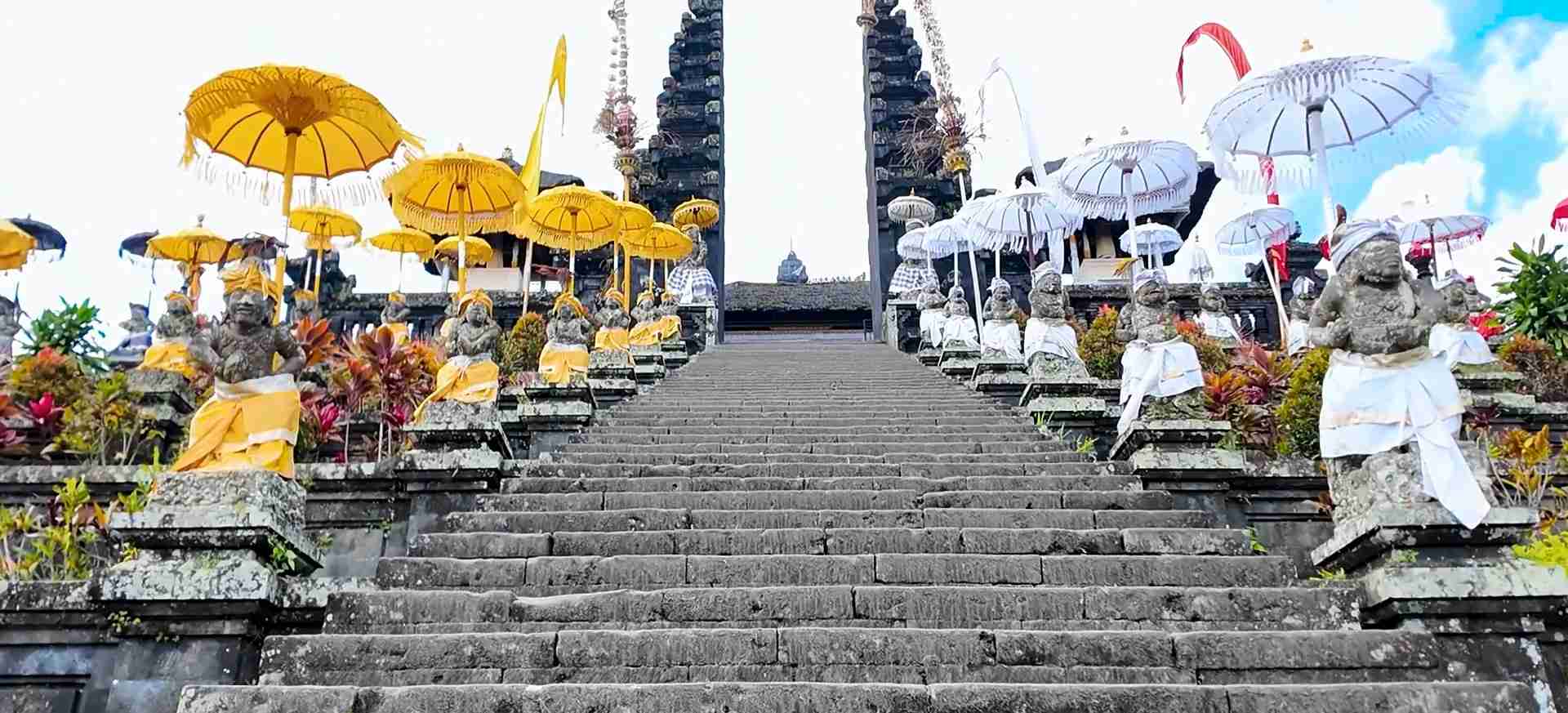
Ubud Travel Guide 2026: Bali’s Cultural Heart
Ubud in 2026 remains Bali’s cultural epicenter where ancient temples meet contemporary wellness tourism, offering travelers rice terrace vistas, traditional dance performances nightly at IDR 100,000 ($7) tickets, 1,200+ long-tailed macaques roaming the Sacred Monkey Forest sanctuary (IDR 100,000 weekday admission), and accommodation ranging from $6 hostel dorms to $400+ luxury villas overlooking the Ayung River gorge.
Key Takeaways: Planning Your Ubud Visit 2026
- Location and Climate Considerations 2026: Ubud sits 600 meters elevation 25 kilometers inland from Seminyak, creating 3-5°C cooler temperatures (20-27°C versus coastal 27-32°C), afternoon rain probability 60-70% even during dry season May-October due to highland microclimate, and lush green landscapes year-round requiring rain gear and layered clothing
- Budget Spectrum 2026: Daily costs range $25-40 budget travelers (hostel $8-15, street food $8-12, scooter rental $4-5), $60-90 mid-range couples (hotel $40-70, restaurant meals $20-30, private driver $40-55), $150-300 luxury experiences (villa $100-200, fine dining $50-100, spa treatments $40-80)
- Major Attractions Pricing 2026: Sacred Monkey Forest IDR 100,000 weekdays/IDR 120,000 weekends ($7/$8.40), Tegalalang Rice Terraces IDR 50,000 ($3.50), Tirta Empul Water Temple IDR 50,000 ($3.50), traditional dance performances IDR 100,000-150,000 ($7-10.50), while Ubud Palace and Art Market offer free admission creating accessible cultural immersion opportunities
- Accommodation Sweet Spots 2026: Central Ubud (Jl. Raya Ubud, Jl. Hanoman) provides walking access to attractions but traffic noise, Nyuh Kuning village offers rice terrace views 10-minute walk from Monkey Forest at 20-30% lower rates, Penestanan-Sayan delivers jungle isolation requiring scooter transportation, Tegalalang achieves iconic terrace backdrops 20 minutes north accepting remote location tradeoffs
- Transportation Reality 2026: Ubud lacks Grab/Gojek ride-hailing (banned protecting local taxi monopoly), requiring scooter rental ($4-5 daily standard, $25-35 weekly) or private drivers (IDR 600,000-700,000 / $40-48 full-day, IDR 350,000-500,000 / $24-35 half-day), while walking central Ubud proves feasible for Monkey Forest-Palace-Market-Campuhan Ridge Walk circuit
- Cultural Calendar Highlights 2026: Galungan-Kuningan (June 17-27) decorates streets with bamboo penjor poles and intensifies temple ceremonies, Ubud Writers Festival (October dates TBD) attracts international literary figures, weekly traditional dances at Ubud Palace (schedule varies), Nyepi (March 19) closes island 24 hours including Ubud requiring hotel confinement
People Also Ask About Ubud Travel 2026
How many days should I spend in Ubud in 2026?
Three to five days allows comprehensive Ubud exploration in 2026 covering major attractions (Monkey Forest, Tegalalang Rice Terraces, Tirta Empul temple, Ubud Palace, Art Market), cultural experiences (traditional dance performance, cooking class, temple ceremony observation), adventure activities (white water rafting Ayung River, jungle swing at Alas Harum, waterfall visits Tegenungan-Tibumana), and wellness indulgence (Balinese massage, yoga class, healthy café circuit). Two-day minimum visits rush primary sights leaving insufficient time for Ubud’s contemplative atmosphere, while seven-plus days suits digital nomads establishing routine, yoga retreat participants, or travelers using Ubud as central Bali base for day trips to Mount Batur (90-minute drive), Besakih Temple (75 minutes), Sidemen Valley (60 minutes), and east coast beaches. The three-day sweet spot balances breadth with depth—day one covers central attractions (Monkey Forest morning, Palace afternoon, dance evening), day two explores northern highlights (Tegalalang terraces, Tirta Empul temple, coffee plantation), day three combines adventure-wellness (morning rafting or swing activity, afternoon spa treatment, evening fine dining). Four-five days adds breathing room for spontaneous discoveries including village walks through Penestanan-Petulu, yoga classes at multiple studios comparing teaching styles, extended café work sessions leveraging strong wifi, hidden temple visits (Pura Dalem Agung Padangtegal, Pura Gunung Lebah), and day-trip flexibility without rigid scheduling. Travelers combining Ubud with coastal Bali typically allocate 30-40% of total trip duration here, creating 3-4 days within 7-10 day Bali itineraries or 5-7 days during 14-21 day comprehensive island explorations.
Is Ubud better than Seminyak or Canggu for first-time Bali visitors in 2026?
Ubud versus Seminyak-Canggu decisions depend entirely on travel priorities rather than objective superiority, with each area delivering distinct Bali experiences. Ubud excels for culture-focused travelers prioritizing temple visits, traditional arts, rice terrace landscapes, cooler mountain climate (20-27°C versus coastal 27-32°C), wellness tourism (yoga studios, spa treatments, healthy dining), and peaceful atmosphere conducive to introspection-creativity, while accepting 90-minute distance from beaches, limited nightlife beyond cultural performances, afternoon rainfall even during dry season (60-70% probability due to highland microclimate), and scooter-dependency for attractions beyond central town. Seminyak-Canggu suit beach enthusiasts requiring ocean access for swimming-surfing-sunbathing, vibrant social scenes with beach clubs-restaurants-nightlife creating party atmosphere, flat terrain enabling easy walking-cycling, extensive accommodation-dining choices across all budgets, and dry season reliability (minimal May-October rainfall) for outdoor activities, though sacrificing cultural authenticity, rice terrace vistas, and encountering higher costs-crowds-traffic than Ubud. First-time visitors seeking “complete Bali” experience should split time—typically 3-4 days Ubud cultural immersion followed by 4-5 days Seminyak-Canggu beach time during 7-10 day trips, or 5-6 days each location during 14-day itineraries. Single-destination visitors choosing Ubud over coast indicate priorities: cultural experiences trumping beach activities, wellness-yoga interests, photography focusing landscapes-temples, cooler climate preference, budget consciousness (20-30% lower costs than Seminyak), authenticity valuing traditional Balinese life over tourist infrastructure, and comfort with afternoon rain adjusting schedules. Those selecting Seminyak-Canggu signal beach dependency, social atmosphere desire, nightlife importance, consistent weather requirements, and preference for polished tourism infrastructure over cultural immersion. Neither choice disappoints when expectations align with reality—Ubud delivers profound cultural-spiritual-artistic experiences amid rice paddies and jungle, while Seminyak-Canggu provides beach lifestyle, social vitality, and tourism convenience along Bali’s southwestern coast.
What is the best area to stay in Ubud in 2026?
Central Ubud (Jl. Raya Ubud corridor and surrounding streets including Jl. Hanoman, Jl. Monkey Forest, Jl. Goutama) offers maximum walking accessibility to restaurants-cafés-shops-attractions plus nightly traditional dance performances at Ubud Palace, though accepting traffic noise from scooters-cars, higher accommodation costs ($60-120 mid-range hotels versus $40-70 outskirts), tourist saturation in main areas, and limited rice terrace views creating urban rather than rural ambiance. Nyuh Kuning village 10-15 minute walk south of Monkey Forest delivers rice terrace vistas, authentic residential atmosphere where locals outnumber tourists, 20-30% lower accommodation rates ($40-80 versus $60-120 central), and peaceful mornings-evenings, while requiring 10-minute walks to central restaurants or scooter transport for convenience, accepting fewer immediate dining options, and navigating narrow village lanes challenging for larger vehicles. Penestanan-Sayan northwest of central Ubud across Campuhan Ridge provides jungle isolation, dramatic Ayung River gorge views, luxury villa concentration ($100-300 nightly) set amid tropical vegetation, maximum tranquility for meditation-yoga-writing retreats, and stunning infinity pool photography opportunities, though mandating scooter-driver transportation to central Ubud (5-10 minutes), offering limited walking-distance dining, and experiencing afternoon cloud formation-rainfall more frequently than lower elevations. Tegalalang 20 minutes north achieves iconic rice terrace backdrops visible from room balconies, cooler climate 2-3°C below central Ubud, budget-to-mid-range accommodation ($30-90) capitalizing on terrace proximity, and separation from main tourist crowds, while accepting 20-30 minute scooter rides for dining-cultural activities, limited evening entertainment options, and steeper terrain requiring physical fitness for walks. Mas-Peliatan villages 10-15 minutes southeast provide woodcarving-traditional crafts immersion, local homestay experiences ($15-40), authentic village ceremonies-temple events, and peaceful residential settings, though requiring dedicated transportation to central attractions and offering minimal English-speaking services-western amenities. The optimal choice balances access versus atmosphere—first-timers without scooters prioritize central Ubud accepting noise-crowds for convenience, budget travelers choose Nyuh Kuning-Mas for savings and authenticity, luxury seekers select Penestanan-Sayan for privacy-views, and photographers target Tegalalang for rice terrace backdrops. Strategic travelers book 2-3 nights central Ubud for initial exploration walking primary attractions, then shift to outlying areas for relaxation-immersion final days, maximizing both convenience and authentic experiences.
What should I avoid in Ubud in 2026?
Tourist traps requiring vigilance in Ubud 2026 include overpriced “traditional ceremonies” staged for tour groups charging IDR 500,000-1,000,000 ($35-70) versus free authentic temple ceremonies open to respectful observers dressed appropriately, aggressive Monkey Forest macaques trained to steal sunglasses-phones-food requiring secured belongings in zippered bags and avoiding eye contact-feeding that encourages theft behavior, massage parlors offering $5 “Balinese massage” delivering rushed 30-minute treatments versus authentic 60-90 minute sessions at legitimate spas ($8-15 quality establishments), Art Market vendors inflating initial prices 300-500% above final negotiated rates requiring patient bargaining starting 50-60% below asking price, unlicensed silver jewelry sold as “authentic Balinese craft” when mass-produced in Java-China identifiable by poor finishing and inconsistent stamping, cooking classes at tourist hotels charging $50-80 for 2-hour experiences versus village-based programs ($25-40) including market visits and authentic family kitchens, and Tegalalang Rice Terrace “donation demands” from aggressive locals claiming land ownership despite official IDR 50,000 entrance fee already paid at legitimate entrance booth. Safety concerns include narrow pedestrian paths along Jl. Raya Ubud lacking sidewalks where scooters-cars pass within inches requiring constant awareness, Campuhan Ridge Walk’s steep unguarded drops on cliff-side sections dangerous after rain creating slippery conditions, Monkey Forest bridges with missing planks and uneven stone steps challenging for elderly-children, unlicensed scooter rental operations ($3 daily versus legitimate $5) providing poorly-maintained bikes with bald tires-faulty brakes increasing accident risk, and “cheap driver” offers ($25 full-day versus standard $40-48) often involving pressure to visit commission-paying shops-galleries-goldsmiths consuming half the tour time. Cultural missteps to avoid include wearing revealing clothing to temples (shoulders-knees must be covered), pointing feet toward shrine offerings or stepping on ceremonial items during festivals, touching locals’ heads including children considered spiritually offensive, photographing ceremonies without permission especially during prayer moments, and loud behavior near temples disrupting spiritual atmosphere. Practical mistakes include booking accommodation without reading location reviews discovering “10-minute walk to center” actually means 30-minute uphill hike, expecting beach proximity when Ubud sits 90 minutes inland requiring day trips for ocean access, relying exclusively on cards when many small warungs-markets accept only cash requiring ATM visits, and visiting January-February expecting dry conditions when highland location brings 250-300mm monthly rainfall even more intense than coastal areas. Strategic avoidance means researching authentic ceremony timing through accommodation staff, keeping Monkey Forest valuables secured in front pockets or small shoulder bags, booking spas-classes through reputable platforms rather than street touts, bargaining Art Market purchases patiently accepting 50-70% final price reductions, verifying rice terrace entrance fees at official booths, choosing licensed scooter operators with insurance and quality maintenance, and confirming driver credentials through hotel recommendations rather than street solicitation.
Bookable tours via Viator · live prices
Extended multi-day tours – 5+ days
Featured Bali Multi-Day Tour Packages
3 days
Bali 3-Day Discovery Tour
- ✓ Comprehensive Bali experience
- ✓ Expert local guides included
- ✓ All accommodation included
- ✓ Transportation provided
5 days
Bali 5-Day Highlights Experience
- ✓ Comprehensive Bali experience
- ✓ Expert local guides included
- ✓ All accommodation included
- ✓ Transportation provided
7 days
Bali 7-Day Cultural Journey
- ✓ Comprehensive Bali experience
- ✓ Expert local guides included
- ✓ All accommodation included
- ✓ Transportation provided
10 days
Bali 10-Day Complete Adventure
- ✓ Comprehensive Bali experience
- ✓ Expert local guides included
- ✓ All accommodation included
- ✓ Transportation provided
Multi-day tour packages powered by TourRadar. Prices and availability subject to change.
Featured Bali Multi-Day Tour Packages
3 days
Bali 3-Day Discovery Tour
- ✓ Comprehensive Bali experience
- ✓ Expert local guides included
- ✓ All accommodation included
- ✓ Transportation provided
5 days
Bali 5-Day Highlights Experience
- ✓ Comprehensive Bali experience
- ✓ Expert local guides included
- ✓ All accommodation included
- ✓ Transportation provided
7 days
Bali 7-Day Cultural Journey
- ✓ Comprehensive Bali experience
- ✓ Expert local guides included
- ✓ All accommodation included
- ✓ Transportation provided
10 days
Bali 10-Day Complete Adventure
- ✓ Comprehensive Bali experience
- ✓ Expert local guides included
- ✓ All accommodation included
- ✓ Transportation provided
Multi-day tour packages powered by TourRadar. Prices and availability subject to change.
Introduction: Ubud’s Evolution as Bali’s Cultural Capital in 2026
Ubud in 2026 represents the culmination of a century-long evolution from isolated royal town to international cultural destination, where rice terrace vistas and temple ceremonies coexist with yoga studios, organic cafés, and digital nomad coworking spaces serving global communities. The town’s 75,000 permanent residents expand to 150,000+ during peak season July-August as tourists, temporary workers, and spiritual seekers converge on this highland enclave positioned 600 meters elevation amid Bali’s central mountains, creating unique microclimate delivering 3-5°C cooler temperatures than coastal areas and afternoon rain probability remaining 60-70% even during dry season months when southern beaches experience consistent sunshine.
The geographical setting profoundly influences Ubud’s character and visitor experiences. Nested in Gianyar Regency 25 kilometers north of Denpasar Airport, the town occupies river valleys carved by the Wos and Campuhan tributaries creating dramatic gorges lined with tropical vegetation, while surrounding hillsides support the iconic rice terraces photographed millions of times annually at Tegalalang, Jatiluwih, and Ceking locations. The 600-meter elevation moderates tropical heat producing comfortable 20-27°C daytime temperatures year-round versus coastal 27-32°C, though altitude-driven cloud formation brings afternoon convective rainfall even during dry season April-October, requiring travelers to adjust activity timing around morning sunshine windows and accept wet-season landscape vibrancy as compensation for increased precipitation November-March.
Ubud’s tourism infrastructure in 2026 concentrates along Jl. Raya Ubud, the 3-kilometer east-west main road connecting Goa Gajah in the east to Campuhan Ridge in the west, with perpendicular streets including Jl. Hanoman (south), Jl. Monkey Forest (south), Jl. Kajeng (north), and Jl. Suweta (north) creating pedestrian-friendly grid accommodating 600+ restaurants-cafés, 400+ hotels-guesthouses-villas, 200+ shops-galleries-boutiques, and 150+ yoga studios-spas-wellness centers. The compact central area measuring roughly 2 kilometers north-south by 3 kilometers east-west enables walking primary attractions (Ubud Palace, Art Market, Saraswati Temple, Puri Lukisan Museum) within 10-20 minute intervals, though outlying sights (Monkey Forest, Tegalalang terraces, Tirta Empul temple) require scooter transportation or driver services due to 5-20 kilometer distances and hilly terrain.
The economic model driving Ubud 2026 reflects decades of tourism development creating employment for 40,000+ local residents directly in hospitality-arts-services sectors, with additional 20,000+ working tourism-adjacent industries including rice cultivation supplying restaurants, woodcarving supplying galleries, textile production supporting boutiques, and transportation facilitating visitor movement. This tourism dependency creates seasonal employment fluctuations—peak July-August sees virtually full employment and maximum pricing, shoulder April-June and September-October maintain 70-80% capacity, wet season November-March drops to 40-50% occupancy forcing staff reductions and creating 30-40% accommodation discounts desperate operators use filling rooms. The pandemic 2020-2022 devastated Ubud’s economy more severely than beach areas given dependence on international cultural tourists versus domestic beach visitors, creating 60-70% business closures and 80% unemployment peaks, with recovery ongoing through 2026 as visitor numbers approach pre-pandemic levels but profitability remains constrained by increased operating costs and competitive pricing.
Cultural authenticity versus tourism commercialization tensions define contemporary Ubud debates among residents, longtime expatriates, and preservationists. The town maintains genuine Balinese Hindu practices with 40+ active temples conducting daily offerings, weekly odalan ceremonies celebrating temple anniversaries, major festivals (Galungan-Kuningan, Nyepi, Saraswati Day) involving entire community participation, and traditional arts (dance, gamelan music, woodcarving, painting) transmitted through family lineages and formal instruction. However, tourism pressures create distortions—”cultural performances” scheduled nightly for tourists rather than genuine ceremonial contexts, rice terraces maintained for photography rather than agricultural productivity as owners earn more from entrance fees ($3.50) than rice harvests, temple visits generating vendor harassment and aggressive “donation” demands, and traditional crafts shifting toward tourist preferences (smaller portable items, westernized designs, mass production) rather than ceremonial-functional works. The 2026 visitor challenge involves distinguishing authentic cultural experiences from commercialized simulations, accessing genuine temple ceremonies through respectful observation rather than staged performances, supporting traditional artists through informed purchases versus mass-market souvenirs, and contributing sustainably to local economy while minimizing cultural-environmental impacts.
This comprehensive guide navigates Ubud’s complexities for 2026 visitors, providing verified pricing for attractions-accommodation-dining, strategic location advice balancing access versus atmosphere, cultural context enabling respectful temple engagement, activity recommendations across adventure-wellness-arts spectrums, and practical transportation-safety-budget information creating foundation for successful cultural immersion in Bali’s highland heart.
Major Attractions and Activities in Ubud 2026
Sacred Monkey Forest Sanctuary (Mandala Wisata Wenara Wana) anchors Ubud’s tourism landscape as a 12.5-hectare nature reserve combining free-roaming long-tailed macaques, ancient temple complexes, and tropical jungle vegetation creating Instagram-famous photography opportunities despite behavioral challenges requiring vigilance. The sanctuary’s 1,200+ monkeys (Macaca fascicularis) organize into six social groups each controlling distinct forest territories, displaying natural behaviors including grooming, playing, mating, and hierarchical interactions, while human habituation creates bold theft attempts targeting sunglasses, phones, water bottles, and food items requiring secured belongings in zippered bags and avoiding direct eye contact interpreted as aggression. Admission costs IDR 100,000 ($7) weekdays for adults, IDR 120,000 ($8.40) weekends, IDR 80,000 weekdays children, IDR 100,000 weekend children, with operating hours 9:00 AM-6:00 PM daily (last entry 5:15 PM), average visit duration 1-1.5 hours walking paved paths through jungle to three 14th-century temples (Pura Dalem Agung Padangtegal, Pura Beji, Pura Prajapati) serving spiritual functions for local Padangtegal village. The forest environment features 186 tree species including massive banyan (Ficus benghalensis) spreading 30-meter canopies, nutmeg (Myristica fragrans) providing shade, and bamboo (Bambuseae) creating atmospheric tunnel pathways, with seasonal flowering creating fragrant periods and fruit production attracting increased monkey activity-aggression when protecting food sources. Strategic visiting means arriving 9:00-10:00 AM before afternoon heat and tour group peak 11:00 AM-2:00 PM, securing valuables including eyeglasses (temple-recommended action), avoiding feeding monkeys despite vendor banana sales (IDR 20,000) as feeding reinforces aggressive behavior and violates sanctuary rules, maintaining respectful distance during mating-grooming behaviors, and walking confidently without running (triggers chase response) or screaming (increases agitation). The sanctuary’s conservation mission includes genetic research, habitat preservation, and community education programs supported by entrance fees, with local Padangtegal village maintaining traditional management system (adat) balancing tourism revenue against ecological sustainability and spiritual significance.
Tegalalang Rice Terraces deliver Ubud’s most photographed landscape 20 minutes north of central town, where UNESCO subak irrigation system creates stair-stepped paddies cascading hillsides in emerald-green formations particularly vibrant January-March after monsoon planting and September-November during grain-maturing phases. Official entrance fee costs IDR 50,000 ($3.50) collected at designated entrance booth at parking area, though multiple locals along paths demand “donations” claiming private land ownership creating aggressive harassment requiring polite refusal and proceeding to official terraces accessible after legitimate fee payment. The terraces span several kilometers with primary viewing concentrated in Ceking area where well-maintained paths, photo platforms at multiple elevations, and swing attractions (IDR 100,000-200,000 / $7-14 per swing session including photo assistance) create iconic Instagram compositions against terraced backgrounds. Traditional subak system dates to 9th century, employing gravity-fed irrigation channeling water from mountain springs through bamboo pipes and stone channels, distributing flow equitably among farmer members through democratic water temple system (Pura Ulun Danu Batur) managing seasonal planting schedules preventing pest buildups and optimizing water allocation. The agricultural calendar creates varying terrace aesthetics—January-March shows bright green newly-planted shoots in flooded paddies reflecting sky, April-June displays maturing grain stalks turning golden-yellow, July-August brings harvest activity with farmers cutting rice manually, September-October sees replanting preparations with brown fallow fields, creating different photographic opportunities across seasons. Strategic terrace visiting means arriving 7:00-8:30 AM for soft morning light and minimal crowds before 10:00 AM tour bus invasion, walking the 2-kilometer loop trail descending through terraces to valley floor then climbing opposite hillside for panoramic views (60-90 minutes moderate fitness), stopping at valley-bottom cafés (coconut water IDR 25,000, fruit smoothies IDR 40,000) offering terrace vistas during refreshment breaks, avoiding midday harsh overhead lighting flattening terrace contours, and returning 4:30-5:30 PM for golden hour side-lighting enhancing three-dimensional terraced effect. Commercial development surrounds terraces with giant nests, “I Love Bali” signs, swings, zip lines, and photo-opportunity installations (additional fees IDR 50,000-200,000) transforming agricultural landscape into tourism attraction, creating tensions between traditional farming families earning IDR 50,000-100,000 monthly rice cultivation versus IDR 2-5 million monthly photo-spot rentals, accelerating agricultural abandonment as tourism proves more lucrative than backbreaking rice farming.
Tirta Empul Water Temple (Pura Tirta Empul) 30 minutes northeast of Ubud provides authentic spiritual experience where Balinese Hindus conduct purification rituals bathing beneath sacred spring waters, with respectful tourists invited to participate following proper protocols creating memorable cultural immersion beyond passive observation. The temple complex founded 962 CE surrounds natural springs producing 250,000 liters daily of crystal-clear water emerging from underground sources, divided into 30 spouts (petirtaan) serving different purification purposes—some for physical cleansing, others for spiritual renewal, specific spouts addressing ancestral issues, health concerns, or relationship healing according to traditional beliefs. Admission costs IDR 50,000 ($3.50) including sarong-sash rental (required for temple entry), with operating hours 9:00 AM-5:00 PM daily, though arriving morning 9:00-11:00 AM or late afternoon 3:00-5:00 PM avoids midday tour group saturation overwhelming bathing pools. Participation protocol requires purchasing traditional temple clothing if not provided (sarong-sash-temple scarf available at entrance shops IDR 50,000-100,000), removing shoes-belongings securing in lockers (IDR 10,000), entering bathing pool from left side, progressing sequentially through spouts right-to-left (skipping 11th-12th spouts reserved for cremation ceremonies), facing each spout hands-pressed in prayer position before submerging head three times, and exiting pool right side following traditional path. The ritual provides powerful emotional-spiritual experience as participants stand alongside Balinese families conducting prayers, observe elderly practitioners teaching children proper techniques, and feel community integration through shared sacred practice transcending cultural-linguistic barriers. Historical significance includes temple’s role in Indonesian independence movement (President Sukarno bathed here seeking spiritual strength), government prohibition during Dutch colonial period (defied by locals maintaining secret ceremonies), and contemporary tourism adaptation balancing sacred functions against foreign visitor participation. Strategic visiting combines Tirta Empul with nearby attractions creating northern Ubud circuit—coffee plantation demonstrations (20 minutes, free entry with tasting sales), Gunung Kawi rock-cut shrines (25 minutes, IDR 50,000), Kintamani-Mount Batur viewpoint (60 minutes, free), creating full-day private driver itinerary (IDR 600,000-700,000 / $40-48) visiting 3-4 locations efficiently versus independent scooter navigation challenging narrow roads and limited parking.
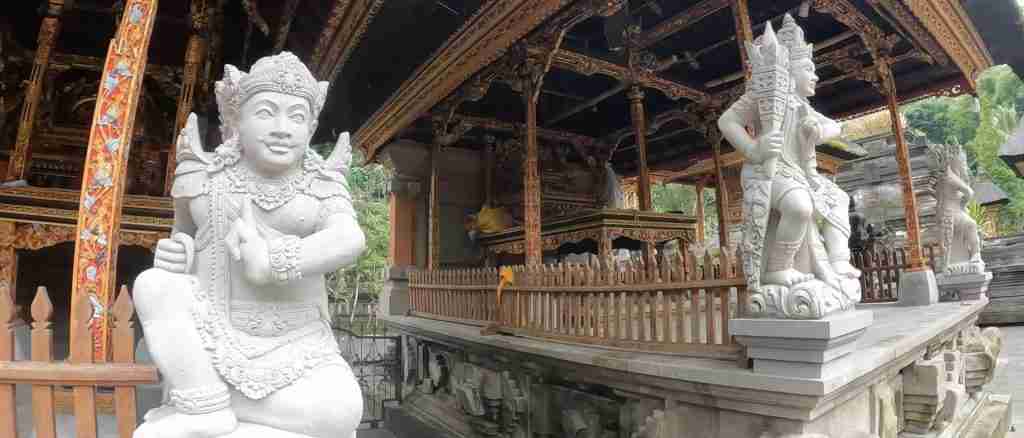
Ubud Palace (Puri Saren Agung) occupies central town intersection of Jl. Raya Ubud and Jl. Suweta, serving as historical royal residence still housing Ubud’s royal family in private quarters while public courtyard areas open free admission 9:00 AM-7:00 PM daily for architectural appreciation and evening traditional dance performances. The palace compound built early 19th century displays classical Balinese architecture with intricately-carved wooden doors, red-brick pavilions adorned with gold leaf, stone guardian statues (raksasa), and lotus ponds creating Instagram-worthy compositions during 20-30 minute self-guided walks through accessible courtyards. Traditional dance performances occur nightly 7:30 PM in palace courtyard featuring legong dance (graceful feminine movements depicting Hindu epics), barong-rangda (mythological battle between good-evil forces), kecak fire dance (100+ male dancers chanting rhythmic “cak-cak-cak”), and ramayana ballet (epic narrative combining drama-dance-music), with tickets IDR 100,000-150,000 ($7-10.50) purchased at palace box office 5:00-7:00 PM same day or through accommodation advance booking. Performance schedule rotates nightly—legong Monday-Thursday, kecak Friday-Saturday, barong Sunday (verify current schedule as rotations change seasonally)—with duration 60-90 minutes, front-row cushion seating (arrive 7:00 PM), and photo-friendly lighting enabling ceremony documentation. Strategic palace visiting combines morning courtyard exploration 9:00-10:00 AM avoiding afternoon heat, adjacent Art Market shopping 10:00-11:00 AM when vendors arrive fresh, late lunch at nearby cafés (Seniman Coffee, Bali Buda, Kafe), afternoon siesta or activity, returning 7:00 PM for dance performance, and post-show dinner at palace-area restaurants (Ibu Oka babi guling IDR 40,000-60,000, Bebek Bengil crispy duck IDR 100,000-150,000). The palace symbolizes Ubud’s royal heritage dating to 8th century when Hindu-Javanese kingdoms controlled Bali, with current royal family (Tjokorda Gede Agung Sukawati lineage) maintaining ceremonial rather than political authority, supporting traditional arts through patronage, and participating in major temple ceremonies reinforcing spiritual-cultural leadership roles despite Indonesian independence ending formal royal governance.
Ubud Art Market (Pasar Seni Ubud) across from palace provides shopping opportunities for Balinese handicrafts, textiles, souvenirs, and artworks amid 150+ vendor stalls operating 8:00 AM-6:00 PM daily with free admission, though requiring skilled bargaining to achieve fair pricing from initial quotes inflated 300-500% above seller’s acceptable minimums. The market divides into early-morning produce section (5:00-9:00 AM) where locals purchase vegetables-fruits-flowers-offerings for temple ceremonies and tourist-focused handicraft section (8:00 AM-6:00 PM) selling sarongs (IDR 50,000-150,000), wood carvings (IDR 100,000-500,000), silver jewelry (IDR 200,000-1,000,000), paintings (IDR 300,000-2,000,000), baskets (IDR 50,000-200,000), and mass-produced souvenirs (magnets IDR 20,000, keychains IDR 15,000, t-shirts IDR 75,000). Bargaining protocol starts by viewing multiple stalls comparing quality-pricing before engaging, asking price then countering at 40-50% of quote, walking away when seller resists triggering “best price” offers, accepting final prices 50-70% below initial quotes as fair outcomes, and paying cash as cards incur 3-5% surcharges. Strategic shopping means arriving 8:00-9:00 AM when vendors eager for “first sale” good luck believe benefits entire day creating willingness to discount heavily, avoiding midday heat and tour group crowds, purchasing similar items in bulk from single vendor leveraging volume for 20-30% additional discounts, and maintaining friendly but firm negotiation tone refusing to pay inflated “tourist prices” while respecting vendors’ need for reasonable profit. Quality assessment requires examining woodcarving finish smoothness (poor-quality shows rough tool marks), checking silver hallmarks (925 sterling versus unmarked questionable purity), testing textile dye fastness (rubbing white cloth against fabric), and comparing workmanship details (hand-painted batik shows wax-resist irregularities versus machine-printed perfect patterns). The market sources products from surrounding villages—Mas woodcarvers (15 minutes south), Celuk silver artisans (30 minutes south), Batuan painters (20 minutes southeast), Gianyar weavers (25 minutes southeast)—with middleman vendors marking up 200-300% creating better pricing by visiting production villages directly though requiring transportation-time investment versus market’s concentrated convenience.
Campuhan Ridge Walk offers Ubud’s accessible nature experience, following 2-kilometer trail along narrow ridge between two river valleys (Wos and Campuhan) providing panoramic grass-covered hillside vistas, morning bird activity, and peaceful escape from central town traffic-noise without entrance fees or transportation requirements. The trailhead begins at western end of Jl. Raya Ubud near Ibah Hotel, descending steps to suspension bridge crossing Campuhan River, then ascending cement pathway climbing ridge spine through grassland ecosystem hosting butterflies, dragonflies, and occasional monitor lizards basking on stones. The walk requires 45-60 minutes round-trip moderate fitness level managing uphill-downhill sections, with early morning 6:30-8:30 AM optimal for cooler temperatures (20-22°C versus midday 26-27°C), softer lighting enhancing photography, minimal crowds enabling solitary contemplation, and bird activity peaks (flycatchers, sunbirds, bulbuls feeding in grass). The trail offers no shade, making afternoon walks 1:00-4:00 PM uncomfortable during dry season heat and potentially dangerous given dehydration risk, while rainy season creates slippery mud conditions and overgrown vegetation narrowing paths requiring careful footing especially after overnight downpours. Strategic planning combines ridge walk with Pura Gunung Lebah temple visit at trailhead (small donation IDR 10,000-20,000), ending at Karsa Kafe (2-kilometer point) for breakfast-brunch (smoothie bowls IDR 65,000-85,000, Indonesian breakfast IDR 50,000-75,000) before returning same route or continuing to Keliki village adding 1.5 kilometers creating 3.5-kilometer one-way trek requiring prearranged pickup. The ridge represents rare remaining open grassland in increasingly-developed Ubud, with development pressure creating threats as surrounding hillsides transform into villa complexes-hotels-restaurants, though community advocacy maintains ridge protection recognizing tourism value of preserved natural corridor enabling free public access creating democratic attraction contrasting with entrance fee attractions elsewhere.
Accommodation Options in Ubud 2026
Budget accommodations in Ubud 2026 range $6-40 nightly encompassing hostel dorms ($6-15), guesthouses ($15-30), and budget hotels ($25-40), delivering basic comfort-cleanliness for backpackers, solo travelers, and cost-conscious couples accepting shared facilities, simple rooms, and locations often 10-20 minute walks from central attractions. Hostel options concentrate along Jl. Monkey Forest and Jl. Hanoman with properties like In Da Lodge, Bamboo Ubud Hostel, and Jero di Bisma offering 8-12 bed mixed dorms ($6-10), 4-6 bed female dorms ($8-12), private rooms ($20-30), communal kitchens enabling self-catering savings (local markets: vegetables IDR 5,000-15,000/kg, rice IDR 12,000/kg, eggs IDR 2,000 each, chicken IDR 35,000/kg), shared bathrooms with hot water, swimming pools, free wifi, and social atmospheres facilitating traveler connections. Budget guesthouses and homestays in residential areas like Nyuh Kuning, Penestanan, and Mas villages provide authentic Balinese home experiences with family owners offering cultural insights, traditional compound architecture surrounding central courtyards, simple fan-cooled or air-conditioned rooms ($15-25), private bathrooms (often outdoor/semi-outdoor “garden bathrooms”), included breakfast (nasi goreng, fruit plate, coffee-tea), and personalized service unavailable at larger properties, though accepting 10-15 minute scooter rides to central Ubud and limited English communication creating navigation-arrangement challenges. Budget hotels like Permana Ubud Cottage, Taman Bintang Villa, and Ubud Rice Field House offer upgraded amenities including air conditioning, private balconies overlooking rice terraces, small swimming pools, daily housekeeping, and 24-hour reception for $25-40 nightly, positioning 5-15 minute walks from Monkey Forest or central markets enabling walking access while maintaining affordable pricing through outskirt locations and simple furnishings. Strategic budget accommodation involves booking directly through property websites or calling-emailing for 10-20% discounts versus booking platforms’ commission-inflated rates, staying 7+ nights to negotiate weekly rates (typically 15-25% below nightly total), visiting low season November-March when desperate operators offer 30-40% discounts, and choosing fan-cooled rooms saving $5-10 nightly versus air conditioning when comfortable with tropical heat. The budget sector experienced massive expansion 2015-2019 as backpacker-digital nomad influx created demand for affordable long-term stays, with hostel numbers increasing 300% creating competitive market benefiting travelers through improved facilities-services while many properties operate on razor-thin margins requiring high occupancy (70%+) for profitability.
Mid-range accommodations ($40-100 nightly) represent Ubud’s sweet spot offering substantial comfort-amenities without luxury pricing, serving couples, families, and travelers seeking rice terrace views, infinity pools, quality restaurants, and Balinese architectural character within affordable budgets. This category encompasses boutique hotels ($50-80), small resorts ($60-100), and private villas ($70-120 for 1-2 bedroom units), typically including air conditioning, hot water, swimming pools, breakfast, wifi, and daily housekeeping, while varying dramatically in location, view quality, and design aesthetics creating vast selection complexity. Properties like KajaNe Mua (central Ubud, traditional compound layout, $60-90), Bisma Eight (contemporary design, rooftop pool, $80-120), and Alaya Resort (rice paddy location, cultural programs, $70-110) provide polished experiences balancing Balinese character with modern comfort, featuring staff training delivering professional service, quality bedding-toiletries, well-maintained facilities, and strategic locations enabling walking or short scooter rides to attractions-dining. Private villas in this range scatter through Nyuh Kuning, Tegalalang, and Sayan areas, offering 1-3 bedrooms with private pools, full kitchens, living rooms, and garden compounds for $70-150 nightly creating exceptional value for groups of 4-6 splitting costs achieving $18-25 per person while enjoying luxury amenities impossible at equivalent budget in Western countries. Mid-range positioning delivers optimal value-experience balance in Ubud given 30-40% price premiums versus budget accommodations providing disproportionate 200-300% quality-comfort improvements through superior locations (rice terrace views versus urban settings), facilities (infinity pools versus small concrete pools), service (concierge assistance versus minimal interaction), and design (architectural character versus functional boxes). Strategic mid-range booking involves advance reservations 4-8 weeks ahead shoulder season (April-June, September-October) securing preferred properties before sellouts, negotiating 3-7 night packages for 10-15% discounts, using booking platform filters for specific amenities (pool, view, walkable location), reading recent reviews identifying service consistency-deterioration, and confirming exact room photos as property listings often showcase best units while basic rooms disappoint. The mid-range explosion 2010-2020 transformed Ubud from budget backpacker destination to aspirational wellness-culture retreat, with Instagram-worthy pool villas proliferating alongside yoga studios-organic cafés creating complete lifestyle ecosystem attracting affluent millennials-Gen Z travelers willing to pay premiums for experiential luxury beyond traditional 5-star formality.
Luxury accommodations ($100-400+ nightly) concentrate in Ubud’s river gorge areas (Sayan, Payangan) and rice terrace highlands (Tegalalang), offering international-standard 5-star experiences combining infinity pools overlooking Ayung River rapids, award-winning restaurants, comprehensive spas, and architectural drama through bamboo construction-jungle integration creating otherworldly luxury in natural settings. Iconic properties include Hanging Gardens Bali (split-level infinity pool photographed globally, $250-500), Viceroy Bali (private villa pools, Michelin-quality dining, $200-400), Mandapa Ritz-Carlton Reserve (riverside cocoon dining, personal butler service, $400-800), Four Seasons Resort Sayan (lotus-pond reception, Ayung River vistas, $350-700), and Alila Ubud (hillside perch, spa excellence, $180-350), each delivering distinct luxury philosophies from traditional Balinese to contemporary minimalism. Luxury pricing reflects land costs in prime gorge locations, architectural investment in dramatic structures utilizing premium materials (imported marble, rare hardwoods, custom metalwork), staff-to-guest ratios reaching 3:1 or 4:1 enabling personalized service anticipating needs before requests, comprehensive facilities including multiple restaurants-bars-pools-spas-fitness centers, and brand premiums commanded by international hospitality groups (Ritz-Carlton, Four Seasons, Capella). The luxury experience transcends comfortable accommodation, creating transformative stays through details—morning yoga on private villa decks, floating breakfasts served in infinity pools, couples’ spa treatments in jungle-view pavilions, private dining experiences under stars, cultural programs including temple blessings and traditional crafts workshops, and 24-hour butler service handling reservations-transportation-special requests. Strategic luxury booking involves monitoring advance-purchase rates 6-12 months ahead for 30-40% savings versus flexible rates, targeting shoulder season (April-May, September-October) when luxury properties discount 20-30% filling capacity, booking directly through property websites for value-adds (room upgrades, spa credits, extended checkout), using credit card hotel programs (Amex Fine Hotels, Virtuoso) unlocking free breakfast-upgrades-early checkin, and considering 5-7 night packages bundling accommodations-meals-spa at 15-25% discounts versus à la carte pricing. The luxury sector weathered pandemic closures better than budget-mid-range given wealthy clientele maintaining travel budgets, though 2026 occupancy remains 60-70% versus pre-pandemic 85-90% creating aggressive promotional pricing and value opportunities for travelers flexible with booking timing.
Dining and Cuisine in Ubud 2026
Budget dining in Ubud averages $8-15 daily through strategic warung meals, market food stalls, and affordable cafés, enabling travelers to experience authentic Indonesian cuisine without exceeding backpacker budgets. Local warungs scattered throughout residential areas serve nasi campur (mixed rice with vegetable-meat-sambal selections IDR 25,000-35,000 / $1.75-2.45), nasi goreng (fried rice IDR 20,000-30,000), mie goreng (fried noodles IDR 20,000-30,000), gado-gado (vegetable salad with peanut sauce IDR 25,000-40,000), sate lilit (Balinese minced satay IDR 30,000-50,000), and fresh fruit juices (IDR 15,000-25,000) creating complete meals under $3 when selecting authentic family-run establishments versus tourist-area overpriced versions charging 2-3x for identical dishes. Warung Sopa, Warung Enak, and Warung Pondok Madu represent quality budget options delivering generous portions, fresh ingredients, and friendly service at fair pricing, while avoiding warung scams include checking prices before ordering (menus or asking “berapa” / how much), confirming portions match pricing (small versus large servings), and paying attention when receiving change preventing shortchanging common at foreigner-frequented locations. Street food and market stalls offer even cheaper alternatives with Gianyar Night Market (20 minutes southeast, operates 6:00 PM-11:00 PM) serving babi guling (spit-roast pork IDR 30,000-40,000), sate ayam (chicken satay skewers IDR 2,000-3,000 each), pisang goreng (fried banana fritters IDR 10,000), and local desserts (klepon, dadar gulung IDR 5,000-10,000) providing cultural food immersion impossible at western-style restaurants. Self-catering through local markets enables even greater savings with Pasar Senggol traditional market (operates mornings 6:00-10:00 AM) selling fresh produce (tomatoes IDR 10,000/kg, green beans IDR 15,000/kg, eggplant IDR 8,000/kg), proteins (tempeh IDR 12,000/block, tofu IDR 10,000/block, chicken IDR 40,000/kg, fresh fish IDR 60,000-100,000/kg), and carbohydrates (rice IDR 12,000/kg, noodles IDR 8,000/package) allowing accommodation-with-kitchen guests to prepare meals at $2-4 per person versus $8-15 restaurant dining. Budget-conscious strategies include eating at warungs displaying “harga lokal” (local prices) versus “turis” surcharges, ordering Indonesian dishes (cheaper ingredients-preparation) versus western menu items (imported products, unfamiliar cooking), drinking tap-boiled-filtered water carried in reusable bottles (free) versus bottled water purchases (IDR 8,000-15,000), and timing meals at local hours (lunch 12:00-1:00 PM, dinner 6:00-7:30 PM) when warungs offer freshest preparations versus late arrivals receiving reheated dishes.
Mid-range dining ($10-25 per person) encompasses Ubud’s vibrant café culture, healthy-eating restaurants, and mid-tier Indonesian eateries serving quality ingredients, photogenic presentations, air-conditioned comfort, and English-speaking service attracting health-conscious travelers, digital nomads, and couples seeking ambiance beyond basic warung functionality. Ubud’s café scene pioneered Bali’s wellness-food movement with establishments like Alchemy (raw vegan pioneer, build-your-own salads IDR 80,000-120,000, raw cheesecakes IDR 65,000), Seeds of Life (raw-organic, smoothie bowls IDR 75,000-95,000, cold-pressed juices IDR 45,000-65,000), Kafe (organic-vegetarian since 2005, Indonesian-Western fusion IDR 80,000-140,000), and Yellow Flower Café (traditional Balinese, set menus IDR 95,000-150,000) creating wholesome dining environments combining nutritious food with rice terrace views, wifi connectivity, and community atmosphere. The “healthy bowl” phenomenon dominates mid-range menus with açai bowls (IDR 70,000-90,000), Buddha bowls (IDR 85,000-110,000), poke bowls (IDR 95,000-130,000), and grain bowls (IDR 80,000-120,000) featuring photogenic rainbow arrangements appealing to Instagram documentation while delivering nutritious plant-based-protein-rich meals satisfying post-yoga-adventure appetites. International cuisine diversity reflects Ubud’s global community with quality Italian (Mamma Mia pasta IDR 85,000-130,000, wood-fired pizza IDR 95,000-140,000), Mexican (Taco Casa tacos IDR 40,000-60,000, burritos IDR 75,000-95,000), Japanese (Minami sushi rolls IDR 120,000-180,000, ramen IDR 85,000-110,000), French (French Kiss bistro mains IDR 140,000-200,000), and Mediterranean (Compound Café meze plates IDR 95,000-140,000) providing familiar comfort food alleviating spice-fatigue from continuous Indonesian dining. Strategic mid-range dining involves lunch specials offering 20-30% discounts on same dishes costing more at dinner, weekday promotions common at slower periods, happy hours 4:00-6:00 PM discounting drinks-appetizers 30-50%, and daily specials boards showcasing fresh market ingredients prepared creatively. The café-restaurant boom created 300+ establishments 2015-2020 before pandemic closures eliminated weak operations, with survivors demonstrating resilience through loyal followings, unique offerings (specific cuisine niches, signature dishes, view locations), and operational efficiency managing tight margins where $15 meal generates only $4-6 profit after food costs-rent-labor-utilities.
Fine dining in Ubud ($35-100+ per person) showcases Michelin-caliber culinary artistry through innovative tasting menus, dramatic settings, and sophisticated wine pairings, rivaling international destinations while maintaining Indonesian price accessibility creating exceptional value for luxury dining experiences. Pioneering fine-dining establishments include Room4Dessert at Shelter Island (Will Goldfarb’s pastry-focused tasting menu, 8-course degustation IDR 1,090,000 / $76 featuring Prawn Praline, Duck Betel, Canang Sando), Kubu at Mandapa Ritz-Carlton (riverfront bamboo cocoons, Mediterranean-Indonesian fusion IDR 1,800,000-2,500,000 / $125-175 per person including wine pairings), Apéritif at Como Uma Ubud (French-technique Indonesian ingredients, 6-course menu IDR 950,000 / $66), and Mozaic (Ubud’s original fine-dining pioneer, seasonal tasting menus IDR 1,200,000-1,800,000 / $84-125). The fine-dining experience extends beyond food quality encompassing theatrical presentations (liquid nitrogen preparations, tableside finishing, smoke-infused elements), dramatic settings (jungle-view terraces, rice-paddy positioning, open-kitchen chef interactions), wine programs (500+ label cellars, sommelier pairings, rare Indonesian wines), and service choreography (synchronized plate presentations, detailed dish explanations, anticipatory hospitality). Tasting menu structures typically follow 6-10 course progressions beginning with amuse-bouche palate openers, progressing through appetizers-mains-intermezzos-desserts, concluding with petit fours, spanning 2.5-3.5 hour experiences creating evening’s entertainment beyond mere sustenance. The value proposition proves compelling when comparing Ubud fine dining to equivalents in Singapore-Tokyo-Sydney where similar experiences cost $200-400+ per person versus Ubud’s $75-125, though still representing 3-5 nights’ budget accommodation or 20-25 warung meals creating expense justification challenges for cost-conscious travelers. Strategic fine-dining involves advance reservations 1-4 weeks ahead for weekend bookings, birthday-anniversary special requests triggering complimentary courses-desserts, lunch tasting menus offering 20-30% savings versus dinner pricing identical food, and wine pairing upgrades ($30-50 additional) providing education-enhancement worth premium for enthusiasts. The pandemic devastated fine dining with international tourist collapse eliminating primary clientele, forcing temporary closures and chef departures, though 2026 recovery brings renewed creativity as chefs experiment with hyper-local sourcing, Indonesian ingredient showcasing, and sustainability initiatives creating progressive cuisine evolution beyond pre-pandemic European-centric fine-dining formulas.
Transportation and Getting Around Ubud 2026
Scooter rental represents Ubud’s primary independent transportation, costing IDR 50,000-75,000 ($3.50-5.25) daily or IDR 350,000-500,000 ($24.50-35) weekly for 110-125cc automatic Honda Scoopy or Yamaha models, enabling flexible exploration of outlying attractions (Tegalalang terraces, Tirta Empul temple, waterfalls, villages) impossible via walking while avoiding taxi-driver costs accumulating $40-80 daily. Reputable rental operators including Bali Scooter Rental, Klook Scooter Service, and hotel-connected providers require international driving licenses (technically mandatory though rarely enforced), provide basic insurance (covering third-party liability but excluding rider injury), supply helmets (one per bike, passengers need separate rentals), and offer 24-hour roadside assistance for mechanical failures. Scooter operation requires experience with traffic chaos including narrow roads shared by cars-trucks-scooters-pedestrians, aggressive local drivers who assume right-of-way regardless of regulations, wet-season slippery conditions especially after afternoon downpours creating oil-slick surfaces, steep gradients on routes to Tegalalang-Kintamani requiring uphill power and downhill brake confidence, and nighttime visibility challenges given minimal street lighting plus erratic oncoming high-beam use blinding riders. Parking costs IDR 2,000-5,000 at attractions, IDR 3,000-5,000 at restaurants-cafés, often collected by informal attendants providing questionable security but preventing theft disputes, while hotel/villa accommodations typically provide free secure parking within compounds. Strategic scooter riding means avoiding peak traffic hours 7:30-9:00 AM and 4:30-6:00 PM when school-commute congestion creates gridlock on narrow Jl. Raya Ubud, practicing basic maneuvers (figure-8s, emergency braking, slow-speed balance) in empty parking lots before joining traffic, maintaining defensive positioning expecting cars-trucks to cut off without signaling, carrying photocopied license-passport avoiding police document confiscation at checkpoints (legitimate stops return documents after fine payment), and purchasing supplemental travel insurance specifically covering scooter accidents as standard policies exclude motorized two-wheelers creating $20,000-100,000 medical evacuation exposure without proper coverage. The scooter culture enables Ubud’s geographic sprawl as visitors access remote locations independently, though accident rates remain high with 30-40 incidents weekly during peak season including minor scrapes, serious injuries from head-on collisions on blind curves, and occasional fatalities from excessive speed-alcohol-inexperience combinations creating tragic endings to Bali adventures.
Private drivers provide stress-free alternative to scooter self-navigation, charging standardized rates of IDR 600,000-700,000 ($42-49) full-day (10 hours, up to 100 kilometers), IDR 350,000-500,000 ($24.50-35) half-day (5 hours, up to 50 kilometers), including fuel-parking-tolls-driver meals but excluding attraction entrance fees and passenger meals. Drivers arrive hotel pickups 8:00-9:00 AM, suggest itineraries based on interests or follow passenger-dictated routes, provide cultural commentary during drives, handle parking-navigation logistics, wait at attractions during visits, and deliver back to accommodation by 6:00-7:00 PM creating all-inclusive transportation solution particularly valuable for families with children, elderly travelers uncomfortable scooter-riding, groups of 3-6 splitting $42-49 cost achieving $7-12 per person pricing rivaling tour packages, and first-timers overwhelmed by Bali’s chaotic traffic. Quality drivers speak functional English explaining temple significance-local customs-historical contexts beyond mere chauffeur roles, maintain air-conditioned vehicles (Toyota Avanza or similar 7-seaters accommodating luggage), practice safe defensive driving, and avoid pressure selling despite commission temptations from shops-galleries-jewelry stores offering kickbacks for tourist deliveries. Booking drivers occurs through hotel concierges (most reliable but 10-15% markup), direct WhatsApp contact with recommended drivers (peer travelers, online forums), or street solicitation at tourist areas (riskiest given variable quality-honesty), with advance booking 1-3 days ahead peak season ensuring availability while shoulder-low season permits same-day arrangements. Popular full-day itineraries include northern circuit (Tegalalang terraces, Tirta Empul, Kintamani volcano viewpoint, coffee plantation), eastern circuit (Goa Gajah, Tirta Gangga water palace, Lempuyang temple, chocolate factory), waterfall circuit (Tegenungan, Tukad Cepung, Tibumana, Kanto Lampo), and cultural villages circuit (Mas woodcarving, Celuk silver, Batuan painting, Batubulan stone carving) covering 4-6 locations impossible via public transport or exhausting via scooter navigation. The driver-guide profession employs 8,000+ Ubud-area residents supplementing farming income or primary employment during peak season, creating service industry opportunities for English-educated youth and experienced guides, though competitive pressures force aggressive commission-seeking and shop detours frustrating passengers seeking pure sightseeing versus sales-focused programs.
Walking central Ubud proves viable for daily activities given compact 2-kilometer diameter core area containing Ubud Palace, Art Market, Saraswati Temple, Monkey Forest (1.5-kilometer walk south from palace), Puri Lukisan Museum, and Campuhan Ridge Walk trailhead, enabling car-free exploration for visitors selecting central accommodations tolerating higher costs-traffic noise. Pedestrian infrastructure varies dramatically from well-paved sidewalks along Jl. Hanoman and Jl. Dewi Sita enabling comfortable walking to narrow dirt paths along Jl. Raya Ubud requiring single-file progression with scooters passing within inches creating constant vigilance needs, stepped alleyways connecting parallel streets (gang shortcuts locals know, tourists discover through exploration), and complete sidewalk absence on country roads connecting villages forcing roadside walking dodging traffic. Strategic walking requires comfortable closed-toe shoes (sandals acceptable dry season but monsoon mud necessitates sneakers-boots), sun protection (30-50 SPF sunscreen, wide-brimmed hats, light long sleeves) given equatorial intensity even on cloudy days, water bottles (500ml minimum) as dehydration strikes quickly in 27°C heat-75% humidity, and basic maps (offline Google Maps, downloaded apps) as street signage proves inconsistent outside main roads. The walkability gradient concentrates amenities within 500-800 meter radiuses—Jl. Hanoman corridor offers 40+ restaurants-cafés within 10-minute walks, Jl. Monkey Forest provides 30+ accommodations-shops-eateries easily accessed, Jl. Goutama houses local warungs-markets serving residents alongside tourists—while outer areas (Penestanan, Nyuh Kuning, Tegalalang) separate attractions by 1-3 kilometers requiring transportation connections. Walking culture reflects Ubud’s human-scale development preserving village character despite tourism growth, contrasting with car-dependent Seminyak-Canggu sprawl, though increasing traffic volumes threaten pedestrian safety as narrow streets designed for foot-animal traffic now accommodate thousands of daily scooters-cars creating accidents involving tourists stepping into traffic focused on architecture-views rather than vehicular threats.
Wellness and Spiritual Activities in Ubud 2026
Yoga studios proliferate throughout Ubud with 70+ establishments offering daily classes ranging from donation-based community sessions (suggested IDR 50,000-100,000 / $3.50-7) to premium boutique experiences (IDR 150,000-250,000 / $10.50-17.50), creating comprehensive yoga ecosystem serving practitioners from beginners to advanced levels. The Yoga Barn anchors Ubud’s yoga scene as largest multi-studio facility offering 80+ weekly classes across five studios, covering Vinyasa flow, Hatha alignment, Ashtanga primary series, Yin restorative, Kundalini breathwork, aerial yoga, and specialized workshops, with drop-in pricing IDR 150,000 ($10.50) single class, IDR 600,000 ($42) 5-class pass, IDR 2,200,000 ($154) 20-class pass, plus café-eco shop-accommodation onsite creating complete yoga lifestyle campus. Radiantly Alive provides intimate boutique alternative with experienced international teachers, smaller class sizes (maximum 15 versus Yoga Barn’s 30-50), emphasis on alignment-technique refinement, and pricing IDR 180,000 ($12.60) drop-in, IDR 800,000 ($56) 5-class pass. Intuitive Flow specializes in dynamic Vinyasa sequencing, Samadi Bali focuses on traditional Hatha-meditation balance, and Sacred Yoga Studio emphasizes spiritual-devotional approaches beyond pure physicality. Yoga practice schedules concentrate 7:00-9:00 AM for morning energy classes (Vinyasa, Ashtanga) when tropical heat remains manageable, 10:00-11:30 AM gentler sessions (Hatha, Yin) before midday intensity, 4:00-5:30 PM afternoon revival classes as heat subsides, and 6:00-7:30 PM evening restorative-meditation sessions winding down daily energy. Strategic yoga participation means purchasing multi-class passes for 20-30% per-class savings versus drop-ins, trying multiple studios-teachers identifying personal preferences (pace, philosophy, instruction style), arriving 10-15 minutes early for mat-prop setup and registration, bringing water bottles-towels as studios charge rental fees, and communicating injuries-limitations enabling teacher modifications preventing aggravation. The yoga tourism phenomenon attracts 15,000-20,000 annual visitors to Ubud specifically for practice-teacher training-retreats, creating specialized economy supporting studios, healthy restaurants, yoga wear boutiques, and wellness accommodations, while raising authenticity questions as commercial yoga diverges from traditional spiritual practice toward fitness-lifestyle brand commodification.
Spa and massage services operate throughout Ubud offering Balinese traditional massage (60 minutes IDR 100,000-150,000 / $7-10.50 basic spas, IDR 200,000-350,000 / $14-24.50 upscale), aromatherapy massage (75 minutes IDR 180,000-280,000), hot stone therapy (90 minutes IDR 250,000-400,000), and comprehensive spa packages (3-4 hours IDR 500,000-900,000 / $35-63 including massage-facial-body scrub-flower bath) creating affordable luxury impossible in Western countries where equivalent services cost 3-5x more. Balinese massage technique emphasizes acupressure (thumb pressure on energy meridians), stretching (passive flexibility enhancement), and long gliding strokes using coconut-frangipani oils, differing from Thai massage’s aggressive stretching or Swedish massage’s muscle kneading, creating moderate-pressure experience suitable for relaxation without deep-tissue intensity. Quality distinctions separate tourist-trap $5 “Balinese massage” promising 60-minutes actually delivering rushed 30-45 minute treatments in cramped facilities from legitimate spas maintaining standards including Taksu Spa (traditional healing focus, IDR 280,000-450,000), Karsa Spa (jungle setting, organic products, IDR 350,000-600,000), and Four Seasons Spa (luxury resort treatment, IDR 800,000-1,500,000 / $56-105 reflecting international brand standards). Strategic spa selection involves reading recent reviews identifying consistency versus deterioration, booking afternoon appointments 2:00-4:00 PM avoiding morning rush and late-evening fatigue, communicating pressure preferences clearly (Indonesian cultural deference sometimes prevents therapists applying adequate pressure without explicit permission), tipping 10,000-20,000 rupiah (5-10% appropriate though not mandatory given service charges), and purchasing package deals bundling multiple treatments for 15-25% savings versus individual bookings. The spa industry employs 3,000+ therapists in Ubud with training standards varying from traditional family knowledge transmission to formal certification programs (6-month massage courses, anatomy-physiology education, practice hours), creating quality inconsistency requiring travelers to research-select carefully rather than assuming all spas deliver equivalent experiences.
Adventure Activities Around Ubud 2026
White water rafting on Ayung River provides adrenaline-pumping adventure combining Class II-III rapids (moderate difficulty suitable for beginners with guides), jungle scenery with waterfall-rock face backdrops, and 2-hour river descent covering 8-10 kilometers through cascading water sections and calm float intervals. Standard rafting packages cost IDR 350,000-450,000 ($24.50-31.50) per person including hotel transfers from central Ubud (15-20 minute drive to put-in points), safety equipment (life jackets, helmets, paddles), professional guide in each 4-6 person raft, insurance coverage, lunch buffets post-rafting, shower facilities, and photo-video documentation available for purchase (IDR 200,000-300,000). The rafting experience begins with 10-minute safety briefing explaining paddling commands (forward, backward, stop, right-left turns), emergency procedures (swim position if ejected from raft, flip drill for capsized rafts), and rapid navigation strategies, followed by steep staircase descent (200+ steps) from parking area to river launch point creating quad-burning preparation before waterborne adventure begins. River conditions vary seasonally with dry season (May-October) delivering moderate water levels, exposed rocks requiring skillful navigation, and occasional raft-bottom scraping on shallow sections versus wet season (November-March) bringing higher flows, faster currents, larger rapids, and potentially dangerous flood conditions following heavy overnight rainfall when operators may cancel trips prioritizing safety. Strategic rafting involves morning departures 8:00-9:00 AM beating midday heat and afternoon thunderstorms, wearing quick-dry clothing-secure footwear (sandals acceptable, flip-flops prohibited as they wash away), bringing waterproof phone cases or accepting guide photography rather than risking expensive equipment in inevitable splashes-soakings, and selecting reputable operators (Sobek, Mason Adventures, Bali Rafting) maintaining equipment standards-guide training rather than budget operators cutting corners on safety. The rafting industry operates 15+ companies employing 500+ guides-support staff, creating tensions between established operators investing in training-equipment-insurance versus new entrants undercutting prices through minimal safety standards and exploitative labor practices paying guides IDR 100,000-150,000 per day versus legitimate IDR 200,000-300,000 plus tips.
Bali swings and photo opportunities at Alas Harum Bali Swing, Zen Hideaway, and similar attractions deliver Instagram-famous images showing participants soaring above jungle-rice terrace vistas, costing IDR 250,000-400,000 ($17.50-28) entrance including unlimited swing sessions, professional photographers capturing action shots, and access to nests-platforms-frames creating variety of photographic compositions. The experience centers on massive swings suspended from wooden structures positioned cliff-edges or hillside precipices, launching participants 10-30 meters above valleys creating exhilarating sensation and dramatic imagery, with professional staff photographers shooting continuous sequences ensuring perfect mid-swing captures with valley backgrounds, providing 20-50 digital images via USB drive or online gallery typically 2-3 hours post-visit. Beyond primary swings, properties include giant bird’s nests (woven bamboo structures sized for humans), “I Love Bali” signs, hanging bridges, zip lines (additional fees), sky bikes (pedal suspended cables), and various platforms-frames optimizing different angles-compositions creating hour-long photo sessions beyond single swing focus. Safety concerns include swing integrity (proper rope maintenance, secure attachment points) given dramatic falls potential, weight limits (typically 85-90kg maximum for single riders), and landing zones requiring accurate timing to slow swing preventing ground impacts. Strategic swing visiting means arriving early 8:00-9:00 AM or late 3:30-5:00 PM avoiding midday crowds creating queue waits, wearing photogenic flowing dresses-clothing (many women purchase inexpensive maxi dresses specifically for swing photos), hiring professional hair-makeup if prioritizing perfect imagery (available onsite IDR 200,000-350,000), and combining swing visits with nearby Tegalalang terraces creating efficient northern Ubud loop. The swing phenomenon represents Instagram-driven tourism evolution where photo opportunities become primary travel motivations beyond cultural-natural experiences, creating debate about authenticity-commodification as traditional agricultural landscapes transform into selfie backdrops and communities earn more from entrance fees than rice cultivation fundamentally altering economic incentives preserving versus developing rural areas.
Practical Planning for Ubud 2026
Daily budget breakdowns in Ubud 2026 range dramatically by travel style: budget backpackers average $25-40 daily (hostel dorm $8-12, street food $8-15, scooter rental $4-5, one attraction $3-7, contingency $3-6), mid-range couples spend $120-180 combined ($60-90 per person) covering private hotel ($50-70), restaurant meals ($30-40 combined), private driver or scooter plus fuel ($15-25), spa treatments ($20-30), creating comfortable exploration without luxury indulgence, while luxury travelers budget $300-600+ daily (villa accommodations $150-300, fine dining $80-150, private guides-drivers $50-80, spa-activities $50-120) accessing Ubud’s premium offerings. These baselines exclude one-time costs including visa-on-arrival ($35 USD for most nationalities, valid 30 days), airport transfers from Ngurah Rai ($20-30 private, $10-15 shared), travel insurance ($5-10 daily comprehensive coverage), and occasional splurges (fine dining, luxury spa days, cultural performances) adding $50-150 irregularly. Actual spending fluctuates based on season (wet season 30-40% cheaper accommodation), booking timing (advance reservations locking better rates), negotiation skills (Art Market bargaining, driver pricing), and activity selection (free rice terrace walks versus $50 rafting adventures). Strategic budget management involves withdrawing cash at ATMs displaying reasonable exchange rates (avoid hotel/exchange counter 5-8% markups), carrying mix of large bills (IDR 100,000) for restaurants-drivers and small denominations (IDR 20,000-50,000) for markets-street food, using cards only at established businesses accepting surcharge-free transactions, and tracking daily spending through apps preventing overspending on incremental “only $3” purchases accumulating to $30-50 daily budget busts.
Best visiting months for Ubud 2026 depend on priorities: dry season (May-September) delivers reliable morning sunshine enabling outdoor activities (rice terrace walks, temple visits, cycling tours) before afternoon clouds develop, though accepting higher accommodation costs (peak July-August rates 40-60% above wet season), maximum tourist crowds (Monkey Forest queues, restaurant waits, traffic congestion), and brown rice terraces post-harvest creating less-photogenic landscapes than wet-season emerald paddies. Shoulder months (April, October) balance decent weather probability (60-70% sunny mornings) against moderate pricing (20-25% below peak), manageable crowds, and transitional terrace conditions showing varied green-yellow-brown patchwork as different fields progress through planting-growing-harvesting cycles. Wet season (November-March) suits budget travelers accepting 60-70% afternoon rain probability trading weather reliability for 35-40% accommodation discounts, empty attractions enabling peaceful contemplation, dramatically-enhanced waterfall flows, vibrant rice terrace photography after monsoon flooding, and authentic cultural immersion when tourism infrastructure serves local communities rather than foreign visitors. January-February represents absolute wettest period (280-350mm monthly rainfall versus May-September’s 40-100mm), creating all-day rain events (occur 4-6 times monthly) disrupting outdoor plans but generating lowest costs (February hotel rates often 40% below July-August) for flexible travelers comfortable adjusting activities around weather. Strategic Ubud timing means visiting May-June for optimal weather-cost-crowd balance before peak season intensity, September for post-peak weather maintenance with declining crowds-costs, or January-March for dramatic budget savings and lush landscapes accepting afternoon rain contingency planning.
Packing for Ubud requires climate-appropriate clothing considering highland location’s cooler temperatures, frequent afternoon rain, and temple-visit modesty requirements. Essential items include lightweight quick-dry clothing (Indonesia’s humidity prevents overnight cotton drying), rain jacket or compact umbrella (afternoon downpours occur year-round), comfortable walking shoes (sandals adequate dry season, closed-toe necessary wet season mud), sun protection (30-50 SPF sunscreen, wide-brimmed hat, sunglasses) for equatorial UV intensity, insect repellent (DEET 20-30% or picaridin preventing dengue-carrying mosquito bites), modest temple clothing (lightweight long pants-skirts covering knees, shoulder-covering tops, sarongs available for purchase-rental IDR 50,000-100,000), reusable water bottle (avoiding single-use plastic and $1-2 daily bottled water costs), power adapter (Indonesia uses C-F European plugs, 220V electricity), small backpack for day trips, headlamp-flashlight for evening village walks along poorly-lit roads, basic first-aid supplies (band-aids, anti-diarrheal medication, pain relievers, antibiotic cream), and photocopies of passport-visa-travel insurance stored separately from originals. Technology considerations include portable wifi routers (rent at airport $5-8 daily) or local SIM cards (Telkomsel-XL-Indosat selling 15-30GB monthly plans IDR 100,000-200,000 / $7-14) enabling constant connectivity for maps-translation-communication, power banks (10,000+ mAh capacity) managing device charging during full-day excursions without electrical access, waterproof phone cases protecting electronics during rafting-waterfall activities, and adapter plugs converting US-UK-Australian outlets to Indonesian standards. Strategic packing minimizes luggage weight for scooter transport (backpacks preferable to wheeled luggage) while including layering options for variable temperatures (22°C morning highlands versus 27°C midday valleys) and quick-dry materials enabling sink-washing clothes extending outfit rotation without excessive baggage.
Frequently Asked Questions About Ubud Travel 2026
Can I visit Ubud without renting a scooter in 2026?
Yes, Ubud visits without scooters remain viable through strategic accommodation selection, walking central attractions, hiring occasional drivers, and accepting limited mobility compared to scooter-enabled flexibility. Choosing central accommodations along Jl. Hanoman, Jl. Monkey Forest, or near Ubud Palace enables walking access to 60+ restaurants, Art Market, Palace, Saraswati Temple, and Campuhan Ridge Walk within 10-20 minute intervals without transportation, while Monkey Forest sits 1.5-kilometer pleasant walk south through residential areas. Private drivers hired for full-days (IDR 600,000-700,000 / $42-49) or half-days (IDR 350,000-500,000 / $24.50-35) enable northern circuits (Tegalalang terraces, Tirta Empul temple, coffee plantations) and eastern routes (waterfalls, temples, villages) impossible via walking-taxis, with costs splitting reasonably among 2-4 travelers achieving $10-24 per person for comprehensive day touring. Organized group tours through Klook, GetYourGuide, or hotel concierges (typically $25-60 per person) bundle attractions-guide-transportation-lunch eliminating logistics management while providing cultural commentary and guaranteed timing. The scooter-free approach trades mobility for safety (eliminating accident risk, traffic stress, navigation confusion) and relaxation (drivers handle parking-routes-timing), accepting limitations including: inability to explore spontaneously beyond planned itineraries, dependence on walking-distance dining rather than across-town restaurant choices, difficulty accessing remote yoga studios-cafés in Penestanan-Nyuh Kuning requiring 15-20 minute walks through villages, and missing sunset-timing flexibility requiring prearranged driver pickups rather than staying until perfect light then riding home casually. Families with young children, elderly travelers, accident-averse visitors, and first-timers overwhelmed by left-side traffic-chaos often choose scooter-free approaches prioritizing safety-convenience over independence, while solo adventurers, young couples, and budget backpackers typically rent scooters accepting risks for freedom-economy benefits. Alternative transport includes bicycle rentals ($3-5 daily) suitable for central Ubud flat areas though struggling with Tegalalang-Kintamani hills, local walking tours ($15-30) exploring Penestanan-Nyuh Kuning villages on foot with guides providing cultural context, and infrequent public buses (bemo minivans) serving local communities but requiring Indonesian language-knowledge and unpredictable schedules impractical for tourism timing.
Is Ubud safe for solo female travelers in 2026?
Ubud rates among Indonesia’s safest destinations for solo female travelers with low violent crime, respectful local culture, and established solo-traveler infrastructure including women-only hostel dorms, female-focused yoga communities, and supportive expat networks, though requiring standard precautions against petty theft, traffic accidents, and unwanted attention. Physical safety threats remain minimal with violent crimes against tourists extremely rare, though petty theft occurs targeting unsecured belongings in Monkey Forest (macaques steal phones-sunglasses-bags), unlocked accommodation rooms (rare but reported at budget properties), and Campuhan Ridge Walk isolated sections where bag-snatching opportunities exist. Traffic represents the primary danger with scooter accidents causing injuries-fatalities across demographics, creating particular risks for inexperienced riders navigating unfamiliar left-side traffic, narrow roads shared with aggressive drivers, and wet-season slippery conditions, suggesting scooter alternatives (walking, drivers, organized tours) for safety-conscious solo women uncomfortable with motorcycle operation. Cultural respect prevents most interpersonal problems when dressing modestly at temples (covered shoulders-knees), declining aggressive vendor solicitations firmly but politely, avoiding late-night isolated areas, and recognizing that Balinese culture values indirect communication making Western-style assertive refusals sometimes interpreted as rude rather than clear. Solo female-specific considerations include occasional unwanted male attention from local men-tourists typically limited to verbal comments rather than physical harassment, easily deflected through headphone use, purposeful walking projecting destination-focus, and ignoring catcalls-marriage proposals without engagement escalating situations. Accommodation safety varies with established guesthouses-hotels providing secure locks, 24-hour reception, and female staff creating comfortable environments versus budget homestays sometimes lacking proper door locks or privacy from male family members sharing compound spaces, suggesting research emphasizing female solo traveler reviews identifying properties demonstrating respectful boundaries. The solo female traveler community in Ubud numbers thousands annually creating robust information networks through hostel connections, Facebook groups (Solo Female Travelers Bali, Ubud Community Board), and café meetups enabling newcomers to access experienced perspectives, arrange shared activities splitting costs, and develop friendships combating loneliness inherent to solo travel. Strategic solo safety involves sharing daily itineraries with accommodation staff or travel contacts, avoiding excessive alcohol consumption at nighttime venues, trusting intuition when situations feel uncomfortable, maintaining phone connectivity through local SIM cards enabling emergency calls, purchasing comprehensive travel insurance covering medical evacuation-theft-assault, and recognizing that Ubud’s generally-safe reputation doesn’t eliminate universal travel prudence applicable everywhere including home countries.
What are the best day trips from Ubud in 2026?
Mount Batur sunrise trek represents Ubud’s most popular day trip, departing 2:00-3:00 AM for 2-hour nighttime ascent reaching 1,717-meter summit by 5:30-6:00 AM sunrise, combining volcano trekking, panoramic crater-lake views, and breakfast cooked using volcanic steam vents, with tour packages costing $25-35 including midnight hotel pickup, guide fees, flashlights, breakfast, and return transport arriving Ubud 9:00-10:00 AM enabling afternoon relaxation. The trek requires moderate fitness managing rocky volcanic terrain, steep sections using hands-for-balance scrambling, and 4:00 AM wake-ups challenging for night-owls, though delivering payoff through dramatic sunrise illuminating Bali’s eastern highlands, Lake Batur’s turquoise waters filling caldera, and neighboring Mount Agung’s 3,142-meter cone dominating horizons. Besakih Temple (Pura Besakih) 60 minutes northeast serves as Bali’s largest-holiest temple complex with 23 separate temples climbing Mount Agung’s slopes, offering architectural grandeur and spiritual significance beyond Ubud’s smaller shrines, though accepting aggressive guide demands (IDR 100,000-200,000 “mandatory” though technically optional) and steep entrance fees (IDR 60,000) creating frustration for independent travelers preferring spontaneous exploration. Sidemen Valley 60 minutes southeast provides rural Bali immersion with terraced rice paddies, traditional weaving villages, homestay accommodations, and Mount Agung backdrop creating peaceful counterpoint to Ubud’s tourist intensity, suitable for cycling tours ($35-50 including bike-guide-lunch), village walks meeting weavers-farmers, or overnight stays ($15-40 basic homestays) extending experiences beyond day-trip limitations. East coast beaches (Padang Bai, Candidasa, Amed) 60-90 minutes distance offer ocean access for Ubud-based travelers missing coastal elements, providing snorkeling-diving on house reefs, relaxed beach-town atmospheres, seafood dining, and accommodation alternatives ($20-60) when craving sea breezes versus jungle humidity. Jatiluwih Rice Terraces 90 minutes west deliver UNESCO World Heritage landscapes more extensive-pristine than Tegalalang’s commercialized terraces, spanning 600 hectares of cascading paddies under traditional subak irrigation, charging IDR 40,000 entrance and offering cycling routes, photography opportunities, and authenticity lacking tourist-saturated Tegalalang, though requiring full-day commitment given distance-scale. Strategic day-tripping involves combining multiple destinations into efficient circuits—northern route pairs Mount Batur sunrise with Kintamani viewpoint-lunch and coffee plantation returns, eastern circuit combines Besakih-Tirta Gangga water palace-Lempuyang temple into 8-hour progression, western route merges Jatiluwih terraces-Tanah Lot sunset into full-day experience, while southern paths access Sanur beaches-Serangan turtle conservation-airport-area attractions. Private drivers prove essential for multi-stop day trips given public transport inadequacy, with full-day rates (IDR 600,000-700,000) remaining reasonable when split among 3-4 travelers, though organized tours through booking platforms sometimes deliver better value for solo-couple travelers unable to share driver costs.
How expensive is food and dining in Ubud compared to other Bali areas in 2026?
Ubud dining costs 10-25% more than similar establishments in Seminyak-Canggu-Sanur for mid-range-upscale categories, with local warung pricing remaining comparable across regions, reflecting Ubud’s upmarket tourism positioning, organic-healthy-specialty food focus, and highland transport costs increasing provisioning expenses. Budget warung meals in Ubud cost IDR 25,000-50,000 ($1.75-3.50) for nasi goreng-nasi campur-mie goreng matching Seminyak-Canggu’s IDR 20,000-45,000 given standardized Indonesian fare utilizing same ingredients-preparations regardless of location, though Ubud’s tourist-area warungs sometimes charge IDR 35,000-60,000 for dishes costing IDR 25,000-40,000 in residential Seminyak neighborhoods. Mid-range café-restaurant dining shows clearer premiums with Ubud smoothie bowls averaging IDR 75,000-95,000 versus Canggu’s IDR 60,000-80,000, Buddha bowls costing IDR 95,000-120,000 versus Seminyak’s IDR 80,000-110,000, and coffee-based drinks running IDR 40,000-55,000 versus coastal IDR 35,000-50,000, reflecting Ubud’s wellness-focused demographic willing to pay premiums for organic-vegan-specialty preparations plus rice terrace view locations commanding surcharges. Fine dining maintains relative parity with Ubud tasting menus ($70-125 per person) comparing favorably to Seminyak’s equivalent restaurants ($80-140), while Ubud offers superior value-for-quality at upper tiers where dramatic natural settings (jungle vistas, river gorges) compete with Seminyak’s beach clubs-ocean views. The pricing differential stems from multiple factors: highland location requiring coastal produce transport adding 15-20% logistics costs, limited competition among upscale establishments enabling premium pricing, tourist demographic skewing wealthy-wellness-focused accepting higher costs for quality-ethics-atmosphere, and rent-property expenses in rice terrace-view locations commanding premiums despite lower land values than beachfront Seminyak. Budget-conscious travelers navigate Ubud’s costs through residential area warung-targeting (Jl. Goutama, Nyuh Kuning village, Mas area) accessing IDR 20,000-35,000 authentic meals versus tourist-area IDR 40,000-65,000 inflated versions, self-catering from traditional markets (Pasar Senggol vegetables IDR 8,000-15,000/kg, proteins IDR 30,000-60,000/kg) when accommodations include kitchens, lunch-specials timing capturing 20-30% dinner-price discounts at same restaurants, and mixing expensive healthy-café indulgences (post-yoga smoothie bowls) with cheap warung dinners balancing nutrition-budget-experience across daily eating patterns. The Ubud versus coastal pricing debate remains nuanced rather than absolute—budget eating costs comparable, mid-range runs 10-25% higher Ubud, fine dining achieves parity, but Ubud’s concentration of organic-vegan-specialty options provides value through quality-ethics-uniqueness unavailable at equivalent pricing elsewhere in Bali, creating subjective value assessments beyond pure rupiah comparisons.
Can I drink tap water in Ubud in 2026?
No, tap water throughout Ubud remains unsafe for foreign consumption due to bacterial contamination, inadequate treatment infrastructure, and aging pipe systems introducing pathogens, requiring travelers to drink only bottled water, filtered water, or properly boiled water throughout stays preventing gastrointestinal illness. The water supply originates from mountain springs and shallow wells, distributed through municipal systems lacking modern filtration-chlorination standards common in developed countries, while pipe integrity deteriorates creating cross-contamination between water mains and sewage systems especially during wet season flooding. Indonesian residents develop immunity to local bacterial strains through lifetime exposure enabling tap water consumption without illness, while foreign tourists lack this adaptation experiencing stomach problems (diarrhea, cramping, nausea) from exposure to E. coli, giardia, and other waterborne pathogens present in untreated-partially treated water. Safe drinking strategies include purchasing large bottled water containers (5-liter refills IDR 8,000-12,000 at refill stations versus 500ml bottles IDR 8,000-15,000 at convenience stores creating 3-4x cost savings and environmental benefits), using portable water filters (LifeStraw, Grayl) treating tap water to potable standards, boiling tap water 3-5 minutes then cooling in clean containers, and confirming accommodation water sources (some villas-hotels install reverse-osmosis filtration systems providing safe drinking water from taps-refrigerator dispensers though verifying implementation rather than assuming). Ice safety varies by establishment—reputable restaurants-cafés purchase purified commercial ice delivered in sealed bags ensuring safety, while budget warungs sometimes freeze tap water creating contamination risk, suggesting ice avoidance at uncertain venues or requesting “no ice” in drinks when water source remains unclear. Beverage safety depends on preparation methods with factory-sealed drinks (bottled water, sodas, packaged juices) proving safe, restaurant smoothies-juices using purified water-ice remaining safe at established venues, fresh coconuts providing sterile contained water, coffee-tea safety depending on proper boiling killing pathogens, and street vendor drinks requiring caution about water-ice sources. Tooth-brushing practices divide travelers between tap-water users accepting minimal exposure risk and bottled-water purists eliminating all contamination pathways, with most experiencing no issues from limited tap water contact during brief brushing-rinsing versus drinking-exposure creating 100-200x higher pathogen doses. The environmental cost of bottled water consumption becomes significant with average tourists using 2-4 bottles daily creating 14-28 bottles weekly, multiplied by 50,000-70,000 weekly Ubud visitors producing 700,000-1,960,000 plastic bottles weekly overwhelming waste management systems, encouraging eco-conscious travelers to invest in quality reusable bottles-filters minimizing plastic waste while maintaining hydration safety.
What should I wear to temples in Ubud in 2026?
Temple dress codes throughout Ubud require modest coverage with shoulders fully covered (no tank tops, sleeveless shirts, or spaghetti straps), knees covered (long pants, skirts, or sarongs), and traditional sarongs-sashes worn over clothing as ceremonial markers of respect, with most temples providing rental sarongs-sashes at entrances (IDR 10,000-20,000 deposit-returnable or included in entrance fees) when visitors arrive improperly dressed. The specific requirements apply to entering inner temple courtyards (jeroan) rather than outer compounds, with “covered shoulders-knees plus sarong-sash” formula satisfying virtually all temple protocols including major sites (Tirta Empul, Saraswati, Pura Taman Saraswati, Pura Gunung Lebah) and village temples encountered during walks-drives. Sarong wearing involves wrapping rectangular fabric around waist overlapping edges and securing with tuck-fold or provided safety pins, covered by decorative sash (selendang) tied around waist creating layered traditional appearance, with proper tying techniques demonstrated by temple staff-guides assisting confused visitors and ensuring adequate coverage preventing accidental exposure during movement. Additional restrictions prohibit menstruating women from entering temples (considered spiritually impure in Balinese Hindu beliefs), bleeding wounds requiring bandaging before entry, and visitors lacking respectful demeanor-behavior regardless of clothing compliance. Practical temple dressing strategies include wearing lightweight long pants-skirts and shoulder-covering tops as daily Ubud attire eliminating clothing changes when spontaneously visiting temples, purchasing affordable sarongs-sashes ($3-8) at Ubud Art Market for permanent possession avoiding repeated rentals, choosing breathable fabrics (cotton, linen, modal) managing tropical heat during temple visits, and maintaining dignified appearance beyond minimal compliance showing genuine respect for sacred spaces. Photography permissions vary by temple with most allowing photos in courtyards but prohibiting flash-photography during active ceremonies, asking permission before photographing practitioners engaged in prayer, and refraining from posing disrespectfully on altars-sacred structures creating offensive imagery. The temple dress code reflects broader Balinese cultural values emphasizing modesty, respect for sacred spaces, and maintenance of spiritual purity, with compliance representing minimal courtesy from foreign visitors accessing Indonesian Hindu holy sites, while non-compliance increasingly triggers local frustration as Instagram-obsessed tourists prioritize fashion-photos over religious respect creating tensions between tourism economy needs and cultural-spiritual preservation.
How much should I budget for a week in Ubud in 2026?
One-week Ubud budgets range $175-280 budget travelers (averaging $25-40 daily for hostel dorms-street food-scooter transport-basic activities), $420-630 mid-range couples ($60-90 per person daily covering private hotels-restaurant meals-private drivers-spa treatments), and $2,100-4,200+ luxury experiences ($300-600 daily for villa accommodations-fine dining-premium activities-comprehensive spa programs), with actual spending depending on accommodation standards, dining choices, activity selection, and seasonal timing affecting baseline costs. Budget breakdown for mid-range couple week: accommodation $350-490 (7 nights at $50-70 nightly mid-range hotel), dining $210-280 (3 daily meals at $10-15 breakfast, $8-12 lunch, $12-18 dinner per person), transportation $80-120 (3 full-day drivers at $42-49 each plus 4 days scooter rental at $4-5 daily), activities $105-175 (Monkey Forest $14 couple, Tegalalang terraces $7, Tirta Empul $7, rafting $49-63, swing $35-56, traditional dance $14-21), spa treatments $60-100 (2 massages at $14-24 each, 1 spa package at $35-63), creating $805-1,165 baseline before contingencies-shopping-splurges. Adding 15-20% buffer for unexpected expenses (spontaneous restaurant upgrades, souvenir purchases, additional activities, transport contingencies) reaches $925-1,400 realistic weekly mid-range budget per couple or $460-700 per person. Budget travelers achieve dramatic savings through hostel dorms ($56-105 weekly), street food-warungs ($56-105 weekly meals), scooter-only transport ($28-35 weekly rental plus $14-21 fuel), free-low-cost activities (Campuhan Ridge Walk free, rice terrace walks free, cheap temple entry $14-28 total), and eliminating spa treatments-tours-fine dining creating $175-280 weekly baseline enabling extended Bali stays on modest budgets. Luxury travelers multiply costs through villa rentals ($700-2,100 weekly), fine dining ($560-1,050 weekly), private guides-drivers ($350-560 weekly), comprehensive spa programs ($350-840), and premium activities (helicopter tours, private cooking classes, luxury rafting) reaching $2,100-4,200+ weekly while accessing Ubud’s highest-tier offerings. Strategic budget optimization involves staying 10-14 days rather than 7 negotiating weekly accommodation rates (15-25% discounts), visiting shoulder season (April-May, September-October) capturing 20-25% savings versus peak pricing, booking accommodation-activities in advance locking promotional rates, balancing expensive-cheap days (fine dining followed by warung meals, luxury spa then free temple walks), and tracking spending daily preventing incremental purchases accumulating to budget-busting totals. The week-long budget represents starting point requiring personalization based on travel style, comfort requirements, and experience priorities, with many travelers finding mid-range $460-700 per person weekly budget delivers satisfying Ubud experience balancing comfort-authenticity-adventure without excessive luxury or uncomfortable frugality.
Is Ubud touristy or authentic in 2026?
Ubud exists simultaneously as heavily touristed destination attracting 2-3 million annual visitors and authentically functioning Balinese cultural center where 75,000 residents maintain traditional ceremonies-arts-agriculture, with authenticity-tourism balance varying dramatically by specific location-timing-activity creating nuanced reality beyond simple classifications. Tourist concentration peaks along Jl. Raya Ubud, Jl. Monkey Forest, and central market areas where 200+ restaurants-cafés-shops cater primarily to foreign visitors, tour buses discharge passengers for photo-shopping stops, and commerce prioritizes tourism over local community needs, while residential neighborhoods 500-800 meters from central corridors maintain authentic village life where families conduct daily temple offerings, farmers cultivate rice terraces, artisans practice traditional crafts, and Indonesian language dominates over English creating immersion opportunities for visitors willing to explore beyond tourist zones. The authenticity spectrum spans: (1) Completely touristized—Ubud Palace nightly dance performances staged exclusively for ticket-buying foreigners rather than community ceremonies, Monkey Forest managed as wildlife attraction versus spiritual temple forest, Art Market vendors selling mass-produced imports versus local handicrafts, (2) Tourism-influenced authentic—temple ceremonies allowing respectful tourist observation while maintaining genuine spiritual functions, traditional dance performances serving both tourist audiences and cultural transmission, rice terraces cultivated for photography income but still producing rice using ancestral techniques, (3) Minimally-touristed authentic—residential temple odalan celebrations occurring on individual temple anniversary dates with tourist attendance rare-incidental, village workshops where woodcarvers-painters-weavers practice hereditary crafts primarily for ceremonial-community use with tourist sales supplementary, family compounds where Balinese Hindu daily life proceeds unchanged by tourism presence. Strategic authentic experiences emerge through: attending temple ceremonies occurring spontaneously rather than scheduled tourist shows (ask accommodation staff about nearby ceremonies, respectfully observe from periphery wearing proper temple dress), visiting production villages (Mas woodcarving, Celuk silver, Batuan painting) during working hours observing artisans creating ceremonial-functional pieces versus tourist souvenirs, exploring residential areas (Penestanan, Nyuh Kuning, Petulu) where family life operates normally visible through open compound gates, learning from cultural programs (traditional dance lessons, gamelan music instruction, offering-making classes) engaging active transmission versus passive performance watching, and timing visits around major ceremonies (Galungan-Kuningan, odalan temple festivals, full moon rituals) when community spiritual practice peaks rendering tourist presence incidental rather than central. The tourism impact creates complex dynamics—economic dependency on tourism employment supporting 40,000+ local workers enables traditional arts preservation funding master craftsmen-dancers-musicians who otherwise might abandon heritage for more lucrative non-traditional work, while simultaneously commercializing sacred practices into entertainment products, transforming agricultural landscapes into photo backdrops, and creating Western-oriented service economy distorting Balinese values toward individualism-materialism contrasting with traditional community-spiritual orientation. Travelers seeking “authentic Ubud” should recognize that complete authenticity proving tourism’s absence remains impossible in 2026 after decades of development, but authentic experiences remain abundant through thoughtful engagement respecting sacred spaces, supporting traditional artists through informed purchases, learning cultural contexts beyond superficial observation, and accepting that contemporary Bali authentically integrates tradition with modernity-tourism in complex evolution rather than static preservation.
What are the main differences between visiting Ubud in dry season versus wet season 2026?
Dry season (May-September) delivers consistent morning sunshine enabling outdoor activities without rain disruption, brown-gold rice terraces after harvest creating rustic agricultural landscapes, cooler overnight temperatures (20-22°C) comfortable for sleeping, calm hiking-cycling conditions, peak tourist crowds (July-August especially) creating queues-traffic-noise, and premium accommodation pricing (40-60% above wet season), while wet season (November-March) brings 60-70% afternoon rain probability requiring flexible scheduling, dramatically vibrant emerald-green rice terraces after monsoon planting, higher humidity (85-90% versus 70-75% dry season) creating muggy conditions, empty attractions enabling peaceful experiences, spectacular waterfall flows (300-500% increased volume), and 35-40% accommodation discounts. Weather patterns fundamentally differ with dry season mornings offering 85-90% sunshine probability enabling confident 8:00 AM-1:00 PM outdoor activity planning (rice terrace walks, temple visits, cycling tours) before afternoon cloud formation, versus wet season’s 60-70% clear morning probability with rain typically arriving 2:00-5:00 PM in 1-3 hour downpours creating mud-slippery conditions but clearing evenings for dinners-performances. Rice terrace aesthetics shift dramatically as dry season (especially June-September) shows brown-yellow fields post-harvest when farmers prepare land for replanting, creating less photogenic landscapes than wet season’s (December-March) brilliant emerald paddies after monsoon flooding and transplanting when paddies reach peak Instagram-worthy intensity. Tourist density varies 3-4x with dry season July-August attracting maximum crowds (hotel occupancy 90-95%, Monkey Forest queues 30+ minutes, restaurant waits common, traffic congestion severe) versus wet season January-February lows (occupancy 30-40%, empty attractions, immediate restaurant seating, flowing traffic), though Christmas-New Year week creates anomalous wet-season crowds accepting poor weather for holiday timing. Activity suitability changes as dry season optimizes Mount Batur sunrise treks (80-90% clear summit views), multi-day cycling tours, all-day temple circuits, and outdoor yoga sessions, while wet season enhances waterfall visits (Tegenungan-Tibumana thundering versus dry season trickles), indoor cultural activities (cooking classes, painting lessons, museum visits), and spa-wellness programs benefiting from rainy-day timing. Pricing structure shows 35-60% cost variations with mid-range hotels charging $80-120 dry season July-August dropping to $50-70 wet season January-February, luxury villas $250-400 versus $150-250, and budget accommodations maintaining relatively stable $25-40 given backpacker price-insensitivity, while restaurant-activity-transportation costs remain constant year-round. The seasonal decision ultimately balances weather certainty against costs-crowds, with dry season May-June and September optimal for reliable conditions before-after peak saturation, wet season November-December and March acceptable for budget-focused travelers tolerating occasional rain, January-February suitable for committed budget travelers accepting maximum precipitation for maximum savings, and July-August appropriate only for inflexible schedules (school holidays, wedding dates) justifying peak pricing-crowds for guaranteed sunshine.