Key Takeaways
- Belmond Hiram Bingham is the most luxurious train option, featuring gourmet dining and live entertainment for $400+ per person
- Day tours by train are perfect for time-conscious travelers, typically lasting 12-15 hours with guided exploration
- Private tours offer personalized experiences with flexibility in timing and custom itineraries
- Train transport is the most scenic and comfortable way to reach Machu Picchu from Cusco
- Book 2-3 months ahead during peak season (May-September) to secure preferred tour dates and train services
- Small group tours provide better value and more intimate experiences than large bus tours
- Contact us for a comfortable and personalized itinerary (Free Service)
Why Choose a Guided Tour to Machu Picchu?
Planning a visit to Machu Picchu can be overwhelming with multiple transportation options, ticket requirements, and timing considerations. Guided tours eliminate the stress of logistics while ensuring you maximize your time at this UNESCO World Heritage Site. Professional guides bring the ancient Inca citadel to life with historical insights and cultural context that self-guided visitors often miss.
Tours also handle the complex booking process for train tickets and Machu Picchu entrance permits, which often sell out months in advance. With daily visitor limits strictly enforced, having a tour operator secure your spot provides peace of mind and guarantees access to one of the world’s most sought-after destinations.
Best Types of Tours to Machu Picchu from Cusco
Luxury Train Tours: The Belmond Hiram Bingham Experience
The Belmond Hiram Bingham represents the pinnacle of luxury travel to Machu Picchu. This elegant 1920s-style train departs from Poroy Station (20 minutes from Cusco) and offers an unparalleled journey through the Sacred Valley. The experience includes gourmet brunch service during the outbound journey, featuring locally-sourced Peruvian ingredients and traditional flavors.
Passengers enjoy panoramic windows, live music performances, and traditional dance demonstrations while traveling through breathtaking Andean landscapes. The train features an observation car with an open-air deck, perfect for photography and soaking in the mountain scenery. Upon arrival, guests receive priority access to Machu Picchu with a professional guide, followed by afternoon tea at the exclusive Sanctuary Lodge.
The return journey includes a gourmet dinner service with premium wines and signature cocktails crafted by renowned Peruvian mixologists. While the experience costs approximately $400-600 per person depending on season, the all-inclusive luxury and time savings make it worthwhile for special occasions and travelers seeking ultimate comfort.
Full-Day Train Tours: Perfect Balance of Comfort and Value
Full-day train tours offer excellent value for travelers wanting comfort without luxury pricing. These tours typically use Peru Rail’s Expedition or Vistadome services, which feature comfortable seating and panoramic windows for scenic viewing. The journey begins with early morning pickup from Cusco hotels, followed by a bus transfer to Ollantaytambo train station.
The 1.5-hour train ride through the Sacred Valley provides stunning views of traditional villages, terraced mountainsides, and the rushing Urubamba River. Upon reaching Aguas Calientes, guests transfer to buses for the 25-minute winding ascent to Machu Picchu’s entrance. Professional bilingual guides lead 2.5-hour explorations of the citadel, explaining Inca architecture, religious significance, and historical theories.
These tours include all transportation, entrance tickets, and guided exploration, typically costing $150-250 per person. Free time allows for personal photography and reflection before returning to Cusco by early evening. This option works well for travelers with limited time who still want professional guidance and scenic train travel.
Small Group Tours: Intimate and Personalized Experiences
Small group tours, typically limited to 8-12 participants, provide more personalized attention and flexibility than large bus tours. These intimate experiences allow guides to adapt explanations to group interests and provide individualized photography assistance at iconic viewpoints. Smaller groups also move more efficiently through the site, avoiding crowded areas and accessing quieter sections.
Tour operators often use premium train services and provide additional amenities like water bottles, snacks, and emergency rain gear. The reduced group size enables spontaneous stops for wildlife viewing or cultural interactions with local communities during Sacred Valley travel. Many small group tours include visits to traditional markets or artisan workshops, adding cultural depth to the Machu Picchu experience.
Pricing ranges from $200-350 per person, with the premium reflecting enhanced service quality and exclusive access opportunities. These tours appeal to travelers seeking social interaction while maintaining a more intimate atmosphere than large tour groups.
Private Tours: Ultimate Flexibility and Customization
Private tours offer maximum flexibility with customizable itineraries, departure times, and activity selection. Travelers can choose their preferred train service, from economical Expedition class to luxury Hiram Bingham, while maintaining exclusive guide access throughout the journey. Private tours accommodate special interests like photography, archaeology, or cultural immersion with specialized expert guides.
Families with children benefit from age-appropriate explanations and flexible pacing, while couples celebrating special occasions enjoy romantic touches like champagne service or professional photography. Private tours can extend beyond standard itineraries to include Sacred Valley stops, traditional villages, or alternative viewpoints of Machu Picchu.
Costs vary significantly based on group size and selected services, ranging from $400-800 per person for premium experiences. While more expensive than group tours, private options provide unmatched personalization and eliminate waiting for other travelers or following rigid schedules.
Transportation Options: How to Get There
Train Services: The Scenic Route
Train travel remains the most popular and scenic way to reach Machu Picchu from Cusco. Two primary operators, Peru Rail and Inca Rail, provide regular services with different comfort levels and pricing options. The journey follows ancient Inca routes through the Sacred Valley, offering spectacular mountain views and glimpses of traditional Andean life.
Peru Rail’s Expedition service provides the most economical option with comfortable seating and large windows for scenic viewing. The Vistadome upgrade features panoramic ceiling windows and onboard entertainment, while the luxury Hiram Bingham offers gourmet dining and premium service. Inca Rail’s services include similar comfort levels with slightly different routes and timing options.
Trains depart from either Poroy Station (year-round) or Ollantaytambo Station (year-round), with seasonal variations affecting schedules. The journey takes 3.5 hours from Poroy or 1.5 hours from Ollantaytambo, both arriving at Aguas Calientes station below Machu Picchu. Advance booking is essential, especially during peak season when popular departure times sell out quickly.
Bus and Train Combination: Budget-Friendly Option
The bus-train combination offers a more economical approach to reaching Machu Picchu while maintaining comfort and scenic beauty. This option involves taking a tourist bus from Cusco to Ollantaytambo (1.5 hours), followed by train service to Aguas Calientes. The bus journey provides opportunities to visit Sacred Valley attractions like Pisac market or Ollantaytambo fortress.
Many tour operators include Sacred Valley stops as part of this transportation method, creating multi-destination experiences. The bus portion travels through traditional villages and agricultural terraces, offering cultural insights and photography opportunities. Upon reaching Ollantaytambo, travelers board comfortable trains for the final scenic approach to Machu Picchu.
This combination typically costs 30-40% less than direct train travel from Cusco while adding cultural experiences to the journey. The total travel time increases by approximately one hour, but the savings and additional sightseeing opportunities appeal to budget-conscious travelers seeking comprehensive experiences.
What is the Best Luxury Train from Cusco to Machu Picchu?
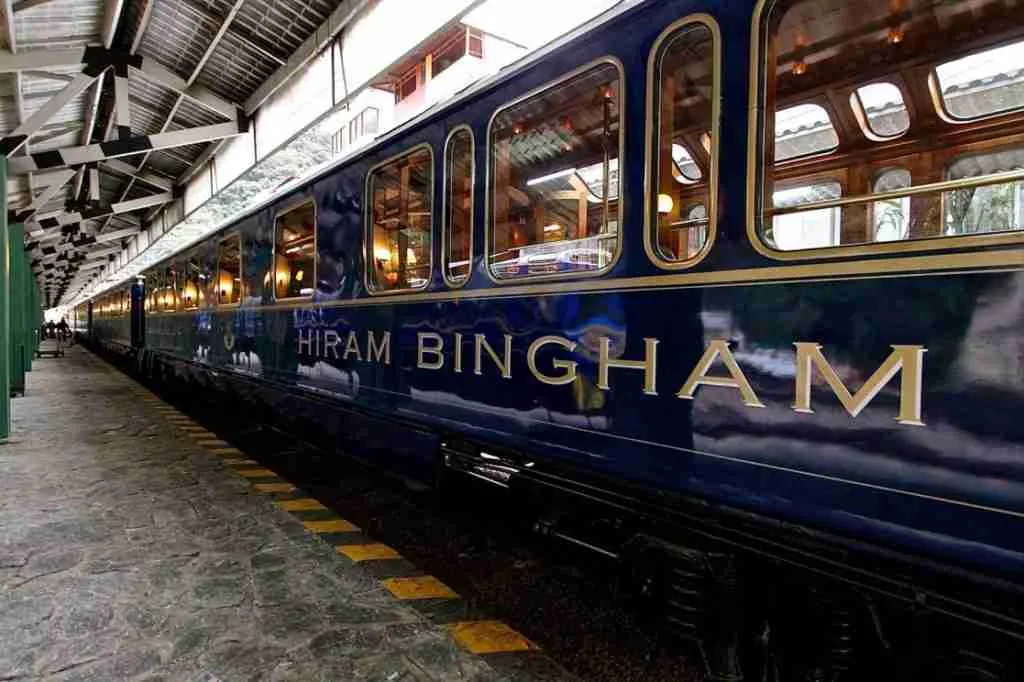
The Belmond Hiram Bingham stands as the undisputed king of luxury train travel to Machu Picchu, offering an unparalleled journey that transforms transportation into a destination experience. Named after the American explorer who brought Machu Picchu to international attention, this train represents the pinnacle of Peruvian rail luxury.
Belmond Hiram Bingham: The Ultimate Luxury Experience
The Hiram Bingham operates with classic 1920s-style elegance, featuring wood-paneled interiors, brass finishes, and vibrant Peruvian-inspired décor. This exclusive service accommodates only a limited number of passengers, ensuring intimate and personalized attention throughout the 3.5-hour journey.
Luxury Amenities Include:
- Gourmet Dining: Artisanal Peruvian cuisine prepared by renowned chefs using local ingredients
- Premium Beverages: Signature cocktails by mixologist Aaron Diaz, including Pisco Sours and innovative Peruvian-inspired drinks
- Live Entertainment: Traditional Andean music and dance performances in the observation car
- Observatory Car: Open-air balcony for panoramic Sacred Valley views
- Professional Guide: Expert-led Machu Picchu tour included with small group sizes (maximum 10 people)
- Afternoon Tea: Exclusive tea service at Belmond Sanctuary Lodge
- Luxury Gifts: Complimentary travel bag and branded amenities
Pricing and Schedule
Hiram Bingham tickets range from $400-1,300+ per person depending on season and route selection. The train operates Tuesday through Sunday with departures from Poroy Station (20 minutes from Cusco) at 9:05 AM, arriving at Aguas Calientes at 12:25 PM.
Seasonal Variations
- Dry Season (May-December): Departures from Poroy Station with full scenic route
- Rainy Season (January-April): Bimodal service via bus to Rio Sagrado Hotel, then train boarding
Alternative Luxury Options
PeruRail Vistadome Observatory
For travelers seeking luxury without Hiram Bingham’s premium pricing, the Vistadome Observatory offers panoramic ceiling windows, comfortable seating, gourmet snacks, and live entertainment at approximately 40% lower cost.
PeruRail Vistadome
The standard Vistadome service provides large panoramic windows, onboard snacks, and cultural presentations, representing excellent value for money at $150-250 per person.
What’s the Best Way to Get to Machu Picchu from Cusco?
Transportation to Machu Picchu requires strategic planning since no direct roads connect Cusco to the archaeological site. Understanding your options helps optimize time, budget, and experience quality.
Transportation Method Comparison
1. Train Travel: The Standard Approach
Train transportation represents the most popular and practical method, offering scenic journeys through the Sacred Valley with varying comfort levels.
Route Options:
- Direct from Cusco: San Pedro Station (city center) or Poroy Station (20 minutes from center)
- Via Ollantaytambo: Bus to Sacred Valley, then train (most frequent departures)
- Bimodal Service: Combined bus + train journey during rainy season
Train Companies and Services:
PeruRail Options:
- Expedition: Economy service, basic comfort ($60-80)
- Vistadome: Panoramic windows, snacks, entertainment ($150-250)
- Vistadome Observatory: Premium service with observation car ($200-300)
- Hiram Bingham: Ultimate luxury experience ($400-1,300)
Inca Rail Options:
- Voyager: Budget-friendly option with basic amenities
- 360°: Panoramic windows and upgraded comfort
- First Class: Premium service with gourmet meals
2. Trekking: The Adventurous Route
For physically capable travelers seeking deeper cultural immersion, trekking provides unparalleled connection with Incan heritage and Andean landscapes.
Popular Trekking Routes:
- Classic Inca Trail: 4 days following original Incan pathways
- Salkantay Trek: 5 days through diverse ecosystems
- Lares Trek: Cultural focus with community interactions
- Choquequirao Trek: 7-9 days to “sister city” of Machu Picchu
3. Road + Hiking Combination
This unconventional route involves driving to Hidroeléctrica station, then hiking 3 hours along railway tracks to Aguas Calientes. While budget-friendly, it’s physically demanding and time-consuming (10-12 hours total).
4. Helicopter Access: Not Available
Helicopter flights to Machu Picchu are strictly prohibited by Peruvian authorities to protect indigenous wildlife and maintain the site’s acoustic environment. The 125-square-mile no-fly zone around Machu Picchu preserves approximately 50 endangered species from noise disruption.
Seasonal Transportation Considerations
Dry Season (May-September)
- Full train services from all stations
- Optimal weather for trekking
- Higher prices and advance booking essential
- Peak tourist season with maximum crowds
Rainy Season (October-April)
- Bimodal services (bus + train) more common
- Inca Trail closes in February for maintenance
- Lower prices and fewer crowds
- Weather uncertainties require flexible planning
Logistics and Final Transport
Aguas Calientes to Machu Picchu
Regardless of arrival method in Aguas Calientes, reaching the archaeological site requires:
- Bus Option: 25-minute scenic ride ($12 round-trip), departures every 10 minutes
- Hiking Option: 1.5-hour uphill walk along Hiram Bingham Road (free but strenuous)
Booking Your Perfect Machu Picchu Tour
Essential Booking Timeline
- 6+ Months Ahead: Inca Trail permits (limited to 500 daily trekkers)
- 2-3 Months Ahead: Peak season train tickets and accommodation
- 1 Month Ahead: Shoulder season tours and specific circuit preferences
- Last Minute: Limited availability, higher prices, restricted options
Budget Planning Guide
Budget Range ($200-400 per person)
- Economy train services (Expedition or Voyager)
- Basic group tours with standard guide services
- Budget accommodation in Cusco or Aguas Calientes
Mid-Range ($400-800 per person)
- Vistadome train services with enhanced comfort
- Small group tours with specialized guides
- Boutique hotel accommodation
- Sacred Valley combination tours
Luxury ($800-2,000+ per person)
- Hiram Bingham train experience
- Private guided tours with expert historians
- 5-star accommodation (Sanctuary Lodge at Machu Picchu entrance)
- Helicopter transfers within permitted areas
Pre-Trip Preparation
Altitude Acclimatization
Cusco sits at 3,400 meters (11,155 feet) above sea level. Arrive 2-3 days early to adjust, stay hydrated, avoid alcohol initially, and consider coca tea for natural altitude support.
Physical Preparation
- Train Tours: Basic walking fitness (2-3 hours on uneven terrain)
- Day Hikes: Moderate cardiovascular fitness
- Multi-day Treks: Excellent fitness with 6+ months training recommended
Packing Essentials
- Layers for variable weather conditions
- Comfortable walking shoes with good grip
- Rain protection (mandatory year-round)
- Sun protection (UV intensity increases with altitude)
- Insect repellent for Sacred Valley areas
- Passport (required for entry, must match booking details)
What Makes the Best Machu Picchu Tour?
Expert Local Guides
The quality of your guide significantly impacts the Machu Picchu experience. The best tours employ licensed local guides with extensive knowledge of Inca history, archaeology, and current research. These experts bring the silent stones to life with stories about daily life, religious practices, and architectural achievements of the Inca Empire.
Superior guides speak multiple languages fluently and adapt their communication style to different learning preferences. They possess deep knowledge of Quechua culture and can explain how ancient traditions continue in modern Andean communities. The best guides also excel at photography assistance, knowing optimal lighting conditions and iconic viewpoints for memorable photos.
Look for tours emphasizing guide credentials and experience levels. Many top operators feature guides with archaeology or anthropology backgrounds who contribute to ongoing research at Machu Picchu. These professionals offer insights beyond standard tourist information, including recent discoveries and evolving theories about the site’s original purpose.
Optimal Group Sizes
Group size dramatically affects tour quality and personal experience at Machu Picchu. Peruvian regulations limit guided groups to maximum 20 people, but the best tours maintain smaller groups of 8-12 participants. Smaller groups enable more personalized attention, easier movement through narrow paths, and reduced environmental impact on the fragile archaeological site.
Intimate group sizes also facilitate meaningful discussions about Inca culture and archaeology, allowing guides to answer individual questions and accommodate specific interests. Photography opportunities improve with smaller groups, as travelers spend less time waiting for clear shots of iconic structures like the Temple of the Sun or Intihuatana stone.
Premium tour operators often guarantee maximum group sizes and provide alternative arrangements if group limits are exceeded. This commitment to intimate experiences justifies higher pricing while ensuring quality remains consistent regardless of seasonal demand fluctuations.
Comprehensive Inclusions
The best Machu Picchu tours include all essential elements to eliminate hidden costs and logistical concerns. Comprehensive packages cover round-trip transportation from Cusco hotels, train tickets, bus transfers between Aguas Calientes and Machu Picchu, entrance permits, and professional guide services. Premium tours often add meals, water, emergency rain gear, and first-aid support.
Top operators also include backup arrangements for weather delays or transportation issues, ensuring travelers reach Machu Picchu regardless of unexpected complications. Some tours provide professional photography services or cultural activities like traditional textile demonstrations to enhance the overall experience beyond the archaeological visit.
Transparency in pricing and inclusions distinguishes quality operators from budget alternatives that may add surprise charges for seemingly included services. The best tours clearly outline what’s covered and provide detailed itineraries with contingency plans for various scenarios.
Best Time to Visit Machu Picchu
Peak Season (May-September): Perfect Weather, Maximum Crowds
Peru’s dry season offers the most reliable weather conditions for Machu Picchu visits, with minimal rainfall and clear mountain views. June through August represent peak tourist season when advance bookings become essential and prices reach annual maximums. The dry conditions make hiking trails safer and photography conditions optimal with brilliant blue skies contrasting against ancient stone structures.
However, peak season brings maximum crowds and reduced availability for preferred tour times. Popular morning departures often sell out 2-3 months in advance, requiring early planning and booking commitment. Despite crowds, the reliable weather and clear mountain views make this period ideal for travelers prioritizing optimal conditions over solitude.
Tours during peak season often include early morning departures to beat crowds and secure the best lighting for photography. Sunset tours become particularly valuable during this period, offering dramatic lighting on the ruins when day-trip visitors have departed.
Shoulder Season (April-May, September-October): Ideal Balance
Shoulder seasons provide the optimal balance between favorable weather and manageable crowd levels. Late dry season (September-October) often features the clearest skies and most comfortable temperatures, while early dry season (April-May) offers lush green landscapes from recent rainfall. These periods maintain good weather reliability while providing more tour availability and moderate pricing.
Wildlife viewing improves during shoulder seasons as animals remain active without extreme temperature stress. Orchid blooms peak in April-May, adding natural beauty to train journeys through cloud forest environments. Photography benefits from dramatic cloud formations and varied lighting conditions that create more dynamic images than stark blue skies.
Tour operators often provide enhanced services during shoulder seasons to attract travelers, including complimentary upgrades or additional cultural experiences. Advance booking remains advisable but becomes less critical than during peak season.
Rainy Season (November-March): Fewer Crowds, Dramatic Landscapes
Peru’s rainy season brings lush green landscapes and fewer tourists, creating more intimate experiences at Machu Picchu. While rainfall occurs regularly, it rarely lasts all day, often featuring dramatic morning mist that gradually clears to reveal stunning mountain views. The reduced crowds allow for peaceful exploration and better wildlife viewing opportunities.
Many tour operators offer rainy season discounts while maintaining full service levels, providing excellent value for flexible travelers. The landscape becomes particularly photogenic with vibrant green terraces and dramatic cloud formations. Some travelers prefer the mystical atmosphere created by morning mist slowly revealing the ancient citadel.
Quality rain gear becomes essential during this period, and tours typically include protective equipment. Indoor cultural activities and museum visits work well as weather backup plans, ensuring comprehensive experiences regardless of conditions.
Booking Your Tour: Essential Tips
Advance Planning Requirements
Machu Picchu visits require significant advance planning due to daily visitor limits and transportation capacity constraints. Entrance permits often sell out 6-8 weeks ahead during peak season, while train tickets and popular tour departures book even earlier. The Peruvian government strictly enforces visitor quotas to protect the archaeological site, making alternative dates difficult during busy periods.
Tour operators typically require full payment or substantial deposits to secure reservations, as they must purchase non-refundable train tickets and entrance permits immediately. Travelers should book preferred tours 2-3 months ahead for peak season travel or 4-6 weeks for shoulder season visits. Last-minute availability occasionally occurs due to cancellations, but relying on this approach risks disappointment.
Passport information must be provided exactly as it appears on travel documents, as Peruvian authorities verify identity at multiple checkpoints. Any discrepancies can result in denied access, making accuracy critical during booking processes.
Health and Fitness Considerations
Machu Picchu sits at 7,970 feet elevation, requiring moderate fitness levels for comfortable exploration. The site features steep staircases, uneven stone paths, and altitude effects that can challenge unprepared visitors. While serious hiking isn’t required, basic cardiovascular fitness enhances enjoyment and safety during 2-3 hour walking tours.
Altitude acclimatization in Cusco (11,200 feet) for 1-2 days before visiting Machu Picchu helps minimize altitude sickness risks. Staying hydrated, avoiding alcohol, and eating light meals support acclimatization efforts. Many travelers find coca tea helpful for altitude adjustment, though individual responses vary significantly.
Tours typically accommodate various fitness levels with flexible pacing and rest stops, but participants should honestly assess their capabilities. Alternative activities like train-only experiences or shorter site visits work well for travelers with mobility limitations or health concerns.
What to Pack for Your Tour
Essential items for Machu Picchu tours include comfortable hiking shoes with good traction for stone surfaces, layered clothing for variable mountain weather, and rain protection regardless of season. Temperatures can fluctuate 20-30 degrees throughout the day, making adaptable clothing crucial for comfort.
Photography equipment should include extra batteries (cold weather drains power quickly), lens cloths for humidity protection, and protective cases for rain exposure. Many tour guides provide photography assistance, making telephoto lenses less critical than weather protection for equipment.
Practical items include water bottles (hydration at altitude is essential), snacks for energy maintenance, sunscreen for intense mountain sun, and insect repellent for cloud forest environments. Original passports are required for site entry and must match exactly with booking information.

Frequently Asked Questions
What is the best luxury train from Cusco to Machu Picchu?
The Belmond Hiram Bingham is universally recognized as the premier luxury train to Machu Picchu. This elegant service features restored 1920s-style carriages with polished wood interiors, brass fittings, and panoramic windows. The experience includes gourmet meals prepared onboard, premium bar service with signature cocktails, live traditional music, and an open-air observation car for scenic viewing.
The train departs from Poroy Station near Cusco and includes welcome ceremonies with traditional dances, making the journey itself a memorable experience. All-inclusive pricing covers meals, beverages, entrance to Machu Picchu, guided tours, and afternoon tea at the exclusive Sanctuary Lodge. While expensive at $400-600 per person, the service represents the ultimate in luxury travel to Peru’s most famous destination.
Which is the best tour of Machu Picchu?
The best Machu Picchu tour depends on individual preferences, but small group full-day tours consistently receive highest satisfaction ratings. These tours typically limit groups to 8-12 people, use comfortable train services like Vistadome, and employ expert local guides with extensive archaeological knowledge. The optimal tour includes round-trip transportation from Cusco hotels, train tickets, entrance permits, professional guide services, and adequate time for personal exploration.
Private tours offer the ultimate experience for travelers seeking maximum flexibility and personalized attention. These allow custom itineraries, preferred departure times, and specialized guides matching specific interests like photography or archaeology. For luxury seekers, Hiram Bingham train packages provide unmatched elegance and service quality, though at premium pricing.
What’s the best way to get to Machu Picchu from Cusco?
Train travel provides the best combination of comfort, scenery, and reliability for reaching Machu Picchu from Cusco. The most popular route involves bus transfer from Cusco to Ollantaytambo, followed by scenic train service to Aguas Calientes. This approach costs less than direct train service from Cusco while adding Sacred Valley sightseeing opportunities.
For maximum luxury, the Belmond Hiram Bingham provides direct service from Poroy Station with gourmet dining and premium amenities. Budget travelers can use local transportation via Hydroelectric station, though this requires significantly more time and physical effort. Helicopter services offer ultimate speed and dramatic views but cost substantially more than ground transportation options.
How long should I spend at Machu Picchu?
Most guided tours allocate 2.5-3 hours for Machu Picchu exploration, which provides adequate time to visit major structures and learn historical context. However, many travelers find 4-5 hours optimal for thorough exploration, personal reflection, and photography without feeling rushed. Staying overnight in Aguas Calientes enables multiple visits and access during optimal lighting conditions.
Early morning visits (6-8 AM) offer the best lighting and fewer crowds, while late afternoon visits (3-5 PM) provide dramatic shadows and golden hour photography opportunities. Multiple-day passes allow comprehensive exploration of different circuits and additional peaks like Huayna Picchu or Machu Picchu Mountain.
Can I visit Machu Picchu without a tour?
Independent travel to Machu Picchu is possible but requires careful planning and advance bookings. Travelers must secure entrance permits, train tickets, and bus transfers separately, often weeks or months ahead. Upon arrival, licensed guides are mandatory for site access, though these can be hired at the entrance rather than booked in advance.
While independent travel offers flexibility and potential cost savings, tours provide significant advantages including guaranteed access, expert guides, emergency support, and streamlined logistics. Most first-time visitors benefit from guided experiences, while experienced travelers might prefer independent arrangements for return visits.
What should I bring to Machu Picchu?
Essential items include comfortable walking shoes with good grip, weather-appropriate clothing in layers, rain protection, water bottles, snacks, sunscreen, and insect repellent. Original passports are required for entry and must match booking information exactly. Camera equipment should include extra batteries, lens cloths, and weather protection.
Prohibited items include large backpacks, tripods, drones, food items, and walking sticks with metal tips. Small daypacks under 20 liters are permitted, but larger bags must be stored in Aguas Calientes. Many tour operators provide emergency rain gear and basic first aid supplies, but personal preparation enhances comfort and safety.
Is altitude sickness a concern at Machu Picchu?
Machu Picchu sits at 7,970 feet elevation, which is actually lower than Cusco at 11,200 feet. Most travelers find Machu Picchu more comfortable than Cusco regarding altitude effects. However, acclimatization in Cusco for 1-2 days before visiting helps minimize any altitude-related issues. Staying hydrated, avoiding alcohol, and eating light meals support comfortable adjustment.
The physical demands of exploring stone terraces and staircases can affect visitors regardless of altitude, making basic fitness preparation beneficial. Most tour operators carry emergency oxygen and first aid supplies, though serious altitude sickness is rare at Machu Picchu’s elevation.