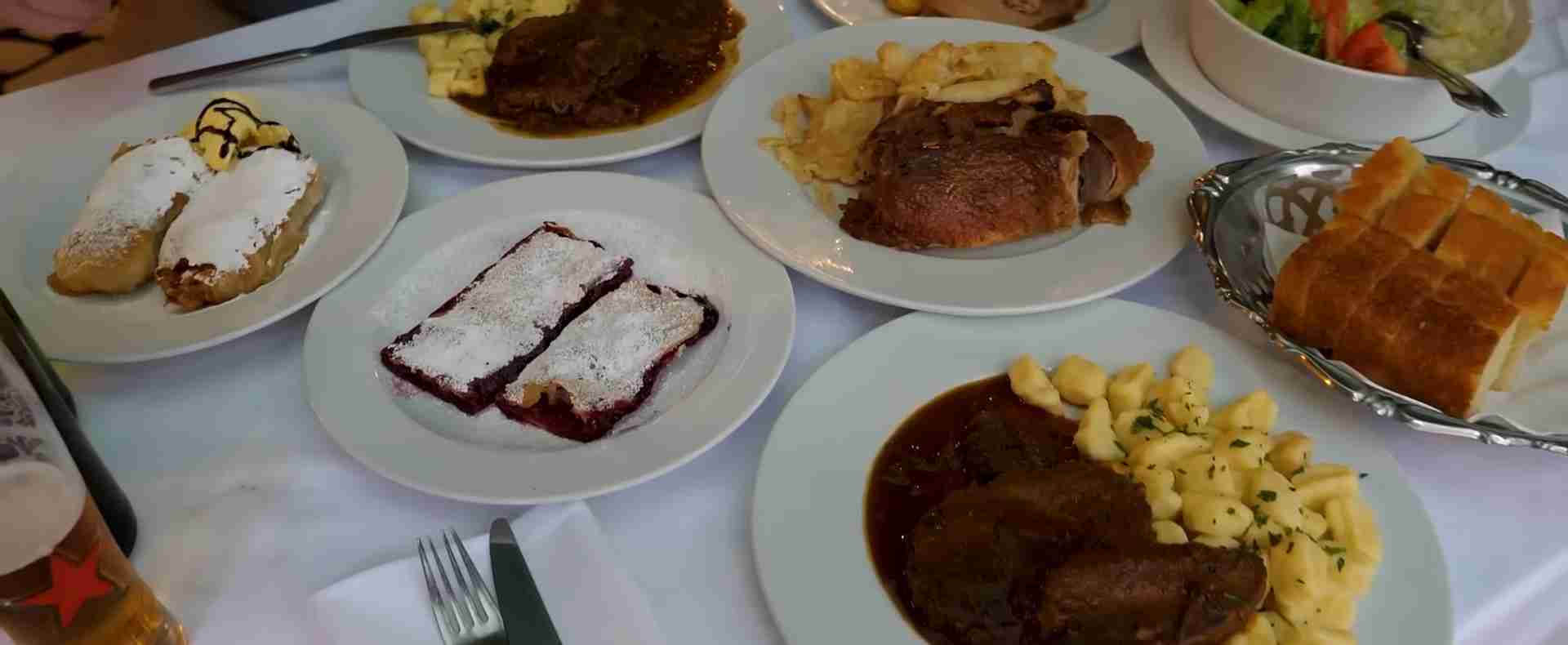
Zagreb Food Guide: Best Restaurants & Culinary Experiences
Zagreb’s culinary landscape blends continental Croatian traditions with contemporary European gastronomy, anchored by its historic Dolac Market and Michelin-recognized dining establishments. The capital’s food scene reflects centuries of Austro-Hungarian, Turkish, and Balkan influences while showcasing regional specialties like štrukli cheese dumplings and innovative modern interpretations from a new generation of Croatian chefs. Understanding Zagreb’s traditional dishes, restaurant hierarchy, market culture, and neighborhood dining patterns enables visitors to experience authentic Croatian gastronomy beyond tourist-focused establishments.
Key Takeaways About Zagreb Dining
- Štrukli supremacy: This traditional Zagorje region cheese-filled pastry represents Zagreb’s signature dish, available in both savory (salted with cottage cheese and sour cream) and sweet variations (with blueberries, honey, or walnuts) at specialty restaurant La Štruk and traditional taverns throughout the city.
- Dolac Market centrality: Operating since 1930 in the heart of the city, this farmers’ market supplies ingredients to top restaurants and provides authentic sir i vrhnje (cheese and cream), fresh produce from Croatian regions, and the quintessential Zagreb food shopping experience every morning until 3 PM.
- Michelin recognition: Restaurant Noel earned Zagreb its first Michelin star in 2019, while Pod Zidom and Dubravkin Put hold Michelin Bib Gourmand awards, positioning the city among Central European culinary destinations with international dining standards alongside traditional taverns.
- Value proposition: Zagreb offers exceptional dining value compared to Western European capitals, with mid-range three-course dinners averaging €30 per person, traditional tavern meals at €15-25, and budget-friendly street food options like ćevapi and burek at €5-10 per serving.
- Neighborhood concentration: Tkalčićeva Street concentrates casual bistros and cafes for social dining, the Upper Town preserves fine dining and traditional establishments, while residential districts host neighborhood konoba taverns serving authentic home-style Croatian cooking at local prices.
- Coffee culture depth: Zagreb maintains Austro-Hungarian cafe traditions with average consumption of 5 kg per person annually, making coffee houses integral to daily social life—expect espresso at €1.50-2.00 and leisurely cafe-sitting encouraged rather than rushed American-style coffee culture.
People Also Ask About Zagreb Food
What is the most traditional Zagreb dish to try?
Štrukli (pronounced “sh-troo-klee”) represents Zagreb’s most iconic traditional dish—a cheese-filled pastry from the Zagorje region north of the city that locals consider essential Croatian comfort food. The dish consists of thin, hand-stretched dough layered with cottage cheese, sour cream, and eggs, then either boiled or baked until the exterior develops a golden crust while the filling remains creamy. La Štruk restaurant specializes exclusively in štrukli, offering both traditional savory versions with simple cheese filling and creative interpretations incorporating blueberries, truffles, walnuts with honey, or apple-cinnamon combinations. Traditional preparation requires approximately 20 minutes as each order cooks fresh, with portions substantial enough to serve as a complete meal. Other quintessential Zagreb dishes include Zagrebački odrezak (breaded veal or pork schnitzel stuffed with ham and cheese, similar to cordon bleu), turkey with mlinci (thin dried flatbread softened in roasting juices), and sir i vrhnje (fresh cottage cheese served with thick cream)—a simple peasant dish elevated to regional staple status.
How expensive is dining out in Zagreb restaurants?
Zagreb dining costs range from €5 budget street food to €40+ per person for fine dining, positioning the city as significantly more affordable than Vienna, Munich, or Venice while maintaining comparable quality standards. Mid-range restaurants serving traditional Croatian cuisine charge €15-25 per person for main courses including sides, with three-course meals averaging €30 per person when adding appetizers and desserts. Fine dining establishments like Michelin-starred Noel or RougeMarin bistro run €35-50 per person for multi-course tasting menus before wine, while Michelin Bib Gourmand recipient Pod Zidom offers exceptional value at €25-35 for complete meals. Budget travelers find excellent options in street food venues like Pingvin (grilled sandwiches €4-6), traditional gablec lunch specials at neighborhood taverns (€8-12 for hearty daily menus served 11 AM-2 PM), and bakeries selling burek pastries (€2-4). Wine consumption adds €12-25 per bottle for quality Croatian selections from Istria or Dalmatia. Tipping customs recommend 5-10% for good service rather than American-style 15-20%, with rounding up to convenient amounts standard practice. The small cover charge called kuver (typically €1-2 for bread and spreads) appears at traditional sit-down establishments but not modern bistros or casual eateries.
Where is Dolac Market and what can I find there?
Dolac Market occupies an elevated square just north of Ban Jelačić Square (Zagreb’s main plaza) in the heart of the city, operating as Croatia’s most famous farmers’ market since 1930 and earning the nickname “the stomach of Zagreb.” The market comprises two distinct levels: the upper open-air section features characteristic red-and-white striped umbrellas sheltering stalls of fresh fruits, vegetables, eggs, and regional products, while the lower covered hall at street level houses butchers, fishmongers, and dairy vendors selling the local specialty sir i vrhnje (cottage cheese and thick cream). Farmers from surrounding Zagorje villages and producers from across Croatia bring seasonal produce, creating exceptional variety—Istrian olive oil and truffles, Dalmatian fresh fish arriving morning after overnight transport, Slavonian cured meats, island-grown citrus, and mountain honey. The market operates daily from approximately 7 AM to 3 PM with peak activity before 1 PM when selection remains fullest and vendors most energetic. Surrounding the market, small eateries serve gablec (traditional late-morning lunches) while high-end restaurants including Pod Zidom source daily ingredients here, making Dolac both wholesale supplier and tourist attraction.
What restaurants do locals recommend in Zagreb?
Zagreb locals consistently recommend Gostionica Ficlek for traditional Croatian home cooking prepared “the way Croatian grandmas once did” according to the restaurant’s motto, located directly beneath Dolac Market and specializing in turkey with mlinci and Zagrebački odrezak. RougeMarin earns regular local patronage for its monthly-changing bistro menu, industrial-chic atmosphere in a converted light bulb factory, and huge outdoor terrace popular during summer months. Mali Bar attracts neighborhood regulars to its hidden courtyard off Vlaska Street with daily-changing menus featuring seasonal ingredients, quality Croatian wines by the glass, and affordable prices that reflect local rather than tourist economics. Purger (operating since 1932) maintains its reputation among Zagreb residents for reliable traditional dishes in the city center, while Batak’s multiple locations serve as local gathering points for grilled meats, ćevapi, and čobanac stew at consistent quality across casual settings. Pingvin operates as the late-night institution where locals gravitate after 11 PM for freshly-grilled sandwiches. For special occasions, locals book Vinodol for its historic ambiance and comprehensive Croatian regional menu, or Konoba Didov San for authentic tavern atmosphere with dishes like “Grandma’s Pan” chicken in clay pot. These establishments share common traits: sourcing from Dolac Market, maintaining long operational histories (decades rather than years), pricing for local budgets rather than international tourists, and operating in Croatian language first with English as accommodation rather than primary.
Extended multi-day tours – 5+ days
Featured Zagreb Multi-Day Tour Packages

4 days
Zagreb City Break, Private Tour
- ✓ Comprehensive Zagreb tour
- ✓ Expert local guides included
- ✓ All accommodation arranged
- ✓ Transportation provided
4 days
Croatia Express from Zagreb to Split – 4 days / 3 nights
- ✓ Comprehensive Zagreb tour
- ✓ Expert local guides included
- ✓ All accommodation arranged
- ✓ Transportation provided

5 days
Croatia Express, Self-Drive
- ✓ Comprehensive Zagreb tour
- ✓ Expert local guides included
- ✓ All accommodation arranged
- ✓ Transportation provided
2 days
ZAGREB DIRECT
- ✓ Comprehensive Zagreb tour
- ✓ Expert local guides included
- ✓ All accommodation arranged
- ✓ Transportation provided
Multi-day tour packages powered by TourRadar. Prices and availability subject to change.
Introduction: Understanding Zagreb’s Culinary Identity
Zagreb’s position as continental Croatia’s capital creates a culinary identity distinct from the country’s Mediterranean coastal cuisine, drawing instead from Central European traditions while incorporating Balkan, Ottoman, and regional Croatian influences developed over centuries of empire, trade, and cultural exchange. The city sits at the intersection of Pannonian Plain agricultural abundance and northern Adriatic proximity, enabling access to both land-based products (dairy, meat, grains, vegetables from fertile lowlands) and coastal ingredients (fresh fish, olive oil, seafood transported overnight from Dalmatia). This geographic duality produces a food culture emphasizing hearty, calorie-dense preparations suited to continental climate while incorporating Mediterranean lightness through seasonal vegetable-forward dishes and Adriatic specialties.
Historical governance patterns fundamentally shaped Zagreb gastronomy. Austro-Hungarian imperial administration (1527-1918) established cafe culture, schnitzel traditions, strudel pastries, and formalized dining protocols that persist in contemporary Zagreb restaurants. Ottoman Turkish expansion into the Balkans (14th-19th centuries) introduced stuffed vegetable preparations (sarma cabbage rolls, punjena paprika stuffed peppers), grilled meat culture (ćevapi sausages), and layered pastry techniques. Post-World War I Italian sovereignty over Istria created ongoing culinary exchange with neighboring Italy, bringing pasta preparations, risotto dishes, and Mediterranean ingredient appreciation. Yugoslav socialism (1945-1991) standardized certain dishes across republics while maintaining regional distinctiveness, and post-independence Croatian nationalism (1991-present) emphasizes rediscovery and preservation of authentic Croatian rather than generically Yugoslav culinary heritage.
Modern Zagreb dining divides into three overlapping spheres. Traditional establishments (konoba taverns, gostionica inns) preserve recipes passed through generations, source ingredients from Dolac Market, and serve Croatian regional specialties including Zagreb signatures like štrukli, Zagrebački odrezak, and turkey with mlinci alongside Dalmatian fish preparations, Istrian truffle dishes, and Slavonian meat specialties. Contemporary bistros operated by younger chefs trained internationally reinterpret Croatian ingredients through modern European techniques, creating market-fresh menus that change daily or seasonally while maintaining local sourcing philosophies. International restaurants reflect Zagreb’s growing cosmopolitanism—Asian fusion, Italian trattorias, burger joints, sushi bars—serving expatriate communities and younger Croatians embracing global food trends. These categories blur at high-end establishments where Michelin-recognized chefs like Goran Kočiš at Noel combine Croatian ingredients with modern gastronomy or Mate Janković’s Croatian tapas concept applies Spanish small-plate philosophy to local flavors.
The Dolac Market functions as Zagreb’s culinary heartbeat and primary connector between rural agricultural production and urban consumption. Operating since 1930 on the border between Upper and Lower Towns, the market channels produce from Zagorje farms, Slavonian meat producers, Adriatic fishermen, Istrian olive growers, and island orchards into the city’s restaurants and homes. Top chefs shop Dolac daily, building menus around seasonal availability rather than importing ingredients internationally—a farm-to-table philosophy predating contemporary foodie trends by decades through simple economic logic of local abundance. The market’s social function matches its commercial importance: Zagreb residents meet neighbors while shopping, vendors recognize regular customers and reserve choice items, seasonal rhythms (asparagus in spring, cherries in early summer, truffles in autumn) mark calendar progression, and market cafe culture enables leisurely coffee and conversation integrated into daily shopping rather than separated leisure activity.
Price stratification enables diverse dining experiences across economic levels. Budget travelers eat exceptionally well through market shopping (fresh produce, cheese, cured meats), bakery burek and street ćevapi (€2-6 meals), and gablec lunch specials (€8-12 complete traditional meals during midday hours 11 AM-2 PM). Mid-range diners access Zagreb’s traditional tavern culture and modern bistros (€15-30 per person) where quality ingredients, thoughtful preparation, and local wine selections provide authentic Croatian dining without luxury pricing. Fine dining patrons experience Michelin-level gastronomy (€35-50+ per person) at restaurants like Noel, Dubravkin Put, and Zinfandel’s where creative interpretations of Croatian ingredients meet international culinary standards. This accessibility across price points distinguishes Zagreb from coastal Croatian destinations like Dubrovnik or Hvar where tourist demand inflates prices across all categories.
Traditional Zagreb Dishes: Essential Local Specialties
Štrukli represents Zagreb’s defining culinary contribution to Croatian cuisine, achieving UNESCO Intangible Cultural Heritage protection in recognition of its cultural significance to Zagorje region traditions. The dish consists of hand-stretched thin dough (similar in technique to strudel or phyllo but with distinct texture) layered with fresh cottage cheese, thick sour cream, and eggs, then rolled into logs, sliced, and either boiled in salted water or baked in cream until golden. The stretching process requires skill—traditional preparation involves pulling dough so thin that newspaper text becomes readable through it—creating delicate layers that soften during cooking while maintaining structure. Savory štrukli served with melted butter and additional sour cream functions as main course, while sweet variations incorporating honey, walnuts, blueberries, or apple-cinnamon serve as dessert. La Štruk restaurant dedicates its entire menu to štrukli variations, offering both traditional preparations and creative interpretations including truffle-infused versions. Portion sizes reflect peasant dish origins: substantial enough to sustain agricultural workers through demanding physical labor, making single orders often shareable between two moderate appetites.
Zagrebački odrezak (Zagreb schnitzel or Zagreb cutlet) adapts Austrian Wiener schnitzel tradition through Croatian innovation—thin-pounded veal or pork cutlet layered with Croatian ham and cheese, rolled, breaded, and deep-fried until golden exterior encases melted cheese filling. The dish resembles chicken cordon bleu in construction but uses distinctly Croatian ingredients: local ham from surrounding villages, Croatian cow’s milk cheese rather than Swiss varieties, and typically veal when traditional though pork, chicken, or turkey substitutions appear depending on availability and price considerations. Proper preparation creates crispy breading that shatters at knife contact while interior remains juicy and cheese molten. Gostionica Ficlek sources ingredients from Dolac Market vendors for their acclaimed version, while traditional establishments across Zagreb maintain this standard menu item. The schnitzel typically arrives with potato sides (fries, roasted, or mashed), seasonal salad, and lemon wedge, creating complete meal presentation that reflects Central European rather than Mediterranean portion philosophy.
Turkey with mlinci (purica s mlincima) represents Zagreb’s traditional Sunday roast and essential Christmas dinner, combining perfectly roasted turkey with the unique Croatian pasta mlinci. Mlinci preparation involves making thin flatbread dough, drying it until brittle, breaking into irregular pieces, then briefly boiling and coating with hot turkey roasting drippings until the dried pasta softens and absorbs rich poultry flavors. The result resembles cross between Yorkshire pudding and pasta, functioning as both starch accompaniment and gravy-soaked vehicle for turkey juices. Quality execution requires locally-raised turkey (Zagorje region producers supply Zagreb’s best), slow roasting with minimal seasonings allowing natural bird flavors prominence, and timing coordination ensuring mlinci preparation coincides with turkey carving so maximum roasting pan juices enrich the pasta. Vinodol restaurant maintains strong reputation for this dish year-round, though many Zagreb establishments reserve it for holiday periods when demand justifies whole turkey preparation rather than individual portions.
Sir i vrhnje (cottage cheese and cream) occupies a simple yet essential position in Zagreb food culture, representing peasant dish elevated through quality ingredient selection rather than complex preparation. Fresh cottage cheese (sir) combines with thick, rich cream (vrhnje) from Zagorje dairies, creating a protein-rich breakfast or light meal that showcases dairy production excellence. The dish appears deceptively basic—white cheese and cream in bowl, typically accompanied by fresh bread—but quality distinguishes exceptional versions from mediocre attempts. Dolac Market’s covered lower level houses elderly women vendors who sell house-made sir i vrhnje sourced from specific farms, with regular customers maintaining loyalty to particular producers based on subtle flavor and texture differences. The preparation functions as comfort food for Zagreb natives, nostalgia trigger for emigrants, and revelation for visitors expecting complexity rather than ingredient purity. Modern bistros occasionally reinterpret the concept through burrata-style presentations or herb-infused variations, but traditionalists insist authentic sir i vrhnje requires only fresh dairy and bread for optimal appreciation.
Ćevapi (sometimes written ćevapčići for diminutive form) technically originates from Bosnia but achieves such popularity in Zagreb and across Croatia that locals consider it Croatian national street food. These small, skinless grilled sausages combine ground beef, lamb, and pork mixed with minimal seasoning (salt, pepper, sometimes garlic), shaped into finger-length cylinders, and grilled over high heat until exterior chars while interior remains juicy. Proper ćevapi arrives in fresh flatbread (lepinja or somun) with chopped raw onions, ajvar (roasted red pepper spread), and kajmak (creamy dairy spread similar to clotted cream). Batak restaurant chain specializes in quality ćevapi served in both traditional and modern interpretations, while street vendors and grill houses (ćevabdžinica) throughout Zagreb offer quick, affordable versions ranging €4-8 for servings of 5-10 pieces. The dish represents Balkan grilling culture’s influence on Zagreb dining, providing fast, satisfying, protein-heavy meals that appeal equally to working-class locals and late-night revelers seeking substantial food after drinking.
Peka refers both to cooking method and resulting dishes—food prepared under a metal or earthenware bell-shaped lid (sač) buried in hot coals, creating enclosed environment where ingredients slowly cook in their own juices. While traditionally Dalmatian coastal preparation, Zagreb restaurants offer peka versions featuring lamb, veal, octopus, or vegetables (typically potatoes, onions, peppers) cooked until fall-apart tender with concentrated flavors. The process requires advance ordering (2-3 hours minimum, often 24 hours notice) as ingredients cannot rush, making peka unsuitable for spontaneous dining but rewarding for planned celebrations or special occasions. Restaurant Okrugljak earns reputation for exceptional peka preparation, while some establishments offer semi-authentic versions using covered Dutch ovens rather than traditional coal burial when demand doesn’t justify full peka infrastructure. The method produces uniquely tender meat textures and concentrated vegetable flavors impossible through standard roasting or braising, representing Croatian slow food philosophy valuing time investment over convenience.
Michelin-Recognized Restaurants: Fine Dining in Zagreb
Restaurant Noel achieved Zagreb’s first Michelin star in 2019 under chef Goran Kočiš and restaurateur Ivan Jug, establishing the city’s fine dining credentials on the international gastronomy stage. The restaurant occupies an elegant yet comfortable space in the city center, avoiding stuffy formality while maintaining sophisticated service standards. Kočiš’s approach combines Croatian ingredients sourced from local producers with modern European techniques, creating tasting menus of 4, 6, or 9 courses that showcase seasonal products through creative preparations. Signature dishes demonstrate this philosophy: tuna ceviche flavored with coriander and chili highlights Adriatic fish in South American-inspired preparation, while Black Slavonia Pig crépinette with nectarine, marinated celery, and buckwheat celebrates rare Croatian heritage pig breed through refined presentation. The restaurant offers chef’s table experiences (advance booking essential) where diners observe kitchen operations while receiving personalized menu narrations from Kočiš himself. Reservations require weeks advance notice during high season, with pricing reflecting Michelin status though remaining approximately 30-40% below equivalent Western European starred restaurants.
Pod Zidom holds Michelin Bib Gourmand recognition, the guide’s designation for exceptional value combining quality cooking with moderate pricing. The bistro-wine bar occupies peaceful Pod Zidom Street steps from Ban Jelačić Square, offering intimate indoor dining room with exposed brick and summer terrace for al fresco meals. Chef philosophy centers on daily Dolac Market shopping, building menus around seasonal availability rather than fixed dishes, creating zero-waste approach where every ingredient component from root to leaf receives utilization. Representative dishes include steak from Dolac butchers with fries and honey-thyme demi-glace, duck liver parfait with purple onion marmalade, and salmon trout with cardoon cream and lemon vinaigrette. The restaurant maintains strong organic wine focus, offering extensive Croatian natural wine selection unavailable at most Zagreb establishments. Pod Zidom exemplifies the “market fresh” bistro concept where daily procurement determines offerings rather than standardized menus, requiring flexibility from diners but rewarding openness with exceptional ingredient quality and creative seasonal preparations.
Dubravkin Put occupies a serene location in Tuškanac forest on Zagreb’s northern edge, providing refined dining in green surroundings while maintaining convenient proximity to city center (15-minute walk or short taxi ride). The restaurant’s interior preserves timeless design unchanged over decades, creating sophisticated atmosphere enhanced by carefully spaced tables ensuring privacy during meals. Summer outdoor terrace benefits from forest canopy shade, making it particularly appealing during warm months. The menu emphasizes seasonal rotation showcasing game, foraged ingredients, and premium Croatian products through classically-grounded preparations with modern touches. Signature dishes include quail and chanterelle ragout with beetroot gnocchi, horseradish, and anchovies, and tuna with corn bread cream and kohlrabi. Dubravkin Put maintains one of Zagreb’s most extensive wine cellars, with knowledgeable staff assisting pairing selections from comprehensive Croatian and international lists. The restaurant represents established fine dining traditions predating contemporary foodie trends, appealing to Zagreb business elite, celebration occasions, and visitors seeking formal dining experiences in distinguished settings.
Zinfandel’s operates within the historic Esplanade Hotel, combining classic Continental cuisine with Croatian ingredients and formal service traditions that echo grand European hotel dining. The restaurant takes its name from Croatia’s claim as ancestral origin of Zinfandel grape variety (known locally as Crljenak Kaštelanski or Tribidrag), positioning itself as ambassador for Croatian wine culture alongside food offerings. Chef teams source ingredients from Dolac Market morning deliveries, incorporating seasonal products into menus that balance traditional dishes with contemporary interpretations. The dining room exudes old-world elegance through Art Nouveau architectural details, white tablecloths, and professional service that maintains formality without stuffiness. Pricing reflects hotel restaurant positioning and downtown location, running higher than independent establishments but delivering consistent quality and atmosphere suited to business dinners, romantic occasions, or visitors seeking classic Zagreb fine dining rather than experimental gastronomy. The hotel’s central location and international reputation attract mixed clientele of Zagreb residents, hotel guests, and tourists, creating cosmopolitan atmosphere distinct from neighborhood restaurant intimacy.
Traditional Taverns and Konoba Restaurants
Gostionica Ficlek operates directly beneath Dolac Market, literally sourcing ingredients from vendors upstairs while adhering to the restaurant motto of cooking “the way Croatian grandmas once did.” This philosophy translates to hearty portions, traditional recipes without modern reinterpretation, and focus on comfort food that Zagreb residents remember from childhood family meals. Menu highlights include turkey with mlinci showcasing proper Croatian pasta technique, Zagrebački odrezak with quality ham from Dolac butchers, and seasonal specialties reflecting market availability. The restaurant’s interior features high tables and bar stools creating casual atmosphere, while outdoor patio when weather permits offers lower seating and cathedral views. Ficlek represents authentic neighborhood dining where locals outnumber tourists, Croatian language dominates conversations, and cooking prioritizes flavor memory over Instagram aesthetics. Pricing remains accessible to working-class Zagreb budgets rather than inflated for international visitors, making €15-20 complete meals achievable including sides and beer.
Purger has occupied its Petrinjska Street location since 1932, earning the restaurant unofficial status as Zagreb dining institution through nearly a century of continuous operation. The name references Zagreb natives (purgers in local slang), and appropriately the clientele consists primarily of longtime residents who maintain regular patronage across decades. The restaurant serves comprehensive Croatian regional menu spanning Zagreb specialties, Dalmatian fish preparations, Istrian truffle dishes, and Slavonian meat offerings, functioning as survey of national cuisine rather than specialized focus. This breadth creates reliable dining for visitors seeking authentic Croatian food without knowing specific dishes to order—the menu provides educational experience across regional traditions. Courtyard seating during pleasant weather creates peaceful urban oasis atmosphere, while interior maintains traditional tavern character with wooden furniture and wall decorations evoking mid-century Croatian design. Portions reflect generous Croatian hospitality customs, often exceeding single-person appetite capacity, making sharing or minimal ordering advisable to avoid waste.
Konoba Didov San (Grandpa’s Dream) delivers traditional Croatian tavern atmosphere through rustic decor featuring antique furniture, vintage tools, and nostalgic artifacts creating time-capsule environment. The restaurant specializes in home-style cooking emphasizing comfort over refinement, with signature dish “Grandma’s Pan” exemplifying this approach—juicy chicken cooked in clay pot with peppers, onions, and mushrooms arriving at table in original cooking vessel. Grilled squid with potatoes showcases Dalmatian preparation techniques adapted to Zagreb inland setting, while seasonal stew dishes (čobanac shepherd’s stew, gulaš goulash) reflect Slavonian and Hungarian influences. The establishment attracts locals seeking familiar flavors in nostalgic settings plus tourists wanting authentic Croatian tavern experience beyond sanitized heritage restaurant concepts. Pricing remains moderate despite tourist-friendly location, with €12-18 main courses and €6-10 appetizers creating complete meals at €20-30 per person including drinks.
Vinodol combines traditional Croatian cuisine with upscale presentation in historic setting that attracts both special-occasion local diners and visitors seeking quality regional food in distinguished atmosphere. The restaurant name means “wine valley,” signaling strong Croatian wine program featuring comprehensive domestic selections alongside international options. Menu spans Croatian regional specialties with particular strength in northern Croatian dishes like turkey with mlinci (available year-round rather than seasonal), roast lamb, and game preparations during autumn hunting season. The kitchen sources quality ingredients while executing classic recipes without excessive modernization, maintaining flavors that multi-generational Zagreb families recognize from traditional home cooking. Service standards lean formal through professional waitstaff who provide dish explanations and wine recommendations without pretension. The restaurant functions well for business lunches, family celebrations, and visitors wanting reliable Croatian food in comfortable rather than rustic environment. Pricing positions upper-mid-range (€20-35 main courses), reflecting central location and refined service while remaining accessible compared to fine dining establishments.
La Štruk operates unique concept restaurant serving exclusively štrukli variations, dedicating entire menu to Zagreb’s signature cheese-filled pastry in both traditional and creative interpretations. The cozy interior and garden patio create intimate settings where štrukli preparation receives singular focus rather than competing attention with diverse menu options. Offerings include traditional salted versions with simple cottage cheese filling, sweet variations with blueberries, honey and walnuts, apple-cinnamon combinations, and upscale truffle-infused versions. Each order receives fresh preparation requiring 20-minute wait as dough stretches, fills, and cooks—this timing communicates commitment to proper technique rather than pre-made efficiency. The restaurant attracts štrukli enthusiasts, curious visitors wanting to experience Zagreb’s signature dish, and traditionalists appreciating specialized mastery over generalized competence. Portions prove substantial with single orders often sufficient for moderate appetites, while adventurous diners can sample multiple flavor variations through half-portion ordering. Pricing remains reasonable (€6-12 per serving) considering preparation labor intensity and ingredient quality, making La Štruk accessible introduction to traditional Zagreb cuisine.
Modern Bistros and Contemporary Dining
RougeMarin occupies a converted light bulb factory on Folnegovićeva Street, maintaining industrial aesthetic with exposed elements and unobstructed kitchen views while creating comfortable contemporary dining environment. The bistro changes menus monthly while preserving customer favorites, incorporating seasonal ingredients from Dolac Market into creative preparations that balance Croatian tradition with modern European techniques. Popular dishes include spring rolls with Asian-Croatian fusion filling, risotto variations showcasing Adriatic seafood or seasonal vegetables, creative burgers using quality meat from local butchers, and lemon pie achieving local cult status. The huge outdoor terrace provides breezy summer dining under partial shade, making reservations essential during lunch hours when nearby business district workers fill tables. Tuesday through Friday daily specials supplement printed menu with additional options reflecting market finds. RougeMarin attracts younger Zagreb professionals, food-conscious locals, and visitors seeking contemporary Croatian dining beyond traditional tavern experiences. Pricing balances quality with accessibility (€12-22 main courses), while wine list emphasizes Croatian producers with good-value by-the-glass selections enabling experimentation.
Mali Bar hides in small courtyard off Vlaska Street, creating hidden-gem atmosphere that rewards discovery with excellent food and intimate setting. The bistro’s daily-changing menu responds to seasonal ingredient availability and chef inspiration, making each visit potentially unique while maintaining consistent quality standards. Fresh ingredients, innovative flavor combinations, and affordable pricing create local favorite status among Zagreb food enthusiasts who appreciate creativity without pretension. Dishes span pea soup during spring, fresh salads in summer, quality steaks year-round, smoked duck bruschetta, and simple but perfectly executed fish and chips. The compact interior and lovely rooftop terrace suit relaxed dining where food quality takes precedence over formal service or elaborate presentations. Croatian wines available by glass enable affordable wine pairing without committing to full bottles. Mali Bar exemplifies neighborhood bistro concept where regulars develop relationships with staff, chef enthusiasm transmits through daily creations, and locals rather than tourists comprise primary clientele. Reservations prove advisable despite small size, as word-of-mouth reputation keeps tables filled particularly Thursday-Saturday evenings.
ManO2 operates in the Green Gold shopping center business district under chef Hrvoje Kroflin, combining sophisticated design (light wood interiors creating warm minimalism) with creative Croatian-ingredient cooking. The menu isn’t extensive but demonstrates thoughtful curation spanning starters like beef tartare and king crab salad, signature charcoal-grilled Swiss chard pie (soparnik), and premium black Angus steaks. The restaurant offers 5- and 7-course tasting menus with optional wine pairings, enabling comprehensive exploration of Kroflin’s culinary vision for guests wanting structured dining experiences. Design-conscious atmosphere attracts Zagreb’s business and creative professionals plus food-focused visitors appreciating modern Croatian gastronomy in sleek settings. Lunch service sees strong business clientele, while evenings shift toward special occasions and date nights. The location outside immediate tourist zones means predominantly Croatian-speaking environment and local pricing expectations, making ManO2 accessible fine-casual dining (€20-35 per person) with quality rivaling more expensive establishments.
Nav emerged in 2019 under chef Tvrtko Sakota, quickly establishing reputation as one of Zagreb’s most exciting contemporary restaurants through innovative approaches to Croatian ingredients and sophisticated yet approachable dining concept. The restaurant embodies new generation Croatian chef philosophy combining international training with commitment to local sourcing, seasonal cooking, and creative technique application. Menus change regularly reflecting ingredient availability and chef experimentation, while maintaining some signature dishes that developed followings. The modern interior creates comfortable rather than stuffy atmosphere where food takes center stage without formal service protocols intimidating casual diners. Nav particularly appeals to younger Zagreb residents interested in contemporary cuisine and international food trends while maintaining Croatian product focus. The restaurant demonstrates Zagreb’s evolving food scene where traditional tavern culture coexists with progressive gastronomy rather than opposition between old and new.
Pod Zidom (discussed in Michelin section) bridges categories as both Bib Gourmand-recognized fine dining and accessible bistro through market-fresh philosophy and moderate pricing. The restaurant’s zero-waste commitment and daily menu changes create unique dining experiences where ingredient quality and seasonal availability dictate offerings rather than standardized preparations. Creativity extends beyond cooking to complete ingredient utilization—vegetable leaves become salads, meat trim transforms into terrines, bread remnants create crumbs or puddings—demonstrating ethical cooking approach without sacrificing flavor or presentation. The extensive organic wine list showcases Croatian natural wine movement, offering education through taste for guests unfamiliar with this growing category. Pod Zidom attracts food-conscious diners appreciating sustainability, market-driven cooking, and quality-value balance that makes frequent return visits economically feasible rather than special-occasion-only dining.
Asian and International Restaurant Options
Takenoko opened in 2002 as Croatia’s first Japanese restaurant, establishing standards for Asian cuisine in Zagreb that influence the city’s international dining scene decades later. The restaurant combines traditional Japanese preparations with modern fusion approaches, creating menu spanning classic sushi and sashimi to creative Asian-European crossover dishes. Quality fish sourcing remains paramount despite Zagreb’s inland location—overnight Adriatic deliveries and international supplier relationships ensure freshness rivaling coastal establishments. The sleek, minimalist interior reflects Japanese aesthetic principles while maintaining comfortable atmosphere suitable for both business dining and casual meals. Takenoko attracts Japanese expatriates, Asian food enthusiasts, and Zagreb residents seeking alternatives to Croatian cuisine without sacrificing quality expectations. Pricing runs moderate-to-high (€15-30 main courses, sushi sets €20-40) reflecting premium ingredient costs and specialized preparation, but delivers value through portion sizes and execution quality that justify the investment.
Arigato by Hrvoje represents contemporary Croatian chef interpreting Japanese cuisine through personal vision, creating fusion approach that respects Asian traditions while incorporating European sensibilities. Chef Hrvoje’s international experience informs menu development, resulting in dishes that educate Zagreb palates about authentic Japanese flavors while adapting presentations to local dining customs. The restaurant occupies stylish space with modern Japanese design elements, attracting younger demographics interested in global food trends and quality Asian cuisine. Signature dishes might include ramen with locally-sourced ingredients, creative sushi rolls balancing traditional and contemporary styles, and yakitori grilled skewers using Croatian meats. The dining experience emphasizes approachability over intimidation, making Arigato accessible entry point for Croatian diners less familiar with Japanese food culture while satisfying knowledgeable Asian cuisine enthusiasts through technical competence and ingredient quality.
YEZI brings pan-Asian tea house dining concept to Zagreb’s center, led by London Group Executive Chef Werner Seebach and featuring dim sum, yakitori, mixology, tea culture, and patisserie in comprehensive Asian culinary experience. The restaurant celebrates modern Asian cuisine across multiple traditions rather than single-country focus, enabling diverse menu exploration within one visit. Dim sum programs showcase steamed and fried dumplings, buns, and small plates ideal for sharing and tasting variety. Tea selections receive serious attention as cultural element equal to food, with staff educated in proper brewing and pairing. The design creates relaxed yet refined atmosphere encouraging leisurely dining and social experience aligned with Asian tea house traditions. YEZI particularly suits groups wanting varied taste experiences and visitors seeking quality Asian dining beyond sushi-focused establishments. Pricing balances premium ingredients and specialized preparation with accessibility (small plates €6-12, mains €15-25), while set menu options provide value for groups dining family-style.
Torikaya Ramen Bar addresses Zagreb’s growing appreciation for quality ramen through dedicated concept opened in 2022. Chef Vid Nikolić created the menu as collaboration between Izakaya and Tori Street teams, bringing deep ramen knowledge to create authentic broths, noodles, and toppings despite challenges of sourcing traditional ingredients in continental Croatia. The laid-back atmosphere and beautiful terrace next to main square create casual dining environment where ramen receives serious treatment without formal pretension. Menu focuses on core ramen styles (tonkotsu, miso, shoyu) while incorporating seasonal variations and Croatian ingredient adaptations when traditional components prove unavailable or inferior to local alternatives. The restaurant attracts ramen enthusiasts, students seeking affordable but satisfying meals, and Asian food lovers appreciating specialist focus over generalized pan-Asian menus. Pricing remains accessible (€10-15 per bowl) compared to fine dining while delivering significantly better quality than casual Asian takeaway spots, making Torikaya regular-rotation option for frequent rather than special-occasion dining.
Casual Dining, Street Food, and Quick Meals
Batak operates multiple locations across Zagreb serving Croatian grilled meats and Balkan specialties in casual, high-volume environments designed for efficient yet quality dining. The restaurant chain specializes in ćevapi (small grilled sausages), gourmet burger patties, and signature vješalica (hanging meat presentation), alongside premium rib-eye steaks, salmon fillets, BBQ ribs, and wings. Quality control across locations maintains consistency through standardized sourcing, preparation protocols, and training programs, making Batak reliable choice for visitors wanting authentic Croatian grill food without researching individual establishments. Appetizers include burrata, beef tartare, and salmon tartare elevating casual restaurant expectations, while seasonal traditional specialties appear on rotating basis showcasing regional Croatian dishes. Select locations offer weekend brunch (9 AM-12 PM) featuring eggs Benedict, omelets, croissants in sweet and savory versions, müsli, and desserts—rare breakfast option in Zagreb where cafe culture dominates morning meals. Pricing positions mid-casual (€8-18 main courses), with efficient service enabling quick dining when time constraints limit leisurely meals.
Pingvin functions as Zagreb’s late-night institution, opening when other establishments close and serving grilled sandwiches to post-dinner, post-drinking crowds until early morning hours. The restaurant’s fame derives from fresh preparation rather than pre-made efficiency—each sandwich receives individual assembly and grilling ensuring hot, crispy bread encasing quality fillings. The signature prosciutto and cheese combination showcases simple ingredients executed well, while garlic sauce addition provides characteristic flavor kick that devotees consider essential. Bread grilling technique distinguishes Pingvin sandwiches from competitors through perfect crispness balancing charred exterior with soft interior. The establishment represents democratic Zagreb dining where business executives, students, tourists, and working-class locals converge for unpretentious fast food satisfying late-night hunger. Pricing remains remarkably affordable (€4-6 per sandwich) despite central location and popularity, maintaining accessibility that built the restaurant’s cult status over decades of operation.
Burgeraj specializes in quality burgers using premium meat, creative toppings, and proper technique producing elevated fast-casual dining rather than generic burger joint experience. The restaurant sources beef from trusted suppliers, grinds meat in-house for optimal texture and freshness, and cooks patties to requested doneness rather than predetermined well-done standard. Buns receive toasting attention ensuring structural integrity under juicy meat and generous toppings. Creative combinations balance classic American burger inspiration with Croatian ingredients and European sensibilities. The casual atmosphere attracts younger demographics and burger enthusiasts appreciating craft approach to familiar format, while efficient service accommodates quick meals without sacrificing food quality. Pricing runs moderate (€8-14 per burger with fries), positioning below full-service restaurants while exceeding fast-food chains through ingredient quality and preparation care.
Submarine builds reputation around quality sandwiches executed with attention to ingredients, construction, and flavor balance rather than volume efficiency. The establishment functions as go-to option for Zagreb residents wanting better-than-average fast food without committing to sit-down restaurant time and expense. Fresh bread, quality meats and cheeses, vegetables treated as ingredients rather than afterthoughts, and thoughtful sauce applications create sandwiches worth seeking rather than settling for convenient options. The restaurant demonstrates growing Zagreb appreciation for fast-casual quality occupying space between street food and full restaurants—meals costing €6-10, prepared efficiently but carefully, and satisfying hunger while delivering flavor interest beyond basic sustenance. This category reflects international food trends reaching Zagreb where younger consumers prioritize ingredient quality and ethical sourcing even in quick-meal contexts.
Dolac Market: The Heart of Zagreb Food Culture
Dolac Market occupies an elevated square immediately north of Ban Jelačić Square in Zagreb’s geographic and commercial center, operating as the city’s primary farmers’ market since 1930 when city authorities created the space on the boundary between Upper and Lower Towns. The distinctive red-and-white striped umbrellas sheltering open-air stalls have become Zagreb’s visual icons, photographed as frequently as architectural landmarks and recognized as symbols of the city’s food culture. The market comprises two integrated levels: the upper open-air section features produce vendors, egg sellers, flower merchants, and regional product sellers arranged around the square beneath their characteristic umbrellas, while the lower covered hall at street level houses butchers, fishmongers, and dairy vendors in permanent stalls with refrigeration and processing facilities. An adjacent fish market building provides specialized space for Adriatic seafood arriving overnight from Dalmatian ports, maintaining freshness through rapid sales and proper cold storage.
Farmers from Zagorje region villages north of Zagreb historically supplied and continue to dominate fresh produce offerings, bringing seasonal vegetables, fruits, eggs, dairy products, and small-batch processed foods (honey, preserves, cured meats) grown or made within 50 kilometers of the city. This hyperlocal sourcing creates exceptional freshness—many vegetables reach market within hours of harvest—while maintaining direct producer-consumer relationships that enable quality accountability. Vendors recognize regular customers, reserve premium items for loyal clients, and provide cooking advice and recipe suggestions that supermarkets cannot match. Seasonal rhythms determine product availability rather than year-round import logistics: asparagus in spring, cherries and apricots in early summer, tomatoes and peppers in late summer, pumpkins and root vegetables in autumn, preserved and processed foods during winter when fresh variety diminishes. This seasonality educates consumers about agricultural reality while forcing menu flexibility that drives Zagreb’s market-driven restaurant culture.
The ground-level covered market sells sir i vrhnje (cottage cheese and thick cream), Zagreb’s beloved dairy staple produced by Zagorje small farms and sold by elderly women who maintain decades-long vendor positions. Quality variations between producers create loyal followings among Zagreb residents who swear by specific vendors’ products, returning weekly to purchase from the same women whose families supply particular farms. Butchers occupy adjacent spaces, offering fresh meat from regional producers including specialized items like Black Slavonia pigs, Zagorje turkey, and game meats during hunting season. The fish market operates separately in renovated building featuring improved hygiene facilities while maintaining traditional market atmosphere, selling Adriatic catch (sea bass, bream, octopus, squid, shellfish) alongside freshwater fish from Croatian rivers and lakes. Prices fluctuate daily based on catch size and species availability, with vendors displaying whole fish for inspection before purchase rather than pre-packaged portions.
Market operating hours concentrate activity in morning periods: official hours run approximately 7 AM to 3 PM daily, but optimal visiting occurs before 1 PM when vendor selection remains fullest and produce maintains peak freshness. Early morning (7-9 AM) attracts professional chefs from Zagreb’s top restaurants shopping before kitchen prep begins, while mid-morning (9 AM-noon) sees residential shoppers purchasing household supplies. Afternoon decline accelerates after 1 PM as vendors sell remaining inventory and begin cleanup, with limited selection persisting until official 3 PM closing. Weekend mornings (particularly Saturdays) see highest traffic as working Zagreb residents accomplish weekly food shopping, creating bustling social atmosphere where market shopping becomes entertainment and community gathering rather than purely transactional errand.
Restaurants surrounding Dolac Market, particularly the eateries clustered at stairs connecting upper and lower levels, serve traditional gablec—late morning/early lunch meals popular with market vendors, shoppers, and workers from surrounding businesses. These establishments offer daily menus featuring Croatian home cooking at accessible prices (€8-12 complete meals), functioning as working-class dining institutions rather than tourist-oriented restaurants. Menu items reflect market ingredient availability and traditional Zagreb tastes: bean stew (grah), cabbage with pasta (krpice sa zeljem), stuffed peppers, roast meats with potatoes, and always fresh bread. Bistro Dolac represents the category well, serving simple genuine local food in authentic atmosphere just meters from market stalls, popular with locals who appreciate honest cooking and fair prices over contemporary reinterpretations or upscale presentations.
Pod Zidom and other market-driven restaurants demonstrate how Dolac functions as culinary infrastructure supporting Zagreb’s restaurant quality. Daily chef shopping at the market creates responsive menus reflecting seasonal availability rather than standardized dishes requiring year-round imports. Relationships between chefs and specific vendors ensure quality ingredient access—favorite farmers reserve premium items, fishmongers alert chefs to exceptional catches, cheese vendors provide tasting opportunities before bulk purchase. This system perpetuates traditional agricultural practices by supporting small producers who cannot compete with industrial agriculture’s economies of scale but excel through quality, variety, and personal relationships. The market thus functions beyond simple commerce to preserve rural farming traditions, maintain urban-agricultural connections, and enable restaurant quality impossible through wholesale distribution systems.
Coffee Culture and Cafe Traditions
Zagreb’s coffee culture reflects deep Austro-Hungarian cafe house traditions combined with contemporary Croatian social customs creating environments where coffee consumption functions as much about leisure, conversation, and public life observation as caffeine delivery. Croatians average 5 kilograms coffee consumption per person annually—among Europe’s highest rates—making cafes integral to daily routines rather than occasional indulgences. The typical Zagreb cafe experience involves occupying tables for extended periods (hours rather than minutes), leisurely sipping single espresso or cappuccino while reading newspapers, meeting friends, or conducting business negotiations, with service expectations accommodating this slow pace rather than encouraging turnover maximization.
Coffee preparation standards maintain Italian espresso traditions through proper equipment, skilled barista training, and quality bean sourcing that produces excellent results despite Cr oatia’s inland location and no indigenous coffee production. Espresso (€1.50-2.00) serves as baseline offering—short, strong, consumed quickly at bar or slowly at table depending on context. Cappuccino (€2.00-2.50) represents most popular milk coffee, prepared with proper foam technique rather than American drip-coffee-with-milk interpretation. Macchiato (espresso “marked” with milk foam) and cortado variations accommodate different milk-coffee preferences. Turkish coffee (€2.00-3.00) maintains popularity as traditional preparation from Ottoman period, served in copper vessels with thick sediment settling at cup bottom requiring careful sipping to avoid gritty final mouthful.
Tkalčićeva Street concentrates cafe culture in pedestrianized thoroughfare running through Zagreb’s historic core, lined with establishments offering outdoor seating creating continuous terrace environment popular for people-watching and social gathering. The street functions as Zagreb’s primary špica location—the Saturday morning/early afternoon period when residents dress well, stroll, and gather at cafes creating vibrant social scene. Summer months see maximum cafe utilization with tables filled from morning through late night, while winter reduces outdoor seating but maintains strong cafe patronage through cozy indoor spaces. Cafes along Tkalčićeva range from traditional establishments preserving decades-old characters to contemporary spaces catering to younger demographics with updated design and international coffee trends.
Historic cafe houses like Gradska Kavana and similar institutions maintain formal cafe culture traditions with table service, newspaper racks, marble surfaces, and atmosphere encouraging contemplative coffee consumption rather than rapid in-and-out patterns. These establishments attract older Zagreb generations, intellectuals, chess players, and visitors wanting authentic Central European cafe experiences. Service proceeds at measured pace reflecting expectations that patrons will occupy tables for substantial periods—waiters don’t rush customers or communicate annoyance at single-coffee orders lasting hours. This approach contrasts starkly with American coffee shop culture prioritizing turnover and takeaway convenience, making Zagreb cafes unsuitable for grab-and-go urgency but ideal for meetings, reading, writing, or simply watching urban life unfold.
Contemporary specialty coffee shops introduce third-wave coffee concepts to Zagreb, emphasizing single-origin beans, precision brewing methods (pour-over, AeroPress, siphon), and barista craft elevating coffee from commodity to artisanal product. These establishments attract younger Croatians interested in global coffee trends and international visitors familiar with specialty coffee culture. Pricing runs slightly higher (€2.50-4.00 for specialty preparations) reflecting premium beans and preparation care, while atmosphere tends toward minimalist design and faster turnover compared to traditional cafes. This category demonstrates Zagreb’s simultaneous preservation of traditional cafe culture while absorbing international trends, creating diversity in coffee experiences across different establishment types and neighborhoods.
Wine, Rakija, and Beverage Culture
Croatian wine production spans the country’s diverse microclimates and terroirs, with Zagreb restaurants offering comprehensive selections from all major wine regions despite the capital’s position in continental rather than wine-producing area. Istrian whites, particularly Malvazija, represent the most common premium selections—this aromatic variety produces crisp, food-friendly wines ranging from mineral and fresh to richer oak-aged styles depending on producer philosophy. Teran, Istria’s signature red, offers high-acid, tannic character that pairs excellently with cured meats and rich foods. Dalmatian reds from indigenous varieties like Plavac Mali (grown on steep Adriatic island terraces) deliver concentrated, powerful wines with Mediterranean character. Continental Croatian regions produce lighter reds from international varieties (Pinot Noir, Merlot) and whites including Graševina, Croatia’s most-planted variety producing easy-drinking wines in fresh, unoaked styles.
Restaurant wine lists range from basic house selections (€12-18 per bottle) suitable for casual meals to extensive programs featuring rare producers and older vintages (€30-100+ bottles) at fine dining establishments and wine-focused bistros. Pod Zidom maintains particular strength in Croatian natural wines—minimal intervention productions using indigenous yeasts, no sulfite additions, and organic farming—educating Zagreb diners about this growing movement. Glass pours enable experimentation without bottle commitment, with quality restaurants offering 4-8 Croatian wines by glass (€4-7 per pour) selected to represent regional diversity. Sommelier services remain rare outside top establishments, but knowledgeable servers can provide recommendations matching food choices and guiding exploration of unfamiliar Croatian varieties.
Rakija (fruit brandy) functions as Croatia’s traditional spirit category, distilled from plums (šljivovica), grapes (loza/lozovača), pears (kruška), cherries (višnjevica/trešnjevica), apples, or mixed fruits. Quality ranges from harsh commercial products to exceptional small-batch estate distillations using premium fruit and careful production. Restaurants often offer house rakija or selections from craft producers as digestif following meals or aperitif before eating. Traditional consumption involves small servings (30-50ml) sipped rather than shot, appreciating fruit aromatics and distillation quality. Herbal variations (travarica) incorporate medicinal or aromatic plants, while honey rakija (medica) adds sweetness balancing strong alcohol. Rakija culture represents important social custom—hosts offer guests welcoming drinks, celebrations include toasts, and possession of exceptional house-made batches confers prestige among Croatian families.
Croatian beer production emphasizes lager styles reflecting Central European brewing traditions, with major brands Karlovačko and Ožujsko dominating market share through wide distribution and affordable pricing. Karlovačko earns better reputation among locals for quality despite both beers’ positions as mass-market offerings rather than craft products. Zagreb’s emerging craft beer scene produces ales, stouts, IPAs, and experimental styles through small breweries like Medvedgrad, Zmajska, and others, available at dedicated craft beer bars and progressive restaurants updating beyond mainstream lager culture. Imported beers, particularly Belgian and German varieties, appear on many restaurant menus catering to international visitors and beer enthusiasts seeking alternatives to Croatian options. Pricing runs €3.50-4.50 for 0.5L domestic beers, €4.50-6.00 for craft or imported selections, with happy hour promotions reducing costs at bars targeting after-work and evening crowds.
Dining Customs, Tipping, and Practical Information
Croatian dining customs follow relaxed Mediterranean patterns rather than rushed American service expectations, with meals treated as social occasions worth savoring rather than efficient fuel consumption. Lunch (ručak) represents the traditional main meal, served 12-2 PM with gablec referring specifically to hearty late-morning/early lunch popular among working-class Croatians. Dinner (večera) occurs later (7-10 PM typically) and may consist of lighter fare than American dinner expectations, though restaurants accommodate heavier evening meals for tourists accustomed to dinner as primary eating occasion. Weekend lunches with family or friends can extend multiple hours through courses, conversation, and post-meal coffee/digestif, with restaurants accommodating extended table occupation without pressure to vacate for next seating.
Tipping practices recommend 5-10% for good service at sit-down restaurants, with rounding up to convenient amounts (€47 bill becomes €50) standard practice. Exceptional service warrants 10-15%, while poor service justifies minimal or no tip as gratuity remains voluntary gesture rather than obligatory payment. The small cover charge (kuver, typically €1-2 per person) appearing at traditional restaurants covers bread and spreads provided at table beginning—this charge appears on bill separately from food/drink items and doesn’t require additional tipping. Cafes expect simple rounding up (€2.80 coffee becomes €3.00) rather than percentage calculations. Taxis receive similar treatment rounding to next Euro or two. Credit card payment increasingly common at established restaurants allows tip addition on payment slip, though cash tips remain appreciated by servers who may not receive full percentage of credit card gratuities depending on establishment payment policies.
Reservation recommendations vary by restaurant type and day. Fine dining and Michelin-recognized establishments require advance booking—weeks ahead during high season (May-September), days ahead during quieter periods. Popular bistros like RougeMarin, Mali Bar, and Pod Zidom benefit from reservations particularly Thursday-Saturday evenings and weekend lunches, though walk-in availability exists during off-peak hours. Traditional taverns and casual restaurants generally accommodate walk-ins except large groups (6+ people) warranting advance calls. Tourist-heavy locations near main square and attractions maintain capacity for spontaneous diners but suffer quality decline compared to neighborhood restaurants requiring minor planning. Seasonal patterns affect availability significantly—summer (June-August) sees maximum demand requiring most advance planning, while November-March permits easier spontaneous dining even at popular establishments.
Language barriers diminish at tourist-facing restaurants where English menus and English-speaking staff accommodate international visitors, though traditional neighborhood establishments may operate Croatian-only with servers speaking limited English. Younger Croatians generally speak functional English learned through education and media exposure, making communication possible even when staff English doesn’t extend to fluent conversation. Pointing at menu items and using smartphone translation apps bridges most communication gaps at authentic taverns worth visiting despite language limitations. Learning basic Croatian phrases enhances interactions: “dobar dan” (good day), “hvala” (thank you), “molim” (please), “račun molim” (bill please), and “dobar tek” (bon appetit) demonstrate cultural respect and typically elicit warmer service.
Menu pricing conventions list items without service charges or mandatory gratuities added, making menu prices accurate representations of food costs before optional tipping. Value-added tax (PDV) includes in displayed prices following European Union standards rather than American practice of adding tax at payment. Wine and beverage pricing appears per bottle, glass, or deciliter (100ml) for house wines, requiring attention to units when comparing costs. Some tourist-area restaurants charge per-person table fees or higher pricing for terrace versus interior seating—these practices warrant verification before ordering to avoid payment surprises. Authentic local restaurants maintain single pricing regardless of seating location and don’t impose cover charges beyond traditional kuver bread service.
Frequently Asked Questions About Zagreb Dining
What are typical meal times and restaurant hours in Zagreb?
Zagreb restaurants generally open for lunch service 11:30 AM-3 PM and dinner 6 PM-11 PM, though exact hours vary by establishment type and day of week. Traditional taverns and family restaurants often maintain continuous service 11 AM-10 PM or midnight, while fine dining establishments operate dinner-only service starting 6 or 7 PM. Cafes open early (7-8 AM) for morning coffee and continue through evening (10 PM-midnight or later) serving drinks and light food throughout operating hours. Sunday schedules see reduced hours with some restaurants closing entirely while others operate limited lunch-only service. The traditional heavy lunch/lighter dinner pattern persists among older Croatians, though younger generations and international visitors increasingly treat dinner as primary meal. Reservations matter most for weekend evening slots (Friday-Saturday 7:30-9:30 PM) when popular restaurants fill completely, while weekday lunches and early/late dining times accommodate spontaneous arrivals more easily.
Can I find vegetarian and vegan options in Zagreb restaurants?
Zagreb’s meat-centric food culture creates challenges for vegetarians and vegans, though options exist particularly at modern bistros and international restaurants. Traditional Croatian cuisine emphasizes meat, fish, and dairy with vegetable preparations often incorporating bacon or meat-based stocks, making strict vegetarian dining difficult at authentic taverns. However, štrukli provides excellent vegetarian option (containing eggs and dairy but no meat), while pizza restaurants, pasta dishes, salads, and grilled vegetable plates offer reliable choices. Dedicated vegetarian/vegan restaurants remain rare, but establishments like Pod Zidom include thoughtful plant-based options using seasonal vegetables from Dolac Market. Asian restaurants (particularly Indian and Thai) provide better vegetarian variety through tofu, vegetable curries, and rice dishes. Modern bistros increasingly accommodate dietary restrictions through customizable menus and vegetable-forward dishes. When dining at traditional establishments, clearly communicating dietary needs (using Croatian “ja sam vegetarijanac/vegetarijanka” for vegetarian or “ne jedem meso” meaning “I don’t eat meat”) helps servers suggest suitable options or modify dishes by omitting meat ingredients. Vegan dining proves most challenging requiring research to identify accommodating restaurants or self-catering from Dolac Market’s excellent produce selections.
How does Zagreb dining compare to coastal Croatian cities like Dubrovnik or Split?
Zagreb dining emphasizes continental Croatian cuisine featuring meat-based dishes, Austro-Hungarian influences, and comfort food traditions, while coastal cities prioritize Mediterranean seafood, Italian influences, and lighter olive oil-based preparations. This geographic culinary divide extends to ingredients (Dolac Market’s dairy, meat, and continental vegetables versus coastal fresh fish and Adriatic seafood), cooking methods (roasting, slow-cooking, breading versus grilling, raw preparations, simple seasoning), and cultural references (Central European cafe culture versus Italian piazza social life). Pricing structures differ significantly—Zagreb maintains lower costs across all dining categories due to less intense tourism, with mid-range Zagreb meals at €15-25 per person compared to €25-40 for equivalent Dubrovnik restaurants. Tourist concentration creates quality challenges in coastal cities where high-turnover establishments sacrifice authenticity for volume, while Zagreb’s working capital status preserves genuine neighborhood dining culture less corrupted by seasonal tourism. However, coastal cities offer superior seafood freshness and variety impossible in inland Zagreb despite overnight fish transport. The dining choice between Zagreb and coast ultimately reflects preference for continental versus Mediterranean cuisine, authentic local culture versus scenic coastal settings, and value-conscious versus premium-priced experiences.
What should I know about Dolac Market before visiting?
Visit Dolac Market before 1 PM for best selection and atmosphere, as vendors begin departing early afternoon and produce quality declines through the day. Bring cash as most vendors don’t accept credit cards, keeping small bills (€5-20) for easier transactions since change availability varies. The upper open-air level requires climbing stairs from Ban Jelačić Square, though elevator access exists on the north side for mobility-limited visitors. Weather affects outdoor market operations—rain reduces vendor numbers and crowds, while summer heat concentrates activity in early morning cooler hours. Bargaining occurs minimally compared to Mediterranean markets, with most vendors maintaining fixed prices though small negotiations possible for bulk purchases or end-of-day remaining inventory. Quality varies among vendors selling similar products—observing which stalls attract local customers rather than tourists indicates superior offerings. The covered lower level provides all-weather shopping for meat, dairy, and fish regardless of outdoor conditions. Surrounding cafes and eateries offer authentic gablec experiences at local prices (€8-12 complete meals) worth experiencing alongside market shopping. Photography is permitted and vendors generally welcome respectful picture-taking, though asking permission before photographing people demonstrates cultural courtesy. The market functions as working commercial space rather than tourist attraction, so treating vendors with respect and genuine shopping interest rather than pure tourism creates better interactions.
Are Zagreb restaurants family-friendly with children?
Zagreb restaurants warmly welcome families with children, reflecting Croatian culture’s family-centered social values and making dining out with kids straightforward rather than stressful. Traditional taverns and casual establishments particularly suit families through relaxed atmospheres, flexible service, and menu items appealing to children including grilled meats, pasta, pizza, and simple preparations. High chairs (dječja stolica) exist at most family-oriented restaurants though availability varies, warranting phone calls ahead for large groups with multiple young children. Children’s portions or menu options appear inconsistently—some restaurants offer dedicated kids’ meals while others accommodate with half-portions or dish modifications. Outdoor seating during pleasant weather provides space for children to move around reducing confined-table restlessness, making terrace tables preferred choices for families. Service staff generally exhibit patience with children rather than annoyance, and nearby diners tolerate normal childhood noise levels rather than expecting perfect silence. However, fine dining establishments expect quieter, more controlled behavior appropriate to upscale environments, making these venues better suited to older children or special occasions when younger kids can manage extended formal meals. Timing meals earlier (6-7 PM dinners) rather than later (9-10 PM) finds restaurants less crowded and provides cushion if children require early departures, while avoiding peak weekend periods (Friday-Saturday 8-9:30 PM) reduces pressure to vacate tables quickly.
Can I eat well in Zagreb on a budget?
Budget travelers eat exceptionally well in Zagreb through strategic restaurant selection, market shopping, and timing choices that unlock value impossible at tourist-focused coastal destinations. Gablec lunch specials at neighborhood taverns and working-class restaurants provide traditional Croatian complete meals (€8-12) including soup, main course, side, and sometimes dessert during 11 AM-2 PM windows. Dolac Market supplies fresh produce, cheese, cured meats, bread, and fruit enabling self-catered meals at fraction of restaurant costs while experiencing authentic Zagreb food culture. Bakeries (pekara) sell burek pastries (€2-4), fresh bread (€1-2), and simple sandwiches (€3-5) providing substantial calories at minimal expense. Street food venues like Pingvin, ćevapi stands, and fast-casual spots deliver filling meals (€4-8) using quality ingredients rather than lowest-common-denominator junk food. Pizza represents excellent value (€6-12 for 30cm pies) at numerous establishments, often sufficient for one hungry person or shareable between moderate appetites with side salad. Croatian bakery sweets (kremšnita cream cake, štrudla strudel, krafne doughnuts) cost €2-4 providing desserts or snacks cheaper than cafe pastries. Supermarkets offer affordable groceries for apartment self-catering—fresh milk, eggs, pasta, vegetables, and basics enabling breakfast and simple meal preparation. Avoiding tourist-zone restaurants near Ban Jelačić Square and main attractions reduces costs 20-30% compared to identical food in neighborhood locations frequented by locals. These strategies enable €15-25 daily food budgets including one restaurant meal, market/bakery purchases, and cafe coffee while maintaining quality and authentic Croatian eating experiences.
What is Croatian wine and where can I try quality selections?
Croatian wine production spans over 300 indigenous grape varieties across diverse growing regions, creating wines rarely encountered outside Croatia and offering discovery opportunities for wine enthusiasts. Istrian peninsula produces acclaimed whites from Malvazija grape (aromatic, medium-bodied, food-friendly) and reds from Teran (high-acid, tannic, earthy character) alongside international varieties. Dalmatian coast and islands grow Plavac Mali on steep terraces producing powerful, concentrated reds comparable to Zinfandel (which shares genetic origin), plus whites like Pošip and Grk on specific islands. Continental regions including areas around Zagreb produce lighter reds and crisp whites from Graševina (known as Welschriesling internationally). Quality levels range from bulk commodity wines to exceptional estate productions rivaling international benchmarks, with Croatian producers increasingly emphasizing quality over quantity and gaining international recognition through wine competitions and critic reviews. Pod Zidom restaurant maintains Zagreb’s strongest natural wine program featuring minimal-intervention Croatian producers difficult to find elsewhere. Zinfandel’s in Esplanade Hotel emphasizes Croatian wine education through extensive selections and knowledgeable service. Cheese & Wine Bar specializes in wine-focused experiences pairing Croatian selections with local and international cheeses. Wine shops including Natura Croatica, Vinoteka Bornstein, and others offer retail purchases with staff guidance for taking bottles home or as gifts. Most quality restaurants maintain 15-30 Croatian wine selections enabling experimentation through by-glass pours (€4-7) or bottle purchases (€18-45 for good producers). Requesting server recommendations based on food choices and flavor preferences yields better results than selecting blindly from unfamiliar varieties, while willingness to explore beyond Malvazija and Plavac Mali mainstream options reveals exceptional lesser-known Croatian wines.
How do I navigate language barriers at traditional Zagreb restaurants?
Language barriers at authentic neighborhood restaurants require minimal Croatian phrases, smartphone translation technology, and goodwill on both sides to communicate successfully despite limited English. Key phrases include “dobar dan” (good day), “hvala” (thank you), “molim” (please), “račun molim” (bill please), “preporuka” (recommendation), and “što je dobro?” (what is good?). Learning food vocabulary helps decode menus: “meso” (meat), “riba” (fish), “piletina” (chicken), “teletina” (veal), “svinjetina” (pork), “juha” (soup), “salata” (salad), “krumpir” (potato), “riža” (rice). Google Translate app’s camera function translates menu text in real-time through smartphone pointing, overcoming inability to read Croatian script. Pointing at menu items while making questioning facial expressions communicates desire for information about dishes, often prompting English-speaking customers or servers with limited English to explain offerings. Observing nearby tables reveals popular dishes suitable for ordering through gesture rather than verbal communication. Many traditional restaurants understand common dietary restrictions (vegetarian, allergies) when communicated clearly even through limited shared vocabulary. Patience and humor about communication difficulties typically elicit helpful responses from staff accustomed to language challenges with tourists, while frustrated or demanding behavior creates resistance. Carrying small notepad enables written communication and number notation for bills and pricing clarifications. Accepting that perfect understanding may not occur and viewing imperfect communication as part of authentic dining experience rather than frustrating obstacle improves overall enjoyment of traditional establishments worth visiting despite language limitations.
What makes Zagreb coffee culture unique?
Zagreb coffee culture reflects Austro-Hungarian cafe house traditions where coffee serves as social lubricant and public gathering excuse rather than pure caffeine delivery, creating environments encouraging extended sitting (hours from single espresso), conversation, newspaper reading, and urban life observation. This approach contrasts starkly with American grab-and-go coffee consumption optimizing efficiency over leisure. Traditional Zagreb cafes provide table service bringing ordered drinks to seated customers rather than counter ordering and self-transport, while waiters don’t pressure patrons to vacate tables after finishing coffee. The Saturday špica tradition sees well-dressed Zagreb residents promenading along Tkalčićeva Street and gathering at cafes for social seeing-and-being-seen ritual combining coffee, people-watching, and community connection. Coffee quality maintains high standards through Italian espresso equipment, skilled baristas, and proper preparation techniques despite Croatia’s inland location without coffee production. Newspaper reading remains common cafe activity with some establishments providing newspaper racks for customer use, continuing intellectual cafe traditions where writers, artists, and thinkers historically gathered. The cafe doubles as informal meeting space replacing office conference rooms for business discussions, providing neutral ground for professional conversations over coffee lasting 1-2 hours. Outdoor terrace sitting receives premium valuation during pleasant weather with cafe patrons accepting sun or cold exposure to maintain coveted outdoor table positions rather than retreating inside. This cafe culture creates social infrastructure enabling Zagreb residents to maintain public social lives through affordable (€1.50-2.50 single espresso) daily cafe visits rather than expensive restaurant dining or private home entertaining, making cafes democratic social equalizers where diverse economic classes overlap sharing public urban space.
Should I book restaurants in advance or is walk-in dining acceptable?
Reservation strategies depend on restaurant category, day of week, and season, with fine dining requiring advance booking while casual establishments accommodate walk-ins. Michelin-recognized restaurants (Noel, Dubravkin Put, Zinfandel’s) need reservations weeks ahead during high season (May-September) and minimum several days year-round, particularly for weekend dinner slots. Popular modern bistros (RougeMarin, Mali Bar, Pod Zidom, Nav) benefit from advance calls 2-5 days ahead for Friday-Saturday evenings and weekend lunches, though weekday availability permits spontaneous dining. Traditional taverns and neighborhood konobas generally accept walk-ins except large groups or weekend peak hours when calls ahead ensure table availability. Casual establishments including pizza restaurants, burger joints, street food venues, and cafes operate walk-in only without reservation systems. Phone reservations work better than email for most Zagreb restaurants given limited staff time for email monitoring, with calling during afternoon hours (3-5 PM) before dinner service finding staff available and less rushed. Speaking basic English suffices as reservation staff at tourist-friendly establishments understand essential booking information (party size, date, time), while purely Croatian-speaking restaurants accommodate through simple vocabulary and numbers. OpenTable and similar online reservation platforms gain limited adoption in Zagreb compared to Western European capitals, making direct phone contact primary booking method. Seasonal patterns affect planning requirements substantially—summer (June-August) demands maximum advance booking, shoulder seasons (April-May, September-October) permit shorter planning windows, while winter (November-March) often accommodates same-day walk-in dining even at popular restaurants. Large groups (6+ people) always warrant advance coordination regardless of restaurant type or season to ensure adequate table configurations and staff preparation.